
Best Tools
IT Infrastructure Software
Network Monitoring Software
With 12+ years building products that handle large volumes of data, I know how fast visibility gaps turn into incidents. Network monitoring software earns its place when it covers diverse environments, scales with growing infrastructure, and flags threats early. I evaluated 30 tools—here's what rose to the top.

Server Monitoring Software
I've reviewed and evaluated the most popular server monitoring tools and shortlisted the best ones to improve system reliability and enhance performance management.

SD-WAN Solutions
With 15+ years in engineering leadership and infrastructure, I understand the challenges of managing distributed networks. I evaluated 26 SD-WAN solutions for centralized management, secure connectivity, and network visibility across cloud, hybrid, mobile, and IoT environments. Compare these options to find the right fit for your network requirements.
Infrastructure Monitoring Tools
With 12+ years in software development handling large data volumes, I know how quickly blind spots turn into incidents. Infrastructure monitoring tools need solid coverage across hybrid environments, meaningful alerting, and the ability to scale as your stack grows. I tested 30 tools—here's what rose to the top.
Packet Sniffer
Packet sniffers live or die by what they can see. I've worked across data-heavy systems for years, so I know what gaps cost. For this guide, I evaluated 21 tools for capture depth, protocol coverage, and monitoring stack integration. Whether you're debugging traffic or hunting threats, there's a strong pick ahead.
Application Monitoring Tools
Application monitoring tools earn their keep by telling you what broke, where, and why—before users notice. Years building data-heavy media products showed me how fast blind spots snowball. I tested 25 tools across real-time error detection, code-level diagnostics, and incident management depth. Here's what held up.
APM tools
With 12+ years building data-heavy software products, I've seen first-hand what happens when performance issues go undetected. APM tools that surface real-time diagnostics, support cloud-native and distributed architectures, and integrate into DevOps workflows are what I look for. Here are the 28 best options I found.
Virtualization Software
I’ve spent 15+ years building software products and lean teams around high-volume data. Virtualization software deserves a close look for OS compatibility, workload isolation, and straightforward provisioning across local, desktop, cloud, and enterprise environments. Here’s how the 18 tools compare.
VDI solutions
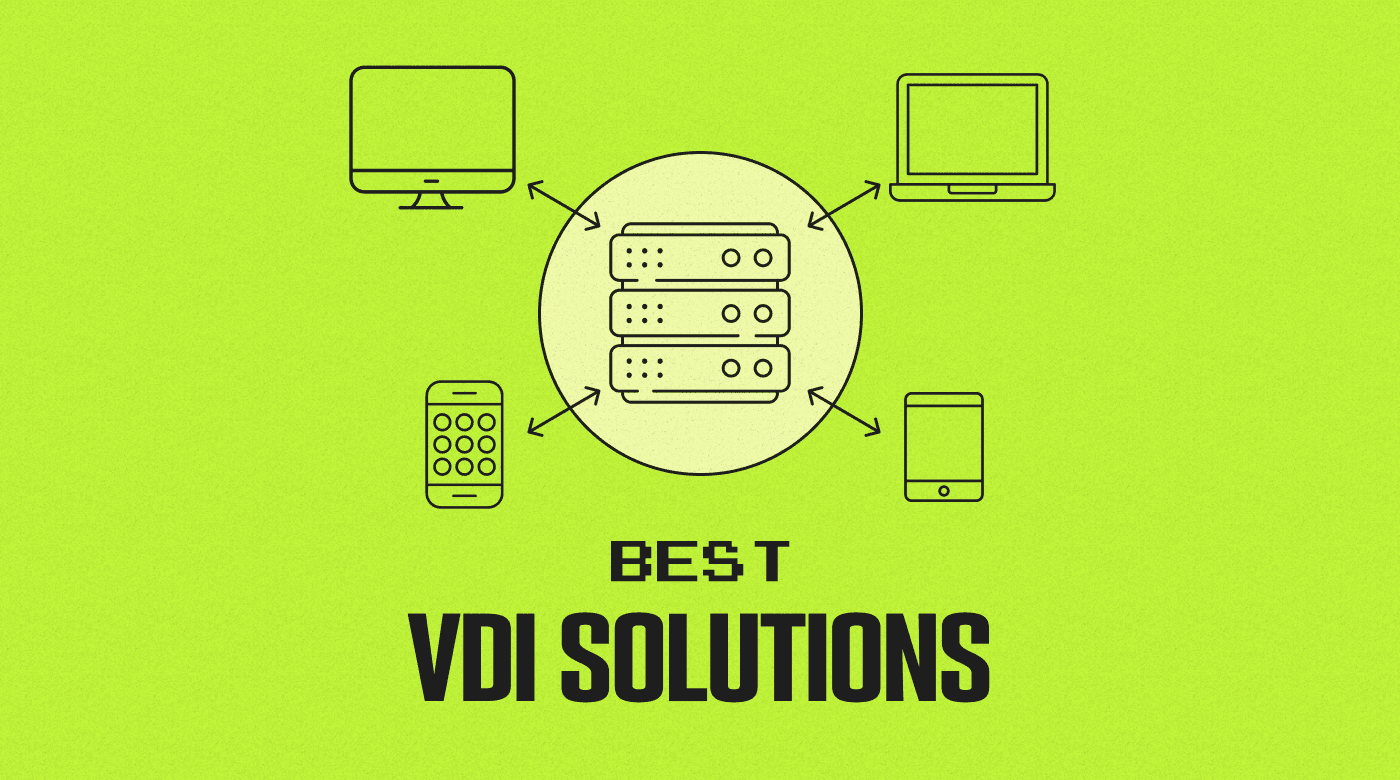
VDI solutions are only as good as their fit with your infrastructure and user base. As a developer who's built distributed teams and managed large data workloads, I evaluated 18 tools, weighing deployment flexibility, licensing model, and desktop delivery performance. There's something strong here for every IT environment.
IT Management Software
Help Desk Software
Help desk software earns its place when it cuts ticket resolution time and gives IT teams real visibility into what's breaking. With two decades in tech and AI operations behind me, I evaluated 25 platforms, looking at AI-driven automation, deployment flexibility, and asset management integration. Here's what held up.

Asset Management Software
After 25 years in IT, I’ve built ticketing and knowledge base systems supporting more than 10,000 users, so I know how missing asset data expands support work. Asset management software should combine discovery, lifecycle tracking, and service desk integration across hardware and software. I evaluated 36 tools to guide this list.
MDM Software
With over two decades building and managing tech systems at scale, I've put 19 MDM solutions through their paces. MDM software earns a spot here when it handles multi-OS fleets, enforces patch compliance, and supports remote device management without layering on IT overhead. Let's get into them.
IT Asset Management Software
I’ve spent 25 years in IT and built a ticketing and knowledge-base system for more than 10,000 users, so I understand how important accurate asset records are. IT asset management software should support reliable inventory tracking, lifecycle automation, and ITSM and endpoint integrations. I evaluated 20 tools, and the list starts here.
IT Inventory Management Software
I've reviewed and evaluated the most popular IT Inventory Management Software and shortlisted the best ones to improve asset tracking and streamline inventory processes.
Remote Desktop Software
With 25 years in IT, I built a ticketing and knowledge-base system used by 10,000+ people. Remote desktop software should offer reliable connections, temporary or unattended sessions, and fit existing IT workflows; this list also considers Mac virtualization as a related alternative. I evaluated 24 tools. The practical list starts here.
Service Desk Software
Service desk software earns its keep by cutting ticket volume and routing issues intelligently before they escalate. I evaluated 27 tools, prioritizing AI automation, issue tracking depth, and adoption speed. My experience building tech systems helped me spot what IT teams actually need day to day. Here's what I found.
MSP Software
With 12+ years building high-performance tech teams that handle large data volumes, I evaluated 20 platforms for this guide. MSP software that centralizes endpoint and network visibility, supports multi-tenancy, and unifies RMM with PSA gives lean IT teams the most to work with. Here's what I found.
ITSM Tools
I've spent over two decades at the crossroads of tech and AI, building systems that have to actually work under pressure. ITSM tools that offer context-rich automation, AI-powered incident management, and integrated asset tracking stood out in my evaluation of 21 options. Here's what I found worth recommending.
DepOps Tools
NoSQL Database
NoSQL databases differ dramatically—document, key-value, wide-column, and graph models each fit different workloads. From managing AWS infrastructure and microservices architecture, I evaluated 21 options, prioritizing scalability, cloud-native deployment, and DevOps compatibility. Here's what I found.

DevOps Automation Tools
I've spent 15+ years in software engineering, infrastructure architecture, and technical leadership, including managing large-scale data platforms. DevOps automation tools should support infrastructure provisioning, deployment automation, and performance monitoring. I evaluated 22 options. Find your fit here.
Requirements Management Software
With 15+ years in software engineering, including leading a monolith-to-microservices migration, I've seen how fast requirements drift without a clear audit trail. Requirements management software that supports traceability, compliance workflows, and DevOps integration is what I focused on across 26 tools—here's what made my shortlist.
App Development Software
I’ve worked in software engineering and technical leadership, including serving as a CTO and leading development projects across industries. For this guide, I evaluated 25 app development tools, focusing on development speed, API integrations, testing, deployment, and long-term maintainability. Here are my top recommendations:

Website Monitoring Tools
With 12 years in software development, I’ve created data-heavy products and lean teams across media and advertising. Website monitoring tools earn my attention for real-time stack visibility, global checks, and user-impact data that help project managers protect delivery plans during incidents. Here’s my shortlist from 23 evaluated tools.
Low-Code Platforms
I've reviewed and evaluated the most popular low code platform and shortlisted the best ones to accelerate application development and reduce reliance on extensive coding expertise.
Continuous Integration Tools
With 15+ years building and owning CI/CD pipelines across cloud and enterprise environments, I've seen how much build speed and toolchain integration affect delivery. Continuous integration tools that prioritize fast feedback, ecosystem fit, and extensibility are what I evaluated across 23 options—here's what made the cut.

Mobile App Development Software
Good mobile app development software holds up across the entire build cycle, not just ideation or prototyping. I've built and maintained apps across native and cross-platform stacks, and for this guide I evaluated 21 tools on cross-platform coverage, CI/CD integration, and testing depth. The ones that made the list are genuinely worth your attention.
Web Development Tools
Web development tools need to work across the full build cycle—from code and asset management to testing and delivery. Having led web development for enterprise clients, I know what actually breaks down at scale. I evaluated 24 tools for team flexibility, integration depth, and AI readiness. Here's what I'd actually use.
Cloud Service Providers
Cloud Analytics Tools
Managing AWS infrastructure and CI/CD pipelines makes data visibility gaps impossible to ignore. Cloud analytics tools span data engineering to AI-powered BI; with 15+ years in cloud infrastructure, I evaluated 22 on scalability, self-service capability, and pipeline fit. Here's what I found worth recommending.
Hybrid Cloud Solutions
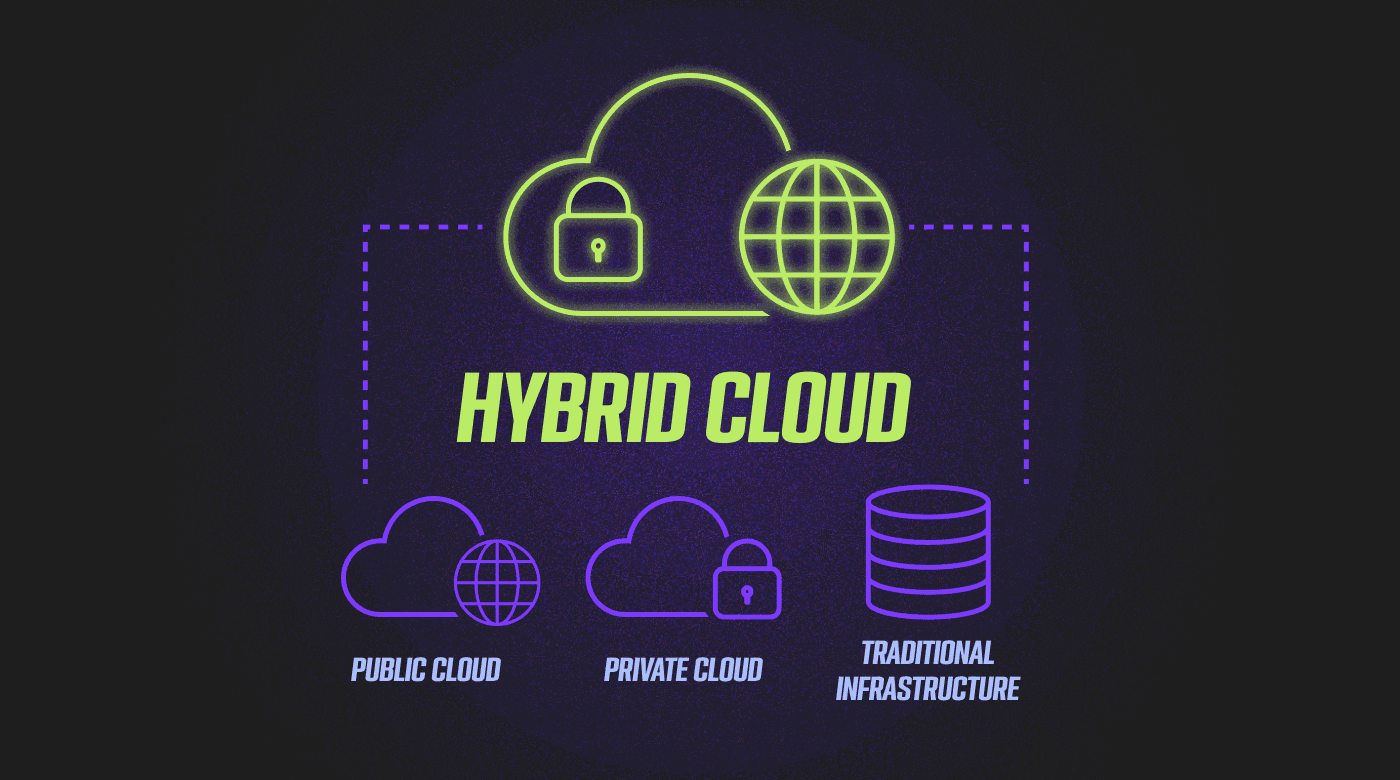
I bring 12+ years in software development and team building, creating products for large data volumes. Hybrid cloud solutions should connect on-premises and cloud resources, provide clear visibility, and support governance when operations span distributed environments. I evaluated 22 options to guide your choice.

Cloud Management Platforms
I’ve spent 15+ years making architecture and infrastructure decisions, with experience in AWS, DevOps automation, and cloud architecture, now supporting an editorial platform. Cloud management platforms should provide visibility across accounts, governance and access controls, and automation for troubleshooting cloud and container estates. I evaluated 19 tools for this guide; the list starts here.
Private Cloud Providers
Finding the right private cloud provider can feel like navigating a maze. Questions about security, scalability, and long-term flexibility often collide with concerns about cost and the dreaded risk of vendor lock-in. If you’ve ever felt unsure about what your organization truly needs or worried about making a decision that could limit your options down […]
Cloud Backup Solutions
I’ve spent 25 years in IT and built a ticketing and knowledge base system supporting more than 10,000 users. Cloud backup solutions should cover devices, servers, and virtual environments, with automated recovery and security controls that limit downtime. I evaluated 25 tools; here’s the shortlist.
Cloud Storage Software
For 15+ years, I’ve built software and lean teams while handling high-volume data, so I know storage choices affect delivery and operations. Cloud storage software here is assessed for scalable access, secure recovery, and collaboration, with governance and team speed in view. I evaluated 23 tools. The list starts here.
Cloud Platform As A Service
Managing your infrastructure efficiently is crucial. You’re likely facing challenges like scaling your operations or cutting IT costs. That’s where cloud platforms as a service come in. They offer solutions that can make your work easier and your team more productive. I’ve spent time testing and reviewing these platforms. My goal is to give you […]
Cybersecurity Software
Antivirus Software
Spending over two decades building and running a top-ranked tech site meant constant testing of security products. Antivirus software now spans simple endpoint scanners to managed detection platforms—I evaluated 20 tools on detection accuracy, system overhead, and management depth. There's a strong pick here for every environment.
SIEM Tools
With over two decades of experience in tech, I worked through 23 SIEM tools for this guide. SIEM tools that surface and correlate security events accurately, integrate with your existing environment without a heavy lift, and scale from smaller teams to large enterprise operations made the list. There's a strong fit here for every setup.
Endpoint Protection Software
Endpoint security software lives or dies on how fast it detects and contains threats. I evaluated 22 tools, prioritizing real-time monitoring, automated incident response, and multi-OS coverage—factors IT teams managing distributed devices recognize. My background building systems that connect people with smarter tech informed what I looked for. The strongest picks are below.
Cloud Security Tools
I've reviewed and evaluated the most popular cloud security tools and shortlisted the best ones to protect sensitive data and ensure compliance with industry standards.
Identity and Access Management Solutions
I’ve spent 25 years in IT and built a ticketing and knowledge base system for 10,000+ users. Identity and access management software should connect directories and apps, automate onboarding and offboarding, and make access easier to troubleshoot. I evaluated 25 solutions for this guide. Here’s the shortlist.
Patch Management Software
With over two decades leading tech and AI operations, I’ve built systems that connect people with smarter solutions. Patch management software earns my attention with cross-platform coverage, automated policy-based updates, and clear compliance reporting that keeps distributed endpoints from becoming a blind spot. I evaluated 25 tools for this list.
Email Security Software
I've spent over two decades building tech systems, and I know how quickly a weak email setup can expose an organization. Email security software that covers inbound threat filtering and outbound authentication controls, while integrating with existing platforms, earned priority in my review of 30 tools. Here's what made the cut.
Vulnerability Scanning Tools
I’ve spent 25+ years in IT and technology and built an IT ticketing and knowledge base system for 10,000+ users. Vulnerability scanning tools should cover code, dependencies, networks, and cloud, while helping teams prioritize findings and route remediation. I evaluated 27 tools—here’s where each fits.
Network Security Software
Network security software earns its place when it protects endpoints, enforces zero trust access, and surfaces threats in real time. With a background in software development and distributed team-building, I tested 22 tools for deployment flexibility, cross-platform support, and real-time alerting. Here's what I'd recommend.
Business VPNs
I bring over two decades of experience in technology and AI operations, so I know access failures can derail distributed work. Business VPN software should offer centralized controls, strong encryption, and reliable remote access for IT teams supporting project managers. I evaluated 25 tools; the shortlist starts here.