

La Lista Definitiva: Los 10 Mejores Software de Despliegue de 2026

10 Mejor Software de Despliegue (Shortlist)


En el vertiginoso mundo del SaaS, encontrar el software de despliegue adecuado puede parecer una tarea abrumadora. Quieres una herramienta que se adapte a las necesidades de tu equipo, reduzca errores y ahorre tiempo. Pero con tantas opciones disponibles, ¿cómo eliges la mejor?
He dedicado incontables horas a probar y analizar software de despliegue, y estoy aquí para compartir mis conclusiones contigo. Mi objetivo es ofrecerte una reseña imparcial y bien investigada de las mejores opciones del mercado.
En este artículo, descubrirás las mejores soluciones de software de despliegue disponibles. Te guiaré por sus características, ventajas y desventajas, y por lo que hace que cada una destaque. Hagamos que tu búsqueda sea mucho más fácil.
Por qué confiar en nuestras recomendaciones de software
Nuestro equipo lleva probando y evaluando software desde 2012. Como líderes tecnológicos, sabemos lo difícil —y lo importante— que es elegir el software adecuado.
Para esta guía, evaluamos las herramientas mediante pruebas prácticas e investigación independiente, puntuando las herramientas según nuestros criterios de selección.
Nuestras reseñas reflejan nuestro criterio editorial humano, no un discurso de ventas.
Resumen del Mejor Software de Despliegue
| Tool | Best For | Trial Info | Price | ||
|---|---|---|---|---|---|
| 1 | Mejor para el enfoque de infraestructura como código | Prueba gratuita + demo gratuita disponible | Precio bajo solicitud | Website | |
| 2 | La mejor opción para automatización de código abierto y soporte de complementos | Descarga gratuita disponible | Gratis (al ser una herramienta de código abierto) | Website | |
| 3 | Mejor para integración con JIRA y Bitbucket | Prueba gratuita de 30 días | Desde $10/usuario/mes (facturado anualmente) | Website | |
| 4 | Mejor para flujos de trabajo de integración y entrega continuas | Plan gratuito + demo disponible | Desde $15/usuario/mes (facturado anualmente) | Website | |
| 5 | Ideal para un uso flexible como orquestador de cargas de trabajo | Not available | Precio bajo pedido | Website | |
| 6 | Mejor para la implementación centralizada de software en Windows | Prueba gratuita de 14 días + demo gratuita disponible | Precio a consultar | Website | |
| 7 | Mejor opción para integrar con herramientas y servicios populares | Prueba gratuita de 14 días + Demostración gratuita | Desde $9/usuario/mes (facturación anual) | Website | |
| 8 | Mejor para el despliegue de aplicaciones basado en modelos | temporalmente gratis para usar | Desde $7/usuario/mes (facturado anualmente) | Website | |
| 9 | Mejor para la creación de imágenes de PC y la migración de Windows | Not available | Precio bajo consulta | Website | |
| 10 | Mejor para la gestión de endpoints empresariales | Prueba gratuita de 30 días disponible | Precios bajo solicitud | Website |
Reseñas del Mejor Software de Despliegue

Chef
Mejor para el enfoque de infraestructura como código
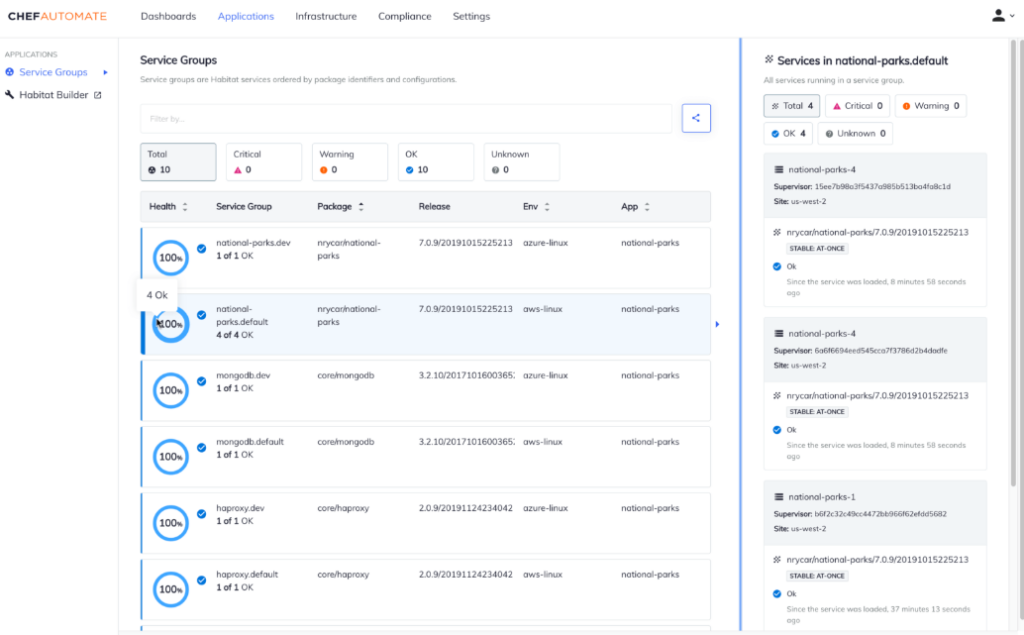
Chef es una potente plataforma de automatización que simplifica la tarea de gestionar la infraestructura. Al permitir a los usuarios describir la infraestructura y las configuraciones del sistema mediante código, Chef allana el camino para configuraciones de sistemas fiables, repetibles y escalables.
Por qué elegí Chef: Elegir la herramienta adecuada es una combinación de funcionalidad y especialización. Al determinar qué herramientas destacar, la dedicación de Chef al enfoque de infraestructura como código (IaC) lo hizo destacar por encima del resto. Este método es cada vez más importante en el dinámico panorama de TI actual y, en mi opinión, Chef ejemplifica lo mejor que la IaC puede ofrecer.
Características destacadas e integraciones:
La robustez de Chef se destaca en funciones como Chef Infra, que automatiza la configuración de la infraestructura , y Chef InSpec, que garantiza comprobaciones de seguridad y cumplimiento normativo. En cuanto a integraciones, Chef colabora fluidamente con plataformas en la nube como AWS, Azure y Google Cloud, además de sistemas de control de versiones populares como Git y Bitbucket.
Pros and Cons
Pros:
- Permite un control preciso sobre la infraestructura, fomentando la consistencia y la repetibilidad
- Robustas comprobaciones de cumplimiento con Chef InSpec que garantizan la seguridad
- Amplia integración con plataformas en la nube y sistemas de control de versiones populares
Cons:
- Curva de aprendizaje más pronunciada para quienes no están familiarizados con el enfoque IaC
- Algunos usuarios podrían encontrar restrictivo su lenguaje de dominio específico (DSL)
- La configuración puede ser compleja y requiere tiempo para dominarla

Jenkins
La mejor opción para automatización de código abierto y soporte de complementos
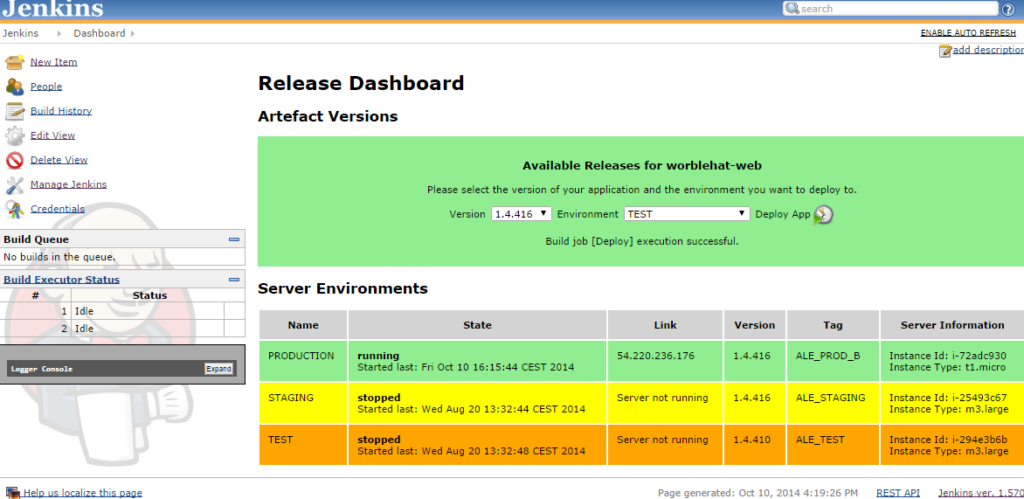
Jenkins es un servidor de automatización de código abierto ampliamente reconocido que facilita la integración continua y la entrega continua (CI/CD). Su naturaleza extensible, impulsada por una amplia gama de complementos, lo posiciona como una herramienta preferida por muchos equipos de desarrollo, especialmente en lo que respecta a la automatización y el soporte diverso de complementos.
Por qué elegí Jenkins: El proceso de selección de una herramienta de automatización destacada me llevó a determinar que Jenkins es uno de los mejores candidatos. Conté con opiniones de varios expertos del sector y experiencias de primera mano que favorecían a Jenkins. La razón por la que seleccioné Jenkins fue por su carácter de código abierto junto con un ecosistema de complementos excepcionalmente amplio. Al compararlo con otras herramientas de automatización, su flexibilidad y el respaldo de la comunidad realmente hicieron que destacara. Por ello, considero que Jenkins es 'la mejor opción para automatización de código abierto y soporte de complementos'.
Características destacadas e integraciones:
Jenkins cuenta con una infinidad de funciones, incluyendo pipelines de compilación, construcciones distribuidas y monitorización de tareas externas. Sin embargo, su fortaleza reside en los más de 1.500 complementos disponibles, que pueden transformar y adaptar la plataforma para cubrir casi cualquier caso de uso de CI/CD. En cuanto a integraciones, Jenkins mantiene fuertes lazos con plataformas importantes como GitHub, Docker y Kubernetes, proporcionando a los desarrolladores una experiencia de desarrollo integrada y cohesiva.
Pros and Cons
Pros:
- Un ecosistema muy amplio de complementos para la extensibilidad
- Soporta compilaciones distribuidas para proyectos de mayor tamaño
- Fuerte apoyo de la comunidad y actualizaciones regulares
Cons:
- La configuración inicial puede ser compleja para principiantes
- La interfaz puede parecer anticuada en comparación con herramientas CI/CD más nuevas
- El mantenimiento puede llevar mucho tiempo debido a actualizaciones periódicas y problemas de compatibilidad de complementos

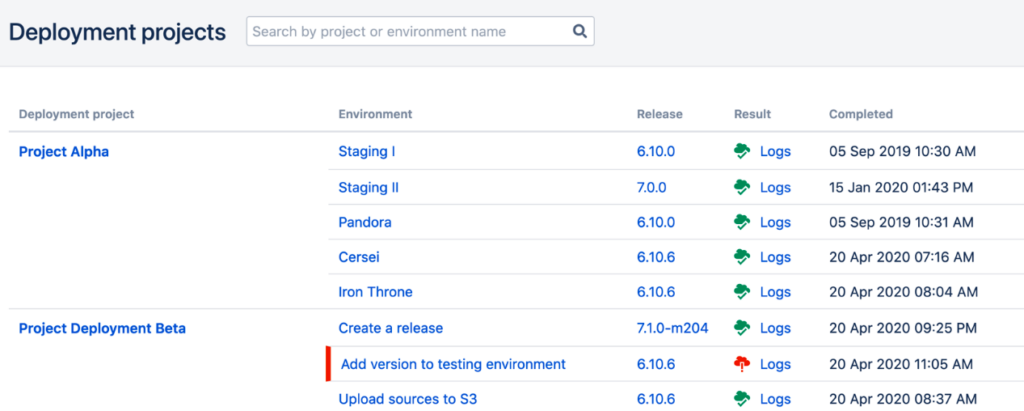
Bamboo de Atlassian funciona como una herramienta de integración y entrega continua, facilitando flujos de trabajo ágiles entre la codificación y el despliegue. Destaca especialmente cuando se combina con otras herramientas de Atlassian, específicamente JIRA y Bitbucket, proporcionando un ecosistema interconectado para el desarrollo de software.
Por qué elegí Bamboo de Atlassian: Al seleccionar herramientas adecuadas, la sinergia intrínseca de Bamboo con JIRA y Bitbucket lo hizo una elección evidente. Sus capacidades de integración dentro del conjunto de Atlassian aseguran que las tareas, el código y el despliegue se entrelacen fácilmente. Elegí Bamboo no solo por sus funciones independientes, sino especialmente porque cubre la necesidad de los equipos que ya invierten en JIRA y Bitbucket, haciendo que la cadena de herramientas sea más cohesionada.
Funciones y conexiones destacadas:
Bamboo cuenta con funciones como la fusión automática, proyectos de despliegue y flujos de trabajo integrados de ramificación de Git, lo que mejora el proceso de desarrollo. Además, sus potentes capacidades de integración se extienden más allá de JIRA y Bitbucket. También se integra bien con herramientas populares como AWS CodeDeploy, Docker y Amazon S3, aumentando su utilidad en entornos de desarrollo diversos.
Pros and Cons
Pros:
- Fácil integración con productos de Atlassian
- Amplia compatibilidad con herramientas de terceros
- Proyectos de despliegue dedicados para una gestión de lanzamientos más clara
Cons:
- Puede ser excesivo para proyectos muy pequeños
- Curva de aprendizaje si no estás familiarizado con los productos de Atlassian
- El precio puede ser un problema para equipos grandes

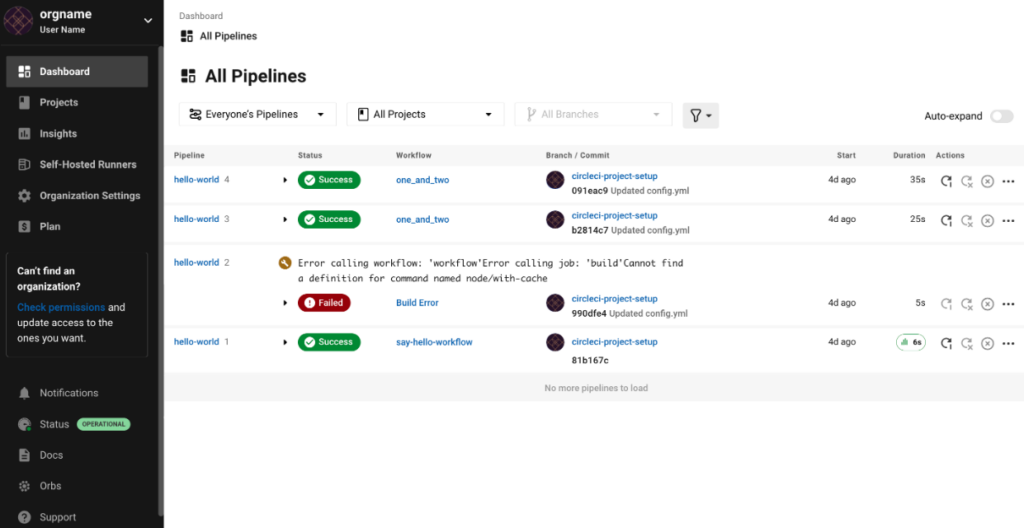
CircleCI se destaca como una potente plataforma especializada en la integración y entrega continuas, garantizando que los cambios de software se prueben y desplieguen automáticamente. Con su énfasis en facilitar flujos de trabajo ininterrumpidos, CircleCI se alinea con las exigencias de los desarrolladores que buscan procesos eficientes de integración y despliegue.
Por qué elegí CircleCI: En el extenso mar de herramientas de despliegue, CircleCI llamó mi atención debido a su enfoque en automatizar toda la canalización, desde la integración del código hasta la liberación del software. Esta herramienta se diferencia por la combinación de flexibilidad, escalabilidad y eficiencia que aporta a los ciclos de desarrollo. Elegí CircleCI, especialmente para equipos que necesitan una solución robusta tanto para integración continua como para entrega continua, ya que sus funcionalidades responden directamente a esta doble necesidad.
Características destacadas e integraciones:
CircleCI ofrece características como almacenamiento en caché por capas de Docker, orquestación personalizada de trabajos y paralelismo, que aceleran considerablemente los tiempos de construcción. En cuanto a integraciones, funciona bien con GitHub y Bitbucket, y también es compatible con una multitud de herramientas de terceros, lo que aumenta su adaptabilidad en diferentes ecosistemas de desarrollo de software.
Pros and Cons
Pros:
- Fuerte compatibilidad con Docker y Kubernetes
- Flujos de trabajo personalizables con configuración YAML
- Escalable con construcciones concurrentes
Cons:
- La configuración puede ser compleja para principiantes
- Algunas funciones avanzadas solo están en niveles de precios más altos
- La configuración inicial puede requerir ajustes para proyectos específicos

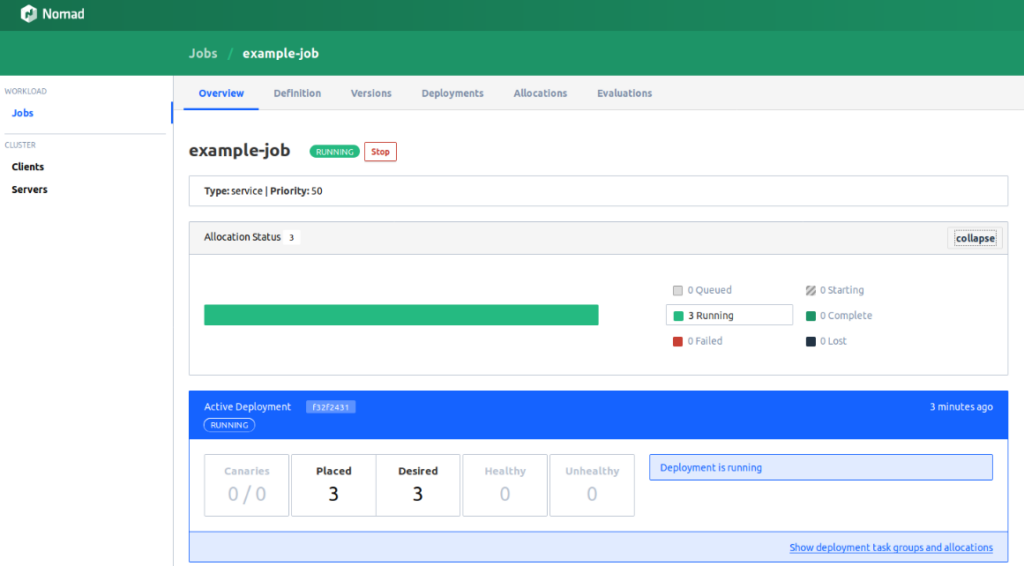
Nomad es un orquestador de cargas de trabajo sofisticado que facilita la implementación y gestión de aplicaciones a través de diversos entornos de infraestructura. Su versatilidad al orquestar diferentes tipos de cargas de trabajo reafirma su posición como una opción de primer nivel para equipos que requieren flexibilidad en sus necesidades de orquestación.
Por qué elegí Nomad de HashiCorp: Durante mi búsqueda para identificar los orquestadores más adaptables, Nomad de HashiCorp destacó notablemente. Su capacidad innata para programar y coordinar una multitud de cargas de trabajo en una gran variedad de entornos de infraestructura lo distingue. Determiné que Nomad es especialmente hábil para atender a equipos que requieren un orquestador flexible y de gran alcance.
Características destacadas e integraciones:
Las características distintivas de Nomad incluyen soporte para múltiples centros de datos y regiones, asegurando alta disponibilidad y resiliencia. También cuenta con un sistema de drivers de tareas enchufable que permite ejecutar aplicaciones contenedorizadas, virtualizadas y autónomas. En cuanto a integraciones, Nomad colabora perfectamente con otras herramientas de HashiCorp como Consul y Vault, y también puede integrarse con plataformas populares de contenedores.
Pros and Cons
Pros:
- Altamente escalable y capaz de gestionar implementaciones a gran escala de manera eficiente
- Integrado con un rico ecosistema de herramientas HashiCorp
- Admite cargas de trabajo diversas, incluyendo Docker, Java y más
Cons:
- Tiene una curva de aprendizaje, especialmente para quienes son nuevos en los orquestadores
- Algunas funciones pueden resultar excesivas para aplicaciones de pequeña escala
- La integración con herramientas que no son de HashiCorp puede ser menos directa

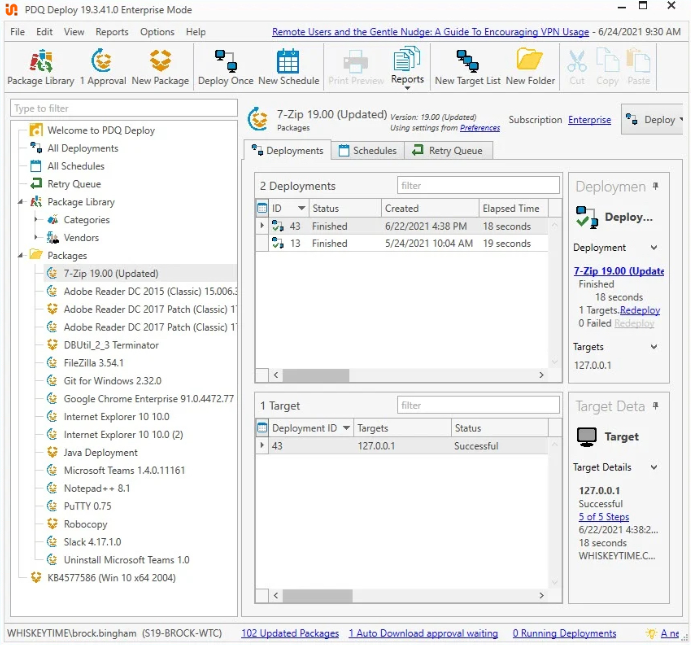
PDQ es una herramienta de implementación específicamente diseñada para entornos Windows. Ofrece una implementación centralizada de software, asegurando actualizaciones e instalaciones oportunas en múltiples estaciones de trabajo y servidores Windows. Dadas las dificultades de gestionar software en grandes redes Windows, el enfoque especializado de PDQ en esta plataforma es invaluable.
Por qué elegí PDQ: Seleccionar herramientas para una lista es un proceso de juicio, comparación y determinación de utilidad. Elegí PDQ por su enfoque distintivo en la implementación de software en Windows. Esta especificidad, en mi opinión, lo diferencia de otras herramientas de implementación más generalizadas. Además, creo firmemente que PDQ destaca como la mejor herramienta para la implementación centralizada de software en Windows por su simplicidad, eficiencia y características dedicadas.
Características e integraciones destacadas:
Una de las características más destacadas de PDQ es su capacidad para implementar software en múltiples equipos simultáneamente, reduciendo la carga administrativa. La herramienta también ofrece informes detallados, permitiendo a los administradores de TI monitorizar el estado de las implementaciones en tiempo real. En cuanto a integraciones, PDQ puede sincronizarse con Active Directory, asegurando que el software se implemente en los equipos correctos según la pertenencia a grupos o unidades organizativas.
Pros and Cons
Pros:
- Dedicado a entornos Windows, asegurando una implementación especializada
- Ofrece monitorización del estado de implementación en tiempo real
- Sincronización fácil con Active Directory
Cons:
- No es adecuado para entornos que no sean Windows
- Algunos usuarios pueden encontrar la interfaz menos intuitiva
- Integraciones limitadas con terceros en comparación con algunos competidores

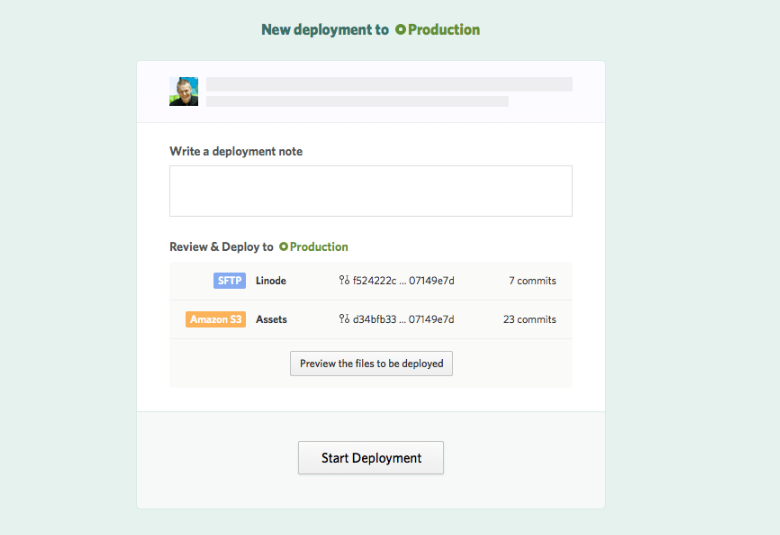
DeployBot está diseñado para simplificar el proceso de despliegue al integrarse directamente con una amplia variedad de herramientas y servicios ampliamente utilizados. Este software actúa como un puente entre tu repositorio de código y el servidor, asegurando una transición fluida del código. Su capacidad para conectarse con plataformas populares refuerza su posición como una opción predilecta para integraciones.
Por qué elegí DeployBot: Al seleccionar herramientas, las amplias capacidades integrativas de DeployBot me llamaron la atención. Al evaluar el panorama de software de despliegue, DeployBot me impresionó debido a su amplia gama de integraciones con servicios. Lo considero sobresaliente, principalmente porque reduce la fricción que a menudo se experimenta al intentar integrar distintas herramientas y plataformas.
Por lo tanto, creo firmemente que es la mejor elección para quienes priorizan la integración con herramientas y servicios populares.
Características y integraciones destacadas:
DeployBot viene equipado con funciones que simplifican el proceso de despliegue. Sus implementaciones manuales permiten a los desarrolladores revisar y controlar cuándo se liberan los cambios. Las compilaciones automáticas significan que el preprocesamiento de los recursos se realiza sin intervención manual.
En lo que respecta a integraciones, DeployBot destaca por su compatibilidad con plataformas como GitHub, Bitbucket, Slack y servicios de alojamiento populares como Heroku y DigitalOcean, asegurando un ecosistema de despliegue completo.
Pros and Cons
Pros:
- Amplio abanico de integraciones con plataformas populares
- El control manual de despliegue brinda flexibilidad
- El preprocesamiento automatizado mejora la eficiencia
Cons:
- Algunas integraciones pueden requerir aprendizaje
- Puede que no cubra necesidades muy de nicho o herramientas personalizadas
- La interfaz, aunque robusta, puede abrumar a los principiantes

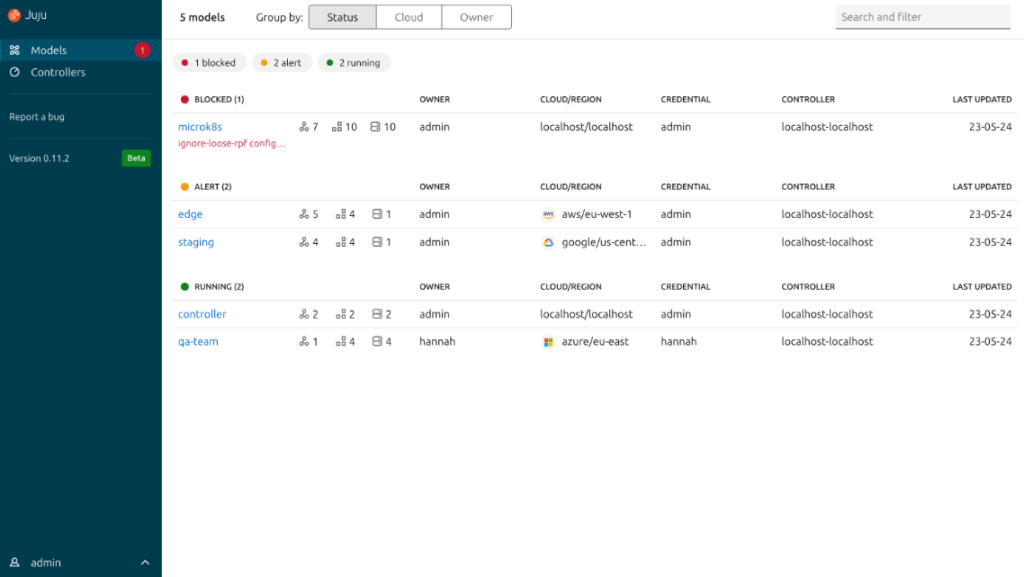
Juju es una herramienta de implementación que propone un enfoque único para el aprovisionamiento y la gestión de software. Aprovechando técnicas basadas en modelos, simplifica y automatiza el despliegue de pilas de software complejas. Su premisa central gira en torno a modelar servicios y no servidores, una filosofía que se ajusta a la naturaleza evolutiva de las operaciones de TI.
Por qué elegí Juju: Al evaluar herramientas de implementación, Juju llamó mi atención por su arquitectura única basada en modelos. Elegí este software porque promueve una visión holística orientada a servicios en lugar de una perspectiva centrada en servidores, lo que permite procesos de despliegue más escalables y eficientes.
En mi opinión, su énfasis en el modelado lo hace ejemplar para implementar aplicaciones complejas, y por eso considero que es la mejor opción para el despliegue de aplicaciones basado en modelos.
Características destacadas e integraciones:
En esencia, Juju proporciona un conjunto completo de herramientas para orquestar servicios en la nube, sin importar la plataforma subyacente. Con la capacidad de definir, configurar y mantener pilas de software, admite una amplia variedad de aplicaciones y bases de datos. En cuanto a integraciones, Juju ofrece un rico ecosistema de “charms”, soluciones preempaquetadas que facilitan la integración con bases de datos, herramientas de monitoreo e incluso otras soluciones de orquestación.
Pros and Cons
Pros:
- Admite una amplia gama de entornos en la nube
- Rico ecosistema de charms para integraciones sencillas
- El enfoque basado en modelos facilita despliegues escalables
Cons:
- Curva de aprendizaje más pronunciada para quienes no están familiarizados con el diseño basado en modelos
- Orientado predominantemente a entornos en la nube, menos a instalaciones locales
- Las implementaciones más grandes pueden requerir ajustes manuales adicionales

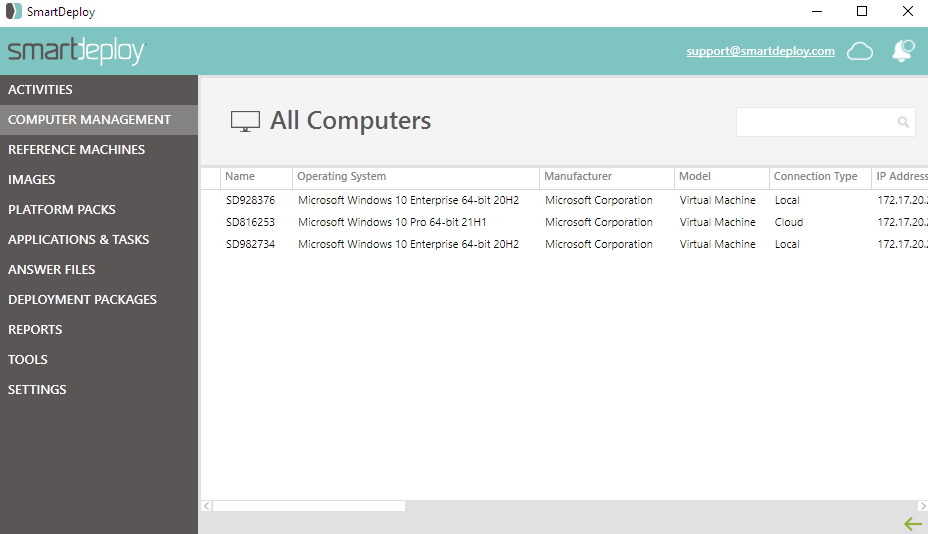
SmartDeploy se especializa en ofrecer soluciones para la creación de imágenes de PC y la migración de sistemas Windows. A través de su plataforma, los usuarios pueden asegurar una imagen consistente y confiable en diversos equipos, simplificando el proceso de actualización o migración de instalaciones de Windows. Su énfasis en la creación de imágenes y la migración lo convierte en una herramienta indispensable, especialmente para las organizaciones que están migrando entre diferentes versiones de Windows.
Por qué elegí SmartDeploy: En el proceso de selección de herramientas, es esencial evaluar su eficiencia, compararlas con sus competidores y determinar cuáles realmente destacan. Elegí SmartDeploy porque se enfoca específicamente en la creación de imágenes de PC y la migración de Windows. En mi opinión, lo que diferencia a SmartDeploy es su integración de ambas funciones en una plataforma cohesiva e intuitiva. Dada la complejidad de la migración de Windows y la importancia de una creación de imágenes precisa, SmartDeploy merece el título de «mejor para la creación de imágenes de PC y la migración de Windows».
Características destacadas e integraciones:
La capacidad de SmartDeploy para crear imágenes independientes del hardware asegura que los usuarios puedan implementar una sola imagen principal en cualquier dispositivo. Además, sus asistentes paso a paso guían a los usuarios en tareas complejas, minimizando errores. En cuanto a integraciones, SmartDeploy es compatible con una amplia variedad de versiones de Windows, garantizando compatibilidad retroactiva. También se integra con soluciones de TI populares como WSUS, SCCM y WDS.
Pros and Cons
Pros:
- La creación de imágenes independiente del hardware agiliza la implementación en diferentes dispositivos
- Los asistentes detallados proporcionan orientación para tareas complejas
- Compatibilidad con una amplia variedad de versiones de Windows
Cons:
- Enfocado principalmente en Windows, con utilidad limitada para plataformas que no sean Windows
- La curva de aprendizaje para los nuevos usuarios
- Depende de actualizaciones manuales de controladores para cierto hardware

Mejor para la gestión de endpoints empresariales
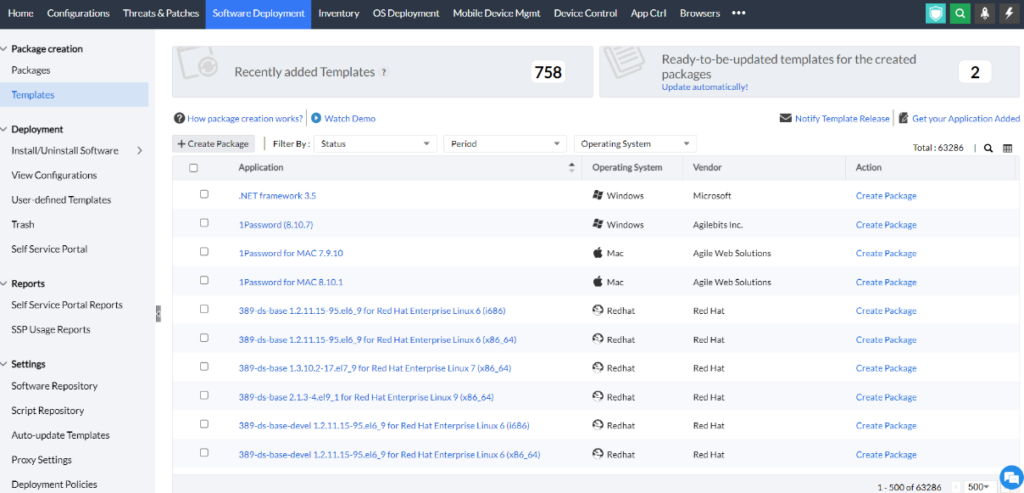
ManageEngine Endpoint Central está diseñado para gestionar tareas de administración de endpoints en redes empresariales. Ofrece soluciones completas para el monitoreo, la gestión y la protección de diversos endpoints, garantizando un control confiable y consistente sobre una amplia variedad de dispositivos. Su enfoque en entornos empresariales, dadas las dificultades y la escala de la gestión de endpoints en ese ámbito, se alinea perfectamente con su afirmación de ser el mejor en este segmento.
Por qué elegí ManageEngine Endpoint Central: Al seleccionar una herramienta para la gestión de endpoints empresariales, evalué varias opciones comparando sus capacidades, determinando sus méritos y valorando sus puntos fuertes. Elegí ManageEngine Endpoint Central por su solidez y amplia gama de funciones diseñadas para entornos empresariales complejos.
Después de escuchar la opinión de varios expertos y ver su rendimiento en entornos empresariales, considero que ManageEngine Endpoint Central es, sin duda, 'la mejor para la gestión de endpoints empresariales'.
Características destacadas e integraciones:
ManageEngine Endpoint Central destaca por sus características como gestión de parches, distribución de software y capacidades de control remoto. Su función de gestión de activos ofrece información detallada sobre todos los dispositivos empresariales, asegurando que los departamentos de TI tengan una visibilidad total. En cuanto a integraciones, la herramienta funciona perfectamente con Active Directory, permitiendo una gestión eficiente de usuarios y equipos. También se integra bien con diversos sistemas operativos, permitiendo una cobertura más amplia en entornos empresariales.
Pros and Cons
Pros:
- Capacidades completas de gestión de parches
- La integración con Active Directory facilita la gestión de usuarios y equipos
- La gestión de activos proporciona una visión detallada de los dispositivos empresariales
Cons:
- Puede resultar abrumador para estructuras pequeñas
- Algunas funciones tienen una curva de aprendizaje más pronunciada
- Requiere una conectividad de red constante para obtener los mejores resultados
Otro Software de Despliegue
A continuación, encontrarás una lista de otros softwares de despliegue que seleccioné pero que no llegaron al top 10. Sin duda, vale la pena revisarlos.
- DeployHQ
Mejor para implementaciones automáticas de repositorios de código
- Octopus Deploy
Ideal para despliegue de aplicaciones .NET y automatización DevOps
- AppVeyor
Bueno para .NET y CI/CD en Windows


Reseñas Relacionadas
- Herramientas IAC
- Herramientas de Despliegue Continuo
- Herramientas de Entrega Continua
- Herramientas DevOps
- Herramientas de Monitoreo DevOps
Cómo evalúo el software de despliegue
Divido mi evaluación en dos capas: los requisitos básicos que toda herramienta debe cumplir y los diferenciadores que importan cuando un despliegue canario falla o el volumen de lanzamientos supera a un solo equipo.
Funcionalidad principal (Condiciones mínimas para esta lista)
Cuando selecciono herramientas para mi lista, califico cada una en una escala del 0 (no ofrece la funcionalidad) al 5 (sobresale en esta área) por cada funcionalidad principal que se enumera a continuación. Luego, calculo la puntuación total de la herramienta y la convierto en un porcentaje. Cada herramienta debe lograr una puntuación total mínima del 75% para ser considerada para su inclusión.
- Automatización del despliegue: Busco herramientas que vayan más allá de la ejecución básica de scripts y ofrezcan flujos de trabajo de despliegue estructurados y repetibles, con estrategias como blue/green o actualizaciones progresivas incorporadas.
- Integración con pipelines CI/CD: Cada herramienta debe conectarse con los sistemas SCM y CI que los equipos ya utilizan, ya sea GitHub Actions, GitLab CI o Jenkins, sin necesidad de mucha integración personalizada.
- Soporte para múltiples entornos: Evalúo cómo una herramienta gestiona la promoción entre desarrollo, staging y producción, incluyendo si admite destinos híbridos como clústeres de Kubernetes junto con máquinas virtuales.
- Orquestación de lanzamientos: Coordinar un lanzamiento de microservicios con dependencias entre servicios y etapas de aprobación es donde veo que las herramientas se diferencian, por lo que reviso si incluyen lógica condicional y ejecución en paralelo.
- Rollback y versionado: Analizo si una plataforma puede activar automáticamente un rollback basado en comprobaciones de salud fallidas y no solo ofrece un botón de reversión manual cuando algo falla.
- Monitoreo y registro de despliegues: El streaming en tiempo real de logs y los tableros de estado de despliegue son importantes, especialmente cuando un despliegue en producción se estanca y varios equipos necesitan visibilidad rápidamente.
Una vez que tengo una lista de herramientas que cumplen los criterios, considero lo que distingue a cada plataforma.
Factores diferenciadores (Lo que distingue a los proveedores)
Así es como comparo y contrasto los distintos proveedores:
Características destacadas
El soporte para entrega progresiva es un gran diferenciador. Busco capacidades nativas para canary y blue/green que automaticen el desvío de tráfico según señales de salud en tiempo real, no solo divisiones manuales de porcentaje. El soporte para workflows GitOps también es importante, especialmente para los equipos que quieren que los commits en Git controlen todo el ciclo de vida del despliegue. La gobernanza policy-as-code es otro factor que evalúo—es lo que impide que una organización de 50 desarrolladores eluda los pasos de aprobación. Los portales de autoservicio para desarrolladores también destacan cuando permiten a los desarrolladores gestionar sus propios despliegues dentro de los límites definidos por los equipos de operaciones.
Más allá de las funcionalidades
Las normas de seguridad y cumplimiento tienen un peso importante en mi evaluación. Reviso si hay certificaciones SOC 2 e ISO 27001, junto con gestión de secretos y RBAC integrados, ya que las industrias reguladas no pueden permitirse huecos aquí. La flexibilidad en el modelo de despliegue también es relevante: algunos equipos necesitan opciones autogestionadas o aisladas, mientras que otros prefieren SaaS. Evalúo la compatibilidad con el ecosistema observando qué tan bien se conecta una herramienta con las pilas de observabilidad existentes y los registros de artefactos, porque una plataforma de despliegue que no encaja en tu cadena de herramientas genera más fricción de la que resuelve.
Cómo Elegir un Software de Despliegue
Es fácil perderse entre listas extensas de características y estructuras de precios complejas. Para ayudarte a mantenerte enfocado durante tu propio proceso de selección de software, aquí tienes una lista de factores que debes tener en cuenta:
| Factor | Qué tener en cuenta |
|---|---|
| Escalabilidad | ¿Puede el software crecer con tu equipo? Busca soluciones que soporten mayores cargas de trabajo y usuarios, sin problemas de rendimiento. |
| Integraciones | ¿Funciona con tus herramientas actuales? Revisa la compatibilidad con tus sistemas existentes, como el control de versiones o servicios en la nube, para evitar interrupciones en el flujo de trabajo. |
| Personalización | ¿Puedes adaptarlo a tus necesidades? Evalúa cuán fácilmente puedes ajustar la configuración, los flujos de trabajo y las interfaces a tus procesos únicos. |
| Facilidad de uso | ¿Tu equipo lo adoptará rápidamente? Considera la curva de aprendizaje y si la interfaz es lo suficientemente intuitiva para la rápida incorporación y el uso diario. |
| Implementación y adopción | ¿Qué tan fluida es la transición? Revisa el soporte para migrar datos y capacitar usuarios, incluyendo recursos disponibles como tutoriales y atención al cliente. |
| Costo | ¿Está dentro de tu presupuesto? Compara los planes de precios y asegúrate de que el costo se ajuste a tu presupuesto, considerando tanto gastos iniciales como recurrentes. |
| Medidas de seguridad | ¿Tus datos y sistemas están protegidos? Investiga las medidas de seguridad implementadas, como el cifrado y el cumplimiento de normativas del sector, para mitigar riesgos. |
| Disponibilidad de soporte | ¿Puedes recibir ayuda cuando la necesites? Evalúa la disponibilidad y calidad del soporte al cliente, incluyendo los tiempos de respuesta y los canales ofrecidos, como chat o soporte telefónico. |
¿Qué es un Software de Despliegue?
El software de despliegue es una herramienta que automatiza el proceso de implementación de aplicaciones y actualizaciones en diversos entornos. Los profesionales de TI, los equipos de DevOps y los desarrolladores suelen utilizar estas herramientas para asegurar implementaciones eficientes y sin errores. La automatización, el control de versiones y el soporte para múltiples entornos ayudan a reducir errores manuales, mantener la consistencia y gestionar despliegues complejos. En general, estas herramientas mejoran la eficiencia y la fiabilidad en los procesos de despliegue de software.
Características
Al seleccionar un software de despliegue, tenga en cuenta las siguientes características clave:
- Automatización: Automatiza el proceso de despliegue, reduciendo errores manuales y ahorrando tiempo.
- Control de versiones: Gestiona diferentes versiones de aplicaciones, asegurando la consistencia en los despliegues.
- Soporte multinivel de entornos: Permite despliegues en varios entornos, brindando flexibilidad para pruebas y producción.
- Capacidades de reversión: Facilita retornar a versiones anteriores, minimizando el tiempo de inactividad ante problemas.
- Ejecución de scripts personalizados: Ofrece la posibilidad de ejecutar scripts personalizados, permitiendo procesos de despliegue ajustados.
- Seguimiento en tiempo real del despliegue: Monitorea los despliegues en tiempo real, ayudando a identificar y abordar rápidamente cualquier inconveniente.
- Panel centralizado: Ofrece una vista única para gestionar todos los despliegues, simplificando la supervisión y administración.
- Salvaguardas de seguridad: Protege los datos y sistemas mediante cifrado y cumplimiento normativo, asegurando despliegues seguros.
- Capacidades de integración: Funciona con herramientas y sistemas existentes para mantener la continuidad del flujo de trabajo.
- Reportes detallados: Ofrece información sobre el éxito y los fallos del despliegue, ayudando en la mejora continua.
Beneficios
Implementar software de despliegue proporciona varios beneficios para su equipo y su negocio. Aquí hay algunos que puede esperar:
- Mayor eficiencia: Automatiza tareas repetitivas, liberando tiempo de su equipo para trabajos más estratégicos.
- Reducción de errores: Minimiza los errores manuales mediante la automatización, logrando despliegues más fiables.
- Entornos consistentes: Mantiene la uniformidad en diferentes entornos con control de versiones y soporte multinivel de entornos.
- Reversiones más rápidas: Permite regresar rápidamente a versiones anteriores, reduciendo el tiempo de inactividad y las interrupciones del servicio.
- Mejora en la colaboración: Proporciona un panel centralizado, mejorando la comunicación y coordinación entre los miembros del equipo.
- Seguridad reforzada: Protege datos y aplicaciones con salvaguardas de seguridad, asegurando implementaciones seguras.
- Mejores perspectivas: Ofrece reportes detallados, ayudando a su equipo a analizar los resultados de los despliegues y mejorar los procesos.
Costos y precios
Seleccionar software de despliegue requiere entender los distintos modelos de precios y planes disponibles. Los costos varían según características, tamaño del equipo, complementos y más. La siguiente tabla resume los planes comunes, sus precios promedio y las características habituales incluidas en las soluciones de software de despliegue:
Tabla comparativa de planes para software de despliegue
| Tipo de plan | Precio promedio | Características comunes |
|---|---|---|
| Plan gratuito | $0 | Automatización básica, soporte limitado y recursos de la comunidad. |
| Plan personal | $5-$25/user/month | Automatización, control de versiones, integraciones básicas y soporte por correo electrónico. |
| Plan de negocios | $30-$75/user/month | Automatización avanzada, soporte multinivel de entornos, scripts personalizados y funciones de seguridad mejoradas. |
| Plan empresarial | $100-$200/user/month | Automatización completa, soporte premium, integraciones completas y extensas salvaguardas de seguridad. |
Preguntas frecuentes sobre software de despliegue
Aquí tienes respuestas a algunas preguntas comunes sobre el software de despliegue:
¿Cuáles son los requisitos de despliegue?
Los requisitos de despliegue definen la infraestructura, los procedimientos de instalación y las configuraciones necesarias para implementar el sistema de software con éxito. Tu equipo debe considerar los recursos requeridos, la compatibilidad con los sistemas existentes y cualquier configuración específica necesaria para garantizar un proceso de despliegue fluido.
¿Cómo se gestionan las reversiones en el software de despliegue?
Gestionar las reversiones implica regresar a una versión estable anterior de tu software si surgen problemas durante el despliegue. Debes asegurarte de que tu software de despliegue admita capacidades de reversión, permitiéndote restaurar rápidamente el sistema a un estado conocido y minimizar las interrupciones del servicio.
¿Cómo puede el software de despliegue mejorar la colaboración del equipo?
El software de despliegue mejora la colaboración del equipo al proporcionar una plataforma centralizada para gestionar los despliegues, realizar el seguimiento de los cambios y compartir actualizaciones. Ayuda a tu equipo a coordinar esfuerzos, mantener la transparencia y asegurar que todos estén alineados durante todo el proceso de despliegue.
¿Cómo respalda el software de despliegue las configuraciones con múltiples entornos?
El software de despliegue respalda configuraciones con múltiples entornos permitiéndote configurar y gestionar despliegues en diferentes entornos, como desarrollo, pruebas y producción. Esta capacidad garantiza la coherencia y ayuda a tu equipo a mantener entornos separados para las distintas etapas del ciclo de vida del software.
¿Qué papel juega la automatización en el software de despliegue?
La automatización en el software de despliegue reduce la intervención manual, minimiza los errores y acelera el proceso de implementación. Permite a tu equipo automatizar tareas repetitivas, como el despliegue de código y las pruebas, liberando tiempo para actividades más estratégicas y mejorando la eficiencia general.
¿Qué sigue?
Si estás en proceso de investigar software de despliegue, conéctate con un asesor de SoftwareSelect para obtener recomendaciones gratuitas.
Solo tienes que completar un formulario y tener una charla rápida donde profundizarán en tus necesidades específicas. Luego recibirás una lista corta de software para revisar. Incluso te apoyarán durante todo el proceso de compra, incluidas las negociaciones de precio.