

Orientarsi nel mondo delle piattaforme di intelligenza artificiale può essere difficile. Dovrai affrontare sfide come la gestione dei dati, l’automazione e il processo decisionale. È qui che entrano in gioco le piattaforme di intelligenza artificiale, offrendo soluzioni a questi problemi.
In base alla mia esperienza, scegliere la piattaforma giusta può trasformare il modo in cui opera il tuo team. Ho testato e recensito diverse opzioni, concentrandomi su ciò che conta davvero per esperti tecnologici come te.
In questo articolo troverai una recensione imparziale delle migliori piattaforme di intelligenza artificiale. Esaminerò funzionalità, vantaggi e ciò che distingue ciascuna di esse. Che tu voglia aumentare l’efficienza o migliorare la precisione, qui troverai qualcosa di utile. Analizziamo le opzioni che possono potenziare le capacità del tuo team.
Perché fidarsi dei nostri consigli sui software
6,700+
Reviews
20
Industry experts
16+
Evaluation factors
14
Years
Il nostro team testa e recensisce software dal 2012. In quanto leader tecnologici noi stessi, sappiamo quanto sia difficile — e importante — scegliere il software giusto.
Per questa guida, abbiamo valutato gli strumenti attraverso test praticie ricerche indipendenti, assegnando un punteggio agli strumenti in base ai nostri criteri di selezione.
Le nostre recensioni riflettono il nostro giudizio editoriale umano, non un discorso di vendita.
Revisori esperti:
- Paulo Gardini MiguelDirettore tecnico
 Tim FisherVP dell'IA
 Gabriel RosasTech Lead e architetto software
 Christhian GruhnTech Lead e architetto della piattaforma

Tabella comparativa: piattaforma di intelligenza artificiale
Questa tabella comparativa riassume i dettagli dei prezzi delle mie migliori piattaforme di intelligenza artificiale selezionate.
| Tool | Best For | Trial Info | Price | ||
|---|---|---|---|---|---|
| 1 | Ideale per l’automazione di flussi di lavoro finanziari complessi | Demo gratuita disponibile | Prezzo su richiesta | Website | |
| 2 | Ideale per la valutazione automatizzata del rischio IA | Demo gratuita disponibile | Prezzo su richiesta | Website | |
| 3 | Ideale per semplificare processi ML complessi | Prova gratuita disponibile + demo gratuita | Prezzo su richiesta | Website | |
| 4 | Ideale per la condivisione e collaborazione sicura dei dati | Prova gratuita disponibile | Da $2.00/credito | Website | |
| 5 | Ideale per deployment IA end-to-end | Piano gratuito disponibile | Prezzi su richiesta | Website | |
| 6 | Ideale per la collaborazione AI nelle aziende in modo governato | Prova gratuita di 14 giorni | Prezzo su richiesta | Website | |
| 7 | Ideale per la business intelligence guidata dall'IA | Demo gratuita disponibile | Prezzo su richiesta | Website | |
| 8 | Ideale per accelerare MLOps | Prova gratuita di 14 giorni | Prezzo su richiesta | Website | |
| 9 | Ideale per applicazioni di intelligenza artificiale conversazionale | Prezzo su richiesta | Website | ||
| 10 | Ideale per modelli di IA guidati dalla ricerca | Prezzo personalizzato su richiesta | Website |


Panoramica delle migliori piattaforme di intelligenza artificiale
Di seguito trovi i miei riepiloghi dettagliati delle migliori piattaforme di intelligenza artificiale entrate nel mio elenco. Le mie recensioni offrono uno sguardo dettagliato alle funzionalità principali, ai pro e contro, alle integrazioni e ai casi d’uso ideali di ogni strumento, per aiutarti a trovare quello più adatto a te.
 Ideale per l’automazione di flussi di lavoro finanziari complessi
- Demo gratuita disponibile
- Prezzo su richiesta
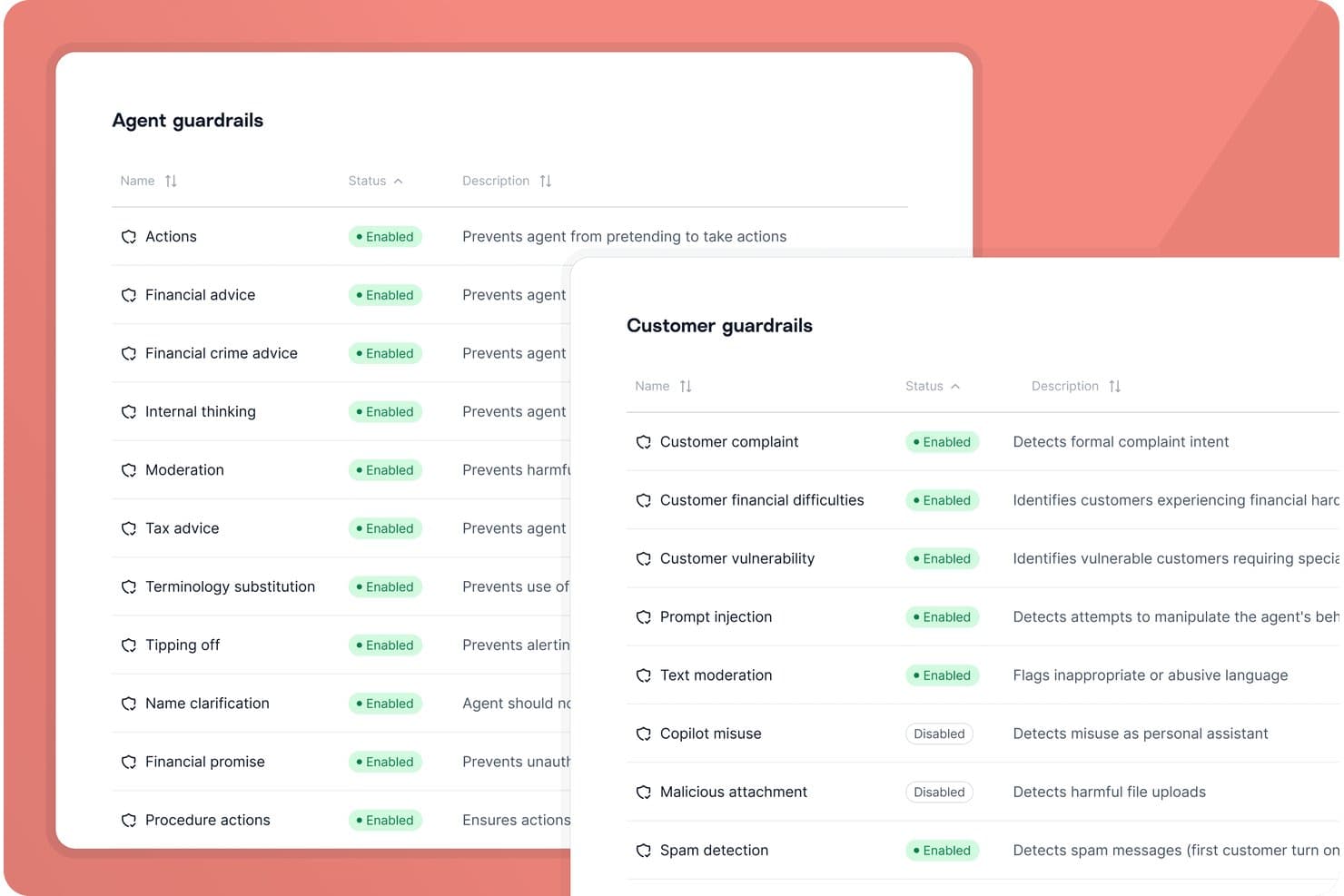
Gradient Labs offre parametri configurabili di controllo per agenti e clienti con status abilitato/disabilitato per la sicurezza AI e la conformità. Gradient Labs è una piattaforma di automazione AI progettata per i team dei servizi finanziari, che offre agenti specializzati in grado di gestire tutto, dall’onboarding dei clienti alla gestione delle controversie e alle integrazioni dei flussi di lavoro di conformità.
Per Chi È Più Adatto Gradient Labs?
Team di operazioni finanziarie e assistenza clienti presso banche regolamentate, fintech e finanziatori che necessitano di automazione dei flussi di lavoro basata su AI e supporto alla conformità.
Perché Ho Scelto Gradient Labs
Ho scelto Gradient Labs come uno dei migliori perché offre agenti AI specialistici per il settore finanziario che automatizzano completamente le operazioni di prestito, KYC e le controversie sui pagamenti. Nella pratica, il mio team è in grado di implementare agenti addestrati sui nostri flussi di lavoro e sui requisiti normativi.
Caratteristiche Principali di Gradient Labs
- Comunicazione multicanale: Gli agenti possono operare senza interruzione tramite email, SMS, chat e voce.
- Barriere di conformità: I modelli AI sono preconfigurati con oltre 20 controlli per SOC 2, GDPR e altre normative.
- Assicurazione qualità automatizzata: La piattaforma monitora e revisiona ogni interazione dell’agente per garantirne coerenza e conformità.
- Supporto API e CSV: Integra con i sistemi esistenti oppure carica dati in blocco direttamente per automatizzare i flussi di lavoro.
Integrazioni di Gradient Labs
Gradient Labs offre integrazioni native con Intercom, Zendesk, Freshdesk, Salesforce, Twilio, RingCentral, Genesys, Visa, Mastercard e altri ancora, e fornisce un’API per integrazioni personalizzate.
Pros and Cons
Pros:
- Automatizza flussi di lavoro finanziari e di conformità complessi
- Ottiene alti tassi di risoluzione in produzione
- Barriere normative integrate per i servizi finanziari
Cons:
- Manca di capacità copilot o di agente assistito
- Poche recensioni indipendenti di utenti pubbliche disponibili
Learn more about Gradient Labs: Ideale per la valutazione automatizzata del rischio IA
- Demo gratuita disponibile
- Prezzo su richiesta
Visit WebsiteCustomer Rating:5/5
Trustible offre ai dirigenti una dashboard centralizzata per monitorare casi d'uso IA, fornitori, rischi e impatto sul business in tutta l'organizzazione. Trustible è una piattaforma di governance dell'IA che centralizza l'acquisizione dei casi d'uso dell'IA, la valutazione automatizzata del rischio, il monitoraggio della conformità normativa, le valutazioni dei fornitori e la gestione delle policy su tutto il portafoglio aziendale di IA.
Per chi è ideale Trustible?
Trustible è adatto a responsabili della governance dell'IA, addetti al rischio e team di conformità in aziende di medie e grandi dimensioni che implementano molteplici sistemi di IA in diverse funzioni aziendali.
Perché ho scelto Trustible
Ho scelto Trustible tra i migliori per la valutazione automatizzata del rischio IA perché il suo motore di scoring basato su regole svolge il lavoro pesante non appena arriva un nuovo caso d'uso. Mappa ogni risposta di intake su cinque categorie di rischio (Prestazioni, Privacy dei Dati, Sicurezza Informatica, Etico e Legale), assegna un livello intrinseco di rischio e raccomanda automaticamente la risposta di governance più appropriata. Trovo particolarmente utile che i casi d'uso ad alto rischio attivino automaticamente valutazioni di impatto strutturate, così che nulla finisca in produzione senza un esame adeguato.
Caratteristiche principali di Trustible
- Inventario IA: Registro centralizzato che traccia ogni caso d'uso, modello e fornitore di IA in tutta l'organizzazione.
- Analisi della documentazione dei fornitori: Revisione assistita dall'IA della documentazione dei fornitori terzi rispetto ai requisiti di governance.
- Mappatura dei framework normativi: Mappature predefinite verso framework come l'EU AI Act, il NIST AI RMF e ISO 42001.
- Pianificazione delle revisioni periodiche: Verifiche programmate che richiedono ai responsabili dei casi d'uso di confermare o aggiornare lo stato dei sistemi IA.
Integrazioni di Trustible
Le integrazioni native non sono documentate chiaramente. Trustible è progettato come piattaforma autonoma per la governance dell'IA, e le sue FAQ confermano che non richiede integrazioni tecniche con pipeline MLOps. Trustible offre comunque un modulo di formazione su alfabetizzazione e conformità IA che si integra con i sistemi di gestione dell'apprendimento (LMS) delle organizzazioni. La piattaforma è pensata per garantire un rapido valore senza pesanti integrazioni IT. Il supporto per API e Zapier non è chiaramente disponibile.
Pros and Cons
Pros:
- Mappa i controlli su oltre 10 framework normativi
- Tassonomie dei rischi e delle mitigazioni IA curate da esperti
- Progettato specificamente per la governance, non per MLOps
Cons:
- Integrazioni native limitate con strumenti esterni
- Nessuna prova gratuita per valutare prima dell'acquisto
Learn more about Trustible: Ideale per semplificare processi ML complessi
- Prova gratuita disponibile + demo gratuita
- Prezzo su richiesta
Visit WebsiteCustomer Rating:4.9/5
Nanonets offre una piattaforma AI senza codice che consente di automatizzare vari flussi di lavoro e processi aziendali. Nanonets è una piattaforma di intelligenza artificiale che automatizza l'elaborazione dei documenti e l'estrazione dei dati utilizzando il Riconoscimento Ottico dei Caratteri (OCR) e modelli di deep learning.
Perché ho scelto Nanonets: Nanonets si distingue per la sua capacità di semplificare processi complessi di machine learning, rendendoli accessibili senza richiedere competenze tecniche avanzate. Questo è particolarmente vantaggioso per le aziende che vogliono integrare tecnologie di intelligenza artificiale nelle proprie operazioni senza necessità di conoscenze approfondite o risorse specifiche. Le funzionalità di Nanonets, come il rilevamento di oggetti, la classificazione delle immagini, l'estrazione di testi e il Riconoscimento Ottico dei Caratteri (OCR), sono progettate per migliorare la qualità dei dati e ottimizzare i flussi di lavoro.
Caratteristiche principali & integrazioni:
Le funzionalità includono l'estrazione AI di dati da vari tipi di documenti come fatture, lettere di vettura, ordini di acquisto e ricevute, e flussi di lavoro automatizzati per diverse attività come la gestione delle fatture, l'estrazione dei dati, l'approvazione dei documenti e la contabilità fornitori. Utilizza inoltre l'intelligenza artificiale per trasformare dati non strutturati in informazioni utili.
Pros and Cons
Pros:
- Funzionalità di estrazione automatica dei dati
- Flussi di lavoro personalizzabili per l'elaborazione documentale
- API semplice per una facile integrazione
Cons:
- Possibili problemi di prestazioni durante operazioni ad alto carico
- Pur essendo generalmente personalizzabile, presenta limitazioni per casi d'uso specifici
Learn more about TrailHQ: Ideale per la condivisione e collaborazione sicura dei dati
- Prova gratuita disponibile
- Da $2.00/credito
Visit WebsiteCustomer Rating:4.7/5
Snowflake Data Cloud offre un'interfaccia di intelligenza avanzata con skill, connettori, agenti e visualizzazioni di artefatti dati per l'analisi aziendale. Snowflake Data Cloud è una piattaforma cloud di intelligenza artificiale e dati che combina data warehousing, apprendimento automatico e sviluppo di intelligenza artificiale generativa con accesso governato a dati strutturati e non strutturati su diversi ambienti cloud.
Per chi è ideale Snowflake Data Cloud?
Snowflake è destinato a team di ingegneria dei dati, data science e IT all'interno di aziende di medie e grandi dimensioni che gestiscono grandi volumi di dati su molteplici ambienti cloud.
Perché ho scelto Snowflake Data Cloud
Ho scelto Snowflake Data Cloud come uno dei migliori per la condivisione sicura dei dati e la collaborazione grazie alla sua capacità di gestire l'accesso ai dati in tempo reale senza mai spostare o copiare i dati sottostanti. Il modello di condivisione senza copia consente a partner e team interni di interrogare direttamente gli stessi dati dall'account del provider, eliminando così rischi di differenze di versione e duplicazioni. Apprezzo anche la funzione Data Clean Room, che permette di collaborare con soggetti esterni su dataset sensibili definendo con precisione quali analisi possono essere eseguite, mantenendo i dati grezzi inaccessibili.
Funzionalità chiave di Snowflake Data Cloud
- Snowflake Cortex AI: Funzionalità LLM integrate consentono di eseguire sintesi di testo, analisi del sentiment e traduzioni direttamente sui dati tramite SQL.
- Snowpark: Crea pipeline di apprendimento automatico in Python, Java o Scala ed eseguile all'interno di Snowflake senza spostare i dati in un ambiente esterno.
- Registry dei modelli: Conserva, versiona e gestisci i modelli ML in un unico luogo così che il tuo team possa tenere traccia delle pubblicazioni e ripristinare le versioni quando necessario.
- Document AI: Estrae dati strutturati da documenti non strutturati come PDF grazie a modelli di apprendimento automatico integrati.
Integrazioni di Snowflake Data Cloud
Snowflake dispone di un ecosistema di oltre 14.000 partner, con integrazioni certificate che spaziano tra categorie di integrazione dati, BI, ML e sicurezza. Fra le integrazioni tecnologiche ci sono Matillion, dbt, Fivetran e Talend, oltre a strumenti come SAP tramite la condivisione dei dati senza copia, Tableau, Informatica, Salesforce, Power BI e Apache Kafka. Snowflake si integra anche con Zapier e offre driver nativi per JDBC, ODBC, Python, Node.js, Go e .NET per integrazioni personalizzate.
Pros and Cons
Pros:
- Esegue carichi di lavoro Python e ML direttamente sui dati
- Si collega a molteplici LLM tramite Cortex
- Condivide i dati in modo sicuro senza spostarli
Cons:
- Debugging e tracciamento degli errori nell'IA restano poco sviluppati
- I costi possono crescere in modo imprevedibile su larga scala
Learn more about Snowflake Data Cloud: Ideale per deployment IA end-to-end
- Piano gratuito disponibile
- Prezzi su richiesta
Visit WebsiteCustomer Rating:4.3/5
Ecco come creare un dataset in Vertex AI. Vertex AI è una piattaforma di machine learning (ML) gestita offerta da Google Cloud, che facilita l'intero processo di creazione, distribuzione e manutenzione di modelli di intelligenza artificiale. Grazie alla sua gamma completa di strumenti che supportano ogni fase dello sviluppo ML, è particolarmente efficace per le aziende che puntano a un percorso semplificato e completo di deployment dell’IA.
Perché ho scelto Vertex AI: Nella mia ricerca di strumenti eccellenti per il deployment dell’IA, Vertex AI si è distinto per il suo ambiente coeso. Ho ritenuto che la sua interfaccia unificata per addestramento, validazione e previsione renda il processo ML più intuitivo. Inoltre, ho giudicato Vertex AI lo strumento perfetto per chi necessita una soluzione end-to-end, sulla base delle sue funzionalità e dei riscontri degli utenti.
Funzionalità principali & Integrazioni:
Vertex AI offre capacità AutoML, permettendo agli utenti di addestrare modelli ML personalizzati di alta qualità con pochissimo codice. Dispone inoltre di Vertex Pipelines, che semplifica il workflow ML orchestrando l’intero processo. Per quanto riguarda le integrazioni, Vertex AI si connette con altri servizi Google Cloud, in particolare BigQuery e Dataflow, ampliando così le sue capacità di elaborazione dati e addestramento.
Pros and Cons
Pros:
- Suite completa che supporta tutte le fasi del processo ML
- Strumenti integrati come AutoML semplificano la creazione dei modelli
- Forte integrazione con altri servizi Google Cloud
Cons:
- Potrebbe risultare complesso per i neofiti del settore ML
- La struttura dei prezzi può risultare complessa in base alla gamma di servizi utilizzati
- La dipendenza dall’ecosistema Google Cloud può essere limitante per alcuni
Learn more about Vertex AI: Ideale per la collaborazione AI nelle aziende in modo governato
- Prova gratuita di 14 giorni
- Prezzo su richiesta
Visit WebsiteCustomer Rating:4.6/5
Dataiku offre una dashboard centralizzata di Gestione Agenti per monitorare la stabilità comportamentale, la salute operativa e il rischio su migliaia di agenti AI distribuiti su più piattaforme. Dataiku è una piattaforma di intelligenza artificiale end-to-end dove i team di dati progettano, distribuiscono e gestiscono modelli di machine learning, applicazioni potenziate da LLM e agenti AI utilizzando strumenti di sviluppo sia visuali che basati su codice.
Per chi è ideale Dataiku?
Dataiku è particolarmente indicato per grandi aziende in cui data scientist, ingegneri ML e analisti aziendali devono collaborare a progetti di intelligenza artificiale all'interno di un ambiente controllato e centralizzato.
Perché ho scelto Dataiku
Dataiku è una delle mie scelte preferite perché apprezzo molto il fatto che la governance non sia un livello aggiuntivo da integrare a posteriori: è incorporata direttamente in ogni progetto di intelligenza artificiale fin dall'inizio. In pratica, questo significa che il mio team può assegnare stakeholder, applicare regole di approvazione e bloccare le distribuzioni finché non vengono superati i controlli di policy, tutto nello stesso workspace in cui avviene il lavoro effettivo. I registri di bundle, modelli e LLM ci offrono un luogo unificato per tracciare ogni asset di intelligenza artificiale all'interno dell'organizzazione, rendendo la collaborazione tra team molto meno caotica.
Funzionalità chiave di Dataiku
- LLM Mesh: Instrada le richieste tra più fornitori di LLM da un unico punto di controllo, con monitoraggio integrato dell'utilizzo e dei costi.
- Visual Flow builder: Una canvas drag-and-drop per progettare pipeline complete di dati e ML senza scrivere codice.
- AutoML: Automatizza l'addestramento dei modelli, la selezione degli algoritmi e l'ottimizzazione degli iperparametri su dataset strutturati.
- Monitoraggio dei modelli: Tiene traccia dei modelli distribuiti per drift dei dati, degrado delle prestazioni e qualità delle previsioni negli ambienti di produzione.
Integrazioni di Dataiku
Dataiku offre oltre 40 connettori dati nativi, inclusi Snowflake, Databricks, Google BigQuery, Amazon Redshift e Amazon S3, insieme a connettori applicativi per Salesforce, Jira, Google Sheets, ServiceNow e SharePoint Online. Si integra inoltre con Anthropic, OpenAI, Mistral, NVIDIA, AWS, Google Cloud e Microsoft Azure come partner tecnologici e fornisce API Python, R e REST per integrazioni personalizzate. Il supporto a Zapier non è chiaramente documentato.
Pros and Cons
Pros:
- Workflow visuali accessibili anche a chi non sa programmare
- Supporta sia ML che AI generativa
- Funziona con qualsiasi provider di cloud
Cons:
- Le visualizzazioni sono deboli rispetto agli strumenti BI dedicati
- Richiede notevoli risorse di calcolo e infrastruttura
Learn more about Dataiku: Ideale per la business intelligence guidata dall'IA
- Demo gratuita disponibile
- Prezzo su richiesta
Visit WebsiteCustomer Rating:4.4/5
Athenic offre dashboard e report generati dall’IA per approfondimenti aziendali. Athenic è una piattaforma di intelligenza artificiale progettata per cambiare il modo in cui interagisci con i tuoi dati. Sfruttando modelli di IA avanzati, ti permette di ottenere rapidamente approfondimenti e prendere decisioni basate sui dati in diversi settori, tra cui SaaS, CPG e produzione.
Perché ho scelto Athenic: Ho scelto Athenic per la sua business intelligence guidata dall'IA, che fornisce risposte istantanee e accurate a domande complesse sui dati grazie all'utilizzo di un knowledge graph. Questa caratteristica è particolarmente vantaggiosa poiché consente al tuo team di prendere decisioni informate senza attendere tempi di elaborazione dati prolungati. Inoltre, la piattaforma è strutturata per soddisfare esigenze aziendali specifiche, permettendo analisi personalizzate che si allineano ai tuoi obiettivi unici.
Un altro motivo per cui ho scelto Athenic è la sua attenzione all'accessibilità anche per utenti non tecnici. Il design della piattaforma promuove un maggiore accesso ai dati tra i team, consentendo a tutti di creare visualizzazioni e condurre analisi approfondite. Questa democratizzazione dei dati non solo favorisce l'adozione della business intelligence, ma coltiva anche una cultura di decisioni informate all'interno della tua organizzazione.
Funzionalità principali & integrazioni:
Le funzionalità includono la capacità della piattaforma di condurre autonomamente ricerche approfondite, il che significa che puoi fare affidamento su di essa per gestire analisi complesse senza intervento manuale. Fornisce risultati in un formato intuitivo per l'utente, utilizzando tabelle e grafici che rendono l'interpretazione dei dati semplice. Athenic è anche nota per la sua velocità, offrendo tempi di analisi significativamente più rapidi rispetto ai metodi tradizionali, caratteristica cruciale per prendere decisioni tempestive.
Le integrazioni includono Google Sheets, Facebook, Slack, Salesforce CRM, Notion, Stripe, AWeber, Asana, Zoho CRM, Google Calendar, Smartlead e Getsitecontrol.
Pros and Cons
Pros:
- Funziona come traduttore AI-powered da inglese a SQL, migliorando le interrogazioni sui dati
- Supporta la pianificazione della crescita di prodotto e clienti
- Interfaccia intuitiva che semplifica l'analisi dei dati anche per utenti non tecnici.
Cons:
- Funzionalità limitate rispetto agli strumenti di analisi più avanzati
- Richiede l’accesso a Internet per funzionalità ottimali
Learn more about Athenic: Ideale per accelerare MLOps
- Prova gratuita di 14 giorni
- Prezzo su richiesta
Visit WebsiteCustomer Rating:4.8/5
Iguazio permette l’addestramento e la valutazione continua dei modelli. La piattaforma Iguazio MLOps è uno strumento completo progettato per accelerare e scalare lo sviluppo, il deployment e la gestione di applicazioni di machine learning e intelligenza artificiale generativa. Offre l'automazione end-to-end delle pipeline di machine e deep learning, consentendo agli utenti di trasformare i progetti di IA in concreti risultati aziendali.
Perché ho scelto Iguazio: Apprezzo la metodologia della piattaforma per l'accelerazione dell'MLOps attraverso diversi meccanismi. Ad esempio, il suo feature store integrato automatizza l'ingegnerizzazione delle feature sia offline che online per dati in tempo reale e batch, mentre la tecnologia serverless facilita lo sviluppo rapido di pipeline di dati e ML scalabili in tempo reale.
Iguazio integra inoltre CI/CD tra codice, dati e modelli e supporta i principali framework ML, consentendo agli utenti di automatizzare il test e il deployment dei modelli ML e delle relative pipeline di dati.
Caratteristiche e integrazioni principali:
Iguazio offre robuste funzionalità di monitoraggio e ri-addestramento, tra cui monitoraggio dei modelli senza codice, rilevamento del drift e ri-addestramento automatico per garantire l’accuratezza dei modelli nel tempo.
Le integrazioni includono le principali piattaforme cloud come AWS, Microsoft Azure e Google, oltre a NVIDIA, NetApp, Dell e MongoDB.
Pros and Cons
Pros:
- Pipeline di dati e modelli in tempo reale
- Capacità di scaling dinamica
- Gestione centralizzata dei metadati
Cons:
- Le soluzioni di backup proprietarie possono essere limitanti
- L'interfaccia utente potrebbe essere più intuitiva
Learn more about iguazio: Ideale per applicazioni di intelligenza artificiale conversazionale
- Prezzo su richiesta

Ecco una panoramica delle diverse analisi per risorse come utenti, conversazioni e richieste. IBM Watson Assistant è una soluzione robusta che facilita la progettazione, lo sviluppo e la distribuzione di chatbot e assistenti virtuali basati su intelligenza artificiale. Grazie al suo focus specifico sulla creazione di interfacce conversazionali, è particolarmente indicato per le aziende che cercano un vantaggio competitivo nelle applicazioni di intelligenza artificiale conversazionale.
Perché ho scelto IBM Watson Assistant: Durante il processo di selezione degli strumenti, IBM Watson Assistant è emerso come un concorrente di primo piano per la sua profondità nel gestire compiti di elaborazione del linguaggio naturale. Ho valutato le sue capacità come superiori rispetto a molti dei suoi concorrenti, in particolare nel campo dell'IA conversazionale.
Questo strumento risponde alle necessità delle applicazioni di intelligenza artificiale conversazionale, poiché non solo comprende gli input degli utenti, ma impara anche da essi per offrire risposte sempre migliori nel tempo.
Funzionalità distintive e integrazioni:
IBM Watson Assistant supporta conversazioni multi-turno, garantendo risposte consapevoli del contesto. Tramite il suo cruscotto di analisi integrato, le aziende possono monitorare e ottimizzare le prestazioni del proprio bot analizzando le interazioni degli utenti.
Per quanto riguarda le integrazioni, Watson Assistant può essere collegato alla maggior parte dei canali di messaggistica, soluzioni CRM e canali vocali, rendendolo versatile per le diverse esigenze aziendali.
Pros and Cons
Pros:
- Comprensione avanzata del linguaggio naturale
- Supporta conversazioni multi-turno per interazioni ricche di contesto
- Cruscotto di analisi completo per una visione delle prestazioni
Cons:
- Curva di apprendimento più ripida per i principianti
- Alcuni utenti potrebbero trovare complesse le opzioni di configurazione
- La piattaforma può risultare impegnativa in termini di risorse per implementazioni di grandi dimensioni
Learn more about IBM Watson Assistant:

Visitando il sito web di OpenAI verrai accolto da un video che ti farà conoscere meglio le sue funzionalità e i suoi modelli. OpenAI è un'organizzazione rinomata che spinge i limiti dell'intelligenza artificiale attraverso ricerca e sviluppo. Visto il suo impegno per un'evoluzione dell'IA in modo aperto ed etico, OpenAI si posiziona come leader per chi desidera modelli di IA all'avanguardia e guidati dalla ricerca.
Perché ho scelto OpenAI: Nel determinare quale piattaforma offrisse il meglio dei modelli di IA guidati dalla ricerca, la mia scelta è ricaduta su OpenAI. Questa organizzazione ha dimostrato costantemente una dedizione a spingere i confini della ricerca sull'IA, distinguendosi dalla concorrenza. Per chi cerca il massimo sviluppo nel campo dell'IA basato su un'approfondita ricerca, OpenAI è senza dubbio la migliore opzione.
Caratteristiche principali e integrazioni:
OpenAI vanta una miriade di modelli d'avanguardia, tra cui spicca la serie GPT, che ha fissato nuovi standard nell'elaborazione del linguaggio naturale. Sono stati compiuti notevoli progressi anche nell'apprendimento tramite rinforzo e nella robotica. Per quanto riguarda l'integrazione, OpenAI rende i propri modelli accessibili tramite API, permettendo così agli sviluppatori di inserire questi potenti strumenti in varie applicazioni e piattaforme.
Pros and Cons
Pros:
- Modelli d'avanguardia come la serie GPT ridefiniscono le capacità dell'IA
- L'impegno verso la ricerca aperta garantisce innovazione continua
- L'accessibilità API facilita una perfetta integrazione in diverse applicazioni
Cons:
- La struttura dei costi può risultare ambigua senza un contatto diretto
- La natura all'avanguardia richiede agli utenti di aggiornarsi costantemente
- I limiti di utilizzo delle API possono ostacolare compiti particolarmente gravosi
Learn more about OpenAI:
Altre piattaforme di intelligenza artificiale degne di nota
Ecco alcune ulteriori opzioni di piattaforme di intelligenza artificiale che non sono entrate nel mio elenco, ma che vale comunque la pena prendere in considerazione:
- 11Microsoft Azure AIIdeale per soluzioni di intelligenza artificiale scalabili nel cloud
- 12SAP HANA CloudIdeale per la gestione dei database in tempo reale
- 13Google Cloud AI PlatformIdeale per integrare l'AI nei servizi cloud
- 14Databricks Lakehouse PlatformIdeale per combinare data lake e data warehouse
- 15PyTorchIdeale per grafi dinamici di reti neurali
- 16KerasIdeale per la flessibilità dei modelli di deep learning
- 17Alteryx Intelligence SuiteIdeale per la combinazione dei dati e l'analisi avanzata
- 18DataRobotIdeale per il machine learning automatizzato
- 19AporiaIdeale per il monitoraggio del machine learning in produzione
- 20elvexIdeale per business intelligence guidata dall'IA
- 21TestGridIdeale per il testing software
Come valuto le piattaforme di Intelligenza Artificiale
Suddivido la mia valutazione in due livelli: i requisiti di base—addestramento dei modelli, distribuzione e MLOps—che ogni piattaforma deve soddisfare, e i fattori differenzianti come gli strumenti LLM e la governance che distinguono le migliori dal resto.
Funzionalità di base (Condizioni imprescindibili per questa lista)
Queste capacità fondamentali costituiscono i criteri di accettazione per l'inclusione nella mia lista di piattaforme di intelligenza artificiale:
- Ambiente di sviluppo dei modelli: Valuto se le piattaforme offrono notebook integrati, supporto multi-framework (PyTorch, TensorFlow, scikit-learn) e AutoML, così che i team possano prototipare e addestrare modelli senza dover assemblare strumenti separati.
- Distribuzione e Servizio dei Modelli: Ogni piattaforma dovrebbe permettere di pubblicare un modello addestrato su un endpoint API scalabile con supporto per inferenze in tempo reale e batch su cloud, edge o infrastrutture locali.
- MLOps e Gestione del Ciclo di Vita: Cerco il tracciamento degli esperimenti, la versionatura dei modelli e il supporto alle pipeline CI/CD—strumenti che mantengono il modello riproducibile dal notebook al retraining in produzione.
- Integrazione e Gestione dei Dati: Le piattaforme devono avere connettori verso fonti dati comuni come Snowflake, BigQuery e S3, oltre a funzionalità integrate per la preparazione dei dati e Feature Store per pipeline di feature riutilizzabili.
- Servizi e Modelli AI Pre-Costruiti: È importante disporre di un catalogo di modelli pre-addestrati o foundation model—soprattutto per i team che necessitano di funzionalità NLP, vision o AI generativa già pronte da personalizzare, piuttosto che da costruire ex novo.
- Monitoraggio e Governance dei Modelli: Verifico la presenza di rilevamento di drift, monitoraggio dei bias, RBAC e audit log—tutto ciò che serve affinché i modelli in produzione restino conformi e performanti nel tempo.
Valuto ogni vendor su una scala da 0 (non offre la funzionalità) a 5 (eccelle in quest'area) per ciascun criterio.
I vendor devono raggiungere un punteggio medio minimo per essere considerati nella mia lista. Da lì, considero cosa distingue ciascuna piattaforma.
Fattori differenzianti (Cosa distingue i vendor)
Una volta selezionata la mia lista, ecco come confronto i vari vendor nel campo delle piattaforme di intelligenza artificiale:
Caratteristiche distintive
Presto particolare attenzione agli strumenti per l’AI generativa e LLM, perché poter costruire o orchestrare rapidamente con grandi modelli linguistici apre casi d'uso avanzati come RAG, chatbot personalizzati o ricerche guidate dall'intelligenza artificiale. Le funzionalità di training distribuito—come il supporto multi-GPU e l’ottimizzazione dell’hardware—sono rilevanti per chi lavora su esperimenti con modelli di grandi dimensioni. Controllo anche la presenza di toolkit per un’IA responsabile che offrano spiegabilità e mitigazione dei bias, cruciali per deploy regolamentati o rivolti al pubblico.
Oltre le funzionalità
La flessibilità di deployment è fondamentale: valuto se una piattaforma supporta modelli in cloud, ibridi e on-prem, dato che molte aziende devono mantenere i dati sensibili protetti dai propri firewall. Conta anche la presenza di certificazioni di sicurezza e conformità come SOC 2, HIPAA e FedRAMP, soprattutto nei settori regolamentati. La trasparenza dei prezzi è importante: verifico se i modelli a consumo o per utente sono abbastanza chiari da poter stimare i costi GPU prima che il progetto cresca.
Come scegliere una piattaforma di intelligenza artificiale
È facile perdersi in lunghi elenchi di funzionalità e strutture tariffarie complesse. Per aiutarti a rimanere concentrato mentre affronti il tuo particolare processo di selezione del software, ecco un elenco di fattori da tenere presenti:
| Fattore | Cosa considerare |
|---|---|
| FattoreScalabilità | Cosa considerareLa piattaforma può crescere insieme alla tua attività? Considera come gestisce l’aumento dei dati e degli utenti. Cerca eventuali segnali di calo delle prestazioni all’aumentare della scala. |
| FattoreIntegrazioni | Cosa considerareSi collega agli strumenti che già utilizzi? Verifica se supporta il tuo insieme di software o se richiede soluzioni alternative che potrebbero complicare i flussi di lavoro. |
| FattorePersonalizzazione | Cosa considerarePuoi adattarla alle tue esigenze? Assicurati che offra flessibilità senza richiedere una programmazione estesa o l’aiuto di terze parti. |
| FattoreFacilità d’uso | Cosa considerareL’interfaccia è intuitiva per il tuo team? Evita curve di apprendimento ripide che rallentano l’adozione e riducono la produttività. |
| FattoreImplementazione e introduzione | Cosa considerareQuanto tempo servirà per essere operativi? Considera la disponibilità di risorse come materiali di formazione e assistenza durante il periodo di transizione. |
| FattoreCosto | Cosa considerareIl prezzo rientra nel tuo budget? Confronta i costi con le funzionalità offerte e fai attenzione ai costi nascosti che possono aumentare la spesa complessiva. |
| FattoreMisure di sicurezza | Cosa considerareCome protegge i tuoi dati? Assicurati che sia conforme agli standard di sicurezza del tuo settore e che offra solide misure di protezione dei dati. |
| FattoreDisponibilità dell’assistenza | Cosa considerareL’aiuto è disponibile quando ne hai bisogno? Verifica che l’assistenza sia in linea con i tuoi orari di lavoro e i canali di comunicazione che preferisci. |
Che cos'è una piattaforma di intelligenza artificiale?
Una piattaforma di intelligenza artificiale è un software che consente lo sviluppo, la distribuzione e la gestione di modelli e applicazioni di intelligenza artificiale. Questi strumenti sono comunemente utilizzati da data scientist, sviluppatori e professionisti IT per migliorare il processo decisionale e automatizzare le attività. L'analisi dei dati, l'analisi predittiva e l'integrazione dell'apprendimento automatico aiutano a elaborare grandi insiemi di dati, migliorare la precisione e automatizzare processi complessi. Nel complesso, questi strumenti offrono un valore significativo aumentando l'efficienza e consentendo di ottenere informazioni basate sui dati.
Caratteristiche
Quando selezioni una piattaforma di intelligenza artificiale, presta attenzione alle seguenti caratteristiche principali:
- Analisi dei dati: Fornisce strumenti per elaborare e interpretare grandi insiemi di dati, aiutando gli utenti a ricavare informazioni significative.
- Modellazione predittiva: Utilizza algoritmi per prevedere le tendenze future, favorendo un processo decisionale proattivo.
- Integrazione dell'apprendimento automatico: Supporta la creazione e la distribuzione di modelli di apprendimento automatico, consentendo l'automazione di attività complesse.
- Software di intelligenza conversazionale: Consente ai sistemi di comprendere e rispondere al linguaggio umano, migliorando l'interazione con gli utenti.
- Algoritmi personalizzabili: Offre la flessibilità necessaria per adattare le funzioni di intelligenza artificiale a esigenze aziendali specifiche senza dover ricorrere a un'ampia attività di programmazione.
- Elaborazione dei dati in tempo reale: Garantisce l'analisi immediata dei dati, fornendo informazioni aggiornate per decisioni tempestive.
- Strumenti avanzati di visualizzazione: Aiuta a rappresentare i dati in formato visivo, facilitando la comprensione di informazioni complesse.
- Supporto multilingue: Facilita il lavoro con insiemi di dati eterogenei supportando più lingue.
- Scalabilità basata sul cloud: Consente di ampliare le funzionalità senza problemi man mano che crescono le esigenze aziendali, senza vincoli hardware.
- Misure di sicurezza: Protegge i dati sensibili tramite la crittografia e la conformità agli standard del settore.
Vantaggi
L'implementazione di software di intelligenza artificiale offre diversi vantaggi al tuo team e alla tua azienda. Ecco alcuni dei vantaggi che puoi aspettarti:
- Miglioramento del processo decisionale: La modellazione predittiva e l'analisi dei dati aiutano a prendere decisioni informate in modo rapido e accurato.
- Maggiore efficienza: L'automazione delle attività tramite l'integrazione dell'apprendimento automatico riduce il carico di lavoro manuale e fa risparmiare tempo.
- Interazione migliorata con gli utenti: L'elaborazione del linguaggio naturale consente una comunicazione e un coinvolgimento migliori con gli utenti.
- Scalabilità: La scalabilità basata sul cloud consente alla tua azienda di crescere senza limitazioni hardware, adattandosi alle esigenze in continua evoluzione.
- Sicurezza dei dati: Le misure di sicurezza integrate proteggono le informazioni sensibili, garantendo la conformità agli standard del settore.
- Risparmio sui costi: L'elaborazione efficiente dei dati e l'automazione delle attività possono portare a una riduzione dei costi operativi nel tempo.
Costi e prezzi
La selezione di una piattaforma di intelligenza artificiale richiede la comprensione dei vari modelli e piani tariffari disponibili. I costi variano in base alle funzionalità, alle dimensioni del team, ai componenti aggiuntivi e ad altri fattori. La tabella seguente riassume i piani più comuni, i relativi prezzi medi e le funzionalità generalmente incluse nelle soluzioni di piattaforme di intelligenza artificiale:
Tabella comparativa dei piani per piattaforme di intelligenza artificiale
| Tipo di piano | Prezzo medio | Funzionalità comuni |
|---|---|---|
| Tipo di pianoPiano gratuito | Prezzo medio$0 | Funzionalità comuniAnalisi dei dati di base, modelli di apprendimento automatico limitati e supporto della comunità. |
| Tipo di pianoPiano personale | Prezzo medio$10-$30/user/month | Funzionalità comuniElaborazione avanzata dei dati, algoritmi personalizzabili e supporto via e-mail. |
| Tipo di pianoPiano aziendale | Prezzo medio$50-$100/user/month | Funzionalità comuniElaborazione dei dati in tempo reale, supporto multilingue e servizio clienti prioritario. |
| Tipo di pianoPiano aziendale | Prezzo medio$150-$300/user/month | Funzionalità comuniFunzionalità complete di integrazione, responsabile account dedicato e sicurezza avanzata. |
Domande frequenti sulle piattaforme di intelligenza artificiale
Ecco alcune risposte alle domande comuni sulle piattaforme di intelligenza artificiale:
Come posso garantire la privacy dei dati con le piattaforme di IA?
Per proteggere i tuoi dati, evita di inserire informazioni riservate o personali nei sistemi di IA. Disattiva le funzionalità di raccolta dei dati quando disponibili e utilizza credenziali di accesso univoche invece degli account dei social media. Esamina e revoca regolarmente le autorizzazioni delle app per impedire accessi non autorizzati.
Ci sono problemi legali legati all'utilizzo di contenuti generati dall'IA?
Sì, l’utilizzo di opere o contenuti generati dall’IA può avere implicazioni legali, soprattutto per quanto riguarda il diritto d’autore. Controlla sempre i termini di servizio di ogni piattaforma ed evita di utilizzare immagini generate dall’IA per scopi commerciali finché le linee guida legali non saranno chiare.
Cosa devo considerare quando integro l'IA con i sistemi esistenti?
Assicurati che la piattaforma di IA si integri senza problemi con gli strumenti e i flussi di lavoro attuali. La compatibilità è fondamentale per evitare silos di dati e garantire operazioni efficienti. Testa le integrazioni durante un periodo di prova per valutarne le funzionalità e risolvere tempestivamente eventuali problemi.
In che modo le piattaforme di IA possono influire finanziariamente sulla mia azienda?
Le piattaforme di IA possono migliorare l’efficienza e ridurre i costi, ma le violazioni dei dati possono avere conseguenze finanziarie significative. Investi in piattaforme dotate di solide misure di sicurezza e aggiorna regolarmente i tuoi sistemi per proteggerti dalle potenziali minacce.
Quali sono le insidie più comuni nell'implementazione delle piattaforme di IA?
Tra i problemi più comuni ci sono una formazione insufficiente del team e la sottovalutazione dei tempi di implementazione. Pianifica un processo di inserimento completo e assegna risorse alla formazione e al supporto continui per garantire un’implementazione efficace.
Come posso ottenere i migliori risultati dagli strumenti di IA?
Formulare con attenzione le richieste e verificare i fatti sono elementi essenziali per ottenere risultati ottimali. Utilizza più piattaforme di IA per ricevere riscontri diversificati e consulta professionisti per le questioni legali e relative alle risorse umane, così da garantire accuratezza e conformità.