

10 Soluzioni di Backup per Server e Come si Confrontano nel 2026

10 Migliori Software di Backup per Server - Shortlist


Nell'era digitale attuale, le minacce dei ransomware sono più presenti che mai. Ho visto aziende paralizzate, perdere dati inestimabili da un giorno all’altro. Il software di backup per server è il tuo scudo contro questi incubi, offrendo il backup dei dati direttamente su uno storage cloud. Immagina di avere una replica completa dei tuoi file cruciali conservata al sicuro e pronta per il ripristino dopo disastro.
Questi strumenti assicurano una protezione dati robusta, così che, anche in caso di calamità, potrai riprenderti rapidamente. Preoccupato di perdere informazioni fondamentali? Questi software rispondono direttamente a tali timori. Scopri queste soluzioni e ritrova la tranquillità.
Perché fidarsi dei nostri consigli sui software
Il nostro team testa e recensisce software dal 2012. In quanto leader tecnologici noi stessi, sappiamo quanto sia difficile — e importante — scegliere il software giusto.
Per questa guida, abbiamo valutato gli strumenti attraverso test praticie ricerche indipendenti, assegnando un punteggio agli strumenti in base ai nostri criteri di selezione.
Le nostre recensioni riflettono il nostro giudizio editoriale umano, non un discorso di vendita.
Revisori esperti:
Riepilogo Dei Migliori Software di Backup per Server
Questa tabella comparativa riassume i dettagli sui prezzi delle mie principali scelte di software di backup per server, per aiutarti a trovare la soluzione ideale per il tuo budget e le esigenze della tua azienda.
| Tool | Best For | Trial Info | Price | ||
|---|---|---|---|---|---|
| 1 | Ideale per i fornitori di servizi gestiti | Not available | Prezzo su richiesta | Website | |
| 2 | Ideale per la copertura di dispositivi diversificati | Piano gratuito disponibile | Da $5,79/utente/mese (fatturato annualmente) | Website | |
| 3 | Ideale per l’archiviazione dati unificata | Not available | Prezzo su richiesta | Website | |
| 4 | Ideale per ambienti virtuali | Not available | Prezzo su richiesta | Website | |
| 5 | Ideale per la protezione focalizzata sulle VM | Not available | Prezzo su richiesta | Website | |
| 6 | Ideale per la pianificazione della continuità operativa | Prova gratuita di 14 giorni + Demo gratuita disponibile | Prezzo su richiesta | Website | |
| 7 | Ideale per l'integrazione cloud | Not available | A partire da $7/utente/mese (fatturato annualmente) | Website | |
| 8 | Migliore per la protezione a livello aziendale | Not available | Prezzo su richiesta | Website | |
| 9 | Ideale per il recupero istantaneo dei dati | Demo gratuita disponibile | Prezzo su richiesta | Website | |
| 10 | Migliore per la flessibilità nella gestione dei dati | Prova gratuita di 30 giorni | Prezzi su richiesta | Website |
Recensioni Dei Migliori Software di Backup per Server
Qui di seguito trovi le mie sintesi dettagliate dei migliori software di backup per server presenti nella mia shortlist. Le mie recensioni forniscono uno sguardo approfondito alle funzionalità chiave, pro e contro, integrazioni e casi d’uso ideali di ciascun software, per aiutarti a individuare quello giusto per te.

Ideale per i fornitori di servizi gestiti
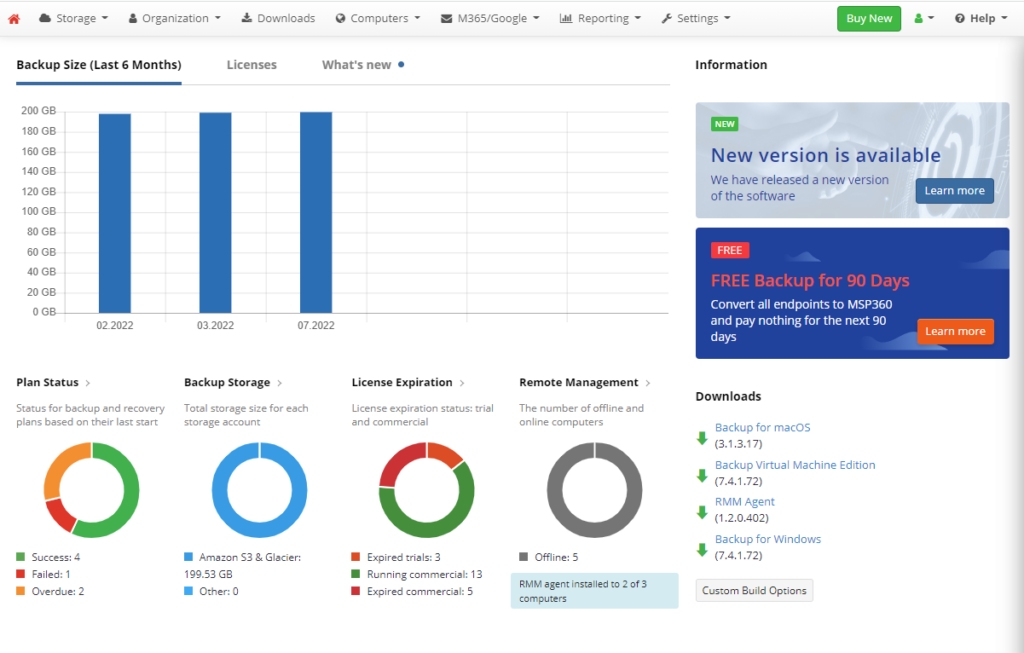
MSP360 Managed Backup è una soluzione completa ideata per i fornitori di servizi gestiti, concentrata sulla gestione centralizzata dei backup. Integrando funzionalità essenziali per i fornitori di servizi gestiti, come il backup dei server SQL, la piattaforma si adatta perfettamente a chi gestisce i processi di backup per più clienti.
Perché ho scelto MSP360 Managed Backup: Ho scelto MSP360 Managed Backup dopo aver confrontato diverse soluzioni di backup destinate ai fornitori di servizi gestiti. Il set di funzioni uniche, in particolare l'efficienza nel backup dei server SQL, lo ha reso superiore rispetto agli altri. Secondo la mia valutazione, per i fornitori di servizi gestiti che cercano soluzioni di backup affidabili e complete, MSP360 Managed Backup è la scelta ideale.
Caratteristiche principali e integrazioni:
MSP360 Managed Backup eccelle nella gestione centralizzata dei backup, garantendo la coerenza dei backup tra i clienti. La capacità di eseguire backup efficienti dei server SQL è una funzionalità preziosa per chi gestisce database.
In termini di integrazioni, MSP360 Managed Backup si connette con i principali provider di storage cloud, offrendo flessibilità nelle soluzioni di archiviazione dei backup.
Pros and Cons
Pros:
- La gestione centralizzata dei backup facilita la coerenza tra i clienti.
- Backup efficiente dei server SQL.
- Le ampie integrazioni con lo storage cloud offrono versatilità nelle opzioni di archiviazione dei backup.
Cons:
- L'interfaccia può risultare complessa per i nuovi utenti.
- Può essere necessaria una formazione pratica per un utilizzo efficace.
- La configurazione iniziale può richiedere tempo per installazioni di grandi dimensioni.

IDrive
Ideale per la copertura di dispositivi diversificati
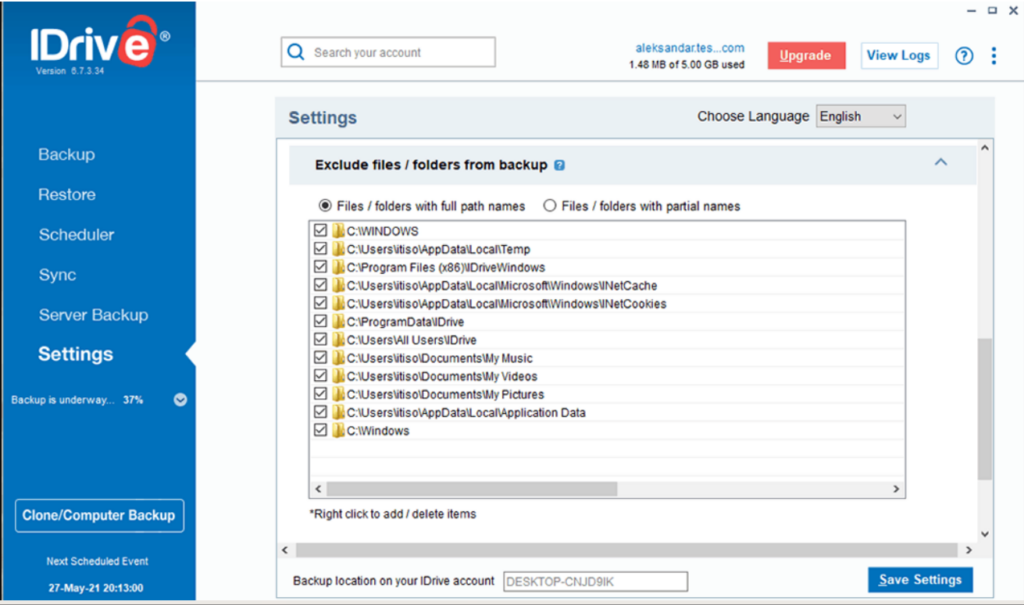
IDrive è una soluzione di backup completa progettata per proteggere i dati su più dispositivi. Il suo punto di forza risiede nella capacità di coprire una vasta gamma di dispositivi, rendendolo particolarmente ideale per gli utenti che utilizzano diversi dispositivi nelle loro attività quotidiane.
Perché ho scelto IDrive: Quando ho dovuto scegliere tra numerosi strumenti, IDrive ha catturato la mia attenzione grazie alla sua vasta copertura di dispositivi. L'ho giudicato superiore sotto questo aspetto, offrendo un vantaggio unico rispetto a molte altre soluzioni di backup. Questa specializzazione, a mio avviso, rende IDrive il 'migliore per la copertura di dispositivi diversificati'.
Caratteristiche e integrazioni principali:
IDrive si distingue per la sua funzione di deduplicazione, che assicura che siano archiviati solo i file unici, risparmiando spazio di archiviazione prezioso. La funzione di backup delle unità esterne garantisce inoltre che anche i dati presenti su dispositivi di archiviazione portatili non vengano trascurati. Inoltre, IDrive supporta il backup dei file tramite FTP, offrendo flessibilità nel modo in cui i dati vengono caricati nei loro data center.
Pros and Cons
Pros:
- La deduplicazione consente di risparmiare spazio di archiviazione.
- Offre backup anche per unità esterne.
- Il supporto per backup basati su FTP aumenta la flessibilità.
Cons:
- Il ripristino di grandi quantità di dati può richiedere tempo.
- L'interfaccia può risultare complessa per chi lo utilizza per la prima volta.
- I backup incrementali, seppur efficienti, potrebbero non essere adatti a tutti.

Cohesity
Ideale per l’archiviazione dati unificata
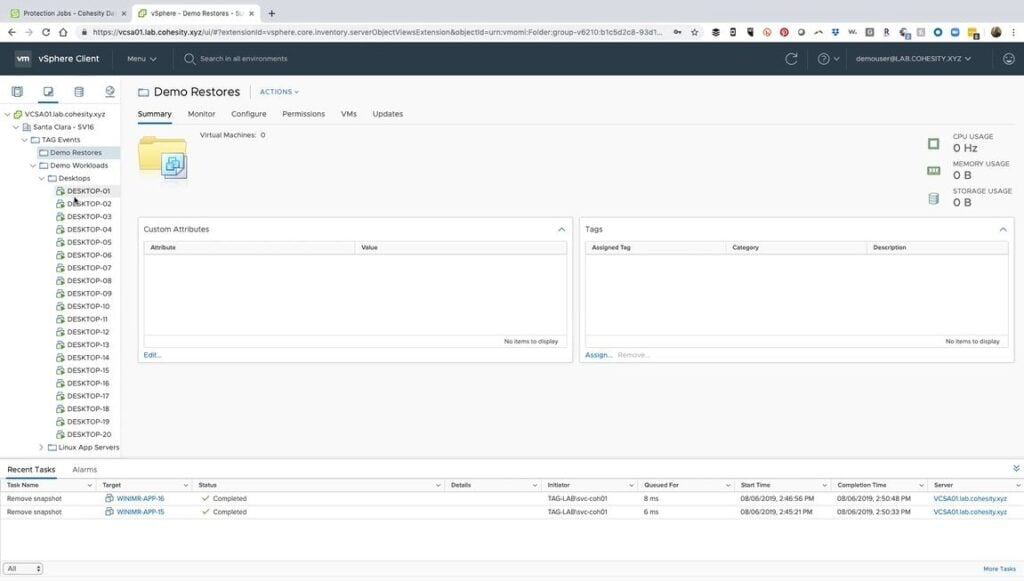
Cohesity riunisce infrastrutture frammentate in un'unica piattaforma consolidata, garantendo che i dati rimangano protetti e accessibili. È la convergenza di backup, file e applicazioni in un modello di storage unificato che offre una protezione efficace contro la perdita di dati.
Perché ho scelto Cohesity: Nel mio processo di valutazione su quali strumenti facciano davvero la differenza, Cohesity è emerso come un chiaro vincitore. L’eleganza con cui riesce a convergere molteplici fonti di dati in un’unica piattaforma non ha eguali rispetto a ciò che avevo visto finora.
Ho giudicato Cohesity 'la soluzione migliore per l’archiviazione dati unificata' perché, in un panorama costellato da innumerevoli app e fonti di informazioni, avere un unico punto di accesso per prevenire la perdita di dati è di valore inestimabile.
Funzionalità principali e integrazioni:
Cohesity non si limita al backup; offre backup incrementali per ridurre lo spazio di archiviazione e garantire un recupero rapido. Lo strumento eccelle nella sua capacità di automatizzare molte attività di protezione dei dati, riducendo significativamente il rischio di malware ed errore umano. Per quanto riguarda le integrazioni, è compatibile con VMWare, Microsoft Hyper-V e supporta anche applicazioni aziendali popolari come Oracle e SAP HANA.
Pros and Cons
Pros:
- Consolidamento delle applicazioni in un’unica piattaforma di archiviazione unificata.
- Opzione di backup incrementale per risparmiare spazio.
- Potenti capacità di automazione per ridurre il rischio di perdita dei dati.
Cons:
- Potrebbe essere necessario un training iniziale per sfruttare tutto il suo potenziale.
- Più adatto a grandi organizzazioni che a piccole imprese.
- La configurazione iniziale potrebbe sembrare complessa per alcuni utenti.

Ideale per ambienti virtuali

BDRSuite è progettato specificamente per offrire soluzioni di backup e disaster recovery all'interno di ambienti virtuali. Centralizzando l'archiviazione dei backup e rendendola accessibile via web, il software permette una gestione e un'accessibilità semplificate, in linea con le esigenze delle aziende che si affidano a infrastrutture virtuali.
Perché ho scelto BDRSuite: Ho scelto BDRSuite dopo aver valutato diverse soluzioni di backup pensate per ambienti virtuali. Ciò che distingue BDRSuite è la sua profonda conoscenza delle sfide del mondo virtuale e la sua efficacia nel risolverle.
Secondo la mia valutazione, il suo impegno nell'offrire soluzioni affidabili in contesti virtuali lo rende la scelta migliore per gli ambienti virtuali.
Funzionalità e integrazioni principali:
Uno dei punti di forza di BDRSuite è la capacità di pianificare i backup, garantendo la protezione dei dati senza necessità di intervento manuale. L'interfaccia web consente agli utenti di accedere e gestire i propri backup da qualsiasi luogo.
Inoltre, la gestione accurata dell'archiviazione dei backup aiuta le aziende a ottimizzare spazio e risorse. Per quanto riguarda le integrazioni, BDRSuite si abbina efficacemente ai principali fornitori di piattaforme virtuali, facilitando flussi di lavoro più fluidi.
Pros and Cons
Pros:
- Interfaccia web per una gestione accessibile dei backup.
- Opzioni di pianificazione avanzate per backup automatici.
- Gestione efficiente dello storage di backup per ottimizzare le risorse.
Cons:
- I nuovi utenti potrebbero affrontare una curva di apprendimento nel comprendere tutte le funzionalità.
- L'approccio web-based potrebbe non convincere chi è abituato ai sistemi di backup tradizionali.
- La configurazione iniziale potrebbe richiedere un maggiore intervento manuale.

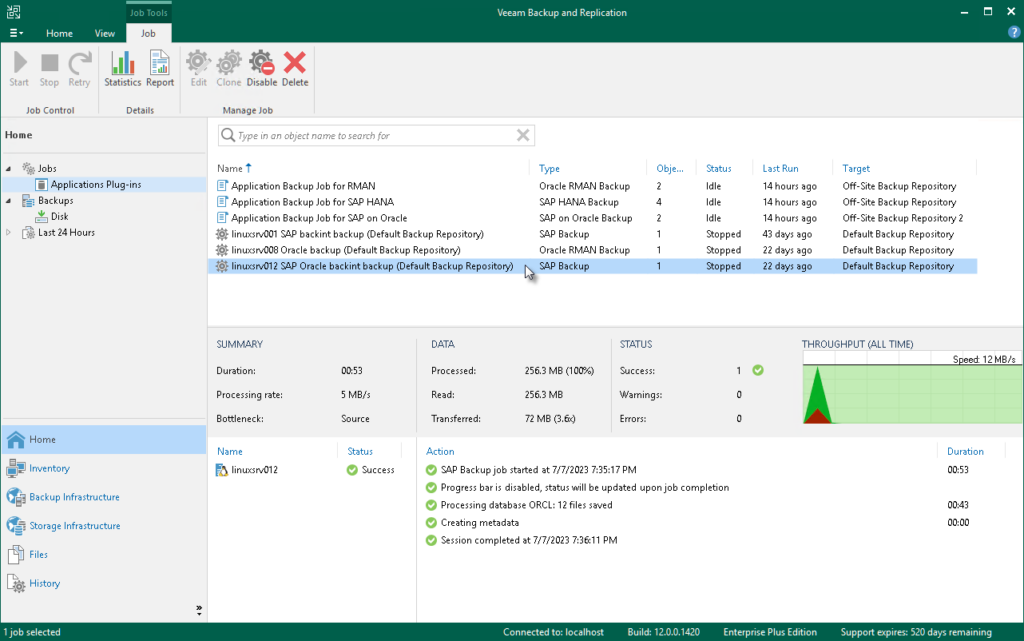
Veeam Backup & Replication è una soluzione completa di software di recupero dati, pensata principalmente per le macchine virtuali (VM). Grazie alla sua architettura unica e alle capacità avanzate, offre una protezione evoluta progettata appositamente per gli ambienti VM.
Perché ho scelto Veeam Backup & Replication: Ho scelto Veeam Backup & Replication dopo un attento confronto con altri concorrenti sul mercato. Ciò che lo distingue è il suo focus esclusivo sulle VM, offrendo soluzioni che molti strumenti di backup generici potrebbero trascurare.
In base a queste caratteristiche, credo fermamente che meriti il titolo di 'migliore per la protezione focalizzata sulle VM'.
Funzionalità principali e integrazioni:
Veeam è rinomato per i suoi tempi di recupero rapidi, garantendo tempi di inattività minimi. Le funzionalità di conservazione consentono alle aziende di gestire efficacemente i backup, mantenendo il giusto equilibrio tra disponibilità dei dati e costi di archiviazione.
Veeam si integra ampiamente con le principali piattaforme SaaS, assicurando una copertura completa oltre alle sole VM.
Pros and Cons
Pros:
- Soluzioni di recupero dedicate per le VM.
- Capacità avanzate di conservazione garantiscono una gestione ottimizzata dei dati.
- Le ampie integrazioni con i servizi SaaS ne ampliano l'utilità.
Cons:
- L'attenzione alle VM potrebbe lasciare i server fisici con una copertura meno completa.
- Alcuni MSP hanno segnalato che l'interfaccia potrebbe essere più intuitiva.
- La configurazione iniziale potrebbe essere complessa per chi è nuovo alle soluzioni di backup focalizzate sulle VM.

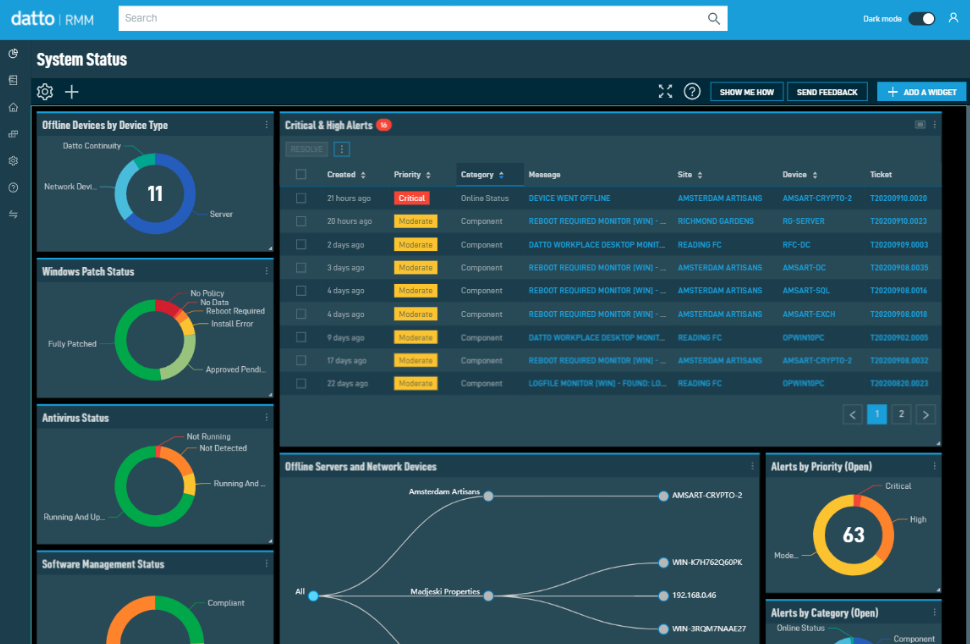
Datto si distingue come una scelta di primo piano per le aziende che mirano a garantire tempi di inattività minimi e operazioni fluide. La sua offerta principale si concentra su una solida pianificazione della continuità operativa, rendendolo una risorsa essenziale per le organizzazioni che danno priorità alla resilienza operativa sopra ogni altra cosa.
Perché ho scelto Datto: Tra la moltitudine di strumenti disponibili, ho scelto Datto per la sua particolare enfasi sulla continuità operativa. La mia valutazione, formata dopo un attento confronto e l'analisi di diverse opinioni, si basa sull'evidente dedizione di Datto a garantire che le operazioni rimangano senza interruzioni. La sua promessa in materia di pianificazione della continuità operativa lo ha reso una scelta indiscutibile come 'il migliore per la pianificazione della continuità operativa'.
Caratteristiche distintive & integrazioni:
Datto offre un servizio di backup completo, dotato di funzionalità di backup automatico, opzioni di backup differenziale e protezione degli endpoint. Il loro sistema è progettato sia per il rapido recupero dei dati sia per la protezione da potenziali minacce.
Per quanto riguarda le integrazioni, Datto si armonizza perfettamente con i principali sistemi operativi, soluzioni cloud e applicazioni aziendali più diffuse, garantendo un ambiente di backup e ripristino completo.
Pros and Cons
Pros:
- Specializzato nella pianificazione della continuità operativa.
- Opzioni di backup differenziale e automatico versatili.
- Robusta protezione degli endpoint.
Cons:
- Potrebbe essere percepito come complesso per le piccole imprese.
- Richiede revisioni periodiche per una configurazione ottimale.
- Ciò potrebbe comportare costi aggiuntivi per le funzionalità premium.

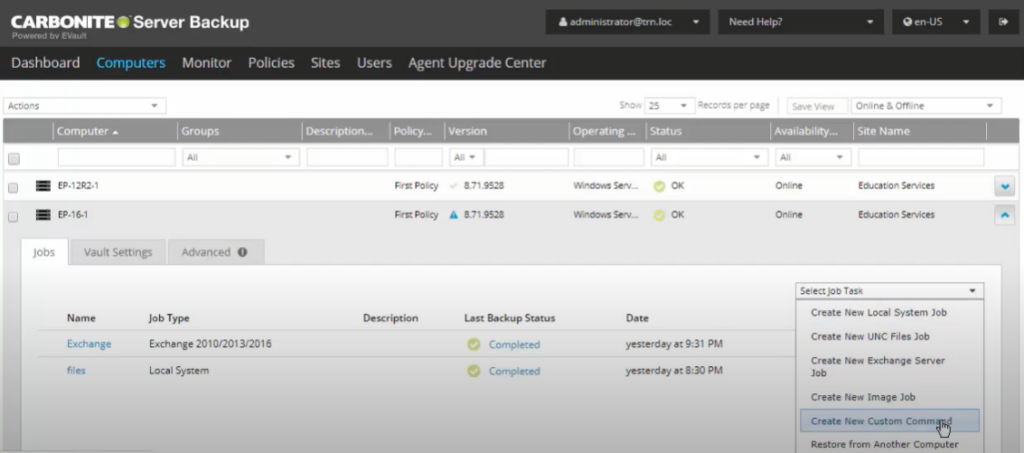
Carbonite Server Backup è una soluzione dedicata progettata per proteggere i dati critici, salvaguardandoli da disastri imprevedibili. La sua efficacia nell'integrazione con il cloud offre un doppio vantaggio: non solo mette al sicuro i dati ma assicura anche processi di backup semplificati, sfruttando la forza dello storage in cloud e la protezione dei dati fuori sede.
Perché ho scelto Carbonite Server Backup: Analizzando numerose opzioni, Carbonite si è distinto principalmente per le sue solide capacità cloud. Non si trattava solo del backup, ma della profondità di integrazione con le piattaforme cloud, rendendo il ripristino dei dati dal cloud un compito semplice per i server Windows.
Caratteristiche e integrazioni principali:
Carbonite eccelle nel backup in tempo reale, offrendo sia il ripristino completo del sistema che quello granulare. Il suo Bare Metal recovery assicura zero interruzioni alle attività aziendali. Le integrazioni sono pensate per le aziende moderne, con supporto per SQL, Exchange e persino SharePoint, garantendo una protezione a 360 gradi.
Pros and Cons
Pros:
- Backup cloud completo, che garantisce la sicurezza fuori sede.
- Compatibile con server Windows, coprendo una vasta gamma di aziende.
- Supporto diretto per i principali database e piattaforme.
Cons:
- La configurazione iniziale potrebbe risultare complessa per i principianti.
- Le velocità di ripristino possono variare.
- Opzioni limitate per sistemi non Windows.

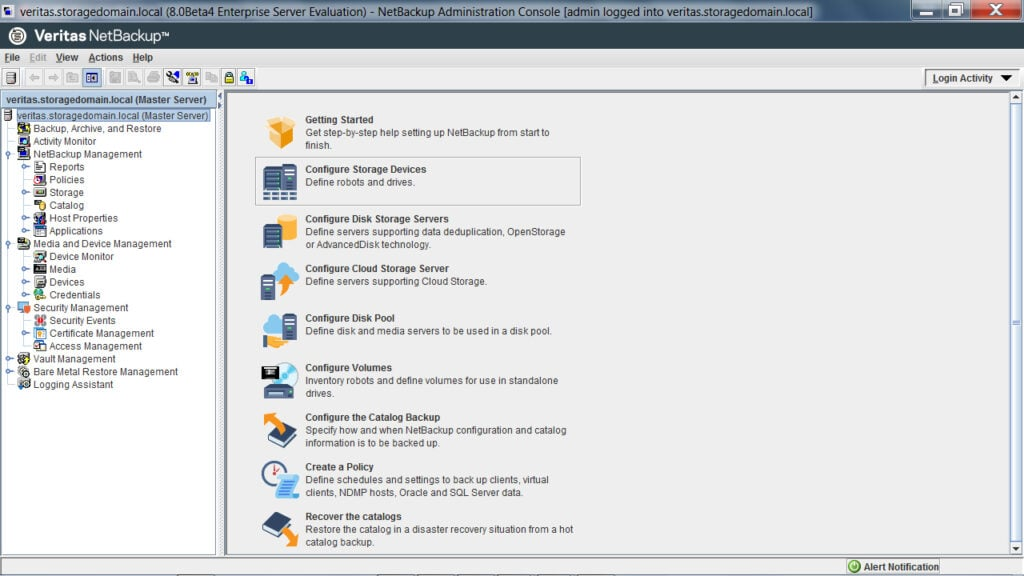
NetBackup è una soluzione completa che offre solide misure di backup dei dati appositamente progettate per le aziende. La sua protezione a livello aziendale garantisce che le organizzazioni di grandi dimensioni possano salvaguardare le loro vaste quantità di dati senza alcun intoppo, ottimizzando il processo di backup.
Perché ho scelto NetBackup: Nel processo di selezione degli strumenti, ho confrontato meticolosamente varie soluzioni e le loro capacità. NetBackup si è distinto per le sue funzionalità dedicate alle esigenze aziendali. Ho determinato che, dato il suo evidente vantaggio nell'offrire caratteristiche di backup di livello enterprise, merita pienamente il titolo di 'Migliore per la protezione a livello aziendale.'
Funzionalità e integrazioni principali:
NetBackup offre backup continuo, assicurando che le aziende non perdano mai nessun dato critico. Inoltre, le misure anti-malware integrate nel sistema garantiscono un doppio livello di protezione contro potenziali minacce.
Per quanto riguarda le integrazioni, NetBackup collabora con numerosi provider cloud e sistemi di storage, offrendo un ambiente di backup flessibile ed efficiente.
Pros and Cons
Pros:
- Il backup continuo assicura la sicurezza dei dati in ogni momento.
- Le solide funzionalità anti-malware migliorano la protezione.
- Ampia gamma di integrazioni con soluzioni cloud e di storage popolari.
Cons:
- Può risultare una configurazione complessa per le organizzazioni più piccole.
- Potrebbe essere necessario personale IT dedicato per un uso ottimale.
- La configurazione iniziale può richiedere tempo.

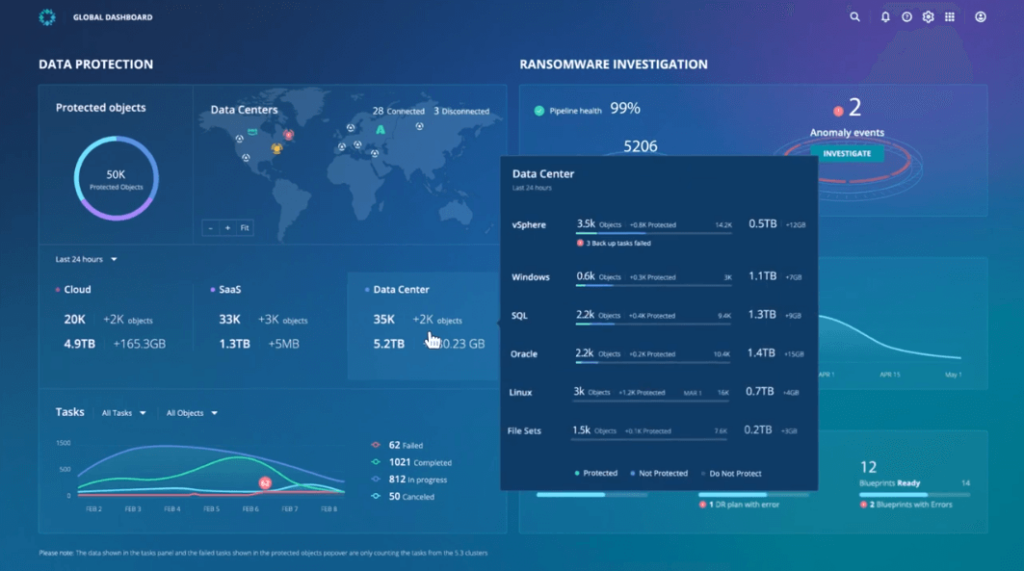
Rubrik offre una soluzione completa di backup e ripristino progettata per carichi di lavoro a livello aziendale. La loro rapida recupero dati è ciò che li distingue, garantendo che i file di backup essenziali siano immediatamente accessibili quando è più necessario.
Perché ho scelto Rubrik: Nell’ampio panorama dei software di backup, Rubrik si è distinto come una vera gemma. Ho valutato il suo valore in base all’eccezionale promessa di ripristino istantaneo. Confrontando diversi strumenti, mi è infatti apparso chiaro che l’approccio immediato di Rubrik non ha rivali, consolidando la sua posizione come 'migliore per il recupero istantaneo dei dati' nella mia lista.
Caratteristiche di spicco e integrazioni:
Rubrik vanta funzionalità impressionanti come la protezione per sistemi operativi, macchine virtuali e workstation. La piattaforma assicura che i file di backup siano sempre accessibili e al sicuro. A livello di integrazione, Rubrik si collega con AWS, Azure, Google Cloud e molte applicazioni aziendali, rendendolo versatile e adattabile a vari ambienti di business.
Pros and Cons
Pros:
- Recupero dati rapido anche per grandi volumi.
- Supporto ampio per vari sistemi operativi e macchine virtuali.
- Integrazioni versatili con le principali piattaforme cloud.
Cons:
- L’interfaccia può risultare complessa per i nuovi utenti.
- Potrebbe essere eccessivo per aziende molto piccole.
- La configurazione iniziale richiede competenze tecniche.


Commvault offre una soluzione olistica per il backup, il ripristino e la gestione dei dati. Fornendo strategie di protezione dei dati su misura, Commvault offre agli utenti un livello impareggiabile di flessibilità nella gestione dei loro asset informativi.
Perché ho scelto Commvault: Durante la valutazione dello strumento ideale, Commvault si è distinto per l'accento posto sulla fornitura di opzioni flessibili di gestione dei dati. Rispetto ad altre soluzioni, la sua adattabilità nel rispondere a esigenze diversificate di backup e ripristino era evidente. Pertanto, a mio avviso, merita il titolo di 'migliore per la flessibilità nella gestione dei dati'.
Funzionalità e integrazioni distintive:
La funzionalità di backup delle immagini di Commvault è preziosa, poiché consente agli utenti di eseguire backup basati su immagini, semplificando il ripristino dei dati. L'impegno dello strumento per la cybersicurezza garantisce che i dati non siano solo salvaguardati, ma anche protetti dalle minacce. L'integrazione con macOS offre agli utenti Mac una soluzione di backup affidabile ed efficiente, su misura per il loro sistema operativo.
Pros and Cons
Pros:
- Il backup basato su immagini offre una protezione dati approfondita.
- Forte attenzione alle misure di cybersicurezza.
- Integrazione dedicata per macOS che garantisce backup ottimizzati per utenti Apple.
Cons:
- La curva di apprendimento può essere ripida per i nuovi utenti.
- Il processo di configurazione può risultare complesso per chi non ha familiarità con le soluzioni di backup avanzate.
- Alcuni utenti potrebbero trovare l'interfaccia utente meno intuitiva rispetto ad altre piattaforme.
Altri Software di Backup per Server
Qui di seguito trovi una lista di altri software di backup per server che avevo selezionato, ma che non sono rientrati tra i primi 12. Vale comunque la pena considerarli.
- NinjaOne
Ideale per dashboard intuitive
- Unitrends
Migliore per l’intelligence adattiva per il recupero
- Acronis Cyber Backup
Ideale per una protezione informatica completa


Come Valuto i Software di Backup per Server
Valuto gli strumenti di backup per server su due livelli: i criteri di base che ogni strumento deve soddisfare—come il ripristino bare-metal e lo storage immutabile—e i fattori differenzianti che distinguono le migliori opzioni.
Funzionalità di Base (Requisiti Indispensabili per Questa Lista)
Quando seleziono gli strumenti per la mia lista, valuto ognuno su una scala da 0 (non offre la funzionalità) a 5 (eccelle in quest'area) per ogni funzionalità di base elencata di seguito. Poi, calcolo il punteggio totale dello strumento come percentuale. Ogni strumento deve raggiungere almeno un punteggio minimo totale del 75% per essere considerato per l'inclusione.
- Backup Immagine Completa del Server: Controllo se uno strumento acquisisce immagini bare-metal complete su server fisici, VM e carichi di lavoro in cloud—inclusi OS, dati applicativi e stato del sistema.
- Pianificazione Automatica & Backup Incrementali: Sono importanti politiche di backup flessibili, inclusa la possibilità di realizzare backup incrementali, differenziali e full sintetici con regole di conservazione configurabili.
- Disaster Recovery & Ripristino: Valuto l’ampiezza delle opzioni di ripristino, dal ripristino granulare a livello di file all’avvio istantaneo della VM e ripristino bare-metal completo anche su hardware diverso.
- Supporto Multi-Destinazione di Storage: Uno strumento dovrebbe permettere di distribuire i backup su disco locale, NAS/SAN, nastro e almeno un importante cloud provider come AWS S3, Azure Blob o Google Cloud Storage.
- Crittografia & Protezione Ransomware: Cerco crittografia AES-256 sia in transito che a riposo, oltre a soluzioni di backup immutabili o isolate che garantiscono l'integrità dei punti di ripristino contro le manomissioni.
- Console di Gestione Centralizzata: Gestire decine di server richiede una sola interfaccia per configurare, monitorare, ricevere alert e report su tutti i carichi di lavoro protetti.
Una volta ottenuta una lista di strumenti che rispettano questi criteri, considero cosa distingue ogni piattaforma.
Fattori Differenzianti (Cosa Distingue i Fornitori)
Ecco come confronto e metto a contrasto i diversi fornitori:
Caratteristiche di Spicco
La protezione continua dei dati è un importante elemento distintivo—gli strumenti che replicano le modifiche a livello di blocco in tempo quasi reale possono portare il tuo RPO vicino allo zero, fondamentale quando anche solo un’ora di dati di transazione persi è inaccettabile. Valuto anche la mobilità dei carichi di lavoro cross-platform, dato che poter ripristinare un backup VMware su Hyper-V o avviare un server fisico guasto come VM cloud può svoltare il recupero in caso di crisi hardware. Il testing di ripristino in ambiente isolato completa il quadro, consentendo la verifica dei backup senza impattare la produzione.
Oltre le Caratteristiche
La struttura di licensing è cruciale—il prezzo per socket può far lievitare i costi in ambienti VM densi, mentre modelli per TB o in abbonamento possono adattarsi meglio a infrastrutture in crescita. Valuto inoltre la profondità d’integrazione, ovvero se lo strumento può connettersi a SIEM, monitoraggio e stack di automazione già esistenti tramite API o connettori nativi per strumenti come Ansible o ServiceNow. L’allineamento alla conformità è un altro aspetto chiave; verifico la presenza di audit trail, supporto WORM e certificazioni rilevanti rispetto agli obblighi normativi come HIPAA, SOC 2 o GDPR.
Come Scegliere un Software di Backup per Server
È facile perdersi tra lunghe liste di funzionalità e prezzi complessi. Per aiutarti a restare concentrato durante la selezione del software più adatto alle tue esigenze, ti propongo una checklist di fattori da considerare:
| Fattore | Cosa Considerare |
|---|---|
| Scalabilità | Quanto bene il software può crescere insieme alla tua azienda? Considera l’aumento futuro dei dati e la capacità del software di gestire carichi maggiori senza problemi di prestazioni. |
| Integrazioni | Si integra con i sistemi esistenti? Verifica la compatibilità con il tuo attuale stack software, per evitare interruzioni nei flussi di lavoro. |
| Personalizzazione | Puoi adattare il software alle tue esigenze? Valuta le opzioni per modificare impostazioni e funzionalità in base ai tuoi processi. |
| Facilità d’uso | L’interfaccia è intuitiva? Assicurati che il software sia user-friendly, per ridurre i tempi di formazione e aumentare l’adozione da parte del tuo team. |
| Implementazione e onboarding | Quanto tempo serve per iniziare? Valuta la complessità nella configurazione e le risorse necessarie per una transizione senza problemi. |
| Costo | Rientra nel tuo budget? Confronta i modelli di pricing e considera il costo totale di proprietà, eventuali spese nascoste o impegni a lungo termine. |
| Sicurezza | Come protegge i tuoi dati? Cerca standard di crittografia, controlli di accesso e conformità ai protocolli di sicurezza del settore. |
| Disponibilità del supporto | Il supporto è disponibile quando serve? Verifica opzioni di assistenza 24/7 e tempi di risposta, per assicurarti aiuto tempestivo quando necessario. |
Che cos'è un software di backup per server?
Il software di backup per server è uno strumento specializzato progettato per catturare e archiviare copie dei dati presenti sui server, garantendo la protezione e il recupero dei dati in caso di cancellazioni accidentali, guasti hardware o minacce informatiche. Tipicamente utilizzato da aziende, professionisti IT e organizzazioni con importanti patrimoni informativi, consente di ripristinare rapidamente i dati essenziali, salvaguardando le operazioni da possibili interruzioni e supportando la gestione dei disastri. Le organizzazioni fortemente dipendenti da applicazioni cloud dovrebbero valutare anche software di backup SaaS specializzati per proteggere i dati delle proprie piattaforme software-as-a-service.
Funzionalità
Quando selezioni un software di backup per server, presta attenzione alle seguenti caratteristiche chiave:
- Crittografia dei dati: Protegge le informazioni sensibili criptandole durante il trasferimento e l'archiviazione, garantendo la sicurezza dei dati.
- Backup incrementali: Salva solo le modifiche rispetto all'ultimo backup, riducendo l'utilizzo dello spazio di archiviazione e velocizzando il processo di backup.
- Pianificazione automatica: Permette di impostare intervalli di backup regolari, minimizzando il rischio di perdita di dati senza interventi manuali.
- Ripristino dopo disastro: Garantisce il rapido ripristino dei dati in caso di guasti hardware o corruzione dei dati, mantenendo la continuità operativa.
- Gestione centralizzata: Offre un'unica interfaccia per gestire più backup, semplificando il controllo e la supervisione.
- Avvisi in tempo reale: Notifica lo stato dei backup e possibili problemi, consentendo di intervenire prontamente per risolvere eventuali criticità.
- Supporto cloud ibrido: Offre la flessibilità di archiviare backup sia in locale che nel cloud, adattandosi a diverse esigenze aziendali.
- Report di conformità: Genera report per aiutare a soddisfare i requisiti normativi, garantendo che la gestione dei dati sia conforme agli standard di settore.
- Versioning dei file: Permette l'accesso alle versioni precedenti dei file, facilitando il recupero dei dati e la correzione degli errori.
- Protezione dai ransomware: Individua e previene attacchi ransomware, mettendo al sicuro i dati da minacce malevole.
Vantaggi
L'implementazione di un software di backup per server offre diversi vantaggi per il tuo team e la tua azienda. Eccone alcuni a cui puoi aspirare:
- Protezione dei dati: Salvaguarda i dati aziendali da perdite grazie a backup automatici e crittografia, assicurando l'integrità delle informazioni.
- Continuità operativa: Riduce i tempi di inattività grazie al rapido recupero dei dati e alle funzionalità di disaster recovery, mantenendo l'attività sempre attiva.
- Efficienza delle risorse: Risparmia spazio di archiviazione e tempo grazie ai backup incrementali, ottimizzando l'uso delle risorse.
- Conformità normativa: Aiuta a rispettare le normative di settore attraverso la reportistica di conformità, riducendo il rischio di problemi legali.
- Mitigazione delle minacce: Protegge dagli attacchi ransomware attraverso funzioni integrate di rilevamento e prevenzione, mantenendo i dati sicuri.
- Gestione semplificata: Facilita il controllo con la gestione centralizzata e avvisi in tempo reale, rendendo più semplice la supervisione dei processi di backup.
- Correzione degli errori: Permette di recuperare le versioni precedenti dei file tramite il versioning, aiutando nella correzione di errori e nel ripristino dei dati.
Costi e prezzi
Scegliere un software di backup per server richiede la comprensione dei diversi modelli e piani tariffari disponibili. I costi variano in base alle funzionalità, alla dimensione del team, agli add-on e ad altri fattori. La tabella seguente riassume i piani più comuni, i prezzi medi e le funzionalità tipiche incluse nelle soluzioni di backup per server:
Tabella comparativa dei piani per software di backup server
| Tipo di piano | Prezzo medio | Funzionalità comuni |
|---|---|---|
| Piano gratuito | $0 | Funzionalità di base per il backup, spazio di archiviazione limitato e crittografia. |
| Piano personale | $5-$25/user/month | Backup automatici, versioning dei file e supporto di base. |
| Piano Business | $30-$75/user/month | Backup incrementali, disaster recovery e gestione centralizzata. |
| Piano Enterprise | $100-$200/user/month | Funzionalità avanzate di sicurezza, report di conformità e supporto premium 24/7. |
FAQ sul software di backup per server
Ecco alcune risposte alle domande più comuni sul software di backup per server:
Il software di backup per server può eseguire il recovery bare-metal?
Sì, alcune soluzioni di backup per server offrono il recovery bare-metal, che consente di ripristinare l’intero sistema da zero in caso di guasto. Questa funzionalità è utile per riportare rapidamente online i server senza dover reinstallare separatamente il sistema operativo e le applicazioni.
Come funziona la deduplicazione nel software di backup per server?
La deduplicazione riduce il consumo di spazio eliminando copie duplicate dei dati. Quando esegui il backup dei dati, il software identifica e rimuove i duplicati, memorizzando solo i blocchi di dati unici. Questo processo riduce la quantità di spazio necessario, permettendo di risparmiare sui costi e migliorando le prestazioni del backup.
Quanto sono sicuri i miei dati durante il backup?
La sicurezza dei dati durante il backup è fondamentale. La maggior parte dei software di backup per server cripta i dati sia in transito sia a riposo. Assicurati che il software sia conforme ai protocolli di crittografia standard del settore per proteggere le informazioni sensibili da accessi non autorizzati durante il processo di backup.
Posso eseguire il backup di più server contemporaneamente?
Sì, molte soluzioni di backup per server consentono il backup simultaneo di più server. Questa capacità aiuta a ottimizzare il processo di backup in tutta l’organizzazione, risparmiando tempo e garantendo che tutti i dati critici siano protetti senza intervento manuale.
Cosa succede se il mio server perde la connessione durante un backup?
Se il server perde la connessione durante un backup, la maggior parte dei software metterà in pausa il processo e lo riprenderà una volta che la connessione sarà ristabilita. Questa funzionalità assicura che i backup vengano completati senza corruzione dei dati, mantenendo l’integrità dei file di backup.
Cosa fare dopo:
Se stai cercando un software di backup per server, contatta gratuitamente un consulente SoftwareSelect per ricevere consigli personalizzati.
Compila un modulo e fai una breve chiacchierata in cui vengono analizzate le tue esigenze specifiche. Riceverai poi una lista ristretta di software da valutare. Ti supporteranno anche durante l'intero processo d'acquisto, comprese le trattative sul prezzo.