

10 Best Terraform Alternatives Reviewed in 2026

Best Terraform Alternatives Shortlist
Here’s my shortlist of the best Terraform alternatives:


The best Terraform alternatives help teams define, provision, and manage infrastructure with fewer workflow bottlenecks, stronger policy enforcement, and integrations that align with existing tech stacks. These tools give engineers the ability to automate deployments, enforce governance rules, and maintain reproducible environments without relying solely on HashiCorp’s ecosystem.
Teams often start looking for Terraform alternatives after running into challenges such as debugging opaque HCL errors, maintaining state files across distributed teams, or trying to extend Terraform with integrations it doesn’t natively support. Others face limits when applying advanced security policies or need tighter alignment with languages their developers already use.
I’ve worked with engineering groups migrating from Terraform to other IaC frameworks, evaluated these platforms against live production deployments, and tested how they perform under real-world conditions like multi-cloud rollouts and compliance-driven environments. This background shaped a practical view of where each tool excels and where it creates friction.
In this guide, you’ll see which Terraform alternatives deliver clearer syntax, stronger governance, and smoother integration into modern DevOps workflows so you can select the platform that fits your infrastructure strategy.
What is Terraform?
Terraform is an Infrastructure as Code (IaC) tool that enables you to define and manage infrastructure using code. It's commonly used by developers, DevOps engineers, and IT professionals who need to automate and scale infrastructure efficiently.
Features like resource provisioning, multi-cloud support, and state management help with automating infrastructure tasks, reducing manual errors, and ensuring consistency. Terraform's overall value lies in its ability to simplify infrastructure management and improve efficiency.
Why Trust Our Software Reviews
We’ve been testing and reviewing software since 2023. As tech leaders ourselves, we know how critical and difficult it is to make the right decision when selecting software.
We invest in deep research to help our audience make better software purchasing decisions. We’ve tested more than 2,000 tools for different tech use cases and written over 1,000 comprehensive software reviews. Learn how we stay transparent & our software review methodology.
Best Terraform Alternatives Summary
This comparison chart summarizes pricing details for my top Terraform alternative selections to help you find the best one for your budget and business needs.
| Tool | Best For | Trial Info | Price | ||
|---|---|---|---|---|---|
| 1 | Best for multi-language IaC | 14-day free trial | From $40/month | Website | |
| 2 | Best for DevSecOps integration | Free plan available | From $29/user/month | Website | |
| 3 | Best for VM development environments | Free download available | Free to use | Website | |
| 4 | Best for continuous integration | Free download available | Free to use | Website | |
| 5 | Best for multi-cloud orchestration | Free plan available | Free | Website | |
| 6 | Best for Google Cloud resources | Not available | Free to use | Website | |
| 7 | Best for AWS resource management | Free plan available | Pricing upon request | Website | |
| 8 | Best for IT automation | Free demo available | Pricing upon request | Website | |
| 9 | Best for open-source IaC | Free plan available | Free plan available | Website | |
| 10 | Best for Kubernetes integration | Not available | Free to use | Website |
-

Site24x7
Visit WebsiteThis is an aggregated rating for this tool including ratings from Crozdesk users and ratings from other sites.4.6 -
GitHub Actions
Visit WebsiteThis is an aggregated rating for this tool including ratings from Crozdesk users and ratings from other sites.4.8 -
Docker
Visit WebsiteThis is an aggregated rating for this tool including ratings from Crozdesk users and ratings from other sites.4.6




Best Terraform Alternatives Reviews
Below are my detailed summaries of the best Terraform alternatives that made it onto my shortlist. My reviews offer a detailed look at the key features, pros & cons, integrations, and ideal use cases of each tool to help you find the best one for you.

Pulumi is an Infrastructure as Code (IaC) tool designed for developers and DevOps teams to manage cloud infrastructure using familiar programming languages. It helps automate infrastructure tasks, making it easier for teams to deploy and manage resources.
Why it's a good Terraform alternative: Pulumi supports multiple programming languages like JavaScript, TypeScript, Python, Go, and C#, allowing you to use existing skills for infrastructure management. Unlike Terraform, which relies on its own configuration language, Pulumi lets you write infrastructure code using general-purpose languages.
This flexibility can improve productivity and reduce the learning curve for your team. Pulumi also offers real-time updates and previews, enhancing collaboration and transparency in project development.
Standout features & integrations:
Features include: the ability to use familiar programming languages, live updates and previews for infrastructure changes, and a rich set of libraries for cloud provider support. Pulumi's CLI and SDKs provide a consistent and flexible way to manage infrastructure across different environments.
Integrations include: AWS, Azure, Google Cloud, Kubernetes, DigitalOcean, GitHub, GitLab, Slack, Jira, and Bitbucket.
Pros and Cons
Pros:
- Consistent CLI and SDKs
- Rich library support
- Real-time updates and previews
Cons:
- Requires programming knowledge
- Limited community support

GitLab is a complete DevOps platform used by developers and IT teams to manage the entire software development lifecycle. It offers tools for source code management, continuous integration, and deployment, facilitating collaboration and improving workflow efficiency.
Why it's a good Terraform alternative: GitLab integrates DevSecOps into its platform, providing security features alongside development tools. It offers built-in code scanning and vulnerability management, which can help your team ensure code quality and security.
Unlike Terraform, GitLab provides a comprehensive suite for both development and operations, eliminating the need for multiple tools. Its collaboration features enhance team communication, ensuring everyone stays aligned on project goals.
Standout features & integrations:
Features include: built-in CI/CD pipelines for automated testing and deployment, issue tracking to manage project tasks, and merge request workflows to streamline code review processes. GitLab's monitoring and analytics tools provide insights into project performance.
Integrations include: GitHub, Jira, Slack, Jenkins, Docker, Kubernetes, AWS, Google Cloud, Microsoft Azure, and Terraform.
Pros and Cons
Pros:
- Security and vulnerability management
- Comprehensive project management tools
- Built-in CI/CD pipelines
Cons:
- Complexity for small teams
- Can be resource-intensive


Vagrant is a tool for building and managing virtualized development environments, primarily used by developers and DevOps teams. It simplifies the process of setting up and maintaining consistent development environments, ensuring that applications run the same regardless of the user's operating system.
Why it's a good Terraform alternative: Vagrant focuses on creating and managing development environments, making it ideal for teams that need to ensure consistency across different machines. It automates the setup of virtual machines, which can save time and reduce errors during development.
Vagrant's ability to work with various virtualization tools allows your team to use existing infrastructure without significant changes. Its user-friendly approach to VM management makes it accessible for developers who may not specialize in infrastructure.
Standout features & integrations:
Features include: a simple command-line interface for managing environments, the ability to create reproducible development environments, and support for multiple virtualization providers. Vagrant also offers version control for environments, making it easy to share and collaborate on configurations.
Integrations include VirtualBox, VMware, Docker, Hyper-V, AWS, Azure, Google Cloud, Ansible, Chef, and Puppet.
Pros and Cons
Pros:
- User-friendly for developers
- Supports multiple virtualization tools
- Easy virtual machine management
Cons:
- Can be resource-intensive
- Requires virtualization knowledge


Jenkins is an open-source automation server used by developers and DevOps teams to automate parts of software development, primarily continuous integration and delivery. It facilitates the building, testing, and deployment of applications, streamlining the development process.
Why it's a good Terraform alternative: Jenkins excels in continuous integration, providing a flexible environment for automating repetitive tasks. Its extensive plugin ecosystem allows you to customize workflows, making it adaptable to your team's needs.
Jenkins supports distributed builds, which can optimize resource usage and speed up the testing process. The tool's open-source nature means you can modify and extend it as required, giving you control over your automation pipeline.
Standout features & integrations:
Features include: an easy-to-use web interface for managing builds, real-time build progress updates, and a robust plugin system for customization. Jenkins also offers support for distributed builds, enhancing performance across large projects.
Integrations include: Git, GitHub, Bitbucket, Docker, Kubernetes, Maven, Gradle, Slack, JIRA, and AWS.
Pros and Cons
Pros:
- Real-time build progress updates
- Open-source and modifiable
- Extensive plugin ecosystem
Cons:
- Needs manual configuration
- Requires regular maintenance


Cloudify is an open-source platform designed for DevOps teams to manage and automate the lifecycle of cloud applications and services. It provides orchestration capabilities that allow users to manage complex, multi-cloud environments efficiently.
Why it's a good Terraform alternative: Cloudify offers multi-cloud orchestration, allowing you to manage resources across different cloud platforms. It supports hybrid cloud deployments, making it easier to integrate and manage on-premises and cloud resources.
With its focus on end-to-end automation, Cloudify helps your team automate everything from provisioning to ongoing management. Its event-driven architecture enables real-time responses to changes in your environment.
Standout features & integrations:
Features include: blueprint modeling for defining applications, a centralized management console for oversight, and event-driven workflows for automation. These features provide a comprehensive approach to managing multi-cloud environments.
Integrations include: AWS, Azure, Google Cloud, OpenStack, Kubernetes, Ansible, Terraform, VMware, Docker, and ServiceNow.
Pros and Cons
Pros:
- Comprehensive blueprint modeling
- End-to-end automation
- Hybrid cloud deployment capabilities
Cons:
- Limited documentation for advanced features
- Steep learning curve for beginners


Google Cloud Deployment Manager (GCP) is an infrastructure management tool designed for developers and IT teams to automate the creation and management of Google Cloud resources. It enables teams to define resources using templates and manage them in a consistent and repeatable manner.
Why it's a good Terraform alternative: Google Cloud Deployment Manager (GCP) provides native integration with Google Cloud services, ensuring seamless management of cloud resources. It supports declarative configurations, allowing you to manage infrastructure as code with ease.
The tool's template-driven approach simplifies the deployment process, making it easier to replicate environments. With its focus on Google Cloud, it offers specialized capabilities for teams heavily invested in Google's ecosystem.
Standout features & integrations:
Features include: declarative configuration support for infrastructure management, template-driven deployments for consistent environments, and real-time monitoring and logging to keep track of resources. These features help your team efficiently manage and scale Google Cloud resources.
Integrations include: Google Cloud Platform services, Google Cloud Storage, Google Cloud SQL, Google Kubernetes Engine, Google BigQuery, Google Cloud Functions, Google Cloud Pub/Sub, Google Compute Engine, Google Cloud Dataproc, and Google Cloud DNS.
Pros and Cons
Pros:
- Real-time monitoring features
- Template-driven deployment
- Supports declarative configurations
Cons:
- Requires Google Cloud expertise
- May not support hybrid clouds


AWS CloudFormation is an Infrastructure as Code (IaC) tool that allows developers and IT teams to automate the setup and management of AWS resources. It provides a way to define and provision infrastructure using templates, ensuring consistent and repeatable deployments.
Why it's a good Terraform alternative: AWS CloudFormation offers deep integration with AWS services, making it ideal for teams heavily invested in the AWS ecosystem. It supports declarative programming, allowing you to define your infrastructure in a straightforward manner.
With its ability to automate resource management, CloudFormation reduces the manual effort required for setup and provisioning. The tool also provides rollback capabilities, ensuring stability in case of deployment issues.
Standout features & integrations:
Features include: drift detection to identify changes in resources, stack sets for managing resources across multiple accounts, and change sets for previewing updates before deployment. These features enhance the control and management of AWS environments.
Integrations include: Amazon EC2, Amazon S3, Amazon RDS, AWS Lambda, Amazon VPC, AWS IAM, Amazon CloudWatch, AWS Elastic Beanstalk, Amazon SNS, and Amazon SQS.
Pros and Cons
Pros:
- Drift detection feature
- Provides rollback capabilities
- Automates resource management
Cons:
- Limited customization options
- Can be complex for large setups

Puppet is a configuration management tool used by IT teams to automate the provisioning, configuration, and management of infrastructure. It simplifies repetitive tasks and ensures consistency across environments by defining infrastructure as code.
Why it's a good Terraform alternative: Puppet offers extensive automation capabilities that help you manage configurations across large-scale IT environments. Its declarative language allows you to define the desired state of your infrastructure, automating the process of reaching that state.
Puppet's reporting and visualization tools provide insights into infrastructure changes, helping your team maintain control and compliance. With its focus on IT automation, Puppet is ideal for organizations looking to improve efficiency and reduce manual errors.
Standout features & integrations:
Features include: a declarative language for defining configurations, real-time reporting tools for tracking changes, and a comprehensive module ecosystem for extending functionality. Puppet's automation capabilities enable consistent infrastructure management.
Integrations include: AWS, Azure, Google Cloud, VMware, Docker, Kubernetes, GitHub, GitLab, Jenkins, and ServiceNow.
Pros and Cons
Pros:
- Comprehensive module ecosystem
- Declarative language for configurations
- Extensive automation capabilities
Cons:
- May need customization
- Can be complex to set up


OpenTofu is an open-source infrastructure as code (IaC) tool managed by the Linux Foundation, designed for developers and DevOps teams to manage cloud infrastructure efficiently. It provides a robust ecosystem with thousands of modules and providers, helping teams automate and control infrastructure across various platforms.
Why it's a good Terraform alternative: OpenTofu remains open-source, addressing concerns over Terraform's licensing changes. It offers centralized version management, allowing you to update all modules with a single variable change.
The state encryption feature ensures your infrastructure data is protected at rest. With a strong community focus, OpenTofu encourages contributions, keeping it aligned with user needs and maintaining feature parity with Terraform.
Standout features & integrations:
Features include: exclusion flag for resource control, provider iteration for dynamic configurations, and early variable/local evaluation for improved handling. These features enhance flexibility and simplify management across multi-region deployments.
Integrations include: AWS, Cloudflare, GitHub, Google Cloud, Azure, Kubernetes, DigitalOcean, Slack, Jira, and Bitbucket.
Pros and Cons
Pros:
- State encryption for data protection
- Centralized version management
- Supports many providers and modules
Cons:
- May have compatibility issues
- Potential for slower updates

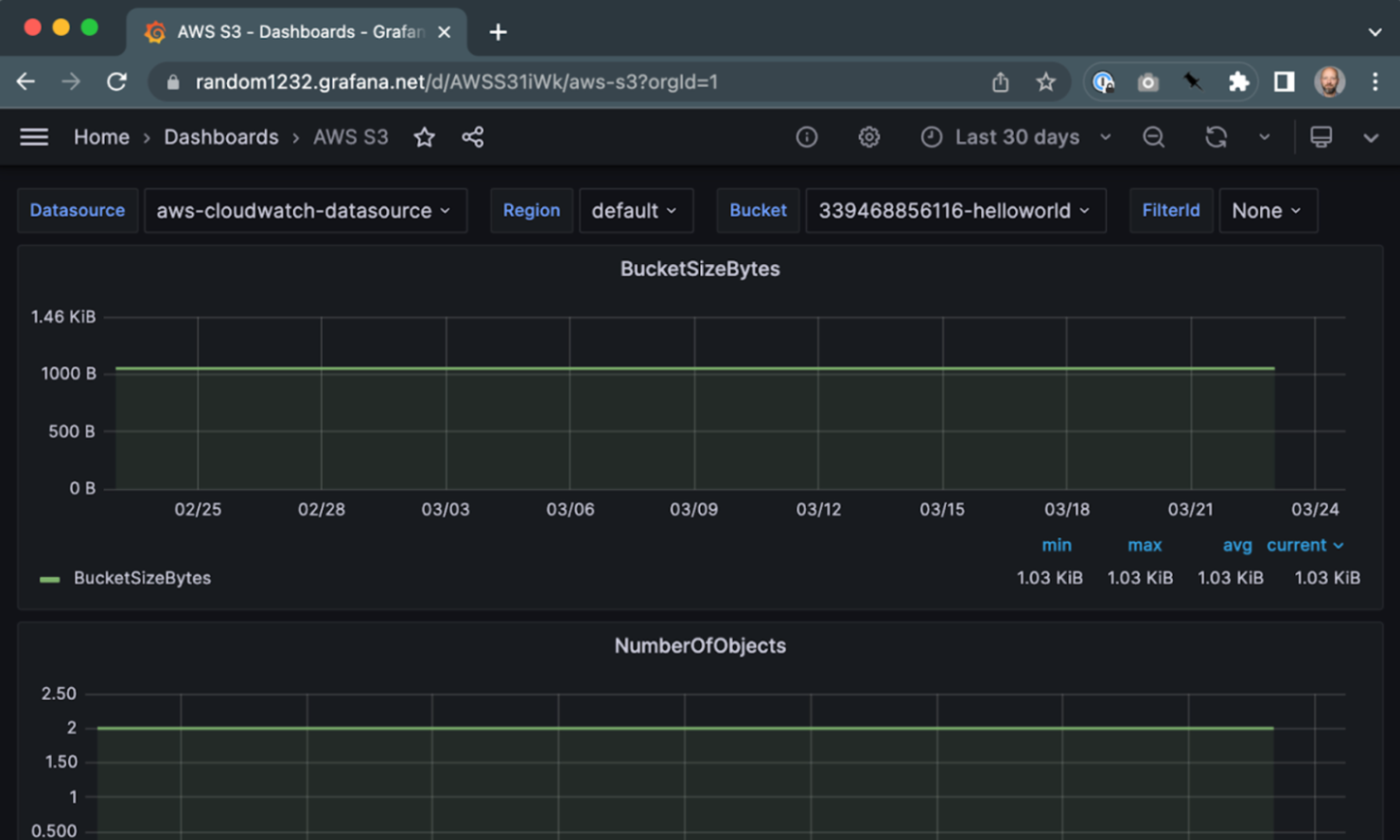
Crossplane is an open-source infrastructure management tool designed for DevOps teams to manage and provision cloud resources using Kubernetes. It allows you to define and manage cloud infrastructure using Kubernetes-native APIs, providing a unified approach to managing both applications and infrastructure.
Why it's a good Terraform alternative: Crossplane leverages Kubernetes to manage infrastructure, which can be a game-changer if your team already works within a Kubernetes environment. It offers the ability to compose infrastructure using Kubernetes custom resources, allowing for a more integrated management experience.
This approach helps you manage infrastructure with the same tools and processes you use for applications. Crossplane's native Kubernetes integration provides a consistent and scalable way to handle infrastructure as code.
Standout features & integrations:
Features include: support for Kubernetes-native APIs to manage infrastructure, the ability to extend Kubernetes with custom resources, and a unified control plane for both applications and infrastructure. Crossplane helps your team streamline operations by using Kubernetes for everything from deployment to management.
Integrations include: AWS, Azure, Google Cloud, Alibaba Cloud, VMware, DigitalOcean, GitHub, GitLab, Helm, and Prometheus.
Pros and Cons
Pros:
- Scalable infrastructure management
- Unified control plane
- Native Kubernetes integration
Cons:
- Learning curve for advanced features
- Limited to Kubernetes environments
Other Terraform Alternatives
Here are some additional Terraform alternatives that didn’t make it onto my shortlist, but are still worth checking out:
- Morpheus
For hybrid cloud management
- env0
For cloud governance
- Chef
For configuration management
- Docker
For containerization
- Kubernetes
For container orchestration
- Aikido Security
For security auditing


Terraform Alternatives Selection Criteria
When selecting the best Terraform alternatives to include in this list, I considered common buyer needs and pain points related to Infrastructure as Code (IaC) tools products, like scalability issues and integration with existing systems. I also used the following framework to keep my evaluation structured and fair:
Core Functionality (25% of total score)
To be considered for inclusion in this list, each solution had to fulfill these common use cases:
- Automating infrastructure provisioning
- Managing multi-cloud environments
- Supporting version control
- Enabling infrastructure monitoring
- Providing configuration management
Additional Standout Features (25% of total score)
To help further narrow down the competition, I also looked for unique features, such as:
- Built-in security compliance checks
- Multi-language support
- Real-time collaboration tools
- Advanced policy management
- Integration with CI/CD pipelines
Usability (10% of total score)
To get a sense of the usability of each system, I considered the following:
- Intuitive user interface
- Ease of navigation
- Availability of documentation
- Customization options
- User feedback mechanisms
Onboarding (10% of total score)
To evaluate the onboarding experience for each platform, I considered the following:
- Availability of training videos
- Pre-built templates
- Interactive product tours
- Access to chatbots
- Regular webinars
Customer Support (10% of total score)
To assess each software provider’s customer support services, I considered the following:
- Availability of 24/7 support
- Response time to queries
- Access to a dedicated account manager
- Availability of a knowledge base
- Community forums
Value For Money (10% of total score)
To evaluate the value for money of each platform, I considered the following:
- Pricing transparency
- Scalability of pricing plans
- Features included in basic plans
- Cost compared to competitors
- Discounts for annual subscriptions
Customer Reviews (10% of total score)
To get a sense of overall customer satisfaction, I considered the following when reading customer reviews:
- Overall satisfaction ratings
- Commonly reported issues
- Praise for specific features
- Feedback on customer service
- Comparison to other tools
Why Look For a Terraform Alternative?
While Terraform is a good choice of Infrastructure as Code (IaC) tools, there are a number of reasons why some users seek out alternative solutions. You might be looking for a Terraform alternative because…
- You need multilingual support for your team
- You're facing issues with Terraform's learning curve
- You require better integration with existing systems
- You need more advanced policy management features
- Your team is looking for real-time collaboration tools
- You're limited by Terraform's geographic availability
If any of these sound like you, you’ve come to the right place. My list contains several Infrastructure as Code (IaC) tools options that are better suited for teams facing these challenges with Terraform and looking for alternative solutions.
Terraform Key Features
Here are some of the key features of Terraform to help you contrast and compare what alternative solutions offer:
- Three-stage workflow: Terraform uses a write-plan-apply workflow that helps your team define, preview, and deploy infrastructure changes efficiently.
- Support for multiple providers: It works with a wide range of providers, letting you manage various cloud and on-premises services.
- Immutable infrastructure: Terraform promotes an immutable infrastructure approach, simplifying upgrades and ensuring consistency.
- State management: It tracks infrastructure changes through a state file, helping you manage and understand your infrastructure's current status.
- Reusable configuration modules: You can create reusable modules to standardize infrastructure components across different environments.
- Version control integration: Terraform integrates with version control systems, facilitating collaboration and change tracking within your team.
- Automated resource provisioning: It automates the provisioning of resources, reducing manual effort and errors in infrastructure management.
- Community engagement: Terraform encourages community contributions and discussions, fostering an active user community that helps improve the tool.
What’s Next:
If you're in the process of researching Infrastructure as Code (IaC) tools, connect with a SoftwareSelect advisor for free recommendations.
You fill out a form and have a quick chat where they get into the specifics of your needs. Then you'll get a shortlist of software to review. They'll even support you through the entire buying process, including price negotiations.