
10 Best DigitalOcean Alternatives Reviewed in 2026

Best DigitalOcean Alternatives Shortlist
Here's my pick of the 10 best software from the 20 tools reviewed.


Choosing the right cloud-computing platform for your team can be a challenge. With DigitalOcean, you might face limitations in scalability or specific features that don't quite fit your needs. That's where exploring alternatives comes in.
In my experience, finding the perfect fit means looking for better customization, compliance, or geographic availability for your business. I've independently tested and reviewed various options to help you make an informed decision.
In this article, I'll guide you through my top picks for DigitalOcean alternatives, highlighting their unique features and how they can address your specific challenges. Whether it's cost efficiency or technical support, you'll find options that align with your goals.
What Is DigitalOcean?
DigitalOcean is a cloud-computing platform that provides developers with virtual servers and other cloud services to deploy and scale applications. It's commonly used by developers, startups, and small businesses that need reliable cloud infrastructure without complex management. Features such as simplicity, scalability, and global data centers help with quick deployments and efficient resource management. Overall, DigitalOcean offers an accessible and cost-effective cloud solution for teams looking to focus on development rather than infrastructure management.
Best DigitalOcean Alternatives Summary
This comparison chart summarizes pricing details for my top DigitalOcean alternative selections to help you find the best one for your budget and business needs.
| Tool | Best For | Trial Info | Price | ||
|---|---|---|---|---|---|
| 1 | Best with direct-to-engineer support | Not available | Pricing upon request | Website | |
| 2 | Best for managed hosting solutions | 30-day money-back guarantee | From $5/month (unmanaged) | Website | |
| 3 | Best for eco-friendly dedicated servers | Free trial available | From $29.04/month | Website | |
| 4 | Best for customizable VPS plans | Free demo available | From $4.99/month | Website | |
| 5 | Best for global data center availability | Not available | From $2.50/month | Website | |
| 6 | Best for app deployment simplicity | Free demo available | From $5/month | Website | |
| 7 | Best for budget-friendly AWS-based VPS hosting | Free tier + 90-day free trial available | From $3.50/month | Website | |
| 8 | Best for pay-as-you-go cloud servers with global coverage | 30-day free trial available | From $4/month | Website | |
| 9 | Best for ease of app deployment | Free plan available | From $7/month | Website | |
| 10 | Best for affordable cloud hosting | Not available | From $2/month | Website |
Why Trust Our Software Reviews


Best DigitalOcean Alternatives Reviews
Below are my detailed summaries of the best DigitalOcean alternatives that made it onto my shortlist. My reviews offer a detailed look at the key features, pros and cons, integrations, and ideal use cases of each tool to help you find the best one for you.

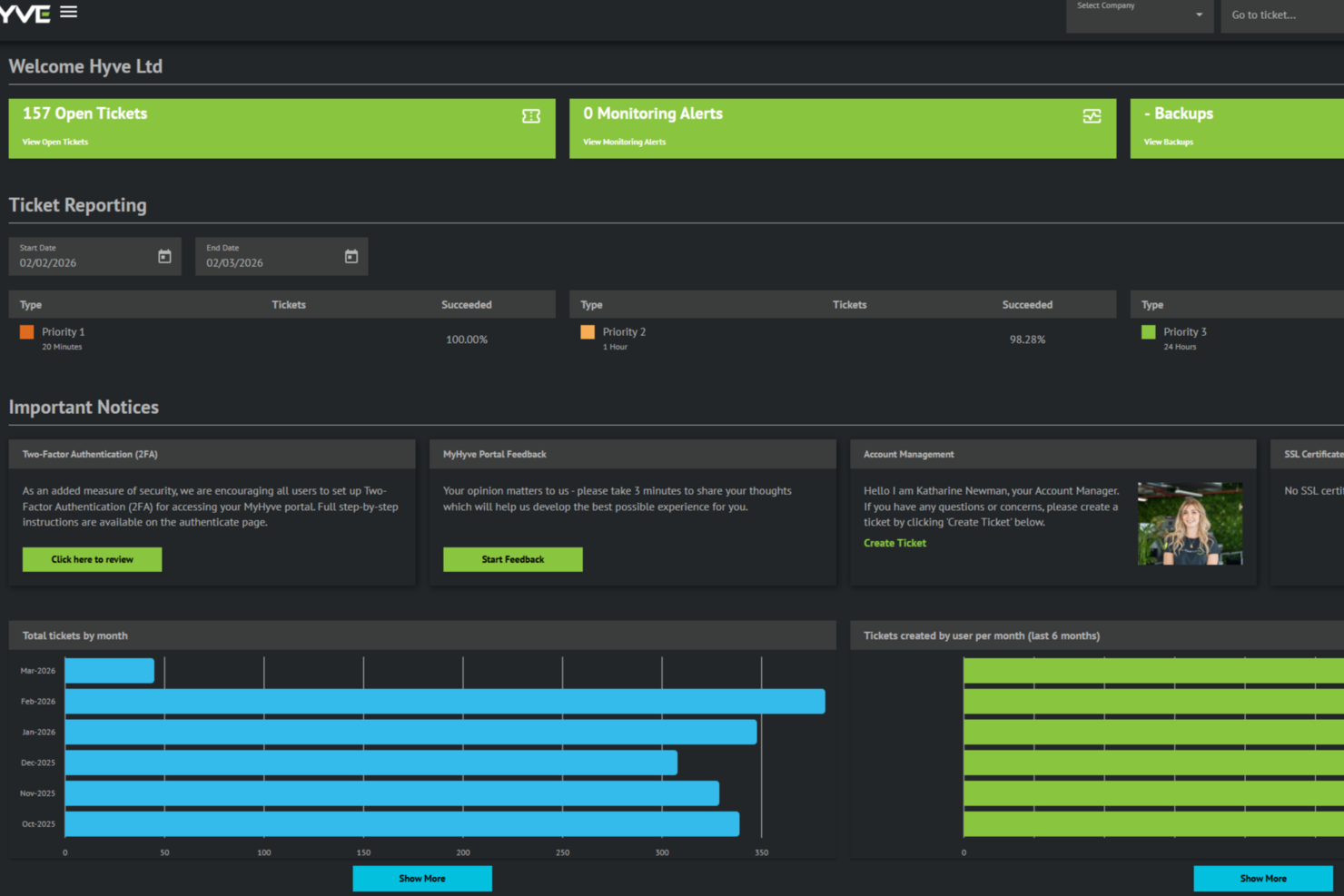
Hyve Managed Hosting offers managed cloud infrastructure designed for organizations that need more than just self-service hosting. It’s a strong choice for IT teams in regulated industries, ecommerce, or enterprises that require tailored environments and hands-on support. If you’re looking for a DigitalOcean alternative with a focus on compliance, customization, and direct access to technical expertise, Hyve stands out.
Who Is Hyve Managed Hosting Best For?
Hyve Managed Hosting is a good fit for IT teams in mid-sized to large enterprises that require managed infrastructure with direct access to technical support.
Why Hyve Managed Hosting Is a Good DigitalOcean Alternative
If you want direct access to technical engineers instead of ticket-based or tiered support, Hyve Managed Hosting is worth considering. I picked it as a DigitalOcean alternative because you can speak directly with experienced engineers 24/7, which is rare among cloud providers. This approach helps resolve complex infrastructure issues quickly and gives you a single point of contact for ongoing support. For teams that value hands-on, personalized assistance over self-service troubleshooting, Hyve’s support model stands out.
Hyve Managed Hosting Key Features
Some other features that make Hyve Managed Hosting appealing include:
- ISO 27001 and PCI-DSS Certified Hosting: Hyve provides infrastructure that meets strict security and compliance standards for regulated industries.
- Customizable Private and Hybrid Cloud Solutions: You can tailor your cloud environment to fit specific business or technical requirements.
- Global Data Center Locations: Choose from multiple data centers worldwide to optimize for latency, redundancy, or data sovereignty.
- Disaster Recovery and Backup Services: Built-in disaster recovery and backup options help protect your data and ensure business continuity.
Hyve Managed Hosting Integrations
Integrations include HPE, Juniper, Cisco, Red Hat, VMware, Equinix, Telehouse, 3PAR, and Hewlett Packard.
Pros and Cons
Pros:
- Global data center locations for redundancy
- ISO 27001 and PCI-DSS certified hosting
- Customizable private and hybrid cloud options
Cons:
- No self-service provisioning for developers
- Limited community and documentation resources
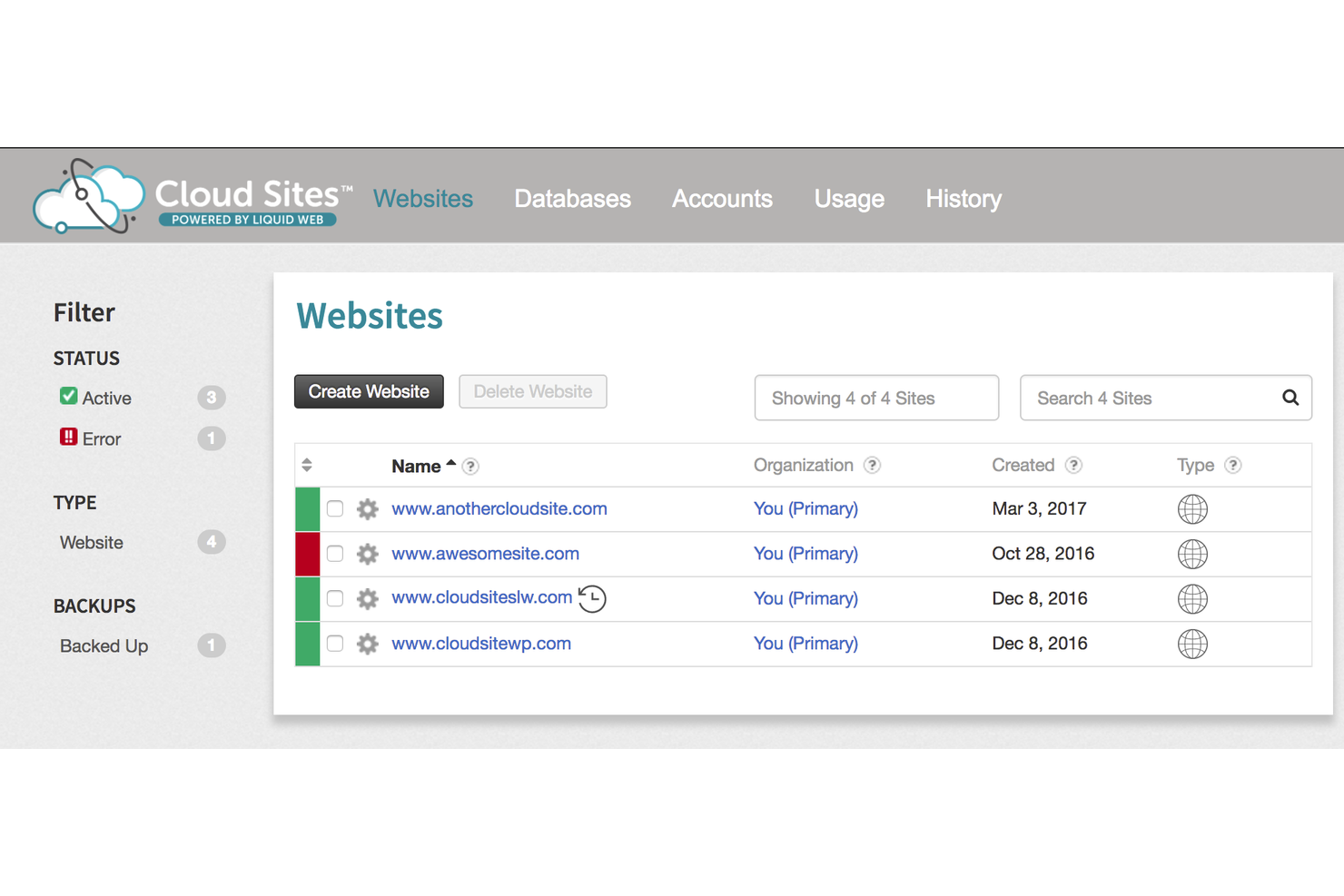
Liquid Web is a cloud-hosting provider focused on delivering managed hosting services to businesses and developers. It's well-suited for companies that need reliable hosting without the hassle of server management.
Why it's a good DigitalOcean alternative: Liquid Web offers managed hosting solutions, allowing your team to focus on projects instead of server maintenance. Its dedicated support helps you quickly resolve issues. With customizable server options, you can tailor resources to fit your specific needs. Liquid Web's emphasis on performance and reliability makes it a strong choice for businesses seeking dependable hosting.
Standout Features and Integrations:
Features include a high-performance infrastructure to improve site speed, an intuitive control panel for easy management, and a backup system to protect your data. You can also benefit from security features designed to safeguard your site.
Integrations include Plesk, InterWorx, WHMCS, and more.
Pros and Cons
Pros:
- Strong support for high-traffic workloads
- Dedicated technical support
- Managed hosting services
Cons:
- Limited automation and scripted deployment tools
- High-cost entry-level plans

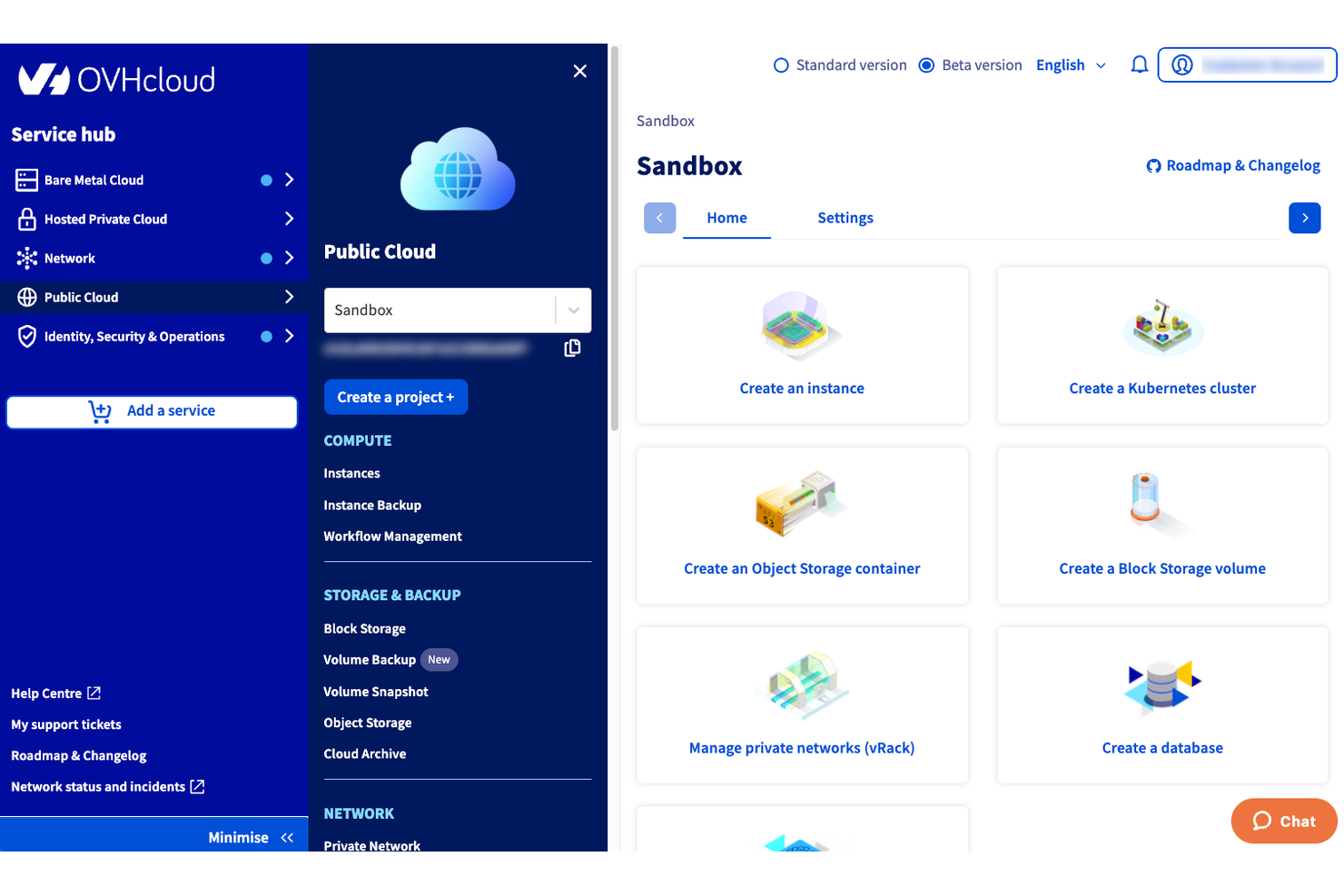
OVHcloud is a cloud-computing platform that provides a variety of services, such as virtual servers and dedicated hosting. It's used by businesses and tech teams that need scalable and sustainable cloud solutions.
Why it's a good DigitalOcean alternative: OVHcloud focuses on eco-friendly dedicated servers, which means your team can reduce its carbon footprint while maintaining performance. Its energy-efficient data centers offer reliable hosting with a commitment to sustainability. With customizable server options, you can tailor resources to fit your workload needs.
Standout Features and Integrations:
Features include disaster recovery solutions designed to safeguard your data, a private network for secure communications, guaranteed public bandwidth at a minimum of 500 Mbps, and advanced anti-DDoS protection that helps keep your systems safe. You can also benefit from OVHcloud's scalable infrastructure to match your growth.
Integrations include Zerto, SAP HANA, GitLab, OpenSearch, and more.
Pros and Cons
Pros:
- Customizable server configurations
- Energy-efficient data centers
- Eco-friendly server options
Cons:
- Complex user interface
- Network performance can vary by region

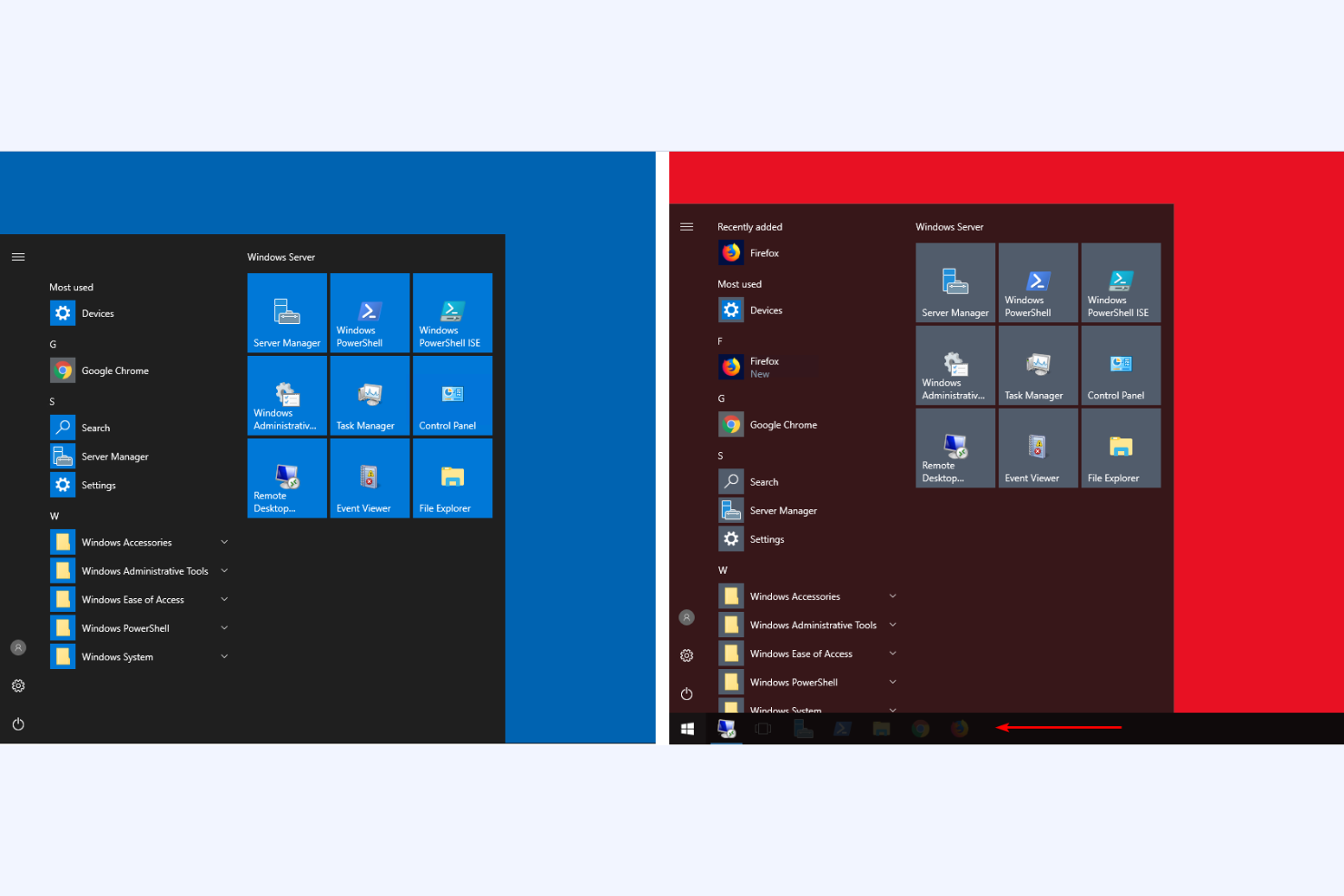
Hostwinds provides web hosting services for businesses and individuals that want reliable, configurable hosting. It offers options like VPS and dedicated hosting, making it a solid fit for projects that need more control than shared hosting can offer.
Why it's a good DigitalOcean alternative: Hostwinds gives you more customizable VPS plans, so you can scale CPU, RAM, and storage based on what your workloads actually need. It also includes practical reliability features like nightly backups and server monitoring, which can reduce downtime risk and make recovery easier if something breaks. If you want a more supported hosting experience than DigitalOcean—without giving up control—Hostwinds is worth a look.
Standout features & integrations:
Features include unlimited bandwidth to support traffic growth without overage charges, free website transfers to simplify switching providers, and 24/7 customer support for troubleshooting. Nightly backups and server monitoring add an extra layer of protection for ongoing site stability.
Integrations include cPanel, WHM, Softaculous, Weebly, Joomla, Drupal, WordPress, Magento, OpenCart, and PrestaShop.
Pros and Cons
Pros:
- Free website transfers
- Unlimited bandwidth
- Customizable server plans
Cons:
- Higher complexity for beginners
- Limited data center locations

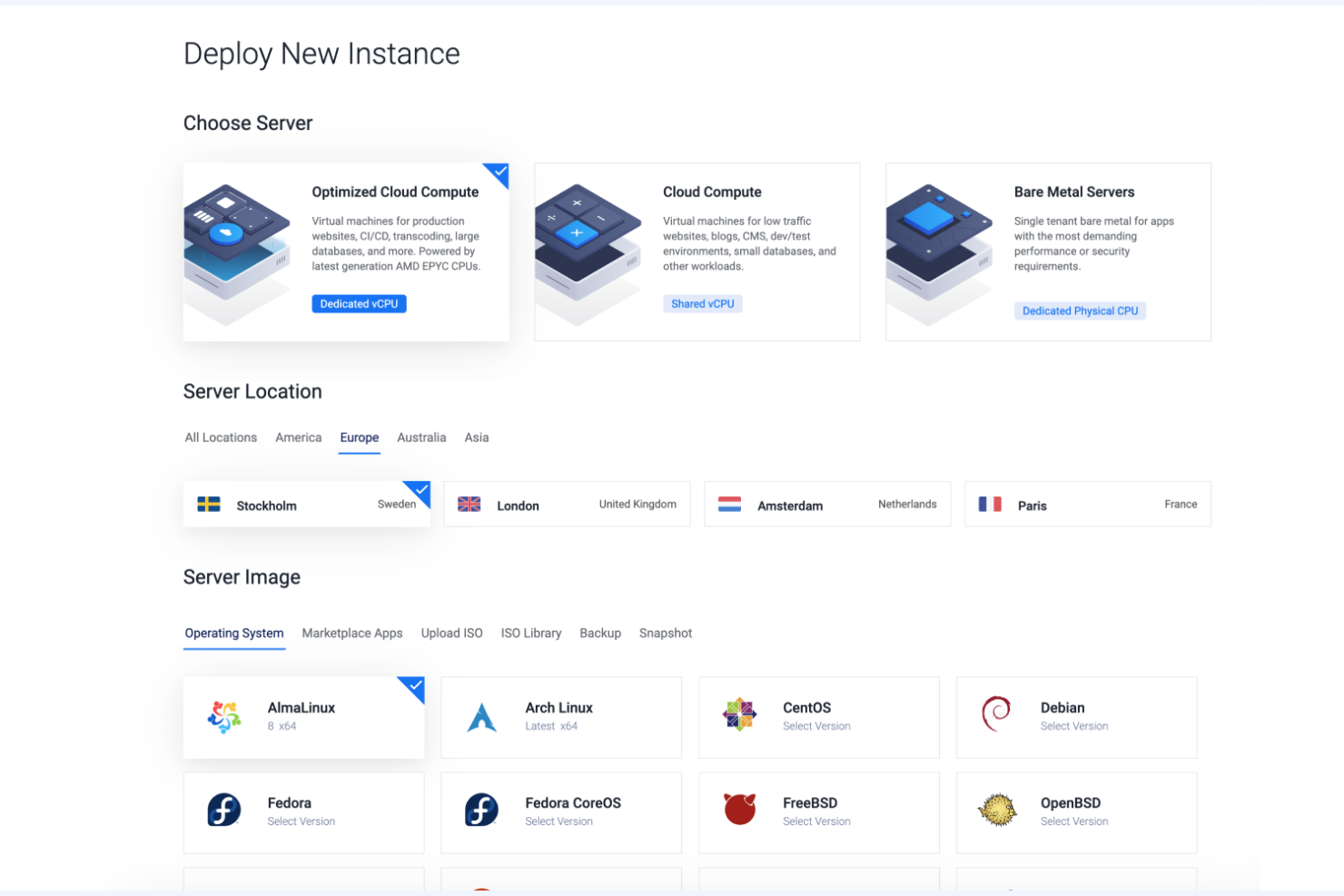
Vultr is a cloud-computing platform designed for developers and businesses that need virtual servers and cloud infrastructure. It's popular among startups and small-to-midsized enterprises that require scalable cloud solutions.
Why it's a good DigitalOcean alternative: With global data center availability, Vultr offers flexibility in choosing the cloud server locations closest to your users. Their user-friendly control panel and straightforward pricing simplify your cloud infrastructure management. The wide range of server options and add-ons allows you to customize your setup to fit specific needs. Vultr's focus on performance and uptime adds reliability to your operations.
Standout Features and Integrations:
Features include hourly billing so you can pay for what you use, a simple control panel for easy management, and a marketplace with one-click app deployments that can help save you time. You can also enjoy high-performance SSD storage for fast data access.
Integrations include Plesk, OpenVPN Access Server, CloudPanel 2, WordPress, Nextcloud, and more.
Pros and Cons
Pros:
- Wide range of server options
- Easy-to-use control panel
- Global reach in data center locations
Cons:
- Limited learning resources
- Ticket-only technical support


Heroku is a platform-as-a-service (PaaS) offering that caters to developers looking to deploy, manage, and scale applications easily. It is widely used by startups and development teams for its straightforward application deployment and management capabilities.
Why it's a good DigitalOcean alternative: Heroku simplifies app deployment with its user-friendly interface and extensive support for multiple programming languages. Its ability to manage app environments without requiring deep infrastructure knowledge makes it ideal if you want to focus on development rather than infrastructure management. Heroku's platform automates much of the deployment process, allowing your team to get apps up and running quickly. This simplicity is a key differentiator from DigitalOcean, which may require more hands-on management.
Standout features & integrations:
Features include automatic scaling to handle traffic spikes, a wide range of add-ons to extend functionality, and a collaborative environment for team development. These features help your team work efficiently and adapt to changing demands. The platform also provides built-in monitoring to keep track of app performance.
Integrations include GitHub, Slack, New Relic, SendGrid, Papertrail, Heroku Postgres, Redis, Salesforce, Twilio, and CloudAMQP.
Pros and Cons
Pros:
- Automatic scaling
- Supports multiple languages
- Simple app deployment
Cons:
- Dependency on add-ons
- Limited control over infrastructure

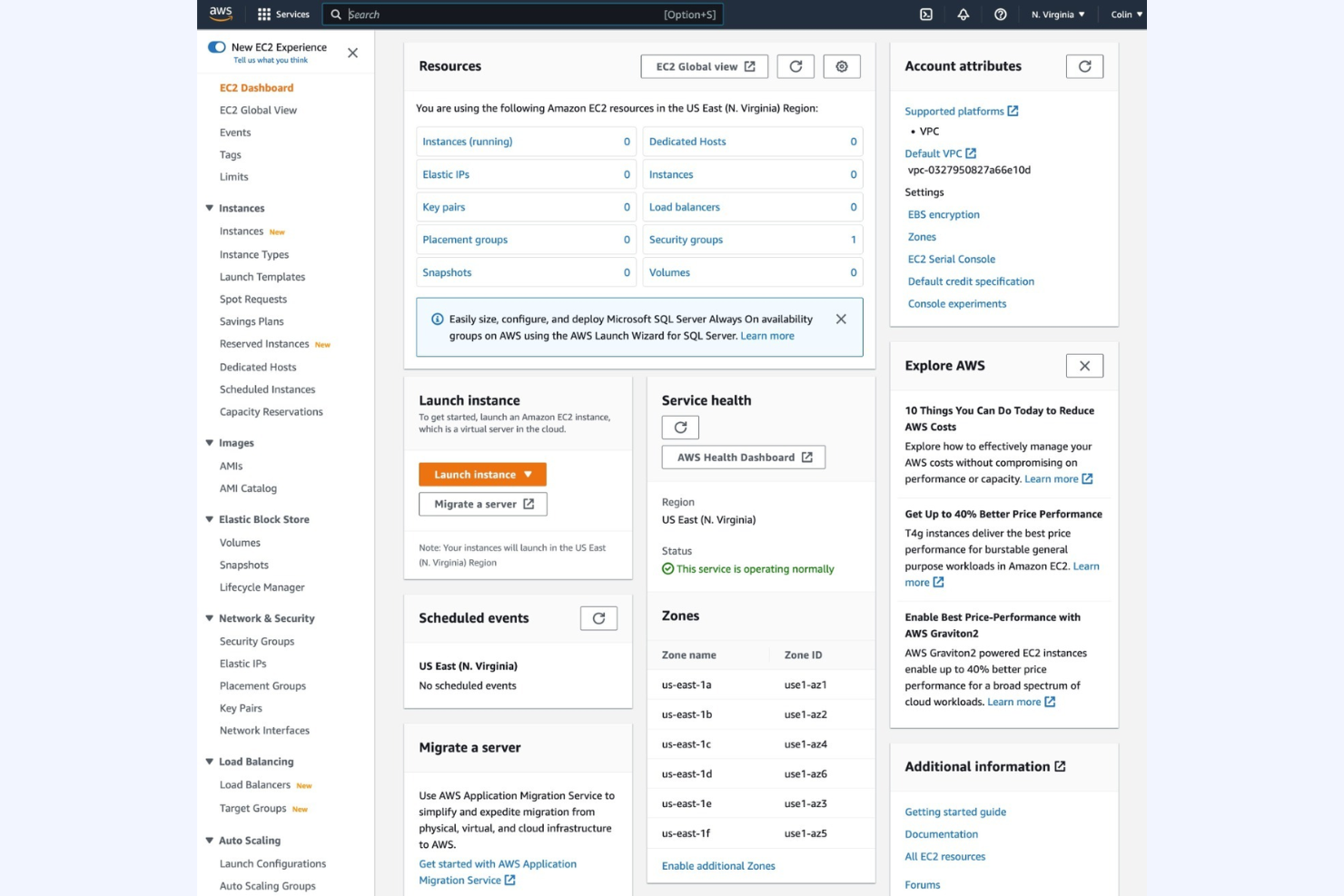
Amazon Lightsail is a cloud-computing platform that offers virtual private servers (VPS) for developers and small businesses. It's designed for users who want a simpler way to run cloud infrastructure, especially if you prefer the AWS ecosystem but don’t need the complexity of full AWS services.
Why it's a good DigitalOcean alternative: Amazon Lightsail can be a budget-friendly alternative if you want predictable pricing and a straightforward AWS-hosted setup, even if it isn’t always cheaper than DigitalOcean at the lowest tier. It includes pre-configured operating systems and application stacks, which makes it easier to launch common workloads without deep infrastructure expertise. Lightsail also supports scaling when you need more resources, and it connects to AWS services if you outgrow your initial setup, making it a practical option if you want room to expand without migrating providers.
Standout Features and Integrations:
Features include a user-friendly console to manage your resources, automatic snapshots to back up your data, and static IP addresses to maintain your server’s identity. You can also use built-in DNS management to control your domain settings and simplify basic hosting administration.
Integrations include Amazon S3, Amazon RDS, Amazon CloudFront, and more.
Pros and Cons
Pros:
- Strong support for small apps and websites
- Pre-configured application stacks
- Simple and cost-effective setup
Cons:
- May require AWS knowledge
- Limited resource expansion

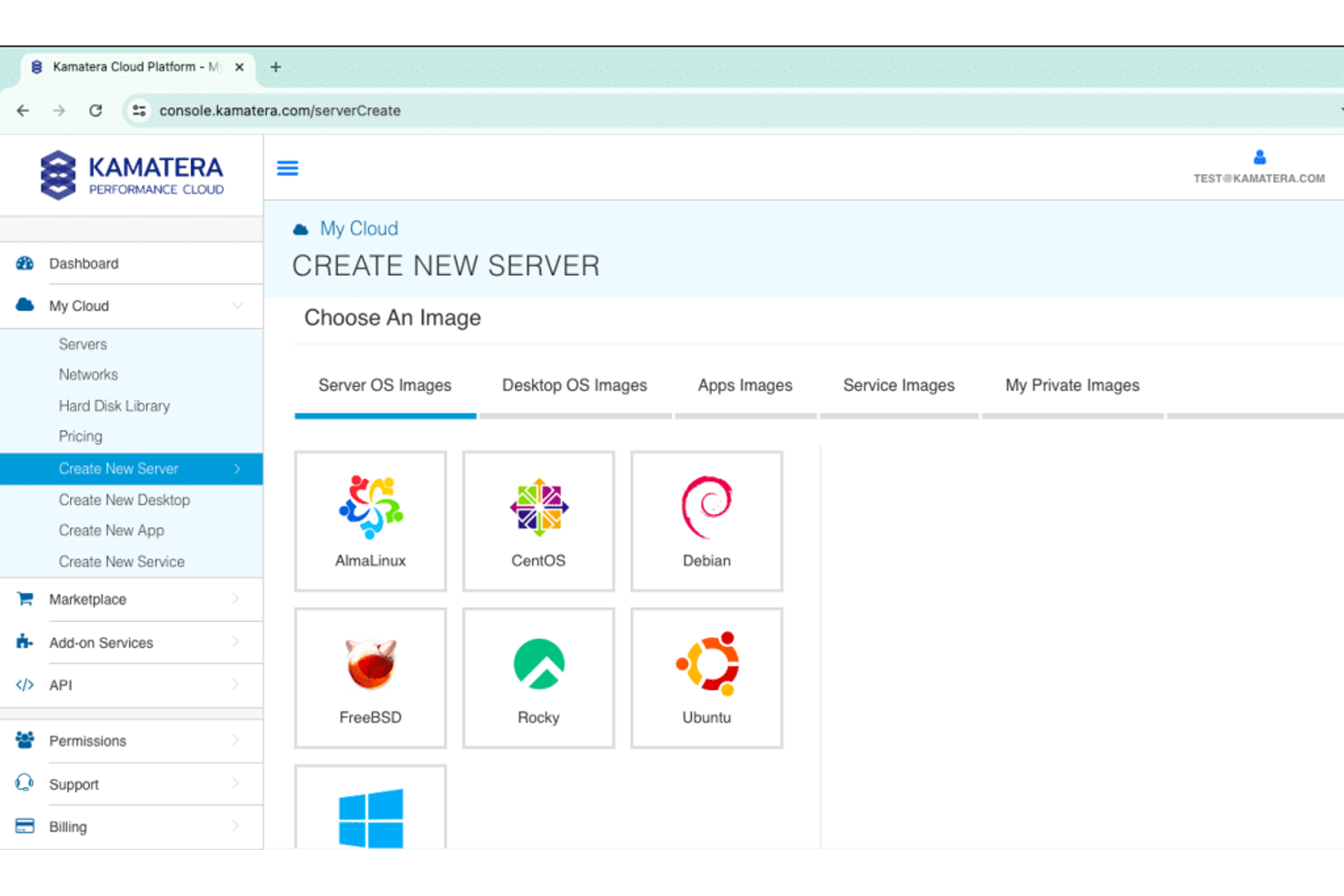
Kamatera is a cloud infrastructure provider built for businesses and developers that want quick deployment, flexible server setups, and the ability to run workloads close to end users. It’s a good fit for teams that need more geographic reach and hands-on control than a typical VPS host.
Why it's a good DigitalOcean alternative: Kamatera stands out for its global data center coverage and on-demand scaling, which makes it easier to launch infrastructure in multiple regions without rebuilding your setup from scratch. You can spin up servers quickly, adjust compute resources as traffic changes, and fine-tune performance based on the workload you’re running (from web apps to databases to dev/test environments). This makes Kamatera a strong option if you want more location flexibility and a more “build-your-own” cloud experience than DigitalOcean offers.
Standout features & integrations: Features include a 99.95% uptime guarantee, fast server provisioning, and a straightforward management console for controlling your infrastructure. It also supports automatic backups to help protect critical data and includes 24/7 customer support if you run into issues.
Integrations include WordPress, cPanel, Plesk, Docker, GitLab, Adobe Commerce, and VPN tools like OpenVPN.
Pros and Cons
Pros:
- Flexible scaling for changing workloads
- Fast provisioning for new servers
- Strong global data center coverage
Cons:
- Limited built-in automation and monitoring tools
- Limited managed services

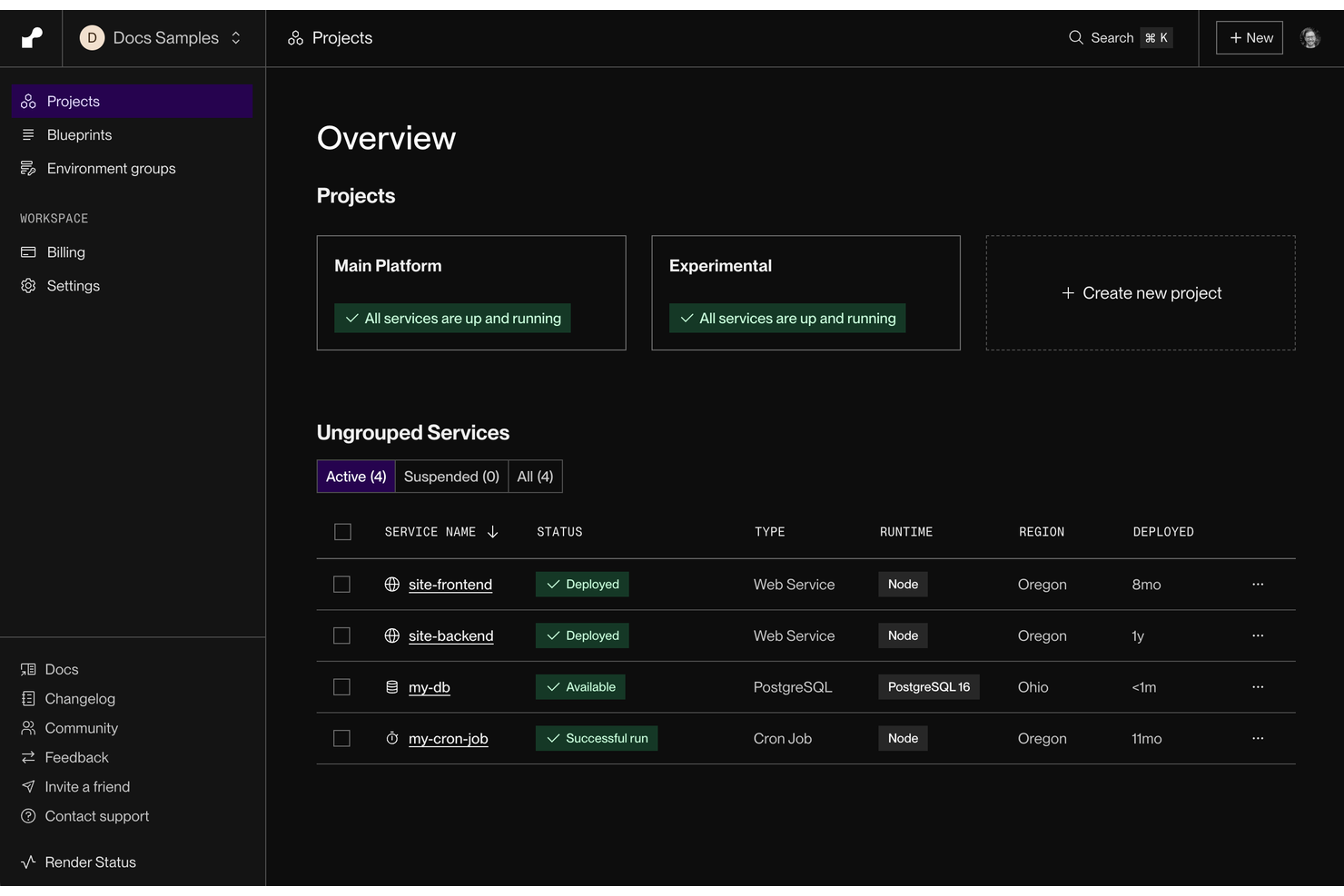
Render is a cloud-computing platform designed with a simple way to deploy web applications and services. It's popular among startups and small teams looking for efficient and hassle-free deployment.
Why it's a good DigitalOcean alternative: Render’s easy-to-use interface simplifies the deployment process, allowing your team to focus on building rather than managing infrastructure. With features such as automatic SSL certificates and free custom domains, you can quickly set up and secure your applications. Render's continuous deployment from GitHub keeps your apps updated with the latest code changes. The platform's scalability options are able to handle varying traffic loads.
Standout Features and Integrations:
Features include built-in DDoS protection to keep your applications safe, a managed PostgreSQL database for reliable data storage, and a cron jobs feature that can automate tasks. You can also benefit from zero-downtime deployments to maintain service availability.
Integrations include GitHub, GitLab, Cursor, Claude Code, and more.
Pros and Cons
Pros:
- Bundles hosting, databases, and cron jobs into one platform
- Predictable pricing system
- Developer-friendly deployment workflow
Cons:
- Limited regional data centers
- Limited database configuration and tuning options
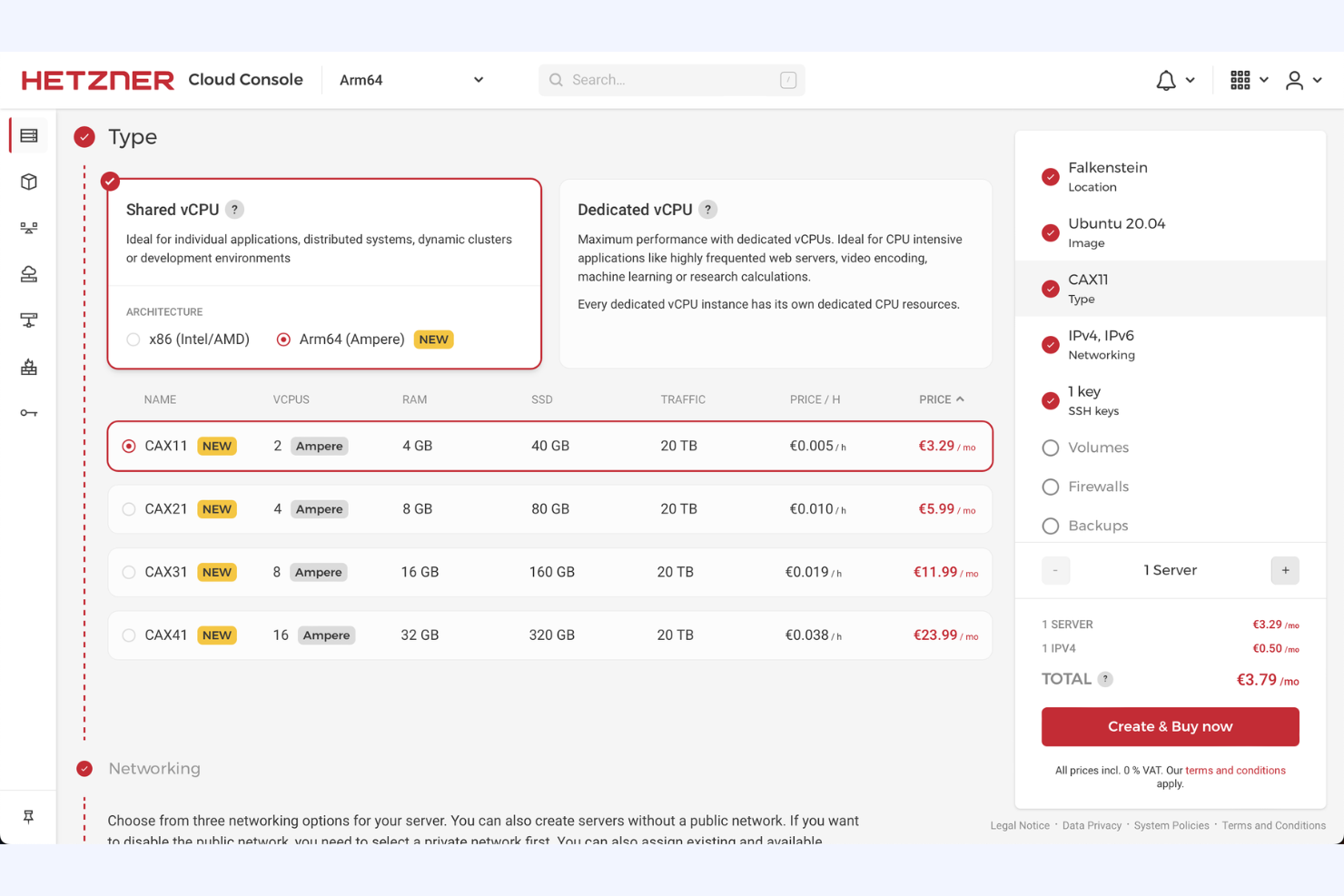
Hetzner is a cloud hosting provider catering mainly to developers and businesses looking for cost-effective solutions. It offers virtual servers and dedicated hosting services to support various business functions.
Why it's a good DigitalOcean alternative: Hetzner is known for its affordability, making it a great choice if you're budget-conscious. It provides virtual private servers (VPS) with flexible billing options, which can be more budget-friendly than some other providers. With data centers across Europe, it offers reliable and efficient services. The combination of competitive pricing and solid performance makes it appealing for those seeking an alternative to DigitalOcean.
Standout features & integrations:
Features include automated server provisioning, customizable server configurations, and a user-friendly interface. You can easily manage your server resources and scale as needed. The platform also offers a variety of storage solutions to suit your requirements.
Integrations include Plesk, WHMCS, Proxmox, Nextcloud, Docker, and more.
Pros and Cons
Pros:
- Reliable European data centers
- Flexible server configurations
- Affordable pricing options
Cons:
- Limited advanced features
- Limited global data center locations
Other DigitalOcean Alternatives
Here are some additional DigitalOcean alternatives that didn’t make it onto my shortlist but are still worth checking out:
- Akamai Cloud
For edge-native applications
- Google App Engine
For life cycle automation
- Alibaba Cloud
For cloud services in emerging markets
- Google Cloud Run
For containerized apps
- Azure Red Hat OpenShift
For enterprise-grade governance
- IONOS
For GDPR compliance
- VMware Tanzu Platform
For application modernization
- Upsun
For data residency and isolation controls
- Railway
For instant environment provisioning
- Fly.io
For stateful workloads


Digitalocean Alternatives Selection Criteria
When selecting the best DigitalOcean alternatives to include in this list, I considered common buyer needs and pain points related to cloud-computing platform products, such as scalability and data security. I also used the following framework to keep my evaluation structured and fair:
Core Functionality (25% of total score)
To be considered for inclusion in this list, each solution had to fulfill these common use cases:
- Deploying virtual servers
- Managing storage solutions
- Ensuring data security
- Providing scalable resources
- Offering reliable uptime
Additional Standout Features (25% of total score)
To help further narrow down the competition, I also looked for unique features, such as:
- Advanced AI capabilities
- Edge computing solutions
- Industry-specific compliance
- Hybrid cloud options
- High-performance computing
Usability (10% of total score)
To get a sense of the usability of each system, I considered the following:
- Intuitive user interface
- Easy navigation
- Customizable dashboards
- Accessibility on mobile devices
- Clear documentation
Onboarding (10% of total score)
To evaluate the onboarding experience for each platform, I considered the following:
- Availability of training videos
- Interactive product tours
- Access to webinars
- Use of chatbots for support
- Detailed templates
Customer Support (10% of total score)
To assess each software provider's customer support services, I considered the following:
- 24/7 availability
- Multiple support channels
- Quick response times
- Knowledgeable staff
- Access to a community forum
Value for Money (10% of total score)
To evaluate the value for money of each platform, I considered the following:
- Competitive pricing models
- Transparent pricing structure
- Flexible payment options
- Discounts for long-term commitments
- Features included in basic plans
Customer Reviews (10% of total score)
To get a sense of overall customer satisfaction, I considered the following when reading customer reviews:
- Overall satisfaction ratings
- Feedback on reliability
- Comments on ease of use
- Opinions on customer support
- Reviews on feature effectiveness
Why Look for a DigitalOcean Alternative?
While DigitalOcean is a good choice of cloud-computing platform, there are a number of reasons why some users may seek out alternative solutions. You might be looking for a DigitalOcean alternative because…
- You need more global data center options
- Your team requires advanced security features
- You're looking for better customer support
- You need more flexible pricing plans
- Your applications require higher performance
- You're seeking specialized compliance certifications
If any of these sound like you, you've come to the right place. My list contains several cloud-computing platform options that are better suited for teams facing these challenges with DigitalOcean and looking for alternative solutions.
DigitalOcean Key Features
Here are some of the key features of DigitalOcean to help you contrast and compare them with what alternative solutions offer:
- Droplets: Virtual machines that provide scalable compute power for your applications.
- Kubernetes: Managed Kubernetes clusters that simplify container orchestration.
- Spaces: Object storage services that let you store and serve large amounts of unstructured data.
- Load balancers: Tools that distribute incoming traffic across multiple servers for better performance.
- Managed databases: Automated database management for MySQL, PostgreSQL, and Redis.
- App platform: Platform as a Service that allows you to build, deploy, and scale apps quickly.
- Vertical and horizontal scaling: Features that allow you to adjust resources based on your workload needs.
- Built-in security: Systems such as firewalls and DDoS protection that keep your data safe.
- Monitoring: Tools that monitor and gain insights into your application's performance.
- Life cycle management: Mechanisms that allow you to manage the entire life cycle of your apps from development to production.
What's Next:
If you're in the process of researching cloud-computing platforms, connect with a SoftwareSelect advisor for free recommendations.
You fill out a form and have a quick chat where they get into the specifics of your needs. Then you'll get a shortlist of software to review. They'll even support you through the entire buying process, including price negotiations.