

I 10 migliori software per la segnalazione degli incidenti del 2026

Migliori software per la segnalazione degli incidenti


Nella mia esperienza, lo strumento giusto può trasformare una situazione stressante in un processo gestibile, facendo risparmiare tempo e riducendo gli errori. Ho esaminato le migliori opzioni disponibili, concentrandomi su ciò che conta davvero per esperti di tecnologia come te.
In questo articolo condividerò le mie scelte principali per i software di segnalazione degli incidenti, mettendone in evidenza le funzionalità e i vantaggi principali. Troverai recensioni imparziali e ben documentate che ti aiuteranno a prendere una decisione informata. Esaminiamo le soluzioni che possono rendere il tuo processo di gestione degli incidenti più fluido ed efficace.
Perché fidarsi dei nostri consigli sui software
Il nostro team testa e recensisce software dal 2012. In quanto leader tecnologici noi stessi, sappiamo quanto sia difficile — e importante — scegliere il software giusto.
Per questa guida, abbiamo valutato gli strumenti attraverso test praticie ricerche indipendenti, assegnando un punteggio agli strumenti in base ai nostri criteri di selezione.
Le nostre recensioni riflettono il nostro giudizio editoriale umano, non un discorso di vendita.
Revisori esperti:
Riepilogo dei migliori software per la segnalazione degli incidenti
Questa tabella comparativa riassume i dettagli dei prezzi delle mie migliori selezioni di software per la segnalazione degli incidenti, per aiutarti a trovare quello più adatto al tuo budget e alle esigenze della tua azienda.
| Tool | Best For | Trial Info | Price | ||
|---|---|---|---|---|---|
| 1 | Ideale per la gestione della documentazione degli incidenti | Demo gratuita disponibile | Prezzo su richiesta | Website | |
| 2 | Ideale per una gestione degli incidenti intuitiva | Prova gratuita di 14 giorni + demo gratuita disponibile | A partire da $19/utente/mese (fatturazione annuale) | Website | |
| 3 | Ideale per rilevamento e ticketing degli incidenti integrati | Prova gratuita di 30 giorni + demo gratuita disponibile | Da $129/tecnico/mese (fatturato annualmente) | Website | |
| 4 | Ideale per collegare dati sugli incidenti e sugli asset | Prova gratuita di 14 giorni | Prezzo su richiesta | Website | |
| 5 | Ideale per automatizzare i flussi di lavoro nelle risposte agli incidenti | Demo gratuita disponibile | Da $20/utente/mese | Website | |
| 6 | Ideale per il rilevamento in tempo reale di incidenti e minacce | Prova gratuita di 30 giorni + demo gratuita | Prezzi su richiesta | Website | |
| 7 | Ideale per la remediation automatizzata | Prova gratuita + demo gratuita disponibile | Prezzi su richiesta | Website | |
| 8 | Ideale per analisi avanzate dei report | Prova gratuita di 14 giorni | Da $9/utente/mese (fatturazione annuale) | Website | |
| 9 | Ideale per esigenze di help desk centralizzato | Prova gratuita di 30 giorni + demo gratuita disponibile | Da $19/utente/mese (fatturato annualmente) | Website | |
| 10 | Ideale per la gestione degli incidenti di privacy | Demo gratuita disponibile | Prezzo su richiesta | Website |


Recensioni dei migliori software per la segnalazione degli incidenti
Di seguito trovi i miei riepiloghi dettagliati dei migliori software per la segnalazione degli incidenti inclusi nella mia selezione. Le mie recensioni offrono una panoramica dettagliata delle funzionalità principali, dei vantaggi & svantaggi, delle integrazioni e dei casi d’uso ideali di ogni strumento, per aiutarti a trovare quello più adatto a te.

Preparis
Ideale per la gestione della documentazione degli incidenti
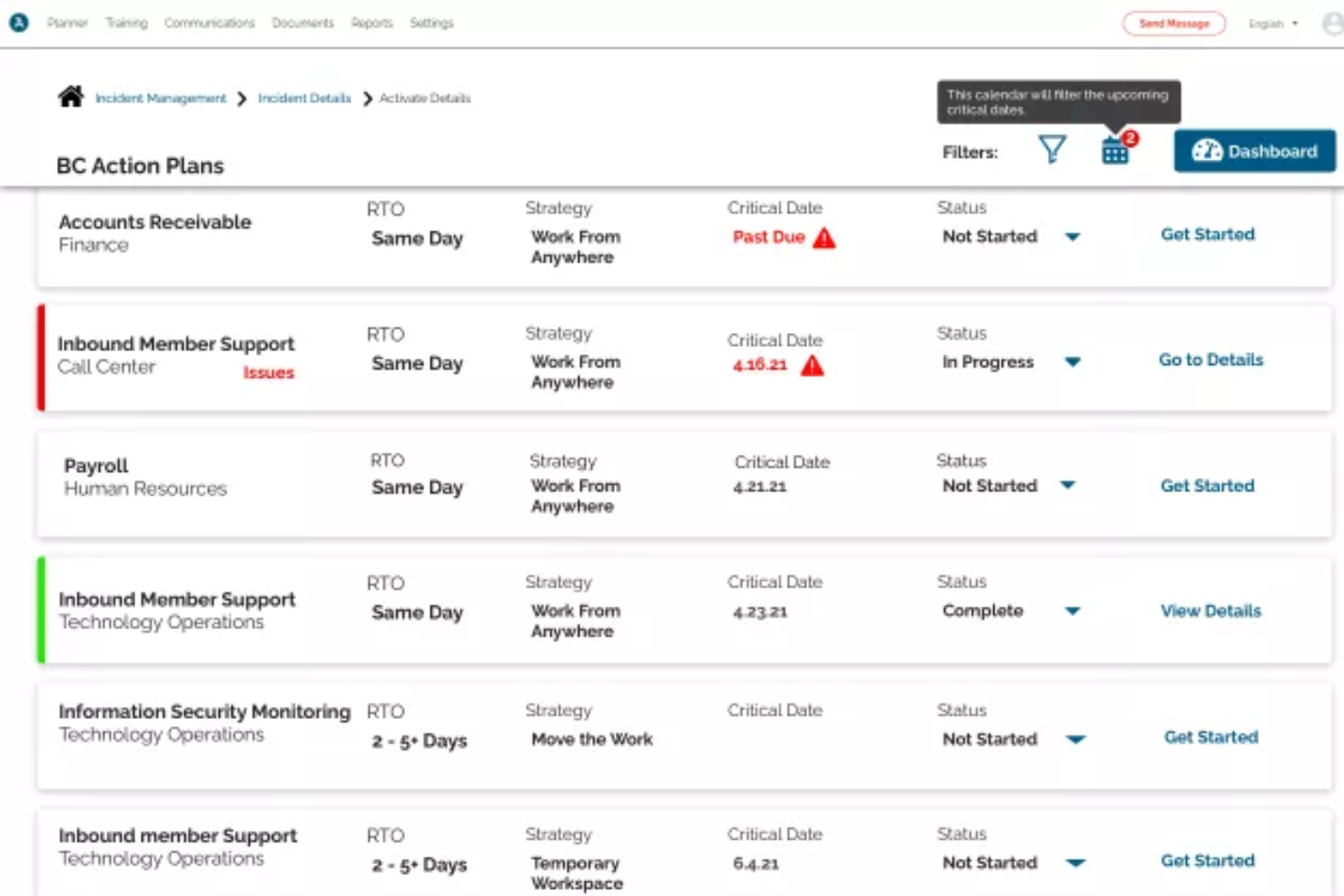
Preparis è una piattaforma basata su cloud progettata per aiutare le aziende a prepararsi e rispondere alle emergenze, con un focus sulla continuità operativa. Permette ai team di centralizzare la comunicazione, gestire i rischi ed eseguire strategie di risposta in modo efficiente.
Perché ho scelto Preparis: Preparis include strumenti per organizzare e archiviare i documenti critici relativi agli incidenti, assicurando che le informazioni importanti siano facilmente accessibili durante un'emergenza. I suoi strumenti di reportistica consentono di registrare e analizzare gli incidenti, aiutandovi a comprendere le tendenze e a migliorare la vostra risposta nel tempo. Queste funzionalità sono pensate per offrire al vostro team una chiara visibilità sugli incidenti, garantendo una risposta coordinata e tempestiva che supporta le operazioni aziendali continuative.
Il sistema di allerta della piattaforma assicura inoltre che il personale chiave venga notificato non appena si verifica un problema, aiutandovi a rispondere più rapidamente.
Caratteristiche principali & Integrazioni:
Altre funzionalità includono piani d'azione personalizzabili per diversi tipi di incidenti, così il vostro team saprà esattamente quali passi seguire. Inoltre, il suo incident manager consente di tracciare, assegnare e risolvere incidenti IT in un unico luogo. Le integrazioni includono sistemi come ADP e Okta.
Pros and Cons
Pros:
- Documentazione efficace per report, piani e audit sugli incidenti
- Sistema di notifiche in tempo reale
- Scalabile per organizzazioni di tutte le dimensioni
Cons:
- Opzioni di personalizzazione limitate
- Potrebbe offrire la gestione dei ticket per incidenti IT

Ideale per una gestione degli incidenti intuitiva
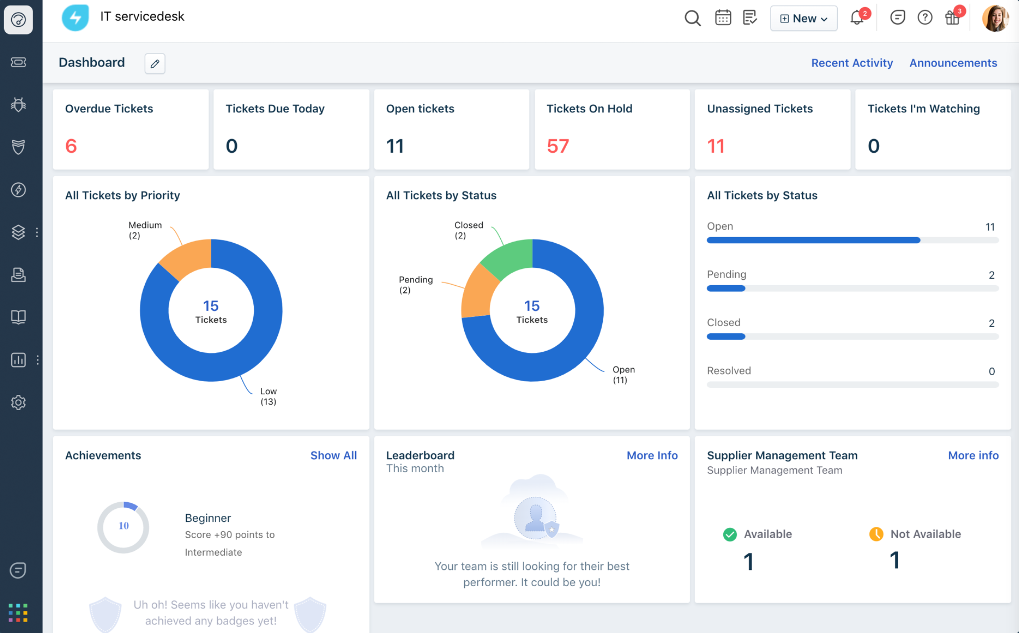
Freshservice, di Freshworks, è uno strumento di gestione dei servizi IT progettato per semplificare le richieste di intervento e di servizio nelle organizzazioni. Grazie alla sua interfaccia intuitiva e al design incentrato sull'utente, si distingue come una delle scelte migliori per i team che danno priorità alla facilità d'uso nella gestione e risoluzione degli incidenti.
Perché ho scelto Freshservice: Nel determinare i migliori strumenti per questa lista, la reputazione di Freshservice come soluzione user-friendly lo ha reso una scelta immediata. Ciò che lo differenzia dagli altri è il suo design intuitivo combinato con funzionalità robuste, rendendo il processo di gestione degli incidenti più fluido.
In base alla mia valutazione, Freshservice è ideale per quelle organizzazioni che cercano un equilibrio tra capacità e facilità d'uso nei loro strumenti di gestione degli incidenti.
Caratteristiche distintive e integrazioni:
Freshservice offre funzionalità come un sistema di ticketing intelligente, una knowledge base e la gestione delle risorse. Le sue capacità di automazione riducono le attività manuali, rendendo il processo di risoluzione degli incidenti più efficiente.
Per quanto riguarda le integrazioni, Freshservice supporta una moltitudine di app e piattaforme, tra cui Slack, Zoom e Microsoft Teams, garantendo ai team la possibilità di collegare facilmente gli strumenti preferiti.
Pros and Cons
Pros:
- Interfaccia intuitiva che facilita un'adozione più rapida da parte dei team
- Potenti capacità di automazione che riducono l'intervento manuale
- Ampia gamma di opzioni di integrazione per soddisfare esigenze organizzative diversificate
Cons:
- La profondità dello strumento a volte può oscurare la sua semplicità per gli utenti alle prime armi
- La personalizzazione potrebbe richiedere una certa competenza tecnica
- La necessità di navigare tra molte funzionalità può risultare opprimente per alcuni utenti
New Product Updates from Freshservice
 Experience)
Freshservice Introduces a Reimagined IT Asset Management (ITAM) Experience
Freshservice introduces a reimagined IT Asset Management (ITAM) experience with continuous infrastructure discovery, dependency mapping, IPAM, and Software License Management. This update helps teams improve asset visibility and manage connected IT environments more effectively. For more information, visit Freshservice’s official site.

Atera
Ideale per rilevamento e ticketing degli incidenti integrati
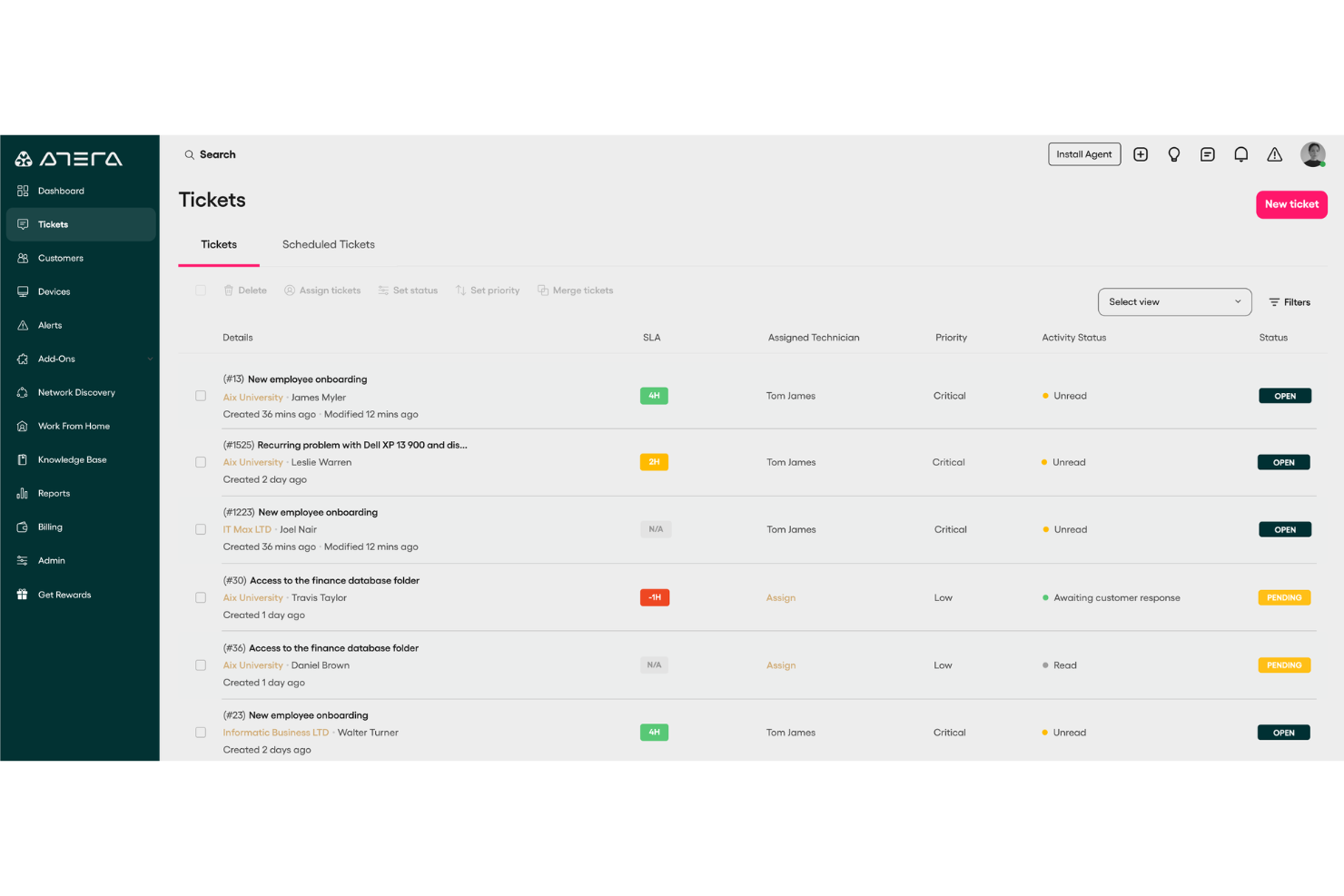
Atera è una piattaforma unificata di gestione IT progettata principalmente per team IT e MSP. Combina monitoraggio e gestione remota (RMM), ticketing dell’assistenza e automazione dei servizi professionali (PSA). Le sue funzionalità di segnalazione degli incidenti operano all’interno di questo sistema più ampio, aiutando a registrare, tracciare e risolvere rapidamente gli incidenti come parte delle attività IT correnti.
Perché ho scelto Atera: Ho incluso Atera per la sua capacità di trasformare automaticamente gli avvisi di sistema in ticket azionabili. Quando la piattaforma rileva superamenti di soglia nelle prestazioni o nello stato dell’hardware, può creare ticket e classificarli tramite etichettatura automatica basata su AI. Questo permette al tuo team di agire rapidamente sugli incidenti, riducendo i tempi di assegnazione delle problematiche alla persona giusta. Il monitoraggio in tempo reale combinato con l’automazione dei ticket offre ai team IT più piccoli un modo per centralizzare la segnalazione degli incidenti senza necessità di più strumenti.
Caratteristiche distintive & integrazioni:
Atera include strumenti AI che possono riassumere automaticamente i ticket e redigere risposte basate sui dati degli incidenti. La piattaforma supporta anche la generazione di script per attività di troubleshooting, la creazione di articoli nella knowledge base dai ticket risolti e la completa individuazione della rete per identificare gli asset che potrebbero essere coinvolti in incidenti. È possibile accedere ai dispositivi remoti direttamente per indagare e applicare la gestione delle patch per ridurre le vulnerabilità che potrebbero causare incidenti futuri. Le integrazioni comprendono Microsoft Teams, Slack, ServiceNow, Okta, Azure Active Directory, Notifiche WhatsApp, Google Workspace, Jira Software Cloud, Acronis Cyber Protect Cloud, Google Sheets, Gmail, ClickUp, Autopilot.
Pros and Cons
Pros:
- Modello di prezzo per tecnico
- Piattaforma unificata per RMM, PSA e help desk
- Supporto AI integrato per gestione dei ticket e troubleshooting
Cons:
- L’app mobile offre meno funzionalità rispetto alla versione desktop
- Personalizzazione limitata dei flussi di lavoro
New Product Updates from Atera

Atera Adds Webhook Triggers for Technician Assignment Changes
Atera ticket automation rules now support a webhook trigger when a ticket’s technician assignment changes, expanding automation beyond creation, status updates, and closure/resolution events. For more information, visit Atera's official site.

SysAid
Ideale per collegare dati sugli incidenti e sugli asset
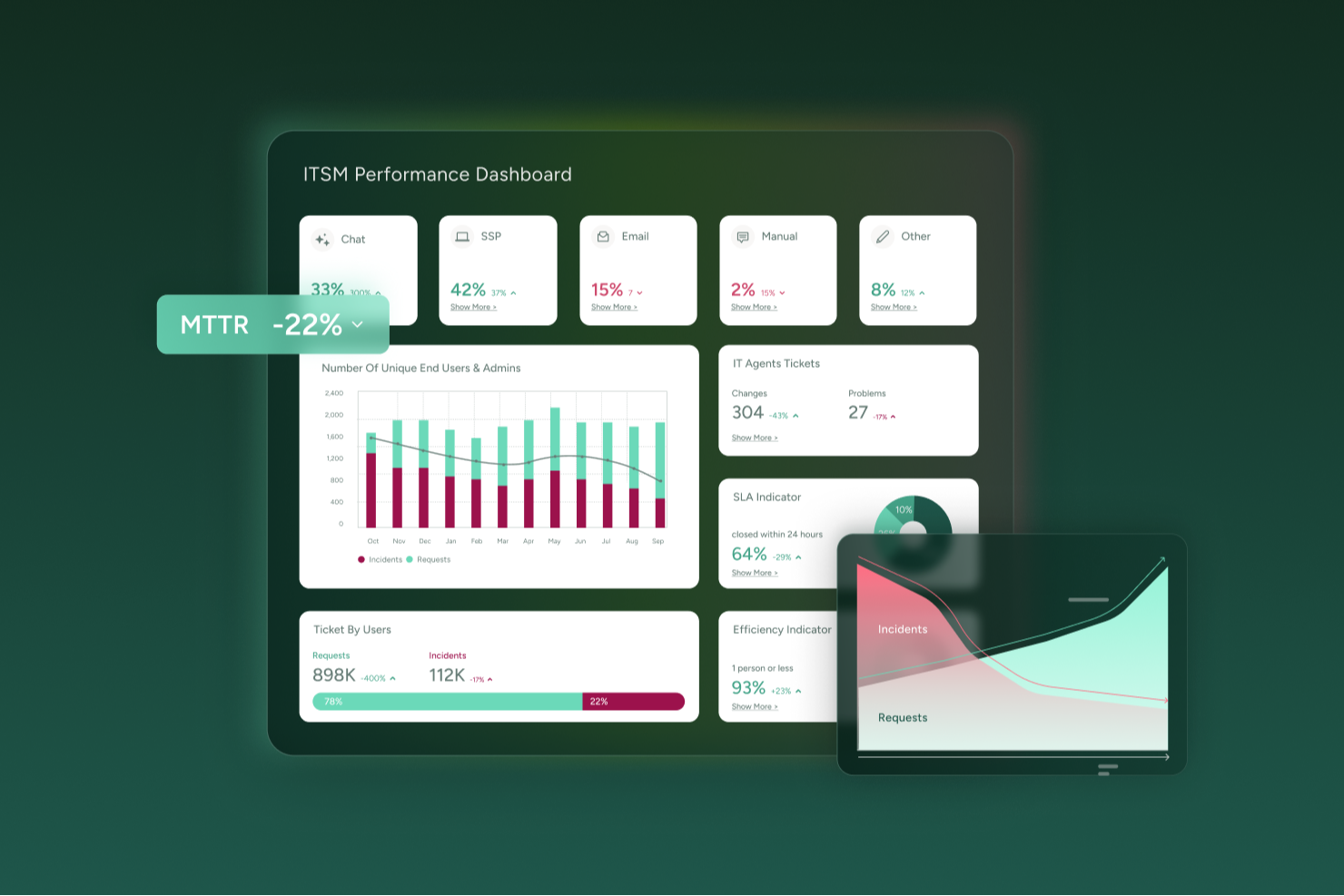
SysAid fornisce una piattaforma di gestione degli incidenti e dei servizi IT progettata per i team informatici che desiderano gestire i problemi in modo proattivo anziché reattivo. Se il tuo team gestisce frequentemente ticket di supporto, amministra asset hardware o software, oppure fornisce servizi IT per più reparti, SysAid aiuta a riunire questi processi in un unico sistema più gestibile.
Perché ho scelto SysAid
Ho scelto SysAid perché le sue capacità di gestione degli incidenti sono strettamente integrate con un sistema di ticketing basato su intelligenza artificiale e flussi di lavoro automatizzati che riducono lo sforzo manuale. L’IA di SysAid supporta la categorizzazione, la prioritizzazione e l’instradamento dei ticket, aiutando il tuo team a trascorrere meno tempo su attività di triage di routine e più tempo a risolvere problemi a maggiore impatto. I registri degli incidenti sono inoltre collegati direttamente ai dati su asset e utenti, così quando si verifica un problema hai subito il contesto relativo all’hardware, al software o all’utente coinvolto. Questa combinazione di automazione e visibilità può essere particolarmente utile quando la risoluzione rapida e informata è importante.
Caratteristiche principali di SysAid
Oltre a quanto già menzionato, il tuo team beneficia anche di funzionalità come:
- Self-Service: Consente agli utenti finali di inviare ticket o consultare autonomamente una knowledge base, riducendo il numero di richieste di supporto manuali.
- Automazione dei flussi di lavoro: Questa funzione permette di automatizzare i processi ripetitivi, garantendo coerenza e liberando il team per concentrarsi su attività complesse.
- Gestione delle modifiche: SysAid fornisce strumenti per gestire i processi di cambiamento, minimizzando i rischi e assicurando transizioni fluide all’interno dell’ambiente IT.
- Reportistica: Ottieni metriche integrate (es. volume dei ticket, tempi di risoluzione, conformità SLA) per monitorare le prestazioni IT e identificare le tendenze nel tempo.
Integrazioni SysAid
Le integrazioni includono Jira, Microsoft Teams, Slack, Active Directory, Azure AD, SCCM, VMware, Google Workspace, Okta e Salesforce.
Pros and Cons
Pros:
- L’automazione basata su IA riduce le attività manuali nella gestione degli incidenti.
- Il portale self-service consente agli utenti di segnalare direttamente gli incidenti.
- L’automazione dei flussi di lavoro assicura coerenza nei processi.
Cons:
- L’app mobile non offre tutte le funzionalità.
- Se le funzionalità non sono configurate correttamente, le automazioni e i flussi di lavoro SLA possono diventare complessi e confusi per gli operatori.
New Product Updates from SysAid

SysAid Adds Bulk Contract Import
SysAid added bulk contract import to License Manager Essentials, letting admins upload a CSV template, validate entries, and create multiple contracts at once. For more information, visit SysAid's official site.

Rootly
Ideale per automatizzare i flussi di lavoro nelle risposte agli incidenti

Rootly è una piattaforma per la segnalazione e la gestione degli incidenti progettata per aiutare i team a rilevare, gestire e risolvere rapidamente gli incidenti. Centralizza la comunicazione, automatizza gli avvisi e facilita la collaborazione tra sistemi come Slack e Microsoft Teams. Coprendo l’intero ciclo di vita dell’incidente — dal rilevamento fino ai post mortem potenziati dall’IA — Rootly aiuta le organizzazioni a migliorare l’affidabilità e ridurre i tempi di risoluzione.
Perché ho scelto Rootly: Ho scelto Rootly perché porta l’intelligenza artificiale al centro della gestione degli incidenti. Automatizza i flussi di risposta negli strumenti di chat come Slack e Teams, quindi il tuo team può agire senza cambiare piattaforma. Apprezzo anche la funzione di retrospettiva post-incidente, che genera automaticamente riepiloghi e timeline con l’IA.
Se stai cercando di migliorare la visibilità e la coerenza del tuo processo di gestione degli incidenti, Rootly offre un mix ben bilanciato di automazione e collaborazione.
Funzionalità principali e integrazioni:
Le funzionalità principali includono strumenti SRE con IA che automatizzano l’analisi delle cause radice, retrospettive post-incidente con riepiloghi generati dall’IA e integrazione con MCP server che permette agli sviluppatori di risolvere incidenti direttamente nel loro IDE. Il sistema di gestione dei turni supporta la pianificazione e l’escalation automatizzate, mentre la pagina di stato tiene aggiornati i clienti in tempo reale.
Le integrazioni includono Slack, Microsoft Teams, Confluence, Jira, Terraform, Zoom, Datadog, Sentry, Notion, Zapier, Linear e Google Meet.
Pros and Cons
Pros:
- Automazione guidata dall’IA per la risposta agli incidenti
- Si integra con Slack e Teams
- Retrospettive automatiche con riepiloghi generati dall’IA
Cons:
- Prezzi enterprise richiedono un preventivo personalizzato
- Lista delle integrazioni pubblicamente limitata

Ideale per il rilevamento in tempo reale di incidenti e minacce

ManageEngine EventLog Analyzer è una soluzione completa per la gestione dei log e la conformità IT, progettata per migliorare la sicurezza della rete e semplificare la conformità ai requisiti degli audit IT.
Perché ho scelto ManageEngine EventLog Analyzer: Apprezzo le capacità di auditing della sicurezza in tempo reale e il rilevamento immediato delle minacce di EventLog Analyzer. Il software monitora costantemente la rete per individuare eventuali attività sospette e fornisce avvisi immediati, consentendo una risposta rapida alle potenziali minacce.
Questo monitoraggio in tempo reale è completato da una gestione della conformità esaustiva, che aiuta le organizzazioni a rispettare vari requisiti normativi come PCI-DSS, HIPAA e GDPR. La possibilità di generare report dettagliati sulla conformità non solo semplifica il processo di audit, ma garantisce anche che l’organizzazione rimanga conforme agli standard di settore.
Funzionalità principali e integrazioni:
Offre anche analisi avanzate delle minacce per aumentare la sicurezza valutando minacce provenienti da URL, IP e domini dannosi, utilizzando feed di minacce di terze parti per dare priorità alle azioni di risposta. Inoltre, la funzione di reportistica dettagliata aiuta le organizzazioni a rispettare i requisiti normativi e a migliorare il proprio livello di sicurezza generando report completi sui dati di log. Le integrazioni includono Log360, ADAudit Plus, Firewall Analyzer, SharePoint Manager Plus, M365 Security Plus, Cloud Security Plus e DataSecurity Plus.
Pros and Cons
Pros:
- Supporta monitoraggio e avvisi in tempo reale
- Ampie funzionalità di gestione dei log
- Capacità di auditing approfondite
Cons:
- Lo strumento può essere intensivo in termini di risorse
- Alcuni utenti trovano complessa la configurazione iniziale

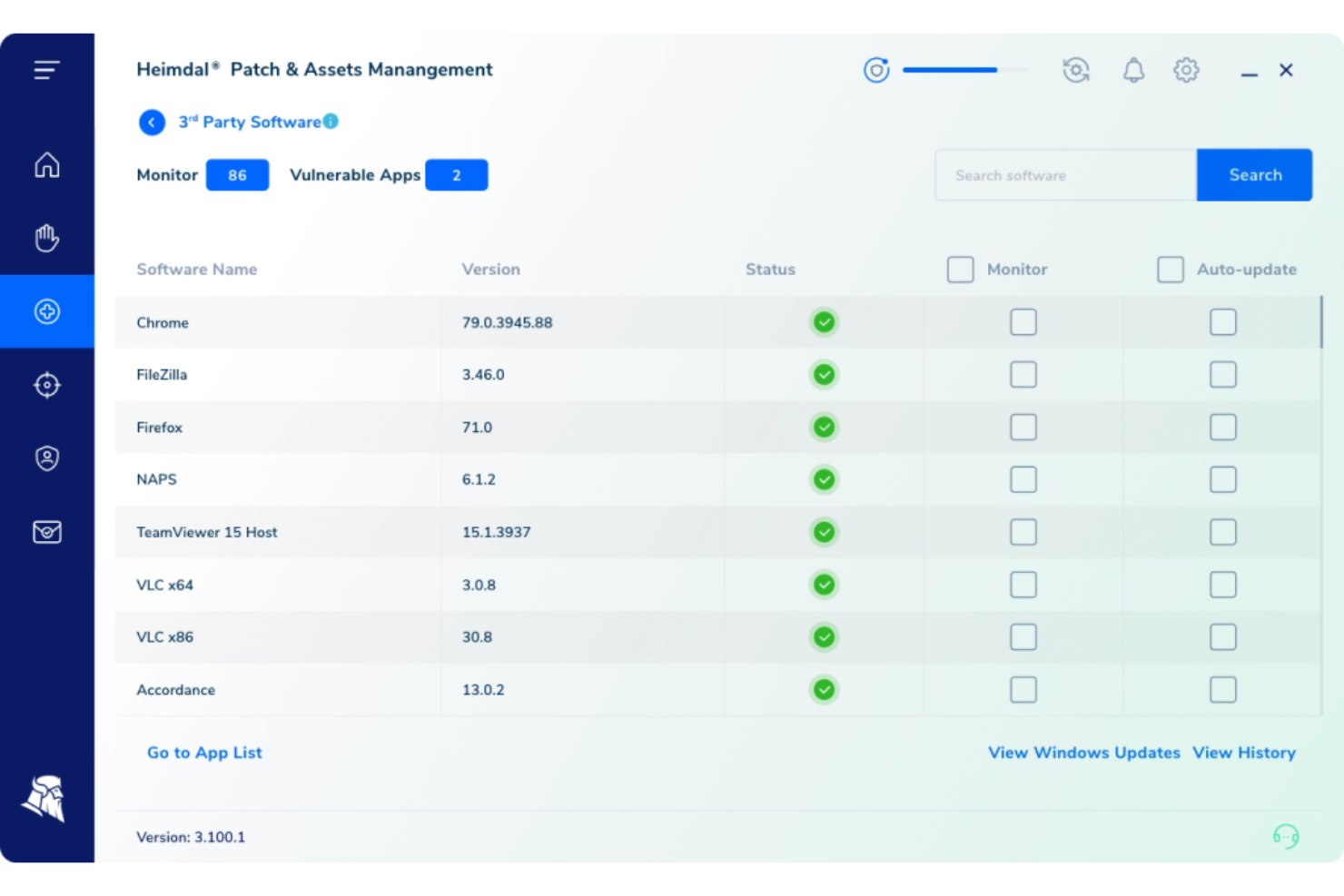
Heimdal si rivolge alle aziende che cercano un software per la segnalazione di incidenti, in particolare in settori come sanità, istruzione e pubblica amministrazione. Offre funzionalità di risposta agli incidenti automatizzata che migliorano la conformità e la governance dei dati. Integrando funzionalità avanzate di rilevamento e risposta alle minacce, Heimdal risponde all'esigenza di avvisi in tempo reale e monitoraggio continuo, aiutando le organizzazioni a gestire efficacemente gli incidenti di sicurezza.
Perché ho scelto Heimdal
Ho scelto Heimdal per le sue eccezionali capacità di risposta automatizzata agli incidenti, che affrontano direttamente le sfide della segnalazione degli incidenti. Grazie alla sua piattaforma Extended Detection and Response (XDR), Heimdal offre threat hunting in tempo reale e rimedio automatico, assicurando una reazione rapida ed efficiente alle minacce di sicurezza. Inoltre, l'integrazione con applicazioni di terze parti semplifica i processi di gestione degli incidenti, rendendolo una scelta affidabile per le organizzazioni che vogliono migliorare i propri meccanismi di segnalazione degli incidenti.
Caratteristiche principali di Heimdal
Oltre alle sue funzionalità di risposta automatizzata agli incidenti, Heimdal offre diverse altre funzionalità utili per la segnalazione degli incidenti:
- Supporto Security Operations Center (SOC) 24/7: Il tuo team riceve assistenza continua per monitorare e rispondere tempestivamente agli incidenti di sicurezza.
- Integrazione intelligence sulle minacce: Heimdal fornisce informazioni attuabili correlando i dati con l'intelligence sulle minacce, permettendoti di prendere decisioni consapevoli.
- Gestione delle vulnerabilità: Questa funzionalità ti aiuta a individuare e risolvere le vulnerabilità all'interno della tua infrastruttura, riducendo il rischio di violazioni della sicurezza.
- Endpoint Detection and Response (EDR): Puoi monitorare e analizzare in tempo reale le attività degli endpoint, garantendo un'identificazione e una risposta rapide ai comportamenti sospetti.
Integrazioni di Heimdal
Le integrazioni native non sono attualmente elencate da Heimdal; tuttavia, la piattaforma supporta integrazioni personalizzate tramite API.
Pros and Cons
Pros:
- Automatizza l'applicazione di patch sugli endpoint
- Rilevamento forte di vulnerabilità e minacce
- Visibilità dettagliata su asset e licenze
Cons:
- Nessuna integrazione nativa disponibile
- L'interfaccia richiede tempo di onboarding

Opsgenie
Ideale per analisi avanzate dei report
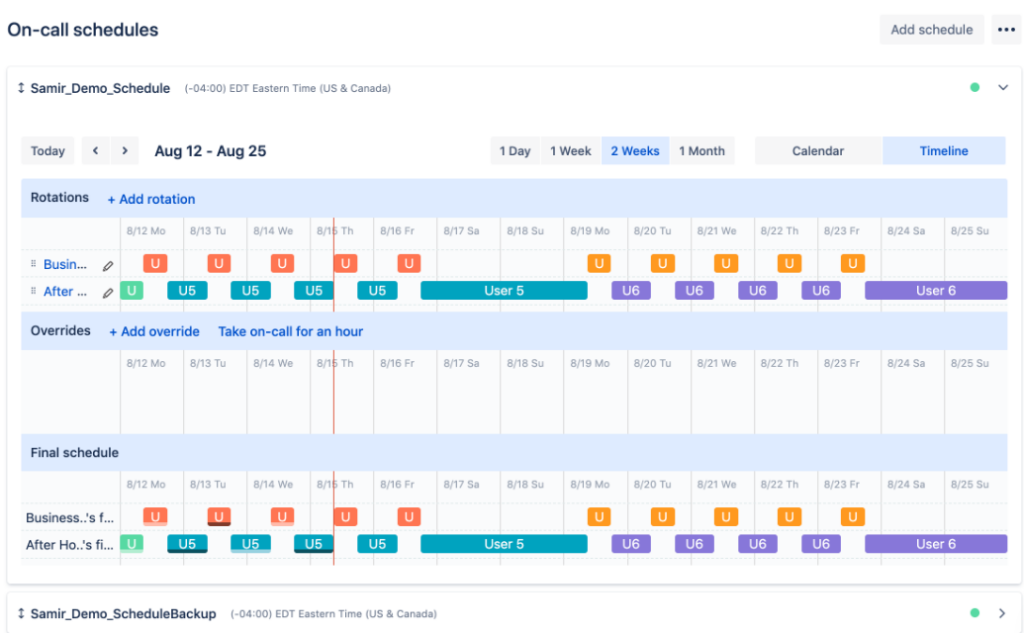
Opsgenie, un prodotto Atlassian, offre capacità robuste di gestione delle allerte e dei turni di reperibilità, progettate per team che operano in servizi sempre attivi. Svolge un ruolo fondamentale nel consolidamento delle allerte, notificando le persone giuste e garantendo un intervento tempestivo.
Perché ho scelto Opsgenie: Ho scelto Opsgenie dopo aver confrontato attentamente le sue funzionalità e capacità di integrazione con altri strumenti. Secondo me, il suo punto di forza risiede nei suoi strumenti di analisi approfondita, che forniscono dettagliate informazioni sui report degli incidenti. Questa profondità nell’analisi dei report distingue realmente Opsgenie, rendendolo la scelta migliore per le organizzazioni che danno priorità agli approfondimenti guidati dai dati per la risoluzione degli incidenti.
Funzionalità principali e integrazioni:
La funzione di analisi avanzata di Opsgenie consente ai team di approfondire le metriche di performance, facilitando i miglioramenti nel tempo. Il suo tracciamento di allerte e incidenti, insieme a turni di reperibilità flessibili, assicura che le persone giuste affrontino i problemi in modo tempestivo. Per quanto riguarda le integrazioni, Opsgenie funziona con strumenti di monitoraggio, sistemi di ticketing e strumenti di collaborazione, tra cui JIRA, Slack e AWS CloudWatch, fornendo un’esperienza di risposta agli incidenti coesa.
Pros and Cons
Pros:
- Gestione robusta di allerte e reperibilità
- Ecosistema di integrazione completo
- Analisi e report approfonditi
Cons:
- Curva di apprendimento più ripida per i nuovi utenti
- Le funzionalità avanzate richiedono piani di livello superiore
- Alcune integrazioni personalizzate potrebbero richiedere configurazione manuale

Ideale per esigenze di help desk centralizzato

SolarWinds Service Desk è una piattaforma versatile progettata per centralizzare tutte le operazioni dell'help desk, semplificando la gestione dell'IT service management per le aziende. Riunendo diversi processi dei servizi IT in un’unica piattaforma unificata, affronta efficacemente le sfide delle organizzazioni che cercano una soluzione centralizzata.
Perché ho scelto SolarWinds Service Desk: Ho selezionato SolarWinds Service Desk dopo aver osservato la sua capacità di integrare con facilità diverse operazioni di help desk. Tra i numerosi strumenti che ho confrontato, questo si distingue offrendo un completo hub centrale, elemento fondamentale per le aziende che vogliono un punto unico di controllo.
Questa centralizzazione è il motivo principale per cui lo considero la scelta migliore per chi cerca soluzioni di help desk centralizzate.
Funzionalità principali e integrazioni:
SolarWinds Service Desk offre una serie di funzionalità come gestione degli incidenti, scoperta degli asset e creazione di una knowledge base. Tra le sue qualità spicca la funzione di suggerimenti basati su intelligenza artificiale, che aiuta gli operatori a risolvere i ticket più rapidamente. Per quanto riguarda le integrazioni, la piattaforma si connette facilmente con software come Jira, Slack e Microsoft Teams, agevolando le operazioni IT tra diverse applicazioni.
Pros and Cons
Pros:
- Completo hub centrale per le operazioni di help desk
- Suggerimenti basati su IA agevolano la risoluzione rapida dei ticket
- Integrazione estesa con applicazioni popolari
Cons:
- Alcuni utenti potrebbero trovare laborioso il processo di configurazione
- Le funzionalità avanzate possono risultare complesse per i team più piccoli
- L'interfaccia può richiedere un periodo di apprendimento per alcuni utenti

OneTrust
Ideale per la gestione degli incidenti di privacy
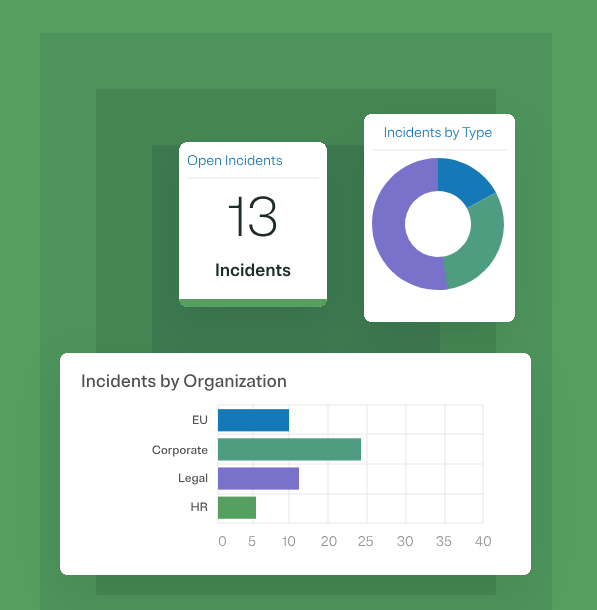
OneTrust è specializzata in una piattaforma che si concentra su privacy, sicurezza e gestione del rischio di terze parti. Con il suo focus sulla gestione degli incidenti di privacy, OneTrust garantisce che le organizzazioni rispettino le normative globali affrontando proattivamente i potenziali incidenti relativi alla privacy.
Perché ho scelto OneTrust: Nel processo di selezione degli strumenti, OneTrust ha attirato la mia attenzione grazie al suo specifico focus sulla gestione degli incidenti di privacy. Rispetto ad altri concorrenti, l'impegno di OneTrust verso la conformità alla privacy e la sua suite di strumenti pensati per questa nicchia si sono dimostrati impressionanti.
Credo che OneTrust sia la soluzione più adatta per le organizzazioni che danno priorità alla gestione degli incidenti di privacy, considerando l'importanza crescente della protezione dei dati.
Caratteristiche e integrazioni principali:
OneTrust offre un workflow automatizzato per la risposta agli incidenti che si allinea con le diverse normative globali. Le sue funzionalità di valutazione del rischio assicurano inoltre che qualsiasi potenziale minaccia alla privacy venga affrontata tempestivamente. In termini di integrazioni, OneTrust è compatibile con strumenti aziendali diffusi come Salesforce, Microsoft Teams e Slack, migliorando così la sua funzionalità in un ambiente tecnologico diversificato.
Pros and Cons
Pros:
- Strumenti su misura specifici per la gestione degli incidenti di privacy
- Integrazioni robuste con i principali strumenti aziendali
- Funzionalità di conformità globale complete garantiscono il rispetto delle normative
Cons:
- La diversità delle funzionalità della piattaforma può comportare una curva di apprendimento ripida
- La configurazione potrebbe richiedere conoscenze tecniche per un set-up ottimale
- Potrebbero sorgere costi aggiuntivi per raggiungere la piena conformità con più normative
Altri software per la segnalazione degli incidenti
Ecco alcune altre opzioni di software per la segnalazione degli incidenti che non sono entrate nella mia selezione, ma che vale comunque la pena prendere in considerazione:
- ServiceNow
Ideale per flussi di lavoro strutturati nella gestione degli incidenti
- Resolver
Ideale per la gestione della sicurezza aziendale
- Jira Service Management
Ideale per la collaborazione del team IT
- incident.io
Ideale per una gestione degli incidenti snella
- xMatters
Ideale per una risposta mirata agli incidenti
- FireHydrant
Ideale per un'orchestrazione completa degli incidenti
- LogicManager
Ideale per l'integrazione di eventi e incidenti
- Zendesk
Ideale per una gestione degli incidenti centrata sul cliente
- ManageEngine ServiceDesk Plus
Migliore per l'allineamento degli incidenti ITIL


Come Valuto il Software di Segnalazione degli Incidenti
La mia valutazione inizia con due livelli: le capacità irrinunciabili che danno accesso alla lista e i fattori di differenziazione—come il triage AI o la profondità della pianificazione delle turnazioni—che separano il buono dall'eccellente.
Funzionalità di Base (Requisiti Minimi per Questa Lista)
Quando seleziono gli strumenti per la mia lista, valuto ciascuno su una scala da 0 (la funzionalità non è presente) a 5 (eccelle in quest'area) per ognuna delle funzionalità di base elencate sotto. Poi calcolo il punteggio totale dello strumento e lo trasformo in percentuale. Ogni strumento deve raggiungere almeno un punteggio totale minimo del 65% per essere preso in considerazione.
- Acquisizione e Registrazione degli Incidenti: Verifico se lo strumento può acquisire incidenti da strumenti di monitoraggio, API, email e inserimento manuale—non solo da un canale—con campi strutturati per la gravità e la proprietà.
- Notifiche e Gestione dei Turni: Le rotazioni dei turni di reperibilità, le politiche di escalation e le notifiche su più canali (SMS, push, voce) sono tutti fattori importanti, poiché una chiamata mancata alle 2 di notte significa maggiore tempo morto.
- Workflow per la Gestione degli Incidenti: Strumenti come Rootly e Firehydrant creano automaticamente sale di guerra su Slack e assegnano ruoli; valuto se la piattaforma orchestra la risposta o si limita a registrarla.
- Integrazioni con la Stack IT/Dev: La gestione degli incidenti reale coinvolge Datadog, Jira, ServiceNow e Slack in un unico flusso di lavoro, quindi cerco connessioni profonde e bidirezionali tra questi strumenti.
- Analisi Post-Incidente: Un buon modello di postmortem è il requisito minimo, ma cerco anche timeline generate automaticamente e azioni tracciate che aiutino a prevenire ripetizioni dell'incidente.
- Reportistica e Analisi: Dashboard MTTA, MTTR e di aderenza SLA sono cruciali qui—valuto se le metriche sono personalizzabili ed esportabili per audit di conformità e revisioni della leadership.
Una volta che ho una lista di strumenti che soddisfano i criteri, considero cosa distingue ciascuna piattaforma dalle altre.
Fattori di Differenziazione (Cosa Distingue i Fornitori)
Ecco come confronto e metto a confronto i vari fornitori:
Funzionalità Distintive
Il triage basato su AI è un grande elemento di differenziazione—cerco strumenti che classificano automaticamente la gravità e suggeriscono i responsabili in base agli incidenti precedenti, riducendo il tempo che i team trascorrono a capire chi avvisare. Anche la mappatura delle dipendenze di servizio è una funzione preziosa, perché sapere quali servizi a valle sono impattati aiuta i responder a dare le giuste priorità durante un guasto a cascata. Anche l'automazione della pagina di stato è importante: le piattaforme che aggiornano automaticamente gli stakeholder in base allo stato dell'incidente evitano agli ingegneri di turno di ricevere continui messaggi del tipo «è già risolto?» nel pieno della crisi.
Oltre le Funzionalità
L'affidabilità del fornitore è un aspetto che considero molto—una piattaforma di segnalazione incidenti che va in down durante il tuo outage vanifica tutto, quindi verifico SLA di uptime dichiarato e la storicità della disponibilità pubblicata dal fornitore. Le certificazioni di conformità come SOC 2 Type II e il supporto per SSO/SAML sono anch'essi importanti, soprattutto per i team che operano in ambienti regolamentati dove la tracciabilità degli audit è obbligatoria. Anche il modello di prezzo merita attenzione; la tariffa per singolo responder è adatta alle piccole squadre SRE, ma può diventare rapidamente onerosa man mano che le organizzazioni scalano le turnazioni su più team.
Come scegliere un software per la segnalazione degli incidenti
È facile perdersi in lunghi elenchi di funzionalità e strutture tariffarie complesse. Per aiutarti a rimanere concentrato mentre affronti il tuo particolare processo di selezione del software, ecco una lista di controllo dei fattori da tenere presenti:
| Fattore | Cosa considerare |
|---|---|
| Scalabilità | Il software può crescere insieme alla tua azienda? Considera il numero di utenti supportati e se è in grado di gestire un volume di dati maggiore con l'espansione della tua attività. |
| Integrazioni | Si collega agli strumenti che già utilizzi? Verifica la compatibilità con i sistemi attuali, come CRM, strumenti di posta elettronica e piattaforme di comunicazione. |
| Personalizzazione | Puoi adattarlo ai tuoi flussi di lavoro? Cerca opzioni che consentano di modificare dashboard, report e impostazioni degli utenti in base alle esigenze del tuo team. |
| Facilità d'uso | È semplice da imparare per il tuo team? Valuta l'interfaccia utente e se è necessaria una formazione approfondita per utilizzarlo in modo efficace. |
| Implementazione e avviamento | Quanto tempo serve per renderlo operativo? Considera il processo di configurazione, il supporto disponibile e le risorse formative per garantire una transizione fluida. |
| Costo | Rientra nel tuo budget? Confronta i piani tariffari, comprese eventuali commissioni nascoste, e assicurati che il costo sia proporzionato al valore offerto. |
| Misure di sicurezza | I tuoi dati e la tua privacy sono protetti? Cerca la crittografia, la conformità alle normative sulla protezione dei dati e altre misure di sicurezza. |
| Disponibilità dell'assistenza | Riceverai aiuto quando ne avrai bisogno? Verifica la disponibilità dell'assistenza clienti, compresi gli orari e i canali come telefono, posta elettronica e chat. |
Che cos'è un software per la segnalazione degli incidenti?
Il software per la segnalazione degli incidenti è uno strumento utilizzato per documentare e gestire incidenti come interruzioni dei servizi IT, violazioni della sicurezza o qualsiasi interruzione operativa. I professionisti IT, i team addetti alla sicurezza e i responsabili della conformità utilizzano generalmente questi strumenti per affrontare rapidamente i problemi e mantenere le operazioni fluide. Il software di avvisi IT, la registrazione dei dati e i flussi di lavoro personalizzabili aiutano a gestire e risolvere gli incidenti in modo efficiente. Questi strumenti offrono un valore significativo riducendo al minimo i tempi di inattività e migliorando i tempi di risposta.
Funzionalità
Quando selezioni un software per la segnalazione degli incidenti, presta attenzione alle seguenti funzionalità chiave:
- Monitoraggio degli incidenti: Registra automaticamente gli incidenti, aiutando i team a tenere traccia di tutti i problemi dall'inizio alla risoluzione.
- Avvisi automatizzati: Notifica immediatamente i membri del team appropriati, garantendo una risposta tempestiva agli incidenti.
- Flussi di lavoro personalizzabili: Consente di adattare i processi alle esigenze specifiche del team e di migliorare l'efficienza.
- Registrazione dei dati: Conserva un registro completo degli incidenti, utile per audit e verifiche di conformità.
- Collaborazione in tempo reale: Permette ai team di lavorare insieme sugli incidenti in tempo reale, migliorando la comunicazione e la risoluzione dei problemi.
- Strumenti di reportistica: Fornisce informazioni sulle tendenze degli incidenti e sulle prestazioni del team, favorendo il miglioramento continuo.
- Misure di sicurezza: Protegge le informazioni sensibili tramite la crittografia e la conformità agli standard di protezione dei dati.
- Funzionalità di integrazione: Si collega ad altri strumenti come Slack e Jira per semplificare i flussi di lavoro e aumentare la produttività.
- Interfaccia intuitiva: Semplifica la navigazione e riduce al minimo la curva di apprendimento per i nuovi utenti.
- Monitoraggio della conformità: Aiuta a garantire che l'organizzazione soddisfi i requisiti normativi monitorando gli incidenti relativi alla conformità.
Vantaggi
L'implementazione di un software per la segnalazione degli incidenti offre diversi vantaggi al team e all'azienda. Eccone alcuni:
- Tempi di risposta migliorati: Gli avvisi automatizzati e la collaborazione in tempo reale aiutano il team a rispondere agli incidenti in modo rapido ed efficiente.
- Maggiore accuratezza dei dati: La registrazione dei dati garantisce che tutti i dettagli degli incidenti vengano acquisiti e archiviati accuratamente per riferimenti futuri.
- Migliore gestione della conformità: Il monitoraggio della conformità aiuta l'azienda a rimanere allineata ai requisiti normativi ed evitare sanzioni.
- Maggiore produttività: I flussi di lavoro personalizzabili e le funzionalità di integrazione consentono al team di lavorare in modo più efficace all'interno dei processi esistenti.
- Analisi approfondite: Gli strumenti di reportistica forniscono informazioni preziose sulle tendenze degli incidenti e sulle prestazioni del team, favorendo il processo decisionale.
- Maggiore sicurezza: Le misure di sicurezza proteggono i dati sensibili, garantendo al team maggiore tranquillità nella gestione degli incidenti.
- Semplicità d'uso: Un'interfaccia intuitiva riduce la curva di apprendimento, consentendo al team di adottare rapidamente il software.
Costi & prezzi
La scelta di un software per la segnalazione degli incidenti richiede la comprensione dei vari modelli e piani tariffari disponibili. I costi variano in base alle funzionalità, alle dimensioni del team, ai componenti aggiuntivi e ad altri fattori. La tabella seguente riassume i piani più comuni, i relativi prezzi medi e le funzionalità tipicamente incluse nelle soluzioni software per la segnalazione degli incidenti:
Tabella comparativa dei piani per il software di segnalazione degli incidenti
| Tipo di piano | Prezzo medio | Funzionalità comuni |
|---|---|---|
| Piano gratuito | $0/user/month | Monitoraggio di base degli incidenti, avvisi limitati e supporto della comunità. |
| Piano personale | $5-$25/user/month | Monitoraggio degli incidenti, strumenti di reportistica di base e supporto via e-mail. |
| Piano aziendale | $30-$60/user/month | Reportistica avanzata, flussi di lavoro personalizzabili, integrazioni e supporto prioritario. |
| Piano per grandi aziende | $70-$100/user/month | Accesso a tutte le funzionalità, misure di sicurezza avanzate, monitoraggio della conformità e supporto dedicato. |
Domande frequenti sul software per la segnalazione degli incidenti
Ecco alcune risposte alle domande più comuni sul software per la segnalazione degli incidenti:
Qual è la differenza tra la segnalazione degli incidenti e la gestione degli incidenti?
La segnalazione degli incidenti consiste nel documentare gli incidenti quando si verificano, mentre la gestione degli incidenti comprende l’intero processo di gestione di tali incidenti dall’inizio alla fine. La segnalazione è solo il primo passo del processo di gestione. Una gestione efficace degli incidenti utilizza i dati contenuti nelle segnalazioni per risolvere rapidamente i problemi e prevenirne il ripetersi. Assicurati che il tuo team comprenda entrambi gli aspetti per gestire efficacemente le interruzioni.
Quanto è sicuro il software per la segnalazione degli incidenti?
Sì, la maggior parte dei software per la segnalazione degli incidenti è progettata tenendo conto della sicurezza. Molti strumenti includono la crittografia, i controlli degli accessi e la conformità a standard come il GDPR. Tuttavia, prima di acquistare uno strumento, dovresti sempre verificarne le funzionalità di sicurezza. Cerca la crittografia, l’autenticazione a due fattori e le certificazioni di conformità per assicurarti che i tuoi dati rimangano protetti.
Il software per la segnalazione degli incidenti può integrarsi con i sistemi esistenti?
Sì, molti strumenti per la segnalazione degli incidenti offrono funzionalità di integrazione con sistemi esistenti come Slack, Jira e Microsoft Teams. Le integrazioni aiutano a semplificare i flussi di lavoro collegando lo strumento di segnalazione degli incidenti ad altri software utilizzati dal tuo team. Prima di scegliere uno strumento, verifica la sua compatibilità con i sistemi attuali per assicurarti un’integrazione perfetta.
Come scelgo il software giusto per la segnalazione degli incidenti per il mio team?
Inizia valutando le esigenze del tuo team e i flussi di lavoro esistenti. Considera fattori come la facilità d’uso, le funzionalità di integrazione e la scalabilità. Cerca uno strumento adatto al tuo budget e che offra le funzionalità di cui hai bisogno. Potresti anche usufruire di prove gratuite o dimostrazioni per testare il software prima di prendere una decisione.
Cosa succede ora:
Se stai cercando un software per la segnalazione degli incidenti, contatta gratuitamente un consulente SoftwareSelect per ricevere consigli.
Compili un modulo e fai una breve conversazione durante la quale il consulente approfondirà le tue esigenze specifiche. Riceverai quindi una selezione ristretta di software da valutare. Ti assisterà inoltre durante l'intero processo di acquisto, comprese le negoziazioni sui prezzi.