

Los 10 mejores programas de informes de incidentes de 2026

Lista de los mejores programas de notificación de incidentes


Según mi experiencia, la herramienta adecuada puede convertir una situación estresante en un proceso manejable, ahorrando tiempo y reduciendo errores. He revisado las mejores opciones disponibles, centrándome en lo que realmente importa a expertos tecnológicos como tú.
En este artículo, compartiré mis principales selecciones de programas de notificación de incidentes, destacando sus características y ventajas clave. Encontrarás reseñas imparciales y bien documentadas que te ayudarán a tomar una decisión informada. Veamos las soluciones que pueden hacer que tu proceso de gestión de incidentes sea más fluido y eficaz.
Por qué confiar en nuestras recomendaciones de software
Nuestro equipo lleva probando y evaluando software desde 2012. Como líderes tecnológicos, sabemos lo difícil —y lo importante— que es elegir el software adecuado.
Para esta guía, evaluamos las herramientas mediante pruebas prácticas e investigación independiente, puntuando las herramientas según nuestros criterios de selección.
Nuestras reseñas reflejan nuestro criterio editorial humano, no un discurso de ventas.
Revisores expertos:
Resumen de los mejores programas de notificación de incidentes
Esta tabla comparativa resume los detalles de precios de mis principales selecciones de programas de notificación de incidentes para ayudarte a encontrar la mejor opción según tu presupuesto y las necesidades de tu empresa.
| Tool | Best For | Trial Info | Price | ||
|---|---|---|---|---|---|
| 1 | Mejor para la gestión de documentación de incidentes | Demostración gratuita disponible | Precio a consultar | Website | |
| 2 | Mejor para la gestión de incidentes fácil de usar | Prueba gratuita de 14 días + demo gratuita disponible | Desde $19/usuario/mes (facturado anualmente) | Website | |
| 3 | La mejor para detección de incidentes e integración con gestión de tickets | Prueba gratuita de 30 días + demo gratis disponible | Desde $129/técnico/mes (facturación anual) | Website | |
| 4 | Ideal para vincular incidentes y datos de activos | Prueba gratuita de 14 días | Precio bajo solicitud | Website | |
| 5 | Ideal para automatizar flujos de trabajo de respuesta | Demostración gratuita disponible | Desde $20/usuario/mes | Website | |
| 6 | Ideal para la detección de incidentes y amenazas en tiempo real | Prueba gratuita de 30 días + demo gratuita | Precio bajo solicitud | Website | |
| 7 | Mejor para remediación automatizada | Prueba gratuita + demo gratuita disponible | Precio a consultar | Website | |
| 8 | Mejor para análisis avanzados de reportes | Prueba gratuita de 14 días | Desde $9/usuario/mes (facturación anual) | Website | |
| 9 | Ideal para necesidades centralizadas de mesa de ayuda | Prueba gratuita de 30 días + demo gratis disponible | Desde $19/usuario/mes (facturado anualmente) | Website | |
| 10 | Mejor para la gestión de incidentes de privacidad | Demostración gratuita disponible | Precio bajo consulta | Website |


Reseñas de los mejores programas de notificación de incidentes
A continuación, encontrarás mis resúmenes detallados de los mejores programas de notificación de incidentes que llegaron a mi lista de preseleccionados. Mis reseñas ofrecen un análisis detallado de las características clave, ventajas y desventajas, integraciones y casos de uso ideales de cada herramienta para ayudarte a encontrar la mejor opción para ti.

Preparis
Mejor para la gestión de documentación de incidentes
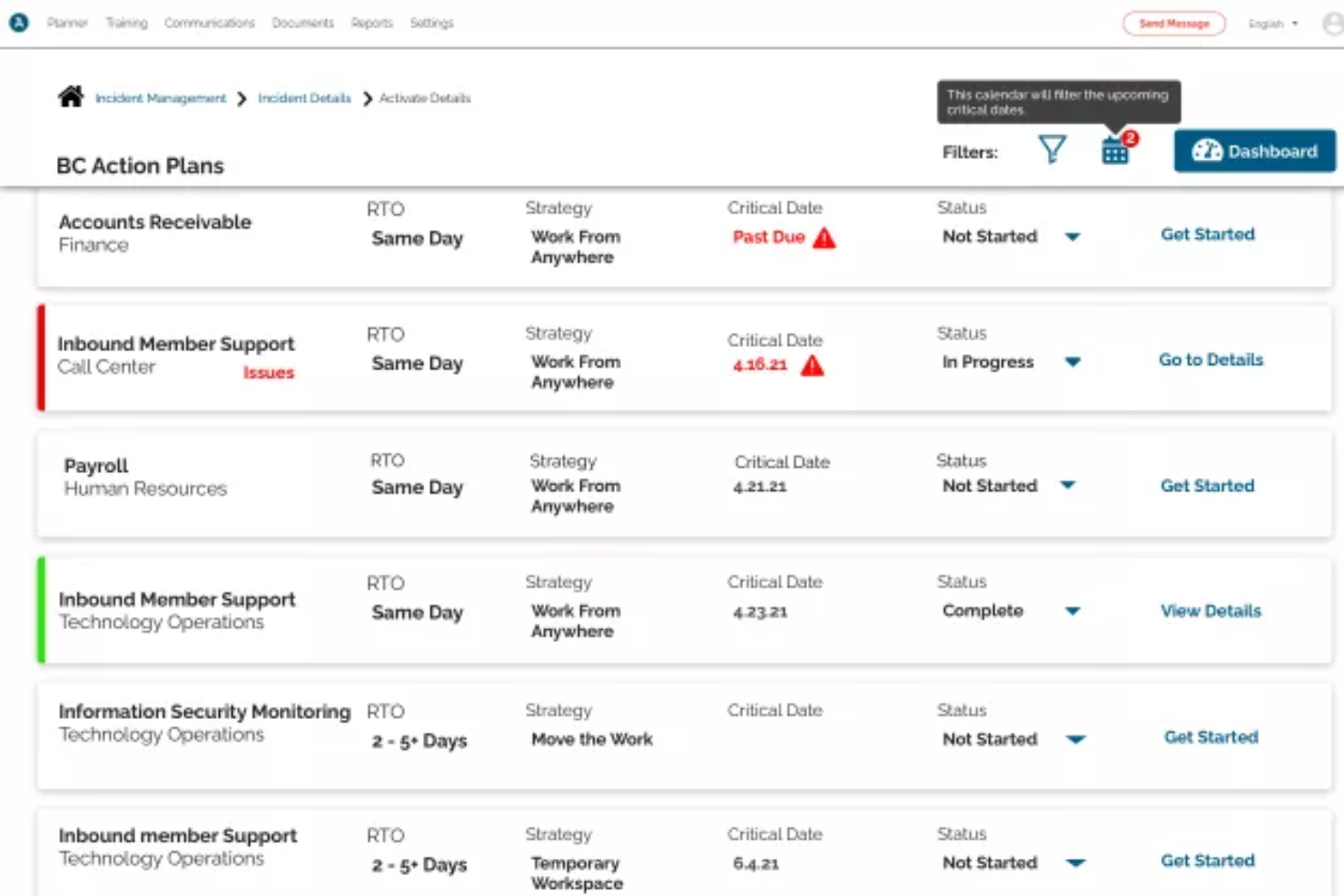
Preparis es una plataforma basada en la nube diseñada para ayudar a las empresas a prepararse y responder ante emergencias, centrándose en asegurar la continuidad del negocio. Permite a los equipos centralizar la comunicación, gestionar riesgos y ejecutar estrategias de respuesta de manera eficiente.
Por qué elegí Preparis: Preparis incluye herramientas para organizar y almacenar documentos críticos relacionados con incidentes, asegurando que la información importante sea fácilmente accesible durante una emergencia. Sus herramientas de reporte te permiten registrar y analizar incidentes, ayudándote a comprender patrones y mejorar tu respuesta con el tiempo. Estas funciones están diseñadas para brindar a tu equipo una visibilidad clara de los incidentes, asegurando una respuesta coordinada y oportuna que apoye las operaciones comerciales continuas.
El sistema de alertas de la plataforma también garantiza que el personal clave sea notificado en el momento en que surge un problema, ayudándote a responder más rápido.
Características e integraciones destacadas:
Otras características incluyen planes de acción personalizables para diferentes tipos de incidentes, para que tu equipo sepa exactamente qué pasos seguir. Además, su gestor de incidentes te permite rastrear, asignar y resolver incidentes de TI en un solo lugar. Las integraciones incluyen sistemas como ADP y Okta.
Pros and Cons
Pros:
- Documentación efectiva para informes de incidentes, planes y auditorías
- Sistema de notificaciones en tiempo real
- Escalable para organizaciones de todos los tamaños
Cons:
- Opciones de personalización limitadas
- Podría ofrecer gestión de tickets para incidentes de TI

Mejor para la gestión de incidentes fácil de usar
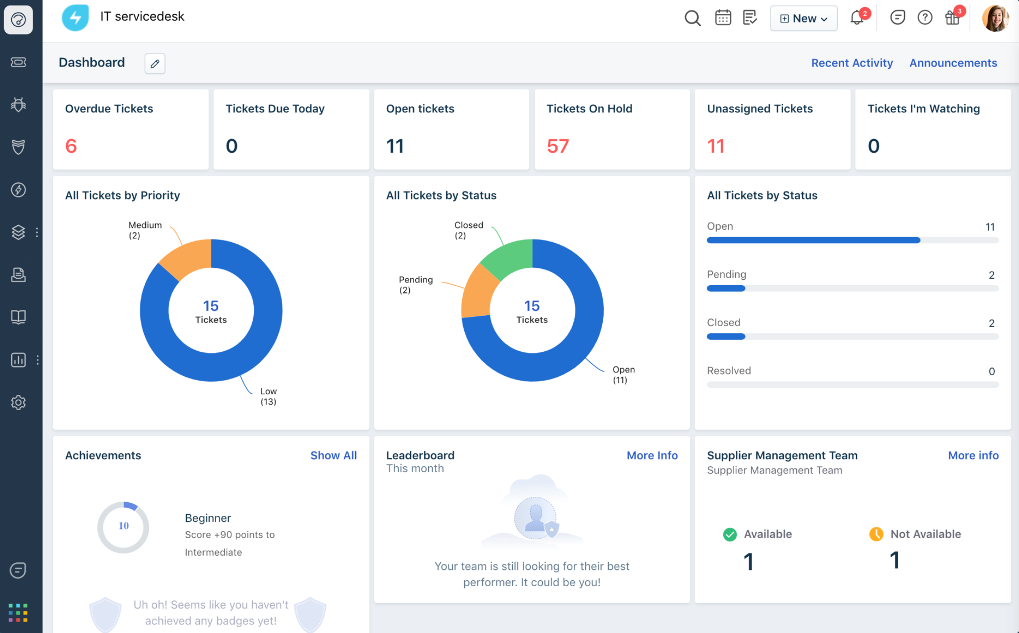
Freshservice, de Freshworks, es una herramienta de gestión de servicios de TI diseñada para agilizar la gestión de incidentes y solicitudes de servicio en las organizaciones. Gracias a su interfaz intuitiva y diseño centrado en el usuario, es una opción destacada para equipos que priorizan la facilidad de uso al gestionar y resolver incidentes.
Por qué elegí Freshservice: Al determinar las mejores herramientas para esta lista, la reputación de Freshservice por ser fácil de usar lo convirtió en una consideración inmediata. Lo que lo diferencia de otros es su diseño intuitivo combinado con funcionalidades sólidas, haciendo que el proceso de manejo de incidentes sea más fluido.
Según mi evaluación, Freshservice destaca para aquellas organizaciones que buscan un equilibrio entre funcionalidad y facilidad de uso en sus herramientas de gestión de incidentes.
Funciones destacadas e integraciones:
Freshservice ofrece funciones como un sistema inteligente de gestión de tickets, base de conocimientos y gestión de activos. Sus capacidades de automatización reducen los esfuerzos manuales, haciendo que el proceso de resolución de incidentes sea más eficiente.
En cuanto a integraciones, Freshservice es compatible con una gran variedad de aplicaciones y plataformas, incluyendo Slack, Zoom y Microsoft Teams, lo que garantiza que los equipos puedan conectar sus herramientas preferidas sin inconvenientes.
Pros and Cons
Pros:
- Interfaz intuitiva que facilita la adopción rápida entre los equipos
- Potentes capacidades de automatización que reducen la intervención manual
- Amplia gama de opciones de integración que cubren diversas necesidades organizacionales
Cons:
- La profundidad de la herramienta a veces puede opacar su simplicidad para usuarios primerizos
- La personalización puede requerir ciertos conocimientos técnicos
- La necesidad de navegar por múltiples funciones puede resultar abrumadora para algunos usuarios
New Product Updates from Freshservice
 Experience)
Freshservice Introduces a Reimagined IT Asset Management (ITAM) Experience
Freshservice introduces a reimagined IT Asset Management (ITAM) experience with continuous infrastructure discovery, dependency mapping, IPAM, and Software License Management. This update helps teams improve asset visibility and manage connected IT environments more effectively. For more information, visit Freshservice’s official site.

Atera
La mejor para detección de incidentes e integración con gestión de tickets
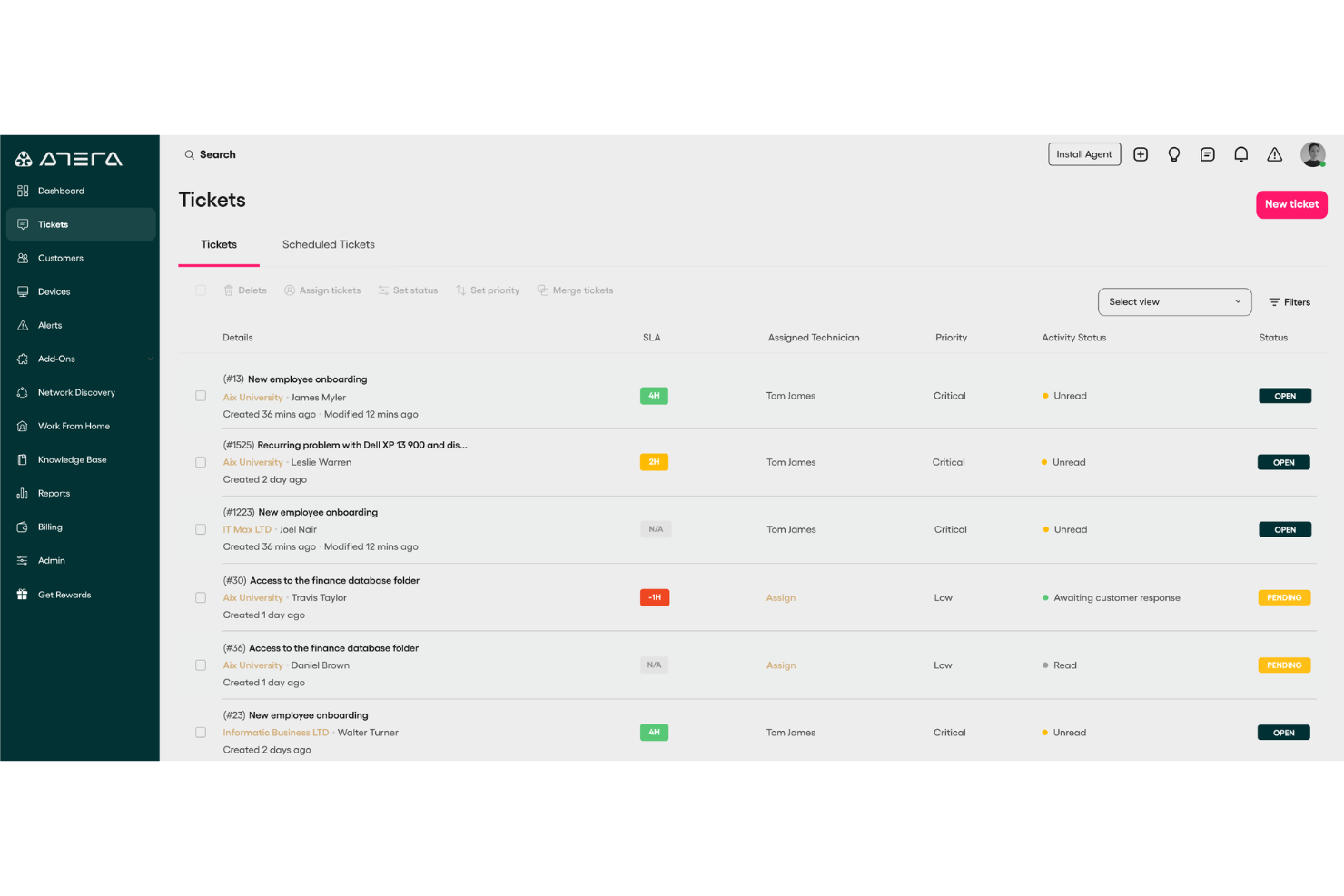
Atera es una plataforma unificada de gestión de TI diseñada principalmente para equipos de TI y proveedores de servicios gestionados (MSP). Combina la monitorización y gestión remota (RMM), la gestión de tickets de mesa de ayuda y la automatización de servicios profesionales (PSA). Sus funciones de reporte de incidentes trabajan dentro de este sistema integral, ayudándote a registrar, rastrear y resolver incidentes como parte de tus operaciones continuas de TI.
Por qué elegí Atera: Incluí Atera por su capacidad para convertir alertas del sistema en tickets procesables de forma automática. Cuando la plataforma detecta excedentes en los umbrales de rendimiento o en la salud del hardware, puede crear tickets y categorizarlos mediante etiquetado basado en IA. Esto permite que tu equipo actúe sobre los incidentes rápidamente, reduciendo el tiempo necesario para asignar los problemas a la persona adecuada. Su monitorización en tiempo real, junto con la automatización de tickets, ofrece a los equipos de TI más pequeños una forma de centralizar el reporte de incidentes sin necesidad de múltiples herramientas.
Funciones destacadas e integraciones:
Atera incluye herramientas de IA que pueden resumir automáticamente los tickets y redactar respuestas basadas en los datos de incidentes. La plataforma también permite la generación de scripts para tareas de resolución de problemas, la creación de artículos para la base de conocimientos a partir de tickets resueltos y el descubrimiento completo de la red para identificar activos que pueden verse afectados por incidentes. Puedes acceder directamente a dispositivos remotos para investigar y aplicar la gestión de parches para minimizar vulnerabilidades que puedan causar futuros incidentes. Las integraciones incluyen Microsoft Teams, Slack, ServiceNow, Okta, Azure Active Directory, Notificaciones de WhatsApp, Google Workspace, Jira Software Cloud, Acronis Cyber Protect Cloud, Google Sheets, Gmail, ClickUp, Autopilot.
Pros and Cons
Pros:
- Modelo de precios por técnico
- Plataforma unificada para RMM, PSA y mesa de ayuda
- Soporte de IA incorporado para la gestión de tickets y resolución de problemas
Cons:
- La app móvil tiene menos funciones que la versión de escritorio
- Personalización limitada de los flujos de trabajo
New Product Updates from Atera

Atera Adds Webhook Triggers for Technician Assignment Changes
Atera ticket automation rules now support a webhook trigger when a ticket’s technician assignment changes, expanding automation beyond creation, status updates, and closure/resolution events. For more information, visit Atera's official site.

SysAid
Ideal para vincular incidentes y datos de activos
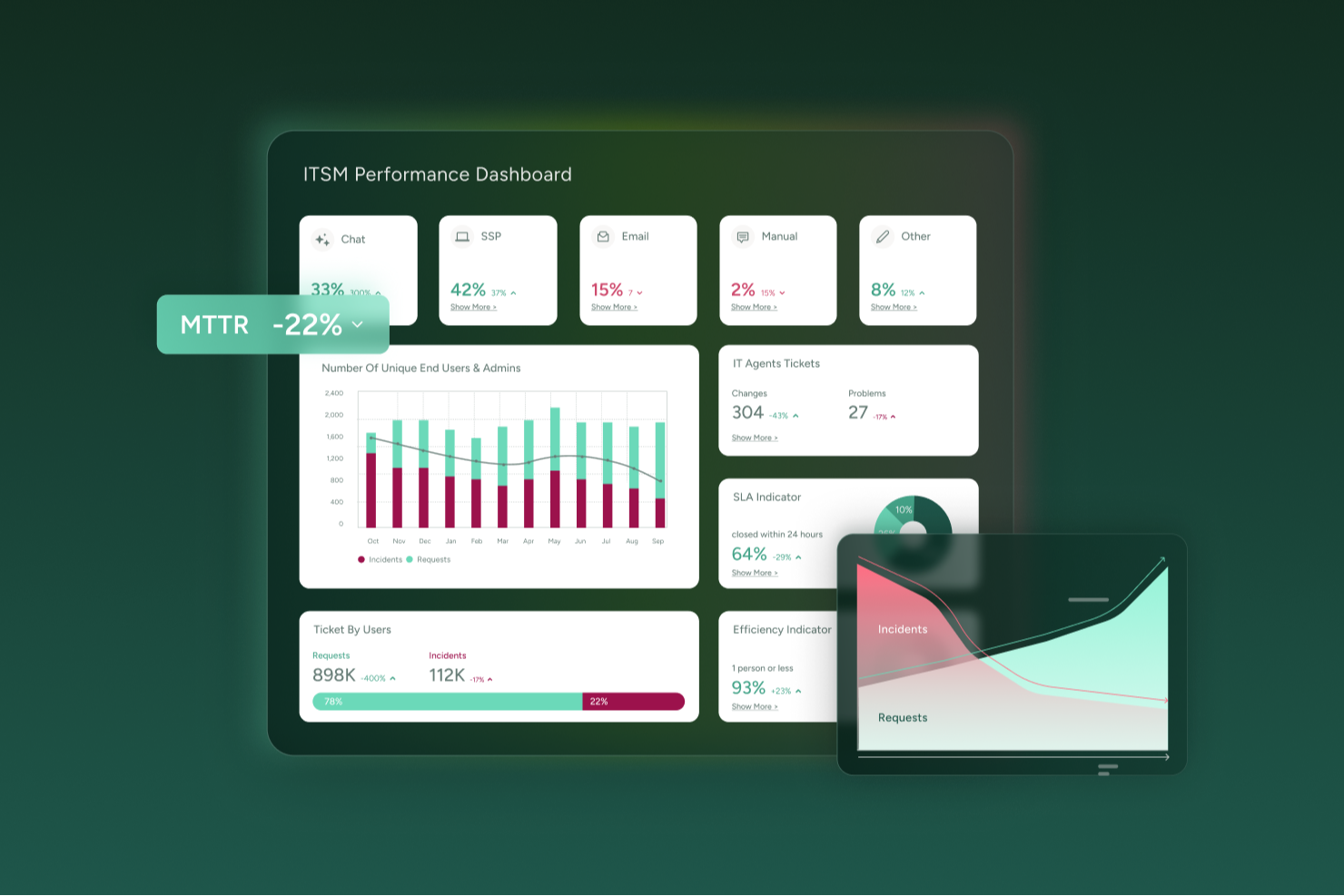
SysAid ofrece una plataforma de gestión de servicios de TI y reporte de incidentes diseñada para equipos de TI que desean abordar los problemas de forma proactiva en lugar de reactiva. Si tu equipo gestiona tickets de soporte frecuentes, administra activos de hardware o software, o entrega servicios de TI a través de varios departamentos, SysAid ayuda a centralizar estos procesos en un sistema único y más manejable.
Por qué elegí SysAid
Elegí SysAid porque sus capacidades de gestión de incidentes están estrechamente integradas con el sistema de tickets impulsado por IA y flujos de trabajo automatizados que reducen el esfuerzo manual. La IA de SysAid ayuda en la categorización, priorización y asignación de tickets, permitiendo que tu equipo dedique menos tiempo al triaje rutinario y más a resolver incidentes de mayor impacto. Los registros de incidentes también están vinculados directamente con los datos de activos y usuarios, por lo que, cuando surge un problema, tienes contexto inmediato sobre el hardware, software o usuario afectado. Esta combinación de automatización y visibilidad es especialmente útil cuando la resolución rápida e informada es importante.
Características clave de SysAid
Además de lo mencionado arriba, tu equipo también se beneficia de características como:
- Autoservicio: Permite a los usuarios finales enviar tickets o buscar en una base de conocimientos por sí mismos, reduciendo la cantidad de solicitudes de soporte manuales.
- Automatización de flujos de trabajo: Esta función permite automatizar procesos repetitivos, garantizando consistencia y liberando a tu equipo para que se enfoque en tareas complejas.
- Gestión de cambios: SysAid ofrece herramientas para gestionar los procesos de cambio, minimizando el riesgo y asegurando transiciones sin problemas dentro de tu entorno de TI.
- Informes: Obtén métricas integradas (por ejemplo, volumen de tickets, tiempos de resolución, cumplimiento de SLA) para monitorear el rendimiento de TI e identificar tendencias a lo largo del tiempo.
Integraciones de SysAid
Las integraciones incluyen Jira, Microsoft Teams, Slack, Active Directory, Azure AD, SCCM, VMware, Google Workspace, Okta y Salesforce.
Pros and Cons
Pros:
- La automatización impulsada por IA reduce las tareas manuales de gestión de incidentes.
- El portal de autoservicio permite a los usuarios reportar incidentes directamente.
- La automatización de flujos de trabajo asegura la consistencia de los procesos.
Cons:
- La experiencia de la aplicación móvil carece de funcionalidad completa.
- Cuando las funciones no se configuran correctamente, las automatizaciones y los flujos de trabajo de SLA pueden volverse complejos y confusos para los agentes.
New Product Updates from SysAid

SysAid Adds Bulk Contract Import
SysAid added bulk contract import to License Manager Essentials, letting admins upload a CSV template, validate entries, and create multiple contracts at once. For more information, visit SysAid's official site.

Rootly
Ideal para automatizar flujos de trabajo de respuesta

Rootly es una plataforma de reporte y gestión de incidentes diseñada para ayudar a los equipos a detectar, gestionar y resolver incidentes rápidamente. Centraliza la comunicación, automatiza alertas y facilita la colaboración entre sistemas como Slack y Microsoft Teams. Al abarcar todo el ciclo de vida del incidente—desde la detección hasta los análisis posteriores potenciados por IA—Rootly ayuda a las organizaciones a mejorar la fiabilidad y reducir los tiempos de resolución.
Por qué elegí Rootly: Elegí Rootly porque sitúa la IA en el centro de la gestión de incidentes. Automatiza los flujos de trabajo de respuesta en herramientas de chat como Slack y Teams, para que tu equipo pueda actuar sin cambiar de plataforma. También me gusta su función de retrospectiva post-incidente, que genera resúmenes y cronologías automáticamente mediante IA.
Si buscas mejorar la visibilidad y consistencia en tu proceso de gestión de incidentes, Rootly ofrece una equilibrada combinación de automatización y colaboración.
Funciones destacadas e integraciones:
Las funciones destacadas incluyen herramientas SRE con IA que automatizan el análisis de causa raíz, retrospectivas post-incidente con resúmenes generados por IA e integración del servidor MCP que permite a los desarrolladores resolver incidentes directamente desde su IDE. El sistema de gestión de guardias soporta programación y escalado automático, mientras que la página de estado mantiene informados a los clientes en tiempo real.
Las integraciones incluyen Slack, Microsoft Teams, Confluence, Jira, Terraform, Zoom, Datadog, Sentry, Notion, Zapier, Linear y Google Meet.
Pros and Cons
Pros:
- Automatización basada en IA para la respuesta ante incidentes
- Se integra con Slack y Teams
- Retrospectivas automatizadas con resúmenes por IA
Cons:
- La tarifa empresarial requiere una cotización personalizada
- Lista de integraciones públicas limitada

Ideal para la detección de incidentes y amenazas en tiempo real
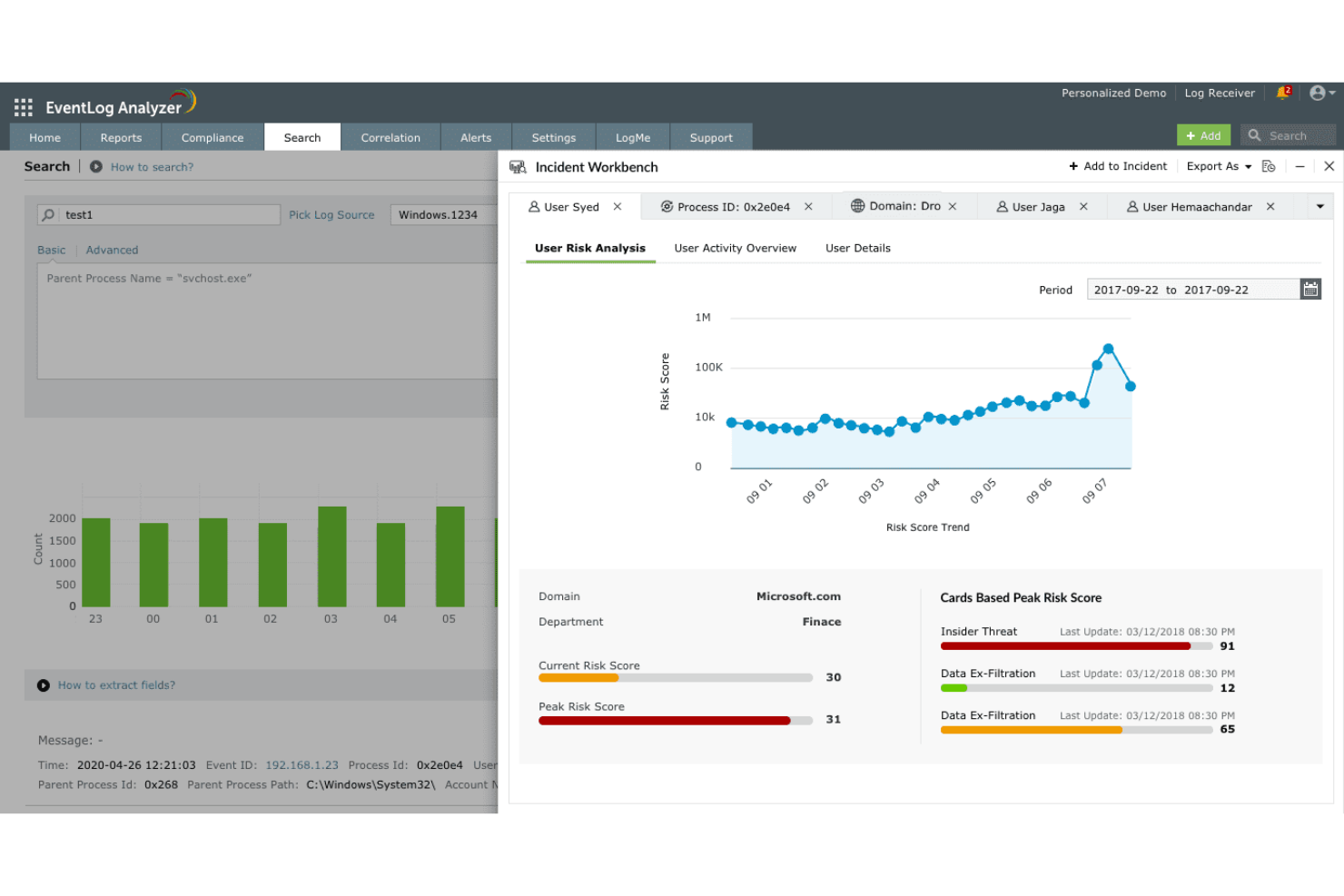
ManageEngine EventLog Analyzer es una solución integral de gestión de registros y cumplimiento de TI diseñada para mejorar la seguridad de la red y facilitar el cumplimiento de los requisitos de auditoría de TI.
Por qué elegí ManageEngine EventLog Analyzer: Me gustan las capacidades de auditoría de seguridad en tiempo real y la detección instantánea de amenazas de EventLog Analyzer. El software supervisa continuamente la red en busca de actividades sospechosas y proporciona alertas inmediatas, lo que permite una respuesta rápida ante posibles amenazas.
Esta supervisión en tiempo real se complementa con una gestión integral del cumplimiento, que ayuda a las organizaciones a adherirse a diversos requisitos regulatorios como PCI-DSS, HIPAA y GDPR. La capacidad de generar informes detallados de cumplimiento no solo simplifica el proceso de auditoría, sino que también garantiza que la organización se mantenga en conformidad con los estándares de la industria.
Características destacadas e integraciones:
También ofrece análisis avanzados de amenazas para mejorar la seguridad evaluando amenazas de URLs, IPs y dominios maliciosos, utilizando fuentes externas de amenazas para priorizar las acciones de respuesta. Además, la función de informes detallados ayuda a las organizaciones a cumplir con los requisitos regulatorios y a mejorar su postura de seguridad generando informes completos sobre los datos de registros. Las integraciones incluyen Log360, ADAudit Plus, Firewall Analyzer, SharePoint Manager Plus, M365 Security Plus, Cloud Security Plus y DataSecurity Plus.
Pros and Cons
Pros:
- Soporta funciones de supervisión en tiempo real y alertas
- Amplias capacidades de gestión de registros
- Capacidades de auditoría detalladas
Cons:
- La herramienta puede consumir muchos recursos
- Algunos usuarios consideran que la configuración inicial es compleja

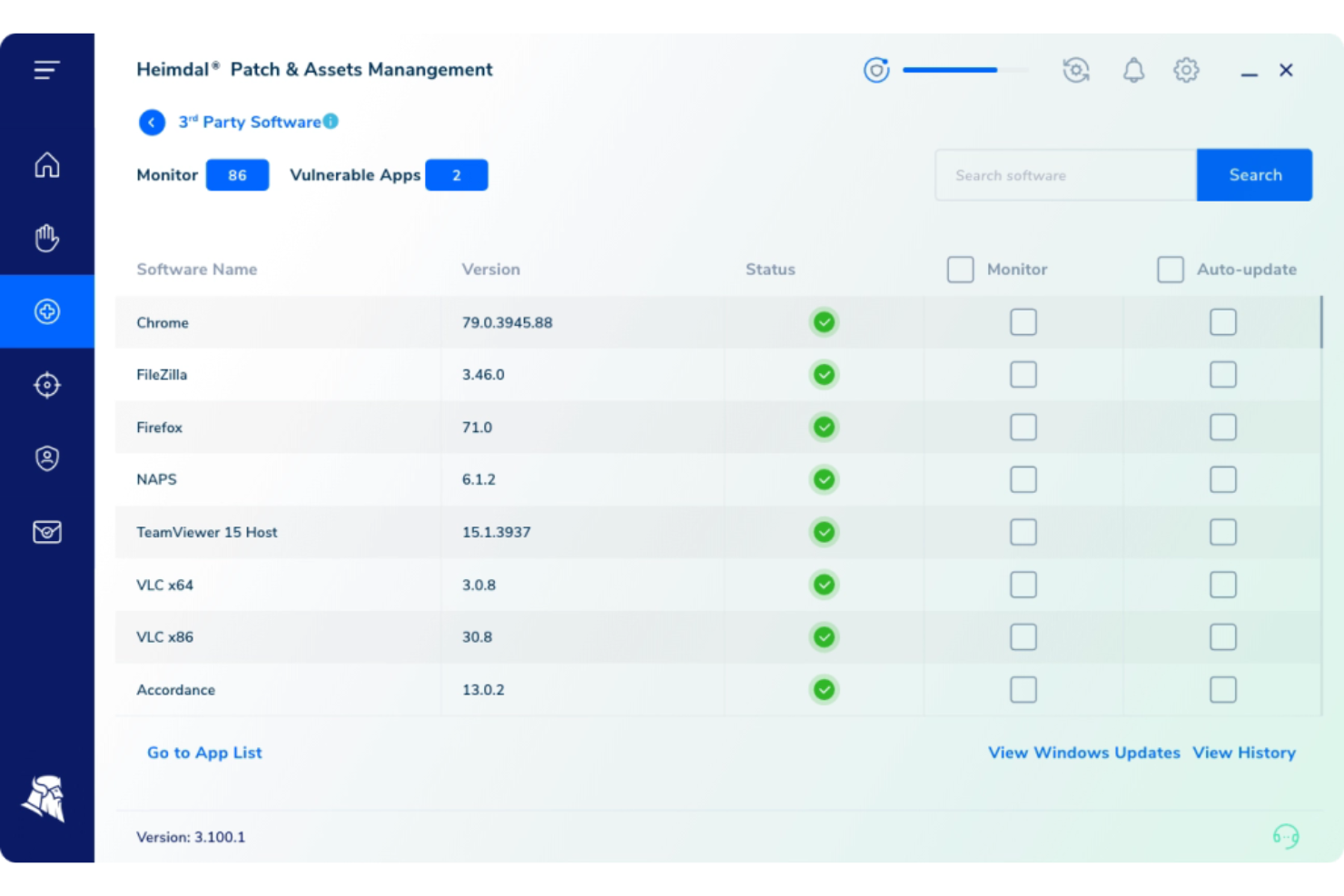
Heimdal atiende a empresas que buscan software de reporte de incidentes, especialmente en sectores como salud, educación y gobierno. Ofrece capacidades automatizadas de respuesta a incidentes que mejoran el cumplimiento normativo y la gestión de datos. Al integrar funciones avanzadas de detección y respuesta a amenazas, Heimdal responde a la necesidad de alertas en tiempo real y monitoreo continuo, ayudando a las organizaciones a gestionar eficazmente los incidentes de seguridad.
Por qué elegí Heimdal
Elegí Heimdal por sus destacadas capacidades automatizadas de respuesta a incidentes que abordan directamente los retos en el reporte de incidentes. Con su plataforma de Detección y Respuesta Extendida (XDR), Heimdal ofrece búsqueda de amenazas en tiempo real y remediación automatizada, asegurando una reacción rápida y eficiente ante amenazas de seguridad. Además, la integración con aplicaciones de terceros agiliza los procesos de gestión de incidentes, convirtiéndolo en una opción confiable para organizaciones que buscan mejorar sus mecanismos de reporte de incidentes.
Características clave de Heimdal
Además de sus capacidades automatizadas de respuesta a incidentes, Heimdal ofrece varias otras funciones beneficiosas para el reporte de incidentes:
- Soporte del Centro de Operaciones de Seguridad (SOC) 24/7: Tu equipo recibe asistencia constante para monitorear y responder a los incidentes de seguridad de manera oportuna.
- Integración de Inteligencia de Amenazas: Heimdal brinda información procesable correlando datos con inteligencia de amenazas, lo que te permite tomar decisiones informadas.
- Gestión de Vulnerabilidades: Esta función te ayuda a identificar y abordar vulnerabilidades dentro de tu infraestructura, reduciendo el riesgo de brechas de seguridad.
- Detección y Respuesta en Endpoints (EDR): Puedes monitorear y analizar actividades en los endpoints en tiempo real, garantizando una rápida identificación y respuesta ante comportamientos sospechosos.
Integraciones de Heimdal
Actualmente, Heimdal no lista integraciones nativas; sin embargo, la plataforma admite integraciones personalizadas a través de API.
Pros and Cons
Pros:
- Automatiza la aplicación de parches en endpoints
- Fuerte detección de vulnerabilidades y amenazas
- Visibilidad detallada de activos y licencias
Cons:
- No hay integraciones nativas disponibles
- La interfaz requiere tiempo de capacitación

Opsgenie
Mejor para análisis avanzados de reportes
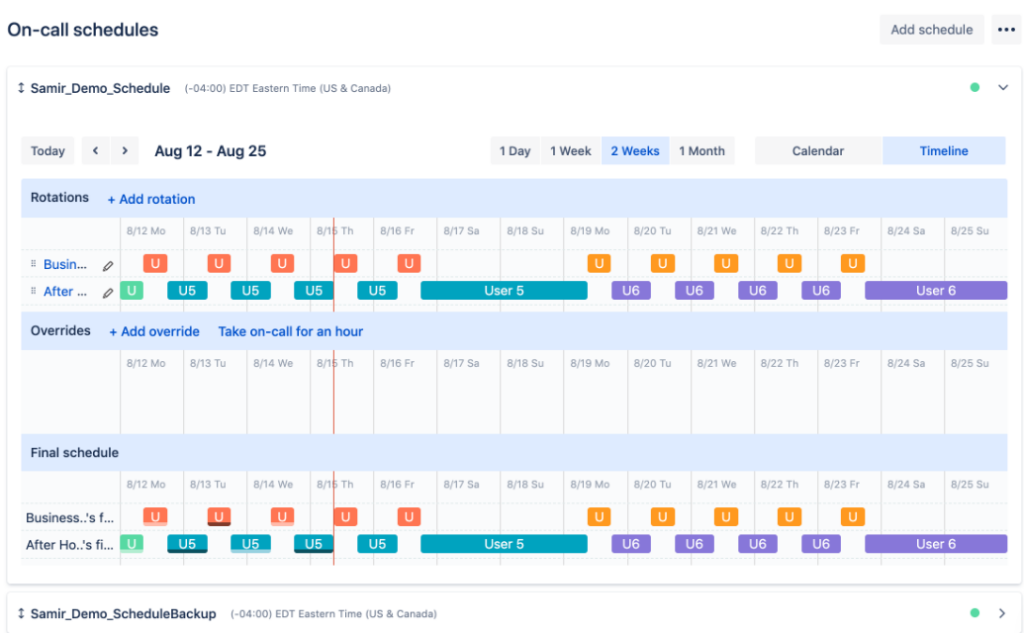
Opsgenie, un producto de Atlassian, ofrece sólidas capacidades de alerta y gestión de guardias diseñadas para equipos que operan en servicios siempre activos. Desempeña un papel vital al consolidar alertas, notificar a las personas adecuadas y asegurar una acción rápida.
Por qué elegí Opsgenie: Elegí Opsgenie tras comparar cuidadosamente sus características y capacidades de integración con otras herramientas. En mi opinión, su fortaleza radica en sus profundas herramientas analíticas, que proporcionan conocimientos detallados en los informes de incidentes. Esta profundidad en la analítica de reportes realmente diferencia a Opsgenie, convirtiéndolo en la mejor opción para organizaciones que priorizan los conocimientos basados en datos para la resolución de incidentes.
Características destacadas e integraciones:
La función de análisis avanzado de Opsgenie permite a los equipos profundizar en sus métricas de rendimiento, facilitando las mejoras a lo largo del tiempo. Su seguimiento de alertas e incidentes, combinado con horarios de guardia flexibles, garantiza que la persona adecuada aborde los problemas de manera oportuna. En cuanto a las integraciones, Opsgenie funciona con herramientas de monitoreo, sistemas de tickets y herramientas de colaboración, incluidas JIRA, Slack y AWS CloudWatch, ofreciendo una experiencia cohesiva de respuesta ante incidentes.
Pros and Cons
Pros:
- Gestión robusta de alertas y guardias
- Ecosistema de integraciones completo
- Analítica y reportes en profundidad
Cons:
- Curva de aprendizaje más pronunciada para usuarios nuevos
- Las funciones avanzadas requieren planes de nivel superior
- Algunas integraciones personalizadas pueden requerir configuración manual

Ideal para necesidades centralizadas de mesa de ayuda
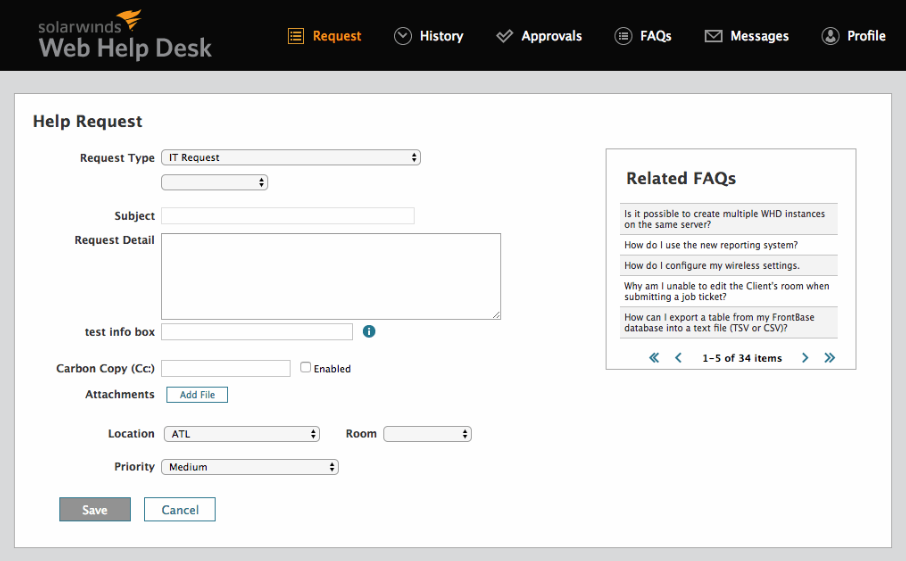
SolarWinds Service Desk es una plataforma versátil diseñada para centralizar todas las operaciones de mesa de ayuda, facilitando a las empresas la gestión de servicios de TI. Al consolidar diversos procesos de servicio de TI en una sola plataforma unificada, aborda acertadamente los desafíos de las organizaciones que buscan una solución centralizada.
Por qué elegí SolarWinds Service Desk: Seleccioné SolarWinds Service Desk tras observar la capacidad de la plataforma para integrar fácilmente diversas operaciones de mesa de ayuda. Entre la gran cantidad de herramientas que comparé, esta destaca claramente por ofrecer un centro integral centralizado, lo cual es fundamental para las empresas que desean un punto de control unificado.
Esta centralización es la principal razón por la que considero que es la mejor opción para quienes buscan soluciones centralizadas de mesa de ayuda.
Características destacadas e integraciones:
SolarWinds Service Desk ofrece una variedad de características como gestión de incidencias, descubrimiento de activos y creación de base de conocimientos. Uno de sus atributos más destacados es la función de sugerencias impulsadas por IA, que ayuda a los agentes a resolver tickets más rápidamente. En cuanto a integraciones, la plataforma se conecta fácilmente con programas como Jira, Slack y Microsoft Teams, facilitando operaciones de TI cohesivas entre diferentes aplicaciones.
Pros and Cons
Pros:
- Centro centralizado integral para operaciones de mesa de ayuda
- Las sugerencias impulsadas por IA ayudan a resolver tickets más rápido
- Amplias capacidades de integración con aplicaciones populares
Cons:
- Algunos usuarios pueden encontrar el proceso de configuración algo laborioso
- Las funciones avanzadas pueden resultar abrumadoras para equipos pequeños
- La interfaz puede requerir un periodo de aprendizaje para algunos usuarios

OneTrust
Mejor para la gestión de incidentes de privacidad
OneTrust se especializa en una plataforma que se centra en la privacidad, la seguridad y la gestión de riesgos de terceros. Con su énfasis en la gestión de incidentes de privacidad, OneTrust garantiza que las organizaciones cumplan con las regulaciones globales mientras abordan de forma proactiva posibles incidentes de privacidad.
Por qué elegí OneTrust: Durante el proceso de selección de herramientas, OneTrust llamó mi atención debido a su enfoque distintivo en la gestión de incidentes de privacidad. En comparación con otros candidatos, el compromiso de OneTrust con el cumplimiento de la privacidad y su conjunto de herramientas diseñadas para este nicho fueron impresionantes.
Considero que OneTrust está mejor preparado para organizaciones que priorizan la gestión de incidentes de privacidad ante la creciente importancia de la protección de datos.
Características destacadas e integraciones:
OneTrust ofrece un flujo de trabajo automatizado de respuesta a incidentes que se ajusta a diversas regulaciones globales. Sus funciones de evaluación de riesgos aseguran además que cualquier amenaza potencial a la privacidad se aborde de forma oportuna. En cuanto a integraciones, OneTrust es compatible con herramientas empresariales populares como Salesforce, Microsoft Teams y Slack, lo que mejora su funcionalidad en entornos tecnológicos diversos.
Pros and Cons
Pros:
- Herramientas diseñadas específicamente para la gestión de incidentes de privacidad
- Integraciones robustas con las principales herramientas empresariales
- Las completas funciones para cumplimiento global garantizan la adhesión a las regulaciones
Cons:
- La diversidad de funciones de la plataforma puede tener una curva de aprendizaje pronunciada
- La configuración puede requerir conocimientos técnicos para una puesta en marcha óptima
- Pueden surgir costes adicionales al buscar el cumplimiento total con múltiples regulaciones
Otros programas de notificación de incidentes
Estas son algunas opciones adicionales de programas de notificación de incidentes que no llegaron a mi lista de preseleccionados, pero que aun así merece la pena conocer:
- ServiceNow
Mejor para flujos de trabajo de incidentes estructurados
- Resolver
Mejor para la gestión de seguridad corporativa
- Jira Service Management
Ideal para la colaboración del equipo de TI
- incident.io
Mejor para un seguimiento de incidentes simplificado
- xMatters
Mejor para una respuesta focalizada ante incidentes
- FireHydrant
Mejor para una orquestación integral de incidentes
- LogicManager
La mejor opción para la integración de eventos e incidentes
- Zendesk
Mejor gestión de incidentes centrada en el cliente
- ManageEngine ServiceDesk Plus
Mejor para alineación de incidentes ITIL


Cómo evalúo el software de reporte de incidentes
Mi evaluación comienza con dos niveles: las capacidades innegociables que permiten que una herramienta ingrese en la lista y los diferenciadores —como la priorización con IA o la profundidad en la programación de guardias— que separan a las buenas de las excelentes.
Funcionalidades principales (Requisitos básicos para esta lista)
Cuando selecciono herramientas para mi listado, califico cada una en una escala del 0 (no ofrece la funcionalidad) al 5 (sobresale en este aspecto) para cada funcionalidad clave mencionada a continuación. Luego, calculo el puntaje total de la herramienta en porcentaje. Cada herramienta debe alcanzar una puntuación total mínima del 65% para ser considerada para su inclusión.
- Recepción y registro de incidentes: Verifico si la herramienta puede recibir incidentes desde herramientas de monitoreo, APIs, email y entrada manual —no solo desde un canal—, y si ofrece campos estructurados para severidad y responsable.
- Alertas y enrutamiento de guardias: Rotaciones de guardia, políticas de escalamiento y notificaciones multicanal (SMS, push, voz) son factores clave, ya que perder una alerta a las 2 a. m. significa mayor tiempo de inactividad.
- Flujos de trabajo de respuesta a incidentes: Herramientas como Rootly y Firehydrant crean automáticamente salas de crisis en Slack y asignan roles; evalúo si una plataforma orquesta la respuesta o simplemente la registra.
- Integraciones con el stack TI/Desarrollo: La respuesta real ante incidentes involucra Datadog, Jira, ServiceNow y Slack en un solo flujo, por lo que busco conexiones profundas y bidireccionales entre estas herramientas.
- Análisis posterior al incidente: Plantillas sólidas de informes posteriores son esenciales, pero también busco cronologías generadas automáticamente y tareas de seguimiento que ayuden a prevenir incidentes repetidos.
- Reportes y analítica: Paneles para MTTA, MTTR y cumplimiento de SLA son importantes aquí; evalúo si las métricas son personalizables y exportables para auditorías de cumplimiento e informes a la dirección.
Una vez que tengo una lista de herramientas que cumplen los criterios, considero qué diferencia a cada plataforma.
Factores diferenciadores (Qué distingue a los proveedores)
Así es como comparo y confronto diferentes proveedores:
Características destacadas
La priorización con IA es un gran diferenciador; busco herramientas que clasifiquen automáticamente la severidad y sugieran responsables en función de incidentes pasados, lo que reduce el tiempo que los equipos dedican a decidir a quién notificar. El mapeo de dependencias de servicios es otra función que valoro, ya que conocer los servicios afectados aguas abajo ayuda a priorizar durante fallos en cascada. También es importante la automatización de páginas de estado: las plataformas que actualizan automáticamente a las partes interesadas cuando cambia el estado del incidente ahorran a los ingenieros de guardia de responder mensajes de “¿ya se solucionó?” en medio del incidente.
Más allá de las funcionalidades
La confiabilidad del proveedor es algo que valoro mucho; una plataforma de reporte de incidentes que se cae durante tu propia interrupción pierde todo sentido, así que reviso el SLA de disponibilidad publicado por cada proveedor y su historial de servicio. También son importantes las certificaciones de cumplimiento como SOC 2 Tipo II y compatibilidad con SSO/SAML, especialmente para equipos que operan en entornos regulados donde las trazas de auditoría son obligatorias. El modelo de precios merece análisis igualmente; el cobro por responsable funciona bien para equipos SRE pequeños, pero puede encarecerse rápido a medida que las organizaciones escalan las guardias entre varios equipos.
Cómo elegir un programa de notificación de incidentes
Es fácil perderse entre largas listas de características y complejas estructuras de precios. Para ayudarte a mantener la atención mientras avanzas en tu proceso particular de selección de software, aquí tienes una lista de factores que debes tener en cuenta:
| Factor | Qué debes considerar |
|---|---|
| Escalabilidad | ¿Puede el software crecer junto con tu empresa? Considera el número de usuarios que admite y si puede gestionar un mayor volumen de datos a medida que tu negocio se expande. |
| Integraciones | ¿Se conecta con tus herramientas actuales? Comprueba la compatibilidad con tus sistemas actuales, como el CRM, el correo electrónico y las plataformas de comunicación. |
| Personalización | ¿Puedes adaptarlo para que encaje con tus flujos de trabajo? Busca opciones para modificar los paneles, los informes y la configuración de los usuarios según las necesidades de tu equipo. |
| Facilidad de uso | ¿Es sencillo de aprender para tu equipo? Evalúa la interfaz de usuario y si requiere una formación extensa para utilizarlo eficazmente. |
| Implementación e incorporación | ¿Cuánto tiempo se tarda en ponerlo en marcha? Considera el proceso de configuración, el soporte disponible y los recursos de formación para garantizar una transición fluida. |
| Coste | ¿Se ajusta a tu presupuesto? Compara los planes de precios, incluidas las posibles tarifas ocultas, y asegúrate de que el coste se corresponde con el valor que ofrece. |
| Medidas de seguridad | ¿Están protegidos tus datos y tu privacidad? Busca cifrado, cumplimiento de las normativas de protección de datos y otras medidas de seguridad. |
| Disponibilidad del soporte | ¿Recibirás ayuda cuando la necesites? Comprueba la disponibilidad del servicio de atención al cliente, incluidos los horarios y canales como teléfono, correo electrónico y chat. |
¿Qué es un programa de notificación de incidentes?
El software de generación de informes de incidentes es una herramienta que se utiliza para documentar y gestionar incidentes como interrupciones de TI, brechas de seguridad o cualquier interrupción operativa. Los profesionales de TI, los equipos de seguridad y los responsables de cumplimiento suelen utilizar estas herramientas para abordar rápidamente los problemas y mantener las operaciones fluidas. El software de alertas de TI, el registro de datos y los flujos de trabajo personalizables ayudan a gestionar y resolver incidentes de manera eficiente. Estas herramientas aportan un valor significativo al minimizar el tiempo de inactividad y mejorar los tiempos de respuesta.
Características
Al seleccionar un software de generación de informes de incidentes, presta atención a las siguientes características clave:
- Seguimiento de incidentes: Registra automáticamente los incidentes, lo que ayuda a los equipos a realizar un seguimiento de todos los problemas desde su inicio hasta su resolución.
- Alertas automatizadas: Notifica al instante a los miembros adecuados del equipo, garantizando una respuesta oportuna a los incidentes.
- Flujos de trabajo personalizables: Permite adaptar los procesos para satisfacer las necesidades específicas de tu equipo y mejorar la eficiencia.
- Registro de datos: Mantiene un registro exhaustivo de los incidentes, útil para auditorías y comprobaciones de cumplimiento.
- Colaboración en tiempo real: Permite que los equipos trabajen juntos en los incidentes en tiempo real, mejorando la comunicación y la resolución de problemas.
- Herramientas de generación de informes: Proporciona información sobre las tendencias de los incidentes y el rendimiento del equipo, lo que contribuye a la mejora continua.
- Medidas de seguridad: Protege la información confidencial mediante el cifrado y el cumplimiento de los estándares de protección de datos.
- Capacidades de integración: Se conecta con otras herramientas como Slack y Jira para optimizar los flujos de trabajo y aumentar la productividad.
- Interfaz fácil de usar: Simplifica la navegación y reduce la curva de aprendizaje para los nuevos usuarios.
- Seguimiento del cumplimiento: Ayuda a garantizar que tu organización cumpla los requisitos normativos mediante el seguimiento de los incidentes relacionados con el cumplimiento.
Ventajas
La implementación de un software de generación de informes de incidentes ofrece varias ventajas para tu equipo y tu empresa. Estas son algunas de las que puedes esperar:
- Mejora de los tiempos de respuesta: Las alertas automatizadas y la colaboración en tiempo real ayudan a tu equipo a responder a los incidentes de forma rápida y eficiente.
- Mayor precisión de los datos: El registro de datos garantiza que todos los detalles de los incidentes se capturen y almacenen con precisión para futuras consultas.
- Mejor gestión del cumplimiento: El seguimiento del cumplimiento ayuda a tu empresa a mantenerse alineada con los requisitos normativos y evitar sanciones.
- Mayor productividad: Los flujos de trabajo personalizables y las capacidades de integración permiten que tu equipo trabaje de manera más eficaz dentro de los procesos existentes.
- Análisis útiles: Las herramientas de generación de informes proporcionan información valiosa sobre las tendencias de los incidentes y el rendimiento del equipo, lo que facilita la toma de decisiones.
- Mayor seguridad: Las medidas de seguridad protegen los datos confidenciales y ofrecen tranquilidad a tu equipo al gestionar incidentes.
- Facilidad de uso: Una interfaz fácil de usar reduce la curva de aprendizaje y permite que tu equipo adopte rápidamente el software.
Costes y precios
Seleccionar un software de generación de informes de incidentes requiere comprender los distintos modelos de precios y planes disponibles. Los costes varían según las características, el tamaño del equipo, los complementos y otros factores. La tabla siguiente resume los planes habituales, sus precios medios y las características típicas incluidas en las soluciones de software de generación de informes de incidentes:
Tabla comparativa de planes de software de generación de informes de incidentes
| Tipo de plan | Precio medio | Características habituales |
|---|---|---|
| Plan gratuito | $0/user/month | Seguimiento básico de incidentes, alertas limitadas y asistencia de la comunidad. |
| Plan personal | $5-$25/user/month | Seguimiento de incidentes, herramientas básicas de generación de informes y asistencia por correo electrónico. |
| Plan empresarial | $30-$60/user/month | Generación avanzada de informes, flujos de trabajo personalizables, integraciones y asistencia prioritaria. |
| Plan corporativo | $70-$100/user/month | Acceso a todas las características, medidas de seguridad avanzadas, seguimiento del cumplimiento y asistencia exclusiva. |
Preguntas frecuentes sobre el software de informes de incidentes
Estas son algunas respuestas a preguntas frecuentes sobre el software de informes de incidentes:
¿Cuál es la diferencia entre los informes de incidentes y la gestión de incidentes?
Los informes de incidentes implican documentar los incidentes cuando ocurren, mientras que la gestión de incidentes abarca todo el proceso de gestionar dichos incidentes de principio a fin. Los informes son solo el primer paso del proceso de gestión. Una gestión de incidentes eficaz utiliza los datos de los informes para resolver los problemas rápidamente y prevenir futuras incidencias. Asegúrate de que tu equipo comprenda ambos aspectos para gestionar las interrupciones de forma eficaz.
¿Qué nivel de seguridad ofrece el software de informes de incidentes?
Sí, la mayoría del software de informes de incidentes está diseñado teniendo en cuenta la seguridad. Muchas herramientas incluyen cifrado, controles de acceso y cumplimiento de estándares como el RGPD. Sin embargo, siempre debes verificar las funciones de seguridad de una herramienta antes de comprarla. Busca cifrado, autenticación de dos factores y certificaciones de cumplimiento para garantizar que tus datos estén protegidos.
¿Puede el software de informes de incidentes integrarse con los sistemas existentes?
Sí, muchas herramientas de informes de incidentes ofrecen capacidades de integración con sistemas existentes como Slack, Jira y Microsoft Teams. Las integraciones ayudan a agilizar los flujos de trabajo al conectar tu herramienta de informes de incidentes con otro software que utiliza tu equipo. Antes de elegir una herramienta, comprueba su compatibilidad con tus sistemas actuales para garantizar una integración fluida.
¿Cómo elijo el software de informes de incidentes adecuado para mi equipo?
Empieza por evaluar las necesidades de tu equipo y los flujos de trabajo existentes. Considera factores como la facilidad de uso, las capacidades de integración y la escalabilidad. Busca una herramienta que se ajuste a tu presupuesto y ofrezca las funciones que necesitas. También puedes aprovechar las pruebas gratuitas o las demostraciones para probar el software antes de tomar una decisión.
Lo siguiente:
Si estás investigando software de informes de incidentes, conecta con un asesor de SoftwareSelect para recibir recomendaciones gratuitas.
Rellenas un formulario y mantienes una breve conversación en la que se profundiza en las necesidades específicas de tu equipo. Después, recibirás una lista breve de software para revisar. También te ayudarán durante todo el proceso de compra, incluidas las negociaciones de precios.