

10 Best Open Source IoT Platforms for 2026

Best Open Source IoT Platform Shortlist
Here’s my shortlist of open source IoT platforms:


An open source IoT platform is a software framework that lets you connect, manage, and monitor devices and data across the Internet of Things, with source code available for customization and community-driven improvements. If you’re searching for the best open source IoT platform, you’re likely balancing integration needs, security requirements, and the realities of supporting diverse devices at scale.
The right platform can help your team automate device management, standardize data flows, and keep your infrastructure flexible as your projects grow. In this list, you’ll find a comparison of top open source IoT platforms for 2026, so you can evaluate features, community support, and architecture to make an informed choice for your environment.
Why Trust Our Software Reviews
We’ve been testing and reviewing software since 2023. As tech leaders ourselves, we know how critical and difficult it is to make the right decision when selecting software.
We invest in deep research to help our audience make better software purchasing decisions. We’ve tested more than 2,000 tools for different tech use cases and written over 1,000 comprehensive software reviews. Learn how we stay transparent & our software review methodology.
Best Open Source IoT Platform Summary
This comparison chart summarizes pricing details for my top open source IoT platform selections to help you find the best one for your budget and business needs.
| Tool | Best For | Trial Info | Price | ||
|---|---|---|---|---|---|
| 1 | Best for modular device management and visualization | Free plan available | From $10/month | Website | |
| 2 | Best for real-time data access and control | Free plan available | From $3/month | Website | |
| 3 | Best for collaborative IoT project ecosystems | Free plan available | From €25,000/year | Website | |
| 4 | Best for distributed architecture with broad protocol support | Free plan available | Free to use | Website | |
| 5 | Best for flexible smart city and energy solutions | Free demo available | Pricing upon request | Website | |
| 6 | Best for scalable industrial multi-protocol IoT | Free demo available | Pricing upon request | Website | |
| 7 | Best for enterprise device management and analytics | Free plan available | Pricing upon request | Website | |
| 8 | Best for open building and home automation | Free plan available | Free to use | Website | |
| 9 | Best for vendor-neutral edge computing | Free plan available | Free to use | Website | |
| 10 | Best for secure device interoperability | Free plan available | Free to use | Website |
-

Site24x7
Visit WebsiteThis is an aggregated rating for this tool including ratings from Crozdesk users and ratings from other sites.4.7 -
GitHub Actions
Visit WebsiteThis is an aggregated rating for this tool including ratings from Crozdesk users and ratings from other sites.4.8 -
Docker
Visit WebsiteThis is an aggregated rating for this tool including ratings from Crozdesk users and ratings from other sites.4.6




Best Open Source IoT Platform Reviews
Below are my detailed summaries of the open source IoT platforms that made it onto my shortlist. My reviews offer a detailed look at the features, integrations, and best use cases of each platform to help you find the best one for your needs.

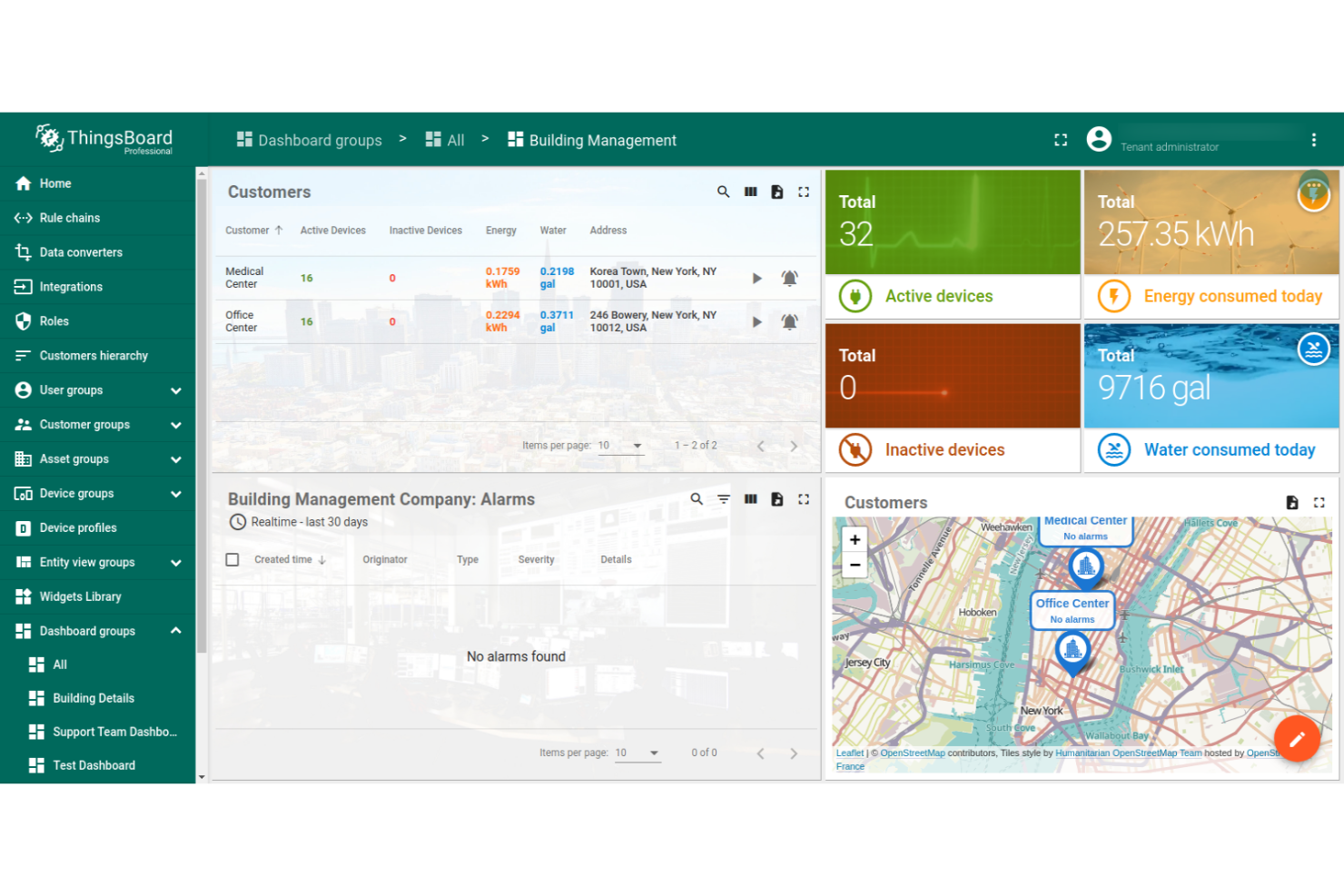
If you need a flexible platform for managing connected devices and visualizing IoT data, ThingsBoard offers a modular approach that fits a range of deployment needs. It’s well-suited for IT teams in manufacturing, utilities, or smart building projects who want to customize device management and data processing workflows. The platform’s open architecture helps you integrate with multiple protocols and scale as your IoT environment grows.
Who is ThingsBoard Best For?
IoT engineers and operations teams in small to mid-sized organizations globally managing modular device networks and visualizing collected data.
Why I Picked ThingsBoard
I chose ThingsBoard because its modular architecture gives you the flexibility to tailor device management, data collection, and visualization to your project’s needs. The platform lets you define custom rule chains for processing device data, which is valuable for teams handling complex IoT workflows. I also appreciate the built-in dashboard editor, which makes it easy to visualize real-time and historical data from connected devices. For open source IoT projects that require both scalability and customization, ThingsBoard stands out for its adaptable design.
ThingsBoard Key Features
Some other features in ThingsBoard that are useful for open source IoT projects include:
- Multi-Tenancy Support: Manage multiple customers or business units within a single deployment, each with isolated data and device access.
- OTA Firmware Updates: Push over-the-air firmware updates to connected devices directly from the platform.
- Custom Widgets Library: Build and reuse custom widgets for dashboards to tailor data visualization to your needs.
- Alarm Management: Set up and manage alarms for device events, thresholds, or connectivity issues to support proactive monitoring.
ThingsBoard Integrations
Integrations include MQTT, CoAP, HTTP, LoRaWAN, SigFox, NB-IoT, LwM2M, ThingsBoard IoT Gateway, Trendz Analytics, and more.
Pros and Cons
Pros:
- Built-in dashboard editor enables custom data visualization
- Modular architecture allows for flexible deployment and scaling
- Supports multiple IoT protocols including MQTT, CoAP, and HTTP
Cons:
- Resource usage is high for large-scale deployments
- Documentation can be inconsistent or lacking for advanced features

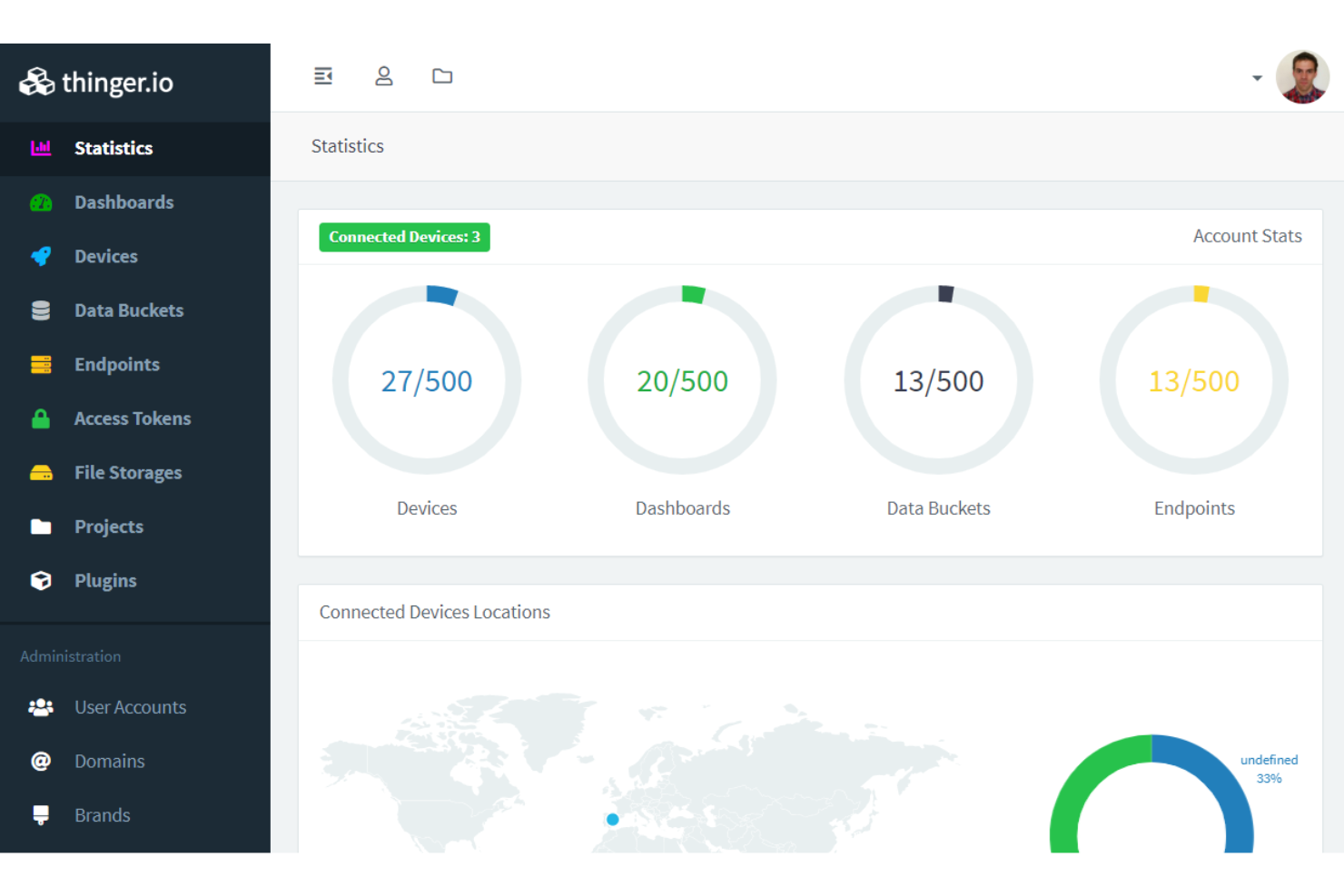
Thinger.io offers a real-time open source IoT platform designed for teams that need fast device onboarding and live data visualization. It’s especially useful for engineers, system integrators, and businesses managing connected devices across multiple locations. With its built-in dashboards and device management tools, Thinger.io helps you quickly connect, monitor, and control IoT assets without heavy custom development.
Who is Thinger.io Best For?
IoT developers and product teams in small to mid-sized companies worldwide requiring real-time device access and control.
Why I Picked Thinger.io
What drew me to Thinger.io is its focus on real-time device management and data visualization within an open source IoT platform. The platform’s live dashboards let you monitor device status and sensor data as it happens, which is valuable for teams that need immediate insights or rapid troubleshooting. I also like that Thinger.io provides a unified device management interface, making it easier to onboard, organize, and control connected assets at scale. For organizations that prioritize real-time monitoring and want to avoid building these capabilities from scratch, Thinger.io offers a practical, open source solution.
Thinger.io Key Features
In addition to its real-time monitoring and device management, Thinger.io offers several other features worth noting:
- Data Buckets: Store and retrieve historical device data for analysis and reporting.
- Custom API Endpoints: Expose device functions and data through configurable REST API endpoints.
- Rule Engine: Set up automated actions and alerts based on device data or events.
- White-Labeling: Customize the platform’s branding and interface for client or internal deployments.
Thinger.io Integrations
Integrations include MQTT, Dragino, SenseCAP, Heltec, Comet, WIKA, ChirpStack, Milesight, The Things Stack, and more.
Pros and Cons
Pros:
- Open source server can be self-hosted for full data control
- Device provisioning supports bulk onboarding for large IoT fleets
- Real-time dashboards display live sensor and device data updates
Cons:
- UI customization options are basic compared to other open source platforms
- Community support is smaller compared to more established platforms

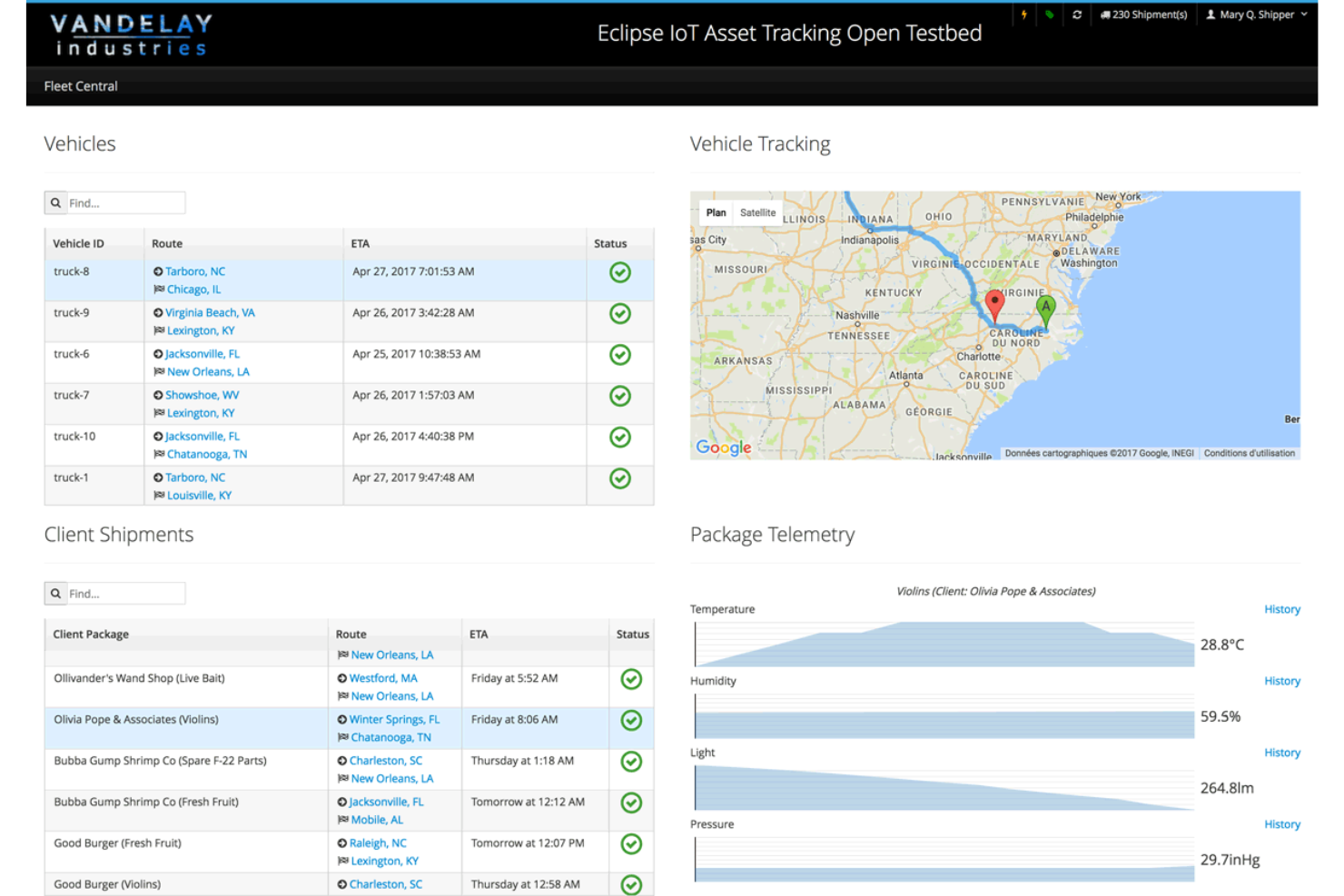
If you’re looking for a modular, open source IoT platform with a broad ecosystem, Eclipse IoT brings together a suite of frameworks and services for device connectivity, data management, and edge computing. It’s a strong fit for enterprises, solution architects, and developers who want to build custom IoT solutions using interoperable components. With its focus on open standards and community-driven development, Eclipse IoT helps you avoid vendor lock-in and tailor your stack to specific industry or project needs.
Who is Eclipse IoT Best For?
IoT developers and research teams in small to mid-sized organizations globally collaborating on open source IoT project ecosystems.
Why I Picked Eclipse IoT
What sets Eclipse IoT apart is its open source ecosystem of modular frameworks and services, which gives you the flexibility to assemble a solution that fits your exact requirements. I picked Eclipse IoT because it offers a wide range of building blocks, like Eclipse Hono for device connectivity and Eclipse Ditto for digital twins, that you can mix and match. This modular approach means you’re not locked into a single architecture or vendor’s vision. For teams building complex or large-scale IoT systems, Eclipse IoT’s community-driven development and adherence to open standards make it a reliable foundation.
Eclipse IoT Key Features
Some other features that make Eclipse IoT appealing for open source IoT projects include:
- Eclipse Kapua Device Management: Manage device registration, configuration, and monitoring from a central interface.
- Eclipse Mosquitto MQTT Broker: Enable lightweight, reliable messaging for IoT devices using the MQTT protocol.
- Eclipse Kura Edge Computing: Deploy and manage applications at the network edge for real-time processing.
- Eclipse hawkBit Software Updates: Roll out firmware and software updates to connected devices remotely.
Eclipse IoT Integrations
Native integrations are not currently publicly listed.
Pros and Cons
Pros:
- Active community contributions drive frequent updates and improvements
- Strong support for open standards and interoperability across devices
- Modular architecture lets you combine only the components you need
Cons:
- Project governance and roadmap can be unclear for long-term planning
- Documentation quality varies widely between different Eclipse IoT projects

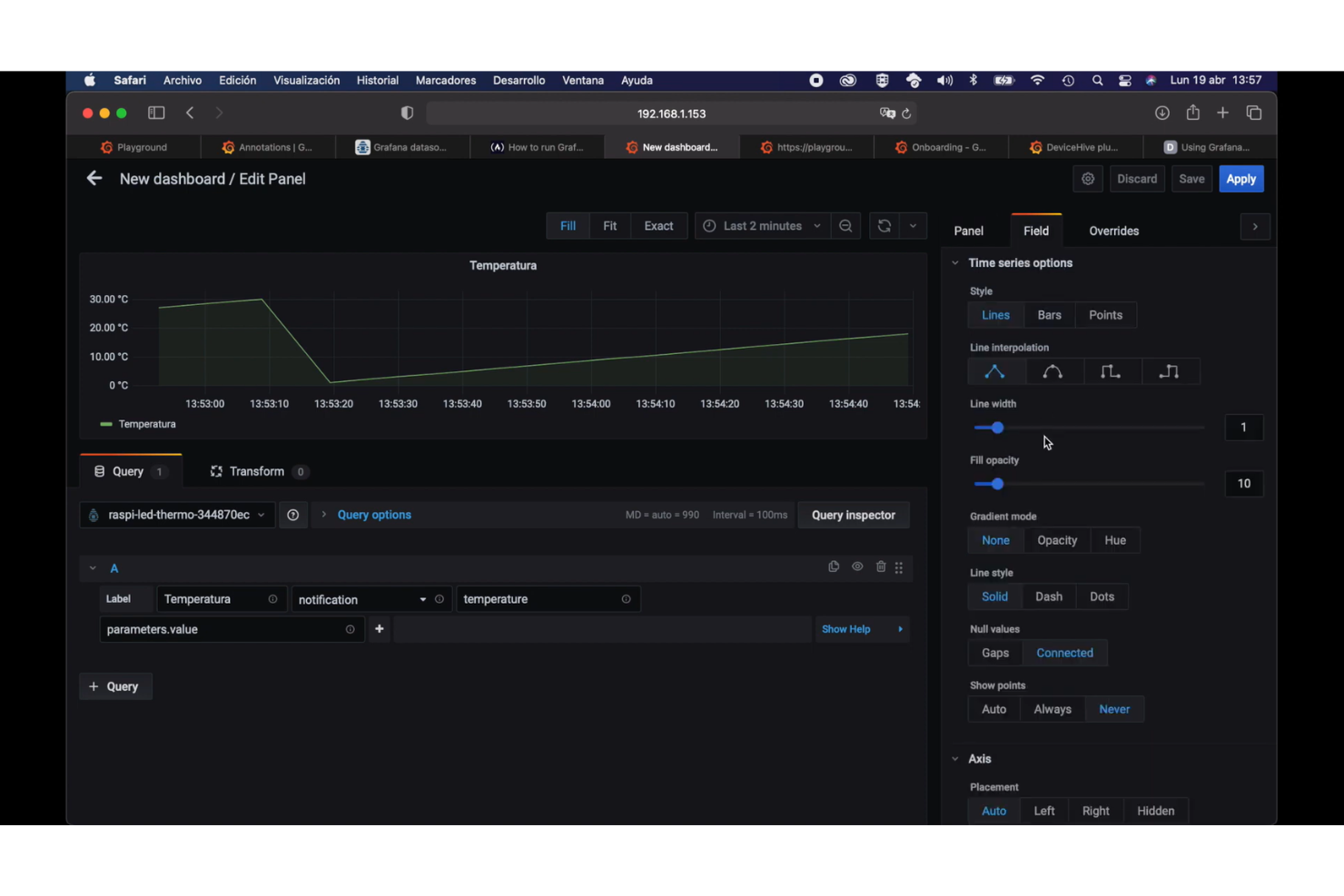
DeviceHive offers a flexible, open source IoT platform designed for teams that need real-time device communication and scalable data streaming. It’s especially useful for developers, system integrators, and enterprises building custom IoT solutions across smart energy, logistics, or industrial automation. With its support for multiple communication protocols and a robust API layer, DeviceHive helps you connect, manage, and monitor diverse device fleets without vendor lock-in.
Who is DeviceHive Best For?
IoT architects and systems integrators in mid-sized organizations worldwide managing distributed device architectures with broad protocol support.
Why I Picked DeviceHive
DeviceHive stands out for its flexible device connectivity and real-time data streaming, which are essential for modern IoT deployments. The platform supports a wide range of communication protocols, including MQTT, WebSockets, and REST, so you can connect almost any device or gateway. I appreciate that DeviceHive offers a scalable messaging architecture, letting you handle high-throughput data streams without bottlenecks. For teams building custom IoT solutions, DeviceHive’s open API layer makes it easy to integrate device data into your own applications and analytics pipelines.
DeviceHive Key Features
Some other features that make DeviceHive a strong option for open source IoT projects include:
- Role-Based Access Control: Assign granular permissions to users and devices for secure management.
- Command and Notification System: Send commands to devices and receive asynchronous notifications from them.
- Plugin Architecture: Extend platform functionality with custom plugins for specialized use cases.
- Built-In Device Registry: Organize, register, and manage device metadata within a centralized system.
DeviceHive Integrations
Integrations include Alexa, ElasticSearch, Apache Spark, Cassandra, Kafka, REST API, MQTT, WebSockets, Docker, and more.
Pros and Cons
Pros:
- Active open source community provides frequent updates and support
- Built-in role-based access control for device and user security
- Scalable architecture handles large device fleets and high data volumes
Cons:
- Documentation can be inconsistent for advanced deployment scenarios
- Limited built-in analytics and visualization tools for device data

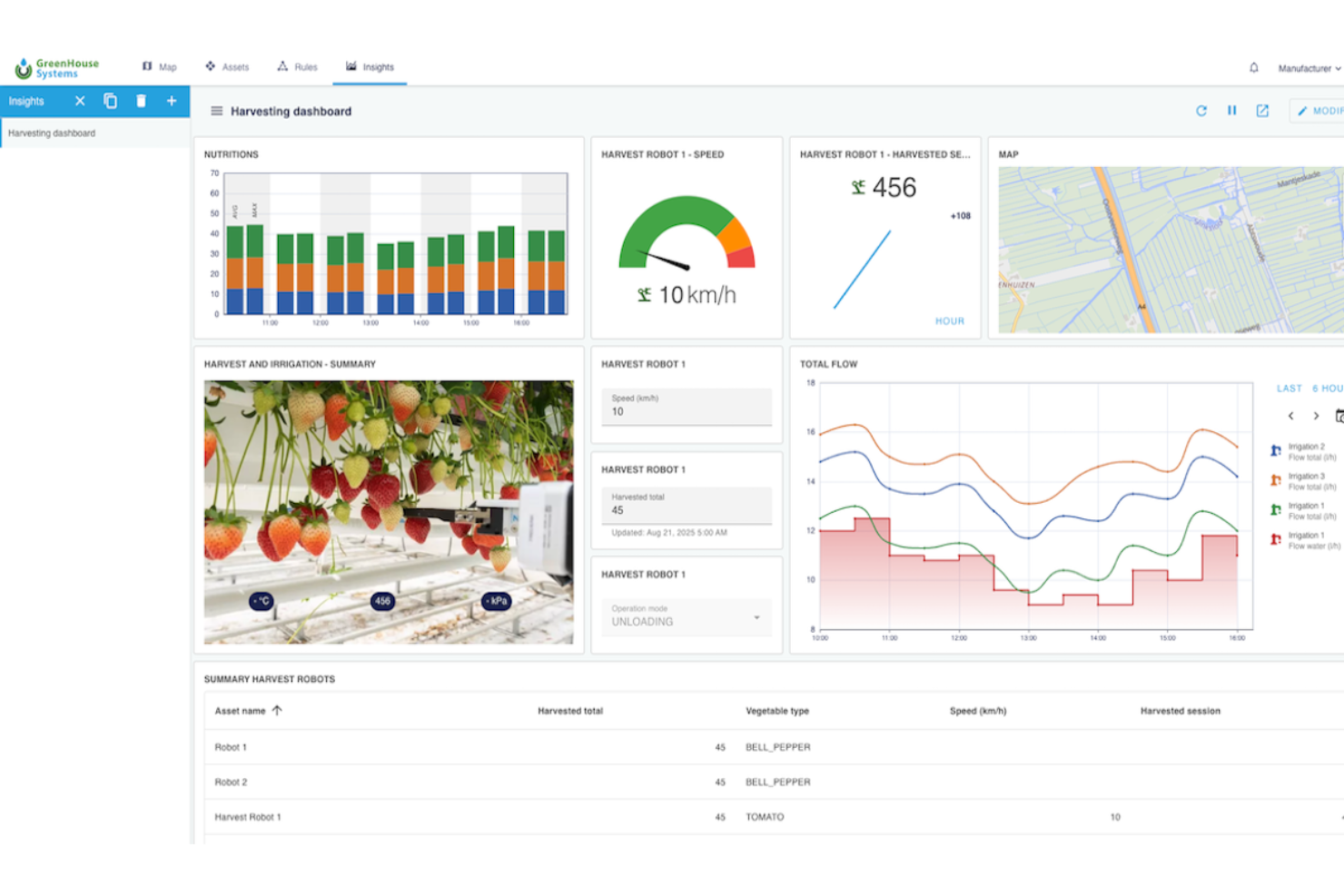
OpenRemote stands out for teams that need an open source IoT platform with a strong edge gateway and asset management capabilities. It’s a good fit for organizations managing distributed assets, such as smart cities, energy providers, or facility managers who want to unify device control and automate responses at the edge. The platform’s open architecture and flexible deployment options help you build secure, scalable IoT solutions tailored to complex environments.
Who is OpenRemote Best For?
Smart city planners and energy managers in mid-sized organizations in Europe and North America implementing flexible IoT solutions for urban and energy infrastructures.
Why I Picked OpenRemote
What sets OpenRemote apart is its focus on edge gateway functionality and asset management within an open source IoT platform. The platform lets you deploy edge gateways that process data and automate actions locally, which is valuable for projects where latency or connectivity is a concern. I appreciate how its asset management system allows you to organize, monitor, and control a wide range of devices and resources from a single interface. For teams building solutions in environments like smart cities or distributed infrastructure, OpenRemote’s architecture supports both centralized oversight and local autonomy.
OpenRemote Key Features
Some other features in OpenRemote that are useful for open source IoT projects include:
- Rules Engine: Create custom automation rules to trigger actions based on device data or events.
- User and Role Management: Assign granular permissions and roles to control access across your organization.
- REST API Access: Integrate with external systems or custom applications using a documented REST API.
- Map-Based Visualization: Monitor and manage assets using interactive, real-time map views.
OpenRemote Integrations
Integrations include MQTT, HTTP, WebSocket, Modbus, KNX, BACnet, Philips Hue, Google Home, Amazon Alexa, and more.
Pros and Cons
Pros:
- Open source codebase allows for full platform customization
- Asset management tools help organize and monitor distributed devices
- Supports edge gateway deployment for local data processing needs
Cons:
- Limited out-of-the-box templates for common IoT use cases
- Documentation can be sparse for advanced configuration scenarios
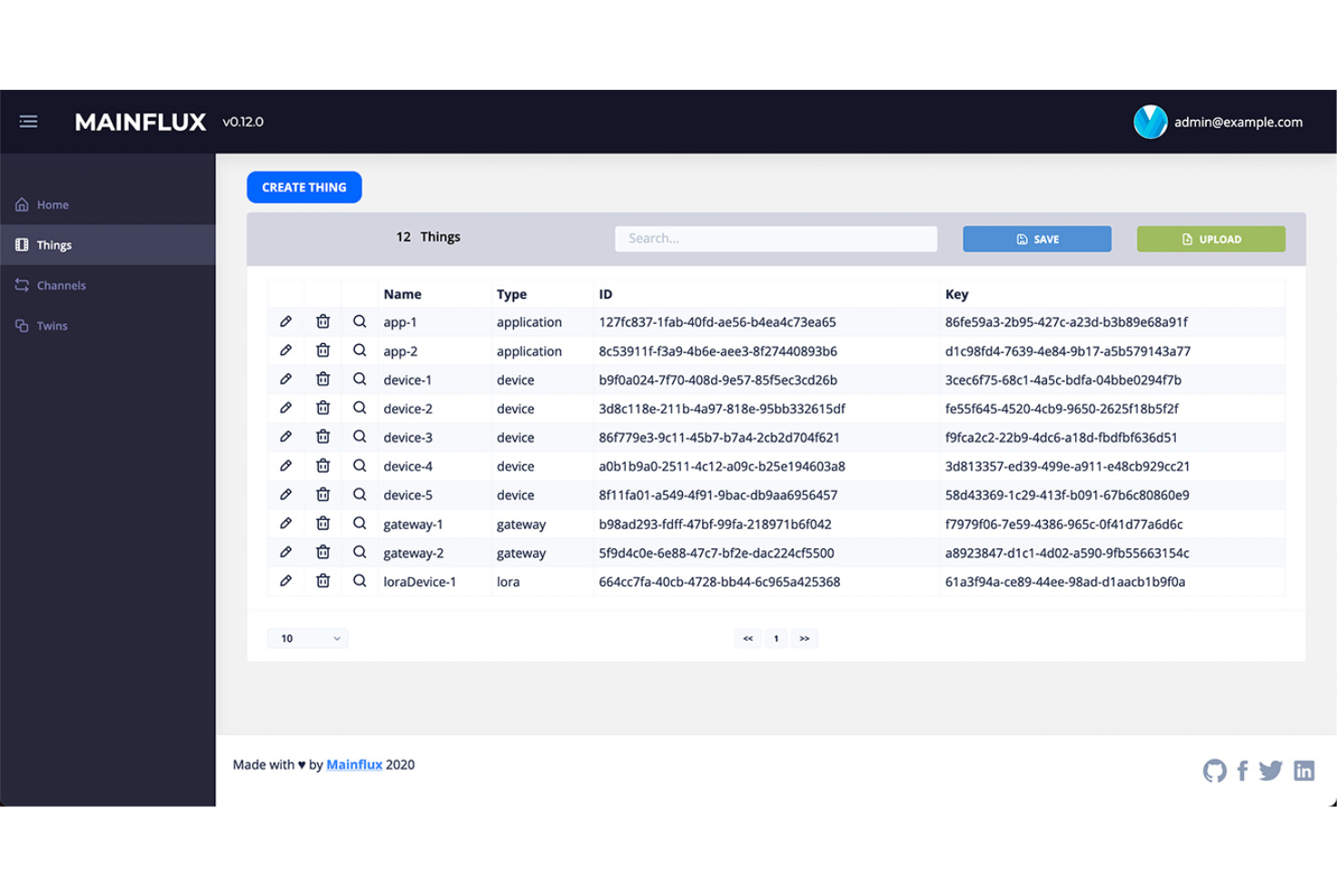
Mainflux stands out for teams that need a scalable, open source IoT platform with strong multi-protocol and edge computing support. It’s a good fit for enterprises, industrial operators, and solution architects managing complex device networks or hybrid cloud-edge deployments. With its modular architecture and support for protocols like MQTT, HTTP, and CoAP, Mainflux helps you unify device connectivity and data flow across diverse environments.
Who is Mainflux Best For?
Industrial IoT engineers and operations teams in mid-sized to large companies globally deploying scalable, multi-protocol device networks.
Why I Picked Mainflux
What makes Mainflux a strong choice for open source IoT platforms is its focus on scalability and multi-protocol support, which are essential for complex, enterprise-grade deployments. The platform’s modular architecture lets you deploy and manage services independently, so you can scale components as your device network grows. I appreciate that Mainflux supports MQTT, HTTP, and CoAP natively, making it easier to connect a wide range of devices and gateways. For teams building hybrid cloud-edge solutions, Mainflux’s edge computing capabilities help you process and route data closer to the source, reducing latency and bandwidth use.
Mainflux Key Features
Some other features that make Mainflux appealing for open source IoT projects include:
- Multi-Tenancy: Manage multiple independent organizations or projects within a single deployment.
- Integrated Identity and Access Management: Control user and device permissions with built-in authentication and authorization.
- Data Persistence Options: Store device data in PostgreSQL, InfluxDB, or other supported databases.
- Docker and Kubernetes Support: Deploy and orchestrate Mainflux services using containerization platforms.
Mainflux Integrations
Integrations include EdgeX Foundry, NATS, PostgreSQL, InfluxDB, MQTT, HTTP, CoAP, WebSocket, Docker, and more.
Pros and Cons
Pros:
- Docker and Kubernetes compatibility simplifies deployment and orchestration
- Built-in identity and access management for device and user security
- Modular architecture allows independent scaling of platform components
Cons:
- Documentation can be sparse for advanced configuration scenarios
- Limited built-in visualization and dashboarding tools for device data
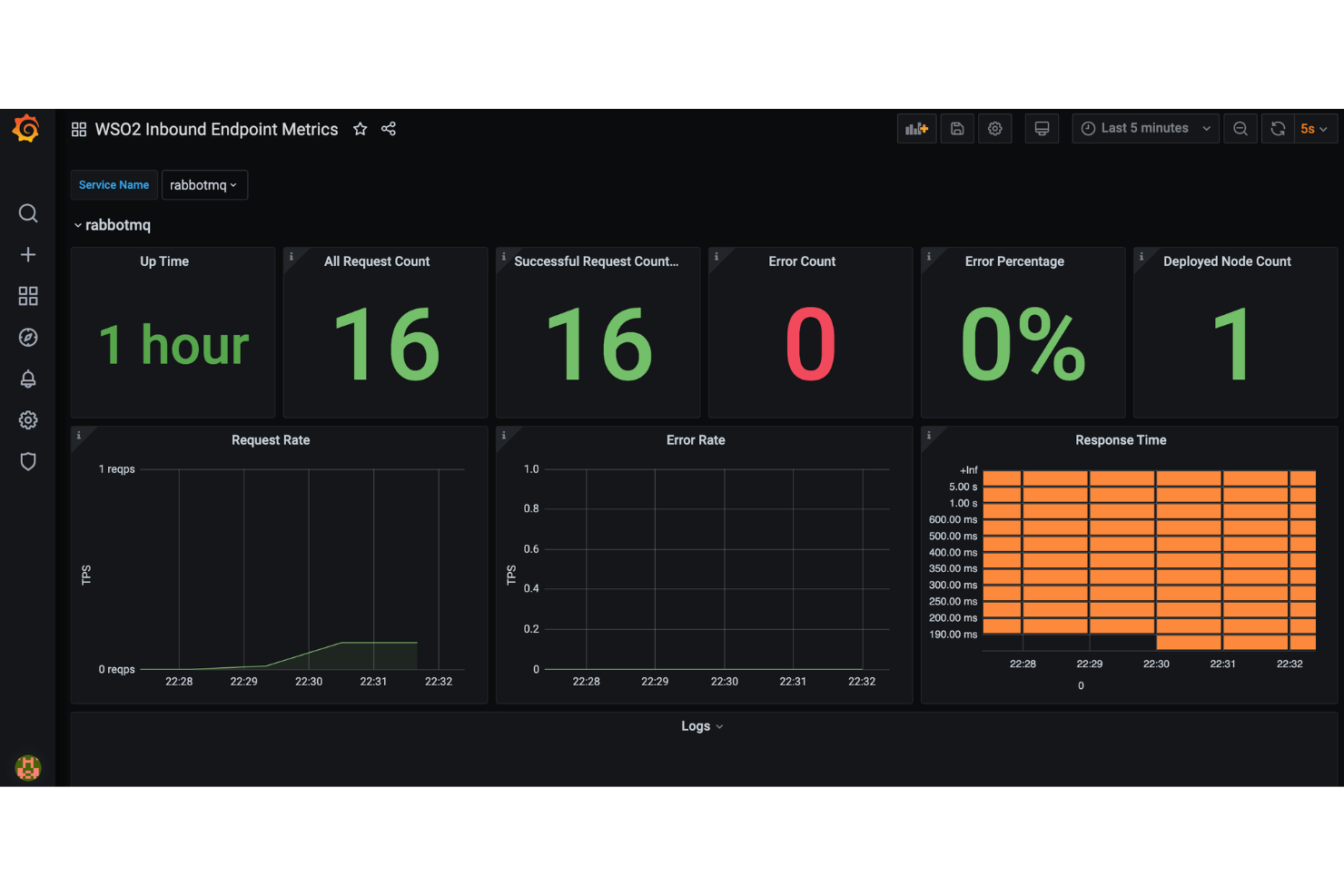
WSO2 IoT stands out for organizations that need an enterprise-grade, open source IoT platform with built-in device management and analytics. It’s designed for IT teams and solution architects who want to securely connect, manage, and monitor large fleets of devices across different environments. With its focus on scalability, policy enforcement, and integration with enterprise systems, WSO2 IoT helps you address complex deployment and compliance needs in sectors like manufacturing, logistics, and smart cities.
Who is WSO2 IoT Best For?
Enterprise IT and IoT managers in mid-sized to large organizations worldwide handling device management and analytics at scale.
Why I Picked WSO2 IoT
For teams that need enterprise-grade device management in an open source IoT platform, WSO2 IoT offers a strong set of capabilities. I picked WSO2 IoT because it combines device enrollment, policy management, and real-time monitoring in a single platform. Its support for secure device provisioning and granular access controls helps organizations meet strict compliance and operational requirements. If you’re looking to manage large, diverse device fleets with centralized control, WSO2 IoT’s integrated approach stands out in the open source space.
WSO2 IoT Key Features
In addition to its device management strengths, WSO2 IoT offers several other features worth noting:
- Built-in Analytics Engine: Collect and analyze device data in real time for actionable insights.
- Multi-Tenancy Support: Manage multiple organizations or business units from a single deployment.
- Customizable Dashboards: Create visualizations and monitor device metrics through configurable dashboards.
- Rule-Based Event Processing: Set up automated actions and alerts based on device events and conditions.
WSO2 IoT Integrations
Native integrations are not currently publicly listed.
Pros and Cons
Pros:
- Multi-tenancy lets you manage multiple organizations in one instance
- Built-in analytics engine processes real-time device data streams
- Device enrollment and policy management support large-scale deployments
Cons:
- Documentation can be inconsistent across different platform components
- Initial setup and configuration require significant technical expertise
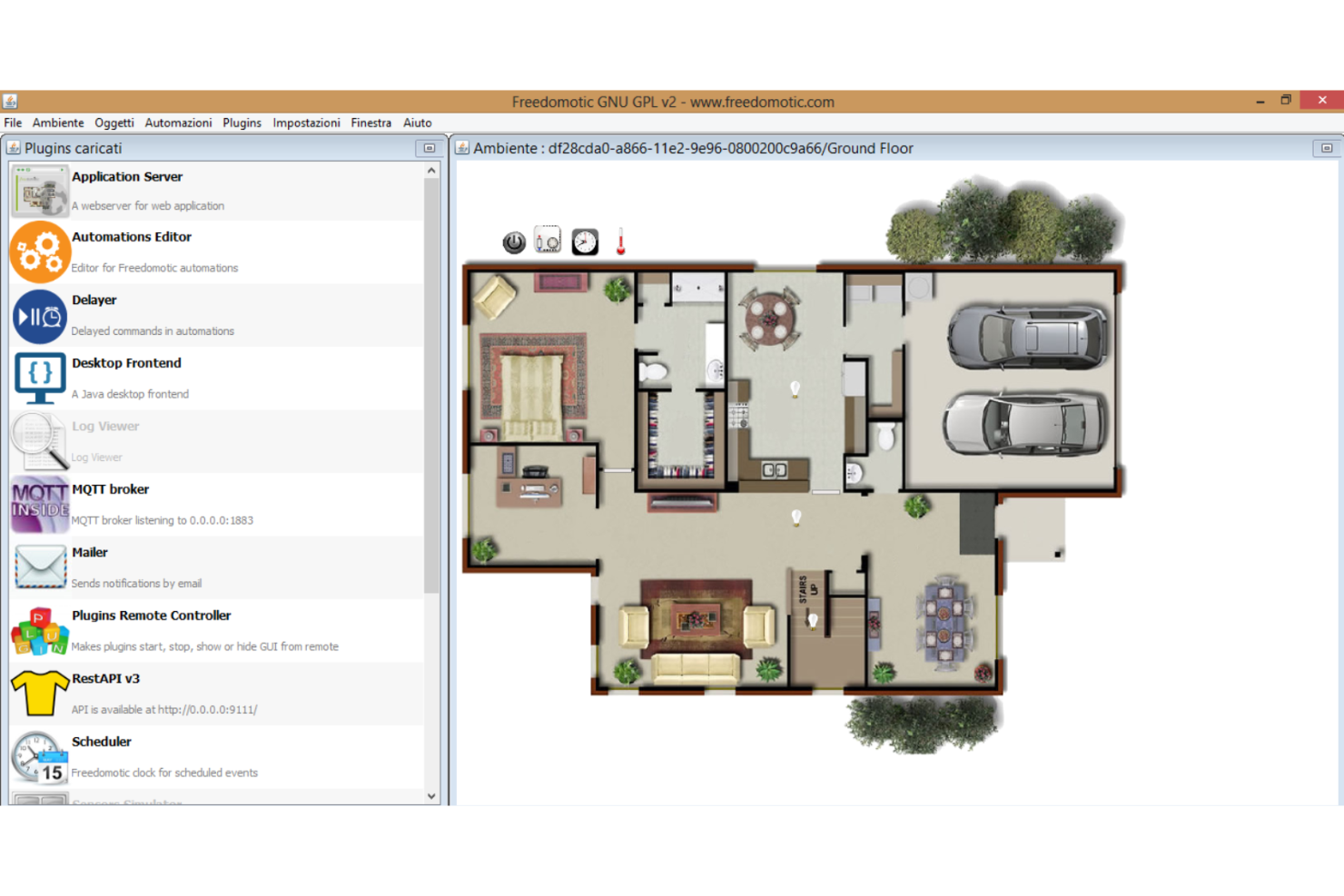
Freedomotic is designed for IT teams and system integrators who need a flexible, open source IoT platform for smart building automation. Its modular architecture lets you connect a wide range of devices and protocols, making it a fit for complex environments like offices, campuses, or industrial facilities. If you’re looking to build custom automation workflows and integrate legacy systems, Freedomotic offers a toolkit that supports deep customization and extensibility.
Who is Freedomotic Best For?
Building automation engineers and home automation teams in small to mid-sized organizations in Europe deploying open source automation solutions.
Why I Picked Freedomotic
What drew me to Freedomotic is its focus on flexibility for smart building automation. The platform’s modular plugin system lets you add or remove device support and automation logic as your environment changes. I appreciate that you can integrate both modern IoT devices and legacy systems, which is rare among open source options. For teams managing diverse building technologies, Freedomotic’s architecture makes it possible to tailor automation workflows to very specific operational needs.
Freedomotic Key Features
In addition to its modular approach to device and automation integration, Freedomotic offers several other features worth highlighting:
- Web-Based Management Console: Manage devices, plugins, and automation rules through a browser interface.
- Event-Driven Automation Engine: Trigger actions and workflows based on real-time events from connected devices.
- Role-Based Access Control: Assign permissions and manage user roles for secure platform administration.
- Extensive Plugin Marketplace: Access a library of plugins for device support, protocol adapters, and third-party integrations.
Freedomotic Integrations
Integrations include Arduino remote controller, Arduino weather shield, Arduino USB, and more.
Pros and Cons
Pros:
- Web-based management console provides centralized device control
- Open source codebase allows for deep customization and auditing
- Modular plugin system supports a wide range of device types
Cons:
- Smaller user community means less peer support and resources
- Limited documentation makes advanced configuration challenging for new users

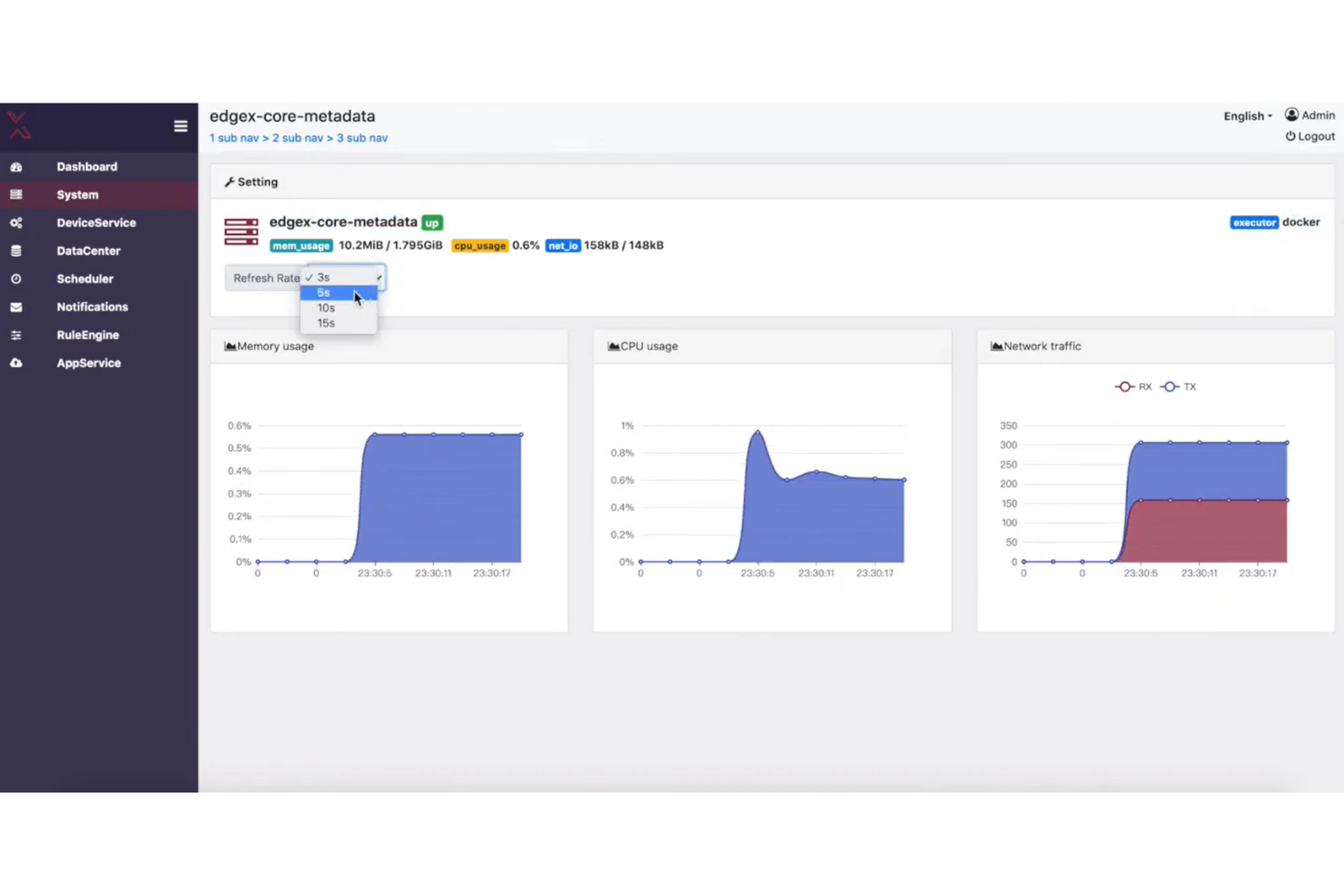
EdgeX Foundry stands out for IT architects and developers who need a vendor-neutral, open source IoT platform built on microservices. Its framework is designed for edge computing scenarios, making it a strong fit for organizations managing distributed devices and data at the edge. If you’re looking to standardize device connectivity and data flow across diverse hardware, EdgeX Foundry offers a flexible foundation for scalable, interoperable IoT solutions.
Who is EdgeX Foundry Best For?
IoT platform engineers and system integrators in mid-sized organizations globally implementing vendor-neutral edge computing solutions.
Why I Picked EdgeX Foundry
What makes EdgeX Foundry a strong choice is its open, vendor-neutral microservices framework designed specifically for edge IoT deployments. I picked it because its architecture lets you deploy, scale, and update individual services independently, which is essential for complex edge environments. The platform’s device service layer supports a wide range of protocols, making it easier to connect diverse hardware without vendor lock-in. For teams building distributed IoT solutions, EdgeX Foundry’s modular approach gives you the flexibility to tailor deployments to your exact requirements.
EdgeX Foundry Key Features
Some other features that make EdgeX Foundry appealing for open source IoT projects include:
- Core Data Service: Collect, store, and manage device data in a central repository.
- Rules Engine: Define and execute rules for real-time data processing and event handling.
- RESTful APIs: Interact with all microservices and device data using standardized APIs.
- Edge Analytics Support: Run analytics workloads directly at the edge for faster insights.
EdgeX Foundry Integrations
Integrations include Intel, Dell, HP, IBM, Ubuntu, Wipro, IOTech, Thundersoft, TIBCO, and more.
Pros and Cons
Pros:
- Flexible deployment options for edge, cloud, or hybrid environments
- Vendor-neutral design avoids hardware and software lock-in
- Microservices architecture allows independent scaling of platform components
Cons:
- Documentation can be fragmented across different project repositories
- Initial setup requires significant infrastructure and configuration work

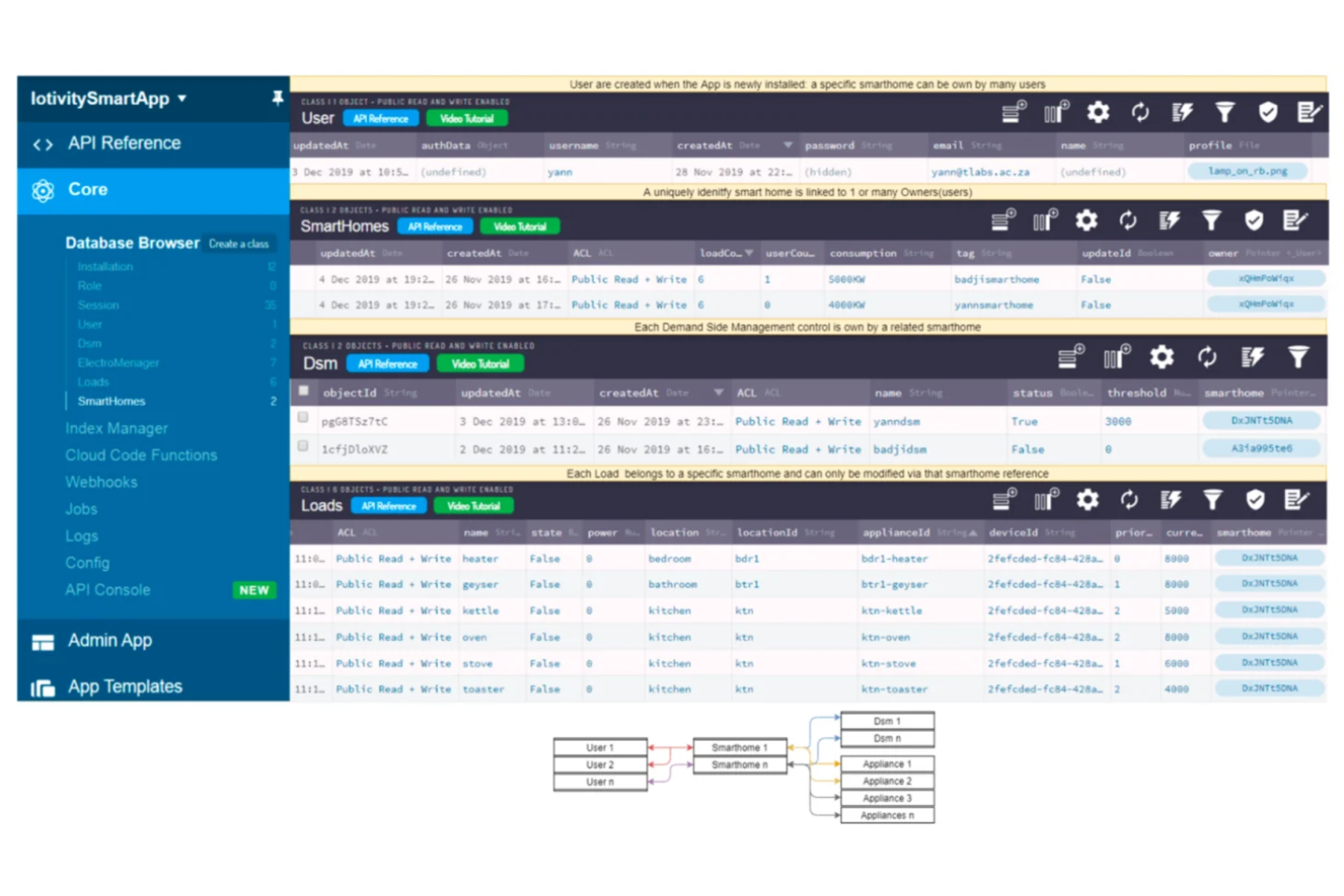
IoTivity offers an open source framework focused on secure, standardized device-to-device communication for IoT environments. It’s a strong fit for IT teams and developers who need to ensure interoperability across a wide range of connected devices and operating systems. If you’re building solutions that require reliable discovery, messaging, and data exchange between heterogeneous IoT devices, IoTivity provides a unified approach grounded in open standards.
Who is IoTivity Best For?
IoT developers and security teams in mid-sized to large organizations worldwide ensuring secure device interoperability across platforms.
Why I Picked IoTivity
What drew me to IoTivity is its focus on secure, standardized device-to-device IoT connectivity. The platform’s open source framework is built around the Open Connectivity Foundation (OCF) specifications, which means you get a consistent approach to device discovery, messaging, and data exchange across different vendors and operating systems. I appreciate that IoTivity supports both constrained and rich devices, making it suitable for a wide range of IoT deployments. For teams prioritizing interoperability and security in their IoT projects, IoTivity’s standards-based architecture is a strong foundation.
IoTivity Key Features
Some other features that make IoTivity useful for open source IoT projects include:
- Resource Directory: Register and discover available resources across devices in a network.
- Security Manager: Manage access control and security policies for connected devices.
- Cloud Connectivity: Enable device-to-cloud and cloud-to-device communication through standardized interfaces.
- Cross-Platform SDKs: Develop applications for multiple operating systems using provided software development kits.
IoTivity Integrations
Native integrations are not currently publicly listed.
Pros and Cons
Pros:
- Security framework includes access control and device authentication
- Open source licensing allows full codebase inspection and modification
- Supports both constrained and rich device environments for flexibility
Cons:
- Upgrading to new protocol versions may require significant code changes
- Lacks built-in analytics or visualization tools for device data
Other Open Source IoT Platform
Here are some additional open source IoT platform options that didn’t make it onto my shortlist, but are still worth checking out:
- OpenBalena
For managing IoT device fleets
- FIWARE
For open APIs for smart solutions
- Eclipse Kapua
For modular IoT gateway and device management
- Eclipse Kura
For edge computing on IoT gateways
- Eclipse Ditto
For managing IoT digital twins
- Mender
For open source over-the-air device update
- KubeEdge
For extending Kubernetes to edge and IoT workloads
- VerneMQ
For high-performance MQTT at IoT scale


Open Source IoT Platform Selection Criteria
When selecting the best open source IoT platform to include in this list, I considered common buyer needs and pain points like ensuring interoperability across diverse devices and managing large-scale deployments. I also used the following framework to keep my evaluation structured and fair:
Core Functionality (25% of total score)
To be considered for inclusion in this list, each solution had to fulfill these common use cases:
- Connect and manage IoT devices
- Collect and store sensor data
- Enable real-time data processing
- Provide device authentication and security
- Support integration with external systems
Additional Standout Features (25% of total score)
To help further narrow down the competition, I also looked for unique features, such as:
- Support for digital twin modeling
- Built-in edge computing capabilities
- Advanced data visualization tools
- Automated device provisioning workflows
- Open standards for data exchange
Usability (10% of total score)
To get a sense of the usability of each system, I considered the following:
- Clear and intuitive user interface
- Logical navigation and menu structure
- Customizable dashboards and views
- Accessibility of documentation within the platform
- Minimal steps required for common tasks
Onboarding (10% of total score)
To evaluate the onboarding experience for each platform, I considered the following:
- Availability of step-by-step setup guides
- Access to training videos and tutorials
- Interactive product tours for new users
- Pre-built templates for common use cases
- Responsive onboarding support or chatbots
Customer Support (10% of total score)
To assess each software provider’s customer support services, I considered the following:
- Availability of community forums or user groups
- Access to technical documentation and FAQs
- Responsiveness of email or ticket-based support
- Availability of live chat or phone support
- Regular updates and communication from the vendor
Value For Money (10% of total score)
To evaluate the value for money of each platform, I considered the following:
- Transparent and predictable pricing structure
- Availability of a free plan or trial
- Flexibility in scaling with usage or devices
- Inclusion of core features in base pricing
- Cost compared to similar open source solutions
Customer Reviews (10% of total score)
To get a sense of overall customer satisfaction, I considered the following when reading customer reviews:
- Reports of reliability and uptime
- Feedback on ease of integration
- Comments on community and vendor support
- User experiences with scalability
- Overall satisfaction with the feature set
How to Choose Open Source IoT Platform
It’s easy to get bogged down in long feature lists and complex pricing structures. To help you stay focused as you work through your unique software selection process, here’s a checklist of factors to keep in mind:
| Factor | What to Consider |
|---|---|
| Scalability | Can the platform handle your projected device and data growth? Look for proven support for thousands or millions of devices. |
| Integrations | Does it natively connect with your existing systems, protocols, and cloud services? Check for compatibility with your tech stack. |
| Customizability | How easily can you adapt the platform to your unique workflows or industry requirements? Consider open APIs, plugin support, and modularity. |
| Ease of use | Will your team be able to configure, manage, and monitor devices without extensive retraining? Evaluate the UI and available documentation. |
| Implementation and onboarding | What resources, skills, and time will you need to deploy and migrate? Assess the availability of migration tools, guides, and community support. |
| Cost | Beyond licensing, what are the hidden costs—such as infrastructure, support, or scaling? Compare the total cost of ownership, not just the initial price. |
| Security safeguards | Does the platform offer device authentication, data encryption, and access controls? Review compliance with your organization’s security policies. |
| Support availability | What support channels are available if you encounter issues? Consider the strength of the open source community and any paid support options. |
What Are Open Source IoT Platforms?
An open source IoT platform is a software framework that enables organizations to connect, manage, and analyze data from internet-connected devices, with source code that’s freely available for modification and distribution. These platforms support device integration, data collection, and automation, allowing teams to build scalable IoT solutions while maintaining control over customization, security, and deployment. Open source licensing encourages collaboration and transparency across diverse IoT projects.
Features of Open Source IoT Platform
When selecting open source IoT platform, keep an eye out for the following key features:
- Device management: Centralizes onboarding, monitoring, and remote control of connected devices, making it easier to maintain large fleets and ensure device health.
- Data ingestion: Collects and processes data from various sensors and devices in real time, supporting multiple protocols and data formats for flexible integration.
- Edge computing: Enables data processing and analytics at the network edge, reducing latency and bandwidth usage for time-sensitive or resource-constrained applications.
- Security controls: Provides authentication, encryption, and access management to protect device data and ensure only authorized users and systems can interact with the platform.
- Scalability tools: Supports horizontal scaling and distributed deployments, allowing you to grow from a handful to thousands or millions of devices without major re-architecture.
- API access: Offers open, well-documented APIs for integrating with external applications, dashboards, or analytics tools, supporting automation and custom workflows.
- Event processing: Detects and responds to specific device events or data patterns, enabling automated alerts, actions, or workflows based on real-time conditions.
- Data storage: Includes built-in or pluggable storage options for time-series, structured, or unstructured IoT data, supporting both short-term analytics and long-term archiving.
- Protocol support: Natively supports common IoT communication protocols like MQTT, CoAP, and HTTP, ensuring compatibility with a wide range of devices and gateways.
- Dashboard and visualization: Provides tools for building custom dashboards and visualizing device data, helping users monitor system status and gain actionable insights.
Benefits of Open Source IoT Platform
Implementing an open source IoT platform provides several benefits for your team and your business. Here are a few you can look forward to:
- Customizability: Modify source code and adapt workflows to fit your organization’s unique device management, data processing, and integration needs.
- Cost efficiency: Avoid vendor lock-in and licensing fees, with the flexibility to scale deployments using your own infrastructure or cloud resources.
- Interoperability: Leverage open standards and broad protocol support to connect diverse devices, sensors, and external systems across your IoT ecosystem.
- Community support: Access a global community for troubleshooting, documentation, and shared best practices, accelerating problem-solving and innovation.
- Security transparency: Review and enhance security controls directly in the source code, ensuring compliance with your organization’s policies and industry standards.
- Scalability: Deploy and manage thousands or millions of devices with built-in tools for distributed, large-scale IoT environments.
- Rapid innovation: Experiment with new features, integrations, or edge computing capabilities without waiting for vendor-driven updates or releases.
Costs and Pricing of Open Source IoT Platform
Selecting an open source IoT platform requires an understanding of the various pricing models and plans available. Costs vary based on features, team size, add-ons, and more. The table below summarizes common plans, their average prices, and typical features included in open source IoT platform solutions:
Plan Comparison Table for Open Source IoT Platform
| Plan Type | Average Price | Common Features |
|---|---|---|
| Free Plan | $0 | Access to core platform features, community support, basic device management, and open API access. |
| Personal Plan | $10–$30/month | All free features, limited cloud hosting, small-scale data storage, and basic security controls. |
| Business Plan | $50–$200/month | Multi-user support, advanced device management, integrations, enhanced security, and analytics tools. |
| Enterprise Plan | $500–$2,000/month | Custom SLAs, priority support, large-scale deployment tools, compliance features, and dedicated onboarding. |
Open Source IoT Platform FAQs
Here are some answers to common questions about open source IoT platform:
Can I use an open source IoT platform for commercial projects?
Yes, most open source IoT platforms can be used for commercial projects, but you should review the specific license terms to ensure compliance with redistribution, modification, and support requirements.
How do open source IoT platforms handle security?
Open source IoT platforms typically include features like device authentication, data encryption, and access controls. You can also review and modify the source code to meet your organization’s security standards and compliance needs.
What technical skills are needed to deploy an open source IoT platform?
You’ll need experience with Linux servers, networking, and containerization, as well as familiarity with IoT protocols and basic programming. Some platforms require more advanced skills for customization and integration.
Are there hidden costs with open source IoT platforms?
Yes, while the software itself is often free, you may incur costs for infrastructure, cloud hosting, support, and ongoing maintenance. Factor in the total cost of ownership, including internal resources and scaling needs.
How do I evaluate community support for an open source IoT platform?
Check for active forums, recent code commits, available documentation, and the frequency of updates. A strong community can help with troubleshooting, best practices, and long-term sustainability.
What’s Next:
If you're in the process of researching open source iot platform, connect with a SoftwareSelect advisor for free recommendations.
You fill out a form and have a quick chat where they get into the specifics of your needs. Then you'll get a shortlist of software to review. They'll even support you through the entire buying process, including price negotiations.