

Esplorazione dei 10 migliori software per database relazionali del 2026

Miglior selezione di software per database relazionali


I migliori software per database relazionali aiutano i team a memorizzare, organizzare e interrogare in modo affidabile grandi quantità di dati strutturati, consentendo prestazioni più rapide delle applicazioni, report coerenti e una scalabilità più semplice con la crescita dei carichi di lavoro. Queste piattaforme permettono di gestire attività aziendali fondamentali, come l'elaborazione delle transazioni, l'analisi dei dati e la conformità normativa, senza incorrere in colli di bottiglia.
Tuttavia, molti team hanno difficoltà a causa della latenza dovuta a interrogazioni non ottimizzate, modifiche allo schema che compromettono i sistemi a valle o il sovraccarico derivante dalla gestione di più motori di database che non si integrano correttamente. Prestazioni incoerenti e soluzioni manuali spesso rallentano i cicli di sviluppo e portano a risultati analitici poco affidabili.
Ho lavorato con team di ingegneria impegnati nella migrazione da sistemi relazionali obsoleti, ho testato più di 20 piattaforme in ambienti di produzione reali e ho valutato le loro prestazioni sia negli ambienti SaaS sia in quelli aziendali. Questa esperienza pratica mi ha mostrato quali strumenti offrono prestazioni stabili, funzionalità di gestione chiare e una solida scalabilità.
In questa guida scoprirai quali software per database relazionali aiutano davvero a ridurre la latenza delle interrogazioni, garantiscono la coerenza dei dati e supportano la crescita senza aggiungere complessità superflua.
Perché fidarsi dei nostri consigli sui software
Il nostro team testa e recensisce software dal 2012. In quanto leader tecnologici noi stessi, sappiamo quanto sia difficile — e importante — scegliere il software giusto.
Per questa guida, abbiamo valutato gli strumenti attraverso test praticie ricerche indipendenti, assegnando un punteggio agli strumenti in base ai nostri criteri di selezione.
Le nostre recensioni riflettono il nostro giudizio editoriale umano, non un discorso di vendita.
Revisori esperti:
Riepilogo dei migliori software per database relazionali
| Tool | Best For | Trial Info | Price | ||
|---|---|---|---|---|---|
| 1 | Ideale per analisi in tempo reale basate sulle integrazioni | Prova gratuita di 30 giorni | A partire da $0.2181/unità/ora | Website | |
| 2 | Ideale per scalare cluster di livello petabyte | Prova gratuita disponibile | Da $0.44/ora | Website | |
| 3 | Ideale per il supporto estensibile ai tipi e per l'indicizzazione | No | Gratuito | Website | |
| 4 | Scelta popolare migliore nelle applicazioni basate sul web | No | Da $7/utente/mese (fatturazione annuale) | Website | |
| 5 | Ideale per implementazioni aziendali robuste e scalabili | No | Da $17/utente/mese (fatturazione annuale) | Website | |
| 6 | Ideale per applicazioni cloud-native che richiedono servizi gestiti | No | Da $7/utente/mese | Website | |
| 7 | Ideale per la facilità di gestione del database nel cloud | Not available | Da $0,01/utente/ora | Website | |
| 8 | Ideale per la gestione dati aziendali su larga scala | No | Da $250/utente/mese (min 5 postazioni) | Website | |
| 9 | Ideale per la flessibilità nello sviluppo open source | No | A partire da $20/utente/mese (fatturazione annuale) | Website | |
| 10 | Ideale per le aziende che sfruttano un'infrastruttura Windows | No | Da $7/utente/mese | Website |
Recensioni dei migliori software per database relazionali

Ideale per analisi in tempo reale basate sulle integrazioni
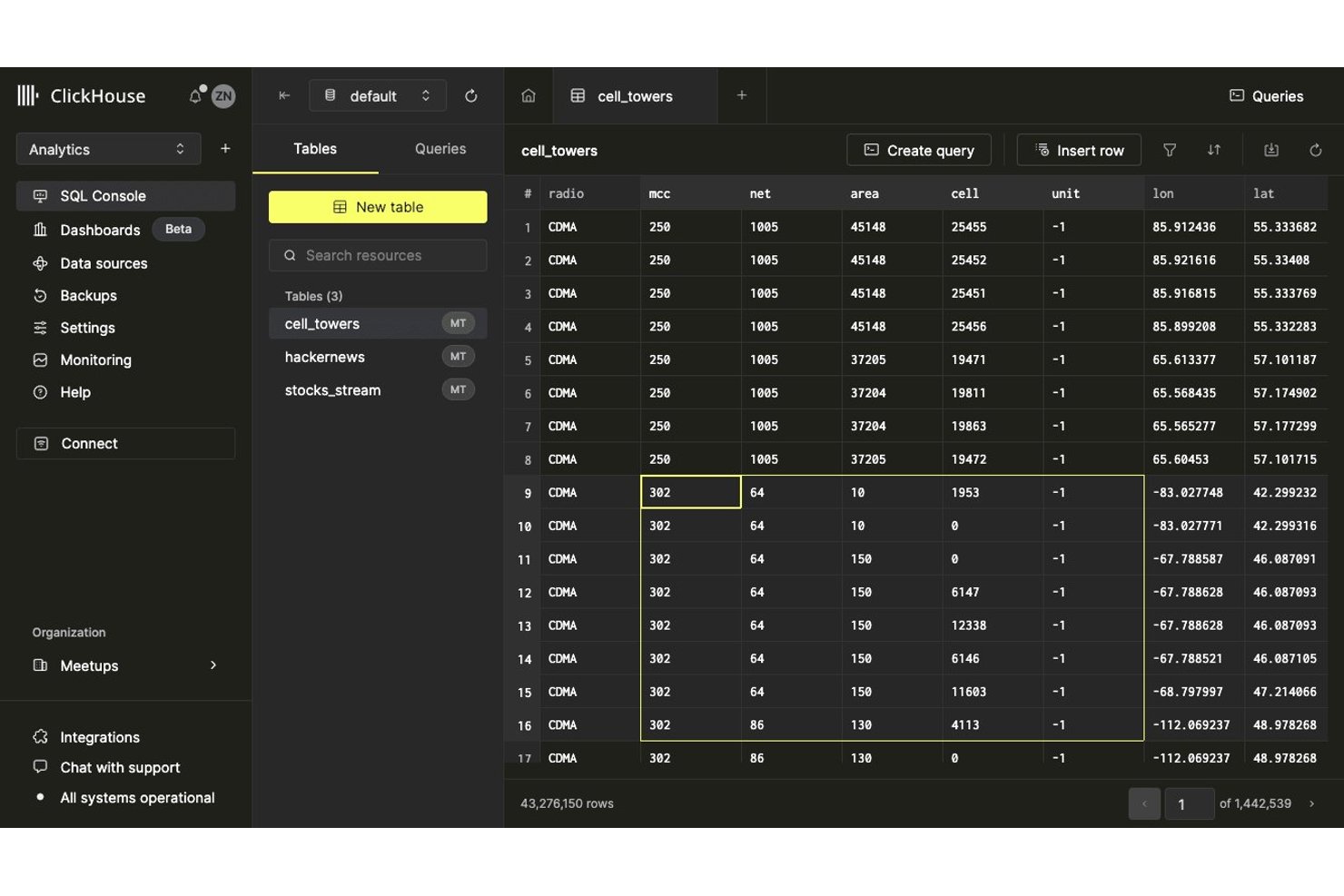
ClickHouse è un database analitico open source orientato alle colonne che supporta query SQL, acquisizione di dati in tempo reale e carichi di lavoro OLAP su larga scala in distribuzioni gestite dal cloud e autogestite.
A chi è più adatto ClickHouse?
Ingegneri dei dati e team di analisi presso organizzazioni con un uso intensivo dei dati che necessitano di un database SQL ad alte prestazioni per carichi di lavoro analitici in tempo reale su larga scala.
Perché ho scelto ClickHouse
Ho scelto ClickHouse come una delle migliori soluzioni perché la sua funzionalità ClickPipes gestisce l'acquisizione dei dati da fonti come Kafka, Postgres CDC e MySQL CDC senza alcun codice personalizzato per le pipeline. Ciò significa che il mio team può alimentare direttamente le tabelle analitiche con flussi di eventi in tempo reale ed eseguire query in millisecondi. Inoltre, l'archiviazione orientata alle colonne di ClickHouse comprime i dati in modo estremamente efficace, perciò le query su miliardi di righe vengono eseguite in meno di un secondo anche su scala petabyte.
Funzionalità principali di ClickHouse
- Motore di archiviazione orientato alle colonne: I dati vengono archiviati in colonne per consentire query analitiche e compressione altamente efficienti.
- Viste materializzate: Mantengono automaticamente tabelle preaggregate e ottimizzate per le query, velocizzando le analisi complesse.
- Distribuzione multi-cloud e BYOC: Distribuisci ClickHouse completamente gestito su AWS, Azure o GCP, oppure esegui ClickHouse gestito nel tuo account cloud.
- Controlli di sicurezza aziendali: Include SSO SAML, crittografia dei dati inattivi e in transito e integrazione con standard di conformità come HIPAA e PCI.
Integrazioni di ClickHouse
ClickHouse offre integrazioni native con Apache Kafka, Amazon S3, PostgreSQL, MySQL, Amazon Redshift, Microsoft SQL Server, Google BigQuery, Apache Iceberg, Delta Lake e Apache Hudi. È disponibile un'API per le integrazioni personalizzate.
Pros and Cons
Pros:
- Query in meno di un secondo su miliardi di righe
- La compressione orientata alle colonne riduce notevolmente i costi di archiviazione
- Acquisizione in tempo reale senza codice personalizzato per le pipeline
Cons:
- Non progettato per carichi di lavoro transazionali OLTP
- Le JOIN hanno prestazioni scarse sugli schemi normalizzati

TiDB
Ideale per scalare cluster di livello petabyte

TiDB è un database SQL distribuito sviluppato da PingCAP. Permette alle aziende di costruire cluster di livello petabyte gestendo milioni di tabelle, connessioni simultanee, frequenti modifiche agli schemi e scalabilità senza tempi di inattività. Che tu stia gestendo carichi di lavoro transazionali, analitici o di intelligenza artificiale, TiDB offre la flessibilità e l'affidabilità necessarie per sostenere la crescita futura senza gestire infrastrutture dati complesse.
Perché ho scelto TiDB: Ho scelto TiDB perché offre prestazioni affidabili e un'infrastruttura dati flessibile a qualsiasi scala. È inoltre ottimizzato per gestire carichi di lavoro transazionali, analitici e di intelligenza artificiale garantendo sicurezza e privacy. TiDB è costruito su un'architettura distribuita che separa i livelli di calcolo e storage. Questo consente di far crescere ciascun livello in modo indipendente quando aumenta il volume dei dati o degli utenti. La piattaforma è anche compatibile con il protocollo wire di MySQL, quindi non dovrai riscrivere le tue query né formare nuovamente i tuoi sviluppatori.
Funzionalità principali & integrazioni:
Le funzionalità includono scalabilità orizzontale, forte consistenza ACID e capacità di ricerca vettoriale, che migliorano i processi di recupero dati e semplificano l’individuazione e l’analisi delle informazioni. TiDB offre anche una serie di opzioni di deployment, come TiDB Cloud Serverless e TiDB Cloud Dedicated, che ti permettono di scegliere in base alle tue esigenze di prestazioni.
Le integrazioni includono Kubernetes, Spark, Kafka, Flink, Terraform, Vercel, Bytebase, Netlify, Zapier, Confluent Cloud e Snowflake.
Pros and Cons
Pros:
- Scala orizzontalmente, permettendo l'aumento dei carichi di dati senza interruzioni
- Transazioni conformi ad ACID che assicurano l’elaborazione affidabile
- Offre varie opzioni di deployment
Cons:
- Alcuni utenti trovano TiDB piuttosto intensivo dal punto di vista delle risorse
- Potrebbe risultare troppo completo per deployment di piccole dimensioni

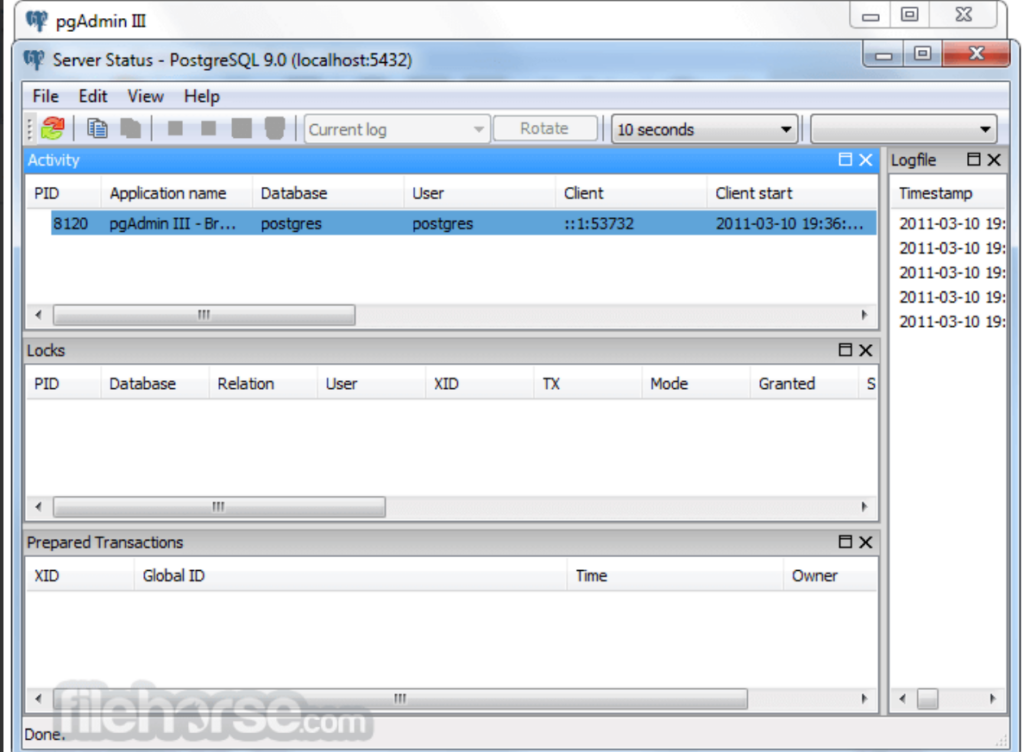
PostgreSQL è un sistema di gestione di database oggetto-relazionali open source che pone l'accento sull'estensibilità e la conformità agli standard SQL. Conosciuto per le sue tecniche di indicizzazione avanzate e il supporto sia per tipi di dati predefiniti che personalizzati dall'utente, PostgreSQL rappresenta una scelta ottimale per chi necessita di una gestione dei dati varia e flessibile.
Perché ho scelto PostgreSQL: Ho selezionato PostgreSQL dopo un'attenta valutazione e confronto con altri sistemi di gestione di database. Ciò che lo distingue è la sua solida gamma di funzionalità che permette un'estensibilità unica nei tipi di dati e capacità avanzate di indicizzazione.
Ho giudicato che sia il migliore per scenari che richiedono query complesse e strutture dati eterogenee, confermando la designazione di 'migliore per...' supporto di tipi estensibili e indicizzazione.
Caratteristiche e integrazioni principali:
Le funzionalità di spicco di PostgreSQL includono il supporto per un'ampia gamma di tipi di dati e opzioni di indicizzazione avanzata come GiST, SP-GiST e BRIN. Consente notevole personalizzazione ed estensione, tra cui l'aggiunta di nuovi tipi di dati, operatori e funzioni.
L'integrazione con vari linguaggi di programmazione come Python, Java, C/C++ e la compatibilità con molti sistemi operativi lo rendono estremamente versatile.
Pros and Cons
Pros:
- Ampio supporto per tipi di dati diversi e personalizzati
- Solide capacità di indicizzazione per un recupero efficiente dei dati
- Open source e ampiamente supportato su diverse piattaforme
Cons:
- Può essere complesso da configurare e ottimizzare per i principianti
- Potrebbe richiedere estensioni aggiuntive per esigenze specifiche
- Strumenti GUI integrati limitati per la gestione del database
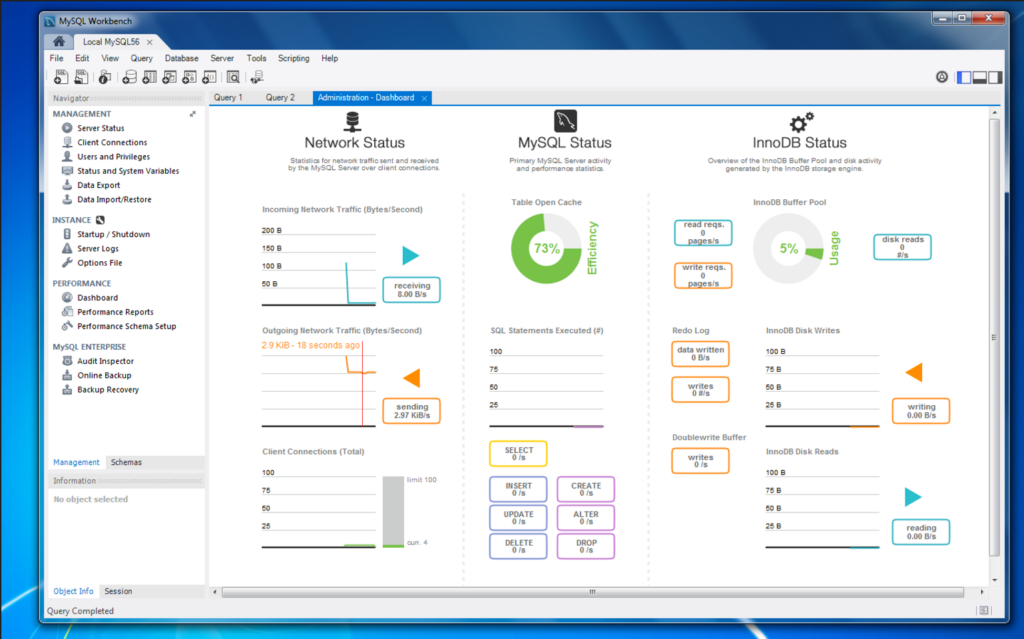
MySQL è un sistema di gestione di database relazionali open-source ampiamente utilizzato nello sviluppo web. È estremamente flessibile e offre prestazioni rapide, rendendolo una scelta popolare per molte applicazioni basate sul web. La sua ampia diffusione, il supporto della community e l'efficienza lo rendono particolarmente adatto agli sviluppatori impegnati in progetti orientati a Internet.
Perché ho scelto MySQL: Quando ho dovuto selezionare il sistema di database giusto per applicazioni web, sono stato attratto da MySQL. Avendo osservato il suo uso diffuso nella community di sviluppo, l'ho valutato diverso rispetto ad altri strumenti per la sua estensibilità e la vastissima base di utenti.
Ho scelto MySQL perché la sua popolarità è stata validata da innumerevoli sviluppatori web, e l'ho ritenuto la scelta migliore per applicazioni basate sul web.
Funzionalità principali e integrazioni:
MySQL offre funzionalità come alte prestazioni, scalabilità e solida protezione dei dati. Supporta una vasta gamma di linguaggi di programmazione, tra cui PHP, Perl, C, C++, Java e altri.
L'integrazione con diversi sistemi di gestione dei contenuti come WordPress, Joomla e Drupal, assieme a framework popolari come Laravel e Django, lo rendono estremamente versatile.
Pros and Cons
Pros:
- Supporto esteso della community e ampia adozione
- Ampia varietà di integrazioni con strumenti popolari per lo sviluppo web
- Disponibile una versione community gratuita per progetti più piccoli
Cons:
- Segnalati alcuni problemi con query complesse e grandi moli di dati
- Funzionalità avanzate limitate nella versione gratuita
- Le edizioni commerciali possono diventare costose per team numerosi e esigenze più complesse

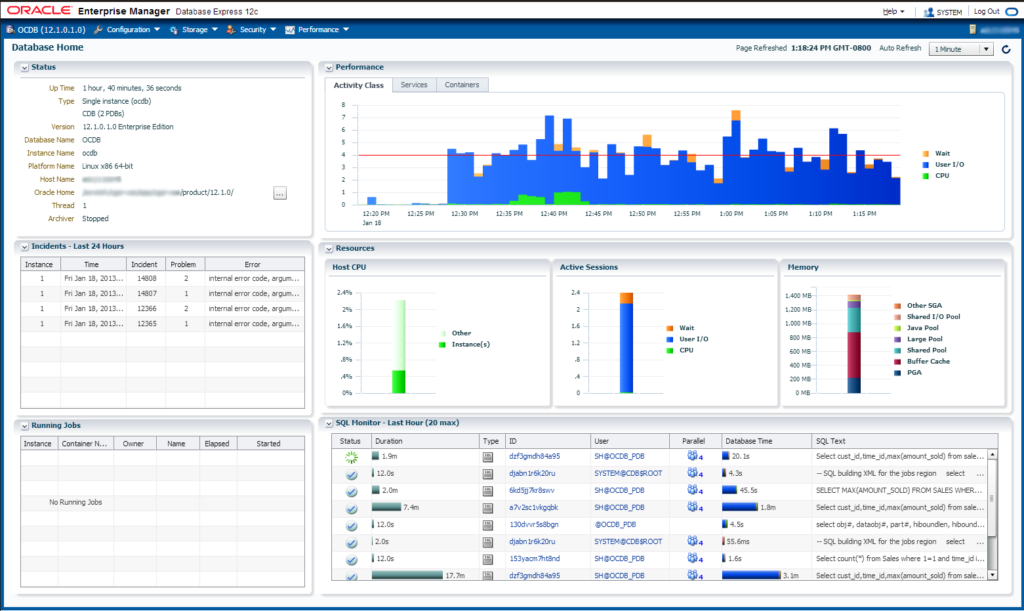
Oracle Database è un potente sistema di gestione di database relazionali, noto per la sua affidabilità, scalabilità e prestazioni. È ampiamente utilizzato dalle aziende per applicazioni mission-critical che richiedono funzionalità robuste e flessibili.
Questi attributi sono direttamente collegati al motivo per cui è ideale per implementazioni aziendali scalabili, dove stabilità, integrità dei dati e scalabilità sono fondamentali.
Perché ho scelto Oracle Database: Ho selezionato Oracle Database per questa lista dopo averlo attentamente confrontato con altri strumenti in termini di scalabilità e capacità a livello aziendale. La sua lunga reputazione nella gestione di implementazioni complesse e su larga scala lo distingue dalla concorrenza.
L'ho ritenuto la soluzione migliore per le organizzazioni che cercano una soluzione robusta per applicazioni aziendali scalabili, riconoscendo le sue funzionalità superiori e la forte presenza nel settore.
Caratteristiche distintive e integrazioni:
Oracle Database offre funzionalità come la gestione automatica del carico di lavoro, protocolli di sicurezza avanzati e analisi dei dati in tempo reale: tutti elementi essenziali per l'uso aziendale. Le sue capacità di integrazione con vari strumenti ERP, CRM e BI offrono un'esperienza adatta alle grandi organizzazioni.
Il database si integra inoltre con la suite di prodotti Oracle, migliorando l'ecosistema per le aziende che già investono nelle tecnologie Oracle.
Pros and Cons
Pros:
- Altamente scalabile e in grado di gestire grandi volumi di dati
- Funzionalità di sicurezza complete e capacità di gestione dei dati
- Numerose integrazioni con diversi strumenti aziendali
Cons:
- Complesso e potrebbe richiedere competenze specialistiche per la gestione
- La licenza e i prezzi possono risultare costosi per le piccole imprese
- Alcuni utenti possono trovare la curva di apprendimento ripida e la configurazione iniziale impegnativa

Ideale per applicazioni cloud-native che richiedono servizi gestiti
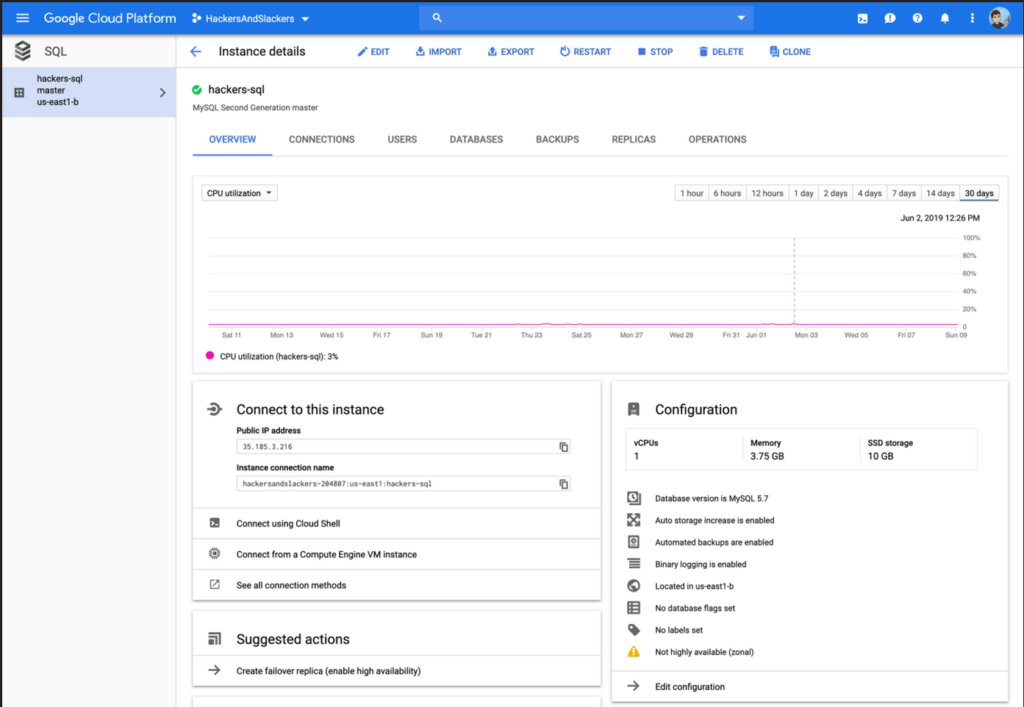
Google Cloud SQL è un servizio di database relazionale completamente gestito offerto da Google Cloud Platform. Facilita la configurazione, la manutenzione e la gestione dei database relazionali nel cloud, rappresentando una soluzione ideale per le aziende che desiderano eseguire applicazioni cloud-native senza l'onere dell'amministrazione del database.
Ciò si collega all'affermazione 'ideale per', offrendo alle applicazioni cloud-native i servizi gestiti necessari.
Perché ho scelto Google Cloud SQL: Ho scelto Google Cloud SQL dopo aver valutato le sue capacità rispetto a vari concorrenti. Ciò che lo distingue è la forte integrazione con altri servizi di Google Cloud e la sua natura gestita che si occupa delle attività di amministrazione del database.
Ho determinato che è la soluzione migliore per chi necessita di un'esperienza cloud senza il peso della gestione dell'infrastruttura sottostante.
Caratteristiche e integrazioni eccezionali:
Google Cloud SQL offre backup automatici, replica per alta disponibilità e aggiornamenti gestiti. Supporta database popolari come MySQL, PostgreSQL e SQL Server. Tra le integrazioni più importanti ci sono la connessione con Google Kubernetes Engine, App Engine, Compute Engine e altri servizi Google Cloud che consentono uno sviluppo e una distribuzione efficienti di applicazioni cloud-native.
Pros and Cons
Pros:
- Servizio completamente gestito, riduce il carico amministrativo
- Solide integrazioni con altri servizi Google Cloud
- Supporto per database relazionali popolari come MySQL, PostgreSQL e SQL Server
Cons:
- I costi possono aumentare con l'uso intensivo e funzionalità aggiuntive
- Controllo limitato rispetto a soluzioni self-hosted
- Potenziale lock-in con l'ecosistema Google Cloud

Ideale per la facilità di gestione del database nel cloud
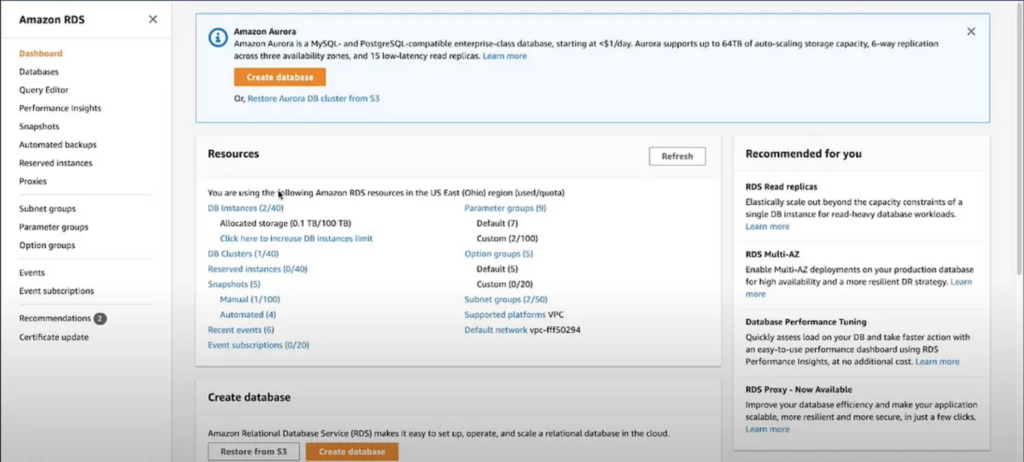
Amazon RDS è un servizio di database relazionale gestito che semplifica la configurazione, l'operatività e la scalabilità dei database nel cloud. Fornisce backup automatici, manutenzione e scalabilità, permettendo agli utenti di concentrarsi sullo sviluppo delle applicazioni anziché sulla gestione del database.
Queste caratteristiche sono direttamente correlate al suo status come soluzione migliore per la facilità di gestione dei database nel cloud, offrendo alle aziende un metodo snello ed efficiente per gestire il proprio database.
Perché ho scelto Amazon Relational Database Service (RDS): Ho scelto Amazon RDS dopo averlo confrontato attentamente con altri strumenti per la sua impareggiabile facilità d'uso nel cloud. I suoi servizi completamente gestiti, l'ampia varietà di motori database e l'integrazione con il vasto ecosistema AWS lo rendono un'opzione di spicco.
Nell'individuare il migliore per la facilità di gestione dei database nel cloud, ho riconosciuto Amazon RDS per l'efficiente automazione e le operazioni semplificate sul database, in particolare per le aziende che desiderano sfruttare le capacità del cloud senza gestire la complessità sottostante.
Funzionalità e integrazioni principali:
Amazon RDS supporta diversi motori di database, tra cui MySQL, PostgreSQL, SQL Server e Oracle, offrendo così la flessibilità di scegliere la soluzione più adatta a casi d’uso specifici. Backup automatici, distribuzioni multi-AZ e repliche di lettura migliorano disponibilità e performance.
L'integrazione con altri servizi AWS come Lambda, S3 ed EC2 garantisce un ambiente coeso per chi già utilizza la piattaforma cloud di Amazon.
Pros and Cons
Pros:
- Supporta vari motori di database, garantendo flessibilità
- Semplifica la gestione dei database con backup automatici, scalabilità e aggiornamenti
- Si integra bene con l’ecosistema AWS più ampio
Cons:
- I costi possono aumentare con l'incremento dell'utilizzo e delle funzionalità aggiuntive
- Il controllo limitato sull’infrastruttura sottostante potrebbe non soddisfare tutti i casi d’uso
- La personalizzazione oltre le configurazioni gestite può essere impegnativa

Ideale per la gestione dati aziendali su larga scala
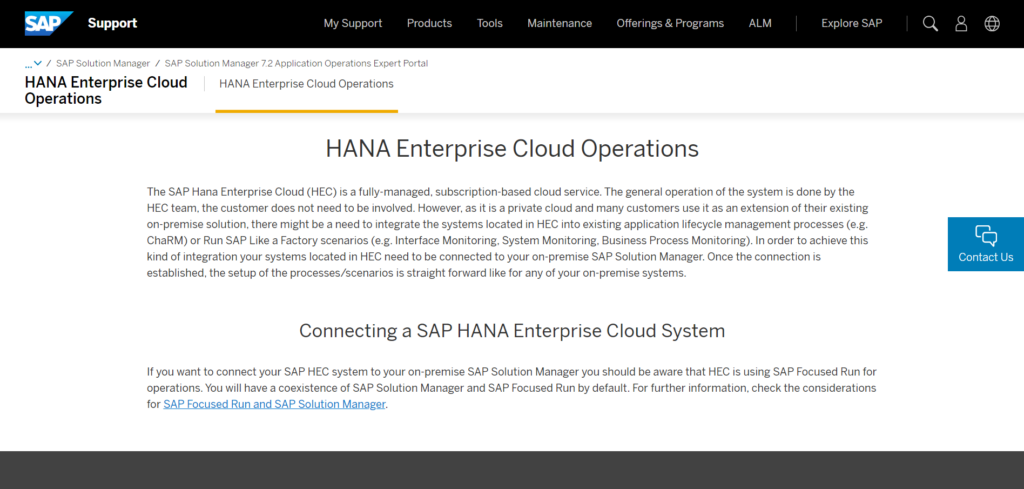
SAP HEC (HANA Enterprise Cloud) è un servizio cloud offerto da SAP, specificamente progettato per gestire la gestione dati aziendali su larga scala. Grazie alla sua capacità di fornire un ambiente cloud scalabile, sicuro e altamente disponibile, si rivela la soluzione migliore per le organizzazioni che necessitano di soluzioni di gestione dati complete su vasta scala.
Perché ho scelto SAP HEC (HANA Enterprise Cloud): Ho scelto SAP HEC dopo aver valutato e confrontato altri servizi cloud di livello enterprise. L'aspetto determinante per me è stata la sua integrazione con la suite di applicazioni aziendali SAP, le potenti funzionalità analitiche e l'impegno per la sicurezza.
Questo strumento si distingue per il suo focus sulle esigenze delle grandi imprese e per le potenti capacità di elaborazione in-memory. Ecco perché lo ritengo 'il migliore per...' la gestione dati aziendali su larga scala, al servizio di organizzazioni globali con esigenze complesse di dati.
Funzionalità principali e integrazioni:
SAP HEC è rinomato per la sua tecnologia di elaborazione in-memory, che permette il processamento dei dati in tempo reale. Si integra senza problemi con l'ecosistema SAP, inclusi SAP S/4HANA, SAP BW/4HANA e altre soluzioni SAP, offrendo una piattaforma unificata per la gestione dei dati su larga scala. Le sue solide funzionalità di sicurezza garantiscono la conformità a diverse normative globali.
Pros and Cons
Pros:
- Progettato per la gestione dati su larga scala con elaborazione in tempo reale
- Integrazione completa con la suite di applicazioni aziendali SAP
- Misure di sicurezza robuste che assicurano la conformità globale
Cons:
- Il prezzo può essere elevato, in particolare per le piccole organizzazioni
- La complessità può richiedere personale specializzato per l'implementazione
- Flessibilità limitata nella personalizzazione al di fuori dell'ecosistema SAP


MariaDB è un sistema di gestione di database relazionali (RDBMS) open source che mira a fornire una soluzione robusta, scalabile e affidabile per gli sviluppatori. La natura flessibile della sua architettura open source consente agli sviluppatori di personalizzare la loro esperienza con il database, rendendolo ideale per chi cerca flessibilità nello sviluppo open source.
Perché ho scelto MariaDB: Ho scelto MariaDB per questa lista dopo un attento confronto con altri database open source, valutando il suo forte impegno verso i principi open source e la flessibilità che offre agli sviluppatori. Si distingue per i suoi vari motori di archiviazione, la disponibilità di plugin e lo sviluppo guidato dalla community.
Ecco perché credo che sia il 'migliore per...' la flessibilità nello sviluppo open source, permettendo personalizzazione e adattamento alle esigenze specifiche del progetto.
Caratteristiche principali e integrazioni:
Le funzionalità di MariaDB includono vari motori di archiviazione come InnoDB, Spider e ColumnStore, che danno agli sviluppatori la flessibilità di scegliere la soluzione più adatta alle proprie applicazioni. L'integrazione con i linguaggi di programmazione più diffusi come PHP, Java e C++ facilita lo sviluppo. È inoltre compatibile con numerose piattaforme di distribuzione, tra cui AWS, Microsoft Azure e Google Cloud.
Pros and Cons
Pros:
- Forte impegno verso i principi open source
- Vari motori di archiviazione e plugin per la massima flessibilità
- Ampia compatibilità con piattaforme di distribuzione e linguaggi di programmazione
Cons:
- Potrebbe richiedere maggiore competenza tecnica per un utilizzo completo
- Il supporto può variare a seconda del piano scelto
- L'ottimizzazione delle prestazioni può essere complessa per alcuni carichi di lavoro

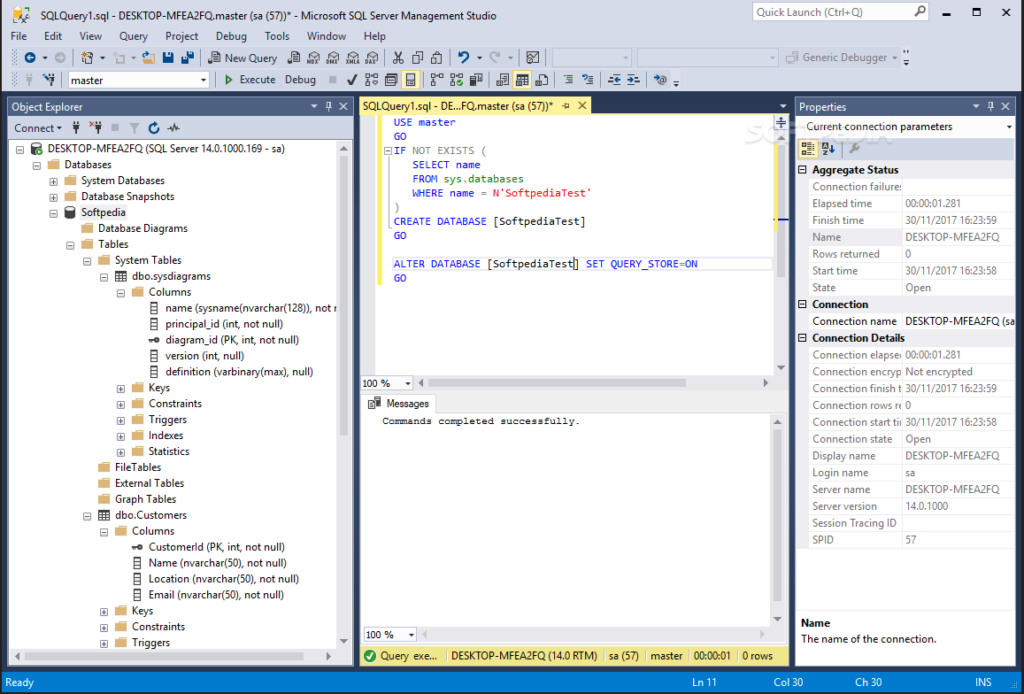
Microsoft SQL Server è un sistema di gestione di database relazionali sviluppato da Microsoft. Utilizzato prevalentemente in ambienti aziendali, offre una piattaforma scalabile e affidabile per la gestione dei dati, le analisi e le soluzioni di business intelligence.
È particolarmente adatto alle aziende che utilizzano già un'infrastruttura basata su Windows, sfruttando l'integrazione armoniosa che offre.
Perché ho scelto Microsoft SQL Server: Nel determinare i sistemi di database ideali per l'elenco, Microsoft SQL Server ha attirato la mia attenzione per le sue profonde capacità di integrazione con ambienti basati su Windows. Confrontandolo con altri strumenti, si è distinto per il suo set maturo e robusto di funzionalità su misura per aziende strutturate intorno alla suite di prodotti Microsoft.
Data questa sinergia, l'ho valutato come la scelta migliore per le organizzazioni che sfruttano un'infrastruttura Windows.
Caratteristiche e integrazioni principali:
Microsoft SQL Server vanta funzionalità come l'elaborazione in memoria per prestazioni ottimizzate, avanzate misure di sicurezza come la tecnologia Always Encrypted e l'integrazione con il machine learning per analisi migliorate. Inoltre, offre integrazioni con strumenti e servizi Microsoft, tra cui Azure, Power BI e Microsoft Office, creando un ambiente di gestione dati coeso.
Pros and Cons
Pros:
- Profonda integrazione con Windows e altri servizi Microsoft
- Funzionalità di sicurezza avanzate garantiscono la protezione dei dati
- Capacità di scalabilità e prestazioni adatte alle aziende
Cons:
- Può essere costoso per le piccole imprese
- Curva di apprendimento più ripida per chi non conosce l'ecosistema Microsoft
- Supporto cross-platform limitato rispetto ad alcuni concorrenti
Altri software per database relazionali
Di seguito è riportato un elenco di software aggiuntivi per database relazionali che ho selezionato, ma che non sono entrati nelle prime 10 posizioni. Vale sicuramente la pena prenderli in considerazione.
- EDB Postgres Advanced Server
Ideale per l'integrazione con funzionalità Oracle
- InterSystems Caché
Ideale per l'accesso veloce agli oggetti
- CUBRID
Ideale per l'elaborazione coerente dei dati su più piattaforme
- Mimer SQL
Ideale per applicazioni che richiedono alte prestazioni
- dbForge Edge
Ideale per l’ottimizzazione SQL basata su AI


Come valuto i software di database relazionali
Valuto i database relazionali su due livelli: le capacità fondamentali di SQL, ACID e schema che ogni sistema di produzione deve avere, e i fattori distintivi che contano per il tuo stack e il tuo carico di lavoro.
Funzionalità di base (Requisiti fondamentali per questa lista)
Quando seleziono gli strumenti per la mia lista, attribuisco a ciascuno un punteggio da 0 (la funzionalità non è presente) a 5 (eccelle in quest'area) per ogni funzionalità fondamentale elencata di seguito. Poi, calcolo il punteggio totale dello strumento come percentuale. Ogni strumento deve ottenere un punteggio totale minimo del 75% per essere preso in considerazione per l'inclusione.
- Supporto alle query SQL: Verifico se il motore gestisce join, sottoquery, CTE e funzioni finestra—il tipo di query che scriveresti per dashboard di reportistica o ricerche multi-tabella.
- Gestione delle transazioni ACID: Un'elaborazione affidabile delle transazioni è fondamentale quando gestisci flussi di ordini o aggiornamenti di registri finanziari, quindi cerco livelli di isolamento configurabili e supporto MVCC.
- Schema e modellazione relazionale: Chiavi esterne, vincoli e indicizzazione sono la base di una progettazione dati normalizzata. Valuto come ogni strumento applica l'integrità referenziale tra tabelle correlate.
- Concorrenza e accesso multiutente: I database in produzione gestiscono centinaia di connessioni contemporanee. Analizzo i meccanismi di locking, il pooling delle connessioni e i controlli di accesso basati sui ruoli per ambienti multi-team.
- Backup, ripristino e disponibilità: Il ripristino point-in-time, snapshot automatici e opzioni di replica sono ciò che valuto qui—specialmente per scenari di disaster recovery dove RPO e RTO sono stringenti.
- Sicurezza e controlli di accesso: Crittografia a riposo e in transito, registrazione degli audit e modelli di permessi granulari sono tutti elementi fondamentali, in particolare per i team che operano in settori regolamentati come sanità o finanza.
Dopo aver compilato un elenco di strumenti che soddisfano questi criteri, considero ciò che distingue ogni piattaforma dall'altra.
Fattori distintivi (Cosa differenzia i fornitori)
Ecco come confronto e valuto i diversi fornitori:
Caratteristiche di spicco
Pongo molta attenzione alla scalabilità orizzontale. Che un database supporti lo sharding nativo o i read replica è importante quando il traffico dell'applicazione supera quello che può gestire un singolo nodo. Anche il supporto JSON e per dati ibridi è un fattore che considero, poiché le app moderne spesso mescolano righe strutturate con payload semi-strutturati nella stessa query. Un ricco ecosistema per sviluppatori fa davvero la differenza. Driver nativi, strumenti CLI ed estensioni come indicizzazione spaziale o ricerca full-text aiutano la tua squadra a evitare soluzioni di terze parti aggiuntive.
Oltre le funzionalità
Licenze e costo totale di proprietà meritano un esame approfondito. La differenza tra un motore open-source come PostgreSQL o MySQL e una piattaforma con licenza commerciale può cambiare il tuo budget nel tempo, soprattutto aggiungendo le spese per servizi gestiti relativi a storage e replica. Valuto anche la flessibilità di distribuzione—alcuni team necessitano di un DBaaS completamente gestito su AWS o Azure, mentre altri richiedono opzioni on-premise o ibride. Le certificazioni di conformità come SOC 2, HIPAA o PCI DSS completano la mia valutazione per i team che operano in settori regolamentati.
Come scegliere un software per database relazionali
È facile perdersi in lunghi elenchi di funzionalità e strutture tariffarie complesse. Per aiutarti a rimanere concentrato mentre affronti il tuo processo di selezione del software, ecco un elenco di fattori da tenere a mente:
| Fattore | Cosa considerare |
|---|---|
| Scalabilità | Il software può crescere insieme alle tue esigenze di dati? Considera il futuro volume dei dati e l'espansione della base utenti. |
| Integrazioni | Si connette ai sistemi esistenti? Assicurati che sia compatibile con gli altri strumenti che utilizzi. |
| Personalizzazione | Puoi adattarlo ai tuoi flussi di lavoro? Cerca impostazioni flessibili e funzionalità adattabili. |
| Semplicità d'uso | L'interfaccia è intuitiva per il tuo team? Evita gli strumenti con una curva di apprendimento ripida. |
| Implementazione e avvio | Quanto rapidamente può iniziare a utilizzarlo il tuo team? Verifica la disponibilità di risorse come formazione e guide. |
| Costo | Il prezzo rientra nel tuo budget? Confronta i piani e verifica la presenza di costi nascosti o contratti a lungo termine. |
| Misure di sicurezza | Sono presenti solide misure di sicurezza? Assicurati della protezione dei dati e della conformità alle normative. |
| Disponibilità dell'assistenza | L'aiuto è disponibile quando ne hai bisogno? Cerca assistenza 24 ore su 24, 7 giorni su 7 e più opzioni di contatto. |
Che cos'è il software per database relazionali?
Il software per database relazionali è uno strumento che aiuta a organizzare e gestire i dati in più tabelle utilizzando le relazioni. Viene comunemente utilizzato da professionisti IT, analisti dei dati e sviluppatori per gestire in modo efficiente grandi insiemi di dati.
Le funzionalità di archiviazione dei dati, interrogazione SQL e integrità dei dati supportano una gestione e un'analisi efficaci dei dati. Questi strumenti semplificano l'organizzazione dei dati, rendendo più facile per i team accedere alle informazioni e utilizzarle.
Funzionalità
Quando scegli il software per database relazionali, presta attenzione alle seguenti funzionalità principali:
- Archiviazione dei dati: organizza grandi insiemi di dati in tabelle strutturate per facilitarne l'accesso e il recupero.
- Interrogazioni SQL: consente agli utenti di eseguire query complesse per estrarre e manipolare i dati in modo efficiente.
- Integrità dei dati: garantisce l'accuratezza e la coerenza dei dati nelle diverse tabelle e relazioni.
- Accesso simultaneo: supporta più utenti che accedono e modificano i dati contemporaneamente senza conflitti.
- Backup e ripristino: offre opzioni per eseguire il backup dei dati e ripristinarli in caso di perdita o danneggiamento.
- Autorizzazioni personalizzabili: consente agli amministratori di controllare l'accesso degli utenti e i diritti di modifica dei dati.
- Replica in tempo reale: mantiene i dati sincronizzati tra diverse sedi per fornire informazioni aggiornate.
- Analisi avanzate: offre strumenti per eseguire analisi approfondite dei dati e generare informazioni utili.
- Integrazione con il cloud: si connette ai servizi cloud per offrire funzionalità scalabili di archiviazione ed elaborazione.
- Misure di sicurezza: protegge i dati mediante crittografia, autenticazione e conformità alle normative.
Vantaggi
L'implementazione di un software per database relazionali offre diversi vantaggi al tuo team e alla tua azienda. Eccone alcuni:
- Organizzazione migliorata dei dati: le tabelle strutturate facilitano l'organizzazione e il recupero dei dati quando necessario.
- Analisi dei dati potenziata: le interrogazioni SQL e gli strumenti di analisi avanzata aiutano a estrarre informazioni utili da insiemi di dati complessi.
- Collaborazione migliorata: l'accesso simultaneo consente a più utenti di lavorare contemporaneamente sui dati senza conflitti.
- Coerenza dei dati: le funzionalità di integrità dei dati garantiscono che le informazioni rimangano accurate e coerenti tra le tabelle.
- Gestione sicura dei dati: il software per la sicurezza dei database protegge le informazioni sensibili mediante crittografia e autorizzazioni degli utenti.
- Soluzioni scalabili: l'integrazione con il cloud consente di espandere le capacità di archiviazione ed elaborazione man mano che i dati aumentano.
- Ripristino rapido: le opzioni di backup e ripristino garantiscono la possibilità di ripristinare rapidamente i dati in caso di perdita imprevista.
Costi e prezzi
La scelta del software per database relazionali richiede una comprensione dei vari modelli e piani tariffari disponibili, soprattutto quando si confrontano i provider di database come servizio. I costi variano in base alle funzionalità, alle dimensioni del team, ai componenti aggiuntivi e ad altri fattori. La tabella seguente riassume i piani comuni, i relativi prezzi medi e le funzionalità tipicamente incluse nelle soluzioni software per database relazionali:
Tabella comparativa dei piani per il software per database relazionali
| Tipo di piano | Prezzo medio | Funzionalità comuni |
|---|---|---|
| Piano gratuito | $0 | Archiviazione di base dei dati, interrogazioni SQL limitate e supporto della comunità. |
| Piano personale | $5-$25/utente/mese | Archiviazione dei dati, interrogazioni SQL, integrità di base dei dati e supporto via e-mail. |
| Piano aziendale | $30-$100/utente/mese | Analisi avanzate, accesso simultaneo, autorizzazioni personalizzabili e supporto via chat. |
| Piano aziendale avanzato | $100+/utente/mese | Replica in tempo reale, integrazione con il cloud, sicurezza avanzata e supporto dedicato. |
Domande frequenti sui software per database relazionali
Ecco alcune risposte alle domande comuni sui software per database relazionali:
Quali sono i quattro tipi di database relazionali?
I quattro tipi di database relazionali includono MySQL, PostgreSQL, MariaDB e Oracle Database. Ogni tipo offre funzionalità e caratteristiche diverse, quindi è importante valutare quale si adatta meglio alle esigenze e ai requisiti tecnici del tuo team.
Quali sono le regole dei requisiti di base di un database relazionale?
I database relazionali devono rappresentare logicamente le informazioni in tabelle, garantire che i dati siano accessibili tramite tabella, chiave primaria e colonna e trattare i valori null come informazioni mancanti. I metadati devono essere archiviati come i dati ordinari. Queste regole aiutano a mantenere l’integrità e l’accessibilità dei dati.
Qual è il principale limite dei database relazionali?
I database relazionali presentano limitazioni come problemi di scalabilità, rigidità dello schema e difficoltà nella gestione di dati non strutturati o gerarchici. Questi vincoli possono influire sulle prestazioni e sulla flessibilità, quindi considera le tue esigenze relative ai dati e la loro possibile crescita quando scegli un database.
Quali sono i quattro componenti principali di un database relazionale?
I componenti principali di un database relazionale sono tabelle, colonne (o campi), righe (o record) e chiavi. Comprendere questi elementi ti aiuta a progettare e gestire il database in modo efficace, garantendo che i dati siano archiviati e accessibili in modo efficiente.
I database relazionali possono gestire dati non strutturati?
I database relazionali non sono progettati per i dati non strutturati, il che può causare problemi di prestazioni. Se devi gestire dati non strutturati, valuta l’utilizzo di un database NoSQL, più adatto alla gestione di diversi tipi di dati e di grandi volumi.
Cosa succede ora:
Se stai effettuando ricerche sui software per database relazionali, contatta gratuitamente un consulente SoftwareSelect per ricevere consigli.
Compili un modulo e fai una breve conversazione durante la quale il consulente approfondirà le tue esigenze specifiche. In seguito riceverai una selezione ristretta di software da valutare. Ti assisterà anche durante l'intero processo di acquisto, comprese le negoziazioni sul prezzo.