

10 Soluciones de Respaldo de Servidores y Cómo Se Comparan en 2026

10 Mejor Lista Corta de Software de Respaldo de Servidores


En esta era digital, las amenazas de ransomware son más peligrosas que nunca. He visto empresas paralizadas, perdiendo datos de valor incalculable de la noche a la mañana. El software de respaldo de servidores es tu escudo contra esas pesadillas, proporcionando copias de seguridad directamente en almacenamiento en la nube. Imagina tener una réplica entera de tus archivos cruciales almacenados de forma segura, lista para la recuperación ante desastres.
Estas herramientas aseguran una protección de datos robusta, garantizando que aunque ocurra una calamidad, puedas recuperarte rápidamente. ¿Te preocupa perder información crítica? Estas herramientas lo abordan directamente. Sumérgete en estas soluciones y recupera la tranquilidad.
Por qué confiar en nuestras recomendaciones de software
Nuestro equipo lleva probando y evaluando software desde 2012. Como líderes tecnológicos, sabemos lo difícil —y lo importante— que es elegir el software adecuado.
Para esta guía, evaluamos las herramientas mediante pruebas prácticas e investigación independiente, puntuando las herramientas según nuestros criterios de selección.
Nuestras reseñas reflejan nuestro criterio editorial humano, no un discurso de ventas.
Revisores expertos:
Resumen del Mejor Software de Respaldo de Servidores
Esta tabla comparativa resume los detalles de precios de mis principales selecciones de software de respaldo de servidores para ayudarte a encontrar el mejor para tu presupuesto y necesidades de negocio.
| Tool | Best For | Trial Info | Price | ||
|---|---|---|---|---|---|
| 1 | Mejor para proveedores de servicios administrados | Not available | Precio bajo consulta | Website | |
| 2 | Mejor para cobertura variada de dispositivos | Plan gratuito disponible | Desde $5.79/usuario/mes (facturado anualmente) | Website | |
| 3 | Mejor para almacenamiento unificado de datos | Not available | Precio bajo solicitud | Website | |
| 4 | Ideal para entornos virtuales | Not available | Precios a consultar | Website | |
| 5 | Mejor para protección enfocada en VM | Not available | Precio bajo consulta | Website | |
| 6 | Mejor para la planificación de la continuidad del negocio | Prueba gratuita de 14 días + Demostración gratuita disponible | Precio bajo solicitud | Website | |
| 7 | Mejor integración con la nube | Not available | Desde $7/usuario/mes (facturado anualmente) | Website | |
| 8 | Mejor para protección a nivel empresarial | Not available | Precios bajo consulta | Website | |
| 9 | Mejor para recuperación instantánea de datos | Demo gratuita disponible | Precios según solicitud | Website | |
| 10 | Ideal para flexibilidad en la gestión de datos | Prueba gratuita de 30 días | Precio disponible bajo solicitud | Website |
Reseñas del Mejor Software de Respaldo de Servidores
A continuación encontrarás mis resúmenes detallados del mejor software de respaldo de servidores que llegaron a mi lista corta. Mis reseñas ofrecen una visión detallada de las características clave, pros y contras, integraciones y casos de uso ideal de cada herramienta para ayudarte a encontrar la mejor para ti.

Mejor para proveedores de servicios administrados

MSP360 Managed Backup es una solución integral diseñada para proveedores de servicios administrados, con énfasis en la gestión centralizada de copias de seguridad. Al integrar funciones esenciales para los proveedores de servicios administrados, como las copias de seguridad de servidores SQL, la plataforma es ideal para quienes gestionan procesos de respaldo para múltiples clientes.
Por qué elegí MSP360 Managed Backup: Seleccioné MSP360 Managed Backup tras comparar varias soluciones de respaldo dirigidas a proveedores de servicios administrados. Su conjunto único de funcionalidades, especialmente su eficacia en la realización de copias de seguridad de servidores SQL, la sitúa por encima del resto. En mi evaluación, para los proveedores de servicios administrados que buscan soluciones de respaldo fiables y completas, MSP360 Managed Backup es la mejor opción.
Características destacadas e integraciones:
MSP360 Managed Backup destaca por su gestión centralizada de copias de seguridad, asegurando respaldos consistentes en todos los clientes. La capacidad para hacer respaldos eficientes de servidores SQL es una característica invaluable para quienes trabajan con bases de datos.
En cuanto a las integraciones, MSP360 Managed Backup se conecta con los principales proveedores de almacenamiento en la nube, ofreciendo flexibilidad en las soluciones de almacenamiento de las copias de seguridad.
Pros and Cons
Pros:
- La gestión centralizada de copias de seguridad facilita la consistencia entre clientes.
- Capacidades eficientes para copias de seguridad de servidores SQL.
- Amplias integraciones con almacenamiento en la nube que ofrecen versatilidad en las opciones de respaldo.
Cons:
- La interfaz puede resultar abrumadora para principiantes.
- Puede requerir capacitación práctica para un uso efectivo.
- La configuración inicial puede ser lenta para implementaciones grandes.

IDrive
Mejor para cobertura variada de dispositivos
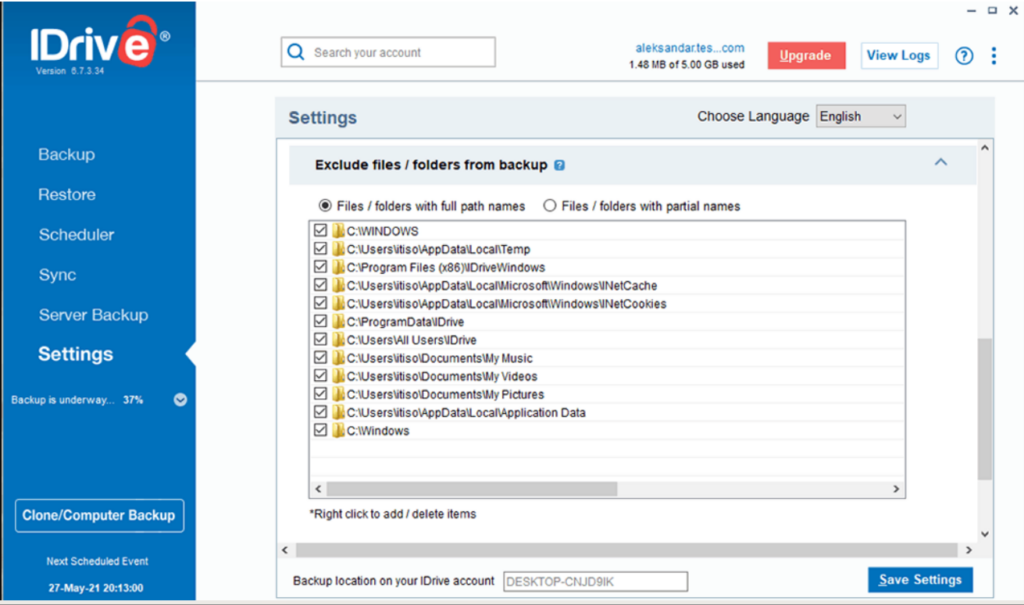
IDrive es una solución integral de respaldo diseñada para proteger datos en múltiples dispositivos. Su fortaleza radica en la capacidad de abarcar una amplia gama de dispositivos, lo que la convierte en una opción especialmente ideal para usuarios que utilizan varios aparatos en sus operaciones diarias.
Por qué elegí IDrive: Al elegir entre numerosas herramientas, IDrive llamó mi atención debido a su amplia cobertura de dispositivos. Consideré que destacaba en este aspecto, ofreciendo una ventaja única sobre muchas otras soluciones de respaldo. Esta especialización, en mi opinión, convierte a IDrive en la 'mejor opción para cobertura variada de dispositivos'.
Características destacadas e integraciones:
IDrive sobresale por su función de deduplicación, que asegura que solo se almacenen archivos únicos, ahorrando un espacio valioso de almacenamiento. La función de respaldo de discos externos también garantiza que los datos de dispositivos de almacenamiento portátiles no sean pasados por alto. Además, IDrive permite realizar respaldos de archivos a través de FTP, brindando flexibilidad en la forma en que los datos se cargan a sus centros de datos.
Pros and Cons
Pros:
- La deduplicación ahorra espacio de almacenamiento.
- Ofrece respaldo para discos externos.
- El soporte para respaldos a través de FTP aumenta la flexibilidad.
Cons:
- Restaurar conjuntos de datos grandes puede llevar tiempo.
- La interfaz puede resultar abrumadora para quienes la usan por primera vez.
- Las copias de seguridad incrementales, aunque eficientes, pueden no ajustarse a las necesidades de todos.

Cohesity
Mejor para almacenamiento unificado de datos

Cohesity reúne infraestructuras fragmentadas en una sola plataforma consolidada, asegurando que los datos se mantengan protegidos y accesibles. Es la convergencia de copias de seguridad, archivos y aplicaciones en un modelo de almacenamiento unificado que ofrece una protección eficaz contra la pérdida de datos.
Por qué elegí Cohesity: En mi proceso de determinar qué herramientas realmente marcan la diferencia, Cohesity surgió como un claro ganador. La elegancia con la que converge múltiples fuentes de datos en una sola plataforma es algo que no había visto igualado.
Consideré que era la 'mejor para almacenamiento unificado de datos' porque, en un entorno repleto de incontables aplicaciones y fuentes de información, tener un único punto de contacto para prevenir la pérdida de datos es invaluable.
Características y integraciones destacadas:
Cohesity no solo realiza copias de seguridad; ofrece respaldo incremental para reducir el espacio de almacenamiento y asegurar una recuperación rápida. La herramienta destaca por su capacidad de automatizar muchas tareas de protección de datos, reduciendo significativamente el riesgo de malware y error humano. En cuanto a integraciones, es compatible con VMWare y Microsoft Hyper-V, e incluso admite aplicaciones empresariales populares como Oracle y SAP HANA.
Pros and Cons
Pros:
- Consolidación de aplicaciones en una única plataforma de almacenamiento unificado.
- Opción de respaldo incremental para ahorrar espacio.
- Potentes capacidades de automatización para minimizar el riesgo de pérdida de datos.
Cons:
- Puede requerir formación inicial para aprovechar todo su potencial.
- Más adecuado para organizaciones grandes que para pequeños negocios.
- La configuración inicial puede resultar compleja para algunos usuarios.

Ideal para entornos virtuales
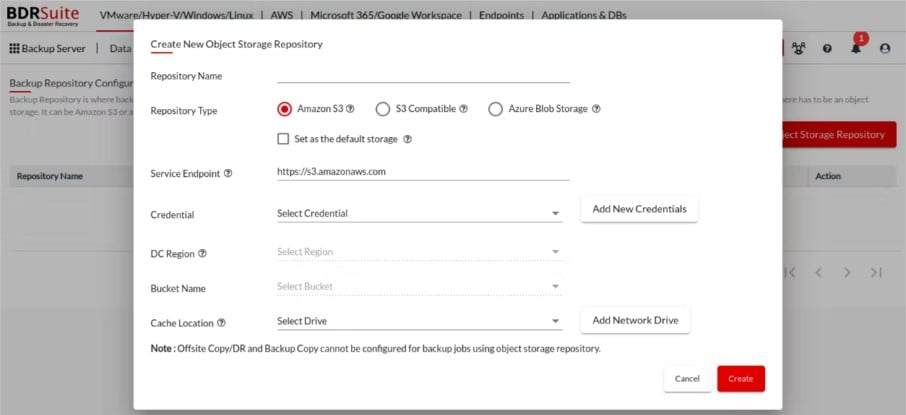
BDRSuite está diseñado específicamente para ofrecer soluciones de respaldo y recuperación ante desastres dentro de entornos virtuales. Al centralizar el almacenamiento de respaldos y hacer que sea accesible vía web, el software permite un acceso y gestión sencillos, alineándose con las necesidades de las empresas que dependen de infraestructuras virtuales.
Por qué elegí BDRSuite: Elegí BDRSuite después de evaluar múltiples soluciones de respaldo adaptadas a entornos virtuales. Lo que distinguió a BDRSuite fue su comprensión intrínseca de los desafíos virtuales y su habilidad para abordarlos.
En mi opinión, su compromiso de ofrecer soluciones fiables en entornos virtuales lo convierte en la mejor opción para infraestructuras virtuales.
Características destacadas e integraciones:
Una de las características más potentes de BDRSuite es su capacidad para programar respaldos, garantizando la protección de datos sin necesidad de intervención manual. La interfaz web permite a los usuarios acceder y gestionar sus respaldos desde cualquier lugar.
Además, la gestión del almacenamiento de respaldos es minuciosa, ayudando a las empresas a optimizar el espacio y los recursos. En cuanto a integraciones, BDRSuite se conecta de forma eficiente con los principales proveedores de plataformas virtuales, facilitando flujos de trabajo más fluidos.
Pros and Cons
Pros:
- Interfaz web para una gestión de respaldos accesible.
- Opciones robustas de programación para respaldos automáticos.
- La gestión eficiente del almacenamiento de respaldos optimiza los recursos.
Cons:
- Los usuarios nuevos pueden enfrentar una curva de aprendizaje al comprender todas las funciones.
- El enfoque basado en la web puede generar dudas en quienes están acostumbrados a sistemas de respaldo tradicionales.
- La configuración inicial puede requerir una intervención más manual.


Veeam Backup & Replication es una solución integral de software de recuperación, orientada principalmente a las máquinas virtuales (VM). Gracias a su arquitectura única y sus potentes capacidades, proporciona una protección avanzada especialmente diseñada para entornos de VM.
Por qué elegí Veeam Backup & Replication: Elegí Veeam Backup & Replication tras comparar detenidamente con otros competidores del mercado. Lo que la hizo destacar fue su enfoque exclusivo en las VM, ofreciendo soluciones que muchas herramientas de copias de seguridad generales pueden pasar por alto.
Basado en estos atributos, creo firmemente que merece el título de 'mejor protección enfocada en VM'.
Características destacadas e integraciones:
Veeam es reconocido por sus rápidos tiempos de recuperación, lo que garantiza un tiempo de inactividad mínimo. Las funciones de retención permiten a las empresas gestionar sus copias de seguridad de manera eficaz, manteniendo el equilibrio entre la disponibilidad de datos y los costos de almacenamiento.
Veeam se ha integrado ampliamente con las principales plataformas SaaS, asegurando una cobertura integral más allá de solo las VM.
Pros and Cons
Pros:
- Soluciones de recuperación dedicadas para VM.
- Las capacidades avanzadas de retención garantizan una óptima gestión de los datos.
- Las integraciones amplias con SaaS refuerzan su utilidad.
Cons:
- El enfoque en VM puede dejar a los servidores físicos con una cobertura menos completa.
- Algunos MSPs han mencionado que su interfaz podría ser más intuitiva.
- La configuración inicial puede ser compleja para quienes son nuevos en soluciones de copias de seguridad centradas en VM.

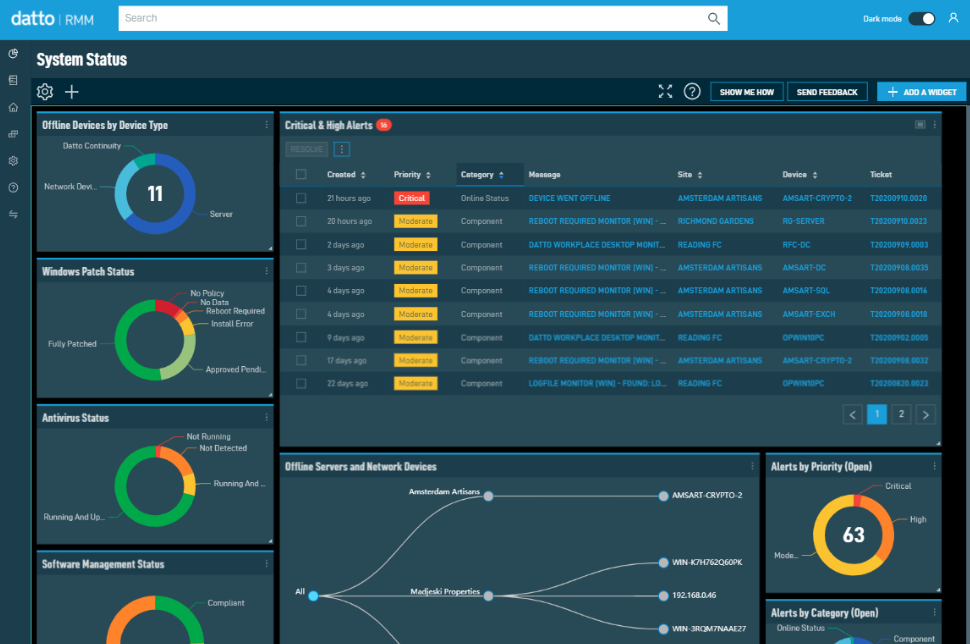
Datto se posiciona como una opción principal para las empresas que buscan asegurar un tiempo de inactividad mínimo y operaciones sin contratiempos. Su oferta principal se centra en una sólida planificación de continuidad del negocio, convirtiéndolo en un activo esencial para organizaciones que priorizan su resiliencia operativa por encima de todo.
Por qué elegí Datto: Entre la infinidad de herramientas disponibles, elegí Datto por su marcado énfasis en la continuidad del negocio. Mi decisión, formada tras una comparación diligente y sopesar opiniones, está basada en la clara dedicación de Datto a asegurar que las operaciones permanezcan sin interrupciones. Su apuesta por la planificación de la continuidad del negocio hizo que fuera una elección indiscutible como el “mejor para la planificación de la continuidad del negocio”.
Características destacadas e integraciones:
Datto ofrece un servicio de respaldo integral, completo con funciones de respaldo automático, opciones de respaldo diferencial y protección de endpoints. Su sistema está diseñado tanto para la recuperación rápida de datos como para la protección frente a posibles amenazas.
En cuanto a integraciones, Datto se integra bien con los principales sistemas operativos, soluciones en la nube y aplicaciones empresariales populares, asegurando un entorno integral de respaldo y recuperación.
Pros and Cons
Pros:
- Especializado en la planificación de la continuidad del negocio.
- Opciones versátiles de respaldo diferencial y automático.
- Protección robusta de endpoints.
Cons:
- Podría percibirse como complejo para pequeñas empresas.
- Requiere revisiones periódicas para una configuración óptima.
- Esto podría implicar costos adicionales por funciones premium.

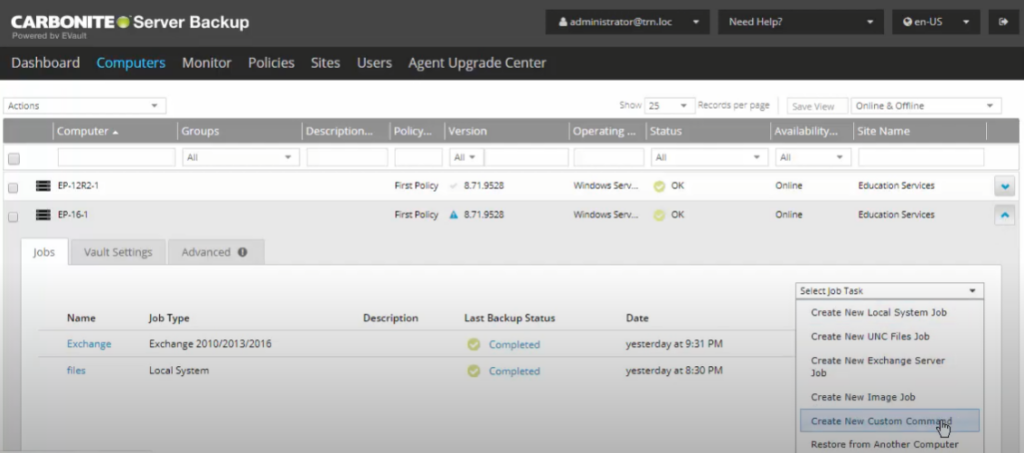
Carbonite Server Backup es una solución dedicada diseñada para proteger datos críticos, resguardándolos contra desastres imprevistos. Su destreza en la integración con la nube ofrece una ventaja doble, no solo asegurando los datos sino también garantizando que los procesos de respaldo sean ágiles, aprovechando la fortaleza del almacenamiento en la nube y la protección de datos fuera del sitio.
Por qué elegí Carbonite Server Backup: Al revisar innumerables opciones, Carbonite destacó principalmente por sus sólidas capacidades en la nube. No se trataba solo de la copia de seguridad; era la profundidad de integración con las plataformas en la nube, haciendo que la restauración de datos desde la nube fuera una tarea sencilla para servidores Windows.
Funciones destacadas e integraciones:
Carbonite sobresale en la copia de seguridad en tiempo real, ofreciendo tanto restauraciones completas del sistema como restauraciones granulares. Su recuperación Bare Metal garantiza que no haya interrupciones en el negocio. Las integraciones están orientadas a empresas modernas, con soporte para SQL, Exchange e incluso SharePoint, asegurando una protección integral para las empresas.
Pros and Cons
Pros:
- Respaldo en la nube completo, que asegura la seguridad fuera del sitio.
- Compatible con servidores Windows, cubriendo un amplio espectro de empresas.
- Soporte directo para bases de datos y plataformas principales.
Cons:
- La configuración inicial puede ser desafiante para principiantes.
- La velocidad de restauración puede variar.
- Opciones limitadas para sistemas que no son Windows.

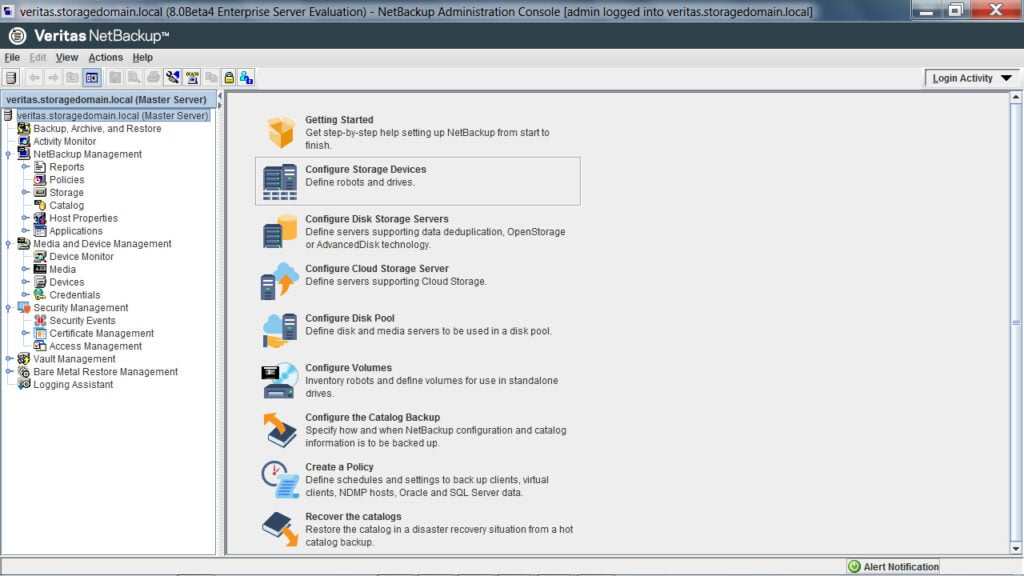
NetBackup es una solución integral que proporciona sólidas medidas de respaldo de datos diseñadas específicamente para empresas. Su protección a nivel empresarial garantiza que las organizaciones grandes puedan salvaguardar sus vastos conjuntos de datos sin inconvenientes, agilizando el proceso de copia de seguridad.
Por qué elegí NetBackup: En el proceso de selección de herramientas, comparé meticulosamente diversas soluciones y sus capacidades. NetBackup destacó por sus funciones y características orientadas especialmente a las empresas. Determiné que, dado su claro liderazgo en proporcionar características de respaldo de grado empresarial, merece con razón el título de 'Mejor en protección a nivel empresarial.'
Características e integraciones destacadas:
NetBackup ofrece copia de seguridad continua, asegurando que las empresas nunca pierdan información crítica. Además, las medidas antimalware integradas en el sistema proporcionan una doble capa de protección frente a posibles amenazas.
En cuanto a integraciones, NetBackup colabora con numerosos proveedores de nube y sistemas de almacenamiento, permitiendo un entorno de copia de seguridad flexible y eficiente.
Pros and Cons
Pros:
- El respaldo continuo garantiza la seguridad de los datos en todo momento.
- Potentes funciones antimalware que mejoran la protección.
- Gran variedad de integraciones con soluciones populares de almacenamiento y nube.
Cons:
- Puede ser una configuración compleja para organizaciones más pequeñas.
- Puede requerir personal de TI dedicado para un uso óptimo.
- La configuración inicial puede llevar tiempo.

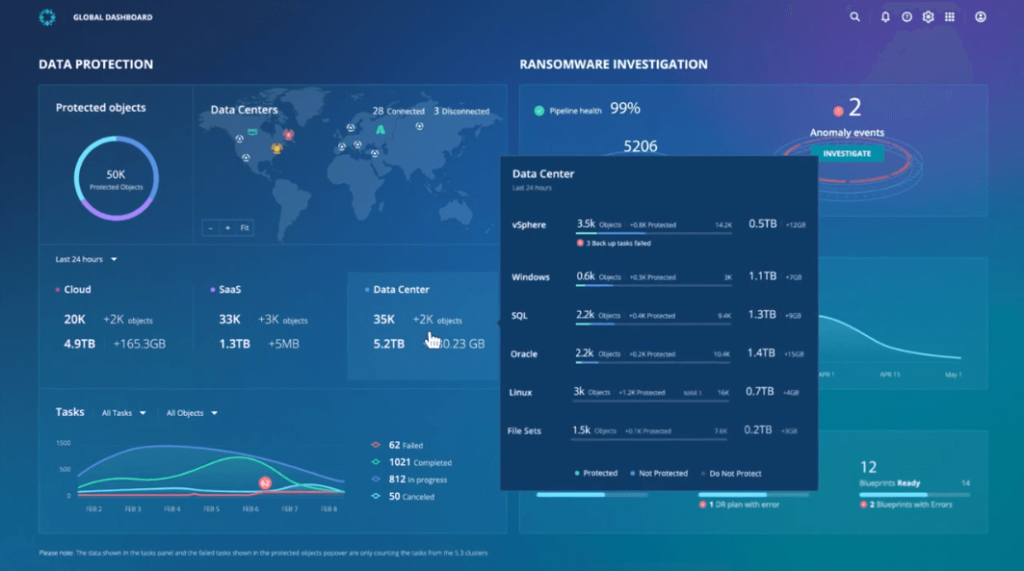
Rubrik ofrece una solución integral de copia de seguridad y recuperación diseñada para cargas de trabajo a nivel empresarial. Su rápida recuperación de datos es lo que los distingue, asegurando que los archivos de respaldo esenciales sean accesibles al instante cuando más se necesitan.
Por qué elegí Rubrik: En el vasto panorama de software de copias de seguridad, Rubrik emergió como una joya única. Determiné su valor basándome en su excepcional promesa de recuperación instantánea. Al comparar varias herramientas, me di cuenta de que el enfoque instantáneo de Rubrik no tenía igual, consolidando su posición como “mejor para recuperación instantánea de datos” en mi lista.
Características destacadas e integraciones:
Rubrik cuenta con características destacadas como la protección para sistemas operativos, máquinas virtuales y estaciones de trabajo. La plataforma garantiza que los archivos de respaldo siempre estén accesibles y seguros. En cuanto a integraciones, Rubrik se fusiona con AWS, Azure, Google Cloud y muchas aplicaciones empresariales, lo que la hace versátil y adaptable a varios entornos de negocios.
Pros and Cons
Pros:
- Recuperación de datos rápida incluso para grandes volúmenes.
- Amplio soporte para varios sistemas operativos y máquinas virtuales.
- Integraciones versátiles con las principales plataformas en la nube.
Cons:
- La interfaz puede ser abrumadora para nuevos usuarios.
- Puede ser excesivo para empresas muy pequeñas.
- La configuración inicial requiere conocimientos técnicos.


Commvault ofrece una solución integral para la copia de seguridad, recuperación y gestión de datos. Al garantizar estrategias de protección de datos personalizadas, Commvault brinda a sus usuarios un grado incomparable de flexibilidad en la gestión de sus activos de datos.
Por qué elegí Commvault: Al determinar la herramienta ideal, Commvault destacó por su énfasis en ofrecer opciones flexibles de gestión de datos. Comparado con otras soluciones, su adaptabilidad para abordar diversas necesidades de respaldo y recuperación fue evidente. Por ello, en mi valoración, merece legítimamente el título de 'mejor en flexibilidad de gestión de datos'.
Funciones destacadas e integraciones:
La función de copia de seguridad de imágenes de Commvault es invaluable, permitiendo a los usuarios capturar copias de seguridad basadas en imágenes y agilizar así la recuperación de datos. El compromiso de la herramienta con la ciberseguridad asegura que los datos no solo estén respaldados, sino también protegidos contra amenazas. La integración con macOS proporciona a los usuarios de Mac una solución de copia de seguridad fiable y eficiente adaptada a su sistema operativo.
Pros and Cons
Pros:
- La copia de seguridad basada en imágenes ofrece una protección de datos exhaustiva.
- Fuerte énfasis en las medidas de ciberseguridad.
- La integración dedicada para macOS garantiza copias de seguridad optimizadas para usuarios de Apple.
Cons:
- La curva de aprendizaje puede ser pronunciada para quienes se inician.
- El proceso de configuración puede ser complicado para quienes no están familiarizados con soluciones avanzadas de respaldo.
- Algunos usuarios pueden encontrar la interfaz menos intuitiva en comparación con otras plataformas.
Otro Software de Respaldo de Servidores
A continuación tienes una lista de software de respaldo de servidores adicional que preseleccioné, pero que no llegaron a los 12 principales. Sin duda vale la pena revisarlos.
- NinjaOne
Ideal para paneles intuitivos
- Unitrends
La mejor para inteligencia de recuperación adaptativa
- Acronis Cyber Backup
Bueno para una protección cibernética integral


Cómo evalúo el software de backup para servidores
Evalúo las herramientas de backup de servidores en dos capas: criterios base que toda herramienta debe cumplir—como la restauración bare-metal y almacenamiento inmutable—y diferenciadores que destacan a las mejores opciones.
Funcionalidad básica (requisitos imprescindibles para esta lista)
Cuando selecciono herramientas para mi lista, califico cada una en una escala de 0 (no ofrece la funcionalidad) a 5 (destaca en esta área) para cada funcionalidad básica listada abajo. Luego, calculo la puntuación total de la herramienta en porcentaje. Cada herramienta debe alcanzar una puntuación total mínima del 75% para considerarse para inclusión.
- Copia de seguridad completa de imagen del servidor: Verifico si la herramienta captura imágenes completas bare-metal en servidores físicos, máquinas virtuales y cargas de trabajo en la nube, incluyendo sistemas operativos, datos de aplicaciones y estado del sistema.
- Programación automática y copias incrementales: Aquí importa disponer de políticas de backup flexibles, incluyendo soporte para copias incrementales, diferenciales y completas sintéticas, con reglas de retención configurables.
- Recuperación ante desastres y restauración: Evalúo el alcance de las opciones de recuperación, desde restauraciones granulares a nivel de archivos hasta arranque instantáneo de VM y restauración completa bare-metal a hardware diferente.
- Soporte para almacenamiento en múltiples destinos: Una herramienta debe permitir distribución de backups en disco local, NAS/SAN, cinta y al menos un proveedor cloud importante como AWS S3, Azure Blob o Google Cloud Storage.
- Encriptación y protección contra ransomware: Busco cifrado AES-256 en tránsito y en reposo, además de capacidades de backup inmutable o aislado que mantengan los puntos de restauración a salvo de manipulaciones.
- Consola de gestión centralizada: Gestionar docenas de servidores requiere una "única ventana" para la configuración de tareas, monitoreo, alertas e informes en todas las cargas de trabajo protegidas.
Una vez tengo una lista de herramientas que cumplen estos criterios, considero qué diferencia a cada plataforma.
Factores diferenciadores (lo que distingue a los proveedores)
Así es como comparo y contrasto a los diferentes proveedores:
Características destacadas
La protección continua de datos es un diferenciador importante—las herramientas que replican cambios a nivel de bloque en casi tiempo real pueden reducir tu RPO a casi cero, fundamental cuando incluso una hora de datos de transacciones perdidos es inaceptable. También evalúo la movilidad de cargas de trabajo entre plataformas, ya que restaurar un backup de VMware en Hyper-V o levantar un servidor físico caído como VM en la nube puede salvar tu recuperación durante una crisis de hardware. Las pruebas de recuperación en entorno aislado complementan esto permitiendo verificar restauraciones en un ambiente aislado sin afectar la producción.
Más allá de las funcionalidades
La estructura de licenciamiento importa mucho aquí: el cobro por socket puede inflar costes en entornos VM densos, mientras que modelos por TB o suscripción pueden ajustarse mejor a infraestructuras en expansión. También evalúo el nivel de integración, específicamente si la herramienta se conecta a tu pila existente de SIEM, monitoreo y automatización mediante APIs o conectores nativos para herramientas como Ansible o ServiceNow. La alineación con normas de cumplimiento es otra consideración clave; reviso la existencia de registros de auditoría incorporados, soporte para almacenamiento WORM y certificaciones relevantes para tus obligaciones regulatorias como HIPAA, SOC 2 o GDPR.
Cómo Elegir Software de Respaldo de Servidores
Es fácil perderse entre largas listas de funciones y estructuras de precios complejas. Para ayudarte a mantener la concentración durante tu proceso de selección de software, aquí tienes una lista de factores a tener en cuenta:
| Factor | Qué Considerar |
|---|---|
| Escalabilidad | ¿Qué tan bien puede el software crecer junto a tu negocio? Considera el crecimiento futuro de los datos y la capacidad del software para manejar una carga incrementada sin problemas de rendimiento. |
| Integraciones | ¿Se integra con los sistemas existentes? Busca compatibilidad con tu pila actual de software para evitar interrupciones en los flujos de trabajo. |
| Personalización | ¿Puedes adaptar el software a tus necesidades? Considera opciones para ajustar configuraciones y funciones según tus procesos. |
| Facilidad de uso | ¿La interfaz es intuitiva? Asegúrate de que el software sea fácil de usar para minimizar el tiempo de formación e incrementar la adopción por parte de tu equipo. |
| Implementación y puesta en marcha | ¿Cuánto tiempo llevará empezar a utilizarlo? Evalúa la complejidad de la configuración y los recursos necesarios para una transición fluida. |
| Costo | ¿Encaja en tu presupuesto? Compara modelos de precios y considera el costo total de propiedad, incluyendo tarifas ocultas o compromisos a largo plazo. |
| Salvaguardas de seguridad | ¿Cómo protege tus datos? Busca estándares de cifrado, controles de acceso y cumplimiento de los protocolos de seguridad del sector. |
| Disponibilidad de soporte | ¿Hay ayuda disponible cuando la necesites? Revisa si hay opciones de soporte 24/7 y tiempos de respuesta para asegurarte de recibir asistencia rápidamente. |
¿Qué es un software de copia de seguridad de servidores?
El software de copia de seguridad de servidores es una herramienta especializada diseñada para capturar y almacenar copias de los datos presentes en los servidores, garantizando la protección y recuperación de la información en casos de eliminaciones accidentales, fallos de hardware o amenazas cibernéticas. Normalmente utilizado por empresas, profesionales de TI y organizaciones con importantes activos de datos, permite una restauración rápida de información vital, protegiendo las operaciones ante posibles interrupciones y facilitando la recuperación ante desastres. Las organizaciones que dependen en gran medida de aplicaciones en la nube también deberían considerar un software de copia de seguridad para SaaS especializado para proteger sus datos de software como servicio.
Características
Al elegir un software de copia de seguridad para servidores, presta atención a las siguientes características clave:
- Cifrado de datos: Protege la información sensible cifrándola durante la transferencia y el almacenamiento, asegurando la seguridad de los datos.
- Copias de seguridad incrementales: Guarda únicamente los cambios desde la última copia de seguridad, reduciendo el uso de almacenamiento y acelerando el proceso.
- Programación automatizada: Permite establecer intervalos regulares de copia de seguridad, minimizando el riesgo de pérdida de datos sin necesidad de intervención manual.
- Recuperación ante desastres: Asegura la restauración rápida de datos en caso de fallos de hardware o corrupción de información, manteniendo la continuidad del negocio.
- Gestión centralizada: Ofrece una única interfaz para administrar múltiples copias de seguridad, simplificando la supervisión y el control.
- Alertas en tiempo real: Notifica sobre el estado de las copias de seguridad y posibles incidencias, permitiendo actuar con rapidez para resolver problemas.
- Soporte híbrido en la nube: Ofrece la flexibilidad de almacenar copias tanto localmente como en la nube, adaptándose a diversas necesidades empresariales.
- Informes de cumplimiento: Genera informes que ayudan a cumplir requisitos regulatorios, asegurando que la gestión de los datos se alinee con los estándares del sector.
- Versionado de archivos: Permite acceder a versiones anteriores de archivos, facilitando la recuperación de datos y la corrección de errores.
- Protección contra ransomware: Detecta y previene ataques de ransomware, protegiendo tus datos frente a amenazas maliciosas.
Beneficios
Implementar un software de copia de seguridad para servidores aporta varios beneficios a tu equipo y a tu empresa. Aquí tienes algunos a los que puedes aspirar:
- Protección de datos: Resguarda la información de la empresa contra la pérdida mediante copias de seguridad automáticas y cifrado, asegurando la integridad de los datos.
- Continuidad operativa: Reduce el tiempo de inactividad con funciones de recuperación rápida y ante desastres, manteniendo tu empresa funcionando sin problemas.
- Eficiencia de recursos: Ahorra espacio de almacenamiento y tiempo gracias a las copias incrementales, optimizando el uso de recursos.
- Cumplimiento normativo: Ayuda a cumplir con las regulaciones del sector mediante funciones de informes de cumplimiento, reduciendo el riesgo de problemas legales.
- Mitigación de amenazas: Protege frente a ataques de ransomware con funciones de detección y prevención integradas, manteniendo tus datos seguros.
- Gestión simplificada: Facilita la supervisión mediante la gestión centralizada y alertas en tiempo real, haciendo más sencillo el control de los procesos de copia de seguridad.
- Corrección de errores: Permite recuperar versiones anteriores de archivos gracias al versionado, facilitando la corrección de errores y la restauración de datos.
Costos y Precios
Seleccionar un software de copia de seguridad para servidores requiere comprender los distintos modelos de precios y planes disponibles. Los costes varían según las características, el tamaño del equipo, los complementos y más. La siguiente tabla resume los planes más comunes, sus precios promedio y las características típicas que incluyen las soluciones de software de copia de seguridad de servidores:
Tabla comparativa de planes de software de copia de seguridad para servidores
| Tipo de Plan | Precio Promedio | Características Comunes |
|---|---|---|
| Plan gratuito | $0 | Capacidades básicas de copia de seguridad, almacenamiento limitado y cifrado. |
| Plan personal | $5-$25/usuario/mes | Copias automáticas, versionado de archivos y soporte básico. |
| Plan empresarial | $30-$75/usuario/mes | Copias incrementales, recuperación ante desastres y gestión centralizada. |
| Plan para grandes empresas | $100-$200/usuario/mes | Funciones avanzadas de seguridad, informes de cumplimiento y soporte premium 24/7. |
Preguntas frecuentes sobre software de copia de seguridad de servidores
Aquí tienes respuestas a algunas preguntas comunes sobre el software de copia de seguridad de servidores:
¿El software de copia de seguridad de servidores puede realizar recuperación bare-metal?
Sí, algunas soluciones de copia de seguridad para servidores ofrecen recuperación bare-metal, lo que permite restaurar todo el sistema desde cero en caso de un fallo. Esta función es útil para volver a poner en línea rápidamente tus servidores sin tener que reinstalar el sistema operativo y las aplicaciones por separado.
¿Cómo funciona la deduplicación en el software de copia de seguridad de servidores?
La deduplicación minimiza el uso del almacenamiento al eliminar copias duplicadas de datos. Cuando realizas una copia de seguridad, el software identifica y elimina duplicados, almacenando solo bloques de datos únicos. Este proceso reduce la cantidad de almacenamiento necesario, ahorrando costes y mejorando el rendimiento del respaldo.
¿Qué tan segura está mi información durante la copia de seguridad?
La seguridad de los datos durante la copia de seguridad es crucial. La mayoría de los programas de copia de seguridad de servidores cifran los datos tanto en tránsito como en reposo. Asegúrate de que el software cumpla con protocolos de cifrado estándar en la industria para proteger la información sensible de accesos no autorizados durante el proceso de respaldo.
¿Puedo hacer copias de seguridad de varios servidores simultáneamente?
Sí, muchas soluciones de copia de seguridad de servidores permiten realizar copias de seguridad simultáneas de varios servidores. Esta capacidad ayuda a agilizar el proceso de respaldo en tu organización, ahorrando tiempo y asegurando que todos los datos críticos estén protegidos sin intervención manual.
¿Qué sucede si mi servidor pierde la conexión durante una copia de seguridad?
Si tu servidor pierde la conexión durante una copia de seguridad, la mayoría de los programas pausarán el proceso y lo reanudarán cuando se restablezca la conexión. Esta característica garantiza que las copias de seguridad se completen sin corrupción de datos, manteniendo la integridad de tus archivos respaldados.
¿Qué sigue?
Si te encuentras investigando software de copia de seguridad para servidores, contacta gratis con un asesor de SoftwareSelect para recibir recomendaciones.
Solo tienes que completar un formulario y tendrás una breve conversación donde analizarán tus necesidades específicas. Después, recibirás una lista corta de programas para revisar. Incluso te apoyarán durante todo el proceso de compra, incluyendo la negociación de precios.