
Die 10 besten Zendesk-Alternativen im Test 2026

Auswahl der besten Zendesk-Alternativen


Zendesk ist eine äußerst beliebte Plattform für den Kundensupport, aber möglicherweise nicht für jedes Unternehmen die perfekte Lösung. Ganz gleich, ob Sie nach einer budgetfreundlicheren Option, bestimmten Funktionen suchen, die Zendesk nicht bietet, oder eine einfachere Benutzeroberfläche bevorzugen – es gibt zahlreiche Alternativen, die eine Überlegung wert sind.
In diesem Testbericht stellen wir einige der besten Zendesk-Alternativen vor und vergleichen ihre wichtigsten Funktionen, Preise und einzigartigen Vorteile, damit Sie die passende Lösung für Ihre Anforderungen an den Kundensupport finden.
Was ist Zendesk?
Zendesk ist eine Kundendienstsoftware, die Unternehmen dabei unterstützt, Kundenanfragen über mehrere Kanäle effizient zu verwalten und zu beantworten. Sie zentralisiert die Ticketverwaltung, sodass Supportteams Probleme schnell verfolgen, priorisieren und lösen können.
Durch die Unterstützung von E-Mail-, Chat-, Telefon- und Social-Media-Interaktionen gewährleistet Zendesk eine nahtlose Kommunikation, um den unterschiedlichen Anforderungen der Kunden gerecht zu werden.
Warum Sie unseren Software-Empfehlungen vertrauen können
Unser Team testet und bewertet Software seit 2012. Als Tech-Führungskräfte wissen wir selbst, wie schwierig – und wichtig – es ist, die richtige Software auszuwählen.
Für diesen Leitfaden haben wir Tools mithilfe von praktischen Tests und unabhängiger Recherche bewertet und dabei unsere Bewertungskriterien angewendet.
Unsere Bewertungen spiegeln unser menschliches redaktionelles Urteilsvermögen wider, keine Verkaufsstrategie.
Expertenprüfer:
Vergleichstabelle der Zendesk-Alternativen
Diese Vergleichstabelle fasst die Preisinformationen meiner Auswahl der besten Zendesk-Alternativen zusammen:
| Tool | Best For | Trial Info | Price | ||
|---|---|---|---|---|---|
| 1 | Am besten für die einheitliche Verwaltung von Kundenerlebnissen geeignet | Kostenlose Demo verfügbar | Ab $15/Benutzer/Monat (jährlich abgerechnet) | Website | |
| 2 | Am besten für zentralen IT-Helpdesk & Asset-Management | 14-tägige kostenlose Testversion verfügbar | Ab $19/Nutzer/Monat (jährliche Abrechnung) | Website | |
| 3 | Am besten geeignet für KI-gestützte Ticketweiterleitung | 14 Tage kostenlos testen | Ab $39/Agent/Monat | Website | |
| 4 | Am besten geeignet für Omnichannel-Support | 14-tägige kostenlose Testversion verfügbar | Ab $19/Nutzer/Monat (jährliche Abrechnung) | Website | |
| 5 | Am besten für die KI-gestützte Einrichtung einer Wissensdatenbank | 14-tägige kostenlose Testversion + kostenloser Tarif + kostenlose Demo | Ab 16 $/Benutzer/Monat (jährlich abgerechnet) | Website | |
| 6 | Am besten geeignet zur Verwaltung von Support-Kanälen direkt aus dem Gmail-Posteingang | Kostenloser Tarif verfügbar | Ab $25/Nutzer/Monat (jährlich abgerechnet) | Website | |
| 7 | Am besten für kontextuellen KI-Chatbot-Support | Kostenlose Testphase + kostenloser Plan verfügbar | Ab $24,17/Monat (jährlich abgerechnet) | Website | |
| 8 | Am besten für die Integration mit Microsoft Teams | 21-tägige kostenlose Testphase + kostenloser Plan + kostenlose Demo verfügbar | Ab $12/Agent/Monat (jährliche Abrechnung) | Website | |
| 9 | Am besten geeignet für sofortigen Live-Chat-Support auf allen Plattformen | 14-tägige kostenlose Testversion | Ab $24/Agent/Monat (jährlich abgerechnet) | Website | |
| 10 | Am besten geeignet für führende Kundeninteraktionen | Kostenloser Plan + kostenlose Testphase verfügbar | Ab $45/Monat | Website |


Testberichte zu den besten Zendesk-Alternativen
Hier finden Sie meine detaillierten Analysen jeder Zendesk-Alternative, einschließlich ihrer Vor- und Nachteile, wichtigsten Funktionen und besten Einsatzmöglichkeiten, damit Sie eine fundierte Entscheidung treffen können.
Nextiva
Am besten für die einheitliche Verwaltung von Kundenerlebnissen geeignet
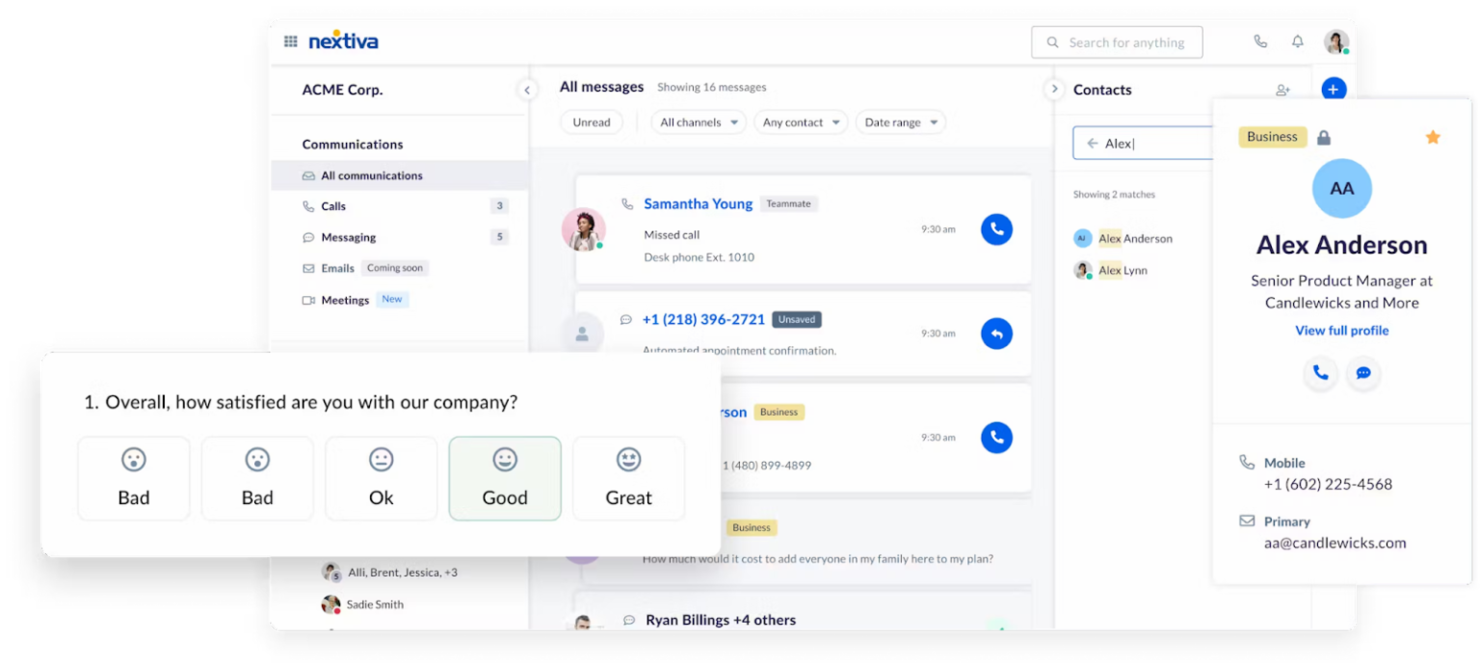
Nextiva ist eine einheitliche Plattform zur Verwaltung von Kundenerlebnissen, die alle Interaktionen zentralisiert und eine fortschrittliche Suite von Tools zur Verwaltung von Kundenerlebnissen über mehrere Kanäle hinweg bietet.
Warum es eine gute Zendesk-Alternative ist: Nextiva bietet leistungsstarke Funktionen zur Vereinheitlichung von Kundeninteraktionen über mehrere Kanäle hinweg und ist daher eine praktikable Alternative zu Zendesk. Die KI-gestützten Funktionen und fortschrittlichen Analysen liefern tiefe Einblicke in das Kundenverhalten und verbessern das gesamte Kundenerlebnis.
Herausragende Funktionen & Integrationen:
Zu den Funktionen gehören KI-gestützte Kontaktzentren, Echtzeitanalysen und intelligentes Routing, die das Management und die Personalisierung von Kundeninteraktionen verbessern.
Zu den Integrationen gehören Salesforce, HubSpot, Microsoft Teams, Google Workspace, Slack, Zendesk, Zoho CRM, QuickBooks, Outlook und Mailchimp.
Pros and Cons
Pros:
- Umfassende KI- und Analysefunktionen
- Eine einheitliche Plattform für alle Kundeninteraktionen
- Anpassbare Anrufabläufe
Cons:
- Gelegentliche Verzögerungen der Benutzeroberfläche
- Komplexe Einrichtung für kleinere Unternehmen

Am besten für zentralen IT-Helpdesk & Asset-Management
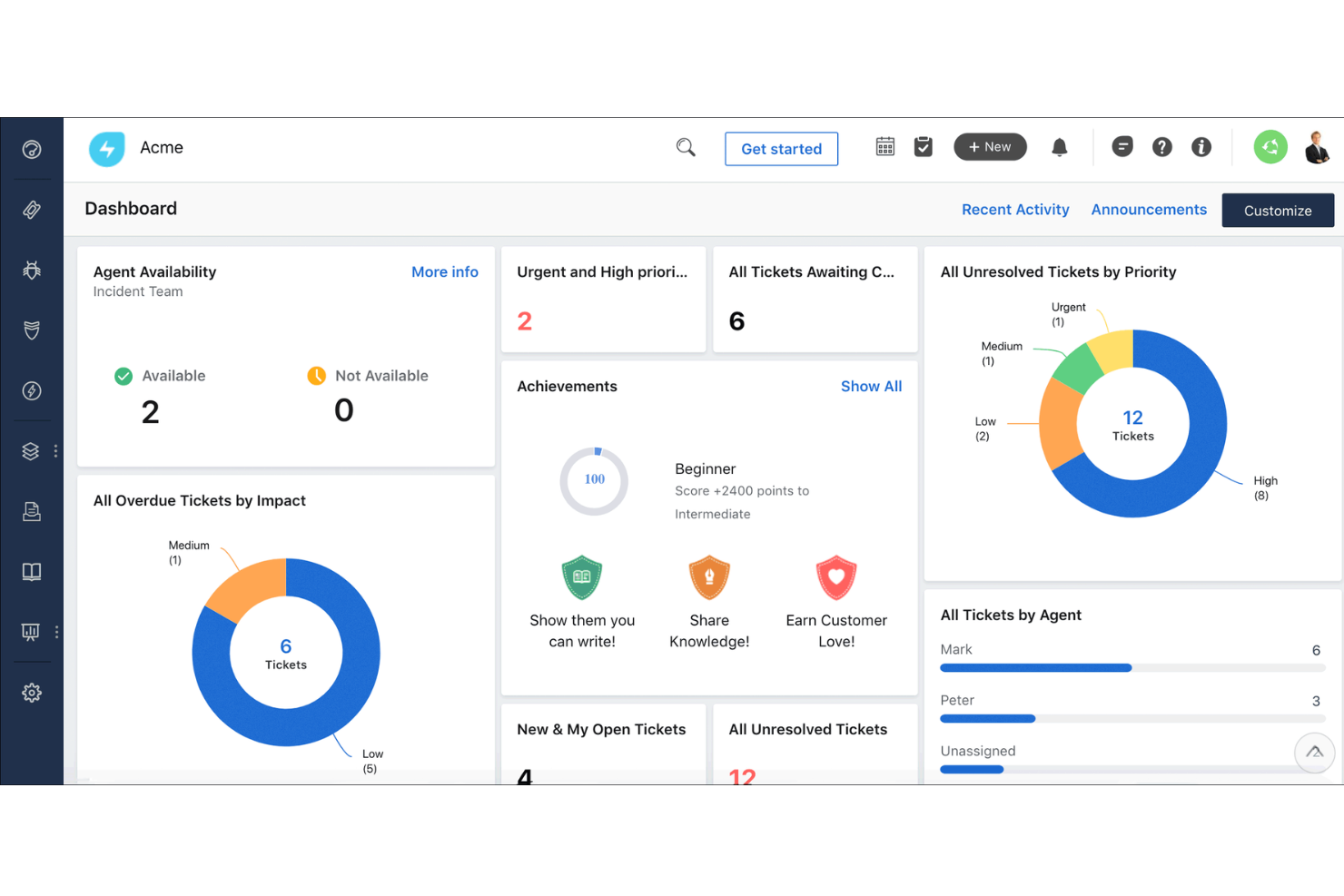
Freshservice bietet Ihrem IT- oder internen Serviceteam eine strukturierte Möglichkeit, eingehende Anfragen und Support-Arbeiten zu verwalten – deutlich organisierter als allgemeine Support-Plattformen wie Zendesk, insbesondere wenn Sie Aufgabenautomatisierung, Vorfall- und Änderungsverfolgung sowie Asset-Transparenz an einem Ort benötigen. Es wurde für Teams entwickelt, die mehr als nur einfache Ticketbearbeitung wollen und Servicemanagement nach etablierten IT-Praktiken anstreben, um Dienstleistungsarbeit abteilungsübergreifend mit dem Wachstum der Ansprüche besser zu organisieren, zu automatisieren und zu analysieren.
Warum ich Freshservice ausgewählt habe
Ich habe Freshservice als Alternative zu Zendesk gewählt, weil es das grundlegende Vorgangs-Tracking mit der Tiefe des IT-Service-Managements verbindet – ideal, wenn Sie mehr als nur Ticketbearbeitung benötigen. Die an ITIL ausgerichteten Abläufe für Vorfälle, Probleme und Änderungen helfen Ihrem Team, Standards einzuhalten, wenn das Servicevolumen steigt.
Eingebaute Automatisierungs- und SLA-Richtlinien reduzieren manuelle Ticketbearbeitung und sorgen für einheitliche Erwartungshaltungen im Team. Organisationen, die Tickets mit Assets und strukturierten Serviceprozessen verknüpfen müssen (und nicht nur Kundenanfragen beantworten), profitieren besonders – diese Merkmale machen Freshservice zu einer starken Zendesk-Alternative.
Hauptfunktionen von Freshservice
Zusätzlich zu den oben genannten ITSM-Prozessen und der Serviceautomatisierung bietet Freshservice weitere Funktionen, die es als Alternative zu Zendesk sehr interessant machen:
- Asset Management: Überwachen Sie Hardware-, Software- und Cloud-Assets mitsamt ihrem Lebenszyklus in einer Konfigurationsmanagementdatenbank.
- Self-Service-Portal: Ermöglichen Sie Nutzern, über ein Portal eigene Tickets zu eröffnen, Wissensdatenbankartikel zu durchsuchen und Dienste anzufordern – ganz ohne Eingreifen eines Agenten.
- Anpassbarer Servicekatalog: Teams können eigene Services mit klaren Anforderungsformularen und Abwicklungslogik definieren, wodurch Routineaufgaben beschleunigt werden.
- Analysen und Berichte: Erstellen Sie individuelle Dashboards und Reportings, um Service-Leistungen nachzuverfolgen und Trends zu erkennen.
Freshservice-Integrationen
Integrationen umfassen Microsoft Teams, Slack, Jira, SecPod, Azure AD, TeamViewer, Dropbox, Google Workspace, ServiceNow und Trello.
Pros and Cons
Pros:
- Starke, an ITIL ausgerichtete Workflows für strukturierte Servicebereitstellung.
- Integrierte Ticket- und Assetverwaltung verbessert den Kontext.
- Self-Service-Portal reduziert manuelle Anfragen.
Cons:
- Die mobile App bietet manchen Nutzern zu wenig Funktionen.
- Asset-Management kann bei Wachstum teuer werden.
New Product Updates from Freshservice
 Experience)
Freshservice Introduces a Reimagined IT Asset Management (ITAM) Experience
Freshservice introduces a reimagined IT Asset Management (ITAM) experience with continuous infrastructure discovery, dependency mapping, IPAM, and Software License Management. This update helps teams improve asset visibility and manage connected IT environments more effectively. For more information, visit Freshservice’s official site.
eDesk
Am besten geeignet für KI-gestützte Ticketweiterleitung
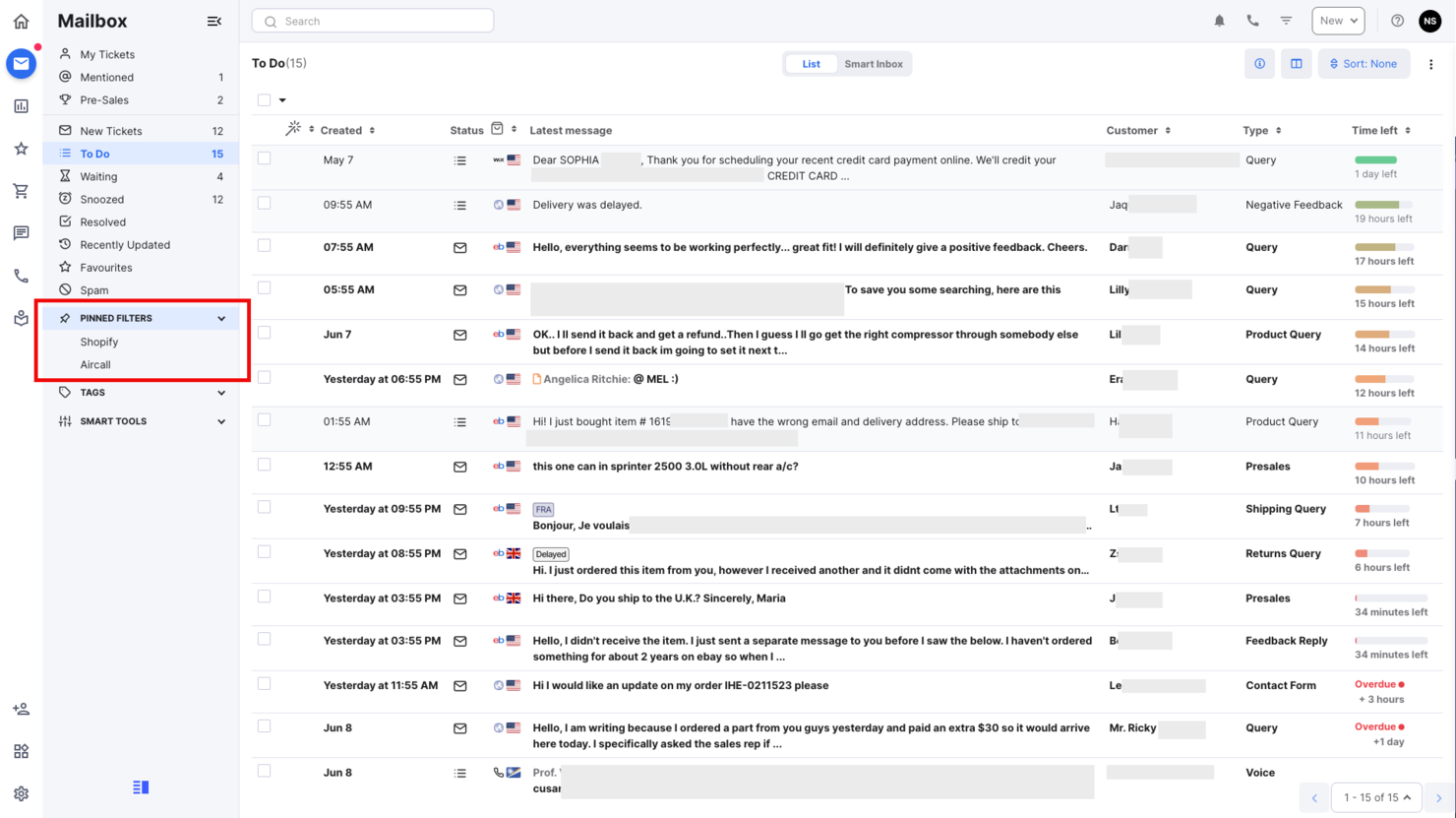
eDesk ist eine KI-gestützte Kundenservice-Plattform, die für E-Commerce-Unternehmen entwickelt wurde. Sie zentralisiert Kundenanfragen, Bestelldetails und Produktinformationen, um durch schnelle und präzise Antworten die Kundentreue zu stärken.
Warum ich eDesk ausgewählt habe: Ich habe eDesk als starke Zendesk-Alternative ausgewählt, weil es über KI-gestützte Funktionen wie intelligente Ticketweiterleitung und automatisierte Antworten verfügt. Diese Möglichkeiten sorgen dafür, dass Ihr Team Kundenanfragen schnell bearbeiten kann, was die Gesamtzufriedenheit der Kunden erhöht. Darüber hinaus bietet der KI-Chatbot der Plattform rund um die Uhr Echtzeit-Support und ist damit eine zuverlässige Option für Unternehmen, die einen 24/7-Service benötigen.
Ein weiterer Grund, warum eDesk besonders hervorzuheben ist, ist die Smart Inbox. Diese ermöglicht schnellere Reaktionszeiten durch effektive Organisation und Priorisierung von Nachrichten. Gerade bei hohem Anfrageaufkommen ist diese Funktion unerlässlich, damit Ihr Team nicht überfordert wird. Mit Werkzeugen zur Messung von Supportmetriken und zum Management von Kundenfeedback liefert eDesk zudem wertvolle Erkenntnisse, um Ihren Kundenservice kontinuierlich zu verbessern.
Hervorstechende Funktionen & Integrationen:
Funktionen umfassen eine Wissensdatenbank, die die Anzahl an Anfragen reduziert, indem Kunden Selbstbedienungsoptionen zur Verfügung stehen. eDesk bietet außerdem Tools zur Messung von Supportmetriken, mit denen Sie die Leistung Ihres Teams verfolgen und Verbesserungspotenziale identifizieren können. Auch das Management von Kundenfeedback ist möglich, sodass Sie die Bedürfnisse und Erwartungen Ihrer Kunden erfüllen und so langfristige Loyalität aufbauen.
Integrationen sind vorhanden mit Shopify, Amazon, eBay, Magento, Walmart, WooCommerce, Mirakl, Brightpearl, Klaviyo, ChannelAdvisor und ShipStation.
Pros and Cons
Pros:
- Einfache Einrichtung mit ausreichenden Text-/Videoanleitungen und Webinaren zur Unterstützung neuer Anwender.
- App-Store-Integrationen sind einfach und intuitiv, was das Nutzererlebnis verbessert.
- Schneller Zugriff auf Kunden- und Bestellinformationen spart Zeit bei der Bearbeitung von Anfragen.
Cons:
- Begrenzte Automatisierungsfunktionen, was mehr manuelle Eingriffe erfordern kann.
- Nutzer berichten, dass der Spam-Filter nicht effektiv arbeitet.
New Product Updates from eDesk
eDesk Adds Galeria and Kaufland Support in Spain and Netherlands
eDesk adds support for Galeria, Kaufland Spain, and Kaufland Netherlands marketplaces. These integrations bring more European buyer messages into eDesk with routing, templates, AI insights, and automated translation. For more information, visit eDesk’s official site.
 .
.
Am besten geeignet für Omnichannel-Support
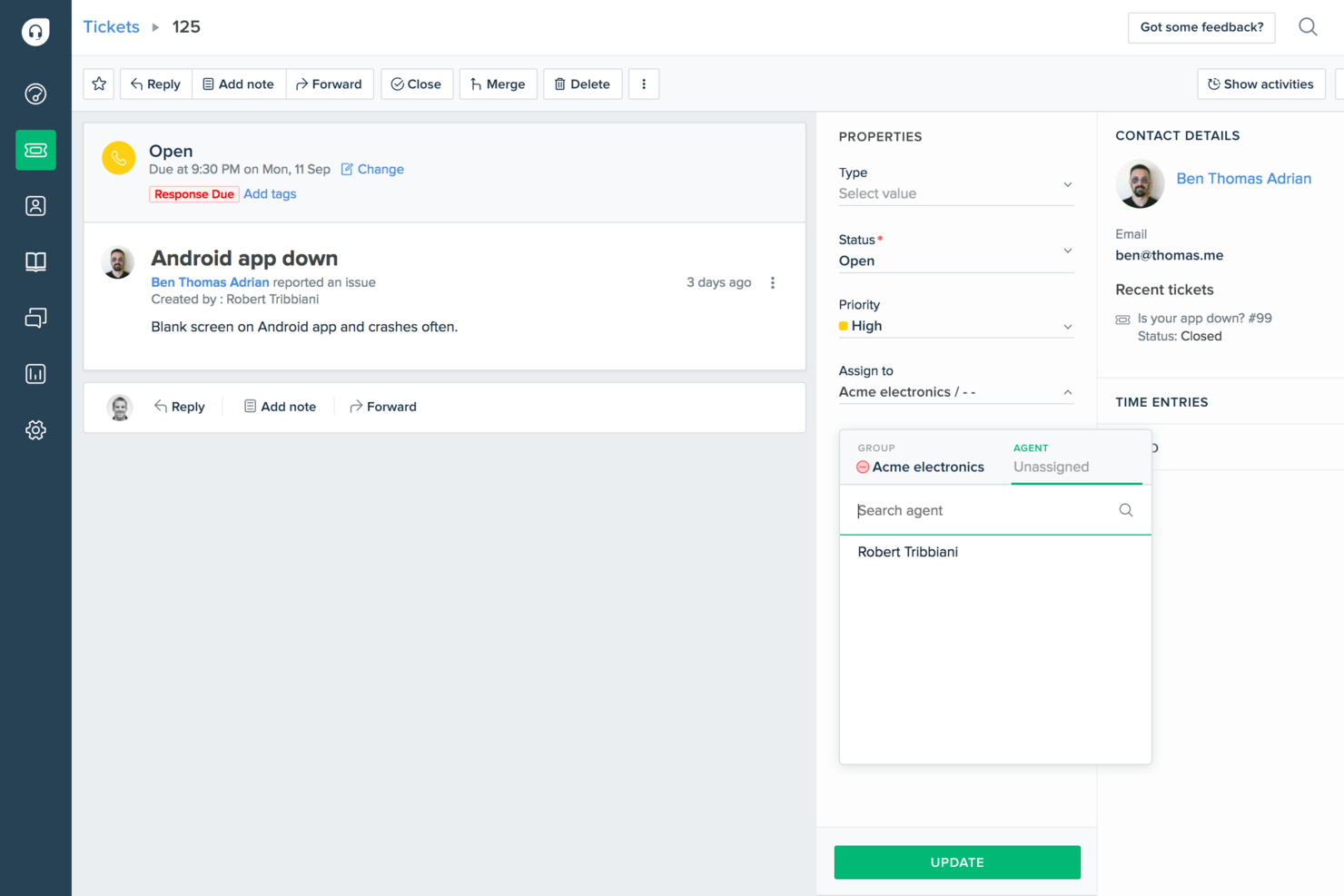
Freshdesk ist eine KI-gestützte Kundenservice-Plattform, die für Teams entwickelt wurde, die Enterprise-Funktionalität ohne die Komplexität oder die Kosten von Zendesk suchen. Sie vereint Ticketing, Automatisierung und Omnichannel-Support in einem einzigen Arbeitsbereich und erleichtert so technischen Führungskräften die effiziente Skalierung ihrer Support-Operationen. Für CTOs und Support-Manager liegt der Fokus von Freshdesk darauf, manuelle Arbeit zu reduzieren und gleichzeitig die Übersicht über alle Kundeninteraktionen zu bewahren.
Warum ich Freshdesk gewählt habe
Ich habe mich für Freshdesk entschieden, weil es praxisnahe KI-Tools bietet, die die Effizienz des Supports steigern, ohne dass Arbeitsabläufe komplett umgestellt werden müssen. Freddy AI kann wiederkehrende Tickets automatisieren, Einblicke liefern und Agents in Echtzeit unterstützen, wodurch Ihr Team sich auf anspruchsvollere Themen konzentrieren kann. Außerdem gefällt mir, wie Freshdesk Konversationen über verschiedene Kanäle hinweg zentralisiert und damit einen klareren Überblick bietet als viele Zendesk-Setups mit zahlreichen Add-ons. Für CTOs, die nach Alternativen zu Zendesk suchen, bietet Freshdesk starke Automatisierung bei niedrigerer Einstiegshürde.
Wichtige Funktionen von Freshdesk
Neben den herausragenden KI-Fähigkeiten bietet Freshdesk mehrere weitere wertvolle Funktionen:
- Omnichannel-Support: Diese Funktion ermöglicht es, Kundeninteraktionen über verschiedene Kanäle wie E-Mail, Chat, Telefon und soziale Medien von einer einzigen Oberfläche aus zu steuern.
- Zentralisierte Kommandozentrale: Sie können Support-Operationen in Echtzeit überwachen, was die Ressourcenverteilung und Leistungsüberwachung vereinfacht.
- Fortschrittliches Ticketing: Das System automatisiert die Priorisierung und Weiterleitung von Tickets, sodass Anfragen schnell und effizient bearbeitet werden.
- Anpassbare Workflows: Prozesse können auf die Bedürfnisse Ihres Teams zugeschnitten werden, wodurch die Produktivität steigt und ein konsistenter Kundenservice gewährleistet bleibt.
Freshdesk-Integrationen
Freshdesk lässt sich unter anderem mit Slack, Microsoft Teams, Shopify, Playvox, Salesforce, Jira, Google Workspace, Microsoft 365, QuickBooks und Mailchimp integrieren.
Pros and Cons
Pros:
- Leistungsstarke KI-gestützte Ticketautomatisierung
- Omnichannel-Support in einem Arbeitsbereich
- Flexible Workflows und SLA-Steuerung
Cons:
- KI-Funktionen erfordern höhere Tarifstufen
- Komplexe Oberfläche für neue Nutzer
New Product Updates from Freshdesk

Freshdesk Adds Voice AI Agents in Freshcaller
Freshdesk introduces Voice AI Agents available through Freshcaller Marketplace apps to handle routine calls and reduce queues. This feature enables automated call handling with real-time, conversational support. For more information, visit Freshdesk's official site.

Am besten für die KI-gestützte Einrichtung einer Wissensdatenbank
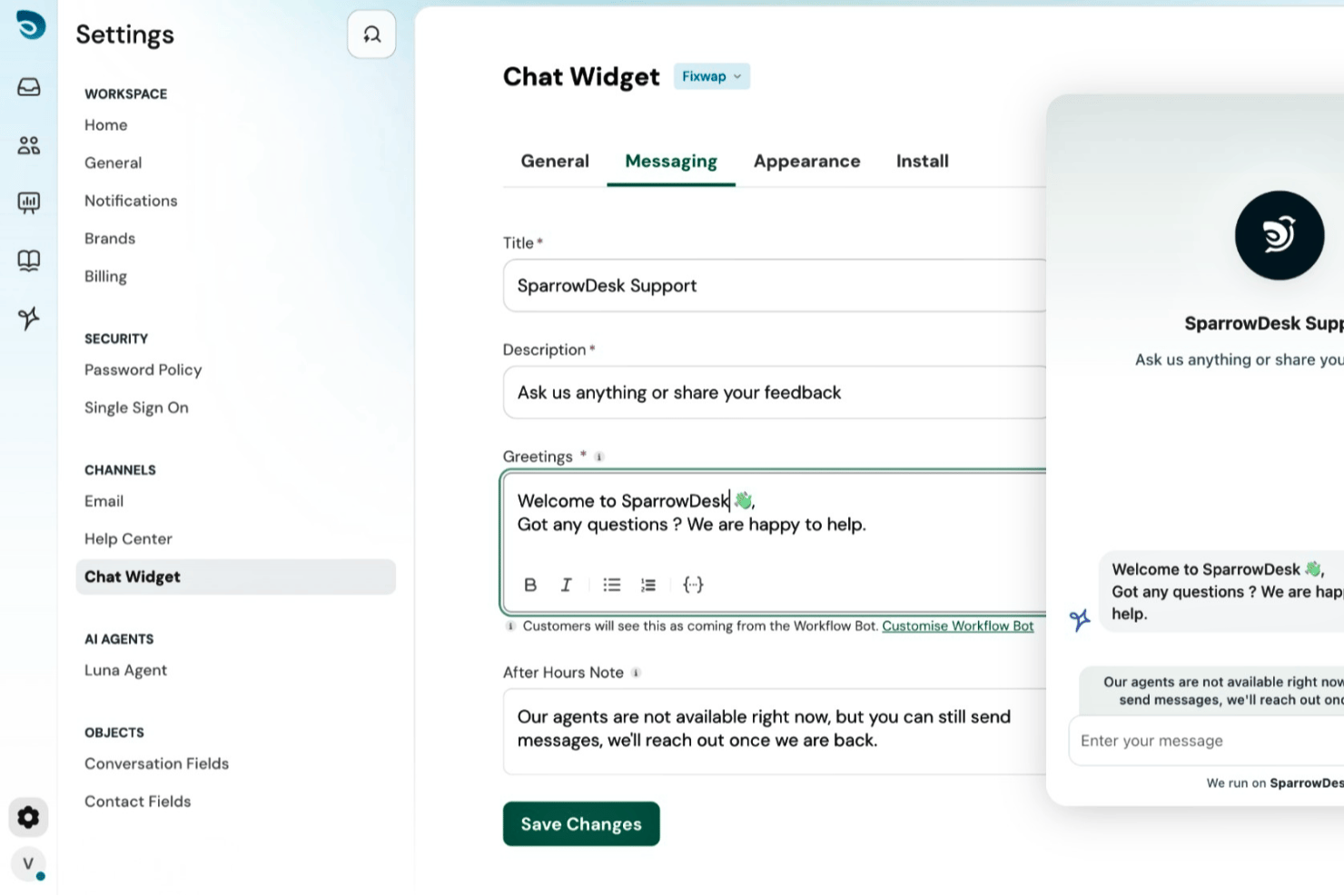
SparrowDesk ist eine KI-zentrierte Kundensupport-Plattform für Teams, die die Bearbeitung von Supportanfragen automatisieren möchten – nicht nur deren Vorsortierung – und dabei einen autonomen KI-Agenten, einen Omnichannel-Posteingang und ein integriertes Hilfezentrum in einem Tool kombiniert.
Für wen ist SparrowDesk am besten geeignet?
SparrowDesk eignet sich für Start-ups und kleine und mittlere Unternehmen mit einem hohen Anfrageaufkommen, die möchten, dass die KI Routineanfragen bearbeitet, bevor sie überhaupt einen menschlichen Agenten erreichen.
Warum SparrowDesk eine gute Zendesk-Alternative ist
Ich habe SparrowDesk aufgrund der Geschwindigkeit ausgewählt, mit der Zoona, der KI-Agent, sich in Ihr Produkt einarbeitet. Sie trainieren ihn, indem Sie auf Ihre vorhandenen Dokumente, PDFs und früheren Gespräche verweisen, und er beginnt, Supportanfragen selbstständig zu lösen – ganz ohne Skripterstellung. Ich schätze, dass dieselbe Wissensdatenbank, die Zoona trainiert, auch ein markenbezogenes, durchsuchbares Hilfezentrum bereitstellt, das Ihre Kunden direkt nutzen können.
Die wichtigsten Funktionen von SparrowDesk
- Omnichannel-Posteingang: Verwalten Sie Kundenkommunikation per E-Mail, Live-Chat und WhatsApp in einer übersichtlichen Oberfläche.
- KI-Copilot für Agenten: Erhalten Sie direkt in Ihrem Helpdesk-Workflow sofortige Zusammenfassungen von Supportanfragen und Antwortvorschläge.
- SLA-Verwaltung: Legen Sie individuelle Service-Level-Vereinbarungen mit proaktiven Benachrichtigungen bei drohenden Verstößen fest, damit Teams verantwortlich bleiben.
- Anpassbare Ansichten für Supportanfragen: Organisieren, filtern und priorisieren Sie Supportanfragen mithilfe dynamischer Regeln und teambasierter Ansichten.
SparrowDesk-Integrationen
SparrowDesk bietet native Integrationen mit Shopify, HubSpot, Linear, Slack, Salesforce und WhatsApp. Für benutzerdefinierte Integrationen ist eine API verfügbar.
Pros and Cons
Pros:
- Zoona-KI löst Supportanfragen ohne menschliches Eingreifen
- Die Wissensdatenbank dient gleichzeitig als Trainingsdatenquelle für die KI
- Der integrierte KI-Copilot beschleunigt die Antworten der Agenten
Cons:
- Kleinere Integrationsbibliothek
- Begrenzte Tiefe der Berichterstattung für Unternehmensteams
Hiver
Am besten geeignet zur Verwaltung von Support-Kanälen direkt aus dem Gmail-Posteingang
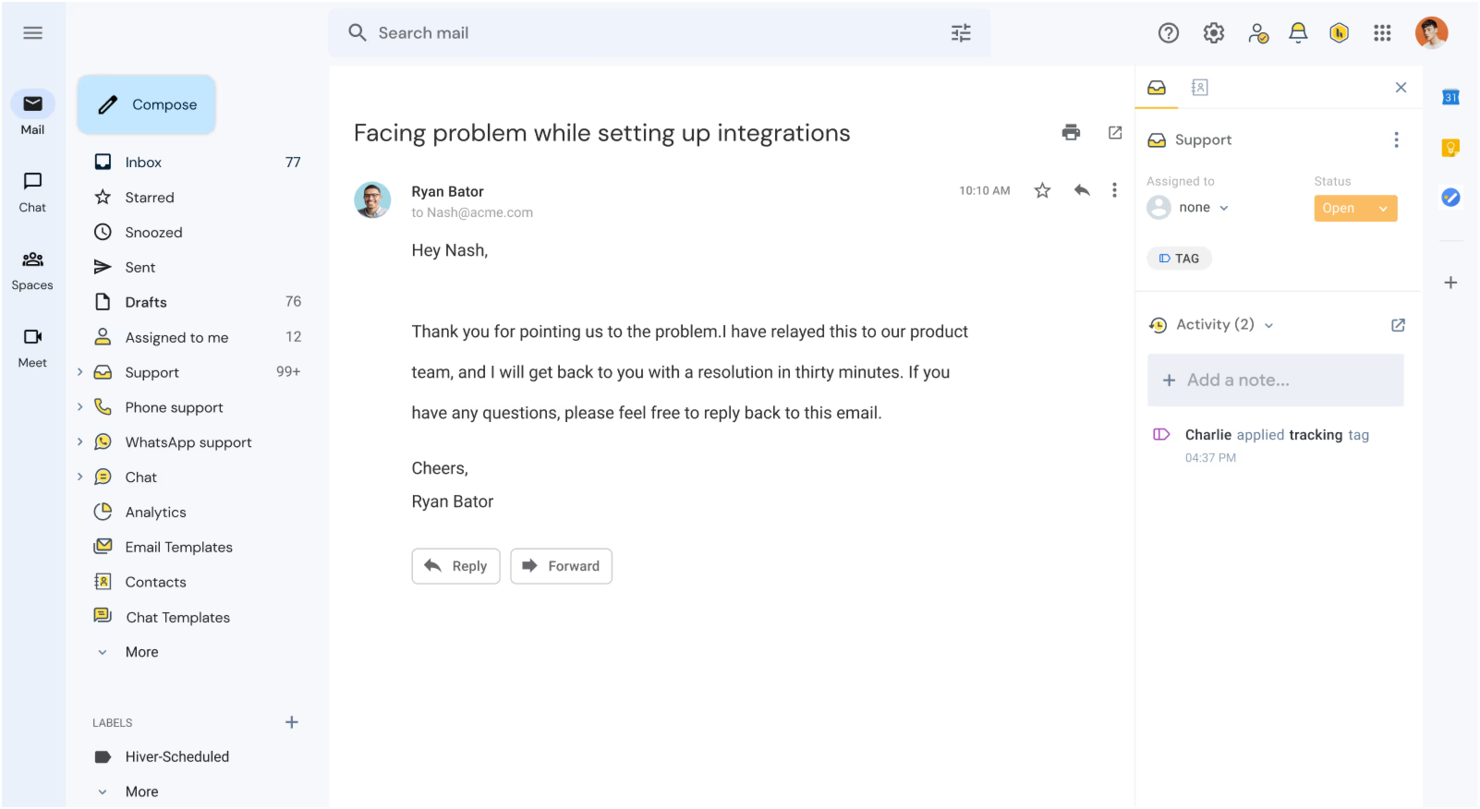
Hiver integriert sich direkt in Gmail, um Kundensupport-Teams zu verwalten, und eignet sich ideal für die Bearbeitung von Anfragen innerhalb der Google Workspace-Umgebung, ohne die Plattform wechseln zu müssen.
Warum es eine gute Zendesk-Alternative ist: Hiver vereinfacht das E-Mail-Management, indem es sich direkt in Gmail integriert, sodass kein separates Helpdesk-System benötigt wird. Das macht es zu einer starken Alternative zu Zendesk für Teams, die bereits Google Workspace nutzen, da die Einarbeitungszeit verkürzt wird und Arbeitsabläufe optimiert werden.
Hervorstechende Funktionen & Integrationen:
Funktionen umfassen Multi-Channel-Support, E-Mail-Management, Workflow-Automatisierung und Analysen. Teams können so direkt in der Gmail-Oberfläche zusammenarbeiten, wiederkehrende Aufgaben automatisieren und die Performance überwachen.
Integrationen umfassen Slack, WhatsApp, Aircall, Asana, Salesforce, QuickBooks, Jira, Zapier, Okta und Google Workspace.
Pros and Cons
Pros:
- Direkte Integration in Gmail
- Einfach zu bedienen mit minimalem Einrichtungsaufwand
- Umfassende E-Mail-Management-Funktionen
Cons:
- Beschränkt auf Google Workspace-Nutzer
- Begrenzte Anpassungsmöglichkeiten im Vergleich zu manchen Wettbewerbern
New Product Updates from Hiver

Hiver Brings Chat Widget Support to Mobile Apps
Hiver now lets you embed the Hiver Chat Widget in iOS, Android, React Native, and Flutter apps so customers can start chats without leaving your app. For more information, visit Hiver's official site.

Tidio
Am besten für kontextuellen KI-Chatbot-Support
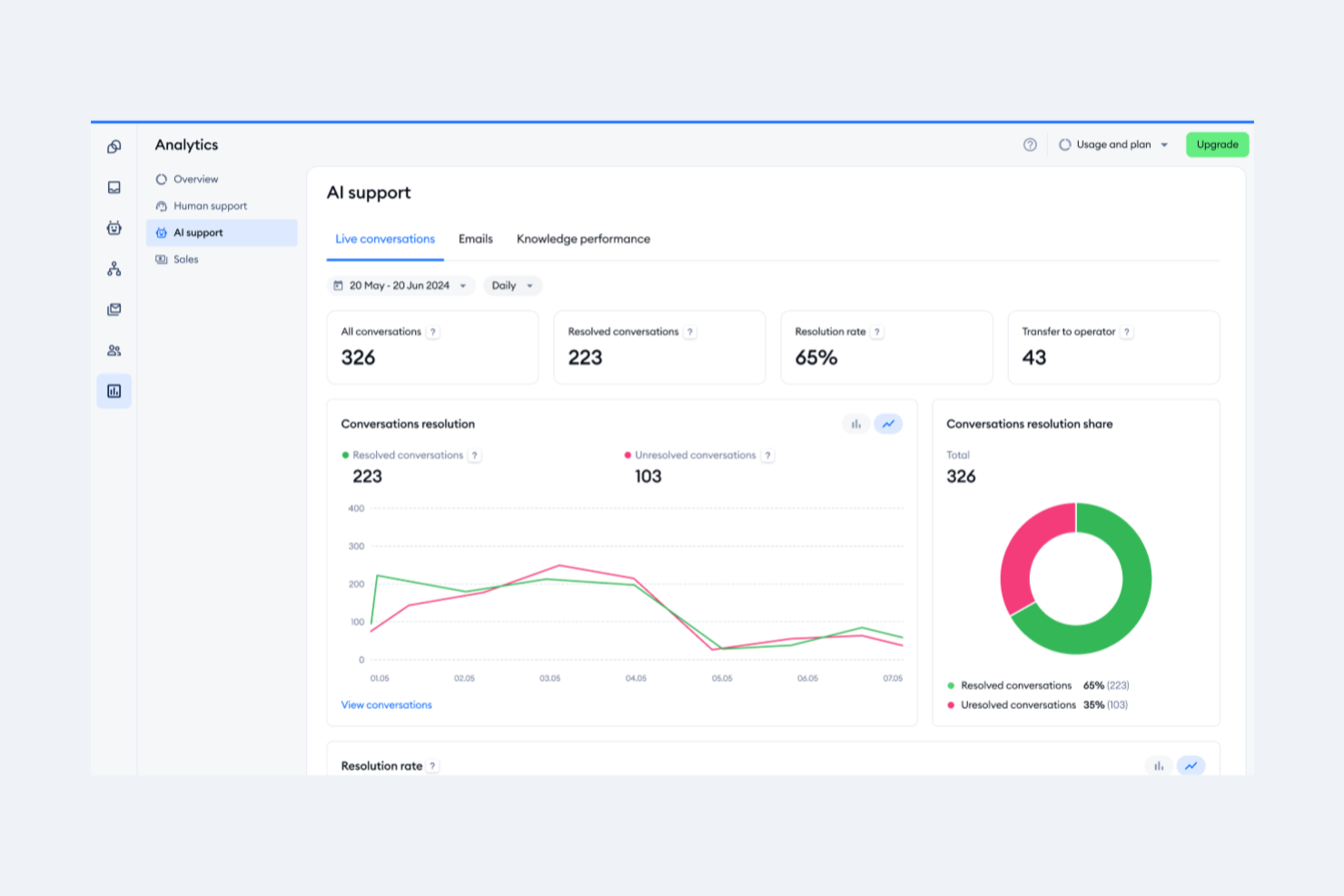
Tidio ist eine Kundenservice-Plattform, die Live-Chat, KI-Automatisierung und Helpdesk-Tools kombiniert, um Unternehmen dabei zu unterstützen, Kundengespräche über mehrere Kanäle hinweg zu verwalten.
Warum es eine gute Zendesk-Alternative ist: Der Lyro KI-Agent von Tidio ist ein zentrales Merkmal, das ihn zu einer starken Alternative zu Zendesk macht. Lyro nutzt Ihre bestehenden Support-Inhalte, um Kundenfragen im Live-Chat, per E-Mail und in Messenger-Apps wie WhatsApp und Instagram zu beantworten. Lyro versteht außerdem Zusammenhänge, stellt klärende Rückfragen und unterstützt mehrere Sprachen, was ihn zu einem vielseitigen Tool für den Kundenservice macht.
Hervorstechende Funktionen & Integrationen:
Funktionen umfassen ein zentrales Ticketsystem, Live-Tipp-Vorschau, automatische Chat-Zuweisung, Besucher-Tracking, Erfassung von Kontaktdaten, mehrsprachigen Chat-Support, Sammlung von Kundenfeedback sowie die Anzeige von Arbeitszeiten.
Integrationen umfassen Shopify, WordPress, Squarespace, WIX, Adobe Commerce, BigCommerce, WooCommerce, Google Analytics, Mailchimp, HubSpot und Zendesk.
Pros and Cons
Pros:
- Unterstützung mehrerer Kanäle, darunter Chats, E-Mails und soziale Medien
- Lyro KI übernimmt einen Großteil der Kundenanfragen
- Bietet Einblicke in Team-Performance und Kundenzufriedenheit
Cons:
- Viele Automatisierungsfunktionen nur in höheren Tarifstufen verfügbar
- Einschränkungen bei der Integration mit bestimmten Drittanbieter-Tools

Desk365
Am besten für die Integration mit Microsoft Teams
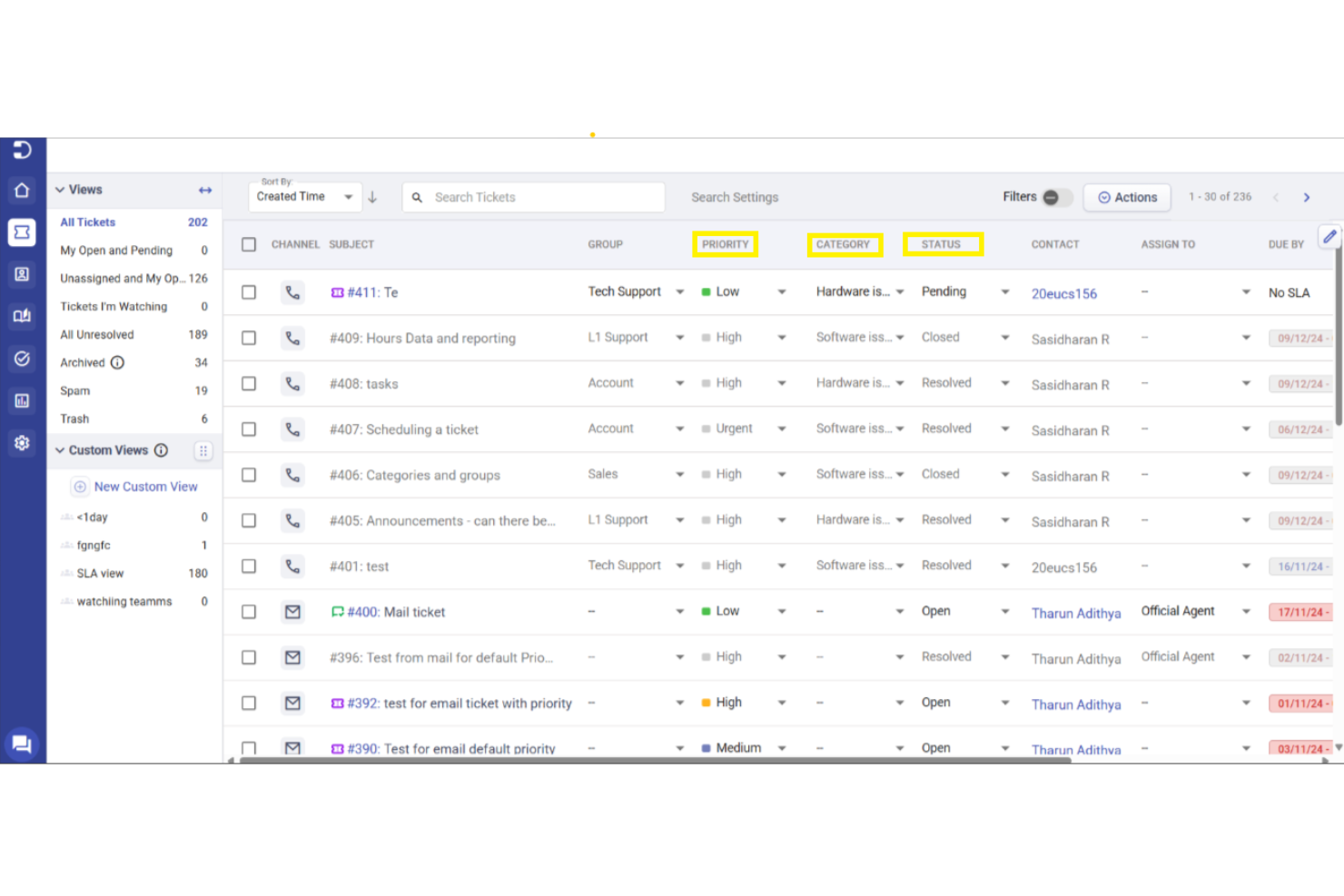
Für Unternehmen, die nach einer Alternative zu Zendesk suchen, präsentiert sich Desk365 als überzeugende Option mit KI-gestützter Helpdesk-Funktionalität. Desk365 ist für Organisationen jeder Größe geeignet und begegnet Support-Herausforderungen durch Automatisierung von Routinetätigkeiten, ein einheitliches Postfach für effizientes Ticketmanagement sowie individuell anpassbare Workflows zur Verbesserung der Kundeninteraktion.
Warum ich Desk365 gewählt habe
Ich habe mich für Desk365 entschieden, weil die einzigartige Integration mit Microsoft Teams es Ihrem Team ermöglicht, Supportanfragen direkt in einer vertrauten Plattform zu bearbeiten. Diese Funktion, kombiniert mit dem KI-basierten Ticket-System, sorgt dafür, dass Ihr Team wiederkehrende Aufgaben automatisieren und sich auf komplexere Kundenanliegen konzentrieren kann. Außerdem bündelt das zentrale Postfach von Desk365 alle Supportanfragen an einem Ort, optimiert so den Arbeitsablauf und stellt sicher, dass kein Ticket übersehen wird.
Desk365 Hauptfunktionen
Neben der herausragenden Microsoft Teams-Integration bietet Desk365 weitere wertvolle Funktionen:
- KI-Agent: Diese Funktion nutzt maschinelles Lernen zur Unterstützung bei der Erstellung von Antworten und beim effizienten Management von Tickets.
- Automatisierungen: Automatisieren Sie sich wiederholende Aufgaben und Arbeitsabläufe, um Zeit zu sparen und manuelle Fehler zu reduzieren.
- SLAs: Überwachen und verwalten Sie Service-Level-Agreements, damit Ihr Team Leistungsstandards einhält.
- Wissensdatenbank: Erstellen und verwalten Sie eine Informationssammlung für den Self-Service-Support.
Desk365 Integrationen
Zu den Integrationen gehören Microsoft Teams, Jira, Azure DevOps, Asana, MS Planner, Microsoft 365 Copilot, Power BI und API-Unterstützung für individuelle Integrationen.
Pros and Cons
Pros:
- Das zentrale Postfach bündelt Supportanfragen für eine einfache Verwaltung
- Das KI-gestützte Ticket-System automatisiert wiederkehrende Aufgaben
- Die Integration mit Microsoft Teams fördert die Zusammenarbeit
Cons:
- Eingeschränkte mobile Zugänglichkeit
- Mehrsprachige Optionen nicht eindeutig dokumentiert

HappyFox
Am besten geeignet für sofortigen Live-Chat-Support auf allen Plattformen
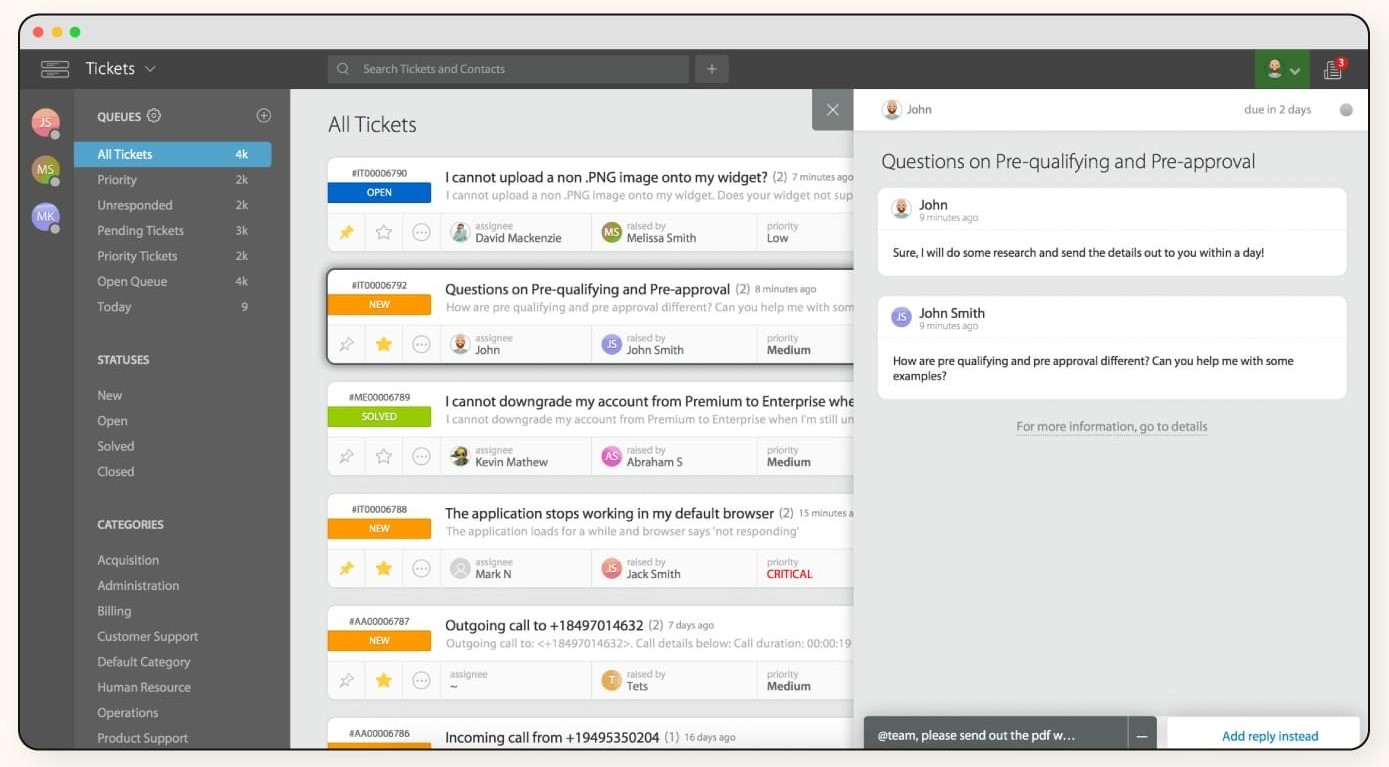
HappyFox ist eine fortschrittliche Helpdesk- und Kundensupport-Softwarelösung. Sie zeichnet sich durch sofortigen Live-Chat-Support auf mobilen Geräten, Desktop und Web-Plattformen für Omnichannel-Support aus.
Warum es eine gute Zendesk-Alternative ist: HappyFox ist bekannt für seine starken Live-Chat-Funktionen, die für Unternehmen mit Bedarf an Echtzeit-Kundeninteraktion wichtig sind. Die plattformübergreifende Unterstützung gewährleistet die Erreichbarkeit auf verschiedenen Geräten und bietet so eine vielseitige Alternative zu Zendesk. Zusätzlich punktet HappyFox mit exzellentem Kundensupport, sodass Unternehmen die Unterstützung erhalten, die sie benötigen, um das volle Potenzial der Plattform auszuschöpfen.
Herausragende Funktionen & Integrationen:
Funktionen umfassen ein leistungsstarkes Ticketsystem, KI-gestützten Support, durchgehende Prozessautomatisierung und sofortigen Live-Chat zur Steigerung der Kundenbindung und Effizienz im Support.
Integrationen umfassen Salesforce, Aircall, Microsoft Teams, Slack, Facebook, Jira, Okta, Azure, Asana und HubSpot.
Pros and Cons
Pros:
- Umfassendes Ticketsystem
- KI-gestützte Support-Funktionen
- Plattformübergreifender Live-Chat-Support
Cons:
- Höherer Einstiegspreis als bei einigen Wettbewerbern
- Begrenzte Anpassungsmöglichkeiten

Crisp
Am besten geeignet für führende Kundeninteraktionen
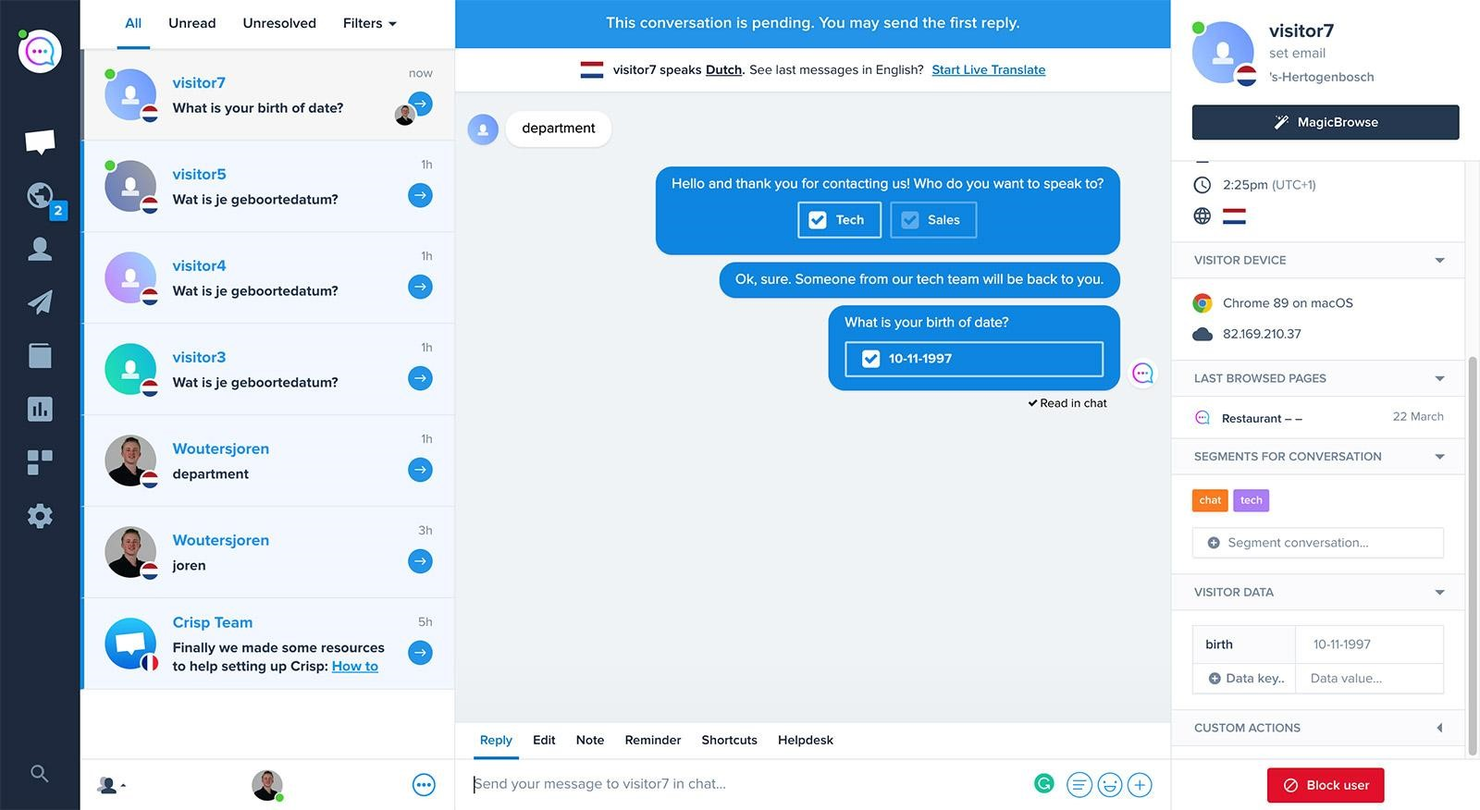
Crisp ist eine All-in-One-Business-Messaging-Plattform, die speziell für Start-ups entwickelt wurde, um Kundeninteraktionen effizient zu verwalten, indem sie Kommunikationskanäle an einem Ort bündelt.
Warum es eine gute Zendesk-Alternative ist: Crisp bietet eine fortschrittliche Suite von Tools, die besonders für Start-ups von Vorteil sind. Die All-in-One-Messaging-Plattform zeichnet sich dadurch aus, dass sie mehrere Kommunikationskanäle in einer einzigen Oberfläche integriert, was das Kundenbeziehungsmanagement vereinfacht. Darüber hinaus ermöglicht Crisp nahtlose Integrationen mit beliebten Tools und bietet ein persönlicheres Support-Erlebnis, wodurch es Teammitgliedern leichter fällt, effektiv mit ihren Kunden zu kommunizieren.
Hervorstechende Funktionen & Integrationen:
Funktionen umfassen ein gemeinsames Postfach, Chatbots, CRM sowie Co-Browsing-Funktionen, die es Unternehmen ermöglichen, Aufgaben zu automatisieren und ihren Kunden in Echtzeit Unterstützung zu bieten.
Integrationen umfassen Slack, WhatsApp, Instagram, Zapier, Aircall, Shopify, WordPress, Segment, Salesforce und Pipedrive.
Pros and Cons
Pros:
- Umfangreiches Funktionsangebot für Start-ups
- Einfache Integration mehrerer Kommunikationskanäle
- Preiswerte Lösung für kleine Teams
Cons:
- Begrenzte erweiterte Funktionen im Vergleich zu größeren Plattformen
- Einrichtung und Anpassung können etwas Zeit in Anspruch nehmen
Weitere Zendesk-Alternativen
Nachfolgend finden Sie eine Liste weiterer Zendesk-Alternativen, die ich in die engere Auswahl genommen habe. Obwohl sie es nicht unter die Top 10 geschafft haben, sind sie dennoch wertvoll und eine nähere Untersuchung wert.
- Kustomer
Am besten für zentralisierte Kundendaten
- Issuetrak
Am besten geeignet für unbegrenzt viele kostenlose Nutzer
- HubSpot Service Hub
Am besten für skalierbare Kundenservice-Tools
- ProProfs
Am besten geeignet für Schulungs- und Kundensupport-Tools
- Jira Service Management
Am besten geeignet für Service Management mit hoher Geschwindigkeit
- eGain
Am besten für Wissensmanagement geeignet
- ServiceNow Customer Service Management
Am besten geeignet für KI-gesteuerte, proaktive digitale Geschäftsabläufe
- Trengo
E Multichannel-Inbox
- SAAS First
Am besten geeignet für KI-gestützten Kundensupport
- LiveAgent
Am besten geeignet für hybride Ticket-Streams
- Help Scout
Am besten für kundenorientierten Support


Verwandte Software- und Tool-Testberichte
Wenn Sie hier noch nicht gefunden haben, wonach Sie suchen, sehen Sie sich diese anderen Arten von Tools an, die wir getestet und bewertet haben.
- Software zur Netzwerküberwachung
- Software zur Serverüberwachung
- SD-Wan-Lösungen
- Tools zur Infrastrukturüberwachung
- Paketanalysator
- Tools zur Anwendungsüberwachung
Wie ich Zendesk-Alternativen bewerte
Ich teile meine Bewertung in Kernfunktionen auf, die jede Zendesk-Alternative bieten muss – wie Multi-Channel-Ticketing und SLA-Automatisierung – und in die Differenzierungsmerkmale, die aus einer guten Alternative die richtige machen.
Kernfunktionen (Grundvoraussetzungen für diese Liste)
Wenn ich Werkzeuge für meine Liste auswähle, bewerte ich jedes auf einer Skala von 0 (bietet die Funktion nicht) bis 5 (hervorragend in diesem Bereich) für jede der unten aufgeführten Kernfunktionen. Anschließend berechne ich die Gesamtpunktzahl des Tools als Prozentsatz. Jedes Tool muss eine Mindest-Gesamtpunktzahl von 65 % erreichen, um für die Aufnahme berücksichtigt zu werden.
- Ticket-Management & Lebenszyklus-Tracking: Ich achte auf vollständige Unterstützung des Ticket-Lebenszyklus – Erstellung, Zuweisung, Threading, Status-Tracking und Verknüpfung –, sodass Agenten Szenarien wie die Eskalation eines Serverausfalls von einer einzelnen Alarmmeldung bis hin zur Nachbereitung nach einem Vorfall abwickeln können.
- Automatisierung & Workflow-Regeln: Jedes Tool sollte den Aufbau von Routing-Regeln, SLA-Auslösern und Eskalationswegen ermöglichen. Beispielsweise die automatische Zuweisung von Hochrisiko-Infrastruktur-Tickets an Bereitschaftsingenieure basierend auf Schichtplänen und Qualifikations-Tags.
- Wissensdatenbank & Self-Service-Portal: Ich bewerte, ob die Plattform eine durchsuchbare, sowohl für Agenten als auch Endnutzer ausgelegte Wissensdatenbank bietet. Teams, die häufige Anfragen wie Passwortzurücksetzung oder VPN-Einrichtung durch ein Self-Service-Portal abfedern, erzielen eine spürbare Ticket-Reduktion.
- Multi-Channel-Ticketerfassung: Ich prüfe, wie viele Kanäle in einen einheitlichen Agenten-Arbeitsbereich einfließen. Ein Service-Desk, der E-Mail, Chat, Webformulare und Slack-Nachrichten bündelt – wie es zum Beispiel Freshdesk und Jira Service Management machen –, verhindert das ständige Hin- und Herwechseln zwischen Plattformen.
- Reporting & SLA-Dashboards: Dashboards sollten Ticketvolumen-Trends, Arbeitslast der Agenten, SLA-Erfüllungsquoten und CSAT-Bewertungen abdecken. Ich achte auf die Möglichkeit, eigene Berichte zu erstellen, da IT-Leitende oft Auflösungsmetriken für Stakeholder in einem spezifischen Format präsentieren müssen.
- Integrationen & API-Zugang: Die Plattform sollte sich nativ mit Tools verbinden, die Ihr Team bereits nutzt, wie Jira, Slack, PagerDuty oder Überwachungssysteme. Eine gut dokumentierte REST-API ist ebenfalls wichtig, besonders wenn Ticketdaten in interne Dashboards überführt oder Workflows durch externe Ereignisse ausgelöst werden sollen.
Wenn ich eine Liste von Tools habe, die diese Kriterien erfüllen, widme ich mich den Faktoren, die jede Plattform einzigartig machen.
Differenzierungsmerkmale (Was Anbieter unterscheidet)
So vergleiche und kontrastiere ich verschiedene Anbieter:
Herausragende Funktionen
ITIL-konforme Workflows sind ein bedeutendes Unterscheidungsmerkmal für IT-Teams. Ich prüfe, ob eine Plattform Incident-, Problem- und Change-Management nativ unterstützt – nicht nur grundlegendes Ticketing mit benutzerdefinierten Labels. Auch KI-Fähigkeiten spielen eine Rolle. Tools, die Agenten-Assistenzfunktionen wie Ticket-Zusammenfassung oder vorgeschlagene Antworten bieten, können die Lösungszeiten bei Vorfällen mit hohem Volumen deutlich reduzieren. Zudem schaue ich, ob eine Plattform sowohl einen internen IT-Helpdesk als auch ein kundenorientiertes Portal aus nur einer Instanz heraus betreibt. Viele Technikteams unterstützen sowohl Mitarbeitende als auch externe Nutzer, und zwei getrennte Systeme verursachen unnötigen organisatorischen Aufwand.
Mehr als Funktionen
Sicherheits- und Compliance-Zertifizierungen haben hier großes Gewicht. Ich prüfe SOC 2 Typ II, ISO 27001 und SSO/SAML-Unterstützung als Mindeststandard – Teams in regulierten Branchen sollten zudem HIPAA- oder FedRAMP-Bereitschaft bestätigen. Migrationsunterstützung ist ein weiterer Aspekt, den ich sorgfältig bewerte. Der Umstieg von Zendesk bedeutet, dass jahrelange Ticket-Historie, Makros und Benutzerdaten bewahrt werden müssen; deshalb achte ich auf native Migrationstools oder dokumentierte Importpfade. Preistransparenz ist ebenso entscheidend, denn gerade das Add-on-Modell von Zendesk ist oft ein Auslöser dafür, dass sich Teams überhaupt nach Alternativen umsehen.
Warum nach einer Zendesk-Alternative suchen?
Obwohl Zendesk ein wertvolles Tool ist, passt es möglicherweise nicht zu Ihrem Team. Es gibt mehrere Gründe, warum Sie mit der Suche nach einer Zendesk-Alternative beginnen könnten, darunter:
- Kosten: Die Preise von Zendesk können recht hoch sein, insbesondere für kleine Unternehmen oder Start-ups mit begrenztem Budget. Daher suchen Sie möglicherweise nach einer kostengünstigeren Alternative, die dennoch leistungsstarke Funktionen für den Kundensupport bietet.
- Komplexität: Zendesk kann mit seinen umfangreichen Funktionen überwältigend sein, die möglicherweise nicht für alle Teams erforderlich sind. Wenn Ihr Team eine einfachere, intuitivere Plattform benötigt, könnte eine weniger komplexe Alternative besser geeignet sein.
- Anpassungsmöglichkeiten: Zendesk bietet zwar Anpassungsoptionen, diese reichen möglicherweise nicht für alle geschäftlichen Anforderungen aus. Wenn Sie mehr Flexibilität benötigen, um die Plattform an Ihre individuellen Prozesse anzupassen, suchen Sie möglicherweise nach einer besser anpassbaren Lösung.
- Integration: Zendesk lässt sich möglicherweise nicht nahtlos in einige der anderen Tools und Softwarelösungen integrieren, auf die Ihr Unternehmen angewiesen ist. Wenn eine reibungslosere Integration in Ihren bestehenden Arbeitsablauf unerlässlich ist, sollten Sie möglicherweise Alternativen mit besserer Kompatibilität in Betracht ziehen.
- Support: Einige Nutzer stellen fest, dass der Kundensupport von Zendesk gelegentlich langsam oder unpersönlich sein kann. Wenn Sie einen reaktionsschnelleren oder persönlicheren Support bevorzugen, sollten Sie möglicherweise andere Optionen mit einem höheren Maß an Kundenbetreuung prüfen.
Alternativen zu Zendesk können günstigere Preise, einfachere Benutzeroberflächen, umfangreichere Anpassungsmöglichkeiten, bessere Integrationsfunktionen und reaktionsschnelleren Support bieten und damit einige der Einschränkungen ausgleichen, die Sie bei Zendesk möglicherweise feststellen. Diese Alternativen können besser auf Ihre spezifischen Anforderungen und Präferenzen abgestimmt sein.
Wichtige Funktionen von Zendesk-Alternativen
Hier sind einige wichtige Funktionen von Zendesk, die Ihre alternative Software nachbilden oder verbessern können sollte, damit sie gut geeignet ist.
- Ticketsystem: Verwaltet Kundenanfragen, indem sie zur Optimierung des Supports in Tickets umgewandelt werden.
- Omnikanal-Support: Integriert E-Mail, soziale Medien, Telefon und Web-Widgets für nahtlose Kundeninteraktionen.
- Self-Service-Portal und/oder Wissensdatenbank: Ermöglicht es Kunden, mithilfe von Artikeln, Anleitungen und FAQs selbst Antworten zu finden.
- Live-Chat und Nachrichtenübermittlung: Bietet Chat-Support in Echtzeit und lässt sich zur einfachen Nutzung in SMS-Nachrichten-Apps wie Facebook Messenger und WhatsApp integrieren.
- Analysen und Berichte: Bietet Leistungs-Dashboards und Analysewerkzeuge, um die Kundenzufriedenheit und die Effizienz des Supports zu messen.
- Automatisierung und Arbeitsabläufe: Automatisiert die Erstellung und Weiterleitung von Tickets und unterstützt benutzerdefinierte Arbeitsabläufe zur Steigerung der Effizienz.
- Anpassung und Integrationen: Unterstützt Drittanbieter-Apps und benutzerdefinierte Integrationen, um die Plattform an spezifische geschäftliche Anforderungen anzupassen.
- KI-gestützte Chatbots: Setzt intelligente Bots ein, um häufige Kundenanfragen zu bearbeiten und sofortige Antworten zu geben.
- Kollaborationswerkzeuge: Erleichtert die interne Zusammenarbeit durch gemeinsame Ansichten, Makros und private Kommentare von Supportmitarbeitern.
- Sicherheit und Datenschutz: Gewährleistet durch fortschrittliche Sicherheitsfunktionen den Datenschutz und die Einhaltung von Branchenstandards.
Erhalten Sie weitere Einblicke!
Steigern Sie Ihr SaaS-Wachstum und Ihre Führungskompetenzen. Abonnieren Sie unseren Newsletter für die neuesten Einblicke von CTOs und angehenden Führungskräften im Technologiebereich. Wir helfen Ihnen dabei, intelligenter zu skalieren und stärker zu führen – mit Leitfäden, Ressourcen und Strategien von führenden Experten!