

TestMu AI vs. Sauce Labs: Comparison & Expert Reviews for 2026


Modern QA teams are under pressure to move faster without sacrificing quality, but outdated workflows and fragmented tools can slow everything down. End-to-end testing platforms like TestMu AI (formerly LambdaTest) and Sauce Labs promise to simplify testing, improve automation, and give you better visibility across your pipeline—but they’re built with different priorities in mind.
I’ll walk you through how they compare across key areas like features, pros and cons, use cases, pricing, security, and ease of use so you can confidently choose the right solution for your needs.
TestMu AI vs. Sauce Labs: An Overview
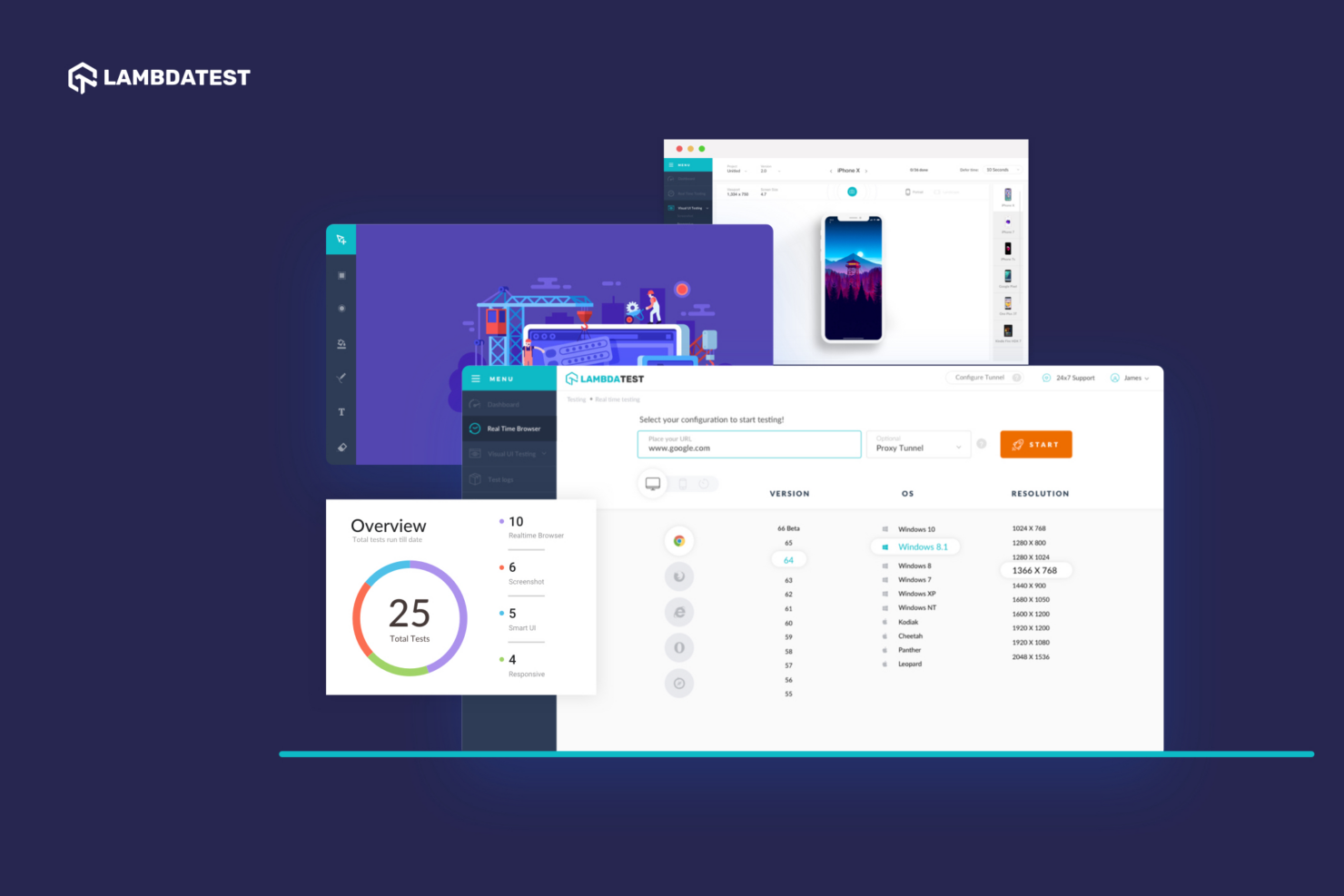
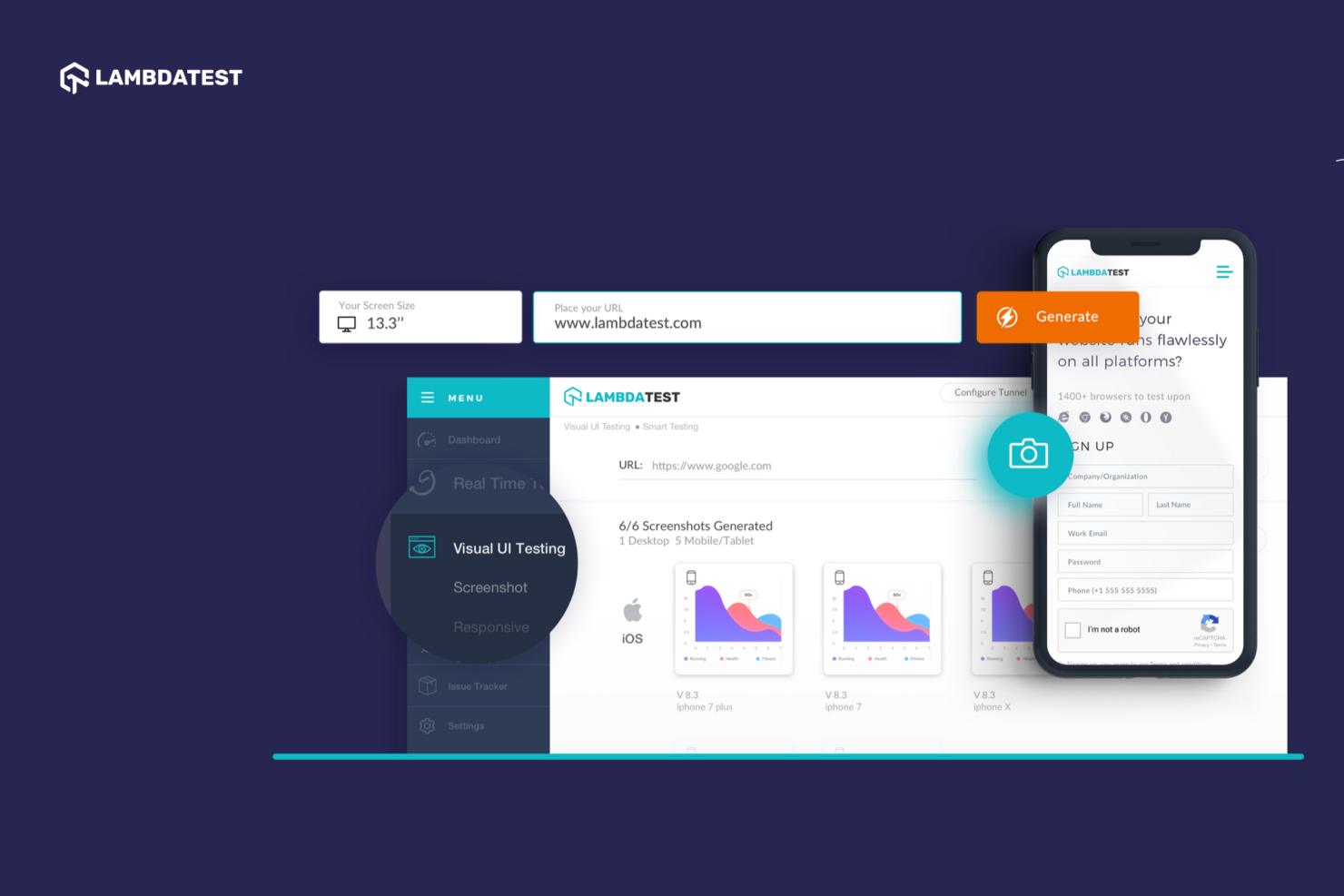
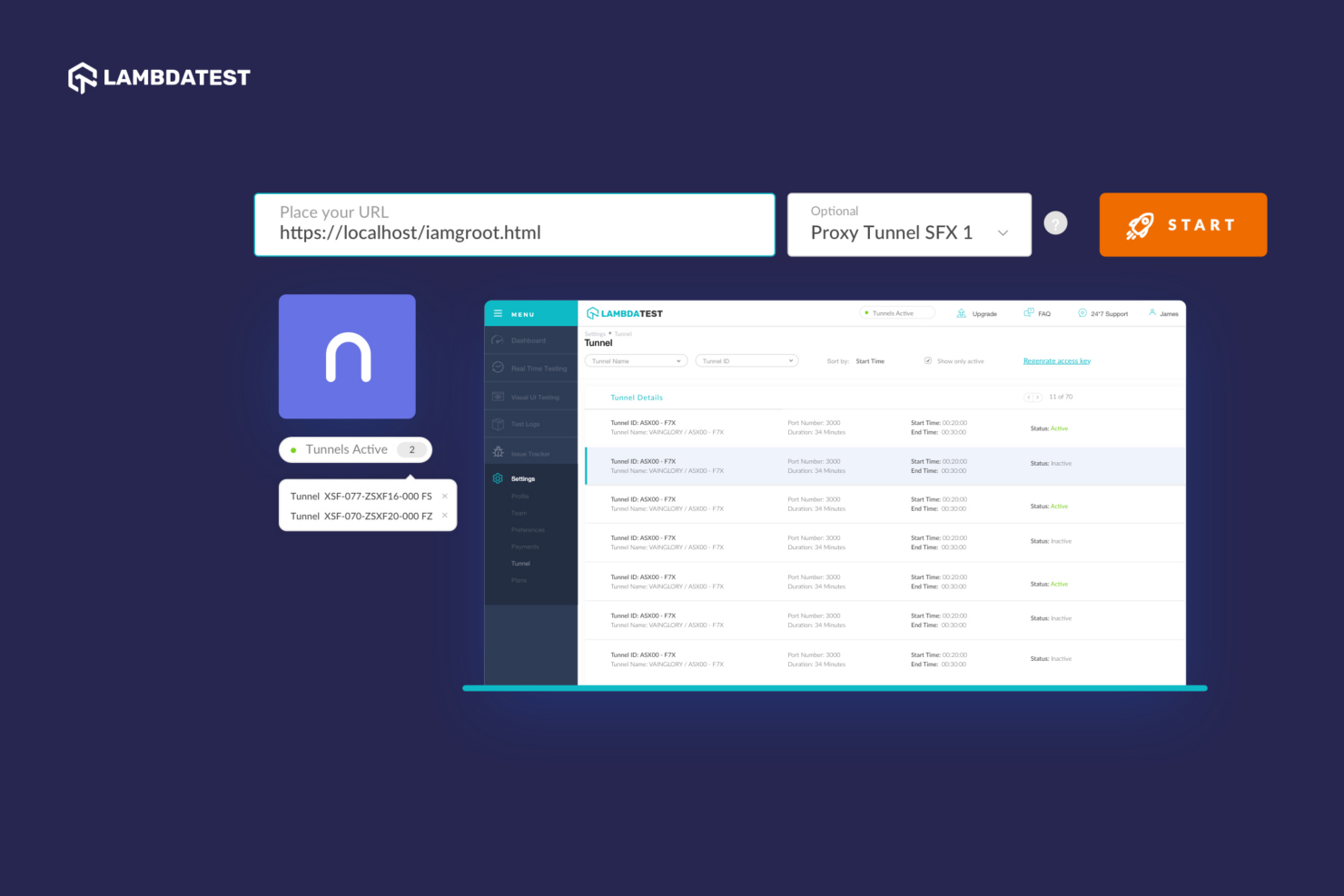
TestMu AI
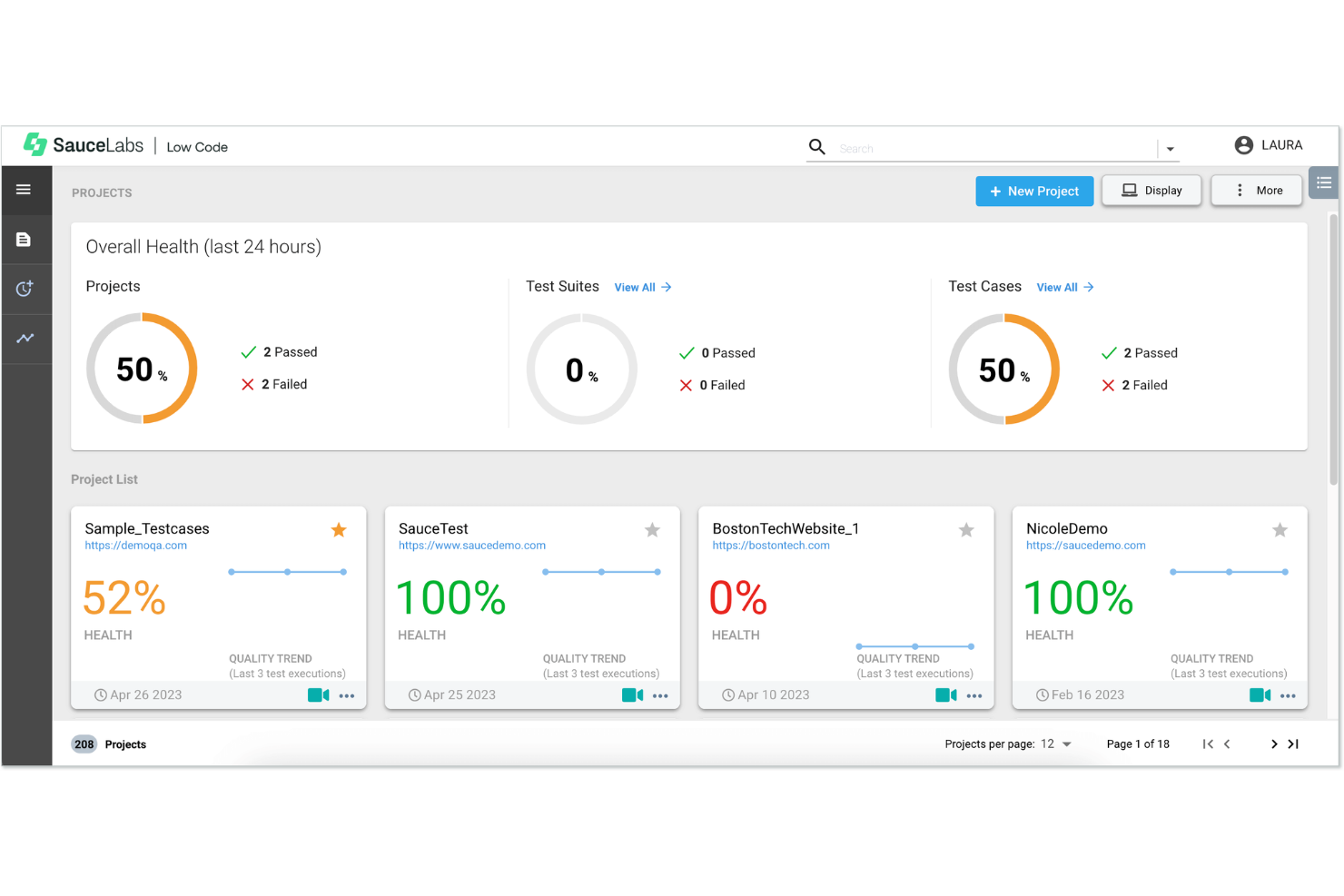
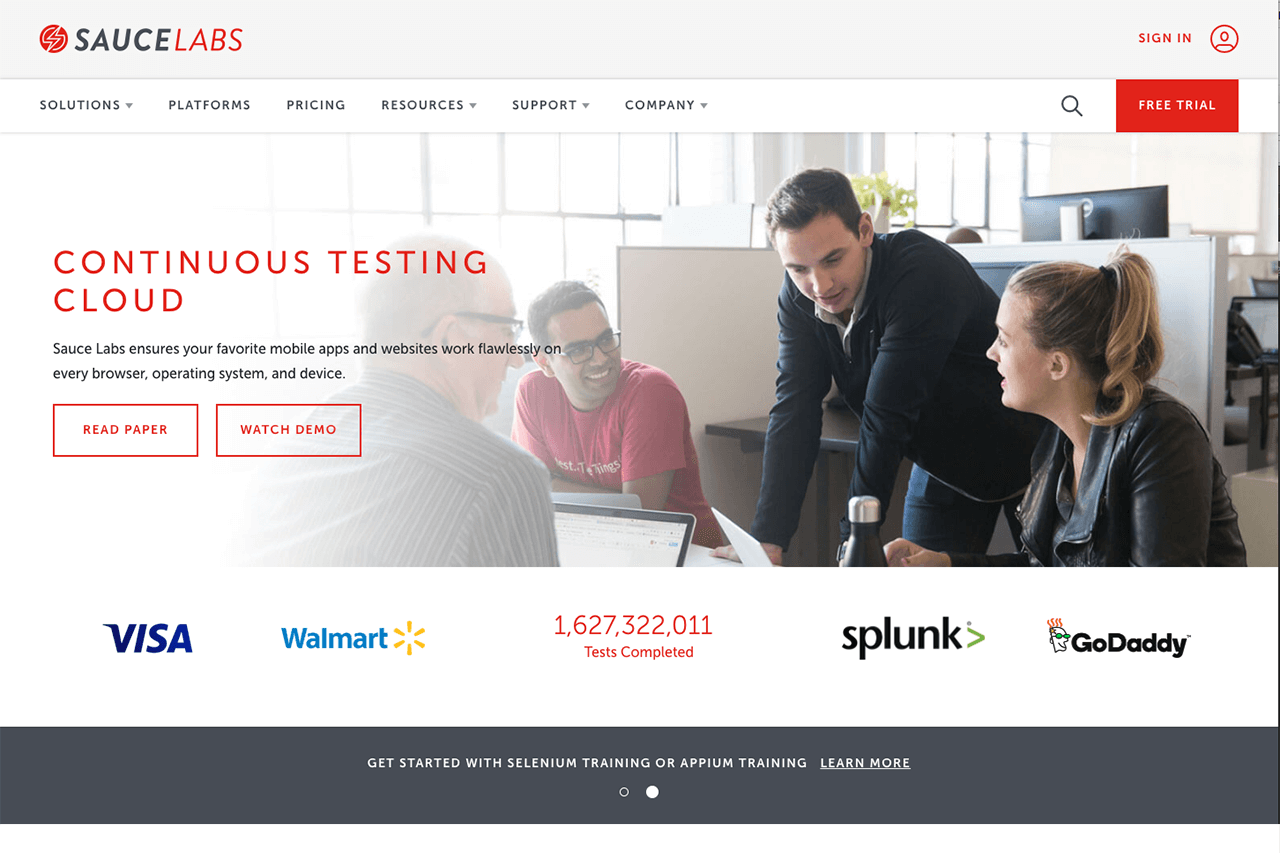
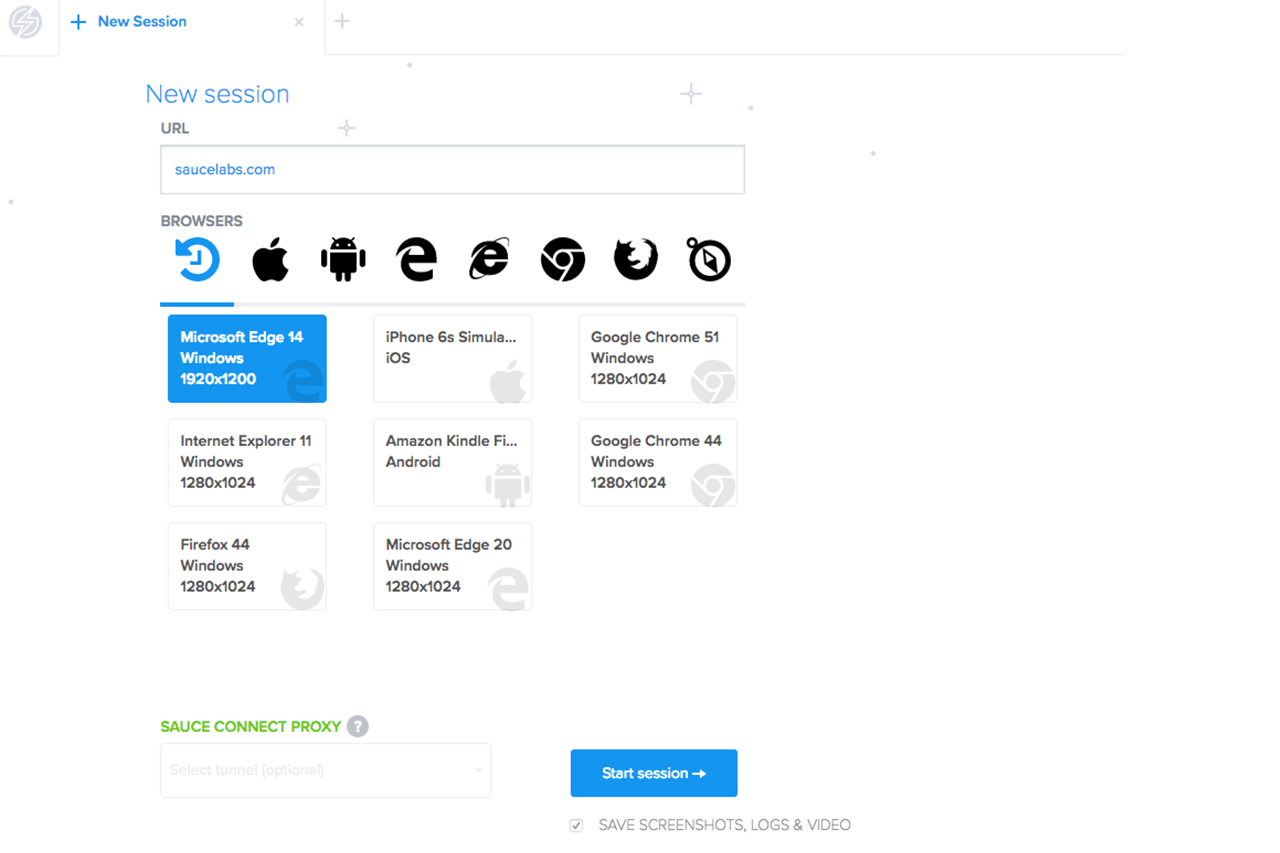
Sauce Labs
Why Trust Our Software Reviews
We’ve been testing and reviewing software since 2023. As tech leaders ourselves, we know how critical and difficult it is to make the right decision when selecting software.
We invest in deep research to help our audience make better software purchasing decisions. We’ve tested more than 2,000 tools for different tech use cases and written over 1,000 comprehensive software reviews. Learn how we stay transparent & our software review methodology.
TestMu AI vs. Sauce Labs Pricing Comparison
| TestMu AI | Sauce Labs | |
|---|---|---|
| Free Trial | Free plan available + free demo | 28-day free trial + free demo available |
| Pricing | From $15/user/month (billed annually) | From $39/month (billed annually) |
TestMu AI vs. Sauce Labs Pricing & Hidden Costs
TestMu AI uses a modular pricing model, where capabilities like live testing, automation, HyperExecute, and AI features (like KaneAI) are priced separately, allowing you to scale based on what you actually use. In contrast, Sauce Labs primarily uses a concurrency-based model, where pricing depends on the number of parallel test sessions, with unlimited users and test minutes but limits on simultaneous execution.
While both platforms offer entry-level plans, costs can still rise. With TestMu AI, this will typically happen as you adopt more modules and advanced features, and with Sauce Labs, it’ll happen as you increase concurrency or unlock enterprise capabilities like private infrastructure or advanced security.
To choose the right option, you’ll need to evaluate how your team scales testing. TestMu AI is often more flexible if you want to adopt features incrementally, while Sauce Labs can become costlier as parallel execution needs grow. In either case, it’s important to account for potential add-ons, enterprise features, and infrastructure requirements, and to request a detailed pricing breakdown based on your expected usage to avoid surprises as your testing matures.
TestMu AI vs. Sauce Labs Feature Comparison
Both TestMu AI and Sauce Labs cover the core needs of modern QA teams, including cross-browser and cross-device testing features, real device cloud access, automated test execution, and integrations with CI/CD pipelines. They also provide debugging tools like logs, screenshots, and analytics to help you identify failures and improve test reliability. At a high level, both platforms aim to replace in-house infrastructure with scalable cloud-based testing environments.
Where they differ is in their approach to innovation and scope. TestMu AI stands out with features like agent-to-agent testing and its AI-native test creation (KaneAI), which focus on automating and validating modern AI-driven applications. Sauce Labs, on the other hand, differentiates itself with mobile app distribution (TestFairy) and production error monitoring (Backtrace), extending beyond testing into release management and post-production observability.
| TestMu AI | Sauce Labs | |
|---|---|---|
| A/B Testing | ||
| API | ||
| Automated Testing | ||
| Browser Compatibility Testing | ||
| Bug Tracking | ||
| CI/CD Integration | ||
| Calendar Management | ||
| Dashboard | ||
| Data Export | ||
| Data Import | ||
| Data Visualization | ||
| Developer Tools | ||
| External Integrations | ||
| History/Version Control | ||
| Manual Testing | ||
| Multi-User | ||
| Notifications | ||
| Performance Testing | ||
| Regression Testing | ||
| Scheduling | ||
| Status Notifications | ||
| Third-Party Plugins/Add-Ons |
TestMu AI vs. Sauce Labs Integrations
| Integration | TestMu AI | Sauce Labs |
| Jira | ✅ | ✅ |
| Slack | ✅ | ✅ |
| GitHub | ✅ | ✅ |
| GitLab | ✅ | ✅ |
| Jenkins | ✅ | ✅ |
| Azure DevOps | ✅ | ✅ |
| Bitbucket | ✅ | ✅ |
| CircleCI | ✅ | ✅ |
| Trello | ✅ | ❌ |
| TeamCity | ✅ | ✅ |
| Asana | ✅ | ✅ |
| API | ✅ | ✅ |
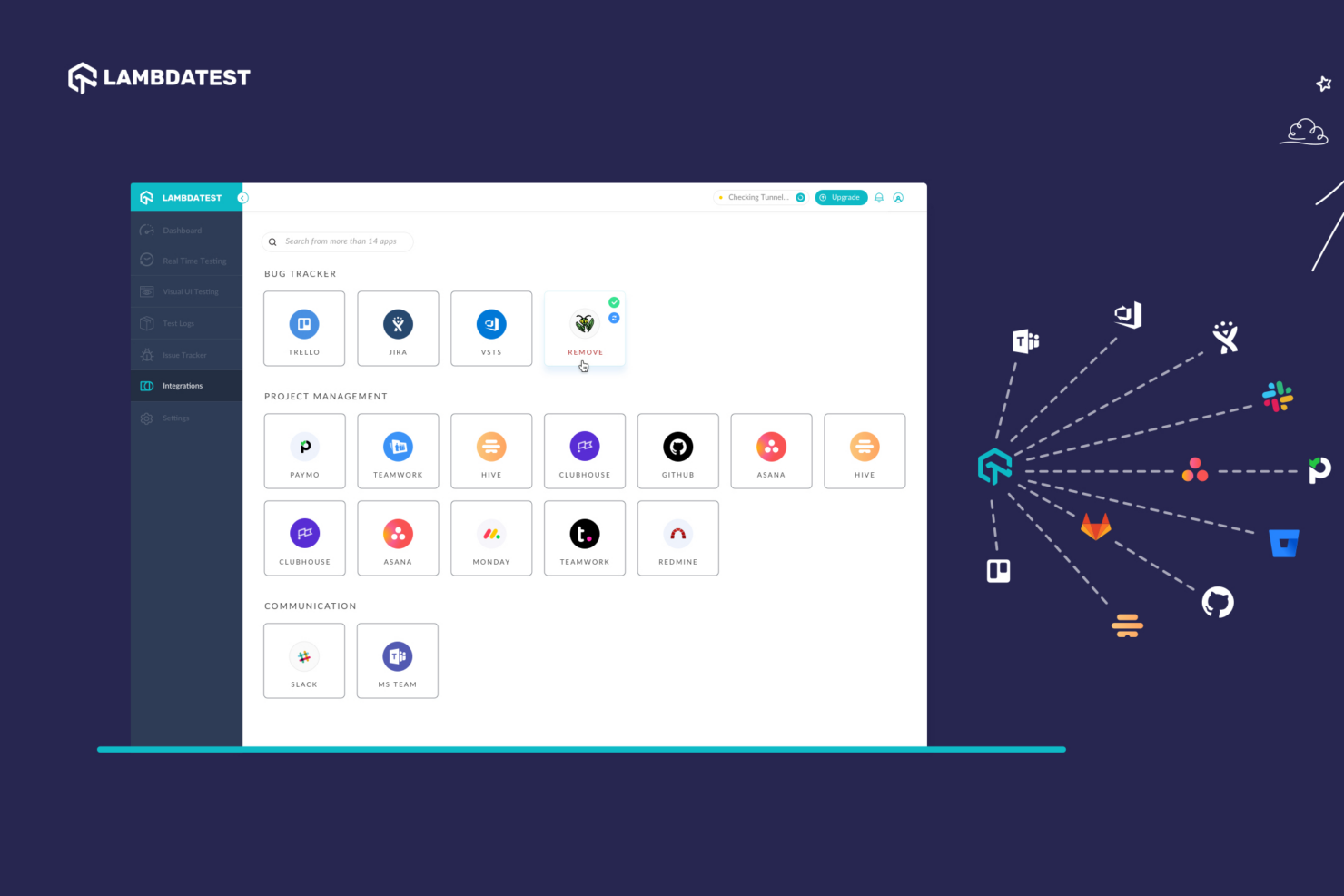
Each testing solution supports the most commonly used integrations, including Jira, Slack, GitHub, Jenkins, Azure DevOps, Bitbucket, CircleCI, TeamCity, and API access for custom workflows. However, TestMu AI extends its integration ecosystem further with tools like Trello, Asana, and Zapier, giving teams more flexibility for workflow automation and project management. Overall, TestMu AI offers a broader set of native integrations, while Sauce Labs focuses more on core CI/CD and development tooling, relying on APIs for additional customization.
TestMu AI vs. Sauce Labs Security, Compliance & Reliability
| Factor | TestMu AI | Sauce Labs |
| Data Encryption | Encrypts data in transit (TLS 1.2+) and at rest (AES-256), with strict data isolation. | Encrypts data in transit (TLS 1.2+) and follows strong encryption and infrastructure security practices. |
| Regulatory Compliance | Supports GDPR, CCPA, HIPAA, PCI DSS, and is certified for ISO 27001, ISO 27701, and ISO 27017. | Certified for SOC 2 Type II, ISO 27001, ISO 27701, and supports GDPR, CCPA, CSA STAR, and DPF frameworks. |
| Access Controls | Role-based access control, SSO, 2FA, and Zero Trust security model. | Role-based access, SSO (SAML), MFA, and enterprise governance controls. |
| Uptime & Reliability | High availability testing infrastructure with status monitoring and enterprise-grade reliability practices. | Public status page, platform monitoring, and enterprise-grade infrastructure (no explicit uptime SLA publicly stated). |
| Audit Logging | Tracks user activity, test execution, and system events for compliance and traceability. | Provides audit logs, activity tracking, and compliance reporting capabilities. |
Both TestMu AI and Sauce Labs offer strong, enterprise-grade security and compliance capabilities, including encryption, access controls, and audit logging. Sauce Labs has a slightly broader set of publicly documented certifications, while TestMu AI matches closely with modern security practices like Zero Trust architecture and strict data isolation.
In practice, security is not a major differentiator between the two platforms—both are well-suited for enterprise environments and regulated industries. The better choice will depend more on platform capabilities and workflow fit rather than security limitations.
TestMu AI vs. Sauce Labs Ease of Use
| Factor | TestMu AI | Sauce Labs |
| User Interface | Clean, modern interface with AI-assisted workflows and centralized dashboards. | User-friendly interface for core tasks, with detailed logs, artifacts, and debugging views. |
| Onboarding | Combines self-serve setup with guided onboarding and support for enterprise implementations. | Straightforward for basic setup, but enterprise onboarding can involve CI/CD, tunnels, and configuration. |
| Test Setup | Simplifies test creation with natural language inputs (KaneAI) and reduced scripting effort. | Requires framework-based setup (e.g., Selenium/Appium) with more manual configuration. |
| Customer Support | Multiple support channels, documentation, and community resources, with enhanced enterprise support. | Tiered support model with varying response times; enterprise plans include premium support and services. |
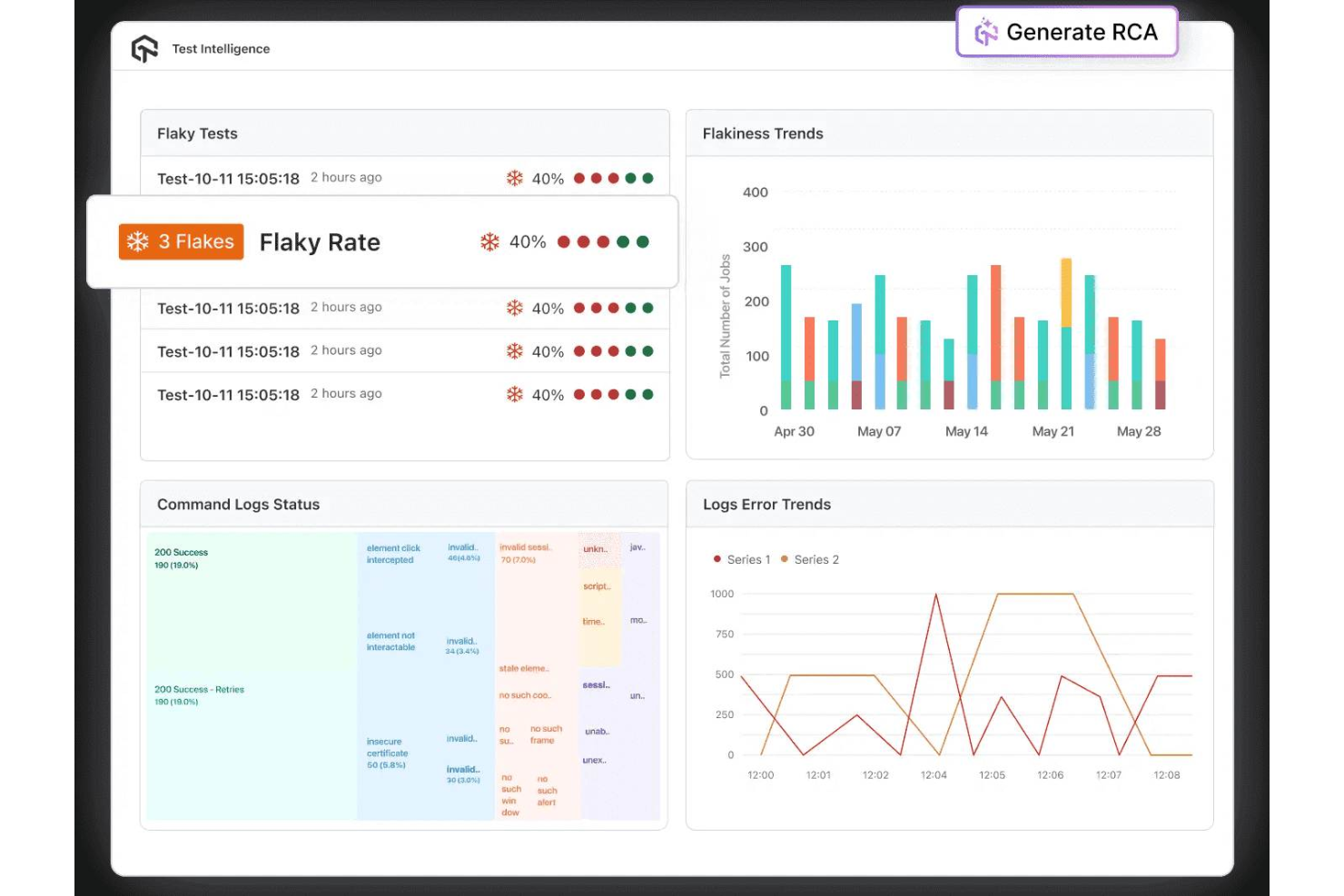
| Reporting | AI-driven insights, root cause analysis, and centralized reporting dashboards. | Detailed logs, videos, screenshots, and analytics dashboards for debugging and analysis. |
TestMu AI is generally easier to get started with, especially for teams that benefit from AI-assisted workflows and faster test creation, while Sauce Labs offers a more traditional, developer-centric experience that can require more setup and configuration. While both platforms provide strong reporting and support, Sauce Labs is often better suited for teams already comfortable with automation frameworks and CI/CD pipelines, whereas TestMu AI lowers the barrier to entry while still supporting advanced use cases.
TestMu AI vs Sauce Labs: Pros & Cons
TestMu AI
- A unified platform that combines test creation, management, execution, and insights, which reduces tool sprawl.
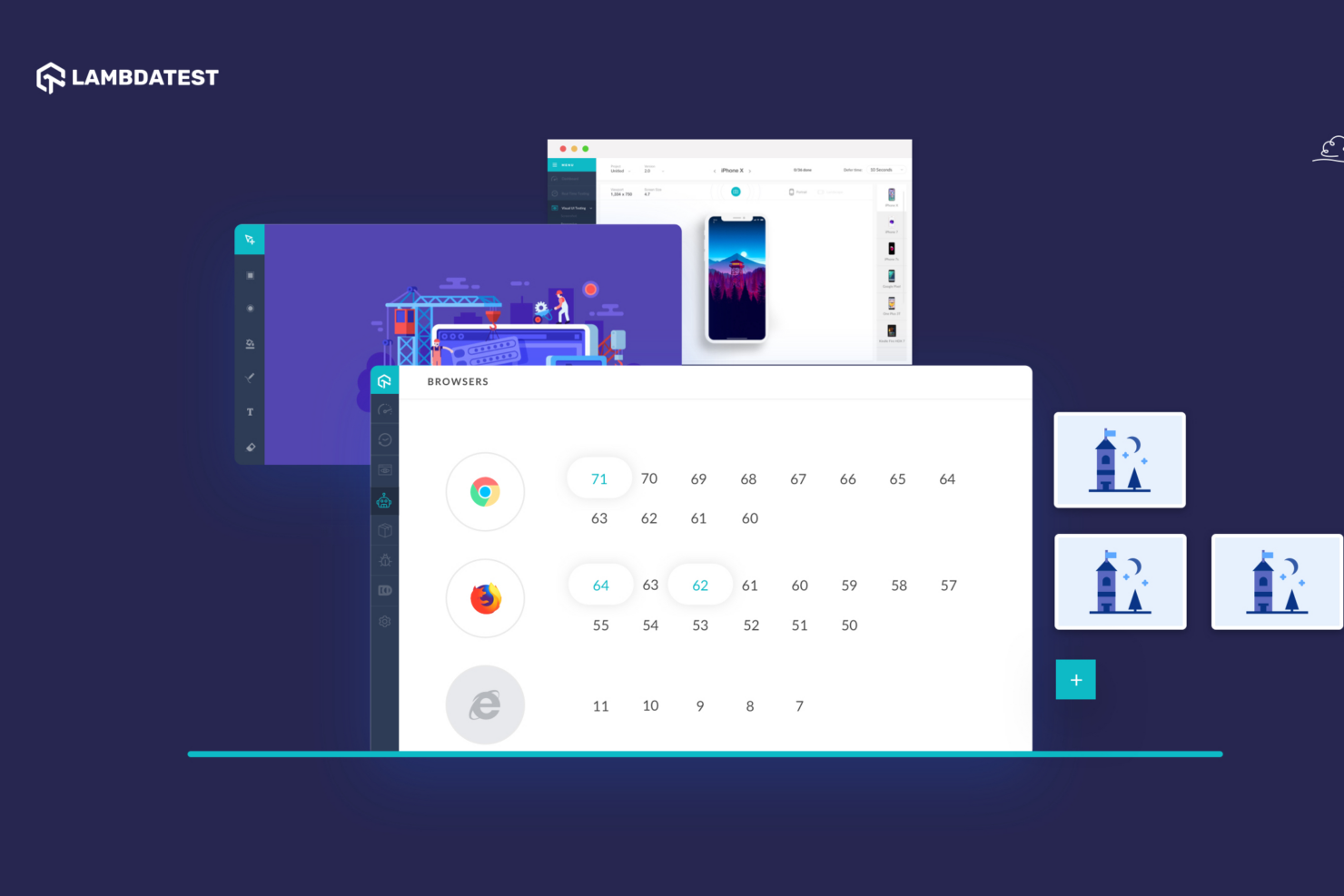
- Extensive test coverage across 3000+ browser and OS combinations and 10,000+ real devices.
- AI-native platform with autonomous test creation, execution, and analysis (KaneAI + Test Intelligence).
- Despite deep AI capabilities, it’s not ideal for hands-off teams as it still requires some engineering involvement.
- Pricing can increase significantly as teams scale usage across multiple modules.
- Advanced features and enterprise capabilities may require onboarding support or technical guidance.
Sauce Labs
- Offers secure testing of private environments via encrypted tunneling and enterprise VPN options.
- Includes rich debugging artifacts like video recordings, logs, and screenshots for failed tests.
- Provides extensive cross-browser and real device testing without internal infrastructure.
- Less direct control over test code when using AI/low-code workflows.
- Advanced configurations and scaling automation workflows introduce a noticeable learning curve.
- Pricing can become expensive quickly, especially for small teams or limited testing needs.
Best Use Cases for TestMu AI and Sauce Labs
TestMu AI
- DevOps & Platform Engineering Teams TestMu AI integrates directly into CI/CD pipelines and supports large-scale orchestration, making it ideal for teams embedding testing into infrastructure and release workflows.
- Enterprises Standardizing QA Tooling Helps enterprises consolidate testing tools into a single platform while scaling automation across teams. Its AI-native test creation, execution, and analysis improve reliability, enhance visibility, governance, and collaboration, and reduce maintenance for QA engineers.
- AI Product Teams (LLMs, Chatbots, Voice Agents) Agent-to-agent testing enables teams to evaluate hallucination, bias, and response quality, making it a strong fit for organizations building and deploying AI-driven applications.
- Global Teams Requiring Localization Testing Broad browser, device, and geolocation coverage makes it easier to validate user experiences across multiple devices, regions, languages, and environments.
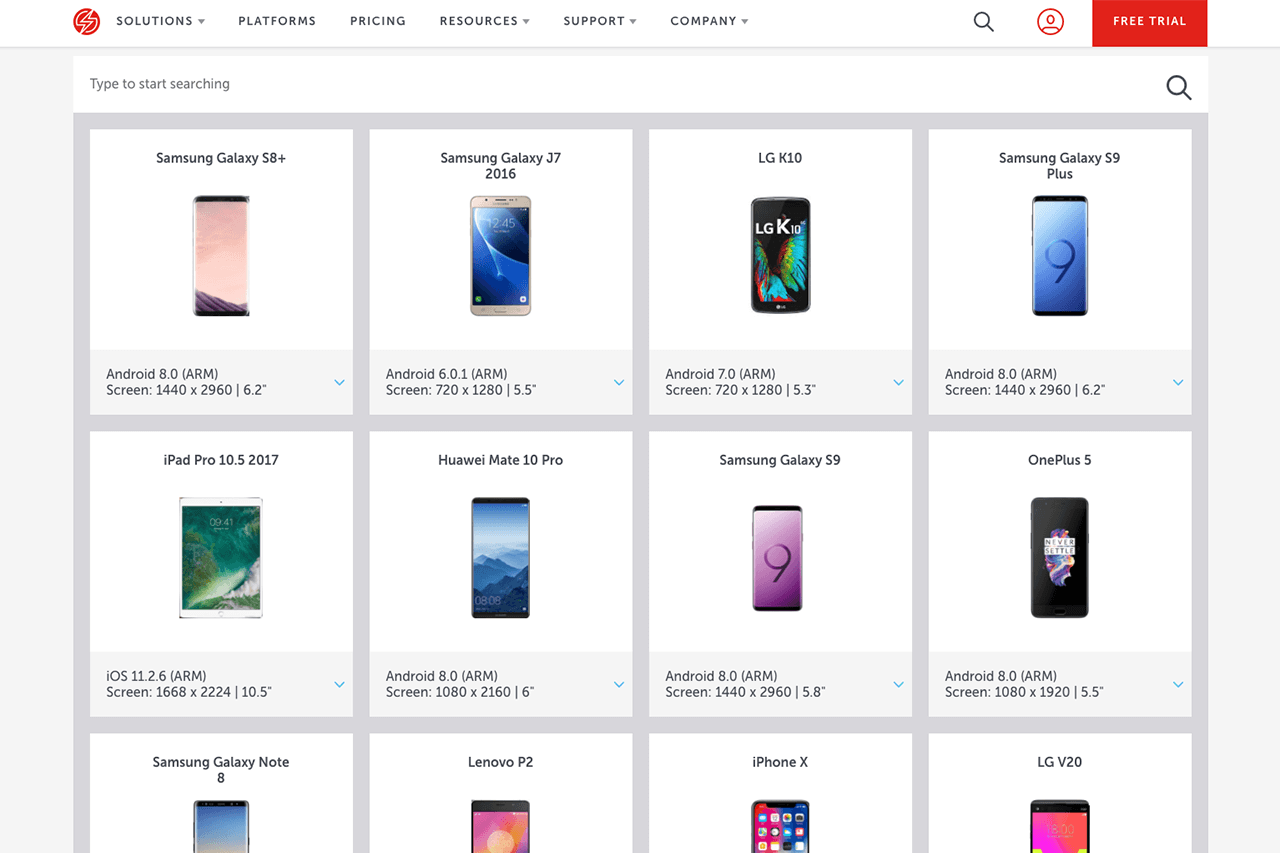
- Mobile App Testing Teams The real device cloud enables thorough validation across a wide range of devices, OS versions, and real-world usage conditions that emulators can’t fully replicate.
- Product Managers KaneAI enables product managers and non-technical stakeholders to create tests with natural language, contribute to coverage, validate user journeys, and collaborate more effectively with QA and engineering teams.
Sauce Labs
- Enterprise QA Teams Run high-volume parallel tests with detailed reporting across complex application workflows.
- Regulated Industries Secure, compliant testing infrastructure supports strict regulatory and data protection requirements.
- Mobile App Developers Test across thousands of real devices and OS versions to ensure broad compatibility and consistent user experience.
- Ecommerce & High-Traffic Platforms Catch cross-browser and device issues before impacting revenue or customer experience.
- Global SaaS Providers Support frequent releases with scalable automation across distributed users and environments.
- DevOps & CI/CD-Driven Teams Integrate automated testing directly into pipelines to accelerate continuous delivery cycles and reduce deployment risks significantly.
Who Should Use TestMu AI, and Who Should Use Sauce Labs?
TestMu AI is a strong fit if you want an AI-native testing platform that simplifies test creation, test management, execution, and analysis in one place. It’s especially useful for teams adopting modern QA workflows, including startups, enterprises, and engineering teams that want to reduce manual effort and scale automation quickly without stitching together multiple tools. If you’re also working with AI-driven applications or want more autonomous testing workflows, TestMu AI offers a clear advantage.
Sauce Labs is better suited for mid-size to enterprise teams that already have established software testing frameworks and need scalable infrastructure for cross-browser and mobile testing. It’s ideal if your focus is high parallel execution, deep CI/CD integration, and broader coverage across the software lifecycle, including distribution and production monitoring. Teams with strong engineering resources and complex environments will benefit most from its flexibility and enterprise-grade capabilities.
Differences Between TestMu AI and Sauce Labs
| TestMu AI | Sauce Labs | |
|---|---|---|
| AI Automation | AI-native platform with KaneAI for test creation, execution, and optimization. | Uses AI for test authoring and insights, but not fully AI-native across the platform. |
| Observability | AI-driven root cause analysis and test intelligence insights. | Strong debugging artifacts (video, logs, screenshots) and production error monitoring (Backtrace). |
| Platform Scope | Focused on testing + AI-driven quality engineering. | Broader platform including testing tools, app distribution, and error monitoring. |
| Test Creation | Natural language test creation with AI (KaneAI). | Framework-based test creation with optional AI assistance. |
| Test Orchestration | HyperExecute: AI-powered test orchestration infrastructure with intelligent auto-splitting, dependency resolution, and real-time optimization for large-scale execution. | Sauce Orchestrate: Scalable test orchestration with high parallelization, cross-browser and mobile execution, and optimized distribution of tests across environments. |
| Visit TestMu AIOpens new window | Read Sauce Labs ReviewOpens new window |
Similarities Between TestMu AI and Sauce Labs
| Automated Testing | Both platforms let you run tests automatically across web and mobile applications using popular frameworks, helping streamline regression testing and release cycles. |
|---|---|
| CI/CD Integrations | Both integrate with popular CI/CD tools like Jenkins, GitHub, and Azure DevOps for seamless pipeline automation. |
| Cross-Browser Support | Both support testing functionality across multiple browsers and OS combinations to ensure consistent user experiences. |
| Parallel Test Execution | Both enable parallel test runs to speed up feedback cycles and reduce testing bottlenecks. |
| Visit TestMu AIOpens new window Read Sauce Labs ReviewOpens new window | |
| Real Device Testing | Both provide access to real mobile devices for app testing (iOS and Android) in real-world conditions. |
| Reporting & Analytics | Both offer dashboards, logs, and test insights to help teams track results, debug failures, and improve test performance. |
| Visit TestMu AIOpens new window Read Sauce Labs ReviewOpens new window | |