

Chainlink Review: Pros, Cons, Features, and Pricing
Chainlink excels in connecting smart contracts with real-world data, making it a top choice for your blockchain needs.

We review tools independently, and commissions help fund our testing. See our transparency policy, our methodology, or suggest a tool.
Chainlink is a blockchain software that functions as a decentralized oracle network, connecting smart contracts to real-world data sources, external APIs, and off-chain systems. It's worth evaluating when your team needs tamper-resistant, verifiable data feeds to power on-chain applications. Compared to something like Band Protocol, Chainlink has a significantly larger node operator network and deeper integration across major blockchain ecosystems, which makes it the stronger choice when broad compatibility and proven infrastructure reliability are priorities.
Chainlink Evaluation Summary

0/5
- Pricing upon request
Why Trust Our Software Recommendations
6,700+
Reviews
20
Industry experts
16+
Evaluation factors
14
Years
Our team has been testing and reviewing software since 2012. As tech leaders ourselves, we know how difficult—and important—it is to choose the right software.
For this guide, we evaluated tools using hands-on testing and independent research, scoring tools using our selection criteria.
Our reviews reflect our human editorial judgment, not a sales pitch.
Expert reviewers:
- Paulo Gardini MiguelTech Director
 Tim FisherVP of AI
 Gabriel RosasTech Lead & Software Architect
 Christhian GruhnTech Lead & Platform Architect

Chainlink Overview
In my opinion, Chainlink is a solid choice for businesses needing reliable data for smart contracts. It excels in offering unique features like decentralized oracle networks, differentiating it from competitors. However, its ease of use and onboarding process could improve. It's best for tech-savvy teams in finance or insurance sectors that require seamless data integration. If you're deciding between options, consider Chainlink for its strong data reliability, but weigh it against others for user-friendliness and support, especially when dealing with tokenization, NFTs, stablecoins, or interest rates-driven solutions.
Pros
- It offers decentralized oracle networks for enhanced data reliability.
- Your team can connect smart contracts with real-world data easily.
- It's ideal for industries needing precise and reliable data integration.
Cons
- Onboarding can be challenging for new users.
- Customer support might not meet all your expectations.
- The interface isn't as intuitive as some competitors.
Is Chainlink Right For Your Needs?
Who Would be a Good Fit for Chainlink?
Chainlink is a great fit for the finance and insurance industries, which need accurate data, especially for analyzing metrics, market cap, and liquidity. Your team will benefit from its decentralized oracle networks, which ensure data reliability and security. It's particularly useful if you're dealing with payment systems or risk management where data integrity is crucial. If your department handles large volumes of transactions or requires precise data integration, Chainlink's capabilities, including its Chainlink oracle design and support for Chainlink node operators, can support your work effectively.
- Finance TeamsChainlink ensures data accuracy in financial transactions, making it essential for your team's operations, when dealing with sudden market volatility in particular
- Insurance CompaniesUse Chainlink to validate claims data securely, reducing fraud and improving your processes.
- Smart Contract DevelopersChainlink provides real-world data feeds, enhancing your contract reliability and functionality, especially for Aave or other crypto applications depending on accurate external inputs. By tapping into multiple data sources, developers can ensure their smart contracts run on accurate information.
- Large EnterprisesIf your company requires scalable data solutions, Chainlink's decentralized networks offer robust support.
- Risk Management DepartmentsChainlink's reliable data feeds help your team assess risks accurately and efficiently.
- Tech-Savvy StartupsStartups in need of cutting-edge data solutions will find that Chainlink's technology aligns well with their innovative goals.
Who Would be a Bad Fit for Chainlink?
Chainlink might not be suitable for businesses or teams with limited technical expertise. If your team struggles with complex onboarding processes or needs extensive customer support, you might find Chainlink challenging to implement. Its interface isn't the most intuitive for non-technical users, so if your work requires straightforward, easy-to-use tools, Chainlink could be a poor match.
- Non-Technical TeamsIf your team isn't tech-savvy, Chainlink's interface might be too complicated for day-to-day tasks.
- Retail BusinessesRetail operations often require simpler, more user-friendly tools than Chainlink provides.
Our Review Methodology
How We Test & Score Tools
We’ve spent years building, refining, and improving our software testing and scoring system. The rubric is designed to capture the nuances of software selection and what makes a tool effective, focusing on critical aspects of the decision-making process.
Below, you can see exactly how our testing and scoring works across seven criteria. It allows us to provide an unbiased evaluation of the software based on core functionality, standout features, ease of use, onboarding, customer support, integrations, customer reviews, and value for money.
Core Functionality (25% of final scoring)
The starting point of our evaluation is always the core functionality of the tool. Does it have the basic features and functions that a user would expect to see? Are any of those core features locked to higher-tiered pricing plans? At its core, we expect a tool to stand up against the baseline capabilities of its competitors.
Standout Features (25% of final scoring)
Next, we evaluate uncommon standout features that go above and beyond the core functionality typically found in tools of its kind. A high score reflects specialized or unique features that make the product faster, more efficient, or offer additional value to the user.
We also evaluate how easy it is to integrate with other tools typically found in the tech stack to expand the functionality and utility of the software. Tools offering plentiful native integrations, 3rd party connections, and API access to build custom integrations score best.
Ease of Use (10% of final scoring)
We consider how quick and easy it is to execute the tasks defined in the core functionality using the tool. High scoring software is well designed, intuitive to use, offers mobile apps, provides templates, and makes relatively complex tasks seem simple.
Onboarding (10% of final scoring)
We know how important rapid team adoption is for a new platform, so we evaluate how easy it is to learn and use a tool with minimal training. We evaluate how quickly a team member can get set up and start using the tool with no experience. High scoring solutions indicate little or no support is required.
Customer Support (10% of final scoring)
We review how quick and easy it is to get unstuck and find help by phone, live chat, or knowledge base. Tools and companies that provide real-time support score best, while chatbots score worst.
Customer Reviews (10% of final scoring)
Beyond our own testing and evaluation, we consider the net promoter score from current and past customers. We review their likelihood, given the option, to choose the tool again for the core functionality. A high scoring software reflects a high net promoter score from current or past customers.
Value for Money (10% of final scoring)
Lastly, in consideration of all the other criteria, we review the average price of entry level plans against the core features and consider the value of the other evaluation criteria. Software that delivers more, for less, will score higher.
Core Features
Decentralized Oracles: Chainlink uses decentralized networks to link your smart contracts with real-world data, using off-chain data aggregated from trusted data providers. These networks are a part of a broader Chainlink ecosystem, ensuring reliable and secure data feeds. This feature is crucial for industries like finance, where data integrity is vital.
Data Feeds: It provides reliable data feeds for various industries, allowing your team to access up-to-date information seamlessly. This is particularly useful for real-time applications involving digital assets.
Secure Node Operators: Chainlink's network of secure node operators guarantees data reliability for your contracts. You can trust the data your systems rely on.
Cross-Chain Compatibility: Chainlink supports cross-chain compatibility, enabling your applications to interact across different blockchain networks, including major chains like Ethereum (ETH) and Bitcoin (BTC). This expands your project's reach and capabilities.
Customizable Oracle Solutions: Your team can customize oracle solutions to meet specific needs, offering flexibility in how data is sourced and used. This adaptability is key for unique project requirements.
Scalability: Chainlink is designed to scale with your needs, handling increased data loads without compromising performance. This ensures your systems run smoothly as demand grows.

Standout Features
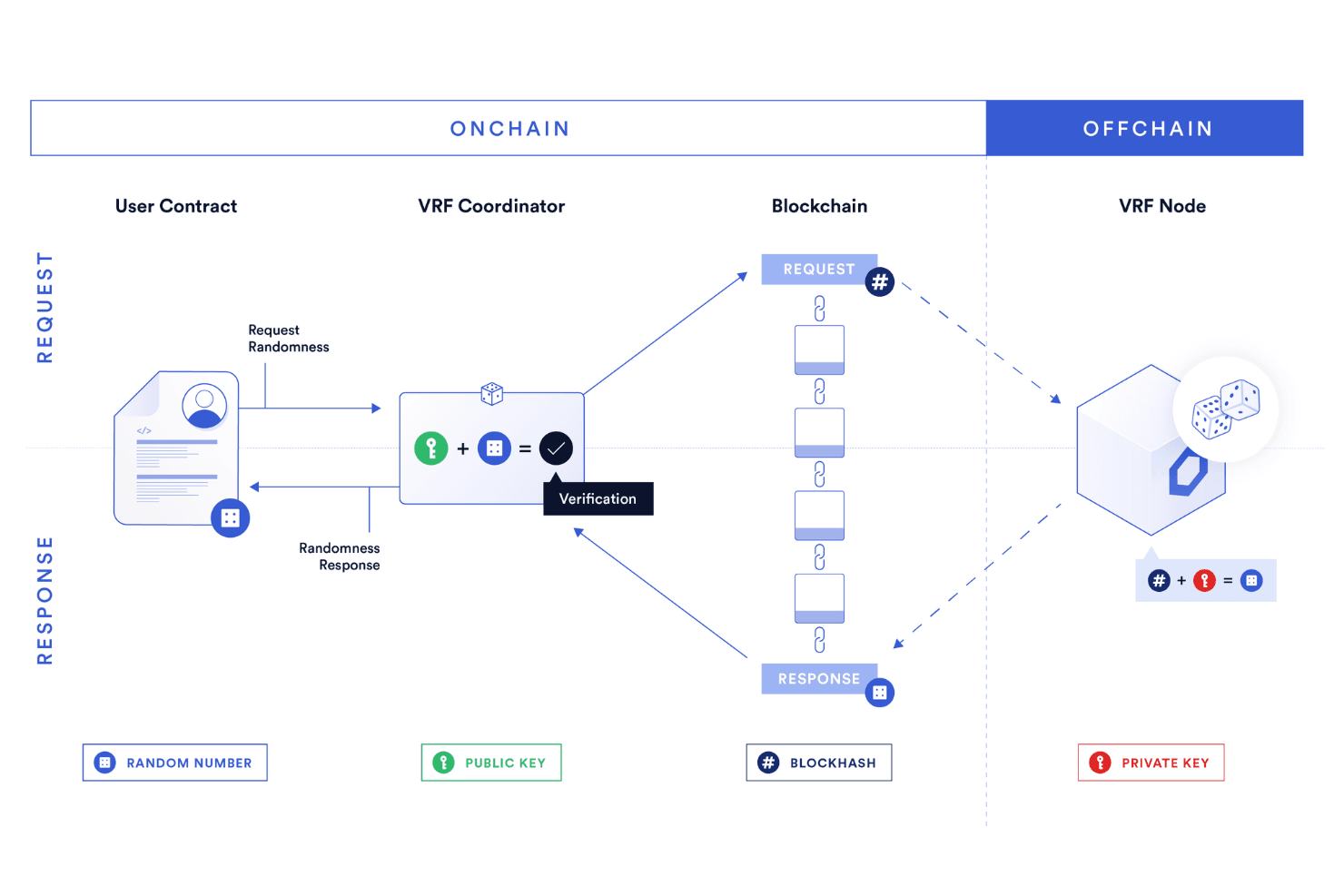
Verifiable Randomness Function: Chainlink's verifiable randomness provides tamper-proof random numbers for gaming and lottery applications, ensuring fairness. This feature stands out for its reliability and security in random number generation.
Price Reference Data: Chainlink offers decentralized price reference data, which is essential for decentralized finance (DeFi) applications, including LINK tokens, LINK price, and even price prediction models. Your projects can leverage this to ensure accurate and up-to-date financial data.
Ease of Use
Chainlink's interface isn't the most intuitive, making it challenging for less tech-savvy users. Your team might find the onboarding process a bit complex, especially if you're new to blockchain technology or exploring ICO-related infrastructures. While its powerful features provide great value, they come with a learning curve. If you're looking for straightforward usability, you may need to invest some time in training and familiarization to fully leverage its capabilities.
.png&w=3840&q=75)
Onboarding
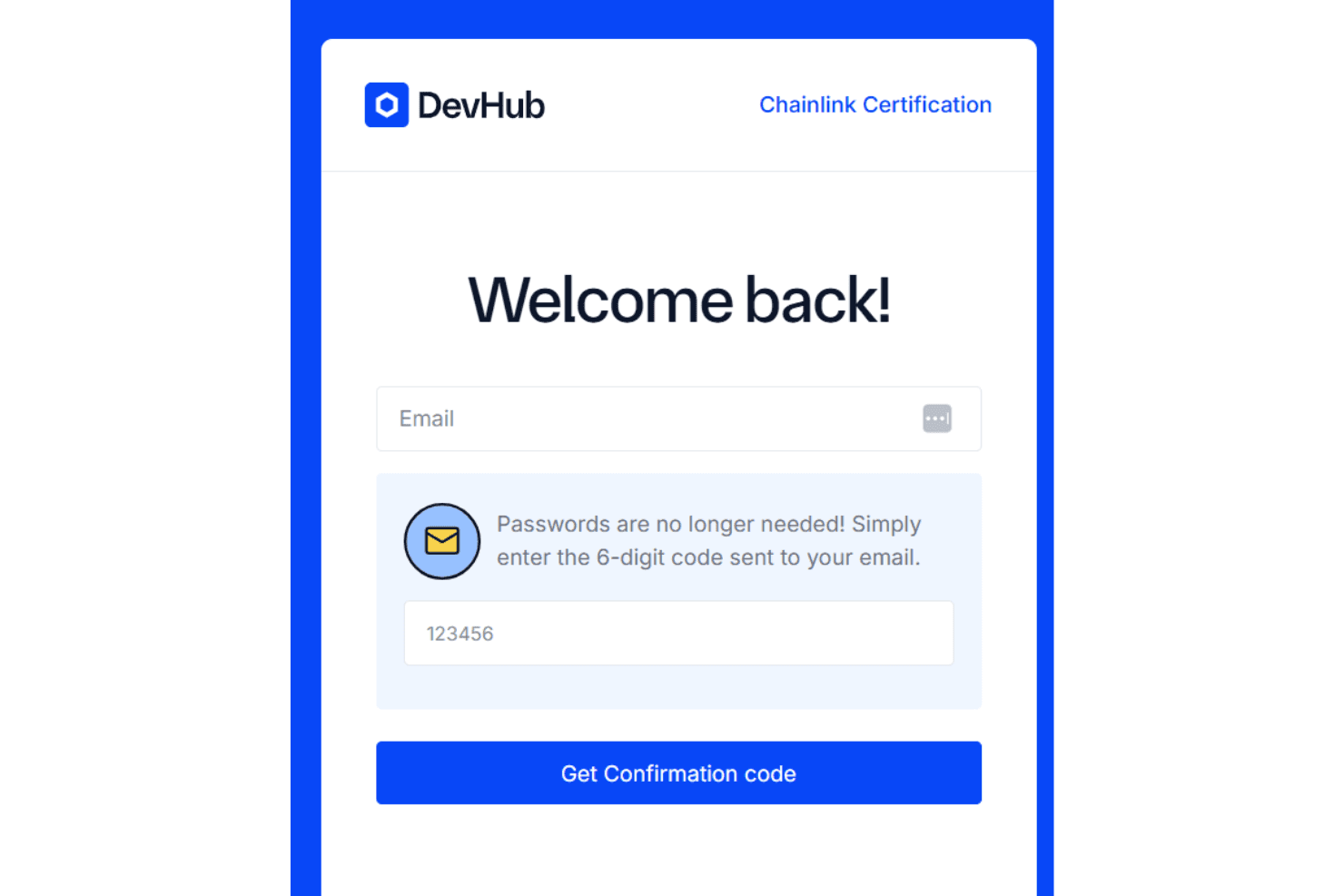
Chainlink's onboarding process can be daunting for new users, as it requires a deep understanding of blockchain technology. Your team may find the initial setup time-consuming, with limited step-by-step guidance available. The support resources, while helpful, might not be comprehensive enough for beginners. If you're new to blockchain, expect to invest time in learning and adapting to fully unlock Chainlink's potential.
Customer Support
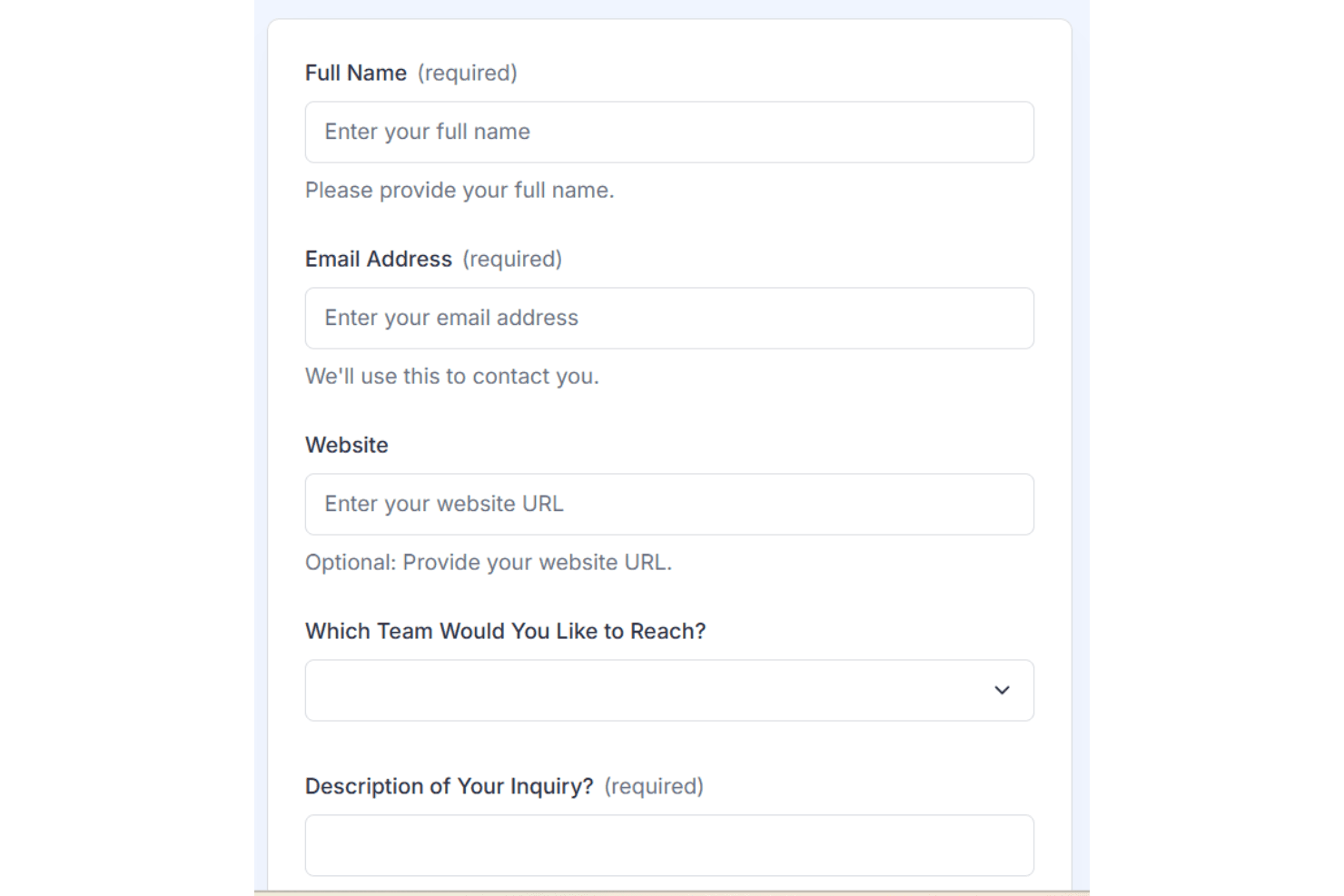
Chainlink's customer support might not meet all your team's expectations, as it can be slow and lacking in depth. While they offer basic support channels, some users find the responses aren't timely or detailed enough for complex issues. If your work often requires immediate assistance or in-depth guidance, you might need to rely on community forums or external resources to fill in the gaps.
Integrations
Chainlink integrates with JP Morgan, Google BigQuery, Deutsche Börse, UBS, BNY Mellon, Franklin Templeton, Citi, BNP Paribas, Banco Inter, Coinbase, and Microsoft. Chainlink also offers an API, enabling connections with third-party integration tools.

Value for Money
Its pricing provides solid value given its robust features and reliable data feeds, making it a competitive option. While its pricing might be on the higher side, the value it offers in terms of data security and reliability justifies the cost for many teams. Chainlink Oracle Network doesn’t offer a traditional free trial, but developers can test its services for free on testnets using mock contracts and testnet LINK tokens.
Chainlink Specs
- 2-Factor Authentication: No
- Access Management: No
- Anti-Virus: No
- API: Yes
- Audit Trail: No
- Bug Tracking: No
- Calendar Management: No
- Customer Management: No
- Dashboard: Yes
- Data Export: No
- Data Import: Yes
- Data Visualization: Yes
- Email Integration: No
- External Integrations: Yes
- File Sharing: No
- File Transfer: No
- Firewall: No
- Google Apps Integration: No
- Inventory Tracking: No
- Malware Protection: No
- Multi-User: No
- Network Device Performance Monitoring: No
- Network Traffic Monitoring: No
- Network Visualization: No
- Notifications: No
- Project Management: No
- Remote Access: No
- Risk Assessment: No
- SAP Integration: No
- Scheduling: No
- Software Integration: Yes
- Third-Party Plugins/Add-Ons: No
- Ticket Management: No
Chainlink FAQs
Chainlink Company Overview & History
Chainlink, founded in 2017 by Sergey Nazarov and Steve Ellis, is headquartered in San Francisco, California. Known for pioneering decentralized oracle networks, Chainlink acts as a bridge between blockchain and real-world data. It's affiliated with major companies like Google and Oracle, enhancing its credibility in the tech industry. Notable clients include SWIFT, Binance, and other major financial institutions, showcasing its widespread adoption.
Chainlink Major Milestones
2017: Chainlink was founded and introduced its protocol.
2019: Chainlink launched its mainnet, enabling decentralized oracle services.
2019-2021: Chainlink announced significant partnerships with top financial institutions.
2021: Achieved over $75 billion in smart contract value secured.
2023: Expanded its services to include cross-chain compatibility.