

Le 10 Migliori Soluzioni per la Preparazione dei Dati per Dati Puliti nel 2026

Migliori Software di Preparazione dei Dati - Shortlist


Orientarsi nel mondo della preparazione dei dati può essere complesso, ma il software giusto semplifica attività come la pulizia, l'individuazione e la trasformazione dei dati. Che tu sia un analista alle prese con dati non strutturati o un'azienda che vuole unificare dati provenienti da fonti diverse, questi strumenti offrono soluzioni end-to-end. Collegano pipeline di dati a data warehouse e piattaforme di analisi, permettendo un'analisi efficiente delle informazioni.
Con funzionalità come connettori no-code, validazione e arricchimento dei dati, questi strumenti facilitano l'accesso ai dati, permettendo anche a chi non ha competenze tecniche di estrarre metriche e insight significativi. On-premise o basati su cloud, si dimostrano versatili e integrabili con diverse app per la business analytics. Quindi, se desideri potenziare la tua analisi dati con funzionalità pensate per la pulizia, l'arricchimento e altro ancora, esplorare queste opzioni potrebbe essere la soluzione alle tue sfide di gestione dei dati.
Perché fidarsi dei nostri consigli sui software
Il nostro team testa e recensisce software dal 2012. In quanto leader tecnologici noi stessi, sappiamo quanto sia difficile — e importante — scegliere il software giusto.
Per questa guida, abbiamo valutato gli strumenti attraverso test praticie ricerche indipendenti, assegnando un punteggio agli strumenti in base ai nostri criteri di selezione.
Le nostre recensioni riflettono il nostro giudizio editoriale umano, non un discorso di vendita.
Riepilogo dei Migliori Software di Preparazione dei Dati
Questa tabella compara i prezzi delle mie principali scelte di software di preparazione dei dati per aiutarti a trovare quello più adatto al tuo budget e alle esigenze della tua azienda.
| Tool | Best For | Trial Info | Price | ||
|---|---|---|---|---|---|
| 1 | Ideale per progetti di data science collaborativi | Prova gratuita di 14 giorni | Prezzo su richiesta | Website | |
| 2 | Ideale per l'unione dei dati e le analisi avanzate | Prova gratuita disponibile | A partire da $79/utente/mese (fatturato annualmente) | Website | |
| 3 | Ideale per la modellazione di analisi predittiva | Piano gratuito disponibile | A partire da $2,500/utente/mese (fatturato annualmente) | Website | |
| 4 | Ideale per la flessibilità open source | Piano gratuito disponibile | Prezzo su richiesta | Website | |
| 5 | Ideale per la visualizzazione interattiva dei dati | Prova gratuita di 30 giorni | A partire da $125/utente/mese (fatturato annualmente) | Website | |
| 6 | Ideale per l'integrazione dei dati in tempo reale | Prova gratuita di 14 giorni disponibile | Da $1000/utente/mese (fatturazione annuale) | Website | |
| 7 | Ideale per l'interfaccia visiva di preparazione dei dati | Not available | Da $70/utente/mese | Website | |
| 8 | Ideale per una gestione robusta dei dati aziendali | Not available | Prezzo su richiesta | Website | |
| 9 | Ideale per la governance della qualità dei dati | Demo gratuita disponibile | Prezzo su richiesta | Website | |
| 10 | Ideale per l'integrazione dati su larga scala | Prova gratuita di 30 giorni e demo gratuita disponibili | Prezzo su richiesta | Website |
Recensioni sui Migliori Software di Preparazione dei Dati
Di seguito trovi i miei riepiloghi dettagliati dei migliori software di preparazione dei dati che hanno superato la selezione. Le mie recensioni analizzano in dettaglio le funzionalità chiave, vantaggi e svantaggi, integrazioni e casi d’uso ideali di ciascun tool per aiutarti a trovare quello più adatto a te.
Dataiku
Ideale per progetti di data science collaborativi
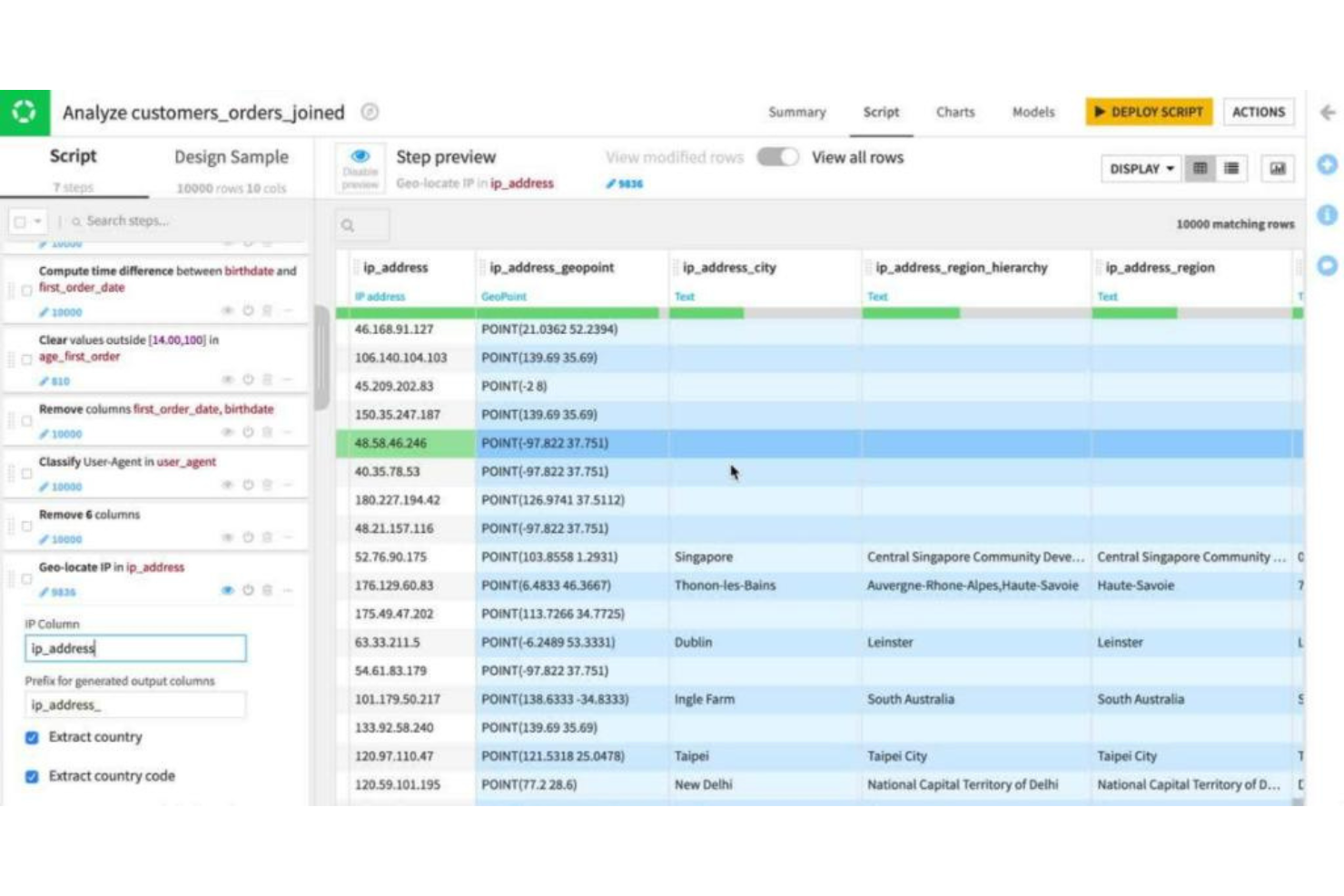
Dataiku è una piattaforma progettata per consentire la collaborazione tra data scientist, analisti e team aziendali. Fornendo strumenti per la preparazione dei dati, il machine learning e la distribuzione, permette ai vari membri del team di lavorare insieme in modo efficiente su progetti di data science. Questo approccio collaborativo rende Dataiku particolarmente adatto alla gestione ed esecuzione di progetti di data science che coinvolgono molteplici stakeholder.
Perché ho scelto Dataiku:
Ho scelto Dataiku dopo aver valutato attentamente le sue funzionalità nell'ambito della collaborazione tra i professionisti dei dati. La capacità della piattaforma di consentire l'interazione tra data scientist e utenti aziendali la distingue dalle altre. Facilitando la collaborazione, garantisce un'erogazione più rapida dei progetti e soluzioni più efficaci, ed è per questo che ritengo il tool ideale per progetti di data science collaborativi.
Caratteristiche e integrazioni principali:
Le caratteristiche principali di Dataiku includono spazi di progetto condivisi, preparazione visiva dei dati e flussi di lavoro automatizzati di machine learning. Queste funzionalità offrono un ambiente unificato in cui tutti i membri del team possono lavorare su obiettivi comuni. Offre importanti integrazioni con Python, R, SQL ed ecosistemi Hadoop, tra gli altri, consentendo agli utenti di sfruttare diversi strumenti e tecnologie in un'unica piattaforma.
Pros and Cons
Pros:
- Favorisce la collaborazione tra team eterogenei
- Ampio supporto per diversi linguaggi e strumenti
- Interfaccia utente intuitiva adatta sia a utenti tecnici che non tecnici
Cons:
- Le informazioni sui prezzi potrebbero non essere immediatamente disponibili
- Potrebbe risultare complesso per team più piccoli o singoli utenti
- Richiede un certo periodo di apprendimento per chi è nuovo alle piattaforme di data science

Alteryx
Ideale per l'unione dei dati e le analisi avanzate

Alteryx è uno strumento specializzato nell'unione dei dati e nelle analisi avanzate, che permette agli utenti di combinare insiemi di dati ed eseguire analisi complesse. Questa potente piattaforma unisce fonti di informazione disparate e offre agli utenti funzionalità analitiche avanzate, rendendola la soluzione di riferimento per l'unione dei dati e l'ottenimento di approfondimenti dettagliati.
Perché ho scelto Alteryx:
Ho scelto Alteryx per questa lista grazie alla sua esclusiva capacità di unire diversi tipi di dati offrendo allo stesso tempo una gamma avanzata di strumenti analitici. Ciò che lo distingue è l'interfaccia intuitiva che permette agli utenti, indipendentemente dalla loro esperienza, di affrontare analisi complesse. È proprio questa caratteristica a renderlo il migliore per la combinazione dei dati e le analisi avanzate, in quanto consente di generare insight da svariate fonti senza necessitare di vaste conoscenze di programmazione.
Funzionalità e integrazioni principali:
Alteryx offre un ampio ventaglio di funzionalità, tra cui unione dei dati, analisi predittiva, analisi spaziale e profilazione dei dati. La sua interfaccia drag-and-drop consente agli utenti di creare facilmente flussi di lavoro, riducendo così la curva di apprendimento. Le integrazioni con strumenti come Tableau, Microsoft Power BI ed Excel forniscono ulteriore flessibilità e ampliano le possibilità di utilizzo dei dati all'interno dell'organizzazione.
Pros and Cons
Pros:
- Eccellenti capacità di data blending
- Funzionalità di analisi avanzate
- Integrazione con i principali strumenti BI
Cons:
- Curva di apprendimento più ripida per i neofiti
- Funzionalità di collaborazione limitate
- Il prezzo può essere proibitivo per le piccole imprese

Ideale per la modellazione di analisi predittiva

RapidMiner è una piattaforma di data science specializzata nella modellazione di analisi predittiva, che consente agli utenti di creare modelli in grado di prevedere tendenze, comportamenti ed eventi futuri. Grazie alla sua interfaccia intuitiva e alle potenti funzionalità di modellazione, RapidMiner si distingue come lo strumento ideale per chi necessita di svolgere complesse attività di analisi predittiva.
Perché ho scelto RapidMiner:
Ho scelto RapidMiner per questa lista dopo aver confrontato e valutato attentamente diversi strumenti focalizzati sull'analisi predittiva. La sua gamma di funzionalità e le solide capacità nella modellazione predittiva hanno attirato la mia attenzione. RapidMiner offre modelli e template predefiniti che facilitano l'avvio dell'analisi predittiva, distinguendosi come il miglior strumento per chi cerca una modellazione predittiva efficiente.
Caratteristiche distintive e integrazioni:
RapidMiner offre un progettista di flussi di lavoro visivi che semplifica il processo di modellazione, rendendo l'analisi predittiva più accessibile. La funzione Auto Model velocizza la creazione dei modelli ottimizzandoli automaticamente. RapidMiner si integra con numerosi database e servizi cloud, e offre un ampio supporto per script R e Python, consentendo la connessione con svariate fonti e strumenti di dati.
Pros and Cons
Pros:
- Forte attenzione all'analisi predittiva con modelli predefiniti
- Supporta l'integrazione con R, Python e diverse fonti di dati
- Funzione Auto Model che accelera il processo di creazione dei modelli
Cons:
- Costo elevato che può limitarne l'accessibilità per le piccole imprese
- Richiede una conoscenza base dei concetti di data science
- Flessibilità limitata nella versione gratuita, con funzionalità essenziali disponibili solo nel piano a pagamento

KNIME
Ideale per la flessibilità open source
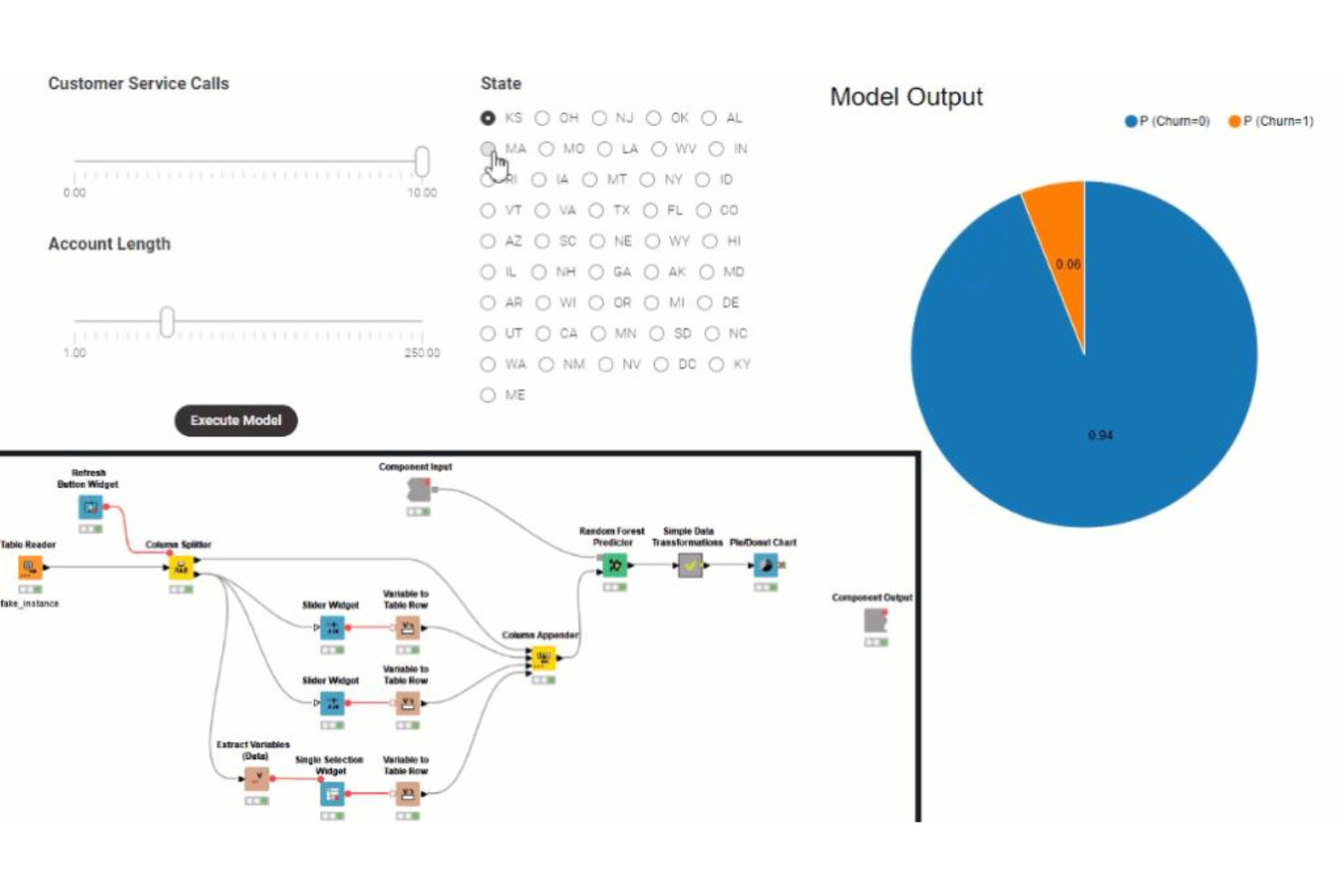
KNIME è una piattaforma di analisi dei dati, reporting e integrazione che consente agli utenti di creare e produrre informazioni guidate dai dati. In quanto strumento open source, KNIME offre una flessibilità senza paragoni, permettendo agli utenti di personalizzare i propri flussi di lavoro e integrare diversi strumenti di gestione dei dati. Questo lo rende una scelta potente per chi necessita di soluzioni su misura e preferisce la flessibilità dell'open source.
Perché ho scelto KNIME:
Ho scelto KNIME per questa lista proprio per la sua natura open source, che mette gli utenti nella condizione di realizzare flussi di lavoro e processi analitici personalizzati. Dalle mie valutazioni e comparazioni, l'approccio di KNIME all'integrazione dei dati e alla flessibilità lo fa risaltare tra i concorrenti. La flessibilità offerta dall'open source, in particolare, soddisfa un’ampia gamma di utenti e offre possibilità di personalizzazione uniche, rendendolo la scelta migliore per chi ha bisogno di strumenti adattabili.
Caratteristiche principali e integrazioni:
KNIME propone flussi di lavoro drag-and-drop che consentono agli utenti di costruire facilmente i propri processi dati utilizzando una vasta gamma di nodi. La disponibilità di estensioni della community e integrazioni con linguaggi di programmazione come Python e R garantisce una grande flessibilità. KNIME si integra con diversi database, estensioni per big data e anche con soluzioni di cloud storage, rendendolo adattabile a molti diversi ambienti dati.
Pros and Cons
Pros:
- La piattaforma open source consente un'elevata personalizzazione
- Ampia integrazione con diversi linguaggi di programmazione e database
- Forte supporto e estensioni della community
Cons:
- Può essere difficile da apprendere per i principianti
- Le prestazioni possono diminuire con set di dati estremamente grandi
- La mancanza di informazioni sui prezzi facilmente disponibili può scoraggiare alcuni potenziali utenti

Ideale per la visualizzazione interattiva dei dati
TIBCO Spotfire è una piattaforma di analisi dei dati e business intelligence progettata per creare visualizzazioni interattive e dashboard. Offre un set completo di strumenti per analizzare, visualizzare e condividere approfondimenti da set di dati complessi. Il forte accento sulle visualizzazioni interattive e le interfacce intuitive è il motivo per cui lo considero il migliore per la visualizzazione interattiva dei dati.
Perché ho scelto TIBCO Spotfire:
Ho scelto TIBCO Spotfire per questa lista dopo aver confrontato attentamente le sue funzionalità con altri strumenti di visualizzazione. La sua capacità di creare visualizzazioni dinamiche e interattive e la flessibilità di gestire diverse fonti di dati lo fanno risaltare. Credo che questo strumento sia 'Ideale per...' la visualizzazione interattiva dei dati, poiché consente agli utenti di interagire con i propri dati in modo altamente visivo e intuitivo, migliorando i processi decisionali.
Funzionalità e integrazioni principali:
TIBCO Spotfire offre analisi avanzate, connettività dati in tempo reale e modellazione predittiva come funzionalità principali. La funzione di trascinamento rende l'esperienza d'uso facile e fluida. L'integrazione con varie fonti di dati, inclusi database, fogli di calcolo e servizi cloud, lo rende uno strumento versatile per diverse esigenze aziendali.
Pros and Cons
Pros:
- Forte attenzione a visualizzazioni interattive e dinamiche
- Integrazione con un'ampia gamma di fonti dati
- Dashboard personalizzabili per diverse esigenze utente
Cons:
- I prezzi possono essere elevati per le piccole imprese
- Alcune funzionalità avanzate possono richiedere competenze tecniche
- Documentazione e supporto limitati per personalizzazioni specifiche

Talend
Ideale per l'integrazione dei dati in tempo reale
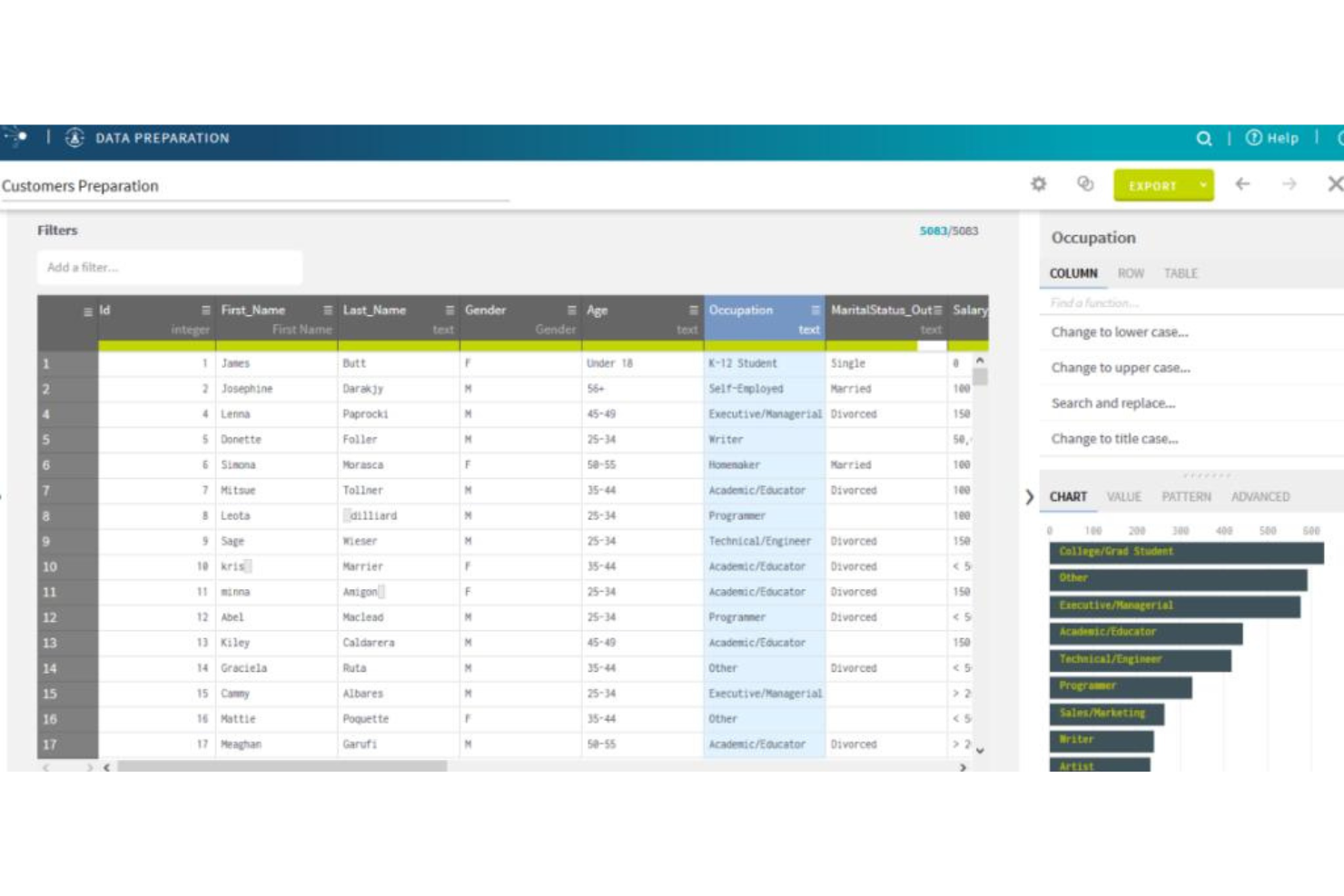
Talend è una potente piattaforma di integrazione dati progettata per facilitare il flusso in tempo reale dei dati tra diversi sistemi. Con una forte attenzione all'integrazione dei dati in tempo reale, Talend offre una soluzione che garantisce lo scambio dei dati, rendendolo una scelta ideale per le organizzazioni che necessitano di sincronizzazione aggiornata dei dati.
Perché ho scelto Talend:
Ho scelto Talend per questa lista per il suo impegno nell'integrazione dei dati in tempo reale. La capacità di spostare e trasformare i dati in tempo reale è fondamentale per molte aziende, e gli strumenti specializzati di Talend offrono proprio questa funzionalità. Questo impegno verso l'elaborazione in tempo reale è ciò che distingue Talend, ed è il motivo per cui lo considero il migliore per le aziende che necessitano di sincronizzare istantaneamente i loro dati su diverse piattaforme.
Caratteristiche principali e integrazioni:
Talend offre funzionalità come lo streaming dei dati in tempo reale, la trasformazione e l'integrazione tra una vasta gamma di fonti. L'integrazione Big Data e il supporto per piattaforme cloud sono particolarmente degni di nota. Talend si integra bene con diverse fonti dati come AWS, Azure, Salesforce e Hadoop, offrendo un supporto completo per varie esigenze aziendali.
Pros and Cons
Pros:
- Solide capacità di integrazione dei dati in tempo reale
- Supporto completo per cloud e Big Data
- Integrazione flessibile con varie fonti di dati
Cons:
- Configurazione complessa che può richiedere competenze tecniche
- Prezzo elevato per piccole e medie imprese
- Assenza di un'interfaccia visiva per le attività di preparazione dei dati

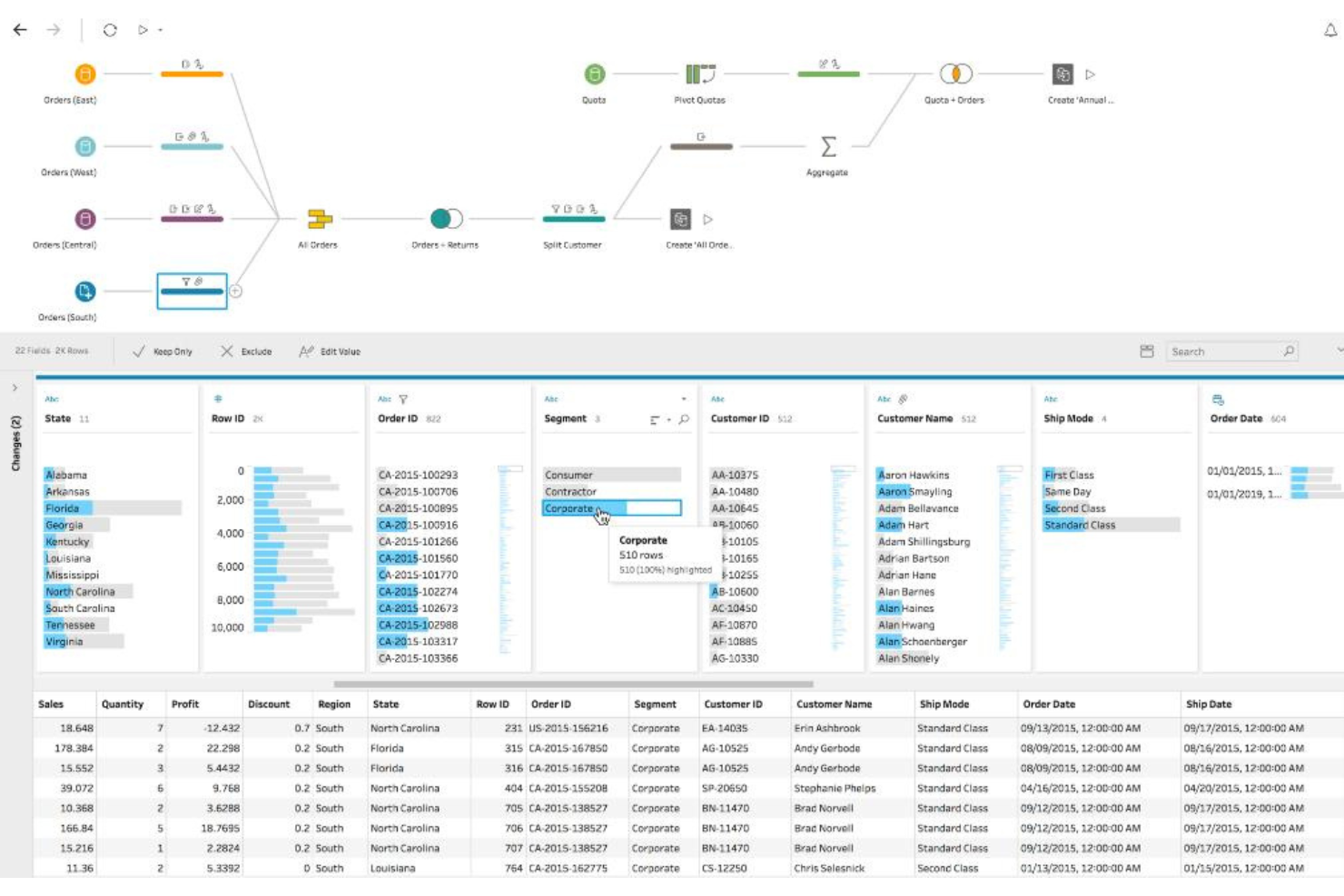
Tableau Prep è rinomato per la sua interfaccia di preparazione dei dati visiva che permette agli utenti di vedere i dati mentre li modellano. Questo approccio pratico e visivo garantisce che gli utenti comprendano come appariranno le modifiche apportate ai dati, rendendolo una soluzione ideale per chi dà priorità a un'esperienza guidata visivamente nella preparazione dei dati.
Perché ho scelto Tableau Prep:
Ho scelto Tableau Prep per la sua interfaccia unica e intuitiva di preparazione dei dati visiva. Questa caratteristica lo distingue dagli altri, consentendo agli utenti di interagire con i propri dati in modo grafico, facilitando una migliore comprensione di ciò che viene fatto. È proprio questa interazione visiva che mi porta a considerare Tableau Prep il migliore per chi desidera vedere e manipolare i dati in modo naturale e diretto.
Funzionalità e integrazioni principali:
Tableau Prep offre un'interfaccia interattiva in cui gli utenti possono esplorare e pulire i dati visivamente. Le sue raccomandazioni intelligenti per join, unioni e pulizia dei dati fanno risparmiare tempo e contribuiscono a creare un flusso di lavoro fluido. Le integrazioni chiave includono connessioni con molteplici fonti di dati come Excel, SQL Server e Google Sheets, oltre all'integrazione con Tableau Desktop per ulteriori analisi.
Pros and Cons
Pros:
- L'interfaccia visiva migliora la comprensione
- Raccomandazioni intelligenti per operazioni di preparazione dati
- Forte integrazione con altri prodotti Tableau
Cons:
- Potrebbe essere meno adatto a chi non apprende visivamente
- Caratteristiche di trasformazione avanzate limitate
- Prezzo più elevato per utenti singoli

Ideale per una gestione robusta dei dati aziendali
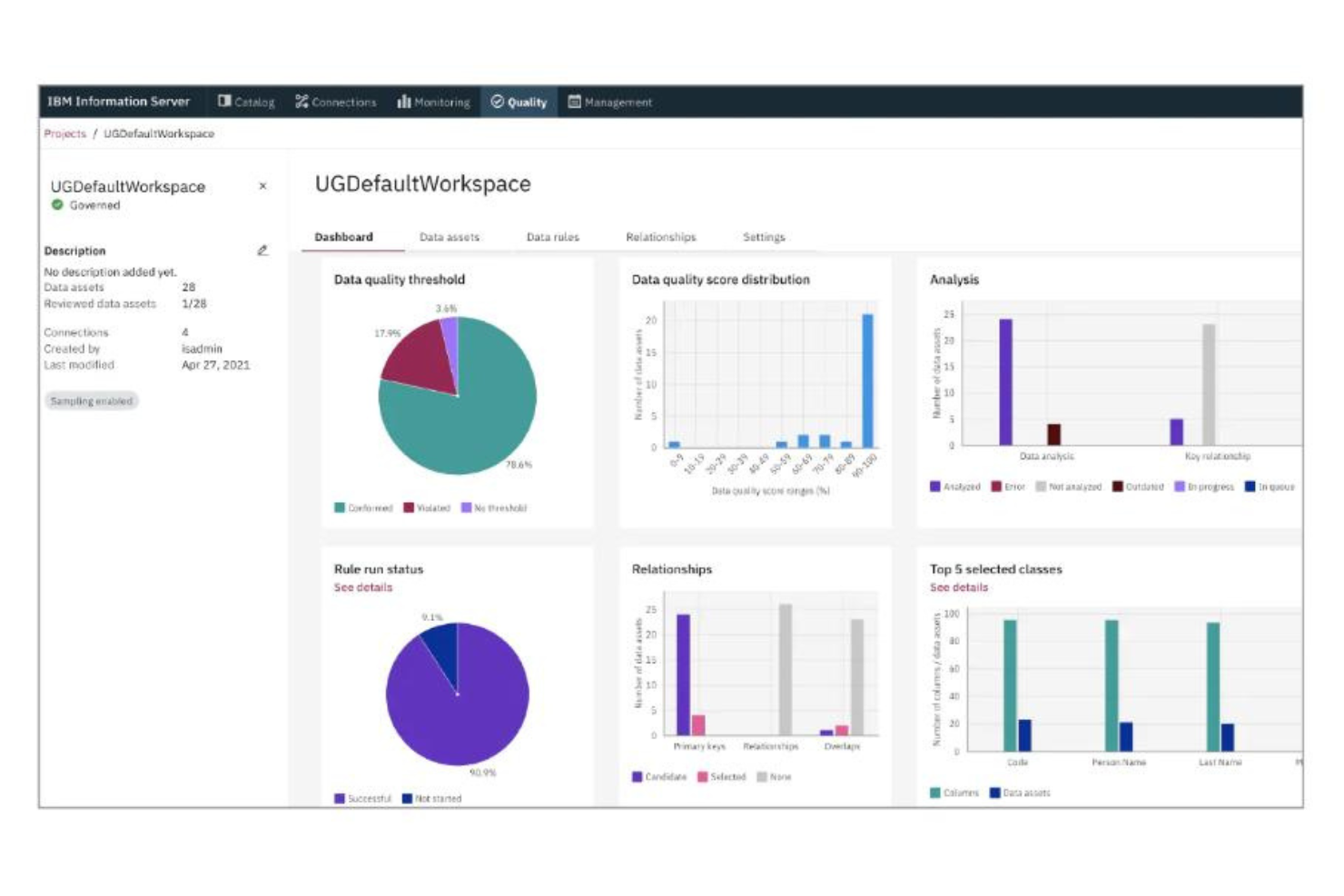
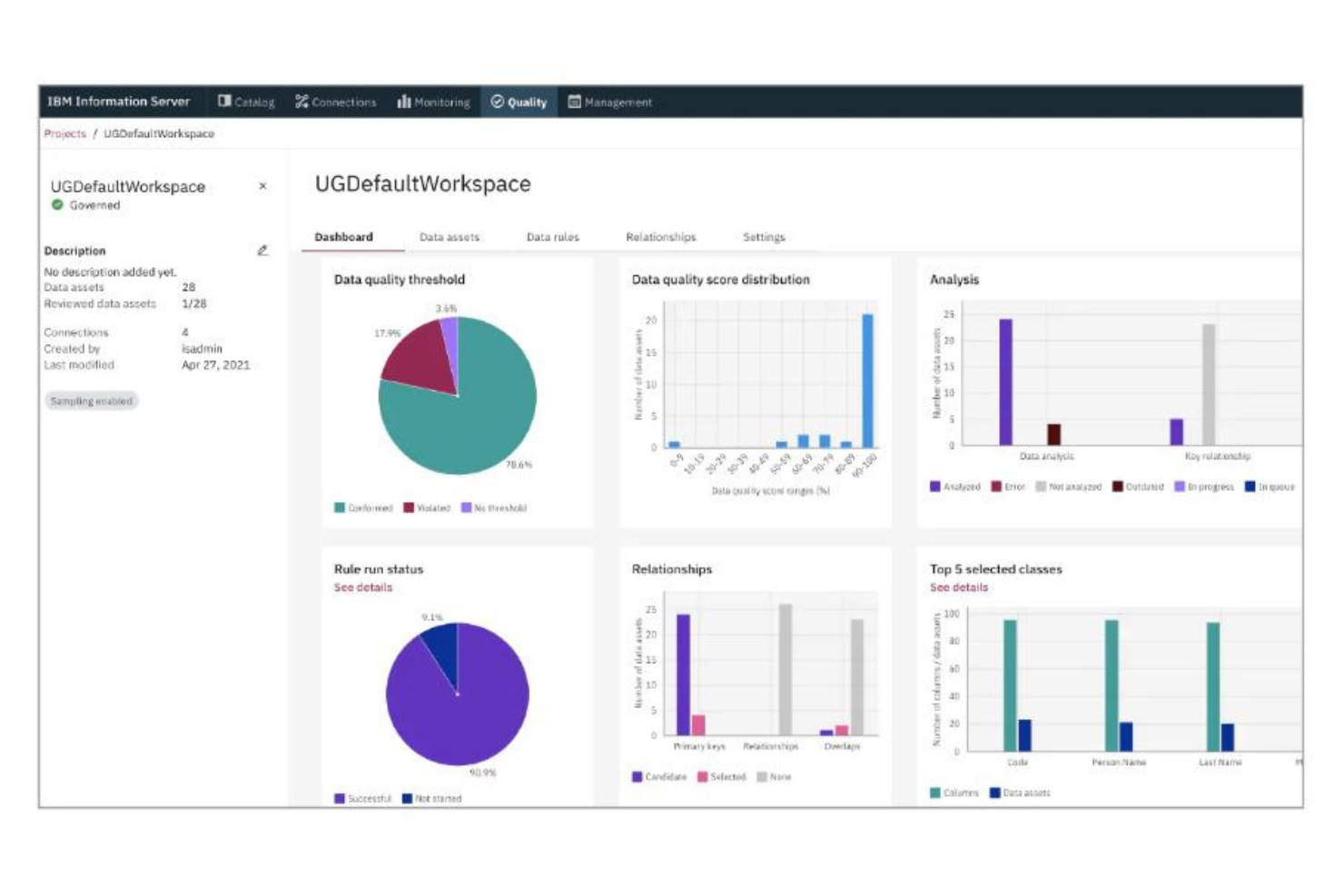
IBM Infosphere Information Server è una piattaforma integrata per l'integrazione, la pulizia, il monitoraggio e la trasformazione dei dati. Offre una suite completa di funzionalità che facilitano la gestione e l'utilizzo dei dati aziendali, garantendone qualità e coerenza in tutta l'organizzazione. Il suo focus sulla funzionalità a livello aziendale e l'adattabilità a diversi ambienti di dati lo rendono ideale per una gestione robusta dei dati aziendali.
Perché ho scelto IBM Infosphere Information Server:
Ho scelto IBM Infosphere Information Server dopo aver analizzato le sue capacità complete nella gestione di complesse esigenze di dati aziendali. La sua architettura solida, la scalabilità e l'ampia gamma di funzionalità lo distinguono da altri strumenti. Ritengo che questo strumento sia ideale per una gestione robusta dei dati aziendali grazie alla sua capacità di gestire operazioni dati estese, dall'integrazione all'assicurazione della qualità, in organizzazioni di grandi dimensioni.
Caratteristiche e integrazioni principali:
Le caratteristiche distintive di IBM Infosphere Information Server includono framework per la qualità dei dati, gestione dei metadati e capacità di elaborazione parallela. Queste funzionalità garantiscono dati accurati e coerenti tra i vari sistemi dell'organizzazione. Le integrazioni con un'ampia varietà di database, sistemi ERP e piattaforme big data permettono la connessione e la collaborazione tra diverse fonti e tecnologie di dati.
Pros and Cons
Pros:
- Suite completa per tutti gli aspetti della gestione dei dati aziendali
- Scalabile per gestire grandi volumi di dati
- Ampia gamma di integrazioni con varie fonti e piattaforme dati
Cons:
- Potrebbe essere troppo complesso per piccole imprese o casi d'uso semplici
- La curva di apprendimento può essere ripida per chi è nuovo sulla piattaforma
- La mancanza di informazioni trasparenti sul prezzo potrebbe rappresentare una barriera per alcuni potenziali utenti

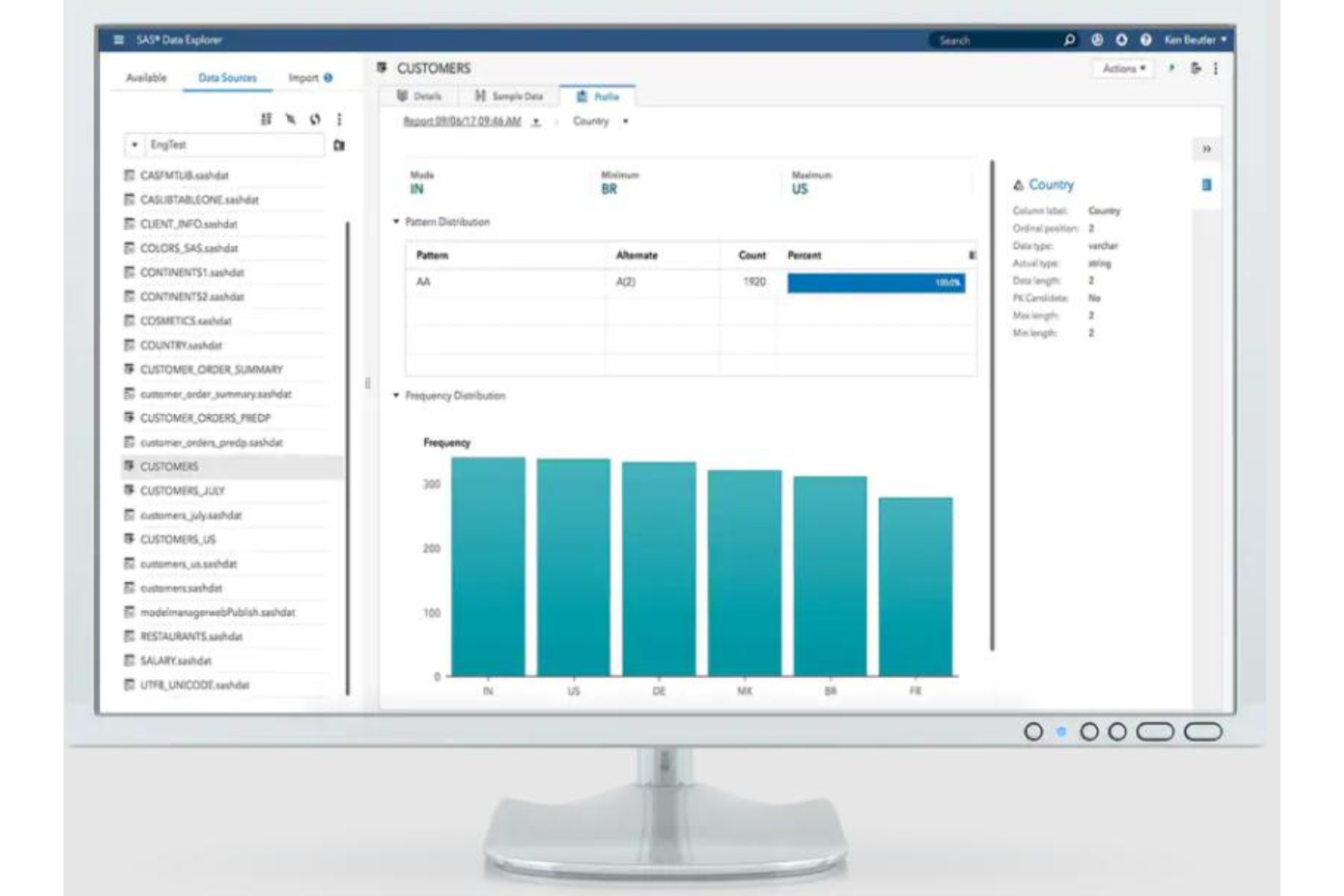
SAS Data Management è una soluzione completa progettata per supportare la qualità dei dati, l'integrazione e la governance. Offrendo funzionalità per pulire, standardizzare e arricchire i dati, aiuta le organizzazioni a garantire l'accuratezza e l'affidabilità dei dati, rendendola la soluzione ideale per la governance della qualità dei dati.
Perché ho scelto SAS Data Management:
Ho scelto SAS Data Management dopo aver confrontato e valutato attentamente le sue capacità nel garantire la qualità e la governance dei dati su diverse piattaforme. Ciò che lo distingue è la sua solida gamma di funzionalità incentrate sui controlli di qualità, sulla standardizzazione e sul monitoraggio dei dati. Ho scelto questo strumento perché è il migliore per la governance della qualità dei dati, offrendo soluzioni uniche che aiutano a mantenere l'integrità, l'accuratezza e la coerenza dei dati all'interno di un'organizzazione.
Funzionalità e integrazioni principali:
SAS Data Management offre funzionalità come il data profiling, la pulizia, l'abbinamento, il monitoraggio e la visualizzazione della data lineage. Il suo framework di data governance assicura che i dati siano coerenti e affidabili in tutta l'organizzazione. Lo strumento si integra con diversi database, applicazioni e anche tecnologie big data, offrendo una soluzione unificata per la gestione della qualità dei dati.
Pros and Cons
Pros:
- Solide misure di controllo della qualità dei dati
- Integrazione flessibile con diverse piattaforme
- Capacità di monitoraggio e reporting complete
Cons:
- Informazioni sui prezzi non trasparenti
- Potrebbe essere necessaria una formazione specializzata per sfruttare appieno tutte le funzionalità
- Alcuni utenti potrebbero trovare l'interfaccia meno intuitiva rispetto ad altre soluzioni sul mercato

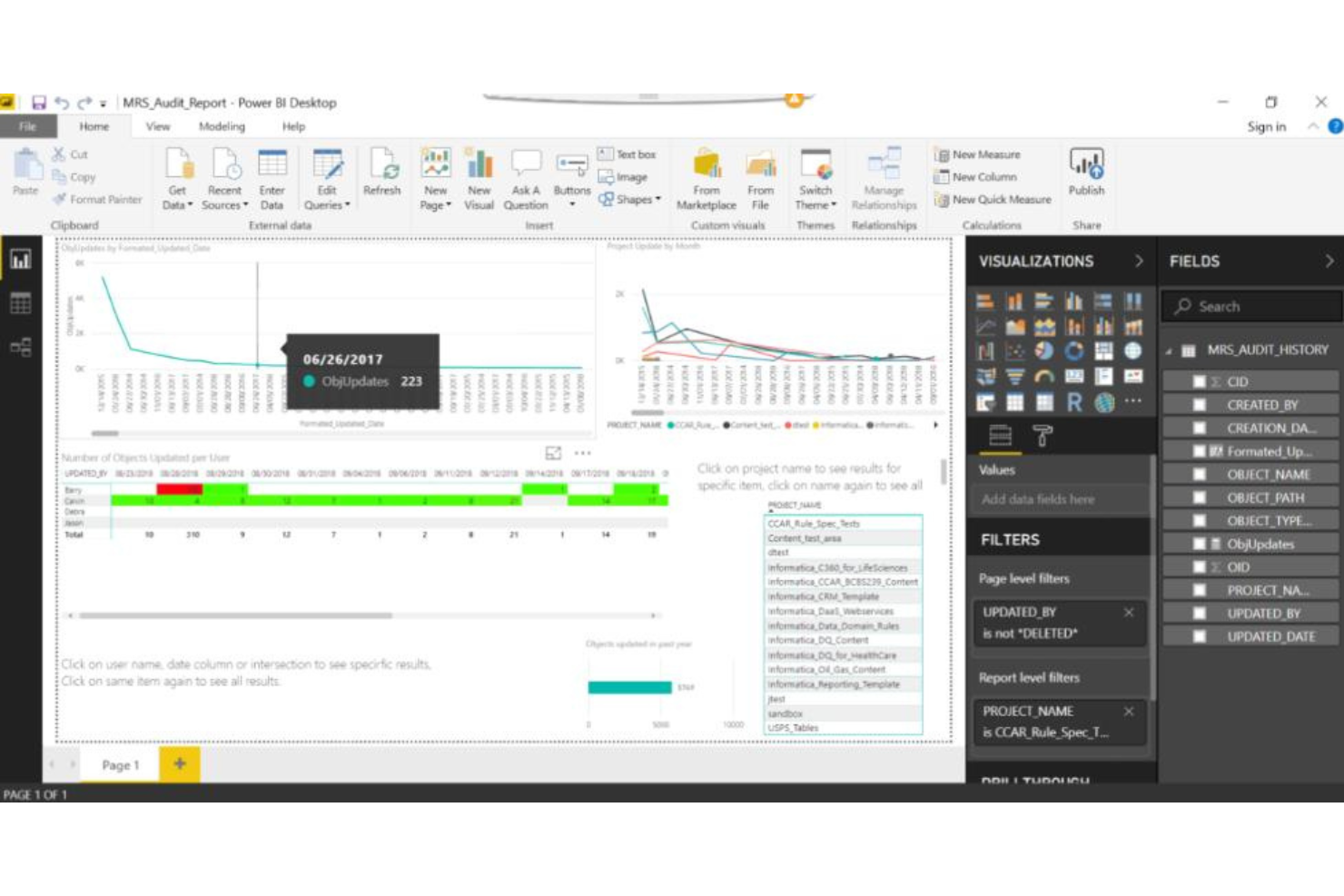
Informatica PowerCenter è una solida piattaforma di integrazione dati progettata per connettere, raccogliere e trasformare dati provenienti da diverse fonti. Con la sua capacità di gestire l'integrazione dei dati su larga scala attraverso sistemi complessi, PowerCenter si distingue come una delle scelte principali per le organizzazioni che necessitano di gestire grandi quantità di dati.
Perché ho scelto Informatica PowerCenter:
Ho selezionato Informatica PowerCenter per questo elenco dopo aver valutato attentamente la sua efficacia nella gestione di insiemi di dati grandi e diversificati. La sua capacità di integrare i dati a livello aziendale è ciò che lo rende diverso dagli altri strumenti. Ho scelto questo tool perché è il migliore per l'integrazione dei dati su larga scala, offrendo flessibilità, scalabilità e un motore ad alte prestazioni per elaborare elevati volumi di dati.
Caratteristiche distintive e integrazioni:
PowerCenter presenta un'interfaccia di progettazione visiva che semplifica la creazione e la gestione dei flussi di lavoro sui dati. Supporta un'elevata disponibilità e scalabilità ed offre avanzate capacità di trasformazione dei dati. PowerCenter si integra con un'ampia gamma di fonti dati, inclusi database relazionali, applicazioni cloud, social network e molto altro, consentendo una gestione dati completa.
Pros and Cons
Pros:
- Ideato per l'integrazione dei dati su larga scala
- Interfaccia di progettazione visiva robusta che semplifica la gestione dei flussi di lavoro sui dati
- Supporta un'ampia gamma di fonti dati e piattaforme
Cons:
- Le informazioni sui prezzi potrebbero non essere facilmente accessibili
- Potrebbe presentare una curva di apprendimento ripida per chi è nuovo nell'integrazione dati
- Potrebbe richiedere risorse aggiuntive per l'ottimizzazione e la messa a punto in ambienti complessi
Altri Software di Preparazione dei Dati
Ecco alcune altre opzioni di software di preparazione dei dati che non sono rientrate nella mia selezione ma che vale comunque la pena considerare:
- DataRobot
Ideale per la preparazione dei dati guidata dall'IA
- Trifacta
Ideale per la pulizia automatica dei dati
- Microsoft Power Query
Ideale per una facile trasformazione e integrazione dei dati


Comment j'évalue les logiciels de gestion de partenaires
J’évalue chaque outil sous deux angles : les capacités de base requises pour gérer l’enregistrement des opportunités, les portails partenaires et les paiements, ainsi que les éléments différenciateurs importants selon les types de programmes et les stacks RevOps.
Fonctionnalités de base (Critères indispensables pour cette liste)
Lorsque je sélectionne les outils pour ma liste, j’attribue à chacun une note de 0 (ne propose pas la fonctionnalité) à 5 (excellente maîtrise de cet aspect) pour chaque fonctionnalité de base listée ci-dessous. Ensuite, j’additionne les scores pour calculer un pourcentage total. Chaque outil doit obtenir un score total minimum de 65 % pour pouvoir être inclus.
- Portail partenaire & onboarding : Je vérifie si la plateforme propose un portail auto-service personnalisé où les partenaires peuvent s’inscrire, accéder aux formations et retrouver les supports commerciaux sans devoir ouvrir de ticket support.
- Enregistrement des deals & répartition des leads : Un bon workflow d’enregistrement des opportunités prévient dès le départ les conflits de canal. J’évalue la logique d’approbation, la détection de conflits et la distribution des leads aux bons partenaires.
- Suivi des performances des partenaires : Je recherche des tableaux de bord qui distinguent le pipeline d’origine vs. d’influence, par partenaire, afin que les équipes RevOps puissent rattacher précisément l’attribution à des opérations concrètes, plutôt que de s’appuyer sur des suppositions.
- Gestion des incitations & paiements : Qu’il s’agisse de commissions de recommandation, de remises par paliers ou de remboursements MDF, j’évalue comment chaque outil calcule et traite la rémunération partenaire à grande échelle.
- Intégrations CRM & stack revenus : L’outil doit se synchroniser de façon bidirectionnelle avec des plateformes comme Salesforce ou HubSpot, pour que les données des deals partenaires alimentent vos modèles de pipeline et de prévision existants.
- Segmentation & classification des partenaires : J’observe la manière dont chaque plateforme structure les types de partenaires (apporteur d’affaires, revendeur, affilié, technologique) et si elle permet des règles, des accès et une rémunération différenciés selon les niveaux.
Lorsque j’ai une liste d’outils qui répondent à ces critères, j’analyse ce qui distingue chaque plateforme.
Facteurs différenciants (Ce qui distingue les fournisseurs)
Voici comment je compare et distingue les différents fournisseurs :
Fonctionnalités remarquables
Le partage de données écosystémiques est un facteur différenciant majeur. Je privilégie les plateformes permettant de cartographier les comptes communs avec les partenaires sans exposer les données brutes du CRM, afin que la vente conjointe repose sur un vrai chevauchement de pipeline plutôt que sur des suppositions. L’automatisation du marketing via les canaux partenaires compte aussi : les partenaires qui peuvent co-marquer et lancer des campagnes directement dans le portail génèrent plus d'opportunités sans que votre équipe marketing devienne un goulot d’étranglement. J’évalue également l’automatisation de l’expérience partenaire, où des workflows déclenchés par des événements gèrent les changements de niveau, relances de renouvellement et séquences d'intégration, sans intervention manuelle.
Au-delà des fonctionnalités
La compatibilité avec votre type de programme est mon point de départ. Une plateforme conçue pour des programmes de revente à forte implication ne conviendra pas toujours à une démarche d’affiliation ou de recommandation à grande échelle. Je vérifie systématiquement l’adéquation avec votre modèle partenaire. Le délai de mise en valeur est aussi crucial : j’observe si les plateformes proposent des modèles pré-paramétrés et un accompagnement à la configuration pour éviter d’y passer tout un trimestre. La structure tarifaire mérite également toute votre attention. Certains fournisseurs facturent par partenaire, d’autres par utilisateur interne, et le mauvais modèle peut devenir coûteux à mesure que le programme monte en puissance.
Come Scegliere un Software di Preparazione dei Dati
È facile lasciarsi sopraffare da lunghe liste di funzionalità e strutture di prezzo complesse. Per aiutarti a restare concentrato durante il tuo processo di selezione, ecco una checklist di fattori da considerare:
| Fattore | Cosa considerare |
|---|---|
| Scalabilità | Il software si adatterà alla crescita delle tue esigenze di dati? Considera i volumi di dati futuri e se lo strumento può gestire una complessità crescente senza problemi di prestazioni. |
| Integrazioni | Si collega con i tuoi sistemi attuali? Verifica la compatibilità con le fonti dati esistenti, le piattaforme di analisi e le applicazioni aziendali per evitare la creazione di silos di dati. |
| Personalizzazione | Puoi adattarlo ai tuoi flussi di lavoro? Cerca strumenti che permettano la configurazione in base ai tuoi processi senza la necessità di estese attività di programmazione. |
| Facilità d’uso | È facile da usare per il tuo team? Valuta la curva di apprendimento e la capacità degli utenti non tecnici di utilizzarlo efficacemente. |
| Implementazione e onboarding | Quanto velocemente puoi iniziare? Considera il tempo e le risorse necessarie per la configurazione, inclusa la formazione e il supporto durante il periodo di transizione. |
| Costo | Rientra nel tuo budget? Confronta i modelli di prezzo, incluse eventuali spese nascoste, e valuta il costo totale di proprietà nel tempo. |
| Misure di sicurezza | Soddisfa le tue necessità di protezione dei dati? Controlla la presenza di crittografia, controlli di accesso e il rispetto degli standard di settore per garantire l'integrità delle informazioni sensibili. |
| Disponibilità del supporto | Il supporto è disponibile quando ne hai bisogno? Cerca opzioni di assistenza 24/7, account manager dedicati e community di utenti che possano aiutare a risolvere eventuali problematiche. |
Che cos’è un software di preparazione dei dati?
Il software di preparazione dei dati è uno strumento che aiuta a pulire, organizzare e trasformare i dati grezzi in un formato utilizzabile per l’analisi. Questi strumenti vengono usati tipicamente da analisti dei dati, data scientist e professionisti della business intelligence per migliorare l’accuratezza e l’efficienza dei dati. Le funzionalità di pulizia, trasformazione e integrazione dei dati aiutano nella gestione di grandi dataset e nella loro preparazione per l’analisi. In generale, questi strumenti fanno risparmiare tempo e riducono gli errori, consentendo decisioni più informate.
Funzionalità
Quando selezioni un software di preparazione dei dati, tieni in considerazione le seguenti funzionalità chiave:
- Pulizia dei dati: Rileva e corregge automaticamente gli errori nei dataset per garantire accuratezza e affidabilità.
- Trasformazione dei dati: Converte i dati nel formato o struttura desiderata, rendendoli pronti per l’analisi.
- Capacità di integrazione: Collega varie fonti e applicazioni di dati per raccogliere e consolidare le informazioni senza interruzioni.
- Profilatura dei dati: Analizza i dataset per comprenderne struttura, contenuto e qualità, offrendo spunti per la preparazione.
- Tracciamento della provenienza dei dati: Monitora il flusso e la trasformazione dei dati per garantire trasparenza e tracciabilità.
- Flussi di lavoro automatizzati: Snellisce le attività e i processi ripetitivi, facendo risparmiare tempo e riducendo il lavoro manuale.
- Strumenti di collaborazione: Consentono a più utenti di lavorare insieme ai progetti sui dati, migliorando il lavoro di squadra e la produttività.
- Misure di sicurezza: Proteggono i dati sensibili tramite crittografia e controlli di accesso, assicurando la conformità agli standard.
- Strumenti di visualizzazione: Presentano i dati in formato grafico per aiutare gli utenti a interpretarli e ottenere rapidamente insight.
- Integrazione con machine learning: Consente una modellazione avanzata dei dati e previsioni, aumentando le capacità analitiche.
Vantaggi
L’introduzione di un software di preparazione dei dati offre diversi vantaggi per il tuo team e la tua azienda. Eccone alcuni di cui potrai beneficiare:
- Migliore qualità dei dati: La pulizia e la profilatura automatica assicurano dati precisi e affidabili per il processo decisionale.
- Risparmio di tempo: I flussi di lavoro automatizzati e le capacità di integrazione riducono il lavoro manuale, lasciando più tempo al team per l’analisi.
- Collaborazione migliorata: Gli strumenti di collaborazione permettono ai membri del team di lavorare in modo efficiente insieme sui progetti dati.
- Migliore comprensione dei dati: Gli strumenti di visualizzazione aiutano gli utenti a interpretare i dati rapidamente, favorendo decisioni più veloci e informate.
- Maggiore sicurezza: Le misure di sicurezza proteggono le informazioni sensibili, garantendo la conformità alle normative sulla protezione dei dati.
- Scalabilità: La capacità di gestire grandi dataset supporta la crescita aziendale e le esigenze in evoluzione.
- Analisi avanzata: L’integrazione con machine learning offre funzionalità predittive, migliorando i processi analitici.
Costi e prezzi
La scelta di un software di preparazione dei dati richiede la comprensione dei vari modelli e piani di prezzo disponibili. I costi variano in base alle funzionalità, alla dimensione del team, agli add-on e altro ancora. La tabella seguente riassume i piani comuni, i prezzi medi e le caratteristiche tipiche incluse nelle soluzioni di preparazione dei dati:
Tabella di Confronto dei Piani per Software di Preparazione Dati
| Tipo di Piano | Prezzo Medio | Funzionalità Comuni |
|---|---|---|
| Piano Gratuito | $0 | Pulizia di base dei dati, integrazioni limitate e supporto dalla community. |
| Piano Personale | $10-$30/user/month | Trasformazione dei dati, profilazione dei dati e funzionalità di automazione di base. |
| Piano Business | $30-$60/user/month | Integrazioni avanzate, strumenti di collaborazione e funzionalità di sicurezza potenziate. |
| Piano Enterprise | $60-$120/user/month | Personalizzazione totale, governance completa dei dati e supporto dedicato. |
Domande Frequenti sul Software di Preparazione Dati
Ecco alcune risposte alle domande più comuni sul software di preparazione dati:
Quali strumenti possono automatizzare la preparazione dei dati?
Strumenti come Alteryx, Tableau Prep e Trifacta automatizzano le attività di preparazione dei dati. Questi strumenti offrono funzionalità per la pulizia, la trasformazione e l’integrazione dei dati, riducendo il lavoro manuale. L’automazione permette al tuo team di concentrarsi sull’analisi, semplificando attività dati ripetitive e che richiedono molto tempo.
Il software di preparazione dati può gestire sia dati strutturati che non strutturati?
Sì, la maggior parte dei software moderni può elaborare entrambe le tipologie. I dati strutturati (come fogli di calcolo o database) e quelli non strutturati (come email, testo o post sui social) possono essere unificati in un unico ambiente. Questa flessibilità consente al tuo team di preparare set di dati più ricchi per analisi o machine learning senza utilizzare strumenti separati per ogni tipo di dato.
Come migliora l'automazione i flussi di lavoro di preparazione dei dati?
L’automazione consente al tuo team di programmare compiti di pulizia, trasformazione e integrazione dei dati senza intervento manuale. Puoi configurare flussi di lavoro ripetibili che si avviano giornalmente o in risposta a nuovi dati. Ciò non solo fa risparmiare tempo, ma garantisce anche coerenza nel trattamento dei dati, riducendo il rischio di errori umani.
Cosa Succede Dopo:
Se sei nella fase di ricerca di un software di preparazione dati, connettiti con un consulente SoftwareSelect per ricevere raccomandazioni gratuite.
Compili un modulo e fai una breve chiacchierata in cui vengono approfondite le tue esigenze specifiche. Poi riceverai una lista di software da valutare. Ti supporteranno anche durante tutto il processo d'acquisto, incluse le negoziazioni sul prezzo.