

La lista definitiva: i 10 migliori software di distribuzione del 2026

10 Migliori Software di Deployment: Shortlist


Nell’ambiente SaaS in rapida evoluzione, trovare il giusto software di deployment può sembrare un compito arduo. Vuoi uno strumento che si adatti alle esigenze del tuo team, riduca gli errori e faccia risparmiare tempo. Ma con così tante opzioni disponibili, come scegliere quella migliore?
Ho passato innumerevoli ore a testare e recensire software di deployment, e sono qui per condividere con te le mie conclusioni. Il mio obiettivo è offrirti una recensione imparziale e ben documentata delle migliori soluzioni presenti sul mercato.
In questo articolo scoprirai le soluzioni migliori di software per il deployment disponibili. Ti guiderò nelle funzionalità, nei pro e nei contro e nei punti di forza di ciascuna. Rendiamo la tua ricerca un po’ più semplice.
Perché fidarsi dei nostri consigli sui software
Il nostro team testa e recensisce software dal 2012. In quanto leader tecnologici noi stessi, sappiamo quanto sia difficile — e importante — scegliere il software giusto.
Per questa guida, abbiamo valutato gli strumenti attraverso test praticie ricerche indipendenti, assegnando un punteggio agli strumenti in base ai nostri criteri di selezione.
Le nostre recensioni riflettono il nostro giudizio editoriale umano, non un discorso di vendita.
Riepilogo dei Migliori Software di Deployment
| Tool | Best For | Trial Info | Price | ||
|---|---|---|---|---|---|
| 1 | Ideale per l'approccio infrastructure as code | Prova gratuita + demo gratuita disponibile | Prezzo su richiesta | Website | |
| 2 | Ideale per automazione open-source e supporto ai plugin | Download gratuito disponibile | Gratuito (essendo uno strumento open-source) | Website | |
| 3 | Ideale per l'integrazione con JIRA e Bitbucket | Prova gratuita di 30 giorni | Da $10/utente/mese (fatturato annualmente) | Website | |
| 4 | Ideale per flussi di lavoro di integrazione e distribuzione continua | Piano gratuito + demo disponibile | A partire da $15/utente/mese (fatturazione annuale) | Website | |
| 5 | Ideale per l'uso come orchestratore di workload flessibile | Not available | Prezzo su richiesta | Website | |
| 6 | Ideale per la distribuzione centralizzata di software Windows | Prova gratuita di 14 giorni + demo gratuita disponibile | Prezzi su richiesta | Website | |
| 7 | Ideale per integrare con strumenti e servizi popolari | Prova gratuita di 14 giorni + Demo gratuita | A partire da $9/utente/mese (fatturato annualmente) | Website | |
| 8 | Ideale per la distribuzione applicativa guidata dal modello | temporaneamente gratuito da usare | A partire da $7/utente/mese (fatturato annualmente) | Website | |
| 9 | Ideale per imaging PC e migrazione Windows | Not available | Prezzo su richiesta | Website | |
| 10 | Ideale per la gestione degli endpoint aziendali | Prova gratuita di 30 giorni disponibile | Prezzo su richiesta | Website |
Recensioni dei Migliori Software di Deployment

Chef
Ideale per l'approccio infrastructure as code
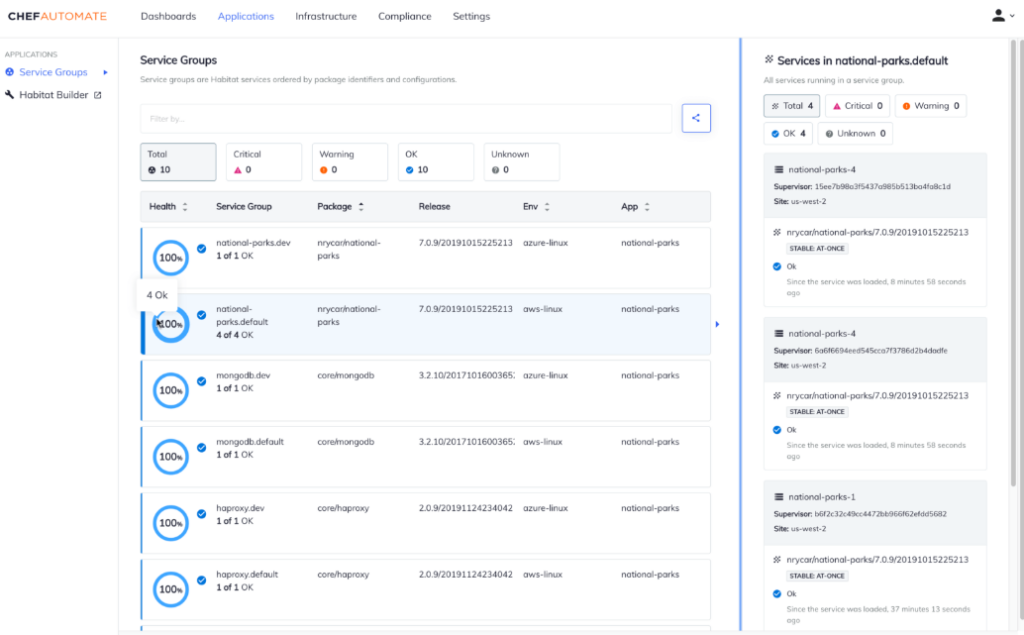
Chef è una potente piattaforma di automazione che semplifica la gestione dell'infrastruttura. Consentendo agli utenti di descrivere le configurazioni dell'infrastruttura e del sistema tramite codice, Chef apre la strada a configurazioni di sistema affidabili, ripetibili e scalabili.
Perché ho scelto Chef: Scegliere lo strumento giusto è una combinazione di funzionalità e specializzazione. Quando ho deciso quali strumenti includere, l'approccio di Chef dedicato all'infrastructure as code (IaC) lo ha reso un punto di riferimento. Questo metodo è sempre più fondamentale nell'attuale panorama IT dinamico e, a mio avviso, Chef rappresenta il meglio che IaC può offrire.
Caratteristiche e integrazioni principali:
La robustezza di Chef si evidenzia in funzionalità come Chef Infra, che automatizza la configurazione dell'infrastruttura, e Chef InSpec, che garantisce controlli di sicurezza e conformità. Sul fronte delle integrazioni, Chef collabora perfettamente con piattaforme cloud come AWS, Azure e Google Cloud, oltre che con i più diffusi sistemi di controllo versione come Git e Bitbucket.
Pros and Cons
Pros:
- Consente un controllo preciso sull'infrastruttura, favorendo coerenza e ripetibilità
- Controlli di compliance robusti con Chef InSpec garantiscono la sicurezza
- Ampia integrazione con le principali piattaforme cloud e VCS
Cons:
- Curva di apprendimento più ripida per chi non ha familiarità con l'approccio IaC
- Alcuni utenti possono trovare restrittivo il suo DSL (Domain Specific Language)
- La configurazione può risultare complessa e richiedere tempo per essere padroneggiata

Jenkins
Ideale per automazione open-source e supporto ai plugin
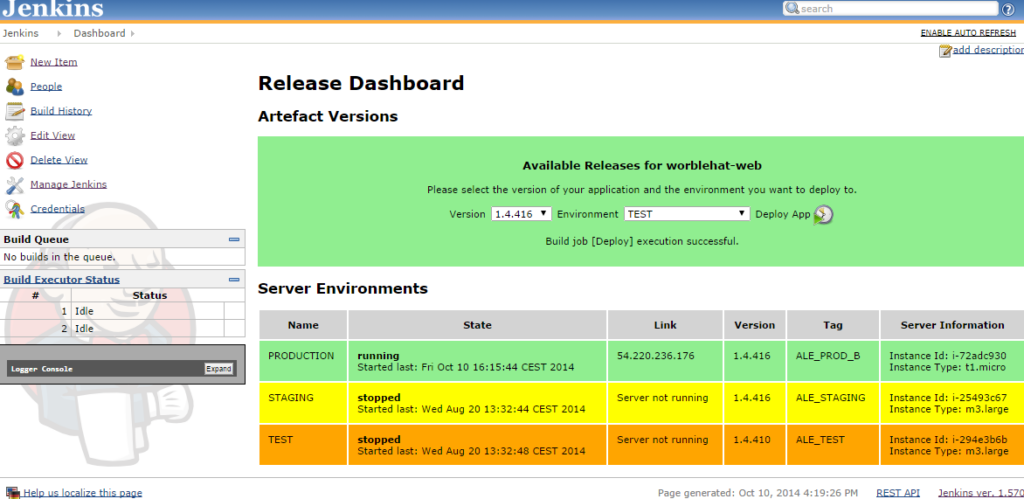
Jenkins è un server di automazione open-source ampiamente riconosciuto che facilita l'integrazione continua e la consegna continua (CI/CD). La sua natura estensibile, guidata da una vasta gamma di plugin, lo rende uno strumento preferito da molti team di sviluppo, soprattutto quando si tratta di automazione e supporto a plugin diversificati.
Perché ho scelto Jenkins: Il processo di selezione di uno strumento di automazione di spicco mi ha portato a considerare Jenkins come uno dei principali candidati. Ho raccolto opinioni da vari esperti del settore e vissuto esperienze dirette che hanno favorito Jenkins. Il motivo per cui ho selezionato Jenkins è la sua natura open-source abbinata a un ecosistema di plugin incredibilmente vasto. Confrontandolo con altri strumenti di automazione, la sua flessibilità e il supporto della community lo fanno davvero emergere. Pertanto, ritengo che Jenkins sia 'il migliore per automazione open-source e supporto ai plugin.'
Caratteristiche e integrazioni principali:
Jenkins offre una miriade di funzionalità, tra cui pipeline di build, build distribuite e monitoraggio di job esterni. Il suo vero punto di forza, tuttavia, risiede nei oltre 1.500 plugin disponibili, che possono trasformare e adattare la piattaforma a quasi qualsiasi caso d'uso CI/CD. In termini di integrazioni, Jenkins ha forti legami con piattaforme di rilievo come GitHub, Docker e Kubernetes, offrendo agli sviluppatori un'esperienza di sviluppo coesa e integrata.
Pros and Cons
Pros:
- Vasto ecosistema di plugin per l'estensibilità
- Supporta build distribuite per progetti di grandi dimensioni
- Forte supporto della community e aggiornamenti regolari
Cons:
- La configurazione iniziale può essere complessa per i principianti
- L'interfaccia può sembrare datata rispetto ai nuovi strumenti CI/CD
- La manutenzione può richiedere tempo a causa degli aggiornamenti regolari e dei problemi di compatibilità dei plugin

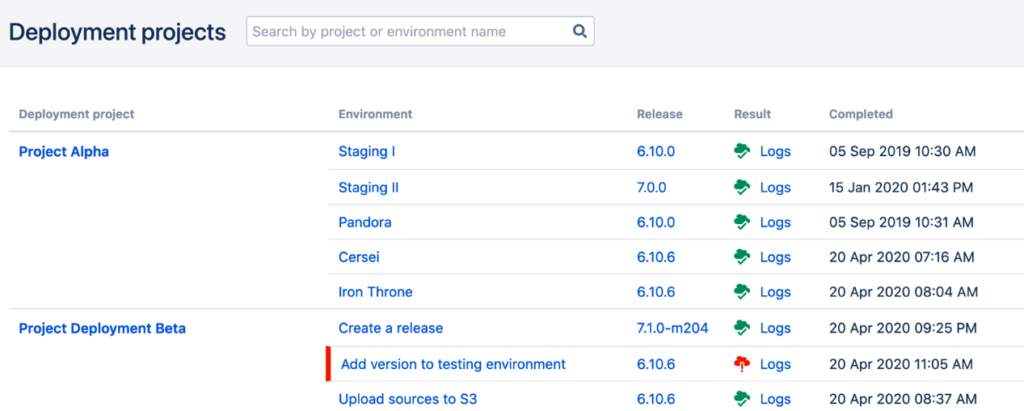
Bamboo di Atlassian funziona come uno strumento di integrazione e consegna continua, facilitando flussi di lavoro ottimizzati tra la codifica e il deployment. Brilla soprattutto se abbinato agli altri prodotti Atlassian, in particolare JIRA e Bitbucket, offrendo un ecosistema interconnesso per lo sviluppo software.
Perché ho scelto Bamboo di Atlassian: Nel processo di selezione degli strumenti giusti, la sinergia intrinseca di Bamboo con JIRA e Bitbucket lo ha reso una scelta ovvia. Le sue capacità di integrazione all'interno della suite Atlassian garantiscono che attività, codici e distribuzione siano facilmente combinati. Ho scelto Bamboo non solo per le sue funzionalità individuali, ma in particolare perché riempie la nicchia per i team già investiti in JIRA e Bitbucket, rendendo la catena di strumenti più coesa.
Funzionalità principali e integrazioni:
Bamboo è arricchito da funzionalità come l'unione automatizzata, i progetti di deployment e i flussi di lavoro Git integrati che migliorano il processo di sviluppo. Inoltre, le sue solide capacità di integrazione si estendono oltre JIRA e Bitbucket. Si adatta bene anche a strumenti popolari come AWS CodeDeploy, Docker e Amazon S3, aumentando ulteriormente la sua utilità in ambienti di sviluppo diversi.
Pros and Cons
Pros:
- Integrazione immediata con i prodotti Atlassian
- Ampia gamma di compatibilità con strumenti di terze parti
- Progetti di deployment dedicati per una gestione delle release più chiara
Cons:
- Potrebbe essere eccessivo per progetti molto piccoli
- Curva di apprendimento se non si conoscono già i prodotti Atlassian
- Il prezzo può rappresentare un problema per team numerosi


CircleCI si presenta come una potente piattaforma specializzata nell'integrazione e consegna continua, garantendo che le modifiche al software vengano automaticamente testate e distribuite. Con un'enfasi sul facilitare flussi di lavoro senza interruzioni, CircleCI si allinea alle esigenze degli sviluppatori che cercano processi di integrazione e distribuzione efficienti.
Perché ho scelto CircleCI: Nel vasto mare degli strumenti di distribuzione, CircleCI ha attirato la mia attenzione per la sua attenzione nell'automazione dell'intera pipeline, dall'integrazione del codice al rilascio del software. Questo strumento si distingue per una combinazione di flessibilità, scalabilità ed efficienza che porta nei cicli di sviluppo. Ho scelto CircleCI specialmente per i team che necessitano di una soluzione robusta sia per l'integrazione che per la distribuzione continua, poiché le sue funzionalità rispondono direttamente a questa doppia esigenza.
Funzionalità principali e integrazioni:
CircleCI vanta funzionalità come la cache dei layer Docker, l'orchestrazione personalizzata dei job e il parallelismo che velocizzano notevolmente i tempi di build. Sul fronte delle integrazioni, si abbina perfettamente con GitHub e Bitbucket, e supporta anche una moltitudine di strumenti di terze parti, aumentando la sua adattabilità in diversi ecosistemi di sviluppo software.
Pros and Cons
Pros:
- Forte supporto a Docker e Kubernetes
- Flussi di lavoro personalizzabili con configurazione YAML
- Scalabile con build concorrenti
Cons:
- La configurazione può essere complessa per i principianti
- Alcune funzionalità avanzate sono disponibili solo nei piani più costosi
- La configurazione iniziale potrebbe richiedere aggiustamenti per progetti specifici


Nomad è un sofisticato orchestratore di workload che facilita il deployment e la gestione delle applicazioni su vari ambienti infrastrutturali. La sua versatilità nell'orchestrare diversi tipi di workload rafforza la sua posizione come scelta di alto livello per i team che necessitano di flessibilità nelle loro esigenze di orchestrazione.
Perché ho scelto Nomad di HashiCorp: Nel mio percorso per individuare gli orchestratori più adattabili, Nomad di HashiCorp è emerso in primo piano. La sua capacità innata di pianificare e coordinare una moltitudine di workload su una varietà di ambienti infrastrutturali lo distingue dagli altri. Ho ritenuto che Nomad sia particolarmente abile nel soddisfare i team che necessitano di un orchestratore flessibile e ampio.
Funzionalità e integrazioni principali:
Le caratteristiche distintive di Nomad includono il supporto multi-datacenter e multi-regione, garantendo alta disponibilità e resilienza. Vanta inoltre un sistema di driver per task pluggable che può eseguire applicazioni containerizzate, virtualizzate e indipendenti. Dal punto di vista delle integrazioni, Nomad collabora agevolmente con altri strumenti HashiCorp come Consul e Vault, e può inoltre essere collegato con le principali piattaforme di container.
Pros and Cons
Pros:
- Altamente scalabile e in grado di gestire distribuzioni su larga scala in modo efficiente
- Integrato con un ricco ecosistema di strumenti HashiCorp
- Supporta una vasta gamma di workload inclusi Docker, Java e altri
Cons:
- Presenta una curva di apprendimento, soprattutto per chi è nuovo agli orchestratori
- Alcune funzionalità potrebbero essere eccessive per applicazioni di piccola scala
- L'integrazione con strumenti non HashiCorp può risultare meno immediata

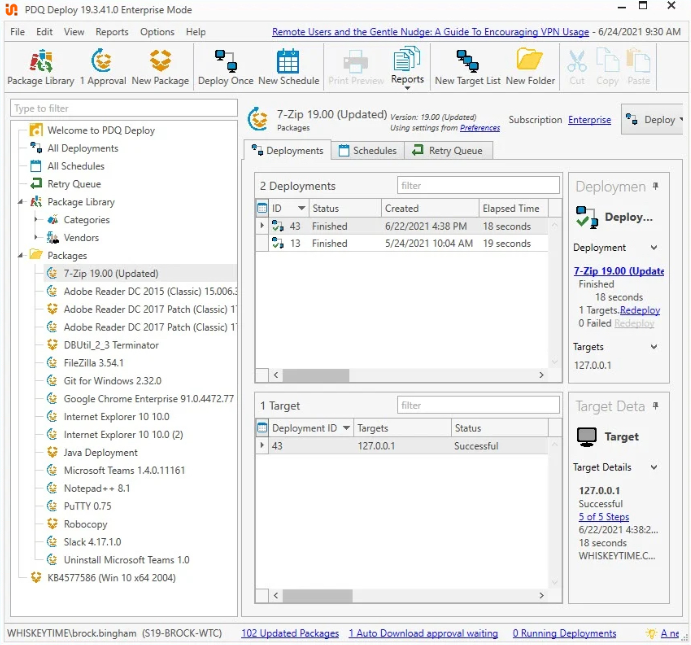
PDQ è uno strumento di distribuzione specificamente progettato per ambienti Windows. Offre una distribuzione centralizzata del software, garantendo aggiornamenti puntuali e installazioni su più workstation e server Windows. Considerate le sfide nella gestione del software su grandi reti Windows, l'approccio specializzato di PDQ su questa piattaforma è di grande valore.
Perché ho scelto PDQ: Scegliere strumenti per una lista è un processo di giudizio, confronto e valutazione dell'utilità. Ho selezionato PDQ per la sua attenzione distintiva alla distribuzione di software Windows. Questa specificità, a mio avviso, lo distingue dagli altri strumenti di distribuzione più generalisti. Inoltre, credo fermamente che PDQ si distingua come il miglior strumento per la distribuzione centralizzata del software Windows grazie alla sua semplicità, efficienza e alle funzionalità dedicate.
Caratteristiche principali e integrazioni:
Una delle funzionalità più notevoli di PDQ è la sua capacità di distribuire software su più computer contemporaneamente, riducendo il carico amministrativo. Lo strumento offre anche report dettagliati, consentendo agli amministratori IT di monitorare lo stato della distribuzione in tempo reale. Per quanto riguarda le integrazioni, PDQ può sincronizzarsi con Active Directory, assicurando che il software venga distribuito ai computer corretti in base all'appartenenza ai gruppi o alle unità organizzative.
Pros and Cons
Pros:
- Dedicato ad ambienti Windows, garantendo distribuzione specializzata
- Offre monitoraggio in tempo reale dello stato della distribuzione
- Sincronizzazione facile con Active Directory
Cons:
- Non adatto ad ambienti non Windows
- Alcuni utenti potrebbero trovare l'interfaccia meno intuitiva
- Integrazioni di terze parti limitate rispetto ad alcuni concorrenti


DeployBot è progettato per semplificare il processo di distribuzione, interfacciandosi direttamente con una vasta gamma di strumenti e servizi ampiamente utilizzati. Questo software funge da ponte tra il tuo repository di codice e il server, garantendo una transizione fluida del codice. La sua eccellenza nel connettersi con piattaforme popolari rafforza la sua posizione come scelta preferita per le integrazioni.
Perché ho scelto DeployBot: Quando stavo selezionando gli strumenti, le ampie capacità integrative di DeployBot mi hanno colpito. Nel valutare il panorama dei software di distribuzione, DeployBot ha lasciato il segno grazie alla sua vasta gamma di integrazioni con diversi servizi. L'ho considerato una scelta di spicco, soprattutto perché riduce notevolmente le difficoltà spesso incontrate nell'integrazione con molteplici strumenti e piattaforme.
Per questo credo fermamente sia la scelta ideale per chi dà priorità all'integrazione con strumenti e servizi di uso comune.
Funzionalità e integrazioni principali:
DeployBot è ricco di funzionalità che semplificano il processo di rilascio del codice. Le distribuzioni manuali permettono agli sviluppatori di controllare e revisionare quando rilasciare le modifiche. Le compilazioni automatiche consentono il preprocessing delle risorse senza bisogno di intervento manuale.
In termini di integrazioni, DeployBot si distingue per la compatibilità con piattaforme come GitHub, Bitbucket, Slack e popolari servizi di hosting come Heroku e DigitalOcean, offrendo così un ecosistema di distribuzione completo.
Pros and Cons
Pros:
- Ampio spettro di integrazioni con piattaforme diffuse
- Il controllo delle distribuzioni manuali offre flessibilità
- Il preprocessing automatico migliora l'efficienza
Cons:
- Alcune integrazioni possono richiedere un periodo di apprendimento
- Potrebbe non essere adatto a esigenze molto di nicchia o personalizzate
- L'interfaccia, sebbene potente, può risultare complessa per i nuovi utenti

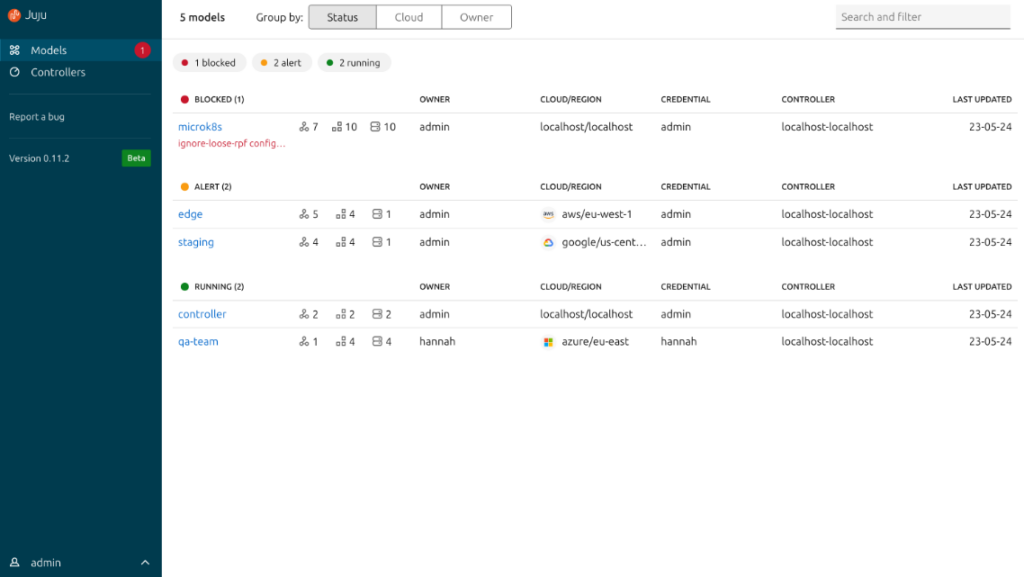
Juju è uno strumento di distribuzione che adotta un approccio unico per il provisioning e la gestione del software. Sfruttando tecniche guidate dal modello, semplifica e automatizza la distribuzione di stack software complessi. Il suo principio fondamentale ruota attorno alla modellazione dei servizi, non dei server - una filosofia che si allinea con la natura in evoluzione delle operazioni IT.
Perché ho scelto Juju: Nella mia valutazione degli strumenti di distribuzione, Juju ha attirato la mia attenzione per la sua architettura unica guidata dal modello. Ho scelto questo software perché promuove una visione olistica, orientata ai servizi, piuttosto che una prospettiva centrata sui server, consentendo processi di distribuzione più scalabili ed efficienti.
A mio avviso, l'enfasi sulla modellazione lo rende esemplare per la distribuzione di applicazioni complesse, motivo per cui credo sia la scelta migliore per la distribuzione applicativa guidata dal modello.
Caratteristiche principali & Integrazioni:
Alla base, Juju fornisce un set completo di strumenti per orchestrare servizi cloud, indipendentemente dalla piattaforma sottostante. Con la possibilità di definire, configurare e mantenere stack software, supporta una vasta gamma di applicazioni e database. In termini di integrazioni, Juju offre un ricco ecosistema di 'charms', soluzioni preconfezionate che facilitano l'integrazione con database, strumenti di monitoraggio ed anche altre soluzioni di orchestrazione.
Pros and Cons
Pros:
- Supporta una vasta gamma di ambienti cloud
- Ecosistema ricco di charms per integrazioni semplici
- L'approccio guidato dal modello facilita le distribuzioni scalabili
Cons:
- Curva di apprendimento più ripida per chi non è pratico di design guidato dal modello
- Prevalentemente pensato per ambienti cloud, meno per quelli on-premises
- Le distribuzioni più grandi potrebbero richiedere più configurazioni manuali

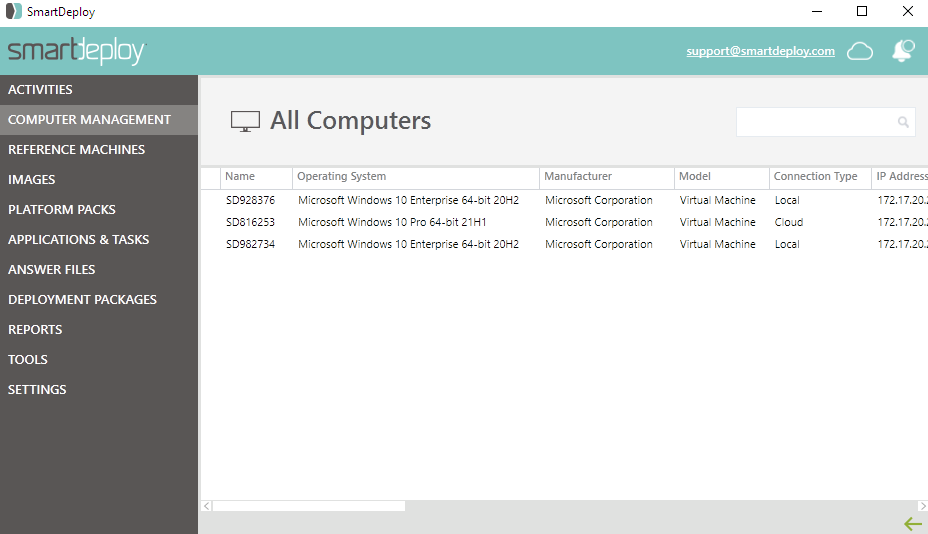
SmartDeploy è specializzato nel fornire soluzioni per l'imaging dei PC e la migrazione dei sistemi Windows. Attraverso la sua piattaforma, gli utenti possono garantire un'immagine coerente e affidabile su hardware diversi, semplificando il processo di aggiornamento o migrazione delle installazioni Windows. Il suo focus sia sull'imaging che sulla migrazione lo rende uno strumento indispensabile, soprattutto per le organizzazioni che stanno passando da una versione di Windows a un'altra.
Perché ho scelto SmartDeploy: Nel processo di selezione degli strumenti, è fondamentale valutarne l'efficienza, confrontarli con i concorrenti e determinare quali si distinguono davvero. Ho scelto SmartDeploy perché concentra l'attenzione su imaging dei PC e migrazione di Windows. A mio avviso, ciò che differenzia SmartDeploy è l'integrazione di entrambe queste funzionalità in una piattaforma omogenea e intuitiva. Considerate le complessità della migrazione di Windows e l'importanza di un imaging accurato dei PC, SmartDeploy si merita il titolo di 'migliore per imaging PC e migrazione Windows.'
Funzionalità e integrazioni principali:
La capacità di SmartDeploy di creare immagini indipendenti dall'hardware garantisce che gli utenti possano distribuire una singola immagine di riferimento su qualsiasi dispositivo. Inoltre, i suoi wizard passo-passo guidano l'utente attraverso compiti complessi, minimizzando gli errori. In termini di integrazioni, SmartDeploy supporta un'ampia gamma di versioni di Windows, assicurando la retrocompatibilità. Si integra anche con soluzioni IT diffuse come WSUS, SCCM e WDS.
Pros and Cons
Pros:
- Imaging indipendente dall'hardware semplifica la distribuzione su dispositivi diversi
- Wizard dettagliati offrono guida in compiti complessi
- Compatibilità con numerose versioni di Windows
Cons:
- Orientato principalmente a Windows, offre utilità limitata per piattaforme non Windows
- Curva di apprendimento per i nuovi utenti
- Richiede aggiornamenti manuali dei driver per alcuni hardware

Ideale per la gestione degli endpoint aziendali
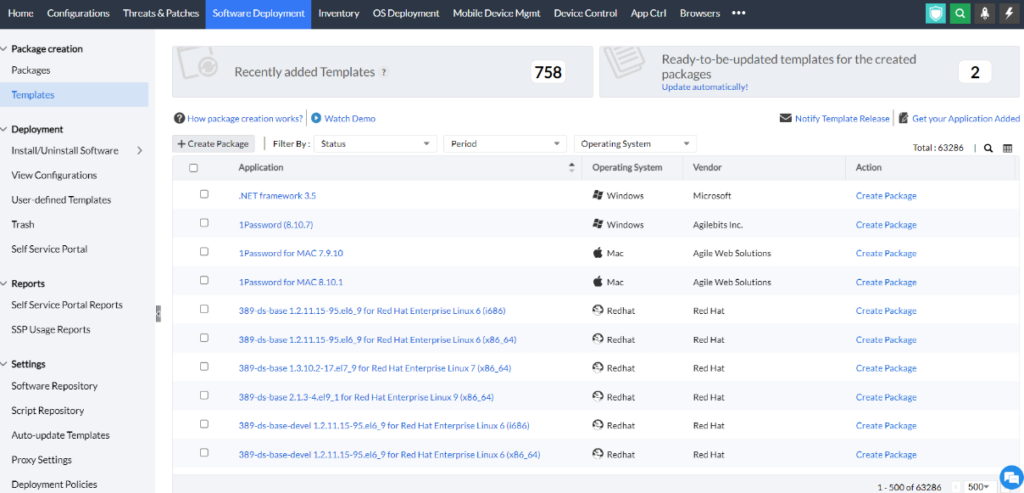
ManageEngine Endpoint Central è progettato per gestire le attività di gestione degli endpoint nelle reti aziendali. Fornisce soluzioni complete per il monitoraggio, la gestione e la sicurezza dei vari endpoint, garantendo un controllo costante e affidabile su un'ampia gamma di dispositivi. La sua attenzione agli ambienti aziendali, dati i problemi e la scala della gestione degli endpoint in questi contesti, si allinea davvero con la sua pretesa di essere il migliore in questo segmento.
Perché ho scelto ManageEngine Endpoint Central: Per selezionare uno strumento di gestione degli endpoint aziendali, ho valutato diverse opzioni confrontando le loro capacità, determinando i loro meriti e valutando i loro punti di forza. Ho scelto ManageEngine Endpoint Central per la sua robustezza e l'ampia gamma di funzionalità pensate per contesti aziendali complessi.
Dopo aver ascoltato i pareri di diversi esperti e aver osservato le sue prestazioni in ambienti aziendali, sono giunto alla conclusione che ManageEngine Endpoint Central sia senza dubbio il 'migliore per la gestione degli endpoint aziendali'.
Funzionalità principali e integrazioni:
ManageEngine Endpoint Central si distingue per funzionalità come gestione delle patch, distribuzione del software e controllo remoto. La sua funzione di gestione delle risorse fornisce approfondimenti dettagliati su tutti i dispositivi aziendali, assicurando che i reparti IT abbiano una visibilità completa. Per quanto riguarda le integrazioni, lo strumento funziona senza problemi con Active Directory, consentendo una gestione efficiente di utenti e computer. Si integra anche perfettamente con diversi sistemi operativi, garantendo una copertura più ampia nelle configurazioni aziendali.
Pros and Cons
Pros:
- Capacità complete di gestione delle patch
- L'integrazione con Active Directory facilita la gestione di utenti e computer
- La gestione delle risorse offre una panoramica dettagliata dei dispositivi aziendali
Cons:
- Può risultare eccessivo per contesti di dimensioni ridotte
- Alcune funzionalità richiedono una curva di apprendimento più ripida
- L'affidabilità dipende da una connettività di rete costante per i migliori risultati
Altri Software di Deployment
Di seguito trovi un elenco di ulteriori software di deployment che ho selezionato ma che non sono arrivati nella top 10. Meritano comunque di essere presi in considerazione.
- DeployHQ
Ideale per deployment automatici dei repository di codice
- Octopus Deploy
Ideale per la distribuzione di app .NET e l'automazione DevOps
- AppVeyor
Ideale per CI/CD .NET e Windows


Recensioni Correlate
- Strumenti IAC
- Strumenti di Continuous Deployment
- Strumenti di Continuous Delivery
- Strumenti DevOps
- Strumenti di Monitoraggio DevOps
Come valuto i software di distribuzione
Divido la mia valutazione in due livelli: requisiti di base che ogni strumento deve soddisfare e fattori distintivi importanti quando una distribuzione canary va storta o i volumi dei rilasci superano quelli di un singolo team.
Funzionalità principali (requisiti fondamentali per questo elenco)
Quando seleziono gli strumenti per il mio elenco, assegno a ciascuno un punteggio su una scala da 0 (non offre la funzionalità) a 5 (eccelle in quest'area) per ogni funzionalità principale elencata di seguito. Quindi calcolo il punteggio totale dello strumento come percentuale. Ogni strumento deve raggiungere un punteggio totale minimo del 75% per essere preso in considerazione.
- Automazione della distribuzione: cerco strumenti che vadano oltre la semplice esecuzione di script, offrendo flussi di lavoro di distribuzione strutturati e ripetibili, con strategie come gli aggiornamenti blue/green o progressivi già integrate.
- Integrazione con le pipeline CI/CD: ogni strumento dovrebbe connettersi ai sistemi SCM e CI già utilizzati dai team, che si tratti di GitHub Actions, GitLab CI o Jenkins, senza richiedere complesse integrazioni personalizzate.
- Supporto per più ambienti: valuto come uno strumento gestisce la promozione tra sviluppo, staging e produzione, compreso il supporto per destinazioni ibride come cluster Kubernetes insieme a macchine virtuali.
- Orchestrazione dei rilasci: il coordinamento di un rilascio di microservizi con dipendenze tra servizi e fasi di approvazione è l'ambito in cui noto le maggiori differenze tra gli strumenti, quindi verifico la presenza di logica condizionale ed esecuzione parallela.
- Rollback e gestione delle versioni: verifico se una piattaforma è in grado di attivare automaticamente un rollback sulla base di controlli dello stato non riusciti, invece di offrire soltanto un pulsante per il ripristino manuale dopo che si è verificato un problema.
- Monitoraggio e registrazione delle distribuzioni: lo streaming dei log in tempo reale e i pannelli di stato delle distribuzioni sono importanti, soprattutto quando una distribuzione in produzione si blocca e più team hanno bisogno rapidamente di visibilità.
Una volta ottenuto un elenco di strumenti che soddisfano i criteri, valuto ciò che distingue ciascuna piattaforma.
Fattori distintivi (ciò che differenzia i fornitori)
Ecco come confronto i diversi fornitori:
Funzionalità di rilievo
Il supporto per la distribuzione progressiva è un importante fattore distintivo. Cerco funzionalità native canary e blue/green che automatizzino lo spostamento del traffico sulla base di segnali sullo stato in tempo reale, non semplici suddivisioni manuali in percentuale. Anche il supporto per i flussi di lavoro GitOps è importante, soprattutto per i team che vogliono che i commit Git guidino l'intero ciclo di vita della distribuzione. La governance tramite policy come codice è un altro fattore che valuto: è ciò che impedisce a un'organizzazione con 50 sviluppatori di aggirare le fasi di approvazione. I portali self-service per sviluppatori si distinguono inoltre quando consentono agli sviluppatori di gestire le proprie distribuzioni entro i limiti definiti dai team operativi.
Oltre le funzionalità
Gli standard di sicurezza e conformità hanno un peso considerevole nella mia valutazione. Verifico la presenza delle certificazioni SOC 2 e ISO 27001, insieme alla gestione integrata dei segreti e al controllo degli accessi basato sui ruoli (RBAC), poiché i settori regolamentati non possono permettersi lacune in questo ambito. Anche la flessibilità del modello di distribuzione è importante: alcuni team hanno bisogno di opzioni con hosting autonomo o isolate, mentre altri preferiscono il SaaS. Valuto la compatibilità con l'ecosistema verificando quanto bene uno strumento si connette agli stack di osservabilità e ai registri degli artefatti esistenti, perché una piattaforma di distribuzione che non si adatta alla toolchain crea più attriti di quanti ne risolva.
Come Scegliere un Software di Deployment
È facile perdersi tra lunghe liste di funzionalità e strutture di prezzi complesse. Per aiutarti a rimanere concentrato durante il tuo processo di selezione del software, ecco una checklist di fattori da considerare:
| Fattore | Cosa Considerare |
|---|---|
| Scalabilità | Il software può crescere con il tuo team? Cerca soluzioni che supportino carichi di lavoro e utenti crescenti senza problemi di performance. |
| Integrazioni | Funziona con i tuoi strumenti attuali? Verifica la compatibilità con i sistemi già in uso, come il controllo versione o i servizi cloud, per evitare interruzioni nel flusso di lavoro. |
| Personalizzazione | Può essere adattato alle tue esigenze? Valuta quanto sia semplice modificare impostazioni, flussi di lavoro e interfacce per adattarsi ai tuoi processi specifici. |
| Facilità d’uso | Il tuo team lo adotterà rapidamente? Considera la curva di apprendimento e se l’interfaccia è abbastanza intuitiva per un onboarding veloce e l’uso quotidiano. |
| Implementazione e onboarding | Quanto è fluida la transizione? Esamina le risorse offerte per la migrazione dei dati e la formazione degli utenti, compresi tutorial e assistenza clienti. |
| Costo | Rientra nel tuo budget? Confronta i piani tariffari e assicurati che i costi siano compatibili con il tuo budget, considerando sia le spese iniziali sia quelle ricorrenti. |
| Sicurezza | I tuoi dati e sistemi sono protetti? Analizza le misure di sicurezza adottate, come la crittografia e la conformità agli standard di settore, per ridurre i rischi. |
| Disponibilità assistenza | Puoi ottenere supporto quando necessario? Valuta la qualità e la disponibilità dell’assistenza clienti, inclusi tempi di risposta e i canali offerti come chat o telefono. |
Che Cos’è un Software di Deployment?
Il software di deployment è uno strumento che automatizza il processo di distribuzione di applicazioni e aggiornamenti su diversi ambienti. I professionisti IT, i team DevOps e gli sviluppatori in genere utilizzano questi strumenti per garantire distribuzioni efficienti e prive di errori. Automazione, controllo delle versioni e supporto multi-ambiente aiutano a ridurre gli errori manuali, mantenere la coerenza e gestire distribuzioni complesse. Nel complesso, questi strumenti migliorano l'efficienza e l'affidabilità nei processi di distribuzione del software.
Funzionalità
Quando scegli un software di deployment, presta attenzione alle seguenti funzionalità chiave:
- Automazione: Automatizza il processo di distribuzione, riducendo gli errori manuali e risparmiando tempo.
- Controllo delle versioni: Gestisce le diverse versioni delle applicazioni, garantendo coerenza nelle distribuzioni.
- Supporto multi-ambiente: Consente distribuzioni su diversi ambienti, offrendo flessibilità per il test e la produzione.
- Capacità di rollback: Permette di tornare a versioni precedenti, riducendo al minimo i tempi di inattività in caso di problemi.
- Esecuzione di script personalizzati: Offre la possibilità di eseguire script personalizzati, consentendo processi di deployment su misura.
- Monitoraggio delle distribuzioni in tempo reale: Controlla le distribuzioni in tempo reale, aiutando a identificare e risolvere rapidamente eventuali problemi.
- Dashboard centralizzata: Fornisce una visione unica per gestire tutte le distribuzioni, semplificando il controllo e la gestione.
- Misure di sicurezza: Protegge dati e sistemi con crittografia e conformità, garantendo distribuzioni sicure.
- Capacità di integrazione: Si integra con strumenti e sistemi esistenti per garantire la continuità del flusso di lavoro.
- Reportistica dettagliata: Offre informazioni approfondite su successi e insuccessi delle distribuzioni, a supporto del miglioramento continuo.
Vantaggi
L'implementazione di un software di deployment offre numerosi vantaggi per il tuo team e la tua azienda. Eccone alcuni a cui puoi aspirare:
- Maggiore efficienza: Automatizza le attività ripetitive, liberando tempo prezioso per il team da dedicare a compiti più strategici.
- Riduzione degli errori: Minimizza gli errori manuali grazie all'automazione, ottenendo distribuzioni più affidabili.
- Ambienti coerenti: Mantiene l'uniformità tra i diversi ambienti grazie al controllo delle versioni e al supporto multi-ambiente.
- Rollback più rapidi: Consente di tornare velocemente alle versioni precedenti, riducendo i tempi di inattività e le interruzioni del servizio.
- Collaborazione migliorata: Offre una dashboard centralizzata, migliorando la comunicazione e il coordinamento tra i membri del team.
- Sicurezza aumentata: Protegge i dati e le applicazioni con misure di sicurezza, garantendo distribuzioni sicure.
- Migliori insight: Fornisce report dettagliati per analizzare gli esiti delle distribuzioni e migliorare i processi.
Costi e prezzi
La scelta di un software di deployment richiede la comprensione dei diversi modelli e piani di prezzo disponibili. I costi variano in base alle funzionalità, alla dimensione del team, agli extra e altro ancora. La tabella seguente riassume i piani comuni, i loro prezzi medi e le caratteristiche tipiche incluse nelle soluzioni di software di deployment:
Tabella comparativa dei piani per software di deployment
| Tipologia di piano | Prezzo medio | Caratteristiche comuni |
|---|---|---|
| Piano gratuito | $0 | Automazione di base, supporto limitato e risorse della community. |
| Piano personale | $5-$25/user/month | Automazione, controllo delle versioni, integrazioni di base e supporto via email. |
| Piano business | $30-$75/user/month | Automazione avanzata, supporto multi-ambiente, script personalizzati e funzioni di sicurezza avanzate. |
| Piano enterprise | $100-$200/user/month | Automazione completa, supporto premium, integrazioni complete e ampie misure di sicurezza. |
Domande frequenti sul software di deployment
Ecco alcune risposte alle domande più comuni riguardo il software di deployment:
Quali sono i requisiti di deployment?
I requisiti di deployment definiscono l’infrastruttura, le procedure di installazione e le configurazioni necessarie per distribuire con successo il sistema software. Il tuo team dovrebbe considerare le risorse necessarie, la compatibilità con i sistemi esistenti e le configurazioni specifiche richieste per garantire un processo di deployment senza intoppi.
Come si gestiscono i rollback nel software di deployment?
Gestire i rollback significa ripristinare una versione stabile precedente del tuo software qualora si verifichino problemi durante il deployment. È importante assicurarsi che il software di deployment supporti la funzione di rollback, permettendo di ripristinare rapidamente il sistema a uno stato funzionante e minimizzare le interruzioni del servizio.
In che modo il software di deployment migliora la collaborazione del team?
Il software di deployment migliora la collaborazione del team fornendo una piattaforma centralizzata per gestire i deployment, tracciare le modifiche e condividere aggiornamenti. Aiuta il team a coordinare gli sforzi, mantenere la trasparenza e garantire che tutti siano sempre aggiornati durante l’intero processo di deployment.
Come supporta il software di deployment le configurazioni multiambiente?
Il software di deployment supporta le configurazioni multiambiente permettendo di configurare e gestire deployment su diversi ambienti, come sviluppo, testing e produzione. Questa funzionalità garantisce coerenza e permette al team di mantenere ambienti separati per ogni fase del ciclo di vita del software.
Qual è il ruolo dell'automazione nel software di deployment?
L’automazione nel software di deployment riduce gli interventi manuali, minimizza gli errori e accelera il processo di rilascio. Consente di automatizzare le attività ripetitive, come il deployment del codice e i test, liberando tempo per attività più strategiche e migliorando l’efficienza complessiva.
Cosa c'è dopo:
Se sei nella fase di ricerca di un software di deployment, collegati gratuitamente con un consulente SoftwareSelect per ricevere raccomandazioni.
Compila un modulo e fai una breve chiacchierata nella quale verranno approfondite le tue esigenze specifiche. Successivamente riceverai una lista ristretta di software da valutare. Ti supporteranno anche durante tutto il processo di acquisto, incluse le negoziazioni di prezzo.