


Checksum vs. Momentic: Detailed Comparison and Expert Reviews for 2026


As you explore end-to-end testing tools, you may be trying to solve issues like flaky tests, slow feedback loops, or increasing QA overhead. The question becomes whether you want more control over your tests or less responsibility for maintaining them.
Tools like Checksum and Momentic take different approaches to solving these problems. In this article, you’ll get a clear comparison of these two testing platforms, including their pros and cons, best-fit use cases, pricing, security features, and usability. I’ll help you decide which tool is right for your team’s needs and testing goals.
Checksum vs. Momentic: An Overview
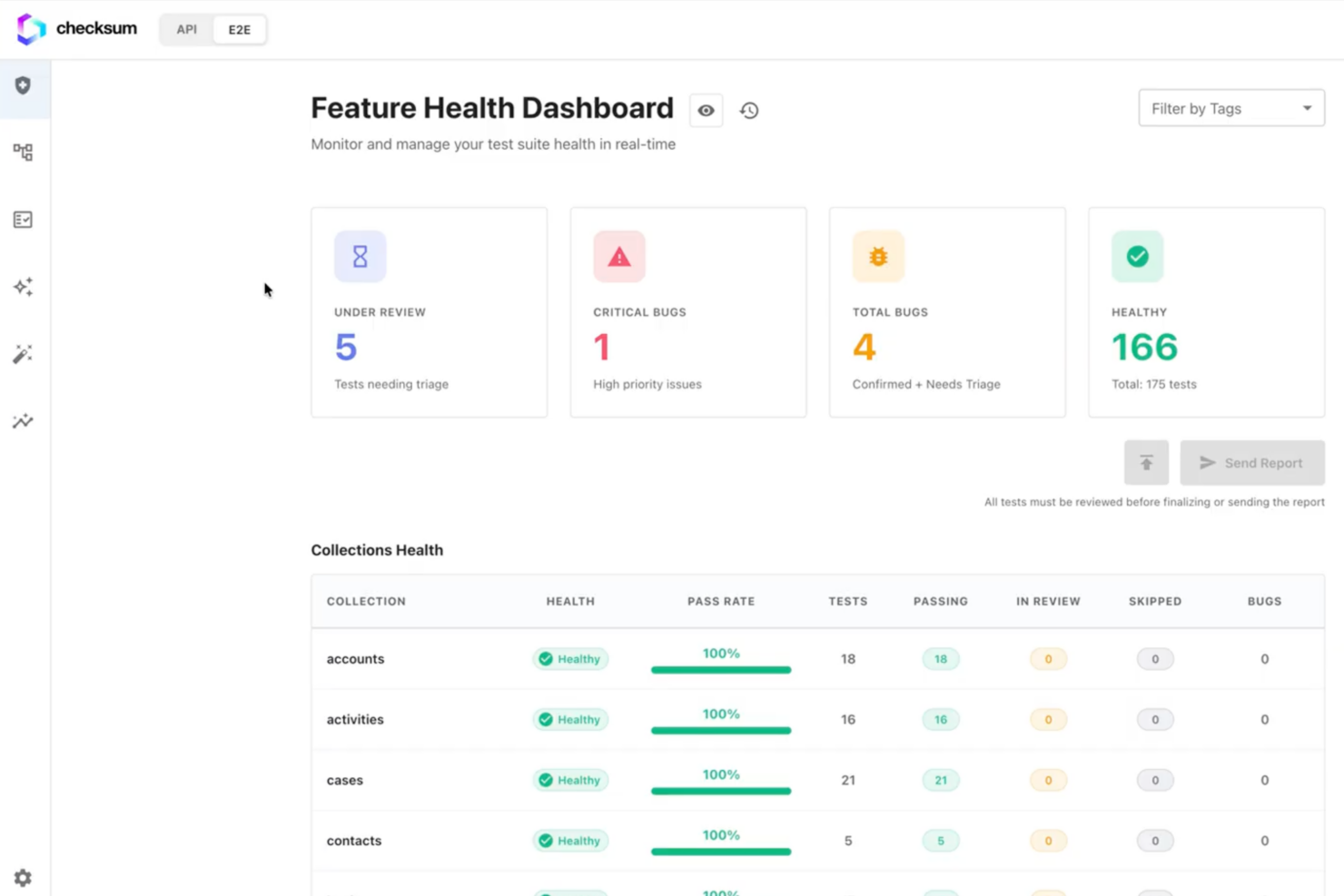
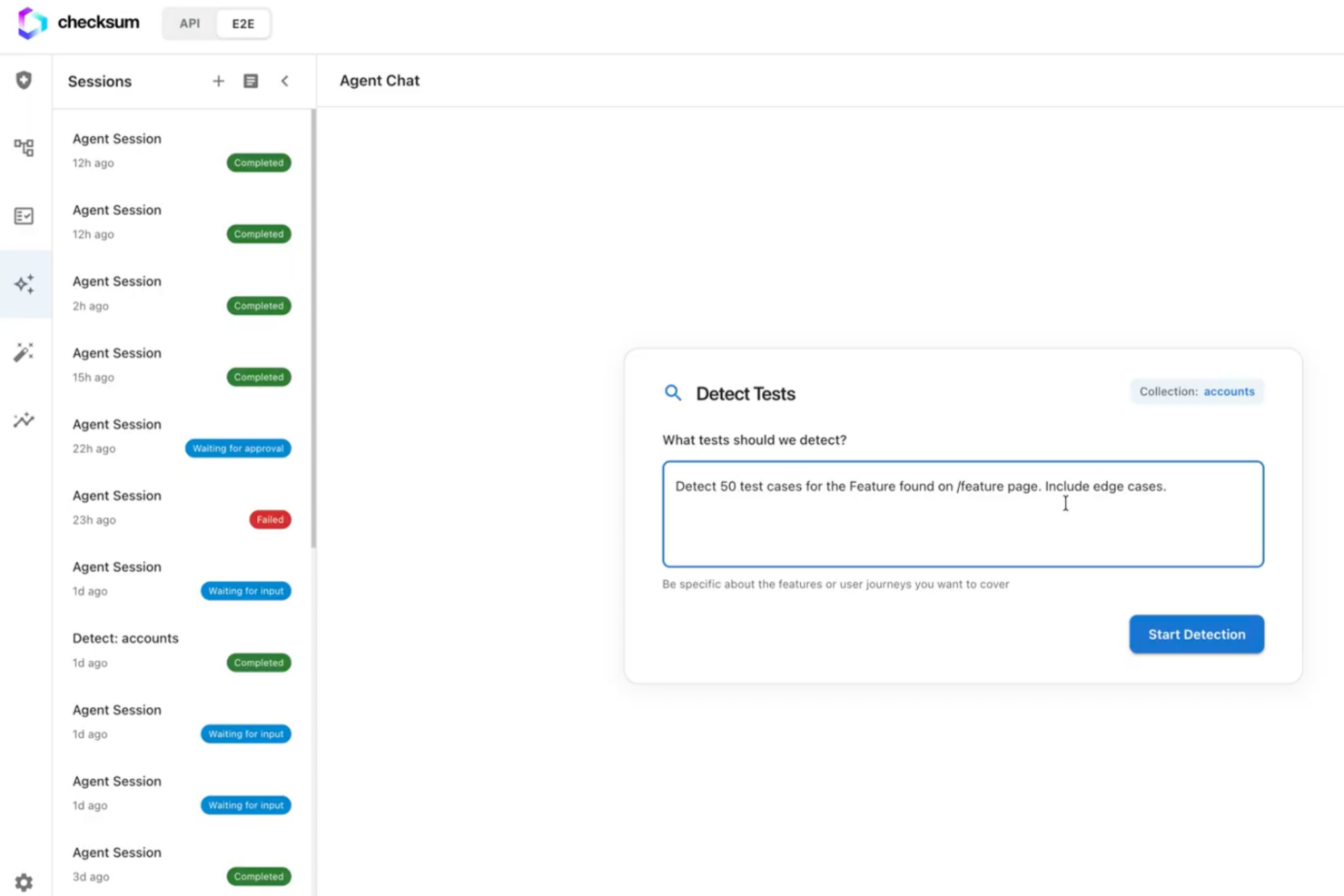
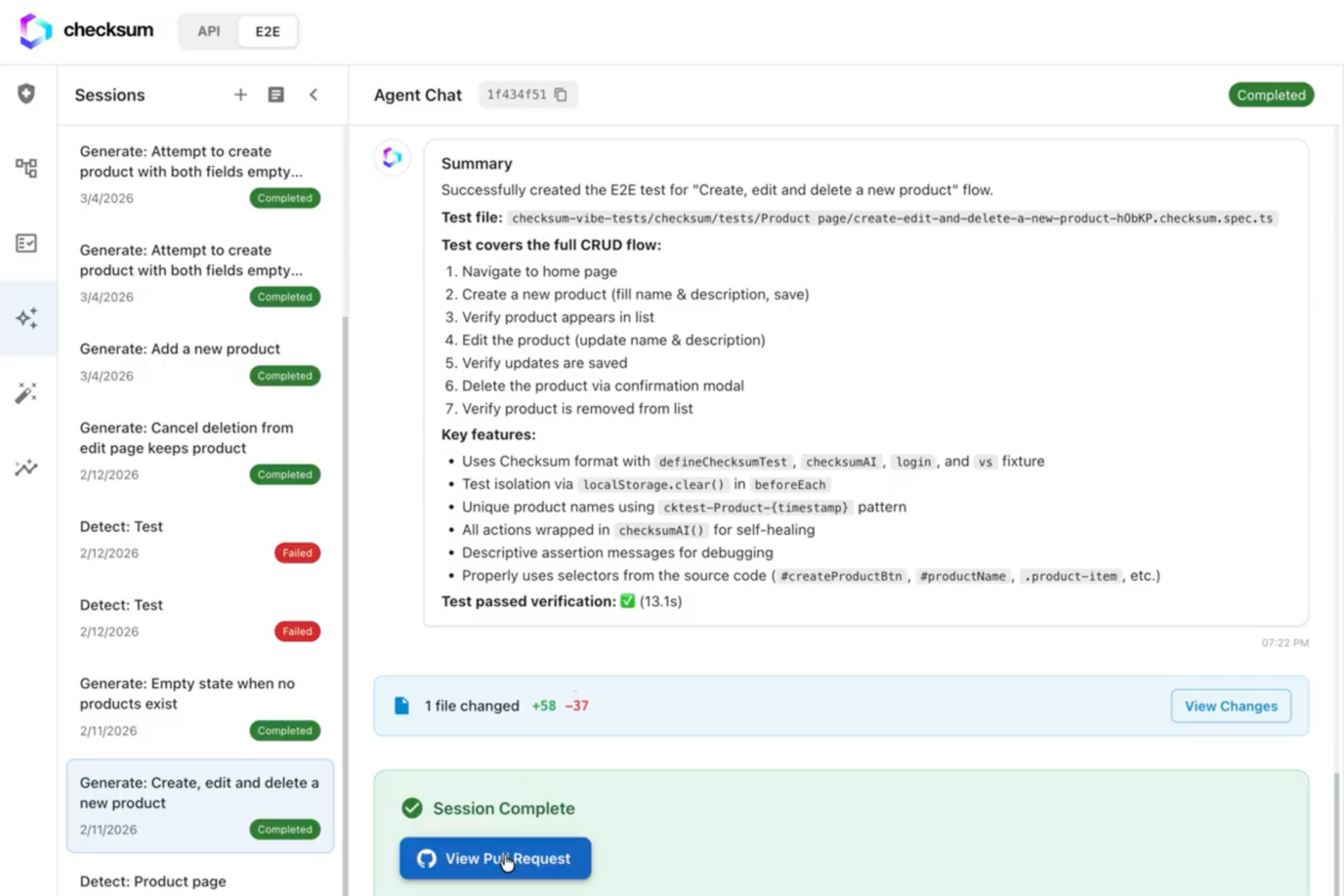
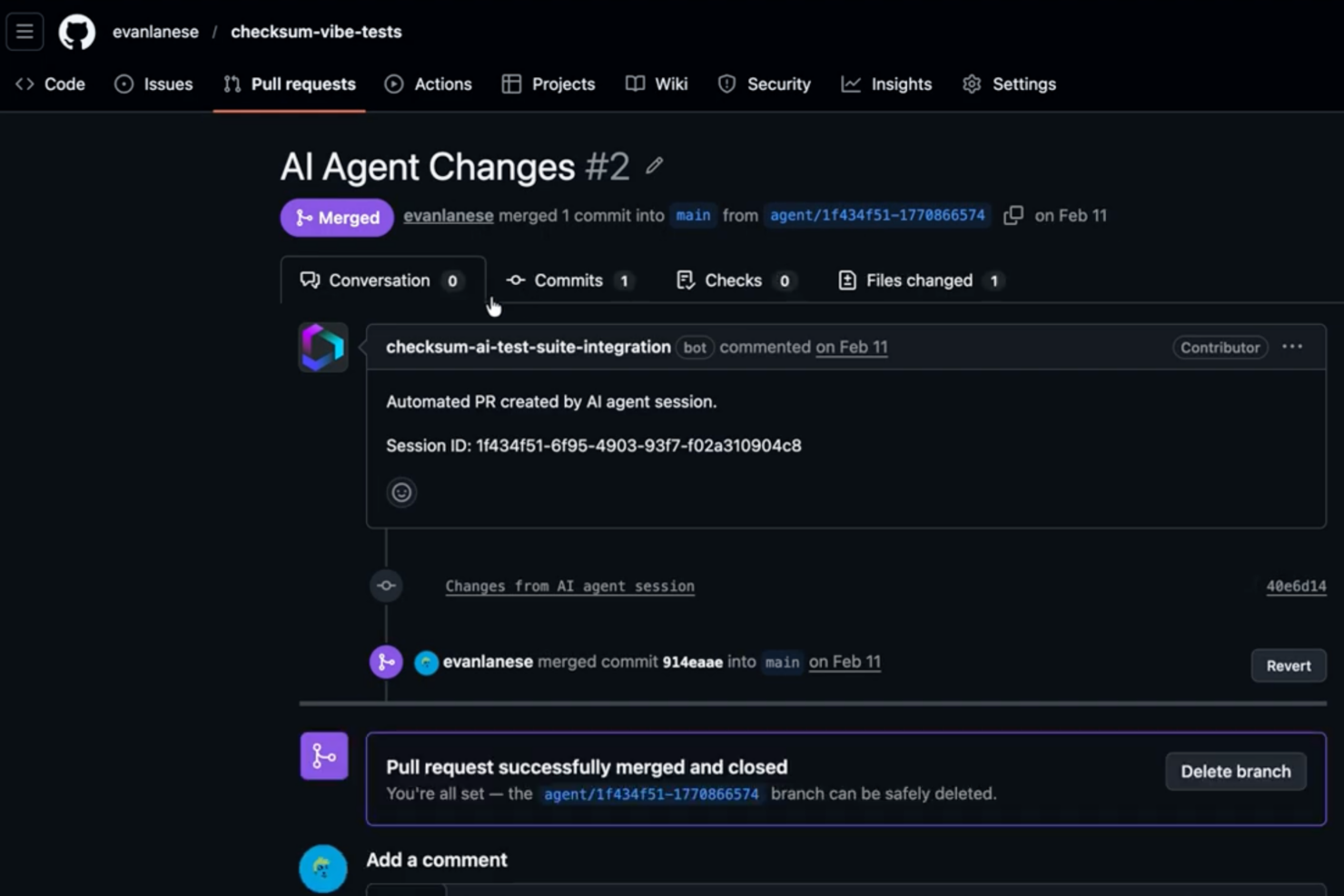
Checksum
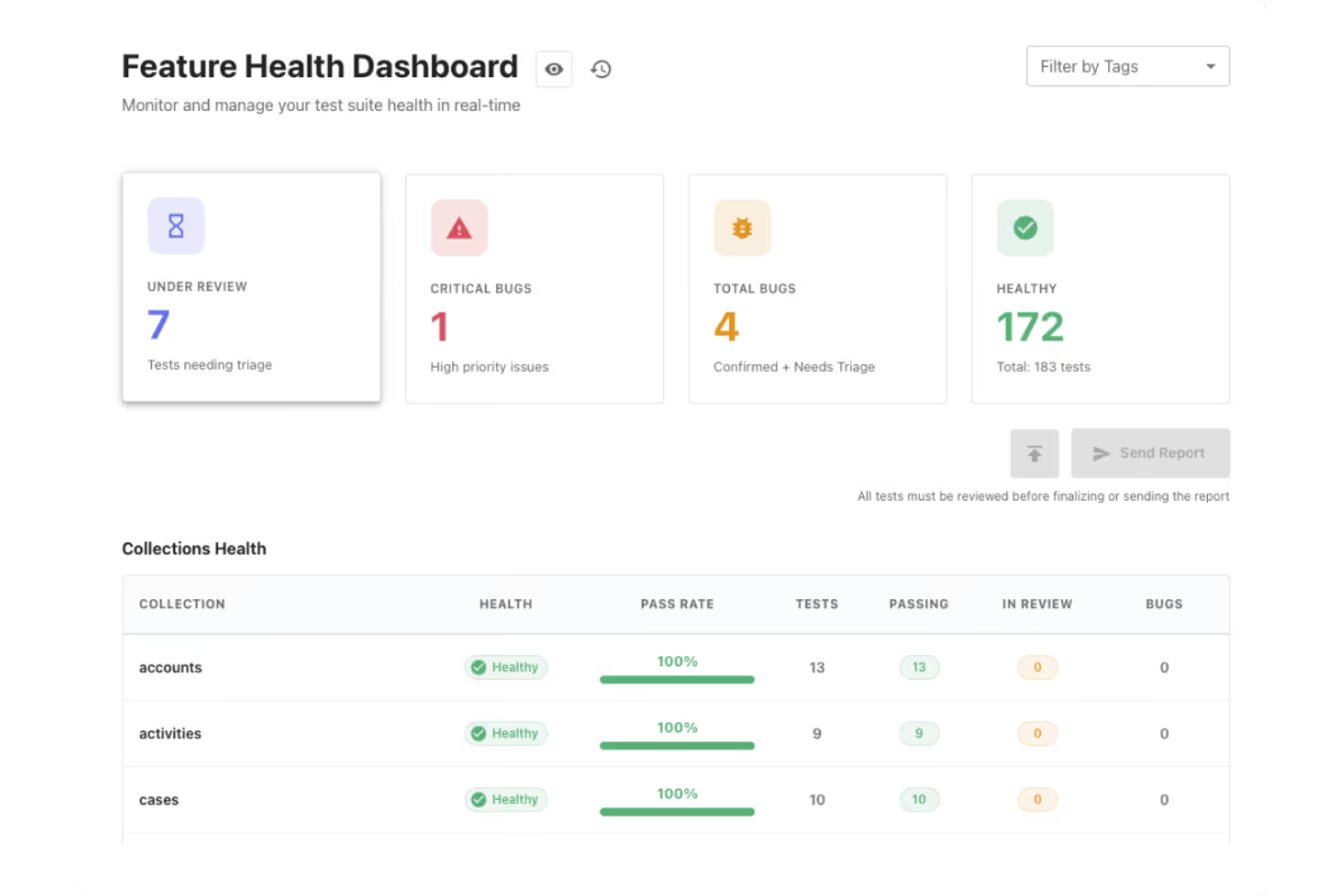
Momentic
Why Trust Our Software Reviews
We’ve been testing and reviewing software since 2023. As tech leaders ourselves, we know how critical and difficult it is to make the right decision when selecting software.
We invest in deep research to help our audience make better software purchasing decisions. We’ve tested more than 2,000 tools for different tech use cases and written over 1,000 comprehensive software reviews. Learn how we stay transparent & our software review methodology.
Checksum vs. Momentic Pricing Comparison
| Checksum | Momentic | |
|---|---|---|
| Free Trial | 30-day free trial | Free demo available |
| Pricing | Pricing upon request | Pricing upon request |
Checksum vs. Momentic Pricing & Hidden Costs
Checksum uses a workflow-based pricing model, where you pay for the number of tests (workflows) it continuously maintains—not per seat or per test run. This makes costs more predictable as usage scales. Momentic, by contrast, does not publicly disclose pricing and appears to follow a more traditional usage-based or enterprise model, potentially tied to factors like test executions, infrastructure, or credits, with details confirmed through sales.
When comparing pricing, it’s important to look beyond how each tool charges and consider how costs will scale with your team and software testing needs. Factors like test volume, infrastructure usage, support requirements, and long-term maintenance effort can all impact total cost. Reviewing how each platform fits into your workflow will help you better estimate the overall investment as your usage grows.
Checksum vs. Momentic Feature Comparison
In terms of core functionality, Checksum and Momentic both cover the essentials of modern AI testing, including end-to-end workflows, CI/CD integration, and AI-driven maintenance features. Each platform is built to reduce flaky tests and improve reliability, offering capabilities like automated test generation, self-healing, and integration into pull request pipelines.
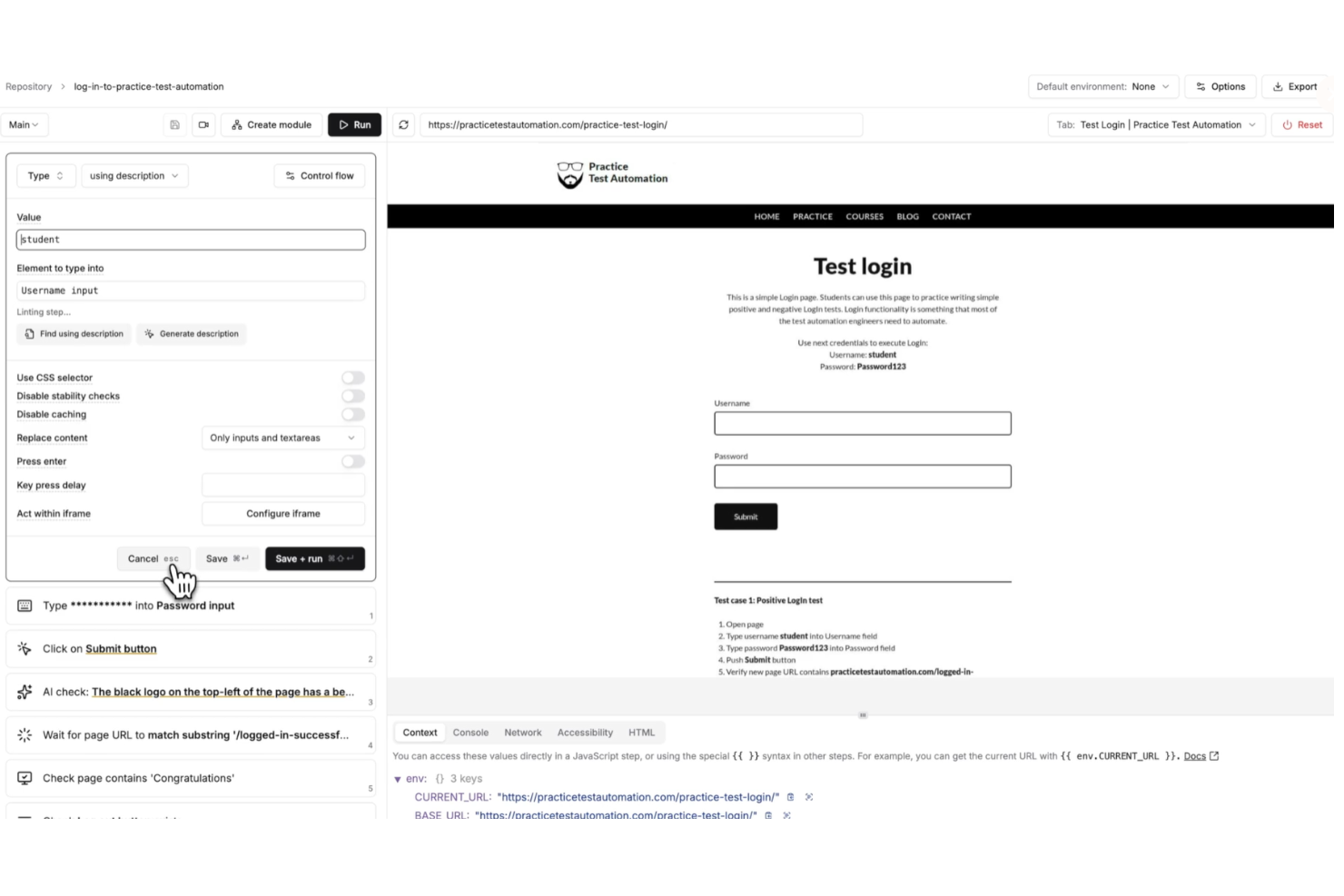
The key differences come down to how testing is created and maintained. Checksum is designed as an autonomous system, fined-tuned on 1.5M+ test runs, to generate, run, and continuously maintain tests in the background (and delivering them as Playwright code your team owns). Momentic, in contrast, focuses on usability and control through natural language test authoring, along with AI-driven debugging and failure analysis. It also extends beyond web testing with support for mobile apps on iOS and Android.
| Checksum | Momentic | |
|---|---|---|
| API | ||
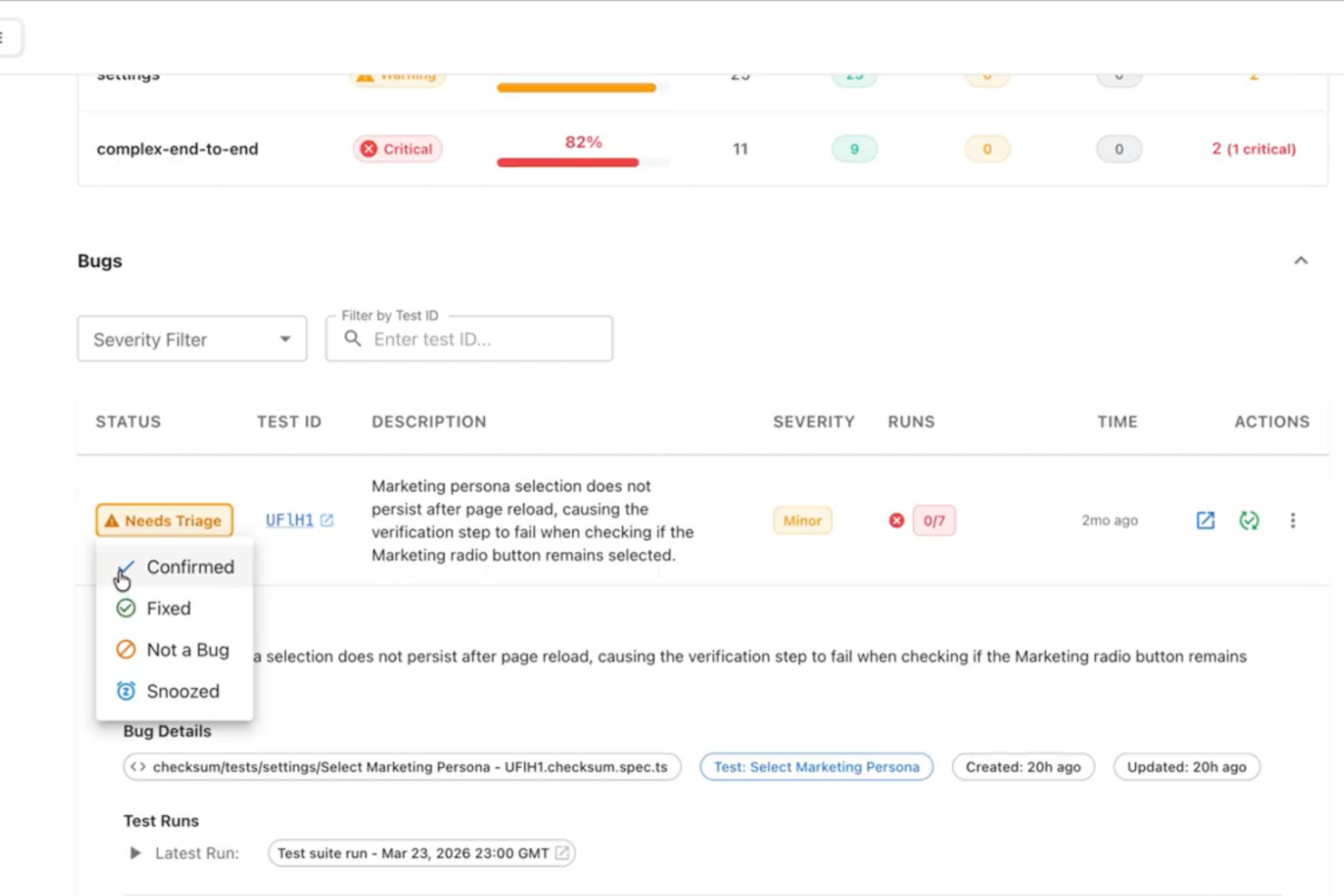
| Bug Tracking | ||
| CI/CD Integration | ||
| Data Export | ||
| Data Import | ||
| Developer Tools | ||
| External Integrations | ||
| History/Version Control | ||
| Multi-User | ||
| Notifications |
Checksum vs. Momentic Integrations
| Integration | Checksum | Momentic |
| Jira | ✅ | ❌ |
| Slack | ✅ | ✅ |
| Microsoft Teams | ✅ | ❌ |
| GitHub | ✅ | ✅ |
| GitLab | ✅ | ✅ |
| CircleCI | ✅ | ✅ |
| Asana | ✅ | ❌ |
| Linear | ✅ | ❌ |
| Jenkins | ✅ | ✅ |
| API | ✅ | ✅ |
Checksum and Momentic both integrate with core developer tools, including GitHub, GitLab, CI/CD platforms, and Slack. They also provide API access and support for webhooks, allowing teams to connect with other tools and build custom workflows. Overall, both platforms cover the essential integrations needed for modern development environments, with differences primarily coming down to the number of native options (Checksum offers more direct connections).
Checksum vs. Momentic Security, Compliance & Reliability
| Factor | Checksum | Momentic |
| Data Encryption | Encrypts data in transit (TLS) and at rest for production systems. | Encrypts data in transit and at rest. |
| Regulatory Compliance | SOC 2 (reported), DPA available. | SOC 2 Type II, enterprise security controls (SSO, RBAC, audit logs). |
| Access Controls | Internal access controls and security policies. | SSO (SAML/SCIM), role-based access, and immutable audit logs. |
| Uptime & Reliability | Monitoring, backups, and incident response policies. No disclosed SLA. | 99.99% uptime SLA for enterprise customers with redundancy and failover. |
Each provider follows standard security practices, including encryption of data in transit and at rest, and their testing platforms are designed to meet the needs of modern development teams. Momentic provides more explicitly documented enterprise security features—such as SOC 2 Type II certification, audit logs, and a defined uptime SLA for enterprise customers—while Checksum offers a solid baseline security posture with SOC 2 alignment, internal controls, and enterprise support options available through custom agreements
Checksum vs. Momentic Ease of Use
| Factor | Checksum | Momentic |
| User Interface | Clean, minimal dashboard focused on test results, quick navigation, and workflow visibility (PRs, CI, notifications). | Modern, visually rich interface with drag-and-drop test creation. |
| Onboarding | Guided, high-touch onboarding (Proof of Value with solutions engineer). | Self-serve options (Cloud) plus CLI setup for local/CI workflows. |
| Test Creation | Fully automated lifecycle—tests generated and maintained by the platform. | Natural language + recording + low-code editor for test creation. |
| Day-to-Day Usage | Minimal interaction—review results and PR updates. | Hands-on—write, edit, debug, and manage tests in the platform. |
| Customer Support & Resources | Dedicated solutions engineer (often via Slack), proactive support. | Tiered support (Enterprise includes CSM, Slack/email, knowledge base). |
Checksum and Momentic take very different approaches to ease of use. Checksum minimizes user involvement by handling the generation, execution, and maintenance of test suites autonomously in the background, making it easier for teams that want to reduce hands-on testing work. Momentic, on the other hand, is designed to be interactive and accessible, with natural language test creation, recording, and built-in debugging tools that make it easier to streamline test creation and management directly.
Checksum vs Momentic: Pros & Cons
Checksum
- Fully autonomous test generation, execution, and maintenance (not just AI-assisted).
- Automatically heals broken tests as the application changes, reducing maintenance overhead.
- Delivers tests as real Playwright code in your repo (no vendor lock-in).
- Requires access to a live staging or production-like environment to get started.
- Higher cost and no self-serve pricing make it less suitable for smaller teams or tight budgets.
- Not fully hands-off—some test maintenance may involve optional human review.
Momentic
- Plain-English test creation lowers barrier for non-technical team members.
- Self-healing locators reduce maintenance when UI elements frequently change.
- Smart waiting minimizes flaky tests caused by timing and asynchronous loading issues.
- Limited browser support currently restricted to Chrome and Chromium environments.
- No code export limits flexibility for teams wanting full script ownership.
- Mobile testing setup is complex and requires significant environment configuration.
Best Use Cases for Checksum and Momentic
Checksum
- Teams with Broad Test Coverage Needs Checksum is a strong fit for teams that want unified coverage across end-to-end, API, and PR-level testing, without stitching together multiple tools or systems.
- Organizations Treating Quality as Infrastructure Companies that view testing as a core part of their delivery pipeline benefit most from Checksum’s continuous approach to test generation, execution, and maintenance.
- QA Teams Checksum allows QA teams to shift away from fixing brittle tests, focusing on higher-value validation work while the platform continuously maintains the test suite.
- Web Applications with Complex User Flows Products with multi-step user journeys gain value from Checksum’s end-to-end test generation and auto-healing, ensuring critical paths stay covered as UI elements and flows change.
- Lean Startups & Teams with No Existing Test Coverage Teams starting from zero can use Checksum to rapidly generate a full test suite without upfront engineering effort. This makes it a strong fit for teams that need to go from no coverage to comprehensive validation quickly, without building a testing framework from scratch.
- SaaS Teams (Mid-Market & Enterprise) Checksum helps mid-market and enterprise SaaS teams with established CI/CD workflows maintain reliable test coverage as they ship frequent releases, automatically generating and updating tests as the product evolves without engineering effort.
Momentic
- SaaS Startups Momentic’s fast onboarding and AI-powered test creation help small teams automate workflows quickly with minimal engineering overhead and ongoing maintenance effort.
- Agile Product Teams Self-healing locators and intent-based assertions reduce test flakiness during rapid releases and frequent UI updates across evolving product features.
- DevOps Departments CLI workflows and CI/CD integrations enable automated regression testing on every commit, helping teams catch issues earlier in development cycles.
- Teams Without Dedicated QA Automation Engineers Because tests are written in plain English, engineering teams can own testing without needing deep expertise in frameworks like Playwright or Selenium.
- Remote Engineering Teams Built-in notifications and integrations help distributed teams stay aligned on test results, failures, and deployment readiness without manual coordination.
- Modern Web Application Teams Momentic’s focus on dynamic, JavaScript-heavy applications makes it well-suited for teams building frequently changing, component-driven user interfaces.
Who Should Use Checksum, and Who Should Use Momentic?
Checksum is ideal for mid-market to enterprise teams that want to offload the burden of writing and maintaining tests entirely. It works best for organizations with mature CI/CD pipelines that need continuous, high-quality test coverage without dedicating engineering time to upkeep. If your goal is to reduce quality assurance overhead and let testing run in the background, Checksum is the better choice. Additionally, Checksum works for teams of any size that want to get from zero coverage to a full suite without hiring QA headcount, thanks to its autonomous platform.
Momentic is better suited for startups, small to mid-sized teams, or fast-growing engineering organizations that want to stay hands-on with their testing workflows. It’s a strong fit for engineers who prefer creating and managing tests using natural language while leveraging AI to speed things up. If you value flexibility, accessibility, faster onboarding, and support for both web and mobile environments, Momentic is likely the better option.
Differences Between Checksum and Momentic
| Checksum | Momentic | |
|---|---|---|
| Core Approach | Autonomous system that generates, runs, and maintains tests, fine-tuned on 1.5M+ test runs, with 50-200 tests per PR. | AI-powered tool that helps users create and manage tests. |
| Onboarding | Guided onboarding with Proof of Value (POV) and support. | Self-serve Cloud option plus CLI-based setup. |
| Test Creation | Fully automated test generation by AI agents. | AI-generated from natural language authoring and recording-based creation. |
| Test Maintenance | Continuously maintained and auto-healed by the platform. | User-managed with AI-assisted auto-healing. |
| Visit ChecksumOpens new window | Read Momentic ReviewOpens new window | |
| Test Ownership | Tests delivered as Playwright code in your repo. | No code export—tests interpreted at runtime. |
| User Involvement | Minimal—runs in the background with little manual testing input. | High—users actively write, optimize, edit, and manage tests. |
| Visit ChecksumOpens new window | Read Momentic ReviewOpens new window |
Similarities Between Checksum and Momentic
| Auto-Healing | Both offer mechanisms to reduce test breakage when applications change. |
|---|---|
| CI/CD Pipeline Integration | Both integrate with CI/CD pipelines to run tests as part of software development workflows. |
| End-to-End Testing | Both platforms support E2E test automation for modern web apps. |
| Enterprise Readiness | Both offer security practices and features suitable for enterprise engineering and DevOps teams. |
| Visit ChecksumOpens new window Read Momentic ReviewOpens new window | |
| Multi-Environment Support | Both allow you to run tests across multiple environments, making it easy to validate changes before release. |
| Webhooks & Automation | Both support webhooks or APIs for integrating with external systems. |
| Visit ChecksumOpens new window Read Momentic ReviewOpens new window | |