
12 Best PuTTY Alternatives for 2026

Best PuTTY Alternative Shortlist
Here’s my shortlist of PuTTY alternatives:


A strong PuTTY alternative offers secure remote access, flexible session management, and support for modern protocols that PuTTY may lack. If you’re searching for a user-friendly terminal emulator with additional features beyond PuTTY’s basic capabilities, you’re likely dealing with complex environments, multiple platforms, or advanced security requirements.
The right tool can help you manage sessions, automate workflows, and maintain compliance without sacrificing usability. In this list, you’ll find up-to-date options for 2026, each selected to help your team handle today’s infrastructure demands and future-proof your remote access strategy.
What Is PuTTY?
PuTTY is a free, open-source terminal emulator that supports SSH, Telnet, and serial connections for remote system access. IT specialists use PuTTY to securely connect to servers, network devices, and other endpoints from Windows and other platforms. Its lightweight design and straightforward interface make it a popular choice for managing remote sessions, especially in environments where secure command-line access is essential.
Best PuTTY Alternatives Summary
This comparison chart summarizes pricing details for my top PuTTY alternatives to help you find the best one for your budget and business needs.
| Tool | Best For | Trial Info | Price | ||
|---|---|---|---|---|---|
| 1 | Best for cross-platform SSH syncing | Free plan available | From $10/month (billed annually) | Website | |
| 2 | Best for macOS-specific productivity features | Free plan available | Free to use | Website | |
| 3 | Best for integrated remote session management | Free plan available | From $69/user (billed annually) | Website | |
| 4 | Best for mainframe and legacy system access | Free demo available | Pricing upon request | Website | |
| 5 | Best for plugin-driven extensibility | Free plan available | Free to use | Website | |
| 6 | Best for advanced customization options | Free plan available | Free to use | Website | |
| 7 | Best for lightweight Windows deployments | Free plan available | Free to use | Website | |
| 8 | Best for granular session security controls | Free 30-day trial available | From $119/user (billed annually) | Website | |
| 9 | Best for tabbed session organization | Free plan available | From $119/user (perpetual license) | Website | |
| 10 | Best for graphical SFTP integration | Free plan available | From $99.95/installation license | Website |
Why Trust Our Software Reviews
-

Freshservice
Visit WebsiteThis is an aggregated rating for this tool including ratings from Crozdesk users and ratings from other sites.4.6 -
Deel IT
Visit Website -
Rippling IT
Visit WebsiteThis is an aggregated rating for this tool including ratings from Crozdesk users and ratings from other sites.4.8




Best PuTTY Alternatives Reviews
Below are my detailed summaries of the best PuTTY alternatives that made it onto my shortlist. My reviews offer a detailed look at the features, best use cases, and capabilities of each tool to help you find the best one for your workflow.

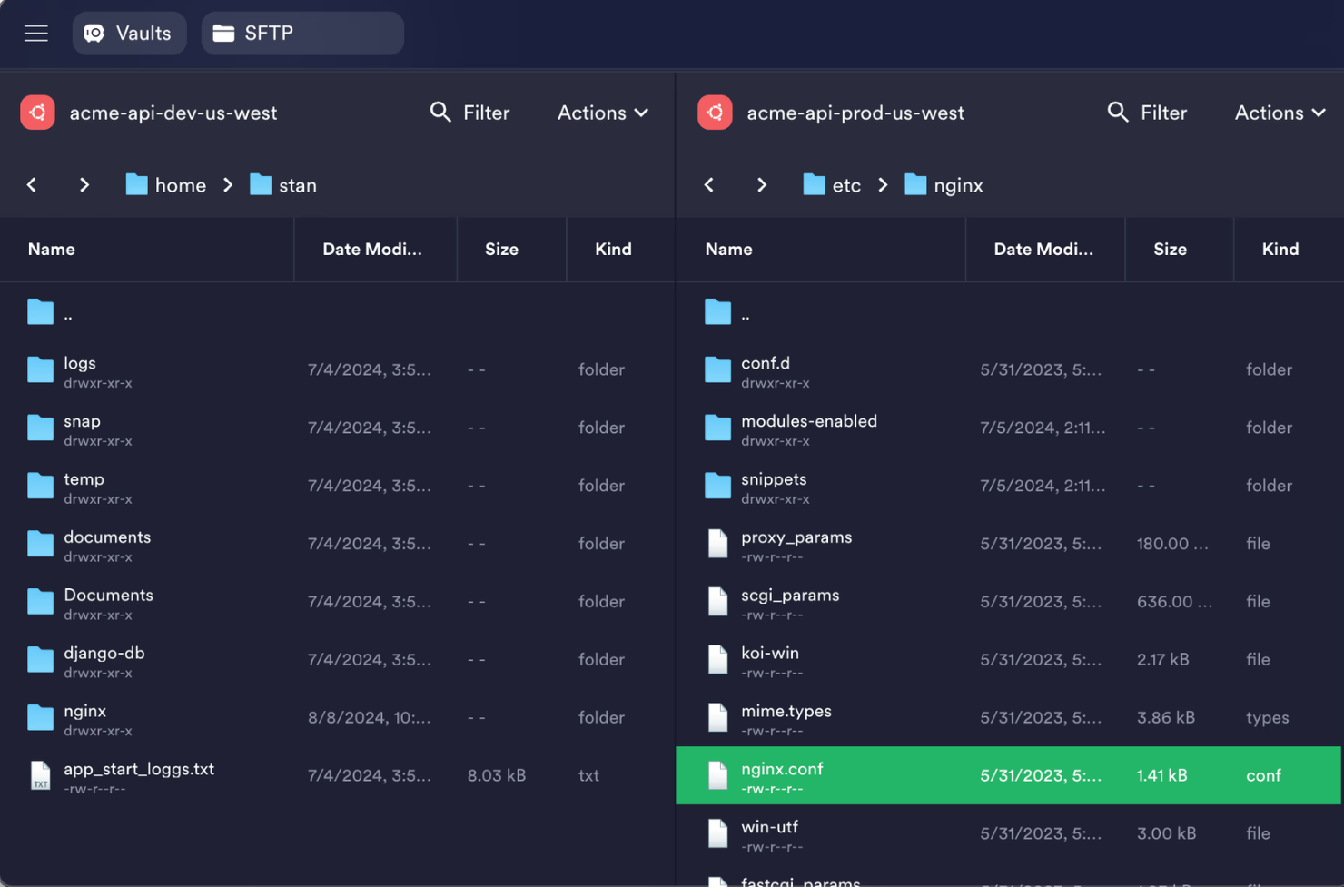
If you need to manage SSH connections across multiple devices, Termius is designed for you. This terminal emulator stands out for its ability to sync SSH hosts, keys, and settings between Windows, macOS, Linux, iOS, and Android. It’s a strong fit for IT specialists and teams who want a unified, portable SSH experience wherever they work.
Who is Termius Best For?
System administrators and DevOps teams in small to mid-sized organizations worldwide requiring cross-platform SSH session syncing.
Why I picked Termius
For IT professionals who need SSH access on the go, Termius offers a unique advantage. I picked it because you can sync your SSH hosts, keys, and connection settings across desktop and mobile platforms, so your environment is always up to date. Termius also supports encrypted cloud storage for credentials, which helps keep sensitive information secure while remaining accessible. If you want a terminal emulator that travels with you and keeps your SSH workflow consistent, Termius is a strong choice.
Termius Key Features
Some other features in Termius help IT teams manage connections and sessions more efficiently:
- Group Organization: Organize hosts into groups for easier management and navigation.
- Port Forwarding: Set up and manage SSH tunnels directly within the app.
- Command Snippets: Save and reuse frequently used commands across sessions.
- SFTP File Transfer: Transfer files securely between local and remote systems using a built-in SFTP client.
Termius Integrations
Integrations include SSH, SFTP, Mosh, FIDO2, and more.
Pros and Cons
Pros:
- Offers group organization for managing large numbers of hosts
- Supports SFTP file transfers directly within the terminal interface
- Syncs SSH hosts and credentials across desktop and mobile devices
Cons:
- Uses more memory than lightweight terminal emulators like PuTTY.
- Requires a paid subscription for advanced syncing and features.

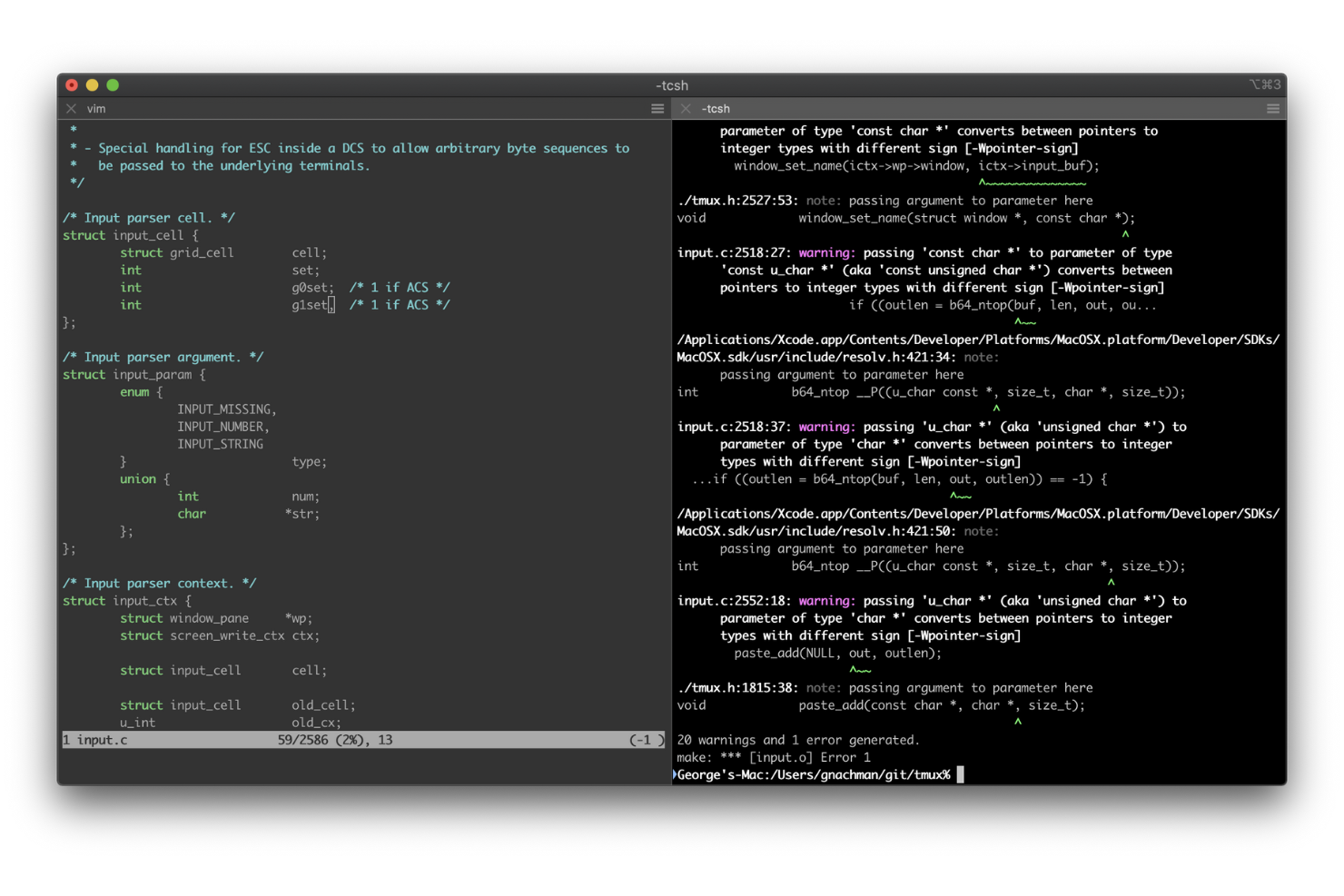
Mac OS users looking for a terminal emulator with advanced productivity features often turn to iTerm2. This tool is designed for IT professionals and developers who want deep customization, automation, and macOS-native integrations. If you need split panes, search, and scripting tailored for Apple workflows, iTerm2 delivers features you won’t find in cross-platform alternatives.
Who is iTerm2 Best For?
macOS-based developers and IT professionals in small to mid-sized organizations globally leveraging productivity features specific to macOS.
Why I Picked iTerm2
For anyone working exclusively on macOS, iTerm2 brings a set of productivity features you won’t find in most cross-platform terminal emulators. I picked it because you can split panes within a single window, search your terminal output instantly, and automate tasks with built-in scripting tools. iTerm2 also supports macOS-native shortcuts and notifications, making it feel like a natural extension of the operating system. If you want a terminal that’s deeply integrated with Apple workflows, this tool is a strong choice.
iTerm2 Key Features
Some other iTerm2 features help macOS users customize and control their terminal experience:
- Hotkey Window: Instantly bring up a terminal window with a single keystroke.
- Inline Image Display: View images directly within the terminal session.
- Password Manager Integration: Store and autofill credentials securely during sessions.
- Trigger Actions: Set up automatic responses to specific text or events in your terminal output.
iTerm2 Integrations
Integrations include macOS Keychain, Notification Center, shell integration scripts, password manager, AppleScript, Automator, Growl, tmux, Python scripting, and more.
Pros and Cons
Pros:
- Provides advanced search and autocomplete for terminal output
- Offers deep macOS integration with native notifications and shortcuts
- Supports split panes and tabs for managing multiple sessions
Cons:
- Lacks built-in SSH key management
- Available only for macOS, with no Windows or Linux support

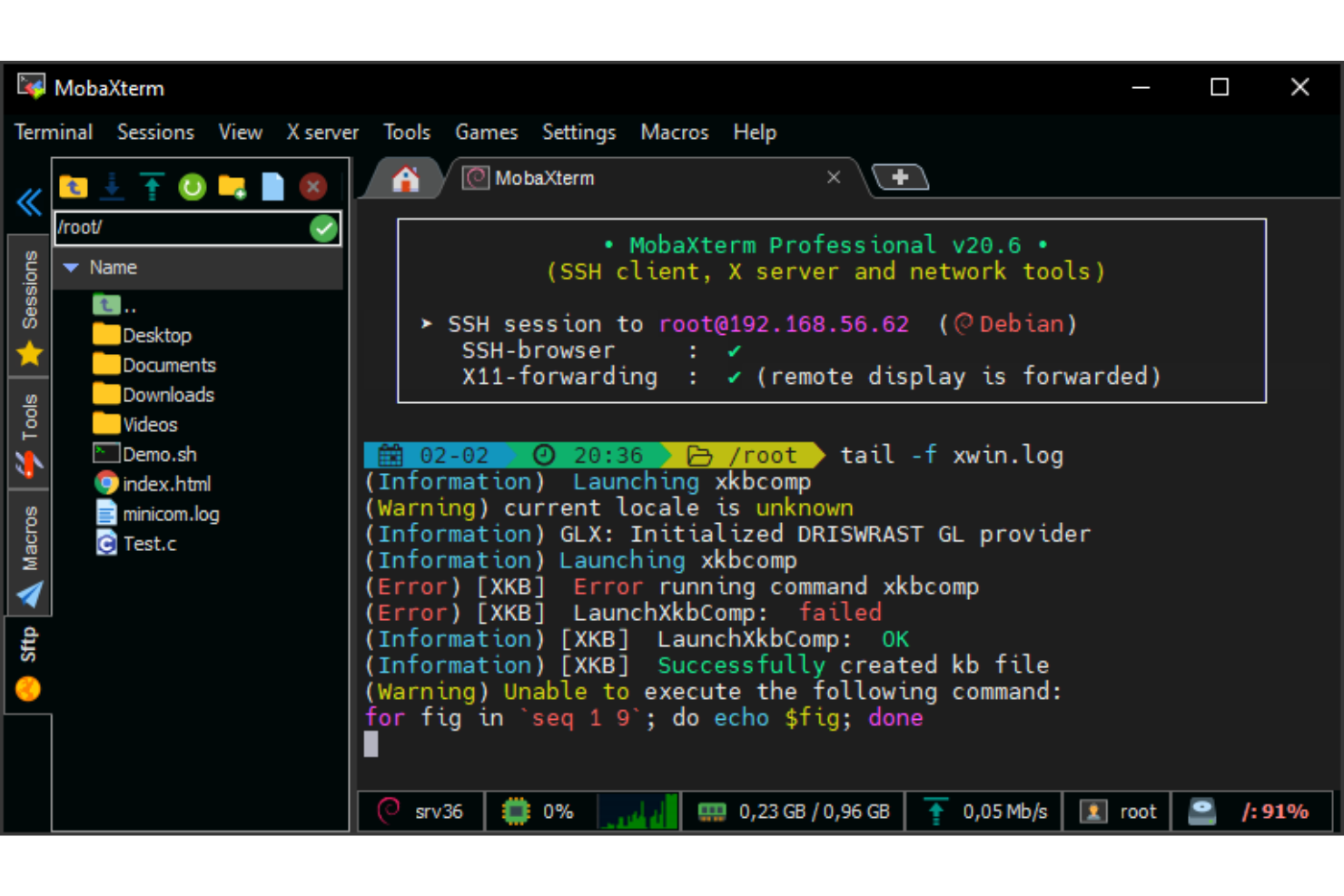
If you need a terminal emulator that brings multiple remote access protocols and session management into one interface, MobaXterm is worth a look. IT specialists and system administrators who juggle SSH, RDP, VNC, and SFTP connections will find its integrated tools and tabbed sessions especially useful. MobaXterm helps reduce context switching and manual setup, making it easier to manage complex infrastructure from a single workspace.
Who is MobaXterm Best For?
IT administrators and system engineers in small to mid-sized organizations in North America and Europe managing integrated remote sessions across multiple protocols.
Why I Picked MobaXterm
MobaXterm stands out for its integrated remote session management, which is a step up from what you get with PuTTY. I picked it because you can launch SSH, RDP, VNC, and SFTP sessions all from a single tabbed interface, making it easier to juggle multiple connections. The built-in session manager lets you organize, save, and quickly access remote hosts without extra setup. For IT teams handling diverse environments, these features help centralize and simplify remote access workflows.
MobaXterm Key Features
Some other features in MobaXterm make it a flexible choice for IT specialists managing remote systems:
- X11 Server Integration: Run graphical Linux applications on your Windows machine without extra configuration.
- Portable Version: Use MobaXterm from a USB drive without installing it on your system.
- Macros and Scripting: Automate repetitive tasks with built-in macro recording and script execution.
- Network Tools Suite: Access tools like port scanning, network monitoring, and packet capture directly from the interface.
MobaXterm Integrations
Integrations include SSH, X11, RDP, VNC, SFTP, Telnet, Rsh, Rlogin, Mosh, and more.
Pros and Cons
Pros:
- Tabbed interface allows managing many sessions at once
- Built-in X11 server enables running Linux GUI apps on Windows
- Supports multiple remote protocols in a single application
Cons:
- Occasional compatibility issues with certain RDP or VNC servers
- Scripting and automation options are less advanced than some competitors

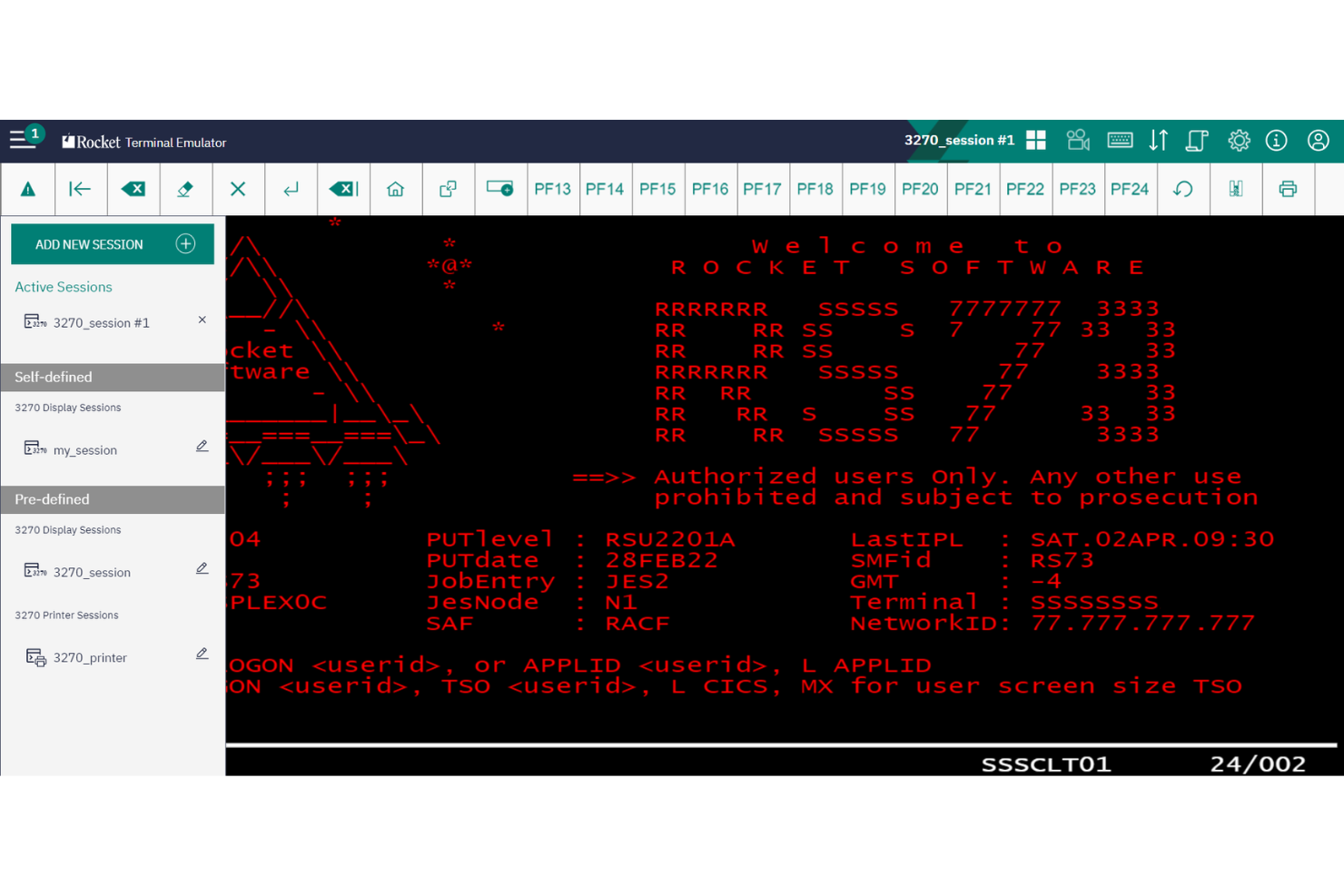
For IT teams that need reliable access to mainframes and legacy systems, Rocket Terminal Emulator is purpose-built for complex enterprise environments. This tool is a strong fit for organizations in finance, government, and manufacturing that depend on IBM mainframes, AS/400, or UNIX systems. Rocket Terminal Emulator stands out for its support of multiple host protocols and its focus on secure, large-scale connectivity.
Who is Rocket Terminal Emulator Best For?
IT teams and legacy system operators in mid-sized enterprises in North America and Europe accessing mainframes and legacy systems.
Why I Picked Rocket Terminal Emulator
For teams that need to connect with mainframes and legacy systems, Rocket Terminal Emulator offers specialized support that many modern terminal emulators lack. I picked it because it provides native connectivity for IBM mainframes, AS/400, and UNIX systems, which is essential for organizations running critical workloads on older infrastructure. The tool also supports multiple host protocols, including TN3270, TN5250, and VT, making it versatile for mixed-environment access. If your business relies on secure, large-scale connections to legacy platforms, Rocket Terminal Emulator is built to handle those requirements.
Rocket Terminal Emulator Key Features
Some other features make Rocket Terminal Emulator a flexible choice for enterprise environments:
- Session Logging: Capture and store terminal session activity for auditing or troubleshooting.
- Macro Recording: Automate repetitive tasks by recording and replaying command sequences.
- Customizable Keyboard Mapping: Adjust key bindings to match user or organizational preferences.
- Centralized Configuration Management: Manage settings and deployment across multiple users from a single location.
Rocket Terminal Emulator Integrations
Integrations include Microsoft Active Directory, Okta, IBM mainframes, AS/400 systems, UNIX servers, TLS encryption, SSH protocol, SAML authentication, and more.
Pros and Cons
Pros:
- Includes session logging and auditing for compliance requirements
- Offers centralized configuration management for large enterprise deployments
- Supports direct connections to IBM mainframes and AS/400 systems
Cons:
- Not designed for lightweight or personal use outside enterprise environments
- Limited support for scripting languages beyond basic macros

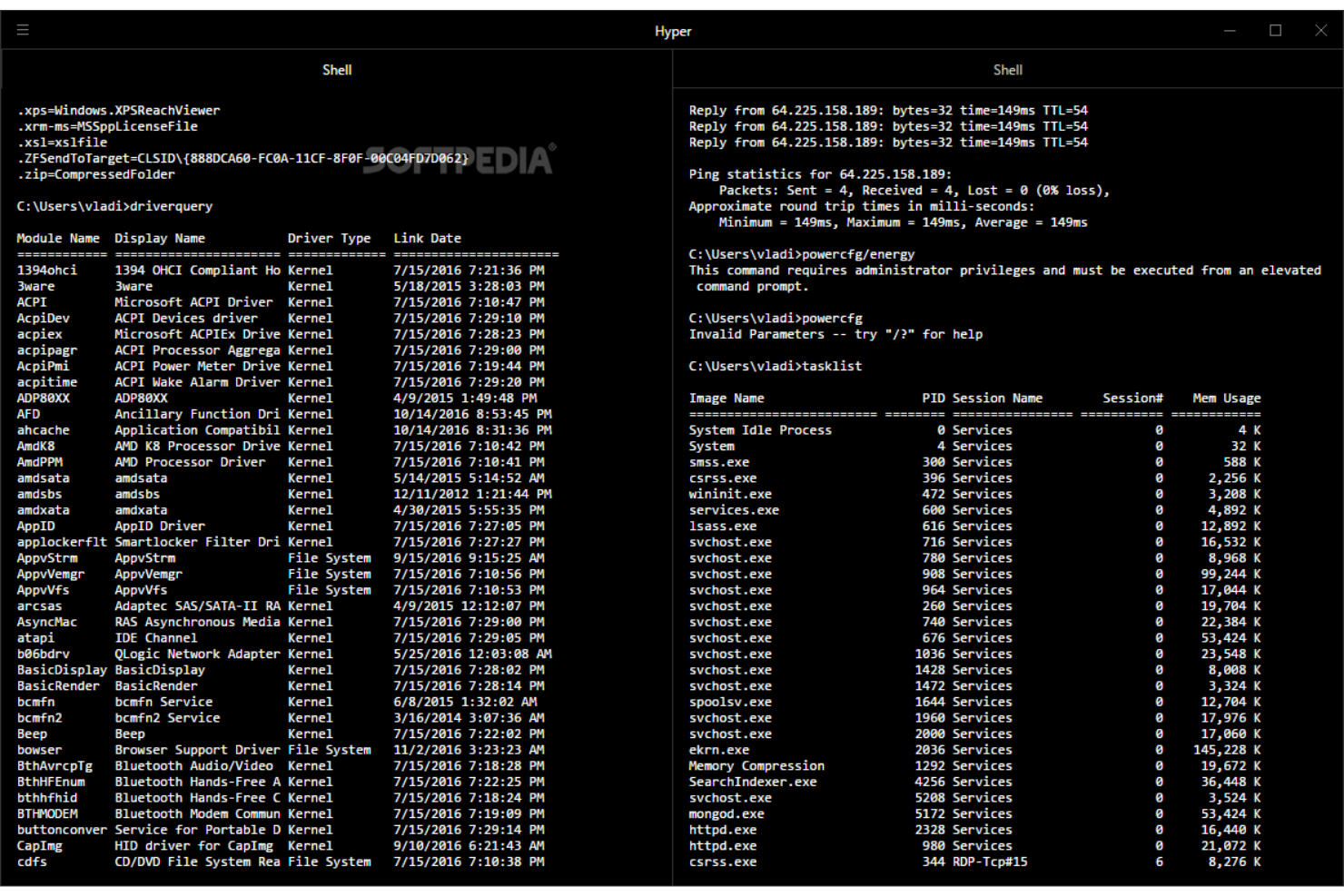
If you want a terminal emulator that’s easy to customize, Hyper is built for plugin-driven extensibility. This tool appeals to IT specialists and developers who want to tailor their terminal with JavaScript, HTML, and CSS plugins. Hyper stands out for its open plugin ecosystem, letting you add new features or change the interface to fit your workflow.
Who Is Hyper Best For?
Developers and technical teams in small to mid-sized organizations globally seeking a plugin-driven, extensible terminal environment.
Why I Picked Hyper
Unlike most terminal emulators, Hyper is designed from the ground up for plugin-driven extensibility. I picked it because you can install, create, or modify plugins using JavaScript, HTML, and CSS, which gives you control over both appearance and functionality. The open plugin ecosystem means you can add features like custom prompts, themes, or workflow tools without waiting for official updates. If you want a terminal that adapts to your workflow through community-built or custom plugins, Hyper is a strong choice.
Hyper Key Features
Some other Hyper features help users further personalize and control their terminal environment:
- Cross-Platform Support: Run Hyper on Windows, macOS, and Linux systems.
- Built-In Update Mechanism: Receive automatic updates directly within the application.
- Customizable Themes: Change the look and feel of your terminal with downloadable or custom themes.
- Multiple Tab Support: Open and manage several terminal sessions in a single window.
Hyper Integrations
Integrations include xterm.js, Electron, React, Redux, Node.js modules, npm plugins, custom shell environments, SSH protocol, and more.
Pros and Cons
Pros:
- Allows full interface customization using JavaScript, HTML, and CSS
- Runs natively on Windows, macOS, and Linux platforms
- Supports extensive plugin ecosystem for custom features and workflows
Cons:
- Not ideal for low-resource or headless server environments
- Startup time is slower compared to traditional terminal apps

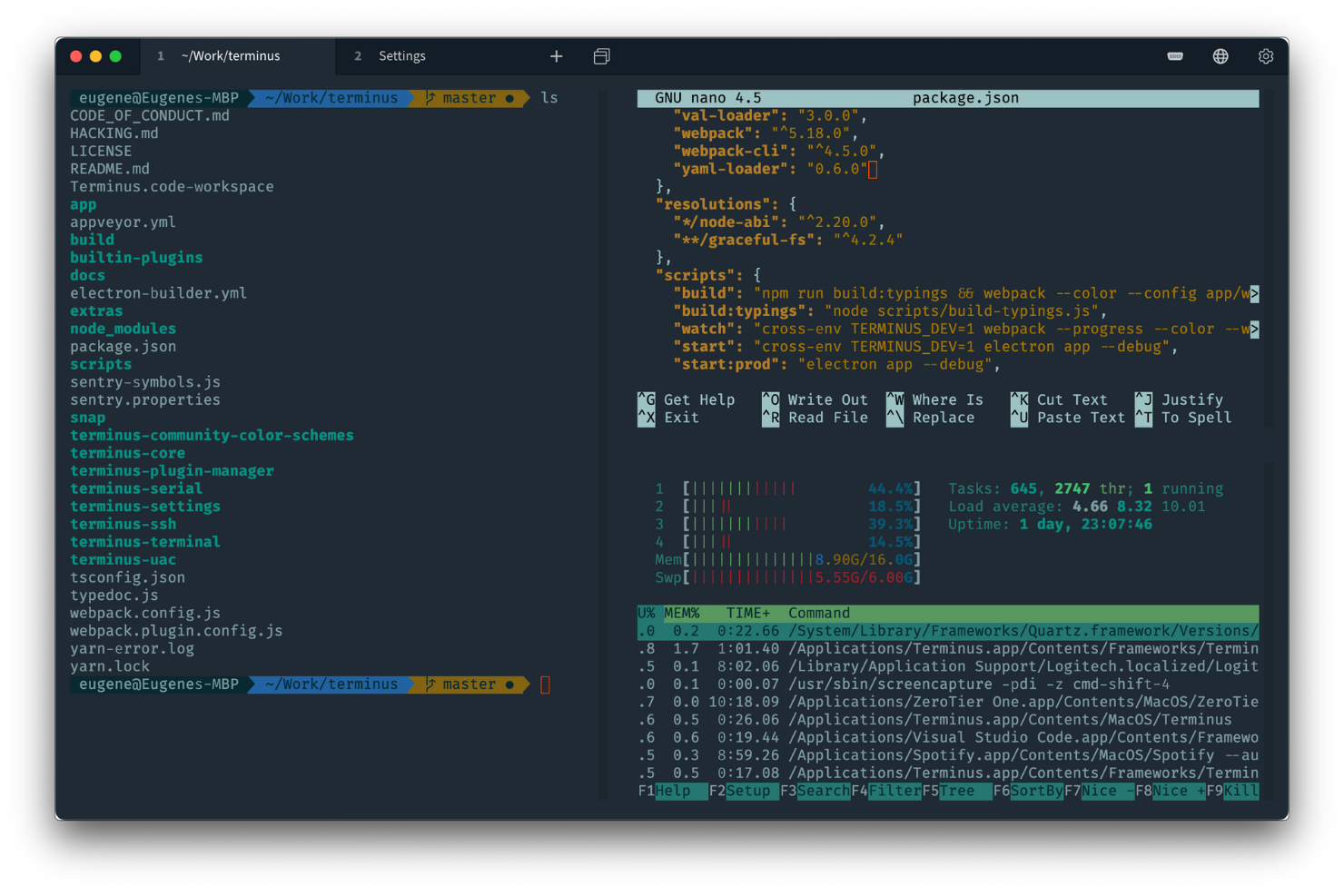
For IT professionals who want a terminal emulator they can truly make their own, Tabby offers a unique level of customization. It’s especially appealing to users who need tailored workflows, custom themes, and plugin support across Windows, macOS, and Linux. Tabby helps you create a terminal environment that matches your exact preferences and integrates with your daily tools.
Who is Tabby Best For?
Developers and IT operations teams in small to mid-sized companies globally seeking a highly customizable terminal experience.
Why I Picked Tabby
If you want a terminal emulator that you can truly personalize, Tabby is worth considering. I picked it because you can customize everything from keyboard shortcuts and color schemes to the layout and behavior of tabs and panes. Tabby also supports plugins, so you can extend its functionality to fit your workflow. For IT specialists who want a terminal that adapts to their preferences, these advanced customization options set Tabby apart.
Tabby Key Features
Some other features in Tabby make it a flexible choice for IT teams managing diverse environments:
- Cross-Platform Support: Run Tabby on Windows, macOS, and Linux with a consistent experience.
- Built-In SSH Client: Connect to remote servers directly without needing external tools.
- Split Panes: Organize multiple terminal sessions side by side within a single window.
- Config File Sync: Export and import your settings to keep configurations consistent across devices.
Tabby Integrations
Integrations include SSH, SFTP, Zmodem, X11, Telnet, serial terminal, PowerShell, WSL, Git-Bash, and more.
Pros and Cons
Pros:
- Built-in SSH and SFTP eliminate the need for external tools
- Cross-platform compatibility covers Windows, macOS, and Linux systems
- Supports custom themes, fonts, and keyboard shortcuts for personalization
Cons:
- Lacks built-in session management for large numbers of hosts
- Some advanced configuration requires editing JSON files manually

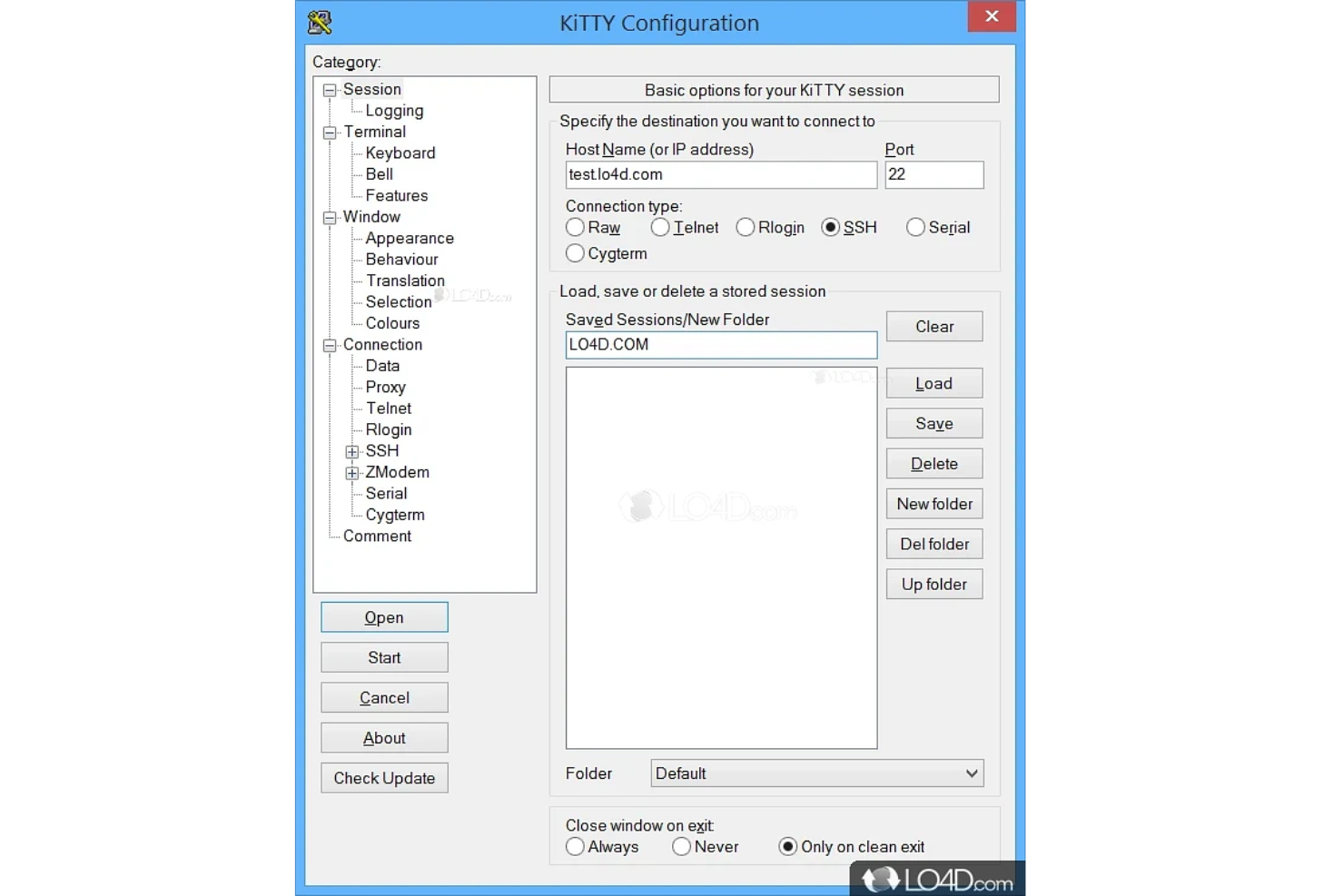
If you need a terminal emulator that’s lightweight and tailored for Windows, KiTTY is worth a look. It’s designed for IT professionals and system administrators who want a portable, fast, and customizable SSH and Telnet client. KiTTY stands out for its small footprint, session filtering, and built-in features like automatic password storage and session launcher.
Who is KiTTY Best For?
System administrators and IT support staff in small to mid-sized Windows-based organizations globally needing lightweight SSH and Telnet clients.
Why I Picked KiTTY
When you need a terminal emulator that won’t weigh down your Windows system, KiTTY is a strong choice. I picked it because it’s built specifically for lightweight Windows deployments, offering a portable executable and minimal resource usage. Features like session filtering and a built-in session launcher make it easy to manage multiple connections without extra overhead. If you’re looking for a tool that’s fast, portable, and focused on Windows, KiTTY fits those needs well.
KiTTY Key Features
Some other features make KiTTY a flexible option for Windows users:
- Automatic Command Execution: Run predefined commands automatically upon session start.
- Portable Mode: Use KiTTY from a USB drive without installation.
- Scriptable Launcher: Launch sessions and automate tasks using external scripts.
- Built-In Chat System: Communicate with other users directly through the terminal interface.
KiTTY Integrations
Integrations include zsh, fish, bash, and more.
Pros and Cons
Pros:
- Supports session filtering for managing large connection lists
- Built-in session launcher helps organize and access saved sessions
- Portable mode allows running directly from a USB drive
Cons:
- Only available for Windows, with no native Linux or macOS version
- Limited official documentation for advanced scripting features
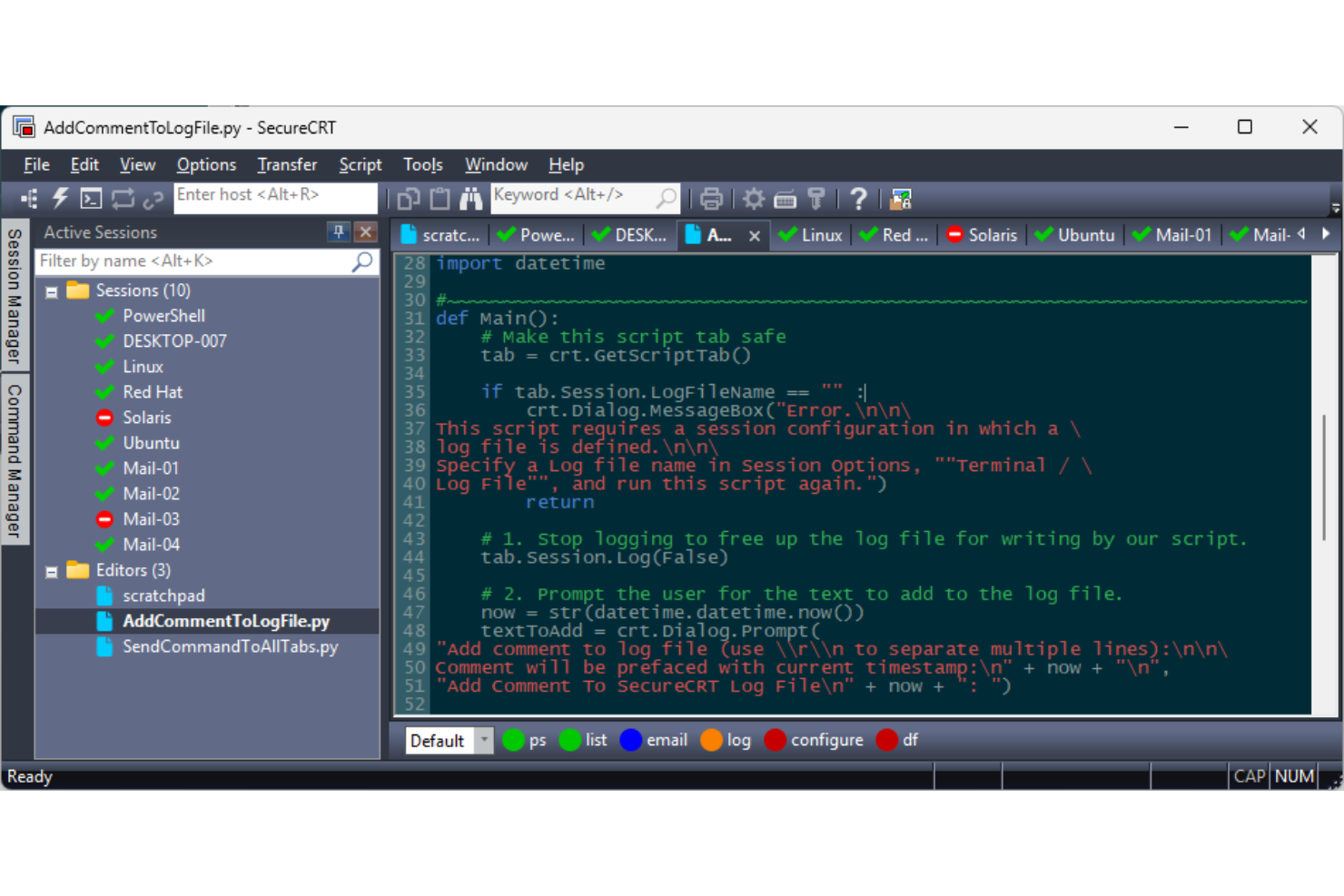
Security-focused IT teams often turn to SecureCRT by VanDyke Software for its advanced session management and granular security controls. This terminal emulator is built for professionals who need to enforce strict authentication, encryption, and access policies across multiple sessions. If you’re looking for a solution that lets you fine-tune security settings for every connection, SecureCRT by VanDyke Software stands out in this area.
Who is SecureCRT by VanDyke Software Best For?
Network and security engineers in mid-sized to large enterprises in North America and Europe needing granular session security controls.
Why I Picked SecureCRT by VanDyke Software
If you need to enforce strict security policies for every session, SecureCRT by VanDyke Software gives you more control than most terminal emulators. I picked it because you can set granular authentication methods, session encryption, and access permissions on a per-session basis. SecureCRT by VanDyke Software also supports advanced logging and auditing features, which help with compliance and incident response. For IT teams that prioritize session-level security, this tool offers a level of customization that’s hard to match.
SecureCRT by VanDyke Software Key Features
Some other SecureCRT by VanDyke Software features help IT professionals manage complex environments and workflows:
- Tabbed Sessions: Open and switch between multiple sessions in a single window.
- Scriptable Automation: Automate repetitive tasks using Python, Perl, or VBScript.
- Customizable Keyboard Mapping: Remap keys and create shortcuts for frequent actions.
- Session Manager: Organize, search, and launch sessions from a dedicated sidebar.
SecureCRT by VanDyke Software Integrations
Integrations include SecureFX, VShell Server, RDP, X.509 smart cards, OpenSSH keys, SOCKS proxies, HTTP proxies, TAPI devices, and more.
Pros and Cons
Pros:
- Includes built-in scripting support for Python, Perl, and VBScript
- Offers tabbed sessions for managing multiple terminals in one window
- Supports granular session encryption and authentication settings per connection
Cons:
- Lacks built-in support for mobile platforms like iOS or Android
- Interface can feel dated compared to modern alternatives

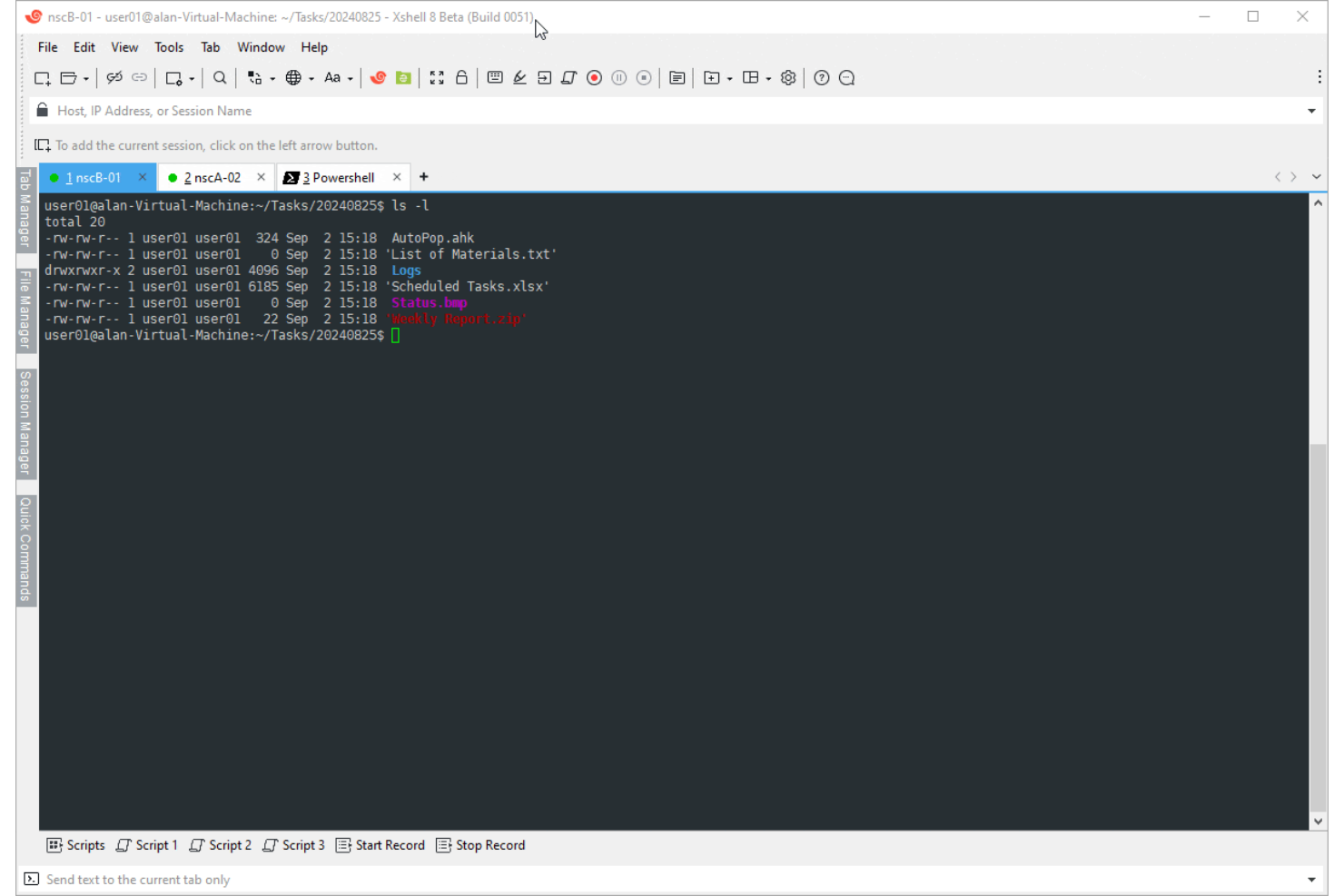
IT teams managing multiple remote connections often turn to Xshell by Netsarang Computer for its advanced tabbed session organization. This terminal emulator is built for professionals who need to juggle many SSH, Telnet, or Rlogin sessions at once. Xshell by Netsarang Computer’s tabbed interface and session management tools help reduce clutter and make it easier to keep track of complex workflows.
Who is Xshell by Netsarang Computer Best For?
IT operations and network teams in small to mid-sized organizations in North America and Europe managing tabbed remote sessions efficiently.
Why I Picked Xshell by Netsarang Computer
If you’re looking for a terminal emulator that makes managing multiple sessions less chaotic, Xshell by Netsarang Computer is worth considering. I picked it because its tabbed session organization lets you group, split, and switch between sessions in a single window. Features like synchronized input and session grouping help you control several connections at once without losing track. For anyone who needs to keep dozens of remote sessions organized, Xshell by Netsarang Computer’s approach to tab management stands out.
Xshell by Netsarang Computer Key Features
Some other features make Xshell by Netsarang Computer a flexible choice for IT professionals:
- Dynamic Port Forwarding: Configure and manage port forwarding rules directly within the session.
- Custom Key Mapping: Assign custom keyboard shortcuts to simplify frequent actions.
- Highlight Sets: Automatically highlight keywords or patterns in your terminal output.
- Integrated SFTP File Transfer: Transfer files securely between local and remote systems without leaving the terminal.
Xshell by Netsarang Computer Integrations
Integrations include SH1, SSH2, SFTP, Telnet, Rlogin, Serial, and more.
Pros and Cons
Pros:
- Custom key mapping lets users assign shortcuts for frequent actions
- Integrated SFTP client supports secure file transfers within the app
- Synchronized input sends commands to several sessions simultaneously
Cons:
- Some advanced features require additional NetSarang products to unlock
- Only available for Windows, with no native macOS or Linux version
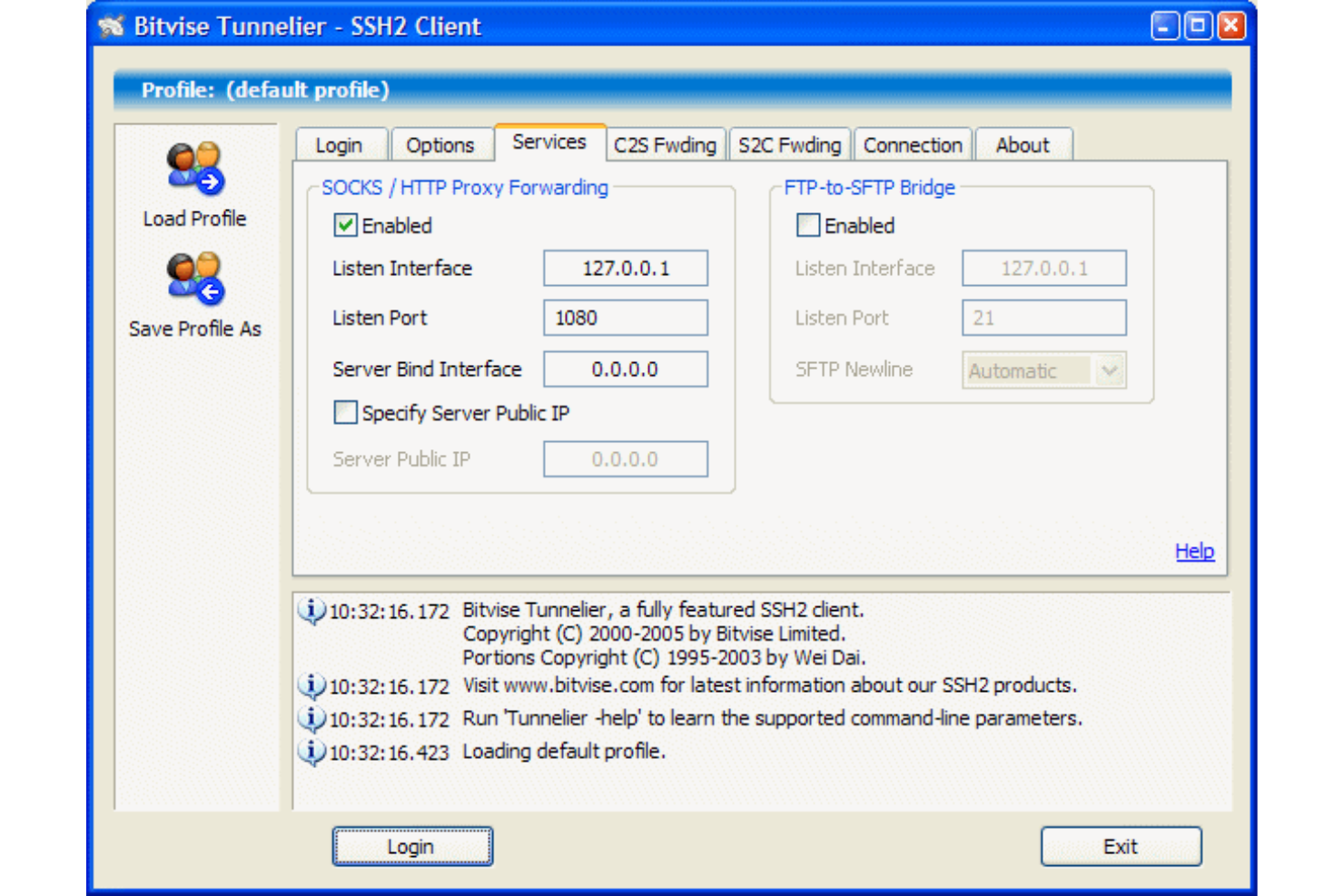
For IT specialists who need a terminal emulator with strong file transfer capabilities, Bitvise SSH Client offers a built-in graphical SFTP interface alongside SSH. This tool is especially useful for teams that frequently move files between local and remote systems and want a visual approach to SFTP. Bitvise stands out by combining secure terminal access with a full-featured, drag-and-drop SFTP client in one package.
Who is Bitvise SSH Client Best For?
System administrators and IT support teams in small to mid-sized companies globally needing graphical SFTP integration alongside SSH access.
Why I Picked Bitvise SSH Client
Unlike many terminal emulators, Bitvise SSH Client includes a graphical SFTP interface that’s tightly integrated with its SSH functionality. I picked it because you can drag and drop files between local and remote systems without leaving the main window. The SFTP panel supports advanced file operations, such as recursive folder transfers and file permission management. For IT teams that need both secure shell access and a visual file transfer workflow, Bitvise offers a practical all-in-one solution.
Bitvise SSH Client Key Features
Some other features make Bitvise SSH Client a flexible option for IT teams:
- Scriptable Command-Line Client: Automate SSH and SFTP tasks using the included command-line utilities.
- Remote Desktop Forwarding: Access Windows Remote Desktop sessions securely through SSH tunnels.
- Single-Click Remote Access Shortcuts: Create desktop shortcuts for quick access to saved sessions.
- Customizable Terminal Emulation: Adjust terminal appearance, font, and color schemes to match your preferences.
Bitvise SSH Client Integrations
Integrations include Bitvise SSH Server, Windows Remote Desktop, FTP clients through the FTP-to-SFTP bridge, and more.
Pros and Cons
Pros:
- Built-in remote desktop forwarding enables secure RDP access
- Session management allows saving and organizing multiple connection profiles
- Graphical SFTP panel supports drag-and-drop file transfers
Cons:
- No built-in tabbed terminal for managing multiple sessions in one window
- Only available for Windows, with no macOS or Linux version
Other PuTTY Alternatives
Here are some additional PuTTY alternative options that didn’t make it onto my shortlist, but are still worth checking out:
- Mosh
For reliable mobile connectivity
- Solar PuTTy
With integrated credential management


PuTTY Alternatives Selection Criteria
When selecting the best PuTTY alternatives to include in this list, I considered common buyer needs and pain points related to terminal emulator products, like secure remote access and reliable file transfer capabilities. I also used the following framework to keep my evaluation structured and fair:
Core Functionality (25% of total score)
To be considered for inclusion in this list, each solution had to fulfill these common use cases:
- Connect to remote servers using SSH
- Support for multiple session management
- Transfer files between local and remote systems
- Provide terminal emulation for various protocols
- Allow session logging and output capture
Additional Standout Features (25% of total score)
To help further narrow down the competition, I also looked for unique features, such as:
- Integrated graphical SFTP or SCP client
- Remote desktop forwarding or tunneling
- Session scripting and automation tools
- Advanced authentication options like Kerberos or smart cards
- Customizable terminal appearance and keyboard mappings
Usability (10% of total score)
To get a sense of the usability of each system, I considered the following:
- Clear and organized session management interface
- Intuitive navigation and menu structure
- Minimal setup required for first connection
- Responsive performance with large outputs
- Accessibility of advanced settings without clutter
Onboarding (10% of total score)
To evaluate the onboarding experience for each platform, I considered the following:
- Availability of step-by-step setup guides
- Access to training videos or tutorials
- Interactive product tours or onboarding wizards
- Pre-built templates for common connection types
- Support for importing existing session profiles
Customer Support (10% of total score)
To assess each software provider’s customer support services, I considered the following:
- Availability of live chat or email support
- Comprehensive online documentation and FAQs
- Community forums or user groups
- Timeliness and helpfulness of support responses
- Access to troubleshooting resources and guides
Value For Money (10% of total score)
To evaluate the value for money of each platform, I considered the following:
- Transparent and predictable pricing structure
- Availability of a free plan or trial
- Features included at the entry-level price
- Flexibility of licensing for teams or enterprises
- Cost compared to similar tools in the market
Customer Reviews (10% of total score)
To get a sense of overall customer satisfaction, I considered the following when reading customer reviews:
- Consistency of positive feedback across platforms
- Reports of reliability and stability in daily use
- User comments on feature completeness
- Feedback on support and documentation quality
- Noted limitations or frustrations with the tool
Why Look For A PuTTY Alternative?
While PuTTY is a good choice of terminal emulator, there are a number of reasons why some users seek out alternative solutions. You might be looking for a PuTTY alternative because…
- You need integrated graphical SFTP or SCP file transfer
- You want tabbed sessions for managing multiple connections
- You require advanced session scripting or automation features
- You need support for modern authentication methods like Kerberos
- You want a more modern or customizable user interface
If any of these sound like you, you’ve come to the right place. My list contains several terminal emulator options that are better suited for teams facing these challenges with PuTTY and looking for alternative solutions.
PuTTY Key Features
Here are some of the key features of PuTTY, to help you contrast and compare what alternative solutions offer:
- SSH, Telnet, and serial port connectivity
- Support for public key authentication
- Session logging and output capture
- Customizable terminal appearance and color schemes
- Saved session profiles for quick access
- X11 forwarding support
- Lightweight, portable executable with no installation required
- Basic command-line interface for automation
- IPv6 support
- Configurable keyboard and terminal settings