
12 Best Enterprise IoT Platform Reviewed in 2026

Best Enterprise IoT Platforms Shortlist
Here’s my shortlist of the best enterprise Internet of Things (IoT) platforms:


In today's fast-paced tech world, keeping up with IoT advancements can be daunting. As a tech expert, you face challenges such as data integration and device management. Enterprise IoT platforms can help solve these issues, providing your team with tools for better connectivity and data insights.
I've tested and reviewed numerous IoT platforms to bring you an unbiased look at the best options available. In my experience, choosing the right platform can significantly improve your operations.
In this article, you'll find a well-researched review of top enterprise IoT platforms. I'll highlight their unique features and help you decide which one suits your needs best. Let's dive in and find the ideal solution for your team.
Why Trust Our Software Reviews
Best Enterprise IoT Platforms Summary
This comparison chart summarizes pricing details for my top enterprise IoT platform selections to help you find the best one for your budget and business needs.
| Tool | Best For | Trial Info | Price | ||
|---|---|---|---|---|---|
| 1 | Best for industrial IoT networking | Not available | Pricing upon request | Website | |
| 2 | Best for open-source flexibility | 14-day free trial + free demo available | From $99/month | Website | |
| 3 | Best for hyperscale IoT ingestion | Free tier available | Pricing upon request | Website | |
| 4 | Best for managed IoT services | Not available | Pricing upon request | Website | |
| 5 | Best for device-to-cloud connectivity | Free plan available | From $299/block/month | Website | |
| 6 | Best for low-code IoT apps | Free demo available | Pricing upon request | Website | |
| 7 | Best for global IoT connectivity | Not available | Pricing upon request | Website | |
| 8 | Best for IoT device lifecycle control | Not available | Pricing upon request | Website | |
| 9 | Best for ERP-connected IoT | Not available | From $54/month | Website | |
| 10 | Best for real-time IoT analytics | Free demo available | Pricing upon request | Website |
-

Site24x7
Visit WebsiteThis is an aggregated rating for this tool including ratings from Crozdesk users and ratings from other sites.4.6 -
Docker
Visit WebsiteThis is an aggregated rating for this tool including ratings from Crozdesk users and ratings from other sites.4.6 -
Pulumi
Visit WebsiteThis is an aggregated rating for this tool including ratings from Crozdesk users and ratings from other sites.4.8




Best Enterprise IoT Platforms Review
Below are my detailed summaries of the best enterprise IoT platforms that made it onto my shortlist. My reviews offer a detailed look at the key features, pros and cons, integrations, and ideal use cases of each tool to help you find the best one for you.
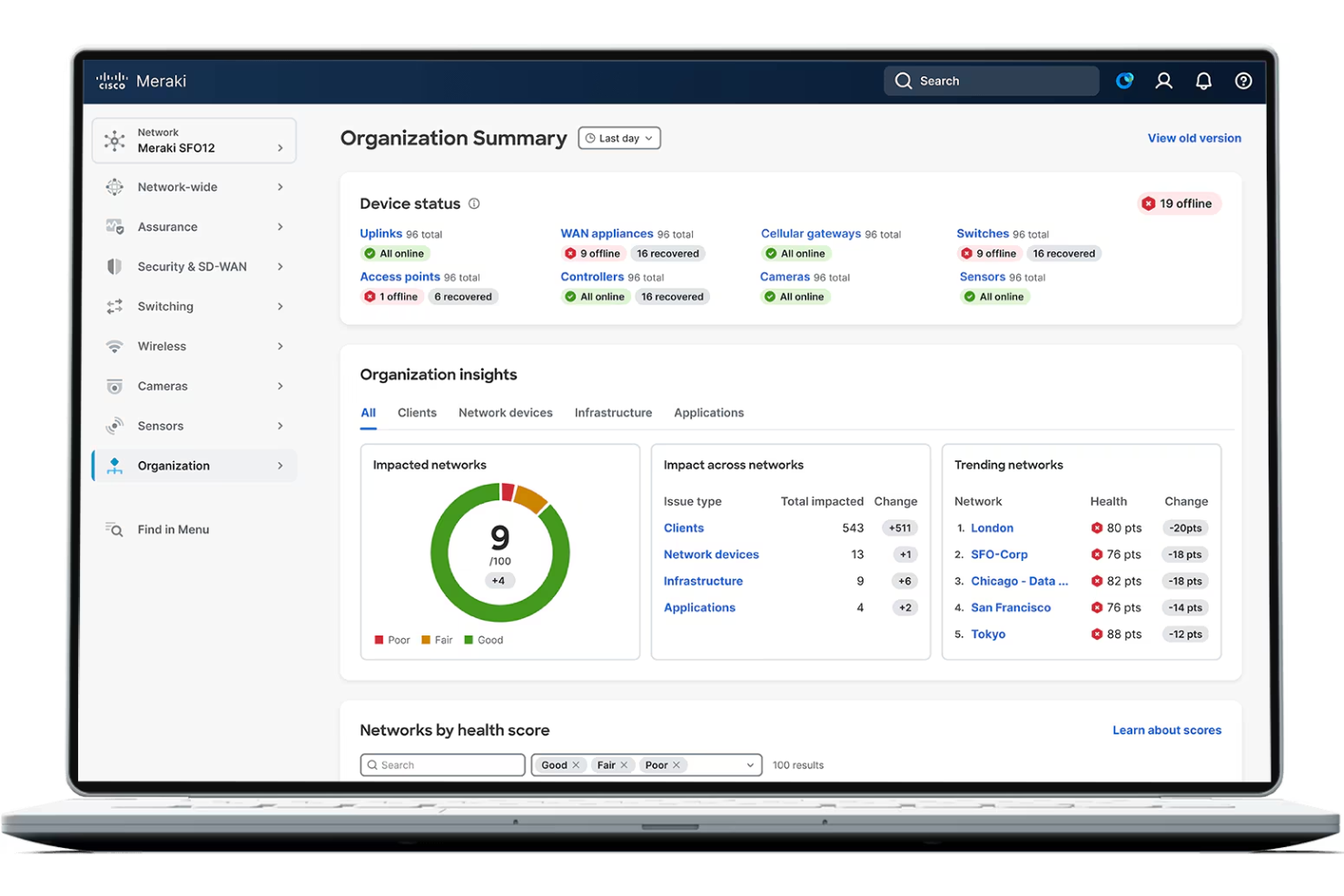
Cisco offers a tailored industrial IoT solution for manufacturing, energy, transportation, and other sectors looking to optimize network security and connectivity. Its solution delivers reliable communication and efficient network management for industrial settings.
Why I picked Cisco: Cisco provides a secure and reliable network infrastructure, which is essential for industrial environments. Its platform includes advanced security features to protect your IoT deployments. Its network management tools help maintain connectivity and performance across complex systems, including those utilizing cellular-connected gateways. These capabilities make Cisco a strong choice for industries requiring reliable IoT ecosystems in challenging environments.
Standout Features and Integrations:
Features include advanced security protocols that safeguard your network. The platform offers network management tools to ensure consistent performance. Cisco also provides scalable solutions for expanding industrial environments.
Integrations are not publicly listed.
Pros and Cons
Pros:
- Edge processing and data filtering
- Local fog-computing data backhaul reduction
- Strong support for industrial networking standards
Cons:
- Expensive for small operations
- Utility limited to Cisco-only stacks
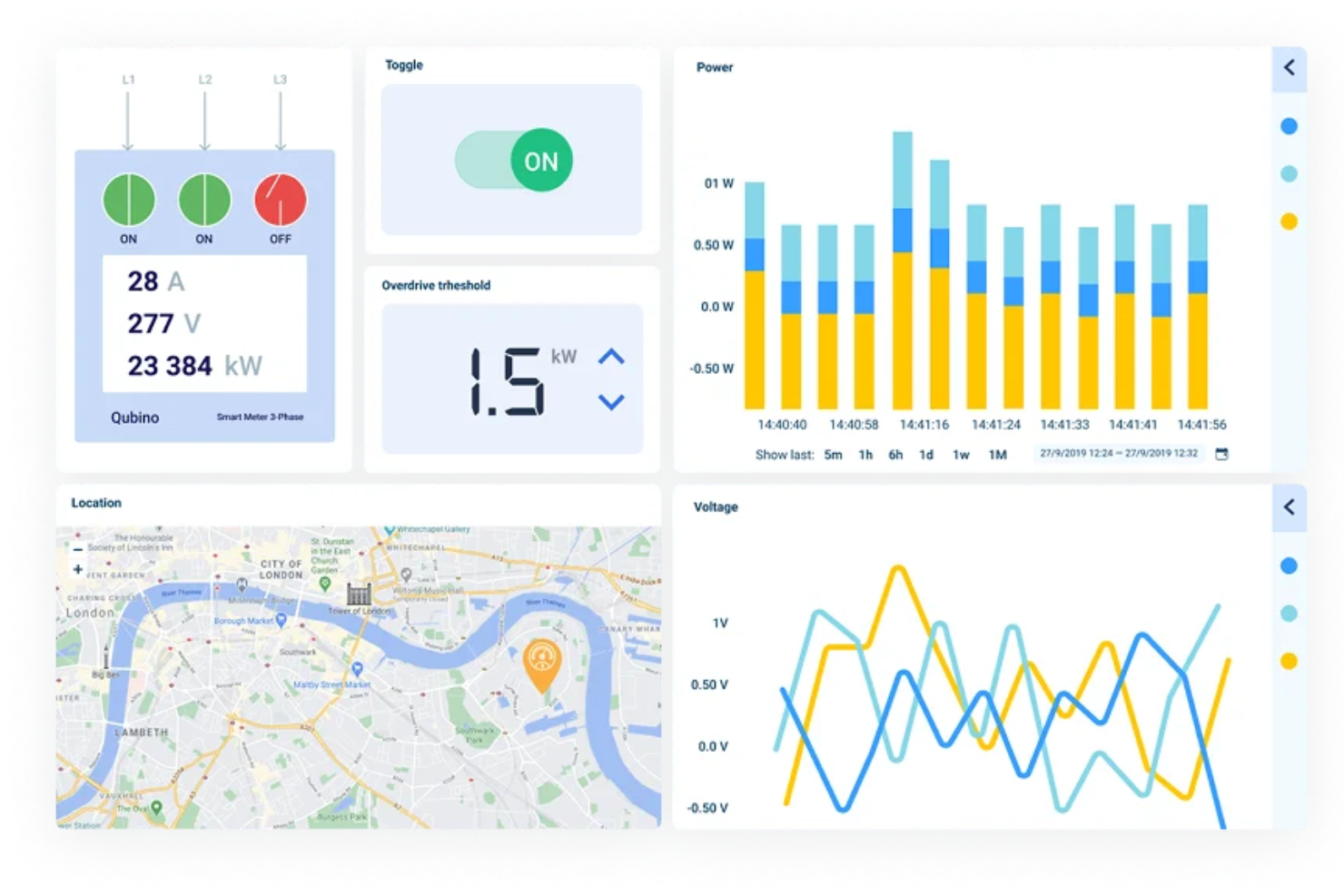
Kaa is an open-source IoT platform designed for developers and businesses seeking flexibility in creating custom IoT solutions. It serves industries such as smart agriculture, healthcare, and industrial automation, with a focus on device management and data collection.
Why I picked Kaa: Kaa offers open-source flexibility, allowing your team to customize and extend the platform to meet specific needs. Its modular architecture is highly adaptable for a wide range of IoT projects, from application development in startups to enterprise-grade digital transformation initiatives. The platform offers device management and data processing tools that are essential for managing diverse IoT product environments. This flexibility makes Kaa a great choice for teams looking to tailor their IoT solutions.
Standout Features and Integrations:
Features include a modular architecture that supports diverse applications. The platform offers real-time data processing for quick insights. Kaa also provides extensive device management tools to maintain operational efficiency.
Integrations include SAP, Salesforce, and more.
Pros and Cons
Pros:
- Flexible and scalable modular architecture
- Extensive device compatibility
- On-premises microservices for data privacy
Cons:
- No native built-in cellular data
- Heavy internal DevOps maintenance

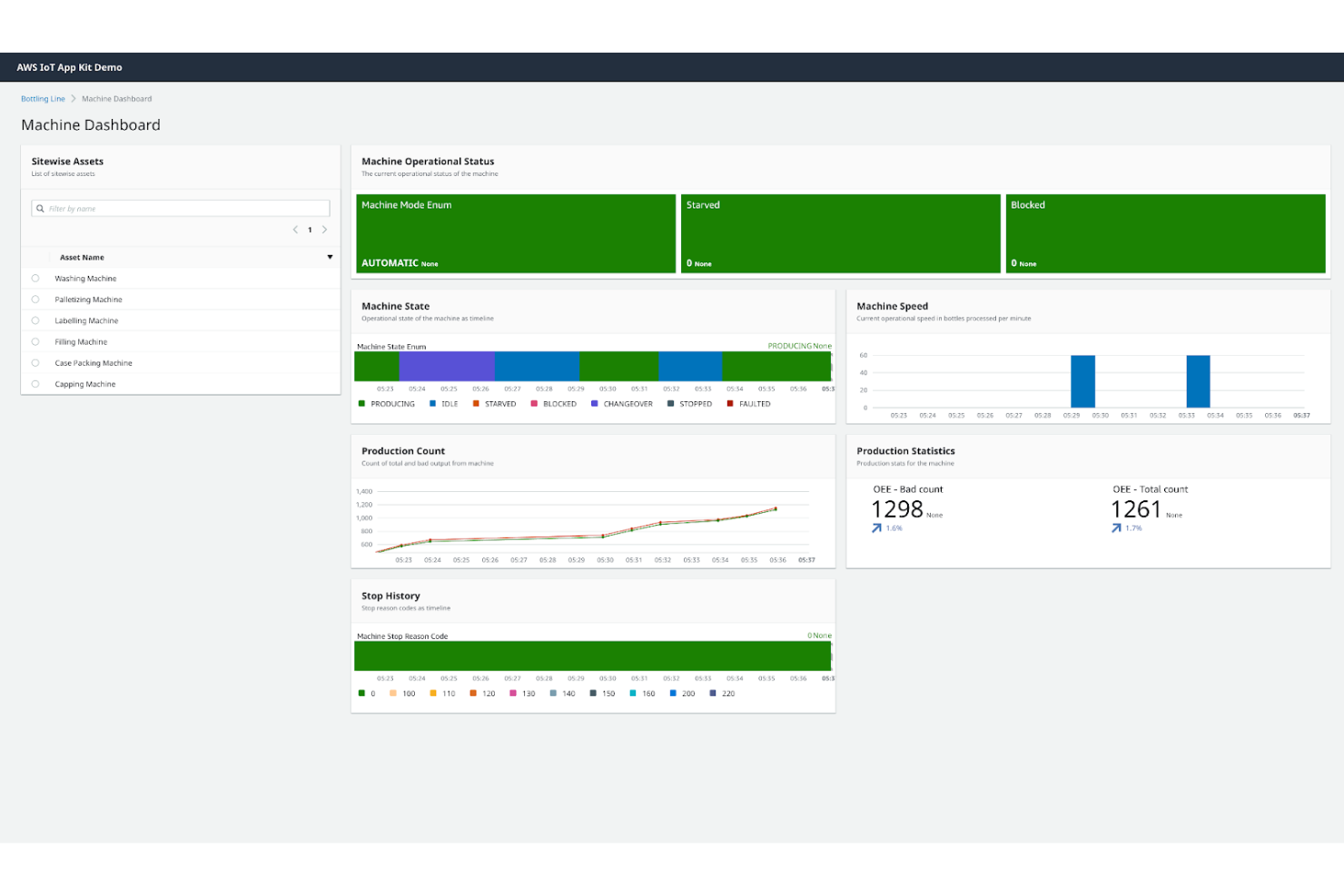
AWS IoT Core is a cloud-based platform designed for enterprises needing scalable IoT solutions with deep cloud integration. It serves a variety of real-world industries that rely on real-time data processing and management, including the smart home, corporate sustainability, industrial automation, and healthcare sectors.
Why I picked AWS IoT Core: It provides cloud integration with other AWS services, which adds value for teams already using Amazon's ecosystem. The platform supports the management and security of connected devices, which is essential for maintaining IoT data integrity. Its real-time data processing capabilities support immediate insights and decision-making. AWS IoT Core's scalability ensures it can grow with your business needs.
Standout Features and Integrations:
Features include ensuring data integrity via secure communication protocols for all devices, including those using LoRaWAN. The platform also offers real-time analytics and actionable insights. AWS IoT Core's device management tools help you efficiently oversee your IoT devices.
Integrations include Amazon S3, Amazon DynamoDB, AWS Lambda, Amazon Kinesis, Amazon CloudWatch, Amazon SNS, Amazon SQS, and more.
Pros and Cons
Pros:
- Automated factory-scale device certificate provisioning
- Managed LoRaWAN long-range network server
- Native serverless AWS Lambda integration
Cons:
- Variable pay-as-you-go cost forecasting
- Rigorous per-device certificate management overhead

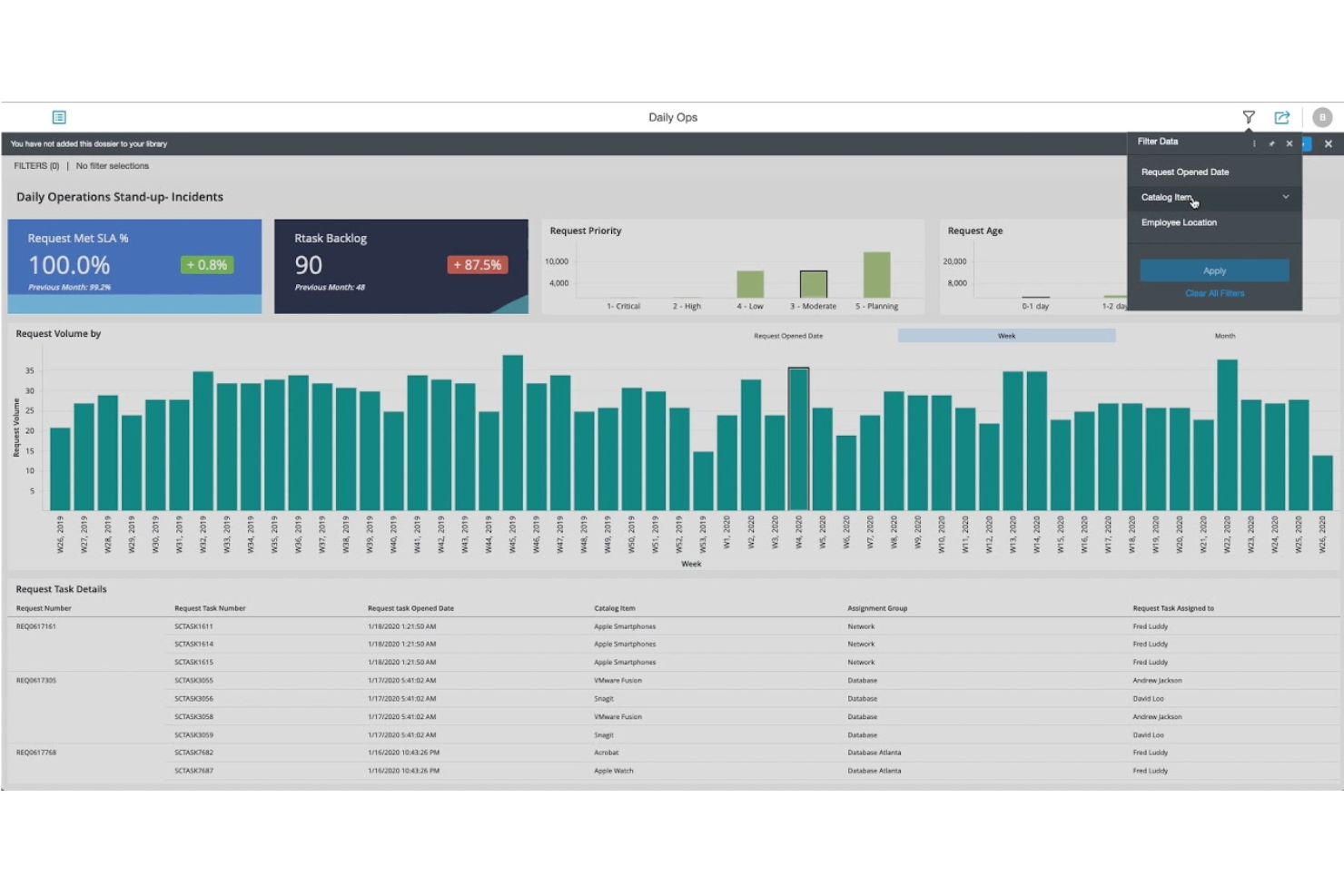
NTT DATA offers managed network services designed for enterprises needing reliable IoT connectivity and network management. Its main user base includes industries such as telecommunications, finance, and healthcare, focused on improving network efficiency and security.
Why I picked NTT DATA: NTT DATA provides enterprise IoT solutions to ensure reliable and secure connectivity and network management. Its services include network monitoring and optimization for maintaining high-performance operations. The platform's ability to offer tailored network solutions helps meet specific industry needs. This focus on network services makes it valuable for teams looking to strengthen their IoT infrastructure.
Standout Features and Integrations:
Features include network monitoring tools that ensure reliable connectivity. The platform offers network optimization services to maintain high performance. NTT DATA also provides customizable network solutions tailored to specific industry needs.
Integrations are not publicly listed.
Pros and Cons
Pros:
- Deep enterprise systems and ERP support
- Customizable solutions for industries
- AI-driven proactive network anomaly detection
Cons:
- Integration depth may increase costs
- Extended initial security auditing phase

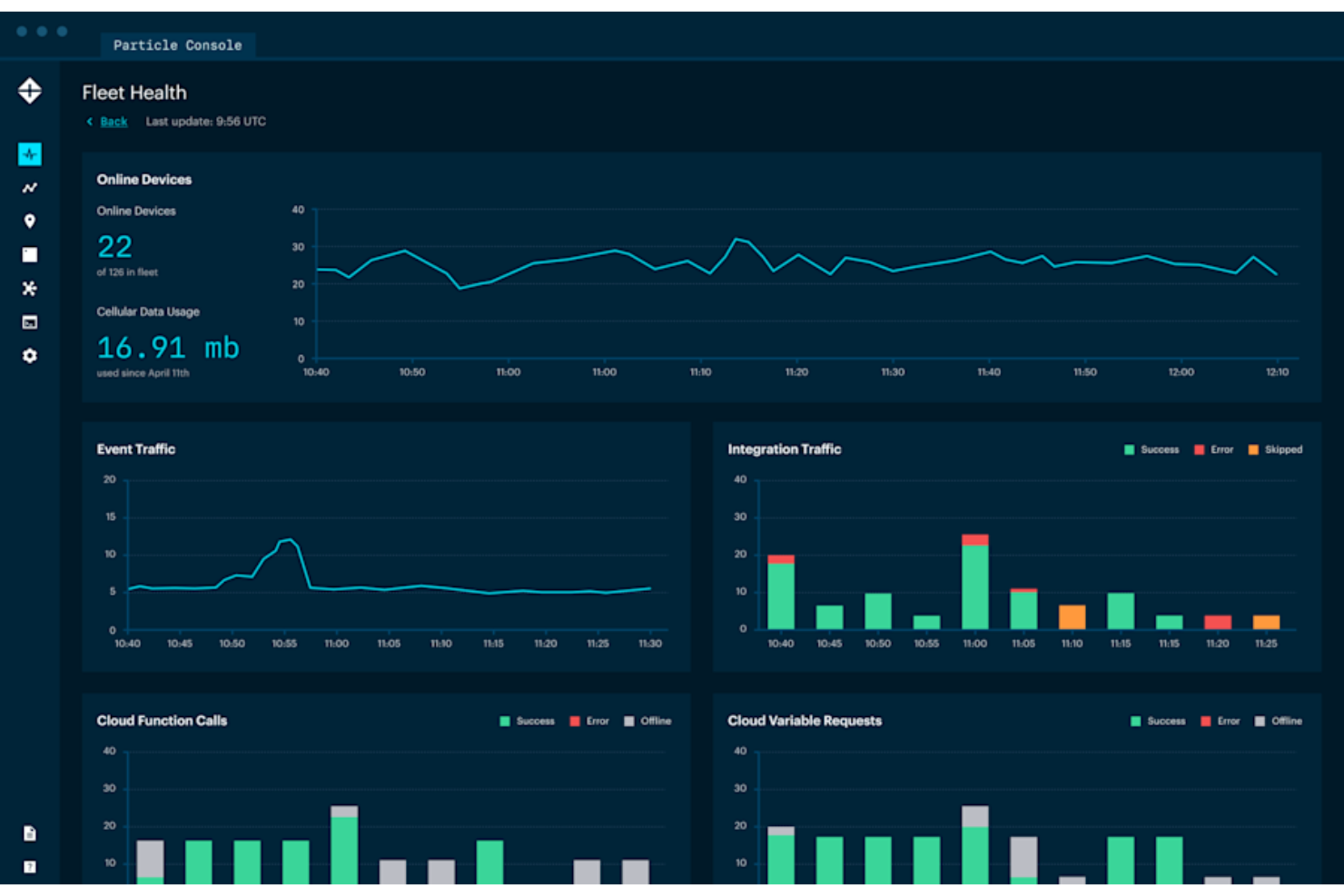
Particle is an IoT platform-as-a-service designed for developers and businesses needing reliable and efficient device connectivity and management. It caters to industries focused on asset tracking, smart energy, and equipment monitoring, including HVAC manufacturers.
Why I picked Particle: Particle stands out for its flexible global connectivity through EtherSIM and multi-radio support. Its centralized console supports real-time data processing and over-the-air updates, helping teams manage devices more efficiently. Combined with streamlined deployment tools like the Web IDE and CLI, it’s a strong fit for organizations running large-scale IoT environments.
Standout Features and Integrations:
Features include a web IDE for easy coding, EtherSIM for global connectivity, and a centralized console for device management. These tools support real-time data processing and secure device operations.
Integrations include AWS, Microsoft Azure, Google Cloud Platform, Zapier, Datacake, Qubitro, Tulip, and more.
Pros and Cons
Pros:
- Supports predictive maintenance
- Reliable connectivity
- All-in-one platform
Cons:
- Limited customization for advanced users
- Data structure constraints

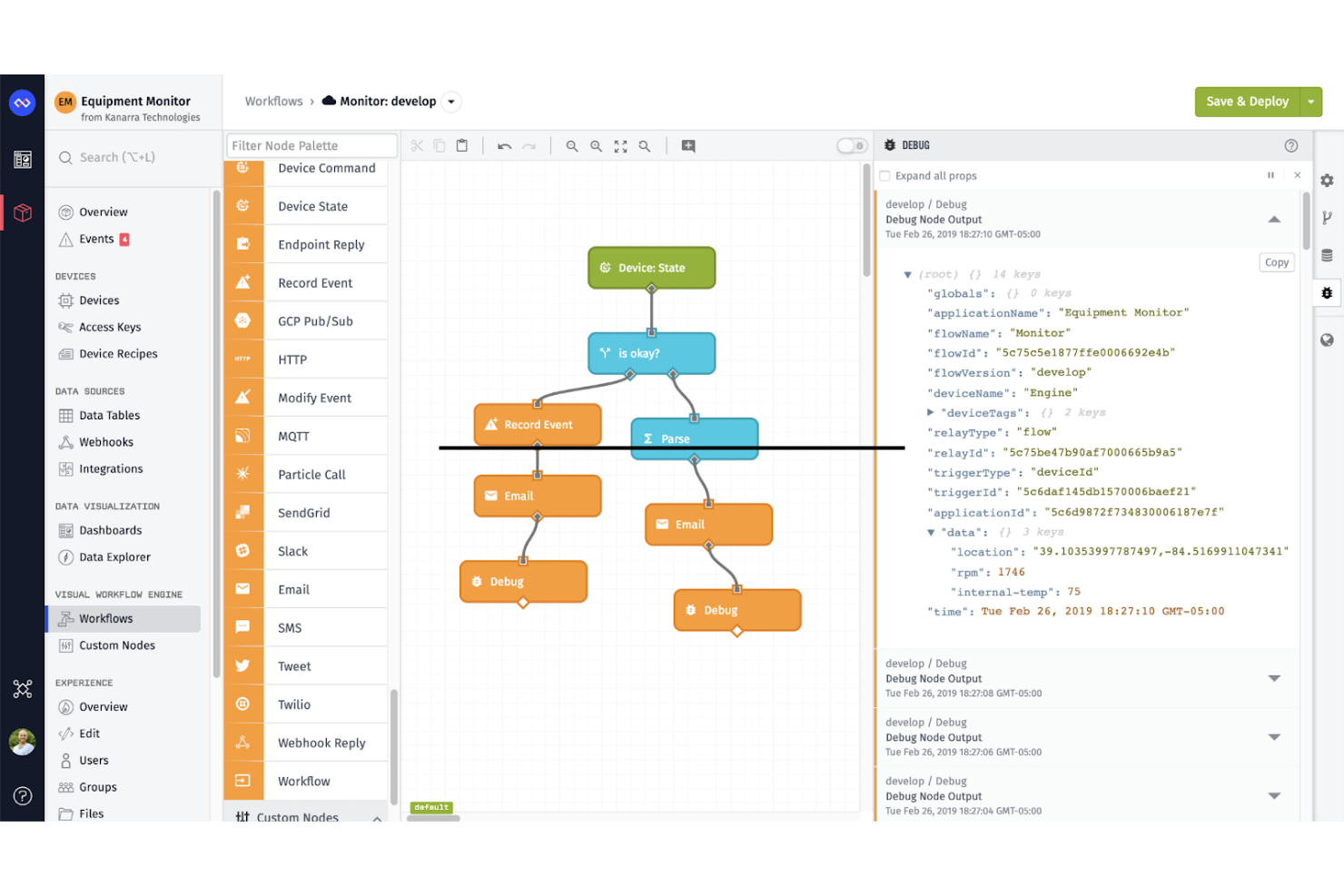
Losant is an IoT platform tailored for enterprises needing quick deployment of IoT solutions. Its user base includes industries such as manufacturing, logistics, and smart environments, focusing on rapid prototyping and scalable deployments.
Why I picked Losant: Losant's visual workflow editor simplifies the process of building IoT applications and supports rapid deployment. The platform's edge computing capabilities allow you to process data closer to the source, reducing latency. Losant also provides a thorough set of development tools, including an API and multiple SDKs, to facilitate provisioning with IoT devices and integration with existing third-party systems. These features make it ideal for teams looking to deploy IoT solutions quickly and efficiently.
Standout Features and Integrations:
Features include a visual workflow builder that simplifies application creation. The platform supports edge computing, which reduces latency by processing data locally. Losant also offers a real-time data visualization tool that helps you monitor and analyze data effectively.
Integrations include AWS, Microsoft Azure, Google Cloud, Twilio, Particle, WebSocket, MQTT, and more.
Pros and Cons
Pros:
- Real-time data visualization
- Cloud-to-edge computing capabilities
- Quick application prototyping
Cons:
- High entry cost for small teams
- Requires technical expertise

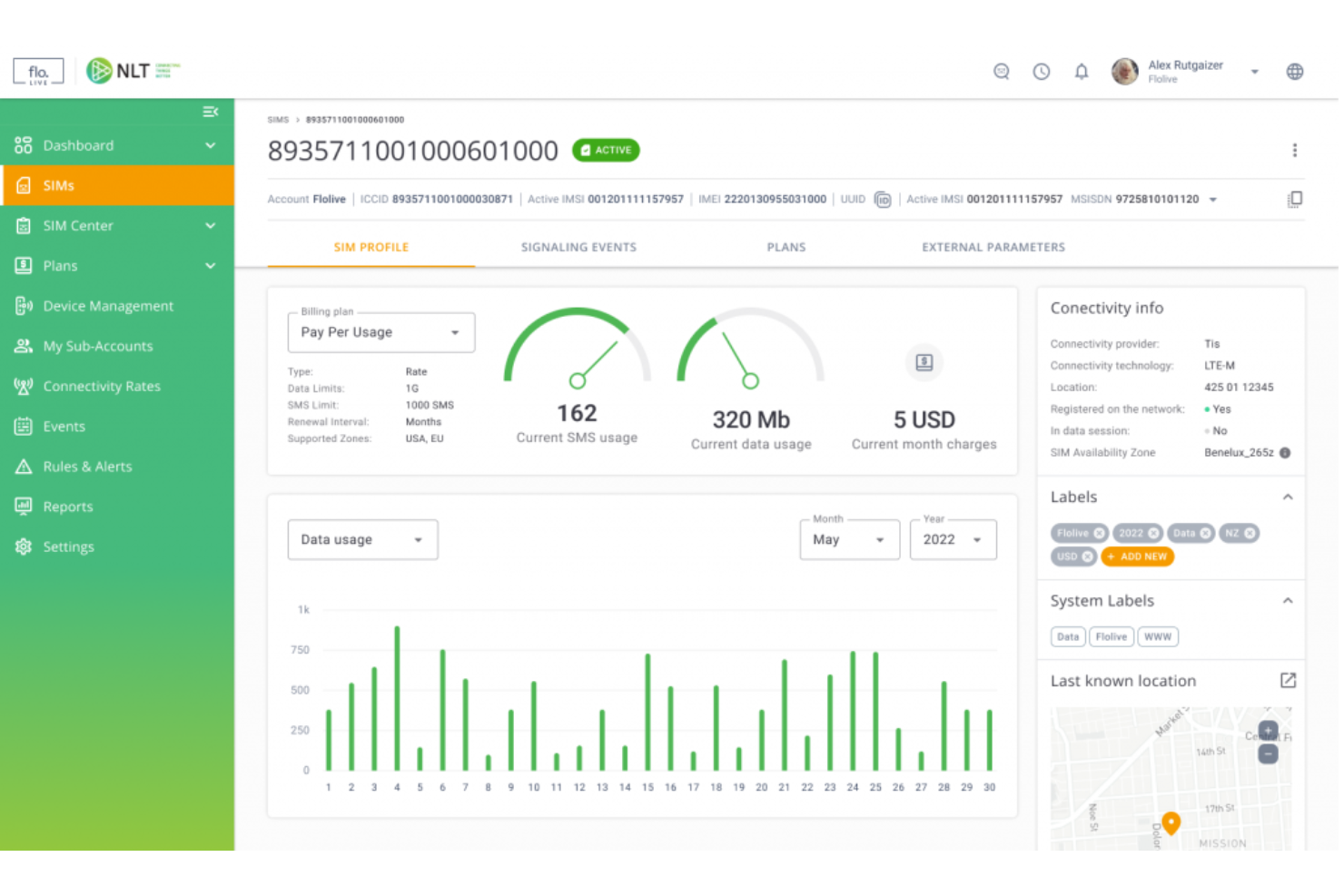
floLIVE is a cloud-based IoT connectivity platform designed for enterprises needing global coverage and local compliance. It serves industries focusing on international IoT deployments, including automotive, smart cities, and manufacturing.
Why I picked floLIVE: floLIVE supports global IoT connectivity with its cloud-native core network, which provides local connectivity through distributed local points of presence. Its platform simplifies IoT management by providing a unified interface for all devices. The advanced network technology ensures low-latency connections, which are vital for real-time applications. These features align with floLIVE's value of providing extensive global coverage for IoT technologies.
Standout Features and Integrations:
Features include a cloud-native core network that supports local compliance. The platform offers a unified interface for managing all IoT devices. floLIVE also provides low-latency connections for real-time applications.
Integrations are not publicly listed.
Pros and Cons
Pros:
- Hardware-level security authentication
- Automated local-global compliance switching
- Low-latency cloud-native distributed core
Cons:
- Specialized only for cellular transport
- Limited enterprise app integrations
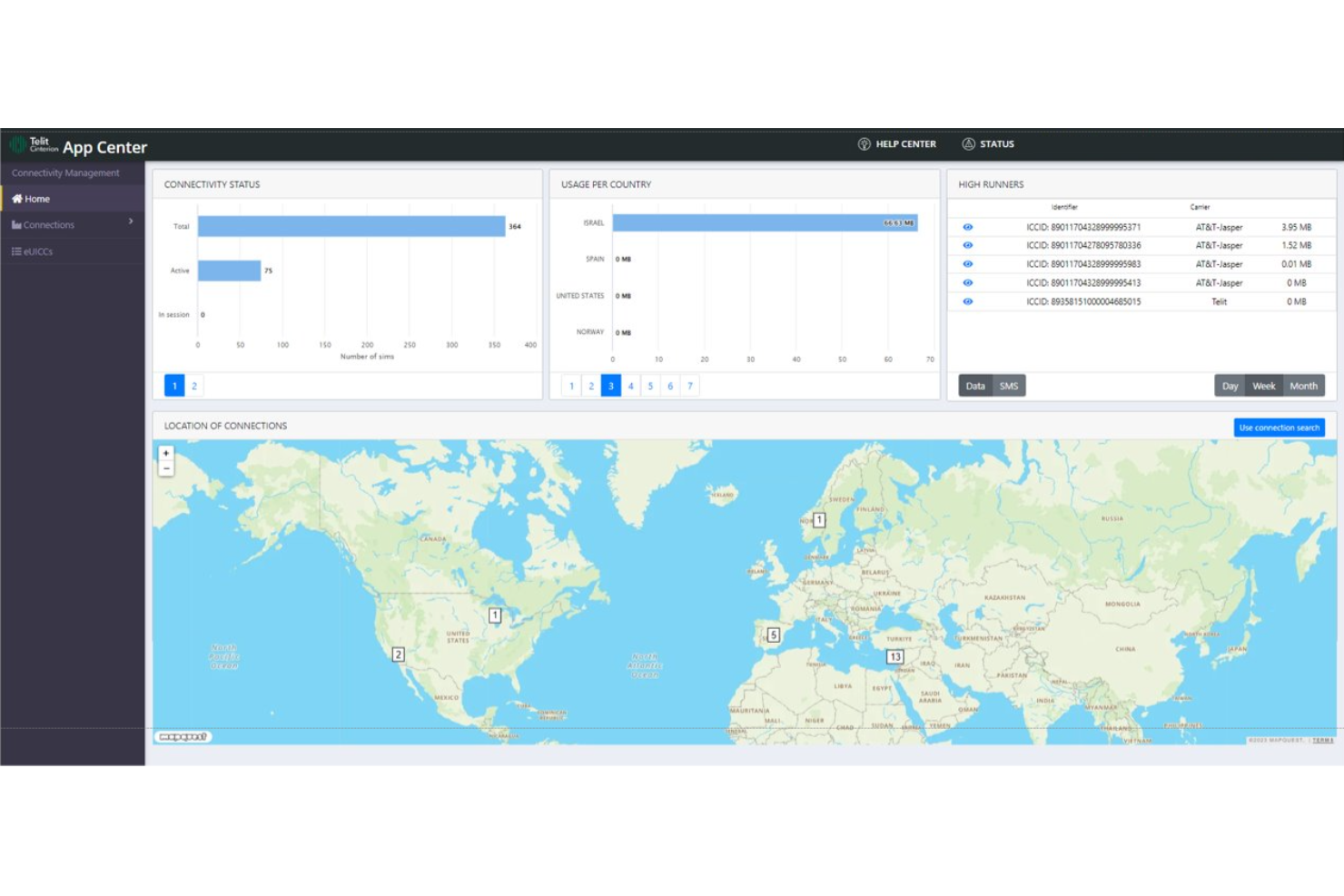
Telit Cinterion's IoT platform is designed for enterprises needing efficient data management and connectivity solutions. Its main user base includes industries focused on device connectivity and data collection, such as the automotive, healthcare, and manufacturing sectors.
Why I picked Telit Cinterion: It supports industrial IoT application enablement by offering a suite of tools to connect, process, and analyze machine data. Its IoT portal allows your team to manage and monitor devices from a single interface, simplifying operations. Telit Cinterion's connectivity management services ensure reliable device communication, a key component of its data management capabilities. The platform's ability to handle large data volumes makes it suitable for enterprises with extensive IoT deployments.
Standout Features and Integrations:
Features include a deviceWISE platform for device integration. The platform's connectivity management services provide reliable communication. Telit Cinterion also offers IoT modules that support various network protocols.
Integrations include AWS, Microsoft Azure, IBM Maximo, Oracle, and more.
Pros and Cons
Pros:
- Strong device and lifecycle management
- Industrial IoT focus
- Flexible protocol support
Cons:
- Features dependent on Telit hardware
- Configuration geared toward ERP standards
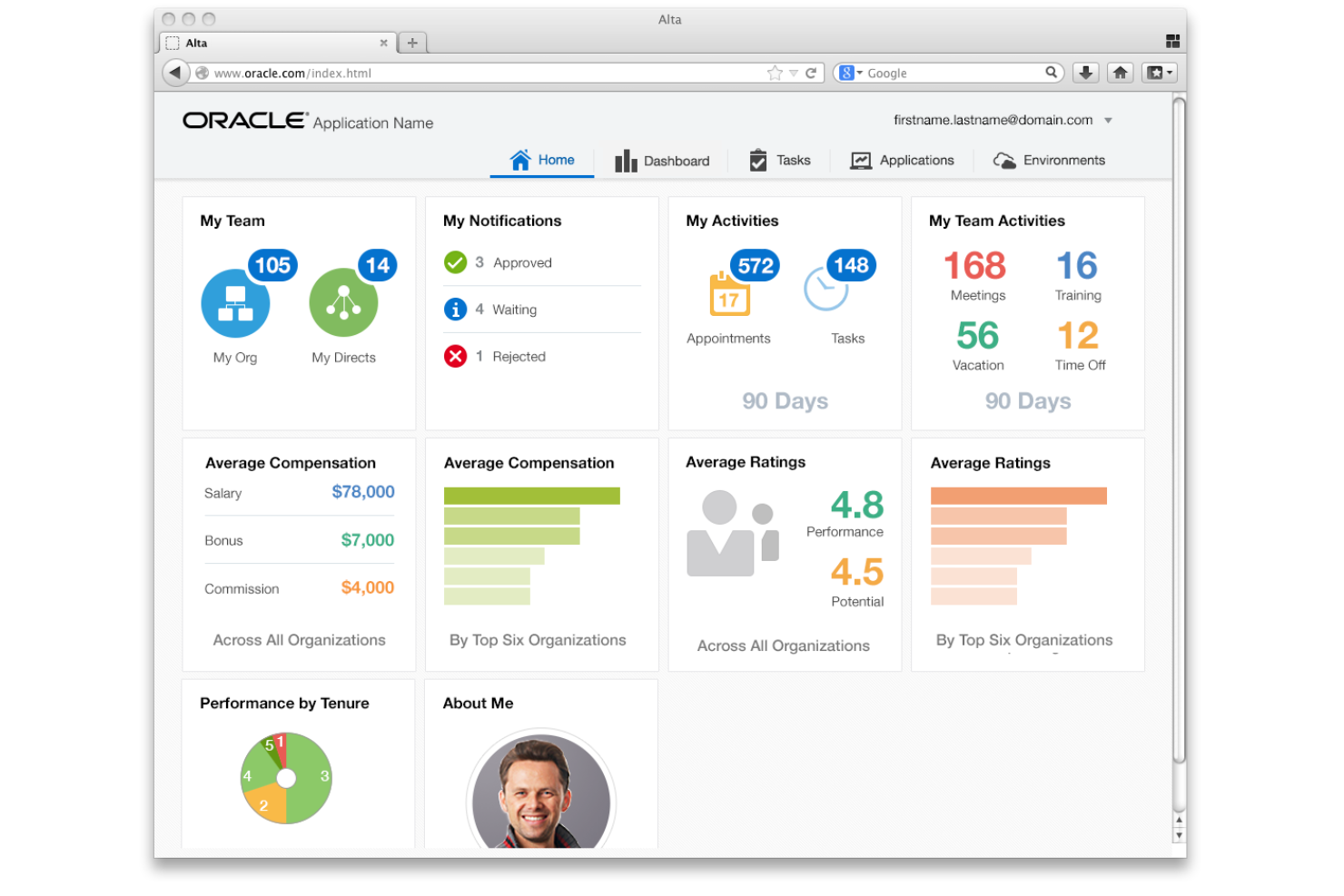
OCI IoT Platform is tailored for businesses needing enterprise-grade database integration and management. Its main user base includes industries such as finance, retail, and telecommunications, focused on data-driven decision-making and operational efficiency.
Why I picked OCI IoT Platform: It offers powerful database integration capabilities, allowing your team to manage and analyze large datasets effectively. The platform's secure data management tools support regulatory compliance, which is essential for industries handling sensitive information. Its cloud-based infrastructure ensures scalability and reliability for growing businesses. These features make it a reliable choice for teams prioritizing database integration in their IoT solutions.
Standout Features and Integrations:
Features include advanced data analytics tools that help you gain insights from your data. The platform offers secure data storage to protect sensitive information. OCI IoT Platform's cloud infrastructure supports scalability and high availability for your applications.
Integrations are not publicly listed.
Pros and Cons
Pros:
- Pre-mapped manufacturing and retail schemas
- Scalable cloud infrastructure
- High-performance data processing
Cons:
- Required specialized OCI networking skills
- Strict dependency on OCI stack

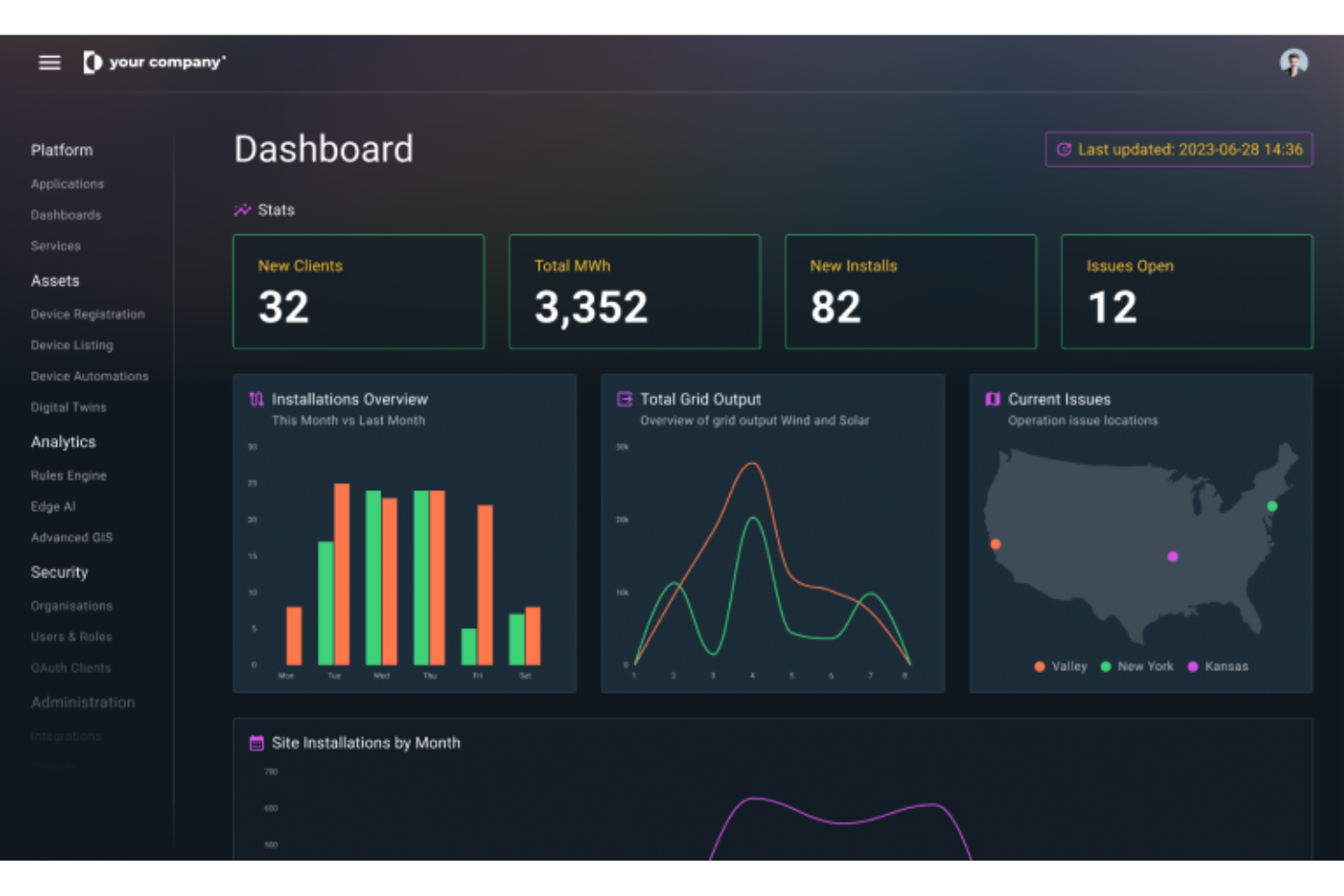
Davra is an industrial IoT platform designed for enterprises needing real-time analytics and data visualization. Its main user base includes industries such as transportation, smart cities, and energy, with a focus on improving operational efficiency and decision-making.
Why I picked Davra: Davra provides powerful real-time analytics tools that enable your team to make informed decisions quickly. The platform's data visualization features help you gain insights into complex data sets with ease. It supports a wide range of IoT devices, ensuring flexibility in deployment. These capabilities make Davra a valuable choice for businesses and manufacturers that prioritize data-driven decision-making.
Standout Features and Integrations:
Features include advanced data visualization tools that simplify complex data analysis. The platform offers customizable dashboards to fit your specific needs. Davra's device management capabilities ensure efficient operations.
Integrations include SharePoint, Accela, SAP, Oracle, Salesforce, and more.
Pros and Cons
Pros:
- Specialized heavy rail telemetry modeling
- Advanced data visualization
- Advanced geospatial GIS analytical tools
Cons:
- Lengthy initial business logic mapping
- Over-engineered for simple sensor projects
Other Enterprise IoT Platforms
Here are some additional enterprise IoT platform options that didn’t make it onto my shortlist, but are still worth checking out:


Enterprise IoT Platform Selection Criteria
When selecting the best enterprise IoT platforms to include in this list, I considered common buyer needs and pain points, such as data integration challenges and device management complexities. I also used the following framework to keep my evaluation structured and fair:
Core Functionality (25% of total score)
To be considered for inclusion in this list, each solution had to fulfill these common use cases:
- Device connectivity
- Data collection and storage
- Real-time data processing
- Device management
- Security and compliance
Additional Standout Features (25% of total score)
To help further narrow down the competition, I also looked for unique features, such as:
- Edge computing capabilities
- Customizable dashboards
- Predictive analytics
- Integration with legacy systems
- Support for multiple IoT protocols
Usability (10% of total score)
To get a sense of the usability of each system, I considered the following:
- Intuitive interface design
- Ease of navigation
- Customization options
- Learning curve
- Responsiveness of the system
Onboarding (10% of total score)
To evaluate the onboarding experience for each platform, I considered the following:
- Availability of training videos
- Interactive product tours
- Access to webinars
- Availability of templates
- Support from chatbots
Customer Support (10% of total score)
To assess each software provider's customer support services, I considered the following:
- 24/7 support availability
- Access to a knowledge base
- Responsiveness of the support team
- Availability of live chat
- Quality of technical support
Value for Money (10% of total score)
To evaluate the value for money of each platform, I considered the following:
- Pricing transparency
- Features offered for the price
- Comparison with competitors
- Discounts for annual plans
- Flexibility in pricing tiers
Customer Reviews (10% of total score)
To get a sense of overall customer satisfaction, I considered the following when reading customer reviews:
- Overall satisfaction rating
- Feedback on reliability
- Comments on ease of use
- Insights on support quality
- Value for money feedback
How To Choose an Enterprise IoT Platform
It's easy to get bogged down in long feature lists and complex pricing structures. To help you stay focused as you work through your unique software selection process, here's a checklist of factors to keep in mind:
| Factor | What To Consider |
|---|---|
| Scalability | Can the platform grow with your business? Look for solutions that handle increased data and device loads without performance issues. |
| Integrations | Does it integrate with your existing systems? Ensure compatibility with your current tools, such as CRM or ERP systems, to avoid workflow disruptions. |
| Customizability | Can you tailor the platform to your needs? Check if it allows modifications to fit your specific processes and industry requirements. |
| Ease of use | Is the interface user-friendly for your team? Consider the learning curve and whether the design simplifies or complicates daily tasks. |
| Implementation and onboarding | How quickly can you get started? Evaluate the setup time, resource requirements, and availability of onboarding support like training or documentation. |
| Cost | Is the pricing model aligned with your budget? Compare costs across vendors, considering both upfront expenses and long-term value for money. |
| Security safeguards | Does it protect your data effectively? Investigate encryption standards, access controls, and compliance with relevant security regulations. |
| Support availability | Will you have access to help when needed? Look for 24/7 support options and evaluate the quality and speed of vendor responses. |
What Is an Enterprise IoT Platform?
An enterprise IoT platform is a set of tools that enable businesses to connect, manage, and analyze data from IoT devices. These tools are generally used by IT professionals, engineers, and operations managers to improve decision-making and operational efficiency. Real-time data processing, device management, and integration capabilities help with managing large-scale IoT deployments effectively. Overall, these platforms provide significant value by improving connectivity and insights across various business operations.
Features
When selecting an enterprise IoT platform, keep an eye out for the following key features:
- Device connectivity: Enable communication between devices, ensuring data flows smoothly across the network.
- Data collection and storage: Gather and securely store data from IoT devices, providing a centralized location for analysis.
- Real-time data processing: Analyze data as it arrives, allowing for quick decision-making and response to changing conditions.
- Device management: Offer tools to monitor and control IoT devices, ensuring they operate efficiently and effectively.
- Security safeguards: Protect data with encryption and access controls, maintaining compliance with industry standards.
- Integration capabilities: Connect with existing systems, such as CRM or ERP, facilitating a unified workflow.
- Customizability: Allow for modifications to fit specific business processes and industry needs, maximizing flexibility.
- Scalability: Support growth by handling increased data and device loads without compromising performance.
- User-friendly interface: Provide an intuitive design that simplifies user interaction and reduces the learning curve.
- Advanced analytics: Offer insights through predictive analytics, helping anticipate trends and optimize operations.
Benefits
Implementing an enterprise IoT platform provides several benefits for your team and your business. Here are a few you can look forward to:
- Improved decision-making: Real-time data processing allows your team to make informed decisions quickly based on current information.
- Greater operational efficiency: Device management tools ensure devices run smoothly, reducing downtime and improving productivity.
- Increased security: Security safeguards protect data, maintain compliance, and reduce the risk of breaches.
- Scalability: The platform grows with your business, handling more devices and data without sacrificing performance.
- Cost savings: Integration capabilities reduce redundant systems, saving money on software and hardware expenses.
- Flexibility: Customizability means the platform can be tailored to your specific needs and accommodate unique business processes.
- Better user experience: A user-friendly interface makes it easy for your team to adopt and use the platform effectively.
Costs & Pricing
Selecting an enterprise IoT platform requires an understanding of the various pricing models and plans available. Costs vary based on features, team size, add-ons, and more. The table below summarizes common plans, their average prices, and typical features included in enterprise IoT platform solutions:
Plan Comparison Table for Enterprise IoT Platforms
| Plan Type | Average Price | Common Features |
|---|---|---|
| Free Plan | $0 | Basic device connectivity, limited data storage, and basic analytics. |
| Personal Plan | $10-$30/user/month | Device management, real-time data processing, and stronger security features. |
| Business Plan | $50-$100/user/month | Advanced analytics, integration capabilities, and scalability options. |
| Enterprise Plan | $150-$300/user/month | Customizable solutions, priority support, and extensive security safeguards. |
Enterprise IoT Platform FAQs
Here are some answers to common questions about enterprise IoT platforms:
How do I integrate an enterprise IoT platform with existing systems?
To integrate an enterprise IoT platform with existing systems, most platforms offer APIs and pre-built connectors for popular tools, including CRM and ERP systems. Before choosing a platform, check for compatibility with your current software stack. Consider consulting with your IT team to ensure a smooth integration process and take advantage of any vendor support available during the setup. This will help minimize disruptions and ensure an efficient transition to the new system.
Can enterprise IoT platforms handle large volumes of data?
Yes, enterprise IoT platforms are built to handle large volumes of data. They offer scalability options to accommodate growing data needs, ensuring that performance remains stable as your IoT deployments expand. Look for platforms that provide cloud-based storage and processing capabilities, as these can efficiently manage and analyze extensive datasets. You should evaluate the platform’s data-handling capabilities to ensure it aligns with your business needs.
What industries benefit most from enterprise IoT platforms?
Enterprise IoT platforms benefit a wide range of industries, including manufacturing, healthcare, transportation, and smart cities. These platforms help improve operations, data-driven decision-making, and connectivity across devices. For example, in manufacturing, IoT platforms can monitor equipment health and predict maintenance needs, while in healthcare, they can track patient data to improve care. Assess your industry-specific needs to determine the best fit for your business.
How secure are enterprise IoT platforms?
Enterprise IoT platforms prioritize security with features such as data encryption, access controls, and compliance with industry standards. It’s essential to evaluate the security measures offered by each platform, especially if you handle sensitive data. Ask vendors about their security protocols and any certifications they hold. Consider conducting a security audit or consulting with a cybersecurity expert to ensure the platform meets your organization’s requirements.
What's Next:
If you're in the process of researching enterprise IoT platforms, connect with a SoftwareSelect advisor for free recommendations.
You fill out a form and have a quick chat where they get into the specifics of your needs. Then you'll get a shortlist of software to review. They'll even support you through the entire buying process, including price negotiations.