

10 Best Cloudflare Alternatives Reviewed in 2026

Best Cloudflare Alternatives Shortlist


Are you feeling overwhelmed by the challenges of managing your online presence? If you're exploring alternatives to Cloudflare, you're not alone. As a tech expert, I understand the need for reliable internet infrastructure and cloud computing solutions that address specific business needs.
In my experience, finding the right tool can alleviate issues such as security concerns, performance bottlenecks, or integration challenges. I've independently tested and reviewed various options to help you make an informed decision.
In this article, I'll share my top picks for Cloudflare alternatives. You'll find insights into features, pros and cons, and pricing to help you choose the best fit for your team. Let's dive in and find the solution that meets your needs.
What Is Cloudflare?
Cloudflare is an internet infrastructure and cloud computing software that helps protect and accelerate websites. It's commonly used by IT professionals, web developers, and businesses to strengthen their online security and performance. Cloudflare's CDN services, DDoS protection, and DNS management safeguard your site by speeding up content delivery and efficiently managing web traffic. Overall, Cloudflare provides a reliable solution for maintaining a secure and fast online presence.
Best Cloudflare Alternatives Summary
This comparison chart summarizes pricing details for my top Cloudflare alternative selections to help you find the best one for your budget and business needs.
| Tool | Best For | Trial Info | Price | ||
|---|---|---|---|---|---|
| 1 | Best for unified ingress across protocols | Free plan available | From $8/month (billed annually) | Website | |
| 2 | Best for real-time edge computing | 30-day free trial + free plan available | Pay-as-you-go model | Website | |
| 3 | Best for global reach and largest edge network | 30-day free trial + free demo available | Pricing upon request | Website | |
| 4 | Best for managed website security | Information not available | From $9.99/month | Website | |
| 5 | Best for Chinese market access | Free trial available | From $0.0452/GB | Website | |
| 6 | Best for Asia-Pacific reach | 30-day free trial + free plan available | From $19.99/month | Website | |
| 7 | Best for automated vulnerability remediation | 14-day free trial + free demo available | From $99/app/month | Website | |
| 8 | Best for deep AWS integration and native services | Free plan available | From $15/month | Website | |
| 9 | Best for enterprise WAF and CDN security stack | 30-day free trial + free demo available | Pricing upon request | Website | |
| 10 | Best for fast setup and a user-friendly dashboard | 14-day free trial available | From $0.01/GB/month | Website |
Why Trust Our Software Reviews
We’ve been testing and reviewing software since 2023. As tech leaders ourselves, we know how critical and difficult it is to make the right decision when selecting software.
We invest in deep research to help our audience make better software purchasing decisions. We’ve tested more than 2,000 tools for different tech use cases and written over 1,000 comprehensive software reviews. Learn how we stay transparent & our software review methodology.
-

Freshservice
Visit WebsiteThis is an aggregated rating for this tool including ratings from Crozdesk users and ratings from other sites.4.6 -
Deel IT
Visit WebsiteThis is an aggregated rating for this tool including ratings from Crozdesk users and ratings from other sites.4.9 -
Rippling IT
Visit WebsiteThis is an aggregated rating for this tool including ratings from Crozdesk users and ratings from other sites.4.8




Best Cloudflare Alternatives Reviews
Below are my detailed summaries of the best Cloudflare alternatives that made it onto my shortlist. My reviews offer a detailed look at the key features, pros and cons, integrations, and ideal use cases of each tool to help you find the best one for you.

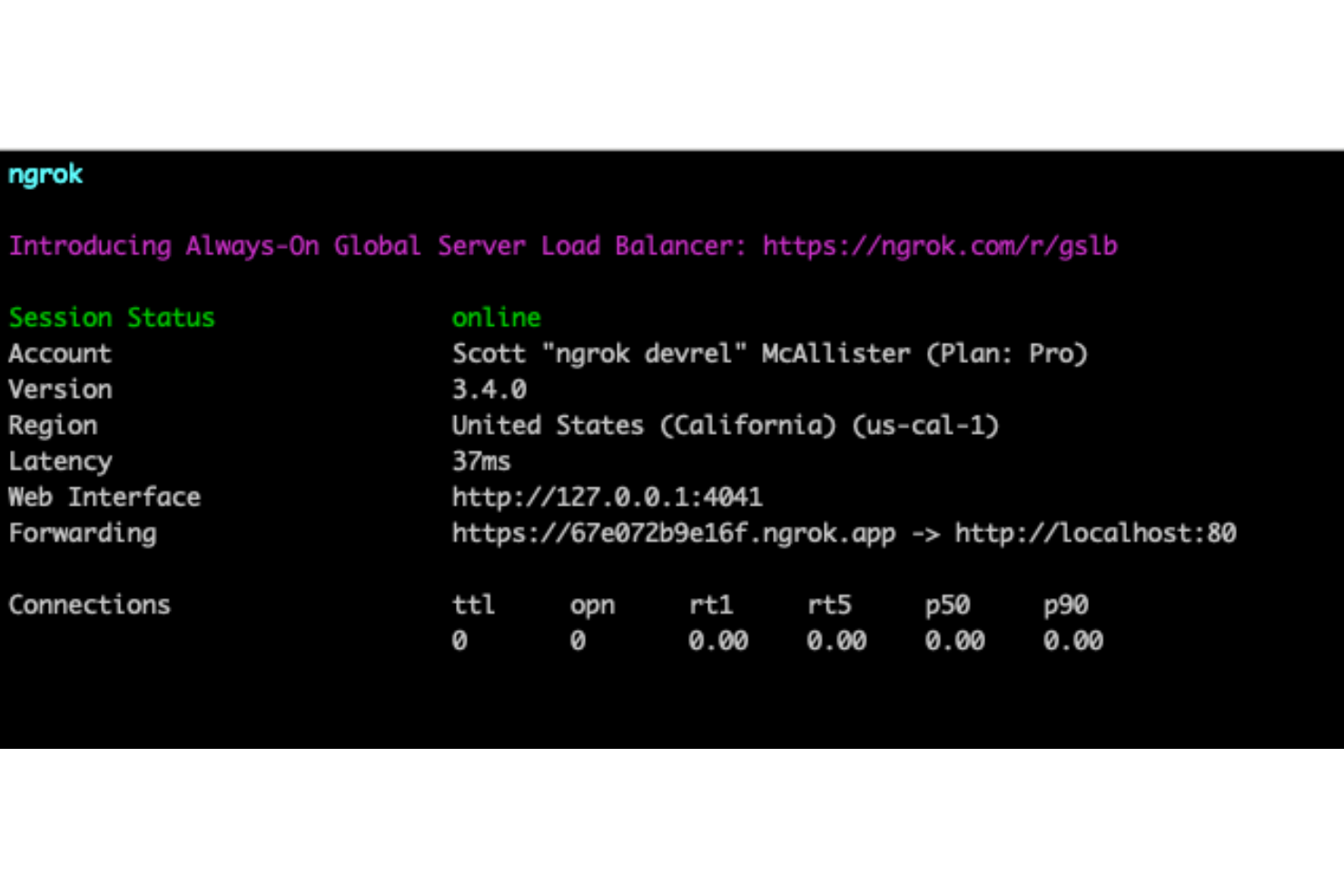
ngrok gives developers and IT teams a way to securely expose internal applications and services to the internet without direct network changes. If you need ingress flexibility or are working with hybrid infrastructure where legacy CDNs or WAFs fall short, ngrok stands out.
Who Is ngrok Best For?
ngrok is a good fit for DevOps engineers and IT teams in hybrid or multi-cloud environments who need unified application ingress across varied protocols.
Why ngrok Is a Good Cloudflare Alternative
I picked ngrok for this list because it handles unified ingress across HTTP, TCP, and TLS protocols from a single control plane—something Cloudflare's tunnel setup doesn't match for mixed-protocol environments. My team uses ngrok's traffic policy engine to route and filter requests at the edge before they ever reach internal services. I also appreciate how ngrok lets us expose private Kubernetes services or on-prem APIs without touching firewall rules. In practice, that means we can manage ingress for diverse workloads without stitching together separate tools for each protocol.
ngrok Key Features
- Custom domains: Assign your own domains to ngrok tunnels for consistent, branded public endpoints.
- Webhook verification: Validate incoming webhooks from providers like Stripe and GitHub directly at the ngrok edge.
- Request inspection: View and replay live HTTP traffic through ngrok's built-in inspection interface.
- IP restrictions: Define allowlists and blocklists to control which IP addresses can reach your exposed services.
ngrok Integrations
ngrok offers native integrations with AWS, Google Cloud, Microsoft Azure, GitHub, GitLab, Stripe, Twilio, and PagerDuty. It also provides an API for custom integrations and supports webhook forwarding for connecting to other platforms.
Pros and Cons
Pros:
- Built-in traffic inspection and replay tools
- Exposes private services without firewall changes
- Unified ingress for HTTP, TCP, and TLS traffic
Cons:
- Limited WAF and DDoS protection capabilities
- No built-in CDN or edge caching layer


Fastly is a CDN platform designed for businesses that need fast and secure web performance. It's popular among developers and IT teams for its real-time content delivery and security services.
Why it's a good Cloudflare alternative: Fastly offers real-time updates, allowing you to deploy changes quickly. Its edge cloud platform delivers low latency, which is essential for time-sensitive applications. Fastly's instant purging feature lets you update cached content in milliseconds. These capabilities make it a strong choice for businesses needing immediate content delivery and updates.
Standout Features and Integrations:
Features include advanced caching that reduces load times by storing frequently accessed content closer to users. Real-time logging provides insights into traffic and performance. Fastly's image optimization feature helps you deliver high-quality images without slowing down your site.
Integrations include AWS, Google Cloud Platform, Microsoft Azure, New Relic, Datadog, Splunk, PagerDuty, and more.
Pros and Cons
Pros:
- Instant cache purging
- Developer-centric performance tuning
- Real-time edge configuration control
Cons:
- Learning curve for teams inexperienced with edge security
- Higher cost at scale


Akamai is a cloud computing and content delivery network (CDN) platform primarily used by enterprises and IT professionals to strengthen web performance and security. It offers solutions for content delivery, cybersecurity, and cloud optimization to support business operations.
Why it's a good Cloudflare alternative: A CDN provider with extensive global reach, Akamai ensures fast and reliable content delivery across various regions. Its advanced content delivery network and security features offer protection against cyber threats and optimize web traffic. Akamai's edge computing capabilities improve application performance by processing data closer to users. These features help businesses maintain a secure and efficient online presence.
Standout Features and Integrations:
Features include edge computing, which processes data near users to improve application performance. Akamai's CDN accelerates content delivery by utilizing a vast network of servers. Additionally, its security solutions protect against DDoS attacks and other cyber threats.
Integrations include Okta, Splunk, and more.
Pros and Cons
Pros:
- Advanced edge computing capabilities
- Advanced security and strong DDoS protection
- Broad multi-cloud compatibility
Cons:
- Limited pricing transparency
- Complex admin interface and configuration


Sucuri is a website security platform designed for businesses and individuals looking to protect their online presence. It's popular among website owners and IT professionals for its all-in-one security measures and performance optimization.
Why it's a good Cloudflare alternative: Sucuri provides extensive website protection with features such as malware removal and firewall protection. Its CDN offers global coverage, ensuring your site loads quickly for users around the world. With continuous monitoring and DDoS mitigation, you can keep your website secure and running smoothly. These capabilities make it a strong choice for those prioritizing security.
Standout Features and Integrations:
Features include web hosting performance optimization to improve your site's speed and user experience. The platform offers instant alerts for any security threats, so you can respond quickly. Sucuri also provides detailed security reports for insight into your site's safety.
Integrations include WordPress, Joomla, Adobe Commerce, Drupal, WooCommerce, Shopify, and more.
Pros and Cons
Pros:
- Continuous 24/7 monitoring
- Global CDN coverage
- Unlimited malware removal
Cons:
- Costly for smaller budgets
- Dependent on external DNS for full protection


Tencent Cloud is a cloud computing service that offers a broad range of solutions for businesses, including data processing, storage, and network services. It's primarily used by companies looking to expand their digital presence, particularly within the Chinese market.
Why it's a good Cloudflare alternative: Tencent Cloud provides extensive support and infrastructure within China, making it ideal for businesses targeting this region. Its global network of data centers ensures fast and reliable content delivery. The platform offers advanced security features, including DDoS protection and data encryption, to safeguard your operations. These capabilities help your team efficiently deliver content while maintaining a high level of security.
Standout Features and Integrations:
Features include elastic computing, which allows you to adjust resources as needed. The platform offers big data analytics tools to help you gain insights from your data. Tencent Cloud also provides AI and machine learning services to support your business operations.
Integrations include AWS, Tencent Cloud Object Storage, Tencent Cloud Log Service (CLS), and more.
Pros and Cons
Pros:
- Feature-rich ecosystem
- Strong multimedia and gaming focus
- Strong performance and compliance in China
Cons:
- Some international support limitations
- Regulatory and compliance challenges beyond China


Alibaba Cloud is a cloud computing service offering a wide range of cloud solutions for businesses, including data storage, processing, and networking. It's commonly used by organizations in need of scalable infrastructure and advanced data management tools.
Why it's a good Cloudflare alternative: Alibaba Cloud provides extensive coverage in the Asia-Pacific region, making it ideal for businesses targeting this market. Its global network of data centers ensures efficient content delivery and low latency. The platform offers in-depth security features, including DDoS protection and data encryption. These capabilities help your team deliver content securely and efficiently across key regions.
Standout Features and Integrations:
Features include elastic computing, which allows you to scale resources according to demand. The platform's advanced data analytics tools help you derive insights from large datasets. Alibaba Cloud also offers AI and machine learning services to support your business operations.
Integrations include WordPress, Adobe Commerce, Joomla, Drupal, Docker, Kubernetes, and more.
Pros and Cons
Pros:
- Strong container and cloud-native services
- Extensive global data center network
- Strong Asia-Pacific presence
Cons:
- Limited support outside Asia
- Complex pricing and service selection


AppTrana WAAP is a fully managed web application and API protection platform for businesses needing advanced security solutions. It provides strong protection against cyber threats, including DDoS attacks and bot fraud, ensuring the safety and compliance of web applications and APIs.
Why it's a good Cloudflare alternative: AppTrana WAAP offers application security with its AI-driven web application firewall and 24/7 security operations center. The platform's zero false positives and automated vulnerability remediation strengthen your site's security posture. With DDoS protection and bot mitigation, you can maintain a secure online presence. These features help businesses focus on their operations without worrying about security threats.
Standout Features and Integrations:
Features include rapid compliance reporting, which simplifies meeting regulatory requirements. The platform provides a 100% uptime SLA, keeping your site available when traffic surges. AppTrana's behavioral bot protection uses AI to identify and mitigate threats effectively.
Integrations include Splunk, Sumo Logic, Datadog, and more.
Pros and Cons
Pros:
- SIEM integration for unified logging
- Multi-cloud deployment support
- Extensive threat protection
Cons:
- Reliance on third-party data for threat intelligence
- Complex setup process


Amazon CloudFront is a CDN service designed for developers and businesses looking to deliver content securely and efficiently. It's used by teams needing to distribute data, videos, applications, and APIs to customers globally with low latency.
Why it's a good Cloudflare alternative: Amazon CloudFront offers smooth integration with AWS services, making it ideal for teams already using the AWS ecosystem. Its global network of edge locations helps reduce latency and improve content delivery speed. The service includes AWS Shield for DDoS protection, which ensures your content remains secure. These features make it a strong choice for those seeking tight AWS integration and security, and you get serverless edge computing even at the free tier.
Standout Features and Integrations:
Features include real-time metrics that provide insights into content delivery performance. The service's geo-restriction capabilities let you control content access based on user location. Its flexible pricing model lets you pay only for what you use, helping you manage costs effectively.
Integrations include Amazon S3, Amazon EC2, AWS Lambda, AWS Shield, AWS WAF, Amazon Route 53, AWS Elemental Media Services, AWS CloudFormation, AWS CloudTrail, and AWS CodePipeline.
Pros and Cons
Pros:
- Strong, built-in DDoS protection
- Global edge network coverage
- Native AWS service integration
Cons:
- Heavily dependent on the AWS ecosystem
- High costs for low-traffic or high-volume sites


Imperva Secure CDN is a cloud-based content delivery network designed to offer businesses better website performance and security. It's primarily used by organizations seeking to improve web application delivery and protect against online threats.
Why it's a good Cloudflare alternative: Imperva Secure CDN offers strong security features, including intelligent caching and load balancing, to deliver web applications globally. Its automated failover ensures continuous service with fewer outages even during unexpected disruptions. The platform's ability to handle high traffic and provide DDoS protection makes it a reliable choice for security-conscious users seeking fast and secure web access.
Standout Features and Integrations:
Features include real-time threat intelligence that helps you protect against emerging security risks. The service offers extensive custom rules, content optimization, and other performance-focused features to improve load times and user experience. Additionally, Imperva Secure CDN provides a web application firewall to safeguard your applications from vulnerabilities.
Integrations are not publicly listed.
Pros and Cons
Pros:
- High performance and reliability
- Automated failover capabilities
- Strong security integration
Cons:
- Requires security expertise to configure and maintain
- Complex user interface


KeyCDN is a content delivery network service aimed at developers and businesses looking to improve website speed and security. It provides fast and reliable global content delivery, making it a valuable tool for optimizing web performance.
Why it's a good Cloudflare alternative: KeyCDN is known for its ease of use, making it accessible for teams without extensive technical expertise. Its real-time image processing and HTTP/2 support increase content delivery speed and efficiency. The platform also offers DDoS protection and free SSL, keeping your site secure. These features help you manage your web performance.
Standout Features and Integrations:
Features include instant purge, which allows you to remove cached content immediately across all servers. The platform provides a detailed analytics dashboard to monitor traffic and performance. KeyCDN also supports custom SSL certificates, giving you more control over your site's security.
Integrations include WordPress, Adobe Commerce, Joomla, Drupal, PrestaShop, OpenCart, and more.
Pros and Cons
Pros:
- Fully supports HTTP/2
- Fast global content delivery
- Wide CMS and e-commerce support
Cons:
- Smaller partner ecosystem
- Limited enterprise-grade, advanced features
Other Cloudflare Alternatives
Here are some additional Cloudflare alternatives that didn’t make it onto my shortlist, but are still worth checking out:
- Google Cloud CDN
For Google Cloud users
- bunny.net
For predictable low pricing
- Microsoft Azure Front Door
For the Microsoft ecosystem
- Radware
For behavioral DDoS protection
- Cisco Umbrella
For DNS-level threat blocking
- Fortinet FortiWeb
For ML-driven web application firewall
- Pinggy
For secure exposure of self-hosted apps
- Microsoft Azure Content Delivery Network
For native Azure traffic acceleration
- NetScaler
For high-performance application delivery


Cloudflare Alternatives Selection Criteria
When selecting the best Cloudflare alternatives to include in this list, I considered common buyer needs and pain points related to internet infrastructure and cloud computing software products, such as scalability and security. I also used the following framework to keep my evaluation structured and fair:
Core Functionality (25% of total score)
To be considered for inclusion in this list, each solution had to fulfill these common use cases:
- Content delivery network
- DDoS protection
- Load balancing
- SSL/TLS encryption
- Traffic management
Additional Standout Features (25% of total score)
To help further narrow down the competition, I also looked for unique features, such as:
- Real-time analytics
- AI-driven threat detection
- Edge computing capabilities
- Customizable security rules
- Global server coverage
Usability (10% of total score)
To get a sense of the usability of each system, I considered the following:
- Intuitive user interface
- Easy navigation
- Clear documentation
- Responsive design
- Accessibility features
Onboarding (10% of total score)
To evaluate the onboarding experience for each platform, I considered the following:
- Availability of training videos
- Interactive product tours
- Onboarding webinars
- Step-by-step guides
- Chatbot assistance
Customer Support (10% of total score)
To assess each software provider's customer support services, I considered the following:
- 24/7 support availability
- Multiple support channels
- Knowledge base access
- Response time
- Dedicated account managers
Value for Money (10% of total score)
To evaluate the value for money of each platform, I considered the following:
- Competitive paid plans
- Transparent pricing structure
- Flexible subscription plans
- Cost of additional features
- Return on investment
Customer Reviews (10% of total score)
To get a sense of overall customer satisfaction, I considered the following when reading customer reviews:
- Positive feedback on performance
- Reliability of service
- Ease of integration
- Support satisfaction
- Overall user experience
Why Look for a Cloudflare Alternative?
While Cloudflare is a good choice of internet infrastructure and cloud computing software, there are a number of reasons why some users seek out alternative solutions. You might be looking for a Cloudflare alternative because…
- You need more flexible pricing options
- Your team requires localized server support
- You want better customization features
- Your business needs to comply with local regulations
- You require faster customer support response times
- Your team needs advanced analytics capabilities
If any of these sound like you, you've come to the right place. My list contains several internet infrastructure and cloud computing software options that are better suited for teams facing these challenges with Cloudflare and looking for alternative solutions.
Cloudflare Key Features
Here are some of the key features that Cloudflare offers, to help you contrast and compare what alternative solutions offer:
- DDoS protection: Safeguards your site from distributed denial-of-service attacks.
- Global CDN: Ensures fast content delivery through a network of data centers.
- SSL support: Provides secure data encryption between users and your site.
- DNS service: Offers a free, privacy-first DNS service to protect user data.
- Bot management: Identifies and mitigates malicious bot traffic efficiently.
- Traffic acceleration: Speeds up web traffic to improve site performance.
- Web application firewall: Protects web applications from common vulnerabilities.
- Edge computing: Processes data closer to users for faster response times.
- Load balancing: Distributes traffic across servers to maintain site availability.
- Analytics and insights: Provides detailed reports on web traffic and threats.
What's Next:
If you're in the process of researching internet infrastructure and cloud computing software, connect with a SoftwareSelect advisor for free recommendations.
You fill out a form and have a quick chat where they get into the specifics of your needs. Then you'll get a shortlist of software to review. They'll even support you through the entire buying process, including price negotiations.