

Las 10 mejores herramientas de gestión de claves de cifrado en las que confiar en 2026

Lista de los mejores programas de gestión de claves de cifrado


La gestión de claves de cifrado puede ser un dolor de cabeza para expertos en tecnología como tú. Debes gestionar la seguridad y el cumplimiento de los datos, y hay mucho en juego. Ahí es donde entra en escena el software de gestión de claves de cifrado. Simplifica el proceso y garantiza que tus datos permanezcan seguros y cumplan las normativas del sector.
He probado y analizado de forma independiente las mejores opciones disponibles. Gracias a mi experiencia en el sector del SaaS, mi objetivo es ofrecerte un análisis imparcial y bien documentado de mis principales selecciones. Encontrarás información sobre las funciones, ventajas y desventajas para ayudarte a tomar la mejor decisión para tu equipo.
Sigue leyendo para descubrir las mejores soluciones de gestión de claves de cifrado que se adaptan a tus necesidades y mantienen tus datos seguros.
Por qué confiar en nuestras recomendaciones de software
Nuestro equipo lleva probando y evaluando software desde 2012. Como líderes tecnológicos, sabemos lo difícil —y lo importante— que es elegir el software adecuado.
Para esta guía, evaluamos las herramientas mediante pruebas prácticas e investigación independiente, puntuando las herramientas según nuestros criterios de selección.
Nuestras reseñas reflejan nuestro criterio editorial humano, no un discurso de ventas.
Resumen de los mejores programas de gestión de claves de cifrado
Esta tabla comparativa resume los detalles de precios de mis principales selecciones de programas de gestión de claves de cifrado para ayudarte a encontrar la mejor opción para tu presupuesto y las necesidades de tu empresa.
| Tool | Best For | Trial Info | Price | ||
|---|---|---|---|---|---|
| 1 | Ideal para controles granulares de cifrado en almacenamiento en la nube | Not available | Precio bajo consulta | Website | |
| 2 | La mejor integración y seguridad en la nube de Azure | Prueba gratuita de 30 días + demostración gratuita disponible | Precio a consultar | Website | |
| 3 | Lo mejor para usuarios de Google Cloud que buscan servicios nativos de gestión de claves | Not available | Precio bajo consulta | Website | |
| 4 | Ideal para la gestión de claves en el ecosistema de AWS | Not available | Precios disponibles previa solicitud | Website | |
| 5 | Ideal para la seguridad empresarial centrada en Oracle | Not available | Precio bajo solicitud | Website | |
| 6 | Ideal para protección robusta de datos en reposo | Not available | Precios a consultar | Website | |
| 7 | Ideal para equipos de TI que gestionan claves SSH y SSL | Precio a consultar | Website | ||
| 8 | Ideal para la protección de datos con ingeniería de privacidad | Not available | Precios bajo solicitud | Website | |
| 9 | Ideal para la gestión de claves de cifrado con modelo de confianza cero | Prueba gratuita + plan gratis + demo gratis disponibles | Precio a consultar | Website | |
| 10 | Mejor para soluciones de ciberseguridad multifacéticas | Not available | Precio bajo consulta | Website |
Análisis de los mejores programas de gestión de claves de cifrado
A continuación encontrarás mis resúmenes detallados de los mejores programas de gestión de claves de cifrado que llegaron a mi lista. Mis análisis ofrecen una visión detallada de las funciones principales, ventajas y desventajas, integraciones y casos de uso ideales de cada herramienta para ayudarte a encontrar la mejor opción para ti.

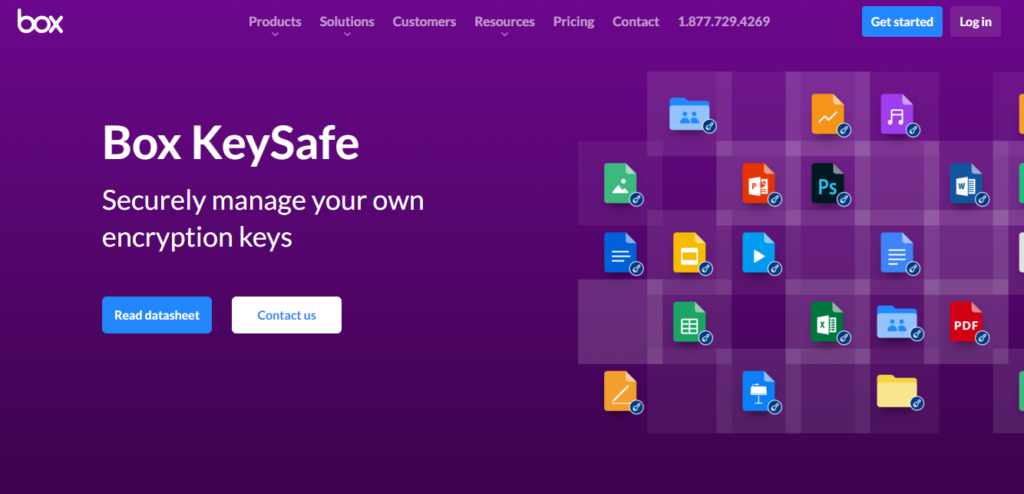
Box KeySafe está en mi lista de favoritos porque es el enfoque más preciso para el control de claves de cifrado que he encontrado para el almacenamiento en la nube. Cuando la privacidad o el cumplimiento exigen que conserves la propiedad total de tus claves de cifrado, esta es la mejor opción.
Lo que distingue a Box KeySafe son sus opciones de claves gestionadas por el cliente con integraciones HSM, lo que te permite imponer límites estrictos sobre quién puede acceder a tus datos. Me gustan especialmente sus registros de auditoría y la separación explícita de las claves respecto a los propios administradores de Box, algo esencial para equipos que gestionan archivos regulados o altamente sensibles.
Lo mejor de Box KeySafe para
- Organizaciones que necesitan controlar las claves de cifrado en el almacenamiento en la nube
- Equipos en industrias reguladas con estrictas demandas de cumplimiento
Box KeySafe no es ideal para
- Pequeñas empresas sin mandatos regulatorios
- Entornos donde se requiere la gestión de claves en las propias instalaciones
Qué distingue a Box KeySafe
Box KeySafe está diseñado específicamente para organizaciones que desean separar la gestión de las claves de cifrado del proveedor de almacenamiento de archivos en la nube. En lugar de gestionar el cifrado en segundo plano como Dropbox o Google Workspace, Box parte de la base de que deseas un control directo de las claves y una separación explícita de funciones entre tus datos y la propia plataforma.
Este enfoque funciona bien cuando las exigencias regulatorias o políticas internas requieren demostrar que Box no puede descifrar tu contenido.
Compromisos con Box KeySafe
Box KeySafe está optimizado para ofrecer un sólido control de claves y capacidad de auditoría, pero esto añade complejidad operativa y requiere que gestiones directamente los módulos de seguridad de hardware o servicios de claves en la nube. Ese control adicional puede ralentizar implementaciones simples y aumentar la carga de trabajo para los administradores de TI.
Pros and Cons
Pros:
- Las claves de cifrado gestionadas por el usuario ofrecen un control sin precedentes a las empresas
- Fácil integración con el ecosistema más amplio de Box
- Registros de auditoría detallados para mayor transparencia en el uso de claves de cifrado
Cons:
- No es una solución independiente; depende del ecosistema de Box
- Puede resultar difícil de implementar sin conocimientos técnicos
- Compatibilidad limitada fuera de las soluciones de Box

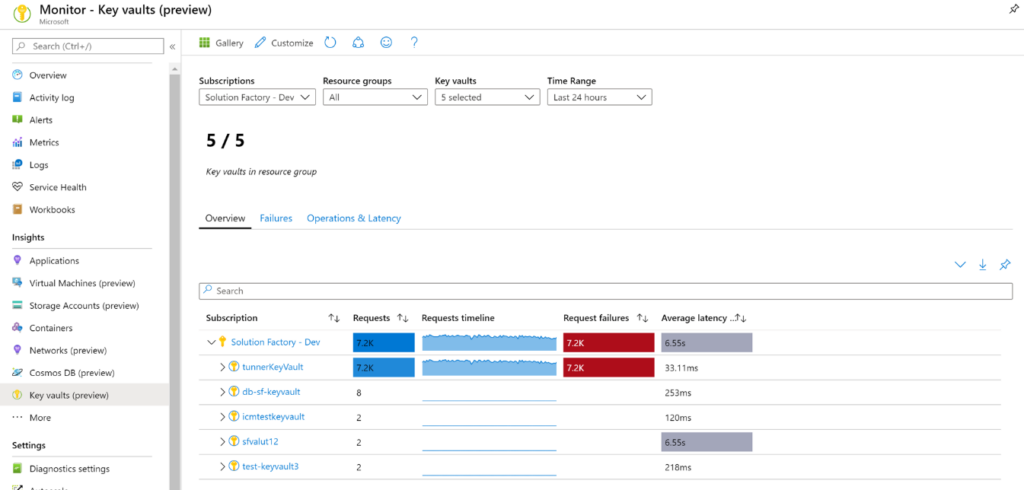
Azure Key Vault figura en esta lista corta para equipos ya comprometidos con Azure, especialmente cuando necesitas gestionar claves, secretos y certificados dentro de la nube de Microsoft. En entornos con controles estrictos de cumplimiento o regulación, he visto que las organizaciones se benefician de sus políticas de acceso granulares y auditoría integrada.
Lo que más me gusta es la integración nativa con los servicios de Azure, lo que hace que la gestión del ciclo de vida de las claves y la rotación de secretos sea fluida durante las operaciones rutinarias en la nube.
Para quién es mejor Azure Key Vault
- Organizaciones orientadas a Azure que gestionan secretos y claves nativos de la nube
- Empresas que requieren auditoría estricta y control de acceso granular
Para quién no es ideal Azure Key Vault
- Equipos multicloud que buscan evitar la dependencia de un proveedor
- Entornos enfocados en soluciones open source o de nube híbrida
Lo que diferencia a Azure Key Vault
Azure Key Vault está diseñado bajo la premisa de que tus claves de cifrado y secretos deben permanecer lo más cerca posible de tus recursos en Azure. Se espera que centralices la gestión de secretos y superpongas el control de acceso sobre tus roles existentes en Azure. En comparación con HashiCorp Vault, no tienes que salir del ecosistema de Azure ni añadir complementos adicionales. Esto funciona mejor en organizaciones que ya utilizan Azure para la mayoría de sus cargas de trabajo.
Compromisos con Azure Key Vault
Azure Key Vault está optimizado para una integración cercana con Azure, pero eso implica flexibilidad limitada cuando necesitas un almacén de claves compartido entre diferentes proveedores de nube. Los equipos multicloud a menudo tienen que gestionar una herramienta separada para activos que no están en Azure.
Pros and Cons
Pros:
- La integración profunda con los servicios de Azure garantiza una experiencia cloud cohesionada
- Los módulos de seguridad de hardware ofrecen protección criptográfica de alto nivel
- La gestión centralizada reduce posibles vulnerabilidades de seguridad
Cons:
- Podría no ser la mejor opción para empresas que no utilizan el ecosistema Azure
- La configuración y el despliegue pueden requerir conocimientos específicos de Azure
- Posibilidad de costes adicionales al aprovechar ciertas funciones o integraciones

Lo mejor para usuarios de Google Cloud que buscan servicios nativos de gestión de claves
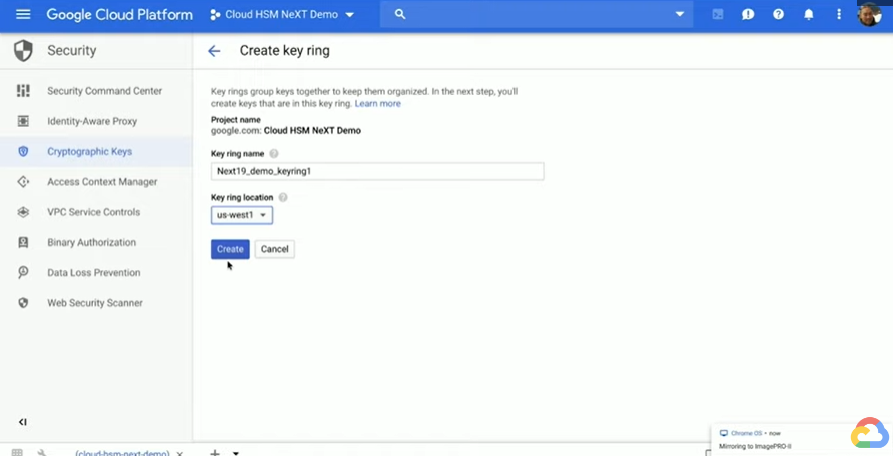
Cloud Key Management aparece en mi lista por la fuerte integración que tiene con las cargas de trabajo de Google Cloud. Lo recomiendo a equipos completamente invertidos en Google Cloud Platform que desean mantener las operaciones del ciclo de vida de claves de cifrado de manera nativa y centralizada.
Al evaluar sus funciones de gestión de políticas, me gustó la capacidad de auditoría y el control detallado sobre la rotación de claves y los permisos de acceso. Es ideal cuando necesitas una gestión segura y basada en políticas justo al lado de tus servicios en la nube.
Lo mejor de Cloud Key Management
- Clientes de Google Cloud Platform que buscan centralizar la gestión de claves
- Equipos que necesitan integración nativa con la seguridad y el cumplimiento de Google
Cloud Key Management no es ideal para
- Organizaciones con necesidades multinube o locales
- Equipos que desean personalización avanzada del módulo de seguridad de hardware
Qué distingue a Cloud Key Management
Cloud Key Management está diseñado bajo la idea de que las claves de cifrado deben residir lo más cerca posible de tus datos en la nube y tus cargas de trabajo. A diferencia de AWS KMS, que está fuertemente relacionado al ecosistema de Amazon, el enfoque de Google espera que te comprometas con sus servicios en la nube para lograr tanto simplicidad como control centralizado de políticas.
Esto funciona bien cuando deseas que todo esté gestionado de forma nativa, con claves y políticas administradas junto con tus activos de Google Cloud.
Compromisos con Cloud Key Management
Cloud Key Management está optimizado para ofrecer una experiencia unificada si apuestas todo por Google Cloud, pero ese entorno te limita si buscas independencia del ecosistema de Google o necesitas compatibilidad con otras plataformas.
Pros and Cons
Pros:
- Nativo de Google Cloud, ofreciendo compatibilidad óptima
- La gestión jerárquica proporciona un control estructurado de las claves
- Construido sobre HSMs seguros para mejorar las operaciones criptográficas
Cons:
- Está diseñado específicamente para Google Cloud, y es menos flexible para estrategias multinube
- Algunas funciones pueden tener una curva de aprendizaje para los nuevos usuarios
- Los costos pueden acumularse al combinarse con otros servicios de Google Cloud

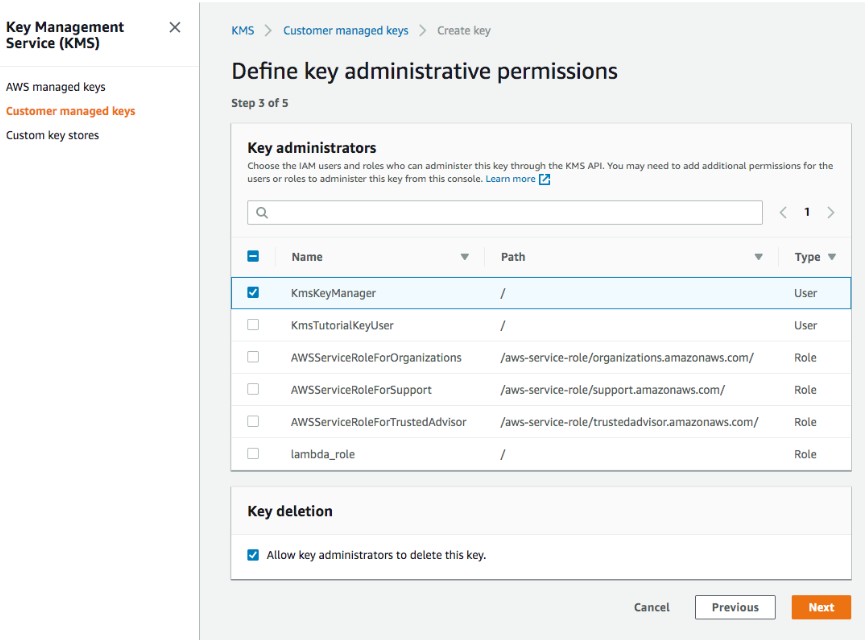
Ideal para el Servicio de administración de claves de AWS
- Equipos que ejecutan cargas de trabajo principalmente dentro del ecosistema de AWS
- Organizaciones que necesitan gestión nativa de claves y cumplimiento normativo en AWS
No es ideal para el Servicio de administración de claves de AWS
- Empresas que operan principalmente fuera de los servicios en la nube de AWS
- Organizaciones que necesitan orquestación de claves en múltiples nubes o en entornos locales
Qué distingue al Servicio de administración de claves de AWS
El Servicio de administración de claves de AWS mantiene la gestión de claves cerca de donde reside la infraestructura, vinculando estrechamente las claves, los permisos y las auditorías con los recursos en la nube de AWS. No funciona como Vault o Thales CipherTrust, que se basan en la gestión independiente de secretos y en entornos multinube o híbridos. En la práctica, considero que KMS funciona mejor cuando se desea que el ciclo de vida de las claves siga las mismas políticas y controles que IAM, EC2 o S3, utilizando los enfoques de AWS para las políticas, la automatización y la supervisión.
Desventajas del Servicio de administración de claves de AWS
KMS está optimizado para la integración nativa con AWS, pero eso implica perder flexibilidad o facilidad al ampliar la gestión de claves a otras nubes o a entornos locales. En la práctica, los recursos que no pertenecen a AWS suelen requerir soluciones alternativas.
Pros and Cons
Pros:
- Control de acceso detallado mediante AWS IAM
- La compatibilidad con claves simétricas y asimétricas proporciona versatilidad
- La integración nativa con AWS simplifica el uso en aplicaciones basadas en AWS
Cons:
- La configuración inicial podría requerir un conocimiento profundo de los servicios de AWS y las políticas de IAM
- El modelo de precios puede ser complejo según el uso de las claves y las llamadas a la API
- Podría no ser la mejor opción para entornos que no sean de AWS

Ideal para la seguridad empresarial centrada en Oracle
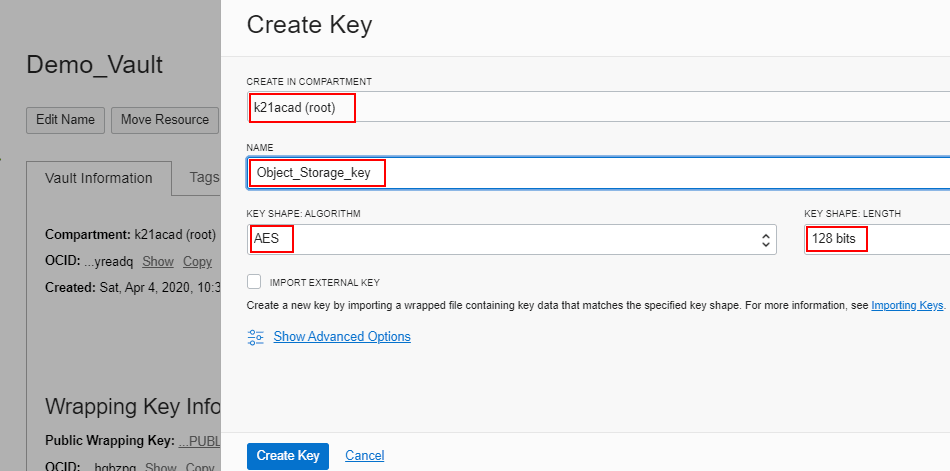
Oracle Cloud Infrastructure Vault está en la lista debido a su integración nativa con las aplicaciones de Oracle Cloud, donde realmente destaca. Para equipos que ya operan dentro del ecosistema de Oracle, la gestión de claves incorporada y los controles de módulo de seguridad de hardware crean una base segura para proteger los datos sensibles de la empresa.
Por mi experiencia usándolo, lo que más llama la atención es el nivel de control de acceso que se puede implementar, como restringir qué usuarios, servicios o cargas de trabajo pueden usar claves o secretos específicos y bajo qué condiciones. Esto es especialmente útil en entornos regulados donde los equipos necesitan controlar estrictamente el acceso y generar auditorías claras de quién accedió a qué y cuándo.
Mejor uso de Oracle Cloud Infrastructure Vault
- Grandes empresas que ejecutan la mayoría de sus operaciones en Oracle Cloud
- Industrias reguladas que requieren gestión de claves de cifrado conforme a normativas
No es ideal para Oracle Cloud Infrastructure Vault
- Organizaciones con poca presencia en Oracle Cloud
- Equipos que necesitan gestión de claves multi-nube o multiplataforma
Lo que diferencia a Oracle Cloud Infrastructure Vault
Oracle Cloud Infrastructure Vault está diseñado para organizaciones ya comprometidas con Oracle Cloud. Espera que gestiones claves y secretos sensibles de acuerdo con los modelos de servicio de Oracle, lo que funciona bien para industrias reguladas y entornos de nube estrictamente controlados. A diferencia de bóvedas externas como HashiCorp Vault, esta asume que deseas que tus operaciones de seguridad estén alineadas con otros flujos de trabajo de Oracle Cloud.
En la práctica, esto lo convierte en una elección natural cuando el mayor riesgo es la fragmentación y la prioridad es permanecer dentro del ecosistema de seguridad nativo de Oracle.
Compromisos al usar Oracle Cloud Infrastructure Vault
Está optimizado para la integración nativa con Oracle Cloud, pero limita la flexibilidad cuando se desea gestionar claves o políticas que abarcan varios proveedores de nube.
Pros and Cons
Pros:
- Especializado para plataformas Oracle, lo que garantiza mayor integración y menos problemas de compatibilidad.
- Las claves respaldadas por el Módulo de Seguridad de Hardware ofrecen una seguridad criptográfica sólida.
- Las políticas de rotación automatizada fomentan una higiene de seguridad constante.
Cons:
- Puede que no sea la opción principal para entornos ajenos a Oracle.
- Posible curva de aprendizaje para quienes no están familiarizados con la interfaz de la nube de Oracle.
- Las integraciones personalizadas fuera del ecosistema de Oracle pueden requerir configuración adicional.

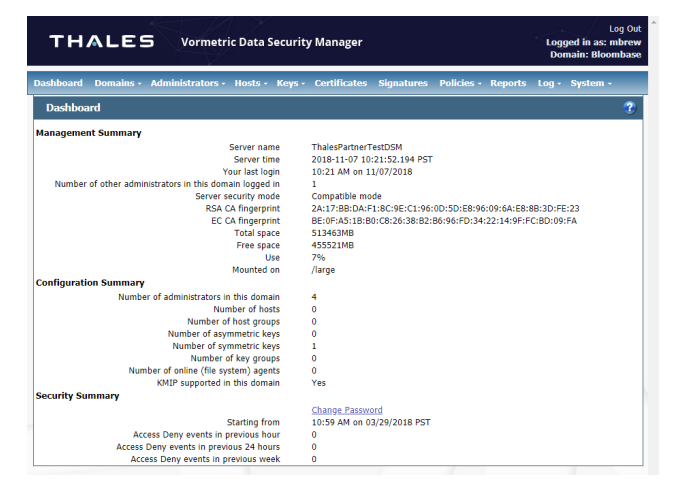
Incluí la Plataforma de Seguridad de Datos Vormetric en mi lista por la manera tan exhaustiva en que aborda la protección de datos en reposo en entornos de TI complejos. He visto equipos que la utilizan cuando los requisitos estrictos de cifrado granular y gestión centralizada de claves superan a las soluciones más sencillas.
Valoro cómo reúne el cifrado a nivel de archivos, controles de acceso granulares y sólidas capacidades de auditoría en un solo lugar. Esto resulta especialmente útil cuando necesitas gestionar la protección de bases de datos, archivos y cargas de trabajo en la nube desde una única plataforma.
Mejor para
- Empresas con estrictos requisitos de cifrado de datos en reposo
- Equipos que gestionan el cifrado en entornos híbridos o multinube
No tan recomendado para
- Pequeños equipos con necesidades básicas de gestión de claves
- Organizaciones que buscan un despliegue sencillo y sin intervención
¿Qué distingue a Vormetric?
Vormetric adopta un enfoque centralizado del cifrado, reuniendo controles basados en políticas y gestión de claves en un solo lugar. En lugar de esperar que conectes varias soluciones para proteger archivos, bases de datos y servicios en la nube, lo unifica todo en un único flujo de trabajo. A diferencia de opciones como AWS KMS, que está estrechamente vinculado al ecosistema de Amazon, Vormetric está diseñado para despliegues diversos, multinube y locales.
En la práctica, esto es útil cuando necesitas controles consistentes en entornos complejos o regulados.
Compromisos de Vormetric
Vormetric prioriza el control unificado y la gestión avanzada de políticas, pero la configuración y administración continua son más complejas. Esta complejidad implica que equipos pequeños o administradores con menos experiencia pueden tener dificultades con el mantenimiento y los cambios rápidos.
Pros and Cons
Pros:
- La encriptación transparente asegura integración sin interrupciones
- Enfoque dedicado a la protección de datos en reposo
- Fácil adaptación con infraestructuras existentes y entornos en la nube
Cons:
- Precios no son transparentes
- Puede resultar complejo para organizaciones con poca experiencia técnica
- Potencial de latencia en el acceso a los datos por los procesos extensivos de cifrado

Ideal para equipos de TI que gestionan claves SSH y SSL
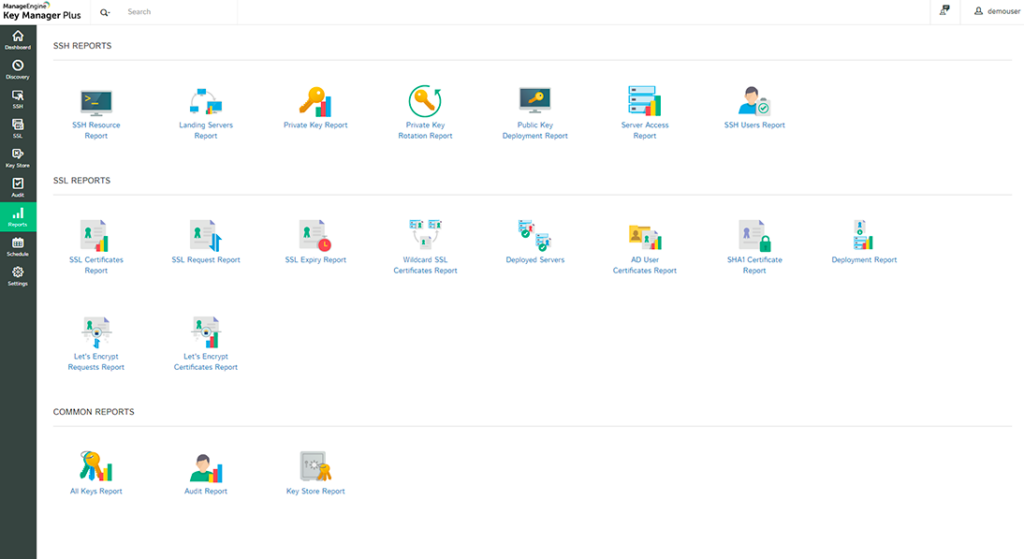
ManageEngine Key Manager Plus es ideal para equipos de TI que gestionan grandes inventarios de claves SSH y SSL en infraestructuras en crecimiento. Veo que las organizaciones suelen enfrentar brechas de cumplimiento cuando pierden el control sobre el uso interno de las claves y los cronogramas de renovación—esta herramienta lo evita.
Lo que me gusta es el panel centralizado para descubrir, asignar y rotar certificados SSH y SSL, con una aplicación de políticas que hace que las tareas del ciclo de vida de los certificados sean coherentes y auditables.
El mejor uso de Key Manager Plus
- Equipos de TI que gestionan grandes volúmenes de claves SSH y SSL
- Organizaciones que necesitan un control centralizado del ciclo de vida de los certificados
Key Manager Plus no es ideal para
- Equipos no técnicos con necesidades mínimas de gestión de claves
- Entornos enfocados únicamente en la gestión de claves nativa en la nube
Lo que distingue a Key Manager Plus
Key Manager Plus está diseñado para hacer que la gestión de claves SSH y SSL sea práctica para equipos de TI que necesitan control, no solo almacenamiento. Parte de la premisa de que los administradores quieren automatizar el trabajo engorroso de rastrear, renovar y rotar claves en toda la red, así que ves un flujo de trabajo más similar al de las autoridades certificadoras tradicionales que a herramientas como CyberArk, que adoptan un enfoque más amplio de acceso privilegiado.
Cuando lo uso, noto cómo el producto prioriza la visibilidad operativa y la auditoría útil, en lugar de ser solo una bóveda para las claves.
Aspectos a considerar con Key Manager Plus
La herramienta se optimiza para un control detallado del ciclo de vida de las claves locales, pero sacrifica un soporte profundo para flujos de trabajo modernos, nativos en la nube o centrados en desarrolladores como los que ofrecen los gestores de secretos especializados.
Pros and Cons
Pros:
- Diseñado específicamente para gestionar claves SSH y SSL
- Rotación de claves automatizada que mejora la eficiencia y la seguridad
- Rastreo de auditoría completo que ayuda en el cumplimiento
Cons:
- Puede ser demasiado especializado para organizaciones que necesitan soluciones de gestión de claves más amplias
- La interfaz de usuario puede tener una curva de aprendizaje para nuevos usuarios
- Algunas funciones avanzadas pueden ser innecesarias para equipos más pequeños

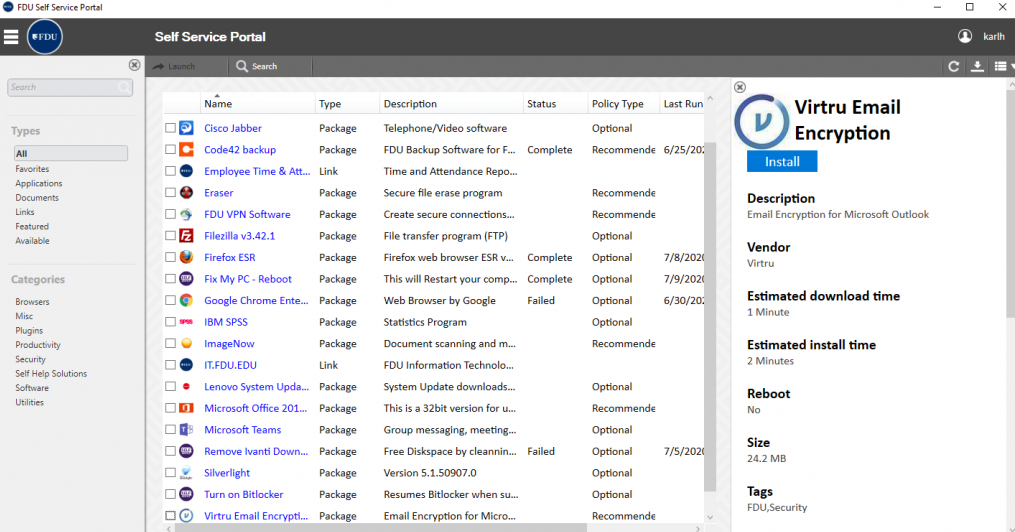
Virtru ofrece un enfoque innovador para la protección de datos al aprovechar el poder de la ingeniería de privacidad. A medida que las organizaciones navegan por las complejidades de asegurar información sensible, Virtru surge como un referente, abordando tanto las necesidades de cifrado como los principios de la ingeniería de privacidad.
Por qué elegí Virtru:
En mi búsqueda de herramientas de cifrado y privacidad, Virtru captó claramente mi atención debido a su combinación de cifrado e ingeniería de privacidad. Determiné que su singular unión de protección de datos con un enfoque ingenieril hacia la privacidad lo diferencia en un mercado saturado.
Dada la creciente importancia de la privacidad y la protección de datos, la dedicación de Virtru a entrelazar ambos aspectos lo convierte en la mejor opción para empresas que buscan una solución de protección de datos integral y centrada en la privacidad.
Funciones y integraciones destacadas:
El formato de datos confiable patentado de Virtru (TDF) garantiza que los datos permanezcan cifrados en todos los puntos de su ciclo de vida. Además, su plataforma de protección de datos proporciona controles de acceso granulares y capacidades de revocación, brindando a los usuarios supervisión directa sobre la accesibilidad de sus datos. Su política de seguridad centrada en el usuario garantiza la protección de los datos del usuario al tiempo que facilita el intercambio fácil.
En cuanto a integraciones, se sabe que Virtru trabaja de la mano con plataformas populares como Google Workspace y Microsoft 365. Estas integraciones aseguran que las empresas puedan aprovechar las capacidades de Virtru sin tener que abandonar sus plataformas operativas principales.
Pros and Cons
Pros:
- Integración de cifrado con principios de ingeniería de privacidad
- Integraciones completas con plataformas principales como Google Workspace y Microsoft 365
- Control granular sobre la accesibilidad de los datos
Cons:
- Los precios no se muestran de forma transparente
- Cierta curva de aprendizaje para usuarios no técnicos
- Dependencia de plataformas de terceros para la funcionalidad completa

Ideal para la gestión de claves de cifrado con modelo de confianza cero
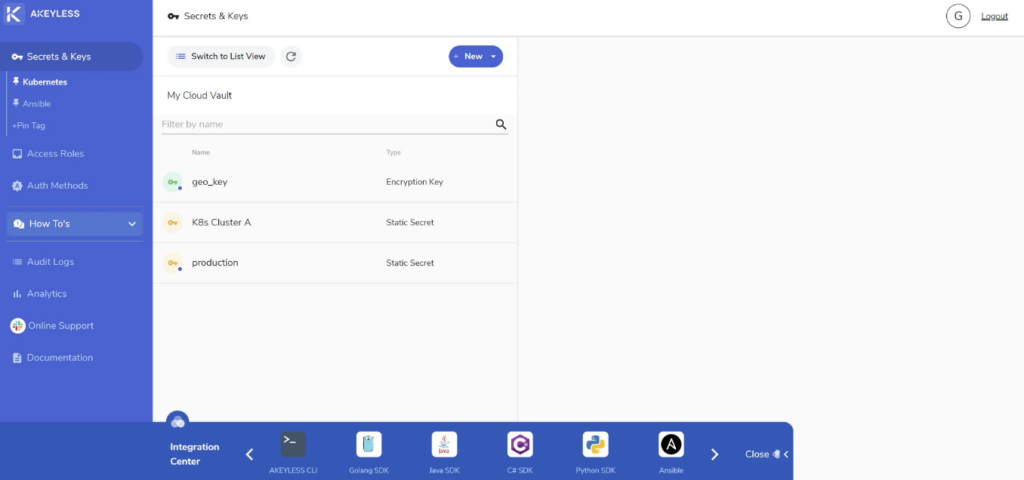
Akeyless Vault Platform destaca en mi lista por su enfoque de confianza cero en la gestión de claves de cifrado. La recomiendo cuando necesitas mantener las claves de cifrado completamente separadas de tu infraestructura de TI y seguridad, especialmente en entornos híbridos o multicloud. Valoro cómo Akeyless gestiona la generación distribuida de claves justo a tiempo, de modo que los equipos nunca almacenan ni transmiten claves de una manera que las exponga.
Lo mejor de Akeyless Vault Platform
- Empresas que protegen claves en entornos híbridos y multicloud
- Organizaciones con estrictas exigencias de confianza cero y regulaciones
No es lo ideal de Akeyless Vault Platform
- Pequeñas empresas que necesitan almacenamiento básico y local de claves
- Equipos que desean soluciones exclusivamente en las instalaciones
Qué distingue a Akeyless Vault Platform
Akeyless Vault Platform aborda la gestión de claves con una mentalidad de confianza cero rigurosa. En lugar de almacenar claves o depender de dispositivos locales como Thales o AWS KMS, generas las claves de cifrado justo a tiempo, directamente desde la nube. En la práctica, esto suele adaptarse a organizaciones que operan arquitecturas híbridas o multicloud y que desean evitar depender de una infraestructura específica.
Compromisos con Akeyless
Akeyless está optimizado para la confianza cero y el acceso distribuido, pero este modelo predeterminado en la nube significa que renuncias a la opción de un control completamente local, en las propias instalaciones. Para los equipos que necesitan mantener todo detrás de sus propios cortafuegos, esta no es la opción adecuada.
Pros and Cons
Pros:
- Cumplimiento del modelo de seguridad de confianza cero para una protección robusta
- La criptografía de fragmentos distribuidos garantiza que las claves de cifrado nunca existan en su totalidad
- Amplia compatibilidad con las principales plataformas en la nube y herramientas DevOps
Cons:
- Puede presentar una curva de aprendizaje para empresas nuevas en los conceptos de confianza cero
- La integración puede requerir experiencia técnica para la configuración
- Las características de la plataforma pueden ser abrumadoras para organizaciones o equipos más pequeños

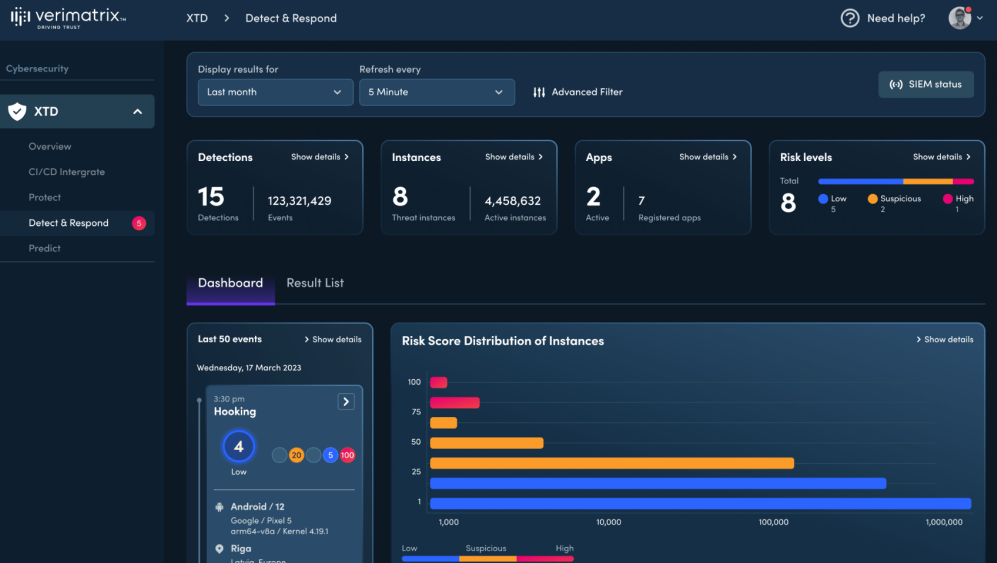
Verimatrix Key Shield está en mi lista de favoritos porque aborda escenarios avanzados de ciberseguridad que exigen protección de claves en capas a través de dispositivos y aplicaciones. Me parece una opción especialmente inteligente cuando se trata de infraestructuras complejas, como IoT embebido o entornos móviles distribuidos, y se necesita un despliegue flexible.
Lo que valoro de Key Shield es su ofuscación dentro de la aplicación y la supervisión de amenazas en tiempo de ejecución, que van mucho más allá del almacenamiento estándar de claves. Esto es especialmente útil para equipos que buscan evitar que los atacantes extraigan claves de aplicaciones descompiladas o las intercepten durante la ejecución.
Para quién es mejor Verimatrix Key Shield
- Organizaciones que protegen claves de cifrado en dispositivos IoT o embebidos
- Desarrolladores que necesitan protección de claves dentro de la app y monitoreo en tiempo de ejecución
Para quién no es ideal Verimatrix Key Shield
- Pequeñas empresas que buscan una gestión de claves rápida y lista para usar
- Equipos sin recursos técnicos para implementar o integrar herramientas de cifrado
Qué distingue a Verimatrix Key Shield
Verimatrix Key Shield destaca por priorizar la protección de claves dentro de la app para software desplegado ampliamente en dispositivos, no solo en servidores. En la práctica, esto marca la diferencia para las empresas que controlan todas las capas de su stack tecnológico y necesitan defender claves utilizadas en entornos móviles, IoT o embebidos, no solo en un centro de datos restringido. A diferencia de un HSM típico en la nube, Key Shield espera que los usuarios gestionen y protejan las claves dentro del propio código de la app, sumando defensas en tiempo de ejecución que no están disponibles en las herramientas básicas de gestión de claves.
Compromisos con Verimatrix Key Shield
Key Shield se optimiza para una protección granular dentro de la app, lo que añade complejidad técnica e integración que no conviene a los equipos que buscan un almacenamiento de claves simple y gestionado en la nube.
Pros and Cons
Pros:
- Soluciones de ciberseguridad integrales y más allá de solo la gestión de claves
- El marco de seguridad adaptativo se ajusta a amenazas en evolución
- Analítica avanzada para detectar posibles vulnerabilidades
Cons:
- Puede ser excesivo para pequeñas empresas con necesidades concretas
- La integración con algunas herramientas específicas puede requerir configuración adicional
- Como ocurre con soluciones todo en uno, hay potencial para funciones no utilizadas
Otros programas de gestión de claves de cifrado
Estas son algunas opciones adicionales de programas de gestión de claves de cifrado que no llegaron a mi lista, pero que aun así merece la pena considerar:
- Townsend Security Alliance Key Manager
Ideal para el control centralizado del ciclo de vida de las claves
- WinMagic SecureDoc Enterprise Server
La mejor para necesidades de cifrado a nivel empresarial
- TokenEx
Bueno para la tokenización en la nube y la seguridad de datos


Cómo evalúo el software de gestión de claves de cifrado
Divido mi evaluación en dos capas: la funcionalidad principal que toda herramienta de gestión de claves debe dominar, como la automatización del ciclo de vida de las claves y el almacenamiento respaldado por HSM, y los factores diferenciadores que distinguen a las opciones.
Funcionalidad principal (requisitos indispensables para esta lista)
Cuando selecciono herramientas para mi lista, califico cada una en una escala del 0 (no ofrece la funcionalidad) al 5 (destaca en esta área) para cada funcionalidad principal que se menciona abajo. Luego, calculo la puntuación total de la herramienta en forma de porcentaje. Cada herramienta debe alcanzar una puntuación mínima total del 65% para ser considerada para su inclusión.
- Gestión del ciclo de vida de la clave: Evalúo si una herramienta cubre toda la cadena desde la generación hasta la rotación, revocación y destrucción, y si esas etapas pueden automatizarse con reglas definidas por políticas.
- Almacenamiento centralizado de claves: Cada herramienta debe ofrecer una bóveda centralizada y segura para el material de las claves. Verifico si está respaldada por HSM y si abarca entornos locales, en la nube e híbridos.
- Control de acceso y auditoría: Las RBAC granulares son importantes aquí. Busco herramientas que permitan restringir las operaciones de claves por rol y que generen registros de auditoría detallados que puedas integrar en un SIEM como Splunk o Microsoft Sentinel.
- Certificaciones de cumplimiento: Certificaciones como FIPS 140-2/3 y Common Criteria me indican que un proveedor ha sido validado de forma independiente. Verifico qué estándares cumple cada herramienta y en qué nivel.
- Integración en múltiples entornos: La gestión real de claves implica conectarse con AWS KMS, Azure Key Vault, GCP, bases de datos y sistemas compatibles con KMIP. Reviso tanto las integraciones nativas como la cobertura de las API/SDK.
- Compatibilidad con algoritmos criptográficos: La herramienta debe manejar algoritmos estándar simétricos y asimétricos como AES-256, RSA y ECC. Una mayor cobertura indica una plataforma que puede cubrir más casos de uso desde el inicio.
Una vez que tengo una lista de herramientas que cumplen estos criterios, considero qué diferencia a cada plataforma.
Factores diferenciadores (qué distingue a los proveedores)
Así es como comparo y contrasto diferentes proveedores:
Características destacadas
El soporte para BYOK y HYOK es importante cuando tu equipo necesita mantener el control del material de las claves entre distintos proveedores de la nube. Busco plataformas que te permitan generar claves localmente e importarlas en AWS, Azure o GCP sin que el proveedor vea nunca el texto plano. La gestión de secretos es otro diferenciador: las herramientas que administran tokens de API, credenciales de bases de datos y certificados junto con las claves criptográficas te evitan mantener bóvedas separadas. También evalúo la preparación post-cuántica, ya que la agilidad criptográfica determinará cuán difícil será la migración cuando los algoritmos seguros ante la computación cuántica sean obligatorios.
Más allá de las características
La flexibilidad de despliegue es otro punto importante. Verifico si una plataforma ofrece opciones SaaS, local y aislada, ya que los equipos de industrias reguladas a menudo necesitan HSMs dedicados en zonas concretas de residencia de datos. La alineación con requisitos normativos también varía mucho: algunos proveedores ofrecen plantillas de informes predefinidas para auditorías PCI DSS o HIPAA, mientras que otros te dejan esa tarea a ti. También merece atención el coste total de propiedad. Los modelos de precios por clave frente a los de por operación pueden generar facturas muy diferentes según tu volumen de transacciones y la cantidad de claves gestionadas.
Cómo elegir un programa de gestión de claves de cifrado
Es fácil perderse entre largas listas de funciones y estructuras de precios complejas. Para ayudarte a mantener la concentración mientras avanzas en tu proceso específico de selección de software, aquí tienes una lista de factores que debes tener en cuenta:
| Factor | Qué debes considerar |
|---|---|
| Escalabilidad | ¿Puede el software crecer junto con tu empresa? Comprueba si admite un aumento del volumen de datos y del número de usuarios sin problemas. |
| Integraciones | ¿Funciona con tus sistemas actuales? Comprueba la compatibilidad con tus herramientas actuales, como servicios en la nube o bases de datos. |
| Personalización | ¿Necesitas soluciones adaptadas? Busca un software que te permita ajustar la configuración para adaptarla a tus flujos de trabajo y políticas de seguridad. |
| Facilidad de uso | ¿Le resultará intuitivo a tu equipo? Una interfaz fácil de usar puede ahorrar tiempo y reducir los errores. |
| Implementación e incorporación | ¿Con qué rapidez puedes empezar? Evalúa la disponibilidad de recursos, como vídeos de formación y asistencia, para ayudar a tu equipo a ponerse al día. |
| Coste | ¿Se ajusta a tu presupuesto? Compara los niveles de precios y ten en cuenta los costes a largo plazo. Busca precios transparentes para evitar sorpresas. |
| Medidas de seguridad | ¿Las funciones de seguridad están a la altura? Asegúrate de que ofrece cifrado, rotación de claves y cumplimiento de los estándares del sector. |
| Requisitos de cumplimiento | ¿Cumple las necesidades normativas? Comprueba si es compatible con normativas específicas del sector, como el GDPR o la HIPAA, según tu sector. |
¿Qué es el software de gestión de claves de cifrado?
El software de gestión de claves de cifrado es una herramienta que ayuda a las organizaciones a gestionar la creación, el almacenamiento y la administración de claves de cifrado. Los profesionales de TI, los equipos de seguridad y los responsables de cumplimiento normativo suelen utilizar estas herramientas para garantizar la seguridad de los datos y el cumplimiento de las normativas. Funciones como la rotación de claves, la integración con servicios en la nube y las políticas de seguridad personalizables ayudan a gestionar las claves de cifrado de forma eficiente, de manera similar a las funciones que ofrecen las plataformas de software PKI. En general, estas herramientas proporcionan una forma segura y organizada de proteger la información confidencial.
Funciones
Al seleccionar un software de gestión de claves de cifrado, presta atención a las siguientes funciones clave:
- Rotación de claves: Actualiza automáticamente las claves de cifrado para mejorar la seguridad y evitar accesos no autorizados.
- Capacidades de integración: Se conecta fácilmente con los sistemas existentes y los servicios en la nube para agilizar la gestión de datos.
- Políticas de seguridad personalizables: Permite adaptar la configuración de seguridad a las necesidades específicas y los requisitos de cumplimiento de tu organización.
- Registros de auditoría: Proporciona registros detallados del uso y el acceso a las claves, lo que facilita el cumplimiento y la supervisión de la seguridad.
- Autenticación multifactor: Añade una capa adicional de seguridad al exigir varias formas de verificación antes de acceder a las claves de cifrado.
- Gestión automatizada del ciclo de vida de las claves: Simplifica el proceso de generación, distribución y retirada de claves, reduciendo la carga de trabajo manual.
- Supervisión en tiempo real: Ofrece alertas inmediatas e información sobre las actividades de gestión de claves, ayudando a identificar rápidamente posibles amenazas.
- Compatibilidad con el cumplimiento normativo: Garantiza que las prácticas de cifrado cumplan normativas específicas del sector, como el RGPD o HIPAA.
- Interfaz fácil de usar: Simplifica la navegación y el uso, haciéndola accesible para miembros del equipo con distintos niveles de conocimientos técnicos.
Beneficios
La implementación de un software de gestión de claves de cifrado ofrece varios beneficios para tu equipo y tu empresa. Combinado con servicios de cifrado de correo electrónico, puedes crear un marco de seguridad integral. Estos son algunos de los beneficios que puedes esperar:
- Mayor seguridad: La rotación automatizada de claves y la autenticación multifactor protegen los datos confidenciales frente a accesos no autorizados.
- Cumplimiento normativo: La compatibilidad con el cumplimiento normativo garantiza que tus prácticas de cifrado se ajusten a estándares del sector como el RGPD o HIPAA.
- Eficiencia operativa: La gestión automatizada del ciclo de vida de las claves reduce las tareas manuales y libera tiempo de tu equipo para otras prioridades.
- Supervisión mejorada: La supervisión en tiempo real y los registros de auditoría ayudan a detectar y responder rápidamente a posibles amenazas de seguridad.
- Integración simplificada: Las capacidades de integración permiten conectarse fácilmente con los sistemas existentes, mejorando la continuidad de los flujos de trabajo.
- Accesibilidad para los usuarios: Una interfaz fácil de usar facilita que los miembros del equipo gestionen las claves de cifrado, independientemente de sus conocimientos técnicos.
Costes y precios
Seleccionar un software de gestión de claves de cifrado requiere comprender los diversos modelos de precios y planes disponibles. Los costes varían según las funciones, el tamaño del equipo, los complementos y otros factores. La tabla siguiente resume los planes habituales, sus precios medios y las funciones que suelen incluir las soluciones de software de gestión de claves de cifrado:
Tabla comparativa de planes de software de gestión de claves de cifrado
| Tipo de plan | Precio medio | Funciones habituales |
|---|---|---|
| Plan gratuito | $0 | Gestión básica de claves, integraciones limitadas y asistencia de la comunidad. |
| Plan personal | $5-$25/usuario/mes | Rotación de claves, registros de auditoría básicos y asistencia por correo electrónico. |
| Plan empresarial | $30-$75/usuario/mes | Integraciones avanzadas, autenticación multifactor y supervisión en tiempo real. |
| Plan corporativo | $100-$250/usuario/mes | Políticas de seguridad personalizables, compatibilidad con el cumplimiento normativo, asistencia exclusiva y capacidades completas de auditoría. |
Preguntas frecuentes sobre el software de gestión de claves de cifrado
Estas son algunas respuestas a preguntas frecuentes sobre el software de gestión de claves de cifrado:
¿Cuál es el propósito del software de gestión de claves de cifrado?
El software de gestión de claves de cifrado ayuda a las organizaciones a generar, almacenar y gestionar claves de cifrado de forma segura. Su propósito principal es garantizar que las claves se gestionen de manera que protejan los datos confidenciales y cumplan con los estándares del sector. Este software suele incluir funciones como la rotación de claves y los registros de auditoría para mejorar la seguridad.
¿Puede el software de gestión de claves de cifrado integrarse con los sistemas de TI existentes?
Sí, la mayoría de los programas de gestión de claves de cifrado pueden integrarse con los sistemas de TI existentes. Esto incluye servicios en la nube, bases de datos y otras aplicaciones empresariales. Asegúrate de que el software que elijas sea compatible con las plataformas que utilizas actualmente para mantener un flujo de trabajo fluido y evitar interrupciones.
¿Cómo evalúo la seguridad de una solución de gestión de claves de cifrado?
Para evaluar la seguridad, comprueba que incluya funciones como la autenticación multifactor, la rotación de claves y el cumplimiento de estándares del sector como el GDPR o la HIPAA. Busca un software que ofrezca registros de auditoría detallados y supervisión en tiempo real para detectar y responder rápidamente a posibles amenazas.
¿Se necesita formación para utilizar el software de gestión de claves de cifrado?
Sí, a menudo se necesita formación para utilizar eficazmente el software de gestión de claves de cifrado. Aunque algunas herramientas ofrecen interfaces fáciles de usar, es fundamental comprender los principios de la gestión de claves y las funciones específicas del software. Busca soluciones que proporcionen recursos de formación completos, como vídeos y recorridos interactivos por el producto, para ayudar a tu equipo a familiarizarse rápidamente con ellas.
Lo siguiente:
Si estás investigando software de gestión de claves de cifrado, conecta gratuitamente con un asesor de SoftwareSelect para obtener recomendaciones.
Rellenas un formulario y mantienes una breve conversación en la que te preguntan sobre los detalles específicos de tus necesidades. Después recibirás una lista de los programas que puedes revisar. Incluso te apoyarán durante todo el proceso de compra, incluidas las negociaciones de precios.