

Tu guía sobre los 10 mejores programas de privacidad de datos de 2026

10 Lista de los mejores programas de privacidad de datos


En la era digital actual, proteger tus datos es más importante que nunca. Te enfrentas constantemente a amenazas contra la información confidencial de tu equipo, y encontrar las herramientas adecuadas para protegerla puede ser todo un desafío. Ahí es donde entra en juego el software de privacidad de datos, que ofrece soluciones para mantener tus datos seguros y cumplir con las normativas.
He dedicado tiempo a investigar y probar diversas opciones, y estoy aquí para compartir contigo mis conclusiones. Mi objetivo es ofrecer una reseña imparcial y bien documentada de los mejores programas de privacidad de datos disponibles en el mercado.
En este artículo descubrirás herramientas que pueden ayudarte a proteger tus datos y a disfrutar de mayor tranquilidad. Veamos las mejores opciones que pueden marcar la diferencia para ti y tu equipo.
Por qué confiar en nuestras recomendaciones de software
Nuestro equipo lleva probando y evaluando software desde 2012. Como líderes tecnológicos, sabemos lo difícil —y lo importante— que es elegir el software adecuado.
Para esta guía, evaluamos las herramientas mediante pruebas prácticas e investigación independiente, puntuando las herramientas según nuestros criterios de selección.
Nuestras reseñas reflejan nuestro criterio editorial humano, no un discurso de ventas.
Revisores expertos:
Resumen de los mejores programas de privacidad de datos
Esta tabla comparativa resume los detalles de precios de mis principales selecciones de programas de privacidad de datos para ayudarte a encontrar el mejor según tu presupuesto y las necesidades de tu empresa.
| Tool | Best For | Trial Info | Price | ||
|---|---|---|---|---|---|
| 1 | Ideal para automatizar la gestión del consentimiento | Plan gratuito disponible | Desde $150/mes (facturado anualmente) | Website | |
| 2 | Ideal para la gestión de consentimientos | Plan gratuito + demo gratis disponible | Desde $499/mes | Website | |
| 3 | Ideal para gobernanza de datos en la nube | Demo gratuita disponible | Precios bajo solicitud | Website | |
| 4 | Ideal para cumplir mandatos de privacidad de datos | Demostración gratuita disponible | Precio bajo solicitud | Website | |
| 5 | Ideal para la gestión del cumplimiento de la privacidad | Demostración gratuita disponible | Precios a consultar | Website | |
| 6 | La mejor opción para prevenir brechas de datos | Not available | Precio bajo solicitud | Website | |
| 7 | Lo mejor para monitoreo de actividad en bases de datos | Not available | Precio bajo solicitud | Website | |
| 8 | Ideal para cumplimiento con GDPR y CCPA | Prueba gratuita de 30 días + plan gratuito + demostración gratuita disponible | Precios bajo consulta | Website | |
| 9 | Ideal para protección de datos multifacética | Not available | Precio bajo solicitud | Website | |
| 10 | Ideal para evaluaciones de privacidad optimizadas | Not available | Desde $12/usuario/mes (facturación anual) | Website |
Reseñas de los mejores programas de privacidad de datos
A continuación, encontrarás mis resúmenes detallados de los mejores programas de privacidad de datos que llegaron a mi lista de preseleccionados. Mis reseñas ofrecen un análisis detallado de las funciones principales, ventajas & desventajas, integraciones y casos de uso ideales de cada herramienta para ayudarte a encontrar la mejor opción para ti.

Ketch
Ideal para automatizar la gestión del consentimiento
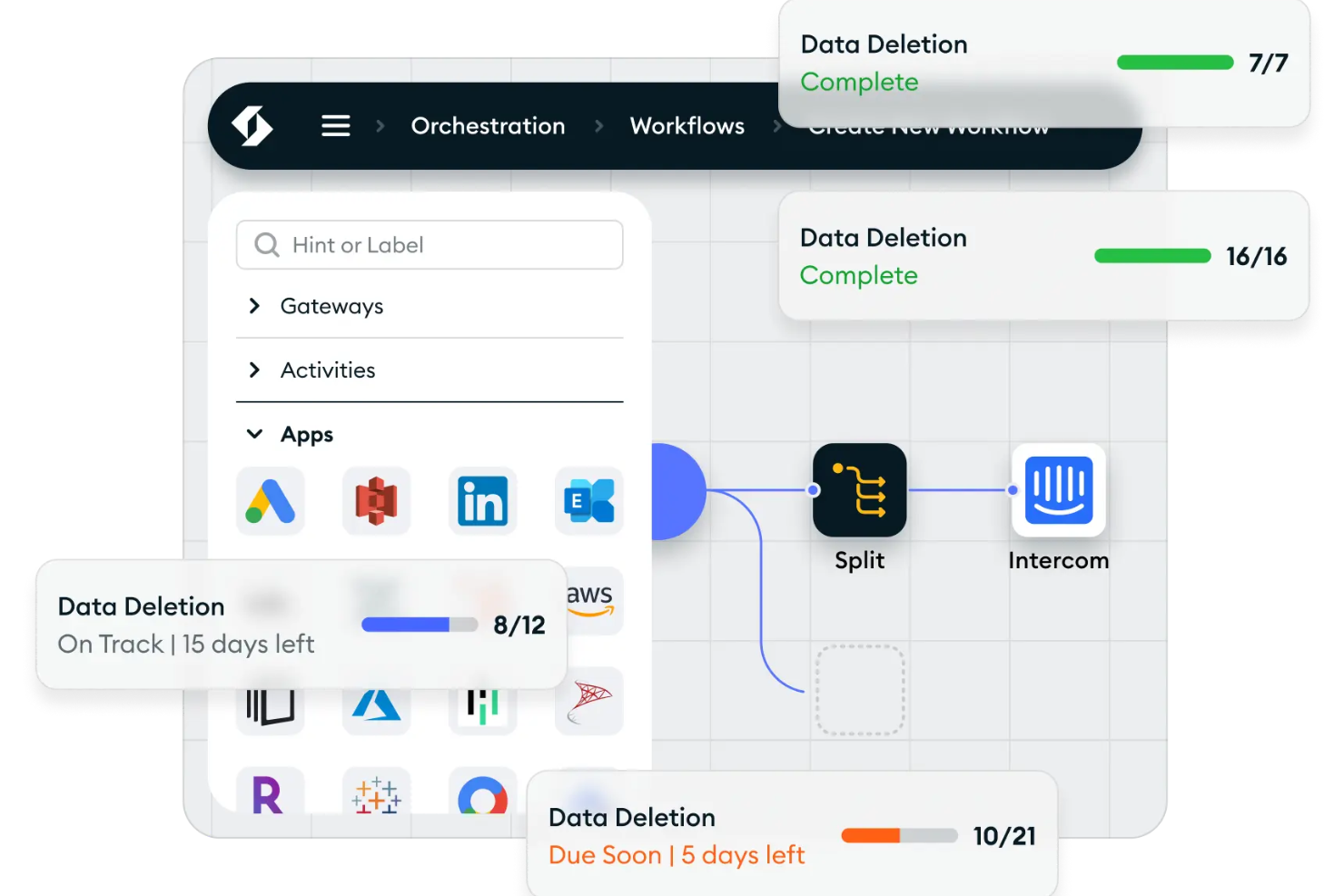
Ketch está en mi lista corta porque es una de las pocas plataformas diseñadas para automatizar completamente la gestión del consentimiento en todos los canales digitales. Lo sugiero para equipos donde los requisitos de consentimiento se están volviendo complicados o abarcan varias jurisdicciones, y los procesos manuales empiezan a causar problemas. Me gusta cómo Ketch ajusta dinámicamente los banners de consentimiento y las preferencias de los usuarios según la ubicación y los cambios regulatorios, por lo que el departamento de TI no tiene que actualizar la configuración cada vez que las políticas cambian.
Mejor para
- Organizaciones que automatizan el consentimiento en múltiples regiones y canales
- Equipos de TI que necesitan una gestión dinámica y basada en políticas del consentimiento
No es ideal para
- Pequeñas empresas con necesidades básicas de privacidad en un solo país
- Equipos que buscan privacidad y respuesta a incidentes unificadas en una sola herramienta
Qué distingue a Ketch
Ketch está diseñado para escalar la gestión del consentimiento en regiones donde las normas cambian rápidamente. Lo que destaca es la forma en que reacciona a la ubicación y al contexto regulatorio de cada usuario en tiempo real, por lo que tu equipo no tiene que ajustar manualmente la configuración cada vez que cambia una ley o política. A diferencia de las plataformas que tratan los banners de consentimiento como estáticos, Ketch espera que automatices la lógica granular y dejes que el sistema se adapte. En la práctica, esto funciona mejor cuando necesitas controles dinámicos en lugar de plantillas fijas.
Compromisos con Ketch
Ketch está optimizado para el cumplimiento automatizado y complejo, pero se pierde el seguimiento integrado de incidentes de privacidad. Los equipos que quieran ambas funciones en un solo lugar necesitarán una herramienta adicional para la gestión de violaciones.
Pros and Cons
Pros:
- Automatiza las solicitudes de los titulares de datos
- Proporciona un mapeo claro de los datos para una mejor visibilidad
- Avisos de privacidad personalizables para alinearse con la identidad de la marca
Cons:
- Puede requerir ajustes continuos para mantenerse actualizado ante cambios regulatorios
- Curva de aprendizaje potencial durante la configuración
New Product Updates from Ketch
Ketch Launches Iris-Powered Tracker Scanning
Ketch adds Iris-powered tracker scanning to Data Sentry and Consent Management, using cohort-based page grouping and adaptive sampling to expand tracker coverage and keep results current. For more information, visit Ketch’s official site.
 .
.
Ideal para la gestión de consentimientos
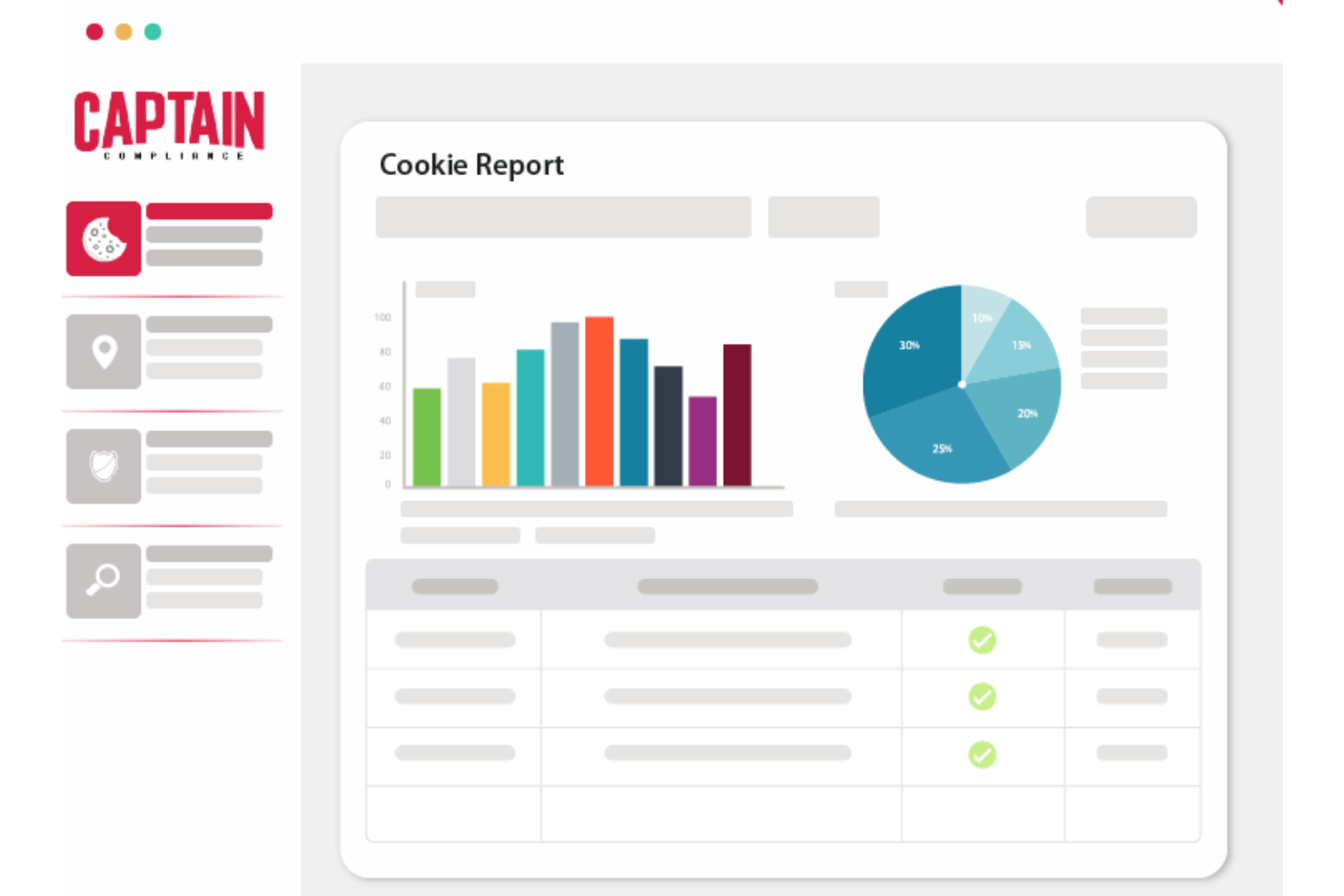
Captain Compliance merece un lugar aquí por la forma exhaustiva en que aborda la gestión de consentimientos en todas las actividades de recopilación y procesamiento de datos. Siempre que veo a organizaciones tener problemas para rastrear y actualizar el consentimiento del usuario para el GDPR o CCPA, esta herramienta proporciona registros de auditoría prácticos y formularios de captura de consentimiento personalizables.
Me gusta cómo puedes segmentar los tipos de consentimiento y automatizar las renovaciones y retiradas. Es ideal cuando los equipos de cumplimiento necesitan informes claros para demostrar que su proceso es impecable durante las auditorías.
Lo mejor de Captain Compliance
- Organizaciones que necesitan una gestión avanzada del consentimiento, lista para auditorías
- Empresas con requisitos complejos de cumplimiento con GDPR o CCPA
No es ideal para
- Equipos que solo buscan una gestión básica de políticas o documentos
- Pequeñas empresas con necesidades de privacidad de datos simples y de bajo riesgo
Qué diferencia a Captain Compliance
Captain Compliance aborda la privacidad de los datos tratando el consentimiento como un registro vivo y auditable en lugar de una simple casilla de verificación estática. En comparación con herramientas de banner de cookies como OneTrust, parte de la base de que necesitas un seguimiento detallado para escenarios de consentimiento individuales y documentación real para auditorías. Suelo ver que los equipos de cumplimiento obtienen más valor porque muestra cada interacción y cambio con el consentimiento como un evento propio.
En la práctica, esto funciona bien cuando necesitas detalles granulares, más allá de simplemente demostrar que “pedimos permiso”.
Compromisos con Captain Compliance
Captain Compliance está optimizado para un seguimiento detallado del consentimiento, pero se pierde la gestión más amplia de políticas, proveedores o formación. Si buscas todas las operaciones de privacidad en una sola plataforma, puedes encontrar lagunas.
Pros and Cons
Pros:
- Actualiza automáticamente las políticas de cookies
- Diseñada para ayudarte a cumplir múltiples normativas
- La página de transparencia ayuda a generar confianza con los usuarios
Cons:
- Operación autofinanciada
- Varios usuarios limitados solo a planes de niveles superiores
OneTrust
Ideal para gobernanza de datos en la nube
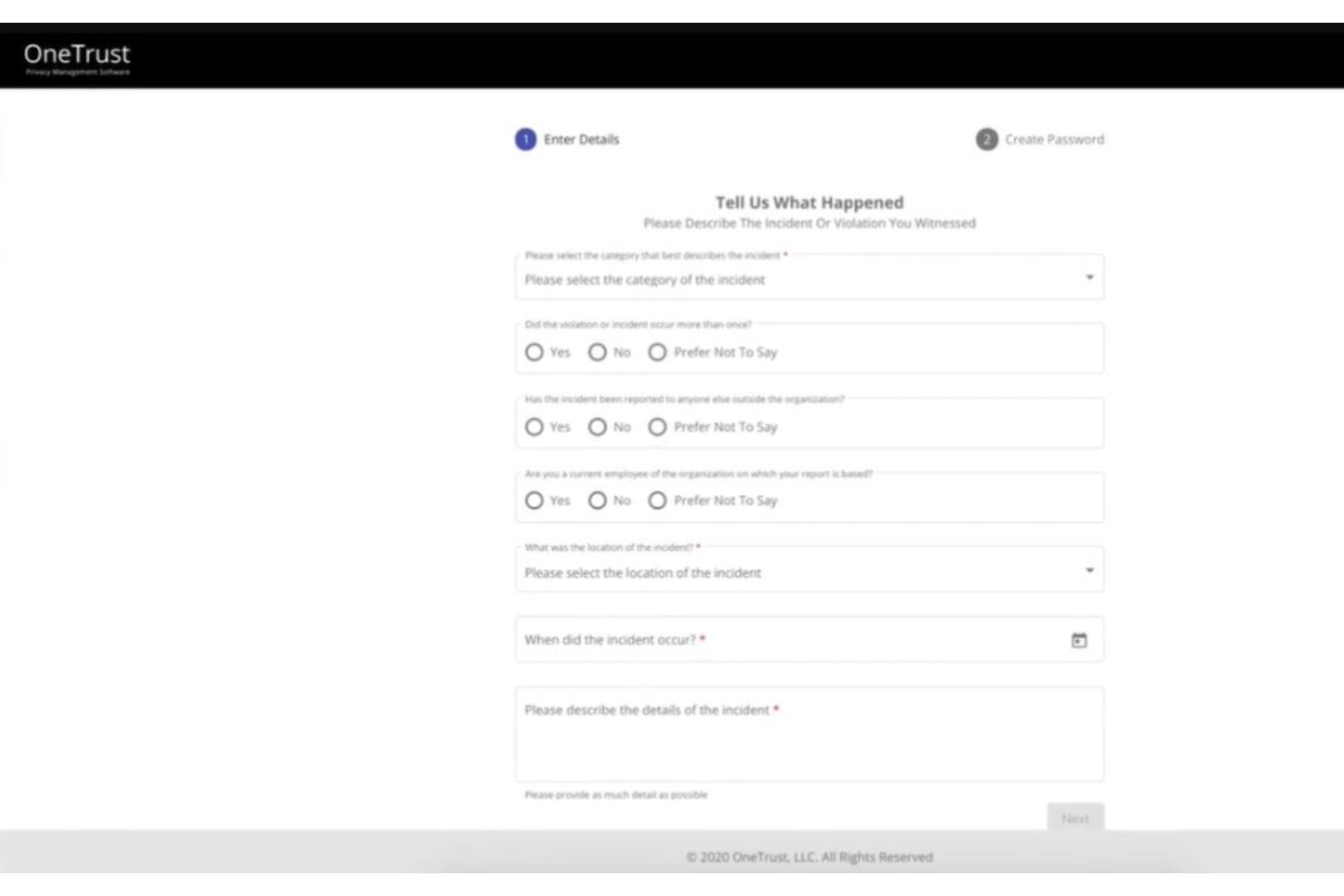
OneTrust gana su lugar aquí por su gestión integral de datos y privacidad que funciona en entornos multi-nube e híbridos. Lo que más destaco es cómo automatiza el mapeo y la clasificación de datos, permitiéndote ver exactamente dónde residen los datos personales en cargas de trabajo en la nube. Los equipos se benefician de esta plataforma cuando necesitan una aplicación de políticas a nivel granular o cuando los registros de auditoría se vuelven inmanejables con las herramientas nativas.
Realmente aprecio las evaluaciones integradas y la biblioteca de controles automatizados. Ahorran mucho esfuerzo manual en el cumplimiento continuo y la monitorización de riesgos.
Lo mejor de OneTrust
- Empresas que necesitan gobernanza de datos automatizada en múltiples nubes
- Organizaciones con requisitos regulatorios y de cumplimiento complejos
OneTrust no es ideal para
- Pequeñas empresas con necesidades sencillas de privacidad de datos
- Equipos que necesitan herramientas de privacidad ligeras o poco centradas en la nube
Qué diferencia a OneTrust
OneTrust adopta un enfoque estructurado para la privacidad y la gobernanza de datos, colocando los controles de cumplimiento y riesgo en el centro. En lugar de actuar como complementos que se añaden a las herramientas de colaboración existentes, espera que centralices el descubrimiento de datos, el mapeo y los flujos de trabajo de gobernanza en su plataforma. En comparación con complementos de Google Workspace, OneTrust está enfocado en gestionar el ciclo de vida de los datos sensibles como un proceso, y no solo en añadir comprobaciones de cumplimiento de manera complementaria.
Compensaciones con OneTrust
OneTrust prioriza un control de políticas sólido y una gobernanza centralizada, pero eso implica que tendrás que afrontar una configuración y administración continua más exigente. Si tu objetivo es solo recopilar consentimientos simples o realizar un monitoreo ligero, la carga de trabajo de OneTrust puede ralentizarte.
Pros and Cons
Pros:
- El descubrimiento y la clasificación de datos mejoran la transparencia
- El mapeo de datos automatizado ayuda a comprender la interacción de los datos
- Amplias capacidades de integración con servicios populares en la nube y CRM
Cons:
- Puede resultar compleja para negocios a pequeña escala
- Requiere actualizaciones constantes para mantenerse al día con los entornos en la nube cambiantes
- La configuración inicial puede ser compleja para quienes no conocen herramientas de gobernanza de datos

Ideal para cumplir mandatos de privacidad de datos
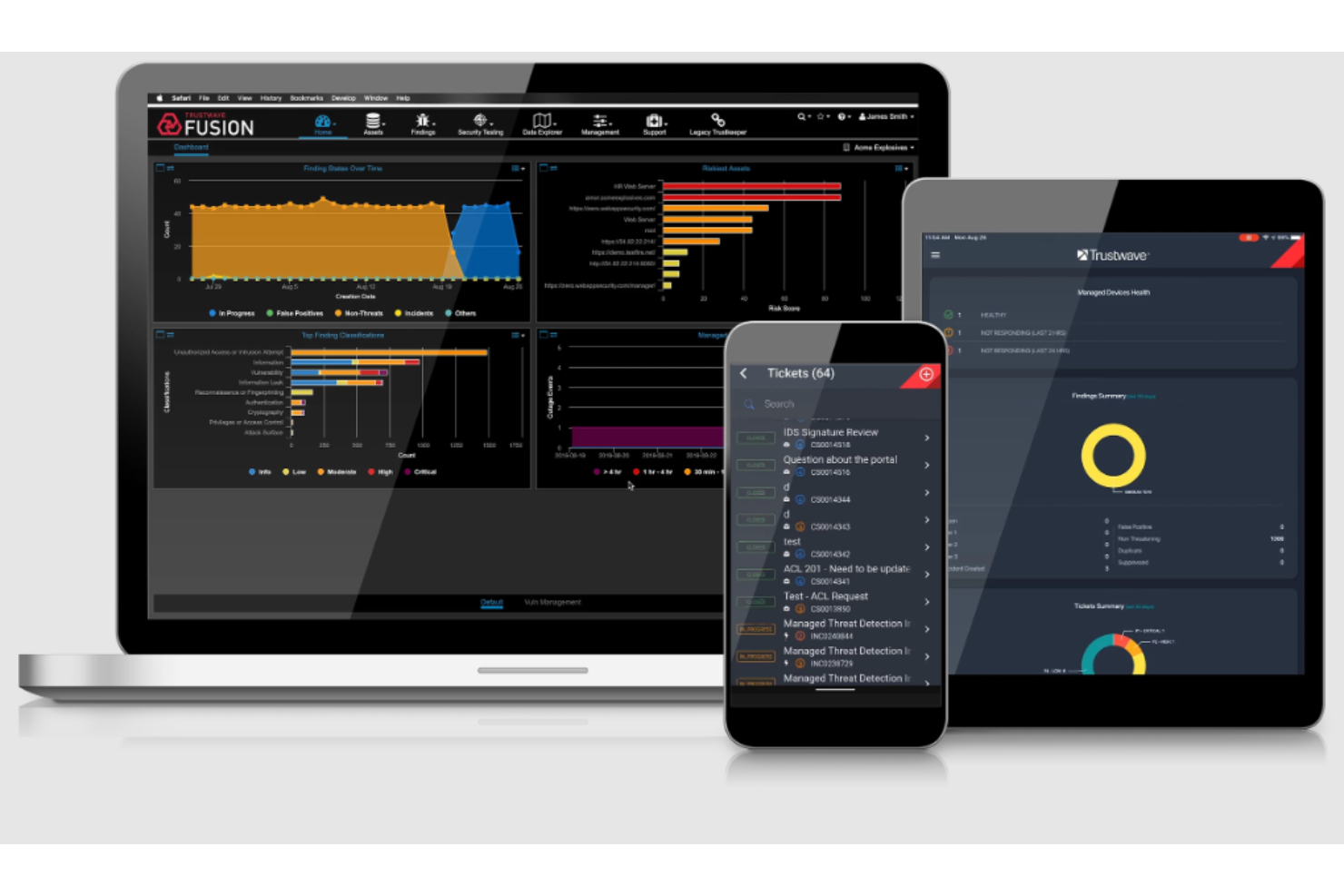
Trustwave está en mi lista por su enfoque en ayudar a las organizaciones a navegar las normas mundiales de privacidad de datos. Veo que los equipos utilizan sus servicios gestionados de cumplimiento y su experiencia en respuesta a incidentes cuando se avecinan auditorías regulatorias o solicitudes del RGPD.
Lo que realmente valoro es la atención a la residencia local de los datos y los informes de privacidad. Las funciones de gestión de privacidad de Trustwave funcionan bien para quienes deben lidiar con mandatos superpuestos y requisitos cambiantes.
Trustwave es ideal para
- Organizaciones con mandatos estrictos de residencia y privacidad de datos
- Empresas que enfrentan auditorías regulatorias o revisiones de cumplimiento frecuentes
Trustwave no es ideal para
- Pequeñas empresas con necesidades simples de cumplimiento de privacidad
- Equipos que desean un software ligero y práctico en lugar de servicios gestionados
Lo que diferencia a Trustwave
Trustwave ofrece un enfoque gestionado y orientado al servicio para la privacidad y el cumplimiento de datos que se asemeja más a trabajar con un consultor que a una plataforma tipo 'hágalo usted mismo' como OneTrust. En lugar de darte un panel de control para la configuración autoservicio, Trustwave suele encargarse de las operaciones del programa de privacidad, el mapeo regulatorio y la respuesta ante riesgos. Veo que esto funciona bien cuando las organizaciones enfrentan mandatos de privacidad en constante cambio y necesitan soporte experto para mantenerse en cumplimiento.
Compromisos con Trustwave
Trustwave prioriza los servicios gestionados y la experiencia regulatoria, pero se sacrifica el control directo e interno sobre las herramientas de privacidad y la gestión diaria de los sistemas.
Pros and Cons
Pros:
- El Portal de Gestión de Cumplimiento ofrece una visión unificada de todas las tareas de privacidad
- La Inteligencia de Amenazas mantiene informadas a las empresas sobre posibles amenazas de datos
- Las integraciones fluidas permiten una aplicación uniforme de las medidas de privacidad
Cons:
- La configuración inicial puede ser lenta
- Las funciones avanzadas pueden requerir una curva de aprendizaje pronunciada para algunos usuarios
- El soporte de servicio puede variar según la región

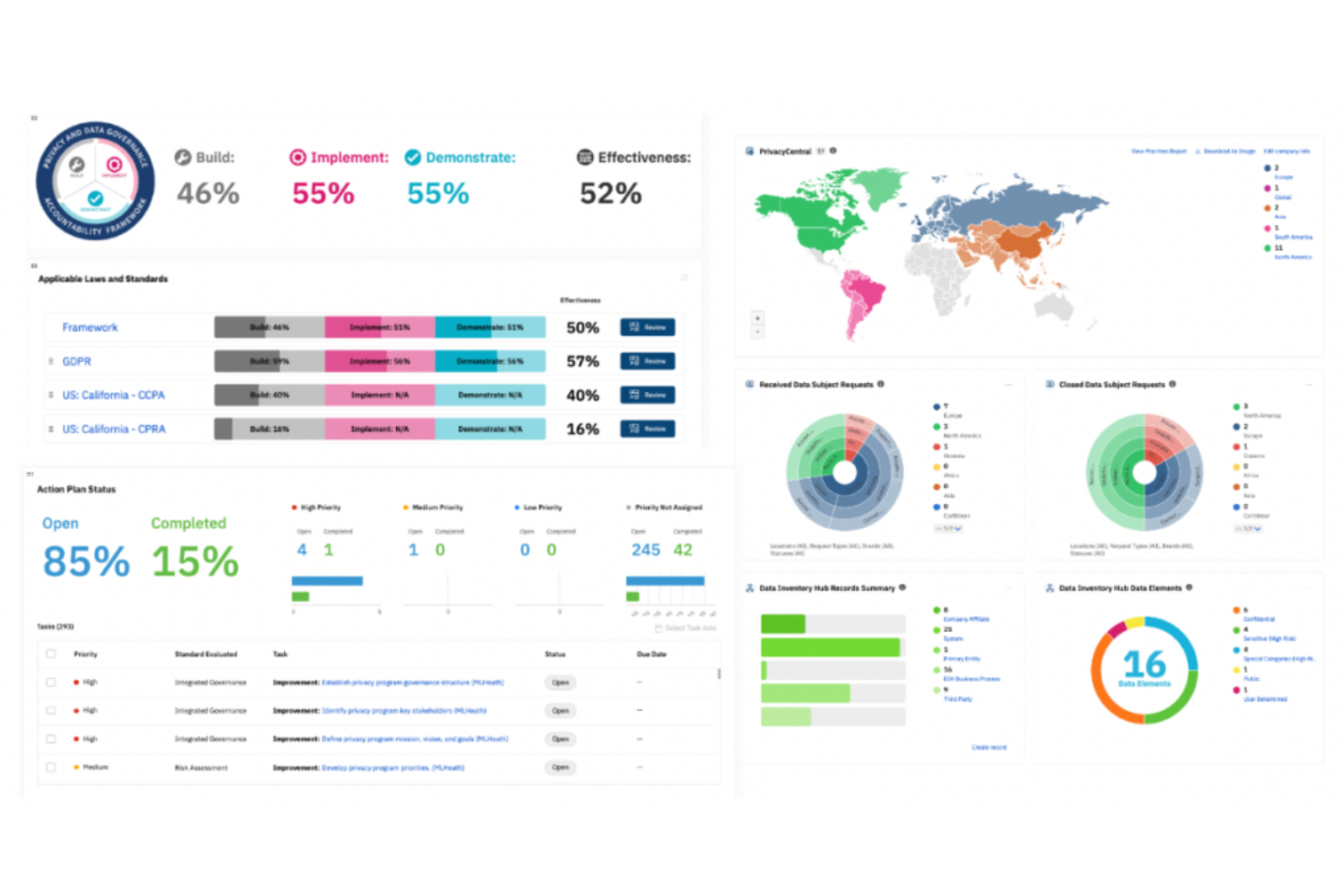
TrustArc gana un lugar en mi lista por su enfoque centrado en operacionalizar el cumplimiento de la privacidad en grandes organizaciones. Cuando trabajo con equipos cuya gestión de privacidad supera el uso de hojas de cálculo y seguimientos improvisados, veo que migran aquí para controles reales de cumplimiento con GDPR, CCPA y normativas internacionales.
Lo que más me llama la atención es cómo TrustArc conecta la evaluación de riesgos, el inventario de datos y el monitoreo continuo de cumplimiento, todo en un solo panel. Aprecio el nivel de detalle de la automatización, especialmente con las evaluaciones de impacto de privacidad y la documentación.
Para quién es mejor TrustArc
- Grandes organizaciones que gestionan el cumplimiento de privacidad en múltiples jurisdicciones
- Equipos que necesitan paneles unificados para riesgos, datos y evaluaciones
Para quién no es ideal TrustArc
- Pequeñas empresas con necesidades de cumplimiento de privacidad básicas
- Equipos que buscan herramientas ligeras centradas solo en la gestión de consentimientos
Qué distingue a TrustArc
TrustArc está diseñado para organizaciones que desean centralizar y operacionalizar la gestión de privacidad frente a múltiples regulaciones. A diferencia de herramientas básicas para la privacidad o plataformas solo de consentimiento, TrustArc parte de que tu equipo de privacidad trabaja bajo muchas normativas legales y necesita un sistema coherente para evaluaciones de riesgos, análisis de brechas y auditorías de cumplimiento continuas.
El flujo de trabajo se siente estructurado—más cercano a las herramientas GRC de nivel empresarial que a soluciones de privacidad sencillas plug-and-play.
Compensaciones de usar TrustArc
TrustArc prioriza una cobertura amplia del cumplimiento normativo, pero este enfoque implica más tiempo de configuración y gestión continua. Si buscas una aplicación ágil y ligera para la privacidad, la complejidad de TrustArc puede ralentizarte.
Pros and Cons
Pros:
- La función Risk Profile proporciona una visión detallada de los riesgos de privacidad
- Data Flow Manager ofrece claridad en los procesos de datos
- Integraciones eficaces que mantienen la coherencia en la gestión del cumplimiento
Cons:
- La interfaz puede parecer compleja para quienes la usan por primera vez
- Requiere actualizaciones frecuentes para mantenerse alineado a la evolución de las regulaciones globales de privacidad
- Algunos usuarios pueden considerar que ciertos módulos son más robustos de lo necesario para su caso particular

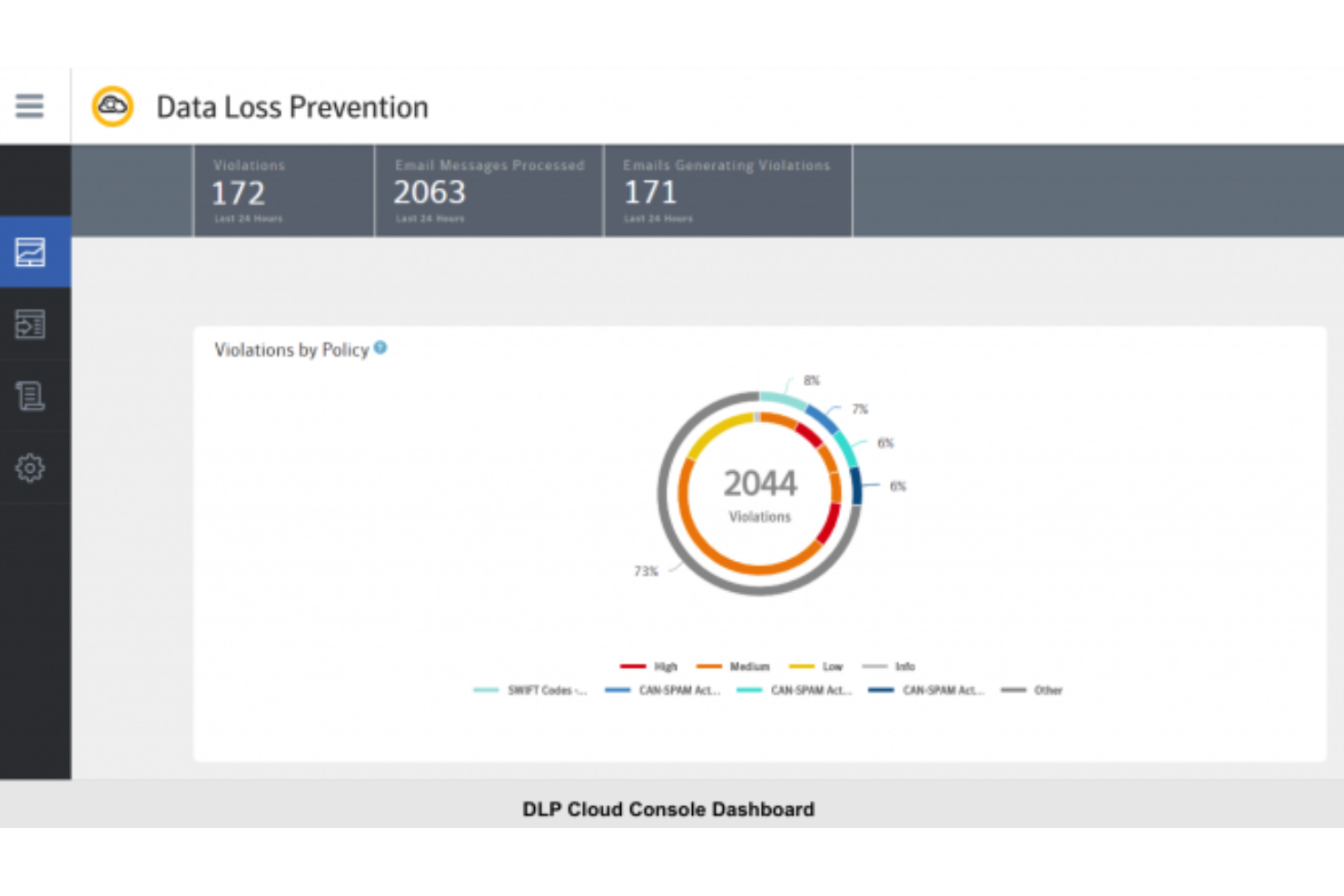
Symantec Data Loss Prevention es mi recomendación para organizaciones que necesitan detener fugas de datos antes de que la información se filtre o sea mal manejada. Lo que aprecio es lo bien que permite monitorear y controlar los datos a través de endpoints, aplicaciones en la nube y correo electrónico, asegurando que la información sensible no salga de donde no debe. Cuando he trabajado con empresas reguladas, sus políticas de inspección de contenido y funciones de huellas digitales ayudan a los equipos a detectar y responder rápidamente ante comportamientos riesgosos. Si tu principal preocupación es la exposición accidental o intencionada de datos, este sería mi primer paso.
Lo mejor de Symantec Data Loss Prevention
- Empresas enfocadas en prevenir fugas de datos accidentales o intencionadas
- Industrias reguladas que necesitan una aplicación de políticas precisa
Para quién no es ideal Symantec Data Loss Prevention
- Pequeñas organizaciones con recursos de TI limitados
- Equipos que buscan soluciones de privacidad de datos ligeras o de fácil implementación
Qué distingue a Symantec Data Loss Prevention
Symantec Data Loss Prevention se destaca por la manera en que integra directamente el monitoreo y cumplimiento de políticas sobre los datos en las operaciones diarias. En lugar de esperar que los usuarios cambien hábitos, detecta actividades riesgosas en segundo plano y promueve la intervención cuando es necesario. A diferencia de herramientas que solo alertan, va más allá de solo bloquear acciones y te permite personalizar bastante la inspección de contenido y la respuesta. Este enfoque es ideal cuando necesitas políticas detalladas y contextuales en todo el entorno.
Compromisos con Symantec Data Loss Prevention
Está optimizado para un control profundo y basado en políticas, pero la configuración es compleja y el ajuste continuo requiere esfuerzo real. Los equipos a menudo necesitan experiencia dedicada para mantener las políticas alineadas a medida que cambian las necesidades del negocio.
Pros and Cons
Pros:
- El descubrimiento de contenido es completo e incluye numerosas ubicaciones de datos
- La aplicación robusta de políticas garantiza la integridad de los datos
- La amplia gama de integraciones la hace versátil para diferentes entornos empresariales
Cons:
- Puede parecer complejo para organizaciones más pequeñas
- Requiere actualizaciones periódicas para abordar amenazas emergentes
- El soporte al cliente puede variar según la región o el contrato

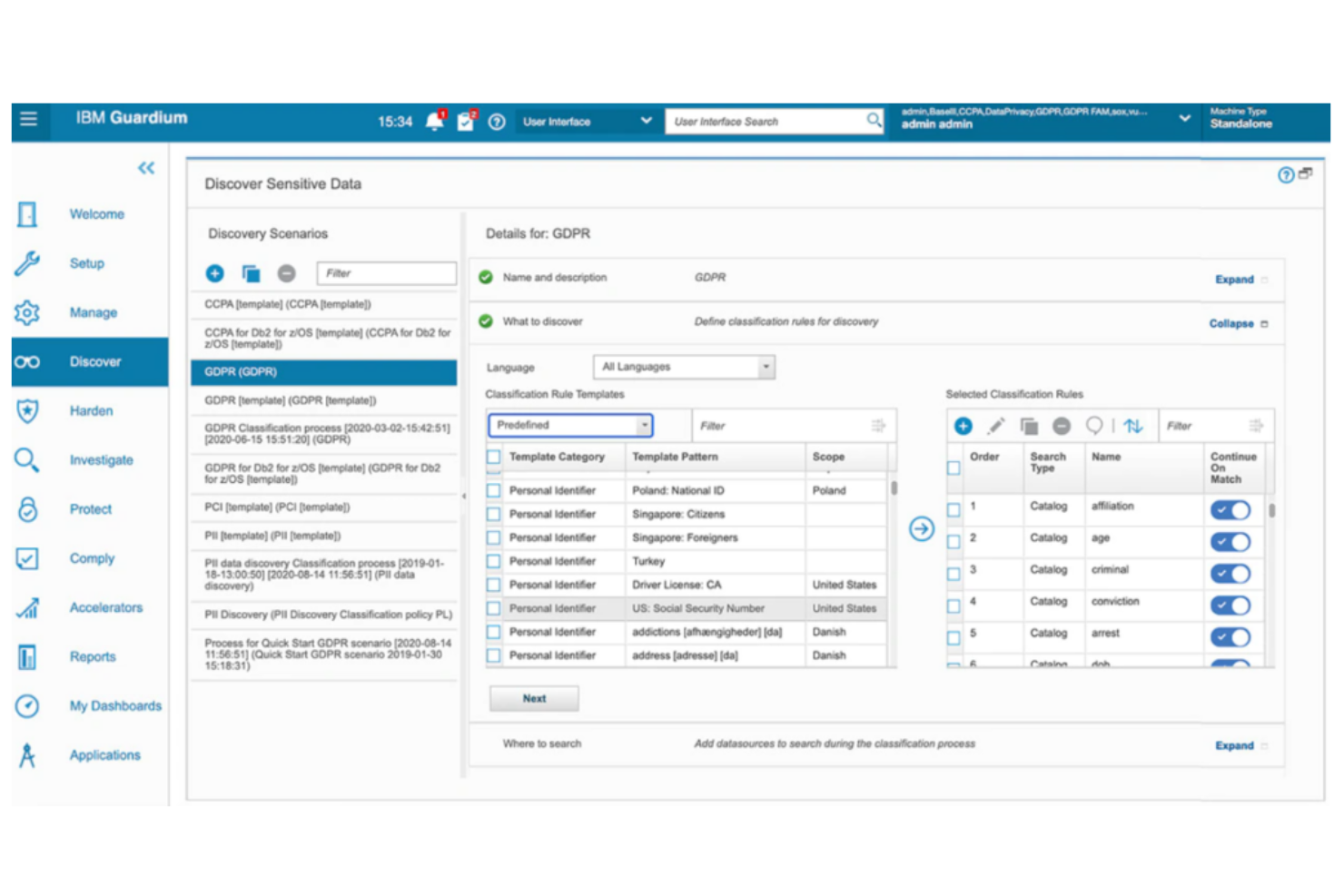
IBM Security Guardium está en mi lista porque es una de las pocas plataformas que puedes usar para monitorear, auditar y alertar en todas las principales plataformas de bases de datos en tiempo real. Considero que funciona mejor cuando las organizaciones necesitan cumplir con estrictos requisitos de privacidad de datos, auditoría o normativos que exigen un monitoreo minucioso de la actividad y controles de políticas granulares.
Lo que más me gusta es cómo Guardium resalta acciones sospechosas y te permite personalizar políticas según el tipo de datos o el rol de usuario, lo que va mucho más allá del análisis básico de registros.
Guardium es ideal para
- Organizaciones que necesitan un monitoreo continuo de la actividad en bases de datos
- Empresas con estrictos requisitos de auditoría o normativas sobre datos
Guardium no es recomendable para
- Pequeños equipos sin personal dedicado a la seguridad de bases de datos
- Empresas enfocadas en la privacidad de datos a nivel de endpoint o de archivos
Qué diferencia a Guardium
Guardium se distingue por aplicar monitoreo en tiempo real sobre bases de datos empresariales, lo cual es mucho más preciso que los registros de auditoría básicos en plataformas como SQL Server. En vez de solo rastrear accesos estáticos, espera que clasifiques los datos sensibles y apliques políticas a tablas y campos específicos. Esto funciona mejor cuando necesitas visibilidad y control más allá de lo que ofrecen las herramientas nativas en la nube o los plugins ligeros de monitoreo.
Compromisos con Guardium
Guardium está optimizado para el monitoreo y la seguridad de bases de datos, pero su complejidad implica que los pequeños equipos de TI dediquen más tiempo a la configuración, ajuste y mantenimiento continuo.
Pros and Cons
Pros:
- Evaluación integral de vulnerabilidades para detectar debilidades en bases de datos
- La mascarilla dinámica de datos agrega una capa adicional de protección
- Compatibilidad extensa con una amplia gama de sistemas de bases de datos
Cons:
- La plataforma puede ser abrumadora para recién llegados
- El proceso de configuración requiere cierto nivel de conocimientos técnicos
- Algunos usuarios pueden considerarlo intensivo en recursos, lo que afecta el rendimiento del sistema

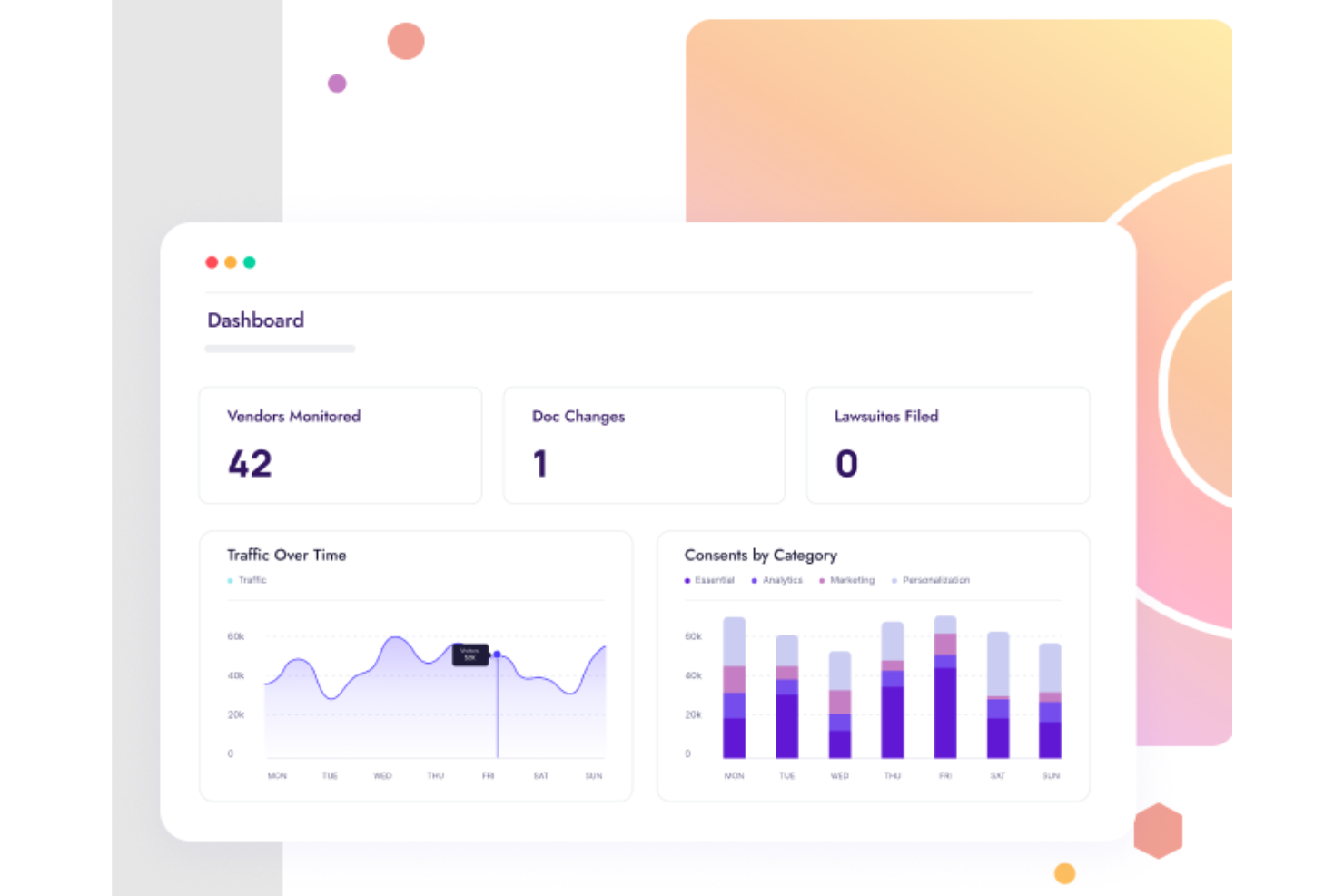
Osano merece un lugar aquí por la manera directa en que resuelve los desafíos de cumplimiento con el GDPR y la CCPA. He observado a organizaciones utilizar Osano para gestionar el consentimiento de cookies en entornos web complejos, manteniéndose automáticamente al día con los requisitos regulatorios que evolucionan. Lo que más valoro es la monitorización de políticas en tiempo real de Osano, ya que señala cambios que podrían afectar tus prácticas de datos y permite abordarlos rápidamente.
Si necesitas mantenerte actualizado con las leyes de privacidad global y asegurar que tu sitio web cumpla con el GDPR, esta es una de las mejores opciones que he probado para mantener el cumplimiento automatizado y continuo.
Ideal para
- Organizaciones que gestionan el consentimiento de cookies GDPR o CCPA en varias regiones
- Equipos que necesitan monitorización automática de actualizaciones de privacidad en todo el mundo
No es la mejor opción para
- Empresas con necesidades complejas de mapeo interno de datos
- Aquellos que buscan funciones avanzadas de gestión de riesgos de proveedores
Qué diferencia a Osano
Osano adopta un enfoque explícito centrado en el cumplimiento, partiendo de la base de que centralizarás el seguimiento de políticas y la gestión del consentimiento desde el principio. En lugar de añadir controles de privacidad a una infraestructura existente como OneTrust o TrustArc, Osano asume que necesitas un centro unificado para gestionar el consentimiento del usuario y las alertas de cambios en políticas a nivel global. En la práctica, esto resulta más adecuado si necesitas adaptar rápidamente los controles de privacidad a medida que cambian las leyes.
Compensaciones de Osano
Osano está optimizado para ofrecer soluciones rápidas de consentimiento con GDPR y CCPA, pero deja de lado funciones avanzadas de mapeo interno de datos y evaluaciones profundas de proveedores que sí ofrecen algunas plataformas de privacidad más grandes.
Pros and Cons
Pros:
- Las completas funciones de consentimiento de cookies están alineadas con los estándares de privacidad globales
- El portal de Solicitudes de Acceso de Interesados de la plataforma simplifica la gestión de datos de los usuarios
- Gran variedad de integraciones con plataformas de terceros
Cons:
- Algunas opciones de personalización pueden requerir conocimientos técnicos
- El panel de control puede parecer abrumador para los nuevos usuarios
- Algunos usuarios pueden encontrar las notificaciones de alerta frecuentes


Imperva Data Security Fabric se ganó su lugar porque reúne el descubrimiento, monitoreo y análisis en bases de datos tanto en la nube como locales. Me gusta cómo identifica datos sensibles y aplica controles de políticas en entornos donde los tipos y ubicaciones de los datos varían mucho.
Obtienes una visibilidad sólida sobre la actividad del usuario y el riesgo, lo cual funciona especialmente bien para equipos que gestionan conjuntos de datos tanto estructurados como no estructurados.
Imperva Data Security Fabric es ideal para
- Empresas que monitorean datos sensibles en entornos híbridos
- Equipos de seguridad que necesitan análisis de riesgos unificados y aplicación de políticas
Imperva Data Security Fabric no es ideal para
- Pequeñas empresas con necesidades básicas o de una sola base de datos
- Organizaciones que buscan funciones de remediación automatizada
Qué distingue a Imperva Data Security Fabric
Imperva Data Security Fabric se centra en brindarte una visión unificada de todos tus activos de datos, estén donde estén: en las instalaciones, en la nube o repartidos en varias plataformas. Espera que sepas dónde residen los datos sensibles, luego utilices sus paneles y análisis para monitorear, auditar y aplicar políticas. A diferencia de herramientas como Varonis, que se enfocan más en el acceso a archivos dentro del contenido empresarial, Imperva es más fuerte cuando necesitas una cobertura amplia en entornos de bases de datos mixtas.
Ofrece flujos de trabajo diseñados en torno al descubrimiento continuo y a conocimientos accionables, no solo escaneos puntuales.
Compromisos con Imperva Data Security Fabric
Optimiza la supervisión unificada en ecosistemas complejos, pero renuncias a plantillas simples prediseñadas o soluciones automáticas rápidas—por lo que la configuración y respuesta suelen requerir una participación más activa de tu equipo.
Pros and Cons
Pros:
- El perfilado dinámico asegura la detección de amenazas en tiempo real
- La gestión de derechos de usuario garantiza el acceso controlado a los datos
- Las capacidades de integración con los principales proveedores de nube mejoran su versatilidad
Cons:
- La configuración puede requerir una curva de aprendizaje más pronunciada para algunos
- Dependiendo de la escala, el despliegue inicial puede llevar tiempo
- Algunos usuarios pueden desear una interfaz de panel más intuitiva

Ideal para evaluaciones de privacidad optimizadas
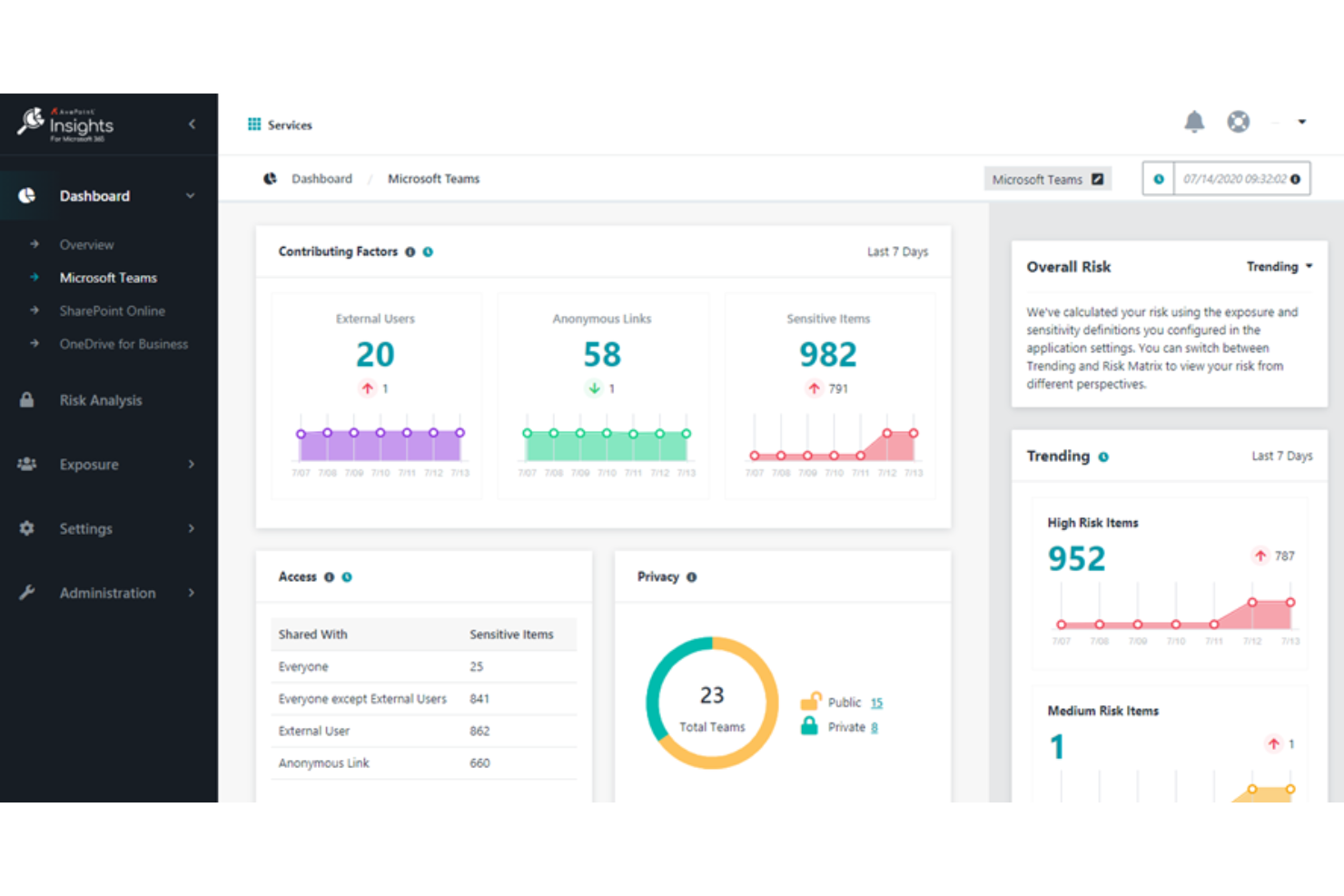
La herramienta de Evaluación de Impacto en la Privacidad (PIA) de AvePoint ofrece a las organizaciones una forma estructurada de gestionar los riesgos de privacidad y el cumplimiento en varios sistemas. La he incluido en esta lista porque los equipos a menudo deben realizar evaluaciones de privacidad a gran escala y tienen dificultades para mantener la coherencia o hacer seguimiento.
Lo que me gusta de AvePoint PIA es cómo automatiza los flujos de trabajo repetitivos de cuestionarios de privacidad y rastrea las acciones de mitigación desde la evaluación hasta la remediación. Es ideal cuando necesitas estandarizar las evaluaciones de riesgos de privacidad entre diferentes unidades de negocio, en especial en industrias reguladas.
Para quién es mejor AvePoint PIA Tool
- Grandes organizaciones que buscan estandarizar procesos de evaluación de privacidad
- Equipos de cumplimiento que gestionan riesgos regulatorios en múltiples unidades de negocio
Para quién es menos adecuado AvePoint PIA Tool
- Pequeñas empresas que necesitan herramientas de privacidad simples
- Equipos que buscan funciones de gobernanza de datos más amplias que vayan más allá de las evaluaciones
Qué distingue a AvePoint PIA Tool
AvePoint PIA Tool está diseñada para organizaciones que desean evaluaciones de riesgos de privacidad estructuradas y repetibles en entornos complejos. En lugar de gestionar todo manualmente con hojas de cálculo o rastreadores generales de cumplimiento, permite rastrear riesgos de privacidad, tareas y remediaciones en un sistema dedicado. En la práctica, veo que los equipos de cumplimiento dependen de ella para aplicar procesos estandarizados y documentar decisiones sobre privacidad para auditorías, a diferencia de las herramientas de encuestas improvisadas que dejan vacíos.
Compensaciones de AvePoint PIA Tool
Opta por priorizar flujos de trabajo de privacidad formales y orientados por políticas, pero ese enfoque implica perder flexibilidad para una gobernanza de datos más amplia o actividades de mapeo de datos puntuales y ligeras. Para los equipos que buscan menos burocracia, puede resultar pesada.
Pros and Cons
Pros:
- Cálculo automatizado de riesgos para evaluaciones precisas
- Plantillas de evaluación completas adaptadas a diversas necesidades
- La colaboración en tiempo real facilita las evaluaciones en equipo
Cons:
- Puede ser compleja para pequeñas empresas o startups
- La facturación anual puede no adaptarse a todos los ciclos presupuestarios
- Puede requerir capacitación para su aprovechamiento completo
Otros programas de privacidad de datos
Estas son algunas opciones adicionales de programas de privacidad de datos que no llegaron a mi lista de preseleccionados, pero que aun así vale la pena revisar:


Reseñas relacionadas
- Herramientas de gobernanza de datos
- Programas de prevención de pérdida de datos
- Programas de gestión de datos
Cómo evalúo el software de privacidad de datos
Evalúo las herramientas de privacidad de datos en función de requisitos fundamentales—como la automatización de las DSAR, la gestión del consentimiento y el descubrimiento de datos—y luego peso los diferenciadores que hacen que una herramienta sea más adecuada que otra.
Funcionalidad básica (requisitos imprescindibles para esta lista)
Cuando selecciono herramientas para mi lista, califico cada una en una escala de 0 (no ofrece la funcionalidad) a 5 (destaca en esta área) para cada funcionalidad clave que aparece a continuación. Después, calculo la puntuación total de la herramienta en porcentaje. Cada herramienta debe alcanzar una puntuación total mínima del 75% para ser considerada para su inclusión.
- Descubrimiento y clasificación de datos: Busco herramientas que escaneen automáticamente el almacenamiento en la nube, aplicaciones SaaS, bases de datos y endpoints para encontrar y etiquetar la información personal—como correos electrónicos ocultos en archivos no estructurados o identificadores de clientes repartidos en sistemas heredados.
- Gestión del consentimiento y las preferencias: Una buena herramienta registra el consentimiento en la web, el móvil y canales offline mediante reglas conscientes de la jurisdicción, de modo que los banners de cookies y los flujos de opt-in estén alineados con el RGPD, CCPA y otros requisitos regionales.
- Cumplimiento y automatización de DSAR: Verifico si la plataforma puede gestionar todo el ciclo de vida de una DSAR—solicitud, verificación de identidad, obtención de datos en distintos sistemas, redacción y entrega segura—sin que tu equipo tenga que buscar registros manualmente en decenas de sistemas.
- Cumplimiento de regulaciones de privacidad: Evalúo qué normativas soporta una herramienta de forma nativa y si proporciona marcos y plantillas preconstruidas para leyes como RGPD, CCPA/CPRA, HIPAA y LGPD en vez de dejar a tu equipo construir los flujos de trabajo desde cero.
- Mapeo de datos y evaluación de riesgos: La plataforma debe generar registros de actividades de procesamiento y soportar flujos de PIA/DPIA, proporcionando a tu DPO una visión clara de por dónde fluye la información y dónde se encuentran las actividades de mayor riesgo.
- Gestión de políticas e incidentes: Analizo cuán bien la herramienta gestiona calendarios de retención, borrado automatizado y flujos ante incumplimientos—especialmente si produce registros auditables que resistan durante inspecciones regulatorias.
Una vez que tengo una lista de herramientas que cumplen estos criterios, considero lo que diferencia a cada plataforma.
Factores diferenciadores (lo que distingue a los proveedores)
Así comparo y contrasto a los diferentes proveedores:
Características destacadas
La gestión de riesgos de terceros es importante cuando tu organización comparte datos con decenas de proveedores—busco cuestionarios automatizados y monitorización continua de subprocesadores. Los flujos de trabajo "privacidad desde el diseño" son un gran diferenciador para los equipos de desarrollo; las herramientas que integran controles de privacidad en pipelines de CI/CD ahorran a los ingenieros implementar controles a posteriori. También valoro la capacidad de transferencias transfronterizas, especialmente las herramientas que automatizan las TIAs y mapean los flujos de datos en función de requisitos jurisdiccionales cuando tu infraestructura se distribuye en varias regiones.
Más allá de las funcionalidades
La profundidad de integración es uno de los primeros aspectos que reviso—tu herramienta de privacidad debe conectarse de forma nativa con data warehouses, proveedores de identidad y plataformas ITSM donde realmente reside la información personal. Las opciones de despliegue y residencia de los datos también pesan mucho, sobre todo si tu infraestructura opera en jurisdicciones con normas estrictas de localización. Analizo de cerca los modelos de precios. Las licencias modulares que permiten comenzar con la gestión del consentimiento y escalar hacia automatización de DSAR o mapeo de datos dan a los equipos en crecimiento mucha más flexibilidad que los contratos empresariales de "todo o nada".
Cómo elegir un programa de privacidad de datos
Es fácil perderse entre largas listas de funciones y estructuras de precios complejas. Para ayudarte a mantenerte centrado mientras avanzas en tu proceso particular de selección de software, aquí tienes una lista de factores que debes tener en cuenta:
| Factor | Qué tener en cuenta |
|---|---|
| Escalabilidad | ¿Puede el software crecer junto con tu empresa? Considera el número de usuarios y el volumen de datos que puede gestionar sin problemas de rendimiento. |
| Integraciones | ¿Se conecta con tus herramientas actuales? Comprueba la compatibilidad con plataformas como CRM, ERP u otros sistemas empresariales. |
| Personalización | ¿Qué flexibilidad ofrece el software? Busca opciones que permitan adaptar las funciones a tus necesidades específicas sin requerir una programación extensa. |
| Facilidad de uso | ¿La interfaz es fácil de usar? Asegúrate de que tu equipo pueda utilizarla sin una formación extensa ni frustraciones. |
| Implementación e incorporación | ¿Con qué rapidez puedes empezar? Evalúa el tiempo y los recursos necesarios para implementar el software y capacitar eficazmente a tu equipo. |
| Coste | ¿Se ajusta a tu presupuesto? Compara los planes de precios y busca cargos ocultos o costes adicionales por funciones extra. |
| Medidas de seguridad | ¿Cuenta con medidas de seguridad sólidas? Verifica los estándares de cifrado, los protocolos de protección de datos y el historial del proveedor en materia de brechas de seguridad. |
| Requisitos de cumplimiento | ¿Cumple con los estándares de tu sector? Comprueba si cuenta con certificaciones como GDPR, HIPAA u otras normativas pertinentes específicas de tu sector. |
¿Qué es el software de privacidad de datos?
El software de privacidad de datos está diseñado para proteger la información confidencial y garantizar el cumplimiento de las normativas de protección de datos. Los profesionales de TI, los responsables de cumplimiento y los gestores de datos suelen utilizar estas herramientas para proteger los datos y mantener los estándares de privacidad.
Funciones como el cifrado de datos, el control de acceso y la gestión del cumplimiento ayudan a proteger la información y a cumplir los requisitos normativos. En general, estas herramientas ofrecen tranquilidad al proteger tanto los datos de la empresa como los de los clientes.
Funciones
Al seleccionar un software de privacidad de datos, presta atención a las siguientes funciones clave:
- Cifrado de datos: Un software de enmascaramiento de datos que protege la información confidencial convirtiéndola en un formato seguro para impedir el acceso no autorizado.
- Control de acceso: Gestiona quién puede ver o editar los datos y garantiza que solo los usuarios autorizados puedan acceder a la información confidencial.
- Gestión del cumplimiento: Ayuda a las organizaciones a cumplir normativas del sector como GDPR y HIPAA, reduciendo el riesgo de multas.
- Supervisión de filtraciones de datos: Avisa a los usuarios sobre posibles amenazas de seguridad, lo que permite responder rápidamente para proteger los datos.
- Seguimiento de la actividad de los usuarios: Supervisa las interacciones de los usuarios con los datos y proporciona información sobre posibles riesgos de seguridad.
- Informes automatizados de cumplimiento: Simplifica el proceso de creación de los informes necesarios para las auditorías de cumplimiento normativo.
- Capacidades de integración: Se conecta con los sistemas empresariales existentes, permite un flujo de datos fluido y mejora la eficiencia.
- Configuración personalizable: Ofrece flexibilidad para adaptar el software a las necesidades específicas de la organización sin necesidad de realizar una programación compleja.
- Detección de amenazas en tiempo real: Identifica y aborda las amenazas de seguridad en el momento en que se producen, minimizando los posibles daños.
- Compatibilidad con varios idiomas: Se adapta a equipos internacionales al ofrecer interfaces y documentación en varios idiomas.
Beneficios
Implementar un software de privacidad de datos ofrece varios beneficios para tu equipo y tu empresa. Estos son algunos de los que puedes esperar:
- Mayor seguridad: Protege los datos confidenciales mediante el cifrado y los controles de acceso, reduciendo el riesgo de filtraciones.
- Cumplimiento normativo: Garantiza el cumplimiento de las leyes de protección de datos como GDPR y HIPAA, evitando sanciones legales.
- Mayor confianza: Refuerza la confianza de los clientes al demostrar el compromiso con la protección de su información personal.
- Supervisión eficiente: Ofrece herramientas como el seguimiento de la actividad de los usuarios y las alertas de filtraciones para identificar y abordar rápidamente los problemas de seguridad.
- Gestión de datos: Simplifica la organización y el acceso a los datos mediante capacidades de integración, mejorando la eficiencia del flujo de trabajo.
- Ahorro de costes: Reduce las posibles pérdidas económicas derivadas de las filtraciones de datos y las multas por incumplimiento.
- Alcance global: Admite operaciones internacionales con opciones en varios idiomas, facilitando la comunicación y el cumplimiento normativo en todo el mundo.
Costes y precios
Seleccionar un software de privacidad de datos requiere comprender los distintos modelos de precios y planes disponibles. Los costes varían en función de las funciones, el tamaño del equipo, los complementos y otros factores. La tabla siguiente resume los planes habituales, sus precios medios y las funciones que suelen incluir las soluciones de software de privacidad de datos:
Tabla comparativa de planes de software de privacidad de datos
| Tipo de plan | Precio medio | Funciones habituales |
|---|---|---|
| Plan gratuito | $0 | Cifrado de datos básico, control de acceso de usuarios limitado y gestión del cumplimiento básica. |
| Plan personal | $5-$25/usuario/mes | Cifrado de datos avanzado, seguimiento de la actividad de los usuarios e integración con herramientas de terceros limitadas. |
| Plan empresarial | $30-$60/usuario/mes | Gestión completa del cumplimiento, informes automatizados y configuración personalizable. |
| Plan corporativo | $70-$120/usuario/mes | Detección de amenazas en tiempo real, asistencia especializada y amplias capacidades de integración. |
Preguntas frecuentes sobre el software de privacidad de datos
Estas son algunas respuestas a preguntas frecuentes sobre el software de privacidad de datos:
¿Cómo puede el software de privacidad de datos ayudar a prevenir las filtraciones de datos?
El software de privacidad de datos ayuda cifrando los datos, controlando el acceso y supervisando actividades sospechosas. Garantiza que solo el personal autorizado pueda acceder a información confidencial, lo que reduce el riesgo de filtraciones no autorizadas. Las actualizaciones y los parches periódicos protegen aún más frente a las vulnerabilidades.
¿Cómo garantiza el software de privacidad de datos el cumplimiento de las normativas?
Estas herramientas suelen incluir funciones integradas de gestión del cumplimiento que se ajustan a normativas como el RGPD y la HIPAA. Automatizan la elaboración de informes y proporcionan plantillas para la documentación necesaria, lo que ayuda a cumplir los requisitos legales sin un esfuerzo manual considerable.
¿Puede el software de privacidad de datos gestionar las leyes internacionales de privacidad de datos?
Muchas soluciones ofrecen compatibilidad con varias regiones y configuraciones de cumplimiento personalizables para ajustarse a distintas leyes internacionales. Verifica si el software actualiza sus protocolos en respuesta a los cambios en las normativas globales para garantizar el cumplimiento continuo.
¿Qué debo tener en cuenta al integrar el software de privacidad de datos con los sistemas existentes?
Asegúrate de que el software sea compatible con tus sistemas actuales y pueda integrarse sin problemas. Comprueba que sea compatible con API y que pueda conectarse con tu CRM, ERP u otras herramientas esenciales. Ten en cuenta el posible tiempo de inactividad y el proceso de migración de datos para minimizar las interrupciones.
¿Cómo afecta el software de privacidad de datos a la experiencia del usuario?
Aunque añade capas de seguridad, un software bien diseñado debería ofrecer una interfaz fácil de usar que no obstaculice la productividad. Busca soluciones que equilibren la seguridad con la facilidad de uso, para que tu equipo pueda trabajar de forma eficiente sin obstáculos innecesarios.
Qué sigue:
Si estás investigando software de privacidad de datos, contacta gratuitamente con un asesor de SoftwareSelect para obtener recomendaciones.
Rellenas un formulario y mantienes una breve conversación en la que detallan tus necesidades. Después recibirás una lista reducida de programas para revisar. También te apoyarán durante todo el proceso de compra, incluidas las negociaciones de precios.