

KI der Spitzenklasse: Die 10 besten Deep-Learning-Programme 2026

Beste Deep-Learning-Software Übersicht


Mit der Kraft der künstlichen Intelligenz ist Deep-Learning-Software Ihr Werkzeug zur Lösung komplexer Geschäftsprobleme. Durch die Nutzung leistungsstarker Computer-Frameworks und Tutorials kann sogar ein Start-up konvolutionale und rekurrente neuronale Netze (RNNs) aufbauen und damit transformative Bilderkennungsfunktionen ermöglichen.
Solche KI-Plattformen fördern Modularität mit unabhängigen Modulen und Vorhersageanalytik und werden zum Grundpfeiler für Data-Mining-Anstrengungen. Ihre „No-Code“-Funktionen und die Fähigkeit, Big-Data-Probleme mit Spark zu bewältigen, machen sie einfach zu bedienen und gleichzeitig effizient im Umgang mit der CPU-Auslastung. Die Arbeit mit Knotenpunkten oder das Erlernen von Anwendungen wie Javascript war noch nie so unkompliziert, sodass Sie sich mühelos in der Welt von Regression und Predictive Analytics zurechtfinden.
Warum Sie unseren Software-Empfehlungen vertrauen können
Unser Team testet und bewertet Software seit 2012. Als Tech-Führungskräfte wissen wir selbst, wie schwierig – und wichtig – es ist, die richtige Software auszuwählen.
Für diesen Leitfaden haben wir Tools mithilfe von praktischen Tests und unabhängiger Recherche bewertet und dabei unsere Bewertungskriterien angewendet.
Unsere Bewertungen spiegeln unser menschliches redaktionelles Urteilsvermögen wider, keine Verkaufsstrategie.
Zusammenfassung der besten Deep-Learning-Software
Diese Vergleichstabelle fasst die Preisinformationen meiner ausgewählten Deep-Learning-Software zusammen, damit Sie die beste Lösung für Ihr Budget und Ihre Geschäftsanforderungen finden können.
| Tool | Best For | Trial Info | Price | ||
|---|---|---|---|---|---|
| 1 | Am besten geeignet für Videoanalyselösungen im Unternehmensmaßstab | Kostenloser Plan verfügbar | Ab $47.85/Monat | Website | |
| 2 | Am besten für experimentgetriebene Machine-Learning-Entwicklung | Nein | $39/user/month (jährliche Abrechnung) | Website | |
| 3 | Am besten für automatisierte Datenkennzeichnung und -annotation in der KI | Not available | $49/user/month | Website | |
| 4 | Am besten geeignet für Verwaltung, Automatisierung und Beschleunigung von ML-Workflows | Nein | Auf Anfrage | Website | |
| 5 | Am besten geeignet, um leistungsstarke GPU-beschleunigte KI- und Deep-Learning-Tools zu nutzen | Not available | $0.09 pro GPU-Stunde | Website | |
| 6 | Am besten geeignet für symbolische und numerische Berechnungen im Deep Learning | Not available | $25/Benutzer/Monat (jährliche Abrechnung) | Website | |
| 7 | Am besten geeignet für schnelles Prototyping und die Produktion neuronaler Netze | Not available | Kostenlos | Website | |
| 8 | Am besten geeignet für den Zugang zu groß angelegten, diversen, von Menschen annotierten Datensätzen | Not available | Auf Anfrage | Website | |
| 9 | Am besten geeignet für die Entwicklung fortschrittlicher Algorithmen mit umfangreichen Bibliotheken | Nein | Kostenlos | Website | |
| 10 | Am besten zur Verbesserung von Lernergebnissen durch KI-gestütztes adaptives Lernen | Not available | Auf Anfrage | Website |
Deep-Learning-Software im Test
Im Folgenden finden Sie meine ausführlichen Zusammenfassungen der besten Deep-Learning-Software-Lösungen, die es auf meine Shortlist geschafft haben. Meine Bewertungen bieten einen detaillierten Überblick über die wichtigsten Funktionen, Vor- & Nachteile, Integrationen und idealen Anwendungsfälle jedes Tools, damit Sie die beste Auswahl für sich treffen können.
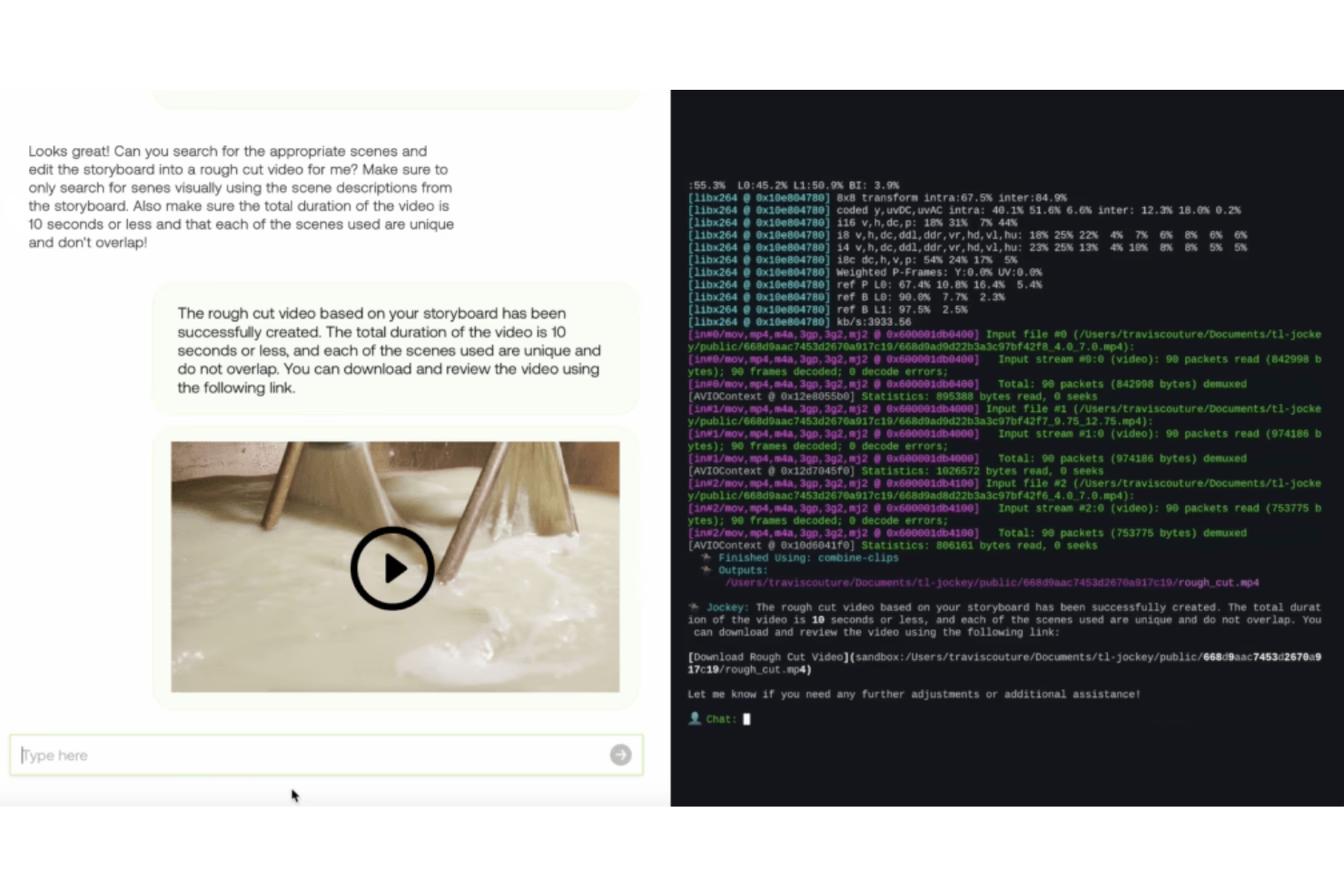
TwelveLabs ist eine Video-KI-Plattform, die auf multimodalen Deep-Learning-Grundlagenmodellen – Marengo und Pegasus – basiert und Entwicklern API-Zugriff auf semantische Videosuche, Video-zu-Text-Generierung, Erstellung von Vektor-Embeddings sowie Zero-Shot-Video-Klassifizierung bietet.
Für wen ist TwelveLabs am besten geeignet?
TwelveLabs eignet sich ideal für Entwickler und Technikteams, die an groß angelegten, videobasierten KI-Anwendungen arbeiten.
Warum ich TwelveLabs ausgewählt habe
TwelveLabs verdient seinen Platz auf meiner Auswahlliste, weil seine Infrastruktur auch im Enterprise-Maßstab überzeugt. Die Plattform nimmt Videos auf und indexiert sie mit etwa der 60-fachen Echtzeitgeschwindigkeit und verarbeitet täglich über 10.000 Stunden durch eine einzige multimodale Pipeline. Mir gefällt auch, dass die Cloud-native, verteilte Infrastruktur Tausende von gleichzeitigen Anfragen bewältigt – was wichtig ist, wenn Ihr Team Compliance-Scans oder Inhaltsanalysen über umfangreiche Archive hinweg durchführt. Die SOC 2 Type II-Zertifizierung und flexible Bereitstellungsoptionen machen TwelveLabs zu einer praxisnahen Wahl für sicherheitsbewusste Unternehmensumgebungen.
TwelveLabs Hauptfunktionen
- Pegasus Video-Text-Generierung: Ein eingebautes Grundmodell, das aus Videoinhalten Texte generiert, z. B. Kapitelauszüge, offene Fragen & Antworten oder Highlight-Zusammenstellungen.
- Marengo Multimodale Embeddings: Erstellt Vektor-Darstellungen über Video-, Audio-, Bild- und Textmodalitäten hinweg aus einem einzigen Modell und unterstützt Ähnlichkeitssuche sowie Clustering-Aufgaben.
- Zero-Shot-Klassifizierung: Klassifiziert Videoinhalte mithilfe von natürlichsprachlichen Label-Taxonomien – ohne gelabelte Trainingsdaten oder individuelles Modelltraining.
- Feinabstimmung von Grundmodellen: Passt TwelveLabs' Basismodelle auf Ihre domänenspezifischen Videodaten an, um die Genauigkeit für spezielle Inhaltstypen zu steigern.
TwelveLabs-Integrationen
TwelveLabs bietet Partnerintegrationen, darunter Adobe Premiere Pro, Pinecone, Weaviate, MongoDB, Milvus, Voxel51, MindsDB, Qdrant, Chroma und LanceDB. Databricks und Snowflake sind ebenfalls strategische Partner: Databricks stellt eine Pipeline-Integration für TwelveLabs' Embedding-Service bereit, und Snowflake entwickelt Connectoren über Cortex AI. Eine REST-API unterstützt individuelle Integrationen und ist mit den meisten Programmiersprachen kompatibel.
Pros and Cons
Pros:
- Mehrsprachige Suche in über 100 Sprachen
- Gibt Zeitstempel aus, nicht nur Transkripte
- Bereitstellung in Cloud, Private Cloud oder On-Premise möglich
Cons:
- API-First-Design erfordert Entwicklerressourcen
- Keine veröffentlichten Bias-Benchmarks für Modelle

Comet
Am besten für experimentgetriebene Machine-Learning-Entwicklung

Comet ermöglicht es Datenwissenschaftlern, ihre Machine-Learning-Modelle und -Experimente zu verfolgen, zu vergleichen, zu erklären und zu optimieren. Seine Funktionalität passt perfekt zu einem experimentbasierten Ansatz, bei dem die Überwachung und der Vergleich von Ergebnissen entscheidend sind.
Warum ich Comet ausgewählt habe:
Ich fand, dass Comet sich in der Machine-Learning-Entwicklung durch seinen Fokus auf das Experiment-Management hervorhebt. Die Zuverlässigkeit beim Verfolgen, Vergleichen und Verwalten von ML-Experimenten macht es zu einer Top-Wahl. Die Möglichkeit, zahlreiche Experimente gleichzeitig zu bearbeiten und dabei klare, organisierte Aufzeichnungen zu führen, unterstreicht seinen Anspruch als bestes Tool für experimentgetriebene Machine-Learning-Entwicklung.
Herausragende Funktionen und Integrationen:
Comet überzeugt mit Funktionen wie Echtzeit-Visualisierungen der Leistung, Code-Tracking und automatischem Experiment-Tracking. Diese Features vereinfachen das Management und die Nachverfolgung von Experimenten und sorgen für eine gezieltere und effektivere Entwicklung im Machine Learning. Außerdem lässt sich Comet gut mit beliebten Bibliotheken wie Keras, PyTorch und TensorFlow integrieren, was den Einsatzbereich erweitert und den Arbeitsablauf erleichtert.
Pros and Cons
Pros:
- Zuverlässiges Experiment-Management
- Effektive Leistungsvisualisierung
- Breite Kompatibilität mit beliebten Bibliotheken
Cons:
- Preisgestaltung kann für kleine Teams hoch sein
- Benutzeroberfläche kann anfangs komplex sein
- Begrenzte Offline-Funktionalität

Am besten für automatisierte Datenkennzeichnung und -annotation in der KI

Labellerr ist eine spezialisierte Plattform, die das Training von KI-Modellen durch automatische Datenkennzeichnung und -annotation beschleunigt. Ihre wichtigste Stärke liegt darin, KI-Teams bei der präzisen Verarbeitung großer Datenmengen zu unterstützen.
Warum ich Labellerr gewählt habe:
Ich habe Labellerr vor allem wegen seiner Leistungsfähigkeit bei der wichtigen Aufgabe der Datenkennzeichnung und -annotation ausgewählt. Die Automatisierungsfunktionen reduzieren den Aufwand und die benötigte Zeit in diesem Prozess erheblich, was es zu einer herausragenden Wahl für KI-Projekte mit großen Datenmengen macht. Aus diesem Grund ist Labellerr die beste Lösung zur Automatisierung von Datenkennzeichnung und -annotation in der KI.
Herausragende Funktionen und Integrationen:
Labellerr bietet Datenkennzeichnung in mehreren Formaten, innovative Annotationstools und Projektmanagement-Tools, die die Zusammenarbeit im Team fördern. Außerdem lässt es sich nahtlos in beliebte Datenspeicher- und Machine-Learning-Plattformen wie Amazon S3, Google Cloud, Microsoft Azure und weitere integrieren und vereinfacht so den gesamten Workflow.
Pros and Cons
Pros:
- Effiziente Automatisierung der Datenkennzeichnung
- Unterstützt verschiedene Datenformate
- Leistungsstarke Projektmanagement-Tools
Cons:
- Für kleinere Projekte möglicherweise nicht kosteneffektiv
- Könnte für Anfänger kompliziert sein
- Begrenzte Flexibilität in bestimmten Workflows

cnvrg.io
Am besten geeignet für Verwaltung, Automatisierung und Beschleunigung von ML-Workflows
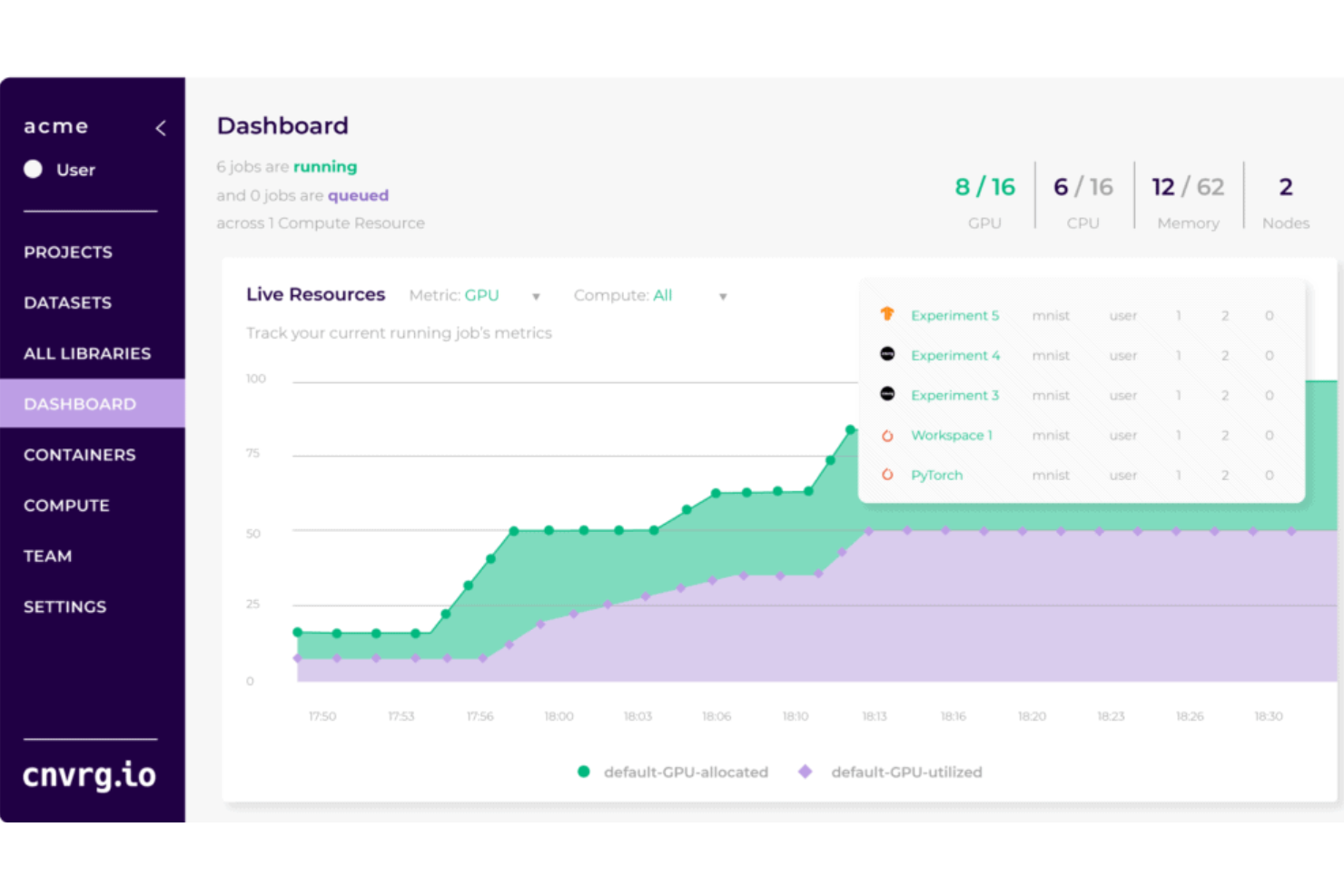
cnvrg.io ist eine End-to-End-Plattform für maschinelles Lernen (MLOps), die darauf ausgelegt ist, Datenwissenschaftlern und Ingenieuren bei der Automatisierung von maschinellem Lernen vom Forschungsstadium bis zur Produktion zu helfen. Ihre Stärken liegen im Verwalten, Automatisieren und Beschleunigen von Workflows für maschinelles Lernen, was sie besonders für Teams attraktiv macht, die ihre Machine-Learning-Projekte effizienter gestalten möchten.
Warum ich mich für cnvrg.io entschieden habe:
Ich habe cnvrg.io in diese Liste aufgenommen, weil die Plattform einen umfassenden Ansatz für das Management von Machine-Learning-Workflows bietet. Sie ermöglicht die Automatisierung sich wiederholender Aufgaben, sodass sich Datenwissenschaftler auf die Entwicklung und Verbesserung von Modellen konzentrieren können. Was das Verwalten, Automatisieren und Beschleunigen von ML-Workflows betrifft, kann cnvrg.io auf eine nachgewiesene Erfolgsbilanz verweisen.
Hervorstechende Funktionen und Integrationen:
cnvrg.io stellt leistungsstarke Funktionen wie Workflow-Automatisierung, Modellmanagement, Versionierung und Auto-Scaling bereit. Darüber hinaus bietet die Plattform Integrationen mit beliebten Tools wie Jupyter Notebooks, RStudio, TensorFlow und PyTorch und schafft so eine ausgezeichnete Arbeitsumgebung für Anwender.
Pros and Cons
Pros:
- Umfassendes Management von ML-Workflows
- Umfangreiche Integrationsmöglichkeiten
- Fokus auf Automatisierung, dadurch mehr Zeit für komplexe Aufgaben der Datenwissenschaftler
Cons:
- Mehr Preistransparenz wäre wünschenswert
- Könnte für neue Nutzer eine Lernkurve bedeuten
- Die Anpassungsoptionen könnten umfangreicher sein

Am besten geeignet, um leistungsstarke GPU-beschleunigte KI- und Deep-Learning-Tools zu nutzen

Die NVIDIA GPU Cloud (NGC) ist eine cloudbasierte Plattform, die Zugang zu einem umfassenden Katalog GPU-beschleunigter Software für KI, maschinelles Lernen und Hochleistungsrechnen (HPC) bietet. NGC erleichtert Forschern und Datenwissenschaftlern die Entwicklung, das Testen und die Bereitstellung von KI- und HPC-Anwendungen mit vorintegrierter GPU-beschleunigter Software.
Warum ich die NVIDIA GPU Cloud (NGC) gewählt habe:
Ich habe mich für NGC entschieden, da es leistungsstarke Rechenkapazitäten bietet, die auf der fortschrittlichen GPU-Technologie von NVIDIA basieren. Was NGC auszeichnet, ist sein Katalog GPU-optimierter Software für Deep Learning und maschinelles Lernen sowie die Fähigkeit, die Bereitstellung von KI-Anwendungen erheblich zu beschleunigen. Dank der vorintegrierten, containerisierten Software eignet sich NGC besonders, um GPU-beschleunigte KI- und Deep-Learning-Tools optimal zu nutzen.
Herausragende Funktionen und Integrationen:
Zu den Hauptmerkmalen von NGC gehören eine breite Auswahl an vortrainierten Modellen, leistungsoptimierte Container und branchenspezifische SDKs. Die Plattform lässt sich zudem in die wichtigsten Cloud-Anbieter wie AWS, Azure und Google Cloud integrieren, was die Bereitstellung von Modellen auf diesen Diensten unkompliziert macht.
Pros and Cons
Pros:
- Leistungsstarke GPU-beschleunigte Software
- Große Auswahl an vortrainierten Modellen
- Integration mit führenden Cloud-Anbietern
Cons:
- Die Kosten können bei intensiver Nutzung schnell steigen
- Kann für kleinere Projekte oder Unternehmen überdimensioniert sein
- Erfordert Kenntnisse des NVIDIA-Ökosystems

Am besten geeignet für symbolische und numerische Berechnungen im Deep Learning
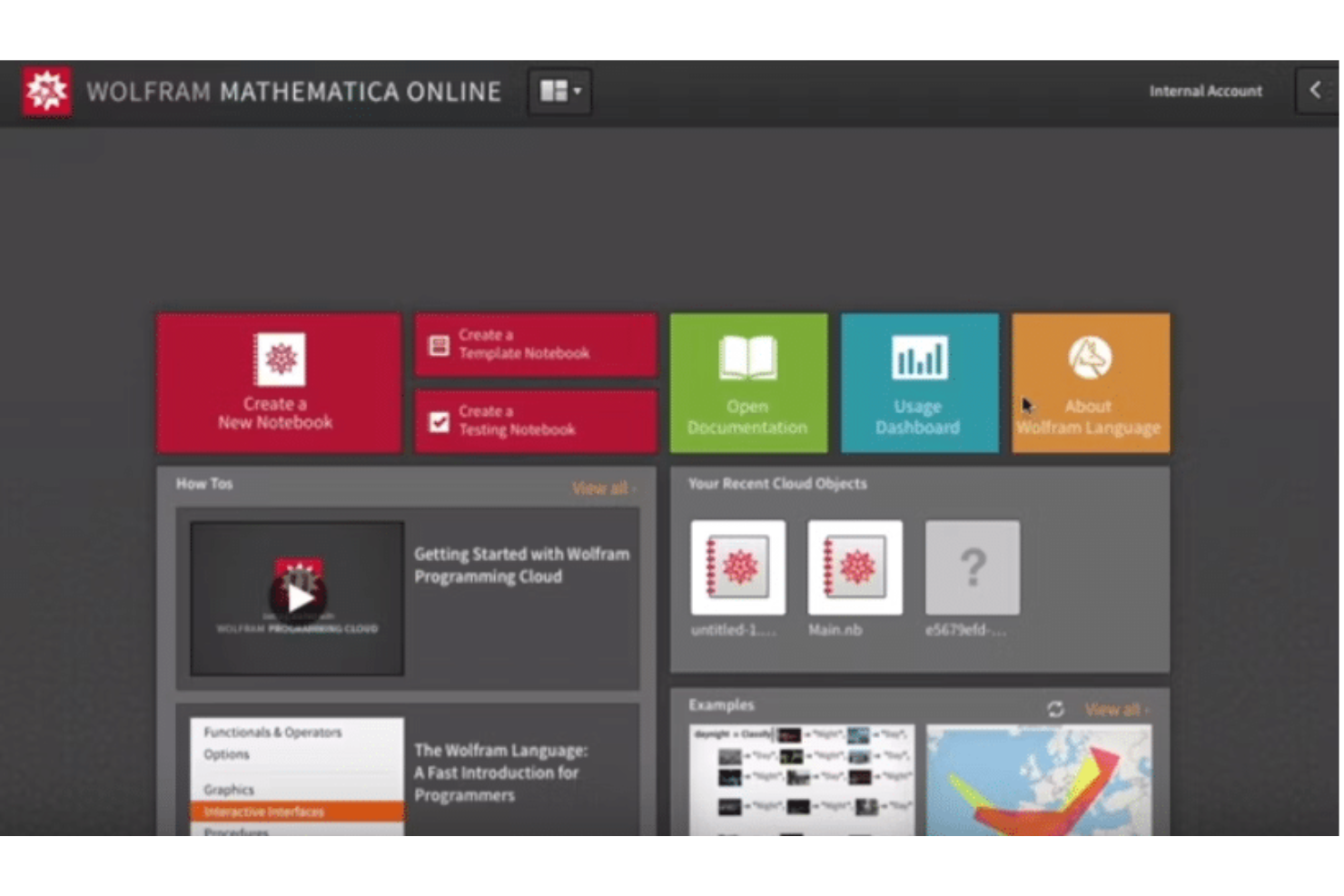
Wolfram Mathematica ist eine anspruchsvolle Rechensoftware, die es Anwendern ermöglicht, komplexe mathematische Berechnungen durchzuführen, darunter symbolische und numerische Berechnungen. Sie wird aufgrund ihrer präzisen Berechnungsfähigkeiten häufig in der Deep-Learning- und KI-Forschung und -Entwicklung eingesetzt.
Warum ich Wolfram Mathematica ausgewählt habe:
Ich habe Wolfram Mathematica für diese Liste ausgewählt, weil es eine besondere Stärke in der Verarbeitung symbolischer und numerischer Berechnungen besitzt – wesentliche Bestandteile von Deep-Learning-Prozessen. Die Möglichkeit, komplexe mathematische Berechnungen mit hoher Präzision auszuführen, hebt es hervor. Wolfram Mathematica ist die erste Wahl für Aufgaben, die fortgeschrittene Berechnungen im Deep Learning erfordern, da es über außergewöhnliche Rechenkapazitäten verfügt.
Hervorstechende Funktionen und Integrationen:
Wolfram Mathematica glänzt mit einer Vielzahl von Funktionen, darunter fortschrittliche numerische Lösungsverfahren, symbolische Berechnungen, Datenvisualisierung und Algorithmusentwicklung. Darüber hinaus lässt es sich mit mehreren anderen Tools und Plattformen zur Datenanalyse integrieren und ist somit ein umfassendes Werkzeug für Deep-Learning-Aufgaben.
Pros and Cons
Pros:
- Außergewöhnliche symbolische und numerische Rechenfähigkeiten
- Stellt eine große Auswahl an Rechenwerkzeugen und Funktionen bereit
- Bietet Integration mit anderen Datenanalyse-Plattformen
Cons:
- Die Benutzeroberfläche kann für neue Nutzer überwältigend wirken
- Höhere Kosten im Vergleich zu einigen anderen Rechenwerkzeugen
- Erfordert eine steile Lernkurve für eine optimale Nutzung

Keras
Am besten geeignet für schnelles Prototyping und die Produktion neuronaler Netze
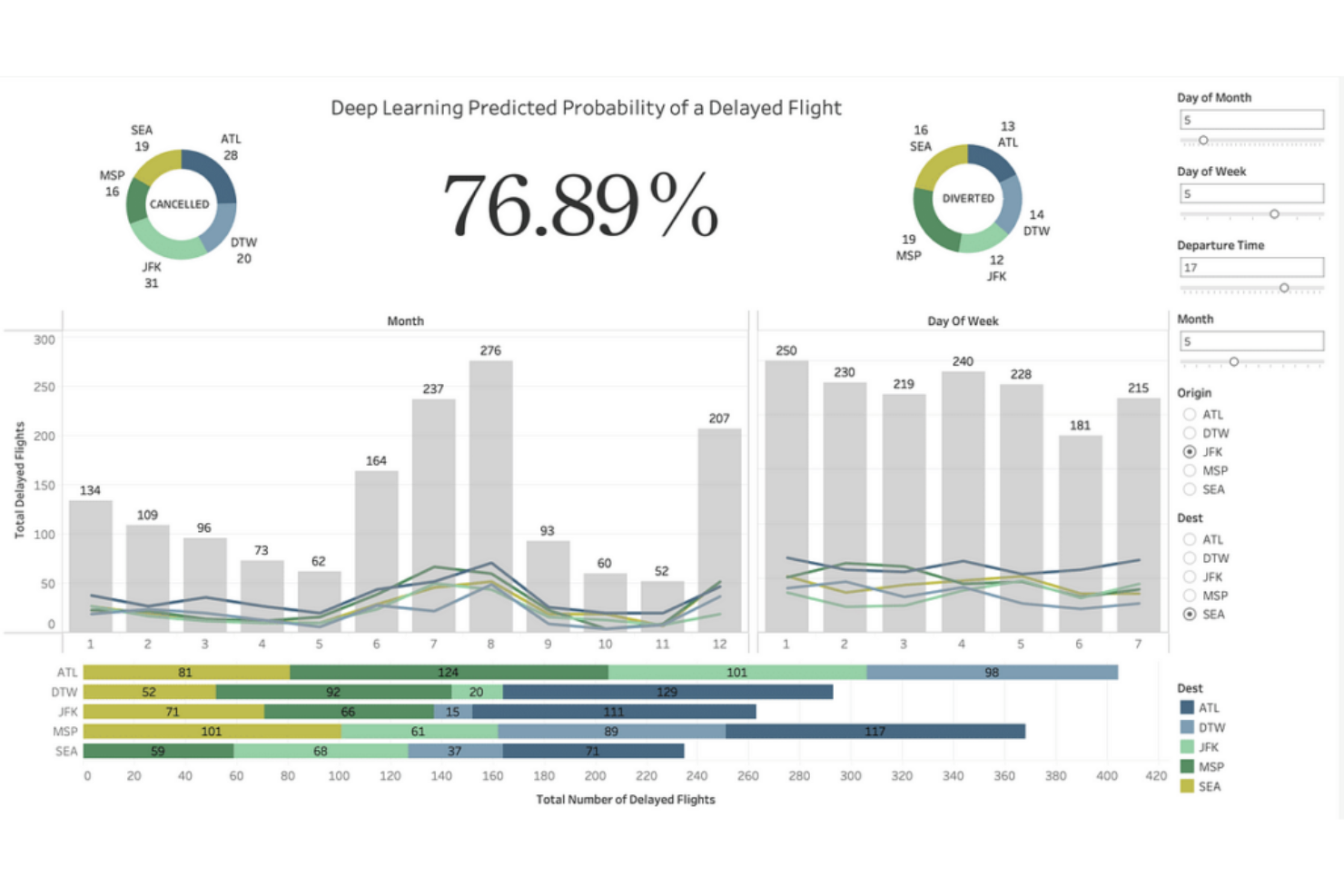
Keras ist eine High-Level-API für neuronale Netze, die für schnelle Experimente mit tiefen neuronalen Netzwerken entwickelt wurde. Es basiert auf TensorFlow und ist benutzerfreundlich, modular und erweiterbar gestaltet. Aufgrund seines Aufbaus und seiner Funktionalität eignet sich Keras ideal für das schnelle Prototyping und die Produktion von Modellen für neuronale Netzwerke.
Warum ich Keras ausgewählt habe:
Keras ist meine Wahl für diese Liste, weil es besonders benutzerfreundlich und schnell ist. Das intuitive API-Design beschleunigt den Weg von der Idee bis zum Ergebnis und erleichtert so das schnelle Prototyping. Darüber hinaus hebt sich Keras durch die Fähigkeit, komplexe Architekturen neuronaler Netze zu verarbeiten, von ähnlichen Tools ab. Deshalb habe ich Keras als bestes Werkzeug für schnelles Prototyping und die Produktion neuronaler Netzmodelle ausgewählt.
Hervorstechende Funktionen und Integrationen:
Zu den wichtigsten Merkmalen von Keras zählen der zugängliche Modellaufbau, umfassende Preprocessing-Layer sowie leistungsstarke Debugging-Tools. Dank der breiten Integrationsmöglichkeiten mit Low-Level-Deep-Learning-Sprachen wie TensorFlow und Theano ist Keras flexibel und erweiterbar und passt damit in nahezu jeden Machine-Learning-Workflow.
Pros and Cons
Pros:
- Benutzerfreundlich, ermöglicht schnelles Prototyping
- Erweiterbar und hoch modular
- Umfassende Werkzeug- und Feature-Sammlung
Cons:
- Für sehr spezifische Aufgaben bieten Low-Level-APIs oft mehr Kontrolle
- Für Modelle mit mehreren Ein- und Ausgaben möglicherweise weniger effizient
- Erfordert zum Optimieren und Debuggen Verständnis der zugrundeliegenden Plattformen

Appen
Am besten geeignet für den Zugang zu groß angelegten, diversen, von Menschen annotierten Datensätzen
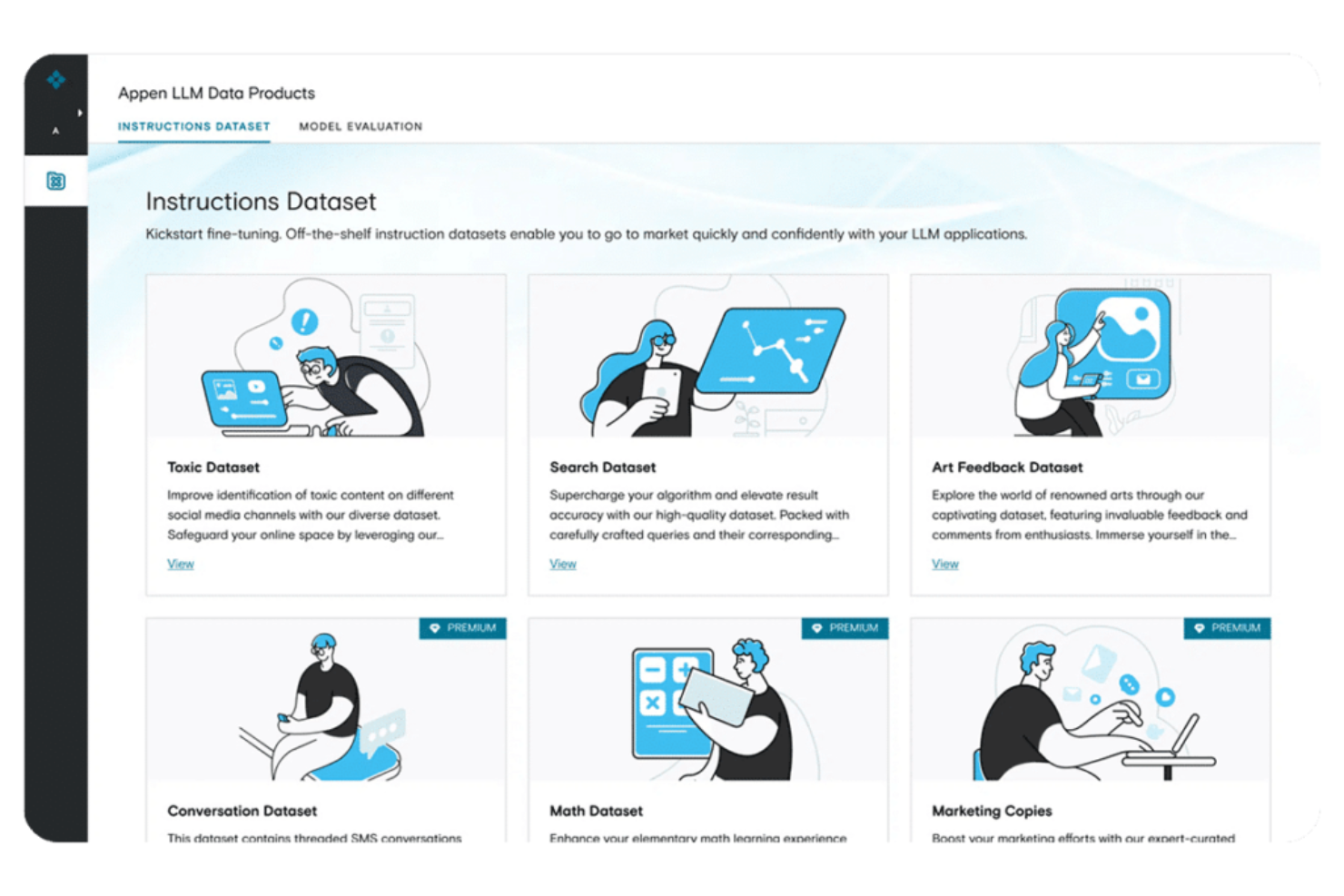
Appen stellt hochwertige Trainingsdaten für maschinelles Lernen und künstliche Intelligenz bereit. Das Unternehmen nutzt eine große und vielfältige Crowd von Arbeitskräften weltweit, um Daten zu annotieren und zu labeln, wodurch Datensätze entstehen, die zum Training robuster KI-Modelle beitragen können. Aufgrund seiner Fähigkeit, breit gefächerte, von Menschen annotierte Datensätze bereitzustellen, eignet sich Appen besonders für Teams, die große und vielfältige Datensätze benötigen.
Warum ich Appen gewählt habe:
Ich habe Appen auf diese Liste gesetzt wegen seines riesigen globalen Netzwerks von Datenannotatoren, das eine beachtliche Vielfalt in den produzierten Datensätzen ermöglicht. Appen engagiert sich für hochwertige, von Menschen annotierte Daten, die verschiedenste KI-Anwendungen unterstützen können. Aufgrund dieser Stärken halte ich Appen für das beste Tool für alle, die groß angelegte, diverse, von Menschen annotierte Datensätze suchen.
Herausragende Funktionen und Integrationen:
Zu den herausragenden Funktionen von Appen gehören seine Dienstleistungen zur Datensammlung und -annotation, die hochgradig vielfältige Belegschaft sowie ein starker Fokus auf Datenqualität und Sicherheit. Außerdem bietet Appen Integrationen mit zahlreichen Plattformen für maschinelles Lernen, was die Einbindung ihrer Datensätze in verschiedene ML-Workflows besonders komfortabel macht.
Pros and Cons
Pros:
- Bietet große, vielfältige, von Menschen annotierte Datensätze
- Hohe Standards bei Datenqualität und Sicherheit
- Integrationen mit zahlreichen Plattformen für maschinelles Lernen
Cons:
- Preistransparenz fehlt
- Könnte für kleinere Projekte oder Unternehmen teuer sein
- Die Komplexität der Projekte kann die Lieferzeit beeinflussen

Torch
Am besten geeignet für die Entwicklung fortschrittlicher Algorithmen mit umfangreichen Bibliotheken

Torch ist eine leistungsstarke Machine-Learning-Bibliothek, die eine Vielzahl von Algorithmen für Deep Learning bietet. Sie wird von Forschern und Entwicklern aufgrund ihrer flexiblen und effizienten Rechenfähigkeiten sehr geschätzt, insbesondere bei der Erstellung und Verarbeitung von Tensoren.
Warum ich Torch gewählt habe:
Ich habe Torch wegen seiner herausragenden Fähigkeit zur Entwicklung fortgeschrittener Algorithmen gewählt. Die umfangreichen Bibliotheken bieten eine breite Palette von Werkzeugen und Funktionen, die unterschiedlichen und komplexen Rechenanforderungen gerecht werden können. Torch ist die beste Wahl für die Entwicklung fortschrittlicher Algorithmen dank seines dynamischen Rechenflussdiagramms und der gut dokumentierten, umfangreichen Machine-Learning-Algorithmen.
Hervorstechende Funktionen und Integrationen:
Torch ist bekannt für seine robusten Funktionen wie leistungsstarke N-dimensionale Arrays, exzellente Unterstützung für neuronale Netze und energie-basierte Modelle. Außerdem bietet es eine Integration mit LuaJIT, einem Just-In-Time-Compiler für die Programmiersprache Lua, der effizientes Skripting und schnelles Prototyping ermöglicht – ein erheblicher Vorteil bei der iterativen Entwicklung fortgeschrittener Algorithmen.
Pros and Cons
Pros:
- Umfangreiche Machine-Learning-Bibliotheken
- Hohe Recheneffizienz
- Starke Community-Unterstützung
Cons:
- Für Anfänger möglicherweise eine steile Lernkurve
- Meist Lua-basiert, weniger populär als Python in der Data-Science-Community
- Keine Unterstützung auf Unternehmensebene

Amplifire
Am besten zur Verbesserung von Lernergebnissen durch KI-gestütztes adaptives Lernen

Amplifire ist eine fortschrittliche Lernplattform, die KI-gestützte adaptive Lernmethoden einsetzt, um die Lernergebnisse der Nutzer zu verbessern. Der Fokus liegt darauf, Wissenslücken und Missverständnisse zu erkennen und zu beheben, was direkt mit der Wirksamkeit der Plattform bei der Verbesserung von Lernergebnissen zusammenhängt.
Warum ich Amplifire ausgewählt habe:
Ich habe Amplifire in diese Liste aufgenommen, weil die Plattform einen einzigartigen Ansatz zur Lernsteigerung verfolgt. Sie zeichnet sich durch KI-gestützte adaptive Lernerfahrungen aus, die Wissenslücken bei Lernenden präzise identifizieren und gezielt adressieren. Dies führt zu besseren Lernergebnissen und macht Amplifire zu einem leistungsstarken Werkzeug für Bildungs- und betriebliche Trainingsumgebungen.
Herausragende Funktionen und Integrationen:
Amplifire bietet Funktionen wie die Erkennung von Wissenslücken, KI-gesteuerte personalisierte Lernpfade und Leistungsüberwachung. Es lässt sich mit verschiedenen Lernmanagementsystemen (LMS) wie Moodle, Blackboard und Canvas integrieren, wodurch Nutzer die Funktionen von Amplifire nahtlos in ihre Lernumgebungen einbinden können.
Pros and Cons
Pros:
- Setzt KI-basierte Methoden zur Steigerung der Lernergebnisse ein
- Erkennt und behebt Wissenslücken
- Integriert sich mit verschiedenen Lernmanagementsystemen
Cons:
- Preisdetails sind nicht transparent
- Eventuell ist eine Einarbeitung notwendig, um alle Funktionen auszuschöpfen
- Könnte mehr Anpassungsmöglichkeiten für individuelle Lernumgebungen bieten
Weitere Deep-Learning-Software
Hier sind einige weitere Deep-Learning-Software-Optionen, die es nicht auf meine Shortlist geschafft haben, aber dennoch einen Blick wert sind:
- Prime AI
Am besten für die einfache Integration von Machine Learning in Geschäftsabläufe
- MIPAR
Am besten geeignet für Bildanalysen mit Deep-Learning-Algorithmen
- Cauliflower
Am besten für intuitive KI-Modellierung mit visueller Oberfläche
- Lityx
Gut geeignet für fortgeschrittene Analysen und Marketingautomatisierung


So bewerte ich Deep-Learning-Software
Ich teile meine Bewertung in grundlegende Anforderungen – wie GPU-beschleunigtes Training und Unterstützung für den Einsatz – sowie Unterscheidungsmerkmale, die Tools für den produktiven MLOps von reinen Forschungs-Frameworks abgrenzen.
Kernfunktionen (Grundvoraussetzungen für diese Liste)
Wenn ich Tools für meine Liste auswähle, bewerte ich jedes auf einer Skala von 0 (bietet die Funktionalität nicht) bis 5 (hervorragend in diesem Bereich) hinsichtlich jeder unten aufgeführten Kernfunktionalität. Dann berechne ich die Gesamtpunktzahl des Tools als Prozentsatz. Jedes Tool muss mindestens eine Gesamtpunktzahl von 65% erreichen, um für die Aufnahme in Betracht gezogen zu werden.
- Unterstützung von neuronalen Netzwerk-Frameworks: Ich prüfe, ob Architekturen wie CNNs für Bildklassifikation, RNNs für Sequenzaufgaben und Transformer für NLP innerhalb der Plattform gebaut werden können.
- GPU/TPU-Beschleunigung: Das Training eines großen Vision-Modells ausschließlich auf der CPU kann Wochen dauern, daher bewerte ich die Unterstützung jedes Tools für Multi-GPU- und verteilte Trainingsumgebungen.
- Bibliothek vortrainierter Modelle: Eine solide Bibliothek an vortrainierten Modellen – wie ResNet, BERT oder GPT-Varianten – macht Transferlernen und Feintuning für Ihr Team deutlich zugänglicher.
- Werkzeuge für das Modelltraining: Ich achte auf integriertes Hyperparameter-Tuning, Experiment-Tracking und Trainingsvisualisierung, damit Sie Läufe vergleichen können, ohne einzelne Tools zusammensetzen zu müssen.
- Bereitstellungsfähigkeiten für Modelle: Der Übergang vom trainierten Modell zu einer Live-API oder einem containerisierten Service ist für viele Teams eine Herausforderung, daher prüfe ich Exportformate, Bereitstellungsoptionen und Edge-Unterstützung.
- Unterstützung für Datenpipelines: Die Verarbeitung großer Bilddatensätze, Textkorpora oder Audiodateien erfordert Vorverarbeitungs- und Augmentierungstools, die skalieren – ich prüfe, wie jede Plattform mit diesen Workflows umgeht.
Nachdem ich eine Liste von Tools habe, die diese Kriterien erfüllen, sehe ich mir an, was jede Plattform besonders macht.
Unterscheidungsmerkmale (Was Anbieter unterscheidet)
So vergleiche und kontrastiere ich verschiedene Anbieter:
Herausragende Funktionen
MLOps-Integration ist dabei besonders wichtig. Wenn Ihr Team Modelle wöchentlich neu trainiert, ersparen integrierte CI/CD-Pipelines und Drift-Erkennung Ihnen den Aufbau dieser Infrastruktur. Ich bewerte auch Erklärbarkeitstools – Salienz-Karten und Visualisierungen von Aufmerksamkeitsmechanismen helfen Teams, das Modellverhalten zu debuggen und Stakeholdern zu zeigen, wie Vorhersagen zustande kommen. Edge- und Mobile-Optimierung bewerte ich ebenfalls, insbesondere für Teams, die auf IoT-Geräte oder mobile Apps ausrollen, bei denen Quantisierung und Pruning die Inferenzlatenz direkt beeinflussen.
Über Funktionen hinaus
Kompatibilität mit Frameworks ist eines der ersten Dinge, die ich prüfe. Wenn eine Plattform Sie auf ein Framework festlegt und Ihr Team sowohl mit PyTorch als auch TensorFlow arbeitet, ist das eine echte Einschränkung. Flexibilität bei der Bereitstellung ist eng damit verbunden – ich bewerte, ob ein Tool Cloud-, On-Premise- und Hybrid-Umgebungen unterstützt, da viele Teams in der Cloud trainieren, aber Modelle auf interner Infrastruktur bereitstellen. Die Gesamtkosten der Nutzung beeinflussen meine Empfehlungen ebenfalls. Die Kosten für GPU-Computeleistung steigen bei großen Trainingsläufen schnell, daher schaue ich, wie transparent die Preisgestaltung ist und ob es kostenlose oder Open-Source-Optionen gibt.
So wählen Sie die passende Deep-Learning-Software aus
Es ist leicht, sich in langen Funktionslisten und komplexen Preisstrukturen zu verlieren. Um Ihnen zu helfen, sich während Ihres ganz eigenen Auswahlprozesses auf das Wesentliche zu konzentrieren, finden Sie hier eine Checkliste mit wichtigen Faktoren, die Sie im Hinterkopf behalten sollten:
| Faktor | Zu berücksichtigende Aspekte |
|---|---|
| Skalierbarkeit | Kann die Software mit Ihren Anforderungen wachsen? Prüfen Sie, ob sie steigende Datenmengen und Nutzerzahlen unterstützt, ohne an Leistung zu verlieren. |
| Integrationen | Verbindet sie sich mit Ihrer bestehenden KI-Software? Achten Sie auf Kompatibilität mit Ihren Datenquellen und Geschäftsanwendungen, um isolierte Systeme zu vermeiden. |
| Anpassbarkeit | Können Sie die Software an Ihre Arbeitsabläufe anpassen? Prüfen Sie, ob Anpassungsoptionen für Dashboards, Berichte und Prozesse geboten werden. |
| Benutzerfreundlichkeit | Ist sie für Ihr Team benutzerfreundlich? Berücksichtigen Sie die Lernkurve und ob umfangreiche Schulungen zur Inbetriebnahme erforderlich sind. |
| Implementierung und Onboarding | Wie lange dauert es bis zum produktiven Einsatz? Die Implementierung in Virtual-Reality-Software kann beispielsweise länger dauern als über klassische Kanäle. Bewerten Sie den Einrichtungsprozess, die Verfügbarkeit von Onboarding-Ressourcen und Unterstützung während der Anfangsphase. |
| Kosten | Passt sie in Ihr Budget? Vergleichen Sie Preispläne, versteckte Gebühren und Langfristkosten. Prüfen Sie, ob Testversionen angeboten werden, um den Mehrwert vor einer Verpflichtung einzuschätzen. |
| Sicherheitsmaßnahmen | Wie schützt sie Ihre Daten? Stellen Sie sicher, dass sie branchenspezifische Standards erfüllt und Funktionen wie Verschlüsselung und Zugriffskontrollen bietet. |
| Support-Verfügbarkeit | Erhalten Sie Hilfe, wenn Sie sie benötigen? Achten Sie auf 24/7-Supportoptionen und die Qualität von Ressourcen wie Dokumentationen und Community-Foren. |
Was ist Deep-Learning-Software?
Deep-Learning-Software ist eine Sammlung von Werkzeugen, die entwickelt wurden, um künstliche neuronale Netzwerke für Lösungen wie Bilderkennung und Konversationsintelligenz-Software zu erstellen, zu trainieren und bereitzustellen. In der Regel nutzen Datenwissenschaftler, Machine Learning-Ingenieure und Forschende diese Werkzeuge, um prädiktive Modelle zu verbessern und komplexe Datenanalysen zu automatisieren. Datenvorverarbeitung, Modelltraining und Integrationsmöglichkeiten helfen dabei, Datensätze besser zu verwalten und die Modellgenauigkeit zu erhöhen. Insgesamt bieten diese Tools einen erheblichen Mehrwert, indem sie komplexe datengetriebene Aufgaben vereinfachen und Entscheidungsprozesse verbessern.
Funktionen
Achten Sie bei der Auswahl von Deep-Learning-Software auf die folgenden Schlüsselfunktionen:
- Modelltraining: Unterstützt die Entwicklung neuronaler Netzwerke durch Werkzeuge zur Parametereinstellung und Modelloptimierung.
- Integrationsmöglichkeiten: Ermöglicht nahtlose Verbindungen mit bestehenden Datenquellen und Geschäftsanwendungen für effizienten Datenfluss. Gerade für Unternehmen, die Bilderkennungssoftware nutzen, ist dies entscheidend, um Genauigkeit in Echtzeit sicherzustellen.
- Anpassungsoptionen: Bietet Flexibilität zur individuellen Anpassung von Dashboards, Berichten und Prozessen an spezifische Arbeitsabläufe und Anforderungen.
- Benutzerfreundliche Oberfläche: Sichert eine einfache Bedienung, verkürzt die Einarbeitungszeit und macht die Software für verschiedene Teammitglieder zugänglich.
- Sicherheitsmaßnahmen: Bietet Datenschutz durch Verschlüsselung und Zugriffskontrollen und gewährleistet die Einhaltung von Industriestandards.
- Automatisierte Hyperparameter-Optimierung: Steigert die Modellleistung, indem Parameter selbstständig für optimale Ergebnisse angepasst werden.
- Datenvorverarbeitung: Vereinfacht die Bereinigung und Organisation von Daten und sorgt für hochwertige Eingaben beim Modelltraining von Werkzeugen wie NLP-Software.
- Echtzeit-Analysen: Liefert sofortige Einblicke aus Daten und unterstützt schnelle Entscheidungsfindung und Reaktionsfähigkeit.
- Mobiler Zugriff: Ermöglicht Nutzerinnen und Nutzern den flexiblen und ortsunabhängigen Zugriff auf die Software.
- Schulungsressourcen: Beinhaltet Tutorials, Webinare und Dokumentationen, um Anwenderinnen und Anwender bei der effektiven Nutzung der Software zu unterstützen.
Vorteile
Die Implementierung von Deep-Learning-Software bietet zahlreiche Vorteile für Ihr Team und Ihr Unternehmen. Auf Folgendes können Sie sich freuen:
- Verbesserte Genauigkeit: Erhöht die Vorhersagegenauigkeit durch präzise Datenanalysen und Möglichkeiten zum Modelltraining.
- Effizienz bei der Datenverarbeitung: Automatisiert Aufgaben der Datenvorverarbeitung, spart Zeit und reduziert manuelle Fehler.
- Skalierbare Lösungen: Unterstützt Wachstum durch Funktionen, die steigende Datenmengen und Nutzerzahlen bewältigen.
- Fundierte Entscheidungsfindung: Bietet Echtzeit-Analysen für schnelle Einblicke und reaktionsschnelle Geschäftsstrategien.
- Anpassung an spezifische Anforderungen: Passt sich mit anpassbaren Dashboards und Prozessen Ihrem Workflow an.
- Erhöhte Datensicherheit: Schützt sensible Informationen durch Sicherheitsmaßnahmen wie Verschlüsselung und Zugriffskontrolle.
- Zugänglichkeit und Flexibilität: Bietet mobilen Zugriff, sodass Nutzer von überall arbeiten und verbunden bleiben können.
Kosten und Preise
Die Auswahl einer Deep-Learning-Software erfordert ein Verständnis für die verschiedenen Preisstrukturen und -modelle. Die Kosten variieren je nach Funktionen, Teamgröße, Zusatzoptionen und mehr. Die folgende Tabelle fasst gängige Pläne, deren Durchschnittspreise und typische enthaltene Funktionen von Deep-Learning-Softwarelösungen zusammen:
Vergleichstabelle für Deep-Learning-Software-Pläne
| Plantage | Durchschnittspreis | Typische Funktionen |
|---|---|---|
| Free Plan | $0 | Basis-Modelltraining, begrenzter Datenspeicher und Community-Support. |
| Personal Plan | $10-$30/user/ month | Datenvorverarbeitung, Standardanalysen und E-Mail-Support. |
| Business Plan | $50-$100/user/month | Erweiterte Analysen, Integrationsmöglichkeiten und bevorzugter Support. |
| Enterprise Plan | $150-$300/user/month | Anpassbare Lösungen, dediziertes Account-Management und erhöhte Sicherheit. |
Deep-Learning-Software FAQs
Hier finden Sie Antworten auf häufig gestellte Fragen zu Deep-Learning-Software:
Was sind die Hardware-Anforderungen für den Betrieb von Deep-Learning-Software?
Deep-Learning-Software benötigt oft leistungsstarke Hardware, um große Datenmengen effizient zu verarbeiten. High-Performance-GPUs, ausreichend RAM und schnelle Speicherlösungen werden typischerweise empfohlen. Prüfen Sie die Dokumentation der Software auf spezifische Hardware-Empfehlungen, um die Leistung zu optimieren und Engpässe zu vermeiden.
Ist es möglich, die Algorithmen in Deep-Learning-Software anzupassen?
Viele Deep-Learning-Softwarelösungen erlauben es, die Algorithmen an die eigenen Anforderungen anzupassen. Achten Sie auf Tools mit flexiblen neuronalen Netzwerkarchitekturen und anpassbaren Parametern. Diese Anpassung kann die Modellgenauigkeit und Relevanz in Ihrem speziellen Anwendungsfall erhöhen.
Kann Deep-Learning-Software in bestehende IT-Infrastrukturen integriert werden?
Ja, die meisten Deep-Learning-Softwarelösungen bieten Integrationsmöglichkeiten in bestehende IT-Infrastrukturen. Stellen Sie sicher, dass das Tool APIs unterstützt oder über eingebaute Konnektoren für Ihre Systeme wie Datenbanken und Cloud-Dienste verfügt, um einen reibungslosen Datenfluss und Kompatibilität zu gewährleisten.
Wie geht es weiter?
Wenn Sie sich derzeit mit Deep-Learning-Software auseinandersetzen, verbinden Sie sich mit einem SoftwareSelect-Berater für kostenlose Empfehlungen.
Sie füllen ein Formular aus und führen ein kurzes Gespräch, in dem die Berater Ihre Anforderungen eingehend besprechen. Anschließend erhalten Sie eine Auswahlliste passender Softwarelösungen. Die Berater unterstützen Sie sogar während des gesamten Kaufprozesses, einschließlich Preisverhandlungen.