

10 beste IaaS-Anbieter im Jahr 2026

Auswahl der besten IaaS-Anbieter


IaaS-Anbieter ermöglichen es Ihnen, Ihre Infrastruktur zu skalieren, Cloud-Anwendungen zu verwalten und bereitzustellen sowie sich auf Ihre Kernkompetenzen zu konzentrieren. Wenn Sie die verfügbaren Optionen verstehen, können Sie fundierte Entscheidungen über Ihre Anforderungen an die Cloud-Computing-Infrastruktur treffen. In diesem Artikel bespreche ich die Funktionen und Vorteile verschiedener IaaS-Anbieter.
Was ist ein Anbieter für Infrastruktur als Dienst (IaaS)?
Infrastruktur als Dienst (IaaS) ist ein Cloud-Computing-Dienst, der Unternehmen bedarfsgerechten Zugriff auf Rechenressourcen wie Server, Speicher und Netzwerke bietet.
IaaS-Anbieter übernehmen die gesamte erforderliche Hardware- und Softwareverwaltung, sodass Sie sich darauf konzentrieren können, Ihr Unternehmen reibungslos zu führen. Mit ihrer Hilfe können Sie wettbewerbsfähig bleiben und Ihr Unternehmen weiterentwickeln, ohne sich um die zugrunde liegende Infrastruktur sorgen zu müssen.
IaaS ist ein unverzichtbarer Dienst für Unternehmen, die ihre Geschäftstätigkeit ausweiten möchten, ohne in teure Hardware und Software zu investieren.
Warum Sie unseren Software-Empfehlungen vertrauen können
Unser Team testet und bewertet Software seit 2012. Als Tech-Führungskräfte wissen wir selbst, wie schwierig – und wichtig – es ist, die richtige Software auszuwählen.
Für diesen Leitfaden haben wir Tools mithilfe von praktischen Tests und unabhängiger Recherche bewertet und dabei unsere Bewertungskriterien angewendet.
Unsere Bewertungen spiegeln unser menschliches redaktionelles Urteilsvermögen wider, keine Verkaufsstrategie.
Zusammenfassung der besten IaaS-Anbieter
| Service | Best For | Trial Info | Price | ||
|---|---|---|---|---|---|
| 1 | Am besten für Einfachheit und Benutzerfreundlichkeit | Kostenloser Tarif verfügbar | Ab $0.15/M Tokens | Website | |
| 2 | Am besten für Big-Data-Analyse geeignet | Kostenloser Tarif verfügbar | Pay-as-you-go-Modell. | Website | |
| 3 | Am besten für die Bereitstellung virtueller Maschinen geeignet | Kostenloser Tarif verfügbar | Ab $4.95/Monat | Website | |
| 4 | Bestes Angebot an cloudbasierten Services | Kostenloser Plan verfügbar + 30-tägige kostenlose Testphase | Preise auf Anfrage | Website | |
| 5 | Am besten geeignet für Flexibilität und Skalierbarkeit | Kostenlose Beratung verfügbar | Preise auf Anfrage | Website | |
| 6 | Am besten für Zuverlässigkeit und Skalierbarkeit | Kostenloser Plan verfügbar | Preise auf Anfrage | Website | |
| 7 | Am besten geeignet für Verfügbarkeitsüberwachung | Kostenloser Tarif + kostenlose Testphase verfügbar | Preise auf Anfrage | Website | |
| 8 | Am besten für die Skalierung von Geschäftsressourcen | Not available | Ab $2.50/Monat | Website | |
| 9 | Beste Wahl für Datenbankmanagement | 30-tägige kostenlose Testversion + kostenlose Demo verfügbar | Preise auf Anfrage | Website | |
| 10 | Am besten für Datenspeicherung und Datenmanagement | 30-tägige kostenlose Testphase + kostenloser Tarif verfügbar | Ab $19.99/Monat | Website |
Bewertungen der besten IaaS-Anbieter
Nach einer umfassenden Bewertung mehrerer IaaS-Anbieter habe ich ihre besonderen Merkmale wie Zuverlässigkeit, Skalierbarkeit, Sicherheit, Preismodelle und Integrationsmöglichkeiten sorgfältig analysiert, um diese Liste der besten IaaS-Anbieter zusammenzustellen.

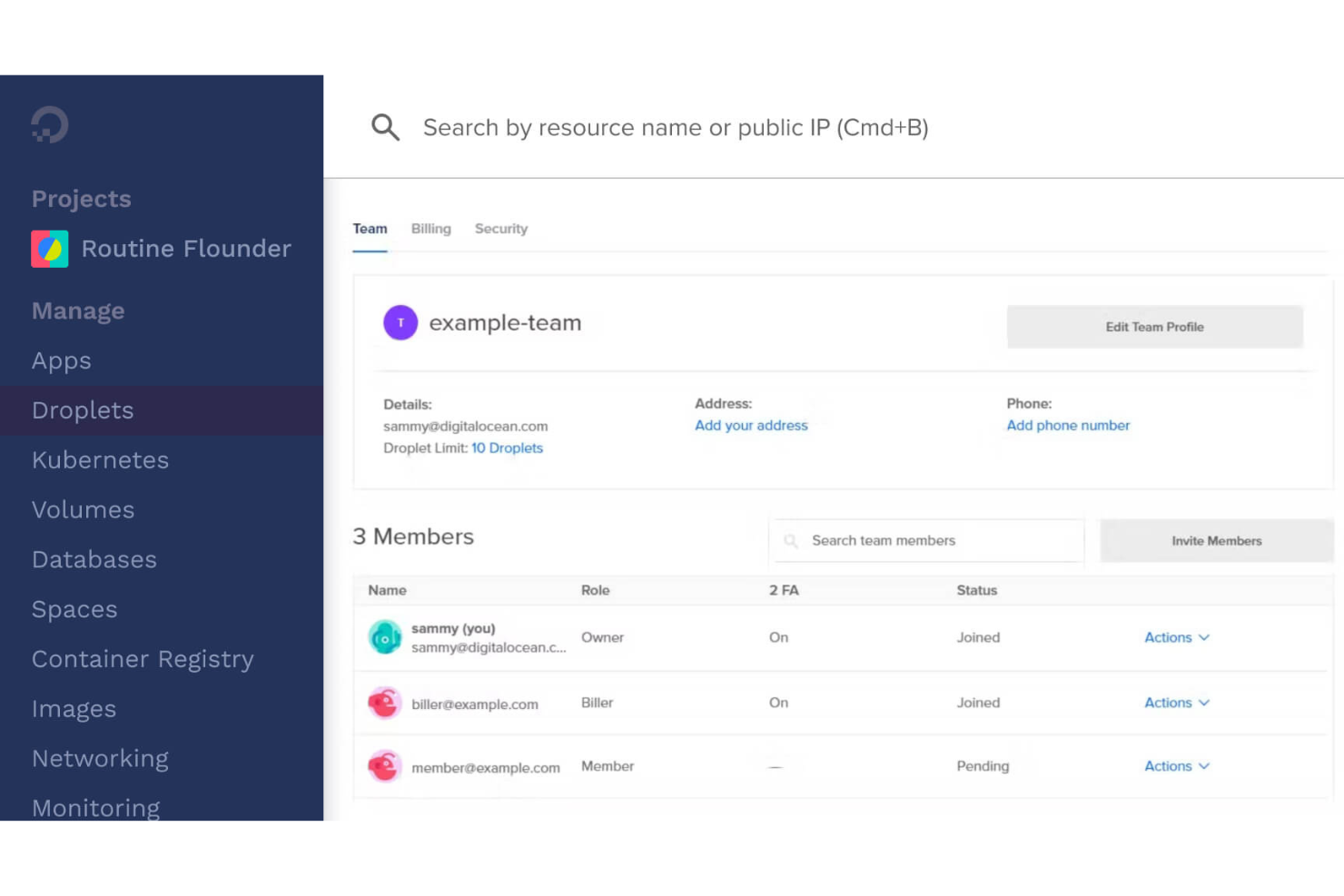
DigitalOcean ist ein Cloud-Infrastruktur-Anbieter, der sich auf Einfachheit und entwicklerfreundliche Funktionen konzentriert. Er bietet skalierbare virtuelle Maschinen (Droplets), verwaltetes Kubernetes und weitere Services, die sich besonders für Entwickler sowie kleine und mittlere Unternehmen eignen.
Warum ich DigitalOcean ausgewählt habe: Was Einfachheit und Benutzerfreundlichkeit angeht, war DigitalOcean für mich die klare Wahl. Die benutzerfreundliche Oberfläche und der einfache Einrichtungsprozess ermöglichten es mir, virtuelle Maschinen und Anwendungen schnell zu bereitstellen und zu verwalten – auch ohne umfangreiche technische Vorkenntnisse.
Herausragende Funktionen und Integrationen von DigitalOcean:
Herausragende Funktionen, die mir gefallen, sind eine skalierbare Infrastruktur mit vorkonfigurierten Applikationsvorlagen, mit denen Entwickler beliebte Software-Stacks, Datenbanken und Entwicklungsframeworks mit nur wenigen Klicks bereitstellen können.
Integrationen umfassen Anbindungen an verschiedene Entwickler-Tools und Frameworks, wie etwa beliebte Content-Management-Systeme (CMS), Datenbanken und CI/CD-Plattformen über Zapier.
Pros and Cons
Pros:
- Benutzerfreundliche Oberfläche
- Schnelle und einfache Bereitstellung
- Ausgezeichnete Entwickler-Community und Tutorials
Cons:
- Begrenzte Dienste im Vergleich zu größeren Anbietern
- Weniger erweiterte Enterprise-Funktionen

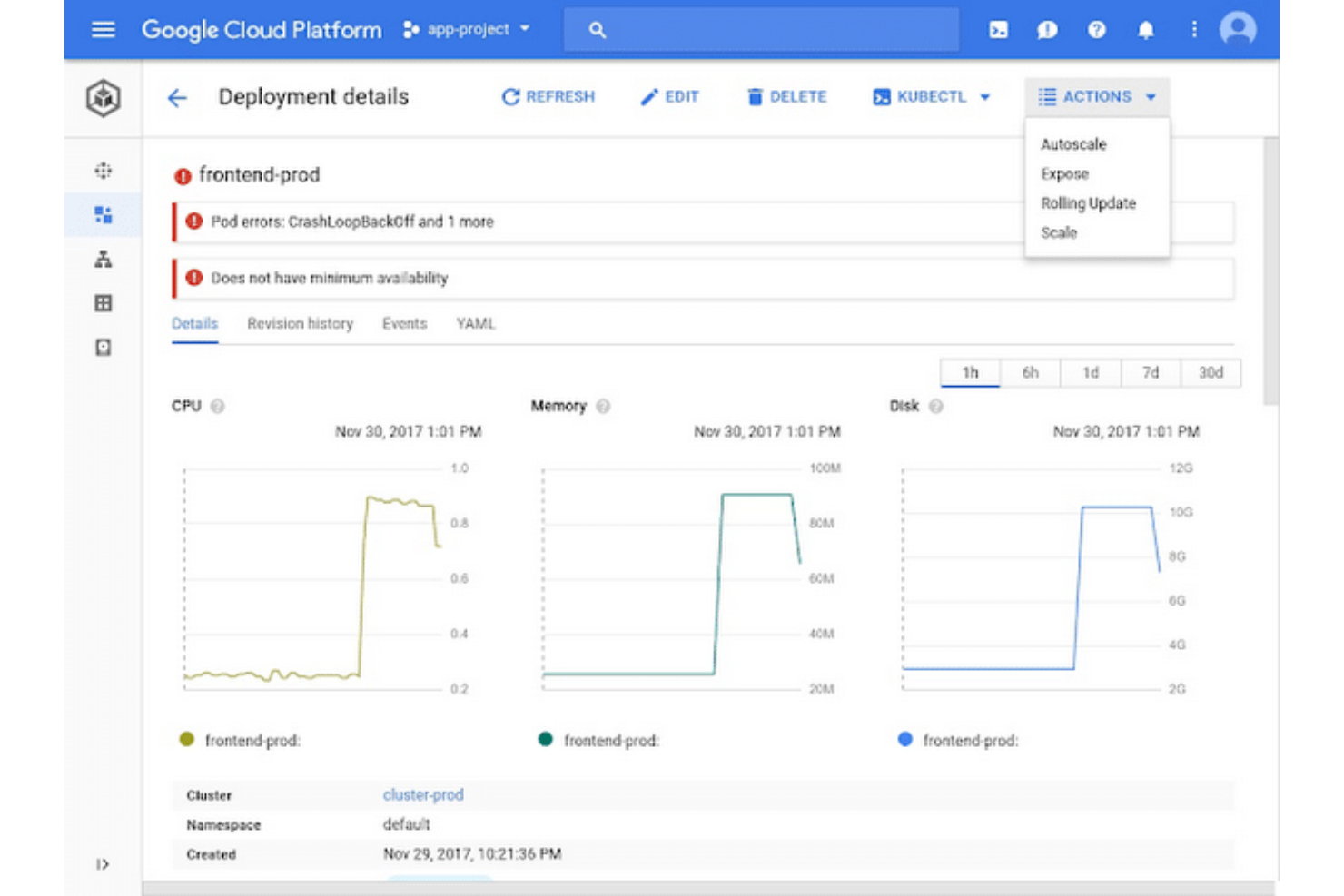
Google Cloud Platform (GCP) ist eine umfassende Cloud-Computing-Plattform, die für ihre Fähigkeiten zur Analyse großer Datenmengen bekannt ist. Entwickler können auf verschiedene Dienste und Tools zugreifen, um cloudbasierte Anwendungen auf GCP zu erstellen und zu verwalten.
Warum ich Google Cloud Platform gewählt habe: Ich habe mich für Google Cloud Platform entschieden, weil sie außergewöhnliche Möglichkeiten zur Analyse großer Datenmengen bietet. Mit fortschrittlichen Tools und Machine-Learning-Funktionen gewinne ich wertvolle Erkenntnisse aus meinen Daten.
Herausragende Funktionen und Integrationen der Google Cloud Platform:
Herausragende Funktionen sind unter anderem die globale Infrastruktur mit einem umfangreichen Netzwerk von Rechenzentren, sodass ich Anwendungen näher an den Nutzern bereitstellen kann, um die Leistung zu verbessern und die Latenz zu verringern. GCP bietet fortschrittliche Machine-Learning-Funktionen, einschließlich vortrainierter Modelle und Tools zur Datenanalyse.
Außerdem ermöglicht die umfassende Suite an Cloud-Services von GCP wie Compute, Storage, Networking und BigQuery, skalierbare und hochverfügbare Anwendungen zu entwickeln, die genau auf meine Anforderungen zugeschnitten sind.
Integrationen umfassen native Verbindungen zu mehreren Google-Diensten, darunter Google Workspace (ehemals G Suite), Google Analytics und Google BigQuery.
Pros and Cons
Pros:
- Fortschrittliche Big-Data- und Machine-Learning-Funktionen
- Globale Netzwerk-Infrastruktur
- Starke Sicherheitsfunktionen
Cons:
- Dokumentation kann herausfordernd sein
- Reaktionszeit des Supports kann variieren

Am besten für die Bereitstellung virtueller Maschinen geeignet
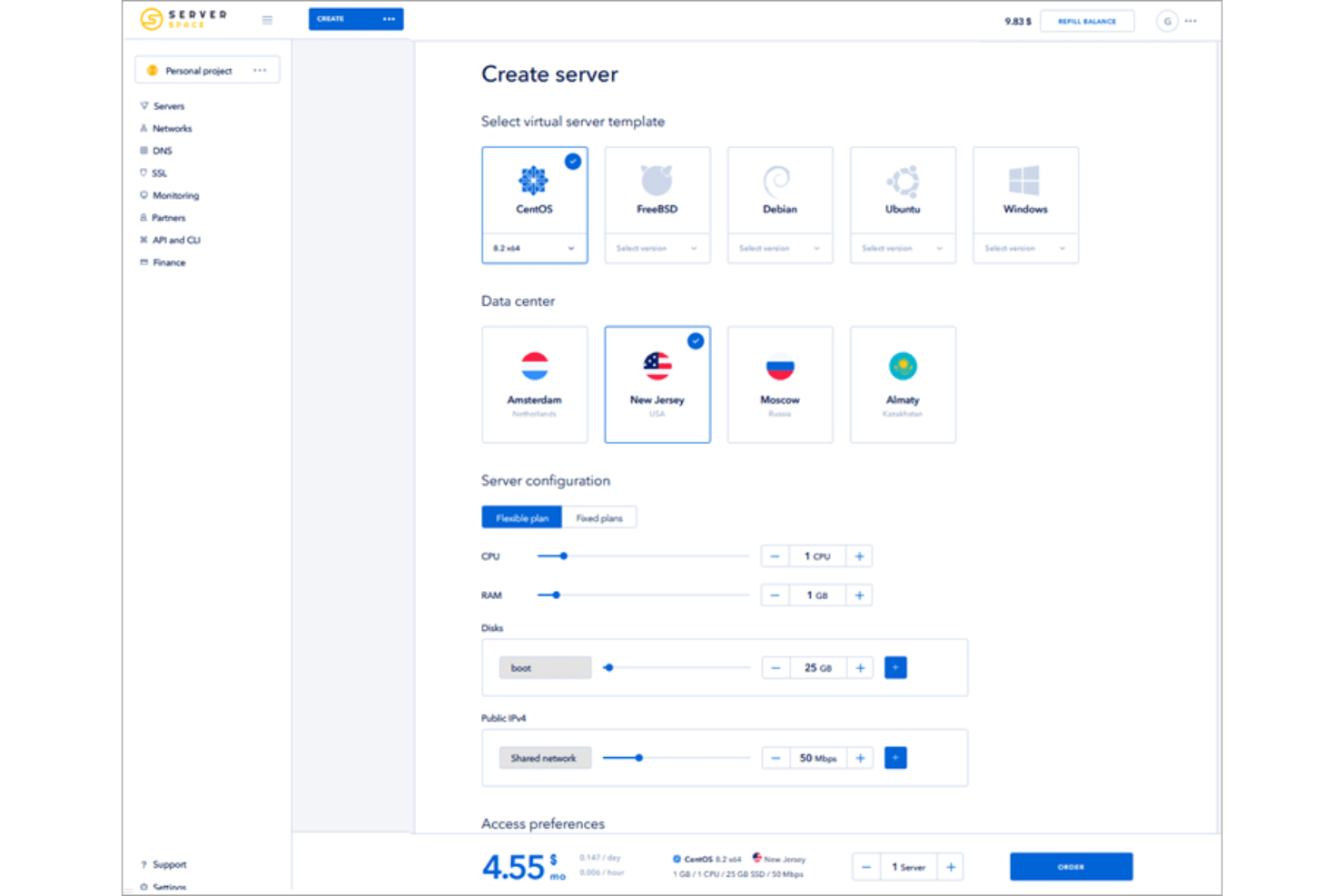
Serverspace ist ein Cloud-Infrastruktur-Anbieter, der sich auf die Bereitstellung virtueller Maschinen spezialisiert hat. Er bietet eine zuverlässige und effiziente Plattform für Unternehmen, um virtuelle Maschinen in der Cloud bereitzustellen, zu verwalten und zu skalieren.
Warum ich Serverspace gewählt habe: Ich habe Serverspace aufgrund seines Schwerpunkts auf der Bereitstellung virtueller Maschinen und leistungsstarker SSD-Speicher ausgewählt. Die benutzerfreundliche Oberfläche und die optimierten Bereitstellungsprozesse erleichtern es mir, virtuelle Maschinen einzurichten und zu verwalten.
Hervorstechende Funktionen und Integrationen von Serverspace:
Hervorstechende Funktionen sind eine zuverlässige und effiziente Plattform für die Bereitstellung und Verwaltung virtueller Maschinen, ein intuitives Kontrollpanel und eine breite Auswahl an vorkonfigurierten Vorlagen. Ich finde, dass Serverspaces Fokus auf Zuverlässigkeit, Sicherheit und wettbewerbsfähige Preise es zu einer attraktiven Wahl für Unternehmen macht, die eine optimierte Infrastrukturverwaltung in der Cloud suchen.
Integrationen umfassen vorgefertigte Anbindungen an Automatisierungstools wie Ansible und Terraform für das Infrastrukturmanagement.
Pros and Cons
Pros:
- Schnelle Bereitstellung virtueller Maschinen
- Wettbewerbsfähige Preise
- SSD-Speicher für verbesserte Leistung
Cons:
- Begrenztes Service-Portfolio im Vergleich zu größeren Anbietern
- Dokumentation könnte verbessert werden

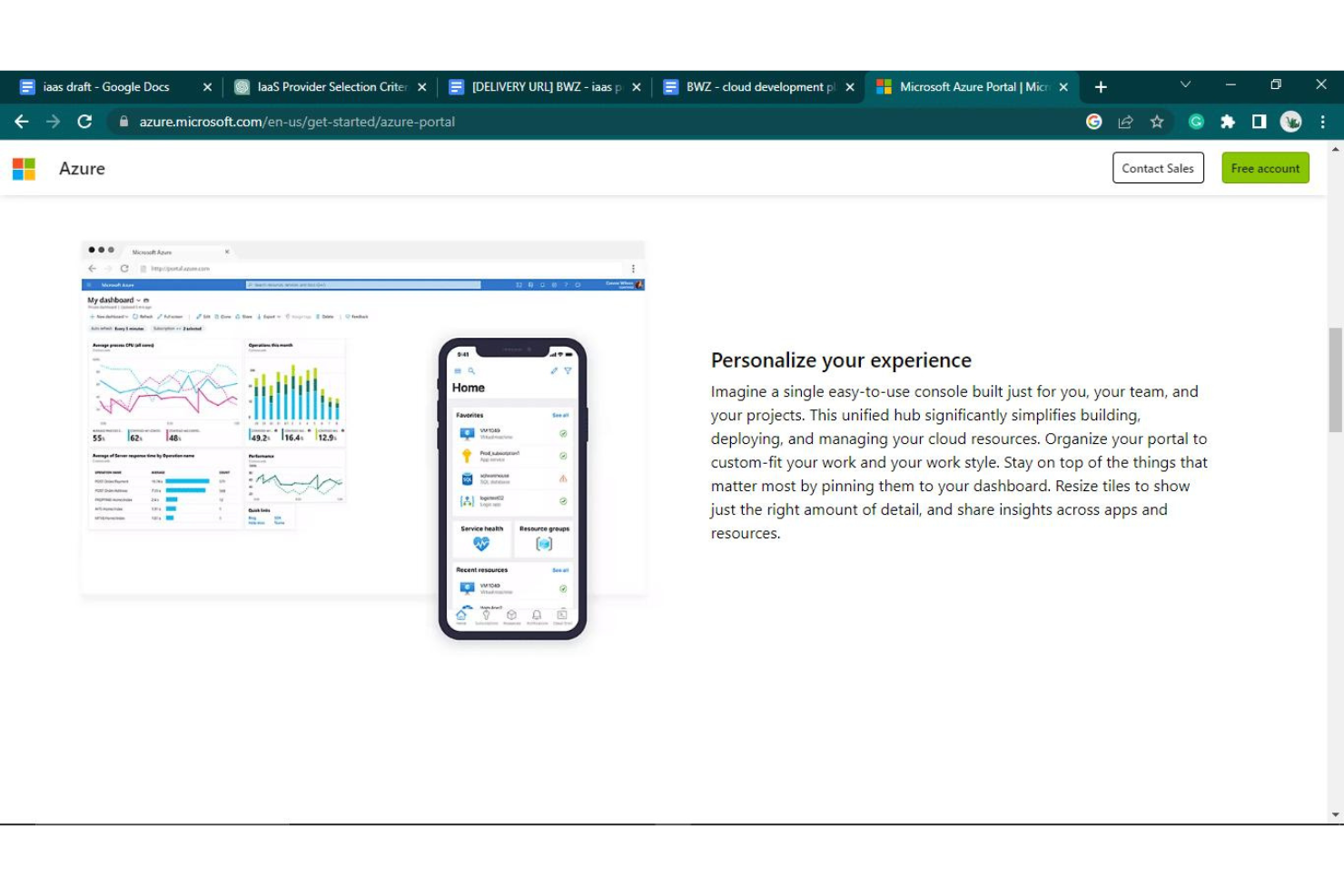
Microsoft Azure bietet eine Suite von Cloud-Diensten, fortschrittlichen KI-Funktionen, globale Skalierbarkeit und erstklassige Sicherheitsmaßnahmen.
Warum ich Microsoft Azure gewählt habe: Ich habe mich für Microsoft Azure entschieden, weil es umfassende cloudbasierte Services für verschiedenste Geschäftsanforderungen bietet. Die Integration in das Microsoft-Ökosystem hebt Azure hervor, da ich damit meine bestehenden Microsoft-Tools und Arbeitsabläufe nutzen kann.
Herausragende Funktionen und Integrationen von Microsoft Azure:
Herausragende Funktionen umfassen eine umfassende Suite cloudbasierter Services, die alles abdecken, was ich benötige – von virtuellen Maschinen bis hin zu fortschrittlichen KI- und Analysewerkzeugen. Es ist ein Komplettpaket, mit dem ich skalierbare Lösungen aufbauen kann, ohne die zugrunde liegende Infrastruktur verwalten zu müssen.
Integrationen umfassen eine breite Palette nativer Integrationen mit verschiedenen Microsoft-Diensten wie Office 365, Dynamics 365 und Power Platform.
Pros and Cons
Pros:
- Breites Spektrum an Services und Integrationen
- Starke Ausrichtung auf Unternehmen
- Hybride Cloud-Fähigkeiten
Cons:
- Die Vielzahl an Optionen kann überwältigend sein
- Kundensupport kann variieren
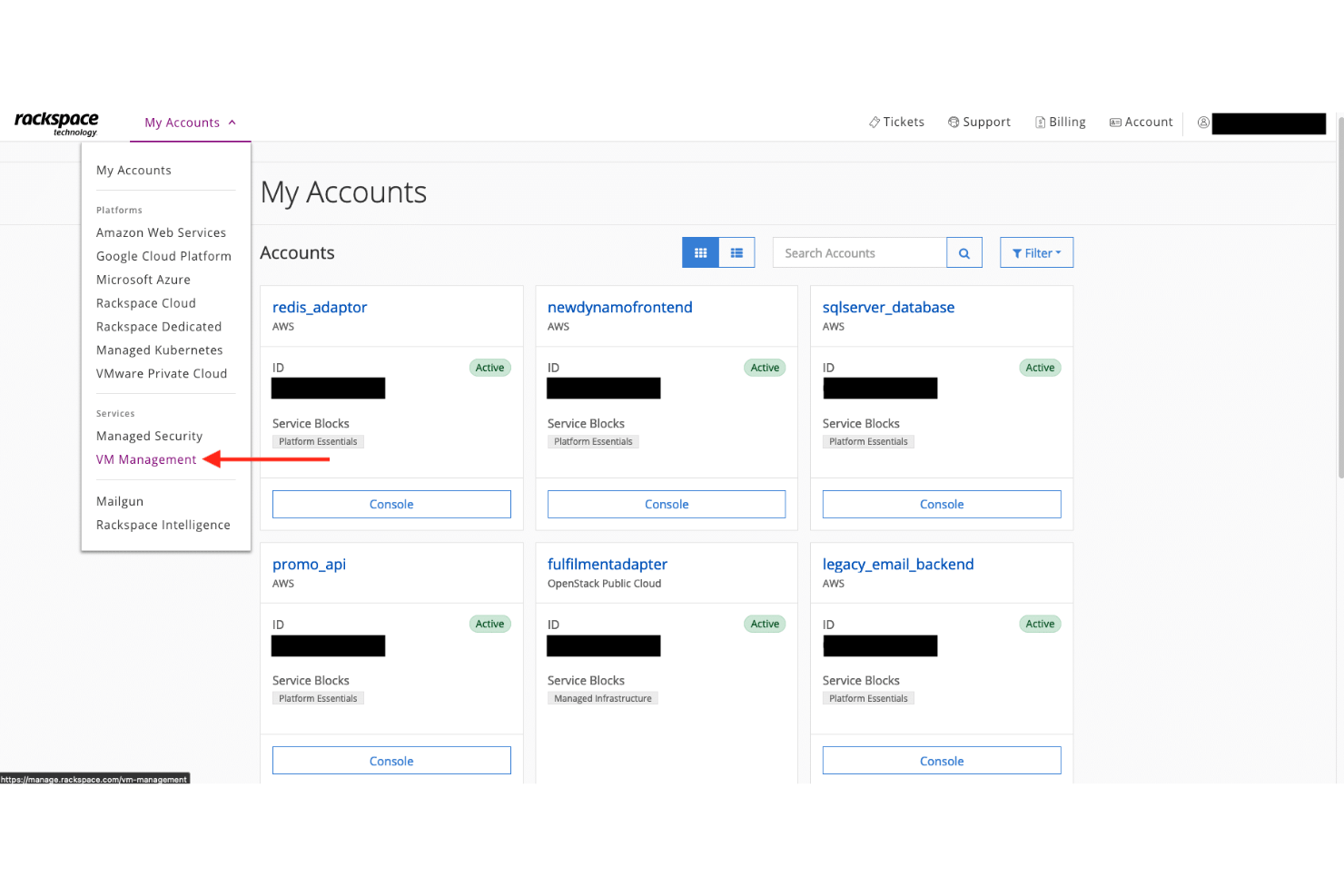
Rackspace ist ein führender Anbieter von verwalteten Cloud-Computing-Diensten und Expertenwissen. Das Unternehmen bietet verschiedene Services, die Unternehmen dabei unterstützen, ihre Cloud-Infrastruktur effektiv zu verwalten.
Warum ich mich für Rackspace entschieden habe: Rackspace hat mich durch seine Flexibilität und Skalierbarkeit überzeugt, die für dynamische Infrastruktur-Anforderungen entscheidend sind. Die breite Palette an anpassbaren Optionen, darunter dedizierte Server, private Clouds und Hybridlösungen, ermöglicht es, die Infrastruktur individuell auf die geschäftlichen Anforderungen zuzuschneiden.
Herausragende Funktionen und Integrationen von Rackspace:
Herausragende Funktionen sind unter anderem maßgeschneiderte Lösungen, mit denen Unternehmen ihre Infrastruktur an wechselnde Anforderungen anpassen können. Zudem verfügt Rackspace über ein umfangreiches Partner-Ökosystem und legt großen Wert auf Compliance- und Sicherheitsmaßnahmen, was es meiner Meinung nach zur idealen Wahl für Unternehmen macht, die maßgeschneiderte Cloud-Lösungen und eine verlässliche Infrastrukturverwaltung suchen.
Integrationen umfassen native Integrationen mit Plattformen wie AWS, Azure, Google Cloud und OpenStack. Es gibt außerdem vorgefertigte Integrationen mit Monitoring- und Management-Tools wie Zabbix und Nagios für eine verbesserte Überwachung und Kontrolle der Infrastruktur.
Pros and Cons
Pros:
- Vielfältige Anpassungsoptionen
- Starke Ausrichtung auf Managed Services
- Personalisierter Support
Cons:
- Begrenzte Self-Service-Optionen
- Möglicherweise besser für Unternehmenskunden geeignet

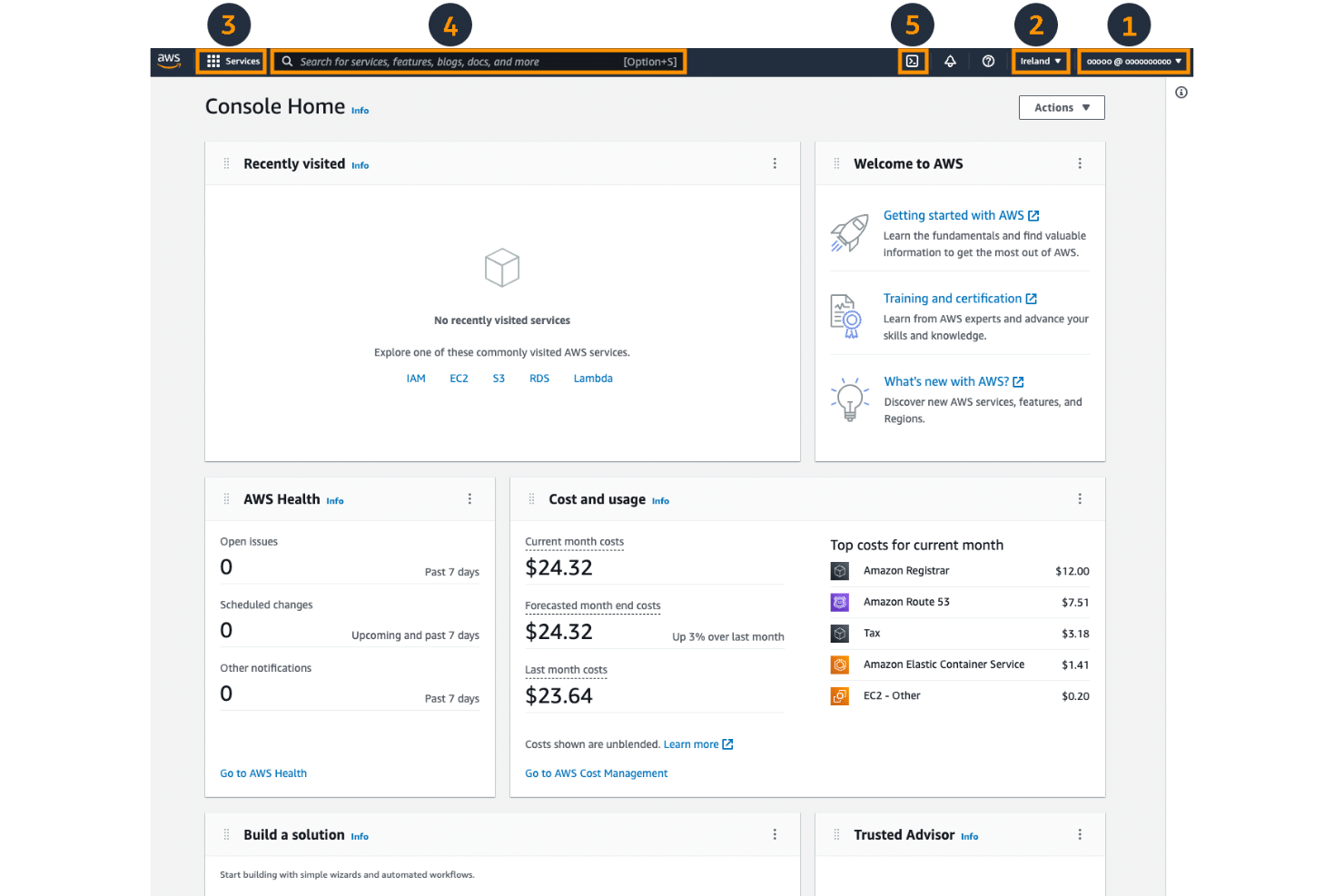
AWS hebt sich auf dem Cloud-Computing-Markt durch sein umfangreiches Serviceangebot und seine außergewöhnliche Skalierbarkeit hervor.
Warum ich AWS gewählt habe: Ich habe mich für AWS entschieden, weil es eine unvergleichliche Zuverlässigkeit und Skalierbarkeit bietet. Als führender Anbieter im Bereich Cloud-Computing zeichnet sich AWS durch sein breites Servicespektrum und seinen Fokus auf Innovation gegenüber anderen Anbietern aus. Mit AWS können Sie Funktionen wie KI und maschinelles Lernen nutzen, um Ihre Infrastruktur zu skalieren.
Herausragende Funktionen und Integrationen von AWS:
Herausragende Funktionen sind das breiteste Angebot an Services wie Computing, Speicher, Datenbanken, Netzwerke und maschinelles Lernen. Dank des Fokus auf Zuverlässigkeit und Skalierbarkeit kann ich meine Infrastruktur mit AWS je nach Bedarf einfach hoch- oder herunterskalieren.
Integrationen umfassen ein großes Ökosystem von Integrationen mit verschiedenen Services, sowohl nativ als auch vorgefertigt. AWS bietet Integrationsmöglichkeiten über den AWS Marketplace, der mehrere Lösungen von Drittanbietern anbietet.
Pros and Cons
Pros:
- Hochgradig sichere und robuste Infrastruktur.
- Umfangreiches Cloud-Service-Portfolio
- Starke Community und guter Support
Cons:
- Preisgestaltung kann für Einsteiger komplex sein
- Hohe Lernkurve bei einigen fortgeschrittenen Services

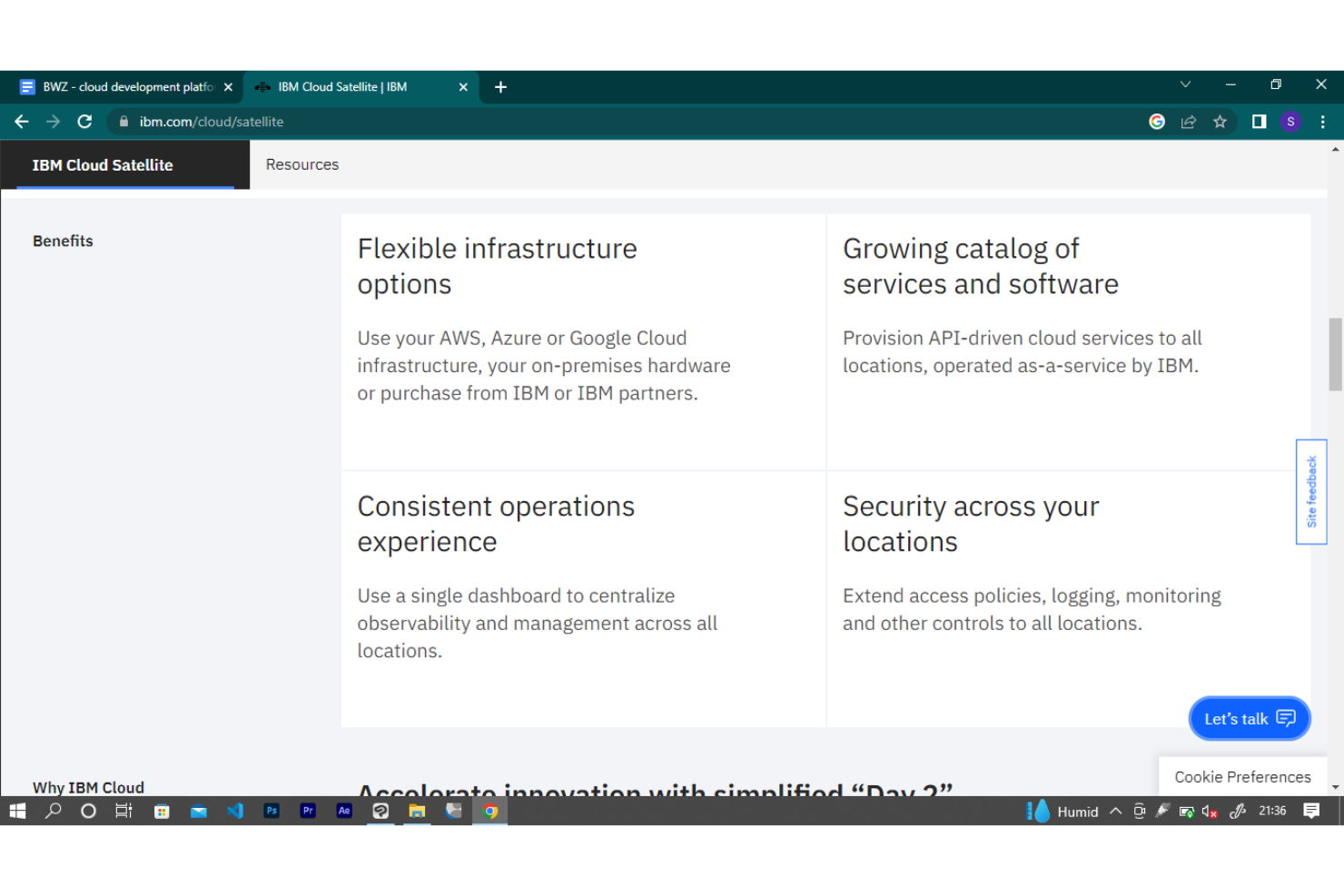
IBM Cloud ist eine spezialisierte Cloud-Plattform mit Fokus auf Verfügbarkeitsüberwachung und KI-gestützte Dienste, die Unternehmen dabei unterstützt, hohe Betriebszeiten sicherzustellen und fortschrittliche Technologien zu nutzen.
Warum ich IBM Cloud gewählt habe: Ich habe mich für IBM Cloud entschieden, weil die umfassenden Überwachungstools und fortschrittlichen Analysen es mir ermöglichen, potenzielle Probleme proaktiv zu erkennen und zu beheben, sodass meine geschäftskritischen Anwendungen und die Infrastruktur stets reibungslos laufen.
IBM Cloud herausragende Funktionen und Integrationen:
Herausragende Funktionen, die ich besonders nützlich finde, sind Blockchain- und KI-Fähigkeiten, Sicherheit und Compliance auf Unternehmensniveau, umfassende Unterstützung vieler Programmiersprachen sowie ein großes Angebot an vorgefertigten Diensten und APIs, die Entwicklern einen außergewöhnlichen Mehrwert bieten.
Integrationen beinhalten vorgefertigte Integrationen mit IBM Watson Services, IBM Cloud Functions (Serverless Computing) und beliebten Drittanbieter-Tools.
Pros and Cons
Pros:
- Leistungsstarke Blockchain- und KI-Fähigkeiten
- Umfangreiche Sicherheitsfunktionen
- Hybrid-Cloud-Management
Cons:
- Hohe Lernkurve
- Abfragen können einige Zeit zum Laden benötigen

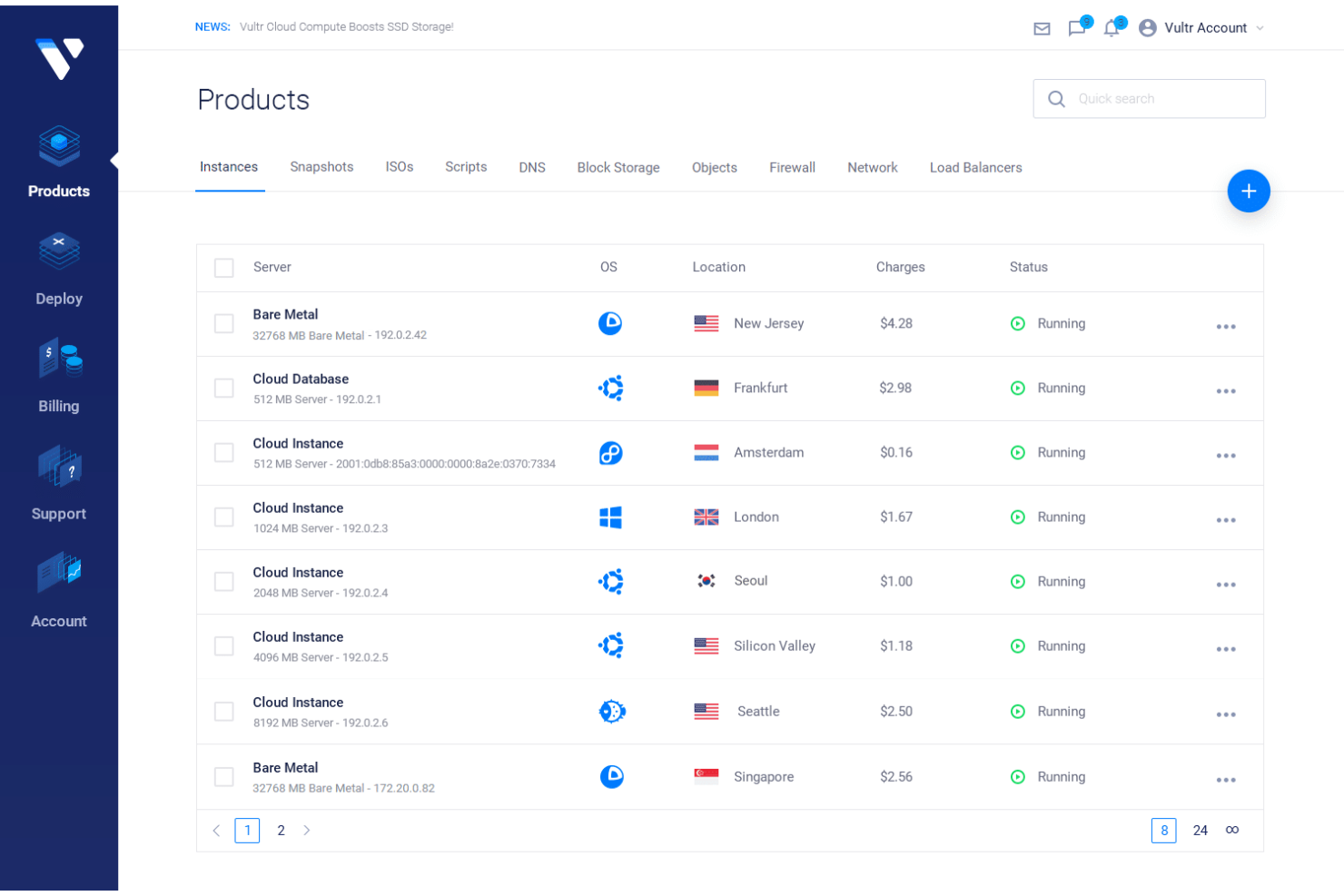
Vultr bietet skalierbare Infrastruktur und Lösungen, die es Unternehmen ermöglichen, ihre Ressourcen zu erweitern, wenn ihre Anforderungen zunehmen. Mit einer flexiblen Plattform können Unternehmen effizient nach oben oder unten skalieren, um sicherzustellen, dass sie die benötigten Ressourcen genau dann zur Verfügung haben, wenn sie sie benötigen.
Warum ich Vultr ausgewählt habe: Ich habe Vultr aufgrund seiner flexiblen und skalierbaren Infrastrukturlösungen ausgewählt. Mit leistungsstarkem SSD-Speicher und einem globalen Netzwerk von Rechenzentren kann ich meine Ressourcen schnell nach oben oder unten skalieren, um den sich ändernden Anforderungen meines Unternehmens gerecht zu werden.
Herausragende Funktionen und Integrationen von Vultr:
Zu den herausragenden Funktionen gehören skalierbare und leistungsstarke cloudbasierte Server mit SSD-Speicher, eine globale Infrastrukturpräsenz und eine benutzerfreundliche Oberfläche. Ich schätze die wettbewerbsfähige Preisgestaltung, die große Auswahl an Betriebssystemen und Anwendungen sowie die entwicklerfreundliche Umgebung, die Vultr zur idealen Wahl für Unternehmen wie meines machen, die Wert auf Effizienz in der Cloud-Infrastruktur legen.
Integrationen umfassen vorgefertigte Integrationen mit Tools wie Terraform, Ansible und Puppet zur Automatisierung und Verwaltung der Infrastruktur.
Pros and Cons
Pros:
- Skalierbare Infrastruktur
- Benutzerfreundliche Oberfläche
- Wettbewerbsfähige Preise
Cons:
- Eingeschränkte Support-Optionen
- Weniger erweiterte Funktionen im Vergleich zu bekannteren Anbietern

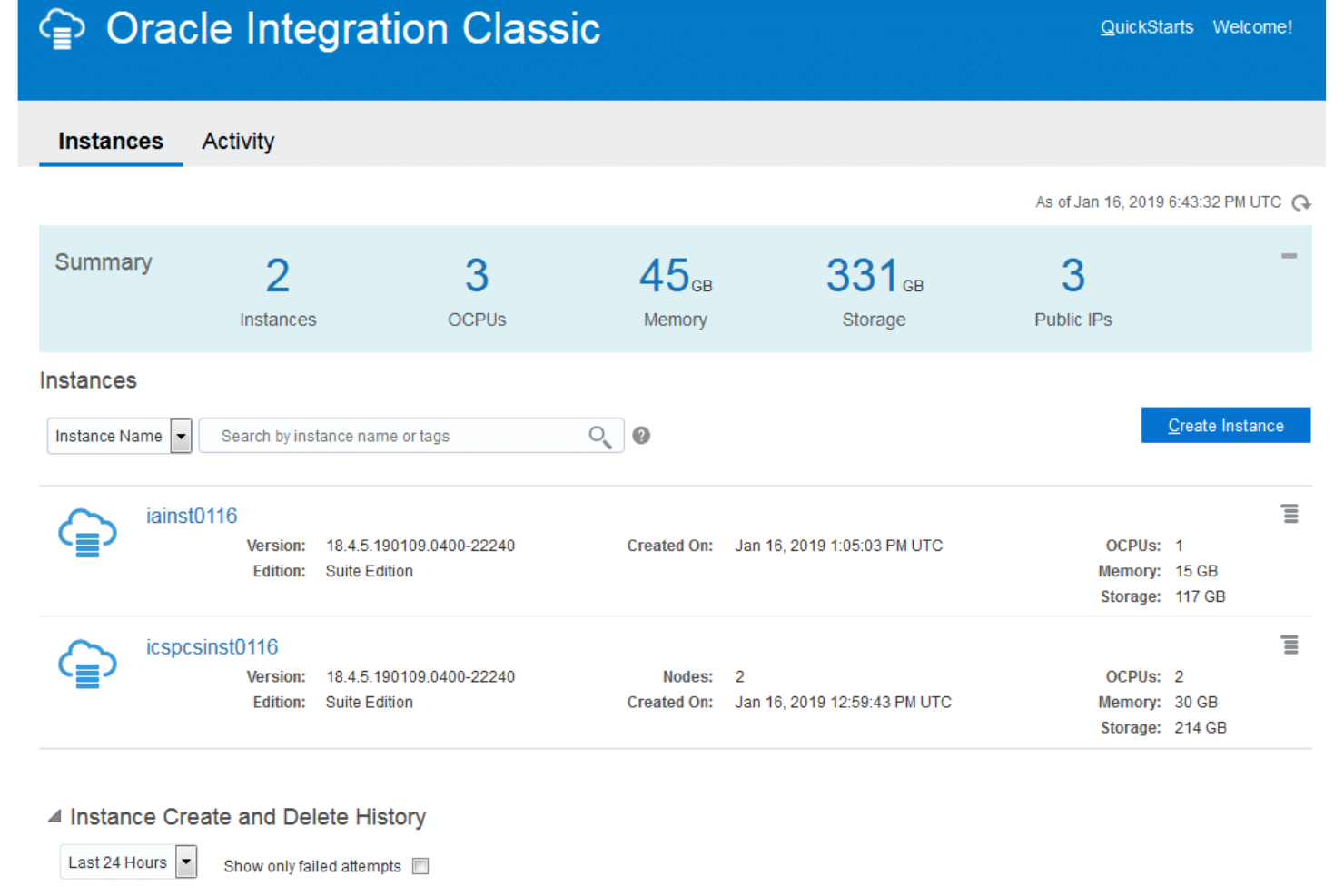
Oracle Cloud ist eine Cloud-Plattform, die eine Vielzahl von Diensten anbietet, darunter Infrastructure as a Service (IaaS), Platform as a Service (PaaS) und Software as a Service (SaaS). Sie bietet eine robuste und sichere Umgebung für die Entwicklung und Bereitstellung von Anwendungen.
Warum ich mich für Oracle Cloud Infrastructure entschieden habe: Oracle Cloud Infrastructure hat meine Aufmerksamkeit durch seine leistungsstarken Datenbankverwaltungstools und die tiefe Integration mit Oracle-Anwendungen auf sich gezogen. Mit seinen Cloud-Computing-Optionen, Sicherheitsfunktionen und der Einbindung in das Oracle-Ökosystem kann ich meine Datenbankanforderungen souverän bewältigen.
Herausragende Funktionen und Integrationen von OCI:
Herausragende Funktionen sind der starke Fokus auf Datenbankmanagement und die fortschrittlichen Netzwerkmöglichkeiten. Ein weiteres Merkmal, das mir aufgefallen ist, ist die integrierte Dienstsuite von Oracle – von Computing und Storage über Netzwerke, Datenbanken, KI/ML bis hin zu Analysen.
Integrationen umfassen native Integrationen mit Oracle-Anwendungen und -Diensten wie Oracle Database, Oracle Integration Cloud und Oracle Identity and Access Management.
Pros and Cons
Pros:
- Umfangreiche Suite an cloudbasierten Diensten
- Starke Sicherheits- und Compliance-Funktionen
- Integration mit Oracle-Technologien
Cons:
- Teurer im Vergleich zu anderen Cloud-Lösungen
- Hohe Lernkurve für Entwickler, die mit Oracle-Technologien weniger vertraut sind

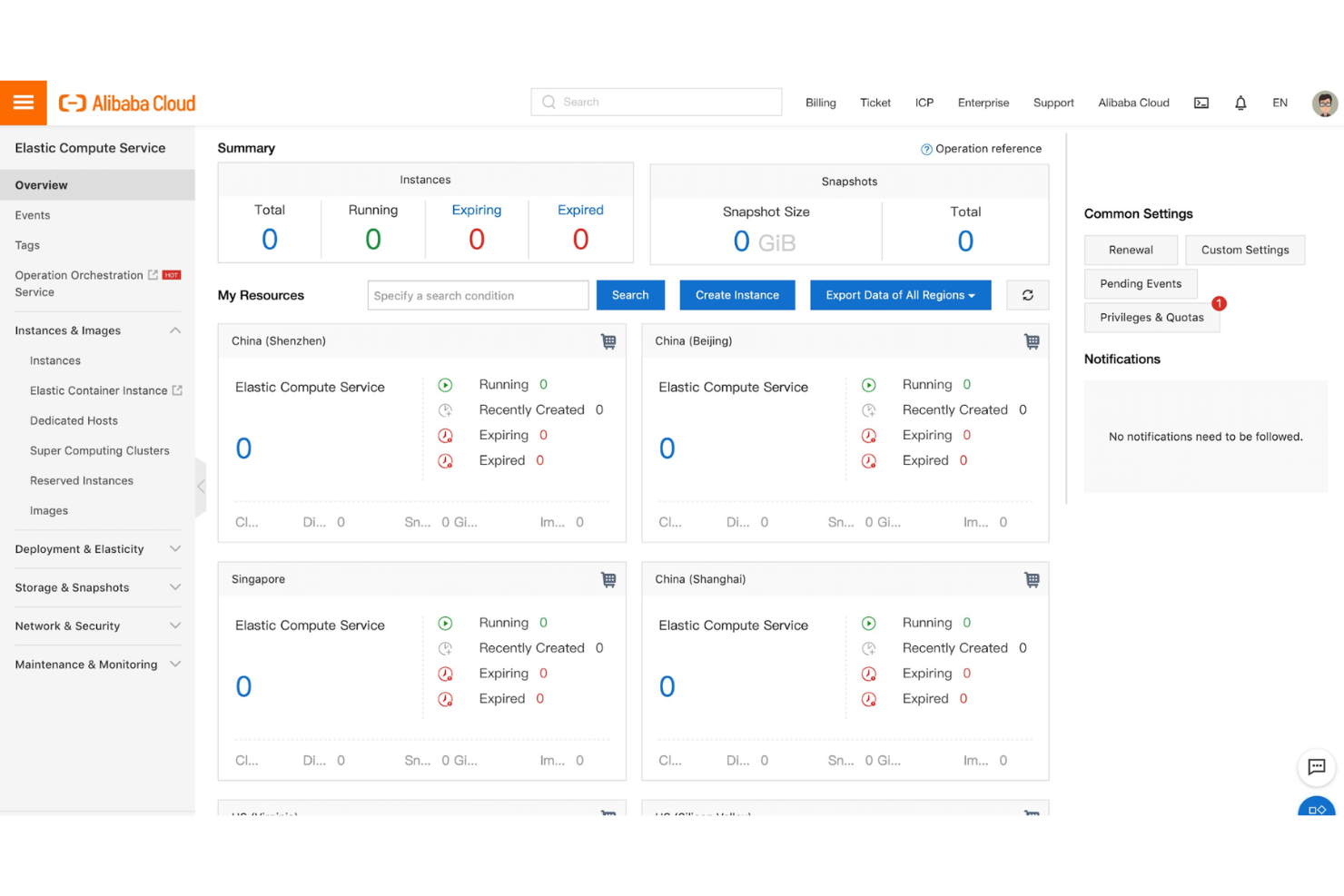
Alibaba Cloud ist ein IaaS-Anbieter mit leistungsstarken Datenspeicher- und Datenmanagementfähigkeiten. Mit skalierbaren Speicheroptionen und fortschrittlichen Funktionen können Unternehmen ihre Daten sicher speichern, analysieren und effizient verarbeiten.
Warum ich Alibaba Cloud gewählt habe: Ich habe Alibaba Cloud wegen seiner außergewöhnlichen Datenspeicher- und Datenmanagementfähigkeiten ausgewählt, die speziell auf Unternehmen in der Asien-Pazifik-Region zugeschnitten sind. Die robusten Speicherlösungen und Datenmanagement-Tools bieten eine zuverlässige und skalierbare Infrastruktur, um große Datenmengen effektiv zu verarbeiten.
Herausragende Funktionen und Integrationen von Alibaba Cloud:
Zu den herausragenden Funktionen zählen meiner Meinung nach fortschrittliche Analysetools, eine breite Palette an Speicherlösungen, ein großes Netzwerk von Rechenzentren sowie Managementlösungen, die unterschiedlichen Geschäftsanforderungen gerecht werden. Zudem bietet Alibaba Cloud durch seine starke Präsenz in der Asien-Pazifik-Region lokalisierte Services, die niedrige Latenzzeiten und eine hervorragende Performance für Unternehmen in dieser Gegend gewährleisten.
Integrationen umfassen native Integrationen mit dem Service-Ökosystem der Alibaba Group wie Alibaba Cloud Database, Alibaba Cloud CDN und Alibaba Cloud IoT.
Pros and Cons
Pros:
- Solide Fähigkeiten bei Datenspeicherung und -management
- Ein umfangreiches Netzwerk von Rechenzentren
- Starke Unterstützung für E-Commerce und IoT
Cons:
- Begrenzte Präsenz in Regionen außerhalb Asiens
- Dokumentation kann verbessert werden
Weitere Optionen
Die oben aufgeführten IaaS-Anbieter gehören zwar zu den besten der Branche, Unternehmen stehen jedoch weitere Optionen zur Verfügung. Dazu gehören:
- Linode
Am besten für DDoS-Schutz geeignet
- UpCloud
E globale Cloud-Infrastruktur für KMU
- CloudSigma
Am besten für effektives Cloud-Hosting


Weitere Bewertungen von IT-Infrastruktur-Tools
- Software für den Lastausgleich
- Anbieter für Plattform als Dienst
- Cloud-PaaS-Lösungen
- Tools zur Datenbanküberwachung
- Software für das Konfigurationsmanagement
Auswahlkriterien für IaaS-Anbieter
Bei der Auswahl der IaaS-Anbieter für diese Liste habe ich mehrere wichtige Kriterien sorgfältig berücksichtigt, um ihre Aufnahme sicherzustellen:
Kernfunktionen
Hier ist eine Übersicht über die Kernfunktionen, auf die ich mich bei der Bewertung der IaaS-Anbieter in dieser Liste konzentriert habe:
- Skalierbare Infrastruktur: Ich habe berücksichtigt, ob IaaS-Anbieter Infrastrukturen anbieten können, die sich je nach Geschäftsbedarf problemlos nach oben oder unten skalieren lassen, wodurch Flexibilität und eine effiziente Ressourcenverteilung ermöglicht werden.
- Zuverlässige Leistung: Ich habe die Erfolgsbilanz und den Ruf der Anbieter hinsichtlich einer konstanten und zuverlässigen Leistung in Bezug auf Netzwerkverfügbarkeit, Servicestabilität und Reaktionszeiten bewertet.
- Umfassende Sicherheitsmaßnahmen: Ich habe die von jedem Anbieter umgesetzten Sicherheitsmaßnahmen zum Schutz von Daten und Infrastruktur bewertet, darunter Datenverschlüsselungsprotokolle, Zugriffskontrollen sowie die Einhaltung von Branchenstandards und Vorschriften.
Wichtige Funktionen
Ich habe mich eingehend mit den wichtigsten Funktionen jedes IaaS-Anbieters beschäftigt, um die Bereiche zu ermitteln, in denen sie sich besonders hervorheben, darunter:
- Spezialisierung auf Datenbankverwaltung: Ich berücksichtigte Anbieter, die fortschrittliche Lösungen und Dienste für eine effektive Datenbankverwaltung anbieten und so eine effiziente Speicherung, Abfrage und Verwaltung von Daten gewährleisten.
- Einfachheit und Benutzerfreundlichkeit: Ich bevorzugte Anbieter, die benutzerfreundliche Oberflächen, intuitive Bedienfelder sowie optimierte Bereitstellungs- und Verwaltungsprozesse anbieten, um die Geschäftserfahrung zu vereinfachen.
- Skalierbarkeit der Geschäftsressourcen: Ich wählte Anbieter aus, die es Unternehmen ermöglichen, ihre Rechenleistung, Speicherkapazität und Netzwerkressourcen schnell zu skalieren, wenn ihr Bedarf wächst, und so eine optimale Ressourcenzuweisung und Kosteneffizienz gewährleisten.
Benutzerfreundlichkeit
Ich berücksichtigte die Benutzerfreundlichkeit und die allgemeine Nutzererfahrung, die jeder IaaS-Anbieter bietet. Dazu gehörten Faktoren wie die Intuitivität des Bedienfelds, die Verfügbarkeit vorkonfigurierter Vorlagen sowie die Einfachheit der Bereitstellungs- und Verwaltungsprozesse.
Zuverlässigkeit und Verfügbarkeit
Ich bewertete die Erfolgsbilanz und den Ruf der Anbieter hinsichtlich der Bereitstellung einer konstant zuverlässigen und leistungsstarken Infrastruktur. Dazu gehörten die Bewertung ihrer Verfügbarkeitsgarantien, Netzwerkgeschwindigkeit und allgemeinen Dienststabilität.
Kosten und Preisgestaltung
Ähnlich wie bei der Bewertung von Anbietern von Datenbanken als Dienst berücksichtigte ich die Preismodelle und Kostenstrukturen der IaaS-Anbieter, um sicherzustellen, dass sie wettbewerbsfähige und transparente Preise anbieten. Dazu gehörten die Bewertung von Preisstufen, Abrechnungsoptionen, der Effizienz der Ressourcennutzung und des gebotenen Gesamtwerts im Verhältnis zu den Kosten. Das Niedrigpreissegment sollte unter $10/Monat liegen und grundlegende virtuelle Instanzen mit begrenzten Ressourcen umfassen.
Durch die Einbeziehung dieser Kriterien wollte ich IaaS-Anbieter auswählen, die nicht nur bei den Kernfunktionen und kritischen Funktionen überzeugen, sondern auch Zuverlässigkeit, Skalierbarkeit, Sicherheit, Kosteneffizienz und einen außergewöhnlichen Kundensupport priorisieren.
Häufig gestellte Fragen
In diesem Abschnitt werden einige der Fragen beantwortet, die Menschen zu IaaS-Anbietern haben.
Was ist der Unterschied zwischen IaaS, PaaS und SaaS?
Wie funktioniert IaaS?
Welche Vorteile bietet die Nutzung eines IaaS-Anbieters?
Wie wähle ich den richtigen IaaS-Anbieter für mein Unternehmen aus?
Welche alltäglichen Anwendungsfälle gibt es für IaaS?
Den richtigen IaaS-Anbieter auswählen
Die Wahl des richtigen IaaS-Anbieters ist für Unternehmen, die ihre Abläufe skalieren und ihr Geschäftsergebnis verbessern möchten, von entscheidender Bedeutung. Die in diesem Artikel aufgeführten Anbieter bieten Unternehmen jeder Größe eine Reihe von Funktionen und Vorteilen.
Durch die Berücksichtigung der oben genannten Auswahlkriterien können Unternehmen den richtigen IaaS-Anbieter für ihre Anforderungen finden. Ein zuverlässiger und flexibler IaaS-Anbieter kann Unternehmen dabei helfen, ihre Ziele zu erreichen und auf dem heutigen wettbewerbsintensiven Markt erfolgreich zu sein.
Abonnieren Sie den Newsletter von The CTO Club für weitere Informationen zu relevanten Themen von Branchenexperten.

