

10 meilleurs fournisseurs IaaS en 2026

Sélection des meilleurs fournisseurs IaaS


Les fournisseurs IaaS vous permettent de faire évoluer votre infrastructure, de gérer et de déployer des applications en nuage, et de vous concentrer sur vos compétences clés. En comprenant les options disponibles, vous pouvez prendre des décisions éclairées concernant vos besoins en infrastructure informatique en nuage. Dans cet article, je vais présenter les fonctionnalités et les avantages de différents fournisseurs IaaS.
Qu’est-ce qu’un fournisseur d’infrastructure en tant que service (IaaS) ?
L’infrastructure en tant que service (IaaS) est un service d’informatique en nuage qui fournit aux entreprises un accès à la demande à des ressources informatiques telles que des serveurs, du stockage et des réseaux.
Les fournisseurs IaaS prennent en charge toute la gestion nécessaire du matériel et des logiciels, ce qui vous permet de vous concentrer sur le bon fonctionnement de votre entreprise. Grâce à leur aide, vous pouvez rester compétitif et développer votre activité sans vous soucier de l’infrastructure sous-jacente.
L’IaaS est un service essentiel pour les entreprises qui souhaitent développer leurs activités sans investir dans du matériel et des logiciels coûteux.
Pourquoi faire confiance à nos recommandations de logiciels
Notre équipe teste et évalue des logiciels depuis 2012. En tant que leaders technologiques nous-mêmes, nous savons à quel point il est difficile — et important — de choisir le bon logiciel.
Pour ce guide, nous avons évalué les outils grâce à des tests pratiques et une recherche indépendante, en notant les outils selon nos critères de sélection.
Nos avis reflètent notre jugement éditorial humain, et non un argumentaire de vente.
Résumé des meilleurs fournisseurs IaaS
| Service | Best For | Trial Info | Price | ||
|---|---|---|---|---|---|
| 1 | Idéal pour la simplicité et la facilité d'utilisation | Offre gratuite disponible | À partir de $0.15/M tokens | Website | |
| 2 | Idéal pour l'analyse de big data | Offre gratuite disponible | Modèle à la consommation. | Website | |
| 3 | Idéal pour le déploiement de machines virtuelles | Forfait gratuit disponible | À partir de 4,95 $/mois | Website | |
| 4 | La meilleure gamme de services cloud | Offre gratuite disponible + essai gratuit de 30 jours | Tarification sur demande | Website | |
| 5 | Idéal pour la flexibilité et l'évolutivité | Consultation gratuite disponible | Tarification sur demande | Website | |
| 6 | Idéal pour la fiabilité et l'évolutivité | Offre gratuite disponible | Tarification sur demande | Website | |
| 7 | Idéal pour la surveillance de la disponibilité | Offre gratuite + essai gratuit disponible | Tarification sur demande | Website | |
| 8 | Idéal pour faire évoluer les ressources de l’entreprise | Not available | À partir de $2.50/mois | Website | |
| 9 | Idéal pour la gestion de bases de données | Essai gratuit de 30 jours + démo gratuite disponible | Tarification sur demande | Website | |
| 10 | Idéal pour le stockage et la gestion des données | Essai gratuit de 30 jours + offre gratuite disponible | À partir de 19,99 $/mois | Website |
Avis sur les meilleurs fournisseurs IaaS
Après avoir évalué de manière approfondie plusieurs fournisseurs IaaS, j’ai analysé attentivement leurs fonctionnalités distinctives, telles que la fiabilité, l’évolutivité, la sécurité, les modèles tarifaires et les capacités d’intégration, afin d’établir cette liste des meilleurs fournisseurs IaaS.

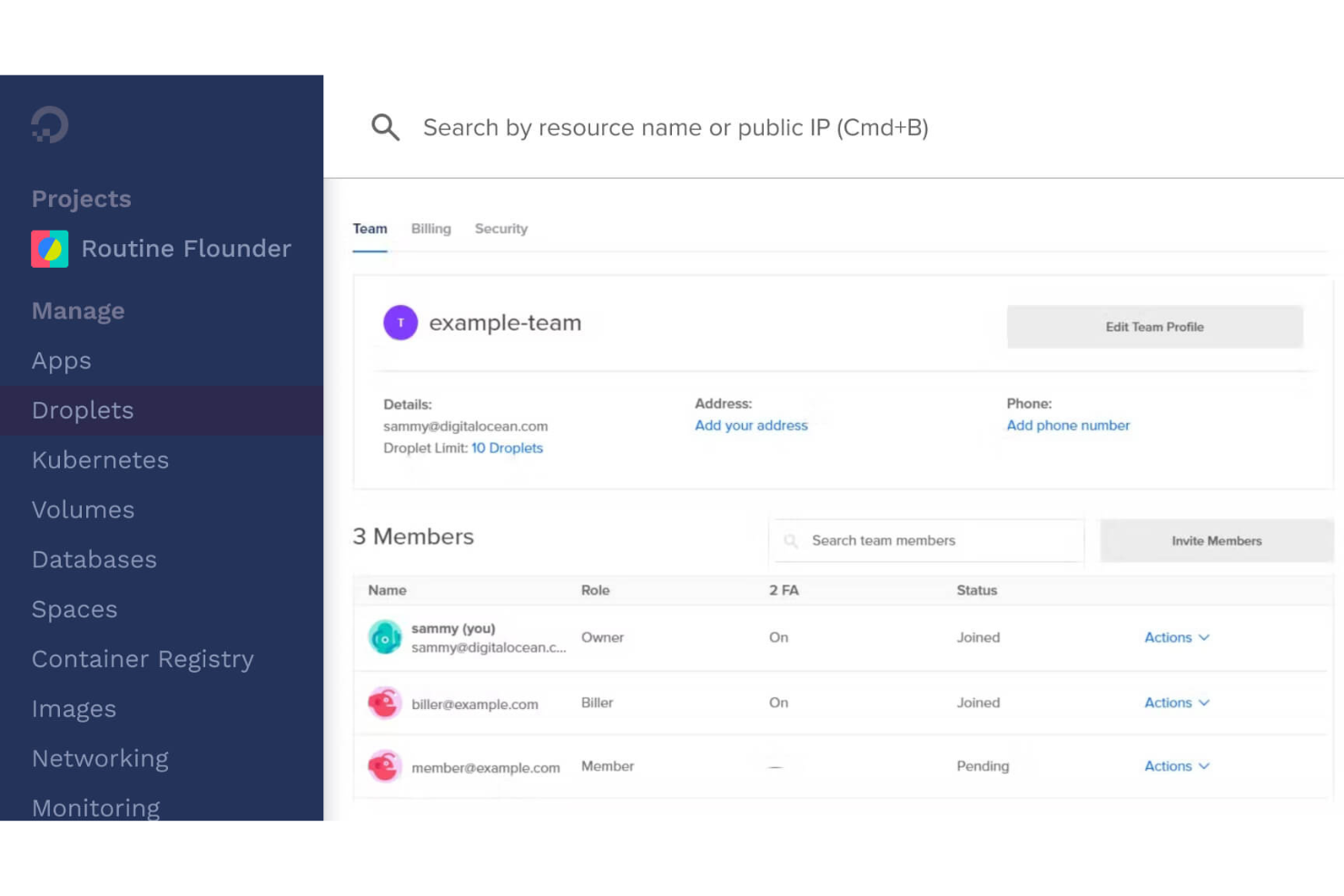
DigitalOcean est un fournisseur d'infrastructure cloud axé sur la simplicité et des fonctionnalités conviviales pour les développeurs. Il propose des machines virtuelles évolutives (Droplets), un service Kubernetes géré, et d'autres services adaptés aux développeurs ainsi qu'aux petites et moyennes entreprises.
Pourquoi j'ai choisi DigitalOcean : En matière de simplicité et de facilité d'utilisation, DigitalOcean s'est imposé comme un choix évident pour moi. Son interface intuitive et son processus de configuration clair m'ont permis de déployer et gérer rapidement des machines virtuelles et des applications sans connaissances techniques approfondies.
Fonctionnalités et intégrations remarquables de DigitalOcean :
Fonctionnalités remarquables que j'apprécie : une infrastructure évolutive avec des modèles d'applications préconfigurés permettant aux développeurs de déployer des stacks logiciels populaires, des bases de données, et des frameworks de développement en quelques clics.
Intégrations incluent des intégrations avec divers outils et frameworks pour développeurs, comme les systèmes de gestion de contenu (CMS) populaires, les bases de données, et les plateformes CI/CD via Zapier.
Pros and Cons
Pros:
- Interface conviviale
- Déploiement rapide et simple
- Excellente communauté de développeurs et tutoriels
Cons:
- Services limités par rapport aux grands fournisseurs
- Moins de fonctionnalités avancées pour les entreprises

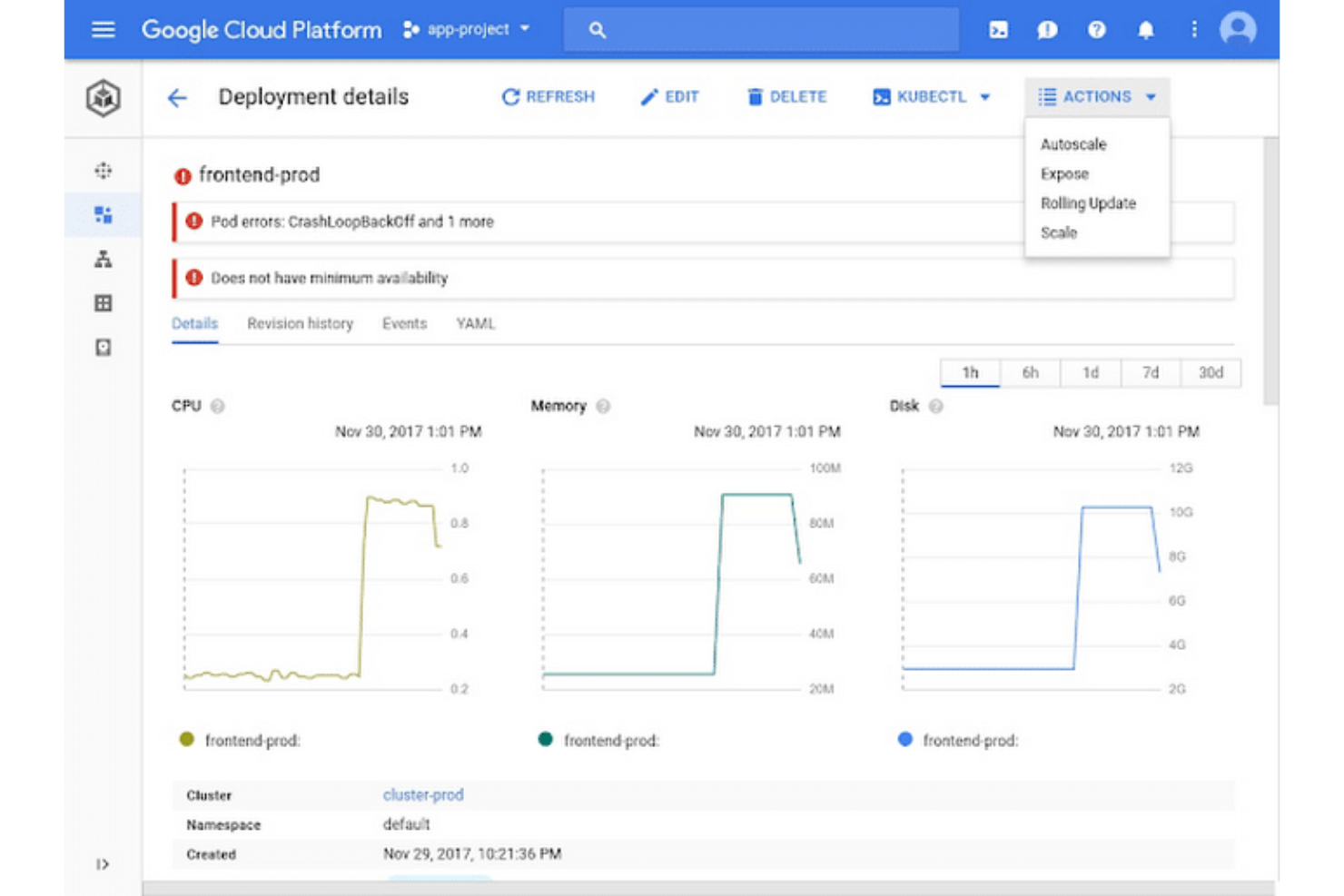
Google Cloud Platform (GCP) est une plateforme cloud complète reconnue pour ses capacités d'analyse de big data. Les développeurs peuvent accéder à divers services et outils pour créer et gérer des applications basées sur le cloud sur GCP.
Pourquoi j'ai choisi Google Cloud Platform : J'ai choisi Google Cloud Platform en raison de ses capacités exceptionnelles en analyse de big data. Ses outils avancés et ses fonctionnalités de machine learning fournissent des informations précieuses à partir de mes données.
Points forts et intégrations de Google Cloud Platform :
Ses points forts incluent son infrastructure mondiale qui propose un vaste réseau de centres de données, me permettant de déployer des applications plus près des utilisateurs pour de meilleures performances et une latence réduite. GCP offre des capacités avancées de machine learning, y compris des modèles pré-entraînés et des outils pour l'analyse de données.
De plus, la suite complète de services cloud de GCP, tels que le calcul, le stockage, le réseau et BigQuery, me permet de construire des applications évolutives et hautement disponibles adaptées à mes besoins spécifiques.
Intégrations : Google Cloud Platform propose des intégrations natives avec plusieurs services Google, dont Google Workspace (anciennement G Suite), Google Analytics et Google BigQuery.
Pros and Cons
Pros:
- Capacités avancées en big data et machine learning
- Infrastructure réseau mondiale
- Fonctionnalités de sécurité renforcées
Cons:
- La documentation peut être complexe
- Le temps de réponse du support peut varier

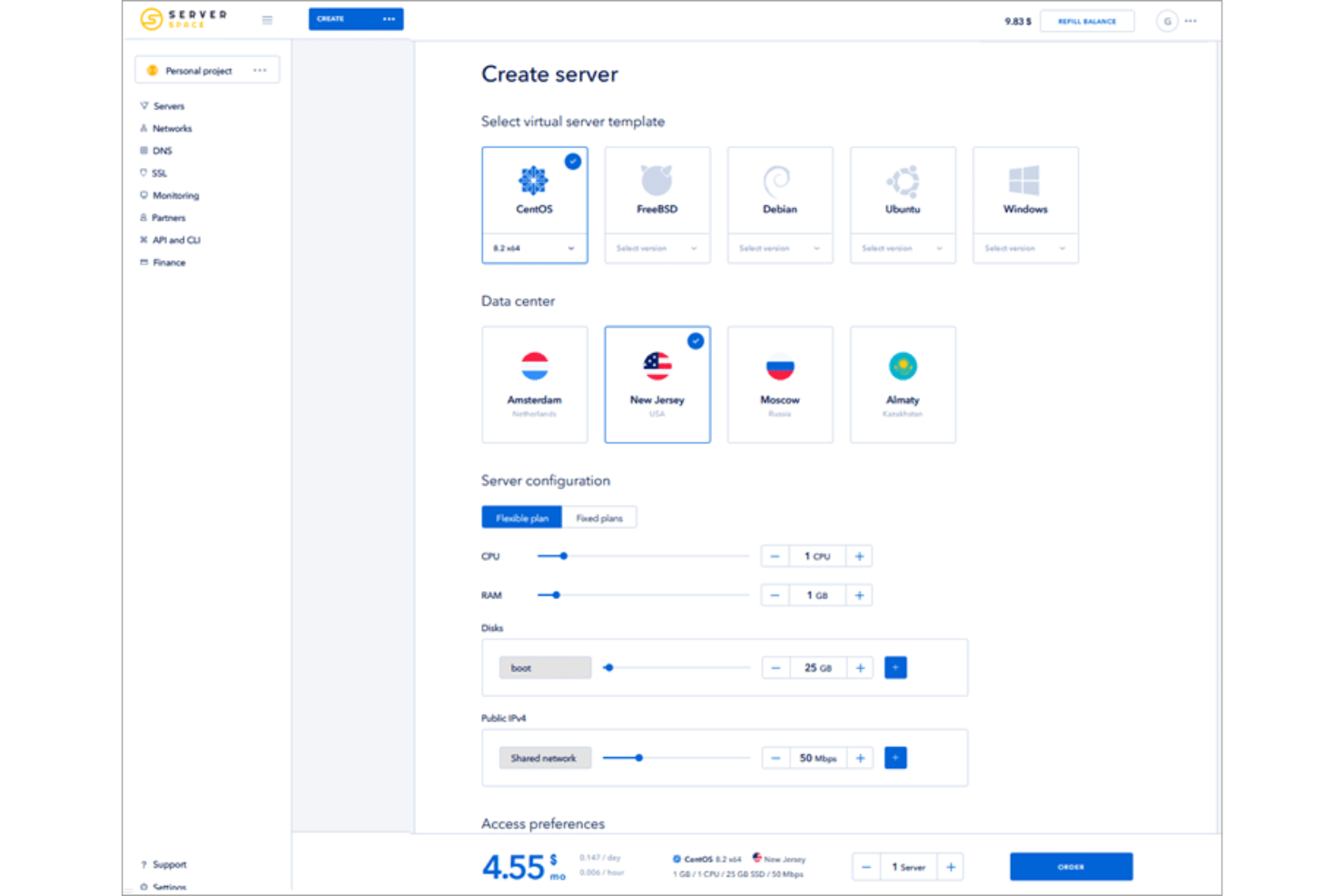
Serverspace est un fournisseur d'infrastructure cloud spécialisé dans le déploiement de machines virtuelles. Il propose une plateforme fiable et efficace permettant aux entreprises de déployer, gérer et faire évoluer des machines virtuelles dans le cloud.
Pourquoi j'ai choisi Serverspace : J'ai choisi Serverspace en raison de son accent sur le déploiement de machines virtuelles et sur le stockage SSD haute performance. Son interface conviviale et ses processus de déploiement simplifiés me permettent de configurer et de gérer facilement des machines virtuelles.
Fonctionnalités et intégrations remarquables de Serverspace :
Les fonctionnalités remarquables incluent une plateforme fiable et efficace pour le déploiement et la gestion de machines virtuelles, un panneau de contrôle intuitif, et un large choix de modèles préconfigurés. Selon moi, l'accent mis par Serverspace sur la fiabilité, la sécurité et des tarifs compétitifs en fait un choix attrayant pour les entreprises cherchant une gestion d'infrastructure cloud simplifiée.
Les intégrations comprennent des intégrations préconçues avec des outils d'automatisation comme Ansible et Terraform pour la gestion de l'infrastructure.
Pros and Cons
Pros:
- Déploiement rapide de machines virtuelles
- Tarification compétitive
- Stockage SSD pour de meilleures performances
Cons:
- Portefeuille de services limité comparé aux grands fournisseurs
- La documentation pourrait être améliorée
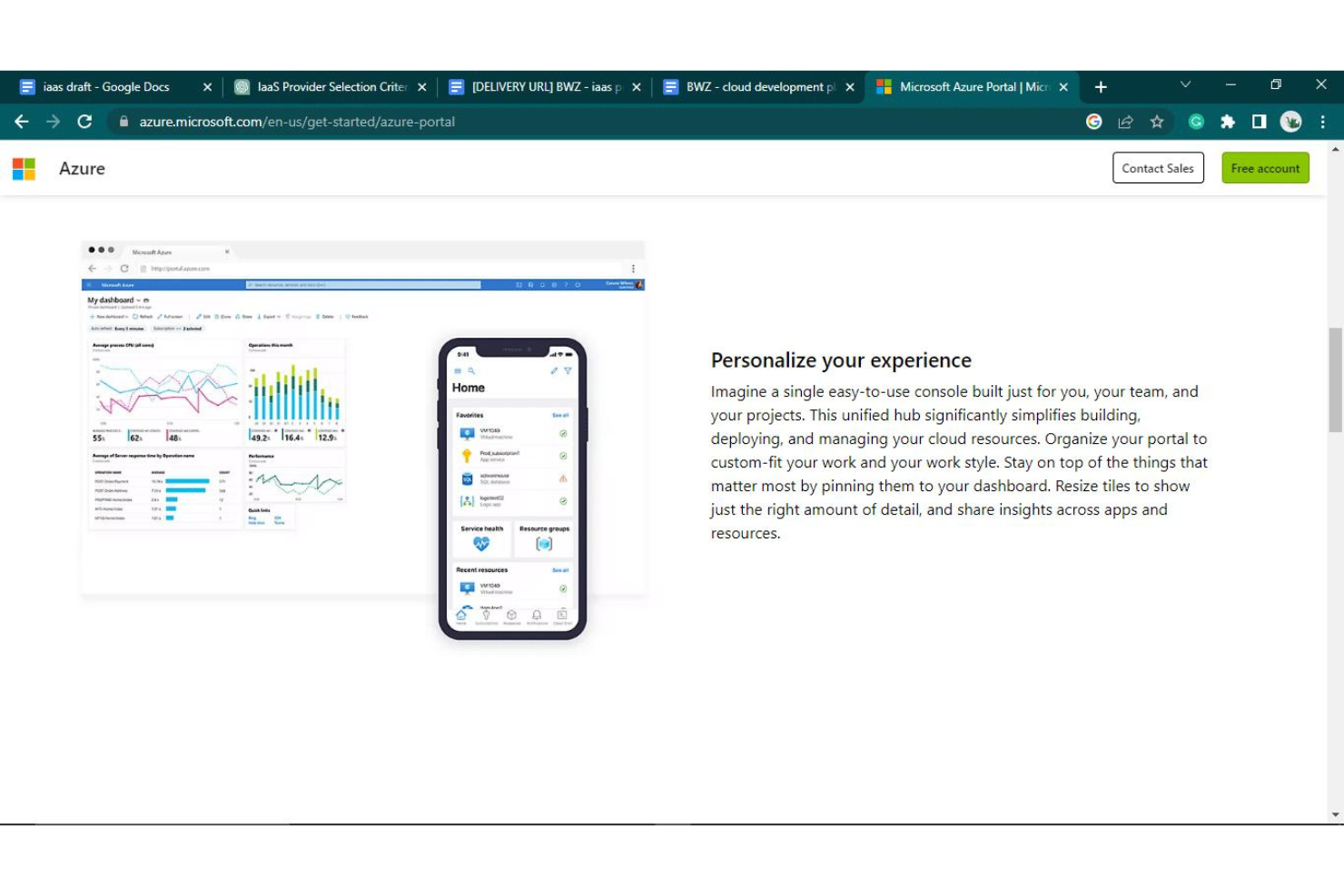
Microsoft Azure propose une suite de services cloud, des capacités avancées d'IA, une évolutivité mondiale et des mesures de sécurité de premier ordre.
Pourquoi j'ai choisi Microsoft Azure : J'ai opté pour Microsoft Azure en raison de ses services cloud complets répondant à divers besoins d'entreprise. Son intégration dans l'écosystème Microsoft distingue Azure, me permettant de tirer parti de mes outils et flux de travail Microsoft existants.
Fonctionnalités et intégrations remarquables de Microsoft Azure :
Fonctionnalités remarquables : une suite complète de services cloud couvrant tous mes besoins, des machines virtuelles aux outils d'IA avancée et d'analyse. Il s'agit d'une solution complète qui me permet de créer des solutions évolutives sans m'occuper de la gestion de l'infrastructure sous-jacente.
Intégrations : Microsoft Azure propose un ensemble complet d'intégrations natives avec divers services Microsoft, tels qu'Office 365, Dynamics 365 et Power Platform.
Pros and Cons
Pros:
- Large gamme de services et d'intégrations
- Forte orientation entreprise
- Capacités de cloud hybride
Cons:
- Cela peut être déroutant en raison du grand nombre d'options
- Le support client peut être variable
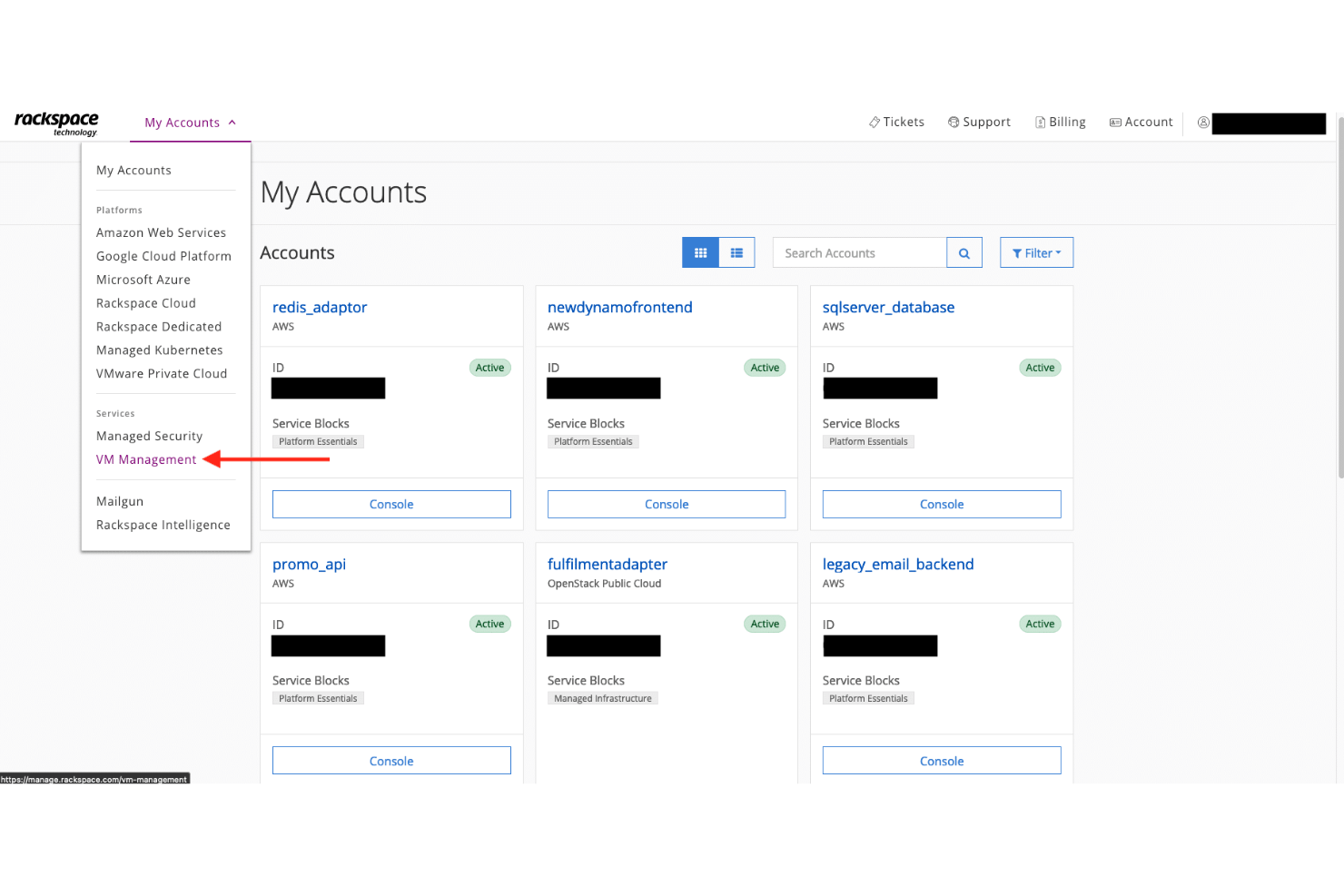
Rackspace est un fournisseur de premier plan de services de cloud computing gérés et d'expertise. Il propose divers services qui aident les entreprises à gérer efficacement leur infrastructure cloud.
Pourquoi j'ai choisi Rackspace :Rackspace a retenu mon attention pour sa flexibilité et sa capacité d'adaptation, essentielles pour des besoins d'infrastructure dynamiques. Sa large gamme d'options personnalisables, y compris des serveurs dédiés, des clouds privés et des solutions hybrides, vous permet d'adapter votre infrastructure aux besoins de votre entreprise.
Fonctionnalités remarquables et intégrations de Rackspace :
Fonctionnalités remarquables : des solutions sur mesure qui permettent aux entreprises d'adapter leur infrastructure à l'évolution des besoins. Il dispose également d'un vaste écosystème de partenaires et d'une forte attention portée à la conformité et à la sécurité, ce qui en fait, à mes yeux, un choix idéal pour les entreprises recherchant des solutions cloud personnalisées et une gestion fiable de leur infrastructure.
Intégrations : intégrations natives avec des plateformes comme AWS, Azure, Google Cloud et OpenStack. Il existe également des intégrations préconfigurées avec des outils de surveillance et de gestion tels que Zabbix et Nagios pour un contrôle et une supervision accrus de l'infrastructure.
Pros and Cons
Pros:
- Multiples options de personnalisation
- Forte orientation vers les services gérés
- Support personnalisé
Cons:
- Options en libre-service limitées
- Peut être mieux adapté aux clients grands comptes

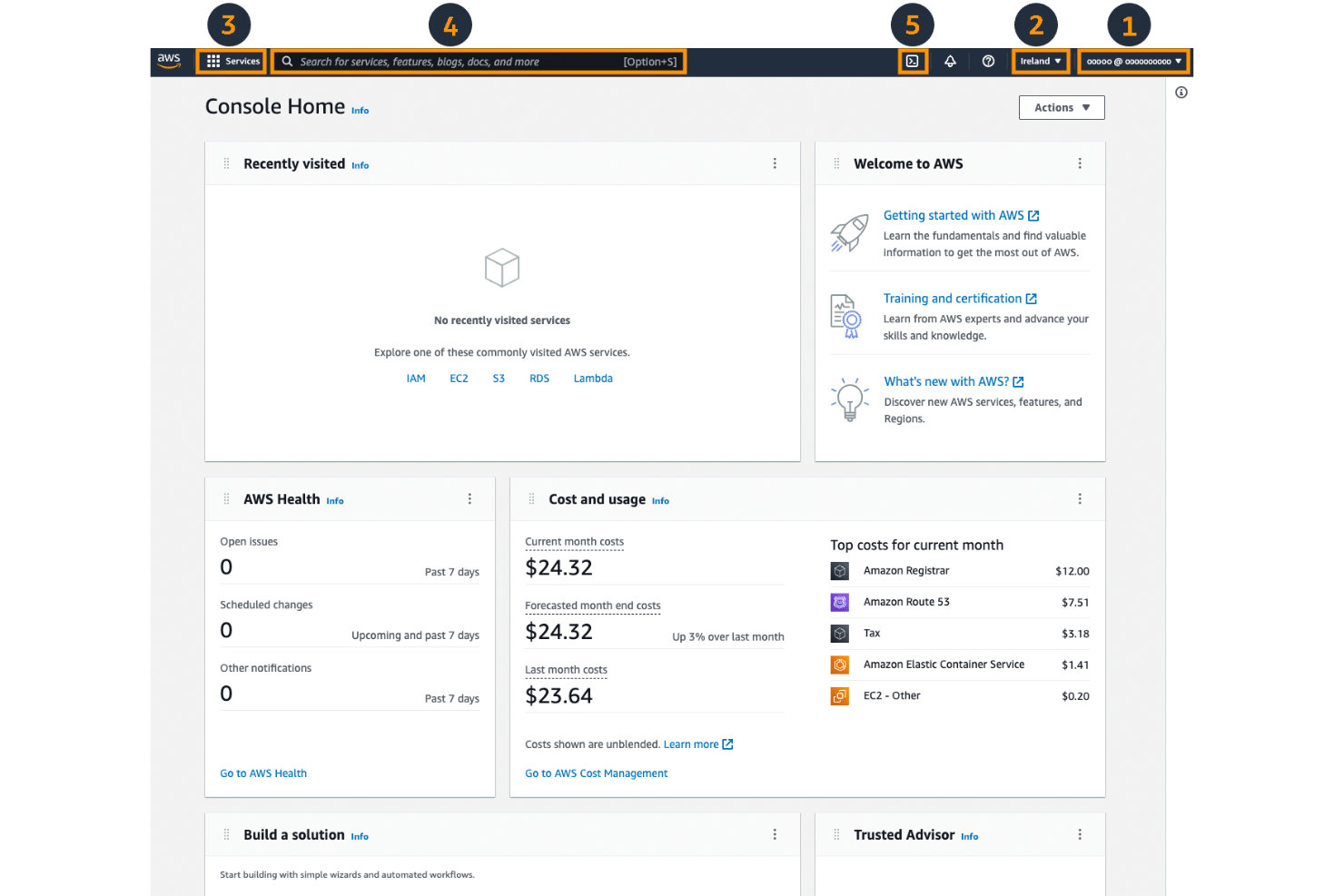
AWS se distingue sur le marché de l'informatique en nuage par sa vaste gamme de services et une évolutivité exceptionnelle.
Pourquoi j'ai choisi AWS : J'ai sélectionné AWS pour sa fiabilité et son évolutivité inégalées. Leader du cloud computing, sa multitude de services alliée à son engagement pour l'innovation le distingue des autres fournisseurs du marché. Avec AWS, vous pouvez profiter de fonctionnalités comme l'IA et l'apprentissage automatique pour faire évoluer votre infrastructure.
Fonctionnalités et intégrations clés d'AWS :
Fonctionnalités remarquables incluent la plus large gamme de services tels que le calcul, le stockage, les bases de données, le réseau et l'apprentissage automatique. Avec un accent sur la fiabilité et l'évolutivité, AWS me permet de faire évoluer mon infrastructure facilement, à la hausse ou à la baisse, selon la demande.
Intégrations comprennent un vaste écosystème d'intégrations avec de nombreux services, à la fois natifs et préconfigurés. AWS propose des options d'intégration via AWS Marketplace, qui offre de nombreuses solutions tierces.
Pros and Cons
Pros:
- Infrastructure hautement sécurisée et robuste.
- Portefeuille de services cloud très étendu
- Communauté solide et support
Cons:
- La tarification peut être complexe pour les débutants
- Courbe d'apprentissage abrupte pour certains services avancés

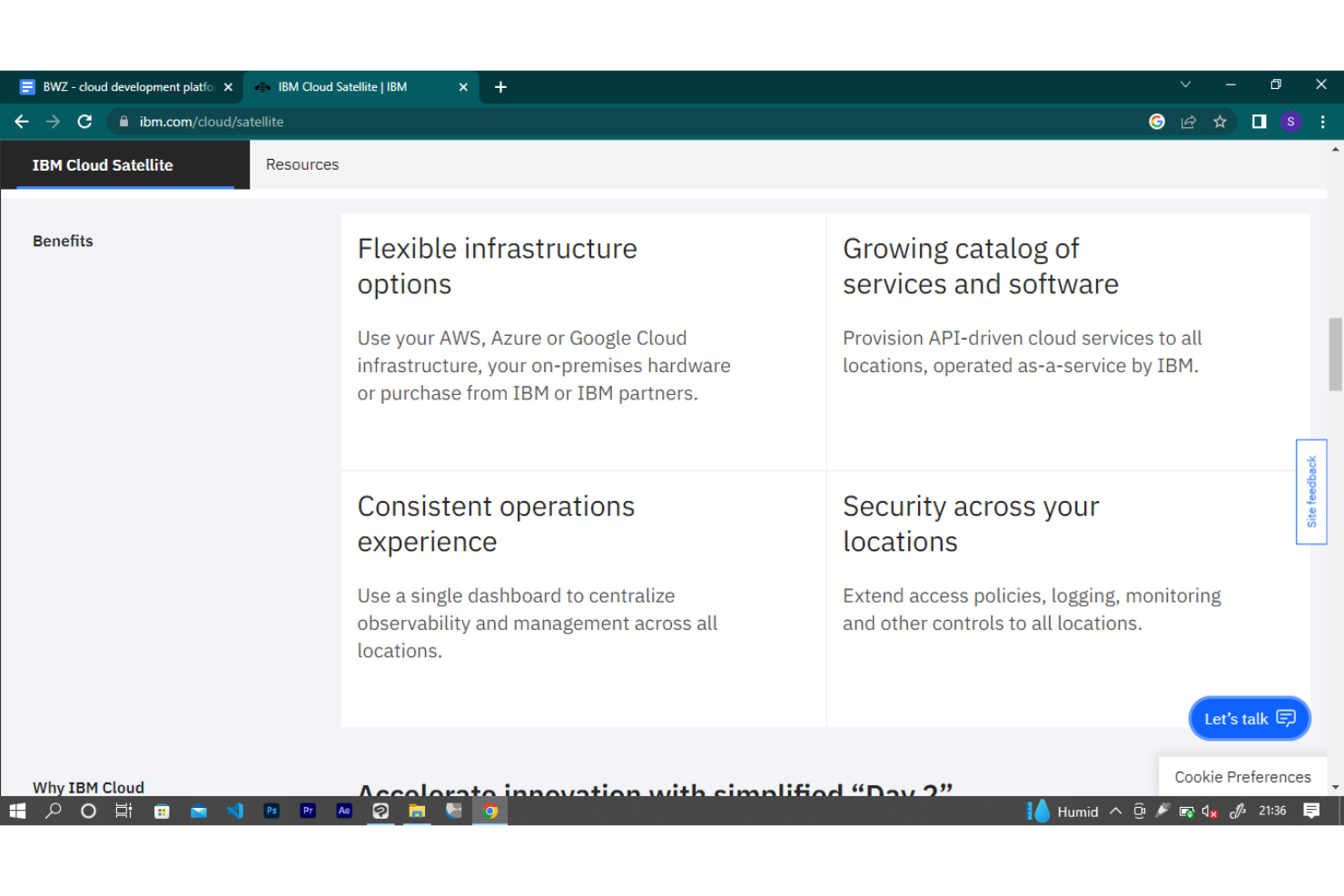
IBM Cloud est une plateforme cloud spécialisée axée sur la surveillance de la disponibilité et les services alimentés par l'IA, permettant aux entreprises d'assurer une haute disponibilité et de tirer parti des technologies avancées.
Pourquoi j'ai choisi IBM Cloud : J'ai choisi IBM Cloud car ses outils de surveillance complets et ses analyses avancées me permettent d'identifier et de résoudre de manière proactive tout problème potentiel, garantissant que mes applications et infrastructures critiques restent toujours opérationnelles.
Fonctionnalités et intégrations remarquables d'IBM Cloud :
Les fonctionnalités remarquables que j'ai trouvées les plus utiles incluent des capacités blockchain et IA, une sécurité et conformité de niveau entreprise, une large prise en charge des langages, ainsi qu'un vaste catalogue de services et d'API pré-construits, offrant une valeur exceptionnelle aux développeurs.
Les intégrations comprennent des intégrations pré-construites avec les services IBM Watson, IBM Cloud Functions (informatique serverless), et des outils tiers populaires.
Pros and Cons
Pros:
- Capacités solides de blockchain et d'IA
- Fonctionnalités de sécurité étendues
- Gestion du cloud hybride
Cons:
- Courbe d'apprentissage abrupte
- Les requêtes peuvent prendre un certain temps à se charger

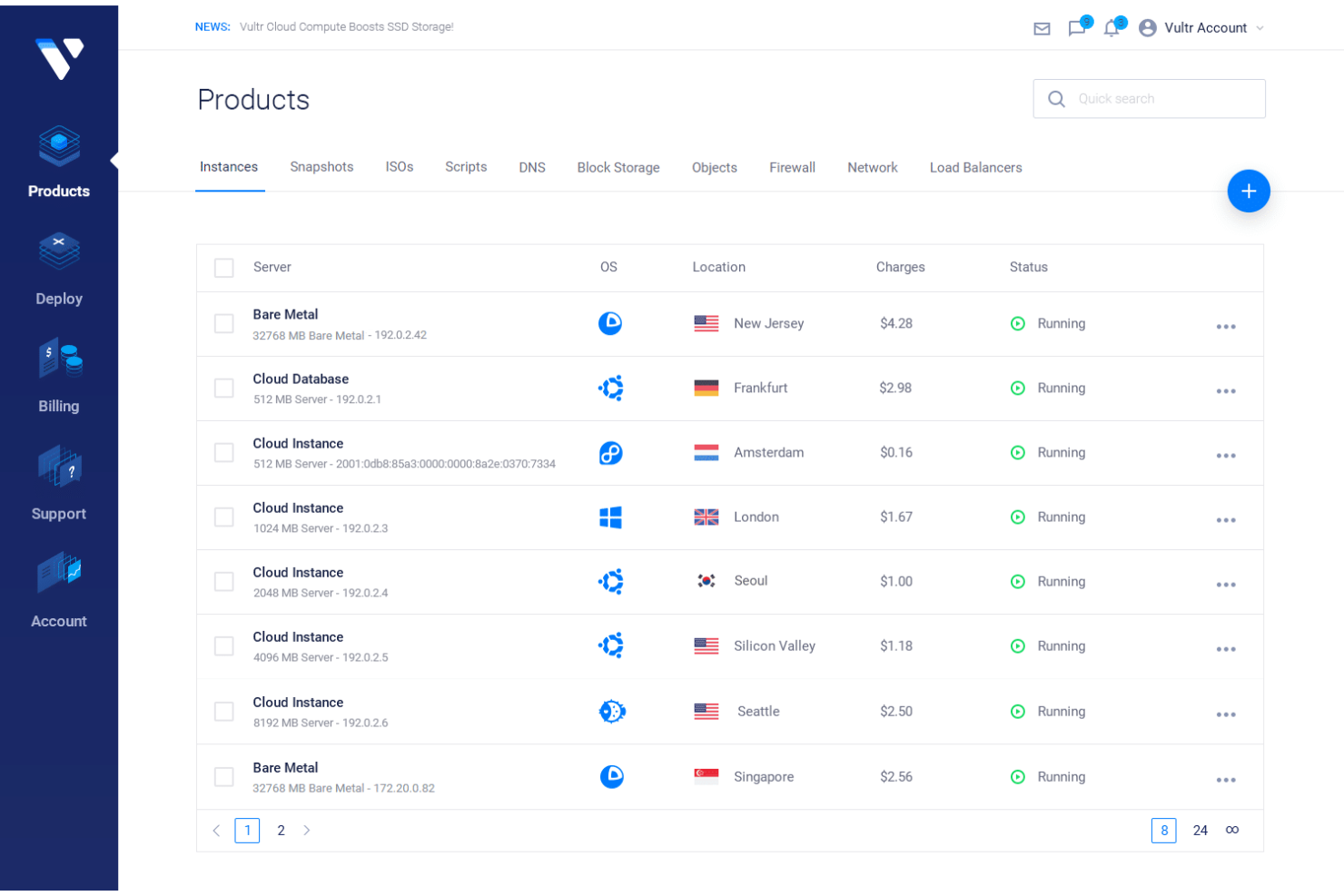
Vultr propose une infrastructure et des solutions évolutives, permettant aux entreprises d’augmenter leurs ressources à mesure que leurs besoins se multiplient. Grâce à une plateforme flexible, les entreprises peuvent facilement augmenter ou réduire leur capacité afin de disposer des ressources nécessaires au moment voulu.
Pourquoi j’ai choisi Vultr : J’ai choisi Vultr en raison de ses solutions d’infrastructure flexibles et évolutives. Grâce à son stockage SSD haute performance et à son réseau mondial de centres de données, je peux rapidement augmenter ou réduire mes ressources pour répondre à l’évolution des besoins de mon entreprise.
Fonctionnalités et intégrations remarquables de Vultr :
Les fonctionnalités remarquables comprennent des serveurs cloud évolutifs et haute performance reposant sur des SSD, une présence mondiale de l’infrastructure et une interface conviviale. J’apprécie ses tarifs compétitifs, son vaste choix de systèmes d’exploitation et d’applications, ainsi que son environnement adapté aux développeurs, qui en font un choix idéal pour les entreprises comme la mienne qui accordent la priorité à l’efficacité de l’infrastructure cloud.
Les intégrations comprennent des intégrations prédéfinies avec des outils tels que Terraform, Ansible et Puppet pour l’automatisation et la gestion de l’infrastructure.
Pros and Cons
Pros:
- Infrastructure évolutive
- Interface facile à utiliser
- Tarifs compétitifs
Cons:
- Options d’assistance limitées
- Moins de fonctionnalités avancées que les fournisseurs plus renommés

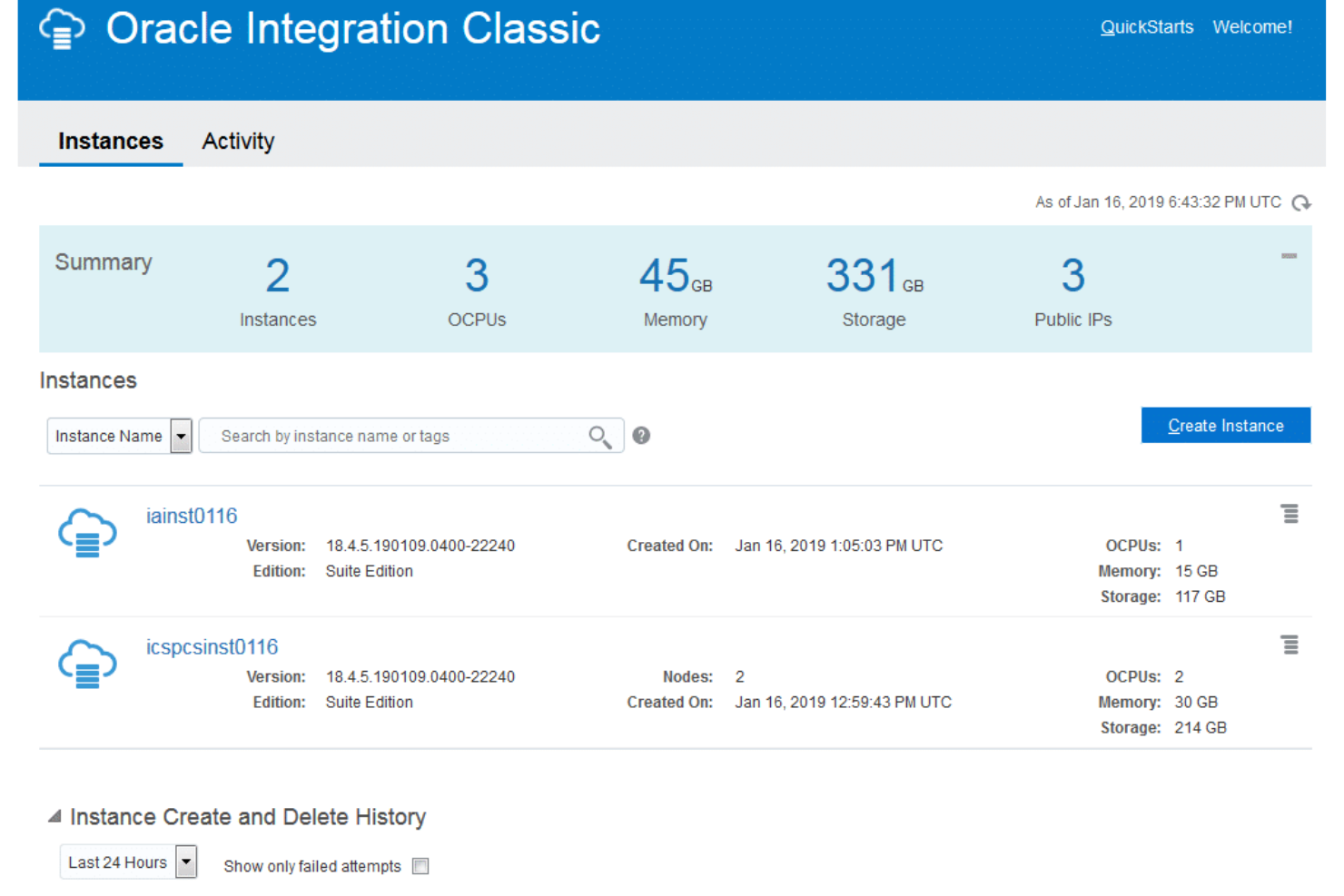
Oracle Cloud est une plateforme cloud qui offre une gamme de services, y compris l'infrastructure en tant que service (IaaS), la plateforme en tant que service (PaaS) et le logiciel en tant que service (SaaS). Elle fournit un environnement robuste et sécurisé pour concevoir et déployer des applications.
Pourquoi j'ai choisi Oracle Cloud Infrastructure : Oracle Cloud Infrastructure a retenu mon attention grâce à ses puissants outils de gestion de bases de données et sa profonde intégration avec les applications Oracle. Avec ses options d'informatique en nuage, ses fonctionnalités de sécurité, et son intégration au sein de l'écosystème Oracle, je peux gérer mes besoins en matière de base de données en toute confiance.
Fonctionnalités et intégrations marquantes d'OCI :
Les fonctionnalités marquantes incluent son accent prononcé sur la gestion de bases de données et ses capacités avancées de réseau. Une autre fonction qui a retenu mon attention est la suite intégrée de services d’Oracle, allant de l’informatique et du stockage au réseau, bases de données, IA/ML et analytique.
Les intégrations comprennent des intégrations natives avec les applications et services Oracle, tels qu’Oracle Database, Oracle Integration Cloud, et Oracle Identity and Access Management.
Pros and Cons
Pros:
- Une suite complète de services cloud
- Robustes fonctions de sécurité et de conformité
- Intégration avec les technologies Oracle
Cons:
- Plus coûteux que d'autres solutions cloud
- Courbe d'apprentissage importante pour les développeurs qui doivent se familiariser avec les technologies Oracle

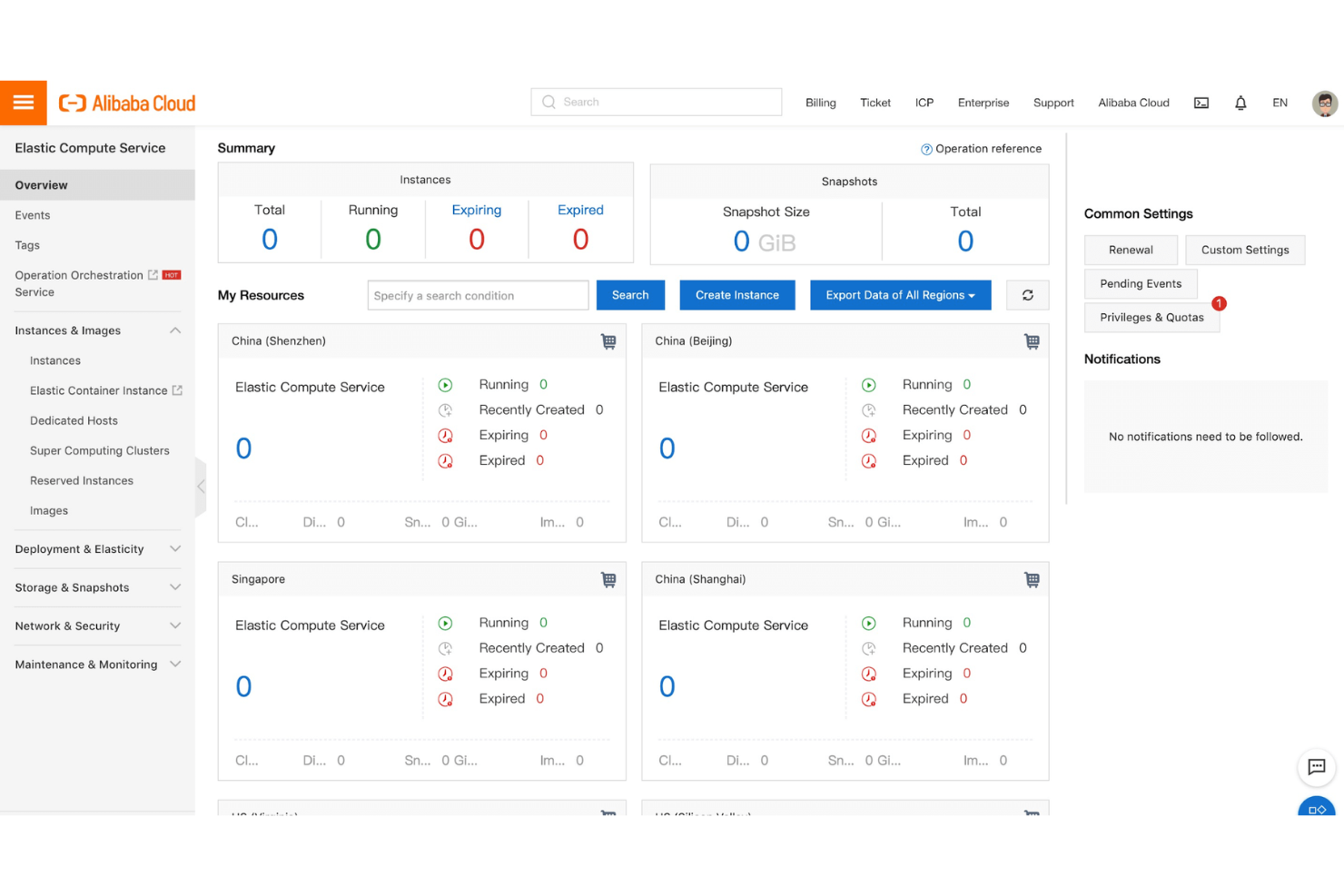
Alibaba Cloud est un fournisseur IaaS doté de capacités robustes de stockage et de gestion des données. Grâce à des options de stockage évolutives et des fonctionnalités avancées, les entreprises peuvent stocker, analyser et traiter efficacement leurs données en toute sécurité.
Pourquoi j'ai choisi Alibaba Cloud : J'ai choisi Alibaba Cloud pour ses capacités exceptionnelles de stockage et de gestion des données, spécialement conçues pour répondre aux besoins des entreprises de la région Asie-Pacifique. Ses solutions de stockage robustes et ses outils de gestion de données offrent une infrastructure fiable et évolutive pour traiter efficacement de grandes quantités de données.
Fonctionnalités et intégrations remarquables d'Alibaba Cloud :
Les fonctionnalités remarquables, selon moi, incluent des outils analytiques avancés, une large gamme d'options de stockage de données, un vaste réseau de centres de données, ainsi que des solutions de gestion répondant à des besoins métier diversifiés. De plus, grâce à sa forte implantation dans la région Asie-Pacifique, Alibaba Cloud propose des services localisés, garantissant une faible latence et des performances supérieures pour les entreprises de cette zone.
Les intégrations incluent des intégrations natives avec l'écosystème des services du groupe Alibaba, tels qu'Alibaba Cloud Database, Alibaba Cloud CDN et Alibaba Cloud IoT.
Pros and Cons
Pros:
- Excellentes capacités de stockage et de gestion de données
- Un vaste réseau de centres de données
- Solide support pour l'e-commerce et l'IoT
Cons:
- Présence limitée en dehors de l'Asie
- La documentation peut être améliorée
Autres options
Bien que les fournisseurs IaaS répertoriés ci-dessus comptent parmi les meilleurs du secteur, d’autres options sont disponibles pour les entreprises. Parmi celles-ci figurent notamment :
- Linode
Idéal pour la protection DDoS
- UpCloud
Meilleure infrastructure cloud mondiale pour les PME
- CloudSigma
Idéal pour un hébergement cloud efficace


Autres avis sur les outils d’infrastructure informatique
- Logiciels d’équilibrage de charge
- Fournisseurs de plateforme en tant que service
- Solutions PaaS en nuage
- Outils de surveillance des bases de données
- Logiciels de gestion de la configuration
Critères de sélection des fournisseurs IaaS
Lors de la sélection des fournisseurs IaaS pour cette liste, j’ai soigneusement pris en compte plusieurs critères essentiels afin de garantir leur inclusion :
Fonctionnalités essentielles
Voici un aperçu des fonctionnalités essentielles sur lesquelles je me suis concentré lors de l’évaluation des fournisseurs IaaS de cette liste :
- Infrastructure évolutive : j’ai évalué la capacité des fournisseurs IaaS à proposer des ressources d’infrastructure pouvant être facilement augmentées ou réduites en fonction des besoins de l’entreprise, afin de garantir flexibilité et allocation efficace des ressources.
- Performances fiables : j’ai évalué l’historique et la réputation des fournisseurs en matière de performances constantes et fiables concernant la disponibilité du réseau, la stabilité des services et les temps de réponse.
- Mesures de sécurité robustes : j’ai évalué les mesures de sécurité mises en œuvre par chaque fournisseur pour protéger les données et l’infrastructure, notamment les protocoles de chiffrement des données, les contrôles d’accès et la conformité aux normes et réglementations du secteur.
Fonctionnalités clés
J’ai examiné les fonctionnalités clés proposées par chaque fournisseur IaaS afin d’identifier les domaines dans lesquels ils se distinguent, notamment :
- Spécialisation dans la gestion des bases de données : J’ai pris en compte les fournisseurs qui proposent des solutions et des services avancés pour une gestion efficace des bases de données, garantissant un stockage, une récupération et une gestion efficaces des données.
- Simplicité et facilité d’utilisation : J’ai privilégié les fournisseurs qui proposent des interfaces conviviales, des panneaux de contrôle intuitifs ainsi que des processus de déploiement et de gestion rationalisés afin de simplifier l’expérience professionnelle.
- Évolutivité des ressources professionnelles : J’ai sélectionné les fournisseurs qui permettent aux entreprises d’augmenter rapidement leur puissance de calcul, leur capacité de stockage et leurs ressources réseau à mesure que leurs besoins évoluent, garantissant ainsi une allocation optimale des ressources et une bonne maîtrise des coûts.
Facilité d’utilisation
J’ai pris en compte la facilité d’utilisation et l’expérience utilisateur globale offertes par chaque fournisseur IaaS. Cela comprenait des facteurs tels que l’intuitivité de leur panneau de contrôle, la disponibilité de modèles préconfigurés ainsi que la simplicité des processus de déploiement et de gestion.
Fiabilité et disponibilité
J’ai évalué les antécédents et la réputation des fournisseurs en matière de fiabilité constante et d’infrastructure hautement performante. Cela comprenait l’évaluation de leurs garanties de disponibilité, de la vitesse du réseau et de la stabilité globale du service.
Coût et tarification
Comme pour l’évaluation des fournisseurs de bases de données en tant que service, j’ai pris en compte les modèles tarifaires et les structures de coûts des fournisseurs IaaS afin de m’assurer qu’ils proposent des tarifs compétitifs et transparents. Cela impliquait d’évaluer des facteurs tels que les niveaux de tarification, les options de facturation, l’efficacité de l’utilisation des ressources et la valeur globale offerte par rapport au coût. La gamme de prix bas doit être inférieure à $10/mois et inclure des instances virtuelles de base disposant de ressources limitées.
En appliquant ces critères, j’ai cherché à sélectionner des fournisseurs IaaS qui excellent non seulement dans les fonctionnalités essentielles et les fonctions critiques, mais qui accordent également la priorité à la fiabilité, à l’évolutivité, à la sécurité, à la rentabilité et à un service client exceptionnel.
Questions fréquemment posées
Cette section répondra à certaines des questions que les utilisateurs se posent au sujet des fournisseurs IaaS.
Quelle est la différence entre IaaS, PaaS et SaaS ?
Comment fonctionne l’IaaS ?
Quels sont les avantages de l’utilisation d’un fournisseur IaaS ?
Comment choisir le fournisseur IaaS adapté à mon entreprise ?
Quels sont les cas d’utilisation courants de l’IaaS ?
Choisir le bon fournisseur IaaS
Choisir le bon fournisseur IaaS est essentiel pour les entreprises qui cherchent à développer leurs activités et à améliorer leur rentabilité. Les fournisseurs présentés dans cet article proposent un éventail de fonctionnalités et d’avantages adaptés aux entreprises de toutes tailles.
En tenant compte des critères de sélection ci-dessus, les entreprises peuvent trouver le fournisseur IaaS adapté à leurs besoins. Un fournisseur IaaS fiable et flexible peut aider les entreprises à atteindre leurs objectifs et à réussir sur le marché concurrentiel actuel.
Abonnez-vous à la lettre d’information de The CTO Club pour obtenir davantage d’informations sur des sujets pertinents abordés par des experts du secteur.

