

Los 10 mejores proveedores de IaaS en 2026

Lista de los mejores proveedores de IaaS


Los proveedores de IaaS le ofrecen la posibilidad de escalar su infraestructura, gestionar e implementar aplicaciones en la nube y centrarse en sus competencias principales. Al comprender las opciones disponibles, puede tomar decisiones informadas sobre sus necesidades de infraestructura de computación en la nube. En este artículo, analizaré las características y ventajas de varios proveedores de IaaS.
¿Qué es un proveedor de infraestructura como servicio (IaaS)?
La infraestructura como servicio (IaaS) es un servicio de computación en la nube que proporciona a las empresas acceso bajo demanda a recursos informáticos, como servidores, almacenamiento y redes.
Los proveedores de IaaS gestionan todo el hardware y software necesarios, lo que le permite centrarse en llevar su negocio de manera eficiente. Con su ayuda, puede mantener su competitividad y hacer crecer su negocio sin preocuparse por la infraestructura subyacente.
La IaaS es un servicio esencial para las empresas que buscan ampliar sus operaciones sin invertir en hardware y software costosos.
Por qué confiar en nuestras recomendaciones de software
Nuestro equipo lleva probando y evaluando software desde 2012. Como líderes tecnológicos, sabemos lo difícil —y lo importante— que es elegir el software adecuado.
Para esta guía, evaluamos las herramientas mediante pruebas prácticas e investigación independiente, puntuando las herramientas según nuestros criterios de selección.
Nuestras reseñas reflejan nuestro criterio editorial humano, no un discurso de ventas.
Resumen de los mejores proveedores de IaaS
| Service | Best For | Trial Info | Price | ||
|---|---|---|---|---|---|
| 1 | El mejor por su simplicidad y facilidad de uso | Plan gratuito disponible | Desde $0.15/M tokens | Website | |
| 2 | Mejor para análisis de grandes volúmenes de datos | Prueba gratuita de 90 días | Precios a consultar | Website | |
| 3 | Mejor opción para el despliegue de máquinas virtuales | Plan gratuito disponible | Desde $4.95/mes | Website | |
| 4 | La mejor gama de servicios basados en la nube | Plan gratuito disponible + prueba gratis de 30 días | Precio bajo solicitud | Website | |
| 5 | Ideal para flexibilidad y escalabilidad | Consulta gratuita disponible | Precios a consultar | Website | |
| 6 | Ideal para fiabilidad y escalabilidad | Plan gratuito disponible | Precio bajo solicitud | Website | |
| 7 | Mejor para el monitoreo de disponibilidad | Plan gratuito + prueba gratuita disponible | Precio bajo pedido | Website | |
| 8 | Ideal para ampliar los recursos empresariales | Not available | Desde $2.50/mes | Website | |
| 9 | Ideal para la gestión de bases de datos | Prueba gratuita de 30 días + demo gratuita disponible | Precios bajo consulta | Website | |
| 10 | Ideal para almacenamiento y gestión de datos | Prueba gratuita de 30 días + plan gratis disponible | Desde $19.99/mes | Website |
Reseñas de los mejores proveedores de IaaS
Después de evaluar exhaustivamente varios proveedores de IaaS, he analizado cuidadosamente sus características distintivas, como la fiabilidad, la escalabilidad, la seguridad, los modelos de precios y las capacidades de integración, para elaborar esta lista de los mejores proveedores de IaaS.

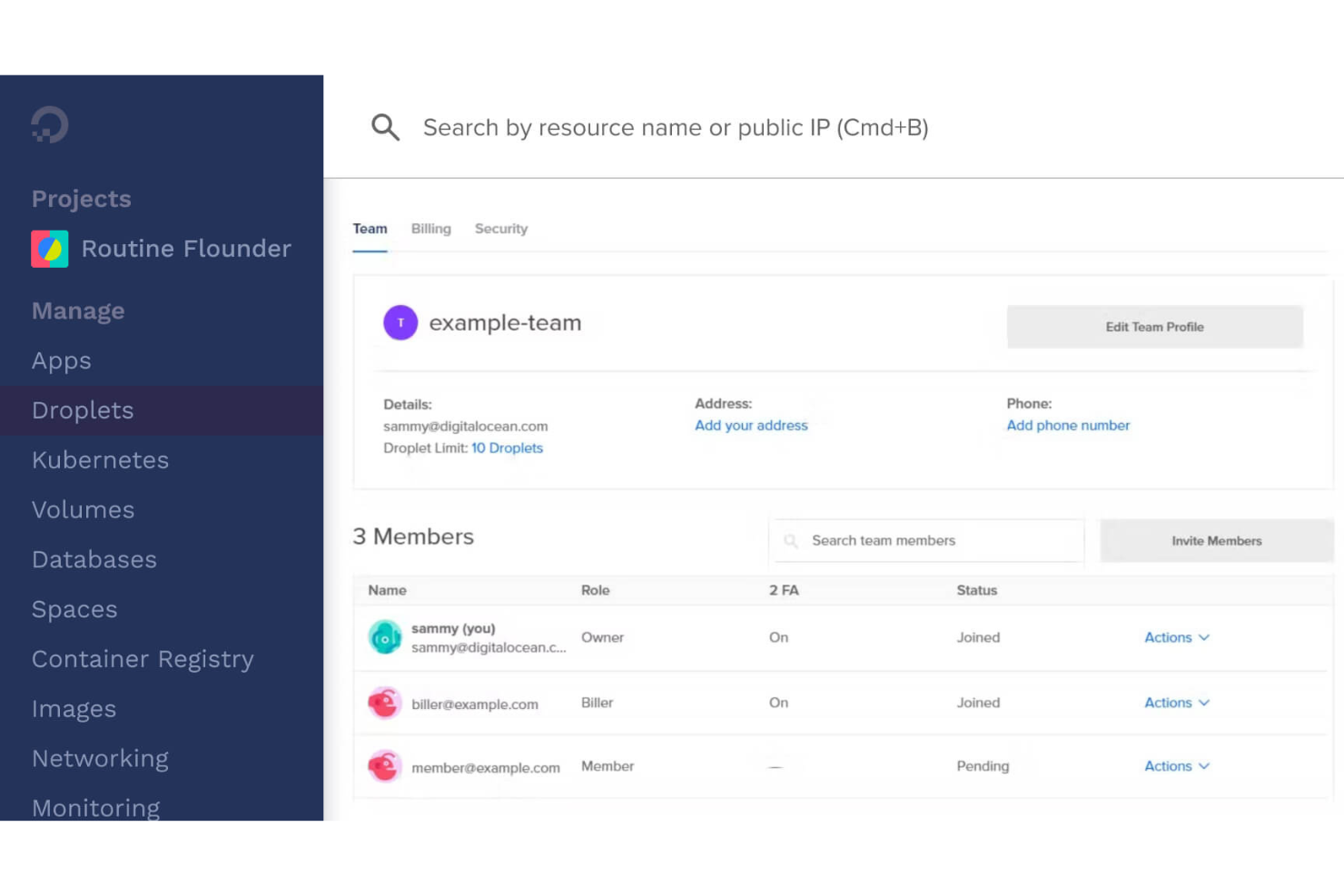
DigitalOcean es un proveedor de infraestructura en la nube enfocado en la simplicidad y características amigables para desarrolladores. Ofrece máquinas virtuales escalables (Droplets), Kubernetes gestionado y otros servicios adecuados para desarrolladores y pequeñas y medianas empresas.
Por qué elegí DigitalOcean: En cuanto a simplicidad y facilidad de uso, DigitalOcean fue una elección clara para mí. Su interfaz fácil de usar y el proceso de configuración sencillo me permitieron implementar y gestionar máquinas virtuales y aplicaciones rápidamente sin necesidad de amplios conocimientos técnicos.
Características destacadas e integraciones de DigitalOcean:
Características destacadas que me gustan incluyen una infraestructura escalable con plantillas de aplicaciones preconfiguradas que permiten a los desarrolladores implementar pilas de software populares, bases de datos y marcos de desarrollo con tan solo unos clics.
Integraciones incluyen integraciones con varias herramientas y marcos de desarrollo, como populares sistemas de gestión de contenidos (CMS), bases de datos y plataformas CI/CD a través de Zapier.
Pros and Cons
Pros:
- Interfaz de usuario amigable
- Implementación rápida y sencilla
- Excelente comunidad de desarrolladores y tutoriales
Cons:
- Servicios limitados en comparación con proveedores más grandes
- Pocas funciones empresariales avanzadas

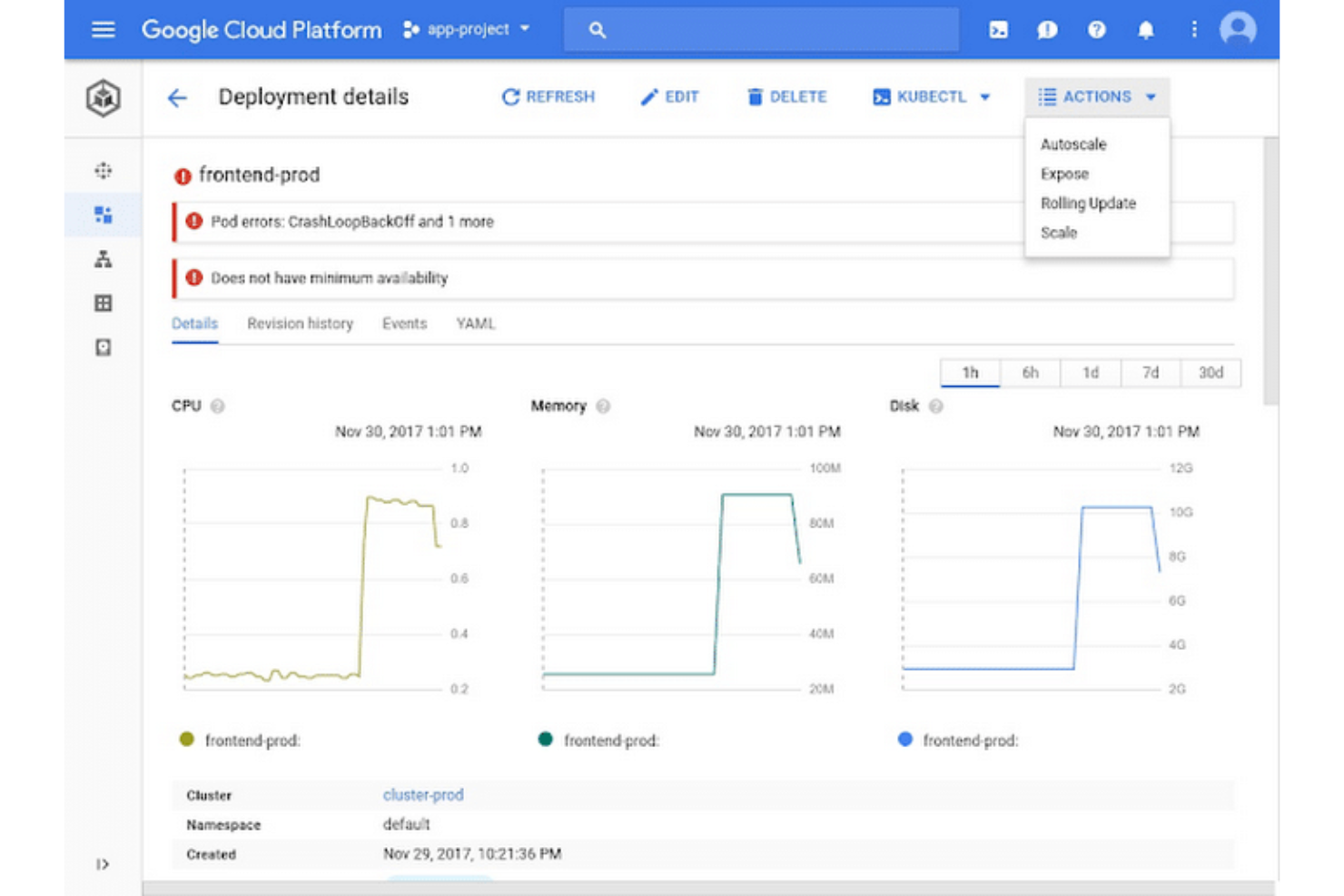
Google Cloud Platform (GCP) es una plataforma integral de computación en la nube reconocida por sus capacidades de análisis de grandes volúmenes de datos. Los desarrolladores pueden acceder a diversos servicios y herramientas para crear y gestionar aplicaciones en la nube mediante GCP.
Por qué elegí Google Cloud Platform: Elegí Google Cloud Platform por sus extraordinarias capacidades de análisis de datos a gran escala. Sus herramientas avanzadas y funcionalidades de aprendizaje automático ofrecen información valiosa a partir de mis datos.
Características destacadas e integraciones de Google Cloud Platform:
Las características destacadas incluyen su infraestructura global que proporciona una extensa red de centros de datos, lo que me permite desplegar aplicaciones más cerca de los usuarios para mejorar el rendimiento y reducir la latencia. GCP ofrece avanzadas capacidades de aprendizaje automático, incluidos modelos preentrenados y herramientas para el análisis de datos.
Además, la completa suite de servicios en la nube de GCP, como cómputo, almacenamiento, redes y BigQuery, me permite crear aplicaciones escalables y altamente disponibles adaptadas a mis necesidades específicas.
Integraciones incluyen que Google Cloud Platform ofrece integraciones nativas con varios servicios de Google, como Google Workspace (anteriormente G Suite), Google Analytics y Google BigQuery.
Pros and Cons
Pros:
- Capacidades avanzadas de big data y aprendizaje automático
- Infraestructura global de red
- Sólidas funciones de seguridad
Cons:
- La documentación puede resultar desafiante
- El tiempo de respuesta de soporte puede variar

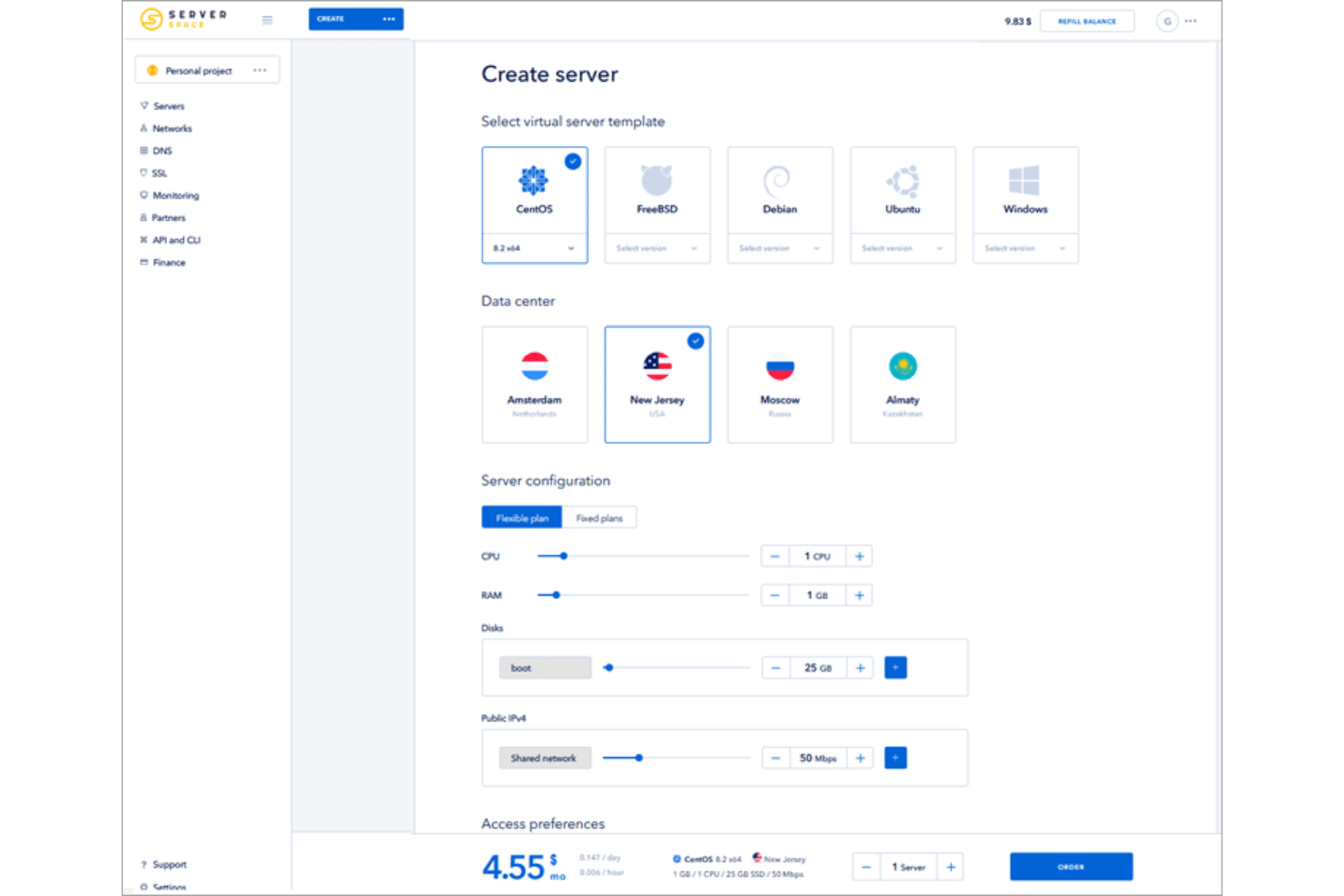
Serverspace es un proveedor de infraestructura en la nube que se especializa en el despliegue de máquinas virtuales. Ofrece una plataforma confiable y eficiente para que las empresas desplieguen, gestionen y escalen máquinas virtuales en la nube.
Por qué elegí Serverspace: Escogí Serverspace por su enfoque en el despliegue de máquinas virtuales y almacenamiento SSD de alto rendimiento. Su interfaz fácil de usar y los procesos de despliegue simplificados me permiten configurar y administrar máquinas virtuales con facilidad.
Características destacadas e integraciones de Serverspace:
Las características destacadas incluyen una plataforma eficiente y confiable para el despliegue y gestión de máquinas virtuales, un panel de control intuitivo y una amplia variedad de plantillas preconfiguradas. Considero que el énfasis de Serverspace en la confiabilidad, seguridad y precios competitivos lo hacen una opción atractiva para empresas que buscan gestionar su infraestructura en la nube de forma simplificada.
Las integraciones incluyen integraciones prediseñadas con herramientas de automatización como Ansible y Terraform para la gestión de infraestructuras.
Pros and Cons
Pros:
- Despliegue rápido de máquinas virtuales
- Precios competitivos
- Almacenamiento SSD para mayor rendimiento
Cons:
- Cartera de servicios limitada en comparación con proveedores más grandes
- La documentación podría mejorarse
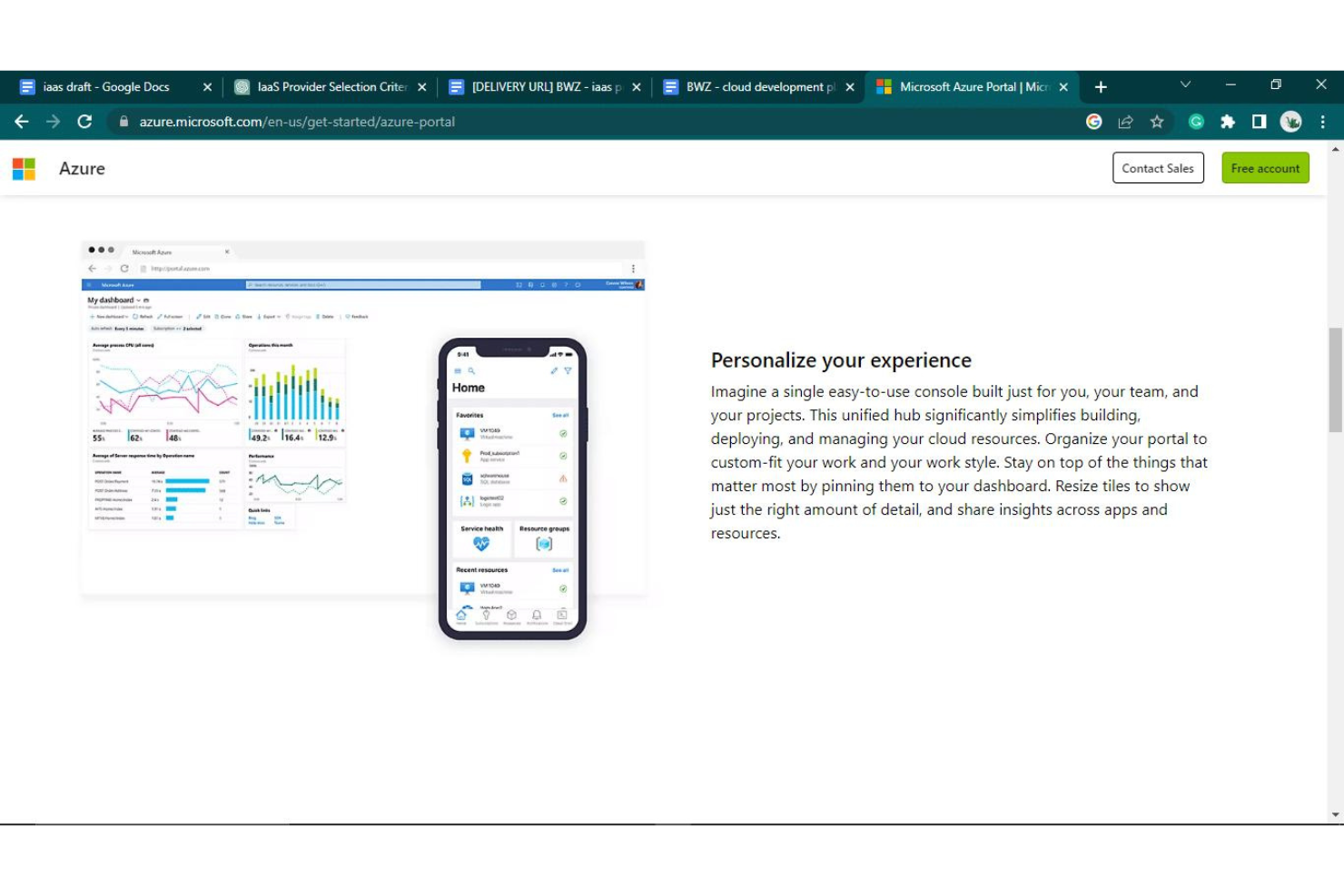
Microsoft Azure ofrece una suite de servicios en la nube, capacidades avanzadas de IA, escalabilidad global y medidas de seguridad de primer nivel.
Por qué elegí Microsoft Azure: Elegí Microsoft Azure por sus completos servicios basados en la nube que atienden a diversas necesidades empresariales. Su integración dentro del ecosistema de Microsoft distingue a Azure, permitiéndome aprovechar mis herramientas y flujos de trabajo de Microsoft existentes.
Funciones destacadas e integraciones de Microsoft Azure:
Las funciones destacadas incluyen una suite integral de servicios en la nube que cubren todo lo que necesito, desde máquinas virtuales hasta herramientas avanzadas de IA y análisis. Es un paquete completo que me permite crear soluciones escalables sin la molestia de gestionar la infraestructura subyacente.
Integraciones incluyen un conjunto completo de integraciones nativas con varios servicios de Microsoft, como Office 365, Dynamics 365 y Power Platform.
Pros and Cons
Pros:
- Amplia gama de servicios e integraciones
- Fuerte enfoque empresarial
- Capacidades de nube híbrida
Cons:
- Puede resultar abrumador debido a la gran cantidad de opciones
- El soporte al cliente puede ser variable
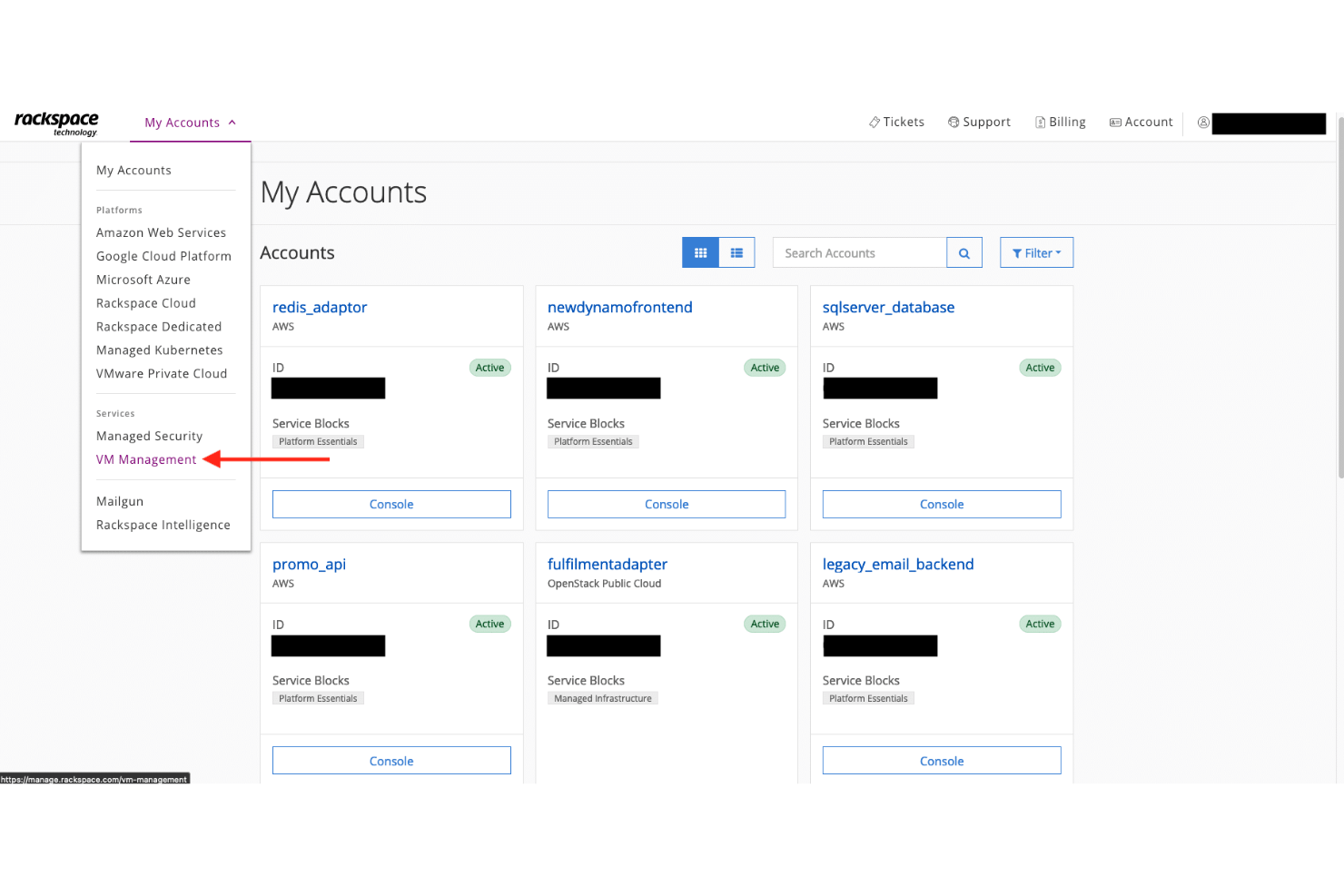
Rackspace es un proveedor destacado de servicios y experiencia en computación en la nube gestionada. Ofrece diversos servicios que ayudan a las empresas a gestionar su infraestructura en la nube de manera eficaz.
Por qué elegí Rackspace: Rackspace llamó mi atención por su flexibilidad y escalabilidad, elementos cruciales para necesidades de infraestructura dinámica. Su amplia gama de opciones personalizables, incluyendo servidores dedicados, nubes privadas y soluciones híbridas, te permite adaptar tu infraestructura a las necesidades de tu empresa.
Características y integraciones destacadas de Rackspace:
Características destacadas incluyen soluciones personalizadas que permiten a las empresas adaptar su infraestructura a requerimientos cambiantes. También cuenta con un extenso ecosistema de partners y un fuerte enfoque en el cumplimiento y las medidas de seguridad, lo que en mi opinión lo convierte en una opción ideal para empresas que buscan soluciones en la nube a medida y una gestión de infraestructura fiable.
Integraciones incluyen integraciones nativas con plataformas como AWS, Azure, Google Cloud y OpenStack. También hay integraciones preconfiguradas con herramientas de monitoreo y gestión como Zabbix y Nagios para mejorar la supervisión y el control de la infraestructura.
Pros and Cons
Pros:
- Varias opciones de personalización
- Fuerte enfoque en servicios gestionados
- Soporte personalizado
Cons:
- Opciones de autoservicio limitadas
- Puede resultar más adecuado para clientes empresariales

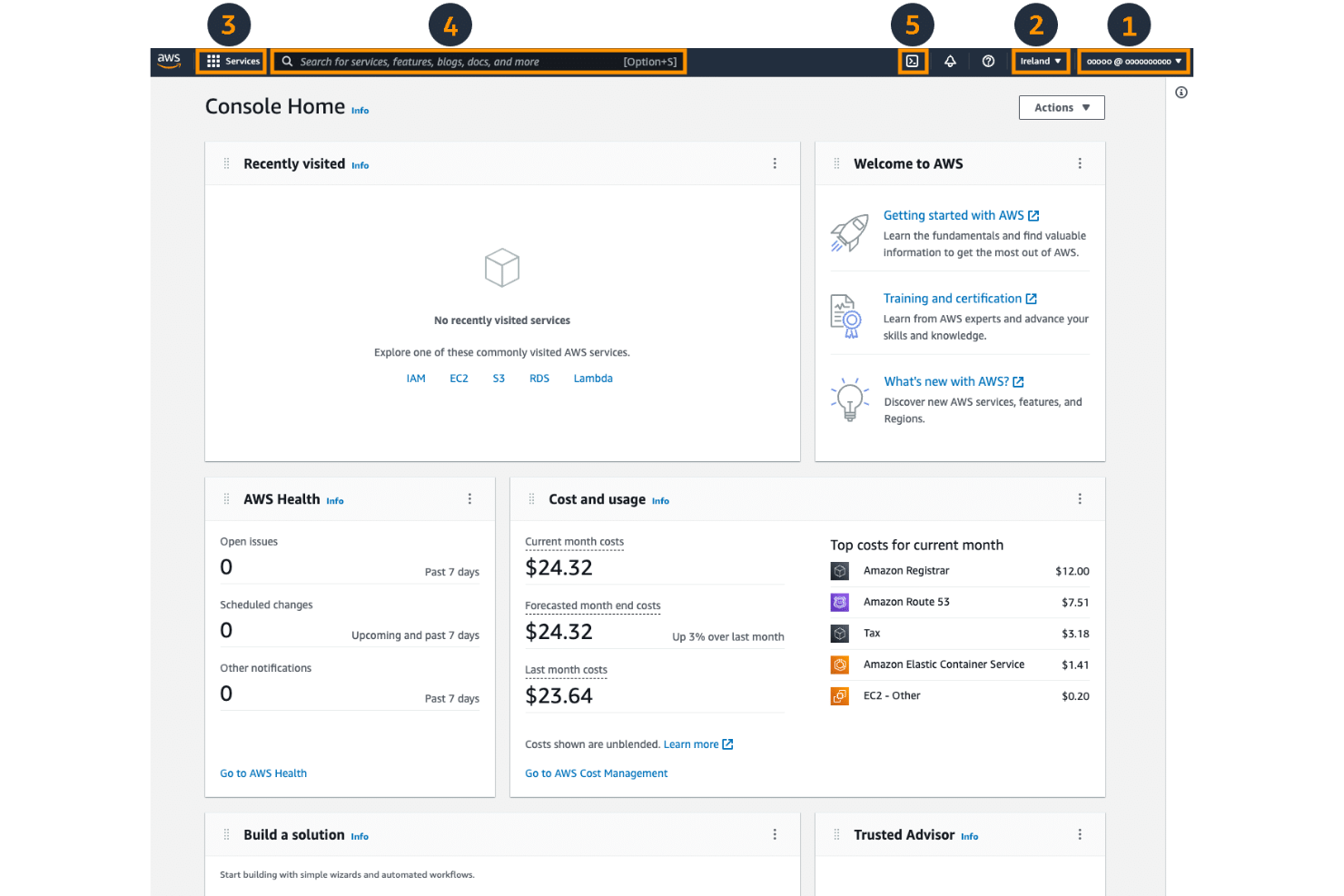
AWS se destaca en el mercado de la computación en la nube por su amplia gama de servicios y escalabilidad excepcional.
Por qué elegí AWS: Elegí AWS por su fiabilidad y escalabilidad inigualables. Como líder en computación en la nube, su enorme variedad de servicios, junto con su enfoque en la innovación, lo diferencia de otros proveedores en el mercado. Con AWS, puedes aprovechar funciones como la inteligencia artificial y el aprendizaje automático para escalar tu infraestructura.
Funciones y integraciones destacadas de AWS:
Funciones destacadas incluyen la oferta de la gama más amplia de servicios como computación, almacenamiento, bases de datos, redes y aprendizaje automático. Con un enfoque en la fiabilidad y la escalabilidad, AWS me permite escalar fácilmente mi infraestructura según la demanda.
Integraciones consisten en un vasto ecosistema de integraciones con diversos servicios, tanto nativos como preconstruidos. AWS proporciona opciones de integración a través de AWS Marketplace, que ofrece múltiples soluciones de terceros.
Pros and Cons
Pros:
- Infraestructura altamente segura y robusta.
- Amplio portafolio de servicios en la nube
- Comunidad y soporte sólidos
Cons:
- La estructura de precios puede ser compleja para principiantes
- Curva de aprendizaje pronunciada para algunos servicios avanzados

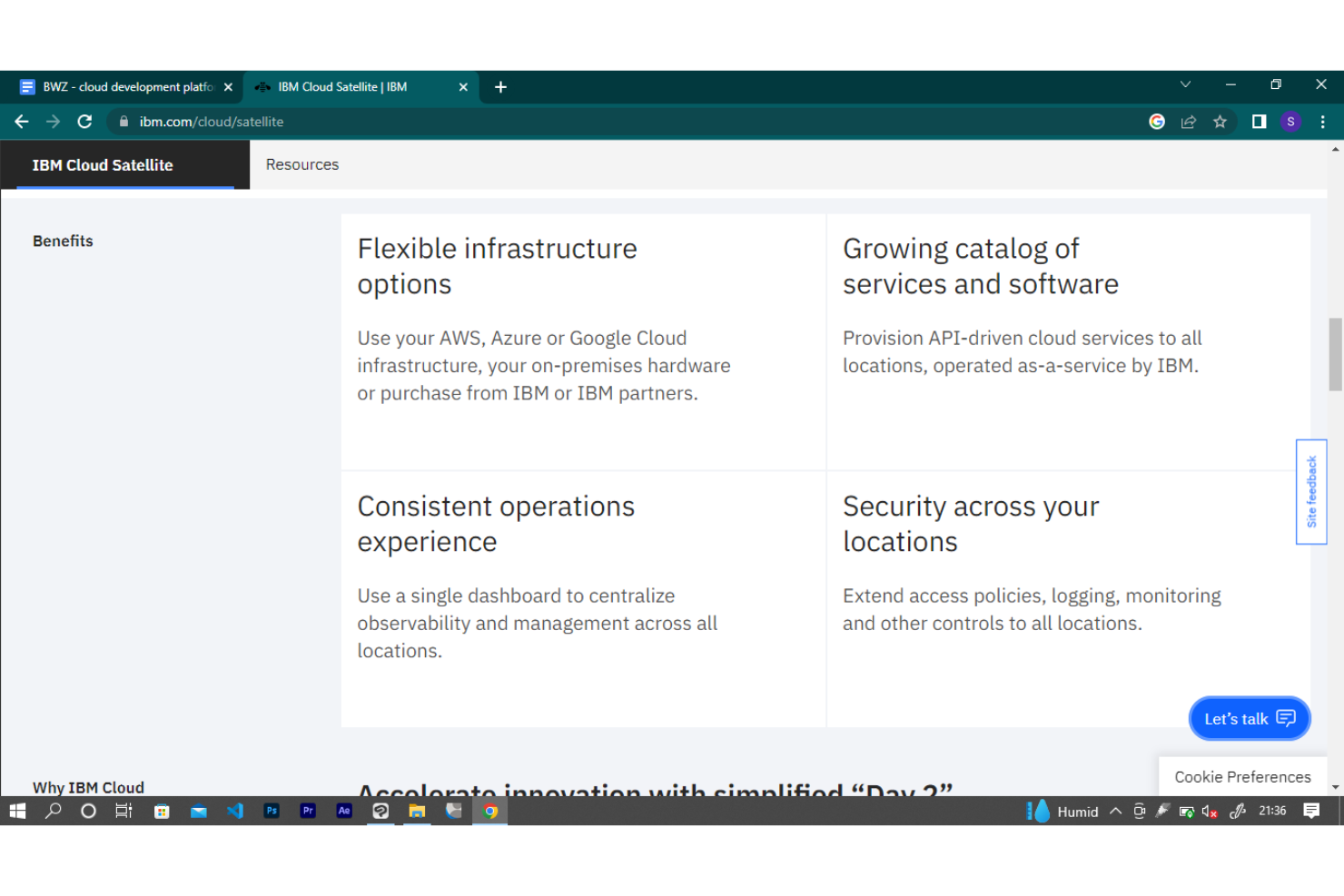
IBM Cloud es una plataforma de nube especializada que se enfoca en el monitoreo de disponibilidad y servicios potenciados por IA, lo que permite a las empresas asegurar un alto tiempo de actividad y aprovechar tecnologías avanzadas.
Por qué elegí IBM Cloud: Elegí IBM Cloud porque sus herramientas integrales de monitoreo y sus análisis avanzados me permiten identificar y resolver proactivamente cualquier posible inconveniente, asegurando que mis aplicaciones e infraestructura críticas siempre estén funcionando sin problemas.
Funciones e integraciones destacadas de IBM Cloud:
Las funciones destacadas que encontré más útiles incluyen capacidades de blockchain y de IA, seguridad y cumplimiento a nivel empresarial, soporte para una amplia gama de lenguajes y un extenso catálogo de servicios y API preconstruidos, proporcionando un valor excepcional a los desarrolladores.
Las integraciones incluyen integraciones preconfiguradas con los servicios de IBM Watson, IBM Cloud Functions (computación sin servidor) y herramientas populares de terceros.
Pros and Cons
Pros:
- Capacidades sólidas de blockchain y de IA
- Funciones de seguridad extensas
- Gestión de nube híbrida
Cons:
- Curva de aprendizaje pronunciada
- Las consultas pueden tardar en cargar


Vultr ofrece infraestructura y soluciones escalables, lo que permite a las empresas ampliar sus recursos a medida que aumentan sus necesidades. Con una plataforma flexible, las empresas pueden aumentar o reducir su escala de forma eficiente para asegurarse de contar con los recursos que necesitan cuando los necesitan.
Por qué elegí Vultr: Elegí Vultr debido a sus soluciones de infraestructura flexibles y escalables. Con almacenamiento SSD de alto rendimiento y una red global de centros de datos, puedo aumentar o reducir rápidamente mis recursos para satisfacer las cambiantes demandas de mi empresa.
Características destacadas e integraciones de Vultr:
Las características destacadas incluyen servidores en la nube escalables y de alto rendimiento basados en SSD, presencia de infraestructura global y una interfaz fácil de usar. Aprecio sus precios competitivos, su amplia selección de sistemas operativos y aplicaciones, y su entorno favorable para desarrolladores, que lo convierten en una opción ideal para empresas como la mía que priorizan la eficiencia en la infraestructura en la nube.
Las integraciones incluyen integraciones prediseñadas con herramientas como Terraform, Ansible y Puppet para la automatización y gestión de la infraestructura.
Pros and Cons
Pros:
- Infraestructura escalable
- Interfaz fácil de usar
- Precios competitivos
Cons:
- Opciones de soporte limitadas
- Menos funciones avanzadas en comparación con proveedores más destacados

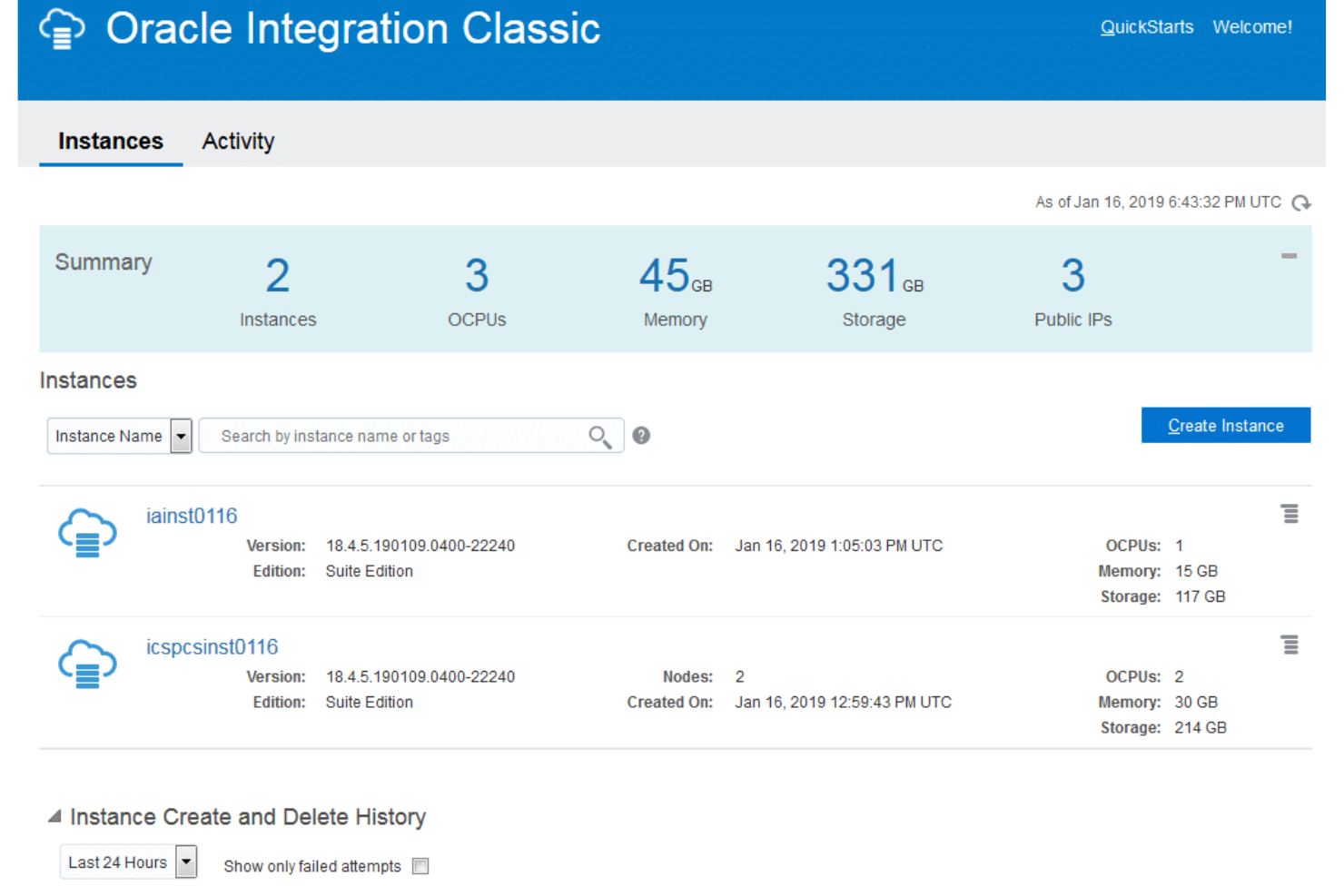
Oracle Cloud es una plataforma en la nube que ofrece una gama de servicios, incluyendo infraestructura como servicio (IaaS), plataforma como servicio (PaaS) y software como servicio (SaaS). Proporciona un entorno sólido y seguro para crear y desplegar aplicaciones.
Por qué elegí Oracle Cloud Infrastructure: Oracle Cloud Infrastructure llamó mi atención por sus potentes herramientas de gestión de bases de datos y su profunda integración con las aplicaciones de Oracle. Con sus opciones de computación en la nube, características de seguridad e integración dentro del ecosistema de Oracle, puedo gestionar mis necesidades de bases de datos con confianza.
Características destacadas e integraciones de OCI:
Características destacadas incluyen su fuerte enfoque en la gestión de bases de datos y capacidades avanzadas de redes. Otra característica que me llamó la atención fue la suite integrada de servicios de Oracle, que abarca desde cómputo y almacenamiento hasta redes, bases de datos, IA/ML y análisis.
Integraciones incluyen integraciones nativas con aplicaciones y servicios de Oracle, como Oracle Database, Oracle Integration Cloud y Oracle Identity and Access Management.
Pros and Cons
Pros:
- Una completa suite de servicios en la nube
- Funciones sólidas de seguridad y cumplimiento
- Integración con tecnologías de Oracle
Cons:
- Costoso en comparación con otras soluciones en la nube
- Curva de aprendizaje pronunciada para desarrolladores que necesitan familiarizarse con tecnologías de Oracle

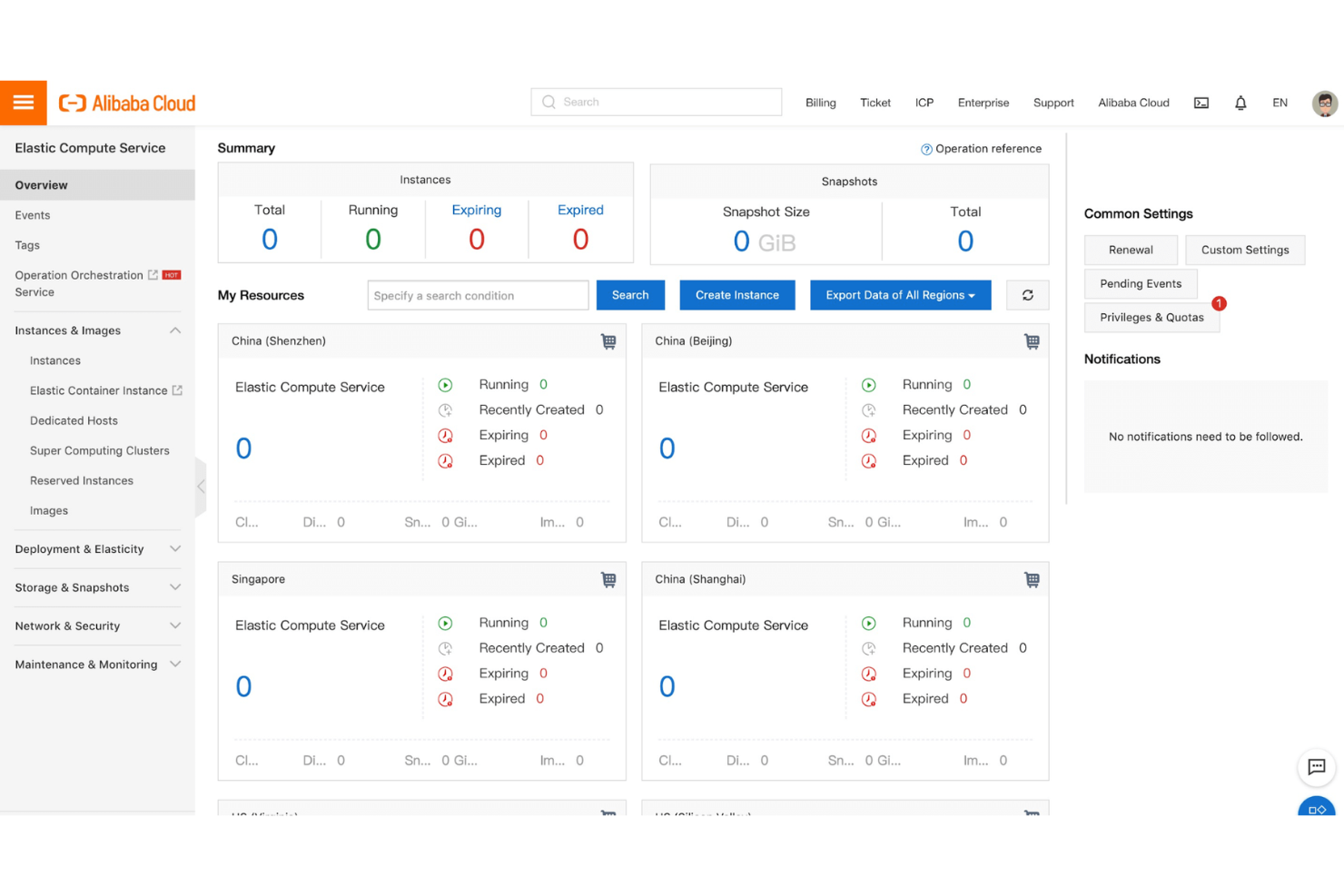
Alibaba Cloud es un proveedor de IaaS con sólidas capacidades de almacenamiento y gestión de datos. Con opciones de almacenamiento escalables y funciones avanzadas, las empresas pueden almacenar, analizar y procesar sus datos de forma segura y eficiente.
Por qué elegí Alibaba Cloud: Elegí Alibaba Cloud por sus excepcionales capacidades de almacenamiento y gestión de datos, específicamente diseñadas para atender a empresas en la región de Asia-Pacífico. Sus robustas soluciones de almacenamiento y herramientas de gestión de datos proporcionan una infraestructura fiable y escalable para gestionar grandes volúmenes de datos de manera eficaz.
Características y integraciones destacadas de Alibaba Cloud:
Las características destacadas, en mi opinión, incluyen herramientas avanzadas de analítica, una amplia gama de opciones de almacenamiento de datos, una vasta red de centros de datos y soluciones de gestión que se adaptan a diversas necesidades empresariales. Además, con su fuerte presencia en la región de Asia-Pacífico, Alibaba Cloud ofrece servicios localizados, asegurando baja latencia y un rendimiento superior para las empresas en esa área.
Las integraciones incluyen integraciones nativas con el ecosistema de servicios del Grupo Alibaba, como Alibaba Cloud Database, Alibaba Cloud CDN y Alibaba Cloud IoT.
Pros and Cons
Pros:
- Sólidas capacidades de almacenamiento y gestión de datos
- Una extensa red de centros de datos
- Gran soporte para comercio electrónico e IoT
Cons:
- Presencia limitada en regiones fuera de Asia
- La documentación puede mejorarse
Otras opciones
Aunque los proveedores de IaaS mencionados anteriormente se encuentran entre los mejores del sector, las empresas tienen otras opciones disponibles. Estas incluyen.
- Linode
Mejor protección contra DDoS
- UpCloud
Mejor infraestructura de nube global para PYMES
- CloudSigma
Mejor para alojamiento en la nube eficiente


Más reseñas de herramientas de infraestructura de TI
- Software de equilibrio de carga
- Proveedores de plataforma como servicio
- Soluciones PaaS en la nube
- Herramientas de supervisión de bases de datos
- Software de gestión de configuraciones
Criterios de selección de proveedores de IaaS
Al seleccionar los proveedores de IaaS para esta lista, consideré cuidadosamente varios criterios fundamentales para garantizar su inclusión:
Funcionalidad principal
Este es un desglose de las funcionalidades principales en las que me centré al evaluar los proveedores de IaaS de esta lista:
- Infraestructura escalable: Consideré la capacidad de los proveedores de IaaS para ofrecer recursos de infraestructura que puedan ampliarse o reducirse fácilmente según las necesidades empresariales, lo que permite flexibilidad y una asignación eficiente de los recursos.
- Rendimiento fiable: Evalué el historial y la reputación de los proveedores en cuanto a la prestación de un rendimiento constante y fiable en términos de disponibilidad de la red, estabilidad del servicio y tiempos de respuesta.
- Medidas de seguridad sólidas: Evalué las medidas de seguridad implementadas por cada proveedor para proteger los datos y la infraestructura, incluidos los protocolos de cifrado de datos, los controles de acceso y el cumplimiento de las normas y regulaciones del sector.
Características principales
Analicé en profundidad las características principales ofrecidas por cada proveedor de IaaS para identificar los aspectos en los que destacan, como:
- Especialización en la gestión de bases de datos: Consideré proveedores que ofrecen soluciones y servicios avanzados para una gestión eficaz de bases de datos, garantizando un almacenamiento, una recuperación y una gestión eficientes de los datos.
- Simplicidad y facilidad de uso: Priorizé proveedores que ofrecen interfaces fáciles de usar, paneles de control intuitivos y procesos simplificados de implementación y gestión para facilitar la experiencia empresarial.
- Escalabilidad para los recursos empresariales: Seleccioné proveedores que permiten a las empresas ampliar rápidamente su capacidad de procesamiento, capacidad de almacenamiento y recursos de red a medida que crecen sus necesidades, garantizando una asignación óptima de recursos y eficiencia de costes.
Usabilidad
Consideré la facilidad de uso y la experiencia general del usuario que ofrece cada proveedor de IaaS. Esto incluía factores como la intuitividad de su panel de control, la disponibilidad de plantillas preconfiguradas y la simplicidad de los procesos de implementación y gestión.
Fiabilidad y disponibilidad
Evalué el historial y la reputación de los proveedores en cuanto a ofrecer una infraestructura con fiabilidad constante y alto rendimiento. Esto incluyó analizar sus garantías de disponibilidad, la velocidad de la red y la estabilidad general del servicio.
Coste y precios
De forma similar al proceso de evaluación de proveedores de bases de datos como servicio, consideré los modelos de precios y las estructuras de costes de los proveedores de IaaS para asegurarme de que ofrecen precios competitivos y transparentes. Esto implicó evaluar factores como los niveles de precios, las opciones de facturación, la eficiencia en la utilización de los recursos y el valor general proporcionado en relación con el coste. El rango de precios económicos debe ser inferior a $10/mes e incluir instancias virtuales básicas con recursos limitados.
Al incorporar estos criterios, pretendía seleccionar proveedores de IaaS que no solo destacaran en la funcionalidad básica y las funciones esenciales, sino que también priorizaran la fiabilidad, la escalabilidad, la seguridad, la rentabilidad y una atención al cliente excepcional.
Preguntas frecuentes
En esta sección se abordarán algunas de las preguntas que tienen las personas sobre los proveedores de IaaS.
¿Cuál es la diferencia entre IaaS, PaaS y SaaS?
¿Cómo funciona IaaS?
¿Cuáles son las ventajas de utilizar un proveedor de IaaS?
¿Cómo elijo el proveedor de IaaS adecuado para mi empresa?
¿Cuáles son algunos casos de uso cotidianos de IaaS?
Elegir el proveedor de IaaS adecuado
Elegir el proveedor de IaaS adecuado es fundamental para las empresas que buscan ampliar sus operaciones y mejorar sus resultados. Los proveedores incluidos en este artículo ofrecen una variedad de funciones y ventajas para empresas de todos los tamaños.
Al tener en cuenta los criterios de selección anteriores, las empresas pueden encontrar el proveedor de IaaS adecuado para satisfacer sus necesidades. Un proveedor de IaaS fiable y flexible puede ayudar a las empresas a alcanzar sus objetivos y tener éxito en el competitivo mercado actual.
Suscríbete al boletín de The CTO Club para obtener más información sobre temas relevantes de la mano de expertos del sector.

