

Hackolade Review: Pros, Cons, Features and Pricing Explained
I dig into what makes Hackolade a standout for NoSQL and big data design—revealing why its balance of intuitive modeling and deep flexibility might just reshape your schema game.

We review tools independently, and commissions help fund our testing. See our transparency policy, our methodology, or suggest a tool.
Hackolade is a database design tool built for NoSQL, polyglot, and multi-model databases—covering everything from MongoDB and Cassandra to DynamoDB and event-driven formats like Avro and Parquet. It's worth considering when your team needs to design, document, and version-control schemas across non-relational data stores. If you've hit the limits of relational-only modeling tools like ERwin, Hackolade is built to handle the schema complexity that those tools weren't designed for.
Hackolade Evaluation Summary
0/5
- From €175/month
- Free 14-day trial available
Why Trust Our Software Recommendations
6,700+
Reviews
20
Industry experts
16+
Evaluation factors
14
Years
Our team has been testing and reviewing software since 2012. As tech leaders ourselves, we know how difficult—and important—it is to choose the right software.
For this guide, we evaluated tools using hands-on testing and independent research, scoring tools using our selection criteria.
Our reviews reflect our human editorial judgment, not a sales pitch.
Expert reviewers:
- Paulo Gardini MiguelTech Director
 Tim FisherVP of AI
 Gabriel RosasTech Lead & Software Architect
 Christhian GruhnTech Lead & Platform Architect

Hackolade Overview
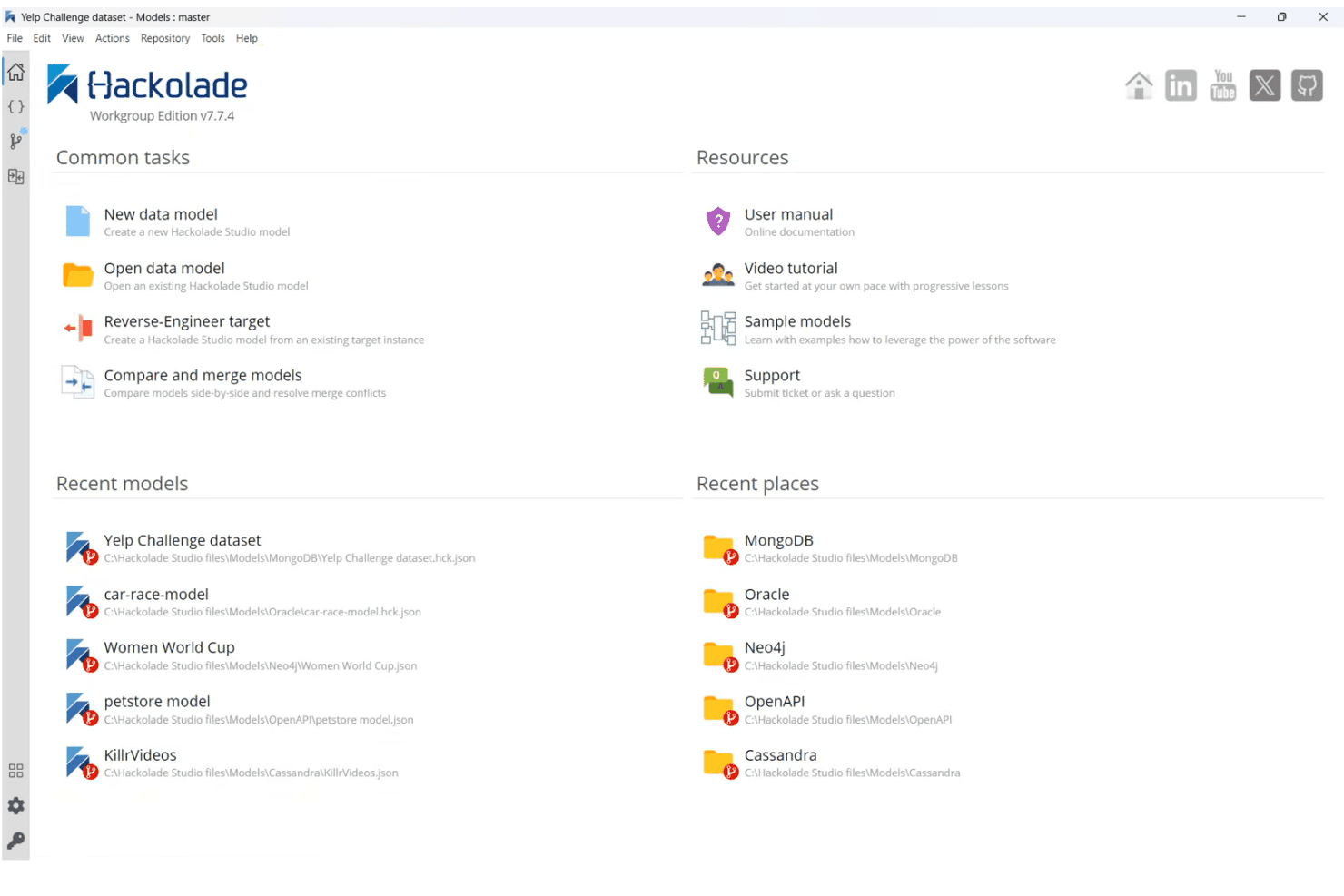
I think Hackolade is a strong choice if you need to design and manage complex data models across modern, heterogeneous systems. It stands out for its ability to handle nested JSON and semi-structured schemas visually, while also supporting a wide range of databases, APIs, and storage formats. The platform is especially compelling for teams working in Git-based, metadata-as-code workflows or managing fast-evolving data environments. However, its licensing can be complex, and the lack of a traditional SaaS collaboration layer may not suit every team.
Pros
- Polyglot modeling across SQL, NoSQL, APIs, and formats.
- Git-native collaboration supports branching, reviews, and CI workflows.
- Supports complex JSON and nested data structures.
Cons
- Relational database support is less feature-rich than others.
- Not a traditional SaaS with built-in collaboration hosting.
- Licensing model is complex with multiple seat types.
Is Hackolade Right For Your Needs?
Who Would be a Good Fit for Hackolade?
Hackolade is a strong fit for teams designing and managing complex data models across multiple technologies, especially where JSON, semi-structured data, and evolving schemas are involved. It’s particularly valuable for data architects, engineers, and platform teams who need to standardize schema design, generate documentation, and maintain consistency across systems. Hackolade also fits well in environments that rely on Git-based workflows or need to support multiple databases, APIs, and data formats at once.
- Polyglot Data Modeling EnvironmentsOrganizations managing multiple databases, APIs, and storage formats benefit from a single modeling layer across SQL, NoSQL, and beyond.
- JSON and Semi-Structured Schema DesignTeams working with nested documents, arrays, and denormalized data get strong visual tools tailored to modern data structures.
- Data Engineering and Pipeline EvolutionReverse engineering and schema comparison help teams keep models aligned with rapidly changing data pipelines.
- Git-Based Collaboration and Metadata-as-CodeTeams using Git workflows can version, review, and manage schema changes alongside application code.
- Enterprise Data Architecture and GovernanceCentralized modeling, naming standards, and documentation support consistency across large, distributed systems.
- API and Schema-Driven DevelopmentModel-driven generation of OpenAPI and schema artifacts helps teams align backend data models with APIs.
Who Would be a Bad Fit for Hackolade?
Hackolade may not suit organizations that exclusively use traditional relational models, focus on legacy desktop environments, or require deep automation and scripting. It’s less compelling for teams that only need lightweight or one-off ER diagrams, and where advanced database integration or API-based extensibility is a must. Organizations with a preference for open-source, community-driven tools may also find Hackolade restrictive.
- Relational-Only ShopsHackolade’s feature set for classic SQL databases is less mature than its NoSQL capabilities.
- Small IT DepartmentsOverhead for setup and learning may not be justified if the need is limited to a few basic diagrams.
- Mainframe OperatorsLack of mainframe database support means teams working on legacy environments won’t find relevant integrations.
- DevOps AutomationHackolade doesn’t offer robust APIs or scripting features for teams that require automated schema changes as part of CI/CD pipelines.
- Open Source AdvocatesProprietary licensing and limited community-driven extensibility could be a drawback for teams committed to open solutions.
- One-Off DiagrammingIf you only need quick, simple diagrams without advanced documentation or schema validation, Hackolade could feel unnecessarily complex.
Our Review Methodology
How We Test & Score Tools
We’ve spent years building, refining, and improving our software testing and scoring system. The rubric is designed to capture the nuances of software selection and what makes a tool effective, focusing on critical aspects of the decision-making process.
Below, you can see exactly how our testing and scoring works across seven criteria. It allows us to provide an unbiased evaluation of the software based on core functionality, standout features, ease of use, onboarding, customer support, integrations, customer reviews, and value for money.
Core Functionality (25% of final scoring)
The starting point of our evaluation is always the core functionality of the tool. Does it have the basic features and functions that a user would expect to see? Are any of those core features locked to higher-tiered pricing plans? At its core, we expect a tool to stand up against the baseline capabilities of its competitors.
Standout Features (25% of final scoring)
Next, we evaluate uncommon standout features that go above and beyond the core functionality typically found in tools of its kind. A high score reflects specialized or unique features that make the product faster, more efficient, or offer additional value to the user.
We also evaluate how easy it is to integrate with other tools typically found in the tech stack to expand the functionality and utility of the software. Tools offering plentiful native integrations, 3rd party connections, and API access to build custom integrations score best.
Ease of Use (10% of final scoring)
We consider how quick and easy it is to execute the tasks defined in the core functionality using the tool. High scoring software is well designed, intuitive to use, offers mobile apps, provides templates, and makes relatively complex tasks seem simple.
Onboarding (10% of final scoring)
We know how important rapid team adoption is for a new platform, so we evaluate how easy it is to learn and use a tool with minimal training. We evaluate how quickly a team member can get set up and start using the tool with no experience. High scoring solutions indicate little or no support is required.
Customer Support (10% of final scoring)
We review how quick and easy it is to get unstuck and find help by phone, live chat, or knowledge base. Tools and companies that provide real-time support score best, while chatbots score worst.
Customer Reviews (10% of final scoring)
Beyond our own testing and evaluation, we consider the net promoter score from current and past customers. We review their likelihood, given the option, to choose the tool again for the core functionality. A high scoring software reflects a high net promoter score from current or past customers.
Value for Money (10% of final scoring)
Lastly, in consideration of all the other criteria, we review the average price of entry level plans against the core features and consider the value of the other evaluation criteria. Software that delivers more, for less, will score higher.
Core Features
NoSQL Schema Modeling
Create and edit designs for databases like MongoDB, Cassandra, DynamoDB, and Couchbase with visual diagrams. Map deeply nested JSON structures without scripting.
Schema Versioning and Change Management
Track every change to data models over time and roll back updates if needed. Keep teams aligned on evolving structures.
Automated Documentation Generation
Instantly generate actionable documentation from your schema designs. Share consistent specs with technical and non-technical stakeholders.
Reverse Engineering Schemas
Import schemas from existing databases to visualize, analyze, or update them. Spot design issues or inconsistencies quickly.
Schema Validation Script Generation
Export validation scripts for database platforms right from your models. Reduce manual work and errors deploying new schemas.
Data Type and Structure Visualization
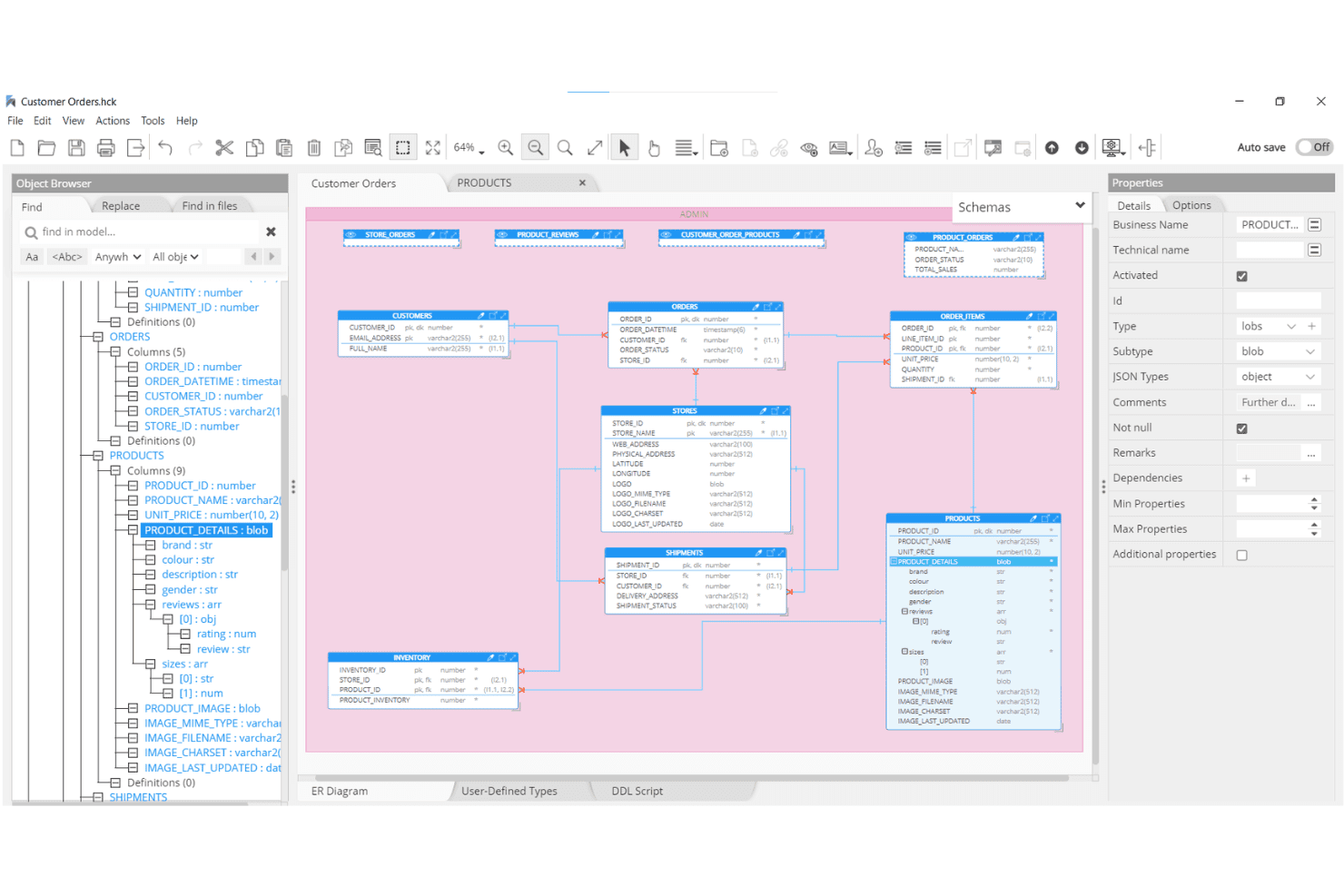
Drill into fields, arrays, and references across complex structures using a browser-like UI. See relationships between entities in one place.

Standout Features
In-Context Data Sample Preview
Preview real or sample data directly within your schema diagrams to immediately verify field design. This helps you judge if your data model matches actual production data structures.
Custom Entity Definitions and Naming Conventions
Define naming rules and create reusable entity templates company-wide. This brings standardization for large teams working across multiple projects and databases.
Ease of Use
Hackolade feels approachable for both newcomers and advanced users, with its drag-and-drop interface and clear, visual schema layouts. I’ve seen teams comment on how fast they can document and modify complex NoSQL models. Built-in sample data previews and tooltips help you avoid common missteps while navigating even deeply nested structures.

Onboarding
Hackolade’s onboarding stands out with helpful guided tutorials, rich documentation, and responsive tech support that gets most teams set up within a day. Most users mention that the onboarding checklist, detailed walkthroughs, and example projects make it easy to go from install to first schema quickly. The knowledge base and active user forum handle advanced questions without much delay.
Customer Support
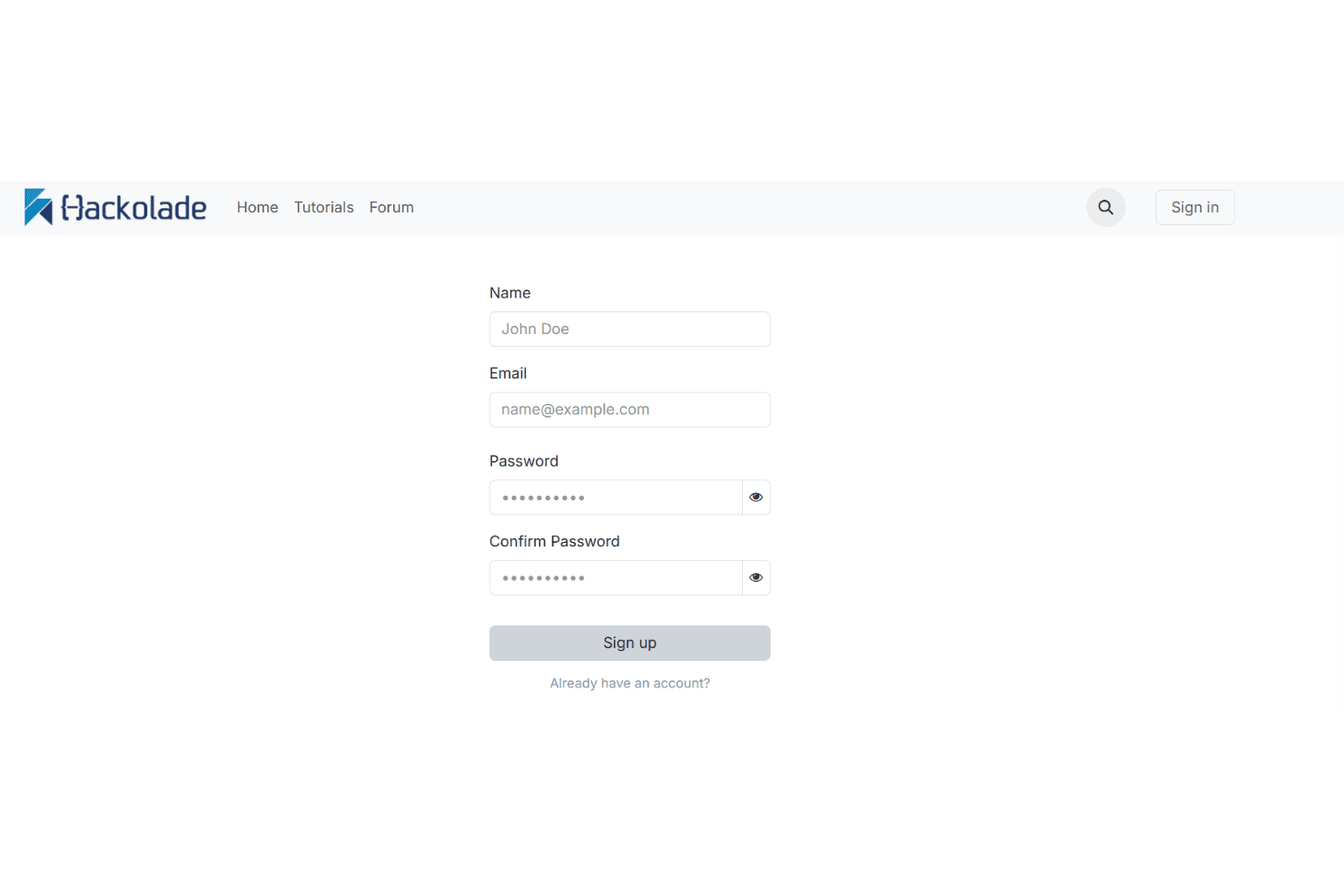
Hackolade’s customer support consistently draws praise for its responsiveness and depth of technical knowledge. Users note fast turnaround on tickets and direct engagement from engineering for complex cases. The support team is active on both email and the user forum, and the documentation is clear and regularly updated with new releases.
Integrations
Hackolade integrates with MongoDB, DynamoDB, Couchbase, Cassandra, PostgreSQL, MySQL, Oracle, Microsoft SQL Server, Snowflake, and Google BigQuery, among others.
Hackolade does not directly advertise an API but supports version control and connects with tools like GitHub, GitLab, Bitbucket, and Azure DevOps for collaboration.

Value for Money
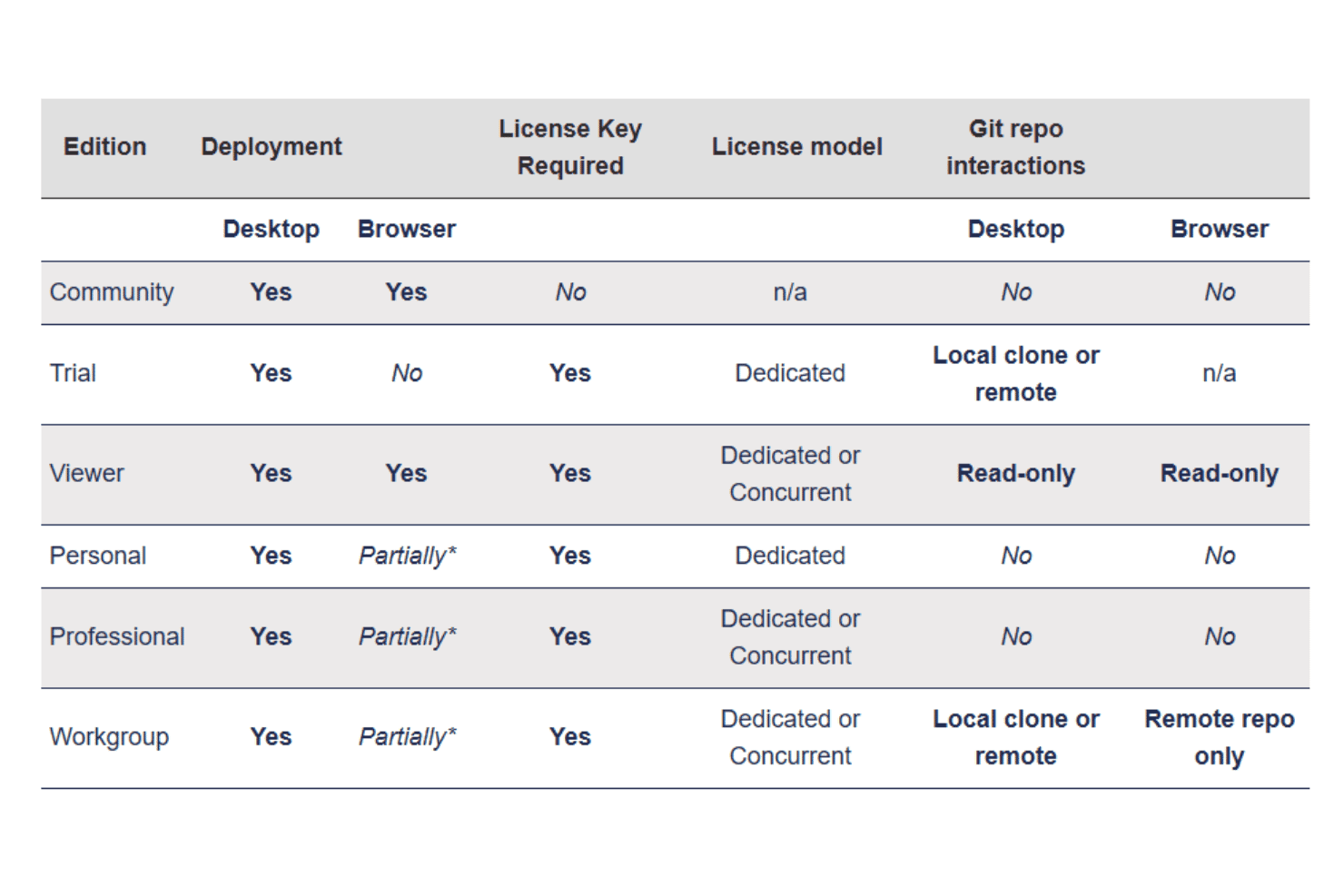
Hackolade offers solid value for teams working with complex, multi-system data models, especially at higher tiers where its full capabilities are unlocked. However, pricing can feel layered, with multiple editions, seat types, and add-ons to consider. While the free and lower-tier plans provide a useful starting point, most advanced features—like Git integration and full engineering capabilities—require upgrading, which can increase overall cost for teams.
- Community: Free entry-level version with limited model size and features.
- Personal: Paid tier for individuals with expanded modeling and documentation.
- Professional: Adds advanced engineering, CLI, and full feature access.
- Workgroup: Includes Git-based collaboration and team workflows.
- Concurrent: Shared-seat licensing for teams needing flexible access.
Hackolade Specs
- 2-Factor Authentication: No
- Analytics: No
- API: No
- Big Data: Yes
- Dashboard: Yes
- Data Conversion: No
- Data Export: Yes
- Data Import: Yes
- Data Visualization: Yes
- Database: Yes
- External Integrations: Yes
- Multi-User: Yes
- Notifications: No
- SEO: No
Hackolade FAQs
Hackolade Company Overview & History
Hackolade is headquartered in Brussels, Belgium, and was founded by Pascal Desmarets. The company focuses exclusively on its flagship Hackolade modeling platform, targeting complex NoSQL, multi-model, and SQL data environments. It’s recognized for its agile, customer-focused development approach and close engagement with users in industries like finance, healthcare, and technology. Hackolade is privately held and does not publish workforce size, earnings, or financials.
Hackolade Major Milestones
- 2016: Company founded and Hackolade product development begins.
- 2017: First commercial release of Hackolade for NoSQL database modeling.
- 2018: Added support for additional NoSQL and SQL databases.
- 2020: Major feature updates for cloud and enterprise integration capabilities.
- 2023: Expanded version control, role-based access, and documentation features.