

I 10 migliori fornitori IaaS nel 2026

Elenco dei migliori fornitori IaaS


I fornitori IaaS offrono la possibilità di ampliare la propria infrastruttura, gestire e distribuire applicazioni cloud e concentrarsi sulle proprie competenze principali. Comprendendo le opzioni disponibili, è possibile prendere decisioni consapevoli in merito alle proprie esigenze di infrastruttura di cloud computing. In questo articolo analizzerò le funzionalità e i vantaggi di vari fornitori IaaS.
Che cos'è un fornitore di infrastruttura come servizio (IaaS)?
Infrastruttura come servizio (IaaS) è un servizio di cloud computing che offre alle aziende accesso su richiesta a risorse informatiche come server, archiviazione e rete.
I fornitori IaaS gestiscono tutto l'hardware e il software necessari, consentendo di concentrarsi sulla gestione efficiente della propria attività. Con il loro aiuto, è possibile rimanere competitivi e far crescere la propria azienda senza preoccuparsi dell'infrastruttura sottostante.
IaaS è un servizio essenziale per le aziende che desiderano ampliare le proprie attività senza investire in hardware e software costosi.
Perché fidarsi dei nostri consigli sui software
Il nostro team testa e recensisce software dal 2012. In quanto leader tecnologici noi stessi, sappiamo quanto sia difficile — e importante — scegliere il software giusto.
Per questa guida, abbiamo valutato gli strumenti attraverso test praticie ricerche indipendenti, assegnando un punteggio agli strumenti in base ai nostri criteri di selezione.
Le nostre recensioni riflettono il nostro giudizio editoriale umano, non un discorso di vendita.
Riepilogo dei migliori fornitori IaaS
| Service | Best For | Trial Info | Price | ||
|---|---|---|---|---|---|
| 1 | Ideale per semplicità e facilità d’uso | Piano gratuito disponibile | A partire da $0.15/M tokens | Website | |
| 2 | Ideale per l'analisi dei big data | Prova gratuita di 90 giorni | Prezzo su richiesta | Website | |
| 3 | Ideale per il deployment di macchine virtuali | Piano gratuito disponibile | A partire da $4.95/mese | Website | |
| 4 | La miglior gamma di servizi basati su cloud | Piano gratuito disponibile + prova gratuita di 30 giorni | Prezzo su richiesta | Website | |
| 5 | Ideale per flessibilità e scalabilità | Consulenza gratuita disponibile | Prezzi su richiesta | Website | |
| 6 | Ideale per affidabilità e scalabilità | Piano gratuito disponibile | Prezzi su richiesta | Website | |
| 7 | Ideale per il monitoraggio della disponibilità | Piano gratuito + prova gratuita disponibile | Prezzo su richiesta | Website | |
| 8 | Ideale per scalare le risorse aziendali | Not available | Da $2.50/mese | Website | |
| 9 | Ideale per la gestione dei database | Prova gratuita di 30 giorni + demo gratuita disponibile | Prezzo su richiesta | Website | |
| 10 | Ideale per la gestione e l'archiviazione dei dati | Prova gratuita di 30 giorni + piano gratuito disponibile | Da $19,99/mese | Website |
Recensioni dei migliori fornitori IaaS
Dopo aver valutato in modo completo diversi fornitori IaaS, ho analizzato attentamente le loro caratteristiche distintive, come affidabilità, scalabilità, sicurezza, modelli di prezzo e capacità di integrazione, per selezionare questo elenco dei migliori fornitori IaaS.

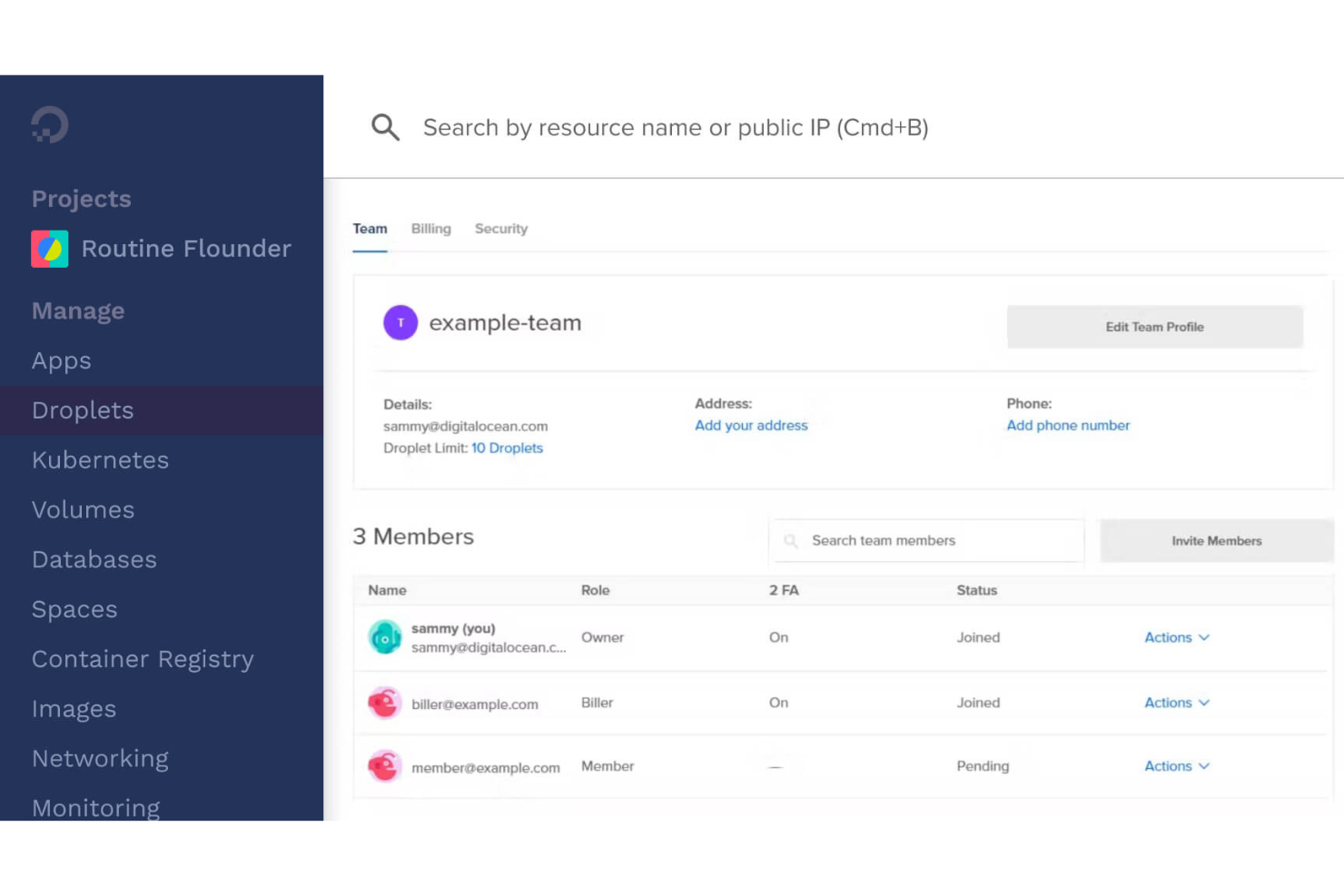
DigitalOcean è un provider di infrastruttura cloud focalizzato sulla semplicità e su funzionalità pensate per gli sviluppatori. Offre macchine virtuali scalabili (Droplets), Kubernetes gestito e altri servizi adatti a sviluppatori e piccole e medie imprese.
Perché ho scelto DigitalOcean: In termini di semplicità e facilità d’uso, DigitalOcean è stata una scelta ovvia per me. La sua interfaccia intuitiva e il processo di configurazione lineare mi hanno permesso di distribuire e gestire rapidamente macchine virtuali e applicazioni senza conoscenze tecniche approfondite.
Funzionalità e integrazioni principali di DigitalOcean:
Funzionalità principali che apprezzo includono un’infrastruttura scalabile con modelli di applicazioni preconfigurati che consentono agli sviluppatori di distribuire stack software popolari, database e framework di sviluppo con pochi clic.
Integrazioni prevedono l’integrazione con diversi strumenti e framework per sviluppatori, come i più usati sistemi di gestione dei contenuti (CMS), database e piattaforme CI/CD tramite Zapier.
Pros and Cons
Pros:
- Interfaccia utente intuitiva
- Distribuzione rapida e semplice
- Ottima community di sviluppatori e tutorial
Cons:
- Servizi limitati rispetto ai provider più grandi
- Meno funzionalità avanzate per le grandi aziende

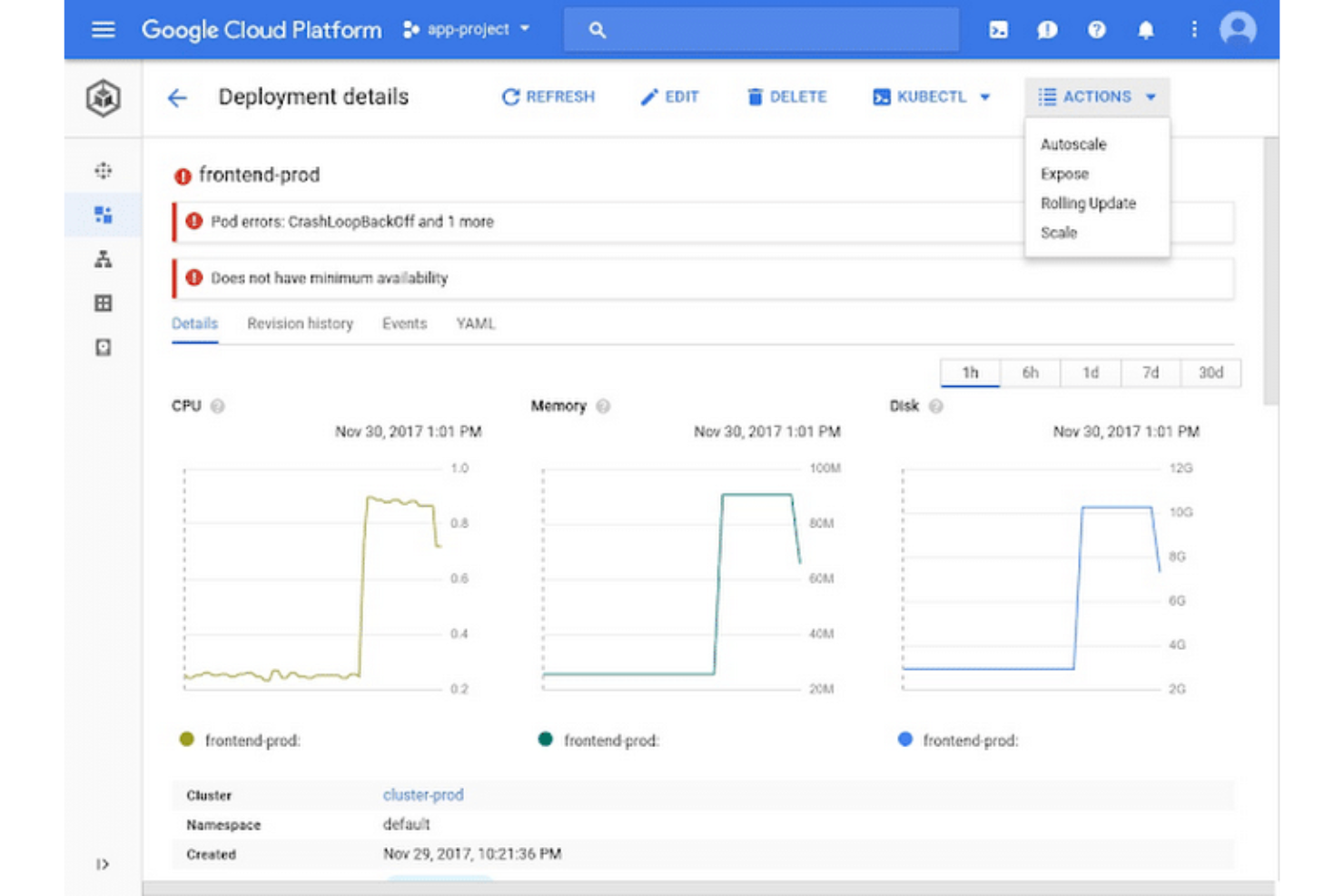
Google Cloud Platform (GCP) è una piattaforma di cloud computing completa, nota per le sue capacità di analisi dei big data. Gli sviluppatori possono accedere a vari servizi e strumenti per creare e gestire applicazioni basate sul cloud su GCP.
Perché ho scelto Google Cloud Platform: Ho scelto Google Cloud Platform per le sue eccezionali capacità nell'analisi dei big data. I suoi strumenti avanzati e le funzionalità di apprendimento automatico forniscono preziose informazioni dai miei dati.
Funzionalità principali e integrazioni di Google Cloud Platform:
Le funzionalità principali includono l'infrastruttura globale che offre una vasta rete di data center, permettendomi di distribuire applicazioni più vicine agli utenti per migliorare le prestazioni e ridurre la latenza. GCP offre avanzate capacità di apprendimento automatico, tra cui modelli pre-addestrati e strumenti per l'analisi dei dati.
Inoltre, la suite completa di servizi cloud di GCP, come calcolo, archiviazione, networking e BigQuery, mi permette di costruire applicazioni scalabili e altamente disponibili su misura per le mie esigenze specifiche.
Le integrazioni includono collegamenti nativi con diversi servizi Google, tra cui Google Workspace (in precedenza G Suite), Google Analytics e Google BigQuery.
Pros and Cons
Pros:
- Avanzate capacità di big data e apprendimento automatico
- Infrastruttura di rete globale
- Robuste funzionalità di sicurezza
Cons:
- La documentazione può essere complessa
- I tempi di risposta del supporto possono variare

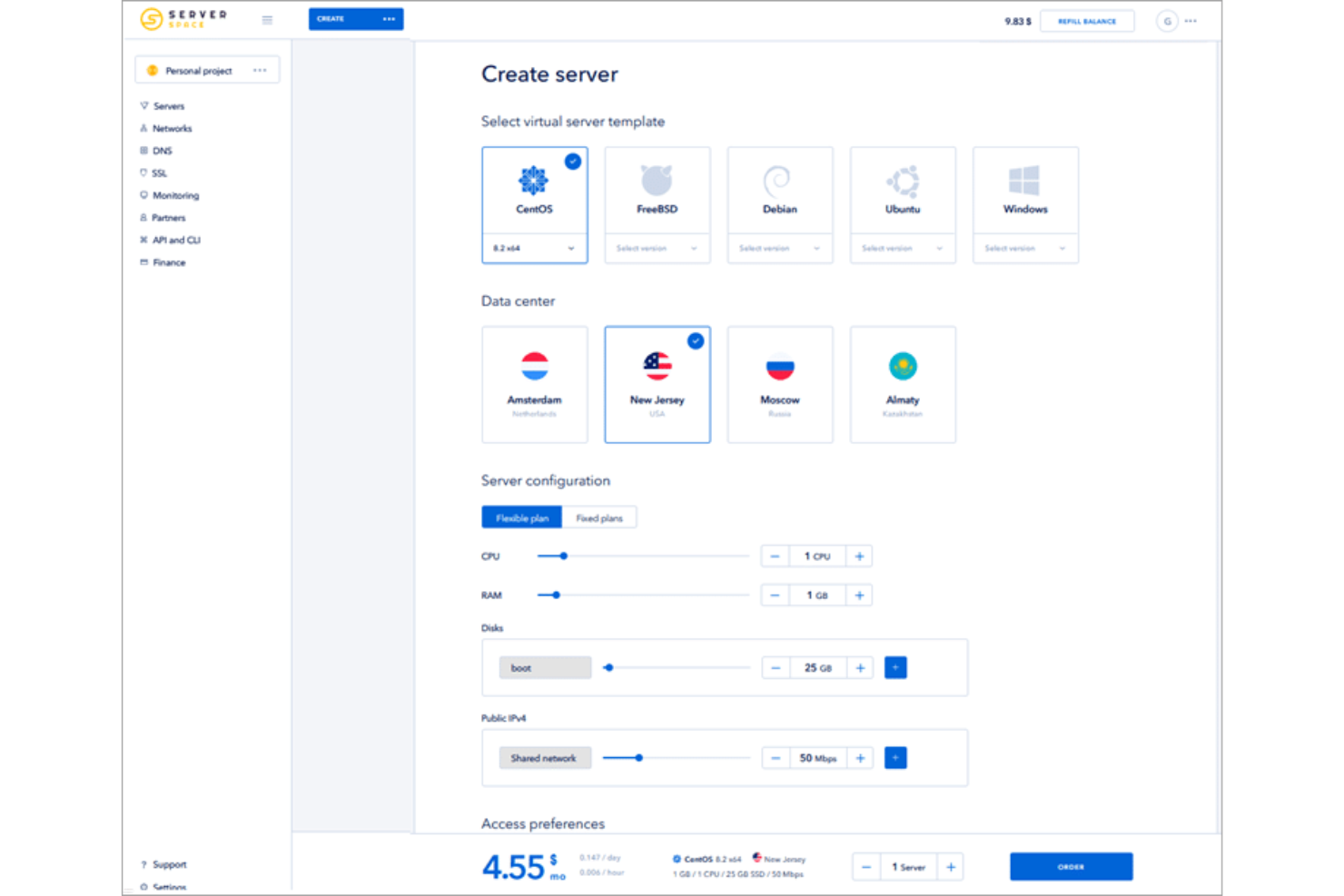
Serverspace è un provider di infrastrutture cloud specializzato nel deployment di macchine virtuali. Offre una piattaforma affidabile ed efficiente per le aziende che desiderano distribuire, gestire e scalare macchine virtuali nel cloud.
Perché ho scelto Serverspace: Ho scelto Serverspace per la sua attenzione al deployment di macchine virtuali e all'archiviazione SSD ad alte prestazioni. La sua interfaccia intuitiva e i processi di distribuzione ottimizzati mi consentono di configurare e gestire facilmente le macchine virtuali.
Caratteristiche distintive e integrazioni di Serverspace:
Le caratteristiche distintive includono una piattaforma affidabile ed efficiente per il deployment e la gestione di macchine virtuali, un pannello di controllo intuitivo e una vasta gamma di template preconfigurati. Ritengo che l’attenzione di Serverspace a affidabilità, sicurezza e prezzi competitivi lo renda una scelta interessante per le aziende che cercano una gestione dell’infrastruttura cloud semplificata.
Le integrazioni includono integrazioni predefinite con strumenti di automazione come Ansible e Terraform per la gestione dell’infrastruttura.
Pros and Cons
Pros:
- Deployment rapido di macchine virtuali
- Prezzi competitivi
- Archiviazione SSD per prestazioni migliorate
Cons:
- Portafoglio di servizi limitato rispetto ai provider più grandi
- La documentazione potrebbe essere migliorata
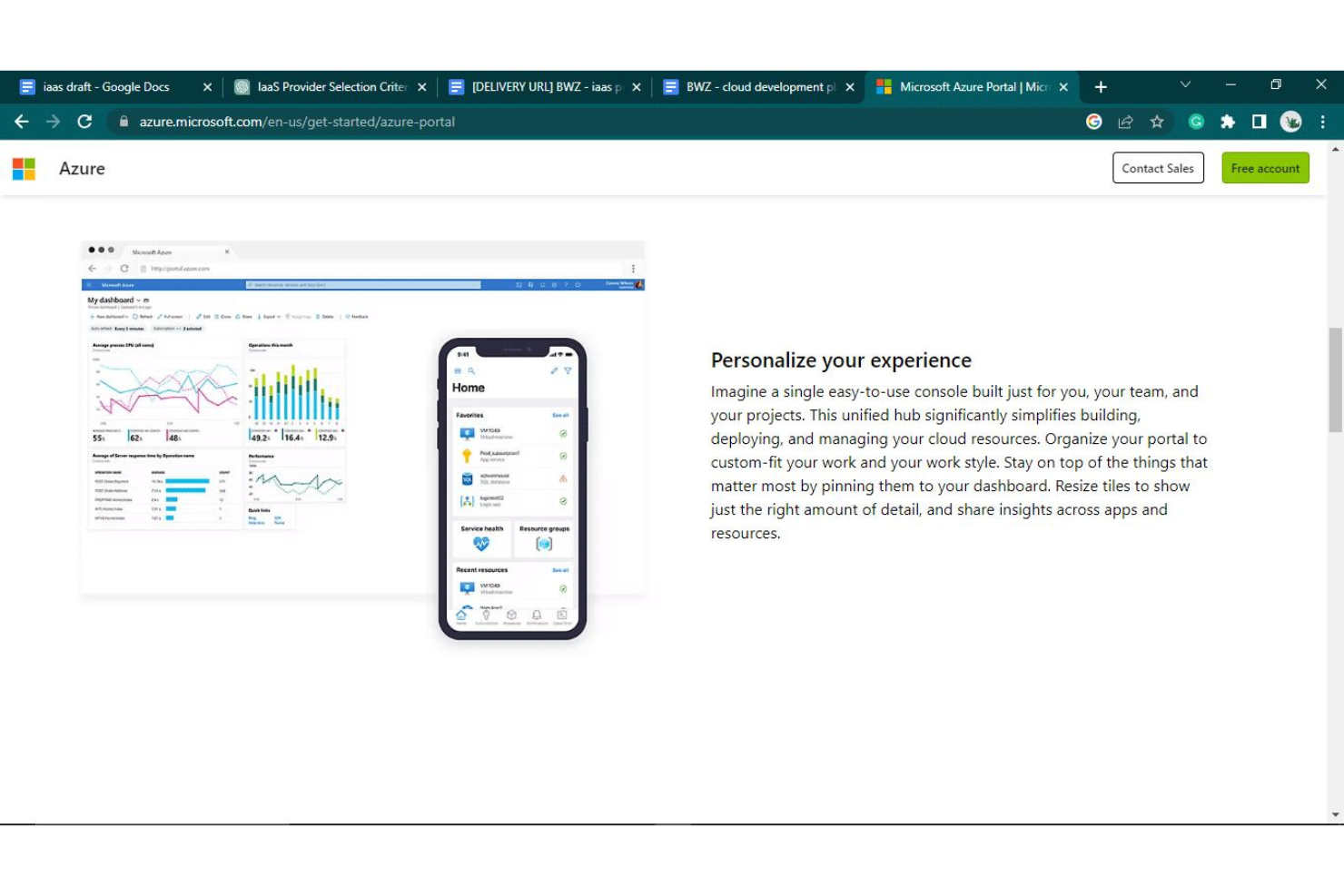
Microsoft Azure offre una suite di servizi cloud, avanzate capacità di intelligenza artificiale, scalabilità globale e misure di sicurezza di alto livello.
Perché ho scelto Microsoft Azure: Ho optato per Microsoft Azure per la sua gamma completa di servizi basati su cloud in grado di soddisfare varie esigenze aziendali. La sua integrazione all'interno dell'ecosistema Microsoft distingue Azure, permettendomi di sfruttare i miei strumenti e i flussi di lavoro Microsoft già esistenti.
Funzionalità e integrazioni di spicco di Microsoft Azure:
Funzionalità di spicco includono una suite completa di servizi cloud che copre tutto ciò di cui ho bisogno, dalle macchine virtuali agli strumenti di intelligenza artificiale avanzata e analisi dei dati. È una soluzione completa che mi consente di creare soluzioni scalabili senza la preoccupazione della gestione dell'infrastruttura sottostante.
Integrazioni comprendono un set completo di integrazioni native con diversi servizi Microsoft, come Office 365, Dynamics 365 e Power Platform.
Pros and Cons
Pros:
- Ampia gamma di servizi e integrazioni
- Forte attenzione alle aziende
- Capacità di cloud ibrido
Cons:
- Può risultare opprimente a causa delle moltissime opzioni disponibili
- L'assistenza clienti può essere variabile
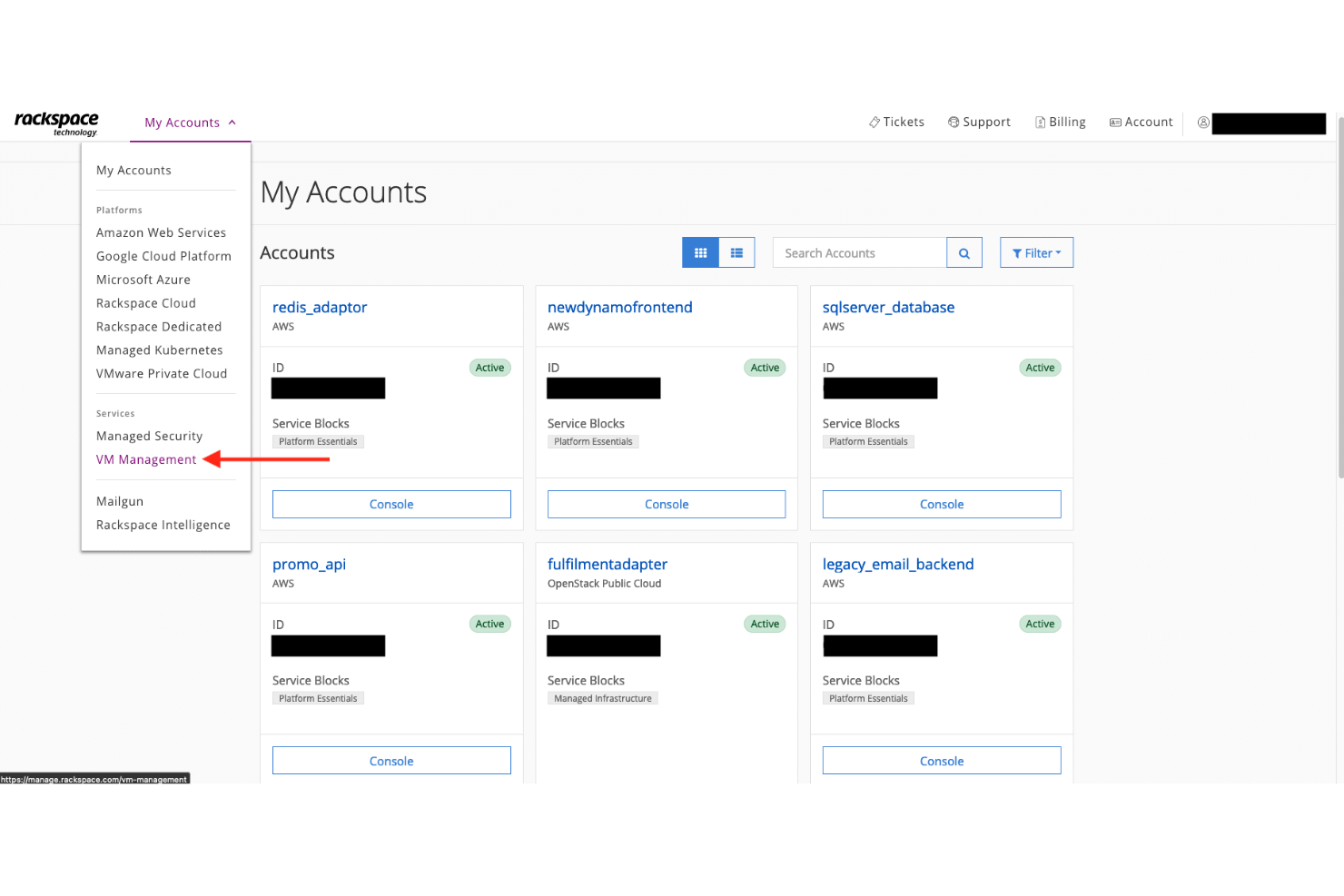
Rackspace è un importante fornitore di servizi cloud gestiti e competenze specializzate. Offre una vasta gamma di servizi che aiutano le aziende a gestire in modo efficace la loro infrastruttura cloud.
Perché ho scelto Rackspace: Rackspace ha attirato la mia attenzione per la sua flessibilità e scalabilità, qualità fondamentali per esigenze infrastrutturali dinamiche. La vasta gamma di opzioni personalizzabili, tra cui server dedicati, cloud privati e soluzioni ibride, consente di adattare l’infrastruttura alle esigenze specifiche del business.
Caratteristiche distintive e integrazioni di Rackspace:
Caratteristiche distintive includono soluzioni su misura che permettono alle aziende di adattare l’infrastruttura ai requisiti in evoluzione. Dispone inoltre di un ampio ecosistema di partner e pone forte attenzione alla conformità e alle misure di sicurezza, rendendolo a mio avviso una scelta ideale per le aziende che cercano soluzioni cloud personalizzate e una gestione affidabile dell’infrastruttura.
Le integrazioni includono integrazioni native con piattaforme come AWS, Azure, Google Cloud e OpenStack. Sono disponibili anche integrazioni predefinite con strumenti di monitoraggio e gestione come Zabbix e Nagios per un monitoraggio e controllo rafforzato dell’infrastruttura.
Pros and Cons
Pros:
- Molteplici opzioni di personalizzazione
- Forte attenzione ai servizi gestiti
- Supporto personalizzato
Cons:
- Opzioni self-service limitate
- Potrebbe essere più indicato per clienti enterprise

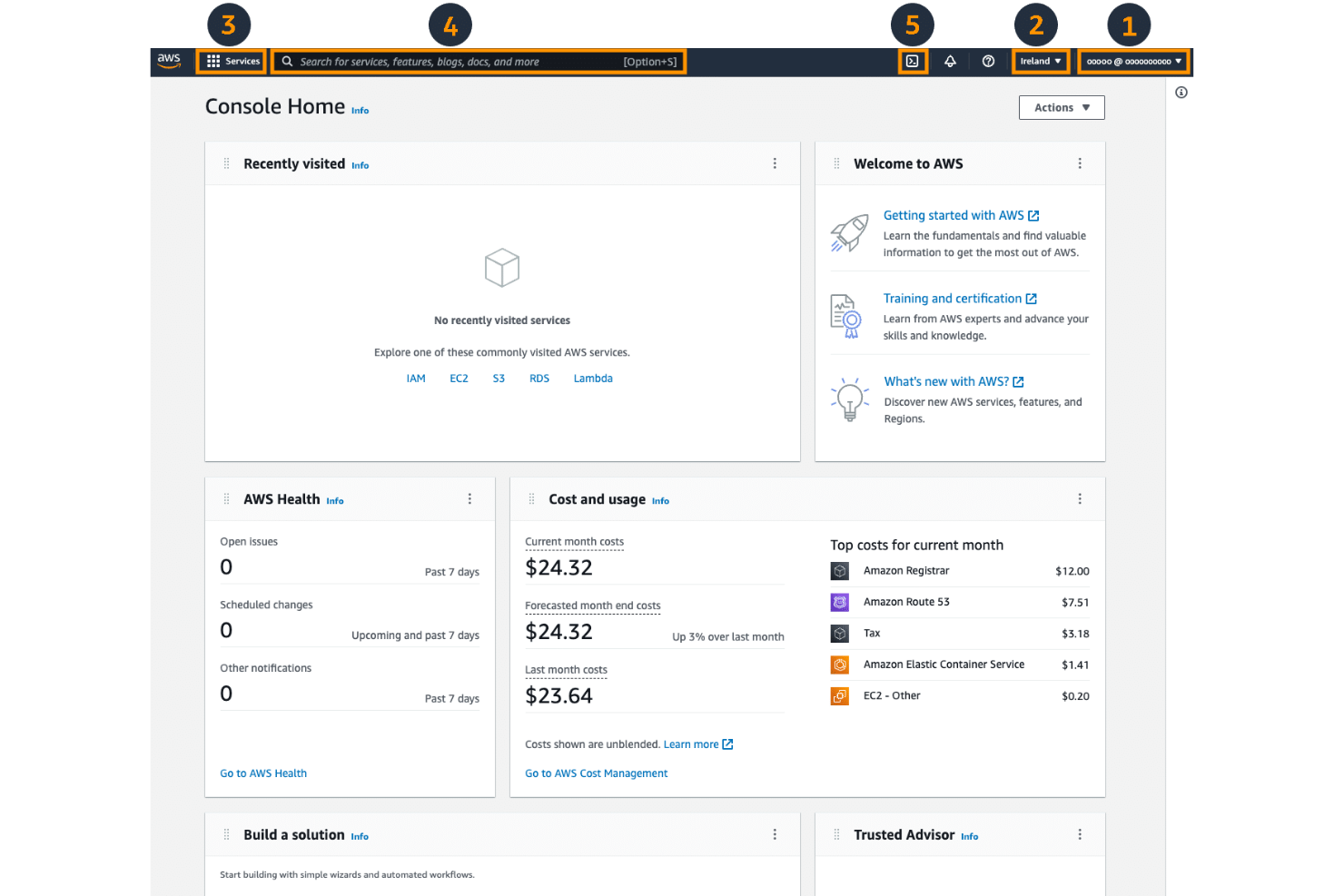
AWS si distingue nel mercato del cloud computing grazie alla sua vasta gamma di servizi e all'eccezionale scalabilità.
Perché ho scelto AWS: Ho scelto AWS per la sua impareggiabile affidabilità e scalabilità. In quanto leader nel cloud computing, la sua ampia offerta di servizi e la costante attenzione all'innovazione lo differenziano dagli altri provider presenti sul mercato. Con AWS puoi sfruttare funzionalità come l'intelligenza artificiale e il machine learning per scalare la tua infrastruttura.
Funzionalità e integrazioni di spicco di AWS:
Le caratteristiche distintive includono la più ampia scelta di servizi come computazione, storage, database, networking e machine learning. Grazie all'accento su affidabilità e scalabilità, AWS permette di adattare facilmente la propria infrastruttura alle esigenze di domanda, sia in crescita che in diminuzione.
Le integrazioni comprendono un vasto ecosistema di integrazioni con servizi di vario genere, sia nativi che preconfigurati. AWS offre opzioni di integrazione tramite AWS Marketplace, che propone numerose soluzioni di terze parti.
Pros and Cons
Pros:
- Infrastruttura altamente sicura e robusta.
- Ampio portfolio di servizi cloud
- Forte community e supporto
Cons:
- La struttura dei prezzi può risultare complessa per i principianti
- Curva di apprendimento elevata per alcuni servizi avanzati

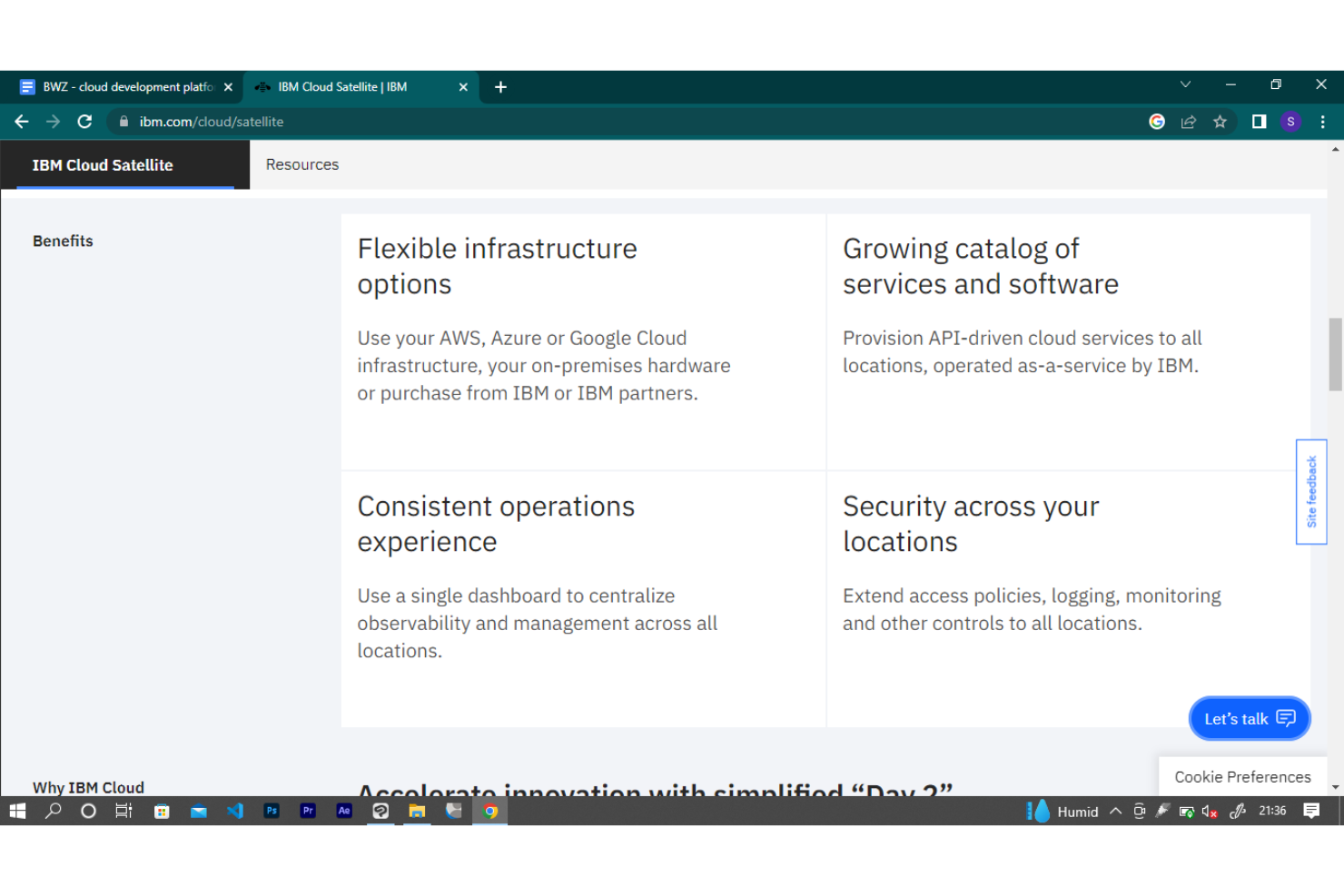
IBM Cloud è una piattaforma cloud specializzata che si concentra sul monitoraggio della disponibilità e sui servizi alimentati dall’IA, permettendo alle aziende di garantire un’elevata operatività e di sfruttare tecnologie avanzate.
Perché ho scelto IBM Cloud: Ho scelto IBM Cloud perché i suoi strumenti di monitoraggio completi e le analisi avanzate mi permettono di identificare e risolvere proattivamente eventuali problemi, garantendo che le mie applicazioni e infrastrutture critiche siano sempre operative e funzionanti senza intoppi.
Funzionalità distintive e integrazioni di IBM Cloud:
Le funzionalità distintive che ho trovato più utili includono le capacità blockchain e IA, sicurezza e conformità a livello aziendale, un ampio supporto linguistico e un catalogo esteso di servizi e API predefiniti, offrendo un valore eccezionale agli sviluppatori.
Le integrazioni includono integrazioni predefinite con i servizi IBM Watson, IBM Cloud Functions (calcolo serverless) e popolari strumenti di terze parti.
Pros and Cons
Pros:
- Robuste capacità blockchain e IA
- Caratteristiche di sicurezza estese
- Gestione cloud ibrida
Cons:
- Curva di apprendimento ripida
- Le interrogazioni potrebbero richiedere tempo per essere caricate

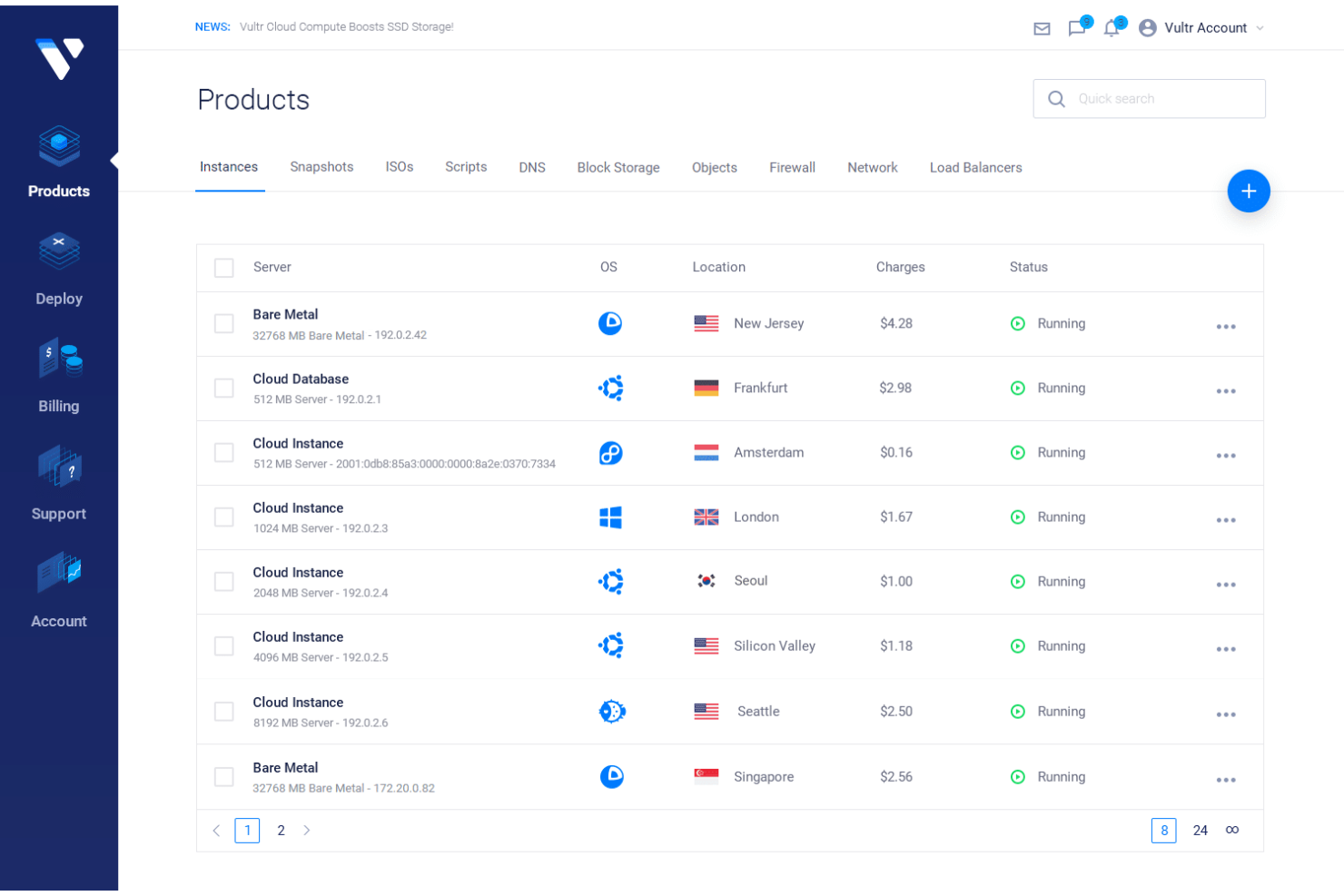
Vultr offre infrastrutture e soluzioni scalabili, consentendo alle aziende di espandere le proprie risorse man mano che le loro esigenze aumentano. Grazie a una piattaforma flessibile, le aziende possono aumentare o ridurre efficacemente le proprie risorse per assicurarsi di disporre di ciò di cui hanno bisogno quando ne hanno bisogno.
Perché ho scelto Vultr: Ho scelto Vultr grazie alle sue soluzioni infrastrutturali flessibili e scalabili. Con l'archiviazione SSD ad alte prestazioni e una rete globale di data center, posso aumentare o ridurre rapidamente le mie risorse per soddisfare le esigenze mutevoli della mia attività.
Funzionalità e integrazioni distintive di Vultr:
Le funzionalità distintive includono server cloud scalabili e ad alte prestazioni basati su SSD, una presenza infrastrutturale globale e un'interfaccia intuitiva. Apprezzo i suoi prezzi competitivi, l'ampia selezione di sistemi operativi e applicazioni e l'ambiente pensato per gli sviluppatori, che lo rendono la scelta ideale per aziende come la mia che danno priorità all'efficienza nell'infrastruttura cloud.
Le integrazioni includono integrazioni predefinite con strumenti come Terraform, Ansible e Puppet per l'automazione e la gestione dell'infrastruttura.
Pros and Cons
Pros:
- Infrastruttura scalabile
- Interfaccia intuitiva
- Prezzi competitivi
Cons:
- Opzioni di assistenza limitate
- Meno funzionalità avanzate rispetto ai provider più importanti

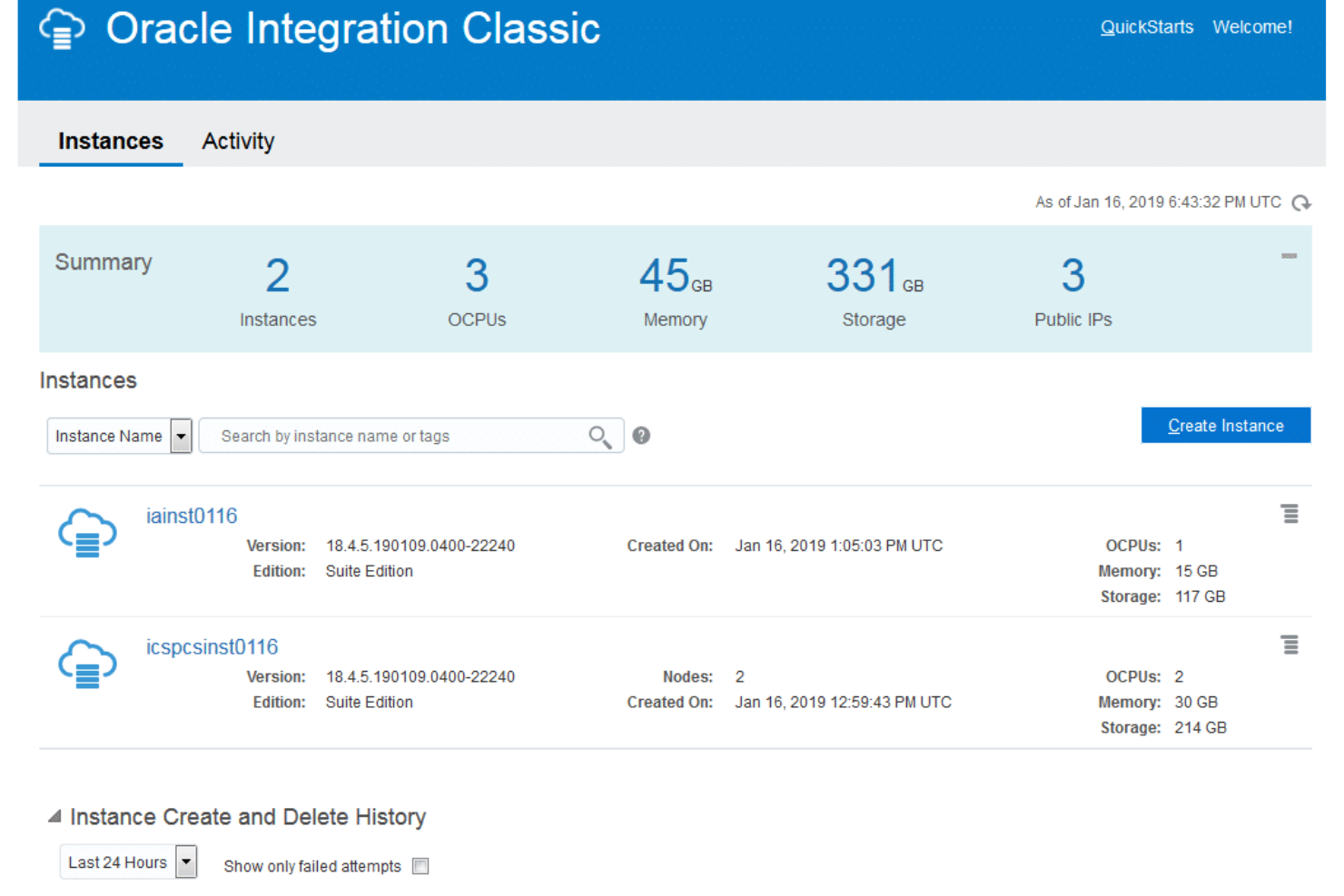
Oracle Cloud è una piattaforma cloud che offre una gamma di servizi, tra cui infrastruttura come servizio (IaaS), piattaforma come servizio (PaaS) e software come servizio (SaaS). Fornisce un ambiente robusto e sicuro per la creazione e la distribuzione di applicazioni.
Perché ho scelto Oracle Cloud Infrastructure: Oracle Cloud Infrastructure ha attirato la mia attenzione grazie ai suoi robusti strumenti di gestione dei database e alla profonda integrazione con le applicazioni Oracle. Con le sue opzioni di cloud computing, le caratteristiche di sicurezza e l'integrazione nell'ecosistema Oracle, posso gestire con sicurezza le mie esigenze di database.
Funzionalità e integrazioni distintive di OCI:
Le funzionalità distintive includono il suo forte focus sulla gestione dei database e sulle avanzate capacità di rete. Un'altra caratteristica che mi ha colpito è la suite integrata di servizi Oracle, che va dal computing e storage fino alla rete, database, AI/ML e analytics.
Le integrazioni includono integrazioni native con applicazioni e servizi Oracle, come Oracle Database, Oracle Integration Cloud e Oracle Identity and Access Management.
Pros and Cons
Pros:
- Suite completa di servizi cloud
- Solide funzionalità di sicurezza e conformità
- Integrazione con le tecnologie Oracle
Cons:
- Costoso rispetto ad altre soluzioni cloud
- Curva di apprendimento elevata per gli sviluppatori che devono familiarizzare con le tecnologie Oracle

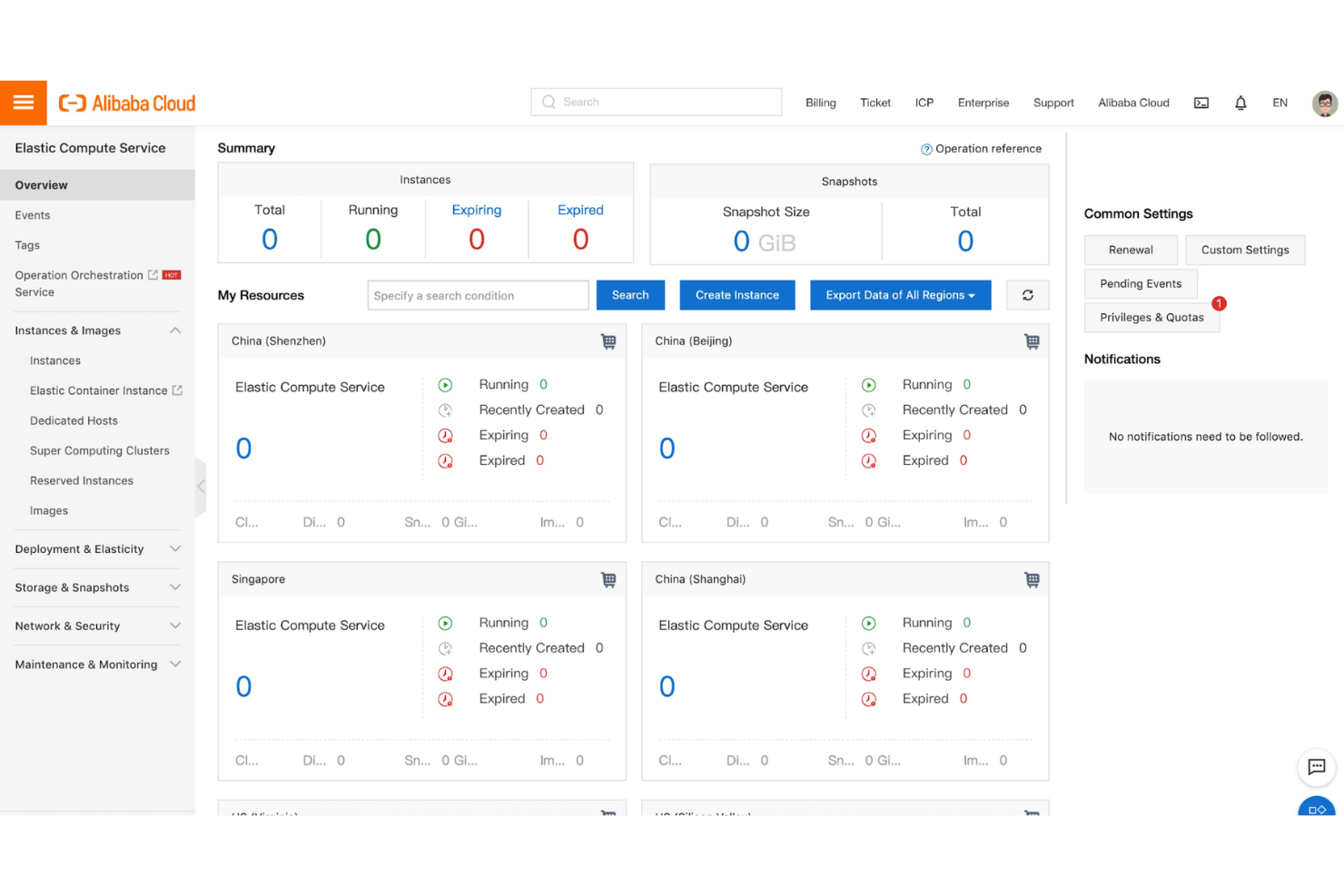
Alibaba Cloud è un fornitore IaaS con robuste capacità di archiviazione e gestione dei dati. Grazie a opzioni di storage scalabili e funzionalità avanzate, le aziende possono archiviare, analizzare ed elaborare i propri dati in modo sicuro ed efficiente.
Perché ho scelto Alibaba Cloud: Ho scelto Alibaba Cloud per le sue eccezionali capacità di archiviazione e gestione dei dati, progettate specificamente per soddisfare le esigenze delle aziende nella regione Asia-Pacifico. Le sue solide soluzioni di storage e gli strumenti di gestione dei dati offrono un'infrastruttura affidabile e scalabile per gestire efficacemente grandi volumi di dati.
Caratteristiche distintive e integrazioni di Alibaba Cloud:
Le caratteristiche distintive, secondo me, includono strumenti avanzati di analisi, un'ampia gamma di soluzioni di storage dei dati, una vasta rete di data center e soluzioni di gestione che rispondono a esigenze aziendali diversificate. Inoltre, grazie alla sua forte presenza nella regione Asia-Pacifico, Alibaba Cloud offre servizi localizzati, garantendo bassa latenza e prestazioni superiori alle aziende in quell'area.
Le integrazioni includono integrazioni native con l'ecosistema di servizi di Alibaba Group, come Alibaba Cloud Database, Alibaba Cloud CDN e Alibaba Cloud IoT.
Pros and Cons
Pros:
- Ottime capacità di archiviazione e gestione dei dati
- Ampia rete di data center
- Solido supporto per e-commerce e IoT
Cons:
- Presenza limitata al di fuori dell'Asia
- La documentazione può essere migliorata
Altre opzioni
Sebbene i fornitori IaaS elencati sopra siano tra i migliori del settore, le aziende hanno a disposizione anche altre opzioni. Tra queste figurano.
- Linode
Ideale per la protezione DDoS
- UpCloud
Migliore infrastruttura cloud globale per PMI
- CloudSigma
Ideale per un hosting cloud efficace


Altre recensioni sugli strumenti per l'infrastruttura IT
- Software per il bilanciamento del carico
- Fornitori di piattaforme come servizio
- Soluzioni PaaS cloud
- Strumenti per il monitoraggio dei database
- Software per la gestione della configurazione
Criteri di selezione dei fornitori IaaS
Quando ho selezionato i fornitori IaaS per questo elenco, ho considerato attentamente diversi criteri fondamentali per garantirne l'inclusione:
Funzionalità principali
Ecco una panoramica delle funzionalità principali su cui mi sono concentrato nella valutazione dei fornitori IaaS presenti in questo elenco:
- Infrastruttura scalabile: ho considerato la capacità dei fornitori IaaS di offrire risorse infrastrutturali che possano essere facilmente aumentate o ridotte in base alle esigenze aziendali, consentendo flessibilità e un'allocazione efficiente delle risorse.
- Prestazioni affidabili: ho valutato l'esperienza e la reputazione dei fornitori nella fornitura di prestazioni costanti e affidabili in termini di disponibilità della rete, stabilità del servizio e tempi di risposta.
- Solide misure di sicurezza: ho esaminato le misure di sicurezza implementate da ciascun fornitore per proteggere dati e infrastruttura, inclusi i protocolli di crittografia dei dati, i controlli di accesso e la conformità agli standard e alle normative del settore.
Funzionalità principali
Ho esaminato le funzionalità principali offerte da ciascun fornitore IaaS per individuare gli aspetti in cui si distinguono, come:
- Specializzazione nella gestione dei database: Ho preso in considerazione i provider che offrono soluzioni e servizi avanzati per una gestione efficace dei database, garantendo archiviazione, recupero e gestione efficienti dei dati.
- Semplicità e facilità d'uso: Ho dato priorità ai provider che offrono interfacce intuitive, pannelli di controllo facili da usare e processi semplificati di implementazione e gestione, per rendere più semplice l'esperienza aziendale.
- Scalabilità delle risorse aziendali: Ho selezionato provider che consentono alle aziende di aumentare rapidamente la potenza di calcolo, la capacità di archiviazione e le risorse di rete con la crescita delle esigenze, garantendo un'allocazione ottimale delle risorse e l'efficienza dei costi.
Usabilità
Ho valutato la facilità d'uso e l'esperienza utente complessiva offerte da ciascun provider IaaS. Ciò comprendeva fattori come l'intuitività del pannello di controllo, la disponibilità di modelli preconfigurati e la semplicità dei processi di implementazione e gestione.
Affidabilità e disponibilità
Ho valutato i precedenti e la reputazione dei provider in termini di affidabilità costante e infrastruttura ad alte prestazioni. Ciò comprendeva la valutazione delle garanzie di disponibilità, della velocità della rete e della stabilità complessiva del servizio.
Costi e prezzi
Analogamente al processo di valutazione dei provider di database come servizio, ho preso in considerazione i modelli di prezzo e le strutture dei costi dei provider IaaS per garantire prezzi competitivi e trasparenti. Ciò ha comportato la valutazione di fattori come i livelli di prezzo, le opzioni di fatturazione, l'efficienza nell'utilizzo delle risorse e il valore complessivo offerto in rapporto al costo. La fascia di prezzo economica dovrebbe essere inferiore a $10/mese e includere istanze virtuali di base con risorse limitate.
Integrando questi criteri, ho puntato a selezionare provider IaaS che non solo eccellono nelle funzionalità principali e nelle funzioni critiche, ma danno anche priorità ad affidabilità, scalabilità, sicurezza, convenienza economica e un'assistenza clienti eccezionale.
Le persone chiedono anche
Questa sezione risponderà ad alcune delle domande che le persone pongono sui provider IaaS.
Qual è la differenza tra IaaS, PaaS e SaaS?
Come funziona IaaS?
Quali sono i vantaggi dell'utilizzo di un provider IaaS?
Come scelgo il provider IaaS giusto per la mia azienda?
Quali sono alcuni casi d'uso quotidiani di IaaS?
Scegliere il provider IaaS giusto
Scegliere il provider IaaS giusto è fondamentale per le aziende che desiderano espandere le proprie attività e migliorare i risultati economici. I provider elencati in questo articolo offrono una gamma di funzionalità e vantaggi per aziende di tutte le dimensioni.
Considerando i criteri di selezione indicati sopra, le aziende possono trovare il provider IaaS adatto alle proprie esigenze. Un provider IaaS affidabile e flessibile può aiutare le aziende a raggiungere i propri obiettivi e ad avere successo nell'attuale mercato competitivo.
Iscriviti alla newsletter di The CTO Club per ricevere maggiori informazioni su argomenti rilevanti da parte di esperti del settore.

