

10 Mejores Herramientas de Seguimiento de Errores Revisadas para 2026

10 Lista de los mejores herramientas de seguimiento de errores


Las herramientas de seguimiento de errores te ofrecen una forma organizada de registrar, priorizar y resolver problemas de software, para que el desarrollo siga avanzando sin contratiempos y se eviten errores críticos que se puedan pasar por alto. Ayudan a que tu equipo se comunique mejor, integrando el seguimiento de incidencias en tu flujo de trabajo, y te salvan de buscar problemas entre hojas de cálculo dispersas o notas adhesivas.
Después de años ayudando a equipos a desenredar sus sistemas y simplificar sus procesos, he reunido las mejores herramientas de seguimiento de errores para que administrar bugs sea claro y sin estrés para ti.
Por qué confiar en nuestras recomendaciones de software
Nuestro equipo lleva probando y evaluando software desde 2012. Como líderes tecnológicos, sabemos lo difícil —y lo importante— que es elegir el software adecuado.
Para esta guía, evaluamos las herramientas mediante pruebas prácticas e investigación independiente, puntuando las herramientas según nuestros criterios de selección.
Nuestras reseñas reflejan nuestro criterio editorial humano, no un discurso de ventas.
Revisores expertos:
Resumen del mejor software de seguimiento de errores
Esta tabla comparativa resume los detalles de precios de mis principales selecciones de software de seguimiento de errores para ayudarte a encontrar el mejor para tu presupuesto y necesidades de negocio.
| Tool | Best For | Trial Info | Price | ||
|---|---|---|---|---|---|
| 1 | El mejor software de seguimiento de errores para agilizar las pruebas y el desarrollo de sitios web | Prueba gratuita disponible | Desde $41/mes | Website | |
| 2 | Ideal para reportes visuales de errores con contexto enriquecido | Plan gratuito disponible | Desde $29/mes (facturado anualmente) | Website | |
| 3 | El mejor software de seguimiento de errores por su facilidad de uso | Plan gratuito disponible | Desde $12/usuario/mes | Website | |
| 4 | El mejor software gratuito y ligero para seguimiento de errores | Plan gratuito disponible | Desde $4/usuario/mes | Website | |
| 5 | Mejor opción para externalizar el seguimiento de errores | Demo gratuita disponible | Precios bajo solicitud | Website | |
| 6 | El mejor software de seguimiento de errores por su personalización | Plan gratuito + demo gratuita disponible | Desde $7/usuario/mes (facturación anual) | Website | |
| 7 | Ideal para flujos de trabajo ágiles | Plan gratuito + prueba gratuita de 30 días disponible | Desde $35/mes (hasta 30 usuarios) | Website | |
| 8 | Ideal para visualizar el progreso de los errores | Plan gratuito + prueba gratis de 14 días + demo gratuita disponible | Desde $8.50/usuario/mes (facturado anualmente) | Website | |
| 9 | Mejor software de seguimiento de errores para desarrollo Ágil | Prueba gratuita de 7 días | Desde $7.91/usuario/mes | Website | |
| 10 | Ideal por su recopilación inteligente de errores | Demostración gratuita disponible | Precio disponible a solicitud | Website |

Reseñas del mejor software de seguimiento de errores
A continuación, tienes mis resúmenes detallados del mejor software de seguimiento de errores que entró en mi lista. Mis reseñas ofrecen un análisis detallado de las principales características, pros y contras, integraciones y casos de uso ideales de cada herramienta para ayudarte a encontrar la mejor opción para ti.

BugHerd
El mejor software de seguimiento de errores para agilizar las pruebas y el desarrollo de sitios web
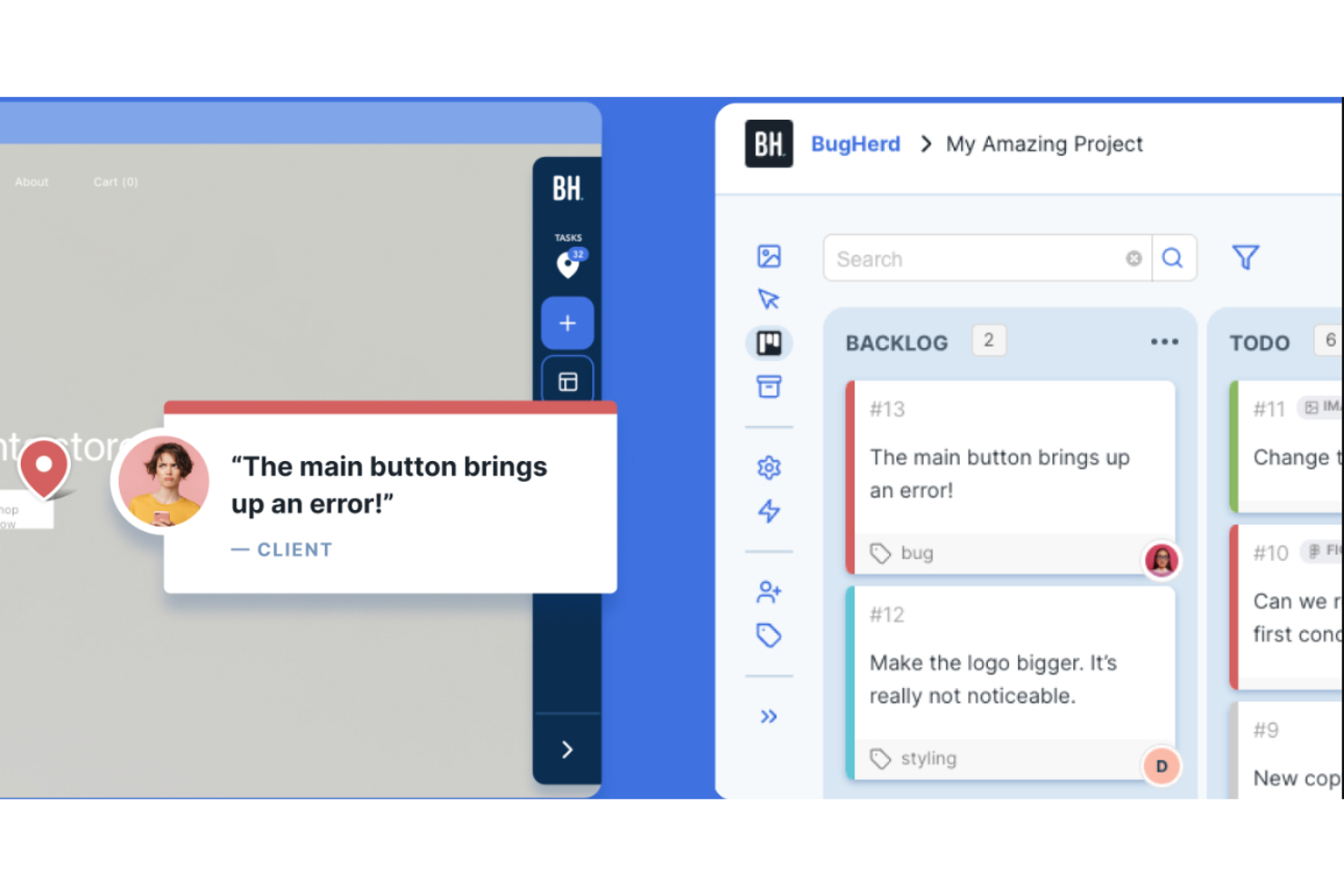
BugHerd se gana su lugar por lo bien que permite a los equipos capturar errores de sitios web directamente en la página, adjuntándolos a elementos reales del sitio y capturas de pantalla. Me gusta que, al probar sitios de clientes nuevos, puedo dejar comentarios para los desarrolladores justo donde se necesitan.
Los equipos se benefician más cuando necesitan priorizar errores a medida que se informan, hacer seguimiento del estado de manera visible en un tablero Kanban y mantener la retroalimentación del cliente totalmente vinculada al trabajo en curso.
Lo mejor de BugHerd para
- Equipos de desarrollo web y QA que necesitan informes visuales de errores
- Agencias que gestionan retroalimentación continua de clientes sobre sitios web
Lo que no es ideal de BugHerd para
- Equipos que rastrean errores de software en sistemas complejos con múltiples componentes
- Organizaciones con necesidades estrictas y centradas en la gestión de problemas por código
Qué diferencia a BugHerd
BugHerd adopta un enfoque más visual y centrado en sitios web que herramientas como Jira o GitHub Issues. Espera que fijes comentarios y errores directamente sobre los elementos del sitio en vivo, manteniendo el contexto en primer plano. Esto suele funcionar mejor cuando tu proceso implica que personas no técnicas reporten problemas directamente en el sitio, en vez de traducir retroalimentación a listas.
Los desarrolladores permanecen más cerca de la perspectiva del usuario, en lugar de alternar entre capturas de pantalla y rastreadores de problemas.
Consideraciones con BugHerd
BugHerd optimiza la captura visual de errores en sitios web, pero pierdes la personalización avanzada de flujos de trabajo o la automatización a nivel de código que ofrecen herramientas diseñadas para equipos de software más amplios.
New Product Updates from BugHerd

BugHerd Enhances Jira Integration
BugHerd's Jira integration receives a major update enhancing workflow synchronization and user mapping for Premium plan users. These updates improve workflow synchronization, task management, and collaboration across both platforms. For more information, visit BugHerd's official site.
 .
.
Userback
Ideal para reportes visuales de errores con contexto enriquecido

Userback está en mi lista porque es una de las pocas herramientas que hace que el reporte visual de errores sea realmente fácil y útil. Cuando trabajas con desarrolladores o testers que necesitan retroalimentación exacta, las capturas de pantalla anotadas, la grabación de video y los registros de consola ahorran tiempo y evitan confusiones.
Lo que más me gusta es cómo los clientes o usuarios no técnicos pueden mostrar claramente qué está fallando, de modo que las soluciones se implementan más rápido y con menos correos de seguimiento.
Lo mejor de Userback
- Equipos de producto, QA y desarrollo que necesitan reportes de errores anotados
- Agencias que recogen comentarios de partes interesadas no técnicas
Userback no es ideal para
- Equipos que requieren una gestión detallada de casos de prueba
- Seguimiento de errores en proyectos de software grandes y complejos
Qué distingue a Userback
Userback sobresale al hacer que el reporte de errores sea visual y con contexto, directamente dentro de tu app o sitio web. A diferencia de Jira, que espera tickets estructurados y detalles técnicos, Userback centra el flujo de trabajo en la retroalimentación que cualquiera puede enviar con capturas de pantalla anotadas o videos. Esto funciona especialmente bien cuando necesitas reportes de errores muy detallados de usuarios o clientes no técnicos.
Compromisos de Userback
Userback está pensado para retroalimentación visual rápida, pero pierdes automatización de flujos de trabajo avanzada y generación de informes. Si tu equipo necesita seguimiento profundo o flujos altamente personalizables, será necesario complementar con una herramienta más tradicional.
New Product Updates from Userback

Userback Mobile SDK Adds In-App Surveys
Userback’s Mobile SDK now supports in-app surveys, enabling iOS and Android users to submit NPS, CSAT, and other survey responses without leaving your app. For more information, visit Userback's official site.
 .
.
Kualitee
El mejor software de seguimiento de errores por su facilidad de uso
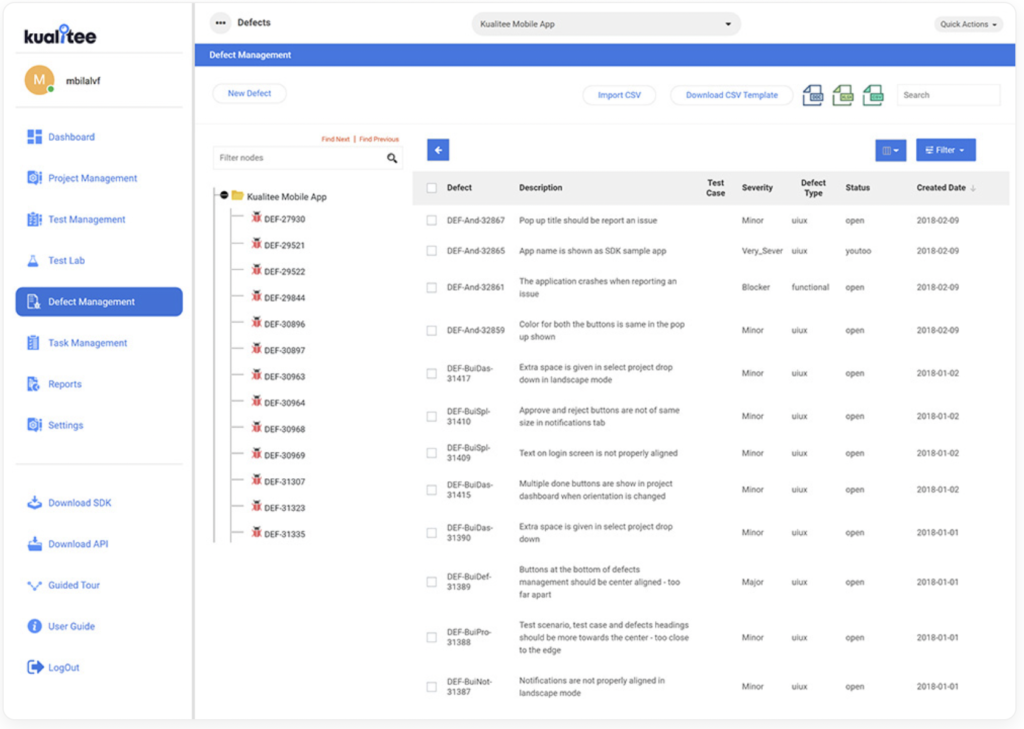
El seguimiento de errores es sencillo con la interfaz intuitiva de usuario/experiencia de usuario de Kualitee. Los usuarios pueden navegar cómodamente por la plataforma para capturar errores mientras ejecutan pruebas en curso. La colaboración es fácil con los hilos de comentarios que registran notas sobre cada problema.
Los paneles de control, ricos en información, muestran detalles pertinentes sobre los defectos, incluyendo su descripción, severidad, tipo y estado. Los errores se pueden agregar o eliminar en cualquier momento para mantener los paneles libres de desorden. Los usuarios también pueden acceder al historial de los conjuntos de pruebas, lo que permite rastrear cualquier defecto hasta su caso de prueba.
Kualitee se integra con las principales herramientas de CI/CD, incluyendo Jira, Redmine y AzureDevOps.
Ofrecen un único plan que incluye todas las funciones. Los precios comienzan en $15 usuario/mes.

GitHub
El mejor software gratuito y ligero para seguimiento de errores
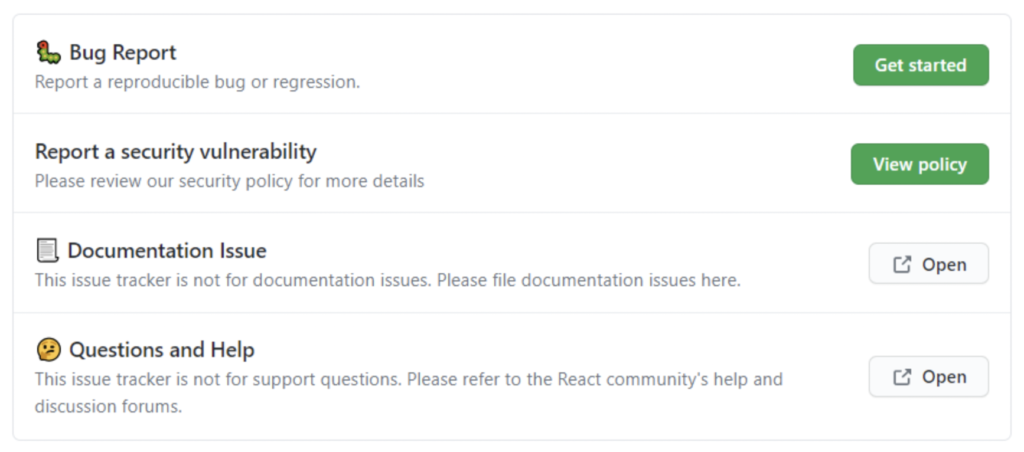
Puse GitHub en esta lista porque combina el control de versiones y el seguimiento de errores de una manera ligera pero práctica para los equipos que ya usan git. Cuando utilizo GitHub Issues, puedo registrar, etiquetar y priorizar errores junto al código, lo que resulta natural en la mayoría de los flujos de trabajo. Me gusta que puedas automatizar la gestión de incidencias usando etiquetas, menciones y tableros de proyectos, sin añadir complejidad ni sobrecarga.
GitHub es mejor para
- Desarrolladores que realizan seguimiento de errores junto al código fuente
- Equipos que ya trabajan en repositorios de GitHub
GitHub no es ideal para
- Equipos no técnicos que necesitan flujos de trabajo guiados
- Organizaciones que requieren análisis avanzados de seguimiento de errores
Lo que distingue a GitHub
GitHub adopta un enfoque orientado al desarrollador, integrando el seguimiento de errores directamente con la revisión de código y la gestión de repositorios. En lugar de añadir una herramienta nueva como Jira, te mantienes cerca de tu código fuente y colaboras en el mismo espacio. Esta configuración funciona bien cuando se desea que el seguimiento y las discusiones convivan junto con las actualizaciones de código y las solicitudes de extracción.
Los equipos que vienen de herramientas como Jira notan que GitHub elimina las funciones de flujo de trabajo prescriptivo en favor de una organización ligera y de formato abierto.
Compromisos con GitHub
GitHub está optimizado para la simplicidad y los flujos de trabajo centrados en el código, pero se pierden funciones avanzadas para jerarquía de tickets e informes. Esto significa que los equipos grandes con necesidades de procesos estrictos suelen requerir herramientas adicionales o integraciones para cubrir esas carencias.

QA Wolf
Mejor opción para externalizar el seguimiento de errores
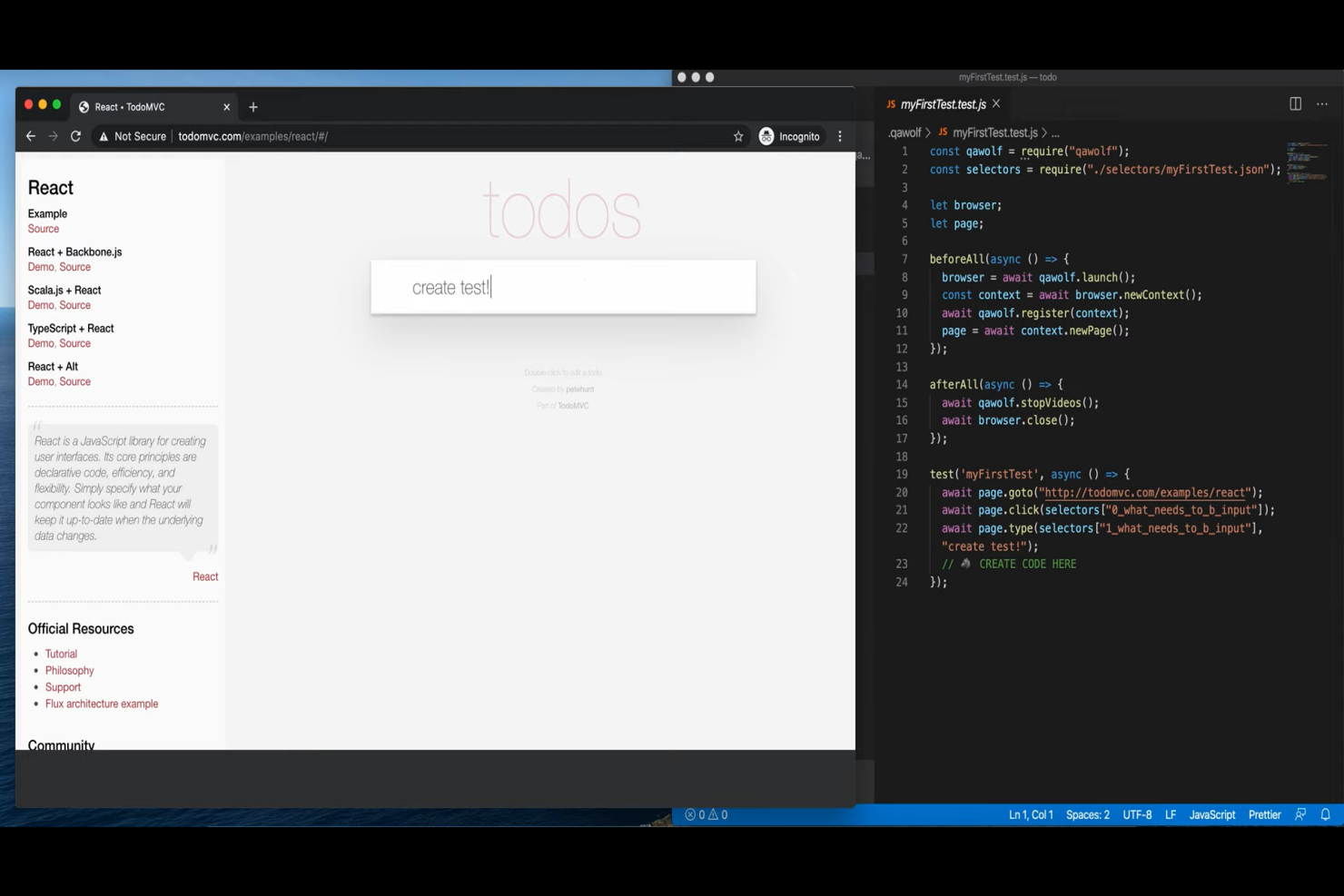
QA Wolf está en mi lista de favoritos porque aborda el seguimiento de errores desde un ángulo único: proporcionando cobertura de pruebas gestionadas e informes de errores como servicio. Esta es la solución que veo para equipos reducidos o ingenieros sobrecargados que quieren delegar los cuellos de botella en las pruebas y, finalmente, obtener una detección y reporte fiable para aplicaciones basadas en navegador.
Lo que valoro es que los especialistas de QA Wolf crean y mantienen los conjuntos de pruebas, luego priorizan, documentan y entregan informes de errores reproducibles de vuelta a tu equipo. Si tienes dificultades para encontrar tiempo o recursos para el aseguramiento de calidad o necesitas una cobertura fiable durante cambios rápidos de producto, este servicio llena ese vacío.
Lo Mejor de QA Wolf Para
- Equipos con recursos de QA limitados que necesiten informes de errores gestionados
- Empresas SaaS de rápido crecimiento que busquen pruebas de navegador de extremo a extremo externalizadas
QA Wolf No Es Ideal Para
- Equipos que deseen construir y gestionar sus propios procesos internos de QA
- Organizaciones que necesiten seguimiento de errores para apps nativas de escritorio o móviles
Qué Hace Único a QA Wolf
QA Wolf aborda el aseguramiento de calidad como un servicio hecho para ti, no solo como una herramienta para registrar y rastrear errores. En lugar de esperar que construyas conjuntos de pruebas como con Jira o que escribas scripts de automatización desde cero, entregas la gestión completa de flujos de trabajo a sus especialistas en QA. Funciona mejor para equipos dispuestos a confiar en un grupo externo para el reporte, priorización y mantenimiento de la cobertura a lo largo de los lanzamientos.
Compensaciones con QA Wolf
QA Wolf optimiza para un QA externalizado y sin intervención, pero eso limita la personalización y el control. Si quieres tener propiedad directa sobre las pruebas y ajustar internamente los procesos de QA, probablemente te sentirás limitado.
New Product Updates from QA Wolf

QA Wolf Adds Real Media Testing for iOS Apps
QA Wolf introduces real media testing for iOS apps using camera and microphone inputs. This update improves test reliability for real-world use cases. For more information, visit QA Wolf’s official site.
 .
.
ClickUp
El mejor software de seguimiento de errores por su personalización
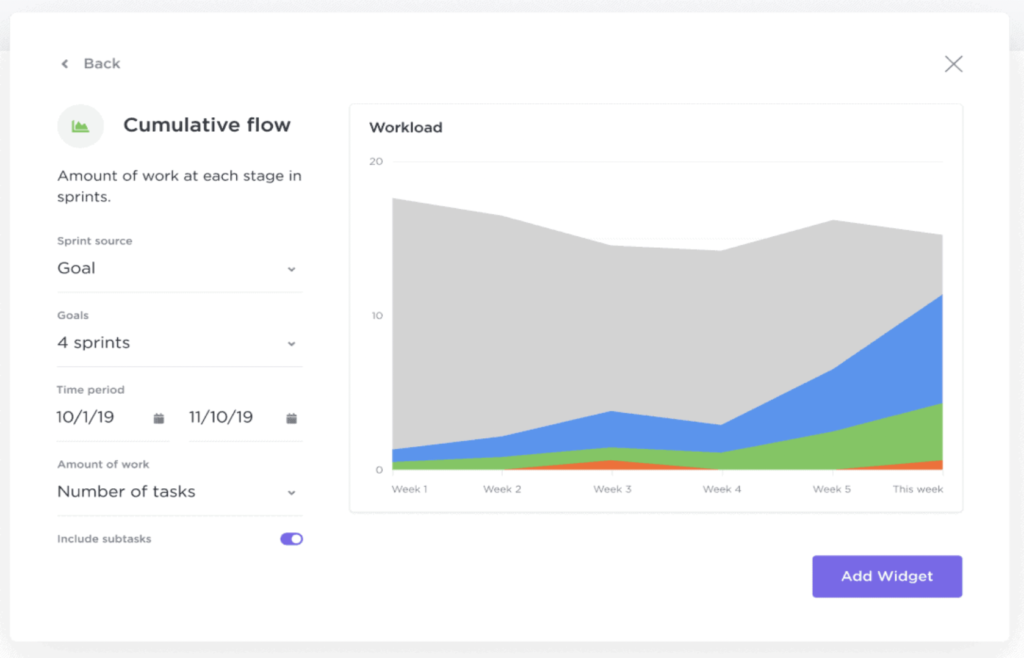
ClickUp ofrece mucho más que la gestión de tareas. Es un software totalmente personalizable diseñado para adaptarse a las necesidades de una variedad de equipos. Los usuarios pueden crear documentos y bases de conocimiento, establecer objetivos, construir calendarios y mantener una bandeja de entrada. ClickUp también ofrece widgets visuales de sprint que permiten a los equipos ágiles monitorear la eficiencia del trabajo e identificar cuellos de botella en su flujo de trabajo.
La herramienta también es útil para los equipos de control de calidad, quienes pueden utilizar formularios de registro para capturar información de errores mediante campos personalizados. Una vez que se recopilan los detalles de los errores, los equipos de control de calidad pueden convertir la información recopilada en tareas asignadas. Los errores relacionados pueden enlazarse entre sí, clasificarse con etiquetas y gestionarse en el backlog con estados personalizados.
Los usuarios pueden conectar más de 1.000 herramientas a ClickUp. Las integraciones nativas incluyen Sentry, Zendesk, GitHub y GitLab. ClickUp también tiene una API pública que permite a las empresas crear integraciones personalizadas y aplicaciones de ClickUp.
ClickUp cuenta con un plan gratuito y suscripciones de pago que comienzan en $9/usuario/mes.
New Product Updates from ClickUp
ClickUp Adds Meetings Hub, Super Agent Templates, and ZoomInfo Integration
ClickUp adds a searchable Meetings Hub, new ways to clone and template Super Agents, and a ZoomInfo integration through the App Center. These updates improve meeting retrieval, agent reuse, and access to sales intelligence. For more information, visit ClickUp’s official site.

Backlog
Ideal para flujos de trabajo ágiles
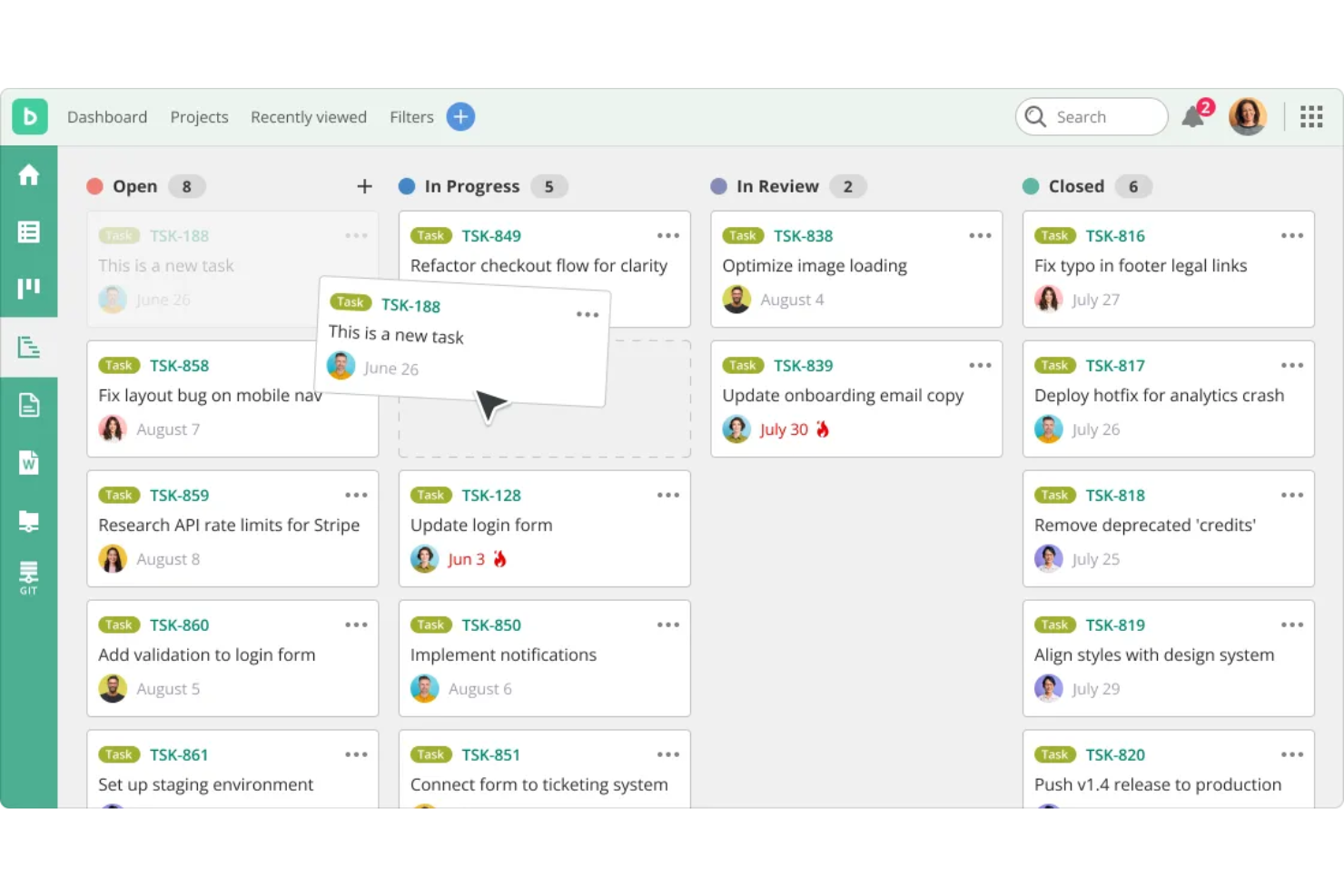
Backlog destaca por su seguimiento ágil de errores, especialmente cuando tu equipo ya utiliza la gestión de tareas al estilo kanban. Lo elegí porque el seguimiento de incidencias está integrado en el mismo espacio que los lanzamientos, wikis y repositorios de código, por lo que puedes manejar todo sin cambiar de herramienta. Lo que me gusta es cómo los tableros de backlog y sprint brindan a los desarrolladores y QA un espacio compartido tanto para el trabajo planificado como para los errores urgentes.
Esta configuración ayuda a los equipos que trabajan con sprints y necesitan que el seguimiento de errores funcione dentro de ciclos ágiles.
Lo mejor de Backlog para
- Equipos de desarrollo ágil que necesitan kanban y seguimiento de incidencias integrados
- Equipos que quieren seguimiento de errores, wikis y repositorios de código juntos
Backlog no es ideal para
- Equipos enfocados en herramientas de seguimiento de errores ultrasespecializadas e independientes
- Usuarios que no trabajan en un proceso ágil o iterativo
Lo que diferencia a Backlog
Backlog destaca porque trata el seguimiento de errores como parte de un flujo de trabajo ágil más amplio, en lugar de aislar incidencias en un silo aparte como Jira o Bugzilla. Puedes planificar, discutir y solucionar errores en el mismo espacio en el que gestionas lanzamientos y documentas soluciones. En la práctica, esto funciona bien cuando tu equipo quiere seguir errores y funciones juntos sin cambiar de herramienta o perder contexto.
Compromisos con Backlog
Backlog está optimizado para combinar el seguimiento de errores con el trabajo general de proyectos, pero pierdes algunos controles avanzados y flujos de trabajo personalizados que se encuentran en herramientas especializadas en errores. Esto puede limitar la visibilidad o los informes integrados si tu proceso es muy especializado o impulsado por el cumplimiento.

Shortcut
Ideal para visualizar el progreso de los errores
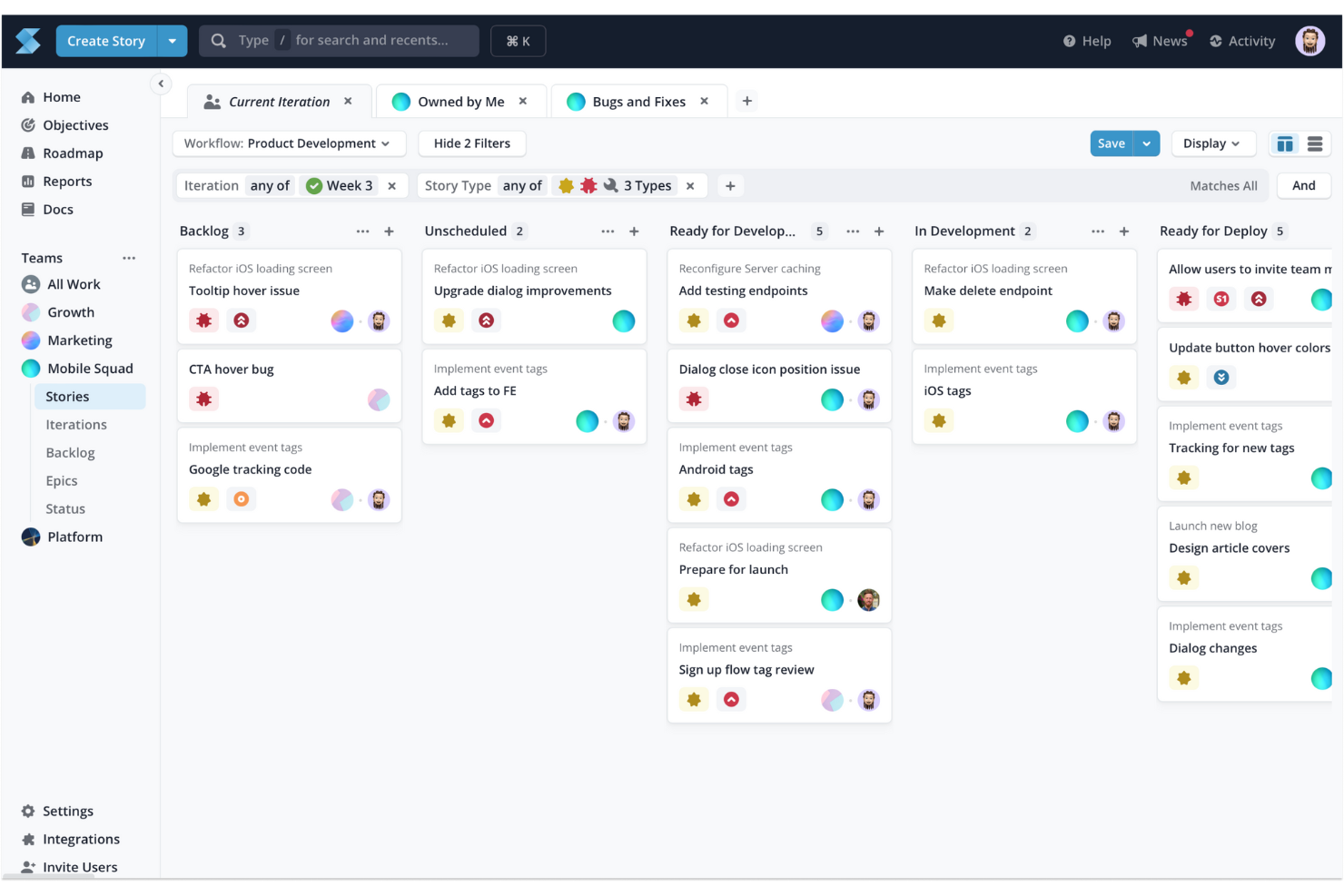
Shortcut es una herramienta de gestión de proyectos diseñada para equipos de software, que les ayuda a rastrear el trabajo, colaborar y avanzar en los proyectos. La plataforma te permite gestionar todo, desde los backlogs de producto hasta los sprints, asegurando que ninguna tarea se pierda.
En cuanto al seguimiento de errores, puedes crear, asignar y priorizar errores como tareas individuales, asegurándote de que se resuelvan rápidamente. Cada error puede clasificarse mediante campos personalizados y etiquetas, facilitando el filtrado y la organización del backlog. También puedes rastrear errores en tiempo real, comentando directamente en los problemas y manteniendo a todos alineados. Las herramientas de informes de Shortcut te permiten seguir las tendencias de los errores e identificar áreas problemáticas antes de que se conviertan en grandes inconvenientes.
También puedes visualizar el progreso de los errores a través de épicas y hitos. Esto te permite supervisar proyectos grandes relacionados con errores, brindando a tu equipo una visión clara de la situación y de lo que requiere atención. La plataforma también incluye indicadores de salud, que proporcionan información en tiempo real sobre el estado de tu proyecto.
Las integraciones incluyen Slack, GitHub, GitLab, Figma, Codestream, Bitbucket, Notion, Loom, Dailybot, Plecto, LinearB, Lambda Test, Testlodge, Google Calendar, Sentry, FireHydrant y Vanta.

Jira
Mejor software de seguimiento de errores para desarrollo Ágil
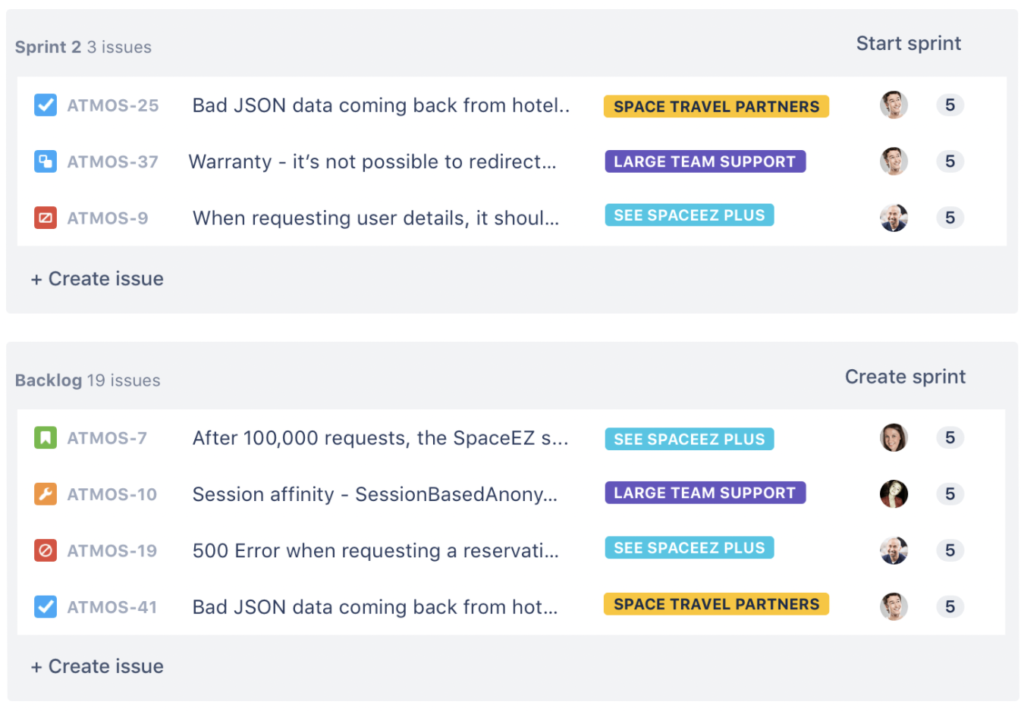
Jira se gana su puesto por lo bien que se alinea con los procesos Ágiles en el desarrollo real. Veo que los equipos Ágiles recurren a Jira cuando los backlogs, los sprints y los estados de incidencias empiezan a superar las hojas de cálculo o rastreadores más simples.
Valoro la forma en que puedes personalizar los flujos de trabajo, automatizar las transiciones de tickets e incorporar informes detallados. Los controles de permisos detallados ayudan a los equipos grandes a gestionar quién ve y edita los diferentes proyectos, lo que resulta útil a medida que las organizaciones crecen.
Jira es ideal para
- Equipos de desarrollo Ágil que gestionan backlogs de desarrollo complejos
- Organizaciones que requieren flujos de trabajo personalizados e informes en profundidad
Jira no es ideal para
- Equipos que buscan un rastreador de errores sencillo y listo para usar
- Grupos pequeños sin necesidad de personalización de procesos
Qué distingue a Jira
Jira está construido en torno a procesos formales y espera que los equipos codifiquen sus pasos de flujo de trabajo. A diferencia de ClickUp o monday.com, que te permiten comenzar rápidamente con listas básicas, Jira asume que quieres un control granular sobre cómo avanza el trabajo en cada etapa. En la práctica, veo equipos Ágiles y de desarrollo utilizar Jira cuando buscan un seguimiento preciso, una gestión estricta de estados y ayuda para hacer cumplir su proceso a escala.
Compromisos al usar Jira
Jira está optimizado para el rigor de los procesos y el control granular, pero eso puede ralentizar las cosas si solo quieres rastrear errores rápidamente o gestionar proyectos ligeros.

Noibu
Ideal por su recopilación inteligente de errores
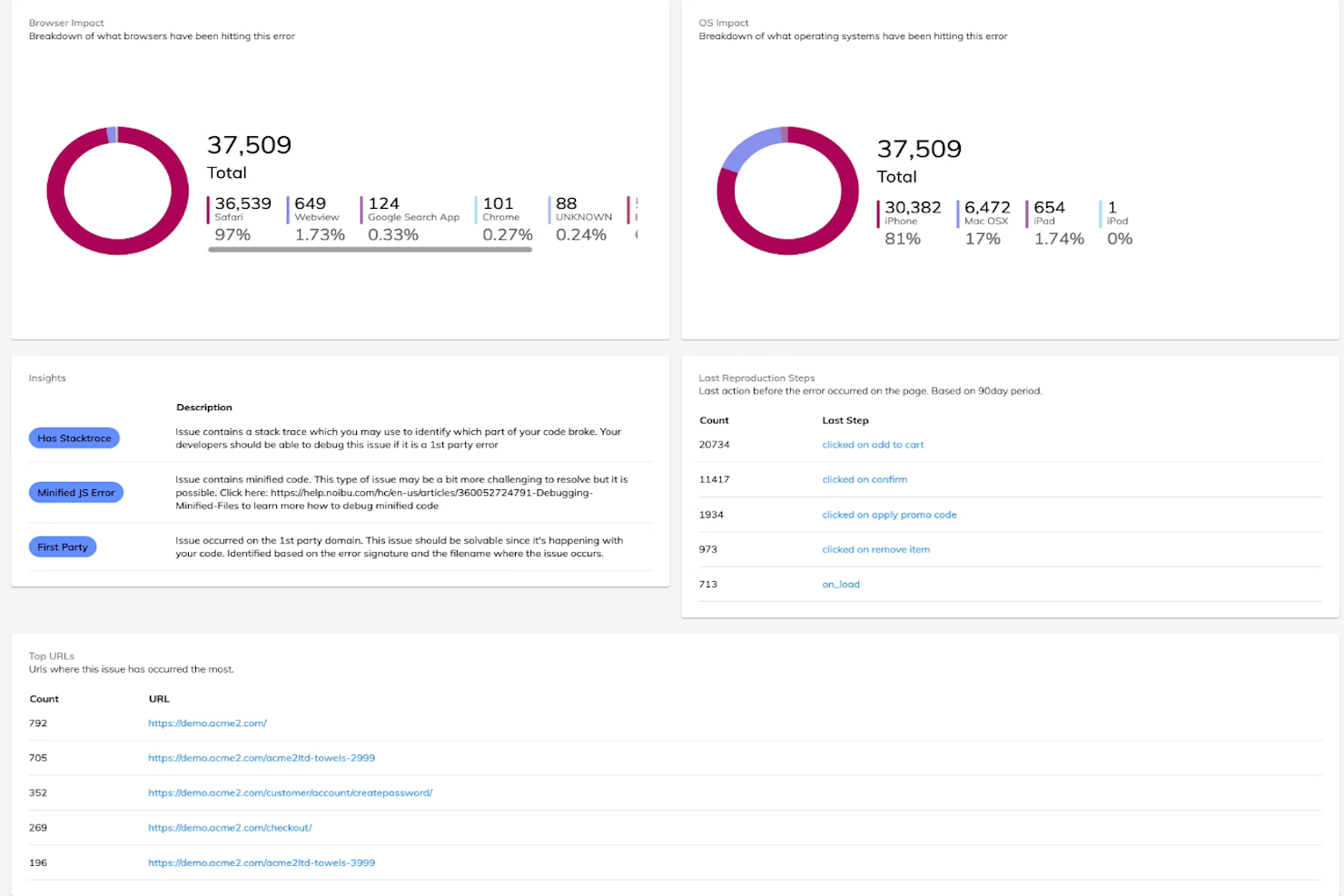
Noibu hace mi lista de opciones porque detecta errores ocultos de JavaScript directamente desde el navegador del cliente, sin necesidad de que reproduzcas manualmente los incidentes. Lo que realmente atrae a los equipos es su recopilación inteligente de errores, que prioriza automáticamente los errores según su impacto en el negocio y ayuda a identificar las soluciones que realmente importan.
Lo que me gusta es que obtienes trazas detalladas de pila vinculadas a sesiones reales de usuarios, así no tienes que adivinar qué problemas resolver ni cómo afectan los ingresos de tu sitio. Cuando lo pruebo en sitios de comercio electrónico, veo que los equipos detectan rápidamente errores que afectan los ingresos y que otros rastreadores pasan por alto.
Lo mejor de Noibu para
- Equipos de comercio electrónico que rastrean errores de JavaScript en producción
- Empresas que priorizan el impacto en ingresos por errores en la experiencia del usuario
Noibu no es ideal para
- Equipos que necesitan rastrear errores en sistemas backend
- Organizaciones que requieren una personalización exhaustiva del flujo de trabajo
Lo que diferencia a Noibu
Noibu adopta un enfoque diferente al de herramientas como Jira, ya que se centra exclusivamente en rastrear errores visibles para el cliente directamente en producción, en lugar de gestionar tickets para todo tipo de tareas. La plataforma espera que tu equipo trabaje de forma reactiva con datos reales de sesión y métricas sobre el impacto en los usuarios.
En la práctica, verás el beneficio si te importa más detectar errores en el frontend que afectan los ingresos que organizar tareas pendientes o mantener flujos de trabajo personalizados complejos.
Compensaciones con Noibu
Noibu está optimizado para detectar errores reales que ocurren en el navegador, pero pierdes la capacidad de rastrear o administrar errores del backend y flujos de trabajo complejos del equipo en un solo lugar.
Otro software de seguimiento de errores
Aquí tienes algunas opciones adicionales de software de seguimiento de errores que no entraron en mi lista, pero que igual vale la pena revisar:
- Jam
El mejor software de seguimiento de errores para capturar pasos de reproducción de bugs
- New Relic
Mejor seguimiento de errores dentro de una plataforma completa de observabilidad
- zipBoard
Mejor software de seguimiento de errores para equipos de producto digital
- Jira Service Management
Mejor gestión de servicios de TI con herramientas de seguimiento de errores
- Bird Eats Bug
Mejor extensión de Chrome para el seguimiento de errores
- The Bug Genie
Mejor herramienta empresarial de gestión de errores y proyectos
- LogRocket
Ideal para rastrear errores que afectan al desarrollo de software frontend
- Bugzilla
Mejor software de seguimiento de errores de código abierto
- Katalon TestOps
El mejor software de seguimiento de errores con informes de pipeline CI/CD listos para usar
- aqua
El mejor software de seguimiento de errores con cobertura de pruebas escalable
- BugHost
El mejor software de seguimiento de errores con auditoría
- Canny
Ideal para el seguimiento centralizado de errores


Cómo Evalúo el Software de Seguimiento de Errores
Cuando un desarrollador necesita reproducir un fallo en producción a partir de un informe de QA, la herramienta o soporta ese flujo de trabajo o no lo hace—divido mi evaluación en requisitos básicos y factores diferenciadores clave.
Funcionalidades Básicas (Condiciones Esenciales para esta Lista)
Al seleccionar herramientas para mi lista, califico cada una en una escala del 0 (no ofrece la funcionalidad) al 5 (destaca en esta área) para cada funcionalidad principal que se indica a continuación. Luego, calculo la puntuación total de la herramienta en un porcentaje. Cada herramienta debe alcanzar una puntuación mínima total del 75% para ser considerada para su inclusión.
- Registro y Captura de Errores: Verifico si cada herramienta admite informes estructurados de errores con detalles del entorno, pasos de reproducción y archivos adjuntos—el tipo de contexto que un desarrollador necesita para actuar sobre un ticket sin tener que buscar al reportero.
- Gestión de Flujos de Trabajo de Incidencias: Aquí es importante el motor de flujo de trabajo de cada herramienta—evalúo si se pueden personalizar los estados, transiciones y reglas de asignación para reflejar realmente cómo tu equipo mueve un error desde la clasificación hasta la resolución.
- Priorización y Clasificación de Gravedad: Busco sistemas de etiquetas flexibles que permitan a los equipos distinguir entre un error cosmético en la interfaz y un fallo en el sistema de pagos, con etiquetas personalizadas y niveles de gravedad que se adaptan a tu ciclo de lanzamiento.
- Integraciones con Herramientas de Desarrollo: Un rastreador de errores que está fuera del flujo de trabajo de desarrollo genera fricción, por eso evalúo conexiones nativas con plataformas de control de versiones como GitHub y GitLab, pipelines CI/CD y herramientas de gestión de proyectos.
- Búsqueda, Filtrado e Informes: Encontrar un ticket específico entre miles de incidencias abiertas es realmente una molestia diaria—reviso los filtros avanzados, consultas guardadas, tableros personalizados y reportes de tendencias para retrospectivas de sprint.
- Colaboración en Equipo y Comentarios: Evalúo si la herramienta soporta comentarios en hilos, @menciones y notificaciones en tiempo real, para que los ingenieros de QA y desarrolladores puedan discutir pasos de reproducción o solicitar más contexto directamente en el ticket.
Una vez dispongo de una lista de herramientas que cumplen con estos criterios, considero qué diferencia a cada plataforma.
Factores Diferenciadores (Qué Distingue a los Proveedores)
Así es como comparo y contrasto diferentes proveedores:
Características Destacadas
La captura visual de errores marca una gran diferencia. Los widgets integrados que adjuntan automáticamente registros de consola y capturas de pantalla anotadas permiten que los equipos de QA inviertan menos tiempo en detallar los pasos de reproducción. También evalúo la clasificación asistida por IA, que clasifica y elimina tickets duplicados automáticamente durante lanzamientos de alto volumen. La sincronización con el monitoreo de errores también es relevante, especialmente cuando las excepciones de producción de herramientas como Sentry o Datadog pueden generar tickets rastreados automáticamente sin registro manual.
Más Allá de las Características
Los estándares de seguridad y cumplimiento tienen un gran peso aquí—verifico certificación SOC 2, soporte SSO/SAML y controles de acceso basados en roles, ya que los reportes de errores suelen contener datos sensibles de producción. La estructura de precios también importa. Un modelo por usuario puede volverse costoso rápidamente para una organización de ingeniería de 50 personas, por lo que evalúo si existen planes gratuitos o tarifas planas para equipos en crecimiento. Finalmente, considero el tiempo hasta obtener valor: ¿qué tan rápido pueden tanto desarrolladores como personal de QA no técnico comenzar a reportar y resolver errores sin largas sesiones de incorporación?
Cómo elegir un software de seguimiento de errores
Es fácil perderse en largas listas de características y estructuras de precios complejas. Para ayudarte a mantenerte enfocado durante tu proceso de selección de software, aquí tienes una lista de factores a tener en cuenta:
| Factor | Qué considerar |
|---|---|
| Escalabilidad | ¿El software crecerá con tu equipo? Piensa cuántos usuarios podrías tener en el futuro y si la herramienta puede manejarlo sin costes adicionales. |
| Integraciones | ¿Se conecta con tus herramientas actuales? Asegúrate de que permita integrarse con tus herramientas de desarrollo, comunicación y gestión de proyectos. |
| Personalización | ¿Puedes adaptarlo a tu flujo de trabajo? Comprueba si puedes ajustar campos, reportes y paneles según los procesos de tu equipo. |
| Facilidad de uso | ¿Es fácil de usar para todos? Una herramienta compleja podría ralentizar a tu equipo. Busca una interfaz sencilla y de rápida curva de aprendizaje. |
| Implementación y puesta en marcha | ¿Cuánto tiempo llevará empezar a usarlo? Evalúa el tiempo de configuración y los recursos necesarios. Considera si hay materiales de formación o soporte disponibles. |
| Costo | ¿Se ajusta a tu presupuesto? Compara planes de precios y vigila gastos ocultos. Ten en cuenta los costes a largo plazo, como cobros por usuario o funciones adicionales. |
| Protección de la seguridad | ¿Tus datos están protegidos? Busca características como cifrado, controles de acceso y cumplimiento con normativas de protección de datos. |
| Disponibilidad de soporte | ¿Recibirás ayuda cuando la necesites? Revisa si hay soporte 24/7, chat en vivo y tiempos de respuesta para asegurarte asistencia cuando la requieras. |
Tendencias en herramientas de seguimiento de errores
Las herramientas de seguimiento de errores han experimentado una evolución significativa, impulsada por la creciente complejidad de los entornos de desarrollo de software y la necesidad de soluciones más eficientes, integradas e inteligentes. Los equipos que buscan ir más allá de las plataformas tradicionales suelen explorar alternativas a Jira Service Management que se adapten mejor a las prácticas modernas de desarrollo. Al examinar las últimas actualizaciones de productos, comunicados de prensa y registros de versiones de las principales herramientas en este ámbito, podemos identificar tendencias clave que están moldeando el futuro del seguimiento de errores y las pruebas de software.
- Integración con herramientas de desarrollo y CI/CD: Una tendencia clara es la integración más profunda con los entornos de desarrollo y las canalizaciones de Integración/Diseño Continuos (CI/CD). Esto garantiza que el seguimiento de errores no sea una actividad aislada, sino una parte fluida de todo el ciclo de vida de desarrollo, permitiendo una identificación y resolución más rápida de los problemas.
- Evidencia: Plugins y APIs mejorados para IDEs y plataformas de CI/CD populares, permitiendo la captura y seguimiento automático de errores durante los commits de código y las compilaciones.
- IA y aprendizaje automático para análisis predictivos: La aplicación de tecnologías de IA y aprendizaje automático está evolucionando rápidamente dentro de las herramientas de seguimiento de errores. Estas tecnologías ofrecen análisis predictivos para identificar posibles errores antes de que ocurran y sugerir rutas óptimas para su resolución, reduciendo significativamente el trabajo manual.
- Evidencia: Introducción de funciones impulsadas por IA que analizan datos históricos de errores para predecir futuros fallos y automatizar la categorización y priorización de errores.
- Funciones mejoradas de colaboración: La colaboración sigue siendo un componente clave, con funcionalidades novedosas orientadas a mejorar la comunicación dentro y entre equipos. Las actualizaciones en tiempo real, plataformas de mensajería integradas y funciones colaborativas de priorización garantizan que todos los involucrados en la resolución de errores estén alineados.
- Evidencia: Nuevos módulos de colaboración que ofrecen funciones de chat, hilos de comentarios y vistas compartidas directamente dentro de la interfaz de la herramienta de seguimiento de errores.
- Reportes personalizables y dinámicos: La demanda de funciones de reporte personalizables y dinámicas ha crecido, ya que los usuarios buscan mayor control sobre cómo se visualiza y reporta la información. Estas características ayudan a los equipos a comprender rápidamente el estado de sus proyectos y tomar decisiones informadas.
- Evidencia: Paneles de informes avanzados que los usuarios pueden personalizar con widgets de "arrastrar y soltar" para rastrear métricas relevantes para sus procesos.
- Soluciones en la nube y escalables: La transición hacia soluciones en la nube continúa, con un enfoque en la escalabilidad y accesibilidad. Esta tendencia responde a la necesidad de herramientas que puedan crecer junto al proyecto y ser accesibles desde cualquier lugar, facilitando el trabajo remoto y los equipos distribuidos.
- Evidencia: Ampliación de ofertas en la nube con infraestructuras escalables que pueden ajustar dinámicamente los recursos en función del tamaño y la carga de trabajo del equipo.
Características que están perdiendo importancia
- Entrada y seguimiento manual: A medida que las funciones de automatización e inteligencia se vuelven más sofisticadas, la importancia de la entrada y el seguimiento manual disminuye. Los equipos buscan soluciones que minimicen el trabajo rutinario manual, permitiéndoles centrarse en actividades más estratégicas.
- Evidencia: Menor énfasis en las funciones de ingreso manual de datos en favor de la detección y registro automatizados de errores.
Estas tendencias reflejan un movimiento hacia un seguimiento de errores más integrado, inteligente y colaborativo, alineado con los objetivos generales de aumentar la eficiencia, reducir los tiempos de resolución y mejorar la calidad del software. Para los testers de software de QA, estos desarrollos ofrecen vías prometedoras para optimizar su flujo de trabajo, contribuir de manera más estratégica al proceso de desarrollo y asegurar la entrega de productos de software sólidos y de alta calidad.
¿Qué son las herramientas de seguimiento de errores?
Las herramientas de seguimiento de errores se utilizan en el desarrollo de software para registrar, rastrear y resolver errores o defectos en el software. Funcionan como una base de datos centralizada donde los miembros del equipo pueden reportar incidencias, seguir su progreso y colaborar en soluciones. Este software organiza el proceso de gestión de errores de software, desde la identificación hasta la resolución.
Mejora la comunicación y colaboración del equipo, asegurando que todos estén actualizados sobre las herramientas de seguimiento de incidencias. Al priorizar y resolver eficientemente los errores, este software contribuye a mantener los plazos del proyecto y entregar un software confiable y libre de fallos.
Características
Al seleccionar un software de seguimiento de errores, toma en cuenta las siguientes características clave:
- Seguimiento de errores: Permite a los usuarios registrar, rastrear y gestionar errores a lo largo del proceso de desarrollo, asegurando que los problemas se resuelvan puntualmente.
- Asignación de tareas: Permite a los equipos asignar errores a miembros específicos, fomentando la responsabilidad y una resolución eficiente.
- Capacidades de integración: Se conecta con herramientas existentes de desarrollo y gestión de proyectos para agilizar los flujos de trabajo y mejorar el intercambio de datos.
- Paneles personalizables: Ofrece a los usuarios la posibilidad de adaptar los paneles para mostrar métricas y reportes relevantes, mejorando la visibilidad y el control.
- Notificaciones automáticas: Mantiene informados a los miembros del equipo sobre cambios en el estado de los errores y actualizaciones, mejorando la comunicación y los tiempos de respuesta.
- Informes y análisis: Proporciona información sobre tendencias de errores y tiempos de resolución, ayudando a los equipos a tomar decisiones fundamentadas y mejorar los procesos.
- Interfaz fácil de usar: Garantiza facilidad de uso con una navegación y un diseño intuitivos, reduciendo la curva de aprendizaje para nuevos usuarios.
- Funciones de seguridad: Protege los datos sensibles mediante cifrado y controles de acceso, manteniendo el cumplimiento de los estándares de protección de datos.
- Escalabilidad: Admite el crecimiento al acomodar un número creciente de usuarios y proyectos sin una degradación significativa del rendimiento.
- Herramientas de colaboración: Facilita el trabajo en equipo a través de funciones como comentarios y uso compartido de archivos, mejorando la comunicación y la coordinación.
Beneficios
Implementar un software de seguimiento de errores ofrece varios beneficios para tu equipo y tu empresa. Aquí tienes algunos de los que puedes esperar:
- Mayor eficiencia: Con características como la asignación de tareas y notificaciones automáticas, los equipos pueden abordar y resolver errores rápidamente, ahorrando tiempo y recursos.
- Colaboración mejorada: Las herramientas de colaboración y las capacidades de integración aseguran que los miembros del equipo permanezcan conectados e informados, mejorando la comunicación y el trabajo en equipo.
- Mejor toma de decisiones: Los informes y análisis ofrecen información sobre tendencias de errores, ayudando a los equipos a tomar decisiones informadas para mejorar los procesos.
- Mayor responsabilidad: Las funciones de asignación y seguimiento de tareas garantizan que los miembros del equipo sean responsables de resolver los problemas, fomentando una cultura de responsabilidad.
- Mayor calidad del software: Al gestionar y resolver eficazmente los errores, los equipos pueden entregar software con menos fallos, lo que lleva a una mayor satisfacción del usuario.
- Escalabilidad: La capacidad de admitir el crecimiento al acomodar más usuarios y proyectos asegura que el software siga siendo efectivo a medida que tu empresa crece.
Costos y Precios
Seleccionar un software de seguimiento de errores requiere comprender los distintos modelos y planes de precios disponibles. Los costos varían según las características, el tamaño del equipo, los complementos y más. La siguiente tabla resume los planes comunes, sus precios promedio y las funciones típicas incluidas en las soluciones de software de seguimiento de errores:
Tabla comparativa de planes para software de seguimiento de errores
| Tipo de Plan | Precio Promedio | Características Comunes |
|---|---|---|
| Plan Gratis | $0 | Seguimiento básico de errores, integraciones limitadas y soporte comunitario. |
| Plan Personal | $5-$25/user/month | Seguimiento de errores mejorado, asignación de tareas e informes y análisis básicos. |
| Plan Empresarial | $30-$60/user/month | Informes avanzados, paneles personalizados y soporte prioritario al cliente. |
| Plan Corporativo | $70-$120/user/month | Personalización total, gestor de cuenta dedicado y funciones de seguridad integrales. |
.
Preguntas frecuentes sobre software de seguimiento de errores
Aquí tienes respuestas a preguntas comunes sobre el software de seguimiento de errores:
¿Qué es un bug en el software?
En el software o en aplicaciones web, un bug es un error, fallo o defecto que ocurre cuando el programa no funciona como se espera. No es exclusivo de ninguna etapa del ciclo de vida; el software puede detectar errores que deben corregirse durante el desarrollo y con el tiempo para asegurar que el programa funcione correctamente.
¿Cuáles son los tipos de herramientas de seguimiento de errores?
Las herramientas de seguimiento de errores son esenciales en el proceso de desarrollo de software, ya que ayudan a los equipos a identificar, rastrear y resolver problemas de manera eficiente para garantizar resultados de alta calidad. Estas herramientas varían en complejidad y funcionalidad, y se adaptan a diferentes necesidades y etapas del ciclo de vida del desarrollo. Estos son los principales tipos de herramientas de seguimiento de errores disponibles:
- Sistemas básicos de seguimiento de errores: Estas herramientas ofrecen funciones fundamentales para registrar, rastrear y gestionar bugs. Normalmente son fáciles de usar y adecuadas para equipos pequeños o proyectos con flujos de trabajo sencillos. Los sistemas básicos proporcionan funciones esenciales como la creación de informes de errores, asignación de tareas y actualización de estados.
- Plataformas integrales de seguimiento de incidencias: Más allá del simple seguimiento de bugs, estas plataformas ofrecen un conjunto de funciones para gestionar varios tipos de incidencias, como solicitudes de funcionalidades, mejoras y deuda técnica. A menudo se integran con otras herramientas de gestión de proyectos y desarrollo, proporcionando una visión más completa sobre la salud del proyecto.
- Herramientas de gestión de pruebas con seguimiento de errores: Algunas herramientas de seguimiento de errores forman parte de un software más amplio de gestión de pruebas, diseñado para manejar tanto la administración de casos de prueba como el seguimiento de errores en una sola plataforma. Estas herramientas son ideales para equipos enfocados principalmente en aseguramiento de la calidad y pruebas, permitiendo transiciones fluidas entre las fases de prueba y corrección de errores.
- Herramientas de gestión de proyectos con seguimiento de errores integrado: Ciertas aplicaciones de gestión de proyectos incluyen el seguimiento de errores como parte de sus funciones, lo que permite a los equipos gestionar tareas de desarrollo, cronogramas y errores en un solo lugar. Este tipo es adecuado para equipos que buscan una solución todo en uno para optimizar el flujo de trabajo y mejorar la colaboración.
- Soluciones personalizables y escalables: Estas herramientas están diseñadas para ser altamente personalizables, adaptándose a los flujos de trabajo y procesos específicos de una organización. A menudo ofrecen escalabilidad para acompañar el crecimiento, por lo que son aptas para equipos grandes o proyectos complejos con requisitos particulares.
- Herramientas de seguimiento de errores de código abierto: Las opciones de código abierto proporcionan la flexibilidad de personalización a nivel de código, lo que permite que los equipos adapten la herramienta exactamente a sus necesidades. Son una solución rentable para equipos con experiencia técnica que puedan mantener y modificar el software.
- Herramientas de seguimiento de errores basadas en la nube: Las herramientas en la nube o de Software como Servicio (SaaS) ofrecen ventajas como acceso en línea, actualizaciones automáticas y menores costes iniciales. Estas herramientas son ideales para equipos distribuidos u organizaciones que buscan evitar el coste de mantener infraestructura propia.
- Herramientas especializadas para entornos de desarrollo específicos: Algunas herramientas están diseñadas para lenguajes de programación, frameworks o entornos específicos, ofreciendo integración avanzada y funciones especializadas para cubrir necesidades concretas de desarrollo.
Seleccionar el tipo adecuado de herramienta de seguimiento de errores depende de varios factores, como el tamaño del equipo, la complejidad del proyecto, flujos de trabajo existentes y necesidades de integración con otras herramientas. Cada tipo ofrece ventajas distintas y la mejor opción será la que se adapte a los requisitos de la organización, asegurando que los procesos de seguimiento y resolución de errores sean lo más eficientes y eficaces posible.
¿Qué otros recursos de gestión de bugs e incidencias deberías tener?
Si ya estás considerando un software de seguimiento de errores, te recomiendo revisar también estos recursos:
- Cómo crear un informe de seguimiento de errores en Jira
- Mejores herramientas de seguimiento de defectos
- Cómo escribir un informe de bugs (+ plantilla gratuita para descargar)
- La dura verdad sobre el software sin defectos
- Mejores herramientas de monitoreo de sitios web
- Mejor software y sistemas de gestión de incidentes
- 5 herramientas de análisis de causa raíz para mejores pruebas y aseguramiento de calidad
- ¿QUÉ ES AUTIFY? RESUMEN Y TOUR DE FUNCIONES
- VISIÓN GENERAL DE PIPELINE CI/CD: QUÉ ES Y POR QUÉ ES IMPORTANTE
¿Qué sigue?
Si estás en proceso de investigar software de seguimiento de errores, conéctate con un asesor de SoftwareSelect para recibir recomendaciones gratuitas.
Solo tienes que llenar un formulario y tener una breve conversación donde conocerán los detalles específicos de tus necesidades. Después recibirás una lista corta de software para revisar. Incluso te apoyarán durante todo el proceso de compra, incluyendo la negociación de precios.