

Die 10 besten Anbieter privater Clouds für sichere Unternehmen 2026

Auswahl der besten Private-Cloud-Anbieter


Den richtigen Private-Cloud-Anbieter zu finden, kann sich wie die Navigation durch ein Labyrinth anfühlen. Fragen zu Sicherheit, Skalierbarkeit und langfristiger Flexibilität treffen häufig auf Bedenken hinsichtlich der Kosten und des gefürchteten Risikos einer Anbieterabhängigkeit. Wenn Sie sich schon einmal unsicher waren, was Ihr Unternehmen wirklich benötigt, oder sich Sorgen gemacht haben, eine Entscheidung zu treffen, die Ihre Möglichkeiten in Zukunft einschränken könnte, sind Sie nicht allein. Diese Herausforderungen können einen ohnehin komplexen Prozess noch schwieriger machen.
Private-Cloud-Anbieter bieten maßgeschneiderte Lösungen, mit denen Unternehmen die Kontrolle über ihre Daten behalten, die Compliance sicherstellen und ihre Abläufe sicher skalieren können. Im Laufe der Jahre habe ich mit Organisationen gearbeitet, die mit genau diesen Hürden konfrontiert waren, und ihnen dabei geholfen, die zahlreichen Optionen zu durchdringen und Plattformen zu finden, die ihren individuellen Anforderungen entsprechen. In diesem Leitfaden teile ich Erkenntnisse aus der Praxis und erläutere wichtige Faktoren wie Leistung, Support und Kosten, damit Sie den Private-Cloud-Anbieter, der zu Ihren Zielen passt, sicher auswählen können.
Was ist ein Private-Cloud-Anbieter?
Eine Private Cloud ist ein Remote-Server, der in einem Rechenzentrum gehostet wird und nur ausgewählten Benutzern über das Internet oder ein privates internes Netzwerk zugänglich ist. Dies steht in starkem Gegensatz zu einer öffentlichen Cloud, die für die Allgemeinheit zugänglich ist.
Private Clouds werden von Private-Cloud-Anbietern verwaltet, die für Bereitstellung, Wartung und Aktualisierungen verantwortlich sind. Sie arbeiten im Hintergrund, um sicherzustellen, dass die Private Cloud zugänglich, anpassbar, sicher und mit Branchen- sowie regionalen Standards konform ist – insbesondere mit solchen, die sich auf den Datenschutz beziehen.
Warum Sie unseren Software-Empfehlungen vertrauen können
Unser Team testet und bewertet Software seit 2012. Als Tech-Führungskräfte wissen wir selbst, wie schwierig – und wichtig – es ist, die richtige Software auszuwählen.
Für diesen Leitfaden haben wir Tools mithilfe von praktischen Tests und unabhängiger Recherche bewertet und dabei unsere Bewertungskriterien angewendet.
Unsere Bewertungen spiegeln unser menschliches redaktionelles Urteilsvermögen wider, keine Verkaufsstrategie.
Expertenprüfer:
Zusammenfassung der besten Private-Cloud-Anbieter
| Service | Best For | Trial Info | Price | ||
|---|---|---|---|---|---|
| 1 | Am besten geeignet für komplexe Umgebungen | 30-tägige kostenlose Testphase | Preismodell nach Verbrauch | Website | |
| 2 | Beste Open-Source-Cloud-Plattform | 60-tägige kostenlose Testphase | Preise auf Anfrage | Website | |
| 3 | Am besten geeignet für skalierbare globale Cloud-Server | 30-tägige kostenlose Testphase verfügbar | Ab $4/Monat | Website | |
| 4 | Am flexibelsten | Kostenlose Version verfügbar | Bezahlsystem nach tatsächlicher Nutzung | Website | |
| 5 | Am besten geeignet für vereinfachte Verwaltung | Kostenlose Demo verfügbar | Preis auf Anfrage | Website | |
| 6 | Am besten für Multi-Cloud-Hosting geeignet | 30-tägige kostenlose Testphase | Nutzungspreisabrechnung | Website | |
| 7 | Am besten geeignet für Virtualisierung und Management | Abhängig vom Partner | Preise auf Anfrage | Website | |
| 8 | Am besten geeignet für Analysen und Überwachung | 45-tägige kostenlose Testphase | Preise auf Anfrage | Website | |
| 9 | Bestes umfassendes Angebot an Cloud-Diensten | 30-tägige kostenlose Testphase | Zahlung nach Nutzung | Website | |
| 10 | Beste Infrastruktur der Enterprise-Klasse | 30-tägige kostenlose Testversion | $60/instance/month | Website |


Übersichten der 12 besten Private-Cloud-Anbieter
Hier finden Sie die 12 besten Private-Cloud-Anbieter auf dem heutigen Markt. Erfahren Sie, warum ich mich für die einzelnen Anbieter entschieden habe, und lernen Sie ihre einzigartigen Funktionen, Integrationen und Preispläne kennen.

Am besten geeignet für Unternehmen, die große Datenmengen verwalten
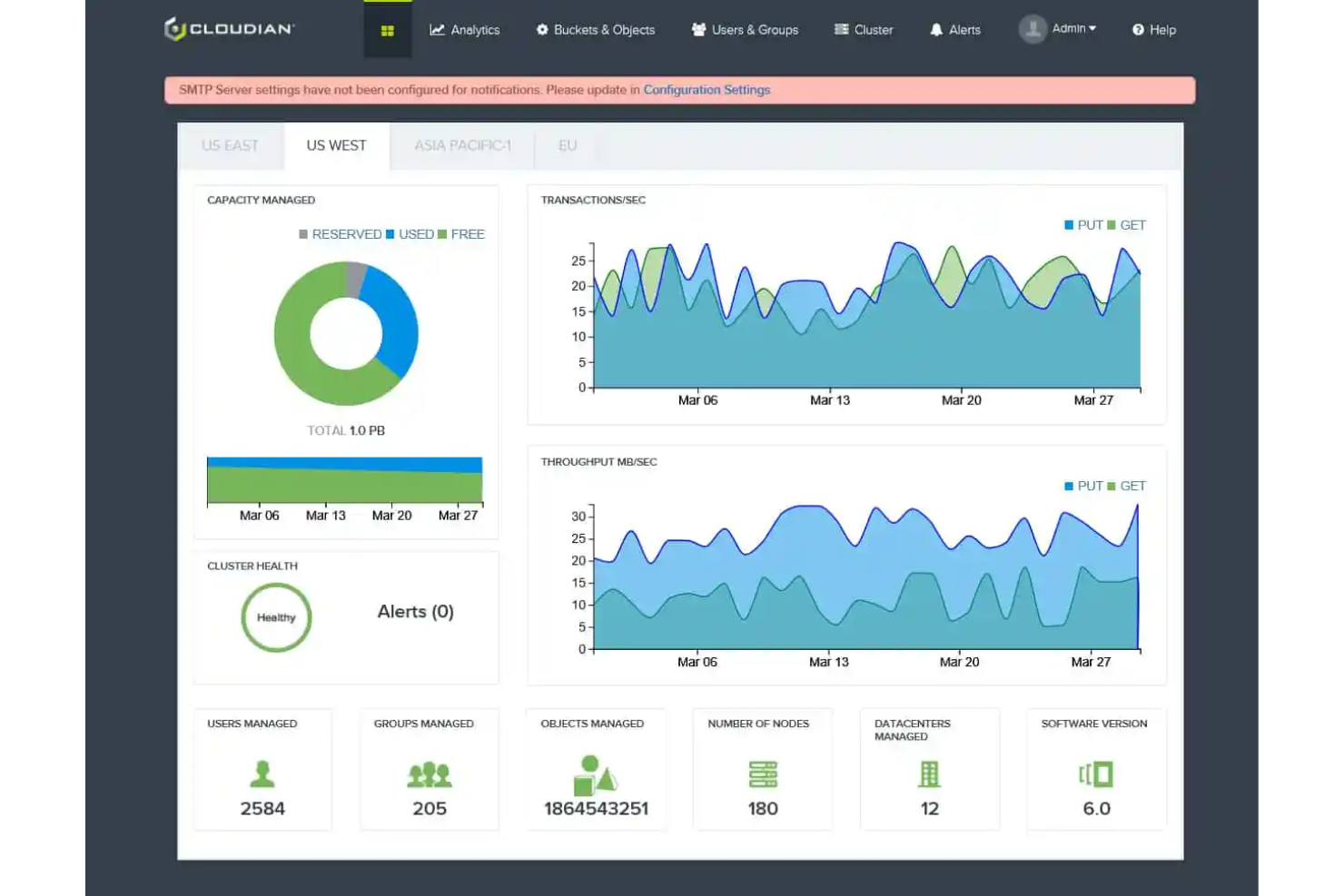
Cloudian HyperStore ist eine skalierbare Objektspeicherlösung, die speziell auf kapazitätsintensive Workloads ausgelegt ist und somit eine ausgezeichnete Wahl für CTOs darstellt, die private Cloud-Umgebungen verwalten. Sie bietet S3-Kompatibilität und erweiterte Datenverwaltungsfunktionen, die für moderne, datenintensive Anwendungen unerlässlich sind.
Warum ich Cloudian HyperStore gewählt habe: Ich habe mich für Cloudian HyperStore wegen seiner starken Sicherheits- und Datenschutzfunktionen entschieden, die unveränderlichen Speicher sowie Schutzmechanismen auf Militärniveau umfassen, um unbefugten Zugriff oder Manipulation zu verhindern. Zudem überzeugt die Lösung durch hervorragende Hybrid-Cloud-Unterstützung, die ein Datenmanagement über verschiedene Infrastrukturen hinweg ermöglicht. Außerdem unterstützt die Plattform KI-Workflows und bietet fortschrittliche Analyse- und Überwachungswerkzeuge, was sie ideal für Unternehmen macht, die große Datenmengen verwalten und eine zuverlässige Aufbewahrung sowie tiefe Einblicke benötigen.
Herausragende Funktionen und Integrationen von Cloudian HyperStore:
Herausragende Funktionen sind unter anderem Exabyte-Skalierbarkeit, mit der Sie riesige Datenmengen verwalten können, ohne sich um Speicherengpässe sorgen zu müssen. Die Plattform ermöglicht zudem eine hohe Leseleistung, wodurch die CPU-Auslastung reduziert und die Performance für datenintensive Anwendungen gesteigert wird. Zusätzlich gewährleistet Cloudian HyperStore Datenhoheit, womit Compliance und Performance über verschiedene Standorte hinweg gesichert sind, was entscheidend für die Kontrolle über Ihre Daten ist.
Integrationen umfassen AWS, Microsoft, VMware, Veeam, Snowflake, Microsoft SQL Server, Google GCP, Azure Blob, AWS Outposts, Commvault, Rubrik und Confluent Platform.
Pros and Cons
Pros:
- Hoch skalierbare Objektspeicherlösung, geeignet für große Datenmengen
- Unterstützt Multi-Cloud-Umgebungen
- Mehrere Zugangsgateways (NFS, CIFS, SFTP) erhöhen die Benutzerfreundlichkeit
Cons:
- Eingeschränkte Unterstützung mobiler Anwendungen
- Die Ersteinrichtung kann komplex und zeitaufwändig sein
Am besten geeignet für maßgeschneiderte Private-Cloud-Architekturen
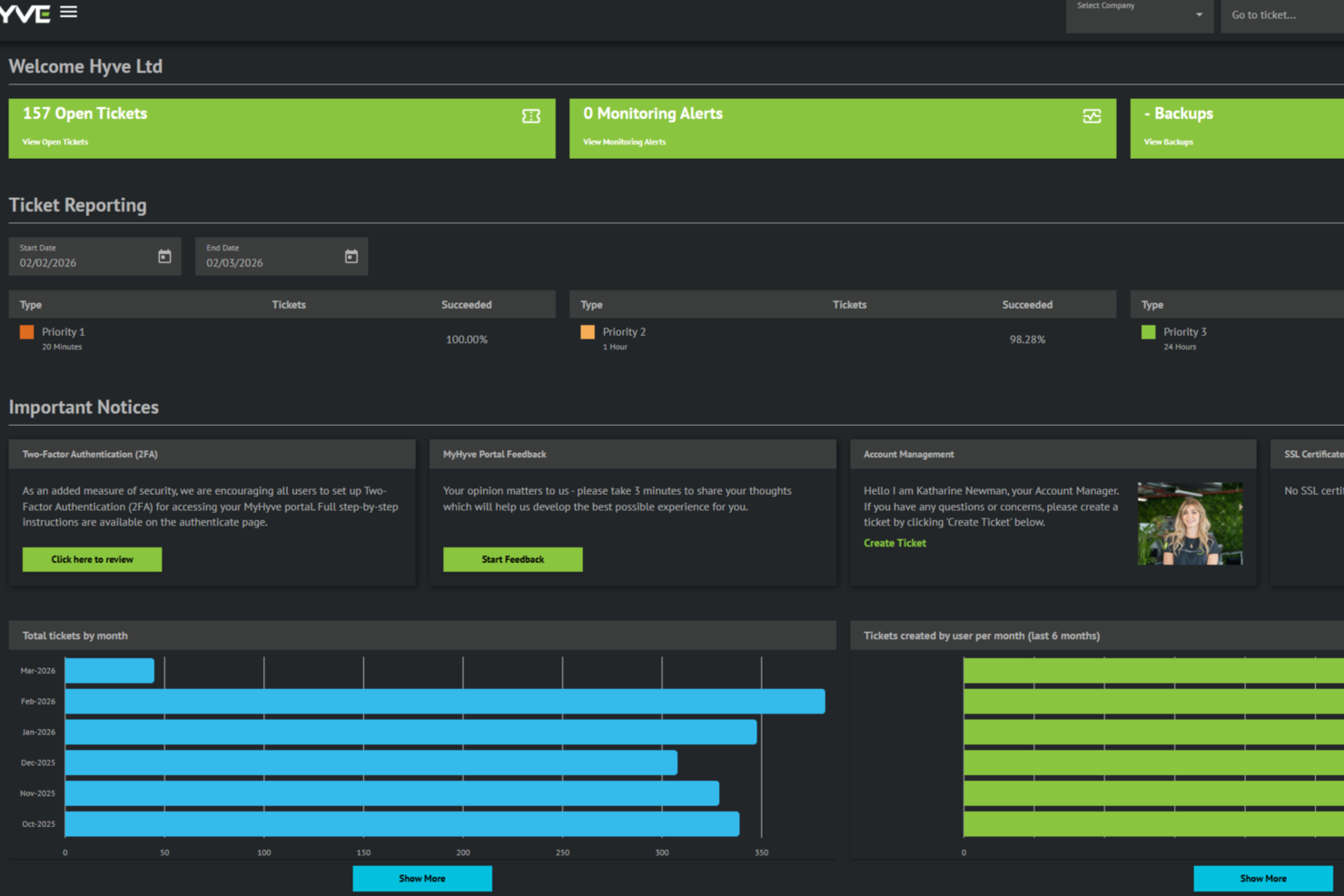
Hyve Managed Hosting bietet private Cloud-Lösungen, die speziell auf Organisationen mit strengen Anforderungen an Betriebszeit, Sicherheit und Compliance zugeschnitten sind. CTOs und IT-Leitende, die dedizierte Infrastruktur und persönlichen Support suchen, werden den Ansatz von Hyve schätzen. Die Plattform adressiert Herausforderungen rund um Ressourcenisolation, schnelle Skalierbarkeit und die Kontrolle über sensible Workloads.
Für wen eignet sich Hyve Managed Hosting am besten?
Hyve Managed Hosting ist eine ausgezeichnete Wahl für CTOs und IT-Teams in mittelständischen bis großen Unternehmen, die eine dedizierte private Cloud-Infrastruktur mit persönlichem Support und hohen Compliance-Standards benötigen.
Warum ich Hyve Managed Hosting gewählt habe
Für CTOs, für die längere Ausfallzeiten nicht akzeptabel sind, habe ich mich für Hyve Managed Hosting aufgrund des 20-minütigen Hardware-Austausch-SLAs entschieden. Diese Zusage bedeutet, dass im Falle eines Hardware-Ausfalls das betroffene Bauteil innerhalb von 20 Minuten vom Hyve-Team ausgetauscht wird, wodurch die Unterbrechung kritischer Workloads minimiert wird. Zudem schätze ich, dass dieses SLA durch Überwachung auf Unternehmensniveau und einen Schnellreaktions-Support abgesichert ist, was die hohe Verfügbarkeit sensibler Umgebungen unterstützt. Diese Merkmale machen Hyve zu einer starken Option für Unternehmen, in denen Betriebszeit und Geschäftskontinuität nicht verhandelbar sind.
Wichtige Funktionen von Hyve Managed Hosting
Weitere Funktionen, die Hyve Managed Hosting für CTOs im privaten Cloud-Management attraktiv machen, sind:
- Individuelle Private-Cloud-Architektur: Hyve entwirft und implementiert private Cloud-Umgebungen, die genau auf die individuellen Anforderungen und Workloads Ihrer Organisation zugeschnitten sind.
- Dedizierte Ressourcenisolation: Jeder Kunde erhält eine physisch und logisch getrennte Infrastruktur, die Datenschutz und Compliance gewährleistet.
- Direkter 24/7-Support durch Ingenieure: Sie können jederzeit erfahrene Ingenieure direkt erreichen, ohne den Umweg über allgemeine Helpdesks.
- Enterprise-Sicherheitskontrollen: Die Plattform bietet fortschrittliche Sicherheitsfunktionen wie DDoS-Schutz, Firewalls und compliance-fähige Konfigurationen.
Hyve Managed Hosting Integrationen
Zu den Integrationen gehören VMware, HPE, Cisco, Juniper, Red Hat, Equinix, Telehouse, 3PAR und Hewlett Packard.
Pros and Cons
Pros:
- Individuelles Private-Cloud-Design für jeden Kunden
- Optionen für hohe Verfügbarkeit und redundante Infrastruktur
- Sicherheits- und Compliance-Funktionen auf Enterprise-Niveau
Cons:
- Hardware-Standorte können regional eingeschränkt sein
- Für die meisten Konfigurationen ist Kontaktaufnahme mit dem Vertrieb erforderlich

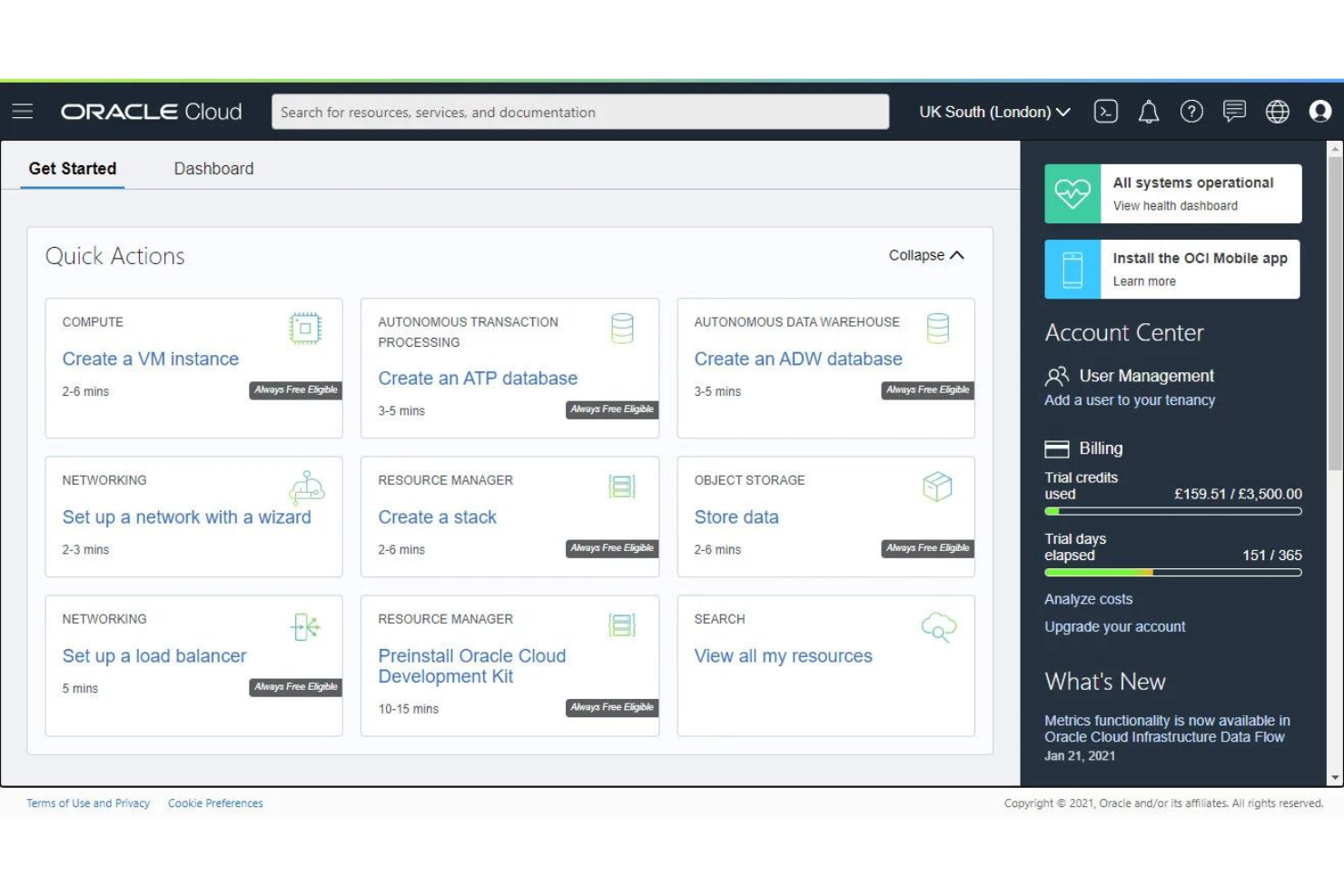
Oracle Cloud Infrastructure bietet Private-Cloud-Services für Unternehmen in komplexen Umgebungen. Diese Dienste umfassen Hochleistungsrechnen, dedizierte Ressourcen und fortschrittliche Netzwerktechnologien.
Warum ich Oracle Cloud Infrastructure gewählt habe: Ich habe OCI ausgewählt, weil die umfassende Palette an Cloud-Diensten perfekt auf die vielfältigen Anforderungen meines Unternehmens zugeschnitten ist. OCI bietet alles, was ich für Cloud-Infrastruktur, Datenbankverwaltung und Entwicklertools benötige, sodass ich Abläufe und Effizienz verbessern kann.
Herausragende Funktionen und Integrationen von OCI:
Zu den herausragenden Funktionen zählen fortschrittliche Netzwerkmöglichkeiten wie virtuelle Cloud-Netzwerke und Lastverteilung, die optimale Leistung und hohe Verfügbarkeit gewährleisten. Zudem werden umfassende Sicherheitsfunktionen wie integrierter DDoS-Schutz sowie Identitäts- und Zugriffsmanagement geboten, um Daten und Ressourcen zu schützen.
Integrationen umfassen native Verbindungen zu Oracle-Anwendungen und -Diensten wie Oracle Database, Oracle Integration Cloud und Oracle Identity and Access Management.
Pros and Cons
Pros:
- Eine umfassende Suite cloudbasierter Dienste
- Starke Sicherheits- und Compliance-Funktionen
- Integration mit Oracle-Technologien
Cons:
- Kann im Vergleich zu einigen anderen Cloud-Lösungen kostspielig sein
- Einarbeitungszeit für Entwickler, die mit Oracle-Technologien weniger vertraut sind
Am besten geeignet für hybride Private-Cloud-Bereitstellungen
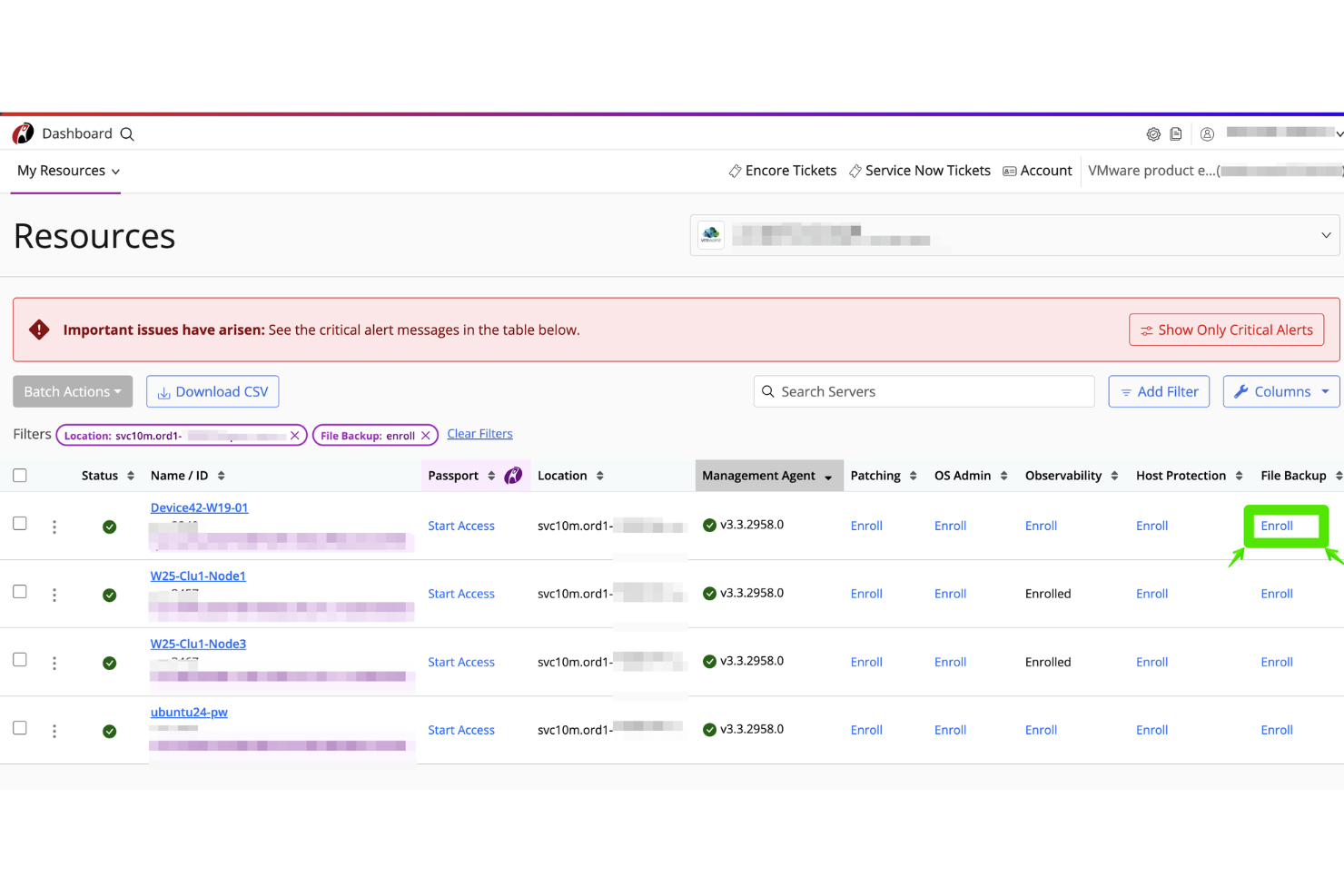
Rackspace bietet eine Suite von Private-Cloud-Lösungen, mit denen Unternehmen dedizierte, mandantenfähige Umgebungen mit voller Kontrolle über die Infrastruktur betreiben können. Es unterstützt sowohl VMware-basierte als auch OpenStack-Private Clouds und gibt Ihnen Optionen je nach Ihrer Architektur.
Warum ich Rackspace ausgewählt habe: Ich habe Rackspace ausgewählt, weil es hybride Flexibilität in die Private Cloud bringt: Mit SDDC Anywhere können Sie eine verwaltete Private Cloud in Ihrem eigenen Rechenzentrum oder Colocation-Bereich betreiben und erhalten dennoch den Betriebssupport von Rackspace. Die VMware-Private-Cloud-Lösung bündelt die lizenzierte Software sowie Hardware, die rund um die Uhr verwaltet wird – so müssen Sie sich nicht selbst um Lizenzen oder die Konfiguration der Infrastruktur kümmern. Und die OpenStack-Private-Cloud bietet Ihnen eine anbieterunabhängige Grundlage, um Lock-in zu vermeiden und Ihre Workloads freier zu skalieren.
Herausragende Funktionen und Integrationen von Rackspace:
Herausragende Funktionen umfassen intelligente KI-/Private-Cloud-Integrationen wie Echtzeitanalysen und automatisierte ETL-Pipelines in einer sicheren privaten Umgebung (über Rackspace Private Cloud AI). Mit dem SDDC Anywhere-Service können Sie Ihre On-Premises-VMware-Workloads nahtlos erweitern, um Workloads dort zu skalieren oder zu verschieben, wo sie benötigt werden.
Integrationen umfassen vSphere API, vCloud API, NSX API, vSAN API, vRealize API, Chef, Ansible, Puppet, Datadog, Cohesity, Rackspace Guest OS Services (GOSS), RackConnect v3.0 API und Managed Backup (MBU).
Pros and Cons
Pros:
- Vollständig verwalteter Stack inklusive VMware-Lizenzierung
- Möglichkeit zur Bereitstellung der Private Cloud vor Ort
- Unterstützung von KI-Workloads in der Private Cloud
Cons:
- Kann langfristige Verträge oder Verpflichtungen erfordern
- Weniger Kontrolle über tägliche Abläufe bei Verwaltung durch Dritte

Am besten geeignet für umfangreiche Skalierbarkeit und globale Reichweite
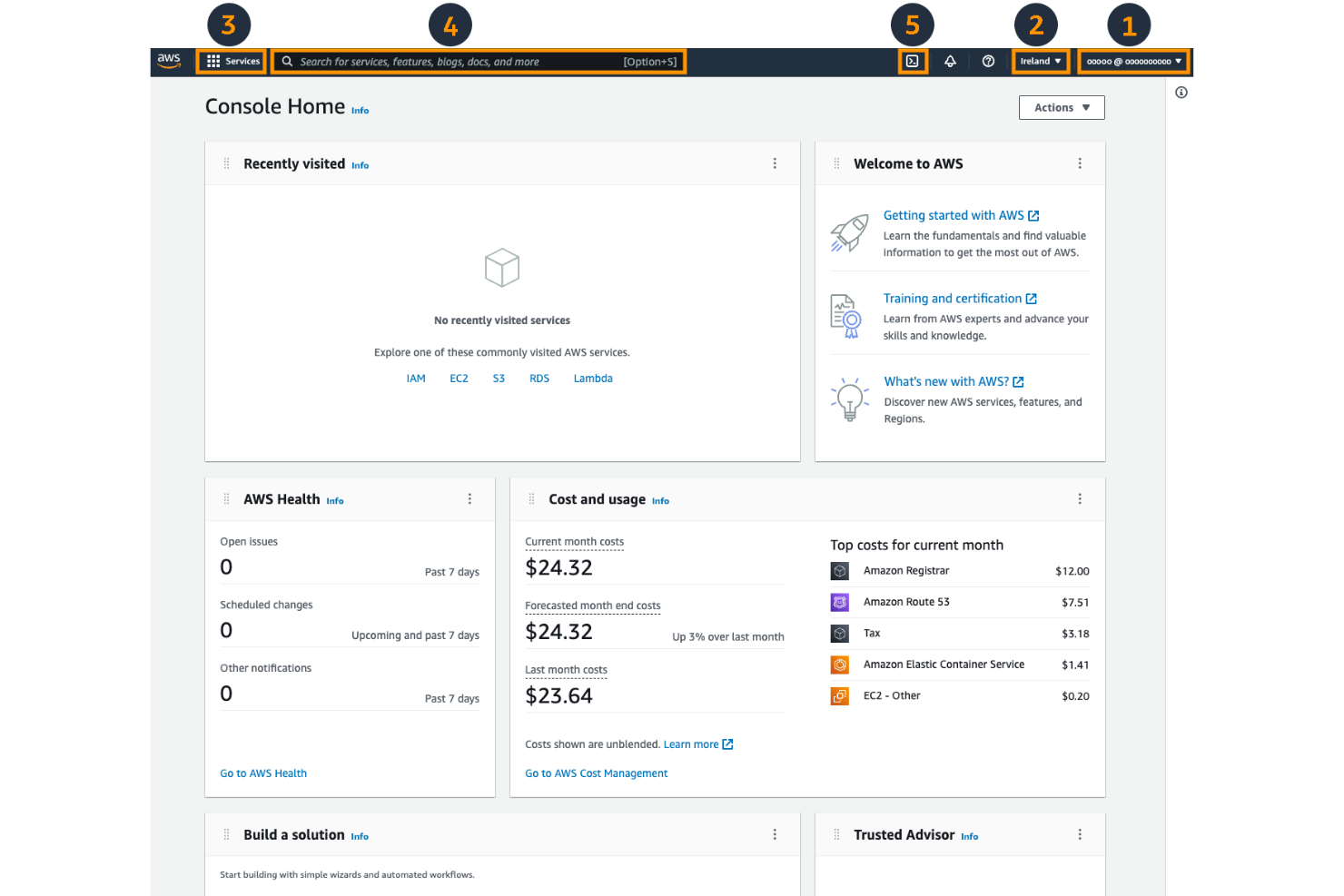
AWS ist ein privater Cloud-Anbieter der es Unternehmen ermöglicht, ihre privaten Cloud-Ressourcen schnell an wechselnde Geschäftsanforderungen anzupassen.
Warum ich AWS gewählt habe: AWS hat mich durch seine beispiellose Skalierbarkeit und seine globale Reichweite überzeugt. Ob ich Ressourcen schnell ausbauen oder Kunden in verschiedenen Regionen bedienen muss – AWS bietet die Flexibilität und die Infrastruktur, um mein Unternehmen zu unterstützen. Die Möglichkeit, Ressourcen je nach Bedarf zu erhöhen oder zu reduzieren, ist in der heutigen dynamischen Umgebung entscheidend.
Hervorstechende Funktionen und Integrationen von AWS:
Zu den herausragenden Funktionen zählt die umfangreiche Skalierbarkeit, die mir die Ressourcen zur Verfügung stellt, um meine private Cloud-Infrastruktur in mehreren Regionen weltweit zu skalieren. Diese Funktionen tragen dazu bei, dass AWS als führender Anbieter von privaten Cloud-Lösungen von Unternehmen jeder Größe geschätzt wird.
Integrationen umfassen ein großes Ökosystem mit verschiedenen Diensten, sowohl nativ als auch vorgefertigt. AWS bietet Integrationsmöglichkeiten über den AWS Marketplace, der zahlreiche Drittanbieterlösungen enthält.
Pros and Cons
Pros:
- Hochsichere und robuste Infrastruktur
- Umfangreiches Cloud-Service-Portfolio
- Starke Community und guter Support
Cons:
- Preisstruktur kann für Einsteiger komplex sein
- Hohe Lernkurve bei einigen fortgeschrittenen Diensten

Am besten geeignet für vereinfachtes Management und End-to-End-Lösungen
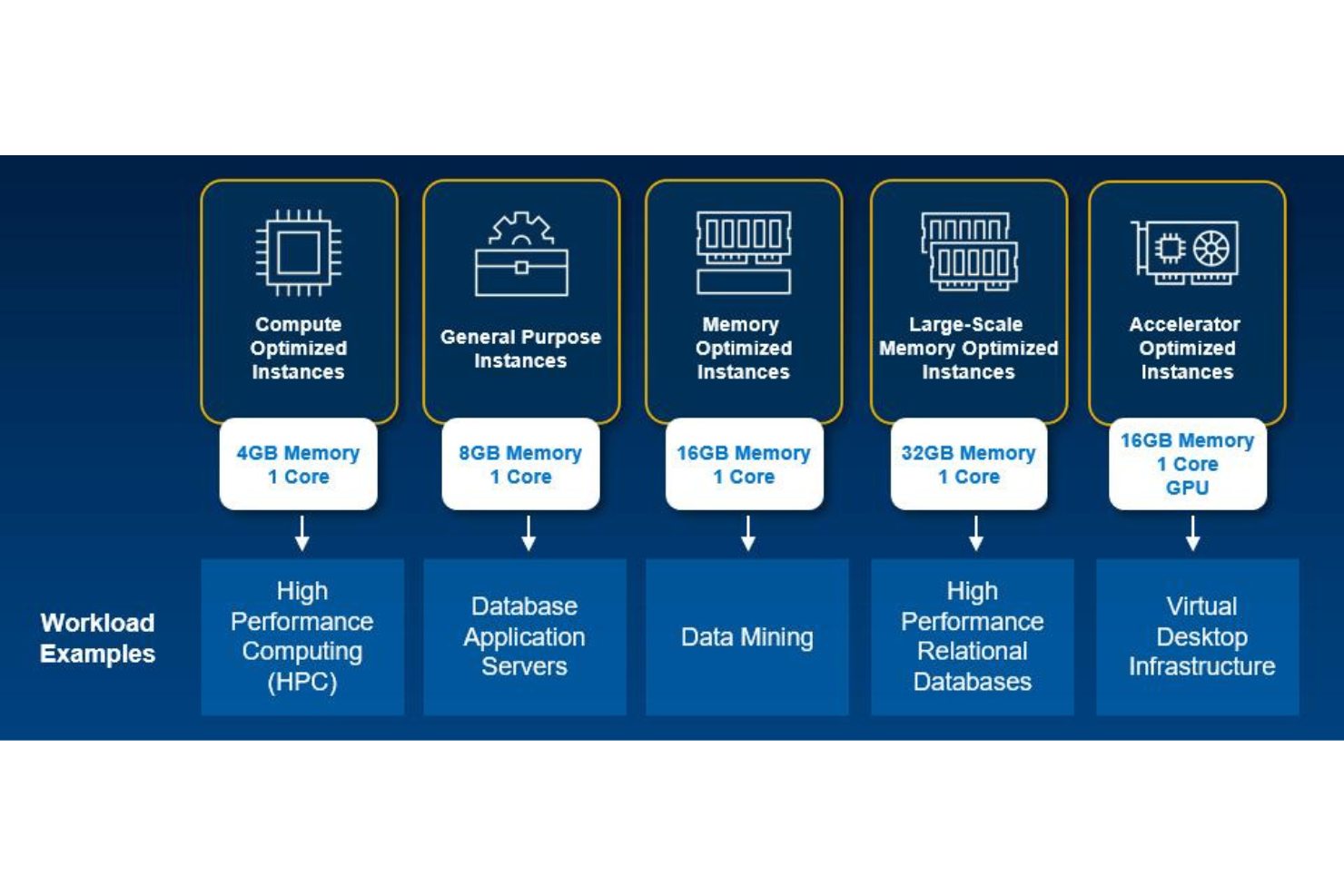
Dell Technologies Apex ist ein renommierter Cloud-Anbieter, der eine Reihe von Hardware- und Softwarelösungen speziell für den Einsatz in Private Clouds anbietet.
Warum ich Dell gewählt habe: Der Grund, warum ich Dell Technologies als einen der besten Anbieter für Private Clouds gewählt habe, ist der Fokus auf vereinfachte Management-Tools und Software zur Optimierung der Bereitstellung, Überwachung und Wartung von Private Clouds. Außerdem bietet Dell eine benutzerfreundliche Möglichkeit, meine Cloud zu verwalten, sodass ich mich auf die Geschäftsabläufe konzentrieren kann.
Herausragende Funktionen und Integrationen von Dell:
Bemerkenswerte Funktionen sind eine intuitive und benutzerfreundliche Oberfläche, die die Implementierung und den Betrieb von Private-Cloud-Umgebungen unterstützt. Sie bietet nicht nur ein optimiertes Verwaltungserlebnis, sondern auch automatisierte Workflows und robuste Sicherheitsfunktionen wie Datenverschlüsselung, Zugriffskontrolle und Mechanismen zur Bedrohungserkennung. Diese Funktionen ermöglichen es Unternehmen, sich auf ihr Kerngeschäft zu konzentrieren und gleichzeitig die Effizienz zu maximieren.
Integrationen sind mit gängiger Drittanbietersoftware wie AWS, Microsoft Azure, Google Cloud und Oracle vorgefertigt, was einen effizienten Datenfluss und eine reibungslose Interoperabilität ermöglicht.
Pros and Cons
Pros:
- Flexible und skalierbare Infrastruktur-Optionen
- Robuste Sicherheitsfunktionen und Unterstützung bei Compliance
- Starker Kundensupport und professionelle Dienstleistungen
Cons:
- Begrenzte Skalierbarkeitsoptionen im Vergleich zu cloud-nativen Anbietern
- Weniger Fokus auf KI und fortgeschrittene Analytik

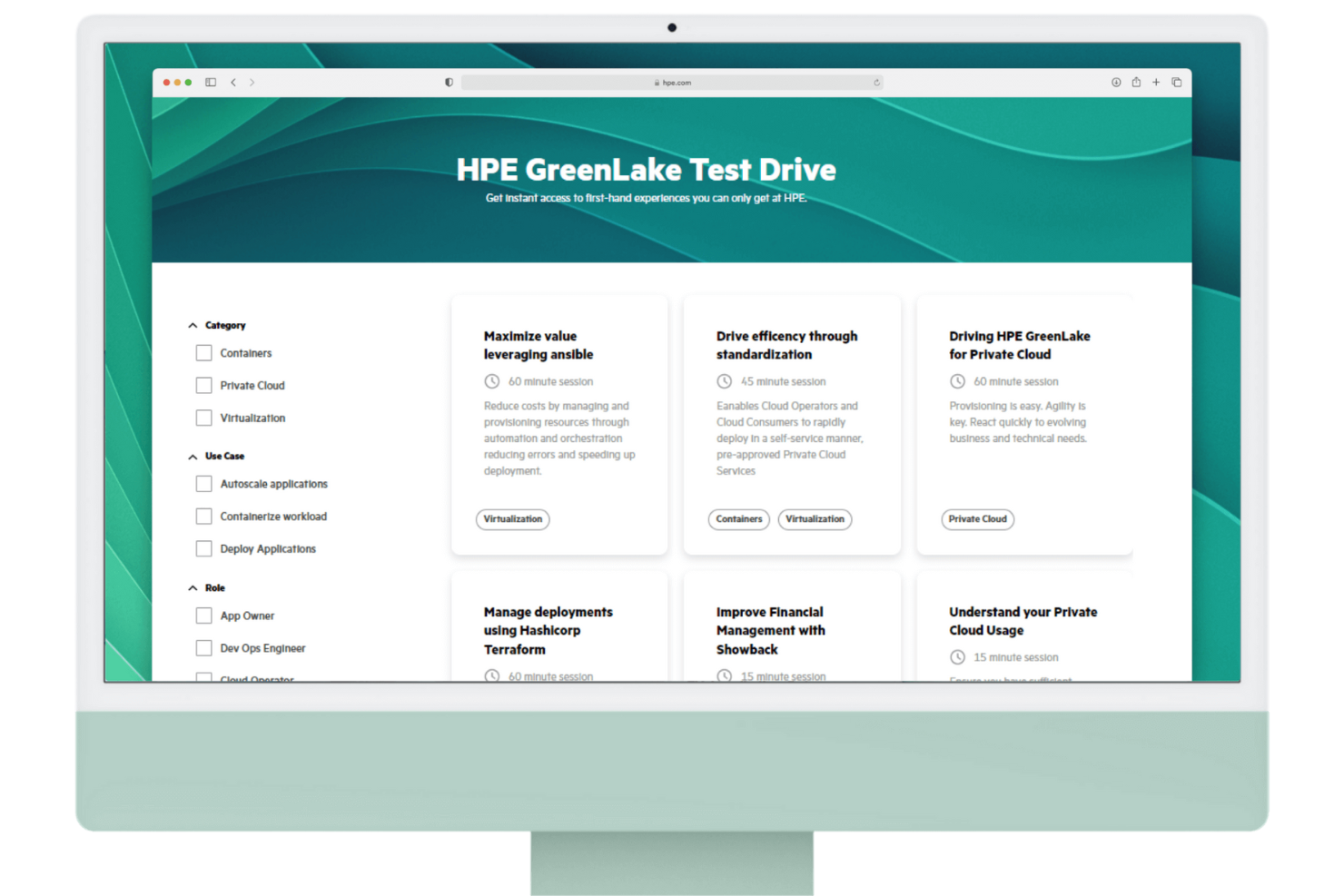
Hewlett Packard Enterprise (HPE) GreenLake ist ein führender Anbieter von Private-Cloud-Lösungen, der Unternehmen sichere und skalierbare Private-Cloud-Umgebungen bietet.
Warum ich HPE gewählt habe: HPE hat mich durch seine Expertise im Multi-Cloud-Hosting und seinen Support auf Unternehmensniveau überzeugt. Die Möglichkeit, private und öffentliche Clouds zu integrieren, erlaubt es mir, von den Vorteilen beider Welten zu profitieren. Mit HPE habe ich Vertrauen in einen zuverlässigen Support und auf mein Unternehmen zugeschnittene Dienstleistungen, die den hohen Anforderungen gerecht werden.
HPE herausragende Funktionen und Integrationen:
Hervorstechende Funktionen sind unter anderem Hybrid-Cloud-Fähigkeiten, eine flexible Infrastruktur, die sich den Geschäftsanforderungen anpasst, sowie umfassende Support-Services. Diese Funktionen ermöglichen es Unternehmen, ihre Infrastruktur effektiv über öffentliche und private Cloud-Umgebungen hinweg zu verwalten.
Integrationen umfassen Integrationsmöglichkeiten über ihr Partner-Ökosystem. Zudem werden vorgefertigte Integrationen mit führenden Softwareanbietern angeboten.
Pros and Cons
Pros:
- Leistungsstarke Computing-Möglichkeiten
- Fortschrittliche Sicherheitsfunktionen und Compliance-Unterstützung
- Starke Support- und professionelle Serviceangebote
Cons:
- Begrenzte Skalierungsoptionen im Vergleich zu cloud-nativen Anbietern
- Weniger Fokus auf KI und fortgeschrittene Analysen

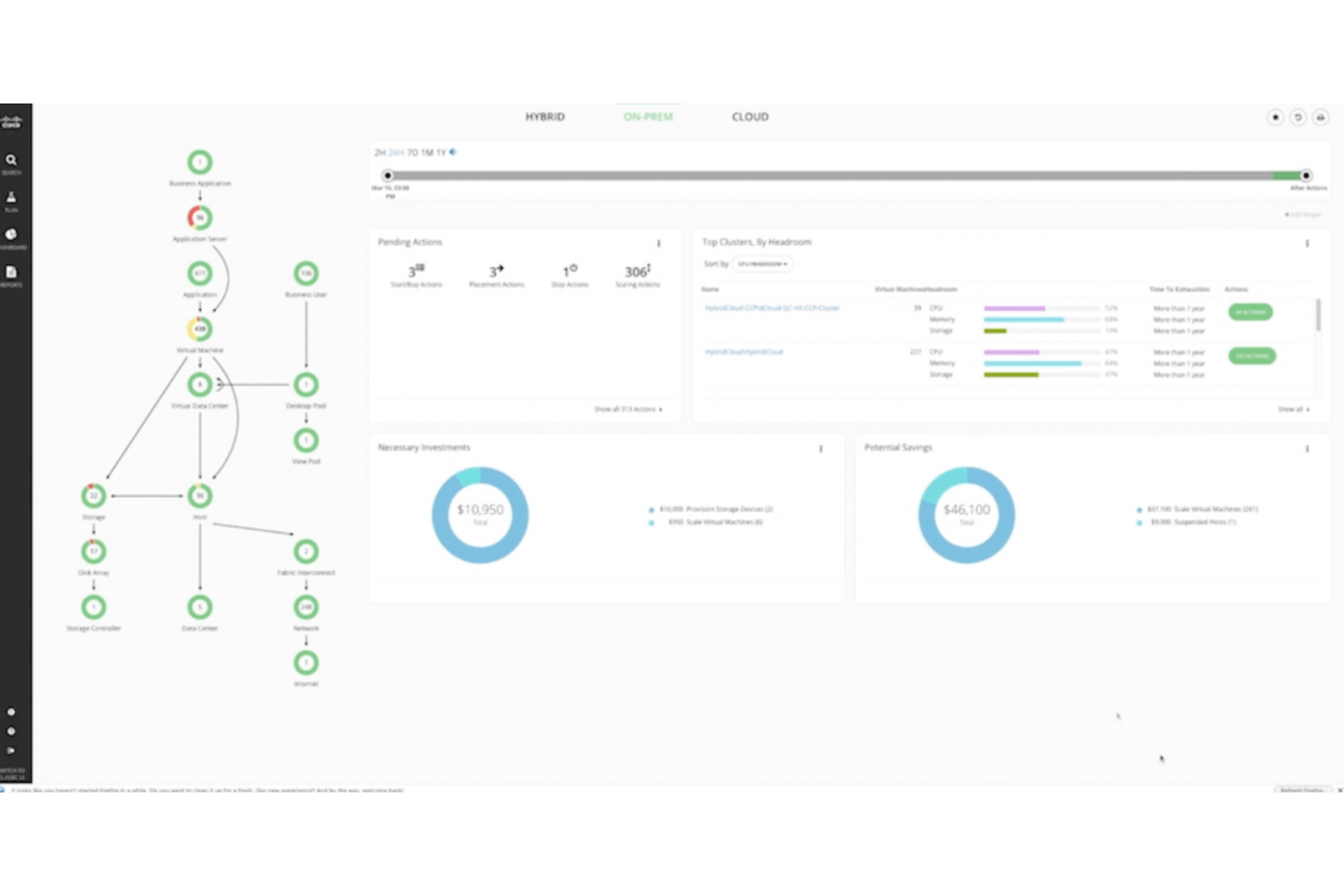
Cisco ist ein führender Anbieter von Private-Cloud-Lösungen mit umfassenden Lösungen und fortschrittlichen Funktionen. Das Unternehmen unterstützt Unternehmen beim Aufbau, der Verwaltung und der Optimierung ihrer Private-Cloud-Umgebungen. Dies ermöglicht effiziente Abläufe und erhöhte Sicherheit.
Warum ich Cisco gewählt habe: Ich habe Cisco gewählt, weil die Private-Cloud-Lösung herausragende Analyse- und Überwachungsfunktionen bietet. Außerdem gefällt mir, dass Cisco mir Echtzeitdaten zu meiner Cloud-Umgebung anzeigt, was mir geholfen hat, die Auslastung zu verbessern und Möglichkeiten zur Kostensenkung zu entdecken.
Herausragende Funktionen und Integrationen von Cisco:
Zu den herausragenden Funktionen gehören das Cisco Unified Computing System (UCS), das Rechen-, Netzwerk- und Speicherressourcen auf einer einzigen, integrierten Plattform vereint. Es bietet hybride Cloud-Fähigkeiten und einen netzwerkzentrierten Ansatz durch Cisco Application Centric Infrastructure (ACI) und Cisco Software-Defined Networking (SDN). Dies ermöglicht eine agile und automatisierte Netzwerkbereitstellung und verbessert Flexibilität sowie Skalierbarkeit.
Integrationen umfassen gängige Unternehmensanwendungen und -systeme. Dazu zählen CRM-Plattformen, Kollaborationswerkzeuge und Netzwerkmanagement-Software. Es gibt zudem vorgefertigte Integrationen mit führenden Cloud-Service-Providern wie AWS und Azure.
Pros and Cons
Pros:
- Hohe Netzwerkleistung und Zuverlässigkeit
- Umfassende Sicherheitsfunktionen
- Umfassendes Portfolio an Netzwerk- und Infrastrukturlösungen
Cons:
- Hohe Einstiegshürde bei komplexen Konfigurationen
- Eingeschränkte Unterstützung für Hardware von Drittanbietern in manchen Fällen

Am besten geeignet für ein umfassendes Angebot an Cloud-Diensten
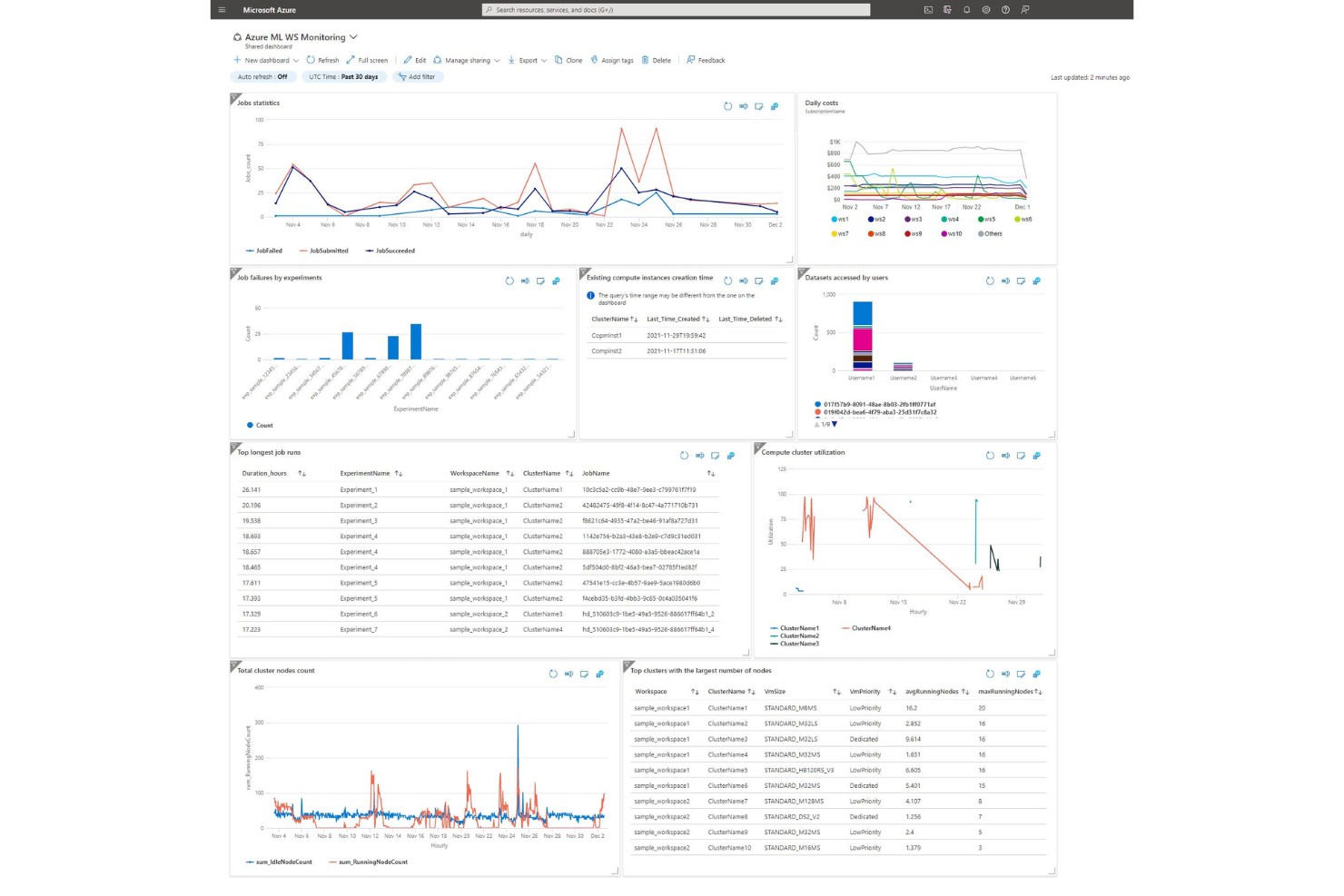
Microsoft Azure bietet eine umfassende Suite von Cloud-Diensten, einschließlich Infrastruktur, Datenbanken, Analytik und mehr. Azure ermöglicht es Unternehmen, Microsoft-Technologien für ihre eigene Private Cloud zu nutzen, ohne die Technologie selbst verwalten zu müssen.
Warum ich Microsoft Azure gewählt habe: Da ich stark im Microsoft-Ökosystem investiert bin, habe ich mich natürlich zu Microsoft Azure hingezogen gefühlt. Die effiziente Integration mit bestehenden Microsoft-Produkten macht es sehr bequem, meine Private Cloud aufzubauen und zu verwalten. Zudem bietet Azures umfassende Dienstleistungspalette alles, was ich brauche – von robuster Infrastruktur bis hin zu fortschrittlicher Analytik, alles unter einem Dach.
Azures herausragende Funktionen und Integrationen:
Herausragende Funktionen sind das Azure-Portal, mit dem ich alle Anwendungen in einer einheitlichen Steuerzentrale anzeigen und verwalten kann. Es berechnet zudem automatisch Gebühren für bestehende und prognostizierte Kosten, sodass Sie Prognosen erstellen und entsprechend planen können.
Integrationen umfassen ein umfassendes Set an nativen Integrationen mit verschiedenen Microsoft-Diensten wie Office 365, Dynamics 365 und Power Platform.
Pros and Cons
Pros:
- Breites Angebot an Diensten und Integrationen
- Starker Fokus auf Unternehmen
- Hybrid-Cloud-Fähigkeiten
Cons:
- Die Vielzahl an Optionen kann überwältigend sein
- Kundensupport kann variieren

Robuste Sicherheitsfunktionen und Infrastruktur in Unternehmensqualität
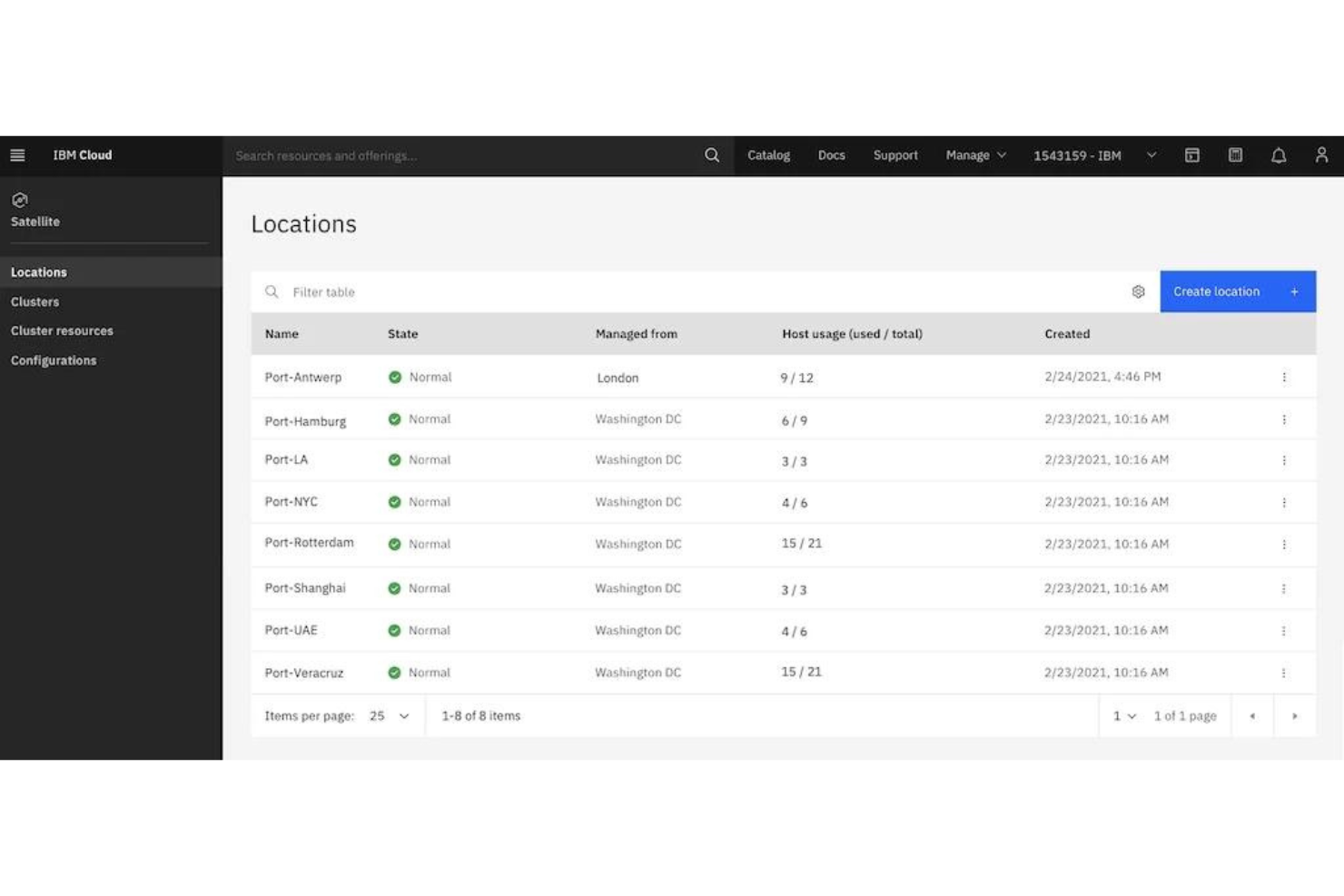
IBM Cloud Satellite wurde entwickelt, um hohe Leistung und Skalierbarkeit zu bieten, damit Unternehmen ihre Anforderungen an eine Private Cloud effektiv erfüllen können.
Warum ich mich für IBM Cloud Satellite entschieden habe: Ich habe mich für IBM Cloud aufgrund der starken Sicherheitsfunktionen und der Infrastruktur in Unternehmensqualität entschieden. Sicherheit hat für mich oberste Priorität, und die fortschrittliche Verschlüsselung, das Identitätsmanagement und die regulatorischen Compliance-Maßnahmen von IBM Cloud geben mir ein gutes Gefühl. Darüber hinaus garantiert die Infrastruktur in Unternehmensqualität, dass kritische Workloads reibungslos und zuverlässig laufen.
Herausragende Funktionen und Integrationen von IBM Cloud Satellite:
Zu den herausragenden Funktionen zählen die flexiblen Infrastruktur-Optionen, mit denen ich Compute-Infrastruktur von anderen Anbietern wie AWS, Azure oder Google Cloud als IBM Satellite-Standorte nutzen kann. Die umfangreichen Rechenzentren ermöglichen es mir außerdem, Anwendungen sicher von überall auf der Welt zu entwickeln und bereitzustellen.
Integrationen sind vorgefertigt für IBM Watson Services, IBM Cloud Functions (Serverless Computing) und beliebte Drittanbieter-Tools.
Pros and Cons
Pros:
- Leistungsstarke Computing-Optionen und skalierbare Infrastruktur
- Leistungsstarke Verwaltungs- und Automatisierungsfunktionen
- Integration mit dem umfassenden Software- und Serviceportfolio von IBM
Cons:
- Hohe Einstiegshürde
- Eingeschränkte Unterstützung für Nicht-IBM-Technologien und -Plattformen
Weitere Optionen
Nachfolgend finden Sie eine Liste weiterer Private-Cloud-Anbieter, von denen Ihr Unternehmen profitieren könnte:
- Citrix
E Lösungen für sichere Anwendungs- und Desktop-Virtualisierung
- BMC Software
Am besten für optimierte IT-Abläufe
- Trigma
E anpassbare Private-Cloud-Lösungen


Sie können sich auch meine Liste der insgesamt besten Cloud-Service-Anbieter, Multi-Cloud-Anbieter und Hybrid-Cloud-Optionen ansehen.
Auswahlkriterien für Private-Cloud-Anbieter
Bei der Erstellung meiner Liste der besten Private-Cloud-Anbieter habe ich einen sorgfältigen Bewertungsprozess auf Grundlage mehrerer Kriterien angewendet, darunter:
Kernfunktionen
Die Kernfunktionen jedes Private-Cloud-Anbieters waren für mich von größter Bedeutung. Hier sind einige der Faktoren, die ich berücksichtigt habe:
Ich habe nach Plattformen gesucht, die Ihnen Folgendes ermöglichen:
- Ihre Anwendungen hosten und verwalten
- Die Infrastruktur an Ihre Bedürfnisse anpassen
- Daten und Dienste aus anderen Quellen integrieren
- Leistungskennzahlen an einem Ort überwachen
- Hohe Leistungs- und Zuverlässigkeitsniveaus erreichen
Wichtige Funktionen
Ich habe die wichtigsten Funktionen untersucht, die von jedem Private-Cloud-Anbieter angeboten werden, um deren Alleinstellungsmerkmale zu identifizieren. Zu diesen Funktionen gehören:
- Skalierbarkeit: Private-Cloud-Anbieter sollten eine skalierbare Infrastruktur bereitstellen, die unterschiedliche Arbeitslasten problemlos bewältigen kann.
- Software zur Verbrauchsmessung: Sie hilft Unternehmen, Einblicke in ihren Verbrauch von Cloud-Ressourcen zu gewinnen und die Ressourcenzuweisung zu optimieren.
- Ressourcen- und Arbeitslastmanager: Dies ermöglicht es Unternehmen, ihre Cloud-Ressourcen effizient zuzuweisen und zu verwalten.
- Compliance: Private-Cloud-Anbieter müssen robuste Sicherheitsmaßnahmen wie Zugriffskontrollen, Datenverschlüsselung und Audit-Funktionen anbieten, um die Einhaltung gesetzlicher Vorschriften zu gewährleisten.
- Self-Service-Portal: Die besten Private-Cloud-Anbieter bieten Self-Service-Portale an, über die Nutzer ihre Infrastruktur effizient verwalten und Ressourcen nach Bedarf bereitstellen können.
Benutzerfreundlichkeit
Ich habe geprüft, wie einfach die von den einzelnen Anbietern angebotenen Private-Cloud-Lösungen bereitzustellen, zu verwalten und zu nutzen sind. Dabei habe ich intuitive Benutzeroberflächen, umfassende Dokumentation und benutzerfreundliche Verwaltungstools bewertet. Anbieter, die es Unternehmen erleichterten, ihre Private-Cloud-Lösungen einzuführen und zu verwalten, wurden besonders berücksichtigt.
Kosteneffizienz
Ich habe Preismodelle untersucht, darunter Abonnementpläne, nutzungsbasierte Optionen und zusätzliche Kosten im Zusammenhang mit Ressourcen und Diensten. Außerdem habe ich Faktoren wie die Preistransparenz des Anbieters, Funktionen zur Kostenoptimierung und die Möglichkeit berücksichtigt, Ressourcen effizient zu skalieren. Ich bevorzugte Anbieter, die wettbewerbsfähige Preisstrukturen boten, ohne die Qualität ihrer Leistungen zu beeinträchtigen.
Häufig gestellte Fragen
In diesem Abschnitt beantworte ich einige häufige Fragen zu Private-Cloud-Anbietern:
Was ist der Unterschied zwischen einem privaten und einem öffentlichen Cloud-Anbieter?
Kann ich meine bestehenden Anwendungen und Daten in eine Private Cloud migrieren?
Sind Private-Cloud-Lösungen für kleine Unternehmen geeignet?
Den richtigen Private-Cloud-Anbieter auswählen
Eine Private Cloud bietet Ihrem Unternehmen mehr Kontrolle und Flexibilität über seine Cloud-Dienste, Infrastruktur und Ressourcen. Sie können Ihre Cloud-Umgebung genau nach Ihren Vorstellungen gestalten, um auf wechselnde Arbeitslasten zu reagieren und Sicherheits- sowie Datenschutzanforderungen im Blick zu behalten. Es gibt unzählige Cloud-Ressourcen, mit denen Sie mehr erfahren können.
Mit meiner Liste der besten Private-Cloud-Anbieter sind Sie bestens gerüstet, um eine fundierte Entscheidung darüber zu treffen, welcher Anbieter für Ihr Unternehmen geeignet ist. Abonnieren Sie den Newsletter von The CTO Club, um über die neuesten Erkenntnisse auf dem Laufenden zu bleiben, die Ihnen beim Aufbau skalierbarer SaaS-Teams und -Systeme helfen.

