

10 Migliori Strumenti per il Test Esplorativo Recensiti per il 2026

10 Migliori strumenti di exploratory testing – La Shortlist


Con così tanti strumenti diversi per l'exploratory testing disponibili, capire qual è quello giusto per te non è semplice. Sai di voler esplorare le funzionalità del tuo software e identificare difetti tramite un processo investigativo, ma non sai quale strumento sia il migliore. Nessun problema, ci penso io!
In questo articolo ti aiuterò a rendere la tua scelta più semplice, condividendo le mie esperienze personali con decine di software di exploratory testing usati in vari team e progetti, selezionando quelli che considero i migliori strumenti di exploratory testing.
Perché fidarsi dei nostri consigli sui software
Il nostro team testa e recensisce software dal 2012. In quanto leader tecnologici noi stessi, sappiamo quanto sia difficile — e importante — scegliere il software giusto.
Per questa guida, abbiamo valutato gli strumenti attraverso test praticie ricerche indipendenti, assegnando un punteggio agli strumenti in base ai nostri criteri di selezione.
Le nostre recensioni riflettono il nostro giudizio editoriale umano, non un discorso di vendita.
Revisori esperti:
Riepilogo dei migliori strumenti di exploratory testing
| Tool | Best For | Trial Info | Price | ||
|---|---|---|---|---|---|
| 1 | Ideale per eliminare i test instabili | Demo gratuita disponibile | Prezzi su richiesta | Website | |
| 2 | Ideale per la pianificazione manuale dei test basata su checklist | Prova gratuita di 30 giorni | A partire da $49/mese (fatturato annualmente) | Website | |
| 3 | Ideale per la creazione di test guidata dall'IA | Prova gratuita di 14 giorni | Da $212/mese | Website | |
| 4 | Ideale per collaborare con membri del team da remoto | Prova gratuita disponibile | Da $27/utente/mese | Website | |
| 5 | Il miglior sistema di testing esplorativo per testare su app web e desktop | Prova gratuita disponibile | Prezzo su richiesta | Website | |
| 6 | Ideale per la visibilità end-to-end | Prova gratuita di 30 giorni | Da $10/10 utenti/mese | Website | |
| 7 | Miglior sistema di test esplorativi per il monitoraggio dei test in tempo reale | Prova gratuita di 30 giorni + demo disponibile | Da $30/utente/mese | Website | |
| 8 | Ideale per tracciare automaticamente le azioni e salvare senza problemi le registrazioni | Not available | Gratis da usare | Website | |
| 9 | Ideale per svolgere test su dispositivi, sistemi operativi e browser differenti | Demo gratuita disponibile | Da $2,000/mese | Website | |
| 10 | Il miglior assistente per il testing esplorativo su Chrome e Firefox | Not available | Gratuito | Website |

Recensioni dei migliori strumenti di exploratory testing
Ecco una breve descrizione di ciascuno strumento di exploratory testing che mostra il miglior caso d’uso, le funzionalità più rilevanti e alcuni pro e contro di ogni software. Ho incluso anche degli screenshot per darti una panoramica della loro interfaccia utente.

QA.tech
Ideale per eliminare i test instabili

QA.tech potenzia il tuo team automatizzando il processo di testing esplorativo grazie alle sue capacità basate sull'IA, rendendolo una risorsa preziosa per le aziende che mirano a migliorare l'efficienza del QA. Si rivolge a settori e professionisti che desiderano ridurre lo sforzo di testing manuale e concentrarsi su scenari di test più complessi. Automatizzando le attività ripetitive e fornendo approfondimenti utili, QA.tech aiuta a scoprire bug nelle prime fasi del ciclo di sviluppo, consentendo rilasci di prodotto più rapidi e una migliore qualità del software.
Perché ho scelto QA.tech
Ho scelto QA.tech per il suo approccio unico basato sull'IA che rivoluziona il testing esplorativo automatizzando percorsi utente complessi. Questo strumento si distingue per la capacità di eliminare i test instabili grazie a controlli ricorrenti, garantendo risultati affidabili. Inoltre, QA.tech fornisce feedback immediati su codice e qualità del prodotto, fondamentale per i team che mirano a individuare bug precocemente e prendere decisioni informate. La sua integrazione fluida con strumenti popolari come GitHub e Slack ne aumenta ulteriormente l'utilità per i team che vogliono ottimizzare i processi di QA.
Funzionalità principali di QA.tech
Oltre al testing basato sull'IA e ai feedback immediati, ho trovato utili anche le seguenti funzionalità:
- Test End-to-End: Fornisce una copertura di test completa su varie piattaforme, garantendo che tutti gli aspetti dell'applicazione vengano verificati.
- Capacità di testing su dispositivi mobili: Permette un testing approfondito delle applicazioni mobili, assicurando il corretto funzionamento su diversi dispositivi.
- Interfaccia intuitiva: Consente agli utenti di esprimere le proprie esigenze di testing in linguaggio naturale, semplificando la creazione dei test.
- Approfondimenti utili: Fornisce suggerimenti che aiutano i team a migliorare la qualità del prodotto e accelerare i tempi di rilascio.
Integrazioni di QA.tech
Le integrazioni includono GitHub, Slack, Jira, Trello, Bitbucket, GitLab, Jenkins, CircleCI, Azure DevOps e Asana.
Pros and Cons
Pros:
- Automazione del test esplorativo tramite IA
- Copertura di test end-to-end
- Integrazione con pipeline CI/CD supportata
Cons:
- La configurazione iniziale richiede tempo
- Curva di apprendimento per i flussi di lavoro IA

Testpad
Ideale per la pianificazione manuale dei test basata su checklist
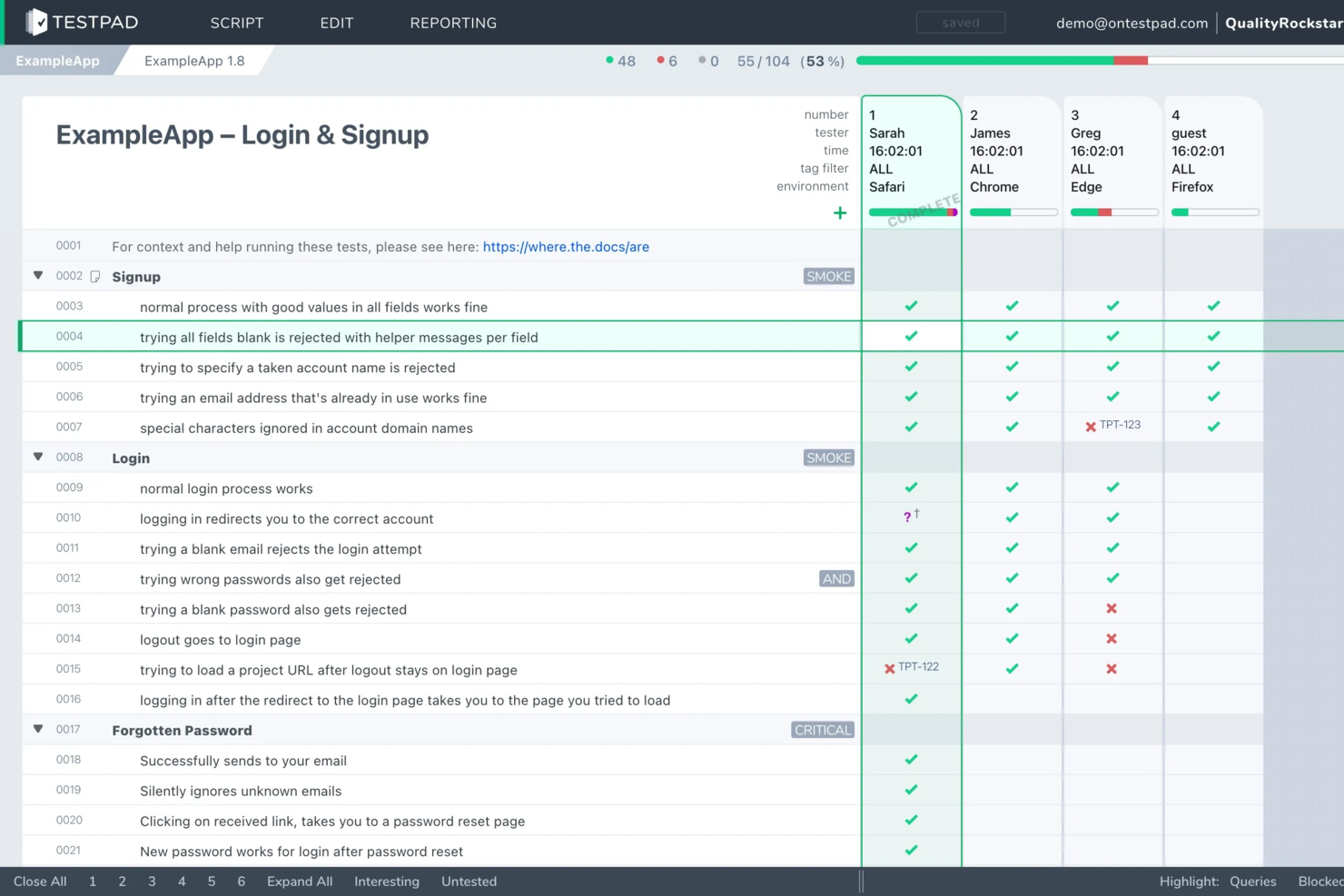
Testpad è una piattaforma di test manuali progettata per i team di QA e i tester software che desiderano un approccio flessibile e basato su checklist per i test esplorativi, senza l'onere della gestione tradizionale dei casi di test.
Per Chi È Indicato Testpad?
Responsabili QA e tester software in team piccoli e medi che cercano uno strumento leggero e flessibile per gestire i test esplorativi manuali.
Perché Ho Scelto Testpad
Ho scelto Testpad tra i migliori perché il suo approccio basato su checklist mi consente di mappare rapidamente idee di test esplorativi senza utilizzare strutture rigide di casi di test. Mi piace poter organizzare i test come semplici liste di controllo, rendendo facile adattare e riprioritizzare man mano che apprendo durante una sessione. Il mio team utilizza Testpad per collaborare su piani di test in evoluzione, il che ci aiuta a mantenere i nostri test esplorativi focalizzati e concreti.
Funzionalità Principali di Testpad
- Accesso tester ospite: Invita tester esterni a partecipare utilizzando link condivisibili senza necessità di creare un account.
- Tracciamento in tempo reale del progresso dei test: Visualizza aggiornamenti in tempo reale mentre i tester spuntano gli elementi durante una sessione.
- Importazione massiva di idee di test: Aggiungi rapidamente grandi insiemi di passaggi o idee di test tramite CSV o testo semplice.
- Commenti sui passaggi dei test: Aggiungi note o feedback direttamente agli elementi della checklist per una migliore collaborazione nel team.
Integrazioni di Testpad
Le integrazioni includono GitHub, NVIDIA, Bell, Digital Genius, Foxhole QA, Legrand, Ideas2Executables, TestLauncher, OpenROV e Numed Healthcare. È inoltre disponibile una API per integrazioni personalizzate.
Pros and Cons
Pros:
- Supporta la pianificazione di test esplorativi basati su checklist
- Commenti a livello di passaggio per un feedback dettagliato
- Importazione massiva di idee di test tramite CSV
Cons:
- Nessun sistema integrato di tracciamento bug o ticketing
- Mancano funzionalità di esecuzione automatica dei test

Reflect
Ideale per la creazione di test guidata dall'IA

Reflect è uno strumento di test esplorativi potenziato dall'intelligenza artificiale che ti permette di costruire e mantenere test end-to-end senza scrivere codice. Elimina la necessità di selettori CSS o locator XPath utilizzando comandi in linguaggio naturale, consentendoti di creare test funzionali, visivi e API in modo rapido ed efficiente. Reflect si adatta automaticamente ai cambiamenti dell'interfaccia utente, aiutandoti a evitare script di test fragili e riducendo il tempo di manutenzione.
Perché ho scelto Reflect: Ho scelto Reflect perché puoi scrivere i test in inglese semplice e la sua intelligenza artificiale si occupa del resto—niente scripting, niente selettori e nessuna configurazione complessa. È veloce da avviare e ancora più veloce da mantenere, aggiornando automaticamente i test quando l'interfaccia cambia. Puoi eseguire test visivi e API insieme in un unico flusso, fare debug con screenshot e replay video, e ricevere notifiche in tempo reale. Con Reflect integrato nella tua pipeline CI/CD e nelle pull request di GitHub, stai sempre testando dove e quando conta di più.
Caratteristiche principali e integrazioni di Reflect
Caratteristiche principali: Reflect consente la creazione rapida dei test tramite prompt AI e registrazione di azioni. Supporta il test di regressione visiva per individuare problemi nell'interfaccia, test API per la validazione del backend e strumenti di debug come screenshot, replay video e differenze visive. Puoi anche programmare l'esecuzione dei test, garantire la compatibilità tra browser e generare report dettagliati con notifiche in tempo reale.
Integrazioni: Reflect si integra con GitHub, Slack, Jira, Jenkins, Bitbucket, CircleCI, Azure DevOps e Codefresh. Si collega inoltre a piattaforme di marketing e analisi come Google Analytics, Marketo, Drift, Facebook Pixel, LinkedIn Insight e Microsoft Ads—rendendolo particolarmente adatto a team SaaS che testano applicazioni web moderne e integrate.
Pros and Cons
Pros:
- Integrazione CI/CD completa
- Manutenzione dei test con intelligenza artificiale
- Creazione dei test senza codice
Cons:
- Limitazioni per il testing delle app mobile
- Potrebbe offrire più opzioni di personalizzazione per le configurazioni di test

Testuff
Ideale per collaborare con membri del team da remoto

Testuff è una piattaforma completa per il test del software che offre una vasta gamma di metodologie di test, incluso il test esplorativo. Ti aiuta a iniziare rapidamente con il suo servizio di test esplorativo su richiesta. Si occupano di tutta la manutenzione dei server, dei backup orari e della sicurezza.
Perché ho scelto Testuff: Ho selezionato questo strumento per le sue avanzate funzionalità di gestione del ciclo di vita dei test. Consente ai membri del team di collaborare efficacemente, indipendentemente dalla loro posizione. Puoi assegnare test a tester specifici, condividere passaggi, impostare le autorizzazioni degli utenti e gestire i requisiti con facilità. Testuff ti aiuta a implementare la pianificazione dei cicli di test, organizzare il team e assegnare attività utilizzando il laboratorio di test.
Funzionalità distintive e integrazioni di Testuff
Funzionalità distintive: Testuff offre funzionalità complete di reportistica dei difetti, con integrazione con i sistemi di tracciamento degli errori, acquisizione semplice di schermate, un videoregistratore dedicato, integrazione con i canali di comunicazione e un lettore video dedicato. Il software gestisce tutto mentre tu puoi concentrarti sul monitoraggio e sul miglioramento del processo di test grazie a report dettagliati.
Integrazioni con i sistemi di tracciamento degli errori includono activeCollab, Asana, Assembla, Axosoft, BugTracker.NET, Jira e altri. Puoi inoltre integrarlo con strumenti di automazione dei test, come Selenium, TestComplete, Autolt e Rational Robot.
Pros and Cons
Pros:
- Facile da iniziare
- Altamente collaborativo
- Facile da gestire i casi di test
Cons:
- L'interfaccia utente necessita di un aggiornamento
- La pagina di supporto necessita di più contenuti

Il miglior sistema di testing esplorativo per testare su app web e desktop
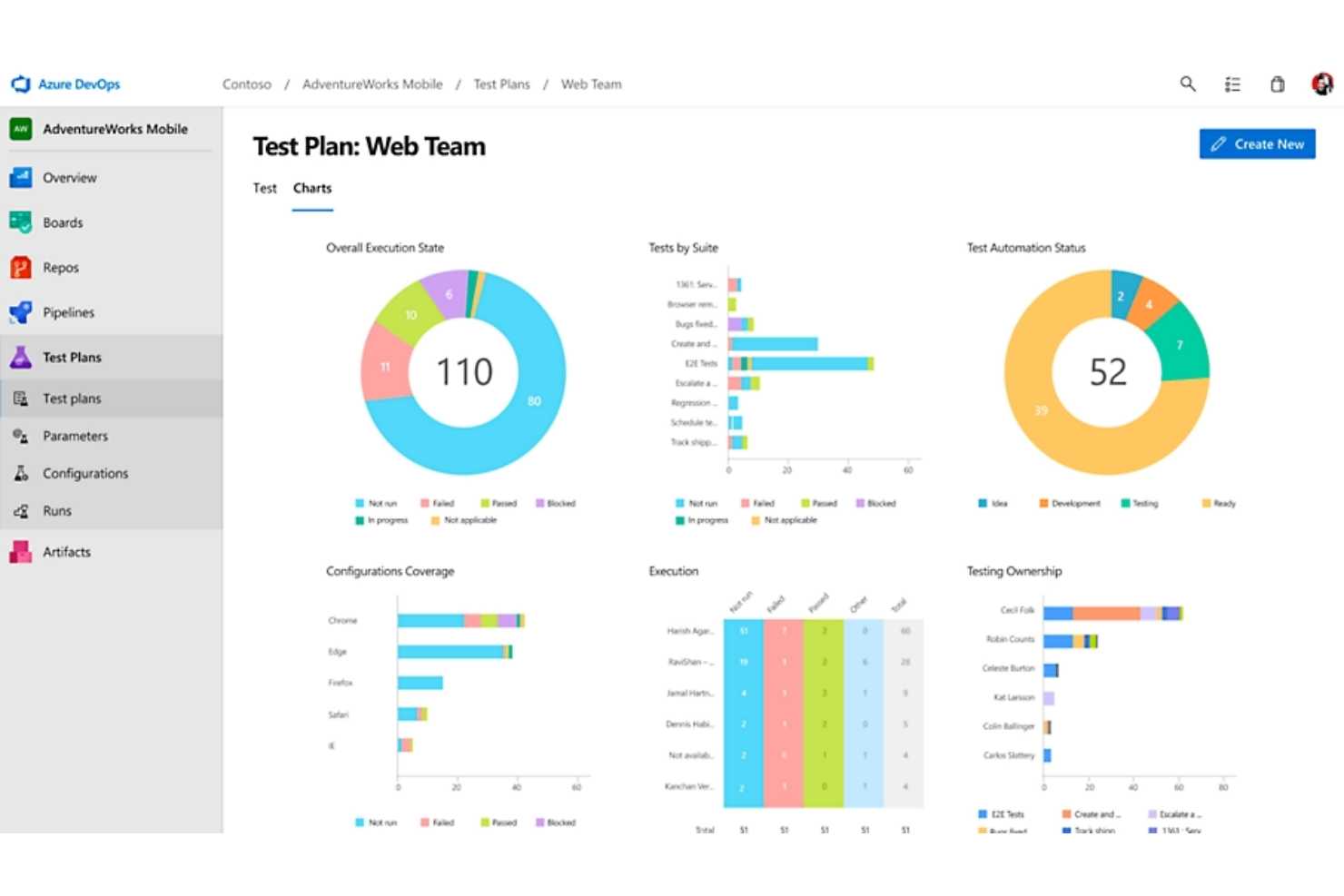
Azure Test Plans offre strumenti per il testing esplorativo e manuale che ti aiutano a testare e distribuire software con fiducia e affidabilità.
Perché ho scelto Azure Test Plans: Con questo strumento puoi testare applicazioni desktop e web. Ti permette di registrare dati scenario dettagliati durante i test. La cattura di dati dettagliati rende difetti o bug identificati immediatamente azionabili. Hai accesso a dati di test che ti consentono di capire dove risiedono i problemi e forniscono informazioni utili sul processo di risoluzione da implementare.
Funzionalità e integrazioni distintive di Azure Test Plans
Funzionalità distintive includono tracciabilità end-to-end e possibilità di eseguire test simultaneamente. Puoi usufruire della visibilità e qualità completa per migliorare le tue user story e funzionalità e sfruttare l'esecuzione concorrente dei test per aumentare la qualità nei processi di sviluppo software utilizzando il testing basato su sessione.
Un altro aspetto che rende questo strumento unico è la sua avanzata architettura di sicurezza. Dispone di sicurezza e conformità integrate e investe molto nella ricerca e sviluppo nella cybersicurezza.
Integrazioni includono Katalon Studio, Testomat, Jira, TestComplete, Microsoft Azure, Slack, Testiny, GitHub, Google Cloud Platform e TestRail.
Pros and Cons
Pros:
- Dashboard in tempo reale
- Accesso a piani di test multipli
- Ben strutturato e facile da usare
Cons:
- Serve più documentazione
- Necessaria maggiore automazione dei casi di test


Zephyr è una delle principali piattaforme di gestione dei test che offre funzionalità di testing esplorativo, aiutandoti a risparmiare tempo, collaborare meglio, ottenere visibilità end-to-end e rilasciare prodotti di alta qualità più velocemente.
Perché ho scelto Zephyr: Questo software è nella mia lista perché migliora la collaborazione tra i membri del team. Oltre alle funzioni standard di testing esplorativo, favorisce una buona comunicazione all'interno della squadra. Zephyr unisce la gestione dei test esplorativi, l'automazione e la BDD in un unico strumento; questo permette un facile accesso alle informazioni vitali e la condivisione delle best practice tra i membri del team.
Caratteristiche e integrazioni distintive di Zephyr
Caratteristiche distintive: Permette il monitoraggio in tempo reale dei tuoi pacchetti di test. Con Zephyr, puoi migliorare la qualità dei prodotti grazie alla tracciabilità end-to-end. Il software velocizza il processo di QA consentendo l'integrazione con framework di automazione come Selenium, JUnit e Nunit.
Integrazioni: Zephyr permette l'integrazione con strumenti CI come Jenkins e Bamboo. Altre integrazioni includono TestComplete, ReadyAPI, Jira, Selenium, Cucumber, CrossBrowserTesting, Tricentis Tosca, Avo Assure e Jira Service Management.
Pros and Cons
Pros:
- Funzionalità di riutilizzo su larga scala
- Reportistica cross-progetto
- Integrazione flessibile con framework di automazione di terze parti
Cons:
- Necessarie guide più dettagliate per i nuovi utenti
- Alcune configurazioni sono complesse
Miglior sistema di test esplorativi per il monitoraggio dei test in tempo reale
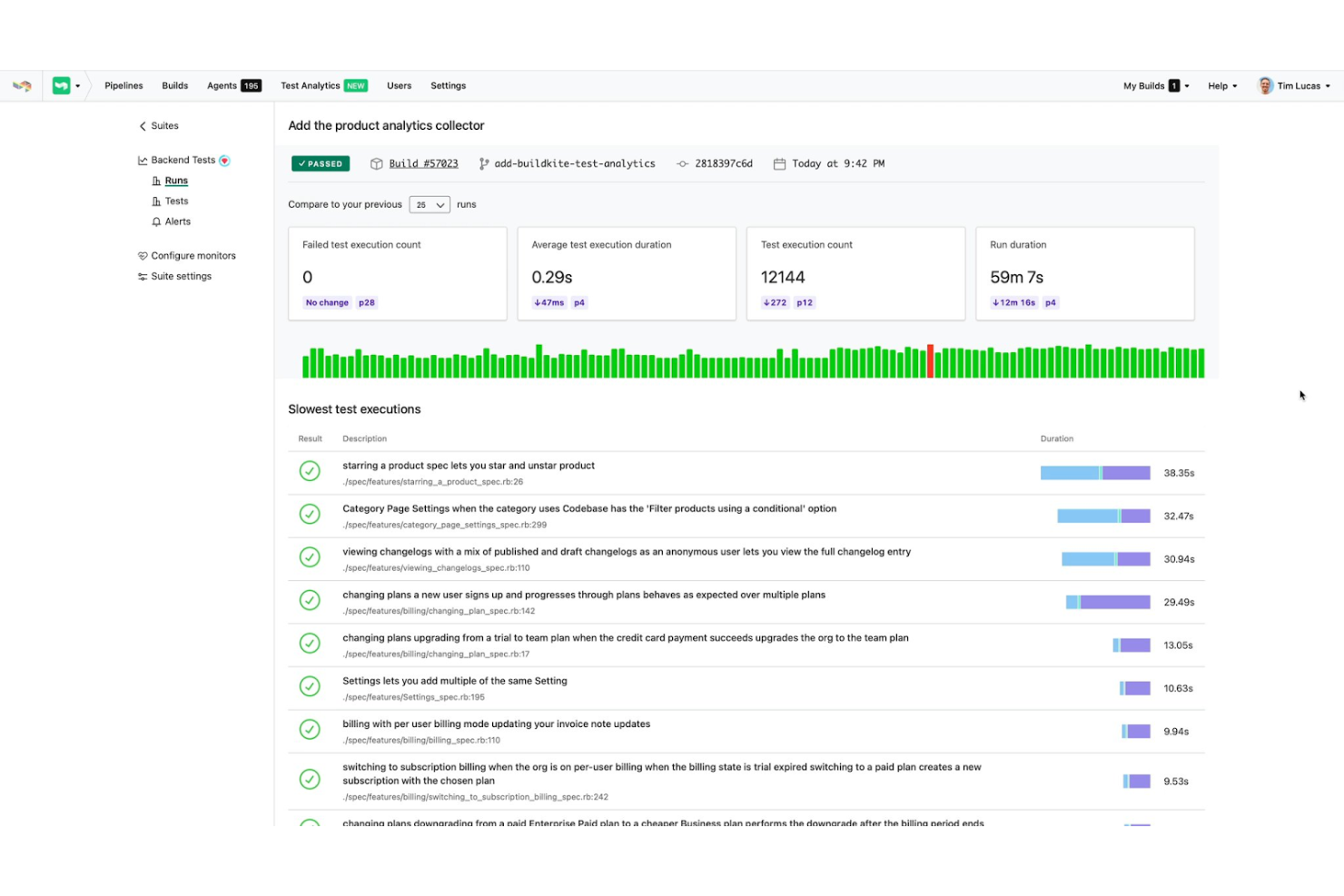
Buildkite è una piattaforma per creare i tuoi flussi di lavoro CI/CD su misura ed eseguire test esplorativi con facilità. Ti aiuta a valutare il tuo software più rapidamente e a scoprire difetti difficili da trovare grazie alle sue eccezionali capacità di testing.
Perché ho scelto Buildkite: offre una funzionalità di monitoraggio di velocità e affidabilità, che permette di impostare monitor per individuare i problemi non appena si verificano. Con questo strumento, puoi facilmente tenere sotto controllo le tue suite di test e ricevere notifiche se qualcosa va storto.
Buildkite consente di identificare i test più lenti. Questa informazione ti aiuta a individuare quali test rallentano la build, così puoi risolvere i problemi in base alla gravità. In breve, questo strumento fornisce analisi avanzate dei test di cui hai bisogno per eseguire test esplorativi in modo affidabile ed economico.
Caratteristiche e integrazioni di spicco di Buildkite
Caratteristiche di spicco includono il monitoraggio in tempo reale dei test e l’analisi approfondita delle prestazioni. Buildkite ti consente di monitorare i casi e fornisce le analisi necessarie per prendere decisioni informate. L’analisi delle prestazioni aiuta a ottenere il tracciamento automatico sulle suite di test.
Inoltre, lo strumento ti permette di trovare e correggere i test instabili. Puoi facilmente identificare i test che creano problemi e ottenere il supporto necessario per risolverli.
Integrazioni includono Docker, GitHub, Buildpipe, AWS, Git, Anka, Perforce, Golang, Lambda Deployer e Codecov.
Pros and Cons
Pros:
- Integrazione senza soluzione di continuità con i principali linguaggi di programmazione
- Ottima interfaccia utente
- Facile da configurare
Cons:
- La generazione dei report per i job terminati dovrebbe essere migliorata
- Richiede più personalizzazione

Ideale per tracciare automaticamente le azioni e salvare senza problemi le registrazioni
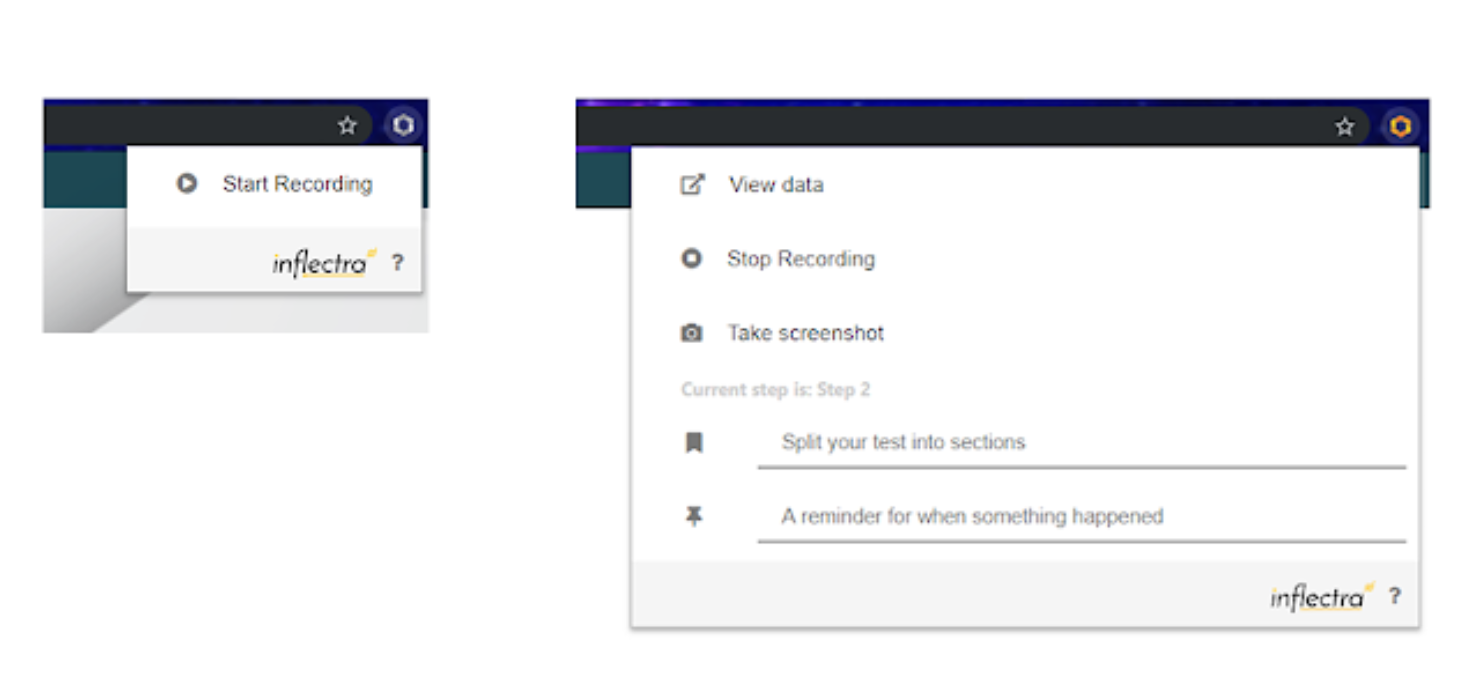
SpiraCapture, un'estensione del browser, è progettata appositamente per aiutarti a eseguire test esplorativi. Lo strumento registra e organizza in modo intelligente le tue sessioni di testing e ti consente di salvare facilmente le tue registrazioni.
Perché ho scelto SpiraCapture: Con questo strumento puoi usufruire di un'eccellente acquisizione dei test esplorativi e di un'efficace gestione delle note. Ti permette di registrare le attività di testing su qualsiasi scheda desideri in Edge o Chrome e di creare note per segnalare quando si verifica un problema specifico. SpiraCapture organizza i dati dei test acquisiti in modi semplici da leggere e comprendere. Le registrazioni possono essere categorizzate in base a ciò che è stato testato e al momento in cui è avvenuto il test.
Semplicemente guardando i dati, puoi capire facilmente dove è stato fatto clic o dove è stato inserito del testo. Il software supera i limiti di altri strumenti, creando registrazioni che qualsiasi sviluppatore può interpretare a colpo d'occhio.
Caratteristiche principali e integrazioni di SpiraCapture
Caratteristiche principali includono la creazione di bug in SpiraTest e l'opzione di anteprima integrata. Puoi registrare eventi in SpiraCapture e salvarli in SpiraTest come un incidente. Mentre questo strumento si occupa della cattura, la sua funzione di anteprima facilita la comunicazione. Visualizza i dati che verranno inviati a SpiraTest in un formato facilmente leggibile, in HTML semplice e portatile.
Non è necessario possedere SpiraTest per utilizzare questo strumento. Puoi copiare e incollare l'HTML (i dati del test) nell'applicazione che preferisci.
Integrazioni disponibili con Jira, Microsoft Visual Studio, Jenkins, TestRail, Axosoft, Rapise, KronoDesk, IQM Studio e SpiraTest.
Pros and Cons
Pros:
- È gratuito
- Facile da usare
- Le funzionalità richieste dagli utenti vengono implementate
Cons:
- L'interfaccia utente necessita di miglioramenti
- Alcune funzioni possono essere lente a volte

Test.io
Ideale per svolgere test su dispositivi, sistemi operativi e browser differenti
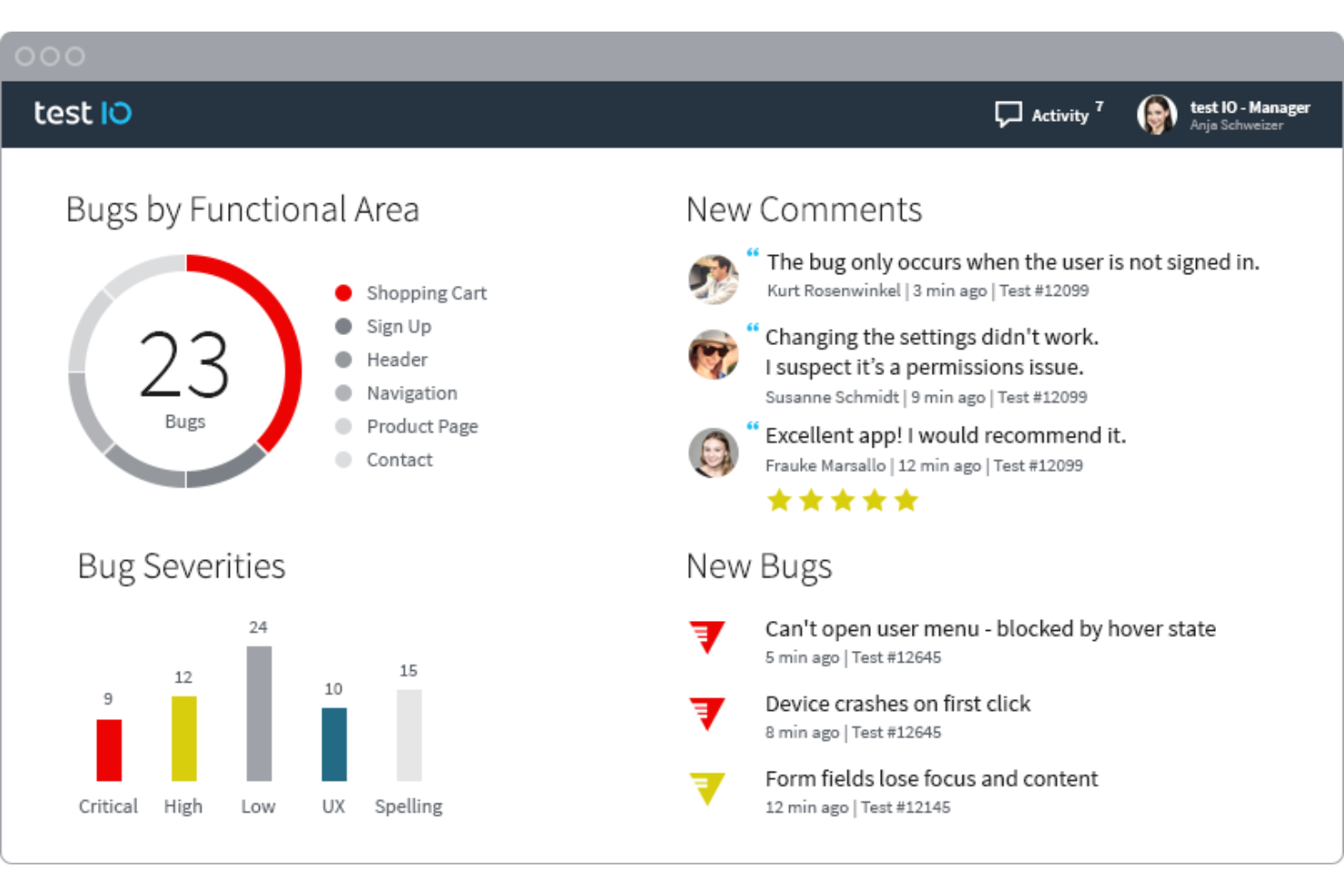
Questo software ti aiuta a consegnare prodotti di alta qualità offrendo le funzionalità necessarie per eseguire test esplorativi in condizioni reali. Test IO offre il modello Testing-as-a-Service (TaaS), che include tutto ciò di cui hai bisogno per affrontare le tue sfide di QA e consegnare prodotti migliori più velocemente.
Perché ho scelto Test IO: Il software ti aiuta a individuare bug che gli utenti potrebbero incontrare nella vita reale, collegandoti con tester da tutto il mondo su richiesta. Questi tester reali ti permettono di implementare diversi scenari di test utente, consentendoti di individuare errori prima della pubblicazione così che i tuoi clienti abbiano la migliore esperienza possibile.
Un altro motivo per cui ho aggiunto Test IO alla mia lista è che ti dà accesso a un ampio pool di tester crowd; ti aiutano a valutare il tuo software da diversi punti di vista e su diversi dispositivi, sistemi operativi e browser.
Caratteristiche e integrazioni principali di Test IO
Caratteristiche principali includono test in condizioni reali e risultati rapidi. Test IO ti permette di replicare fedelmente l'esperienza degli utenti grazie all'accesso a una community globale di tester. Puoi ottenere una copertura totale dei test in 24 ore e ricevere i risultati in appena 60 minuti.
Integrazioni disponibili con Asana, Azure DevOps, Clubhouse, Git, GitHub, GitLab, Jira Server, Mantis, Redmine e Trello.
Pros and Cons
Pros:
- Facile da configurare
- Buon supporto clienti
- Ottima interfaccia utente
Cons:
- Costoso per i piccoli team
- A volte si verificano falsi positivi

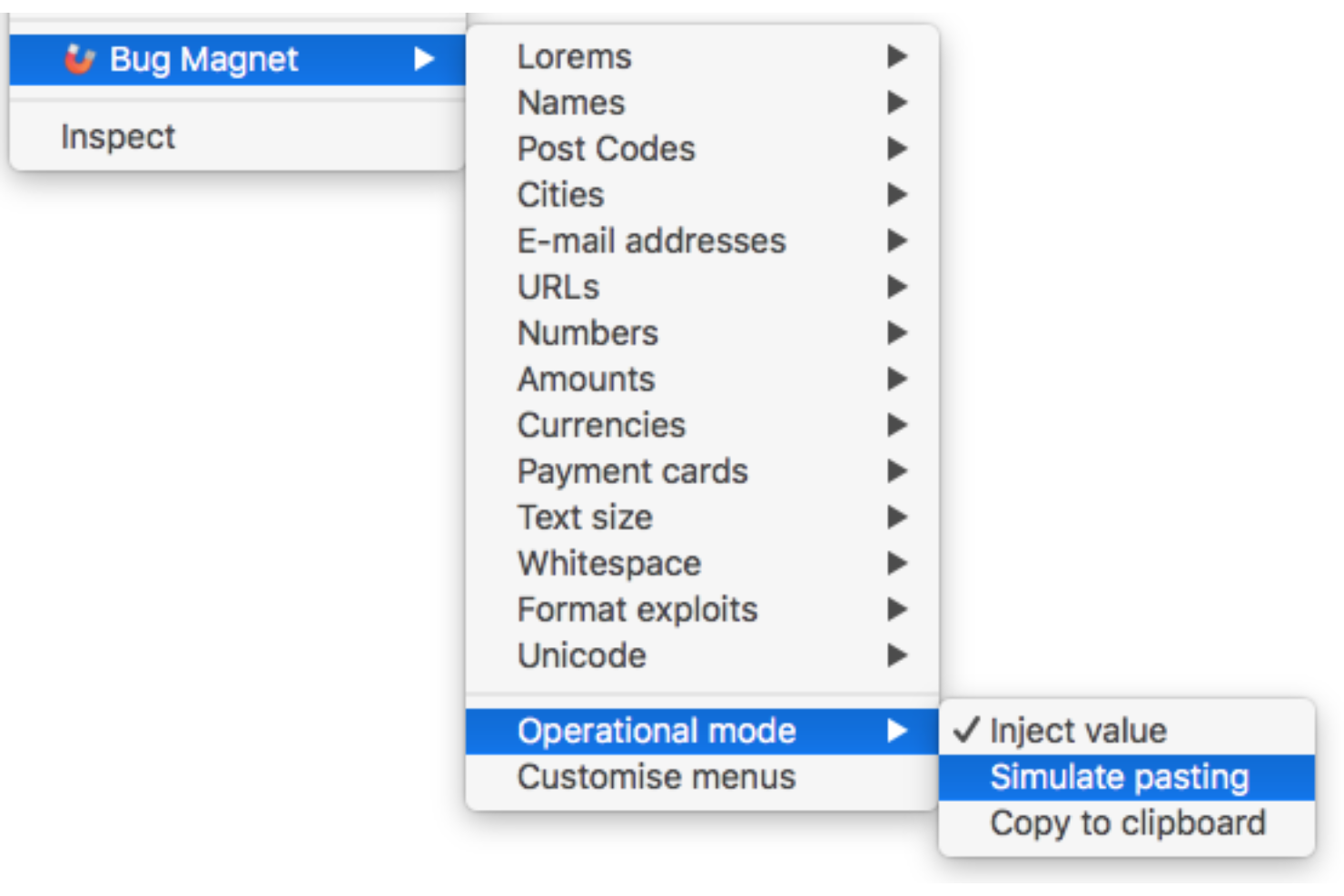
Bug Magnet è uno strumento open-source per il testing esplorativo che consente di valutare le applicazioni tramite le sue estensioni per i browser Chrome e Firefox. Fornisce accesso rapido a limiti comuni e casi limite per il testing esplorativo.
Perché ho scelto Bug Magnet: Con questa estensione per il testing esplorativo su Chrome o Firefox puoi condurre rapidamente sessioni di test esplorativo con facilità. L’accesso tramite browser lo rende molto semplice da utilizzare. Puoi estenderlo con i tuoi file di configurazione, adattando lo strumento alle tue necessità o preferenze. Bug Magnet permette di inserire valori tramite JavaScript o usando eventi della clipboard per simulare i flussi di lavoro utente.
Funzionalità distintive e integrazioni di Bug Magnet
Funzionalità distintive: Bug Magnet non richiede dipendenze da librerie di terze parti. Ti mette a disposizione tutto ciò che ti serve per eseguire testing esplorativi. Il software rende facile iniziare anche per i nuovi utenti, offrendo link a risorse complete. Dall’apprendimento sull’ultima versione, a come installare lo strumento e personalizzare i menu, Bug Magnet offre tutorial dettagliati per i nuovi utenti.
Integrazioni: Bug Magnet è una estensione open-source per Chrome e Firefox. Il codice sorgente è disponibile su GitHub e lo strumento può essere utilizzato in sinergia con altri framework di testing.
Pros and Cons
Pros:
- È open-source
- È personalizzabile
- Può essere utilizzato in modo collaborativo
Cons:
- La community di utenti non è molto numerosa
- L’interfaccia utente non è delle migliori
Altri strumenti di exploratory testing
Ecco alcune ulteriori opzioni di strumenti di exploratory testing che non sono entrate nella mia shortlist, ma che vale comunque la pena considerare:
- Testiny
Ideale per estendere e ottimizzare i casi di test con campi personalizzati
- TestRail
Il miglior strumento per visualizzare tutti i tuoi dati di test in tempo reale
- Telerik Test Studio
La migliore soluzione di testing esplorativo per ridurre al minimo la manutenzione dei test
- Xray
Ideale per i team agili che puntano all'eccellenza nel testing esplorativo
- Testmo
Miglior strumento per i test esplorativi per una presa di appunti dettagliata


Come valuto gli strumenti per i test esplorativi
Divido la mia valutazione in due livelli: requisiti di base, come la registrazione delle sessioni e la rilevazione dei bug durante la sessione, che ogni strumento deve soddisfare, e fattori distintivi che separano le opzioni più solide.
Funzionalità fondamentali (requisiti essenziali per questo elenco)
Quando seleziono gli strumenti per il mio elenco, assegno a ciascuno un punteggio su una scala da 0 (non offre la funzionalità) a 5 (eccelle in quest'area) per ogni funzionalità fondamentale elencata di seguito. Quindi calcolo il punteggio totale dello strumento in percentuale. Ogni strumento deve raggiungere un punteggio totale minimo del 65% per essere preso in considerazione.
- Gestione dei test basata sulle sessioni: cerco un supporto strutturato per charter e sessioni, ad esempio la definizione di una missione, l'impostazione di un limite di tempo e l'organizzazione delle sessioni per area funzionale o sprint.
- Registrazione e riproduzione delle sessioni: ogni strumento dovrebbe acquisire l'attività sullo schermo, le azioni dell'utente o il video durante una sessione, in modo che i tester possano rivedere ciò che è accaduto senza affidarsi alla memoria.
- Rilevazione dei bug durante la sessione: valuto quanto sia semplice per un tester segnalare un difetto a metà sessione, annotando uno screenshot o ritagliando un segmento video, senza interrompere il flusso di test.
- Registrazione automatica degli artefatti: gli strumenti validi raccolgono passivamente i log della console, le richieste di rete e i dettagli dell'ambiente, in modo che i report sui bug arrivino con un contesto utile già allegato.
- Reportistica dei test e analisi finale: verifico se i riepiloghi delle sessioni includono la copertura, il tempo impiegato e i problemi rilevati in un formato pronto per essere condiviso durante un'analisi finale o una riunione quotidiana.
- Integrazione con la catena di strumenti di sviluppo e QA: lo strumento dovrebbe connettersi a sistemi di gestione delle issue come Jira o Azure DevOps e a piattaforme di gestione dei test come TestRail, così che i risultati confluiscano nei flussi di lavoro esistenti.
Una volta ottenuto un elenco di strumenti che soddisfano questi criteri, valuto ciò che distingue ciascuna piattaforma.
Fattori distintivi (ciò che differenzia i fornitori)
Ecco come confronto e metto a confronto i diversi fornitori:
Funzionalità di spicco
I suggerimenti di test assistiti dall'IA sono un vero elemento distintivo: cerco strumenti che raccomandino aree ancora inesplorate o generino idee per i charter sulla base dei dati delle sessioni precedenti. Anche le sessioni collaborative dal vivo sono importanti, soprattutto per i team che praticano test in coppia o di gruppo, nei quali più persone contribuiscono ai risultati in tempo reale. Valuto se uno strumento possa convertire le azioni esplorative in script automatizzati riutilizzabili, colmando il divario tra la scoperta estemporanea e la copertura di regressione.
Oltre le funzionalità
La profondità dell'integrazione è importante: verifico se uno strumento offre la sincronizzazione bidirezionale con i sistemi di gestione delle issue e le piattaforme di gestione dei test, poiché gli invii unidirezionali spesso generano lavoro duplicato. La sicurezza è un'altra considerazione fondamentale, soprattutto per i team che testano applicazioni che gestiscono dati sensibili; cerco il supporto per SSO, opzioni di residenza dei dati e controlli sulla registrazione delle sessioni che consentano di mascherare o escludere i campi. Valuto inoltre quanto bene uno strumento riesca a scalare da un singolo tester a un intero team QA, con autorizzazioni basate sui ruoli e spazi di lavoro condivisi.
Come scegliere uno strumento di exploratory testing
È facile perdersi tra lunghe liste di funzionalità e strutture di prezzo complesse. Per aiutarti a rimanere focalizzato durante il tuo processo di selezione del software, ecco una checklist di fattori da tenere a mente:
| Fattore | Cosa considerare |
|---|---|
| Scalabilità | Lo strumento crescerà insieme al tuo team? Considera i bisogni futuri e se lo strumento può gestire un carico maggiore senza costi aggiuntivi o problemi di prestazioni. |
| Integrazioni | Funziona con i tuoi sistemi attuali? Controlla la compatibilità con i tool già in uso e se supporta l'integrazione tramite API. |
| Personalizzazione | Puoi adattarlo ai tuoi flussi di lavoro? Cerca strumenti che offrano impostazioni o moduli personalizzabili per rispondere alle tue esigenze specifiche. |
| Facilità d'uso | È intuitivo per il tuo team? Valuta il livello di apprendimento richiesto e se il tuo team potrà iniziare a usarlo senza formazione intensa. |
| Implementazione e onboarding | Che facilità ha il processo di avvio? Esamina il tempo e le risorse necessari per configurare lo strumento, inclusi supporto o formazione proposti dal fornitore. |
| Costo | Il prezzo rientra nel tuo budget? Confronta il costo totale di proprietà, inclusi eventuali costi nascosti, per assicurarti che sia adatto alle tue possibilità finanziarie. |
| Tutela della sicurezza | I tuoi dati e la privacy sono protetti? Analizza le misure di sicurezza e conformità alle normative sulla protezione dei dati del fornitore per prevenire rischi. |
| Disponibilità del supporto | Il supporto è facilmente accessibile? Verifica la presenza di assistenza 24/7 e la qualità di documentazione, forum o supporto diretto. |
Cosa sono gli strumenti di exploratory testing?
Gli strumenti di exploratory testing sono applicazioni software che aiutano i tester a esplorare la funzionalità del software per identificare bug e problemi. Generalmente utilizzati da professionisti del controllo qualità e tester software, questi strumenti aggiungono valore migliorando il processo di test tramite flessibilità e feedback in tempo reale.
Funzionalità come il tracciamento delle sessioni, la documentazione dei test e la segnalazione dei bug aiutano ad organizzare i risultati, collaborare con i team e migliorare la qualità del software. Nel complesso, questi strumenti permettono ai tester di scoprire e documentare in modo efficiente i problemi nelle applicazioni software.
Funzionalità
Quando si scelgono strumenti per l'exploratory testing, fai attenzione alle seguenti caratteristiche chiave:
- Tracciamento delle sessioni: Tiene traccia delle sessioni di test, aiutando i tester a documentare i risultati e a rivederli in seguito.
- Documentazione dei test: Fornisce strumenti per scrivere e gestire facilmente casi di test e risultati, garantendo una copertura completa.
- Segnalazione dei bug: Facilita la cattura e la segnalazione rapida dei bug, includendo screenshot e log, per un efficace tracciamento dei problemi.
- Collaborazione in tempo reale: Permette ai membri del team di lavorare insieme contemporaneamente, migliorando comunicazione ed efficienza.
- Integrazione con altri strumenti: Si collega con strumenti e sistemi esistenti, garantendo un'integrazione del flusso di lavoro senza interruzioni e la condivisione dei dati.
- Opzioni di personalizzazione: Consente ai tester di adattare lo strumento alle proprie esigenze di test e flussi di lavoro specifici, migliorando la facilità d'uso.
- Analisi e reportistica: Fornisce informazioni sui progressi e sui risultati dei test, aiutando il processo decisionale e migliorando le strategie di test.
- Usabilità: Garantisce che lo strumento sia intuitivo e accessibile, riducendo la curva di apprendimento per i tester.
- Funzionalità di sicurezza: Protegge i dati sensibili e garantisce la conformità con le normative sulla privacy, mantenendo affidabilità e integrità.
- Risorse di onboarding: Offre materiali di formazione come video e tutorial per aiutare gli utenti a iniziare rapidamente ed efficacemente.
Vantaggi
L'implementazione di strumenti di exploratory testing offre diversi vantaggi per il tuo team e la tua azienda. Eccone alcuni a cui puoi guardare con fiducia:
- Rilevamento dei bug migliorato: Le funzionalità avanzate di segnalazione aiutano a identificare e documentare i problemi più efficacemente.
- Migliore collaborazione: Gli strumenti di collaborazione in tempo reale permettono al tuo team di lavorare efficacemente aumentando comunicazione e produttività.
- Maggiore flessibilità: Le opzioni di personalizzazione consentono di adattare lo strumento alle esigenze specifiche di testing, aumentandone l'utilità.
- Risparmio di tempo: Usabilità e interfacce intuitive riducono la curva di apprendimento, consentendo ai tester di essere subito operativi.
- Insight guidati dai dati: Le funzioni di analisi e reportistica forniscono preziose informazioni sui risultati dei test, favorendo decisioni strategiche.
- Sicurezza avanzata: Le funzionalità di sicurezza proteggono i dati sensibili, garantendo la conformità alle normative sulla privacy e mantenendo la fiducia.
- Onboarding semplificato: L'accesso a materiali e risorse di formazione aiuta il team a iniziare rapidamente, massimizzando il valore dello strumento.
Costi e prezzi
La selezione degli strumenti di exploratory testing richiede la comprensione dei vari modelli e piani di prezzo disponibili. I costi variano in base alle funzionalità, alla dimensione del team, agli add-on e altro ancora. La tabella seguente riassume i piani più comuni, i prezzi medi e le funzionalità tipiche incluse nelle soluzioni per strumenti di exploratory testing:
Tabella comparativa dei piani per strumenti di exploratory testing
| Tipologia di piano | Prezzo medio | Funzionalità comuni |
|---|---|---|
| Piano gratuito | $0 | Segnalazione base dei bug, tracciamento delle sessioni limitato e supporto comunitario. |
| Piano personale | $10-$30/user/month | Segnalazione avanzata dei bug, documentazione dei test e integrazioni di base. |
| Piano business | $40-$70/user/month | Collaborazione in tempo reale, opzioni di personalizzazione e analisi e reportistica. |
| Piano enterprise | $80-$150/user/month | Pieno supporto per l'integrazione, funzionalità di sicurezza avanzate e supporto dedicato. |
Domande frequenti sugli strumenti di testing esplorativo
Ecco alcune risposte alle domande comuni sugli strumenti di testing esplorativo:
Qual è uno strumento comune utilizzato nel testing esplorativo?
Tra gli strumenti più utilizzati ci sono Azure Test Plans e Reflect. Questi strumenti aiutano a organizzare e documentare le sessioni di test, rendendo più semplice per il team tracciare i risultati e collaborare in modo efficace. Considera quali integrazioni e funzionalità si allineano con le tue esigenze di testing.
In che modo gli strumenti di testing esplorativo favoriscono la collaborazione?
Questi strumenti includono spesso funzionalità per la collaborazione in tempo reale, permettendo ai membri del team di condividere all’istante osservazioni e risultati. Questo favorisce una migliore comunicazione all’interno del gruppo di lavoro, assicurando che tutti siano informati e allineati durante la fase di test.
Gli strumenti di testing esplorativo possono integrarsi con altri software?
Sì, molti strumenti di testing esplorativo offrono integrazioni con strumenti di authoring della documentazione e software di project management e sviluppo come JIRA e GitHub. Queste integrazioni semplificano i flussi di lavoro e assicurano che il processo di testing sia ben coordinato con le altre attività del team.
Questi strumenti sono basati su browser o applicazioni desktop?
Il modello di distribuzione varia: alcuni strumenti sono completamente basati su browser e accessibili tramite app web. Altri sono client desktop che funzionano localmente per consentire l’accesso offline o un tracciamento più profondo a livello di sistema. Alcuni offrono modelli ibridi con dashboard in cloud per la revisione centralizzata delle sessioni.
Questi strumenti possono essere utilizzati insieme alle suite di test automatici?
Sì, molti sono progettati per integrare i test automatici concentrandosi su test non scriptati e condotti dall’uomo. Alcuni strumenti consentono anche il confronto affiancato tra sessioni automatiche ed esplorative. L’integrazione con pipeline CI/CD è meno comune, ma possibile con configurazioni personalizzate.
Gli strumenti di testing esplorativo si integrano con i tracker di problemi?
Molti strumenti offrono connessioni integrate con piattaforme come Jira, Trello o GitHub Issues. Queste integrazioni permettono ai tester di registrare bug direttamente dalla sessione di test. Alcuni strumenti supportano anche la sincronizzazione bidirezionale, a seconda del supporto delle loro API.
Cosa succede dopo:
Se stai valutando strumenti di testing esplorativo, contatta gratuitamente un consulente SoftwareSelect per ricevere raccomandazioni personalizzate.
Compili un modulo e fai una breve chiacchierata in cui vengono approfondite le tue esigenze specifiche. Riceverai poi una lista di software selezionati da esaminare. Sarai supportato in tutto il processo di acquisto, incluse eventuali negoziazioni sui prezzi.