
Analisi Dei 10 Migliori Software Di Archiviazione A Oggetti Del 2026

10 Miglior software di Object Storage: la shortlist


Hai difficoltà nella gestione dei dati? Non sei solo. Molti esperti tecnici affrontano la sfida di archiviare e accedere a grandi volumi di dati in modo efficiente. Il software di object storage può aiutare il tuo team a gestire i file in modo più efficace, offrendo soluzioni scalabili adatte alle tue esigenze.
Nella mia esperienza, scegliere il software giusto può fare una grande differenza. Ho testato e recensito diverse opzioni per offrirti una panoramica imparziale delle migliori scelte sul mercato.
In questo articolo ti guiderò attraverso le mie migliori soluzioni, evidenziando caratteristiche e vantaggi chiave. Che tu abbia problemi con l'archiviazione cloud o temi per la conformità, troverai suggerimenti utili per prendere la decisione migliore.
Perché fidarsi dei nostri consigli sui software
Il nostro team testa e recensisce software dal 2012. In quanto leader tecnologici noi stessi, sappiamo quanto sia difficile — e importante — scegliere il software giusto.
Per questa guida, abbiamo valutato gli strumenti attraverso test praticie ricerche indipendenti, assegnando un punteggio agli strumenti in base ai nostri criteri di selezione.
Le nostre recensioni riflettono il nostro giudizio editoriale umano, non un discorso di vendita.
Revisori esperti:
Riepilogo del miglior software di Object Storage
Questa tabella riepilogativa confronta i dettagli sui prezzi delle mie migliori selezioni di software di object storage per aiutarti a trovare quella migliore per il tuo budget e le tue esigenze aziendali.
| Tool | Best For | Trial Info | Price | ||
|---|---|---|---|---|---|
| 1 | Ideale per compatibilità nativa S3 | Demo gratuita disponibile | Prezzo su richiesta | Website | |
| 2 | Ideale per l'integrazione con Google Cloud | Piano gratuito disponibile | Prezzo su richiesta | Website | |
| 3 | Ideale per l'analisi dei dati su larga scala | Not available | Prezzo su richiesta | Website | |
| 4 | Ideale per l'integrazione con i servizi Azure | Not available | Prezzi su richiesta | Website | |
| 5 | Ideale per un ecosistema diversificato e per la scalabilità | Not available | Prezzo su richiesta | Website | |
| 6 | Ideale per lo storage a oggetti nativo Kubernetes | Not available | Prezzi su richiesta | Website | |
| 7 | Ideale per la gestione multi-cloud | Prezzo su richiesta | Website | ||
| 8 | Ideale per le esigenze di storage-as-a-service | Not available | Da $12/utente/mese (fatturazione annuale) + $30 di quota base al mese | Website | |
| 9 | Ideale per le capacità di cloud ibrido | Not available | Prezzo su richiesta | Website | |
| 10 | Ideale per la massima garanzia di durabilità dei dati | Not available | A partire da $12/utente/mese (fatturazione annuale) + $30 di quota base mensile | Website |
Recensioni dei migliori software di Object Storage
Di seguito trovi i riepiloghi dettagliati dei migliori software di object storage che sono entrati nella mia shortlist. Le mie recensioni offrono una panoramica approfondita delle caratteristiche principali, dei pro e contro, delle integrazioni e dei casi d’uso ideali di ciascun tool per aiutarti a trovare quello più adatto a te.

Ideale per compatibilità nativa S3
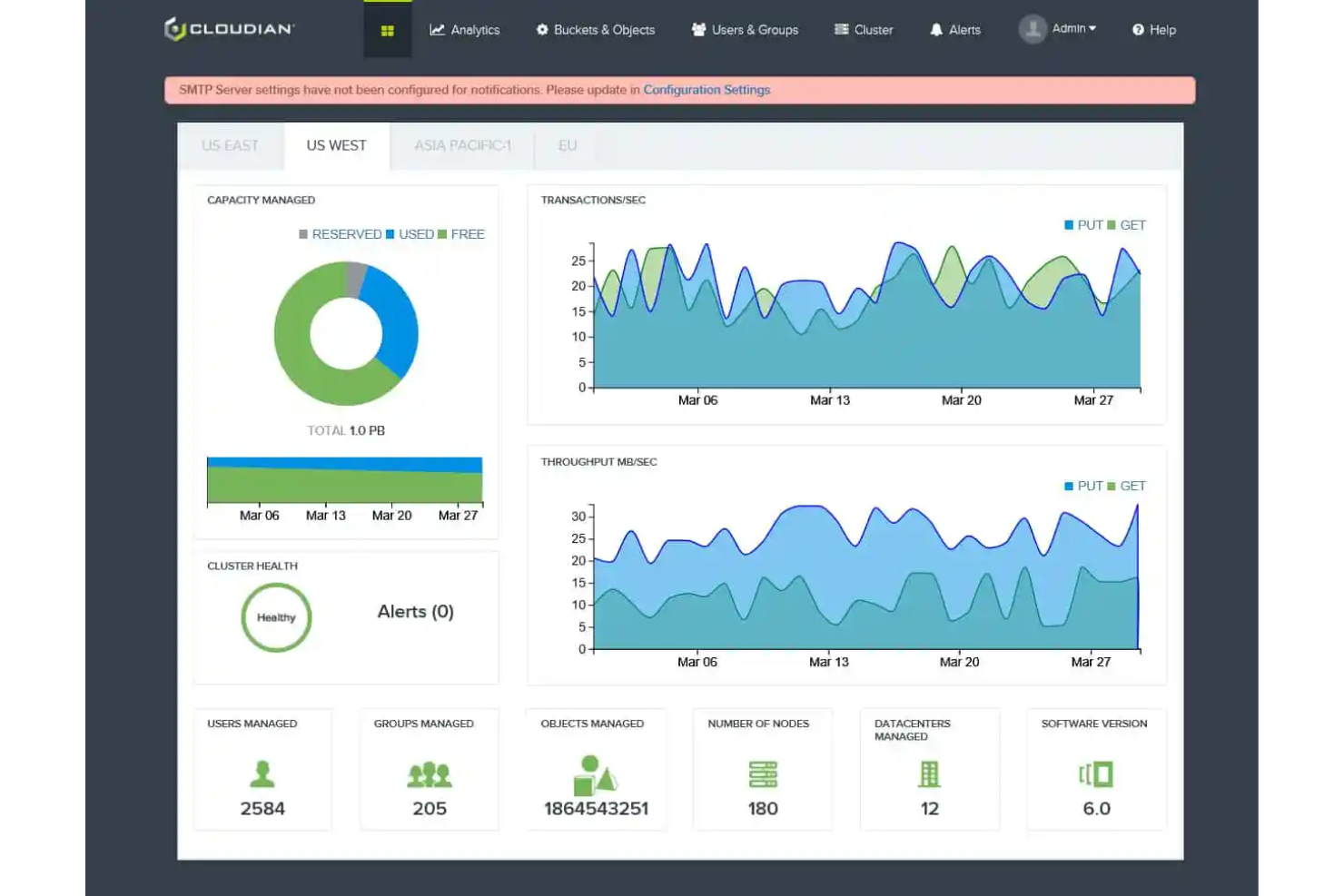
Cloudian HyperStore è una piattaforma di storage a oggetti scalabile progettata per aiutarti a gestire grandi volumi di dati in modo efficiente. Offre compatibilità S3 e funzionalità di cloud ibrido, rendendolo uno strumento versatile per le tue esigenze di archiviazione dati.
Perché ho scelto Cloudian HyperStore: Ho scelto Cloudian HyperStore per la sua compatibilità S3, che assicura un’integrazione semplice con applicazioni cloud-native. Questa caratteristica è fondamentale per le aziende che desiderano mantenere soluzioni di storage flessibili e scalabili. Le capacità di cloud ibrido della piattaforma consentono inoltre di gestire i dati sia in ambienti on-premises che cloud, offrendo maggiore controllo e adattabilità.
Un altro motivo per scegliere Cloudian HyperStore sono le sue avanzate funzioni di protezione dei dati. Con sicurezza di livello militare, tra cui crittografia dei dati e difesa contro il ransomware, i tuoi dati sono protetti dalle minacce. Questo livello di protezione è particolarmente utile in settori che trattano informazioni sensibili, come sanità e telecomunicazioni.
Funzionalità principali e integrazioni:
Le funzionalità includono uno scaling a livello di exabyte, che permette una crescita senza limiti e un’espansione non invasiva su più siti. Le prestazioni pronte per l’AI supportano throughput elevato e bassa latenza, essenziali per i carichi di lavoro AI. La gestione unificata di file e oggetti semplifica le operazioni sui dati consentendo di gestire sia storage file che a oggetti in un unico sistema, migliorando l’efficienza operativa.
Le integrazioni includono AWS, Microsoft, VMware, Veeam, Commvault, Kasten, Snowflake, Teradata, Confluent Platform, Rubrik, Google GCP e Azure Blob.
Pros and Cons
Pros:
- Diversi gateway di accesso (NFS, CIFS, SFTP) aumentano l'usabilità
- Supporta ambienti multi-cloud
- Soluzione di storage a oggetti altamente scalabile, adatta a grandi volumi di dati
Cons:
- Configurazione iniziale può essere complessa e richiedere tempo
- Supporto limitato per applicazioni mobili

Ideale per l'integrazione con Google Cloud
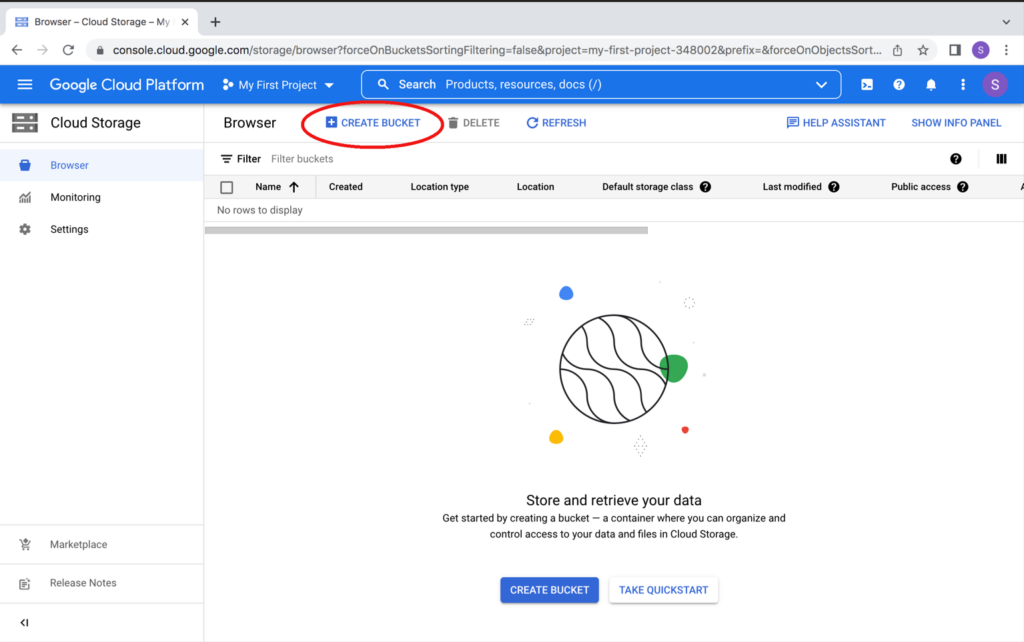
Google Cloud Storage (GCS) è una soluzione di storage di oggetti a livello aziendale pensata per le imprese che desiderano archiviare e recuperare grandi quantità di dati. La sua integrazione nell'ecosistema Google Cloud lo rende una scelta ideale per le organizzazioni che già utilizzano i servizi di Google Cloud.
Perché ho scelto Google Cloud Storage: Nel processo di selezione della soluzione di storage ottimale, GCS si è distinto per l'integrazione intrinseca con la vasta suite di servizi Google Cloud. A mio avviso, dopo aver confrontato diverse piattaforme, la sua perfetta integrazione all'interno della struttura di Google Cloud lo differenzia dalle altre opzioni.
Per le aziende profondamente radicate nei servizi di Google Cloud, questo strumento emerge naturalmente come la scelta preferita.
Caratteristiche principali e integrazioni:
GCS offre un’elevata durabilità, garantendo che i dati rimangano intatti e accessibili. Offre anche il versionamento, permettendo alle aziende di tenere traccia e recuperare le versioni degli oggetti.
Dal punto di vista delle integrazioni, GCS collabora perfettamente con servizi di Google Cloud come BigQuery, Cloud Machine Learning e Dataflow, migliorando le capacità di analisi e trattamento dei dati.
Pros and Cons
Pros:
- Integrazione diretta con i servizi Google Cloud
- Elevata durabilità e disponibilità dei dati
- Versionamento degli oggetti integrato
Cons:
- Può risultare complesso per chi non conosce la piattaforma Google Cloud
- Le tariffe di uscita possono essere notevoli per recuperi di dati estesi
- Potrebbe non essere la soluzione più economica per chi non utilizza già Google Cloud

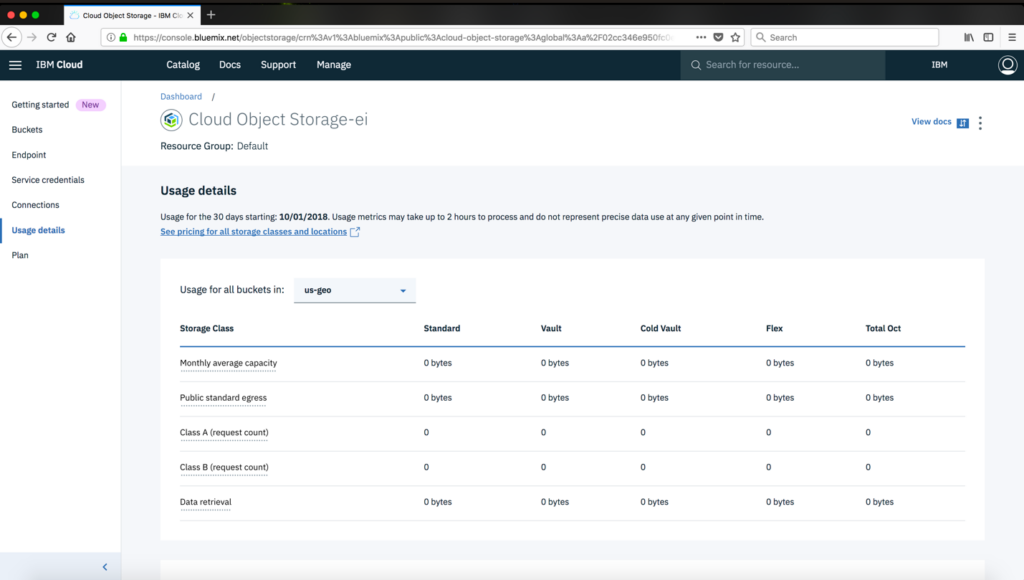
IBM Cloud Object Storage è progettato per archiviare enormi quantità di dati in modo altamente accessibile e conveniente. Specificamente pensato per l'analisi dei dati, offre soluzioni in grado di gestire l'enorme flusso di dati tipico delle attività analitiche su larga scala.
Perché ho scelto IBM Cloud Object Storage: Nel mio percorso di selezione delle piattaforme di storage, IBM Cloud Object Storage si è distinto come leader nella gestione di grandi quantità di dati pensati per l'analisi. Valutando varie piattaforme e confrontandone le caratteristiche, ho maturato l'opinione che la soluzione di IBM sia particolarmente adatta a soddisfare le esigenze intensive dell'analisi dati su vasta scala.
Per questo motivo, sono fermamente convinto che rappresenti la scelta migliore per le aziende che desiderano approfondire gli insight basati sui dati.
Caratteristiche distintive & Integrazioni:
IBM Cloud Object Storage offre funzionalità come il trasferimento dati ad alta velocità integrato e la replica automatica dei dati tra i data center IBM Cloud. Inoltre, il suo sistema di archiviazione basato su policy permette agli utenti di gestire in modo efficiente il ciclo di vita dei propri dati.
Per quanto riguarda le integrazioni, la piattaforma si integra perfettamente con la suite di strumenti di analytics e intelligenza artificiale di IBM, offrendo un ecosistema coerente per le operazioni guidate dai dati.
Pros and Cons
Pros:
- Progettato per gestire grandi volumi di dati in modo efficace
- Funzionalità integrate di trasferimento dati ad alta velocità
- Facile integrazione con gli strumenti di analytics e AI di IBM
Cons:
- Potrebbe essere eccessivamente complesso per operazioni su piccola scala
- L'interfaccia utente potrebbe non essere intuitiva come quella di alcuni concorrenti
- La migrazione da un'altra piattaforma può risultare complicata per alcuni utenti

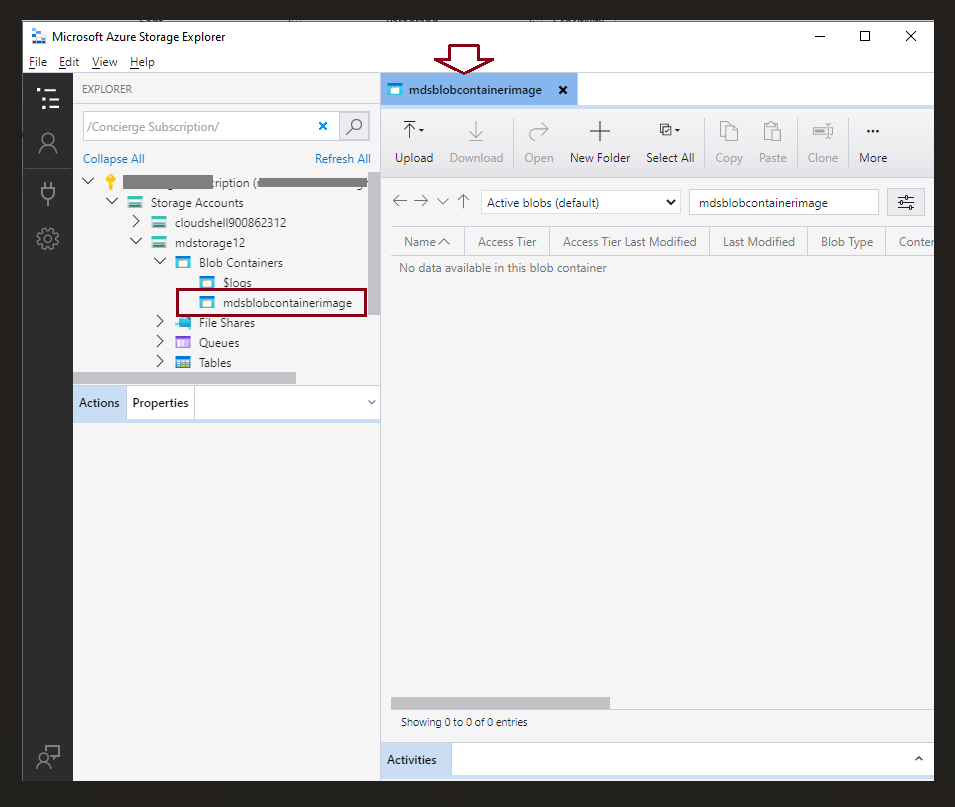
Azure Blob Storage è la soluzione di archiviazione di oggetti di Microsoft per il cloud, progettata per offrire alle aziende capacità di archiviazione dati rapide e sicure. Grazie alla sua integrazione nativa con l'ecosistema Azure, eccelle in scenari in cui le imprese sfruttano la suite di servizi Azure.
Perché ho scelto Azure Blob Storage: Nella valutazione delle soluzioni di archiviazione più efficienti, Azure Blob Storage si è distinto per la sua integrazione profonda con gli altri servizi Azure. Dopo aver confrontato varie piattaforme, ritengo che la sua compatibilità nativa con l'ambiente Azure lo renda davvero unico. Quindi, per le organizzazioni che hanno investito molto nei servizi Azure, questo strumento è senza dubbio la scelta migliore.
Caratteristiche e integrazioni importanti:
Azure Blob Storage offre opzioni di archiviazione con livelli, garantendo un equilibrio ottimale tra prezzo e prestazioni. La piattaforma offre anche funzionalità avanzate di protezione dei dati come Azure Backup e Azure Site Recovery.
Dal punto di vista dell'integrazione, si connette perfettamente con servizi Azure come Azure Machine Learning, Azure Functions e l'intera Microsoft Power Platform.
Pros and Cons
Pros:
- Integrazione nativa con un'ampia gamma di servizi Azure
- Offre opzioni di archiviazione a livelli per flessibilità in termini di prezzo e prestazioni
- Funzionalità robuste di protezione dei dati
Cons:
- Può risultare complesso per utenti non familiari con l'ecosistema Azure
- Le commissioni per l'uscita dei dati possono aumentare per le aziende con grandi necessità di recupero dati
- Potrebbe non essere la soluzione più economica per le organizzazioni che non utilizzano molto Azure

Ideale per un ecosistema diversificato e per la scalabilità
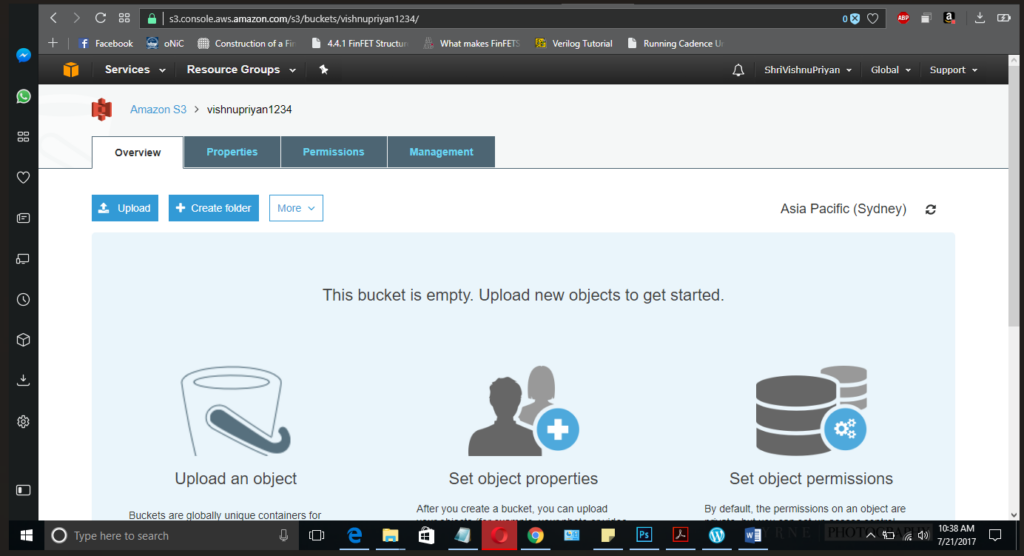
Amazon Simple Storage Service, comunemente noto come S3, è un robusto servizio di memorizzazione di oggetti progettato per una vasta gamma di casi d'uso, dalle applicazioni web alla copia di sicurezza dei dati. Il suo ampio ecosistema e le capacità di scalabilità lo rendono particolarmente attraente per le aziende che necessitano di soluzioni di archiviazione estese e hanno esigenze operative diversificate.
Perché ho scelto Amazon Simple Storage Service (S3): Valutando diverse soluzioni di archiviazione, Amazon S3 ha attirato la mia attenzione per la sua scala impareggiabile e l'ampiezza delle integrazioni all'interno dell'ecosistema AWS. Dal mio punto di vista, la sua presenza globale e il set completo di funzionalità lo distinguono da molti concorrenti.
Ritengo sia particolarmente adatto per le organizzazioni che desiderano flessibilità di scala e una ricca gamma di servizi AWS integrati.
Funzionalità e integrazioni principali:
Amazon S3 offre un’inalterabile durabilità dei dati, garantendo protezione contro la perdita delle informazioni. Le policy sui bucket e i controlli di accesso consentono una gestione dettagliata dell’accessibilità ai dati. In termini di integrazione, S3 funziona senza problemi con altri servizi AWS, inclusi AWS Lambda, Amazon Athena e AWS Glue, migliorando così le funzionalità di analisi, calcolo ed elaborazione dei dati.
Pros and Cons
Pros:
- Ampia integrazione con i servizi AWS
- Elevata durabilità dei dati
- Controlli di accesso avanzati e funzionalità di sicurezza
Cons:
- Il sistema di prezzi può risultare complesso a causa delle varie classi di storage e opzioni di recupero
- È richiesta una curva di apprendimento per i nuovi utenti, specialmente nella configurazione delle policy sui bucket
- Possibili costi di uscita dati durante il trasferimento fuori da S3

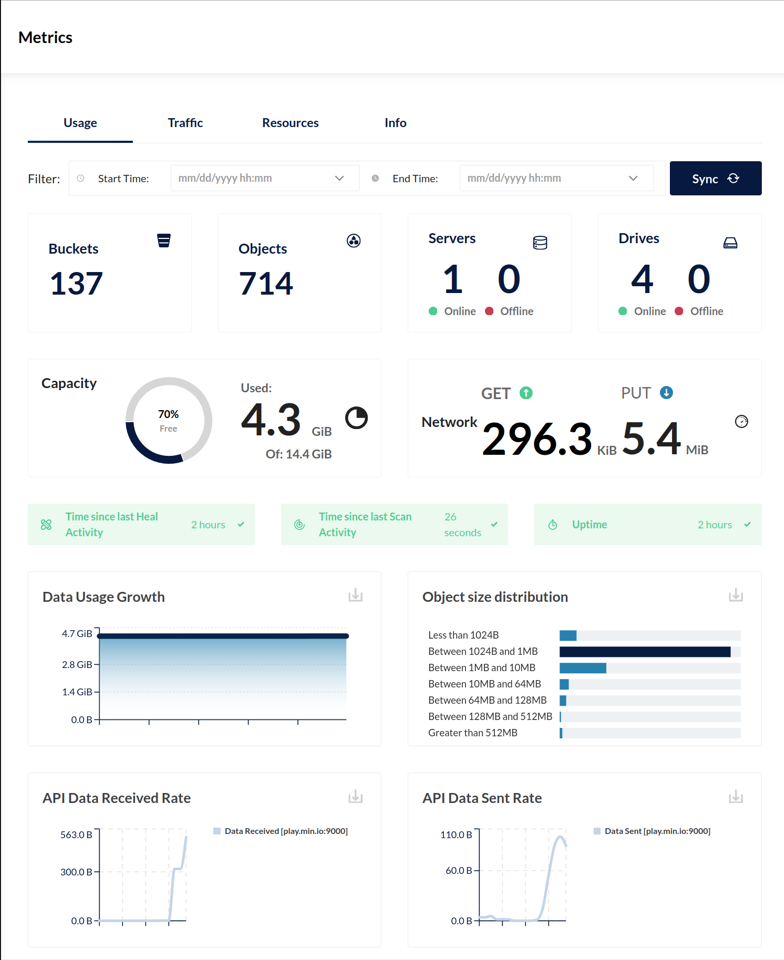
MinIO offre una soluzione di storage a oggetti ad alte prestazioni, nativa per Kubernetes. Progettato specificamente pensando a Kubernetes, MinIO garantisce compatibilità e prestazioni ottimizzate per le applicazioni che operano nell'ecosistema Kubernetes.
Perché ho scelto MinIO: Nella scelta di una soluzione di storage, l'approccio Kubernetes-nativo di MinIO mi ha colpito particolarmente. Tra i numerosi strumenti di storage che ho valutato, MinIO si è distinto proprio come uno strumento pensato per l'ambiente Kubernetes. Questo focus specifico mi ha portato a determinare che MinIO è senza dubbio la scelta migliore per le organizzazioni che si affidano fortemente a Kubernetes per il deployment delle applicazioni.
Caratteristiche distintive e integrazioni:
La suite di storage di MinIO offre funzionalità come il coding di cancellazione e la protezione contro il bitrot, aumentando la durabilità e l'integrità dei dati. La crittografia lato server garantisce che i dati rimangano sicuri durante l'archiviazione.
Per quanto riguarda le integrazioni, MinIO si integra facilmente con gli strumenti e le piattaforme DevOps più diffusi, amplificando la sua utilità in un contesto centrato su Kubernetes.
Pros and Cons
Pros:
- Esplicitamente progettato per ambienti Kubernetes
- Erasure coding e protezione contro il bitrot aumentano la sicurezza dei dati
- Facile integrazione con i principali strumenti DevOps
Cons:
- Potrebbe essere troppo specializzato per chi non usa Kubernetes
- Richiede una certa familiarità con Kubernetes per un utilizzo ottimale
- L'interfaccia utente può risultare intimidatoria per alcuni

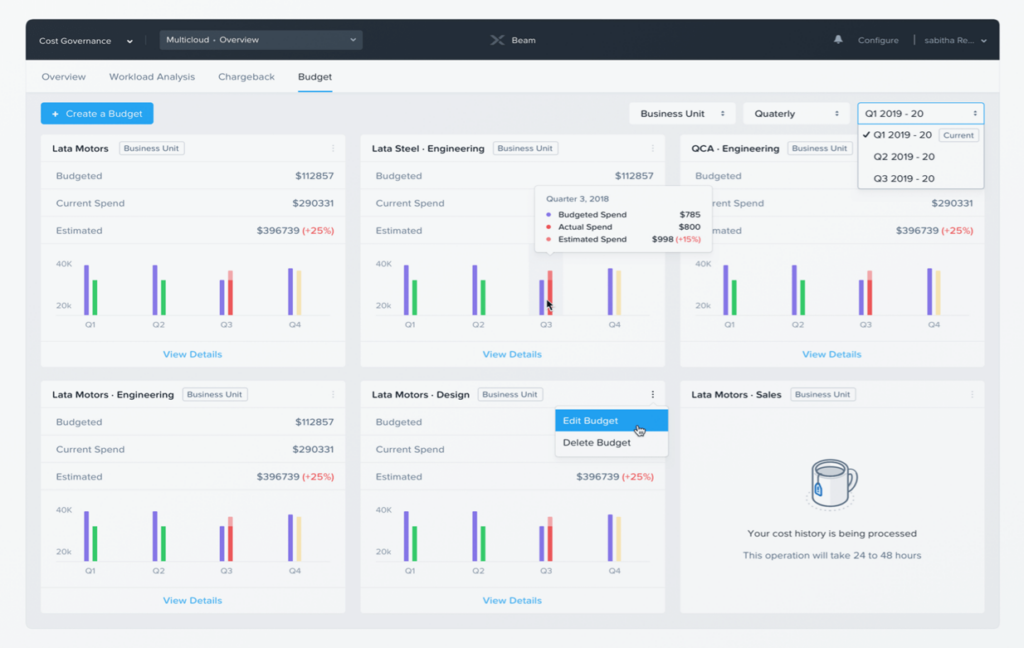
Nutanix Objects Storage è una soluzione completa per l'archiviazione e la gestione dei dati in ambienti cloud multipli. La sua architettura è progettata in modo unico per garantire una gestione dei dati coerente, risultando particolarmente vantaggiosa per le aziende che desiderano operare in contesti cloud eterogenei senza complicazioni.
Perché ho scelto Nutanix Objects Storage: Nella fase di selezione e confronto di piattaforme di gestione cloud, Nutanix Objects Storage ha attirato la mia attenzione per le sue solide capacità di gestione multi-cloud.
Dal mio punto di vista, mentre molti strumenti possono affermare di gestire più cloud, Nutanix si distingue per la sua efficienza nel collegare diverse piattaforme cloud e ridurre al minimo la frammentazione dei dati. Ho ritenuto questo strumento il migliore per le aziende che vogliono gestire facilmente i dati in diversi ecosistemi cloud senza difficoltà.
Funzionalità e integrazioni principali:
Nutanix Objects Storage offre uno storage a oggetti scalabile con protezione dei dati integrata, riducendo il rischio di perdita dei dati. La sua funzione di tiering intelligente assicura un utilizzo ottimale delle risorse spostando i dati tra i vari livelli di storage in base ai pattern di accesso.
Per quanto riguarda le integrazioni, offre compatibilità con una vasta gamma di applicazioni di terze parti, facilitando operazioni diversificate nell'ecosistema multi-cloud.
Pros and Cons
Pros:
- Gestione efficiente dei dati multi-cloud
- Archiviazione scalabile con protezione dei dati integrata
- Il tiering intelligente migliora l'uso delle risorse
Cons:
- Potrebbe avere una curva di apprendimento più ripida per i nuovi utenti
- Alcune funzionalità avanzate possono essere complesse da configurare
- Non ideale per aziende con competenze IT limitate


Evergreen//One si è affermato come leader nel fornire soluzioni di storage-as-a-service. Riconoscendo il passaggio verso soluzioni di archiviazione orientate ai servizi, questo strumento copre efficacemente questa nicchia, rivolgandosi specificamente a chi desidera un approccio basato sul servizio.
Perché ho scelto Evergreen//One: Quando ho valutato quali strumenti includere, Evergreen//One è stata una scelta ovvia grazie al suo impegno nello storage-as-a-service. L'ho selezionato perché, nei miei confronti, ha costantemente dimostrato un vantaggio in questo settore, confermando la sua competenza.
A mio parere, Evergreen//One si distingue davvero come la migliore soluzione per chi ha esigenze di storage-as-a-service, semplificando la gestione dello storage e offrendo questo come un servizio sempre disponibile.
Caratteristiche salienti e integrazioni:
Evergreen//One offre numerose funzionalità come la tariffazione pay-as-you-go e gli aggiornamenti non invasivi, rendendo la gestione dello storage senza complicazioni. Inoltre, le sue capacità self-service danno agli utenti l'autonomia desiderata. In termini di integrazioni, Evergreen//One collabora con i principali fornitori di cloud e si integra con molte applicazioni aziendali, garantendo che le soluzioni di storage siano coerenti con i flussi di lavoro esistenti.
Pros and Cons
Pros:
- Modello pay-as-you-go, costi allineati all'uso
- Integrazione senza soluzione di continuità con i fornitori di cloud
- Complete capacità self-service
Cons:
- Potrebbe risultare troppo centrato sul servizio per alcuni
- La lista di integrazioni potrebbe non coprire tutte le applicazioni di nicchia
- Il modello pay-as-you-go può essere una sfida per la pianificazione del budget di alcuni


Hitachi Content Platform (HCP) è una soluzione di archiviazione versatile che consente alle aziende di integrare facilmente il proprio storage on-premises con il cloud. La sua esclusiva architettura ibrida garantisce alle aziende di mantenere l’accessibilità e la sicurezza dei dati, indipendentemente da dove risiedano, confermando la sua reputazione di solide capacità di cloud ibrido.
Perché ho scelto Hitachi Content Platform: Nel processo di selezione delle piattaforme di archiviazione, Hitachi Content Platform si è distinta per le sue eccellenti offerte di cloud ibrido. Nel determinare i migliori strumenti sul mercato, ho valutato HCP come una scelta unica, soprattutto rispetto ad altre piattaforme per le sue capacità di storage ibrido.
A mio parere, se un’azienda punta a massimizzare i vantaggi sia dello storage locale che di quello in cloud, Hitachi Content Platform è senza dubbio la migliore scelta per le sue caratteristiche ibride.
Funzionalità distintive e integrazioni:
HCP vanta un'architettura multi-cloud che permette alle aziende di scegliere il fornitore cloud più adatto alle proprie esigenze e integrarsi facilmente. Le sue solide funzionalità di protezione dei dati assicurano che i dati restino protetti ovunque si trovino.
Per quanto riguarda le integrazioni, Hitachi Content Platform è compatibile con la maggior parte delle applicazioni enterprise più diffuse e dei servizi cloud, offrendo una soluzione versatile alle aziende che utilizzano un’ampia gamma di strumenti.
Pros and Cons
Pros:
- Offre un'architettura multi-cloud flessibile
- Solide funzionalità di protezione dati per ambienti ibridi
- Ampio supporto alle integrazioni per le applicazioni aziendali
Cons:
- Possibile curva di apprendimento per chi non conosce ambienti ibridi
- Alcune configurazioni possono essere complesse per i team più piccoli
- Possibile presenza di funzionalità eccessive per le aziende che non cercano ampie capacità ibride


Quantum ActiveScale si afferma come un attore significativo nel panorama dello storage a oggetti, fornendo alle aziende una base affidabile per le loro vaste esigenze di archiviazione dati. Con una forte enfasi sulla durabilità dei dati, questo strumento promette di mantenere l'integrità delle informazioni anche con l'aumentare delle richieste di spazio.
Perché ho scelto Quantum ActiveScale: Durante l'analisi di numerose soluzioni di storage, Quantum ActiveScale ha attirato la mia attenzione per la sua notevole attenzione alla durabilità dei dati. Ho selezionato questo strumento dopo aver valutato la sua capacità di offrire funzionalità impareggiabili di conservazione dati.
Nel confronto con altre soluzioni, è apparso evidente che l'impegno di Quantum ActiveScale nell'assicurare la durabilità dei dati lo distingue dalla concorrenza, rendendolo la scelta ideale per chi dà priorità alla conservazione a lungo termine.
Caratteristiche di rilievo e integrazioni:
Quantum ActiveScale offre funzionalità come il Dynamic Data Placement, che garantisce la protezione e l'accessibilità dei dati anche in caso di guasti hardware. Inoltre, la sua tecnologia di Erasure Coding rafforza ulteriormente la protezione dei dati contro potenziali interruzioni.
Per quanto riguarda le integrazioni, Quantum ActiveScale si integra facilmente con i più diffusi strumenti di analisi dei dati, consentendo alle aziende di ottenere insight senza dover migrare le proprie informazioni.
Pros and Cons
Pros:
- Dynamic Data Placement rafforza la protezione dei dati
- Supporta una scalabilità massiccia per uno storage a prova di futuro
- La tecnologia di Erasure Coding migliora ulteriormente la durabilità dei dati
Cons:
- La configurazione iniziale può risultare complessa per i nuovi utenti
- L'interfaccia utente può richiedere un periodo di apprendimento per alcuni
- Potrebbe non essere adatto alle organizzazioni più piccole con esigenze di storage limitate
Altri software di Object Storage
Ecco alcune altre opzioni di software di object storage che non sono entrate nella mia shortlist, ma che vale comunque la pena considerare:
- Zadara
Ideale per il backup su soluzioni di object storage
- Lunavi Cloud Storage
Ideale per archiviazione cloud scalabile
- OpenIO
Ideale per l'archiviazione di oggetti scalabile e open-source


Come valuto il software di Object Storage
Dall'archiviazione di dataset per l'addestramento dell'IA alla distribuzione di media su larga scala, valuto ogni strumento su due livelli: i criteri minimi di accettazione che deve soddisfare e i fattori differenzianti che lo distinguono.
Funzionalità di base (Requisiti fondamentali per questa lista)
Quando seleziono gli strumenti per la mia lista, valuto ciascuno su una scala da 0 (non offre la funzionalità) a 5 (eccelle in quest'area) per ogni funzionalità core elencata qui sotto. Successivamente, calcolo il punteggio totale dello strumento in percentuale. Ogni strumento deve raggiungere un punteggio minimo totale del 75% per essere considerato per l'inclusione.
- Compatibilità S3 API: Verifico se la piattaforma supporta lo standard S3 API, poiché la maggior parte degli strumenti di backup, pipeline CI/CD e framework dati lo richiedono nativamente.
- Object Storage Scalabile: Ogni strumento deve gestire una scalabilità orizzontale da terabyte a petabyte senza richiedere redistribuzioni manuali o cali di prestazioni all'aumentare della quantità di dati.
- Durabilità e replica dei dati: Valuto come la piattaforma protegge i dati tramite codifica di cancellazione, replica tra regioni o failover automatico per scenari di disaster recovery.
- Gestione di bucket e oggetti: Versionamento, policy di ciclo di vita e tag degli oggetti sono essenziali—specialmente per i team che gestiscono carichi misti come archivi di log insieme ad asset multimediali attivi.
- Controllo degli accessi e crittografia: Cerco policy IAM granulari, permessi a livello di bucket e crittografia sia a riposo che in transito per soddisfare i requisiti di sicurezza aziendale.
- Storage a livelli e ciclo di vita: Lo spostamento automatico tra livelli hot, cold e archivio consente di mantenere i costi sotto controllo, in particolare per i team che conservano dati per la conformità utilizzati raramente assieme ad asset ad alto traffico.
Una volta ottenuta una lista di strumenti che rispondono a questi criteri, considero ciò che distingue ogni piattaforma.
Fattori differenzianti (Cosa distingue i fornitori)
Ecco come confronto e metto a confronto i diversi fornitori:
Caratteristiche di spicco
Il supporto per il blocco degli oggetti e la funzione WORM è sempre una verifica obbligata—i team dei settori sanitario o finanziario spesso hanno bisogno di storage immutabile per rispettare i requisiti di conservazione, e non tutte le piattaforme gestiscono le modalità di conformità allo stesso modo. Contano anche le opzioni di distribuzione edge e ibride. Se la tua infrastruttura si estende tra rack on-premise e cloud pubblico, uno strumento che funziona coerentemente su entrambe le soluzioni riduce notevolmente l'overhead operativo. Valuto anche le integrazioni native con le analytics, poiché l'interrogazione dei dati in loco con Spark o Presto evita costosi cicli di estrazione e caricamento.
Oltre le caratteristiche
La trasparenza dei prezzi è fondamentale—le commissioni di uscita e i costi per singola richiesta possono far lievitare i costi a livello di petabyte senza che ci si accorga, quindi valuto se i fornitori offrono calcolatori di costi chiari e una fatturazione prevedibile. Anche le certificazioni di conformità come SOC 2, HIPAA e ISO 27001 hanno un peso rilevante, soprattutto per i team che archiviano dati sensibili soggetti a sorveglianza normativa. Conta molto anche l'integrazione nell'ecosistema: verifico la compatibilità con piattaforme di backup come Veeam o Commvault e strumenti IaC come Terraform, poiché lo storage raramente è isolato.
Come scegliere un software di Object Storage
È facile perdersi tra lunghe liste di funzionalità e strutture di prezzo complesse. Per aiutarti a restare concentrato durante il tuo personale processo di scelta del software, ecco una lista di fattori da considerare:
| Fattore | Cosa considerare |
|---|---|
| Scalabilità | Il software crescerà insieme alle tue esigenze di dati? Verifica se supporta l'espansione dello storage senza interruzioni o costi significativi. |
| Integrazioni | Funziona con i tuoi strumenti attuali? Controlla la compatibilità con il tuo stack tecnologico attuale per evitare problemi di integrazione. |
| Personalizzazione | Puoi adattarlo ai tuoi flussi di lavoro? Cerca impostazioni flessibili che ti consentano di regolare il sistema secondo i processi del tuo team. |
| Semplicità d'uso | L'interfaccia è intuitiva? Scegli un software che il tuo team possa adottare rapidamente senza una formazione estesa. |
| Implementazione e onboarding | Quanto tempo richiede l’installazione? Considera tempo e risorse necessari per il deployment e la qualità del supporto in fase di onboarding. |
| Costo | Rientra nel tuo budget? Confronta i piani tariffari, incluse eventuali spese nascoste o costi aggiuntivi per la scalabilità. |
| Tutele di sicurezza | Sono presenti misure di protezione dei dati? Assicurati che il software offra crittografia e sia conforme ai tuoi standard di sicurezza. |
| Requisiti di conformità | È conforme alle normative di settore? Verifica se il software supporta la conformità agli standard rilevanti per il tuo settore, come GDPR o HIPAA. |
Che cos’è il software di Object Storage?
Il software di object storage è un sistema che gestisce e archivia grandi quantità di dati non strutturati. Professionisti IT, responsabili dei dati e architetti cloud utilizzano tipicamente questi strumenti per garantire una gestione efficiente dei dati e la scalabilità. Caratteristiche come la ridondanza dei dati, la facile reperibilità e le funzionalità di sicurezza aiutano nella gestione di insiemi di dati vasti e nel rispetto delle esigenze di conformità. In generale, questi strumenti forniscono un modo scalabile e sicuro per archiviare e accedere ai dati.
Caratteristiche
Quando si sceglie un software di object storage, è importante prestare attenzione alle seguenti caratteristiche chiave:
- Scalabilità dei dati: Consente di espandere la capacità di archiviazione man mano che i dati crescono senza grandi interruzioni.
- Ridondanza dei dati: Garantisce backup e recupero dei dati, proteggendo dalla perdita di informazioni.
- Crittografia di sicurezza: Protegge i dati tramite crittografia, mantenendoli al sicuro da accessi non autorizzati.
- Capacità di integrazione: Si connette senza problemi al tuo stack tecnologico esistente per migliorare l'efficienza dei flussi di lavoro.
- Tagging dei metadati: Facilita il recupero e l'organizzazione dei dati attraverso l'assegnazione di tag con informazioni rilevanti.
- Controlli di accesso personalizzabili: Consentono di impostare permessi e gestire chi può accedere a diversi insiemi di dati.
- Monitoraggio dei dati in tempo reale: Fornisce informazioni sull'utilizzo e sulle attività dei dati, aiutando nella gestione delle risorse.
- Supporto alla conformità: Aiuta a rispettare normative specifiche di settore come GDPR o HIPAA.
- Interfaccia intuitiva: Offre un design intuitivo che facilita l'apprendimento per i nuovi utenti.
Vantaggi
L'implementazione di un software di object storage offre diversi benefici per il tuo team e la tua azienda. Ecco alcuni vantaggi a cui puoi aspirare:
- Scalabilità: Espandi facilmente la capacità di archiviazione man mano che i dati crescono, assicurandoti di non rimanere mai senza spazio.
- Sicurezza avanzata: Proteggi le informazioni sensibili con crittografia e controlli di accesso per evitare accessi non autorizzati.
- Miglior recupero dei dati: Utilizza il tagging dei metadati per trovare e organizzare velocemente i dati, risparmiando tempo e fatica.
- Efficienza nei costi: Ottimizza i costi di archiviazione pagando solo per lo spazio di cui hai bisogno ed evitando sprechi inutili.
- Conformità normativa: Soddisfa le normative di settore come GDPR o HIPAA grazie alle funzioni di conformità integrate.
- Integrazione fluida: Collegati agli strumenti esistenti per migliorare i flussi di lavoro e ridurre le attività manuali di gestione dei dati.
Costi e prezzi
La scelta di un software di object storage richiede la comprensione dei vari modelli di prezzo e dei piani disponibili. I costi variano in base alle funzionalità, alle dimensioni del team, agli add-on e altro ancora. La tabella seguente riassume i piani comuni, i loro prezzi medi e le funzionalità tipiche incluse nelle soluzioni di object storage:
Tabella di confronto dei piani per il software di object storage
| Tipo di piano | Prezzo medio | Funzionalità comuni |
|---|---|---|
| Piano gratuito | $0 | Capacità di archiviazione di base, recupero dati limitato e supporto minimo. |
| Piano personale | $5-$25/user/month | Archiviazione moderata, funzionalità di sicurezza di base e integrazioni limitate. |
| Piano business | $50-$100/user/month | Sicurezza avanzata, integrazioni avanzate e controlli di accesso personalizzabili. |
| Piano enterprise | $150-$300/user/month | Archiviazione illimitata, supporto alla conformità e assistenza clienti dedicata. |
FAQ sul Software di Object Storage
Ecco alcune risposte alle domande più comuni sul software di object storage:
Quali misure di sicurezza dovrei aspettarmi nell'object storage?
Aspettati tra le misure di sicurezza standard la crittografia, i controlli di accesso e la ridondanza dei dati. Queste funzionalità proteggono i tuoi dati da accessi non autorizzati e assicurano opzioni di recupero in caso di perdita di dati. Verifica sempre che il software sia conforme agli standard di sicurezza del tuo settore.
In cosa si differenzia l'object storage dallo storage tradizionale?
L’object storage gestisce i dati come oggetti, ciascuno con un ID e dei metadati univoci. Lo storage tradizionale, come quello a blocchi o a file, organizza i dati in modo gerarchico, rendendo l’object storage più adatto a dati non strutturati e ad ambienti cloud.
Serve una competenza tecnica specifica per utilizzare questi strumenti?
Anche se le operazioni di base possono essere gestite con una conoscenza tecnica minima, possedere delle competenze è vantaggioso per attività quali installazione, configurazione e ottimizzazione. Molti fornitori offrono documentazioni dettagliate e supporto per assistere gli utenti.
E adesso?
Se stai cercando informazioni sul software di object storage, collegati gratuitamente con un consulente SoftwareSelect per ricevere raccomandazioni personalizzate.
Compila un modulo e fai una breve chiamata durante la quale analizzeranno le tue esigenze specifiche. Riceverai quindi una lista ristretta di software da valutare. Ti supporteranno anche durante tutto il processo d’acquisto, incluse le negoziazioni di prezzo.