

Los 10 mejores proveedores de nube privada para empresas seguras en 2026

Lista de los mejores proveedores de nube privada


Encontrar el proveedor de nube privada adecuado puede parecer como atravesar un laberinto. Las preguntas sobre seguridad, escalabilidad y flexibilidad a largo plazo suelen chocar con las preocupaciones sobre los costos y el temido riesgo de quedar atado a un proveedor. Si alguna vez no has tenido claro qué necesita realmente tu organización o te ha preocupado tomar una decisión que pueda limitar tus opciones más adelante, no eres el único. Estos desafíos pueden hacer que un proceso ya complejo resulte aún más abrumador.
Los proveedores de nube privada ofrecen soluciones adaptadas para ayudar a las empresas a mantener el control de sus datos, garantizar el cumplimiento normativo y escalar sus operaciones de forma segura. A lo largo de los años, he trabajado con organizaciones que se enfrentaban a estos mismos obstáculos y las he ayudado a abrirse paso entre el ruido para encontrar plataformas que satisfagan sus necesidades únicas. En esta guía, compartiré conocimientos basados en experiencias reales y desglosaré factores clave como el rendimiento, el soporte y los costos para ayudarte a elegir con confianza el proveedor de nube privada que se ajuste a tus objetivos.
¿Qué es un proveedor de nube privada?
Una nube privada es un servidor remoto alojado en un centro de datos al que solo pueden acceder usuarios seleccionados a través de internet o de una red interna privada. Esto contrasta claramente con una nube pública, que es accesible para el público.
Las nubes privadas son gestionadas por proveedores de nube privada, que se encargan de la implementación, el mantenimiento y las actualizaciones. Trabajan entre bastidores para garantizar que la nube privada sea accesible, personalizable y segura, y que cumpla con los estándares del sector y regionales, especialmente los relacionados con la privacidad de los datos.
Por qué confiar en nuestras recomendaciones de software
Nuestro equipo lleva probando y evaluando software desde 2012. Como líderes tecnológicos, sabemos lo difícil —y lo importante— que es elegir el software adecuado.
Para esta guía, evaluamos las herramientas mediante pruebas prácticas e investigación independiente, puntuando las herramientas según nuestros criterios de selección.
Nuestras reseñas reflejan nuestro criterio editorial humano, no un discurso de ventas.
Revisores expertos:
Resumen de los mejores proveedores de nube privada
| Service | Best For | Trial Info | Price | ||
|---|---|---|---|---|---|
| 1 | Ideal para entornos complejos | Prueba gratuita de 30 días | Modelo de precios de pago por uso | Website | |
| 2 | Mejor plataforma de nube de código abierto | Prueba gratuita de 60 días | Precio bajo solicitud | Website | |
| 3 | Ideal para servidores en la nube globales y escalables | Prueba gratuita de 30 días disponible | Desde $4/mes | Website | |
| 4 | Ideal para flexibilidad | Plan gratuito disponible | Modelo de pago por uso | Website | |
| 5 | Ideal para una gestión simplificada | Demostración gratuita disponible | Precios a consultar | Website | |
| 6 | Ideal para alojamiento multicloud | Prueba gratuita de 30 días | Pago por uso | Website | |
| 7 | Ideal para virtualización y gestión | Depende del socio | Precios bajo solicitud | Website | |
| 8 | Ideal para análisis y monitoreo | Prueba gratuita de 45 días | Precios a consultar | Website | |
| 9 | La mejor gama integral de servicios en la nube | Prueba gratuita de 30 días | Pago por uso | Website | |
| 10 | La mejor infraestructura de nivel empresarial | Prueba gratuita de 30 días | $60/instance/month | Website |


Reseñas de los 12 mejores proveedores de nube privada
Estos son los 12 mejores proveedores de nube privada disponibles actualmente en el mercado. Descubre por qué elegí cada proveedor y conoce sus características únicas, integraciones y planes de precios.

Ideal para empresas que gestionan datos a gran escala
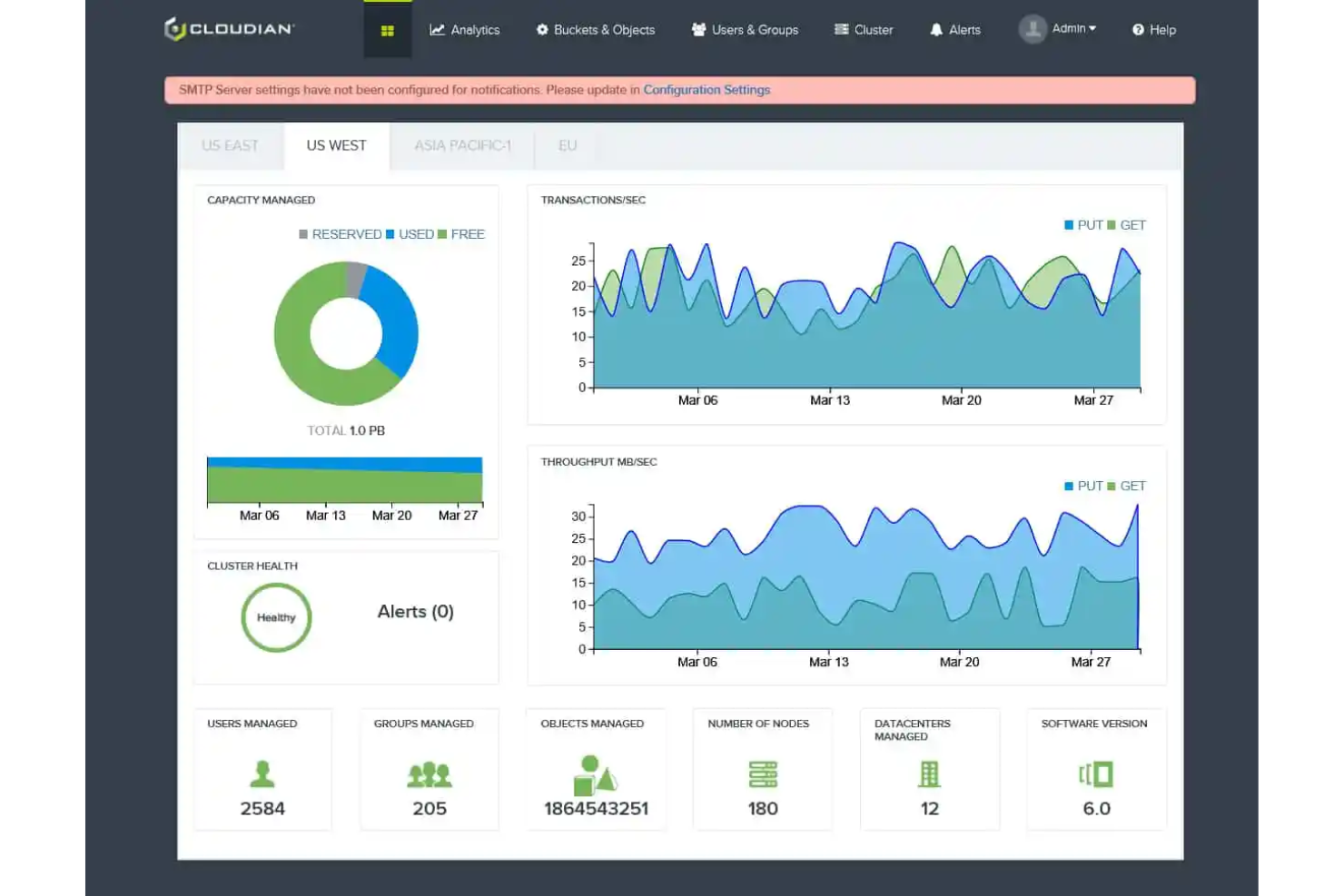
Cloudian HyperStore es una solución de almacenamiento de objetos escalable que responde específicamente a las cargas de trabajo intensivas en capacidad, lo que lo convierte en una excelente opción para CTOs que gestionan entornos de nube privada. Ofrece compatibilidad con S3 y funciones avanzadas de gestión de datos, elementos esenciales para aplicaciones modernas e intensivas en datos.
Por qué elegí Cloudian HyperStore: Seleccioné Cloudian HyperStore por su sólida seguridad y protección de datos, que incluye almacenamiento inmutable y salvaguardas de nivel militar para prevenir accesos no autorizados o manipulaciones. También destaca en el soporte a nube híbrida, permitiendo la gestión de datos entre infraestructuras. Además, la plataforma soporta flujos de trabajo de IA y proporciona herramientas avanzadas de analítica y observabilidad, lo que la hace ideal para empresas que gestionan datos a gran escala y requieren retención robusta y generación de insights.
Características e integraciones destacadas de Cloudian HyperStore:
Entre sus características destacadas se incluye la escalabilidad a nivel de exabytes, permitiéndote administrar enormes volúmenes de datos sin preocuparte por quedarte sin espacio. La plataforma también habilita un alto rendimiento de lectura, reduciendo el uso de CPU y mejorando el desempeño en aplicaciones que consumen muchos datos. Adicionalmente, Cloudian HyperStore posibilita la soberanía de datos, asegurando cumplimiento y rendimiento en diversas ubicaciones, lo cual es fundamental para mantener el control sobre tus datos.
Las integraciones incluyen AWS, Microsoft, VMware, Veeam, Snowflake, Microsoft SQL Server, Google GCP, Azure Blob, AWS Outposts, Commvault, Rubrik y Confluent Platform.
Pros and Cons
Pros:
- Solución de almacenamiento de objetos altamente escalable, adecuada para conjuntos de datos grandes
- Soporta entornos de nube múltiple
- Múltiples puertas de acceso (NFS, CIFS, SFTP) mejoran la usabilidad
Cons:
- Soporte limitado para la aplicación móvil
- La configuración inicial puede ser compleja y llevar mucho tiempo
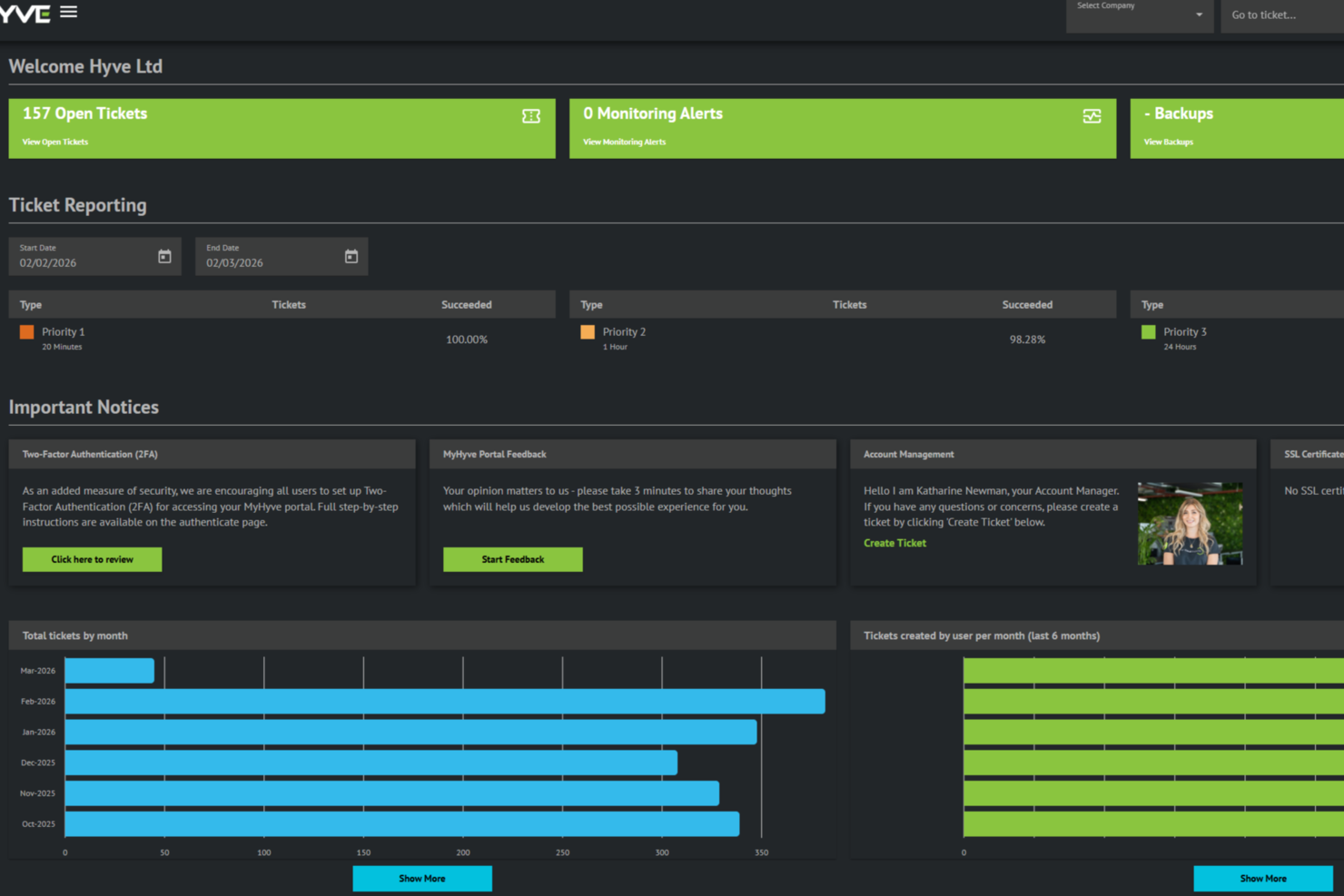
Hyve Managed Hosting ofrece soluciones de nube privada personalizadas para organizaciones con estrictas necesidades de disponibilidad, seguridad y cumplimiento. Los CTO y líderes de TI que buscan una infraestructura dedicada y soporte práctico encontrarán atractiva la propuesta de Hyve. La plataforma aborda los desafíos en torno al aislamiento de recursos, la escalabilidad rápida y el mantenimiento del control sobre cargas de trabajo sensibles.
¿Para quién es mejor Hyve Managed Hosting?
Hyve Managed Hosting es una excelente opción para CTO y equipos de TI en empresas medianas y grandes que necesitan infraestructura de nube privada dedicada, soporte personalizado y altos estándares de cumplimiento.
Por qué elegí Hyve Managed Hosting
Para los CTO que no pueden permitirse tiempos de inactividad prolongados, elegí Hyve Managed Hosting debido a su SLA de reemplazo de hardware en 20 minutos. Este compromiso significa que, si un componente de hardware falla, el equipo de Hyve lo reemplazará en 20 minutos, minimizando la interrupción de cargas de trabajo críticas. También valoro que este SLA esté respaldado por monitoreo de nivel empresarial y soporte de respuesta rápida, lo que ayuda a mantener alta disponibilidad en entornos sensibles. Estas características hacen de Hyve una opción sólida para organizaciones donde la continuidad del negocio y la disponibilidad no son negociables.
Características clave de Hyve Managed Hosting
Otras características que hacen que Hyve Managed Hosting sea adecuado para CTO que gestionan entornos de nube privada incluyen:
- Arquitectura de nube privada personalizada: Hyve diseña y despliega entornos de nube privada adaptados a los requisitos y cargas de trabajo específicos de tu organización.
- Aislamiento dedicado de recursos: Cada cliente recibe infraestructura separada física y lógicamente, garantizando privacidad de datos y cumplimiento.
- Soporte directo a ingenieros 24/7: Puedes contactar con ingenieros experimentados en cualquier momento para asistencia técnica, sin pasar por mesas de ayuda genéricas.
- Controles de seguridad empresariales: La plataforma incluye funciones avanzadas de seguridad como protección DDoS, cortafuegos y configuraciones preparadas para el cumplimiento.
Integraciones de Hyve Managed Hosting
Las integraciones incluyen VMware, HPE, Cisco, Juniper, Red Hat, Equinix, Telehouse, 3PAR y Hewlett Packard.
Pros and Cons
Pros:
- Diseño de nube privada personalizado para cada cliente
- Opciones de infraestructura redundante y alta disponibilidad
- Características de seguridad y cumplimiento de nivel empresarial
Cons:
- La ubicación del hardware puede estar restringida regionalmente
- Se requiere contactar con ventas para la mayoría de las configuraciones

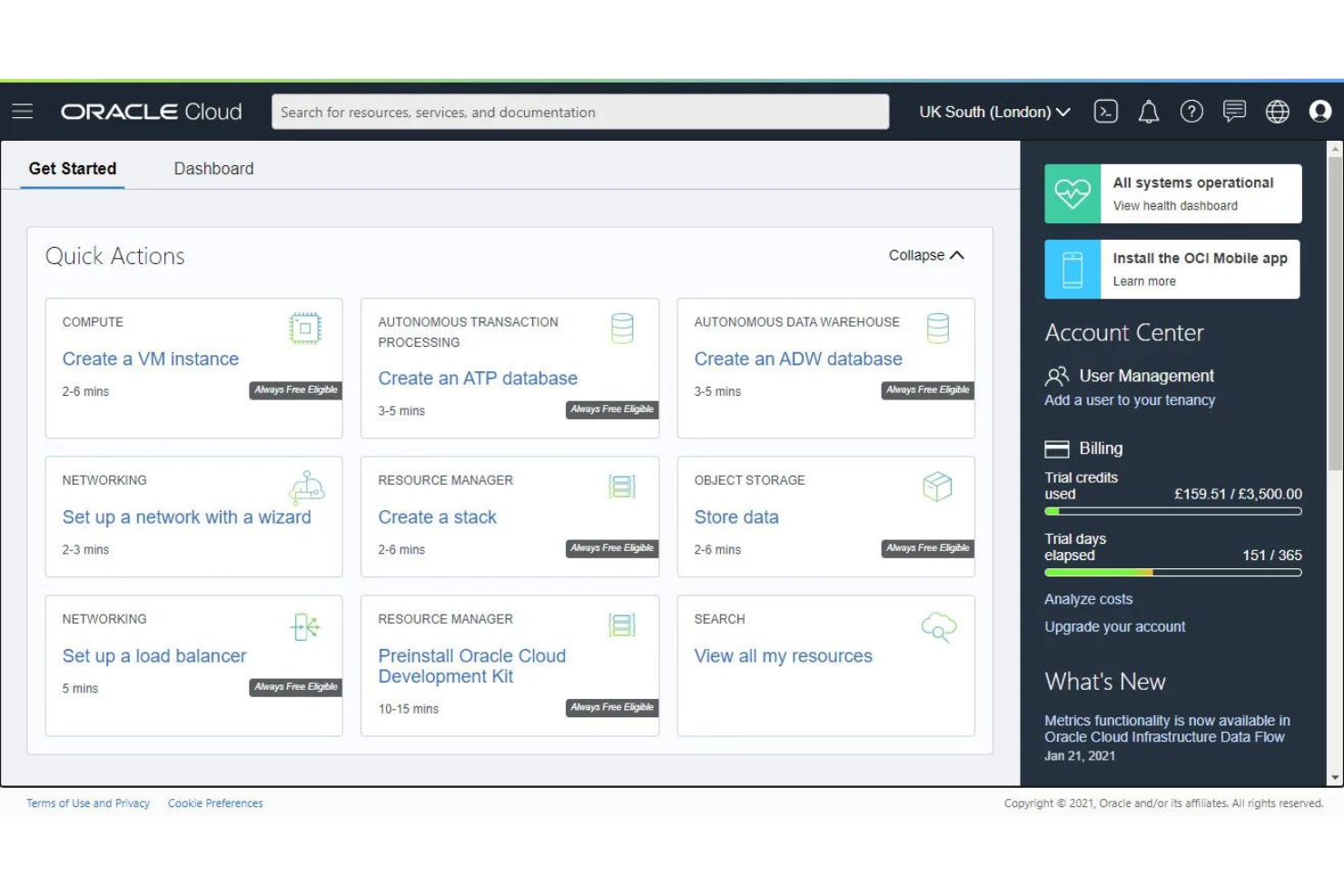
Oracle Cloud Infrastructure ofrece servicios de nube privada para empresas en entornos complejos. Estos servicios incluyen computación de alto rendimiento, recursos dedicados y redes avanzadas.
Por qué elegí Oracle Cloud Infrastructure: Seleccioné OCI porque su suite integral de servicios en la nube se adapta perfectamente a las diversas necesidades de mi empresa. OCI tiene todo lo que necesito para infraestructura en la nube, gestión de bases de datos y herramientas para desarrolladores, lo que me permite mejorar las operaciones y la eficiencia.
Características destacadas e integraciones de OCI:
Las características destacadas incluyen capacidades avanzadas de red, como redes virtuales en la nube y balanceo de carga, que garantizan un rendimiento óptimo y alta disponibilidad. También proporciona funciones de seguridad completas, como protección DDoS incorporada y gestión de identidades y accesos, para proteger datos y recursos.
Integraciones incluyen integraciones nativas con aplicaciones y servicios de Oracle, como Oracle Database, Oracle Integration Cloud y Oracle Identity and Access Management.
Pros and Cons
Pros:
- Suite integral de servicios basados en la nube
- Sólidas características de seguridad y cumplimiento
- Integración con tecnologías de Oracle
Cons:
- Puede ser costoso en comparación con algunas otras soluciones basadas en la nube
- Curva de aprendizaje para desarrolladores que necesitan familiarizarse más con las tecnologías de Oracle
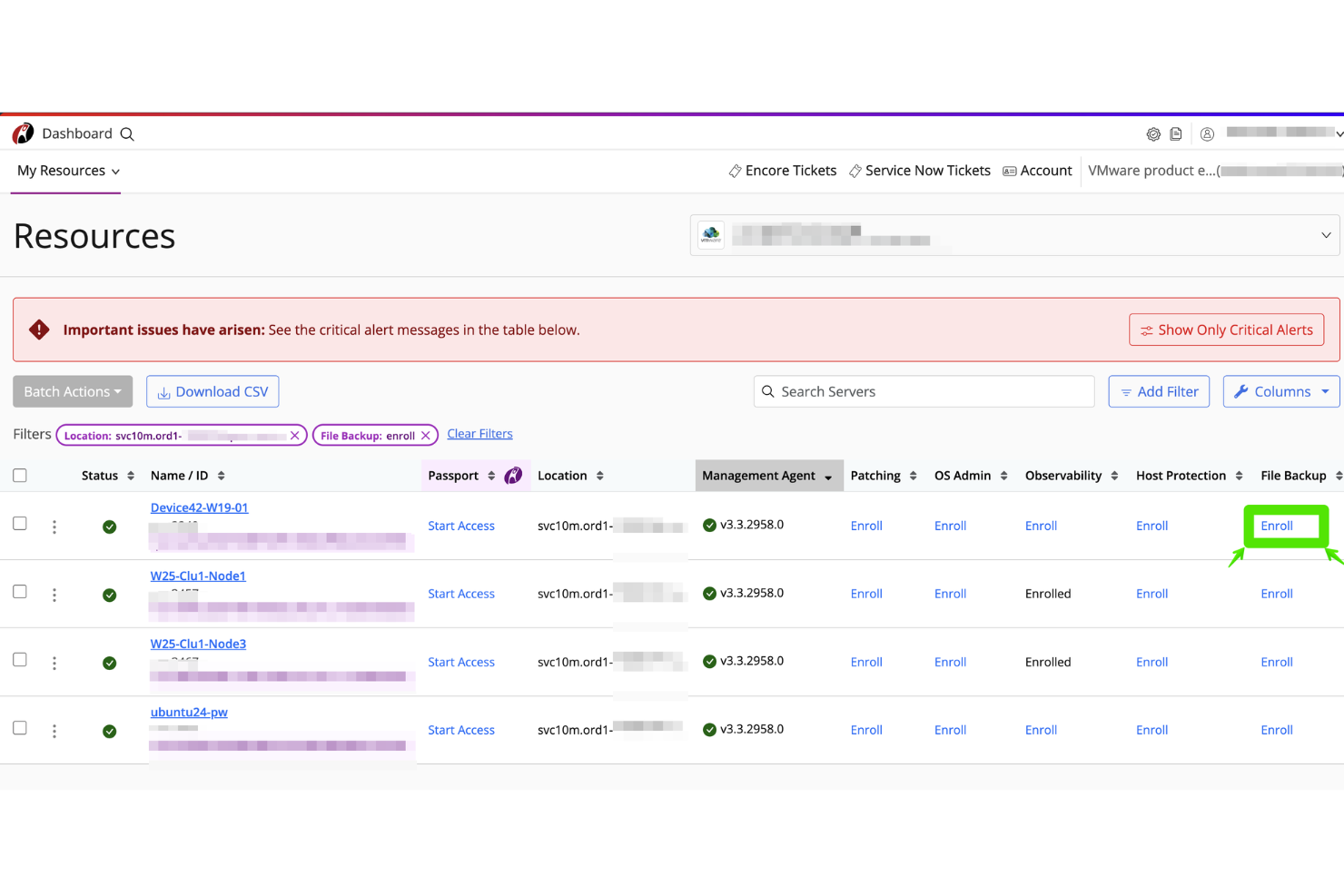
Rackspace ofrece una suite de soluciones de nube privada que permiten a las organizaciones ejecutar entornos dedicados y de un solo inquilino con control sobre la infraestructura. Admite tanto nubes privadas basadas en VMware como en OpenStack, brindándote opciones dependiendo de tu arquitectura.
Por qué elegí Rackspace: Elegí Rackspace porque aporta flexibilidad híbrida a la nube privada: con su SDDC Anywhere, puedes implementar una nube privada gestionada en tu propio centro de datos o espacio de colocación mientras sigues recibiendo el soporte operativo de Rackspace. Su solución de nube privada VMware incluye el paquete de licencias más el hardware, gestionado 24×7, para que no tengas que licenciar ni configurar la infraestructura tú mismo. Y su nube privada OpenStack te ofrece una base independiente de proveedores para evitar el bloqueo de fabricante mientras escalas tus cargas de trabajo con mayor libertad.
Características y integraciones destacadas de Rackspace:
Características destacadas incluyen integración inteligente de IA y nube privada, como análisis en tiempo real y canalizaciones ETL automatizadas dentro de un entorno privado y seguro (a través de Rackspace Private Cloud AI). Puedes ampliar tus cargas de trabajo VMware locales fácilmente mediante su servicio SDDC Anywhere, permitiéndote escalar o trasladar cargas donde se necesite.
Integraciones incluyen vSphere API, vCloud API, NSX API, vSAN API, vRealize API, Chef, Ansible, Puppet, Datadog, Cohesity, Rackspace Guest OS Services (GOSS), RackConnect v3.0 API y Managed Backup (MBU).
Pros and Cons
Pros:
- Plataforma totalmente gestionada, incluyendo licencias VMware
- Capacidad de implementar nube privada en las instalaciones
- Soporte para cargas de trabajo de IA en nube privada
Cons:
- Puede requerir contratos o compromisos a largo plazo
- Menor control sobre las operaciones diarias cuando es gestionado

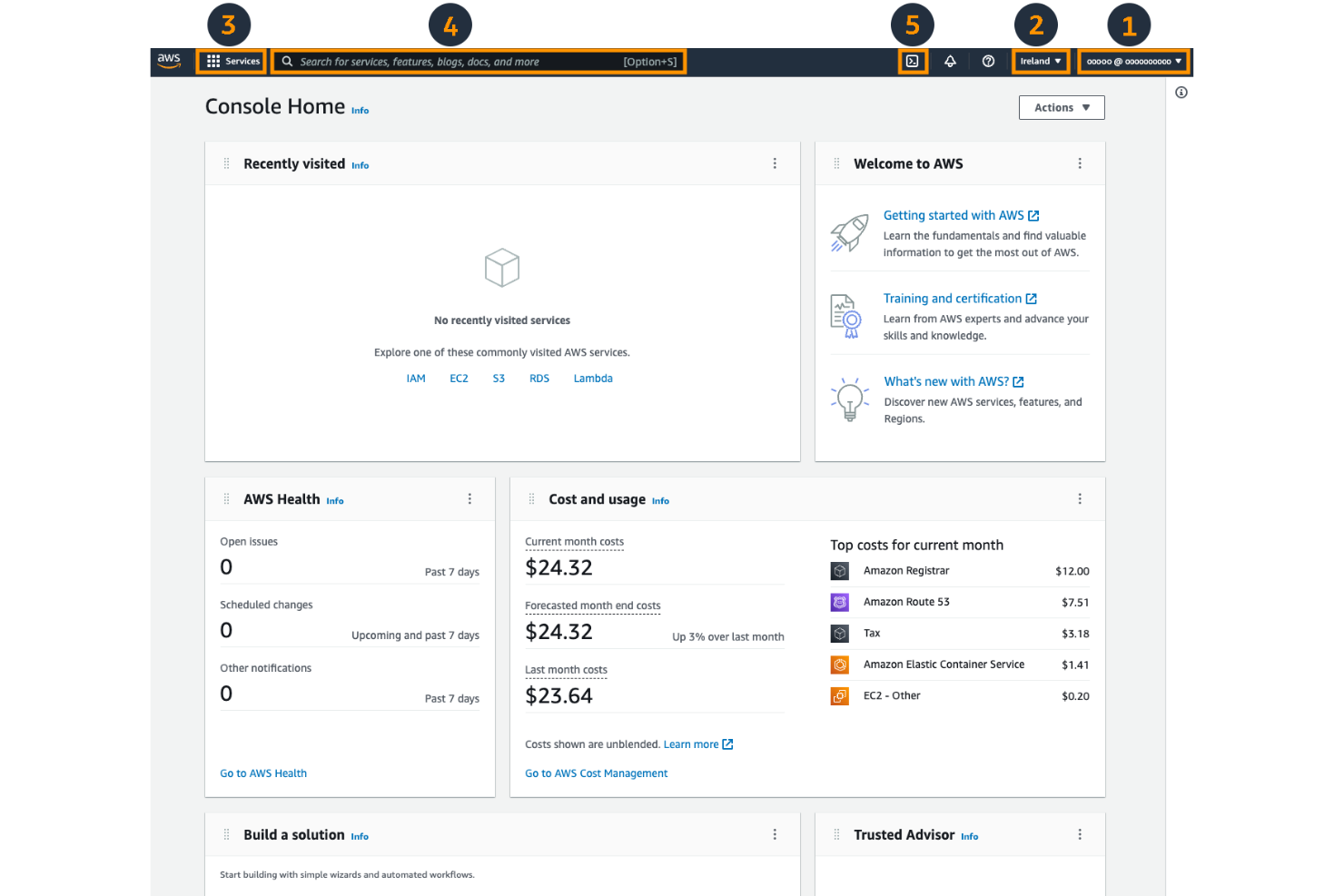
AWS es un proveedor de nube privada que permite a las organizaciones escalar rápidamente sus recursos de nube privada para satisfacer las cambiantes necesidades empresariales.
Por qué elegí AWS: AWS me llamó la atención por su escalabilidad inigualable y su alcance global. Ya sea que necesite expandir mis recursos rápidamente o atender a clientes en diferentes regiones, AWS ofrece la flexibilidad e infraestructura para respaldar mi negocio. La capacidad de escalar hacia arriba o hacia abajo según la demanda es crucial en el panorama dinámico actual.
Características e integraciones destacadas de AWS:
Las características destacadas incluyen su amplia escalabilidad, que me proporciona los recursos necesarios para escalar mi infraestructura de nube privada en múltiples regiones del mundo. Estas prestaciones contribuyen a la reputación de AWS como líder en nube privada, confiable para empresas de todos los tamaños.
Las integraciones comprenden un vasto ecosistema con diversos servicios, tanto nativos como prediseñados. AWS ofrece opciones de integración a través de AWS Marketplace, que dispone de múltiples soluciones de terceros.
Pros and Cons
Pros:
- Infraestructura altamente segura y robusta
- Amplio portafolio de servicios en la nube
- Comunidad y soporte sólidos
Cons:
- La estructura de precios puede ser compleja para principiantes
- Curva de aprendizaje pronunciada para algunos servicios avanzados

Ideal para una gestión simplificada y soluciones completas de extremo a extremo
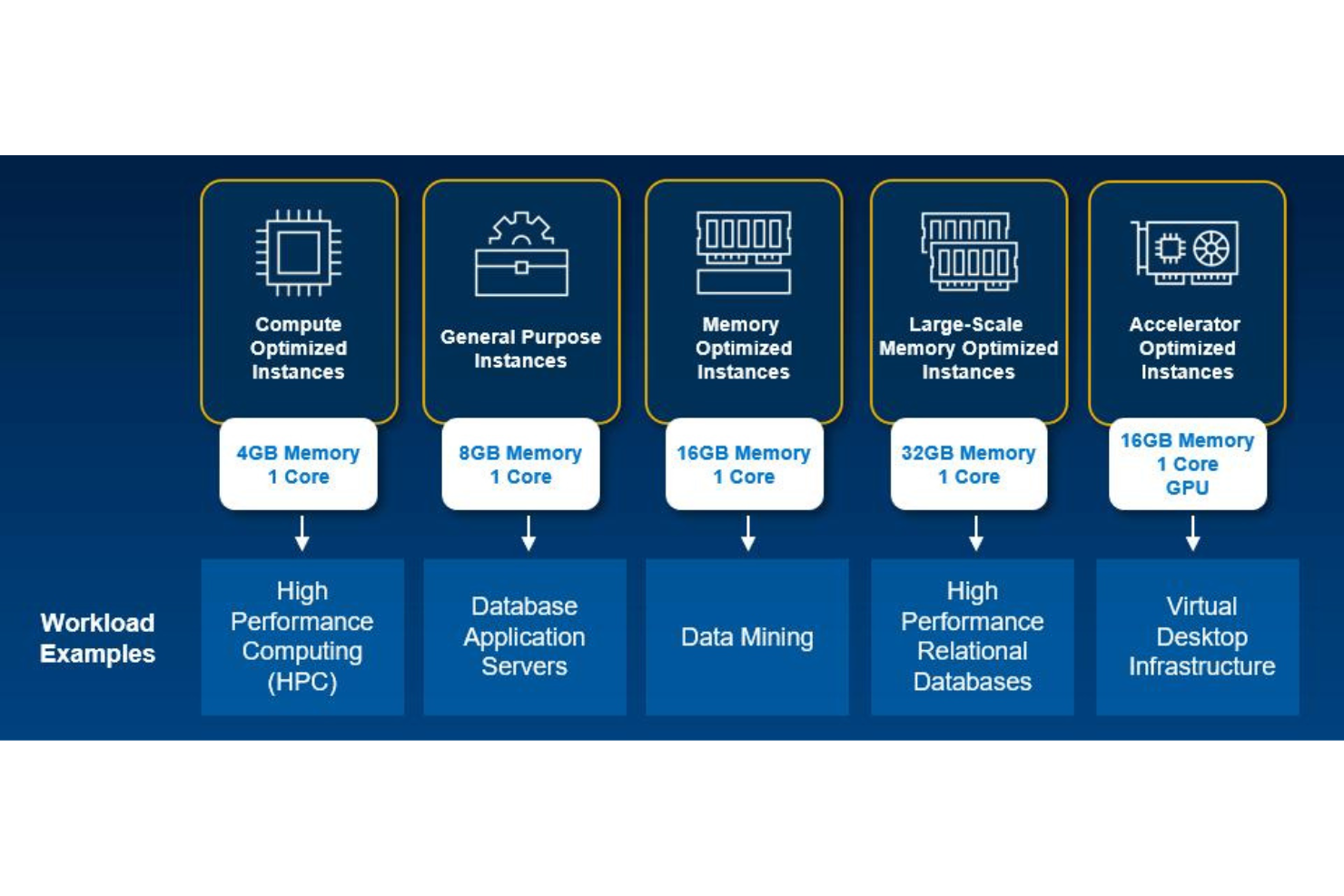
Dell Technologies Apex es un proveedor de nube reconocido que ofrece una variedad de soluciones de hardware y software diseñadas específicamente para implementaciones de nube privada.
Por qué elegí Dell: La razón por la que elegí Dell Technologies como uno de los mejores proveedores de nube privada es su enfoque en herramientas y software de gestión simplificadas para agilizar el despliegue, monitoreo y mantenimiento de nubes privadas. También ofrece una manera sencilla de gestionar mi nube, lo que me permite centrarme en las operaciones del negocio.
Características y integraciones destacadas de Dell:
Las características destacadas incluyen una interfaz intuitiva y fácil de usar que me ayuda a implementar y operar entornos de nube privada. Proporciona no solo una experiencia de gestión simplificada, sino también flujos de trabajo automatizados y sólidas funciones de seguridad como cifrado de datos, control de acceso y mecanismos de detección de amenazas. Estas características permiten a las empresas centrarse en sus operaciones principales y maximizar la eficiencia.
Las integraciones están pre-construidas con software de terceros popular como AWS, Microsoft Azure, Google Cloud y Oracle, facilitando un flujo de datos eficiente e interoperabilidad.
Pros and Cons
Pros:
- Opciones de infraestructura flexibles y escalables
- Robustas funciones de seguridad y soporte de cumplimiento
- Fuerte soporte al cliente y servicios profesionales
Cons:
- Opciones de escalabilidad limitadas en comparación con proveedores nativos de la nube
- Menor énfasis en IA y análisis avanzados

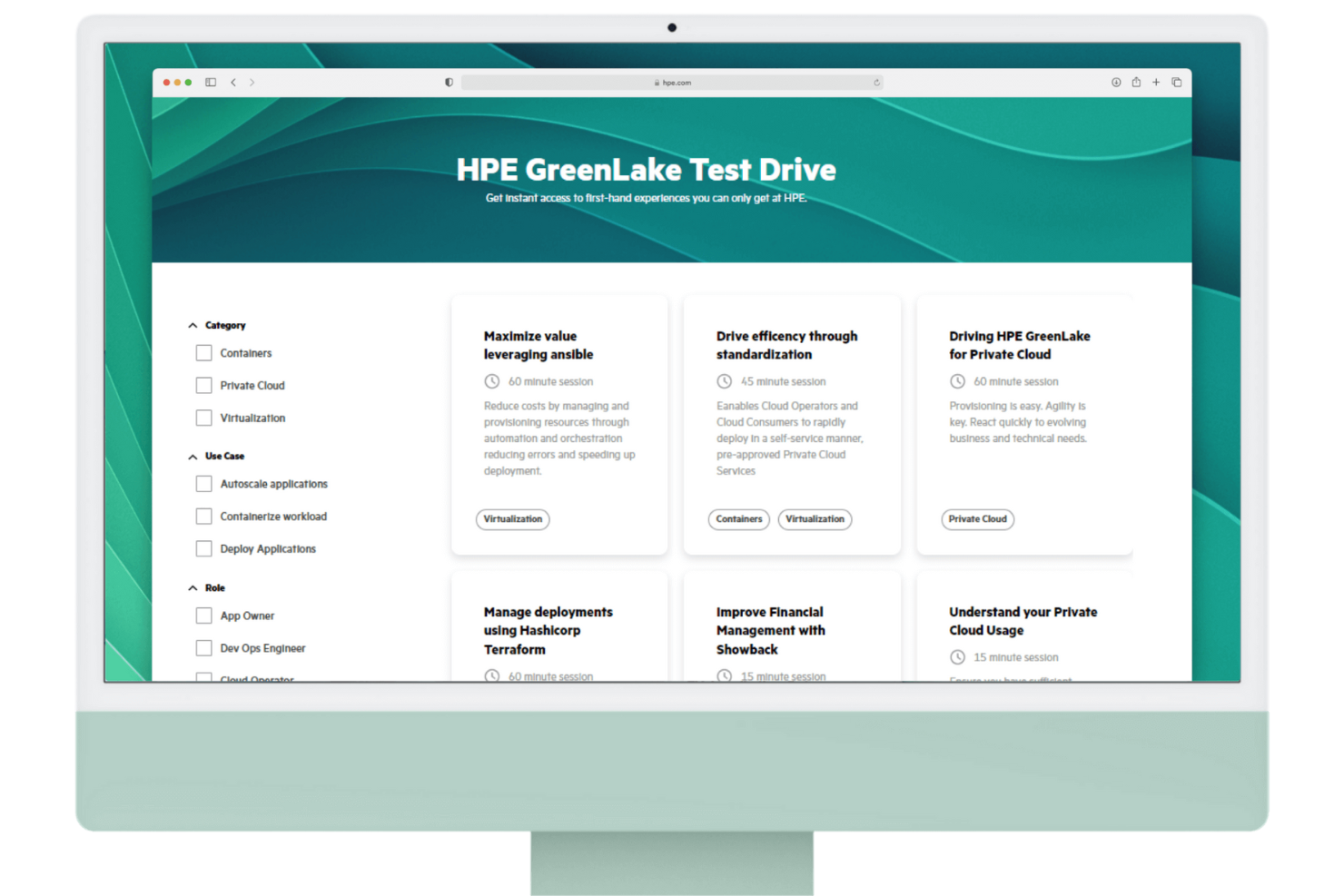
Hewlett Packard Enterprise (HPE) GreenLake es un destacado proveedor de nube privada que ofrece soluciones para empresas que buscan entornos de nube privada seguros y escalables.
Por qué elegí HPE: HPE me llamó la atención por su experiencia en alojamiento multicloud y soporte de nivel empresarial. Su capacidad para integrar nubes privadas y públicas me permite aprovechar los beneficios de ambos mundos. Con HPE, tengo confianza en un soporte fiable y servicios a la medida de las exigentes necesidades de mi empresa.
Características e integraciones destacadas de HPE:
Entre sus características destacan las capacidades de nube híbrida, la infraestructura componible que puede ajustarse a los requisitos de mi negocio y servicios de soporte completos. Estas características permiten a las empresas gestionar eficazmente su infraestructura en entornos de nube pública y privada.
Las integraciones incluyen capacidades de integración a través de su ecosistema de socios. También ofrece integraciones preconstruidas con los principales proveedores de software.
Pros and Cons
Pros:
- Capacidades de computación de alto rendimiento
- Funciones avanzadas de seguridad y soporte de cumplimiento
- Sólidas ofertas de soporte y servicios profesionales
Cons:
- Opciones de escalabilidad limitadas en comparación con proveedores nativos de la nube
- Menor énfasis en IA y analítica avanzada

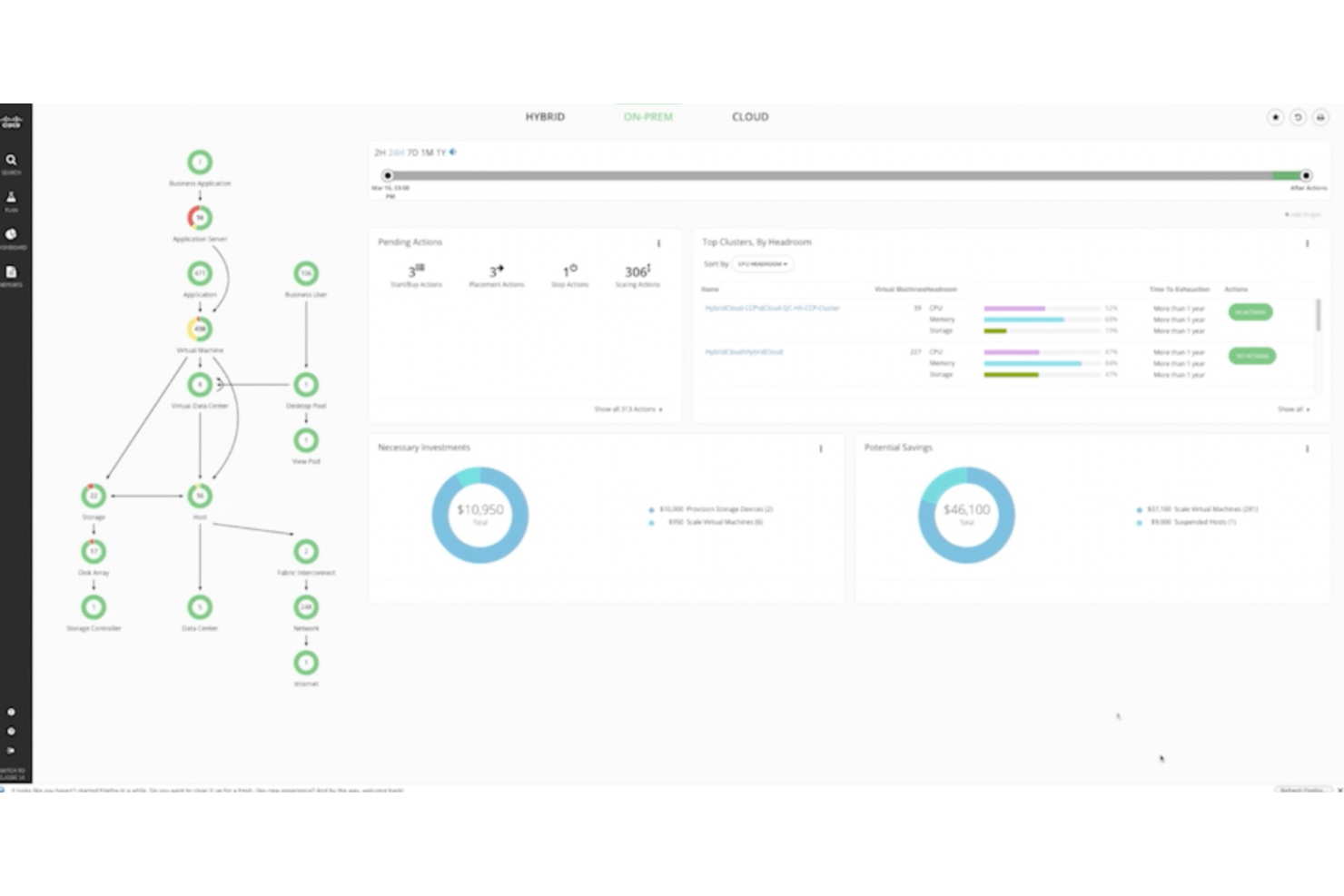
Cisco es un proveedor líder de nube privada con soluciones integrales y capacidades avanzadas. Ayuda a las empresas a construir, gestionar y optimizar sus entornos de nube privada. Esto permite a las empresas operar de manera eficiente y mejorar la seguridad.
Por qué elegí Cisco: Elegí Cisco porque su solución de nube privada ofrece capacidades excepcionales de análisis y monitoreo. También me gusta que Cisco me muestra datos en tiempo real sobre mi entorno en la nube, lo que me ha ayudado a mejorar la utilización y encontrar formas de reducir costos.
Características destacadas e integraciones de Cisco:
Las características destacadas incluyen Cisco Unified Computing System (UCS), que combina recursos de computación, redes y almacenamiento en una sola plataforma cohesionada. Ofrece capacidades de nube híbrida y un enfoque centrado en la red a través de Cisco Application Centric Infrastructure (ACI) y Cisco Software-Defined Networking (SDN), permitiendo un aprovisionamiento ágil y automatizado de la red, mejorando la flexibilidad y la escalabilidad.
Las integraciones incluyen aplicaciones empresariales y sistemas populares. Estas incluyen plataformas CRM, herramientas de colaboración y software de gestión de redes. También proporciona integraciones preconfiguradas con proveedores líderes de servicios en la nube, como AWS y Azure.
Pros and Cons
Pros:
- Alto rendimiento y fiabilidad de la red
- Funcionalidades de seguridad robustas
- Portafolio integral de soluciones de redes e infraestructura
Cons:
- Curva de aprendizaje pronunciada para configuraciones complejas
- Soporte limitado para hardware que no es de Cisco en algunos casos


Microsoft Azure ofrece una completa gama de servicios en la nube, incluyendo infraestructura, bases de datos, análisis y más. Azure permite a las empresas usar la tecnología de Microsoft para su propia nube privada sin tener que gestionar la tecnología por sí mismas.
Por qué elegí Microsoft Azure: Como alguien que está muy involucrado en el ecosistema de Microsoft, naturalmente me incliné por Microsoft Azure. La integración eficiente con los productos existentes de Microsoft hace que sea muy conveniente construir y gestionar mi nube privada. Además, la amplia gama de servicios de Azure me proporciona todo lo que necesito, desde una infraestructura sólida hasta análisis avanzados, todo bajo un mismo techo.
Funciones e integraciones destacadas de Azure:
Entre las funciones destacadas se encuentra el portal de Azure, que me permite visualizar y gestionar todas mis aplicaciones en un solo centro unificado. También calcula automáticamente los cargos actuales y proyectados, por lo que puedes crear previsiones y planificar en consecuencia.
Las integraciones incluyen un conjunto completo de integraciones nativas con varios servicios de Microsoft, como Office 365, Dynamics 365 y Power Platform.
Pros and Cons
Pros:
- Amplia gama de servicios e integraciones
- Fuerte enfoque empresarial
- Capacidades de nube híbrida
Cons:
- Puede ser abrumador debido a la gran variedad de opciones
- El soporte al cliente puede ser variable

Sólidas características de seguridad e infraestructura de nivel empresarial

IBM Cloud Satellite está diseñado para ofrecer alto rendimiento y escalabilidad, permitiendo a las empresas satisfacer eficazmente sus necesidades de nube privada.
Por qué elegí IBM Cloud Satellite: Opté por IBM Cloud debido a sus sólidas características de seguridad e infraestructura de nivel empresarial. La seguridad es una de mis principales prioridades, y las avanzadas medidas de cifrado, gestión de identidad y cumplimiento normativo de IBM Cloud me brindan tranquilidad. Además, su infraestructura de nivel empresarial garantiza que las cargas de trabajo críticas se ejecuten de forma fluida y fiable.
Características destacadas e integraciones de IBM Cloud Satellite:
Las características destacadas incluyen sus opciones de infraestructura flexible, que me permiten usar infraestructura de cómputo de otros proveedores como AWS, Azure o Google Cloud como ubicaciones de IBM Satellite. Sus extensos centros de datos también me permiten crear y desplegar aplicaciones de manera segura desde cualquier parte del mundo.
Las integraciones vienen preconstruidas para servicios IBM Watson, IBM Cloud Functions (computación sin servidor) y herramientas populares de terceros.
Pros and Cons
Pros:
- Opciones de computación de alto rendimiento e infraestructura escalable
- Capacidades sólidas de gestión y automatización
- Integración con el amplio portafolio de software y servicios de IBM
Cons:
- Curva de aprendizaje pronunciada
- Soporte limitado para tecnologías y plataformas que no son de IBM
Otras opciones
A continuación se muestra una lista de más proveedores de nube privada que podrían beneficiar a tu empresa:
- Citrix
Las mejores soluciones seguras de virtualización de aplicaciones y escritorios
- BMC Software
Ideal para operaciones de TI simplificadas
- Trigma
Las mejores soluciones de nube privada personalizables


También puedes consultar mi lista de mejores proveedores generales de servicios en la nube, proveedores multinube y opciones de nube híbrida.
Criterios de selección de proveedores de nube privada
Para elaborar mi lista de los mejores proveedores de nube privada, utilicé un meticuloso proceso de evaluación basado en varios criterios, entre ellos:
Funcionalidad principal
La funcionalidad principal de cada proveedor de nube privada era de suma importancia para mí. Estos son algunos de los factores que consideré:
Busqué plataformas que te permitan:
- Alojar y gestionar tus aplicaciones
- Personalizar la infraestructura para satisfacer tus necesidades
- Integrar datos y servicios de otras fuentes
- Supervisar las métricas de rendimiento en una sola ubicación
- Alcanzar altos niveles de rendimiento y fiabilidad
Características principales
Analicé en profundidad las características principales que ofrece cada proveedor de nube privada para identificar sus propuestas de valor únicas. Algunas de esas características incluyen:
- Escalabilidad: Los proveedores de nube privada deben ofrecer una infraestructura escalable que pueda adaptarse fácilmente a las distintas demandas de carga de trabajo.
- Software de medición: Esto ayuda a las organizaciones a obtener información sobre su consumo de recursos en la nube y a optimizar la asignación de recursos.
- Administrador de recursos y cargas de trabajo: Esto permite a las empresas asignar y gestionar eficientemente sus recursos en la nube.
- Cumplimiento normativo: Los proveedores de nube privada deben ofrecer medidas de seguridad sólidas, como controles de acceso, cifrado de datos y capacidades de auditoría, para garantizar el cumplimiento normativo.
- Portal de autoservicio: Los mejores proveedores de nube privada ofrecen portales de autoservicio que permiten a los usuarios gestionar eficientemente su infraestructura y aprovisionar recursos según sea necesario.
Usabilidad
Examiné minuciosamente la facilidad de implementación, gestión y uso de las soluciones de nube privada ofrecidas por cada proveedor. Evalué las interfaces intuitivas, la documentación completa y las herramientas de gestión fáciles de usar. Los proveedores que facilitaban a las empresas la adopción y gestión de sus soluciones de nube privada recibieron una consideración adicional.
Rentabilidad
Examiné los modelos de precios, incluidos los planes de suscripción, las opciones de pago por uso y los costes adicionales asociados a los recursos y servicios. También consideré factores como la transparencia de precios del proveedor, las funciones de optimización de costes y la capacidad de escalar los recursos de manera eficiente. Preferí los proveedores que ofrecían estructuras de precios competitivas sin comprometer la calidad de sus productos y servicios.
Preguntas frecuentes
En esta sección, respondo a algunas preguntas frecuentes sobre los proveedores de nube privada:
¿Cuál es la diferencia entre un proveedor de nube privada y uno de nube pública?
¿Puedo migrar mis aplicaciones y datos existentes a una nube privada?
¿Las soluciones de nube privada son adecuadas para pequeñas empresas?
Cómo elegir el proveedor de nube privada adecuado
Una nube privada proporciona a tu empresa un mayor control y flexibilidad sobre tus servicios, infraestructura y recursos en la nube. Te permite configurar tu entorno de nube exactamente como quieres para que puedas responder a las cargas de trabajo cambiantes y mantener bajo control las cuestiones de seguridad y privacidad. Existen innumerables recursos sobre la nube para obtener más información.
Con mi lista de los mejores proveedores de nube privada, cuentas con la información necesaria para tomar una decisión fundamentada sobre cuál es el adecuado para tu empresa. Suscríbete al boletín de The CTO Club para mantenerte al día con las últimas novedades que te ayudarán a crear equipos y sistemas SaaS escalables.

