
Die 23 besten IoT-Entwicklungsplattformen 2026 im Vergleich

10 IoT-Entwicklungsplattformen: Die Besten im Überblick
Here's my pick of the 10 best software from the 23 tools reviewed.


Bei meiner Erkundung von Internet-of-Things-Plattformen habe ich erkannt, worauf es bei der besten IoT-Plattform wirklich ankommt: Es geht um mehr als nur Softwareentwicklung. Eine Spitzen-IoT-Cloud-Plattform verbindet APIs, Big Data und maschinelles Lernen nahtlos und ermöglicht ein effizientes, benutzerfreundliches Datenmanagement.
Ob iOS, Android oder Linux, ob Smart Cities oder Healthcare-Projekte – die richtige Plattform bietet Cloud-Computing, On-Premise-Lösungen und ein Entwicklungskit, sodass über Wi-Fi und Bluetooth die nötige Konnektivität sichergestellt wird. Mit künstlicher Intelligenz an Bord gewinnen prädiktive Wartung und Unternehmensprozesse neuen Schub, sodass Ihre IoT-Produkte und -Dienstleistungen wirklich herausstechen.
Why Trust Our Software Reviews
Zusammenfassung: Beste IoT-Entwicklungsplattformen
| Tool | Best For | Trial Info | Price | ||
|---|---|---|---|---|---|
| 1 | Best for cloud-native IoT solutions | No | From $10/user/month (min 5 seats) | Website | |
| 2 | Best for scalability in large networks | Free plan + free trial available | From $8/user/month (billed annually) | Website | |
| 3 | Best for smart home device creation | No | Pricing upon request | Website | |
| 4 | Best for multi-platform IoT development | No | From $10/user/month (billed annually) | Website | |
| 5 | Best for cellular IoT deployment | Free plan available | From $299/block/month | Website | |
| 6 | Best for real-time data visualization | Not available | Website | ||
| 7 | Best for enterprise IoT solutions | Free demo available | Pricing upon request | Website | |
| 8 | Best for edge device connectivity | No | Pricing upon request | Website | |
| 9 | Best for extensible IoT integration | No | Pricing upon request | Website | |
| 10 | Best for lifecycle automation | No | Pricing upon request | Website |
-

Site24x7
Visit WebsiteThis is an aggregated rating for this tool including ratings from Crozdesk users and ratings from other sites.4.6 -
Docker
Visit WebsiteThis is an aggregated rating for this tool including ratings from Crozdesk users and ratings from other sites.4.6 -
Pulumi
Visit WebsiteThis is an aggregated rating for this tool including ratings from Crozdesk users and ratings from other sites.4.8



Bewertungen der besten IoT-Entwicklungsplattformen

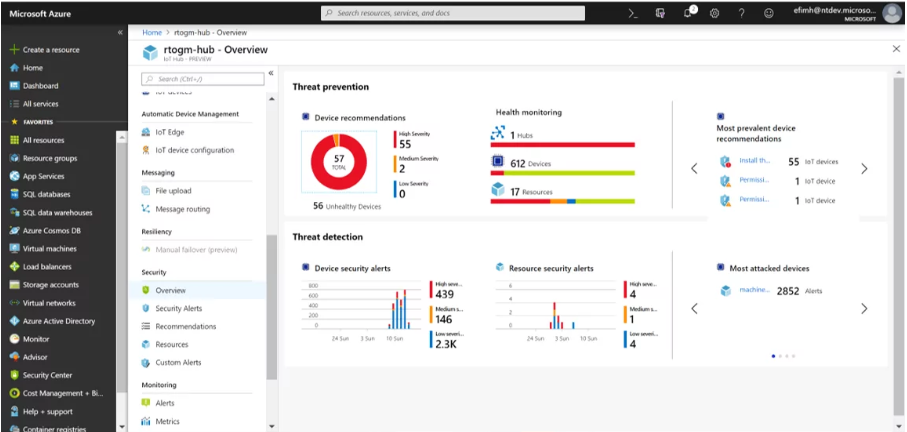
Microsoft's Azure IoT solution shines when it comes to cloud-native implementations. Designed with cloud-first strategies in mind, it aids enterprises in deploying IoT solutions that are inherently aligned with the cloud.
Why I Picked Microsoft Azure IoT: In determining platforms that prioritize cloud-native strategies, Azure IoT was hard to overlook. Its cloud-centric design and Microsoft's vast cloud infrastructure make it distinct in its offerings. For endeavors seeking cloud-native IoT solutions, Azure IoT is a clear frontrunner.
Standout Features & Integrations:
Azure IoT touts a robust device provisioning service that simplifies the device onboarding process. Additionally, it offers IoT Edge, which allows intelligence to run on local IoT devices. On the integration front, Azure IoT melds well with other Azure services, ensuring a cohesive cloud experience.
Pricing:
Pros and Cons
Pros:
- Harmonious integration with Azure's extensive services
- IoT Edge facilitates local device intelligence
- Device provisioning service simplifies onboarding
Cons:
- Potential latency issues in some regions
- Requires familiarity with the Azure ecosystem
- Can be pricier for smaller implementations

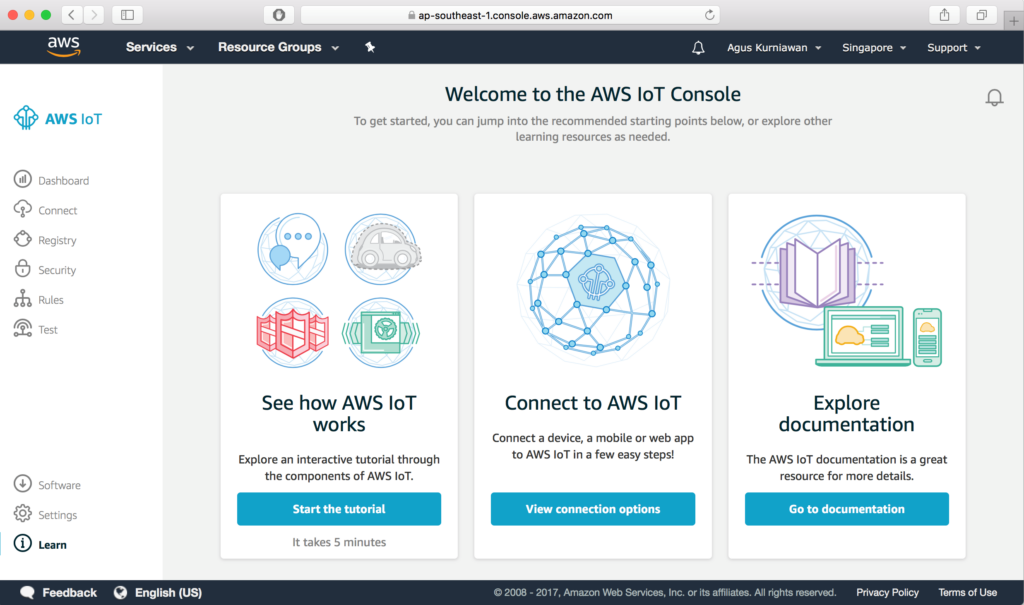
Amazon Web Services (AWS) brings to the table its IoT solution that promises and delivers scalability, especially for expansive networks. As networks grow, the ability to scale without hitches becomes paramount, and AWS IoT is designed with that in mind.
Why I Picked AWS IoT: Selecting AWS IoT was a result of judging its impeccable track record in handling large-scale networks. Its robust infrastructure and consistent performance made it clear why it's the go-to choice for scalability. For sprawling networks with a need to grow, AWS IoT is undeniably apt.
Standout Features & Integrations:
AWS IoT offers device shadowing to track and set desired device states, ensuring consistent device behavior. It also comes with a rules engine that helps in routing data to other AWS services. As for integrations, AWS IoT connects with other AWS services such as Lambda, DynamoDB, and S3.
Pros and Cons
Pros:
- Smooth integration with other AWS services
- Built-in rules engine optimizes data routing
- Device shadowing ensures consistent device behavior
Cons:
- Some regional limitations in availability
- The steep learning curve for those unfamiliar with the AWS ecosystem
- Pricing can become complex with multiple services
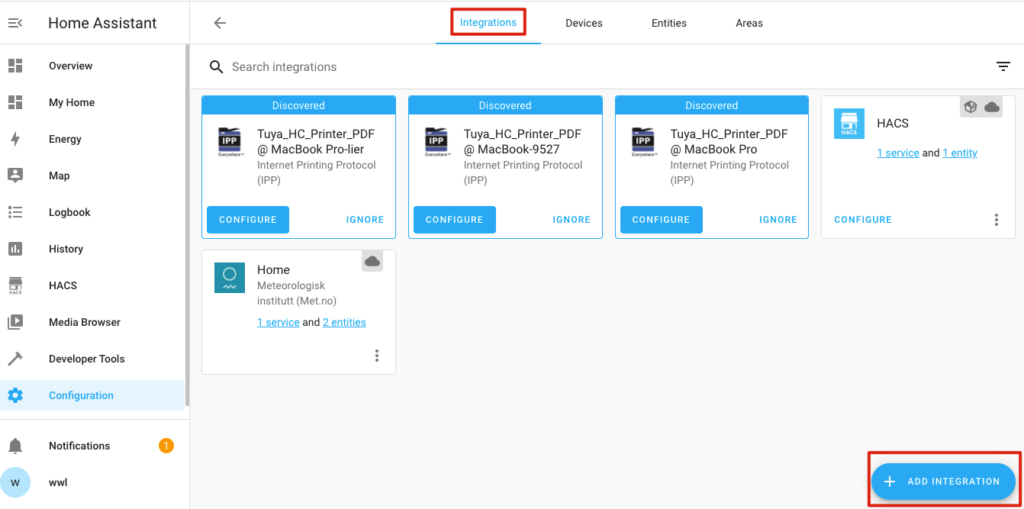
With the smart home market booming, Tuya stands at the forefront, providing a comprehensive platform for smart device development. Catering specifically to the creation of smart home products, it offers tools that simplify the device-to-market journey.
Why I Picked Tuya IoT Development Platform: Selecting Tuya was a direct result of evaluating its unique strengths in the smart home domain. Amongst numerous platforms, its dedication to facilitating smart home device creation was unparalleled. Thus, for individuals or companies venturing into smart home innovations, Tuya remains my top recommendation.
Standout Features & Integrations:
Tuya excels with its global AI+IoT platform, supporting a range of smart home devices. It also provides a multi-dimensional development process that includes modules, networks, and cloud development. Key integrations comprise compatibility with popular voice assistants and varied smart home ecosystems, ensuring users reach a broader audience.
Pros and Cons
Pros:
- Compatibility with leading voice assistants and ecosystems
- Multi-dimensional development tools offer depth
- Focused approach to smart home device development
Cons:
- Occasionally restrictive in terms of customization
- Steeper learning curve compared to some competitors
- The absence of transparent pricing might deter some users

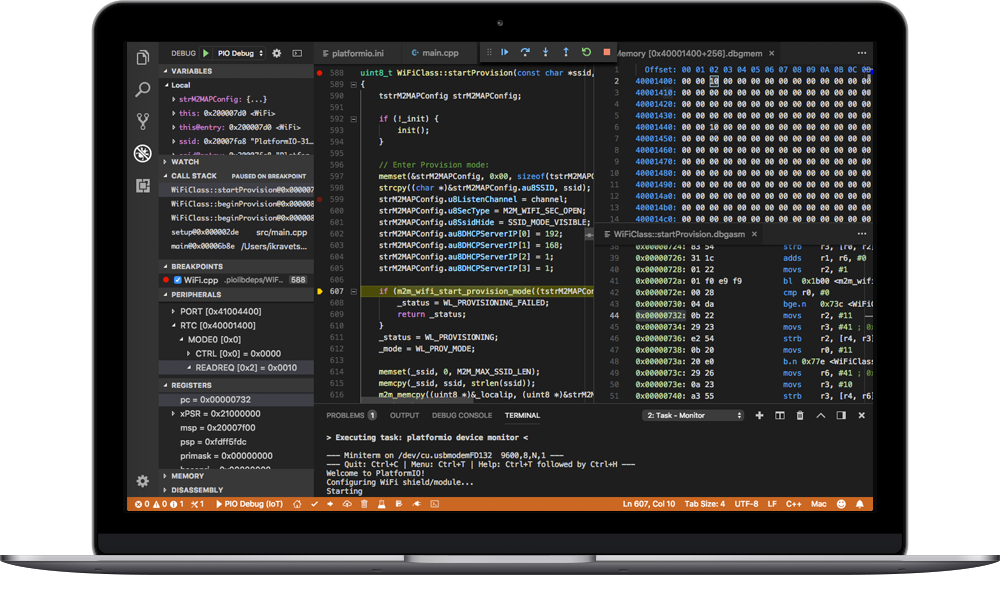
PlatformIO IDE emerges as a trailblazer for developers, granting them the ability to create IoT applications across multiple platforms. With a single codebase, developers can target a plethora of devices and environments.
Why I Picked PlatformIO IDE: PlatformIO IDE made it to my list after witnessing its prowess in offering a unified development environment. The ease with which one can target multiple platforms without rewriting code made it a clear choice. Such capabilities, in my opinion, make it best for multi-platform IoT development.
Standout Features & Integrations:
At its core, PlatformIO IDE offers a cross-platform build system, eliminating the traditional hurdles of different development environments. Additionally, it provides advanced debugging, intelligent code completion, and an integrated library manager. Its integration capabilities shine when working with various embedded boards, microcontrollers, and sensors, allowing developers to maintain a wide-reaching focus.
Pros and Cons
Pros:
- Integrated library manager simplifies component management
- Advanced debugging tools ensure refined code quality
- Cross-platform build system streamlines development
Cons:
- The initial setup may appear complex to newcomers
- Could benefit from broader community support
- Annual billing might be off-putting to some

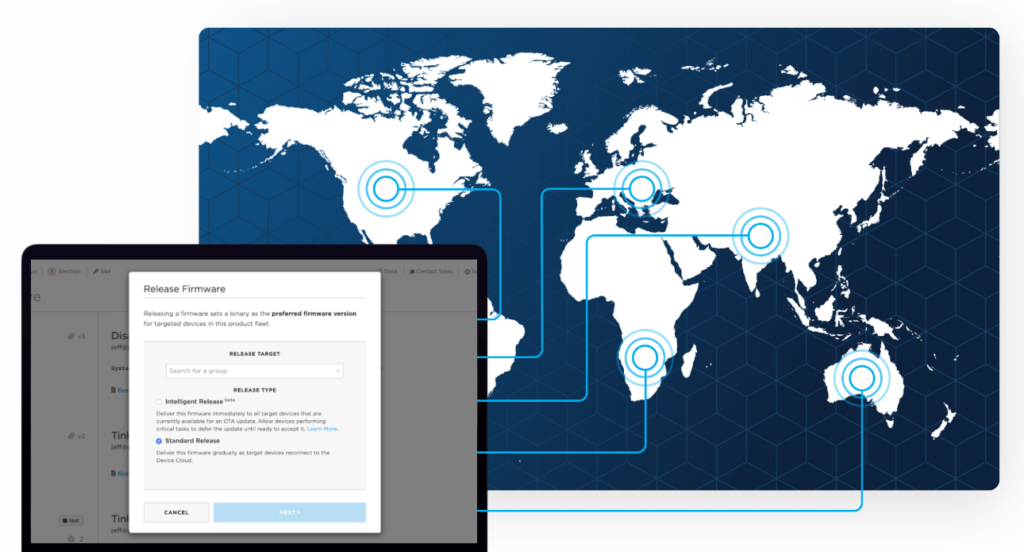
Particle emerges as a leader in the realm of cellular IoT, delivering tools and infrastructure for cellular-based Internet of Things projects. This platform holds special relevance for deployments that demand wide coverage and consistent connectivity.
Why I Picked Particle: My choice of Particle was influenced by its stellar reputation in cellular IoT domains. Amidst a sea of platforms, Particle's commitment to maximizing cellular IoT deployment's potential stood out. For projects that necessitate broad connectivity, Particle is, in my opinion, the top choice.
Standout Features & Integrations:
Particle shines with its Device Cloud, which ensures smooth device management and fleet health checks. Moreover, its Web IDE and local development tools provide flexibility in coding approaches. In terms of integrations, Particle is adept at connecting with platforms like Google Cloud, Azure, and AWS, widening its reach and functionality.
Pros and Cons
Pros:
- Integration with major cloud platforms
- Flexibility in development approaches through Web IDE
- Device Cloud offers robust device management
Cons:
- Occasional firmware update challenges
- Limited non-cellular connectivity options
- Minimum device requirements could be restrictive to some

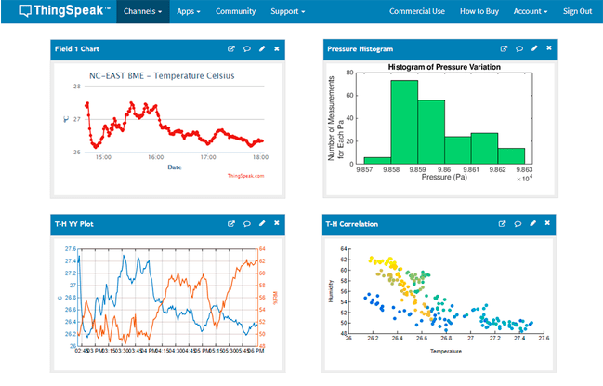
ThingSpeak makes its mark in the IoT ecosystem by championing the power of immediate data visualization. It's not just about gathering data, but also about presenting it in a manner that fosters quick insights and decisions.
Why I Picked ThingSpeak: When selecting platforms, ThingSpeak immediately impressed me with its prowess in data representation. The platform's emphasis on real-time visualization, allowing users to interpret and act upon data without delay, is what truly sets it apart. This is precisely why I endorse ThingSpeak as the best for real-time data visualization.
Standout Features & Integrations:
ThingSpeak shines with its capacity to ingest data and render it in easily digestible formats. Its intuitive dashboard and charting capabilities stand out, making data comprehension a straightforward process. In terms of integrations, ThingSpeak has built strong ties with popular analytics tools and data processing software to elevate its capabilities.
Pros and Cons
Pros:
- Established integrations with key analytics tools
- Intuitive dashboard and charting functions
- Robust focus on real-time data visualization
Cons:
- Might require a learning phase for optimal use
- Absent clear pricing information
- Could benefit from broader device support

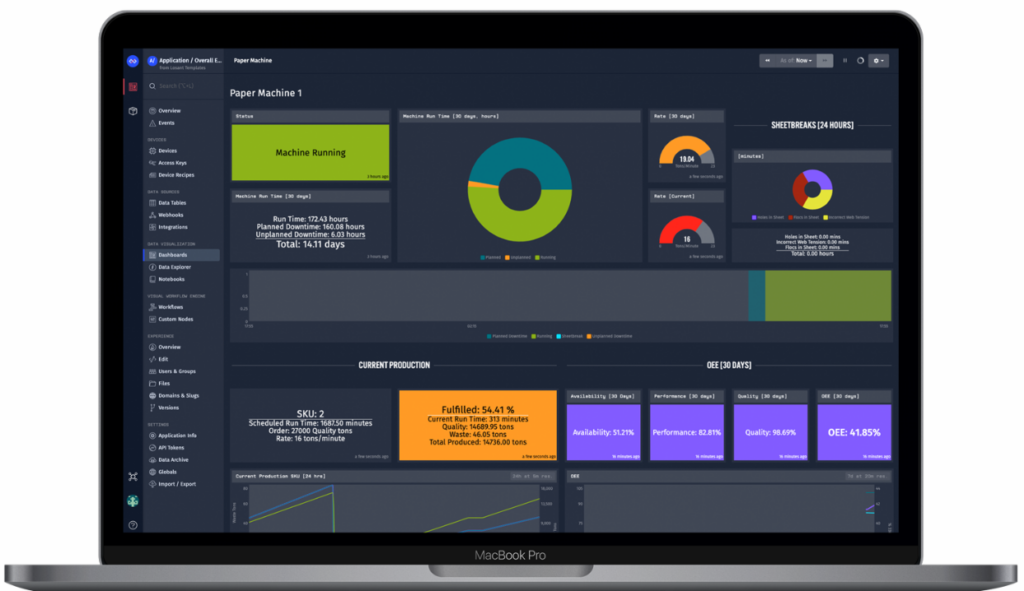
Losant specializes in delivering robust IoT solutions tailored for large-scale businesses. Its platform offers comprehensive tools and services, ensuring enterprises harness the full potential of the Internet of Things.
Why I Picked Losant: I selected Losant after meticulously reviewing a plethora of IoT platforms. What captivated me about Losant was its design focus on enterprise-grade requirements, setting it apart from its peers. This focus, combined with its impressive scalability and depth, positioned it as the best for enterprise IoT solutions.
Standout Features & Integrations:
Losant boasts an intuitive visual workflow engine, allowing users to define complex IoT operations without a steep learning curve. Additionally, its real-time data stream capabilities ensure timely insights for decision-makers. Integration-wise, Losant meshes well with major cloud providers, database services, and CRM systems, amplifying its utility in diverse enterprise settings.
Pros and Cons
Pros:
- Strong integration with leading cloud and database services
- Visual workflow engine eases the creation of IoT operations
- Designed specifically for enterprise-grade demands
Cons:
- Could benefit from more extensive documentation for advanced features
- Absence of transparent pricing details
- It might be overwhelming for smaller businesses or startups

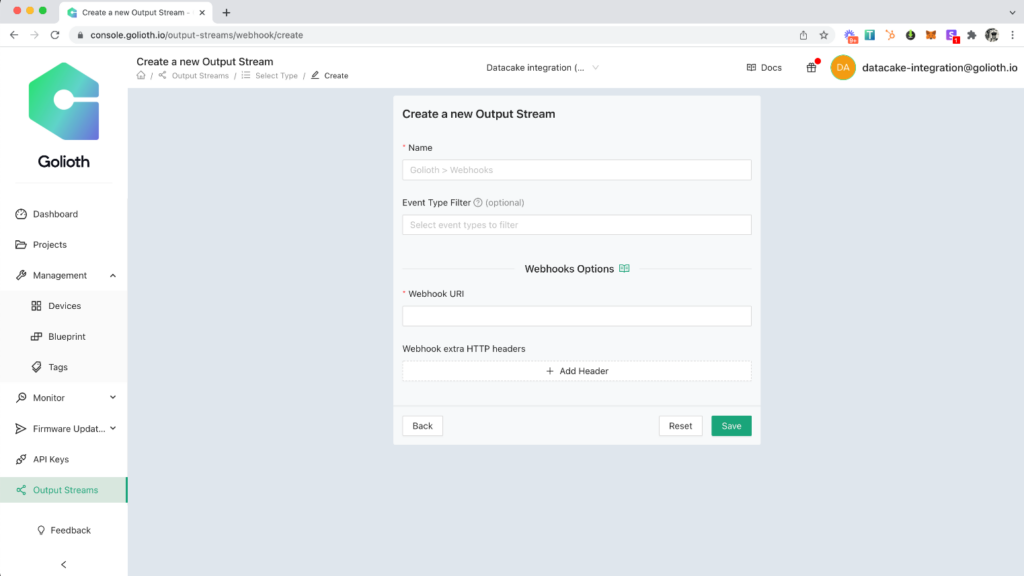
Golioth offers a platform that bridges the gap between edge devices and the cloud, facilitating smooth data flow. As edge devices become pivotal in the IoT landscape, Golioth's focus on optimizing their connectivity is essential.
Why I Picked Golioth: In my quest to find platforms prioritizing edge device connectivity, Golioth stood out. Their unique approach to this niche, yet increasingly critical area of IoT, solidified its spot on this list. Given the rising importance of edge devices, Golioth appears to be a prime choice for addressing connectivity challenges.
Standout Features & Integrations:
Golioth emphasizes real-time data streaming from edge devices, ensuring timely insights. It also boasts a device management system that eases the deployment and monitoring process. Key integrations for Golioth include support for popular IoT protocols and compatibility with various edge hardware.
Pros and Cons
Pros:
- Broad compatibility with edge hardware and protocols
- Robust device management system
- Strong emphasis on real-time data streaming
Cons:
- Potential scalability concerns for vast networks
- Limited community support and resources
- A relative newcomer to the IoT platform market
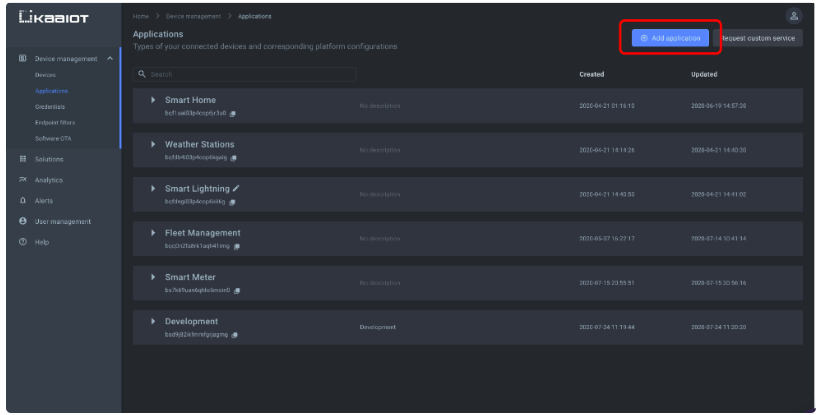
KaaIoT emerges in the IoT space as an adaptable platform, specializing in the intricacies of IoT integrations. With its emphasis on adaptability, KaaIoT positions itself to empower businesses to evolve and grow without constraints.
Why I Picked KaaIoT: I chose KaaIoT after meticulous scrutiny of several platforms. What made KaaIoT stand out was its dedication to providing a flexible environment, allowing businesses to expand their IoT ventures without limitations. This flexibility is why I believe KaaIoT is best for extensible IoT integration.
Standout Features & Integrations:
KaaIoT is designed with adaptability at its core, allowing device connectivity and protocol adjustments. Its platform offers an open-source foundation, encouraging customization to meet specific requirements. On the integration front, KaaIoT is known for its capacity to meld with a wide variety of third-party tools and systems.
Pros and Cons
Pros:
- Broad third-party integration capabilities
- Open-source foundation promoting customization
- Emphasis on platform flexibility and extensibility
Cons:
- Requires technical know-how for advanced customization
- Pricing structure not immediately evident
- Might be overwhelming for businesses new to IoT

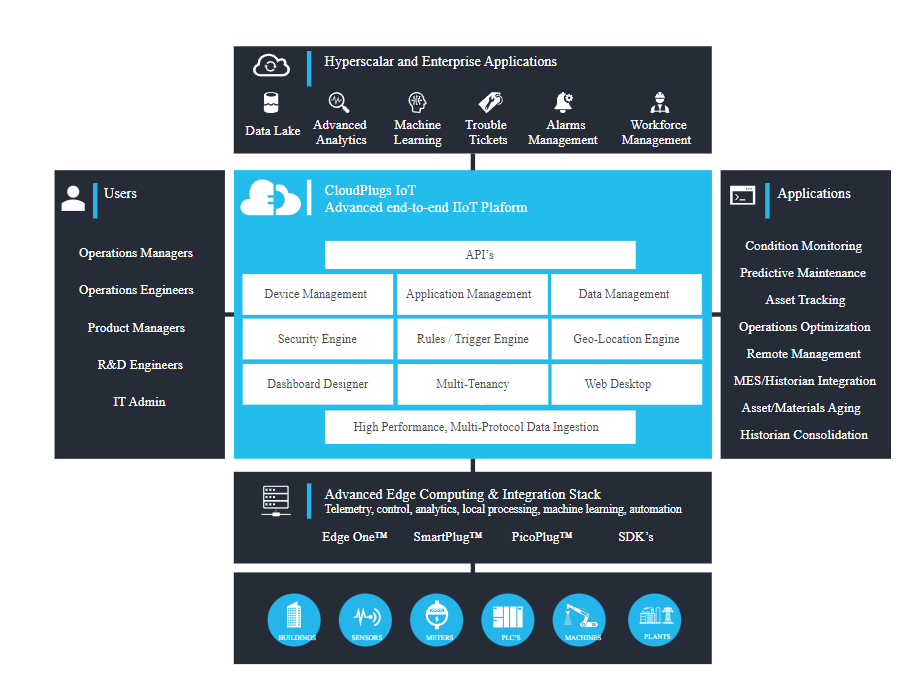
In the realm of IoT, CloudPlugs shines by emphasizing automation throughout a device's lifecycle. Their platform is centered around streamlining processes, ensuring consistent management from a device's inception to retirement.
Why I Picked CloudPlugs: In determining which platforms to spotlight, CloudPlugs stood out to me due to its comprehensive automation capabilities. My judgment led me to value the way it tackles the entirety of a device's life, which is a distinguishing feature. This holistic approach justifies its position as the best for lifecycle automation.
Standout Features & Integrations:
CloudPlugs offers a robust smart plug-and-play system that automates device registration and provisioning. Furthermore, its orchestration engine ensures automated operational processes. On the integration front, CloudPlugs smoothly collaborates with an array of sensors, controllers, and popular cloud platforms.
Pros and Cons
Pros:
- Integration capabilities with varied IoT devices and cloud platforms
- Smart plug-and-play system simplifies device operations
- Comprehensive lifecycle automation tools
Cons:
- Relies heavily on user expertise for advanced configurations
- Potentially steep learning curve for beginners
- Limited insights on the pricing structure
Weitere IoT-Entwicklungsplattformen im Blick
- balena
Good for fleet management of IoT devices
- Eclipse IoT
Good for open-source IoT development
- Ubidots
Good for quick IoT application deployment
- Niagra
Good for building automation and control
- Mongoose IoT
Good for lightweight OS integrations
- IBM IoT
Good for AI-driven IoT analytics
- ioBridge
Good for simple IoT connectivity solutions
- Qubitro
Good for device management and visualization
- Zebra Technologies Savanna
Good for real-time edge data intelligence


Weitere Bewertungen von IoT-Entwicklungsplattformen
Auswahlkriterien für IoT-Entwicklungsplattformen
Bei der Auswahl der besten IoT-Entwicklungsplattformen für diese Liste habe ich auf typische Käuferbedürfnisse und Schmerzpunkte wie Skalierbarkeit und Gerätekompatibilität geachtet. Zur Strukturierung und Vergleichbarkeit habe ich außerdem dieses Bewertungsraster eingesetzt:
Kernfunktionen (25 % der Gesamtbewertung)
Für die Aufnahme in diese Liste musste jede Lösung die folgenden typischen Anwendungsfälle abdecken:
- Geräte-Konnektivität
- Daten-Erfassung
- Echtzeit-Überwachung
- Analysen und Berichte
- Fernverwaltung
Weitere besondere Merkmale (25 % der Gesamtbewertung)
Um das Feld weiter einzugrenzen, habe ich auch auf einige spezielle Funktionen geachtet, zum Beispiel:
- KI-Integration
- Edge-Computing-Unterstützung
- Anpassbare Dashboards
- Sicherheitsprotokolle
- Cloud-Kompatibilität
Benutzerfreundlichkeit (10 % der Gesamtbewertung)
Um die Benutzerfreundlichkeit der einzelnen Systeme abzuschätzen, habe ich auf Folgendes geachtet:
- Intuitive Benutzeroberfläche
- Einfache Navigation
- Verständliche Dokumentation
- Responsives Design
- Wenig Einarbeitungszeit erforderlich
Onboarding (10 % der Gesamtbewertung)
Um das Onboarding jeder Plattform zu bewerten, habe ich auf die folgenden Punkte geachtet:
- Verfügbarkeit von Schulungsvideos
- Interaktive Produkttouren
- Zugriff auf Vorlagen
- Chatbot-Unterstützung
- Webinare zur Anleitung
Kundensupport (10 % der Gesamtpunktzahl)
Zur Bewertung der Supportdienste der Softwareanbieter habe ich Folgendes berücksichtigt:
- 24/7-Verfügbarkeit
- Multikanal-Support
- Zugriff auf Wissensdatenbank
- Reaktionszeit
- Persönliche Unterstützung
Preis-Leistungs-Verhältnis (10 % der Gesamtpunktzahl)
Zur Bewertung des Preis-Leistungs-Verhältnisses jeder Plattform habe ich Folgendes berücksichtigt:
- Wettbewerbsfähige Preisgestaltung
- Flexible Abonnementpläne
- Verhältnis von Funktionen zu Kosten
- Verfügbarkeit einer kostenlosen Testversion
- Rabatte für langfristige Nutzung
Kundenbewertungen (10 % der Gesamtpunktzahl)
Um einen Eindruck der allgemeinen Kundenzufriedenheit zu bekommen, habe ich beim Lesen von Kundenbewertungen Folgendes berücksichtigt:
- Benutzerzufriedenheitsbewertungen
- Rückmeldungen zur Zuverlässigkeit
- Kommentare zur Benutzerfreundlichkeit
- Lob für den Kundendienst
- Erfahrungen mit Updates und Support
Wie wählt man eine IoT-Entwicklungsplattform aus?
Es ist leicht, sich in langen Funktionslisten und komplexen Preisstrukturen zu verlieren. Damit Sie sich bei Ihrem individuellen Auswahlprozess nicht verzetteln, ist hier eine Checkliste mit Faktoren, die Sie im Auge behalten sollten:
| Faktor | Worauf zu achten ist |
|---|---|
| Skalierbarkeit | Kann die Plattform mit Ihren Anforderungen wachsen? Beachten Sie die Anzahl unterstützter Geräte und die Fähigkeit, ein erhöhtes Datenvolumen zu verarbeiten. |
| Integration | Funktioniert sie mit Ihren bestehenden Tools? Achten Sie auf Kompatibilität mit Ihren aktuellen Systemen und Anwendungen von Drittanbietern. |
| Anpassbarkeit | Können Sie die Lösung an Ihre Arbeitsabläufe anpassen? Prüfen Sie, ob die Plattform Änderungen ermöglicht, um Ihre spezifischen Prozesse abzubilden. |
| Benutzerfreundlichkeit | Ist sie leicht zu bedienen? Beurteilen Sie, wie intuitiv die Oberfläche ist und wie schnell Ihr Team sich einarbeiten kann. |
| Implementierung und Onboarding | Wie lange dauert der Einstieg? Berücksichtigen Sie Aufwand und Zeit für die Einrichtung und Schulung. |
| Kosten | Passt die Plattform in Ihr Budget? Vergleichen Sie Preismodelle und achten Sie auf versteckte Gebühren oder langfristige Bindungen. |
| Sicherheitsmaßnahmen | Sind Ihre Daten und Geräte geschützt? Stellen Sie sicher, dass starke Verschlüsselungs- und Sicherheitsmechanismen vorhanden sind. |
Was ist eine IoT-Entwicklungsplattform?
Eine IoT-Entwicklungsplattform ist ein umfassendes Paket aus Rechenzentrums-Tools und Diensten, mit dem die Erstellung, Bereitstellung und Verwaltung von Anwendungen innerhalb des Internet-of-Things-Ökosystems unterstützt wird. Typischerweise werden diese Plattformen von Entwicklern, Unternehmen und Technologie-Innovatoren genutzt, um die Vernetzung von Geräten zu erleichtern, sodass diese Daten in Echtzeit austauschen und verarbeiten können.
Diese Vernetzung führt zu Innovationen in Bereichen von Smart Homes und Wearables bis hin zu großen Industriesystemen und revolutioniert Effizienz, Entscheidungsfindung und Nutzererlebnis. Um jedoch Sicherheit und Datenschutz bei der Vernetzung von Geräten über Netzwerke hinweg zu gewährleisten, ist der Einsatz einer zuverlässigen VPN-Software entscheidend, um sensible IoT-Kommunikation zu schützen.
Funktionen
Bei der Wahl einer IoT-Entwicklungsplattform sollten Sie auf folgende Schlüsselfunktionen achten:
- Geräte-Konnektivität: Ermöglicht nahtlose Integration mit verschiedenen IoT-Geräten, was eine effektive Kommunikation und Datenübertragung unterstützt.
- Datenerfassung: Sammelt Daten von verbundenen Geräten, um Erkenntnisse und Analysen für fundierte Entscheidungsfindung zu liefern.
- Echtzeit-Überwachung: Bietet Live-Tracking der Geräteleistung und -status, sodass bei Bedarf sofortige Maßnahmen ergriffen werden können.
- Analytik und Berichterstattung: Stellt Tools bereit, um gesammelte Daten zu analysieren und Berichte zu erstellen, die das Verständnis von Trends und Mustern fördern.
- Fernverwaltung: Ermöglicht es Nutzern, Geräte aus der Ferne zu verwalten und zu steuern, um die Betriebseffizienz sicherzustellen.
- Sicherheitsprotokolle: Sichert Daten und Geräte durch Verschlüsselung und andere Schutzmaßnahmen.
- Cloud-Kompatibilität: Ermöglicht die Integration mit Cloud-Diensten für skalierbare Speicher- und Verarbeitungskapazitäten.
- Anpassbare Dashboards: Ermöglicht es Nutzern, die Benutzeroberfläche individuell auf ihre Anforderungen zuzuschneiden und die Benutzerfreundlichkeit sowie Produktivität zu steigern.
- KI-Integration: Unterstützt Funktionen mit künstlicher Intelligenz zur Automatisierung von Prozessen und Verbesserung der Entscheidungsfindung.
- Edge-Computing-Unterstützung: Verarbeitet Daten näher an der Quelle, reduziert Latenzzeiten und verbessert die Reaktionsgeschwindigkeit.
Vorteile
Die Implementierung einer IoT-Entwicklungsplattform bietet zahlreiche Vorteile für Ihr Team und Ihr Unternehmen. Folgende Mehrwerte erwarten Sie:
- Verbesserte Konnektivität: Stellt sicher, dass Geräte effektiv kommunizieren, was zu einem besseren Datenfluss und einer höheren Betriebseffizienz führt.
- Erweiterte Dateneinblicke: Bietet Analyse-Tools, die fundierte Entscheidungen auf Basis von Echtzeitdaten ermöglichen.
- Effiziente Fernverwaltung: Erlaubt die Steuerung von Geräten aus der Ferne und spart so Zeit und Ressourcen.
- Skalierbarkeit: Unterstützt Wachstum durch die Bewältigung erhöhter Daten- und Geräteanforderungen ohne Leistungseinbußen.
- Kosteneinsparungen: Senkt Betriebskosten durch Prozessautomatisierung und optimierten Ressourceneinsatz.
- Erhöhte Sicherheit: Schützt Daten und Geräte mit fortschrittlichen Sicherheitsmaßnahmen und minimiert das Risiko von Sicherheitsverletzungen.
- Individualisierung: Ermöglicht es, die Plattform auf spezifische Unternehmensanforderungen zuzuschneiden, was Benutzerfreundlichkeit und Produktivität steigert.
Kosten & Preise
Die Auswahl einer IoT-Entwicklungsplattform erfordert ein Verständnis der verschiedenen verfügbaren Preismodelle und Tarife. Die Kosten variieren je nach Funktionsumfang, Teamgröße, Zusatzoptionen und mehr. Die folgende Tabelle fasst gängige Tarife, deren durchschnittliche Preise und typische Merkmale von IoT-Entwicklungsplattformen zusammen:
Tarifvergleichstabelle für IoT-Entwicklungsplattformen
| Tarifart | Durchschnittlicher Preis | Gemeinsame Merkmale |
|---|---|---|
| Free Plan | $0 | Grundlegende Konnektivität, begrenzter Datenspeicher und Community-Support. |
| Personal Plan | $10-$30/user/month | Geräteverwaltung, Datenanalyse, erweiterte IoT-Testtools und Basissicherheit. |
| Business Plan | $50-$100/user/month | Erweiterte Analysen, individuelle Dashboards und verbesserter Support. |
| Enterprise Plan | $150-$300/user/month | Vollständige Anpassung, Prioritäts-Support und umfassende Sicherheit. |
Die häufigsten Fragen zu IoT-Entwicklungsplattformen (FAQ)
Wie gehen IoT-Plattformen mit der Skalierbarkeit von Geräten um?
IoT-Plattformen ermöglichen Skalierbarkeit, indem sie die Unterstützung einer großen Anzahl von Geräten und Datenströmen gewährleisten. Sie sollten sicherstellen, dass die Plattform mit Ihrem Unternehmen wachsen kann, sodass mehr Daten verarbeitet werden können, ohne dass die Performance leidet. Achten Sie auf Funktionen wie Lastverteilung und effiziente Datenverarbeitung, damit die Skalierbarkeit gewährleistet ist.
Was muss ich hinsichtlich der Datensicherheit bei IoT-Plattformen beachten?
Die Datensicherheit bei IoT-Plattformen umfasst Verschlüsselung, Authentifizierung und Zugriffskontrolle. Sie sollten Plattformen wählen, die umfangreiche Sicherheitsmaßnahmen zum Schutz Ihrer Daten und Geräte bieten. Prüfen Sie zudem, ob die Plattform die relevanten Branchenstandards und gesetzlichen Vorgaben für Datenschutz erfüllt.
Welche IoT-Entwicklungsplattform ist am günstigsten?
Eine eindeutig günstigste Lösung lässt sich nicht nennen, da die Preise je nach Anforderung und Ausstattung variieren. Allerdings gelten Plattformen wie “Mongoose IoT” und “Blynk” häufig als kostengünstige Optionen für kleine bis mittlere Einsätze.
Gibt es auch Premium- oder High-End-Lösungen?
Ja, Plattformen wie “Cisco IoT”, “Google Cloud IoT Core” und “Microsoft Azure IoT” gelten als Premium-Lösungen und richten sich an den Bedarf großer Unternehmen mit umfangreichen Funktionen und Integrationsmöglichkeiten.
Gibt es kostenlose Tools für die IoT-Entwicklung?
Viele Plattformen bieten tatsächlich ein Freemium-Modell an. So gibt es bei “Blynk” beispielsweise eine kostenlose Stufe für Hobbyisten und Entwickler, die sich gut für erste Prototypen eignet.
Wie geht es weiter?
Wenn Sie gerade dabei sind, sich über IoT-Entwicklungsplattformen zu informieren, vereinbaren Sie ein kostenloses Beratungsgespräch mit einem SoftwareSelect-Experten und erhalten Sie individuelle Empfehlungen.
Füllen Sie einfach ein Formular aus und führen Sie ein kurzes Gespräch, wobei Ihre Anforderungen genau erfasst werden. Anschließend erhalten Sie eine Auswahlliste passender Softwarelösungen. Sie werden über den gesamten Kaufprozess hinweg unterstützt, einschließlich Preisverhandlungen.