
10 bessere BetterCloud-Alternativen für SaaS-Management im Jahr 2026

Auswahl von BetterCloud-Alternativen


Eine überzeugende Alternative zu BetterCloud bietet Ihrem Team eine zentrale SaaS-Verwaltung, granulare Zugriffskontrollen und automatisierte Workflows für Onboarding, Offboarding und Compliance. Wenn Sie nach einer Alternative zu BetterCloud suchen, stehen Sie wahrscheinlich vor Herausforderungen durch eine unübersichtliche SaaS-Landschaft, die manuelle Bereitstellung von Benutzern oder Lücken bei der umfassenden Transparenz und Sicherheit in Ihrem SaaS-Ökosystem.
Die richtige Lösung kann Ihnen dabei helfen, komplexe App-Umgebungen zu verwalten, Risiken zu reduzieren und mit sich wandelnden geschäftlichen Anforderungen Schritt zu halten. In dieser Liste finden Sie geprüfte Optionen, die diese Prioritäten berücksichtigen – damit Sie Funktionen, Integrationen und Stärken vergleichen und die beste Lösung für Ihre IT-Umgebung auswählen können.
Was ist BetterCloud?
BetterCloud ist eine SaaS-Verwaltungsplattform, die die Kontrolle über Cloud-Anwendungen zentralisiert, Aufgaben im Benutzerlebenszyklus automatisiert und Sicherheitsrichtlinien in Ihrem Unternehmen durchsetzt.
IT-Teams nutzen BetterCloud, um Onboarding, Offboarding, Berechtigungen und Compliance für mehrere SaaS-Tools über ein einziges Dashboard zu verwalten. Dies trägt dazu bei, manuelle Arbeit zu reduzieren, die Transparenz zu verbessern und einheitliche Sicherheitsstandards aufrechtzuerhalten, wenn Ihre SaaS-Umgebung wächst.
Vergleichstabelle der BetterCloud-Alternativen
Diese Vergleichstabelle fasst die Preisinformationen meiner wichtigsten ausgewählten BetterCloud-Alternativen zusammen:
| Tool | Best For | Trial Info | Price | ||
|---|---|---|---|---|---|
| 1 | Am besten für die einheitliche Geräte- und Benutzerverwaltung geeignet | 30-tägige kostenlose Testversion + kostenlose Demo verfügbar | Preise auf Anfrage | Website | |
| 2 | Am besten geeignet für die sichere Integration einmaliger Anmeldung | 30-tägige kostenlose Testversion + kostenlose Demo verfügbar | Ab $6/Benutzer/Monat (jährlich abgerechnet) | Website | |
| 3 | Am besten für die Optimierung von Anbieterverträgen geeignet | Kostenlose Demo verfügbar | Preise auf Anfrage | Website | |
| 4 | Am besten für die Integration von Arbeitsabläufen in Unternehmen geeignet | Kostenlose Demo verfügbar | Preise auf Anfrage | Website | |
| 5 | Am besten für automatisiertes SaaS-Lebenszyklusmanagement geeignet | Kostenlose Demo verfügbar | Preise auf Anfrage | Website | |
| 6 | Am besten für Kontrollen der Identitätsgovernance | Kostenlose Demo verfügbar | Preis auf Anfrage | Website | |
| 7 | Am besten für das Management der SaaS-Beschaffung geeignet | Kostenlose Demo verfügbar | Ab 250 $/Monat | Website | |
| 8 | Am besten geeignet für Transparenz bei SaaS-Ausgaben | Kostenlose Demo verfügbar | Preis auf Anfrage | Website | |
| 9 | Am besten für die Erkennung und Nutzungsverfolgung von SaaS geeignet | Kostenlose Demo verfügbar | Preise auf Anfrage | Website | |
| 10 | Am besten für die Automatisierung von Zugriffsanfragen | Kostenlose 7-tägige Testversion verfügbar | Preise auf Anfrage | Website |
Warum Sie unseren Software-Empfehlungen vertrauen können
Unser Team testet und bewertet Software seit 2012. Als Tech-Führungskräfte wissen wir selbst, wie schwierig – und wichtig – es ist, die richtige Software auszuwählen.
Für diesen Leitfaden haben wir Tools mithilfe von praktischen Tests und unabhängiger Recherche bewertet und dabei unsere Bewertungskriterien angewendet.
Unsere Bewertungen spiegeln unser menschliches redaktionelles Urteilsvermögen wider, keine Verkaufsstrategie.
Expertenprüfer:
Bewertungen der BetterCloud-Alternativen
Im Folgenden finden Sie meine ausführlichen Zusammenfassungen der besten BetterCloud-Alternativen, die es in meine Auswahl geschafft haben. Meine Bewertungen bieten einen detaillierten Überblick über die Funktionen, Integrationen und besten Einsatzmöglichkeiten jeder Plattform, damit Sie die für Sie beste Lösung finden.

Am besten für die einheitliche Geräte- und Benutzerverwaltung geeignet
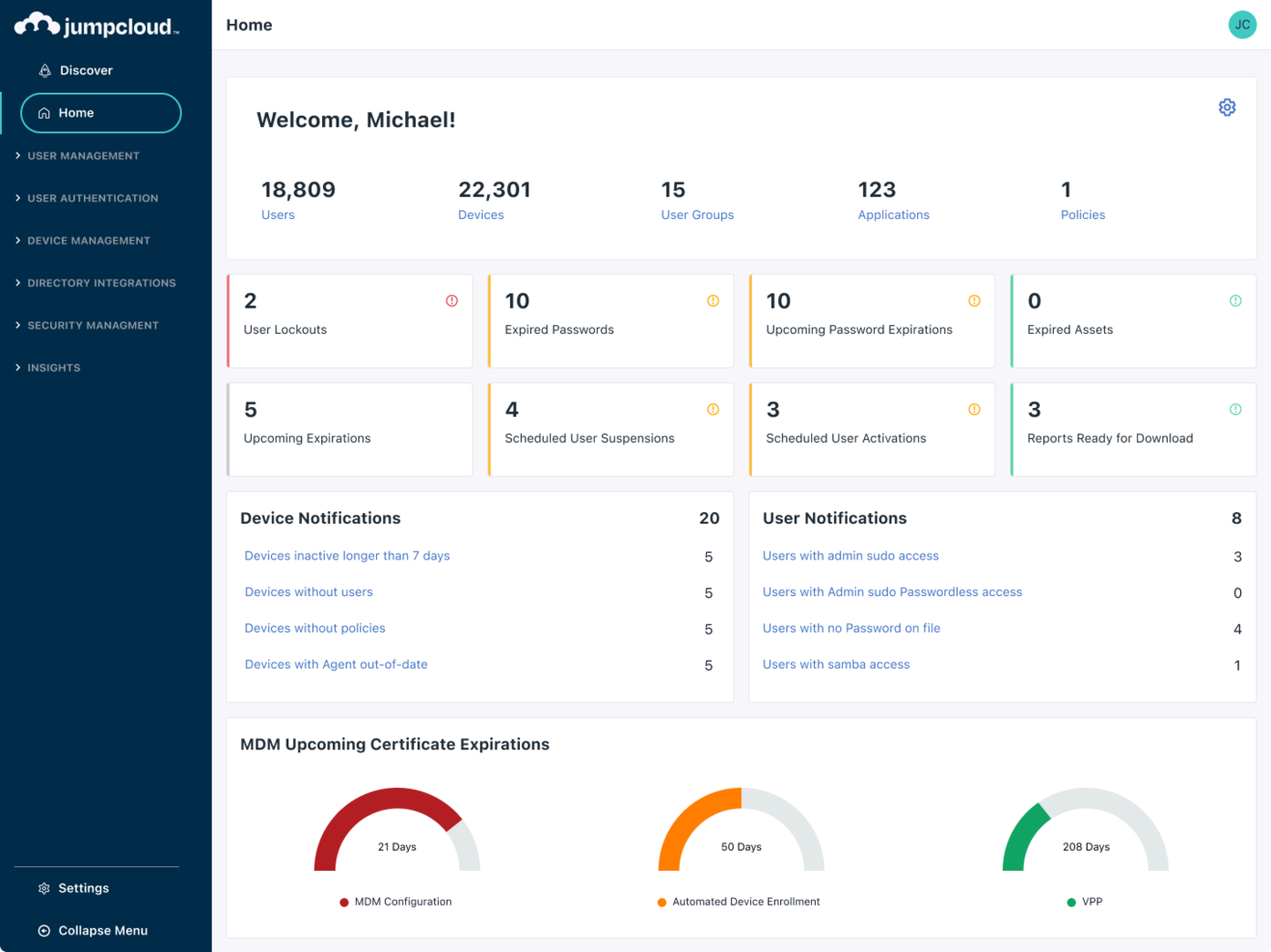
Die Verwaltung sowohl von Geräten als auch von Benutzeridentitäten über eine einzige Plattform ist der Bereich, in dem sich JumpCloud auszeichnet. IT-Teams, die nach einer BetterCloud-Alternative suchen, nutzen JumpCloud, um Verzeichnisdienste, Geräteverwaltung und Zugriffskontrolle in Windows-, Mac- und Linux-Umgebungen zu vereinheitlichen. Dieser Ansatz hilft Unternehmen, die Sicherheit von Endgeräten und die Verwaltung des Benutzerlebenszyklus zu vereinfachen, ohne mehrere Tools parallel verwalten zu müssen.
Für wen eignet sich JumpCloud am besten?
IT-Administratoren in kleinen bis mittelgroßen Unternehmen weltweit, die eine einheitliche Geräte- und Benutzerverwaltung überwachen.
Warum ich JumpCloud ausgewählt habe
Wenn Sie eine einheitliche Kontrolle über Geräte und Benutzeridentitäten benötigen, bietet JumpCloud eine Kombination, die BetterCloud nicht bereitstellt. Ich habe JumpCloud ausgewählt, weil Sie damit Verzeichnisdienste, Sicherheitsrichtlinien für Geräte und die Benutzerauthentifizierung über eine einzige Administrationskonsole verwalten können. Die Plattform unterstützt die plattformübergreifende Geräteverwaltung für Windows, Mac und Linux, sodass Sie unabhängig von Ihrer Hardwarekombination Sicherheitsstandards durchsetzen können. Für IT-Teams, die die Anzahl ihrer Tools reduzieren und die Verwaltung von Endgeräten und Identitäten zentralisieren möchten, vereint JumpCloud diese Funktionen an einem Ort.
Wichtigste Funktionen von JumpCloud
Einige weitere Funktionen von JumpCloud können Ihrem Team dabei helfen, weitere Anforderungen an das IT-Management abzudecken:
- Cloud-LDAP und RADIUS: Bietet cloudbasierte LDAP- und RADIUS-Dienste für sicheren Netzwerk- und Anwendungszugriff.
- Multi-Faktor-Authentifizierung (MFA): Erzwingt MFA sowohl für Geräteanmeldungen als auch für den Anwendungszugriff.
- Richtlinienverwaltung: Ermöglicht Ihnen, Sicherheitsrichtlinien für Gerätegruppen zu erstellen und bereitzustellen.
- Single Sign-On (SSO): Unterstützt die SSO-Integration mit einer großen Auswahl an Cloud-Anwendungen.
JumpCloud-Integrationen
Zu den Integrationen gehören Google Workspace, Microsoft 365, Okta, Salesforce, Slack, GitHub, Workday, BambooHR und weitere.
Pros and Cons
Pros:
- Verwaltet Benutzeridentitäten und Geräte über Windows, Mac und Linux hinweg
- Bietet cloudbasierte Verzeichnisdienste mit LDAP- und RADIUS-Unterstützung
- Bietet integrierte Multi-Faktor-Authentifizierung für den Zugriff auf Geräte und Apps
Cons:
- Bietet keine umfassenden Funktionen für die SaaS-Anwendungsverwaltung und -automatisierung
- Die Geräteverwaltung für mobile Plattformen ist weniger umfassend als für Desktop-Plattformen
Okta
Am besten geeignet für die sichere Integration einmaliger Anmeldung
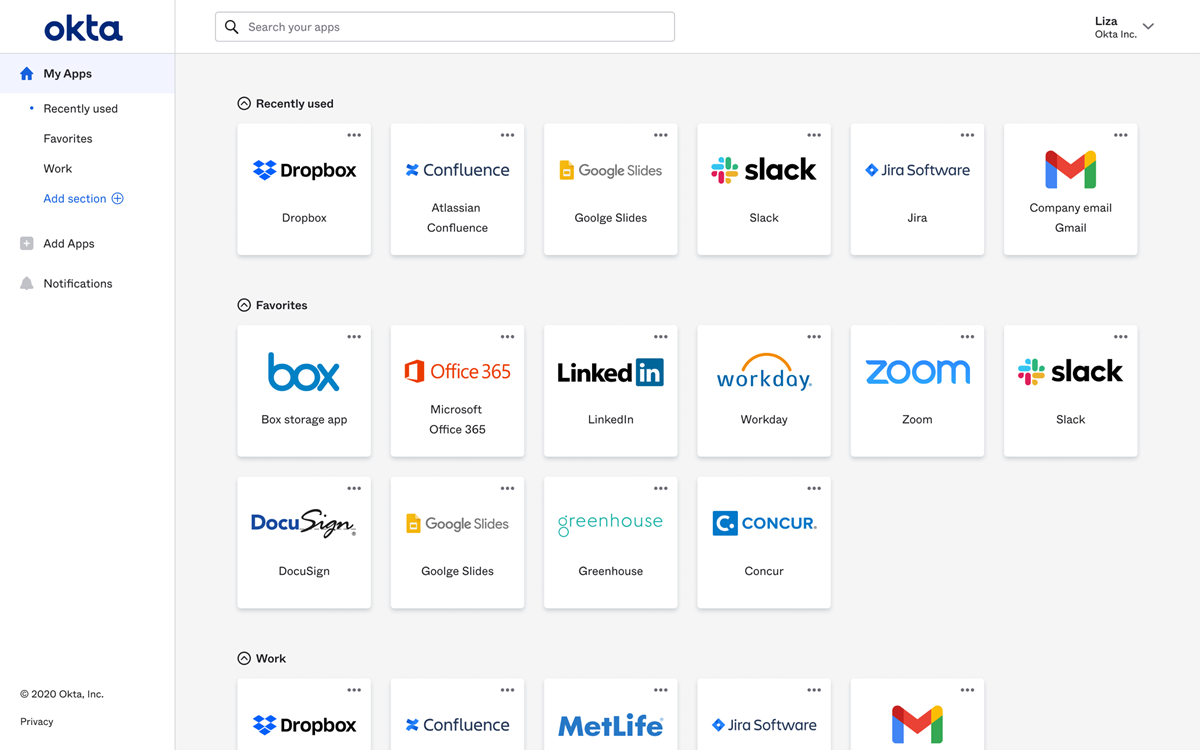
Wenn Ihr Team eine sichere, zentralisierte Zugriffsverwaltung benötigt, bietet Okta eine dedizierte Plattform für einmalige Anmeldung und Identitätskontrolle. IT-Administratoren und Sicherheitsverantwortliche nutzen Okta, um die Authentifizierung über Cloud- und lokale Anwendungen hinweg zu vereinheitlichen und so eine unübersichtliche Passwortverwaltung sowie Zugriffsrisiken zu reduzieren. Im Gegensatz zu BetterCloud ist Okta auf Identitäts- und Zugriffsverwaltung spezialisiert und eignet sich daher besonders für Organisationen, die eine sichere Benutzerauthentifizierung und einen optimierten Anwendungszugriff priorisieren.
Für wen ist Okta am besten geeignet?
IT- und Sicherheitsteams in kleinen bis großen Unternehmen weltweit, die sichere Lösungen für einmalige Anmeldung und Identitätsverwaltung einsetzen.
Warum ich Okta ausgewählt habe
Wenn sichere einmalige Anmeldung für Sie oberste Priorität hat, bietet Okta eine fokussierte Lösung, mit der BetterCloud nicht mithalten kann. Ich habe Okta ausgewählt, weil die Plattform zentralisierte Authentifizierung und granular steuerbare Zugriffskontrollen für alle Ihre Cloud- und lokalen Anwendungen bereitstellt. Die Plattform unterstützt adaptive Multi-Faktor-Authentifizierung, sodass Sie Sicherheitsrichtlinien auf Grundlage des Benutzerkontexts und des Risikos durchsetzen können. Wenn Ihre Organisation die Passwortbelastung reduzieren und die Identitätssicherheit stärken muss, sind Oktas Funktionen für einmalige Anmeldung speziell für diese Herausforderung konzipiert.
Wichtige Okta-Funktionen
Einige weitere Okta-Funktionen können Ihrem Team dabei helfen, Identitäten und Zugriffe effektiver zu verwalten:
- Lebenszyklusverwaltung: Automatisiert die Bereitstellung und Aufhebung der Bereitstellung von Benutzern über verbundene Anwendungen hinweg.
- Universelles Verzeichnis: Speichert und verwaltet Benutzerprofile und -attribute in einem zentralisierten Verzeichnis.
- API-Zugriffsverwaltung: Sichert APIs mit OAuth und benutzerdefinierten Zugriffsrichtlinien.
- Zurücksetzen von Passwörtern im Selbstservice: Ermöglicht Benutzern, ihre Passwörter ohne Unterstützung durch die IT selbst zurückzusetzen.
Okta-Integrationen
Zu den Integrationen gehören Microsoft 365, Google Workspace, Salesforce, Slack, Zoom, AWS, ServiceNow, Box, Workday und weitere.
Pros and Cons
Pros:
- Unterstützt einmalige Anmeldung über Hunderte von Cloud- und lokalen Anwendungen hinweg
- Bietet adaptive Multi-Faktor-Authentifizierung für erweiterte Sicherheitsrichtlinien
- Bietet automatisierte Workflows für die Bereitstellung und Aufhebung der Bereitstellung von Benutzern
Cons:
- Bietet keine Automatisierung von SaaS-Abläufen oder Überwachung der Dateisicherheit
- Bietet keine granularen Analysen zur SaaS-Nutzung

Am besten für die Optimierung von Anbieterverträgen geeignet
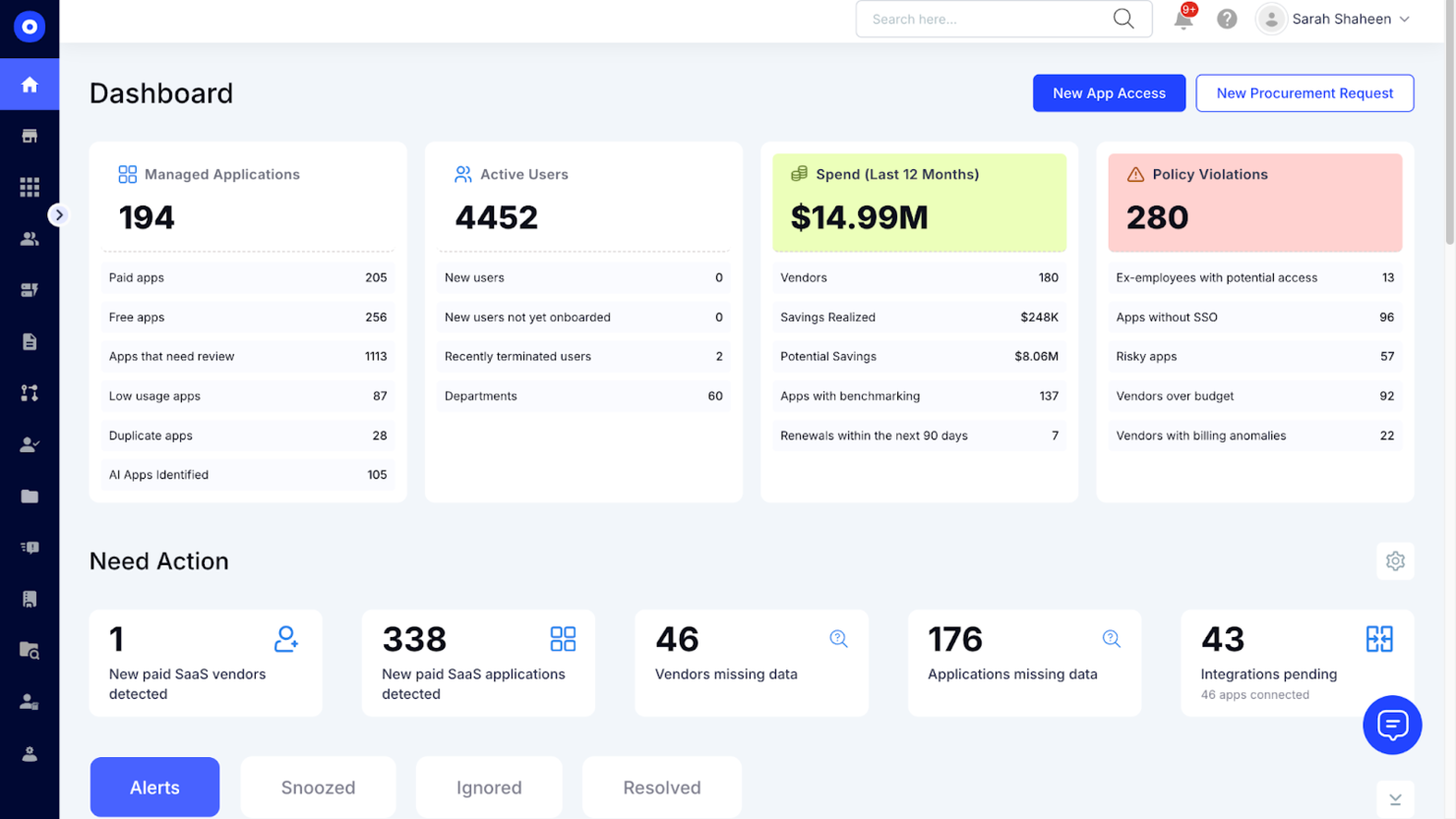
CloudEagle.ai wurde für IT-, Beschaffungs- und Finanzteams entwickelt, die SaaS-Anbieterverträge und -verlängerungen optimieren müssen. Im Gegensatz zu anderen BetterCloud-Alternativen kombiniert die Plattform Vertragsmanagement mit Ausgabenanalysen und Arbeitsabläufen für Verlängerungen in einer einzigen Lösung. Dieser Ansatz hilft Ihnen, Einblick in Vertragsbedingungen zu gewinnen, überraschende Verlängerungen zu vermeiden und bessere Preise mit Anbietern auszuhandeln.
Für wen ist CloudEagle.ai am besten geeignet?
Finanz- und IT-Verantwortliche in mittelgroßen bis großen Unternehmen weltweit, die Anbieterverträge optimieren und SaaS-Ausgaben kontrollieren möchten.
Warum ich CloudEagle.ai ausgewählt habe
Für IT- und Beschaffungsteams, die sich auf die Optimierung von Anbieterverträgen konzentrieren, bietet CloudEagle.ai eine Reihe von Funktionen, die über das hinausgehen, was Sie in BetterCloud finden. Ich habe CloudEagle.ai ausgewählt, weil die Plattform die Vertragsspeicherung zentralisiert, Verlängerungstermine verfolgt und die Ausgabenoptimierung mit automatisierten Erinnerungen unterstützt, damit Sie keine Fristen verpassen. Die Plattform analysiert außerdem Vertragsbedingungen und Ausgabendaten und verschafft wichtigen Beteiligten dadurch eine bessere Verhandlungsposition sowie einen umfassenderen Einblick in Ihr SaaS-Portfolio. Wenn Sie unnötige Ausgaben reduzieren und das Anbietermanagement verbessern möchten, ist der vertragsorientierte Ansatz von CloudEagle.ai eine überzeugende Lösung.
Die wichtigsten Funktionen von CloudEagle.ai
Einige weitere Funktionen von CloudEagle.ai helfen Ihnen, Ihren SaaS-Stack strategischer zu verwalten:
- Automatisierte SaaS-Erkennung: Erkennt und katalogisiert alle in Ihrem Unternehmen verwendeten SaaS-Anwendungen.
- Dashboard für Ausgabenanalysen: Visualisiert SaaS-Ausgaben nach Abteilung, Anbieter oder Benutzer und ermöglicht so eine bessere Budgetkontrolle.
- Überprüfung von Benutzerzugriffen: Ermöglicht Ihnen, Benutzerzugriffe auf SaaS-Tools über eine einzige Oberfläche zu prüfen und zu verwalten.
- Automatisierung von Verlängerungsabläufen: Vereinfacht die Prüfung, Genehmigung und Durchführung von SaaS-Verlängerungen.
Integrationen von CloudEagle.ai
Zu den Integrationen gehören Okta, Microsoft Active Directory, Google Workspace, NetSuite, QuickBooks, Sage Intacct, Salesforce, Slack und weitere.
Pros and Cons
Pros:
- Zentralisiert die Speicherung von SaaS-Verträgen und die Nachverfolgung von Verlängerungen für IT-Teams
- Bietet Ausgabenanalysen zur Identifizierung ungenutzter oder zu wenig genutzter Lizenzen
- Bietet automatisierte Erinnerungen an bevorstehende Vertragsverlängerungen und Ablauftermine
Cons:
- Die Möglichkeiten zur Anpassung von Berichten sind möglicherweise weniger fortschrittlich als bei Wettbewerbern
- Der Funktionsumfang konzentriert sich auf Vertragsmanagement und nicht auf umfassendere SaaS-Abläufe

Am besten für die Integration von Arbeitsabläufen in Unternehmen geeignet
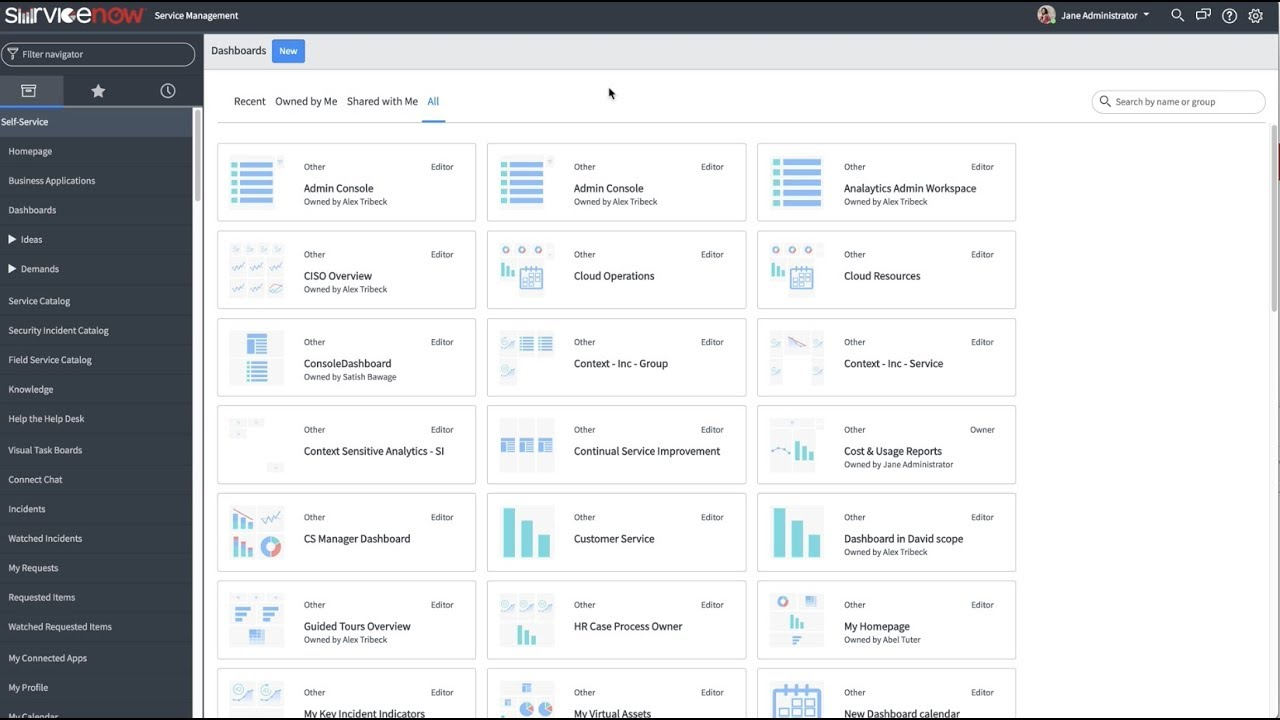
ServiceNow zeichnet sich für IT-Führungskräfte und Unternehmensteams aus, die komplexe Arbeitsabläufe abteilungs- und systemübergreifend verbinden müssen. Die Plattform geht über die SaaS-Verwaltung hinaus und bietet umfassende Automatisierungs-, Servicemanagement- und Integrationsfunktionen für große Unternehmen. Wenn Sie nach einer BetterCloud-Alternative suchen, die IT-, HR- und Geschäftsprozesse auf einer einzigen Plattform vereinheitlichen kann, ist ServiceNow auf diese Größenordnung und Flexibilität ausgelegt.
Für wen ist ServiceNow am besten geeignet?
IT- und Betriebsführungskräfte in großen Unternehmen weltweit, die Arbeitsabläufe im IT-Servicemanagement und in Geschäftsbereichen integrieren.
Warum ich ServiceNow ausgewählt habe
Wenn Sie Arbeitsabläufe über mehrere Unternehmenssysteme hinweg integrieren müssen, bietet ServiceNow Funktionen, die weit über das hinausgehen, was BetterCloud bereitstellt. Ich habe ServiceNow ausgewählt, weil Sie damit durchgängige automatisierte Arbeitsabläufe entwerfen, automatisieren und überwachen können, die sich über IT, HR, Sicherheit und Geschäftsabläufe erstrecken, und dabei einen Zero-Trust-Ansatz für Zugriff und Governance unterstützen. Die Arbeitsablauf-Engine und die Werkzeuge mit wenig Programmieraufwand der Plattform greifen auf umfangreiche Konnektoren zurück, um Prozesse und Daten zwischen verschiedenen Abteilungen zu verknüpfen und so Silos und manuelle Arbeit zu reduzieren. Für Unternehmen, die Servicemanagement und Automatisierung in großem Maßstab vereinheitlichen möchten, bietet ServiceNow die erforderliche Tiefe und Flexibilität.
Wichtigste Funktionen von ServiceNow
Einige weitere Funktionen von ServiceNow können Ihnen dabei helfen, Technologieumgebungen in Unternehmen effektiver zu verwalten:
- Vorfallmanagement: Verfolgt, priorisiert und löst IT-Vorfälle über ein zentrales Dashboard.
- Asset-Management: Überwacht Hardware- und Software-Assets während ihres gesamten Lebenszyklus.
- Servicekatalog: Ermöglicht Benutzern, IT- und Geschäftsservices über ein anpassbares Portal anzufordern.
- Änderungsmanagement: Kontrolliert und dokumentiert Änderungen an Systemen und Infrastruktur, um Risiken zu reduzieren.
Integrationen von ServiceNow
Zu den Integrationen gehören Microsoft Teams, Slack, Jira, GitHub, Salesforce, SAP, Oracle, Microsoft Dynamics 365, Okta und weitere.
Pros and Cons
Pros:
- Unterstützt komplexe Automatisierung von Arbeitsabläufen in IT, HR und Geschäftsbereichen
- Bietet detaillierte Funktionen für Vorfall-, Asset- und Änderungsmanagement
- Bietet Werkzeuge mit wenig Programmieraufwand zum Erstellen benutzerdefinierter Unternehmensanwendungen
Cons:
- Implementierung und Konfiguration erfordern erheblichen Zeitaufwand sowie umfangreiche technische Ressourcen
- Die Anpassung erfordert häufig spezialisierte Entwicklungskenntnisse für ServiceNow

Josys
Am besten für automatisiertes SaaS-Lebenszyklusmanagement geeignet
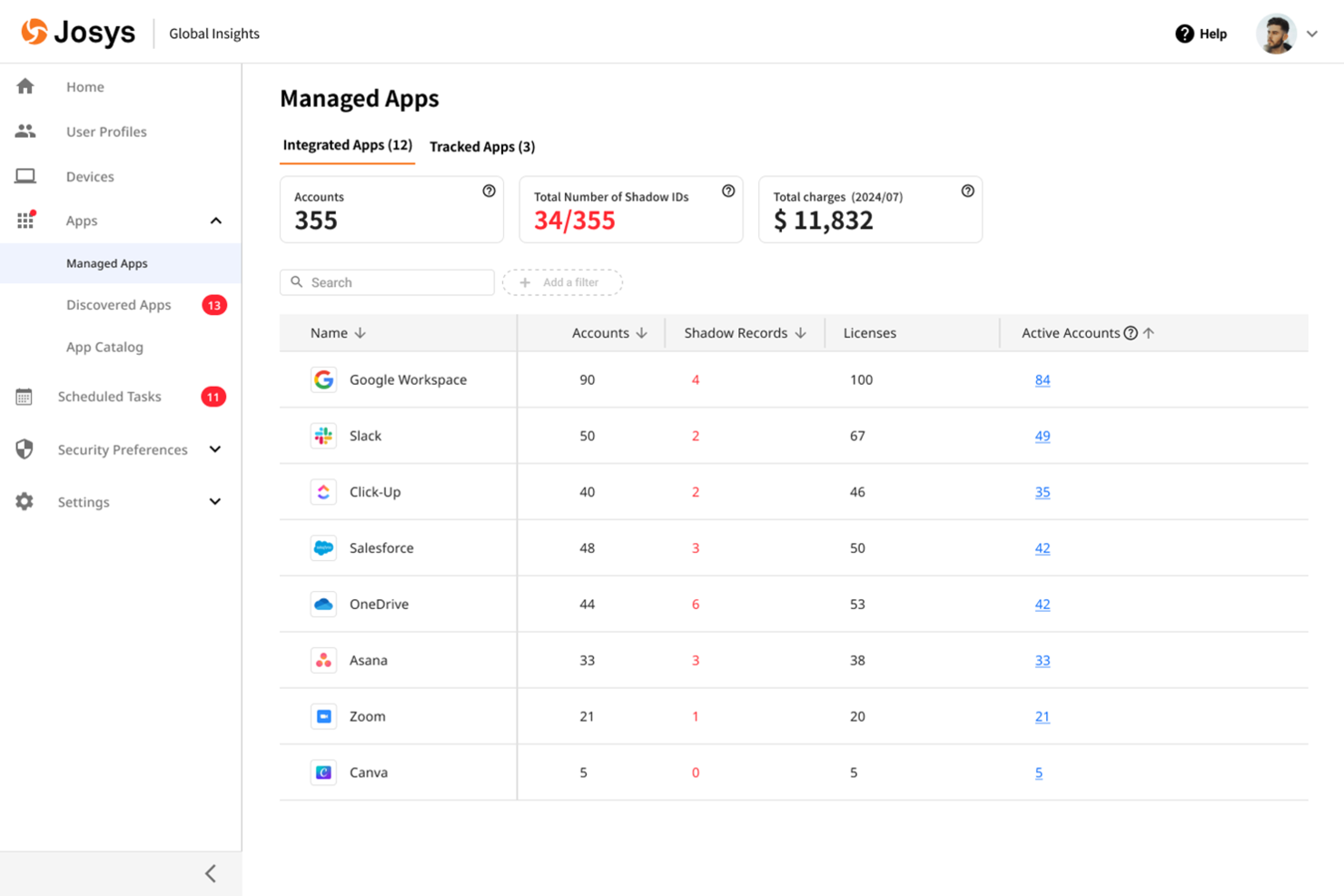
Josys bietet ein automatisiertes SaaS-Lebenszyklusmanagement für IT-Teams, die komplexe Anwendungsumgebungen verwalten. Wenn Sie das Onboarding, Offboarding und die Anwendungsbereitstellung über mehrere Cloud-Tools hinweg optimieren müssen, zentralisiert Josys diese Prozesse auf einer Plattform. Der Schwerpunkt auf Automatisierung trägt dazu bei, manuelle Arbeit zu reduzieren und Fehler im Vergleich zu anderen BetterCloud-Alternativen zu minimieren.
Für wen eignet sich Josys am besten?
IT-Betriebs- und Beschaffungsteams in mittelgroßen Unternehmen in Nordamerika und Europa, die das SaaS-Lebenszyklusmanagement abteilungsübergreifend automatisieren.
Warum ich Josys ausgewählt habe
Josys zeichnet sich durch seinen Fokus auf die Automatisierung des gesamten SaaS-Lebenszyklus aus, was für IT-Teams, die ein wachsendes SaaS-Ökosystem aus Cloud-Anwendungen verwalten, besonders wichtig ist. Ich habe Josys als BetterCloud-Alternative ausgewählt, weil es als zentralisiertes SaaS-Verwaltungstool fungiert, mit dem Sie Onboarding, Offboarding und Anwendungsbereitstellung über ein einziges Dashboard automatisieren können. Die Workflow-Automatisierung der Plattform verwendet integrierte Konnektoren, um manuelle Schritte zu reduzieren und eine konsistente Durchsetzung von Richtlinien in Ihrem SaaS-Stack sicherzustellen. Wenn Sie Fehler minimieren und Zeit bei sich wiederholenden Aufgaben der Benutzerverwaltung sparen möchten, bietet Josys eine gezielte Automatisierung, die über das hinausgeht, was viele andere Plattformen bereitstellen.
Wichtige Funktionen von Josys
Einige weitere Funktionen von Josys können Ihnen dabei helfen, SaaS-Umgebungen effizienter zu verwalten:
- Lizenzverwaltung: Verfolgen und verwalten Sie die Nutzung von SaaS-Lizenzen in Ihrem Unternehmen, um Verschwendung zu vermeiden und die Compliance sicherzustellen.
- Prüfprotokollierung: Führen Sie detaillierte Protokolle über Benutzeraktionen und Änderungen für Sicherheitsüberprüfungen und Compliance-Audits.
- Rollenbasierte Zugriffskontrollen: Weisen Sie Benutzern und Administratoren auf Grundlage ihrer Rollen und Verantwortlichkeiten differenzierte Berechtigungen zu.
- Automatische Anwendungserkennung: Identifizieren und katalogisieren Sie alle verwendeten SaaS-Anwendungen, einschließlich solcher, die ohne Genehmigung der IT hinzugefügt wurden.
Wichtige Integrationen von Josys
Zu den Integrationen gehören Microsoft Entra ID, Google Workspace, BambooHR, Workday, Slack, Zoom, Asana, Jira, AWS und weitere.
Pros and Cons
Pros:
- Automatisiert Onboarding- und Offboarding-Workflows für mehrere SaaS-Anwendungen
- Zentralisiert die SaaS-Lizenzverwaltung und Nutzungsverfolgung in einem Dashboard
- Bietet IT-Administratoren differenzierte rollenbasierte Zugriffskontrollen
Cons:
- Benutzerdefinierte Workflow-Optionen sind möglicherweise weniger flexibel als die von BetterCloud
- Eine begrenzte öffentliche Dokumentation erschwert die Bewertung der Funktionen

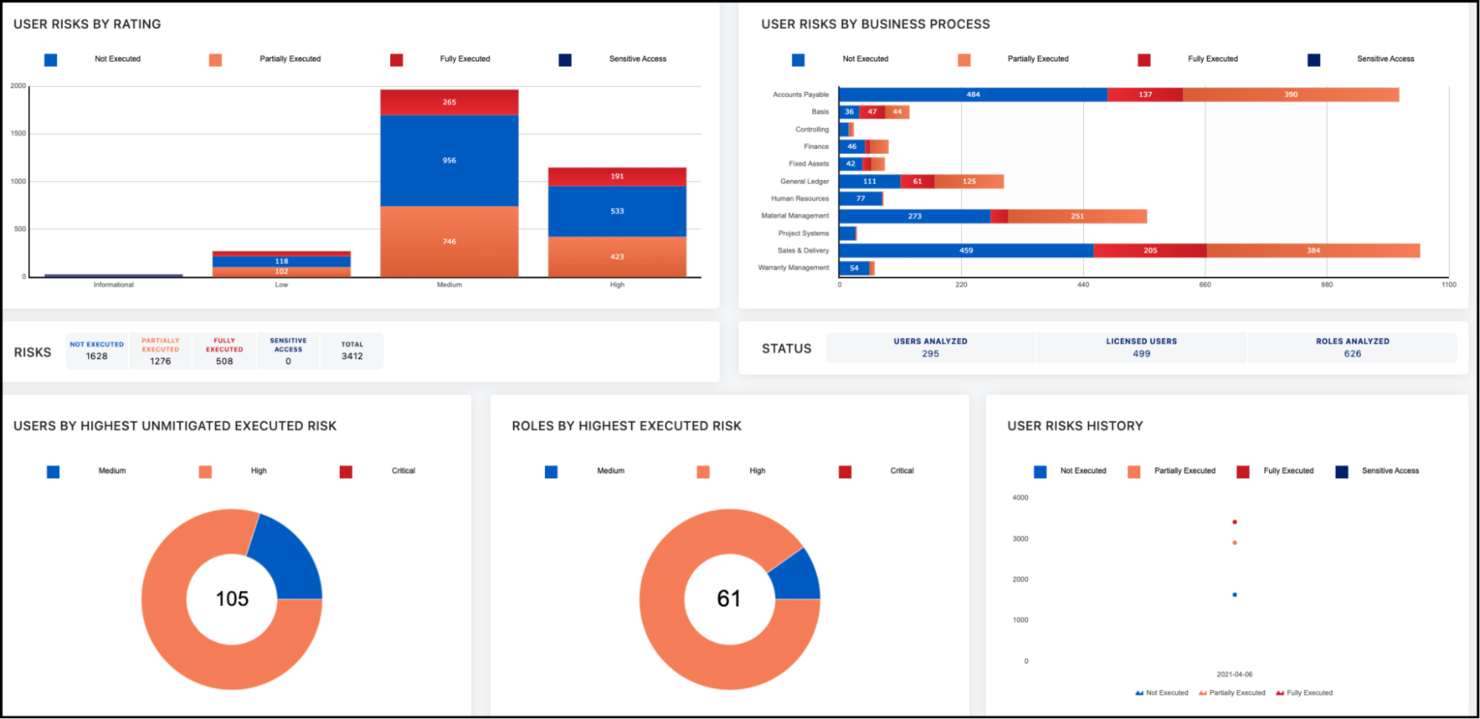
Für Organisationen, die eine fortschrittliche Identitätsgovernance benötigen, bietet SailPoint einen fokussierten Ansatz für Zugriffskontrolle und Compliance. Sicherheitsteams und IT-Verantwortliche nutzen SailPoint, um das Lebenszyklusmanagement von Identitäten zu automatisieren und granulare Zugriffsrichtlinien in komplexen Umgebungen durchzusetzen. Im Gegensatz zu BetterCloud ist SailPoint auf umfassende Governance-Kontrollen spezialisiert und eignet sich daher besonders für regulierte Branchen und Unternehmen mit strengen Compliance-Anforderungen.
Für wen ist SailPoint am besten geeignet?
Sicherheits- und Compliance-Verantwortliche in großen Unternehmen weltweit, die Identitätsgovernance und Zugriffskontrollen implementieren.
Warum ich SailPoint ausgewählt habe
Wenn Ihre Organisation eine fortschrittlichere Identitätsgovernance benötigt, als BetterCloud bietet, ist SailPoint eine Überlegung wert. Ich habe SailPoint ausgewählt, weil die Plattform automatisierte Zugriffszertifizierungen und richtlinienbasierte Zugriffskontrollen bietet, die dabei helfen, die Compliance in stark regulierten Umgebungen durchzusetzen. Die Plattform unterstützt außerdem detaillierte Prüfpfade und Berichte, wodurch sich die Compliance bei Sicherheitsüberprüfungen leichter nachweisen lässt. Für IT- und Sicherheitsteams, die sich auf das Lebenszyklusmanagement und die Governance von Identitäten konzentrieren, bietet SailPoint Kontrollen, die über das standardmäßige SaaS-Management hinausgehen.
Die wichtigsten Funktionen von SailPoint
Einige weitere Funktionen von SailPoint können Ihrem Team dabei helfen, Identitätsmanagement und Sicherheit zu stärken:
- Rollenbasierte Zugriffsmodellierung: Ermöglicht Ihnen, Benutzerrollen zu definieren und zu verwalten, um die Zuweisung von Zugriffen zu vereinfachen.
- Tools zur Passwortverwaltung: Bietet das Zurücksetzen von Passwörtern per Self-Service und die Synchronisierung über verschiedene Systeme hinweg.
- Richtlinien zur Aufgabentrennung: Erkennt und verhindert konfligierende Zugriffsrechte in Ihrer Umgebung.
- Unterstützung für Cloud- und On-Premises-Anwendungen: Verwaltet Identitäten sowohl in cloudbasierten als auch in älteren lokalen Anwendungen.
SailPoint-Integrationen
Zu den Integrationen gehören AWS, SAP, Microsoft Active Directory, Oracle, Salesforce, ServiceNow, Box, Epic Systems und weitere.
Pros and Cons
Pros:
- Automatisiert Zugriffszertifizierungen für complianceorientierte Unternehmen
- Unterstützt die granulare Durchsetzung von Richtlinien für Kontrollen der Identitätsgovernance
- Verwaltet Identitäten in Cloud- und lokalen Systemen
Cons:
- Die Berichtsfunktionen müssen für bestimmte Compliance-Anforderungen möglicherweise angepasst werden
- Die Benutzeroberfläche ist im Vergleich zu einigen SaaS-Wettbewerbern weniger modern

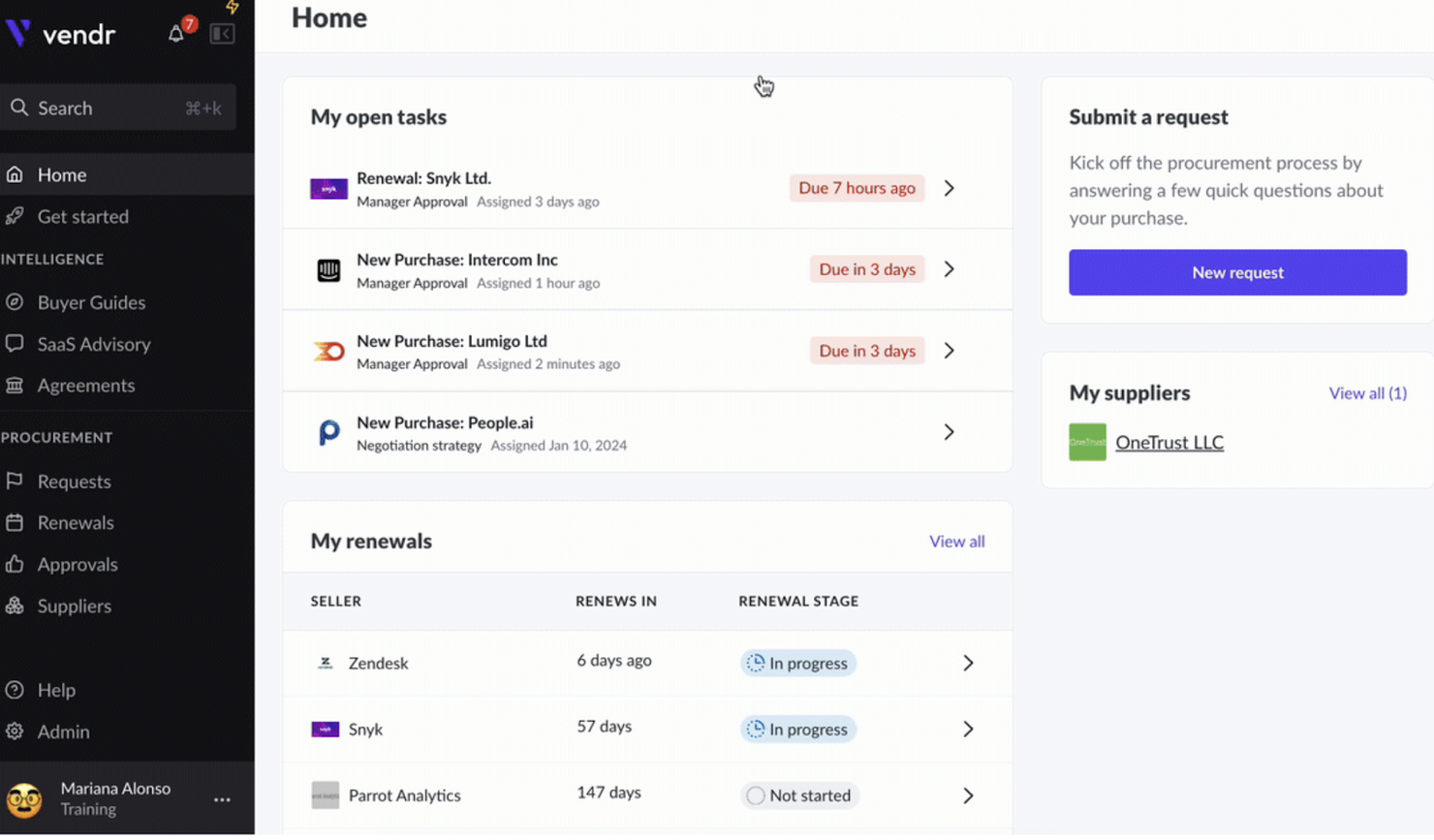
Wenn Ihr Team die SaaS-Beschaffung unter Kontrolle bringen muss, bietet Vendr eine dedizierte Plattform zur Verwaltung von Softwarekäufen und -verlängerungen. Beschaffungsleiter und IT-Asset-Manager nutzen Vendr, um Lieferantenverhandlungen zu zentralisieren, Vertragsbedingungen nachzuverfolgen und SaaS-Ausgaben zu optimieren. Anders als BetterCloud konzentriert sich Vendr auf den gesamten Beschaffungslebenszyklus und ist damit eine gute Wahl für Unternehmen, die ihre Vorgehensweise beim Kauf und bei der Verwaltung von SaaS-Tools standardisieren und automatisieren möchten.
Für wen ist Vendr am besten geeignet?
Beschaffungs- und Finanzteams in mittelgroßen bis großen Unternehmen in Nordamerika, die SaaS-Beschaffung und Lieferantenverhandlungen verwalten.
Warum ich Vendr ausgewählt habe
Für Unternehmen, die mehr Struktur und Transparenz in ihre SaaS-Beschaffung bringen möchten, bietet Vendr eine fokussierte Lösung für einen Bereich, den BetterCloud nicht abdeckt. Ich habe Vendr ausgewählt, weil die Plattform Vertragsmanagement zentralisiert und die Nachverfolgung von Verlängerungen automatisiert. Dadurch können IT- und Beschaffungsteams verpasste Fristen und unerwartete Kosten vermeiden. Die Plattform bietet außerdem Unterstützung bei Lieferantenverhandlungen und gewährt Ihrem Team während des Kaufprozesses Zugriff auf Marktinformationen und Vergleichswerte. Wenn Sie den gesamten SaaS-Beschaffungslebenszyklus verwalten müssen, bietet Vendr Funktionen, die über das standardmäßige SaaS-Management hinausgehen.
Die wichtigsten Funktionen von Vendr
Einige weitere Vendr-Funktionen können Ihrem Team dabei helfen, die SaaS-Beschaffung effizienter zu verwalten:
- SaaS-Ausgabenanalysen: Erfasst und visualisiert Softwareausgaben in Ihrem gesamten Unternehmen.
- Automatisierung von Genehmigungsprozessen: Leitet Kaufanfragen durch individuell anpassbare Genehmigungsketten.
- Zugriff auf eine Lieferantendatenbank: Bietet durchsuchbare Informationen zu Tausenden von SaaS-Lieferanten und -Produkten.
- Verlängerungskalender: Zeigt bevorstehende Vertragsverlängerungen in einem zentralen Dashboard an.
Vendr-Integrationen
Zu den Integrationen gehören Okta, Azure AD, Google Workspace, NetSuite, QuickBooks, Workday, BambooHR, Ironclad, Slack und weitere.
Pros and Cons
Pros:
- Zentralisiert SaaS-Vertragsdaten für mehr Transparenz in der Beschaffung
- Bietet Unterstützung bei Lieferantenverhandlungen mit Vergleichswerten für Marktpreise
- Automatisiert Erinnerungen an Verlängerungen und hilft so, verpasste Fristen zu vermeiden
Cons:
- Bietet kein direktes Management von Benutzerlebenszyklen oder Zugriffskontrollen
- Konzentriert sich auf die Beschaffung und nicht auf SaaS-Betrieb oder Automatisierung

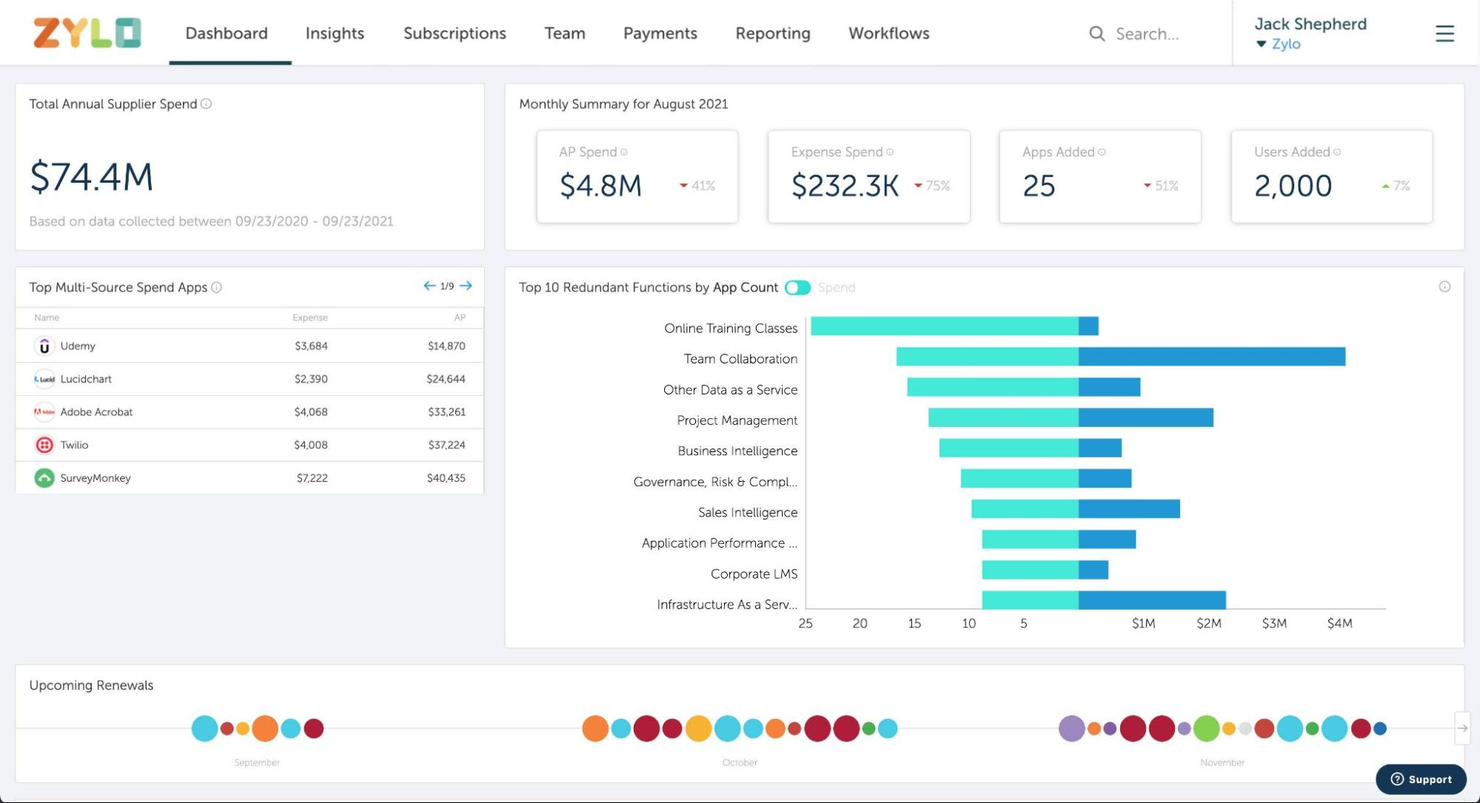
Wenn Ihr Team einen klaren Überblick über SaaS-Ausgaben und -Nutzung benötigt, wurde Zylo genau für diesen Zweck entwickelt. Die Plattform richtet sich an Fachleute aus IT, Beschaffung und Finanzen, die SaaS-Kosten im gesamten Unternehmen verfolgen, analysieren und optimieren möchten. Im Gegensatz zu BetterCloud ist Zylo darauf spezialisiert, detaillierte Ausgabendaten sichtbar zu machen und ungenutzte oder redundante Abonnements aufzudecken.
Für wen ist Zylo am besten geeignet?
IT-Asset- und Finanzmanager in mittelgroßen bis großen Organisationen in Nordamerika und Europa, die Einblick in SaaS-Ausgaben und -Nutzung erhalten möchten.
Warum ich Zylo ausgewählt habe
Für Organisationen, die ihre SaaS-Ausgaben in den Griff bekommen müssen, bietet Zylo einen tieferen Einblick als BetterCloud. Ich habe Zylo ausgewählt, weil die Plattform automatisch alle verwendeten SaaS-Anwendungen ermittelt und die Ausgaben sowohl auf Organisations- als auch auf Benutzerebene erfasst. Die Analysen der Plattform heben zu wenig genutzte Lizenzen und doppelte Abonnements hervor, wodurch sich Möglichkeiten zur Kosteneinsparung leichter erkennen lassen. Wenn es für Sie Priorität hat, SaaS-Ausgaben zu verstehen und zu kontrollieren, sind Zylos Funktionen zur Ausgabentransparenz besonders geeignet.
Wichtige Zylo-Funktionen
Einige weitere Funktionen von Zylo können Ihnen helfen, Ihre SaaS-Umgebung umfassender zu verwalten:
- Vertragsverwaltung: Zentralisiert SaaS-Verträge und Verlängerungstermine für eine einfachere Nachverfolgung.
- Nutzungsanalysen: Bietet detaillierte Berichte zur Anwendungsnutzung in verschiedenen Abteilungen.
- Lizenzoptimierung: Empfiehlt Anpassungen der Lizenzanzahl auf Grundlage realer Nutzungsdaten.
- Einblicke in SaaS-Anbieter: Bietet Vergleichsdaten und Einblicke in SaaS-Anbieter zur Unterstützung von Verhandlungen.
Wichtige Zylo-Integrationen
Native Integrationen sind derzeit nicht öffentlich aufgeführt.
Pros and Cons
Pros:
- Erfasst SaaS-Ausgaben über alle Abteilungen und Geschäftsbereiche hinweg
- Zentralisiert die Vertrags- und Verlängerungsverwaltung für SaaS-Anbieter
- Bietet detaillierte Nutzungsanalysen für eine bessere SaaS-Governance
Cons:
- Bietet keine detaillierte Verwaltung des Benutzerlebenszyklus und keine Automatisierungsfunktionen
- Unterstützt keine direkte Konfiguration von SaaS-Anwendungen oder Durchsetzung von Richtlinien

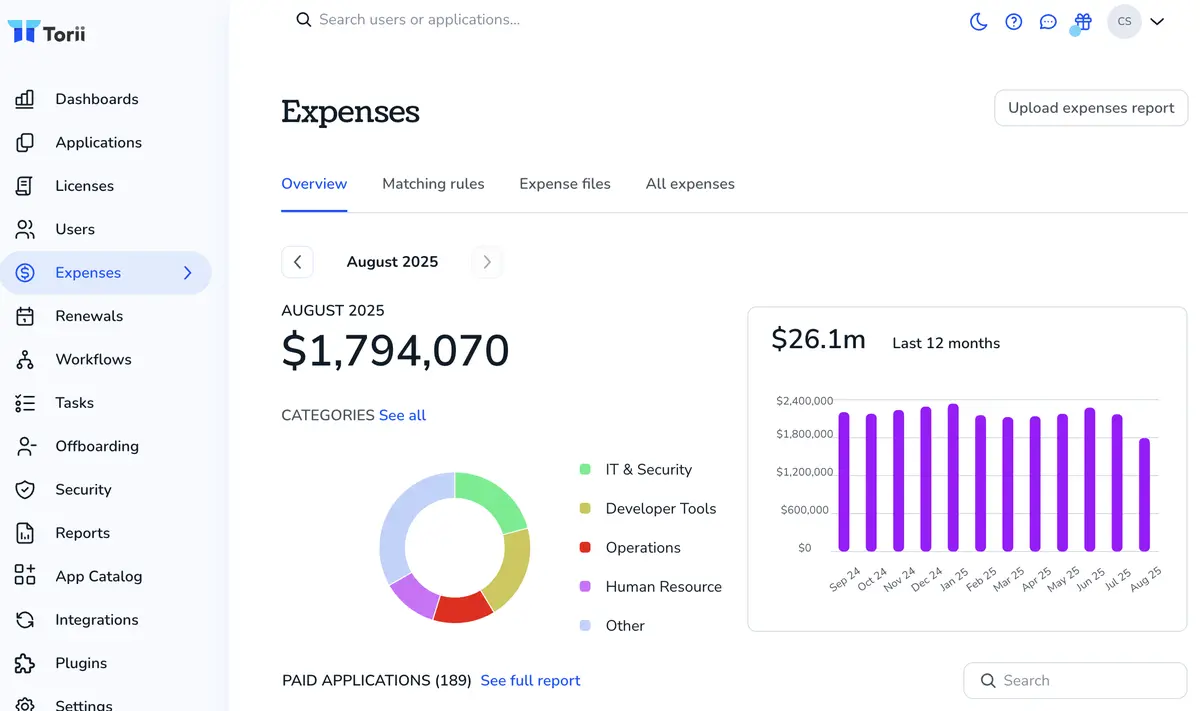
Wenn Sie umfassende Transparenz über die SaaS-Nutzung in Ihrer gesamten Organisation benötigen, ist Torii für Sie gemacht. IT-Teams und Verantwortliche für die Beschaffung nutzen Torii, um jede verwendete SaaS-Anwendung – einschließlich Schatten-IT – automatisch zu erkennen, zu verfolgen und zu analysieren. Anders als BetterCloud ist Torii darauf spezialisiert, Nutzungsmuster und Ausgabendaten sichtbar zu machen, damit Sie Ihr SaaS-Portfolio optimieren können.
Für wen ist Torii am besten geeignet?
IT-Betriebsteams und SaaS-Administratoren in mittelgroßen Unternehmen weltweit, die Schatten-IT aufdecken und die Softwarenutzung verfolgen möchten.
Warum ich Torii ausgewählt habe
Wenn es darum geht, die SaaS-Nutzung aufzudecken und zu verfolgen, bietet Torii ein Maß an Transparenz, mit dem BetterCloud nicht mithalten kann. Ich habe Torii ausgewählt, weil die Plattform alle SaaS-Anwendungen in Ihrer Umgebung automatisch erkennt, einschließlich solcher, die nicht von der IT verwaltet werden. Dadurch können Sie Risiken durch Schatten-IT besser begegnen. Die Plattform verfolgt außerdem die Lizenznutzung und Ausgaben, sodass Sie wenig genutzte Abonnements identifizieren und Kosten optimieren können. Für IT-Teams, die sich auf SaaS-Management und Ausgabenanalyse konzentrieren, rückt Torii die Erkennung und Nutzungsverfolgung in den Mittelpunkt.
Wichtige Funktionen von Torii
Einige weitere Funktionen von Torii können Ihrem Team dabei helfen, den SaaS-Betrieb effektiver zu verwalten:
- Automatisiertes Onboarding und Offboarding: Vereinfacht die Bereitstellung und Aufhebung der Bereitstellung von Benutzern über verbundene SaaS-Anwendungen hinweg.
- Benutzerdefinierter Workflow-Builder: Ermöglicht Ihnen, IT-Prozesse für die Anwendungsverwaltung zu entwerfen und zu automatisieren.
- Dashboard zur Verlängerungsverwaltung: Verfolgt bevorstehende Vertragsverlängerungen und sendet Warnmeldungen, um verpasste Fristen zu vermeiden.
- Richtliniendurchsetzungsmodul: Wendet Nutzungs- und Sicherheitsrichtlinien automatisch auf erkannte SaaS-Anwendungen an.
Torii-Integrationen
Zu den Integrationen gehören Okta, Google Workspace, JumpCloud, SAP SuccessFactors, ADP Workforce Now, NetSuite, Expensify, AWS und weitere.
Pros and Cons
Pros:
- Erkennt automatisch sowohl verwaltete als auch nicht verwaltete SaaS-Anwendungen, die verwendet werden
- Verfolgt die Lizenznutzung und Ausgaben für alle verbundenen SaaS-Tools
- Bietet Workflow-Automatisierung für Onboarding- und Offboarding-Prozesse
Cons:
- Die öffentliche Dokumentation und die Support-Ressourcen sind weniger umfangreich
- Bietet nicht die granularen Zugriffsverwaltungsfunktionen von BetterCloud

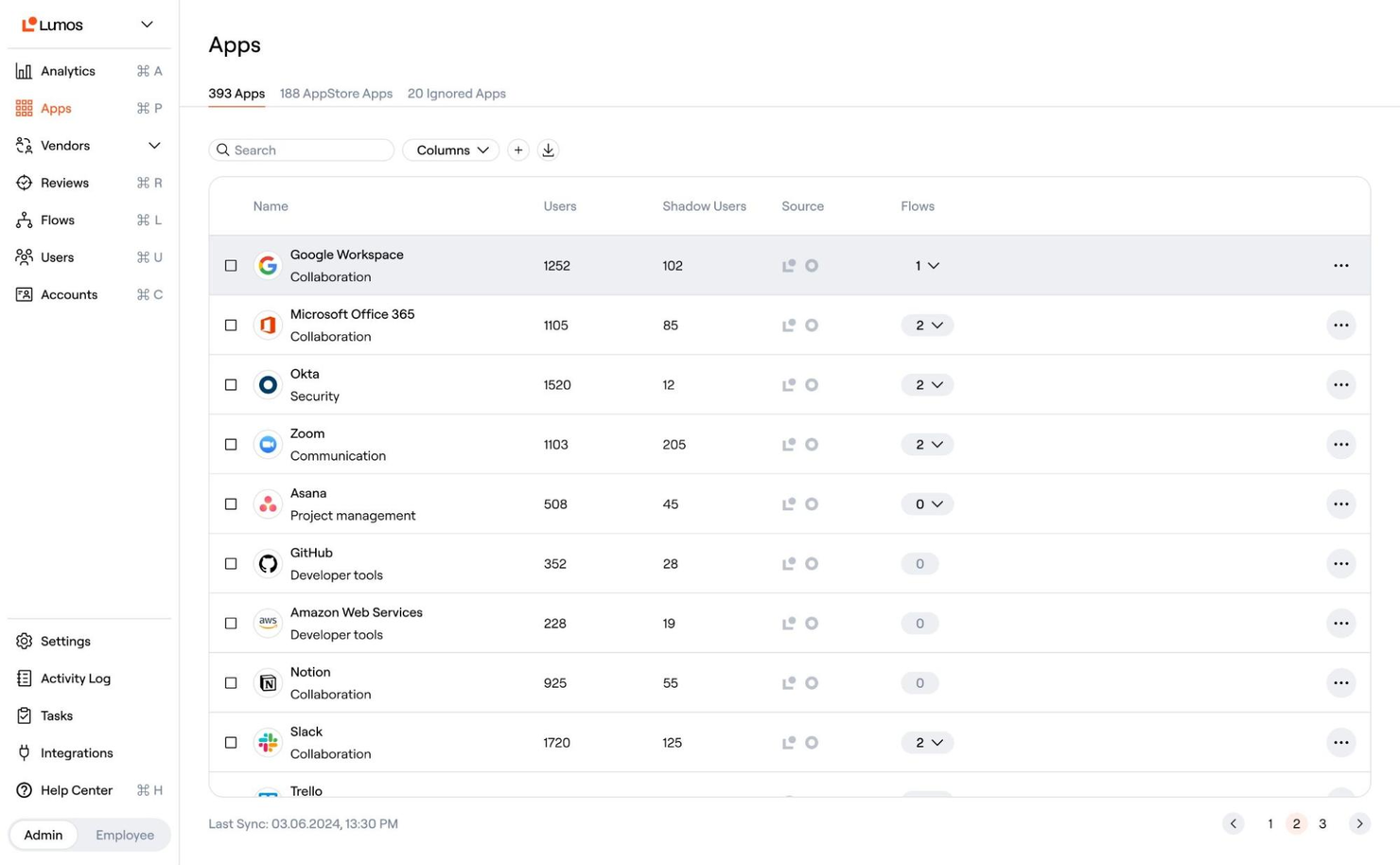
Lumos verfolgt einen workflowgesteuerten Ansatz zur Automatisierung von Zugriffsanfragen und Genehmigungen für SaaS- und interne Apps. Die Lösung eignet sich besonders für IT- und Sicherheitsteams in Organisationen mit strengen Compliance-Anforderungen oder einer hohen Anzahl an Zugriffsänderungen. Im Gegensatz zu BetterCloud zentralisiert Lumos die Zugriffsverwaltung und ermöglicht es Ihnen, individuelle Genehmigungsabläufe zu erstellen, die die manuelle Bearbeitung von Tickets reduzieren.
Für wen eignet sich Lumos am besten?
IT- und Sicherheitsteams in mittelgroßen Organisationen in Nordamerika und Europa, die Zugriffsanfragen und Genehmigungen für Mitarbeiter automatisieren.
Warum ich Lumos ausgewählt habe
Für Teams, die Zugriffsanfragen automatisieren und kontrollieren müssen, bietet Lumos eine fokussierte Lösung, die sich von BetterCloud abhebt. Ich habe Lumos ausgewählt, weil Sie damit individuelle Genehmigungsabläufe für den Zugriff auf SaaS- und interne Apps erstellen können, wodurch der Bedarf an manuellen Eingriffen durch die IT reduziert wird. Die Plattform bietet außerdem zentralisierte Dashboards zur Nachverfolgung von Anfragen und zur Durchsetzung von Compliance-Richtlinien. Wenn Ihre Organisation häufige Zugriffsänderungen oder strenge Prüfanforderungen bewältigen muss, sorgt Lumos für Automatisierung und Transparenz in diesem Prozess.
Wichtige Funktionen von Lumos
Einige weitere Funktionen von Lumos können Ihrem Team dabei helfen, Zugriffe und Compliance effizienter zu verwalten:
- Automatisierte Zugriffsüberprüfungen: Plant und verwaltet regelmäßige Zertifizierungen der Zugriffsrechte für alle verbundenen Apps.
- Rollenbasierte Zugriffskontrollen: Weist Berechtigungen anhand von Benutzerrollen zu, um den Zugriff abteilungsübergreifend zu standardisieren.
- Berichte zu Prüfpfaden: Erfasst detaillierte Protokolle aller Zugriffsanfragen, Genehmigungen und Änderungen.
- Zugriffskatalog zur Selbstbedienung: Ermöglicht Benutzern, genehmigte Apps über ein zentralisiertes Portal zu durchsuchen und Zugriff anzufordern.
Lumos-Integrationen
Zu den Integrationen gehören Okta, Azure AD, Google Workspace, Salesforce, Slack, GitHub, 1Password, Adobe, ADP und weitere.
Pros and Cons
Pros:
- Automatisiert mehrstufige Abläufe für Zugriffsanfragen und Genehmigungen von SaaS-Apps
- Zentralisiert die Zugriffsverwaltung für cloudbasierte und lokale Ressourcen
- Bietet detaillierte Prüfpfade für alle Zugriffsänderungen und Genehmigungen
Cons:
- Im Vergleich zu etablierteren Alternativen ist die Präsenz in der Community geringer
- Die begrenzte öffentliche Dokumentation erschwert die technische Bewertung
Weitere BetterCloud-Alternativen
Hier sind einige zusätzliche Alternativen zu BetterCloud, die es nicht in meine Auswahl geschafft haben, aber dennoch einen Blick wert sind:
- Zluri
Am besten für die Bereitstellung von Mitarbeiter-Apps geeignet
- DoControl
Am besten für granulare Datenzugriffskontrollen geeignet
- Netskope One
Am besten für den Echtzeit-Datenschutz in der Cloud geeignet


Wie ich BetterCloud-Alternativen bewerte
Ich teile die Bewertung in zwei Ebenen auf: Die Kernfunktionen, die eine BetterCloud-Alternative unbedingt haben muss—wie SaaS-Lifecycle-Automatisierung und Zugriffssteuerungen—und die Alleinstellungsmerkmale, die die Tools voneinander unterscheiden.
Kernfunktionen (Grundvoraussetzung für diese Liste)
Wenn ich Tools für meine Liste auswähle, bewerte ich jedes einzelne auf einer Skala von 0 (bietet die Funktion nicht) bis 5 (hervorragend in diesem Bereich) für jede der unten aufgeführten Kernfunktionen. Anschließend berechne ich die Gesamtpunktzahl des Tools als Prozentsatz. Jedes Tool muss eine Mindestgesamtbewertung von 65 % erreichen, um für die Aufnahme in Betracht gezogen zu werden.
- Integrationstiefe für mehrere SaaS-Anwendungen: Ich prüfe, wie viele native Konnektoren ein Tool bietet und ob diese Integrationen über reine SSO-Verbindungen hinausgehen und einen detaillierten Zugriff auf Aktionen bei Apps wie Google Workspace, Microsoft 365, Slack und Salesforce erlauben.
- Automatisierung des Benutzerlebenszyklus: Es wird bewertet, ob das Tool den vollständigen Joiner-Mover-Leaver-Prozess automatisieren kann—etwa die Bereitstellung der Apps eines neuen Mitarbeiters über einen HRIS-Auslöser und die sofortige Entziehung des Zugriffs bei Kündigung.
- Workflow- & Playbook-Builder: Ich achte auf eine No-Code- oder Low-Code-Engine, die bedingte Verzweigungen und mehrstufige Aktionen unterstützt, wie das automatische Sperren aller Konten eines Nutzers in SaaS-Apps, wenn eine Sicherheitswarnung ausgelöst wird.
- Zugriffs- & Berechtigungsmanagement für SaaS: Zentralisierte Kontrolle über Berechtigungen, Gruppenmitgliedschaften und Richtlinien für Dateifreigaben ist hier wichtig—insbesondere die Möglichkeit zu prüfen, wer Admin-Zugriff auf welche verbundenen Apps hat.
- SaaS-Erkennung & Transparenz: Tools sollten App-Nutzungsdaten und Lizenzverwendung anzeigen, damit IT-Teams Schatten-IT erkennen und ungenutzte Lizenzen aufspüren, die unbemerkt Budget verbrauchen.
- Sicherheits- & Compliance-Kontrollen: Ich prüfe, ob die Plattform Richtliniendurchsetzung, DLP-ähnliches Scannen und Prüfprotokolle zur Unterstützung von Compliance-Workflows für Rahmenwerke wie SOC 2 oder ISO 27001 beinhaltet.
Sobald ich eine Liste der Tools habe, die diese Kriterien erfüllen, betrachte ich die Unterscheidungsmerkmale jeder Plattform.
Unterscheidungsmerkmale (was Anbieter abhebt)
So vergleiche und bewerte ich verschiedene Anbieter:
Herausragende Funktionen
HRIS-gesteuerte Automatisierung ist ein großer Pluspunkt—ich suche nach Tools, die Onboarding-Workflows sofort auslösen, sobald ein neuer Mitarbeiter in Workday oder BambooHR als aktiv markiert wird, völlig ohne manuelle Schritte. Detailliertes, delegiertes Admin-Management ist ebenso wichtig, da Bereichsleiter oder MSP-Techniker häufig gezielten Zugriff benötigen, um ihre eigenen Nutzer zu verwalten, ohne globale Einstellungen zu verändern. Außerdem bewerte ich, ob eine Plattform ein Self-Service-Portal bietet, über das Endnutzer App-Zugriff anfordern oder Passwörter selbst zurücksetzen können, wodurch einfache IT-Tickets reduziert werden.
Mehr als nur Features
Die Tiefe des Integrations-Ökosystems bewerte ich besonders genau—Tools mit offenen APIs und Custom-Connector-Baukästen geben Teams die Flexibilität, auch weniger verbreitete SaaS-Apps anzubinden. Auch die Compliance-Ausrichtung ist wichtig, insbesondere ob ein Anbieter SOC 2 Type II oder ISO 27001-Zertifizierungen hält und exportierbare Prüfprotokolle für Nachweise bietet. Ich berücksichtige zudem die Zielkundengruppe, denn manche Plattformen sind für Enterprise-IT-Teams mit tausenden Usern konzipiert, andere sind besser für kleine Unternehmen oder MSPs geeignet, die mehrere Mandanten betreuen.
Warum nach einer Alternative zu BetterCloud suchen?
Obwohl BetterCloud eine gute Wahl für die SaaS-Verwaltung ist, gibt es mehrere Gründe, warum einige Benutzer nach alternativen Lösungen suchen. Vielleicht suchen Sie nach einer Alternative zu BetterCloud, weil …
- Sie granularere Zugriffskontrollen auf Dateiebene benötigen
- Ihr Team eine umfassendere Automatisierung für SaaS-Sicherheitsworkflows wünscht
- Sie Integrationen mit SaaS-Apps benötigen, die BetterCloud nicht unterstützt
- Ihre Organisation eine transparentere oder flexiblere Preisgestaltung benötigt
- Sie nach einem Tool mit leistungsfähigeren Funktionen für Compliance-Berichte suchen
- Sie Unterstützung für globale Umgebungen oder Umgebungen mit mehreren Mandanten benötigen
Wenn Sie sich in einem dieser Punkte wiedererkennen, sind Sie hier richtig. Meine Liste umfasst mehrere BetterCloud-Alternativen, die besser für Teams geeignet sind, die mit diesen Herausforderungen bei BetterCloud konfrontiert sind und nach Alternativen suchen.
Wichtige Funktionen von BetterCloud
Hier sind einige der wichtigsten Funktionen von BetterCloud, damit Sie die Angebote alternativer Lösungen gegenüberstellen und vergleichen können:
- Automatisierte Workflows für das Onboarding und Offboarding von Benutzern
- Zentralisierte Verwaltung von Berechtigungen und Zugriffen auf SaaS-Anwendungen
- Richtlinienbasierte Automatisierung von Sicherheits- und Compliance-Aufgaben
- Echtzeitüberwachung von SaaS-Aktivitäten und Konfigurationsänderungen
- Individuelle Benachrichtigungen bei verdächtigem oder riskantem Benutzerverhalten
- Massenaktionen zur Verwaltung von Benutzern, Gruppen und Lizenzen
- Detaillierte Prüfprotokolle und Berichte für Compliance-Anforderungen
- Integration mit wichtigen SaaS-Plattformen wie Google Workspace und Microsoft 365
- Delegierte Administration für verteilte IT-Teams
- Vorgefertigte Workflow-Vorlagen für gängige IT-Prozesse
Was kommt als Nächstes:
Wenn Sie gerade nach einer Alternative zu BetterCloud suchen, wenden Sie sich an einen SoftwareSelect-Berater, um kostenlos Empfehlungen zu erhalten.
Sie füllen ein Formular aus und führen ein kurzes Gespräch, in dem die spezifischen Anforderungen Ihres Unternehmens besprochen werden. Anschließend erhalten Sie eine Auswahlliste von Software zur Prüfung. Die Berater unterstützen Sie sogar während des gesamten Kaufprozesses, einschließlich der Preisverhandlungen.