CTO sagt, KI verursacht erhebliche Stabilitätsprobleme
David Ting
CTO bei Bespin Global

David Ting erklärt, wie KI die Geschwindigkeit der Entwicklung steigert, dabei jedoch Stabilitätsrisiken mit sich bringt, und warum Validierung, Governance und Fachaufsicht für zuverlässige Software unerlässlich sind.
Key Takeaways
KI-Transformationsstrategie: David Ting etabliert eine KI-Transformationsstrategie, um Abläufe zu optimieren und neue Produkte zu entwickeln.
KI-Entwicklertools: Mit Tools wie Claude Code steigt die Entwicklungseffizienz angeblich um das Zehnfache.
Menschliche Fachkompetenz: Trotz der Fortschritte der KI bleiben menschliche Experten entscheidend, um die Funktionalität des Codes und die Qualitätssicherung zu gewährleisten.
Herausforderungen in der Produktion: Die Integration von KI kann zu Instabilität in Produktionsumgebungen führen und erfordert eine sorgfältige Leistungsüberwachung.
Lernen durch Praxiserfahrung: Das praktische Programmieren mit KI-Tools ist wirkungsvoller als herkömmliche Schulungen, die schnell veraltet sind.
David Ting ist der CTO bei Bespin Global und integriert seit über einem Jahrzehnt KI in Arbeitsabläufe. Aber im letzten Jahr, sagt er, hat sich das Spiel verändert.
Wir haben uns mit David zusammengesetzt, um über die Fortschritte zu sprechen, die er beobachtet. Er sagt, es ist nicht alles ein Gewinn – Stabilität ist ein großes Problem.
Entwicklung einer KI-Transformationsstrategie

Davids Gedanken
Innovation hat sich im vergangenen Jahr noch weiter beschleunigt.
Ich beschäftige mich seit über einem Jahrzehnt aktiv mit KI. Es ist ein sich schnell entwickelndes Umfeld, und die Innovation hat sich im vergangenen Jahr noch weiter beschleunigt.
Zurzeit bin ich CTO von Bespin Global, wo ich die KI-Transformationsstrategie entwickle – von der Rationalisierung von Abläufen bis hin zur Entwicklung neuer Produkte und Dienstleistungen. Unser Fokus liegt auf Cloud-Reselling und Beratung, mit 1.000 Mitarbeitern weltweit.
Ich habe außerdem zwei interne KI-Produkte entwickelt und aufgebaut – ein KI-Tool für die Fertigung (Manufacturing) und ein Security-KI-Tool.
Ich widme täglich mindestens 50% meiner Zeit dem Programmieren und Automatisieren meines Arbeits- und Privatlebens. So kann ich mit den neuesten technischen Entwicklungen Schritt halten. Tatsächlich habe ich im letzten Monat mehr als 200.000 Codezeilen mit KI-Unterstützung geschrieben.
More Articles
Warum Claude Code verpflichtend sein sollte
Wir haben Hunderte Entwickler, und alle nutzen Claude Code.
Wir beobachten proaktiv die Geschwindigkeit und haben festgestellt, dass die Entwicklerproduktivität um mehr als das 10-fache steigen kann. Nach meiner Erfahrung liegt der Grenzwert sogar noch höher.
Wir verwenden weiterhin die traditionellen Entwickler- und QA-Teams mit einem klassischen, spezifikationsgesteuerten Arbeitsablauf. Die Veränderung liegt in den Werkzeugen.
Sogar das QA-Team schreibt mehr Tests mit KI – hauptsächlich Playwright-Tests und weitere Unit-Tests.
Auch das Entwicklerteam verwendet weitere Tools. Persönlich nutze ich für die meisten Aufgaben Open-Source-Tools. Außerdem verwende ich OpenAI, Codex, die Anthropic API und Claude. All diese nutze ich gleichzeitig über mehrere Terminalfenster.
Wie KI End-to-End-Entwicklungsprozesse unterstützt
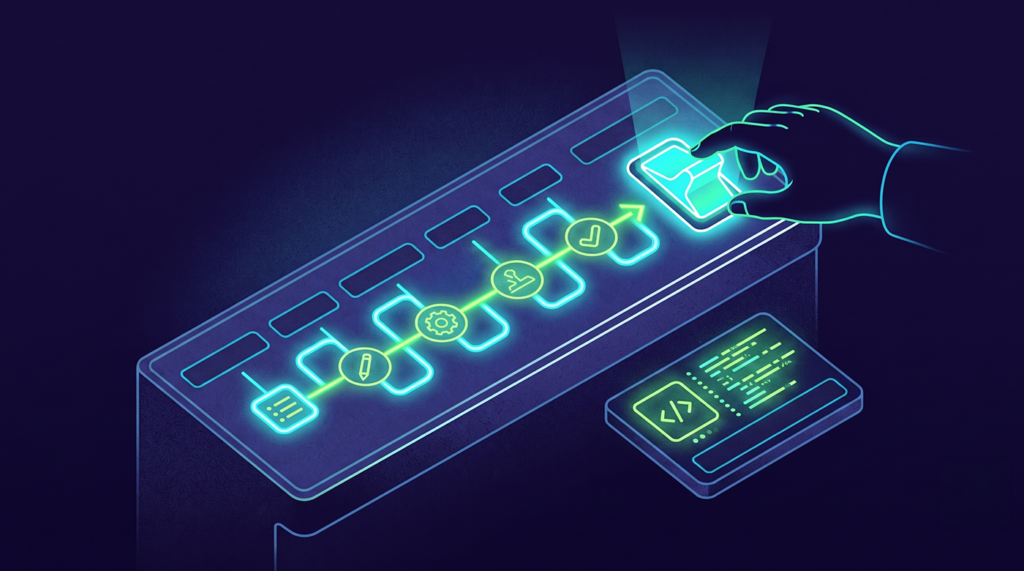
Wir schreiben die Produktspezifikation mit KI, führen Architekturprüfungen mit KI durch und programmieren mit KI.
Dafür startet man mit einer sehr detaillierten Entwurfsspezifikation. Die KI-Entwickler erarbeiten diese, ergänzen Details und prüfen das Design eingehend (um Schwachstellen zu entdecken). Anschließend arbeitet ein Agent an jedem einzelnen To-do und liefert es aus.
Nach der Implementierung ist eine menschliche Validierung notwendig, um sicherzustellen, dass die Software wie gewünscht funktioniert. Hängen Sie Überwachungs-Tools an den Code-Stack an, um Logs und Performance-Metriken auszuwerten, und geben Sie KI eine Chance, gezielt zu optimieren oder Fehler mit einem klaren Ziel zu beheben.
Wenn Sie das machen, werden Sie feststellen, dass ein Entwickler schnell die Arbeit von 20 bis 60 Entwicklern leisten kann. Der Feinschliff eines Produkts braucht Expertenwissen, aber den Großteil der Codierung übernimmt die KI.
Warum KI den Fokus von Code-Qualität auf Output verschiebt
Ich habe die Code-Qualität zwar als Kennzahl weiterhin im Blick, aber durch KI liegt mein Schwerpunkt nun auf der Anzahl umgesetzter Use Cases und geschriebenen Codezeilen.
Der Grund ist einfach: KI erhöht die Outputmenge. Die Iterationen sind also extrem schnell.
Man refaktoriert nicht. Man lässt die Ergebnisse bestimmen, wo die Zeit investiert wird.
Ich habe die Codequalität weiterhin als Metrik erfasst, aber KI hat meinen Fokus auf die Zahl der umgesetzten Anwendungsfälle und Codezeilen verschoben… Man refaktoriert nicht. Man lässt die Ergebnisse bestimmen, wo man seine Zeit investiert.

Warum menschliche Experten in technischen Arbeitsabläufen weiterhin unverzichtbar sind
Nahezu alles, was wir tun, wird von KI beeinflusst. Sie hat sich allein in den letzten sechs Monaten stark verbessert, aber menschliche Experten bleiben essenziell, um die Entwicklung zu steuern. Sie stellen sicher, dass der Code korrekt funktioniert und das UX-Design überzeugt.
KIs "halluzinieren" häufig. Das führt zu tiefgehenden Bugs. Es braucht jemanden mit tiefgehendem Wissen über architektonische Best Practices, um diese zu erkennen.
Deshalb setzen wir auf kleinere Teams mit weltklasse Experten. Die Stärke eines Teams bemisst sich nicht mehr nach seiner Größe.
Warum KI mehr Arbeit für Bereitschaftspersonal schafft
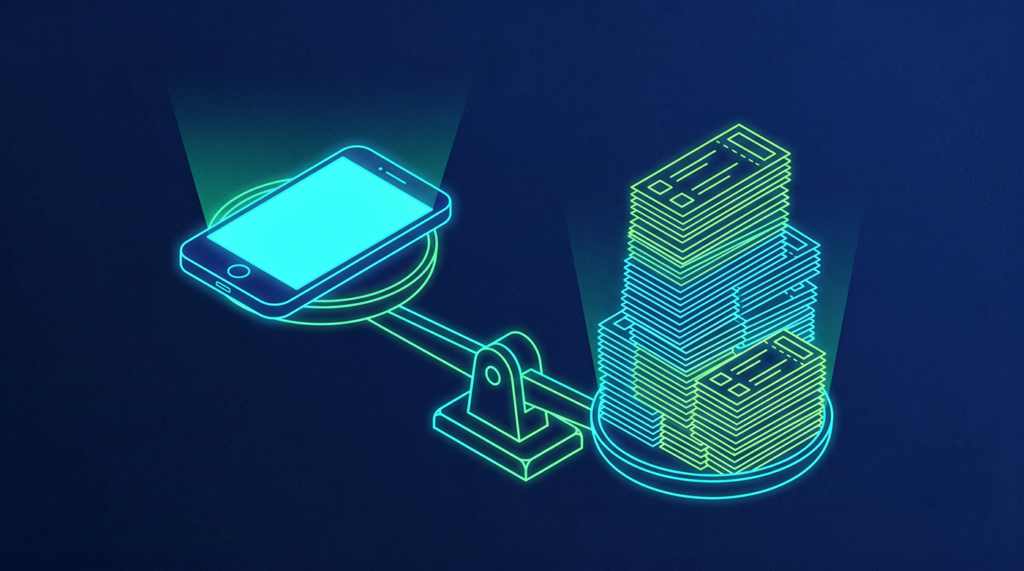
Die Integration von KI hat selbstverständlich zu Kosteneinsparungen geführt. Unsere digitale Produktionsstraße, die auf agentischer KI basiert, hat den Personalbedarf um 75 % gesenkt und die Liefergeschwindigkeit erhöht.
In diesem Jahr experimentiere ich außerdem damit, Rollen im Unternehmen durch ein Team aus Agenten zu automatisieren – mit vielversprechenden Ergebnissen.
Aber diese Erfolge sind nur ein Teil der Geschichte.
Die Qualität variiert enorm, weil das Codieren nun nicht-deterministisch ist. Derselbe Prompt bringt unterschiedliche Ergebnisse, was frustrierend sein kann.
Um zu vermeiden, dass sich Bugs in die Produktion einschleichen, ist größte Sorgfalt nötig – Prompts müssen sorgfältig formuliert und Code sorgfältig getestet werden.
Dadurch arbeiten die Leute – insbesondere das Bereitschaftspersonal – mehr denn je.
Wie KI die Verfügbarkeit der Produktion beeinflusst
Wir haben umfangreiche Überwachung und Sicherheitsmechanismen eingeführt. Die Claude-API ist in der Produktion instabil, daher haben wir sie mit Open-Source-Modellen wie Qwen ergänzt.
Auch die Produktionsverfügbarkeit ist ein Thema. Unsere Anwendung hat während der Stoßzeiten einen massiven Qualitätsverlust erfahren.
Wir planen, diese Anwendungen künftig auf selbst gehosteten LLMs als Fallback laufen zu lassen.
Davids Gedanken
Auch die Produktionsverfügbarkeit ist ein Thema. Unsere Anwendung hat während der Stoßzeiten einen massiven Qualitätsverlust erfahren.
Warum praktische Programmiererfahrung Schulungen bei der KI-Einführung übertrifft
Als ich diese Veränderungen eingeführt habe, wollten die Leute zunächst Schulungen, bevor sie die Tools einsetzten.
Ich hätte von Anfang an verlangen sollen, dass KI im Code genutzt wird. Stattdessen absolvierten alle etliche Trainings und Kurse.
KI entwickelt sich so rasant, dass die Schulungsunterlagen wöchentlich veraltet sind. Nur durch Machen lernt man wirklich.
Warum zusätzliche Entwickler eine Projektsteuer belasten
CTOs sollten ihre Organisationen neu aufbauen. Denn heutzutage haben Einzelpersonen das höchste Arbeitstempo.
Produktivität hängt von zwei Faktoren ab:
- Wie gut man Aufgaben für KI definiert
- Wie gut man die Ergebnisse der KI validiert und behebt
Behalten Sie die großartigen Mitarbeiter, die gut mit KI harmonieren. Zusätzliche Personen im Projekt verursachen eine Steuer.
Warum CTOs davon ausgehen sollten, dass KI scheitern wird
Hier ist mein Rat: Gehen Sie bei der Einführung so aggressiv wie möglich vor, aber überprüfen Sie alles gründlich.
Sie werden überall Erfolge finden, aber Sie werden auf Misserfolge stoßen, wenn es Ihnen an angemessener Validierung und Governance-Strukturen fehlt.
CTOs sollten viel Zeit darauf verwenden, diese Strukturen zu implementieren – und zahlreiche Sicherungsmechanismen einzubauen.
Gehen Sie davon aus, dass KI scheitern wird.
Gehen Sie bei der Einführung so aggressiv wie möglich vor, aber überprüfen Sie alles gründlich…Gehen Sie davon aus, dass KI scheitern wird.
Bleiben Sie dran
Sie können die Arbeit von David Ting auf LinkedIn verfolgen.
Weitere Experteninterviews folgen demnächst bei The CTO Club!