

I 10 migliori strumenti per i test di regressione recensiti per il 2026

10 Elenco dei migliori strumenti per i test di regressione


I test di regressione possono essere un grattacapo per il tuo team, soprattutto quando devi gestire più progetti e scadenze ravvicinate. È facile non accorgersi dei bug che si ripresentano nel codice. È qui che entrano in gioco gli strumenti per i test di regressione, che ti aiutano a individuare i problemi prima che diventino tali.
Nella mia esperienza, trovare lo strumento giusto può fare davvero la differenza. Ho testato e valutato in modo indipendente le principali opzioni sul mercato, concentrandomi su ciò che conta davvero per il tuo flusso di lavoro e i tuoi obiettivi.
In questo articolo condividerò le mie scelte imparziali dei migliori strumenti per i test di regressione. Troverai informazioni sulle funzionalità, sulla facilità d'uso e su ciò che distingue ogni strumento dagli altri. Iniziamo a esaminare le opzioni per trovare quella più adatta al tuo team.
Perché fidarsi dei nostri consigli sui software
Il nostro team testa e recensisce software dal 2012. In quanto leader tecnologici noi stessi, sappiamo quanto sia difficile — e importante — scegliere il software giusto.
Per questa guida, abbiamo valutato gli strumenti attraverso test praticie ricerche indipendenti, assegnando un punteggio agli strumenti in base ai nostri criteri di selezione.
Le nostre recensioni riflettono il nostro giudizio editoriale umano, non un discorso di vendita.
Revisori esperti:
Riepilogo dei migliori strumenti per i test di regressione
Questa tabella comparativa riassume i dettagli dei prezzi delle mie migliori selezioni di strumenti per i test di regressione, per aiutarti a trovare quello più adatto al tuo budget e alle esigenze della tua azienda.
| Tool | Best For | Trial Info | Price | ||
|---|---|---|---|---|---|
| 1 | Ideale per l'integrazione con sistemi aziendali personalizzati | Non disponibile | Prezzo su richiesta | Website | |
| 2 | Ideale per la creazione modulare di test con approccio design-first | Prova gratuita di 14 giorni | Prezzo su richiesta | Website | |
| 3 | Ideale per la gestione manuale dei test basata su checklist | Prova gratuita di 30 giorni | A partire da $49/mese (fatturato annualmente) | Website | |
| 4 | Ideale per test di regressione guidati da esperti | Demo gratuita disponibile | Prezzi su richiesta | Website | |
| 5 | Migliore suite di soluzioni di testing flessibili e su richiesta | Not available | Prezzi su richiesta | Website | |
| 6 | Ideale per organizzare i tuoi casi di test in un unico editor visuale | Prova gratuita disponibile + demo gratuita | Prezzo su richiesta | Website | |
| 7 | Ideale per integrazione con strumenti CI/CD | Prova gratuita di 14 giorni | Da $212/mese | Website | |
| 8 | Ideale per convertire i test manuali in test automatizzati | Accesso open source gratuito disponibile + prova gratuita di 14 giorni | Prezzo su richiesta | Website | |
| 9 | Miglior toolkit completo per una copertura totale dei test | Piano gratuito disponibile + demo gratuita | Da $183/utente/mese | Website | |
| 10 | Ideale per test sintetici | Disponibile piano gratuito | Da $49/utente/mese | Website |
Recensioni dei migliori strumenti per i test di regressione
Di seguito trovi i miei riepiloghi dettagliati dei migliori strumenti per i test di regressione inclusi nel mio elenco. Le mie recensioni offrono una panoramica approfondita delle funzionalità principali, dei pro e dei contro, delle integrazioni e dei casi d’uso ideali di ogni strumento, per aiutarti a trovare quello più adatto a te.

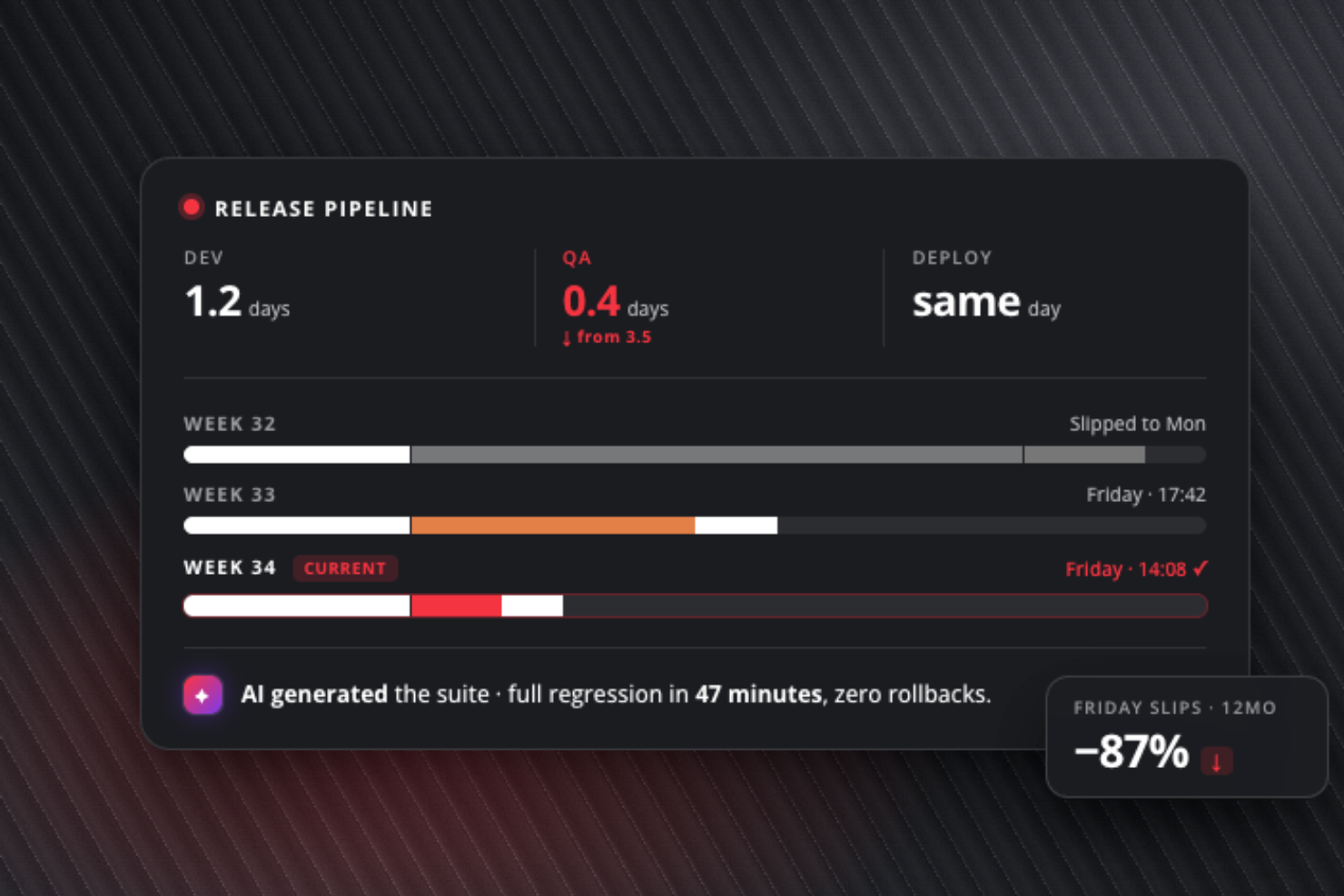
TestDevLab è un'azienda specializzata in QA gestito e test software, in cui ingegneri certificati ISTQB eseguono test di regressione, funzionali, di sicurezza e di performance su ambienti web, mobile e API.
Per chi è indicato il software testing?
TestDevLab è adatto a team di ingegneria di medie e grandi dimensioni che necessitano di competenze QA dedicate senza dover costruire un reparto di test interno.
Perché ho scelto il software testing
Ho incluso TestDevLab tra le mie scelte principali perché il loro approccio al testing di regressione aziendale va ben oltre la semplice esecuzione di test generici. Per i team che gestiscono sistemi complessi e personalizzati, apprezzo in particolare la loro fase di analisi dell'impatto delle modifiche, che mappa le modifiche al codice su punti di integrazione specifici, inclusi REST, GraphQL e SOAP API, prima ancora dell'esecuzione di un singolo test. La loro validazione di regressione backend copre anche le integrazioni con servizi terzi e i flussi di autenticazione, ovvero esattamente quei punti in cui gli ambienti personalizzati aziendali tendono a rompersi silenziosamente tra un rilascio e l'altro.
Funzionalità principali del software testing
- Test di regressione cross-platform: TestDevLab esegue suite di regressione su ambienti web, mobile e desktop utilizzando dispositivi reali e browser, non solo simulatori.
- Esecuzione di test in pipeline CI/CD: TestDevLab integra l'esecuzione dei test di regressione direttamente in pipeline come Jenkins, GitLab CI e GitHub Actions.
- Sessioni esplorative di regressione: Tester certificati svolgono test esplorativi strutturati per individuare regressioni che i test scriptati non rilevano.
- Report di difetti e triage: Ogni ciclo di regressione produce report dettagliati sui bug, con passaggi per la riproduzione, valutazione della gravità e contesto specifico dell'ambiente.
Integrazioni con il software testing
TestDevLab è principalmente una società di servizi QA gestiti piuttosto che una piattaforma SaaS di integrazione. Invece di offrire molte integrazioni native plug-and-play, i suoi ingegneri lavorano direttamente all'interno delle pipeline CI/CD, infrastrutture cloud e framework di test già utilizzati dal cliente.
Pros and Cons
Pros:
- Soluzioni di test personalizzate per esigenze specifiche
- Grande esperienza in test multimediali e di sicurezza
- Gestisce testing di regressione e accessibilità insieme
Cons:
- Nessuna piattaforma self-service per l'esecuzione dei test
- La dimensione minima del progetto richiede un impegno di budget significativo

ACCELQ
Ideale per la creazione modulare di test con approccio design-first
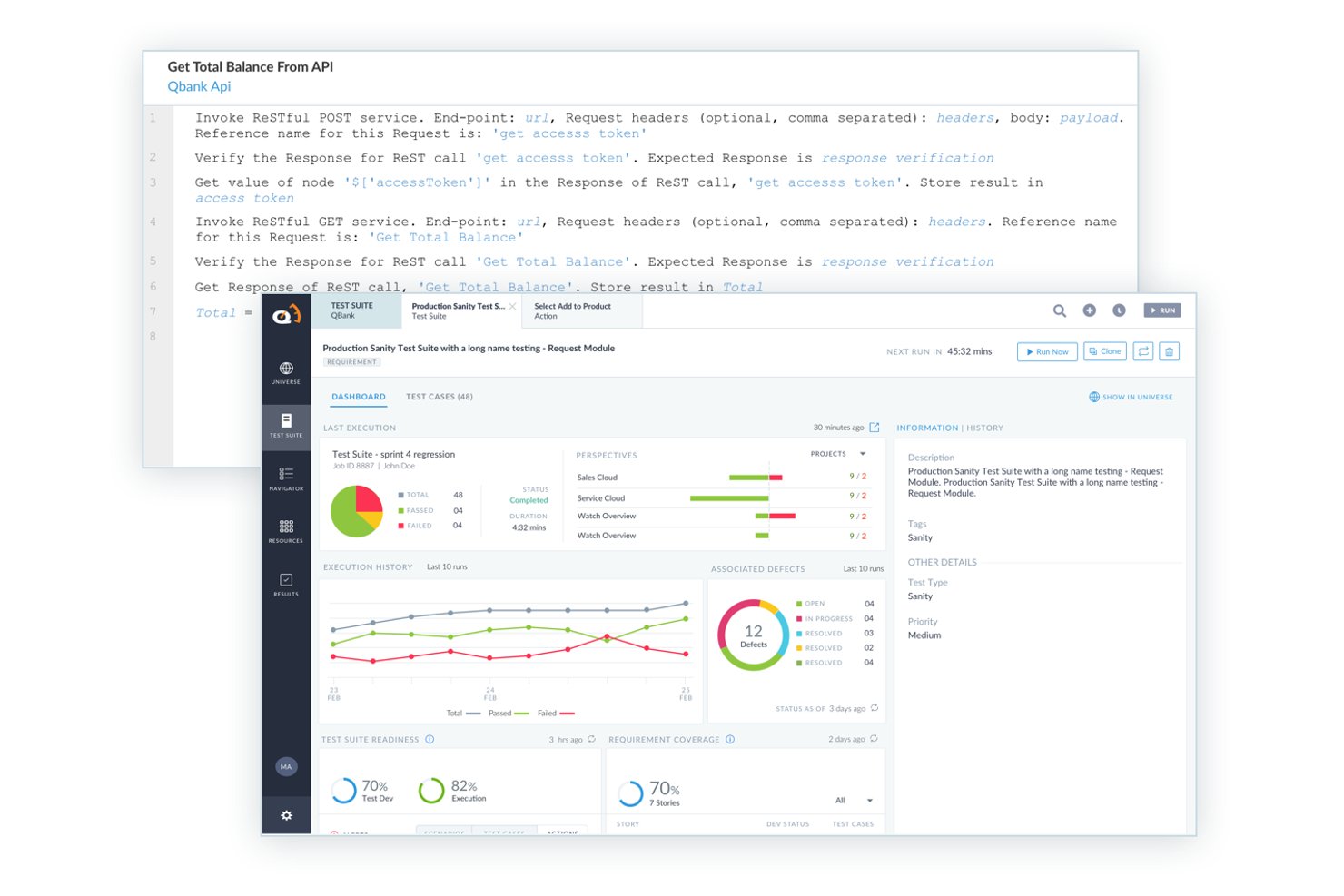
ACCELQ è una piattaforma di automazione dei test senza codice, potenziata dall'IA, che supporta i test di regressione su applicazioni web, mobile, API, desktop e mainframe utilizzando progettazione dei test basata su linguaggio naturale, identificazione autonoma degli elementi ed esecuzione di auto-riparazione.
Per chi è ideale ACCELQ?
ACCELQ è particolarmente adatto a team QA aziendali che operano su sistemi complessi e ricchi di integrazioni, dove sia i tester tecnici che gli stakeholder non tecnici devono contribuire alla copertura dei test.
Perché ho scelto ACCELQ
ACCELQ si guadagna un posto nella mia shortlist perché il suo Behavior Driven Scenario Designer mi consente di costruire scenari di test a livello di processo aziendale prima che venga scritta qualsiasi logica di automazione. Questo approccio design-first significa che le suite di regressione sono costruite a partire da Azioni e Scenari riutilizzabili, così quando l'interfaccia utente cambia, aggiorno un solo modulo invece di decine di script. La funzione Change Management with Reconciliation segnala quindi esattamente quali test sono interessati dai cambiamenti dell'applicazione, così niente sfugge inosservato.
Funzionalità principali di ACCELQ
- Automazione API senza codice: Automatizza API REST, SOAP e GraphQL senza codice.
- Piattaforma unificata per web, mobile e mainframe: Esegue test di regressione su diversi tipi di applicazioni in un unico flusso di lavoro.
- Integrazione con cloud di dispositivi reali: Si collega a BrowserStack e Sauce Labs per l'esecuzione di test su dispositivi e browser diversi.
- Integrazione bidirezionale con Jira e Azure DevOps: Sincronizza risultati dei test, difetti e tracciabilità direttamente con i principali strumenti ALM e di project management.
Integrazioni di ACCELQ
ACCELQ offre integrazioni native con Jenkins, Jira, ClickUp, Bamboo, TeamCity, Slack e Microsoft Teams, e offre una API per integrazioni personalizzate.
Pros and Cons
Pros:
- Scenario designer basato sul comportamento supporta test riutilizzabili
- Auto-riparazione per interfacce applicative in rapido cambiamento
- Automazione unificata per web, mobile e API
Cons:
- I report avanzati non rilevano i test instabili
- Curva di apprendimento per l'adozione del team

Testpad
Ideale per la gestione manuale dei test basata su checklist

Testpad è uno strumento di gestione manuale dei test progettato per team QA e tester software che desiderano un approccio flessibile, basato su checklist, per organizzare ed eseguire test di regressione senza la complessità dei tradizionali sistemi di gestione dei casi di test.
Per Chi è Testpad?
Responsabili QA e team software in startup o PMI che cercano un modo semplice per gestire ed eseguire test di regressione manuali.
Perché Ho Scelto Testpad
Ho scelto Testpad tra i migliori perché il suo approccio basato su checklist rende facile per il mio team organizzare ed eseguire test di regressione manuali. Mi piace poter creare, aggiornare e riutilizzare rapidamente checklist di test per ogni ciclo di rilascio. La possibilità di strutturare i test come semplici elenchi leggibili ci aiuta a individuare regressioni senza essere rallentati da una gestione complessa dei casi di test.
Caratteristiche Principali di Testpad
- Accesso per tester esterni: Consente di invitare tester esterni a partecipare senza obbligarli a creare un account.
- Monitoraggio del progresso in tempo reale: Permette di seguire lo stato di esecuzione dei test e i risultati man mano che avvengono.
- Modifica massiva dei test: Consente di aggiornare più elementi di test contemporaneamente per risparmiare tempo nella manutenzione dei test.
- Importazione/esportazione CSV: Facilita lo spostamento dei dati di test da e verso Testpad, per una più facile integrazione con altri strumenti.
Integrazioni di Testpad
Le integrazioni includono GitHub, NVIDIA, Bell, Digital Genius, Ideas2Executables, Legrand, Foxhole QA, TestLauncher, OpenROV e Numed Healthcare. È inoltre disponibile una API per integrazioni personalizzate.
Pros and Cons
Pros:
- Consente la modifica live dei test durante l'esecuzione
- Offre importazione ed esportazione CSV per i dati di test
- Fornisce il monitoraggio in tempo reale dell'avanzamento dei test
Cons:
- Funzionalità di reportistica e analisi limitate
- Non supporta la parametrizzazione dei test

QA Wolf
Ideale per test di regressione guidati da esperti
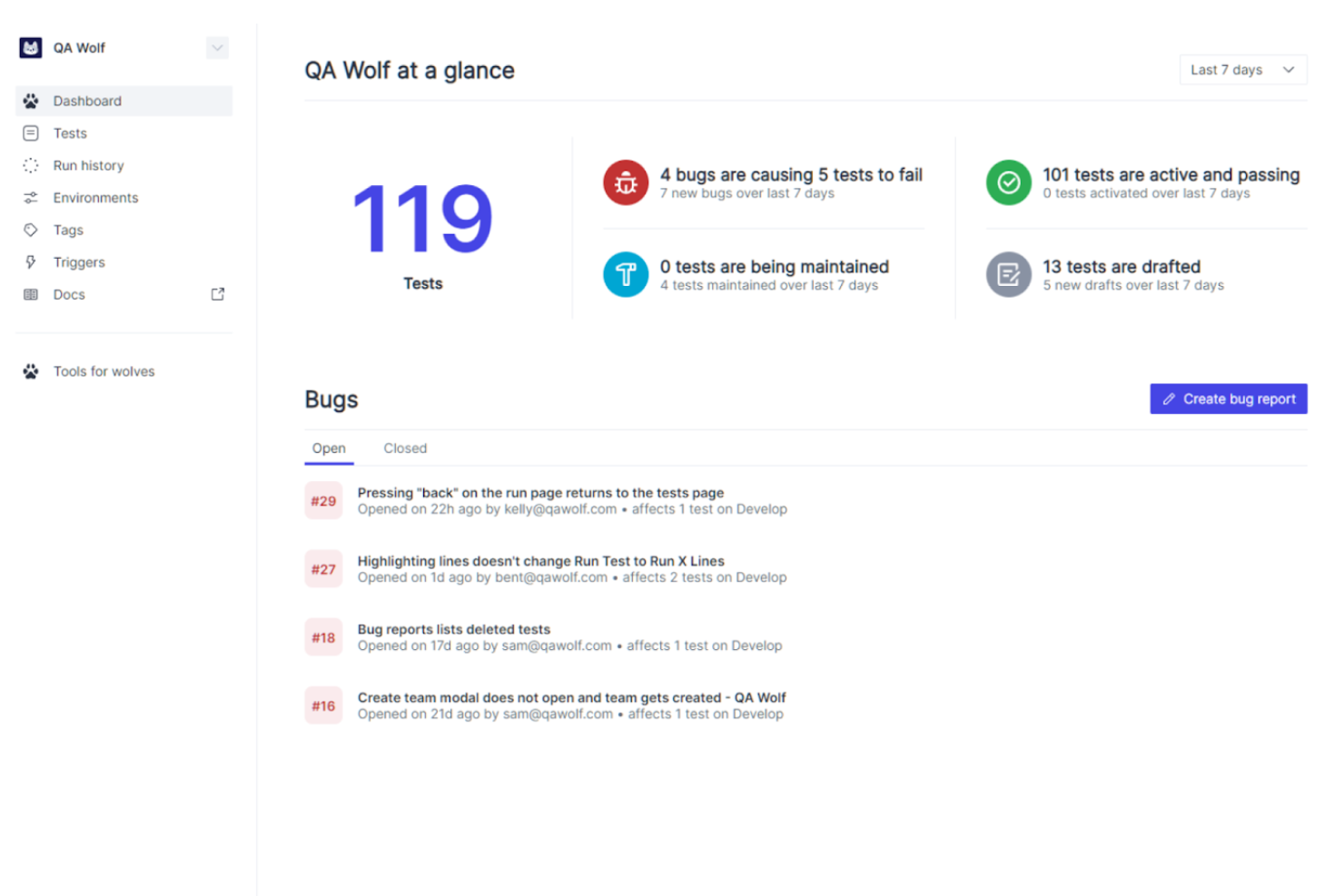
QA Wolf è una piattaforma di test automatizzati progettata per sviluppatori e team QA. A differenza degli strumenti tradizionali, QA Wolf è un servizio abilitato da piattaforma che sfrutta un team di esperti ingegneri QA per gestire la creazione, l'esecuzione e la gestione di tutti i tuoi test automatizzati. Questo approccio semplifica il processo di testing e mantiene costantemente i test critici aggiornati e in manutenzione, consentendo al tuo team di concentrarsi sullo sviluppo e il miglioramento delle applicazioni garantendo allo stesso tempo che i nuovi aggiornamenti del codice non producano problemi.
Una delle caratteristiche uniche di QA Wolf che lo rende ideale per i test di regressione è la fornitura di report di bug verificati manualmente. Questo assicura che eventuali problemi individuati vengano accuratamente verificati dagli esperti QA, minimizzando i falsi positivi e offrendo feedback chiari e utilizzabili. QA Wolf offre anche esecuzioni di test illimitate, permettendo ai team di effettuare test di regressione tutte le volte che è necessario senza preoccuparsi di costi aggiuntivi.
QA Wolf si integra con GitHub, CircleCI, GitLab, Travis CI, Vercel e Slack. I prezzi sono disponibili su richiesta e viene offerta una demo gratuita.
New Product Updates from QA Wolf

QA Wolf Adds Real Media Testing for iOS Apps
QA Wolf introduces real media testing for iOS apps using camera and microphone inputs. This update improves test reliability for real-world use cases. For more information, visit QA Wolf’s official site.
 .
.
Testlio
Migliore suite di soluzioni di testing flessibili e su richiesta
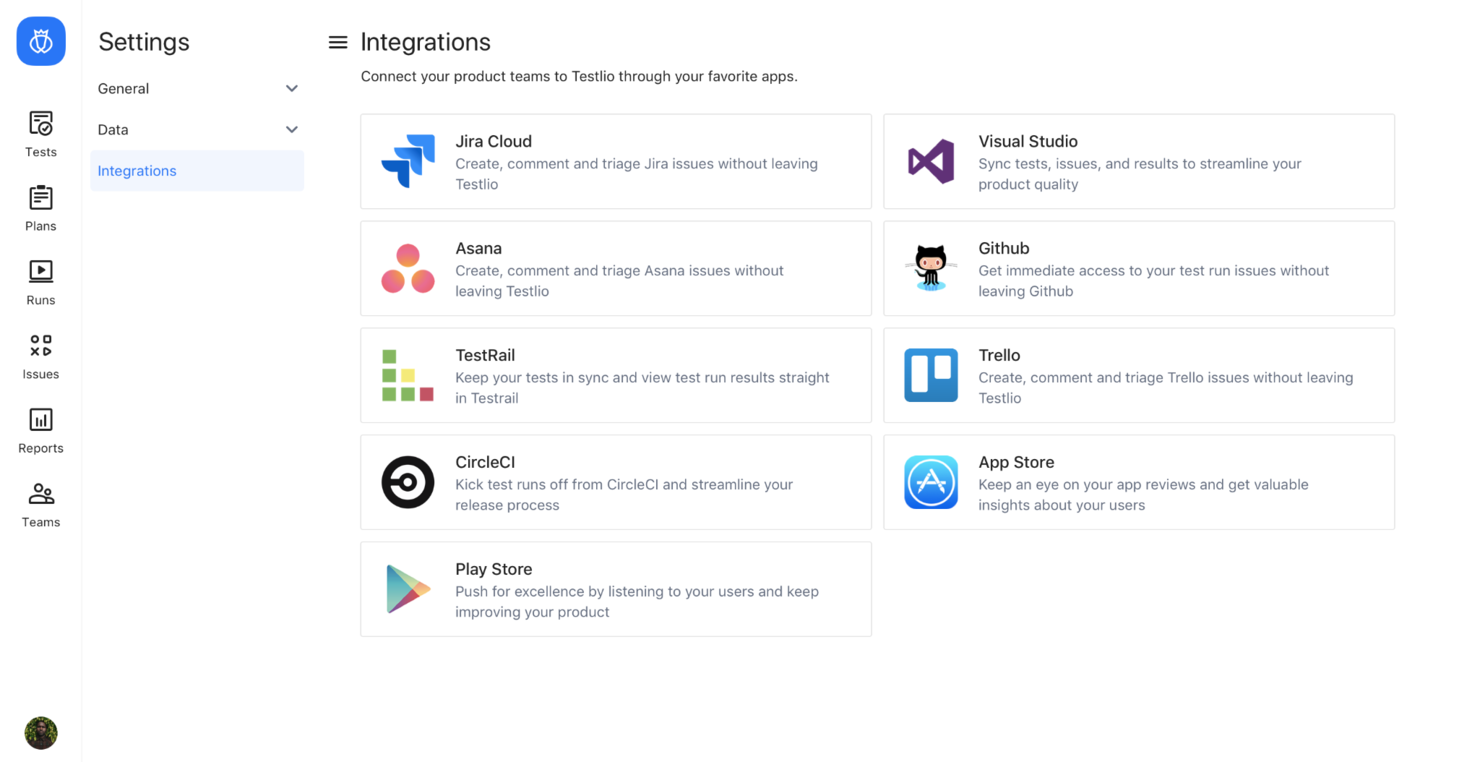
Testlio è uno strumento di testing di regressione automatizzato che offre principalmente servizi di testing applicativo gestito. Lo strumento mette a disposizione una solida suite di soluzioni di testing flessibili e su richiesta, come il testing end-to-end, il testing funzionale e il testing di localizzazione. Testlio offre inoltre un team di supporto e risorse QA esperte, consentendo una facile implementazione all'interno del tuo team.
Testlio offre una vasta gamma di funzionalità, tra cui piani di test dettagliati che ti permettono di verificare informazioni sui dispositivi, informazioni sui tester e criteri di test. Lo strumento offre anche testing esplorativo e testing in diretta, permettendo a te e al tuo team di testare le applicazioni in tempo reale, oltre a rivedere i bug identificati sulla dashboard dello strumento. Infine, Testlio consente l'accesso a tutti i dispositivi all'interno del tuo sistema senza la necessità di creare laboratori.
Testlio fornisce integrazioni con strumenti di project management come Aana e Jira, oltre che con IDE come Visual Studio.
Testlio offre prezzi personalizzati e flessibili su richiesta.

Ideale per organizzare i tuoi casi di test in un unico editor visuale

Testim Automate è una piattaforma di test automatizzati per la creazione rapida di test stabili basati su intelligenza artificiale e strumenti per aiutarti a scalare la qualità. Lo strumento utilizza l'IA per identificare e bloccare gli elementi visivi, consentendoti di aumentare la stabilità dei test funzionali dell'interfaccia utente. I tuoi test possono essere estesi con JavaScript personalizzato che può essere eseguito all'interno o all'esterno del browser.
I test di Testim vengono registrati e poi modificati nel suo editor visuale, permettendoti di organizzare meglio i tuoi casi di test. Lo strumento offre localizzatori basati su IA che bloccano automaticamente gli elementi e i passaggi dei test sono oggetti distinti che possono essere configurati, condivisi, raggruppati e parametrizzati, offrendo a te e al tuo team gli strumenti per ottimizzare i processi all'interno del ciclo di vita dell'applicazione. Testim aiuta anche a mantenere i test puliti identificando i passaggi di test duplicati da sostituire con oggetti condivisi.
Il costo di Testim parte da $1000 al mese. Lo strumento offre inoltre una versione gratuita con fino a 1000 esecuzioni di test al mese.

Reflect
Ideale per integrazione con strumenti CI/CD
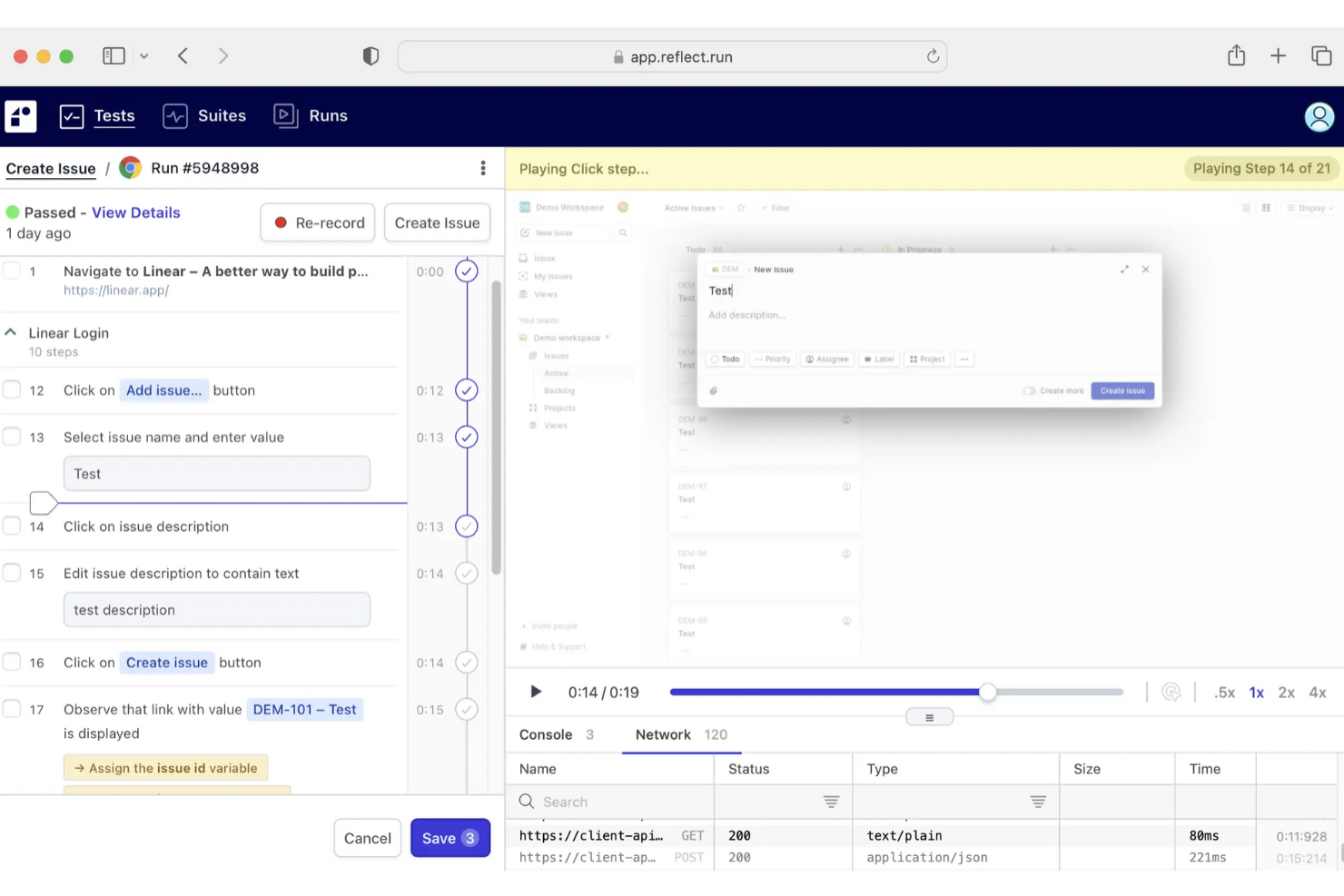
Reflect è una piattaforma di test di regressione che ti aiuta ad automatizzare i test end-to-end senza scrivere alcun codice. È basata su prompt AI, così puoi descrivere un test in italiano e lasciare che Reflect lo trasformi in passaggi eseguibili. Mi è piaciuto quanto rapidamente si possano creare ed eseguire suite di regressione senza toccare selettori o framework di scripting.
Ho scelto Reflect perché elimina la complessità dai test di regressione. Invece di scrivere e mantenere codice fragile, genera i test semplicemente digitando ciò che vuoi che accada. Reflect gestisce anche automaticamente i cambiamenti dell’interfaccia utente: i test si adattano quando l’app evolve, il che significa meno falsi positivi e meno manutenzione. Ho anche apprezzato le differenze visive e le registrazioni video delle esecuzioni dei test, che hanno reso il debug più rapido e chiaro.
Reflect supporta controlli visivi, esecuzioni cross-browser, esecuzione parallela e test API+UI nello stesso flusso. Si integra con strumenti CI/CD come GitHub, Jenkins e Jira, permette di pianificare i test e ti notifica istantaneamente in caso di errori. Puoi anche utilizzare input parametrici e isolare dati di test per coprire diversi scenari.

Ideale per convertire i test manuali in test automatizzati
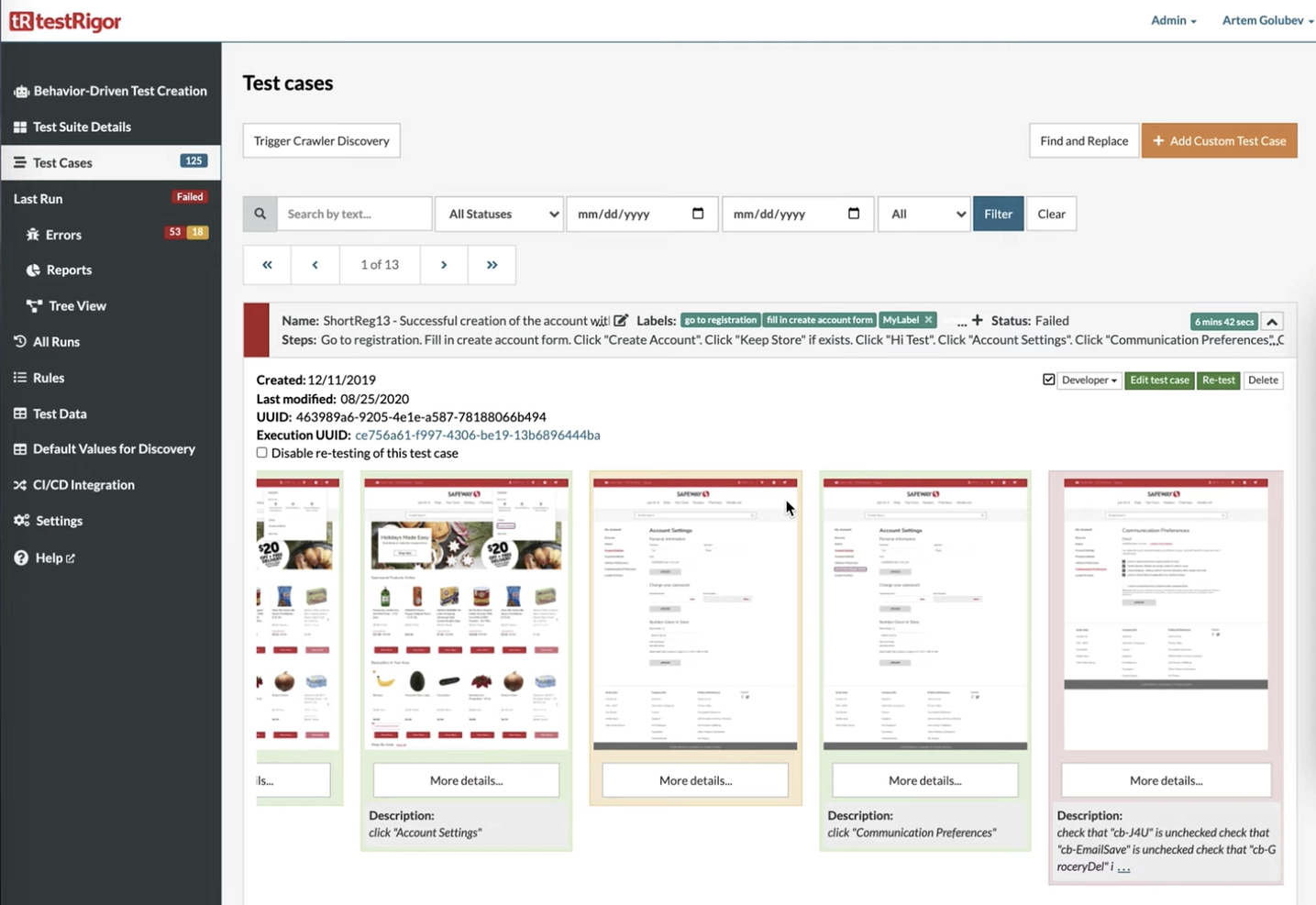
testRigor è uno strumento per il testing di regressione che si distingue nella nuova era degli strumenti di automazione basati sull'IA. Lo strumento consente di creare test in inglese semplice, con elementi riferiti da una prospettiva umana. testRigor analizza tutti i possibili parametri dietro le quinte per utilizzare quelli più utili, il che si traduce in test estremamente affidabili.
testRigor ti permette di ridurre drasticamente la manutenzione dei test, permettendo a te e al tuo team di impiegare in media il 95% di tempo in meno. Invece, lo strumento consente di creare senza difficoltà nuovi test e aumentare la copertura dei test. testRigor rende molto semplice il processo di conversione dei casi di test manuali esistenti in test automatizzati, e gli utenti possono anche definire e personalizzare la propria terminologia se lo desiderano.
Il costo di testRigor parte da $300 al mese e può essere personalizzato per soddisfare le tue esigenze specifiche. È disponibile una prova gratuita di 14 giorni senza necessità di inserire i dati della carta di credito.
Miglior toolkit completo per una copertura totale dei test
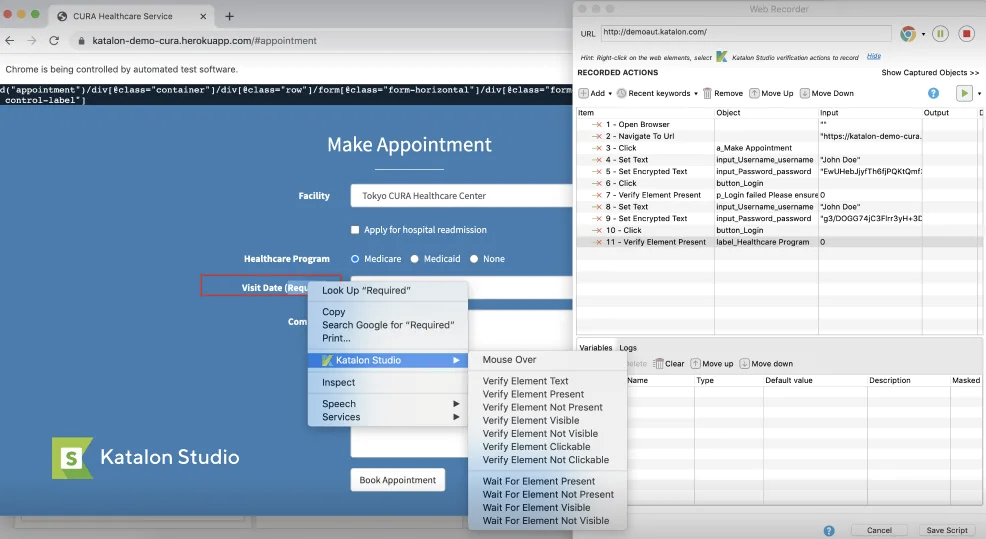
Katalon Studio è una piattaforma di testing di regressione tutto-in-uno per l'automazione semplificata di test web, mobile, API e desktop (Windows, Linux e Mac OS), ed è l'alternativa alla costruzione di framework tradizionali con librerie open-source. Katalon Studio offre funzionalità integrate come Object Spy, Debugging UI, Condivisione degli Artifact di Test, Ritenta Test Falliti, Smart Wait, Self-Healing e analytics per il reporting dei test, fornendo una copertura completa delle prove direttamente dal toolkit.
Katalon Studio ti fornisce tutte le capacità critiche e la stabilità per i test funzionali e automatizzati end-to-end, offrendo al tuo team una griglia di testing robusta per il ciclo di vita dell'applicazione. Lo strumento ti permette di completare ogni fase in settimane invece che in mesi, applicando metodi low-code per la creazione, l'esecuzione, la manutenzione e il reporting dei test.
Katalon offre integrazione con strumenti CI/CD come Jenkins, BitBucket, Azure DevOps, piattaforme VCS come Git, Github, Azure DevOps Repos e strumenti DevOps come Docker.
Il costo di Katalon Studio parte da $69 per utente al mese. Lo strumento offre anche una versione gratuita, oltre a una prova di 30 giorni per testare tutte le funzionalità premium per i nuovi utenti.
New Relic
Ideale per test sintetici
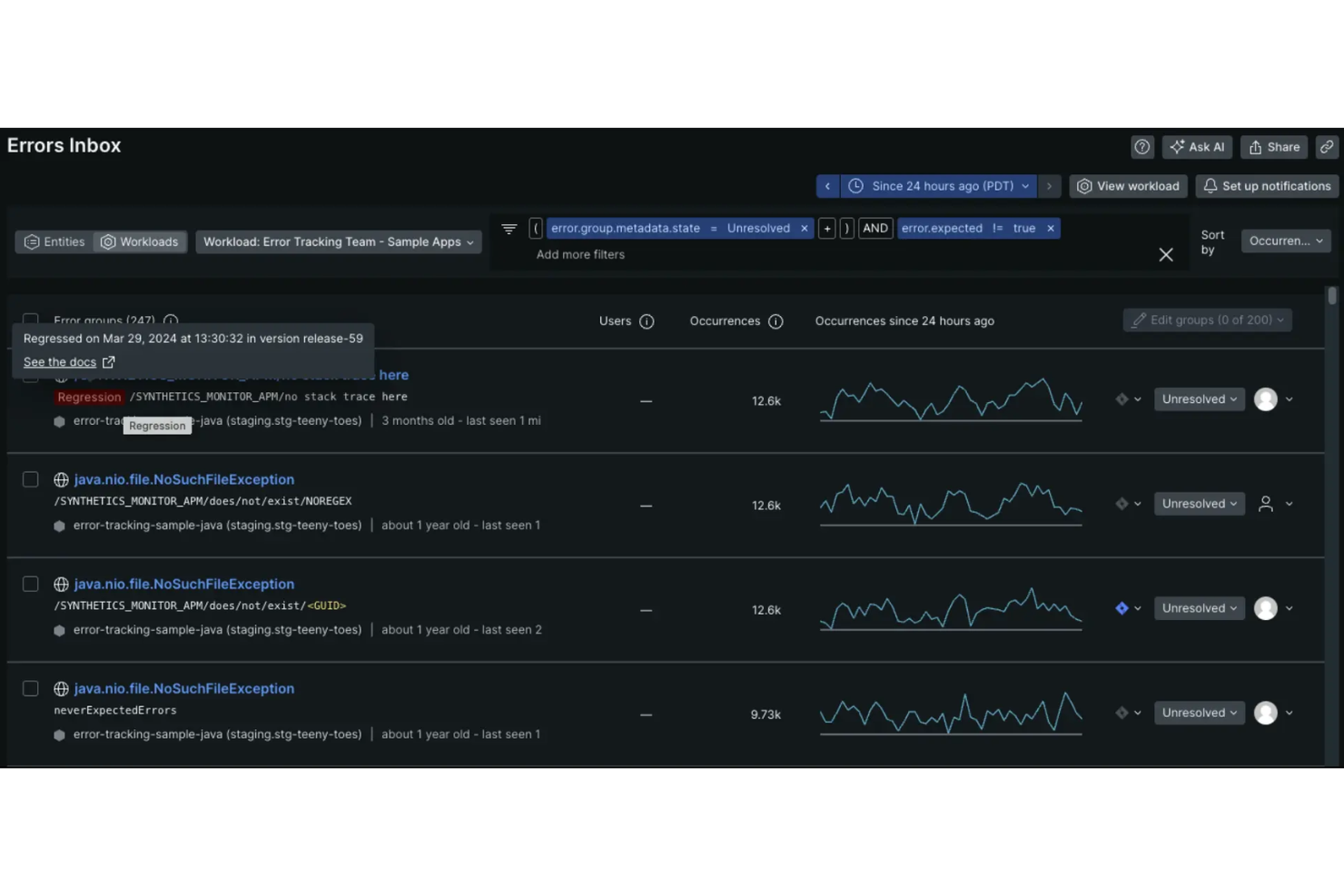
New Relic è una piattaforma di osservabilità che ti aiuta a monitorare e migliorare le prestazioni del tuo software. Grazie al monitoraggio sintetico, puoi tenere sotto controllo in modo proattivo le tue applicazioni simulando le interazioni degli utenti. Questo ti consente di individuare i problemi prima che lo facciano i tuoi utenti, garantendo un'esperienza fluida.
Apprezzo la possibilità di creare monitor di browser scriptati. Questi monitor ti permettono di simulare interazioni complesse degli utenti, come la navigazione tra diverse pagine o l'invio di moduli, essenziale per testare i flussi critici dopo modifiche al codice. Imitando il comportamento reale degli utenti, puoi assicurarti che i nuovi deploy non abbiano introdotto problemi imprevisti.
Un'altra funzionalità preziosa è la visualizzazione comparativa tra i dati del monitoraggio sintetico e quello degli utenti reali. Questo ti permette di confrontare direttamente i tempi di caricamento delle pagine e altri parametri di performance tra i tuoi test automatizzati e le esperienze reali degli utenti. Tali intuizioni aiutano a capire se una regressione interessa tutti gli utenti o è isolata a determinati scenari.
Altri strumenti per i test di regressione
Ecco alcune altre opzioni di strumenti per i test di regressione che non sono entrate nel mio elenco, ma che vale comunque la pena prendere in considerazione:
- Autify
Ideale per la manutenzione dei test guidata dall'IA
- IBM Rational Functional Tester (RFT)
Ottimale per semplificare la virtualizzazione e la modifica dei test tramite screenshot
- Selenium
Ideale per sviluppatori che testano prestazioni e funzionalità dell'interfaccia utente
- Rainforest QA
La migliore soluzione per test di regressione e funzionali guidata dall'interfaccia utente
- Leapwork
Ideale per creare processi visivi per membri di team non tecnici
- Argos
Ideale per il testing degli elementi visivi
- Watir
Ideale per eseguire test sui browser
- Autify Aximo
Ideale per automazione guidata dall’IA
- Micro Focus Unified Functional Testing (UFT)
Ideale per l'automazione di applicazioni Windows
- QA.tech
Ideale per la validazione dei rilasci


Come valuto gli strumenti di test di regressione
Valuto questi strumenti su due livelli: la soglia minima che devono superare—esecuzione automatizzata, trigger CI/CD, gestione della suite—e i fattori differenzianti che contano quando si scala su più ambienti.
Funzionalità di base (requisiti minimi per questa lista)
Quando seleziono gli strumenti per la mia lista, valuto ciascuno su una scala da 0 (non offre la funzionalità) a 5 (eccelle in quest'area) per ogni funzionalità di base elencata di seguito. Poi, calcolo il punteggio totale dello strumento in percentuale. Ogni strumento deve raggiungere un punteggio minimo totale del 65% per essere preso in considerazione.
- Esecuzione automatica dei test: Cerco automazioni scriptate, senza codice o ibride che consentano ai team di eseguire centinaia di test di regressione su ogni build senza intervento manuale.
- Organizzazione & riutilizzo delle suite di test: Uno strumento dovrebbe permettere di raggruppare, etichettare e versionare le suite di test in modo da mantenere set di regressione separati, ad esempio, per i flussi di checkout rispetto agli endpoint API.
- Integrazione con pipeline CI/CD: Controllo se lo strumento si integra con piattaforme come Jenkins, GitHub Actions o GitLab CI tramite trigger nativi che fanno partire i test di regressione ad ogni commit o merge.
- Copertura multi-ambiente: Lo strumento deve poter eseguire i test su browser, sistemi operativi e dispositivi diversi—Chrome desktop e Safari mobile non dovrebbero richiedere framework separati.
- Reportistica & analisi dei fallimenti: Valuto quanto chiaramente lo strumento evidenzia i fallimenti, inclusi log, screenshot e trend storici che aiutano a individuare se una regressione è nuova o intermittente.
- Funzionalità di manutenzione dei test: Componenti riutilizzabili, repository di oggetti condivisi o locator auto-riparanti sono importanti qui—soprattutto quando cambi frequenti all'interfaccia romperebbero altrimenti metà della suite.
Una volta che ho una lista di strumenti che rispettano questi criteri, considero ciò che distingue ciascuna piattaforma.
Fattori differenzianti (cosa distingue i fornitori)
Ecco come confronto i diversi fornitori:
Caratteristiche distintive
La selezione dei test basata sul rischio è un importante fattore di distinzione. Gli strumenti che analizzano le differenze di codice per prioritizzare quali test eseguire possono ridurre una suite di regressione di quattro ore solo ai casi rilevanti per un dato commit. Anche il test di regressione visiva è una funzionalità che valuto attentamente—permette di individuare cambiamenti di layout e rotture di stile che i controlli funzionali non rilevano affatto. La generazione automatica di test tramite AI è degna di nota, soprattutto per i team che devono espandere velocemente la copertura senza il tempo per scrivere a mano ogni nuovo caso.
Oltre le funzionalità
La scalabilità è importante—verifico se uno strumento può gestire migliaia di esecuzioni di test in parallelo durante i periodi di rilascio più intensi senza ritardi di coda. Anche la profondità dell'integrazione con il tuo stack esistente è fondamentale; uno strumento che si connette a Jira, Git e al tuo sistema di gestione dei test evita ore di sincronizzazione manuale dello stato. Esamino da vicino anche i modelli di licenza, poiché una tariffazione basata su esecuzioni parallele vs. utenti nominativi può cambiare radicalmente il costo totale in base alla frequenza e alla dimensione dei rilasci del tuo team.
Come scegliere gli strumenti per i test di regressione
È facile perdersi in lunghi elenchi di funzionalità e strutture tariffarie complesse. Per aiutarti a rimanere concentrato mentre affronti il tuo specifico processo di selezione del software, ecco un elenco dei fattori da tenere a mente:
| Fattore | Cosa considerare |
|---|---|
| Scalabilità | Lo strumento crescerà insieme alle esigenze del tuo team? Considera le dimensioni dei progetti e il numero di utenti futuri. Cerca strumenti in grado di gestire carichi maggiori senza problemi. |
| Integrazioni | Funziona con gli strumenti che utilizzi attualmente? Verifica la compatibilità con le pipeline CI/CD e con gli altri software che già usi, per evitare interruzioni del flusso di lavoro. |
| Personalizzazione | Puoi adattare lo strumento ai tuoi processi? Assicurati di poter modificare flussi di lavoro e report in base ai requisiti e alle preferenze specifiche del tuo team. |
| Facilità d'uso | È intuitivo per tutti i membri del team? Cerca interfacce intuitive e requisiti di formazione minimi, così tutti potranno diventare rapidamente operativi. |
| Implementazione e avvio | Quanto è agevole il processo di configurazione? Valuta il tempo e le risorse necessari per la distribuzione e la formazione. Cerca strumenti con guide chiare e supporto. |
| Costo | Il prezzo rientra nel tuo budget? Confronta i modelli di abbonamento e fai attenzione ai costi nascosti. Assicurati che il costo sia proporzionato al valore e alle funzionalità offerte. |
| Misure di sicurezza | In che modo lo strumento protegge i tuoi dati? Verifica la presenza di crittografia, controlli degli accessi e conformità agli standard pertinenti, per proteggere le informazioni sensibili. |
| Disponibilità dell'assistenza | L'aiuto è facilmente accessibile quando serve? Considera gli orari di assistenza del fornitore, i tempi di risposta e le risorse disponibili, come il supporto via chat o telefono. |
Cosa sono gli strumenti per i test di regressione?
Gli strumenti per i test di regressione sono software utilizzati per automatizzare i test e confermare che le modifiche recenti al codice non abbiano avuto un impatto negativo sulle funzionalità esistenti. Questi strumenti eseguono una serie di test su software precedentemente funzionante dopo modifiche, come aggiornamenti o correzioni di bug, per garantire che i nuovi cambiamenti non introducano nuovi errori o regressioni nel sistema esistente.
Garantiscono una copertura completa dei test, riducendo il rischio che i bug arrivino nelle versioni rilasciate. Gli strumenti per i test di regressione visiva sono particolarmente efficaci nel rilevare modifiche all'interfaccia utente e problemi di layout.
Caratteristiche
Quando selezioni gli strumenti per i test di regressione, presta attenzione alle seguenti caratteristiche principali:
- Automazione: Automatizza i casi di test ripetitivi, risparmiando tempo e riducendo gli errori manuali.
- Funzionalità di integrazione: Si connette alle pipeline CI/CD esistenti per integrarsi perfettamente nel flusso di lavoro di sviluppo.
- Report personalizzabili: Fornisce informazioni dettagliate sui risultati dei test, aiutando i team a prendere decisioni informate.
- Test tra browser: Garantisce che il software funzioni in modo coerente su diversi browser web e dispositivi.
- Creazione dei test basata sull'intelligenza artificiale: Utilizza l'apprendimento automatico per generare e ottimizzare i casi di test in modo efficiente.
- Collaborazione in tempo reale: Consente ai membri del team di lavorare insieme e condividere feedback durante il processo di test.
- Scalabilità: Si adatta alla crescita delle dimensioni dei progetti e all'espansione del team senza compromettere le prestazioni.
- Misure di sicurezza: Protegge i dati sensibili con crittografia e controlli degli accessi per garantire la conformità.
- Interfaccia intuitiva: Offre un design intuitivo che riduce al minimo la curva di apprendimento per i nuovi utenti.
- Risorse per formazione e supporto: Fornisce accesso a tutorial, webinar e assistenza clienti per aiutare con l'introduzione e la risoluzione dei problemi.
Vantaggi
L'implementazione di strumenti per i test di regressione offre diversi vantaggi al tuo team e alla tua azienda. Ecco alcuni dei benefici che puoi aspettarti:
- Risparmio di tempo: L'automazione accelera il processo di test, consentendo al tuo team di concentrarsi su attività più strategiche.
- Migliore qualità del software: I test regolari rilevano i bug in anticipo, garantendo che il software rimanga stabile e affidabile.
- Efficienza dei costi: Il rilevamento precoce dei problemi riduce il costo delle correzioni nelle fasi successive del ciclo di sviluppo.
- Collaborazione migliorata: Le funzionalità di collaborazione in tempo reale consentono ai membri del team di condividere rapidamente informazioni e feedback.
- Scalabilità: La possibilità di gestire progetti più grandi e team in crescita senza ulteriore pressione sostiene la crescita aziendale.
- Maggiore precisione: I test automatizzati eliminano l'errore umano, fornendo risultati più coerenti e affidabili.
- Sicurezza dei dati: Le misure di sicurezza integrate proteggono le informazioni sensibili durante il processo di test.
Costi e prezzi
La selezione degli strumenti per i test di regressione richiede la comprensione dei vari modelli di prezzo e dei piani disponibili. I costi variano in base alle funzionalità, alle dimensioni del team, ai componenti aggiuntivi e ad altri fattori. La tabella seguente riassume i piani più comuni, i relativi prezzi medi e le funzionalità tipicamente incluse nelle soluzioni di strumenti per i test di regressione:
Tabella comparativa dei piani per gli strumenti di test di regressione
| Tipo di piano | Prezzo medio | Funzionalità comuni |
|---|---|---|
| Piano gratuito | $0 | Automazione di base dei test, integrazioni limitate e supporto della comunità. |
| Piano personale | $5-$25/utente/mese | Automazione dei test, report di base, integrazioni con strumenti diffusi e supporto via e-mail. |
| Piano aziendale | $30-$75/utente/mese | Report avanzati, test tra browser, supporto prioritario e strumenti di collaborazione. |
| Piano aziendale avanzato | $100-$250/utente/mese | Flussi di lavoro personalizzabili, responsabile dell'account dedicato, funzionalità di sicurezza avanzate e funzionalità di integrazione complete. |
Domande frequenti sugli strumenti di test di regressione
Mentre scrivevo, mi sono venute in mente alcune domande e risposte di base che potrebbero aiutare chiunque sia nuovo qui a orientarsi.
Gli strumenti di test di regressione possono simulare diversi ambienti utente?
Sì, gli strumenti di test di regressione possono simulare diversi ambienti utente per garantire che le applicazioni funzionino in modo coerente su piattaforme, browser e dispositivi differenti. Questi strumenti possono imitare diversi sistemi operativi, versioni dei browser, velocità di rete e altro ancora, per convalidare il comportamento dell’applicazione in condizioni diverse.
In che modo gli strumenti di test di regressione garantiscono la completezza della copertura dei test?
Gli strumenti di test di regressione garantiscono la completezza della copertura dei test offrendo funzionalità che associano i test ai requisiti, rilevano le parti non testate dell’applicazione e suggeriscono casi di test aggiuntivi. Spesso includono funzioni di analisi e reportistica che aiutano a identificare le lacune nella copertura e a stabilire la priorità dei casi di test in base al rischio e all’impatto.
In che modo gli strumenti di test di regressione gestiscono grandi insiemi di dati di test?
Gli strumenti di test di regressione gestiscono grandi insiemi di dati di test offrendo funzionalità come la virtualizzazione dei dati, la gestione dei dati di test e i test basati sui dati. Consentono ai tester di creare, importare e gestire i dati di test in modo efficiente, garantendo che i test siano completi e pertinenti agli scenari applicativi sottoposti a verifica.
Quali sono i tipi di software per i test di regressione?
Il software per i test di regressione è essenziale per garantire che le nuove modifiche al codice non influiscano negativamente sulle funzionalità esistenti delle applicazioni software. Questi strumenti sono disponibili in varie forme, ciascuna progettata per soddisfare esigenze, ambienti e metodologie di test differenti. Comprendere i tipi di software per i test di regressione può aiutare i team e le organizzazioni a selezionare gli strumenti più adatti ai propri requisiti specifici.
Ecco i principali tipi di software per i test di regressione:
Strumenti per i test di regressione automatizzati: questi strumenti automatizzano l’esecuzione dei test di regressione, riducendo significativamente il tempo e lo sforzo necessari per i test. Gli strumenti automatizzati sono ideali per i progetti con basi di codice estese o soggetti a modifiche frequenti, poiché garantiscono una copertura completa dei test senza interventi manuali.
Strumenti di gestione dei test: sebbene non siano destinati esclusivamente ai test di regressione, gli strumenti di gestione dei test aiutano a organizzare e gestire i casi di test, inclusi quelli di regressione. Spesso includono funzionalità per pianificare, eseguire e monitorare l’avanzamento dei test, risultando preziosi per coordinare le attività di test di regressione all’interno di processi QA più ampi.
Strumenti di integrazione continua (CI): gli strumenti CI si integrano con il software per i test di regressione ed eseguono automaticamente i test come parte del ciclo di vita dello sviluppo del software. Questa integrazione è fondamentale per le pratiche Agile e DevOps, poiché consente ai team di identificare e correggere rapidamente le regressioni quando viene integrato nuovo codice.
Strumenti per i test di regressione senza codice: pensati per i team con competenze limitate di programmazione, gli strumenti senza codice offrono un’interfaccia intuitiva per creare ed eseguire test senza scrivere codice. Questi strumenti utilizzano interazioni basate su interfacce grafiche, rendendo i test di regressione più accessibili ai membri non tecnici del team.
Strumenti per i test di regressione delle prestazioni: questi strumenti si concentrano sul rilevamento delle regressioni che influiscono sulle prestazioni dell’applicazione, come i tempi di caricamento e la reattività. I test di regressione delle prestazioni sono fondamentali per le applicazioni in cui l’esperienza utente è direttamente influenzata dalla velocità e dall’efficienza.
Piattaforme cloud per i test di regressione: le piattaforme cloud offrono la flessibilità di eseguire test di regressione su un’ampia gamma di ambienti e dispositivi senza la necessità di un’infrastruttura fisica. Questo tipo di piattaforma è particolarmente utile per testare le applicazioni su diversi sistemi operativi, browser e dispositivi mobili.
Strumenti open source per i test di regressione: gli strumenti open source offrono flessibilità di personalizzazione e sono spesso disponibili gratuitamente. Sebbene possano richiedere una configurazione e una manutenzione maggiori rispetto agli strumenti commerciali, le soluzioni open source sono adatte ai team dotati delle competenze tecniche necessarie per adattare gli strumenti alle proprie esigenze specifiche.
Strumenti per i test cross-browser e multipiattaforma: questi strumenti garantiscono che le applicazioni funzionino come previsto su più browser e piattaforme, un requisito essenziale per le applicazioni web e mobili. Consentono ai team di automatizzare i test su diverse combinazioni di browser e sistemi operativi, garantendo compatibilità e un’esperienza utente coerente.
Ogni tipo di software per i test di regressione presenta caratteristiche, vantaggi e limiti specifici. La scelta dello strumento giusto dipende da diversi fattori, tra cui le dimensioni e la complessità del progetto, le competenze tecniche del team QA e gli obiettivi specifici del processo di test di regressione.
Valutando attentamente questi aspetti, i team possono scegliere il software per i test di regressione più adatto per mantenere rilasci software di alta qualità.
In che modo gli strumenti di test di regressione si integrano con le pipeline CI/CD?
Questi strumenti automatizzano il processo di test e si integrano perfettamente con le pipeline CI/CD, avviando automaticamente i test a ogni commit del codice. Ciò garantisce un feedback rapido e contribuisce a mantenere costante la qualità del software.
Cosa succede ora
Se stai cercando strumenti per i test di regressione, contatta gratuitamente un consulente SoftwareSelect per ricevere consigli.
Compili un modulo e fai una breve conversazione durante la quale vengono analizzati nel dettaglio i tuoi requisiti. Poi riceverai una selezione ristretta di software da valutare. Ti supporteranno anche durante l'intero processo di acquisto, comprese le negoziazioni sul prezzo.