
I 10 migliori strumenti di governance dei dati del 2026

10 Elenco dei migliori strumenti di governance dei dati


Gli strumenti di governance dei dati aiutano a gestire il modo in cui i dati vengono consultati, utilizzati e considerati affidabili all’interno dell’organizzazione, permettendo ai team di prendere decisioni basate su informazioni attendibili.
Molti professionisti dei dati ricorrono a questi strumenti quando devono gestire report incoerenti, responsabilità poco chiare o una scarsa qualità dei dati che rallenta i progetti. Senza un sistema solido, è facile perdere traccia della provenienza dei dati o di come dovrebbero essere utilizzati.
Ho collaborato con team che si occupano di dati per implementare strumenti di governance capaci di portare struttura e chiarezza in ambienti disorganizzati. Questa guida condivide ciò che ho imparato per aiutarti a scegliere un software che supporti i tuoi obiettivi e che il tuo team adotti effettivamente.
Perché fidarsi dei nostri consigli sui software
Il nostro team testa e recensisce software dal 2012. In quanto leader tecnologici noi stessi, sappiamo quanto sia difficile — e importante — scegliere il software giusto.
Per questa guida, abbiamo valutato gli strumenti attraverso test praticie ricerche indipendenti, assegnando un punteggio agli strumenti in base ai nostri criteri di selezione.
Le nostre recensioni riflettono il nostro giudizio editoriale umano, non un discorso di vendita.
Revisori esperti:
Riepilogo dei migliori strumenti di governance dei dati
Questa tabella comparativa riassume i dettagli dei prezzi della mia selezione dei migliori strumenti di governance dei dati, per aiutarti a trovare quello più adatto al tuo budget e alle esigenze della tua azienda.
| Tool | Best For | Trial Info | Price | ||
|---|---|---|---|---|---|
| 1 | Ideale per la mappatura automatizzata dei dati | Piano gratuito disponibile | Da $150/mese (fatturazione annuale) | Website | |
| 2 | Ideale per unificare i dati degli utenti in un'unica piattaforma | No | $120/mese (fatturato annualmente) | Website | |
| 3 | Ideale per l'automazione nelle operazioni di privacy dei dati | No | Prezzo su richiesta | Website | |
| 4 | Ideale per l'integrazione dei dati in tempo reale e il controllo della qualità | No | $1,170/utente/mese (fatturato annualmente) | Website | |
| 5 | Ideale per la condivisione sicura dei file e la collaborazione | No | $10/utente/mese (minimo 5 licenze) | Website | |
| 6 | Ideale per la governance dei dati a livello enterprise estesa | No | $100/utente/mese (min 5 utenti) | Website | |
| 7 | Ideale per integrare la privacy dei dati con il CRM | No | $25/utente/mese (fatturato annualmente) | Website | |
| 8 | Ideale per il controllo centralizzato dei dati anagrafici | No | Prezzo su richiesta | Website | |
| 9 | Ideale per la governance dei dati su una piattaforma dati cloud | No | Prezzo su richiesta | Website | |
| 10 | Ideale per la catalogazione dei dati a misura d'uomo | No | $50/utente/mese (fatturato annualmente) | Website |
Recensioni dei migliori strumenti di governance dei dati
Di seguito trovi i miei riepiloghi dettagliati dei migliori strumenti di governance dei dati inclusi nella mia selezione. Le mie recensioni offrono un’analisi approfondita delle funzionalità principali, dei pro & contro, delle integrazioni e dei casi d’uso ideali di ogni strumento, per aiutarti a trovare quello più adatto a te.

Ketch
Ideale per la mappatura automatizzata dei dati
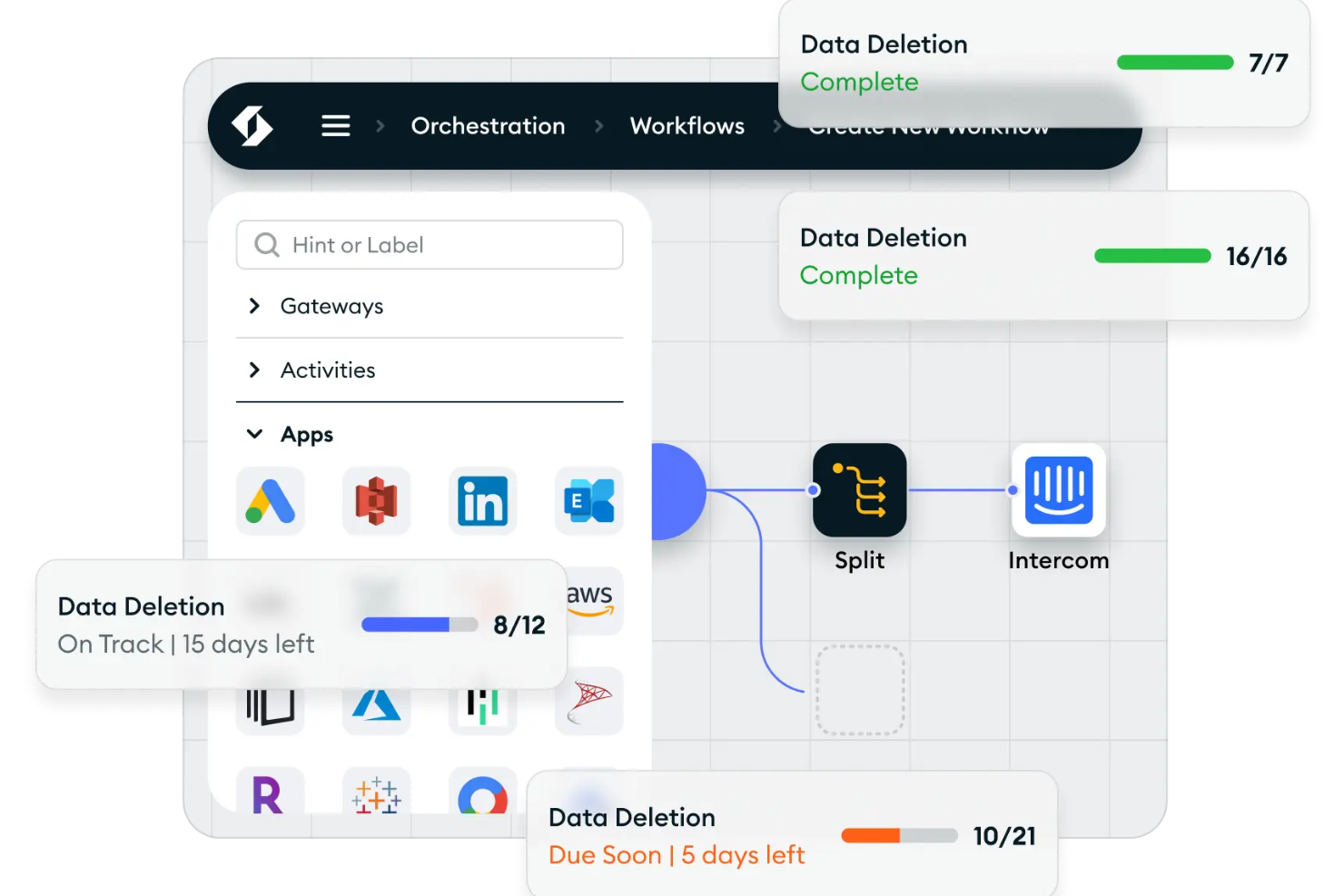
Ketch è uno strumento di governance dei dati progettato per aiutare le aziende a gestire la privacy e la conformità dei dati. Offre soluzioni per la gestione del consenso, la mappatura dei dati e l'automazione dei diritti degli interessati. Utilizzando Ketch, il tuo team può garantire una gestione responsabile dei dati e rispettare le normative sulla privacy a livello globale.
Perché ho scelto Ketch: La funzione di mappatura dei dati di Ketch offre informazioni in tempo reale sui dati personali all'interno di tutta l'organizzazione. Questo strumento scopre e classifica automaticamente i dati, consentendoti di identificare e valutare in modo efficiente i rischi legati ai dati. Grazie alla scoperta di sistemi basata su AI, Ketch analizza a fondo i tuoi dati, offrendo dettagli approfonditi dal livello di sistema fino alle singole celle.
Funzionalità principali e integrazioni:
Ketch offre inoltre una solida piattaforma di gestione del consenso che collega le scelte e le richieste sulla privacy all'ecosistema dei tuoi dati. Questo assicura che le opzioni di opt-out e le preferenze dei visitatori siano rispettate su tutti i sistemi e le campagne. Integrando i segnali di consenso in tutta la tua infrastruttura dati, Ketch aiuta a mantenere la conformità con le leggi sulla privacy a livello globale e a costruire la fiducia dei clienti. Alcune integrazioni includono Adobe Experience Platform, AdRoll, Google Analytics, HubSpot, Salesforce, Shopify, Snowflake, Facebook Ads, Google Ads, LinkedIn, Mailchimp e Oracle.
Pros and Cons
Pros:
- Offre una mappatura chiara dei dati per una migliore visibilità
- Flussi di lavoro personalizzabili permettono l'adattamento a esigenze specifiche dell'azienda
- Scoperta automatica dei dati
Cons:
- Potrebbe richiedere adeguamenti continui per rimanere aggiornato con le normative in evoluzione
- Potenziale curva di apprendimento durante la configurazione
New Product Updates from Ketch
Ketch Launches Iris-Powered Tracker Scanning
Ketch adds Iris-powered tracker scanning to Data Sentry and Consent Management, using cohort-based page grouping and adaptive sampling to expand tracker coverage and keep results current. For more information, visit Ketch’s official site.
 .
.
Segment
Ideale per unificare i dati degli utenti in un'unica piattaforma
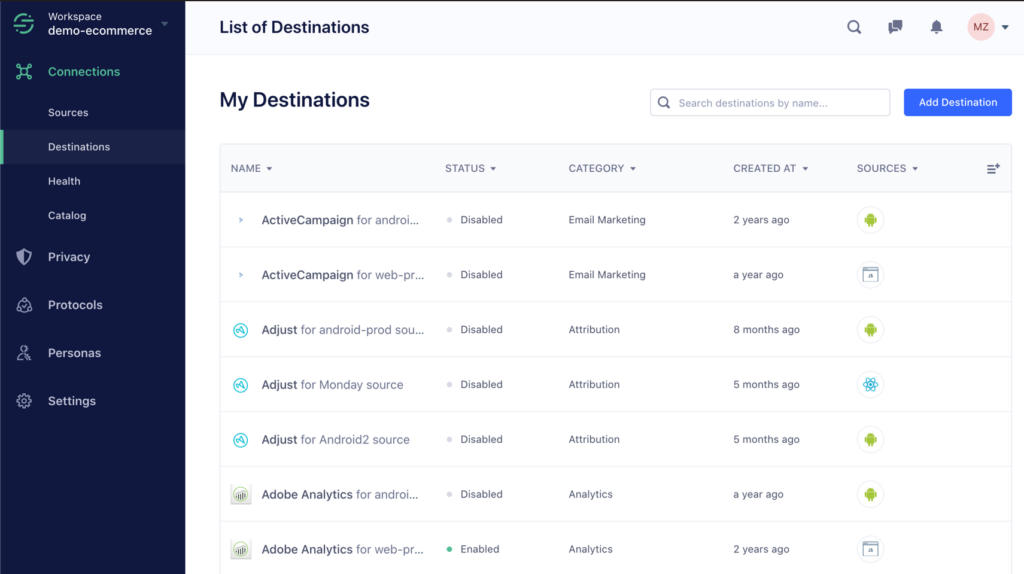
Segment è una piattaforma di dati dei clienti che consente alle aziende di raccogliere, pulire e controllare i dati dei propri clienti. Combinando i dati provenienti da molteplici fonti in un'unica piattaforma, permette una comprensione completa del comportamento e delle preferenze degli utenti.
Perché ho scelto Segment: Nella selezione di strumenti per l'unificazione dei dati, Segment si è distinto per la sua capacità di consolidare dati da varie fonti in una sola piattaforma gestibile. Si differenzia ponendo l'accento su dati dei clienti puliti, unificati e controllati. Segment è la soluzione 'migliore per' unificare i dati degli utenti in una singola piattaforma grazie alle sue funzionalità complete di gestione e unificazione dei dati.
Caratteristiche e integrazioni principali:
Le funzionalità chiave di Segment includono un solido data pipeline, in grado di raccogliere, trasformare e instradare i dati verso qualsiasi destinazione. Offre inoltre strumenti per la privacy e la conformità per garantire che la gestione dei dati rispetti gli standard normativi. Le integrazioni di Segment sono numerose e si collegano con oltre 300 altri strumenti, tra cui sistemi CRM come Salesforce, strumenti di automazione del marketing come Marketo e piattaforme di analisi come Google Analytics.
Pros and Cons
Pros:
- Eccellente nell'unificare dati da varie fonti
- Elevato numero di integrazioni con altre piattaforme
- Forte attenzione a privacy e conformità dei dati
Cons:
- Può risultare complesso da configurare per utenti non tecnici
- Il costo può essere elevato per le piccole imprese
- Alcune funzionalità avanzate richiedono piani di livello superiore

Ideale per l'automazione nelle operazioni di privacy dei dati
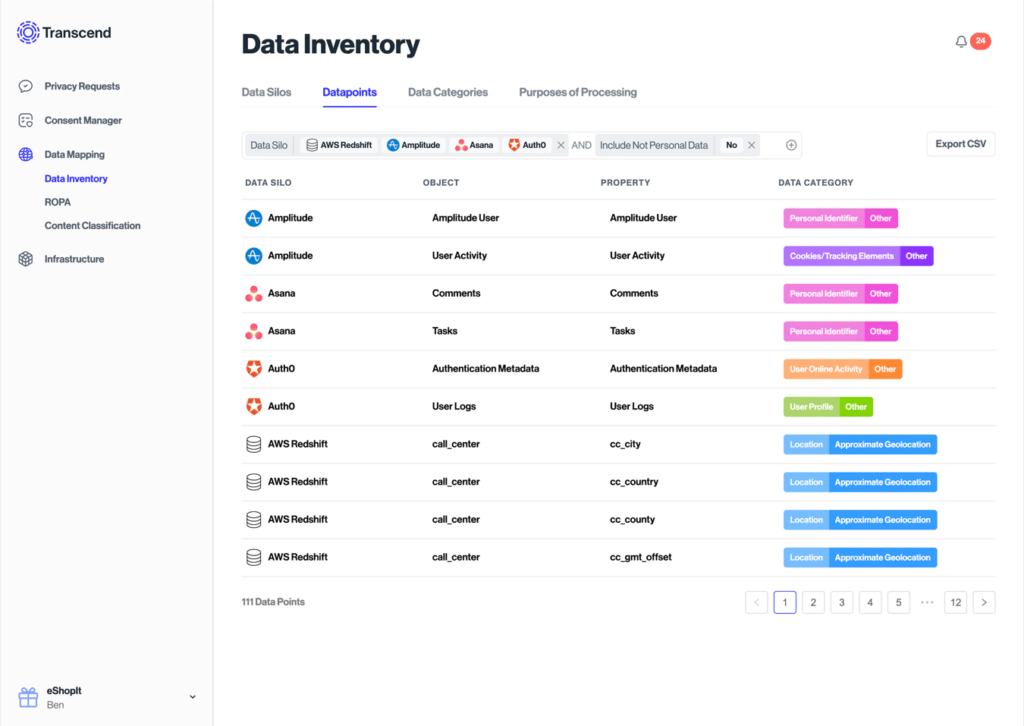
Transcend è un'infrastruttura di protezione dei dati che automatizza il processo delle richieste di accesso ai dati da parte degli interessati (DSAR). Semplifica le operazioni sulla privacy gestendo in modo efficiente e accurato le richieste di diritti sui dati degli utenti, rendendolo una scelta ideale per le aziende che danno priorità alle operazioni sulla privacy dei dati.
Perché ho scelto Transcend: Ho selezionato Transcend per la sua attenzione unica all'automazione delle operazioni sulla privacy dei dati. Il suo punto di forza è la capacità di semplificare un processo aziendale tradizionalmente complesso, distinguendolo dagli altri strumenti sul mercato. L'ho considerato il miglior strumento per l'automazione nelle operazioni di privacy dei dati perché consente davvero alle aziende di rispettare le richieste dei diritti degli utenti in modo efficiente e ottimizzato.
Caratteristiche e integrazioni principali:
Le funzionalità principali di Transcend includono la cancellazione automatica dei dati e la portabilità, un quadro di controllo completo per la privacy e un portale sicuro per le richieste di dati. Queste funzionalità contribuiscono a creare un sistema di gestione dei dati efficiente e organizzato che si integra con applicazioni aziendali popolari come Salesforce e Slack, permettendo una facile gestione su più piattaforme.
Pros and Cons
Pros:
- Specializzato nelle operazioni di privacy dei dati
- Offre un quadro di controllo completo per la privacy
- Supporta numerose integrazioni con principali archivi dati e applicazioni aziendali
Cons:
- Il prezzo non è trasparente
- Potrebbe essere troppo specifico per aziende che cercano soluzioni di data governance più ampie
- Richiede conoscenze tecniche per massimizzare i benefici

Talend
Ideale per l'integrazione dei dati in tempo reale e il controllo della qualità
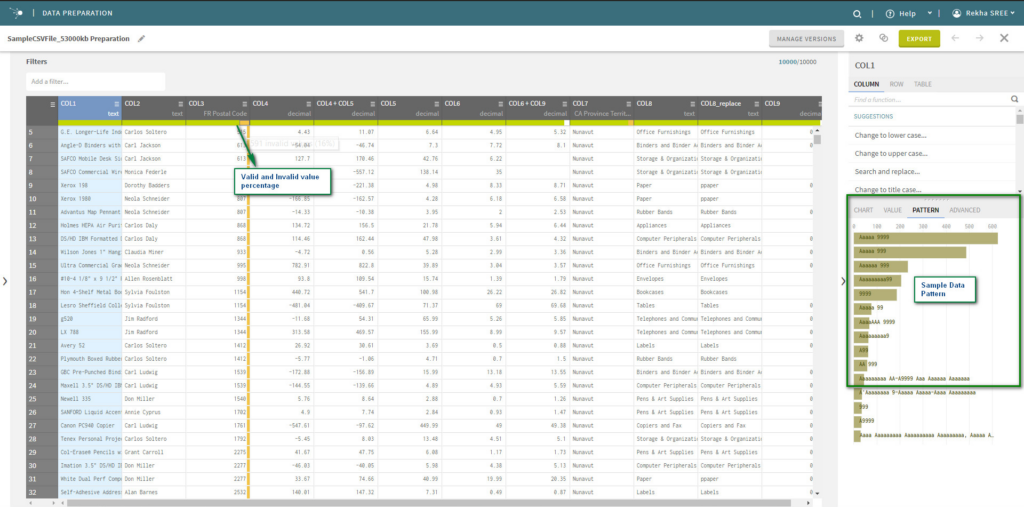
Talend, uno strumento open source completo per l'integrazione e la gestione dei dati, eccelle nella combinazione, nella pulizia e nello spostamento dei dati in tempo reale. La sua competenza nell'integrazione dei dati in tempo reale e la forte attenzione al controllo della qualità lo rendono la scelta ideale per le organizzazioni che necessitano di informazioni immediate sui dati mantenendone l'integrità.
Perché ho scelto Talend: Ho scelto Talend per la sua capacità di gestire in modo efficiente l'integrazione dei dati in tempo reale e di mantenere una forte attenzione al controllo della qualità. Il suo vantaggio distintivo deriva da una solida suite di funzionalità che facilita la gestione dei dati in tempo reale, distinguendolo dalla concorrenza. Questa combinazione lo rende il candidato ideale per le aziende che devono elaborare rapidamente i dati e mantenere standard elevati.
Funzionalità e integrazioni di spicco:
Le funzionalità di spicco di Talend includono l'integrazione dei dati in tempo reale, la profilazione e la qualità dei dati, la catalogazione e un'interfaccia intuitiva. Con Talend, gli utenti possono creare, distribuire e gestire pipeline di dati per diversi casi d'uso, come ETL, ELT e l'automazione dei data warehouse. Inoltre, offre numerose integrazioni con database, piattaforme cloud e strumenti CRM, tra cui AWS, Azure, Google Cloud, Salesforce e SAP, solo per citarne alcuni.
Pros and Cons
Pros:
- Elevate capacità di integrazione dei dati in tempo reale
- Funzionalità complete per il controllo della qualità dei dati
- Ampie integrazioni con database e piattaforme cloud
Cons:
- Il prezzo può essere elevato per le organizzazioni più piccole
- L'abbondanza di funzionalità potrebbe risultare impegnativa per i principianti
- Le integrazioni personalizzate potrebbero richiedere competenze tecniche

Egnyte
Ideale per la condivisione sicura dei file e la collaborazione
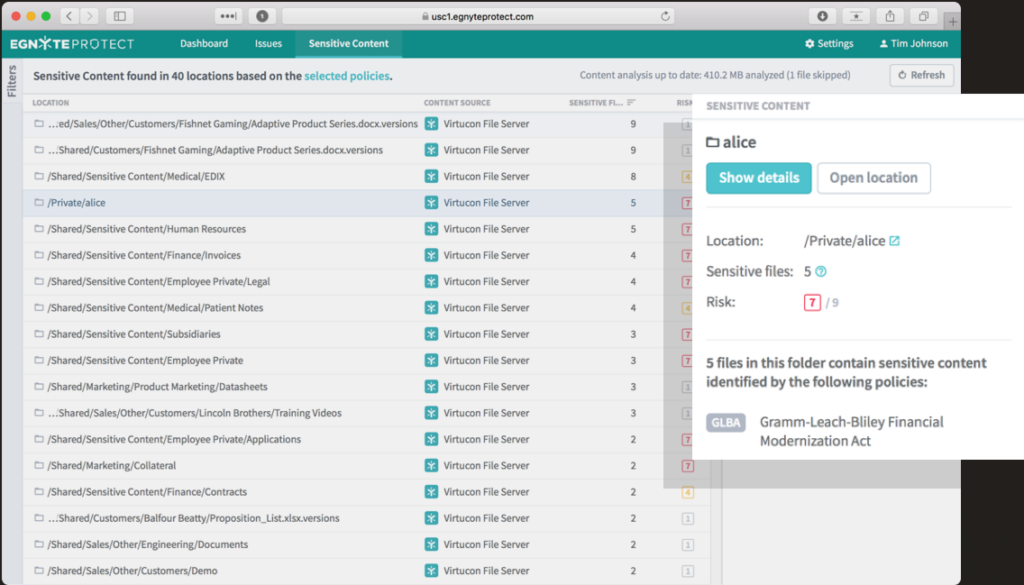
Egnyte è una piattaforma completa specializzata nella condivisione di file sicura e collaborazione. Offre alle aziende un hub centralizzato e protetto per l’archiviazione, l’accesso e la collaborazione sui file, favorendo così la produttività del team e la sicurezza dei dati.
Perché ho scelto Egnyte: Ho scelto Egnyte per le sue robuste misure di sicurezza dei dati e le funzionalità di collaborazione intuitive nel campo degli strumenti di condivisione e collaborazione sui file. La sua particolare attenzione a una archiviazione dei dati sicura ed una collaborazione efficiente mi hanno portato a considerarla la soluzione “migliore per” la condivisione sicura dei file e la collaborazione.
Caratteristiche distintive e integrazioni:
Le caratteristiche distintive di Egnyte includono la solida cifratura dei file, i controlli sui permessi e le capacità di collaborazione in tempo reale. Inoltre, offre report di audit per mantenere la conformità alla sicurezza. Si integra bene con molte piattaforme comunemente utilizzate, come Microsoft Office 365, Google Workspace, Slack e diversi sistemi CRM, facilitando una migliore collaborazione e gestione dei flussi di lavoro.
Pros and Cons
Pros:
- Funzionalità di sicurezza avanzate che includono cifratura e controlli sui permessi
- Ampie capacità di integrazione con altre piattaforme di produttività
- Strumenti di collaborazione in tempo reale per migliorare il lavoro di squadra
Cons:
- È richiesto un minimo di cinque utenti per il piano Team
- Alcuni utenti possono trovare l’interfaccia meno intuitiva rispetto ai concorrenti
- Le funzionalità avanzate e lo spazio di archiviazione maggiore sono disponibili solo nei piani più costosi

Collibra
Ideale per la governance dei dati a livello enterprise estesa
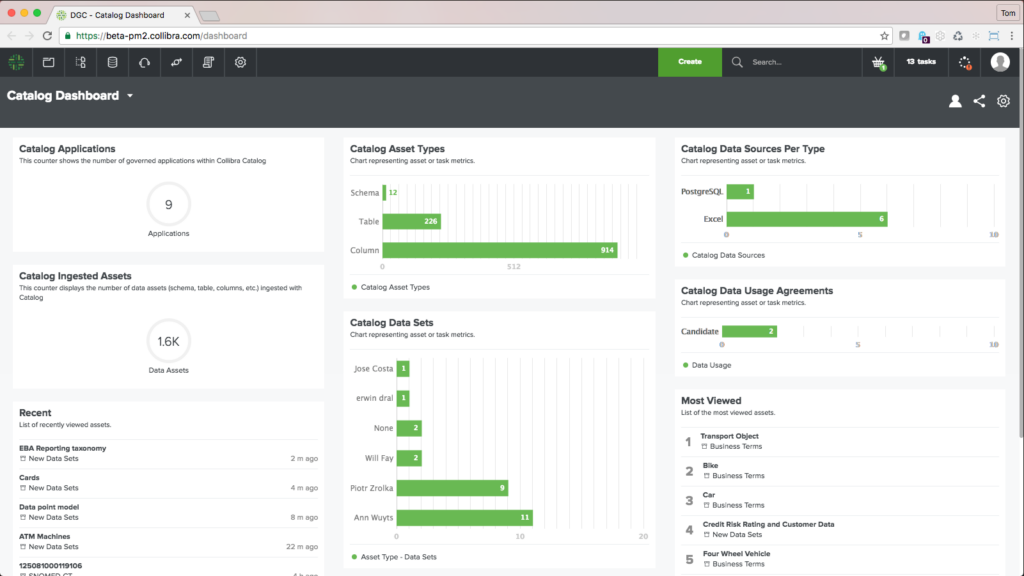
Collibra è una solida piattaforma di data governance progettata per promuovere l’alfabetizzazione dei dati, potenziare i data steward e garantire la conformità dei dati. Questo strumento si distingue per le sue funzionalità a livello enterprise, allineando la governance dei dati agli obiettivi di business e alle esigenze operative.
Perché ho scelto Collibra: Ho scelto Collibra per le sue complete capacità di governance che coprono l'intero spettro dei programmi di data governance. Questo strumento si distingue per la capacità di gestire compiti complessi di governance dei dati a livello aziendale. La sua ampia gamma di funzionalità offre una governance dei dati olistica, rendendolo ideale per le organizzazioni che richiedono elevato controllo e competenza sui dati.
Caratteristiche principali & integrazioni:
Collibra offre un catalogo dei dati, data lineage, data stewardship, glossario aziendale e gestione delle policy di governance tra le sue funzionalità di punta. Queste permettono agli utenti di individuare i dati rilevanti, comprendere il loro percorso e assicurarsi che l'utilizzo sia conforme alle normative. Si integra inoltre con i principali strumenti di gestione dei dati e business data intelligence come Tableau, Informatica e la suite di strumenti dati di IBM, garantendo un flusso dati fluido tra diverse piattaforme.
Pros and Cons
Pros:
- Strumento completo per la data governance aziendale
- Robuste capacità di catalogazione e data lineage
- Forte integrazione con altri strumenti di gestione dati
Cons:
- Prezzo iniziale elevato
- Può risultare complesso per le piccole aziende
- Curva di apprendimento ripida per i nuovi utenti

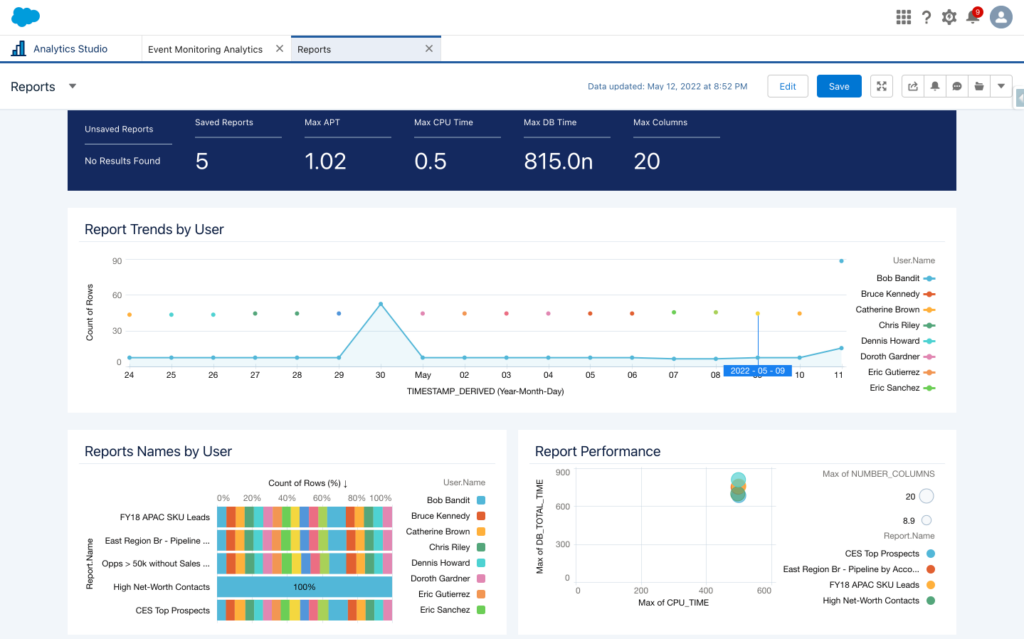
Salesforce Security and Privacy è uno strumento solido progettato per integrare misure di protezione dei dati con le attività di gestione della relazione con i clienti (CRM). Riconosciuto per le sue eccellenti disposizioni in materia di sicurezza e privacy dei dati, garantisce la conformità normativa consentendo una gestione efficiente dei dati dei clienti.
Perché ho scelto Salesforce Security and Privacy: Ho scelto Salesforce Security and Privacy per l'affidabilità nella protezione dei dati e per l'integrazione con le funzioni CRM. La sua capacità unica di unire queste due aree critiche delle attività aziendali lo distingue dagli altri strumenti sul mercato. Considerate le sue funzionalità complete e le prestazioni affidabili, è la soluzione migliore per integrare la privacy dei dati con il CRM.
Funzionalità principali e integrazioni:
Le caratteristiche salienti di Salesforce Security and Privacy includono una gestione completa della privacy, rilevamento avanzato delle minacce, autenticazione a più fattori ed un'estesa copertura della conformità. Previene la perdita di dati e controlla l'accesso degli utenti. Inoltre, si integra con prodotti Salesforce come CRM, Marketing Cloud e Service Cloud.
Pros and Cons
Pros:
- Gestione completa della privacy e della sicurezza dei dati
- Integrazione con CRM e altri prodotti Salesforce
- Controllo granulare dell'accesso degli utenti per la protezione dei dati
Cons:
- Il prezzo può essere elevato per le piccole imprese
- Richiede tempo e conoscenze tecniche per setup e personalizzazione completi
- Alcuni utenti segnalano la necessità di aggiornamenti e patch frequenti

Ideale per il controllo centralizzato dei dati anagrafici
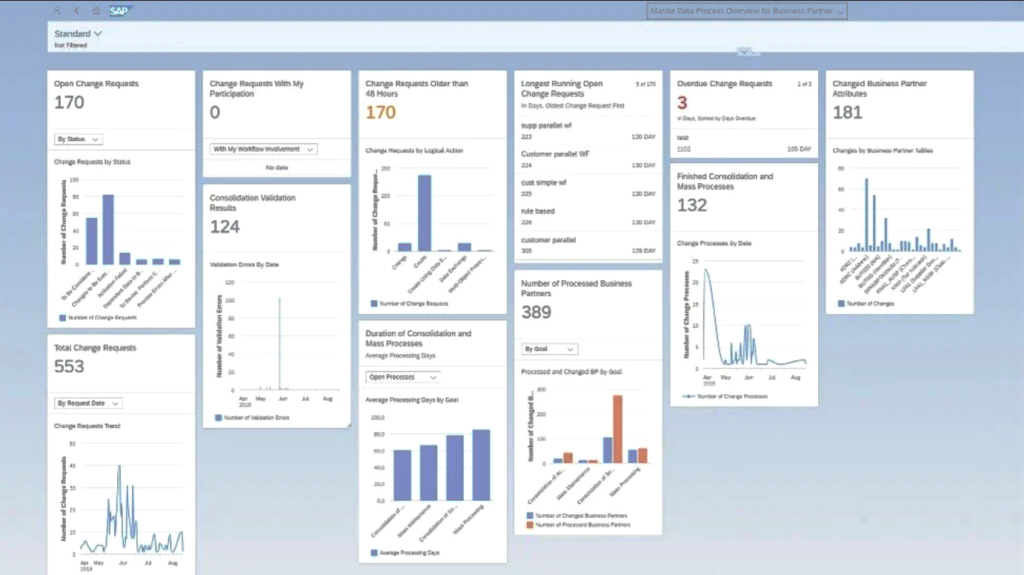
SAP Master Data Governance (MDG) è una soluzione completa di gestione dei dati anagrafici (MDM) che aiuta gli utenti a implementare una strategia coesa e armonizzata di gestione dei dati anagrafici su tutti i domini dei dati principali.
Perché ho scelto SAP Master Data Governance (MDG): Ho scelto SAP MDG per la sua eccellente reputazione e la funzionalità completa nella gestione dei dati anagrafici. È sviluppata per offrire una gestione efficace dei dati aziendali, ridurre i rischi, migliorare la conformità e abbassare il costo totale di proprietà. Il suo forte impegno nel garantire coerenza e accuratezza dei dati su diversi sistemi lo rende la scelta migliore per il controllo centralizzato dei dati anagrafici.
Caratteristiche principali e integrazioni:
Le funzionalità degne di nota di SAP MDG includono solide capacità di validazione dei dati e controllo dei duplicati, funzionalità di replicazione dei dati e tracciamenti di audit completi. Si integra perfettamente con altri prodotti SAP e la sua architettura flessibile consente anche l'integrazione con sistemi non-SAP. È disponibile sia on-premises che nel Cloud.
Pros and Cons
Pros:
- Garantisce la coerenza dei dati tra diversi sistemi
- Fornisce solide funzioni di validazione dei dati e controllo dei duplicati
- Capacità di integrazione flessibile
Cons:
- Le informazioni sui prezzi non sono facilmente disponibili
- L'interfaccia può risultare complessa per i nuovi utenti
- Può richiedere uno sforzo di implementazione aggiuntivo rispetto ad altri strumenti

Ideale per la governance dei dati su una piattaforma dati cloud
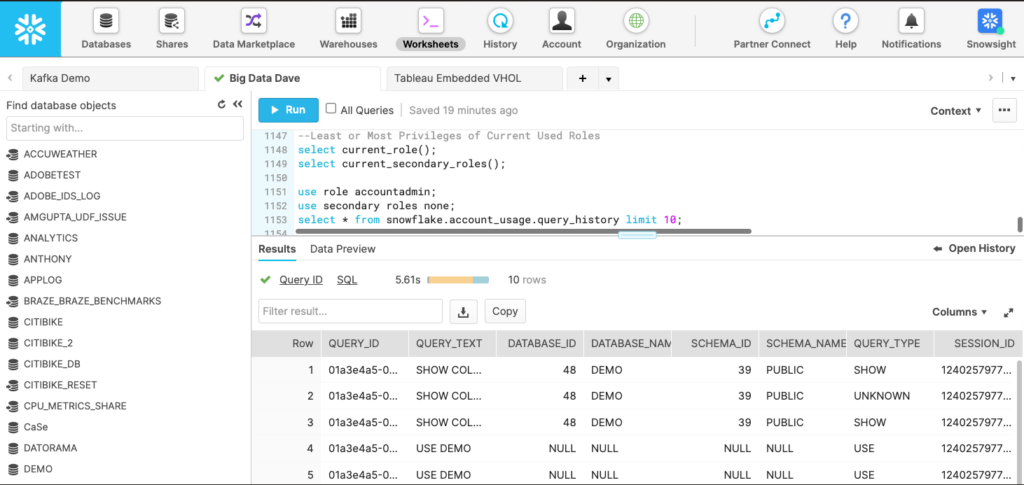
Snowflake Data Governance è parte integrante della Snowflake Cloud Data Platform, facilitando il controllo sulla qualità, l’accessibilità e la sicurezza dei dati. Il suo vantaggio unico risiede nel fornire una solida governance dei dati direttamente su una piattaforma dati cloud.
Perché ho scelto Snowflake Data Governance: Ho scelto Snowflake Data Governance per le sue funzioni complete di governance che operano direttamente su una piattaforma dati cloud. L’elemento distintivo di questo strumento consiste nella sua capacità di gestire la governance dei dati in un ambiente nativo cloud. Questo lo rende particolarmente adatto per le organizzazioni con infrastrutture dati basate sul cloud.
Funzionalità e integrazioni di spicco:
Snowflake Data Governance offre funzionalità come catalogazione dei dati, gestione delle policy, controllo della qualità dei dati e tracciabilità completa dei dati. Lo strumento si integra inoltre con una gamma di altri servizi dell’ecosistema Snowflake e con popolari strumenti di gestione dati, ampliandone la funzionalità.
Pros and Cons
Pros:
- Governance diretta dei dati su una piattaforma dati cloud
- Integrazione profonda con l’ecosistema Snowflake
- Funzionalità complete di data governance
Cons:
- I dettagli sui prezzi non sono direttamente disponibili
- Potrebbe non essere adatto per organizzazioni senza un’infrastruttura dati basata sul cloud
- Una suite di strumenti complessa che può presentare una curva di apprendimento ripida per alcuni utenti

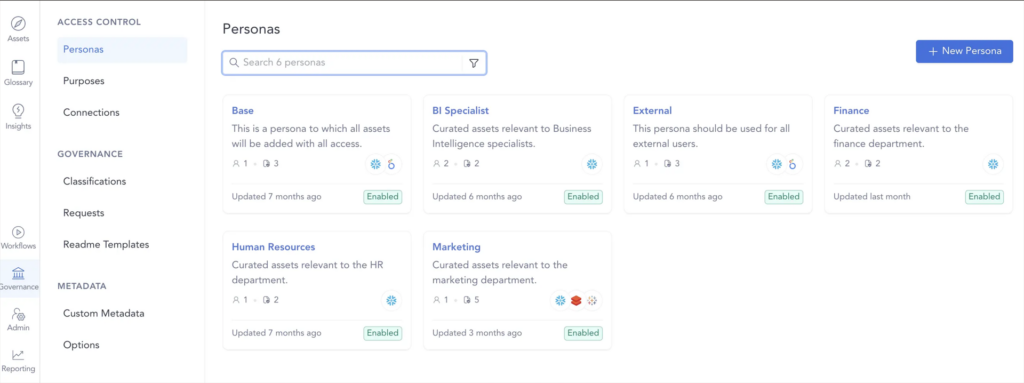
Atlan è uno spazio di lavoro dati moderno che crea un ambiente unificato e collaborativo per team di dati diversificati. Il suo approccio 'umanocentrico' alla catalogazione dei dati favorisce un'esperienza utente amichevole, rendendolo la scelta ideale per i team che cercano un'interfaccia intuitiva per le loro esigenze di governance dei dati.
Perché ho scelto Atlan: Atlan ha attirato la mia attenzione con il suo focus unico sulla creazione di un catalogo dati 'umanocentrico'. Questo approccio incentrato sull'utente lo distingue da altri strumenti di data governance. Ritengo che Atlan si distingua come il miglior strumento per la catalogazione dei dati a misura d'uomo, poiché mette al centro l'esperienza utente, permettendo a individui e team di navigare e gestire i compiti di governance dei dati con maggiore facilità.
Funzionalità e integrazioni principali:
Atlan offre catalogazione, lineage, discovery dei dati e un hub collaborativo per i team di dati. Queste funzionalità rendono le attività di governance dei dati più accessibili e collaborative. Vanta integrazioni con diverse fonti di dati e strumenti di business intelligence, tra cui BigQuery, Redshift e Tableau, assicurando che i tuoi dati siano connessi e accessibili su più piattaforme.
Pros and Cons
Pros:
- Approccio alla catalogazione dei dati incentrato sull'utente
- Eccellenti funzioni di collaborazione per i team di dati
- Ampia gamma di integrazioni con fonti di dati
Cons:
- Il prezzo è disponibile solo su base annuale
- Può richiedere un cambiamento culturale per i team dati tradizionali
- Funzionalità avanzate di governance dei dati limitate
Altri strumenti di governance dei dati
Di seguito trovi un elenco di ulteriori strumenti di governance dei dati che ho incluso nella mia selezione, ma che non sono entrati nella top 10. Vale sicuramente la pena esaminarli.


Come valuto gli strumenti di data governance
Divido la mia valutazione in due livelli: le funzionalità di base che uno strumento deve avere—automazione del catalogo, tracciamento della lineage, applicazione delle policy—e i fattori distintivi che separano i leader dal resto del mercato.
Funzionalità di base (Requisiti minimi per questa lista)
Quando seleziono gli strumenti per la mia lista, valuto ciascuno su una scala da 0 (non offre la funzionalità) a 5 (eccelle in quest'area) per ogni funzionalità fondamentale elencata sotto. Poi calcolo il punteggio totale dello strumento in percentuale. Ogni strumento deve ottenere un punteggio minimo totale del 75% per essere considerato nell'elenco.
- Catalogazione & Scoperta dei dati: Valuto quanto efficientemente ciascuno strumento scopre e indicizza automaticamente le risorse su data warehouse cloud, database on-premise e app SaaS in un catalogo ricco di metadati e facilmente ricercabile.
- Lineage dei dati & Tracciabilità: Traccio come una cifra di ricavi fluisce dai sistemi sorgente attraverso i livelli di trasformazione fino a una dashboard di BI: questo è un caso d'uso fondamentale che verifico per ogni strumento.
- Gestione delle policy & conformità: Cerco framework normativi integrati come GDPR e HIPAA, oltre alla possibilità di scrivere policy personalizzate e automatizzare l'applicazione su tutte le risorse governate.
- Classificazione dei dati & Etichettatura della sensibilità: Qui conta il rilevamento e l'etichettatura automatica di PII, PHI e dati finanziari—valuto se la classificazione si basa su regole, modelli ML, o entrambi.
- Controllo dell'accesso & responsabilità: Ogni strumento dovrebbe supportare controlli di accesso basati su ruoli o attributi, assegnazione di responsabili e workflow di approvazione affinché le persone giuste gestiscano i dati giusti.
- Gestione della qualità dei dati: Verifico se gli strumenti permettono di definire regole di qualità, avviare attività di profilazione e mostrare punteggi o avvisi—ad esempio, segnalando record clienti duplicati o valori nulli nei campi chiave.
Dopo aver individuato gli strumenti che soddisfano questi criteri, considero ciò che rende ciascuna piattaforma unica.
Fattori di differenziazione (Ciò che distingue i fornitori)
Ecco come analizzo e confronto i diversi fornitori:
Funzionalità distintive
L'arricchimento dei metadati tramite intelligenza artificiale è un grande elemento distintivo—valuto se uno strumento può suggerire automaticamente tag, mostrare risorse correlate e raccomandare classificazioni senza input manuale. Un business glossary ben realizzato è anche importante perché colma il divario tra nomi di colonne tecnici e i termini aziendali effettivamente usati dagli stakeholder. Anche funzioni di gestione della privacy e del consenso fanno parte della mia valutazione, in particolare la gestione DSAR automatizzata e i controlli di accesso basati sullo scopo che aiutano i team a rispondere alle richieste dei soggetti dei dati senza interventi improvvisi.
Oltre le funzionalità
L’ecosistema di integrazione è una delle prime cose che verifico. Uno strumento di governance deve offrire connettori nativi per i tuoi data warehouse, piattaforme BI e pipeline—altrimenti, l'adozione si blocca già al primo silo di dati. Anche la flessibilità di deployment pesa molto; alcune organizzazioni necessitano di soluzioni SaaS, mentre altre richiedono installazioni on-premise o ibride per motivi di residenza dei dati. Valuto attentamente anche i modelli di prezzo, perché le piattaforme di governance variano molto su come misurano i costi—per utente, per risorsa, per connettore—e questa matematica cambia rapidamente man mano che il patrimonio dei dati cresce.
Come scegliere gli strumenti di governance dei dati
È facile perdersi in lunghi elenchi di funzionalità e strutture tariffarie complesse. Per aiutarti a mantenere la concentrazione mentre affronti il tuo specifico processo di selezione del software, ecco un elenco di fattori da tenere presenti:
| Fattore | Considerazioni |
|---|---|
| Scalabilità | Lo strumento crescerà insieme alle tue esigenze relative ai dati? Considera l’espansione futura e valuta se lo strumento è in grado di gestire un volume di dati maggiore senza subire cali di prestazioni. |
| Integrazioni | Si collega ai sistemi esistenti? Verifica la compatibilità con piattaforme importanti come Salesforce, AWS o Google Cloud per garantire un flusso di dati continuo. |
| Possibilità di personalizzazione | Puoi adattare lo strumento ai tuoi flussi di lavoro? Cerca funzionalità che consentano modifiche per adeguarlo ai tuoi specifici processi aziendali. |
| Semplicità d’uso | L’interfaccia è intuitiva per il tuo team? Una curva di apprendimento ripida può rallentare l’adozione, quindi dai priorità a dashboard e sistemi di navigazione facili da usare. |
| Implementazione e avvio | Quanto velocemente puoi iniziare? Valuta il tempo e le risorse necessarie per l’implementazione, inclusi la formazione e i materiali di supporto come guide o webinar. |
| Costo | Il prezzo rientra nel tuo budget? Confronta i costi con le funzionalità e valuta gli impegni finanziari a lungo termine, incluse eventuali commissioni nascoste. |
| Misure di sicurezza | Sono presenti misure per la protezione dei dati? Considera gli standard di crittografia, i controlli degli accessi e la conformità a normative come il GDPR o l’HIPAA per proteggere i dati sensibili. |
| Disponibilità dell’assistenza | Avrai accesso all’aiuto quando ne avrai bisogno? Cerca un’assistenza disponibile 24 ore su 24, 7 giorni su 7, diversi metodi di contatto e un team reattivo che possa aiutarti a risolvere eventuali problemi. |
Cosa sono gli strumenti di governance dei dati?
Gli strumenti di governance dei dati sono soluzioni software progettate per aiutare le organizzazioni a gestire, proteggere e garantire la qualità dei propri dati. Questi strumenti vengono generalmente utilizzati dai responsabili dei dati, dai professionisti IT e dai responsabili della conformità che devono mantenere l'integrità dei dati e la conformità normativa.
Le funzionalità di catalogazione dei dati, controllo degli accessi e reportistica della conformità supportano una gestione efficiente dei dati e aiutano gli utenti a mantenere ambienti di dati accurati e sicuri. Misure di sicurezza come il software di mascheramento dei dati migliorano ulteriormente la protezione oscurando le informazioni sensibili durante i test e le analisi. Nel complesso, questi strumenti forniscono strutture essenziali affinché le organizzazioni possano gestire efficacemente i propri dati.
Caratteristiche
Quando selezioni gli strumenti di governance dei dati, presta attenzione alle seguenti caratteristiche principali:
- Catalogazione dei dati: Organizza e indicizza le risorse di dati, rendendole facilmente individuabili dagli utenti.
- Provenienza dei dati: Traccia l'origine e il flusso dei dati, aiutando gli utenti a comprendere le trasformazioni dei dati.
- Controllo degli accessi: Gestisce le autorizzazioni degli utenti per garantire che solo le persone autorizzate possano accedere ai dati sensibili.
- Reportistica della conformità: Genera report per dimostrare il rispetto delle normative sui dati come il GDPR o l'HIPAA.
- Monitoraggio della qualità dei dati: Verifica continuamente la presenza di imprecisioni nei dati, garantendo una gestione dei dati di alta qualità.
- Classificazione automatizzata dei dati: Classifica automaticamente i dati in base a criteri predefiniti, semplificando la gestione dei dati.
- Avvisi sui dati in tempo reale: Notifica immediatamente agli utenti modifiche o problemi critici relativi ai dati, consentendo di intervenire rapidamente.
- Pannelli di controllo personalizzabili: Fornisce agli utenti visualizzazioni personalizzate di dati e metriche, migliorando l'usabilità.
- Registri di controllo dettagliati: Conserva i record degli accessi e delle modifiche ai dati, favorendo trasparenza e responsabilità.
- Profilazione dei dati: Analizza le caratteristiche dei dati per aiutare gli utenti a comprenderne la struttura e la qualità.
Vantaggi
L'implementazione di strumenti di governance dei dati offre diversi vantaggi al tuo team e alla tua azienda. Eccone alcuni:
- Maggiore accuratezza dei dati: Grazie al monitoraggio della qualità dei dati, il tuo team può garantire che i dati siano affidabili e privi di errori.
- Conformità migliorata: La reportistica della conformità aiuta a dimostrare il rispetto delle normative, riducendo i rischi legali.
- Maggiore sicurezza: Le funzionalità di controllo degli accessi proteggono i dati sensibili limitandone l'accesso ai soli utenti autorizzati.
- Migliore processo decisionale: La catalogazione e la provenienza dei dati forniscono informazioni sulle origini e sul flusso dei dati, supportando decisioni consapevoli.
- Gestione efficiente dei dati: La classificazione automatizzata e la profilazione dei dati semplificano l'organizzazione e la comprensione delle risorse di dati.
- Risoluzione rapida dei problemi: Gli avvisi sui dati in tempo reale notificano al tuo team modifiche o problemi, consentendo di intervenire immediatamente.
- Informazioni personalizzabili: I pannelli di controllo personalizzabili offrono visualizzazioni su misura dei dati, aiutando gli utenti a concentrarsi sulle metriche pertinenti.
Costi e prezzi
La selezione degli strumenti di governance dei dati richiede una comprensione dei diversi modelli e piani tariffari disponibili. I costi variano in base alle funzionalità, alle dimensioni del team, agli extra e ad altri fattori. La tabella seguente riassume i piani più comuni, i relativi prezzi medi e le funzionalità tipicamente incluse nelle soluzioni di strumenti di governance dei dati:
Tabella comparativa dei piani per gli strumenti di governance dei dati
| Tipo di piano | Prezzo medio | Funzionalità comuni |
|---|---|---|
| Piano gratuito | $0 | Catalogazione di base dei dati, provenienza dei dati limitata e assistenza della comunità. |
| Piano personale | $10-$30/utente/mese | Catalogazione dei dati, controllo degli accessi, reportistica della conformità e assistenza via e-mail. |
| Piano aziendale | $50-$100/utente/mese | Provenienza avanzata dei dati, avvisi in tempo reale, monitoraggio della qualità dei dati e assistenza via chat. |
| Piano per grandi aziende | $150-$300/utente/mese | Pannelli di controllo personalizzabili, classificazione automatizzata dei dati, responsabile dedicato dell'account e assistenza 24/7. |
Domande frequenti sugli strumenti di governance dei dati
Ecco alcune risposte alle domande più comuni sugli strumenti di governance dei dati:
Come funzionano gli strumenti di governance dei dati?
Gli strumenti di governance dei dati aiutano la tua organizzazione a stabilire regole di controllo per prevenire violazioni, fughe e uso improprio dei dati. Creano framework che rendono i sistemi di dati chiari e sicuri. Questi strumenti garantiscono la privacy e preservano la fiducia dei clienti gestendo efficacemente l’accesso e l’integrità dei dati.
Quali sono i tre attributi chiave di una governance dei dati efficace?
Una governance dei dati efficace si basa sulla sicurezza, sull’accessibilità e sulla qualità dei dati. Questi aspetti sono supportati da un framework strutturato fondato su tre pilastri: persone, processi e tecnologia. Garantire la collaborazione tra questi elementi aiuta a mantenere un ambiente di dati affidabile.
In che modo gli strumenti di governance dei dati possono migliorare la qualità dei dati?
Questi strumenti monitorano l’accuratezza, la coerenza e la completezza dei dati. Utilizzano funzionalità come la profilazione dei dati e i controlli di qualità per identificare e correggere gli errori. Mantenendo un’elevata qualità dei dati, il tuo team può prendere decisioni migliori e migliorare l’efficienza operativa.
Quale ruolo svolge la conformità negli strumenti di governance dei dati?
La conformità è fondamentale per gli strumenti di governance dei dati, poiché garantisce che la tua organizzazione rispetti normative di settore come GDPR o HIPAA. Questi strumenti offrono funzionalità di reportistica e monitoraggio della conformità per aiutarti a rispettare i requisiti legali ed evitare potenziali sanzioni.
In che modo gli strumenti di governance dei dati supportano la gestione degli accessi ai dati?
Offrono funzionalità di controllo degli accessi che definiscono chi può visualizzare o modificare i dati. Impostando autorizzazioni e ruoli, questi strumenti aiutano a impedire gli accessi non autorizzati e garantiscono che le informazioni sensibili siano disponibili solo a chi ne ha bisogno.
Perché la derivazione dei dati è importante nella governance dei dati?
La derivazione dei dati traccia il percorso dei dati dalla fonte alla destinazione. Comprendere questo flusso aiuta il tuo team a verificare l’accuratezza dei dati e a ricondurre eventuali problemi alla loro origine. È essenziale per gli audit, la conformità e il mantenimento della fiducia nei dati.
Cosa succede ora:
Se stai cercando strumenti di governance dei dati, contatta gratuitamente un consulente di SoftwareSelect per ricevere consigli personalizzati.
Compili un modulo e svolgi una breve conversazione durante la quale il consulente approfondirà le tue esigenze specifiche. In seguito riceverai una selezione ristretta di software da valutare. Ti supporterà anche durante l'intero processo di acquisto, comprese le negoziazioni dei prezzi.