

Liberare spazio: i 10 migliori software di pulizia del disco del 2026

10 Miglior elenco ristretto di software per la pulizia del disco


Mantenere i sistemi in perfetta efficienza può essere una sfida, soprattutto quando nel tempo si accumulano file e dati inutili. Sai quanto è frustrante quando le prestazioni lente e lo spazio di archiviazione limitato ostacolano la produttività del tuo team. I software per la pulizia del disco possono contribuire ad alleviare questi problemi gestendo e organizzando i dati in modo efficiente.
Ho testato e recensito in modo indipendente diversi strumenti per la pulizia del disco per offrirti una guida imparziale. In base alla mia esperienza, trovare la soluzione giusta può fare davvero la differenza nell'ottimizzazione dei sistemi.
In questo articolo troverai le mie scelte migliori, ciascuna con funzionalità uniche per soddisfare le tue esigenze specifiche. Scopriamo come questi strumenti possono migliorare il tuo flusso di lavoro e mantenere i tuoi sistemi in condizioni ottimali.
Perché fidarsi dei nostri consigli sui software
Il nostro team testa e recensisce software dal 2012. In quanto leader tecnologici noi stessi, sappiamo quanto sia difficile — e importante — scegliere il software giusto.
Per questa guida, abbiamo valutato gli strumenti attraverso test praticie ricerche indipendenti, assegnando un punteggio agli strumenti in base ai nostri criteri di selezione.
Le nostre recensioni riflettono il nostro giudizio editoriale umano, non un discorso di vendita.
Riepilogo dei migliori software per la pulizia del disco
Questa tabella comparativa riassume i dettagli sui prezzi delle mie migliori selezioni di software per la pulizia del disco, per aiutarti a trovare quello più adatto al tuo budget e alle esigenze della tua azienda.
| Tool | Best For | Trial Info | Price | ||
|---|---|---|---|---|---|
| 1 | Ideale per la scansione di grandi set di dati alla ricerca di duplicati | Demo gratuita disponibile | Da $2.99/utente/mese (fatturato annualmente) | Website | |
| 2 | Ottimizzazione specifica per macOS | Not available | Da $4/utente/mese (fatturazione annuale) | Website | |
| 3 | Ideale per miglioramenti programmati del sistema | Not available | Da $3/utente/mese (fatturato annualmente) | Website | |
| 4 | Ideale per la pulizia di browser e cache | Not available | Da $2.50/utente/mese (fatturato annualmente) | Website | |
| 5 | Ideale per la pulizia generale del PC | Not available | A partire da $5/utente/mese (fatturato annualmente) | Website | |
| 6 | Ideale per una pulizia approfondita del Mac | Not available | A partire da $3.33/utente/mese (fatturato annualmente) | Website | |
| 7 | Ideale per la rimozione di file indesiderati | Not available | Da $5/utente/mese (fatturazione annuale) | Website | |
| 8 | Ideale per la deframmentazione dei dischi rigidi | Not available | Da $3/utente/mese (fatturazione annuale) | Website | |
| 9 | Ideale per una varietà di strumenti utilità | Prova gratuita disponibile | Da $2.99/utente/mese (fatturato annualmente) | Website | |
| 10 | Ideale per rimuovere la spazzatura di sistema | Not available | Prezzo su richiesta | Website |
Recensioni dei migliori software per la pulizia del disco
Di seguito trovi le mie sintesi dettagliate dei migliori software per la pulizia del disco inclusi nel mio elenco ristretto. Le mie recensioni offrono un’analisi approfondita delle funzionalità principali, dei pro e dei contro, delle integrazioni e dei casi d’uso ideali di ogni strumento, per aiutarti a trovare quello più adatto a te.

Ideale per la scansione di grandi set di dati alla ricerca di duplicati
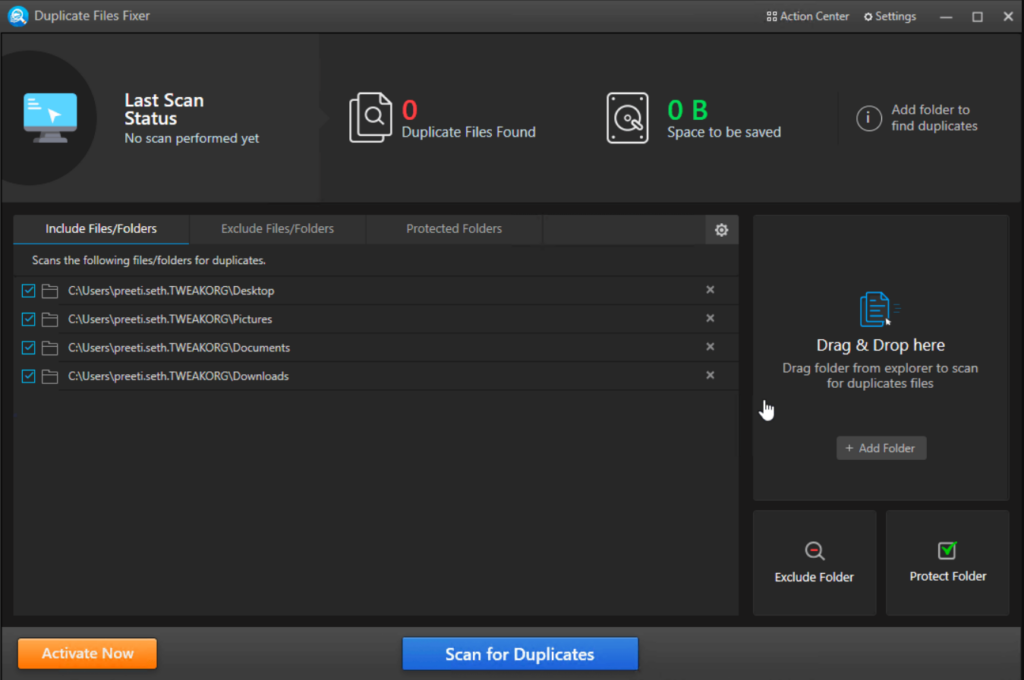
Duplicate Files Fixer è la mia scelta preferita quando vedo team alle prese con un utilizzo eccessivo del disco dovuto a file ripetuti su unità condivise o archivi dati. La sua scansione approfondita individua rapidamente i file duplicati anche nei set di dati più grandi o su dispositivi di archiviazione esterni, permettendoti di recuperare spazio in pochi clic.
Apprezzo molto il modo in cui visualizza i cluster di duplicati in modo che tu sappia esattamente cosa stai cancellando. È ideale per chi deve riorganizzare anni di file disordinati o ereditati senza rischiare di eliminare dati critici.
Duplicate Files Fixer è l'ideale per
- Amministratori IT che gestiscono grandi archivi di file
- Team che devono eliminare dati duplicati tra diverse unità
Duplicate Files Fixer non è adatto per
- Chi cerca solo una pulizia basilare di file inutili di sistema
- Team focalizzati sull'ottimizzazione delle prestazioni di app o sistemi operativi
Cosa distingue Duplicate Files Fixer
Duplicate Files Fixer si concentra davvero sull'aiutarti a gestire unità ingombrate dove la presenza di file duplicati è un problema. A differenza di strumenti generici di pulizia come CCleaner, è progettato per eseguire scansioni che cercano file identici attraverso intere cartelle di rete, dispositivi esterni o cartelle di sincronizzazione cloud. In pratica, funziona molto bene se hai grandi repository che tendono ad accumulare file ripetuti nel tempo.
Compromessi di Duplicate Files Fixer
È ottimizzato per una rilevazione approfondita di duplicati su vasta scala, ma questa specializzazione significa che non offre funzionalità di pulizia più ampia o di ottimizzazione delle prestazioni di sistema. Se cerchi una suite all-in-one per la pulizia, ti serviranno altri strumenti da affiancare.
Pros and Cons
Pros:
- Algoritmo di scansione efficiente che elabora rapidamente grandi quantità di dati.
- Il design orientato all'utente facilita la gestione e l'eliminazione dei file.
- Si integra bene con la maggior parte dei sistemi di archiviazione di file, aumentando la sua versatilità.
Cons:
- Alcuni utenti potrebbero trovare l'interfaccia troppo semplice.
- Sebbene offra una vasta gamma di scansione di tipi di file, alcuni formati di nicchia potrebbero essere trascurati.
- Sono necessari aggiornamenti periodici per garantire prestazioni ottimali.

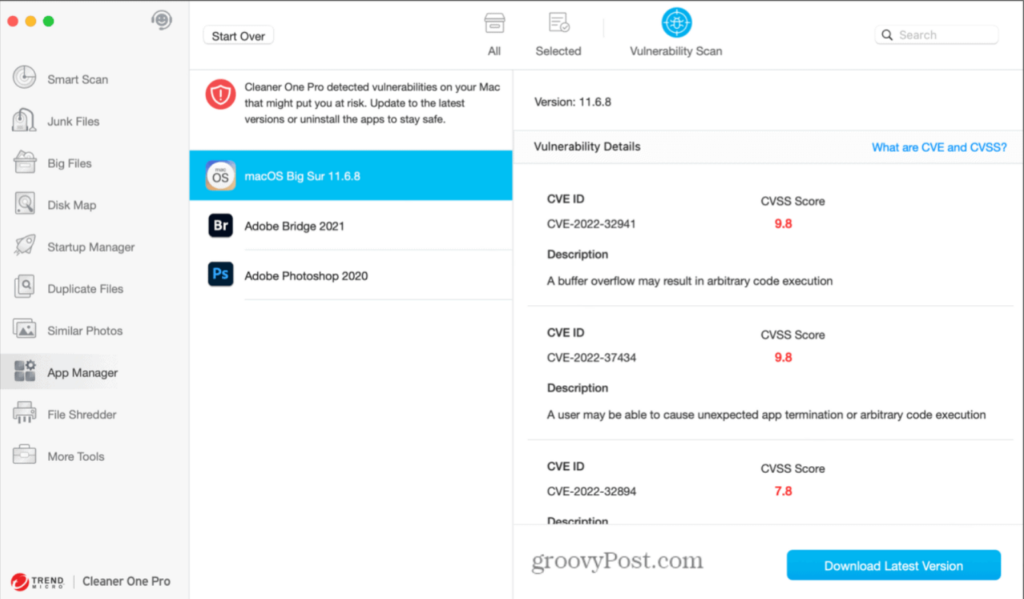
Cleaner One Pro si guadagna il suo posto qui concentrandosi direttamente sul disordine di macOS, offrendo analisi dello spazio e una rimozione intelligente e mirata dei file inutili. Quando ho testato la sua mappa del disco, ho potuto vedere esattamente quali cartelle occupavano spazio, il che mi ha aiutato a decidere cosa eliminare per primo.
Apprezzo il fatto che esegue anche la scansione di file grandi, vecchi o duplicati—particolarmente utile quando si lavora in ambienti dove i Mac sono predominanti e lo spazio di archiviazione si esaurisce rapidamente.
Cleaner One Pro è ideale per
- Utenti Mac che hanno bisogno di una rapida pulizia e analisi del disco
- Team che gestiscono uno spazio di archiviazione Mac limitato in ambienti creativi
Cleaner One Pro non è indicato per
- Necessità di pulizia del disco per Windows o multi-piattaforma
- Utenti che necessitano di funzionalità avanzate di automazione o pianificazione
Cosa distingue Cleaner One Pro
Cleaner One Pro si concentra sui problemi di archiviazione specifici dei Mac invece di cercare di coprire tutte le piattaforme come CCleaner o BleachBit. Ti guida nell’organizzazione e nella pulizia dei file in modo naturale per gli utenti macOS. Lo strumento pone una forte enfasi sulla visualizzazione dello spazio, aiutandoti a vedere esattamente cosa occupa spazio così da poter decidere cosa è importante.
Compromessi con Cleaner One Pro
Cleaner One Pro ottimizza l’esperienza su Mac e la chiarezza, ma si rinuncia al supporto per Windows e ad opzioni avanzate di automazione. Se hai bisogno di processare in batch o gestire flotte di dispositivi multi-piattaforma, incontrerai dei limiti.
Pros and Cons
Pros:
- Progettato con un focus preciso su macOS, garantendo compatibilità ottimale.
- Il monitoraggio in tempo reale aiuta gli utenti a gestire lo spazio di archiviazione in modo efficiente.
- Interfaccia utente intuitiva che semplifica il processo di pulizia e ottimizzazione.
Cons:
- L’esclusività per macOS significa che non è adatto a utenti Windows o Linux.
- Potrebbe mancare di alcune funzionalità avanzate presenti nei pulitori multi-piattaforma.
- La fatturazione annuale potrebbe scoraggiare chi cerca soluzioni a breve termine.

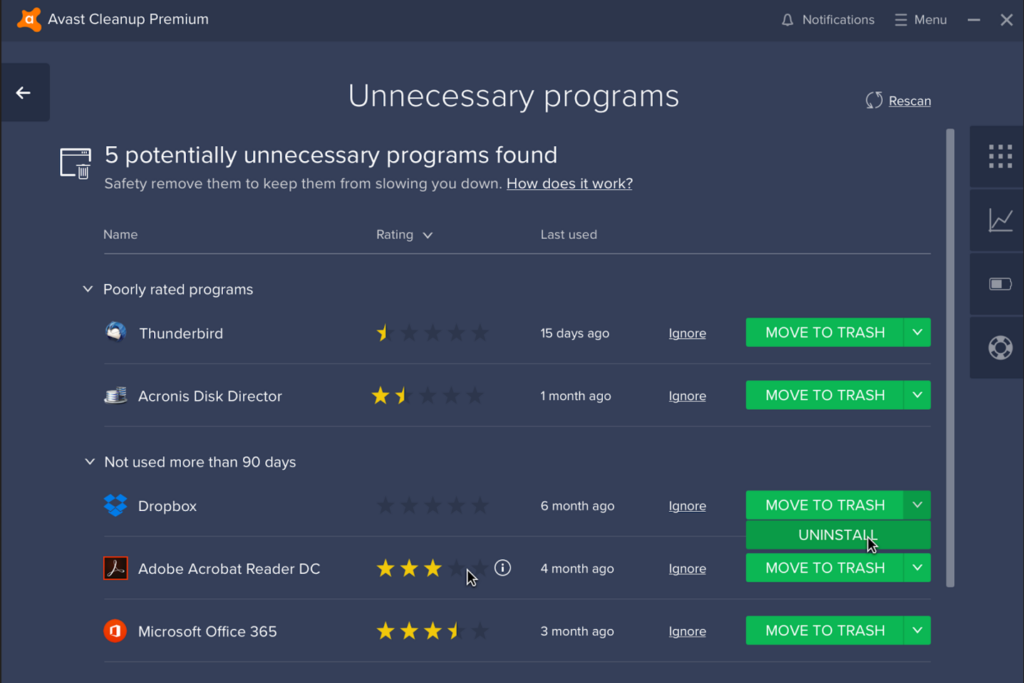
Avast Cleanup merita un posto nella mia lista grazie al suo approccio automatizzato alla manutenzione regolare del sistema. La possibilità di programmare le pulizie significa che non devi preoccuparti di liberare spazio su disco: i file inutili e le cache del browser vengono gestiti in background secondo la tua pianificazione.
Ciò che apprezzo di più è la chiara suddivisione di ciò che viene pulito e quando. Questo strumento è ideale quando desideri una pulizia del disco impostata una volta sola e senza pensieri, senza rischiare di eliminare file importanti.
Ideale per
- Utenti che desiderano pulizie automatiche e programmate del disco
- PC che accumulano file temporanei, dati del browser e file inutili nel tempo
Non ideale per
- Utenti avanzati che vogliono il pieno controllo sulla pulizia
- Chi cerca strumenti avanzati per la riparazione profonda del sistema operativo o del registro di sistema
Cosa distingue Avast Cleanup
Avast Cleanup è pensato per chi desidera che la manutenzione del disco avvenga silenziosamente in background, senza particolari interventi manuali. Si presume che tu affidi la maggior parte delle decisioni alle sue funzionalità di pianificazione e scansione automatica, anziché ottimizzare ogni dettaglio come faresti con CCleaner. Lo considero una soluzione ideale se non vuoi occuparti costantemente del tuo sistema ma desideri comunque tenerlo libero da file inutili.
Rispetto a strumenti che puntano su una profonda personalizzazione del sistema operativo o offrono configurazioni avanzate, Avast Cleanup appare molto più automatizzato e 'hands-off'.
Compromessi di Avast Cleanup
Avast Cleanup privilegia l'automatizzazione e la semplicità, ma in questo modo si sacrifica il controllo dettagliato su cosa viene eliminato e su quanto in profondità interviene sui file di sistema. Se vuoi personalizzare minuziosamente ogni pulizia, questo approccio potrebbe sembrarti troppo restrittivo.
Pros and Cons
Pros:
- La manutenzione automatica assicura miglioramenti regolari del sistema.
- Efficiente nell'individuare ed eliminare i file inutili.
- Opzioni di ottimizzazione complete offrono miglioramenti più profondi al sistema.
Cons:
- Mancano alcune funzionalità offerte da strumenti concorrenti.
- L'integrazione è principalmente all'interno dell'ecosistema Avast, limitando la versatilità con altri prodotti.
- Alcuni utenti possono trovare l'interfaccia meno intuitiva rispetto alla concorrenza.

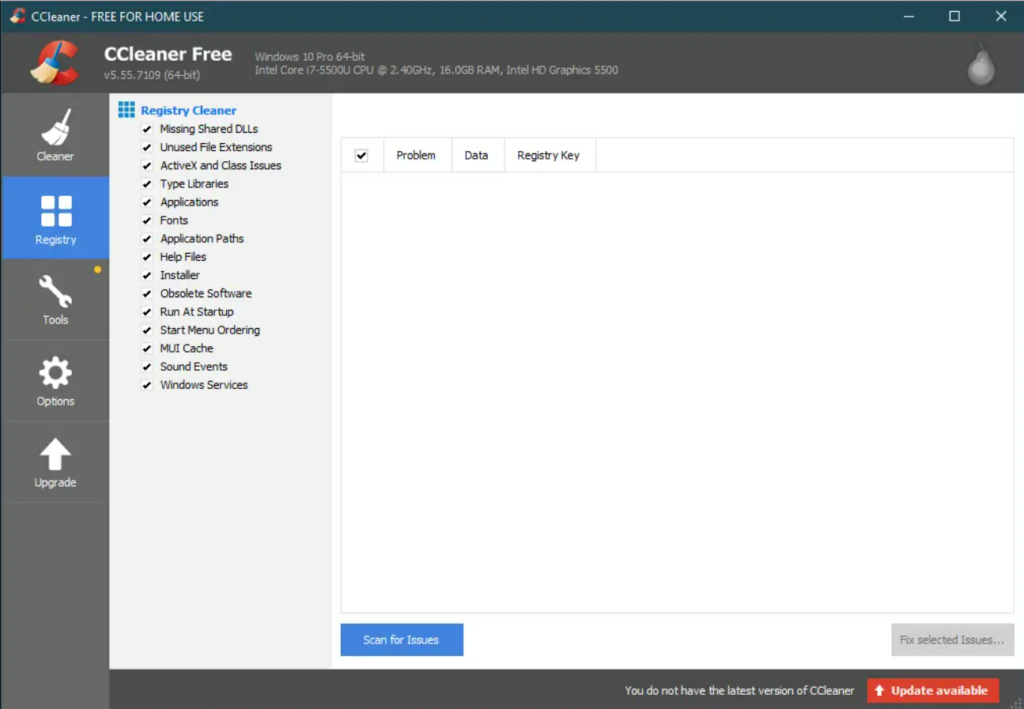
CCleaner merita un posto nella mia lista perché svolge un lavoro approfondito nella pulizia dei browser e nella rimozione dei file cache, cosa che la maggior parte degli altri strumenti di pulizia disco non approfondisce così nel dettaglio. Tendo a consigliarlo se hai bisogno di una manutenzione regolare dei browser insieme al recupero di spazio, soprattutto per dispositivi che vedono un intenso traffico web.
Una cosa che apprezzo è la possibilità di impostare pianificazioni e scegliere di mirare a tipi specifici di dati del browser (file temporanei, cookie o cronologia) senza eliminare elementi essenziali. Questo è particolarmente utile per mantenere fluidi i dispositivi condivisi o in modalità chiosco.
I punti di forza di CCleaner
- Personale IT che gestisce l'igiene dei browser e la cache su molti PC
- Singoli o gruppi che accumulano frequentemente file web e temporanei
Non è l'ideale per
- Audit o gestione dello storage aziendale su larga scala
- Pulizia profonda del sistema operativo o compiti di riparazione disco che vadano oltre la superficie
Cosa distingue CCleaner
CCleaner si concentra sulla pulizia regolare di browser e cache, piuttosto che sulla gestione completa del disco come TreeSize o Glary Utilities. È particolarmente adatto quando si desidera mantenere ordinate le tracce lasciate dai browser, i file temporanei e la cronologia Internet su workstation condivise o molto utilizzate.
Nella pratica, ho visto questo approccio funzionare molto bene per team che gestiscono laboratori ad accesso libero, chioschi d’ufficio o terminali condivisi.
Compromessi con CCleaner
CCleaner è ottimizzato per la pulizia superficiale dei file dei browser, ma si perdono approfondimenti più dettagliati sulle tendenze di utilizzo del disco. Se hai bisogno di visibilità sull’occupazione dello storage per cartella o per tipo di file, questo non è lo strumento più adatto.
Pros and Cons
Pros:
- Precisione nel mirare e pulire i file spazzatura dei browser.
- Il pulitore di registro brevettato corregge errori di sistema.
- La compatibilità con un'ampia gamma di browser assicura una pulizia accurata.
Cons:
- Gli utenti potrebbero incontrare richieste per installare software aggiuntivo.
- Alcune funzionalità avanzate sono disponibili solo nella versione premium.
- Il monitoraggio in tempo reale potrebbe consumare ulteriori risorse di sistema.

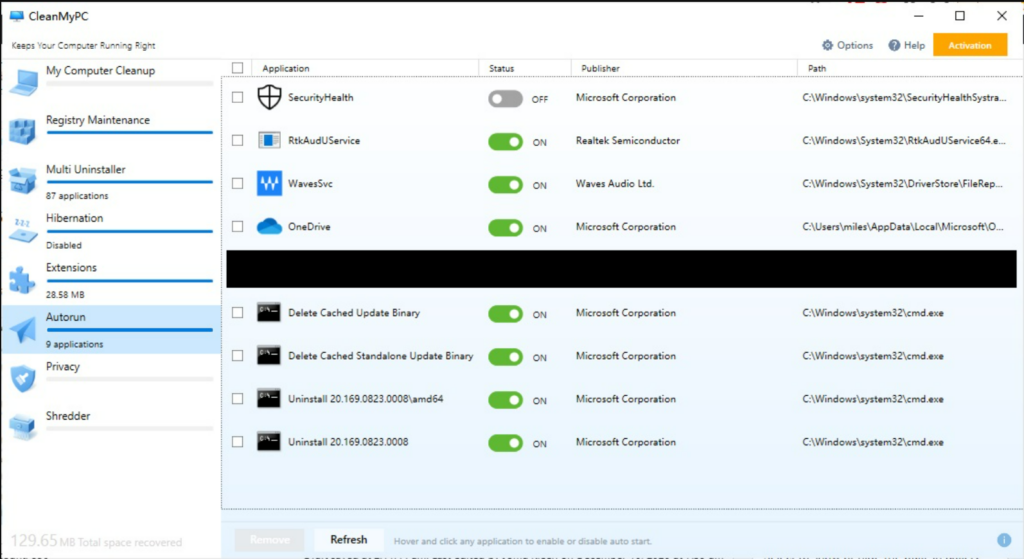
CleanMyPC rientra nella mia lista per l'accuratezza con cui individua file inutili e vecchi che occupano spazio sul disco. Quando ho eseguito la scansione completa, ho trovato regolarmente cache e log obsoleti che i classici strumenti di pulizia non rilevano. Apprezzo la possibilità di selezionare esattamente quali file di sistema, vecchie installazioni o dati del browser voglio eliminare con una sola operazione.
Questa è un'opzione solida per chi dà priorità a una pulizia completa e flessibile del PC.
CleanMyPC è ideale per
- Chi necessita di una pulizia dettagliata e selettiva del disco del PC
- Utenti Windows che desiderano gestire file inutili di sistema e log
CleanMyPC non è indicato per
- Chi cerca analisi avanzata del disco o reportistica dettagliata
- Aziende che devono gestire la pulizia su centinaia di dispositivi
Cosa distingue CleanMyPC
CleanMyPC adotta un approccio diretto alla pulizia del sistema, concentrandosi sull'individuazione rapida dei file superflui senza richiedere competenze tecniche. Al posto delle opzioni dettagliate e granulari presenti in strumenti come CCleaner, CleanMyPC semplifica il processo per chi desidera semplicemente ordinare tutto in pochi clic. In pratica, questo funziona bene quando si vuole scegliere quali file inutili eliminare senza affrontare scelte complicate.
Compromessi con CleanMyPC
CleanMyPC è ottimizzato per una pulizia rapida e selettiva, ma ciò comporta la perdita di report avanzati o di quel livello di controllo che gli utenti più esperti si aspettano da utility disco più tecniche.
Pros and Cons
Pros:
- Capacità di pulizia del PC complete, mirate a file inutili, cronologia del browser e programmi in avvio.
- Interfaccia intuitiva che garantisce un'esperienza di ottimizzazione semplice.
- Disinstallatore dedicato per rimuovere efficacemente app e software indesiderati.
Cons:
- Non supporta sistemi operativi diversi da Windows, come Linux o macOS.
- Pur offrendo una versione gratuita, le sue funzionalità sono piuttosto limitate rispetto alla suite completa.
- Alcuni utenti potrebbero preferire un'opzione di fatturazione mensile invece dell'impegno annuale.


CleanMyMac X merita di essere incluso in questa lista perché va più a fondo di qualsiasi altro software di pulizia disco per Mac che abbia mai usato. Lo consiglio quando hai bisogno di eliminare file nascosti come cache di sistema, vecchi file di log e residui di app disinstallate.
Ciò che apprezzo di più sono il suo analizzatore visivo dello spazio di archiviazione e la funzione Smart Scan con un solo clic, che riescono davvero a trovare file che occupano spazio e che la pulizia manuale spesso non individua. È una buona opzione se vuoi una panoramica dettagliata di cosa sta occupando il tuo spazio su disco.
Ideale per
- Utenti Mac con dispositivi grandi o datati che necessitano di liberare spazio
- Chiunque abbia bisogno di una pulizia profonda oltre la semplice eliminazione dei file
Non è ideale per
- Ambienti Windows o multipiattaforma
- Team che necessitano di gestione automatizzata su più dispositivi o controllo remoto
Cosa distingue CleanMyMac X
CleanMyMac X tratta la pulizia come un processo continuo, piuttosto che un evento isolato. A differenza degli strumenti di eliminazione di base o delle utility integrate di Mac, è progettato per offrirti una visione chiara di ciò che sta riempiendo lo spazio e farti decidere cosa rimuovere. Questo è ideale per chi vuole più visibilità e controllo sulla pulizia, invece che affidarsi soltanto all'automazione.
Compromessi con CleanMyMac X
CleanMyMac X si ottimizza per una pulizia approfondita di singoli dispositivi, ma non si adatta alla gestione di più Mac o all'automatizzazione della pulizia remota, limitandone l'efficacia per team IT o aziende che gestiscono numerosi dispositivi.
Pros and Cons
Pros:
- Progettato specificamente per Mac, assicura una pulizia profonda ed efficiente.
- La funzione Eraser garantisce la cancellazione irreversibile dei dati sensibili.
- Incorpora uno strumento per la rimozione di malware, proteggendo il Mac dalle minacce.
Cons:
- Esclusivamente per Mac, il che significa che gli utenti Windows non possono beneficiarne.
- Alcuni utenti possono trovare certi strumenti di pulizia troppo aggressivi.
- Il pieno potenziale si raggiunge solo nella versione a pagamento, limitando le funzionalità della versione gratuita.

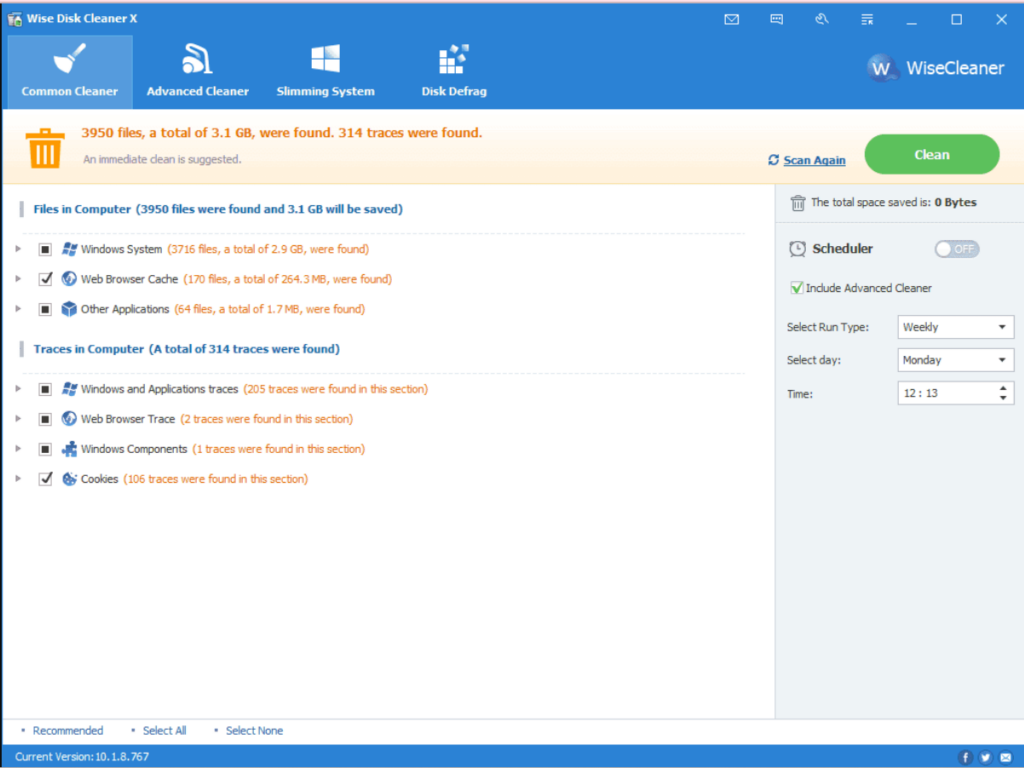
Wise Disk Cleaner è la soluzione ideale per trovare e rimuovere rapidamente i file indesiderati che consumano spazio su disco. Quando avvii l'analizzatore del disco, evidenzia esattamente dove si nascondono i file di sistema inutili, la cache e i file di aggiornamento obsoleti. Mi piace il modo in cui Wise Disk Cleaner visualizza gli 'space hogs', rendendo le attività di pulizia chiare e mirate, soprattutto quando i team vogliono risultati rapidi senza intaccare i file di sistema.
Ideale per
- Utenti Windows che necessitano di una pulizia rapida di file spazzatura e temporanei
- Chi desidera liberare spazio senza modifiche al sistema
Non adatto per
- Organizzazioni che devono effettuare pulizie su dispositivi macOS o Linux
- Team che cercano funzionalità avanzate di monitoraggio della salute del disco
Caratteristiche Distintive di Wise Disk Cleaner
Wise Disk Cleaner si distingue per la rimozione rapida e con un clic di file temporanei, log di sistema e residui di installazioni indesiderate. A differenza di CCleaner, che include un ampio ventaglio di modifiche al registro di sistema e gestione delle applicazioni, Wise Disk Cleaner si concentra sul recupero dello spazio sul disco con il minimo sforzo. È perfetto quando cerchi una pulizia mirata dello spazio senza dover navigare tra troppe opzioni.
Compromessi con Wise Disk Cleaner
Wise Disk Cleaner è ottimizzato per un recupero dello spazio veloce e mirato, ma rinunci a strumenti di manutenzione di sistema più ampi e al supporto multipiattaforma. In pratica, ti servirà qualcos'altro se desideri più di una semplice pulizia di base del disco.
Pros and Cons
Pros:
- Eccezionale rilevamento dei file indesiderati tramite Advanced Cleaner.
- La funzione Slimming System riduce l'ingombro di software ridondante.
- Compatibilità ampia che garantisce funzionamento su diverse piattaforme.
Cons:
- L'interfaccia può risultare leggermente complessa per i principianti.
- Richiede aggiornamenti regolari per prestazioni ottimali.
- Alcuni utenti hanno segnalato una pulizia aggressiva, che può eliminare file meno critici ma comunque utili.

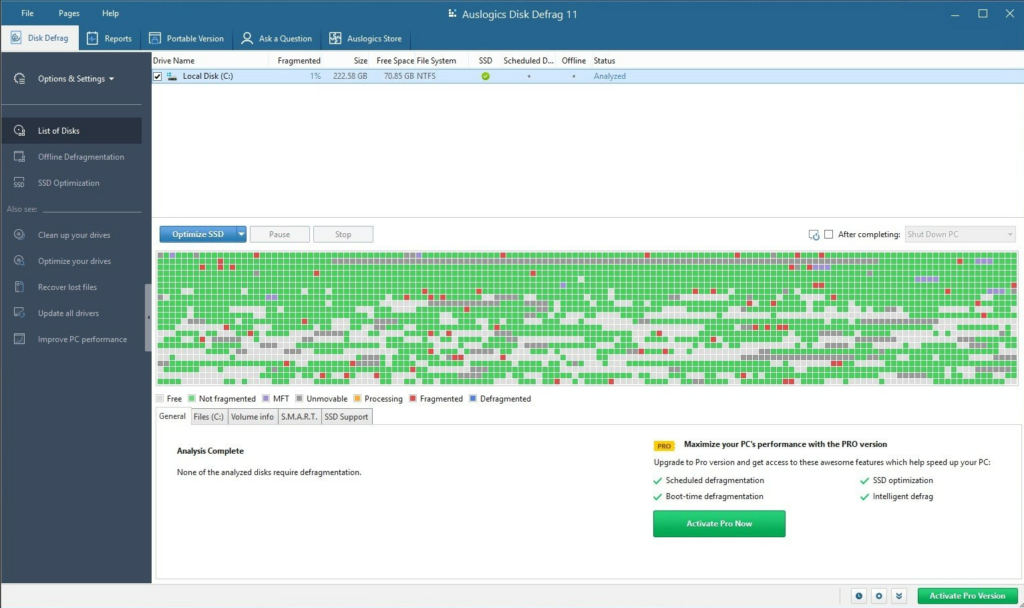
Auslogics Disk Defrag si guadagna un posto in questa lista per team e singoli che si trovano alle prese con dischi che risultano lenti o pieni. È particolarmente utile quando i tuoi hard disk si frammentano e iniziano a subire cali di prestazioni che i classici strumenti di pulizia non riescono a risolvere.
Apprezzo il fatto che ti permetta di programmare le deframmentazioni, ottimizzare la disposizione dei file e visualizzare in tempo reale la frammentazione. Questo ti aiuta a ottenere il massimo dai dischi rigidi tradizionali, che vedo ancora in molti ambienti oggi.
Ideale per Auslogics Disk Defrag
- Utenti con dischi rigidi tradizionali che necessitano di deframmentazione
- Postazioni dove la velocità del disco rallenta a causa della frammentazione dei file
Non indicato per Auslogics Disk Defrag
- Utenti SSD o ambienti che funzionano interamente su SSD
- Chiunque sia focalizzato sulla rimozione di file inutili o dati duplicati
Cosa distingue Auslogics Disk Defrag
Auslogics Disk Defrag è progettato appositamente per ottenere il massimo dai tradizionali dischi rigidi meccanici. A differenza dei classici tool di pulizia come CCleaner, pensati per eliminare file e liberare spazio, si concentra sulla disposizione dei file sul disco. In pratica, è ideale quando hai bisogno di un controllo mirato su come e quando gestire la frammentazione, soprattutto in ambienti dove sono ancora diffusi i vecchi dischi.
Compromessi con Auslogics Disk Defrag
È ottimizzato per la frammentazione e la disposizione dei file sul disco, ma questa concentrazione significa che avrai bisogno di un altro strumento per gestire i file inutili o la manutenzione globale del PC.
Pros and Cons
Pros:
- Efficace nel migliorare le prestazioni generali del computer.
- Integrazione diretta con il sistema Windows, in particolare Windows 10.
- Offre sia una versione gratuita che una versione Pro più completa.
Cons:
- Progettato principalmente per Windows, limitando le opzioni per utenti Linux o macOS.
- Il software è focalizzato principalmente sulla deframmentazione e non sull’ottimizzazione globale del sistema.
- La versione freeware può talvolta invitare l’utente ad aggiornare ad altri prodotti.

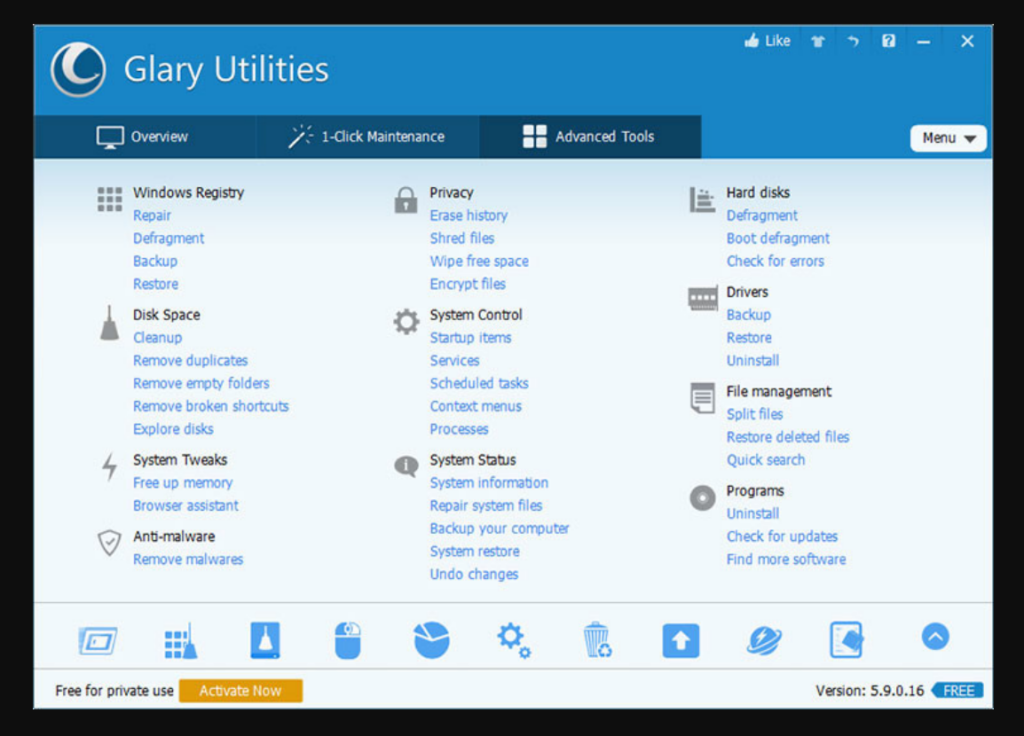
Glary Utilities è nella mia lista perché offre molto più di una semplice pulizia base del disco: include una suite completa per la pulizia approfondita di sistema, registro e file inutili delle app. È la mia raccomandazione principale quando vedo PC pieni di file temporanei da molte fonti e i normali strumenti di pulizia non riescono a eliminare il disordine.
Mi piace avere tutti gli strumenti di risoluzione dei problemi in un unico pacchetto, soprattutto per liberare spazio su disco ostinato quando supporto sistemi Windows più vecchi.
Glary Utilities è ideale per
- Specialisti IT che si occupano di pulizia disco su PC Windows datati o pieni di file inutili
- Tecnici che hanno bisogno di una suite di utility per la manutenzione del sistema tutto-in-uno
Glary Utilities non è adatto per
- Utenti che gestiscono lo spazio disco su sistemi non Windows
- Team che necessitano di pulizia centralizzata, remota o automatizzata
Cosa distingue Glary Utilities
Glary Utilities riunisce strumenti di manutenzione del sistema pensati per chi desidera mantenere i PC, piuttosto che automatizzare o centralizzare la gestione su una rete. Diversamente da strumenti come CCleaner, che si concentrano quasi esclusivamente sulla pulizia, Glary affianca la pulizia disco a quella del registro, alla riparazione dei collegamenti e alla gestione dell’avvio automatico.
Nella pratica, funziona al meglio quando si desidera eseguire una pulizia profonda del PC da un’unica applicazione, soprattutto su macchine che mostrano anni di accumulo.
Compromessi di Glary Utilities
Glary Utilities è ottimizzato per la manutenzione locale e manuale, perciò si perdono funzionalità di gestione remota e automazione in massa. Ciò significa che in ambienti con molti dispositivi sarà richiesto un lavoro più manuale.
Pros and Cons
Pros:
- Ampia gamma di strumenti utilità in un'unica applicazione.
- La funzione di recupero dati è efficace nel ripristino di file eliminati accidentalmente.
- Compatibile con la maggior parte delle applicazioni Windows per un'esperienza utente fluida.
Cons:
- Nonostante offra un download gratuito, alcune funzioni avanzate sono riservate alla versione a pagamento.
- L'interfaccia può risultare complessa ai primi utilizzi a causa delle numerose opzioni disponibili.
- Alcuni utenti hanno segnalato occasionali richieste di installare software aggiuntivo.

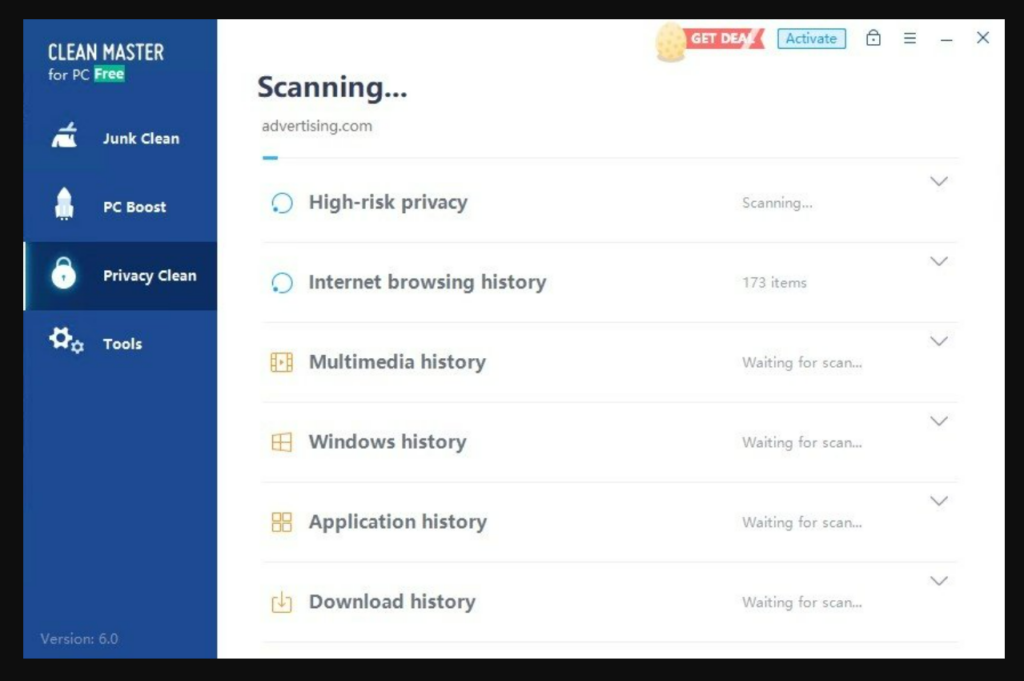
Clean Master per PC è entrato nella mia lista ristretta per il modo aggressivo con cui individua e rimuove i file spazzatura di sistema—specialmente negli ambienti Windows appesantiti da file temporanei, accumuli di log e cache dei browser. Se hai già provato altri pulitori tuttofare ma continui a ricevere avvisi di spazio insufficiente, questo strumento scava più a fondo negli angoli dimenticati che la maggior parte degli altri pulitori ignora.
Testando Clean Master per PC, ho apprezzato come rilevi grandi archivi di cache nascosti e residui di installazioni precedenti. Se il tuo team utilizza postazioni condivise o spesso gestisce installer di software che accumulano spazzatura, questo strumento eccelle nel mantenere i dischi ordinati.
Ideale per Clean Master per PC
- Utenti Windows che necessitano una pulizia profonda dei file spazzatura
- Postazioni di lavoro con frequenti file temporanei e residui di installazione
Non consigliato per Clean Master per PC
- Chi cerca una pulizia del disco su Mac o Linux
- Organizzazioni che necessitano diagnostica avanzata sulla salute del disco
Cosa distingue Clean Master per PC
Clean Master per PC adotta un approccio mirato all'eliminazione dei file spazzatura di sistema. Invece di raggruppare tanti strumenti come fa CCleaner, si concentra sull’individuare file residui che sia i pulitori tradizionali che gli strumenti di Windows di solito ignorano. Lo vedo particolarmente adatto a chi si trova a gestire file temporanei, cache dei browser e scorie software dovute a frequenti installazioni o aggiornamenti.
Se desideri uno strumento di pulizia disco che scavi negli angoli trascurati del sistema senza complicare l’esperienza d’uso, Clean Master per PC si distingue tra le utility che cercano di diventare dashboard tutto-in-uno.
Compromessi di Clean Master per PC
Poiché Clean Master per PC si focalizza esclusivamente sulla pulizia dei file spazzatura, si rinuncia ad analisi avanzate del disco o al monitoraggio della salute dell’unità offerte da strumenti come TreeSize o Defraggler. Chi desidera analisi più approfondite sull’archiviazione, sentirà questa mancanza.
Pros and Cons
Pros:
- Potenti capacità di pulizia profonda.
- Interfaccia utente semplificata, adatta a ogni livello di esperienza.
- La compatibilità con i principali software antivirus assicura un ulteriore livello di sicurezza.
Cons:
- Mancano alcune funzioni avanzate presenti in altri strumenti di pulizia.
- Sono necessari aggiornamenti regolari per il riconoscimento aggiornato dei file spazzatura.
- Alcuni utenti possono trovare lo strumento troppo aggressivo, rischiando di rimuovere file che intendono conservare.
Altri software per la pulizia del disco
Ecco alcune opzioni aggiuntive di software per la pulizia del disco che non sono entrate nel mio elenco ristretto, ma che vale comunque la pena prendere in considerazione:
- Duplicate Cleaner
Ideale per individuare file duplicati
- Ashampoo WinOptimizer
Ideale per l’ottimizzazione globale di Windows
- Duplicate Photos Fixer Pro
Ideale per individuare immagini duplicate


Come Valuto i Software per la Pulizia del Disco
Divido la mia valutazione in requisiti di base—come la rimozione automatica dei file inutili e l'analisi del disco—e fattori che fanno la differenza come la gestione centralizzata e la cancellazione sicura che distinguono un software dall'altro.
Funzionalità Principali (Requisiti Fondamentali per Questa Lista)
Quando seleziono i software per la mia lista, valuto ciascuno su una scala da 0 (funzionalità assente) a 5 (eccellenza in quest'area) per ogni funzionalità principale elencata qui sotto. Poi, calcolo il punteggio totale del software in percentuale. Ogni software deve raggiungere un punteggio totale minimo del 65% per essere considerato per l'inclusione.
- Rimozione File Inutili: Verifico se il software pulisce file temporanei, cache di sistema, dati dei browser e file di log—non solo una o due categorie, ma l'intera gamma che ci si aspetta su una workstation impegnata.
- Analisi dello Spazio su Disco: Un buon software mostra esattamente cosa occupa lo spazio. Cerco suddivisioni per categoria o mappe visuali che consentano di esplorare rapidamente cartelle e tipi di file.
- Rilevamento File Duplicati: Valuto se i duplicati vengono individuati tramite hash del contenuto e non solo per nome file, dato che negli ambienti reali esistono molteplici copie rinominate nascoste in cartelle annidate.
- Pulizia Programmata e Automatica: Per i team IT che gestiscono decine di macchine, l'esecuzione manuale non è pratica. Cerco pianificazioni configurabili, esecuzione in background e possibilmente automazione via CLI o script.
- Controlli di Cancellazione Sicura: Prima di eliminare qualsiasi cosa, bisogna poterla visualizzare in anteprima ed escludere ciò che è importante. Verifico la presenza di whitelist, opzioni di ripristino e metodi di cancellazione sicura per gestire dati sensibili.
- Supporto Multi-Sistema e Multi-OS: La maggior parte degli ambienti IT non è mono-piattaforma. Valuto la copertura dei sistemi operativi tra Windows, macOS e Linux, e se il software permette di gestire la pulizia su più endpoint.
Dopo aver selezionato i software che soddisfano questi criteri, considero ciò che distingue ogni piattaforma.
Fattori Differenzianti (Cosa Distingue i Fornitori)
Ecco come confronto e metto in rilievo i diversi fornitori:
Funzionalità Distintive
La pulizia dei residui di sviluppo conta molto per i team di ingegneria. Cerco software che prendano di mira cache di build, cartelle node_modules e immagini Docker—tutti quegli elementi che consumano silenziosamente gigabyte nelle macchine degli sviluppatori. La gestione centralizzata del parco macchine è un altro importante elemento distintivo, soprattutto se bisogna applicare politiche di pulizia su centinaia di endpoint da una console unica. Valuto anche il monitoraggio in tempo reale dello spazio su disco, perché ricevere un avviso prima che un server di produzione raggiunga il 95% di capacità è molto più utile che intervenire dopo una crisi.
Oltre le Caratteristiche
Sicurezza e conformità sono aspetti che controllo sempre—in particolare se il fornitore è trasparente su telemetria e software inclusi, particolarmente importante in caso di distribuzione su flotte aziendali. L'integrazione con ecosistemi di automazione è altrettanto fondamentale. Un software che supporta CLI o funziona con piattaforme RMM come NinjaOne o Intune si integra molto meglio nei flussi di lavoro esistenti rispetto a uno che opera isolatamente. Valuto anche l'impatto sul sistema, perché un tool di pulizia che satura la CPU durante le scansioni sulle macchine degli sviluppatori durante una build rischia di essere controproducente.
Come scegliere un software per la pulizia del disco
È facile perdersi in lunghi elenchi di funzionalità e strutture tariffarie complesse. Per aiutarti a rimanere concentrato mentre affronti il tuo specifico processo di selezione del software, ecco un elenco dei fattori da tenere a mente:
| Fattore | Cosa considerare |
|---|---|
| Scalabilità | Il software può crescere insieme al tuo team? Considera se è in grado di gestire un volume di dati e un numero di utenti maggiori senza compromettere le prestazioni. |
| Integrazioni | Funziona con gli strumenti che già utilizzi? Cerca la compatibilità con i tuoi sistemi operativi e con gli altri software che usi già. |
| Personalizzazione | Puoi adattarlo alle tue esigenze? Verifica se puoi modificare le impostazioni o creare profili di pulizia personalizzati in base ai tuoi requisiti specifici. |
| Facilità d'uso | È facile da usare per il tuo team? Valuta la curva di apprendimento e se i membri del team non tecnici possono utilizzarlo in modo efficace. |
| Implementazione e avviamento | Quanto velocemente puoi iniziare a utilizzarlo? Considera il processo di configurazione, la disponibilità di tutorial e il supporto durante l'utilizzo iniziale. |
| Costo | Rientra nel tuo budget? Confronta i piani tariffari con le funzionalità offerte e considera i costi a lungo termine, inclusi eventuali aggiornamenti o componenti aggiuntivi. |
| Misure di sicurezza | Come protegge i tuoi dati? Verifica le misure di sicurezza del software, come la crittografia dei dati e le opzioni per l'eliminazione sicura dei file. |
| Disponibilità dell'assistenza | Riceverai aiuto quando ne avrai bisogno? Cerca opzioni di assistenza 24 ore su 24, 7 giorni su 7, e valuta la tempestività e l'utilità del team di supporto. |
Che cos'è un software per la pulizia del disco?
Il software per la pulizia del disco è uno strumento progettato per rimuovere i file non necessari e ottimizzare lo spazio di archiviazione sui computer. I professionisti IT, gli amministratori di sistema e gli utenti comuni utilizzano spesso questi strumenti per migliorare le prestazioni del sistema e gestire lo spazio su disco in modo efficiente. Funzionalità come la rimozione dei file temporanei, la cancellazione delle cache e l'eliminazione dei duplicati aiutano a mantenere uno spazio di archiviazione organizzato ed efficiente. Nel complesso, questi strumenti offrono agli utenti una maggiore velocità del sistema e più spazio di archiviazione disponibile.
Funzionalità
Quando scegli un software per la pulizia del disco, presta attenzione alle seguenti funzionalità principali:
- Rimozione dei file temporanei: Elimina i file temporanei non necessari per liberare spazio di archiviazione e aumentare la velocità del sistema.
- Pulizia della cache: Cancella le cache del browser e del sistema, contribuendo a migliorare le prestazioni di navigazione e a recuperare spazio su disco.
- Rilevamento dei file duplicati: Identifica ed elimina i file duplicati per ottimizzare l'utilizzo e l'organizzazione dello spazio di archiviazione.
- Strumento di disinstallazione: Rimuove completamente i programmi inutilizzati o indesiderati per evitare l'accumulo di elementi superflui e recuperare spazio su disco.
- Gestione dell'avvio: Consente agli utenti di gestire i programmi di avvio, migliorando i tempi di avvio e le prestazioni complessive del sistema.
- Eliminazione sicura dei file: Offre opzioni per eliminare definitivamente i file, garantendo che i dati sensibili non possano essere recuperati.
- Opzioni di pianificazione: Permette agli utenti di automatizzare le pulizie periodiche, mantenendo i sistemi costantemente ottimizzati senza interventi manuali.
- Profili di pulizia personalizzati: Consente agli utenti di adattare il processo di pulizia a esigenze specifiche, garantendo che i file importanti non vengano modificati.
- Monitoraggio in tempo reale: Controlla continuamente l'utilizzo dello spazio su disco e avvisa gli utenti di potenziali problemi, mantenendo prestazioni ottimali.
- Funzionalità di integrazione: Funziona senza problemi con i sistemi e gli strumenti esistenti, garantendo compatibilità e facilità d'uso.
Vantaggi
L'implementazione di un software per la pulizia del disco offre diversi vantaggi al tuo team e alla tua azienda. Ecco alcuni dei benefici che puoi aspettarti:
- Prestazioni del sistema migliorate: Rimuovendo i file temporanei e gestendo gli elementi di avvio, i sistemi funzionano più velocemente e in modo più efficiente.
- Maggiore spazio di archiviazione: La cancellazione delle cache e l'eliminazione dei duplicati liberano spazio prezioso, consentendo una migliore gestione dei dati.
- Maggiore sicurezza dei dati: L'eliminazione sicura dei file garantisce che le informazioni sensibili vengano cancellate definitivamente e non possano essere recuperate.
- Riduzione della manutenzione manuale: Le opzioni di pianificazione automatizzano le pulizie periodiche, facendo risparmiare tempo e fatica al tuo team IT.
- Pulizia personalizzabile: I profili di pulizia personalizzati consentono agli utenti di soddisfare esigenze specifiche senza rischiare la perdita di dati importanti.
- Migliore organizzazione del sistema: Disinstallando i programmi non necessari, il software per la pulizia del disco contribuisce a mantenere il sistema ordinato e organizzato.
- Monitoraggio proattivo dei problemi: Il monitoraggio in tempo reale avvisa gli utenti di potenziali problemi relativi allo spazio su disco, prevenendoli prima che influiscano sulle prestazioni.
Costi e prezzi
La scelta di un software per la pulizia del disco richiede la conoscenza dei vari modelli di prezzo e dei piani disponibili. I costi variano in base alle funzionalità, alle dimensioni del team, ai componenti aggiuntivi e ad altri fattori. La tabella seguente riassume i piani più comuni, i relativi prezzi medi e le funzionalità tipicamente incluse nelle soluzioni software per la pulizia del disco:
Tabella comparativa dei piani per il software di pulizia del disco
| Tipo di piano | Prezzo medio | Funzionalità comuni |
|---|---|---|
| Piano gratuito | $0 | Strumenti di pulizia di base, opzioni di pianificazione limitate e interfaccia utente semplice. |
| Piano personale | $5-$25/utente/mese | Strumenti di pulizia avanzati, profili di pulizia personalizzati e accesso all'assistenza di base. |
| Piano aziendale | $25-$50/utente/mese | Set completo di funzionalità, eliminazione sicura dei file e assistenza clienti prioritaria. |
| Piano per grandi aziende | $50-$100/utente/mese | Funzionalità di integrazione complete, monitoraggio in tempo reale e assistenza dedicata. |
Domande frequenti sul software per la pulizia del disco
Ecco alcune risposte alle domande comuni sul software per la pulizia del disco:
Con quale frequenza devo eseguire il software per la pulizia del disco?
È consigliabile eseguire regolarmente il software per la pulizia del disco, ad esempio una volta alla settimana o una volta al mese, a seconda dell’utilizzo. Le pulizie regolari aiutano a mantenere prestazioni ottimali del sistema e a prevenire problemi di spazio su disco. Se noti che il computer rallenta o sta esaurendo lo spazio, valuta la possibilità di aumentare la frequenza.
Il software per la pulizia del disco può eliminare file importanti?
No, il software per la pulizia del disco è progettato per identificare e rimuovere i file non necessari, non quelli importanti. Tuttavia, è sempre una buona idea controllare i file contrassegnati per l’eliminazione prima di procedere. La maggior parte degli strumenti consente di personalizzare i profili di pulizia per escludere determinati file o cartelle, garantendo la sicurezza dei dati importanti.
È sicuro utilizzare il software per la pulizia del disco?
Sì, il software per la pulizia del disco è generalmente sicuro da utilizzare se scaricato da fonti affidabili. Aiuta a migliorare le prestazioni del sistema rimuovendo i file indesiderati. Assicurati di leggere le recensioni degli utenti e di verificare la presenza di certificazioni di sicurezza prima dell’installazione. Esegui sempre regolarmente il backup dei dati come precauzione.
Il software per la pulizia del disco può migliorare la velocità del mio computer?
Sì, il software per la pulizia del disco può migliorare la velocità del computer rimuovendo i file che rallentano il sistema, come i file temporanei e le cache. Liberando spazio su disco e gestendo i programmi di avvio, il computer può funzionare in modo più efficiente. L’uso regolare può aiutare a mantenere questi miglioramenti delle prestazioni nel tempo.
Cosa succede ora:
Se stai cercando un software per la pulizia del disco, contatta gratuitamente un consulente SoftwareSelect per ricevere consigli.
Compila un modulo e fai una breve conversazione durante la quale il consulente analizzerà nello specifico le tue esigenze. Poi riceverai una selezione ristretta di software da valutare. Ti assisterà persino durante l'intero processo di acquisto, comprese le trattative sul prezzo.