


Atera vs. ServiceNow: Confronto e Recensioni degli Esperti per il 2026
Hai difficoltà a scegliere tra Atera e ServiceNow per la gestione IT? Scopri le funzionalità, le recensioni degli utenti e i pareri degli esperti per trovare la soluzione perfetta per gli obiettivi della tua azienda.

Recensiamo gli strumenti in modo indipendente e le commissioni ci aiutano a finanziare i nostri test. Consulta la nostra politica sulla trasparenza, la nostra metodologia, oppure suggerisci uno strumento.
Quando il tuo software di gestione IT inizia a rallentare il tuo team, creando lavoro manuale extra o rendendo più difficile rimanere aggiornati sui problemi, inizi a cercare una piattaforma che sia più semplice da gestire e meglio allineata al reale funzionamento delle tue operazioni. Desideri una soluzione che ti offra maggiore visibilità, automazione intelligente e più controllo senza aggiungere complessità.
Esplorando le opzioni disponibili, Atera e ServiceNow sono due nomi popolari che incontrerai spesso. Ti mostrerò come si confrontano, così potrai decidere quale si adatta meglio al tuo team, ai tuoi flussi di lavoro e alle tue priorità IT.
Atera
4.6/5
- 30-day free trial + free demo available
- From $129/technician/month (billed annually)
ServiceNow
4.4/5
- Free demo available
- Pricing upon request
Perché fidarsi dei nostri consigli sui software
6,700+
Reviews
20
Industry experts
16+
Evaluation factors
14
Years
Il nostro team testa e recensisce software dal 2012. In quanto leader tecnologici noi stessi, sappiamo quanto sia difficile — e importante — scegliere il software giusto.
Per questa guida, abbiamo valutato gli strumenti attraverso test praticie ricerche indipendenti, assegnando un punteggio agli strumenti in base ai nostri criteri di selezione.
Le nostre recensioni riflettono il nostro giudizio editoriale umano, non un discorso di vendita.
Revisori esperti:
- Paulo Gardini MiguelDirettore tecnico
 Tim FisherVP dell'IA
 Gabriel RosasTech Lead e architetto software
 Christhian GruhnTech Lead e architetto della piattaforma

| Atera | ServiceNow | |
|---|---|---|
| Free Trial | 30-day free trial + free demo available | Free demo available |
| Pricing | From $129/technician/month (billed annually) | Pricing upon request |
Prezzi e Costi Nascosti di Atera vs. ServiceNow
Atera utilizza un modello di abbonamento con prezzi basati sul numero di tecnici, offrendo dispositivi illimitati per ogni posto e integrando funzionalità principali come monitoraggio remoto, gestione dei ticket e gestione delle patch. ServiceNow, invece, adotta una struttura di prezzo modulare e orientata alle imprese: i costi dipendono dal numero di utenti, moduli e integrazioni necessari, con componenti aggiuntivi e personalizzazioni che spesso aumentano l’investimento totale. Entrambe le piattaforme possono prevedere costi extra per supporto premium, automazione avanzata o integrazioni di terze parti.
Per scegliere il fornitore giusto, confronta le tue attuali e future esigenze di gestione IT con i livelli di prezzo e le funzionalità offerte da ciascuna piattaforma. Considera non solo l’abbonamento base, ma anche il potenziale di crescita: valuta il costo necessario per aumentare gli utenti, aggiungere moduli o integrare con altri sistemi aziendali. Richiedi un preventivo dettagliato e chiarisci quali funzionalità sono incluse e quali richiedono costi aggiuntivi, così potrai evitare sorprese man mano che le tue necessità evolvono.
Con Robin, l’agente AI autonomo di Atera, insieme a RMM integrato e operazioni IT unificate, puoi rilevare, diagnosticare e risolvere problemi su dispositivi e sistemi—spesso senza intervento manuale. Questo è particolarmente prezioso per team aziendali che vogliono ridurre il volume dei ticket, accelerare i tempi di risoluzione e mantenere il controllo in tempo reale su ambienti distribuiti.
L’automazione dei flussi di lavoro e la gestione degli incidenti di ServiceNow sono più adatte a organizzazioni che richiedono processi di servizio altamente strutturati, gestione formale dei cambiamenti e un’erogazione dei servizi standardizzata su larga scala. Le sue capacità di intelligenza artificiale espanse, inclusa l’acquisizione di Moveworks, rafforzano il supporto conversazionale e l’orchestrazione dei flussi di lavoro all’interno di un più ampio ecosistema ITSM aziendale.
| Atera | ServiceNow | |
|---|---|---|
| 2-Factor Authentication | Yes | Yes |
| Anti-Virus | No | Yes |
| API | Yes | Yes |
| Bug Tracking | No | Yes |
| Customer Management | No | Yes |
| Data Export | Yes | Yes |
| Data Import | Yes | Yes |
| Email Integration | Yes | Yes |
| External Integrations | Yes | Yes |
| Malware Protection | No | Yes |
| Multi-User | Yes | Yes |
| Notifications | Yes | Yes |
| Project Management | No | Yes |
| SAP Integration | No | Yes |
| Ticket Management | Yes | Yes |
| Integrazione | Atera | ServiceNow |
|---|---|---|
| IntegrazioneSlack | Atera✅ | ServiceNow✅ |
| IntegrazioneMicrosoft Teams | Atera✅ | ServiceNow✅ |
| IntegrazioneSalesforce | Atera✅ | ServiceNow❌ |
| IntegrazioneJira | Atera✅ | ServiceNow✅ |
| IntegrazioneOkta | Atera✅ | ServiceNow✅ |
| IntegrazioneZendesk | Atera✅ | ServiceNow✅ |
| IntegrazioneHubSpot | Atera✅ | ServiceNow❌ |
| IntegrazioneDropbox | Atera✅ | ServiceNow✅ |
| IntegrazioneAPI | Atera✅ | ServiceNow✅ |
| IntegrazioneZapier | Atera✅ | ServiceNow✅ |
Sia Atera che ServiceNow si integrano con strumenti IT comuni (ticketing, monitoraggio, PSA/RMM, applicazioni di chat/email) così da permettere l’automazione dei flussi di lavoro e la visualizzazione dei dati attraverso i sistemi, offrendo inoltre accesso API per estendere o costruire connessioni personalizzate. Le integrazioni di Atera sono più orientate alle PMI e più semplici da configurare immediatamente, mentre l’ecosistema di ServiceNow è molto più ampio e profondo per casi d’uso ITSM/ITOM aziendali, con opzioni di integrazione più complesse e scalabili.
| Fattore | Atera | ServiceNow |
|---|---|---|
| FattoreCrittografia dei dati | AteraUtilizza la crittografia TLS e AES-256 per i dati in transito e a riposo. | ServiceNowOffre crittografia in transito e a riposo, con la possibilità di crittografia a livello di campo per i dati sensibili. |
| FattoreConformità normativa | AteraSoddisfa i requisiti GDPR e mantiene la certificazione SOC 2 Tipo II. | ServiceNowFornisce un ampio supporto alla conformità, incluso GDPR, HIPAA, SOC 2 e ambienti autorizzati FedRAMP. |
| FattoreControlli di accesso | AteraOffre accesso basato sui ruoli e autenticazione a più fattori per i tecnici. | ServiceNowPropone accesso granulare basato sui ruoli, SSO e opzioni di autenticazione a più fattori. |
| FattoreUptime e affidabilità | AteraSupportato da infrastruttura cloud con SLA di uptime del 99,9%. | ServiceNowOffre un SLA di uptime del 99,99% con architettura cloud altamente disponibile. |
Entrambe le piattaforme danno priorità alla sicurezza attraverso crittografia, controlli di accesso e infrastruttura cloud affidabile, aiutandoti a proteggere i dati e a mantenere la disponibilità del servizio. Atera si concentra su sicurezza e conformità pratiche adatte agli ambienti IT operativi, mentre ServiceNow pone l'accento su una governance aziendale più ampia, una copertura di conformità superiore e una affidabilità leggermente maggiore per organizzazioni con requisiti normativi e di rischio più rigidi.
| Fattore | Atera | ServiceNow |
|---|---|---|
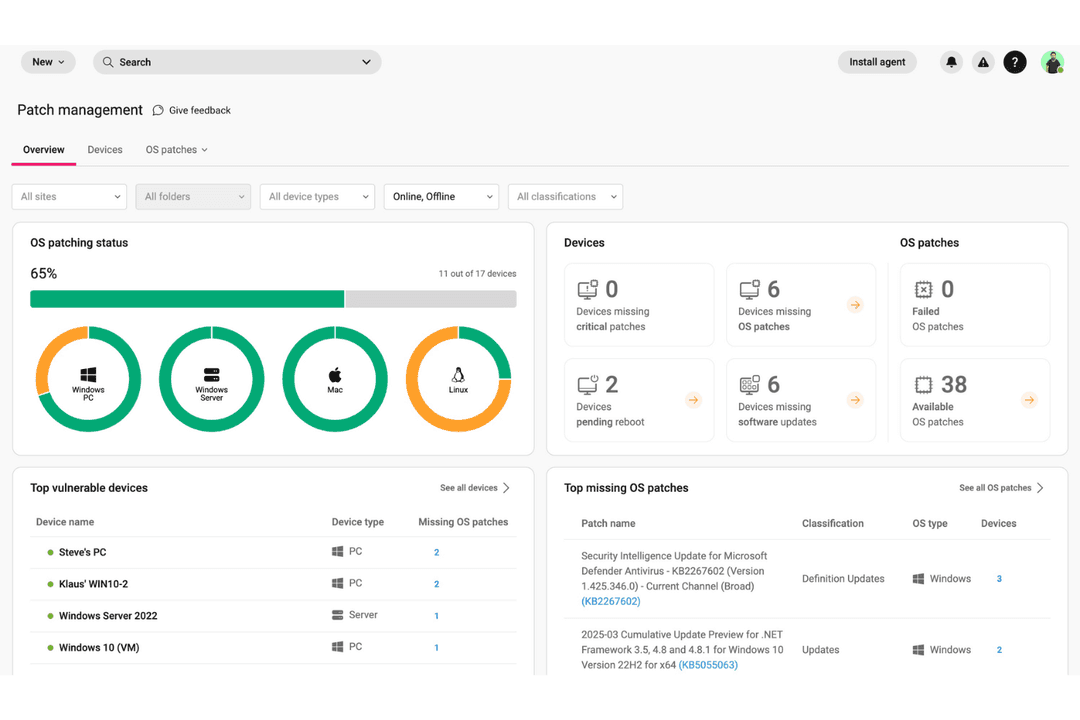
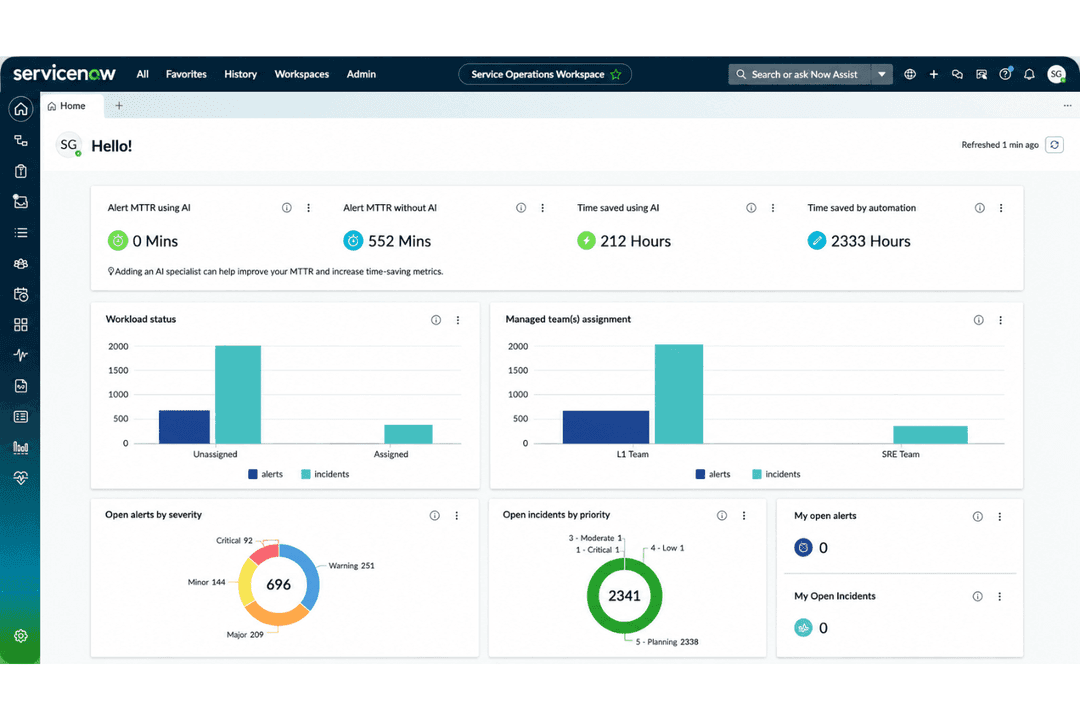
| FattoreInterfaccia utente | AteraOffre una dashboard pulita e semplice che consente di visualizzare rapidamente dispositivi, avvisi e ticket con una navigazione minima. | ServiceNowPropone un'interfaccia avanzata con molti moduli, che richiedono tempo per familiarizzare con la navigazione. |
| FattoreProcesso di configurazione | AteraConsente il rapido deploy degli agenti e una configurazione iniziale veloce, anche se ambienti più grandi possono richiedere ulteriori impostazioni. | ServiceNowRichiede configurazione strutturata, personalizzazione e pianificazione prima che la piattaforma sia pienamente operativa. |
| FattoreOnboarding | AteraSupporta l'onboarding con Atera Academy, guide d'aiuto e risorse passo-passo per l'avvio. | ServiceNowFornisce onboarding tramite ServiceNow University, documentazione e risorse della community per supportare apprendimento e configurazione. |
| FattoreFlusso di lavoro quotidiano | AteraGestisce le attività di routine come monitoraggio, patching e ticket tramite strumenti centralizzati progettati per l'efficienza operativa. | ServiceNowSupporta flussi di lavoro strutturati, anche se l'utilizzo di più moduli potrebbe richiedere un periodo di adattamento iniziale. |
| FattoreCurva di apprendimento | AteraÈ facile da apprendere per le attività principali, mentre funzionalità avanzate di automazione e AI possono richiedere più tempo per essere utilizzate appieno. | ServiceNowHa una curva di apprendimento più ripida a causa della maggiore personalizzazione e delle funzionalità più ampie della piattaforma. |
A mio parere, Atera è più facile da adottare per la gestione IT quotidiana grazie a un workflow più semplice e a una configurazione più rapida, mentre ServiceNow richiede più tempo per essere appreso ma offre un controllo maggiore per operazioni IT complesse e strutturate.
Atera
- Autonomously detects and resolves IT issues, reducing ticket volume and manual workload.
- Unifies RMM, ticketing, and IT operations in one place, helping enterprises eliminate tool sprawl.
- The modern, clean interface makes it easy for your team to navigate and use.
- Reporting customization is more limited on lower-tier plans.
- Pricing can increase as you add more technicians.
- Some advanced features, like AI Copilot, require paid add-ons.
ServiceNow
- Built-in policy management automates complex governance processes
- Detailed audit trails support regulatory and compliance needs
- Centralized dashboard provides clear visibility into AI workflows
- Advanced governance features require significant setup and training
- Pricing is not transparent for most AI-specific modules
- Custom automation can strain IT resources during deployment
Atera
- Managed Service ProvidersYou can handle multiple clients, track tickets, automate tasks, and scale endpoints without paying per device.
- Retail ChainsYou can monitor POS systems and branch devices remotely and fix issues without traveling on-site.
- Education SectorSchools or universities can benefit from Atera’s remote support and management features to keep educational technology running smoothly.
- Healthcare ITYou can maintain device uptime, manage patches, and track assets while supporting distributed clinics securely.
- IT Departments Scaling RapidlyYou can handle growing infrastructure and user demands without increasing headcount, using automation and AI-driven workflows to maintain efficiency.
- Enterprise IT TeamsYou can reduce ticket overload by resolving issues automatically at the endpoint, improve employee productivity, and maintain control over complex, distributed environments.
ServiceNow
- Financial ServicesServiceNow’s deep audit trails and policy automation help meet strict regulatory requirements for banking and insurance operations.
- Healthcare OrganizationsCentralized governance and compliance workflows support HIPAA needs and ensure patient data protection.
- Global EnterprisesServiceNow scales well for globally distributed teams needing unified oversight and secure model management.
- Government AgenciesBuilt-in controls and policy management align with complex government information technology standards and public sector risk controls.
- IT DepartmentsIntegrated governance in ITSM workflows makes ServiceNow a natural fit for teams already using incident and change management.
- Data Science LeadersCentralized model tracking and risk scoring make software development teams and AI leaders more efficient at cross-team collaboration and regulatory reporting.
Chi dovrebbe utilizzare Atera e chi dovrebbe scegliere ServiceNow?
Atera è la soluzione ideale per team IT di medie e grandi dimensioni che desiderano ridurre l'overhead operativo e andare oltre il tradizionale supporto basato su ticket. È particolarmente adatta alle organizzazioni che vogliono ottimizzare le operazioni IT tramite una piattaforma unificata e sfruttare capacità autonome per risolvere i problemi più rapidamente e scalare senza aumentare il personale. Rimane inoltre una scelta valida per i provider di servizi gestiti che desiderano offrire supporto efficiente e automatizzato su più ambienti.
ServiceNow è più adatto a grandi imprese, settori regolamentati o organizzazioni con flussi di lavoro altamente complessi che richiedono una personalizzazione profonda, processi ITIL formali e integrazione estesa tra diverse unità aziendali. Se necessiti di una gestione del servizio strutturata e di un controllo granulare sui flussi di lavoro, ServiceNow rappresenta la scelta più forte.
Se la tua priorità è semplificare le operazioni e aumentare l'efficienza tramite automazione e risoluzione autonoma, Atera è l'opzione migliore. Se invece hai bisogno di una gestione del servizio fortemente personalizzata su scala enterprise, ServiceNow potrebbe essere la soluzione più adatta.
| Atera | ServiceNow | |
|---|---|---|
| Automation | Atera Combines autonomous AI with built-in IT operations, using its agent (Robin) to diagnose issues, execute fixes, and resolve incidents with minimal manual input. | ServiceNow Uses workflow automation and orchestration to standardize service processes and cross-team operations. AI-driven capabilities strengthened through their Moveworks acquisition. |
| Ease of Use | Atera Provides a streamlined, intuitive interface that simplifies monitoring, automation, and support workflows within a single platform, enabling faster onboarding and day-to-day management. | ServiceNow Offers a powerful but more complex interface that requires configuration, customization, and workflow design. |
| Pricing Model | Atera Uses technician-based pricing with unlimited endpoints, making scaling tied to team size. | ServiceNow Uses enterprise, module-based pricing that scales with users, features, and platform scope. |
| Primary Platform Focus | Atera Focuses on autonomous IT operations, combining monitoring, ticketing, patching, and AI-driven resolution into a unified platform. | ServiceNow Focuses on structured IT service management with workflows, incident, change, and service process control. |
| Service Management | Atera Supports service management through integrated monitoring, ticketing, and AI-driven resolution, helping reduce ticket volume and streamline operations. | ServiceNow Delivers deep ITSM capabilities like incident, change, service catalog, and knowledge management for enterprise control. |
| Cloud-Based Delivery | Both are cloud-based platforms, allowing remote access and centralized management from any location. |
|---|---|
| Integrations | Both support integrations with widely used tools like Microsoft Teams, Slack, and Google Workspace, along with API access for extending functionality across the IT ecosystem. |
| Remote Monitoring | Both provide visibility into endpoints and systems, enabling IT teams to monitor performance, detect issues, and maintain operational health across environments. |
| Reporting & Analytics | Both offer reporting and analytics capabilities to track IT performance, system health, and operational metrics, supporting better decision-making and oversight. |
| Ticket Management | Both include ticketing capabilities for tracking and managing IT issues, though Atera emphasizes reducing ticket volume through automation and autonomous resolution, while ServiceNow focuses on structured ticket workflows. |