

Los 10 mejores programas de seguridad de Internet para 2026

10 Mejor selección de software de seguridad en Internet


Al recorrer el vasto panorama digital, he visto de primera mano los desafíos constantes de las amenazas en línea. Desde los hackers que implementan ransomware hasta las amenazas difíciles de detectar de malware, adware y spyware para la protección de la cámara web, el mundo digital puede ser un terreno peligroso. Dependo en gran medida de la protección en tiempo real para proteger mi entorno digital, ya que garantiza una vigilancia constante frente a las intrusiones maliciosas.
No se trata solo de protección antivirus; es la protección integral contra el malware y el ransomware la que asegura cada rincón de mi sistema operativo, manteniendo un rendimiento óptimo del sistema. Antes solía lidiar con el miedo a las vulnerabilidades en línea, pero ahora, con las herramientas de seguridad total de mi lado, especialmente las opciones de protección contra malware y los mejores antivirus, recorro la web con paso firme y seguro.
Por qué confiar en nuestras recomendaciones de software
Nuestro equipo lleva probando y evaluando software desde 2012. Como líderes tecnológicos, sabemos lo difícil —y lo importante— que es elegir el software adecuado.
Para esta guía, evaluamos las herramientas mediante pruebas prácticas e investigación independiente, puntuando las herramientas según nuestros criterios de selección.
Nuestras reseñas reflejan nuestro criterio editorial humano, no un discurso de ventas.
Revisores expertos:
Resumen del mejor software de seguridad en Internet
Este cuadro comparativo resume los detalles de precios de mis principales selecciones de software de seguridad en Internet para ayudarte a encontrar la mejor opción según tu presupuesto y las necesidades de tu empresa.
| Tool | Best For | Trial Info | Price | ||
|---|---|---|---|---|---|
| 1 | Mejor para seguridad impulsada por la comunidad | Not available | Desde $10/usuario/mes (facturado anualmente) | Website | |
| 2 | Mejor para la gestión de seguridad unificada | Prueba gratuita de 14 días | Precio a consultar | Website | |
| 3 | Ideal para análisis de datos en tiempo real | Not available | Precios a consultar | Website | |
| 4 | Mejor para supervisión de la dark web | Prueba gratuita de 30 días | Desde $119.99/año (facturado anualmente) | Website | |
| 5 | Mejor para protección avanzada contra amenazas | Not available | Precio a consultar | Website | |
| 6 | Mejor opción para la prevención de intrusiones integrada | Not available | Precio a consultar | Website | |
| 7 | La mejor opción para una estrategia de protección multicapa | Not available | Precios a consultar | Website | |
| 8 | Mejor para entornos de nube híbrida | Not available | Precios a consultar | Website | |
| 9 | Ideal para la detección en tiempo real de brechas | Plan gratuito disponible | Precios bajo solicitud | Website | |
| 10 | Mejor para la seguridad de redes virtualizadas | Not available | Precio bajo solicitud | Website |
Análisis del mejor software de seguridad en Internet
A continuación encontrarás mis resúmenes detallados del mejor software de seguridad en Internet que llegó a mi lista de preseleccionados. Mis análisis ofrecen una visión detallada de las funciones principales, ventajas & desventajas, integraciones y casos de uso ideales de cada herramienta para ayudarte a encontrar la mejor opción para ti.

CrowdSec
Mejor para seguridad impulsada por la comunidad
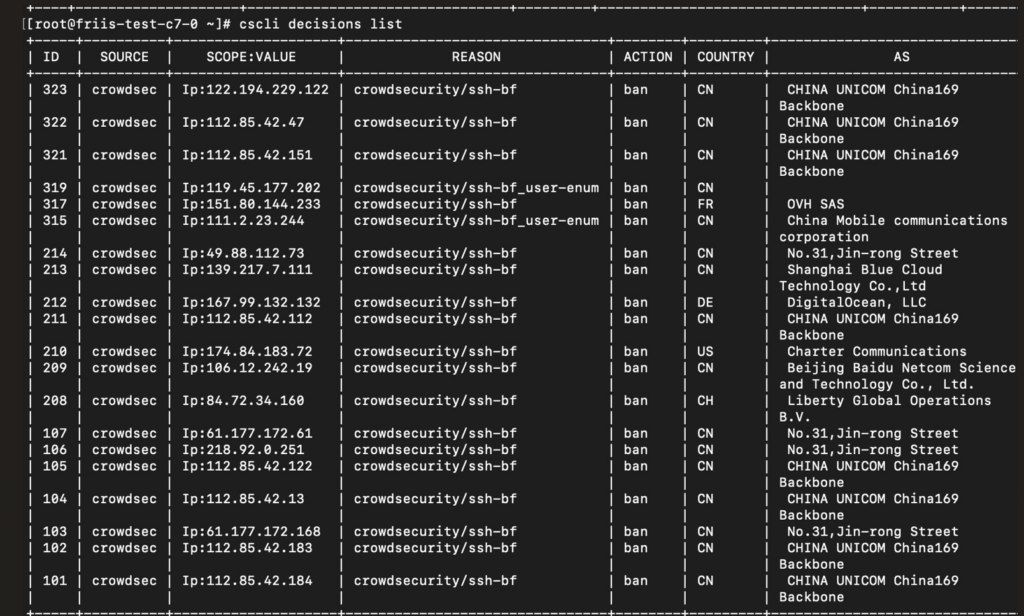
CrowdSec es una solución de seguridad de código abierto impulsada por la comunidad que detecta y responde a amenazas utilizando inteligencia colectiva. Su base en el principio de colaboración comunitaria mejora el enfoque de seguridad y resalta la idea de una protección respaldada por la comunidad.
Por qué elegí CrowdSec: Al determinar qué herramienta recomendar, CrowdSec llamó mi atención debido a su modelo único impulsado por la comunidad. El poder de la inteligencia colectiva y el intercambio de conocimientos entre los usuarios lo diferencia claramente de otras herramientas de seguridad del mercado. Esta firme dependencia de la comunidad es precisamente la razón por la que creo que merece el título de 'Mejor para seguridad impulsada por la comunidad'.
Funciones destacadas e integraciones:
CrowdSec emplea un sistema de análisis de comportamiento para identificar actividades maliciosas. También incorpora un sistema bouncer, que permite respuestas automatizadas a amenazas identificadas, garantizando acciones oportunas. En cuanto a integraciones, CrowdSec es compatible con plataformas populares como WordPress, Nginx y Docker, ampliando su aplicabilidad en diversos entornos.
Pros and Cons
Pros:
- Hace hincapié en el poder de la inteligencia colectiva para una mejor detección
- La amplia compatibilidad con las principales plataformas mejora la adaptabilidad
- El sistema bouncer garantiza respuestas rápidas y automatizadas
Cons:
- Al ser de código abierto, puede necesitar recursos dedicados para un mantenimiento óptimo
- Algunas funciones pueden ser complejas para usuarios nuevos
- La dependencia de la comunidad a veces puede retrasar actualizaciones o parches

Mejor para la gestión de seguridad unificada
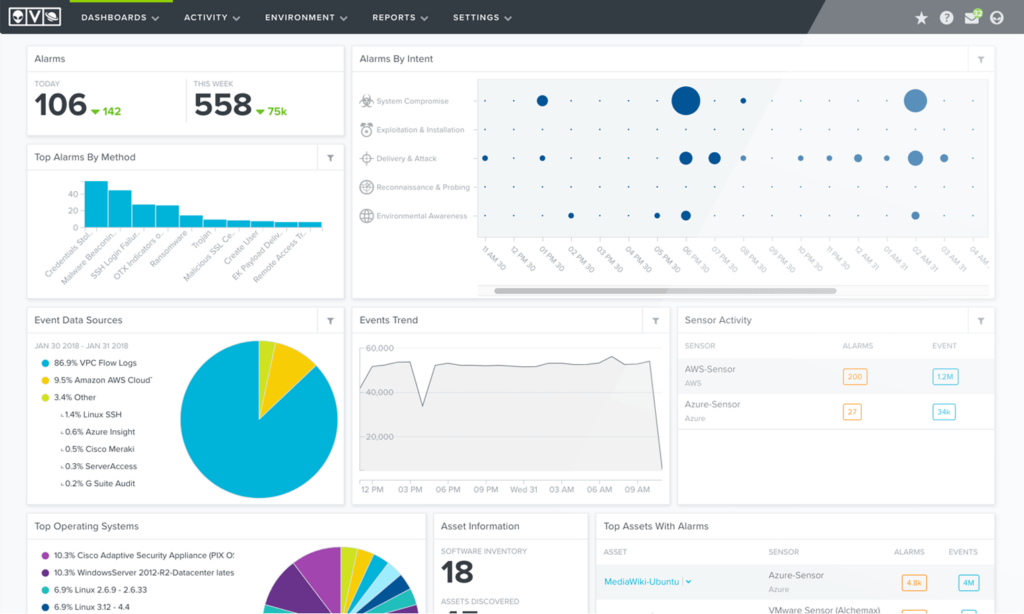
AlienVault USM ofrece una gestión de seguridad todo en uno para empresas, proporcionando operaciones extensas y protección unificada.
Por qué elegí AlienVault USM: Al determinar qué herramientas incluir en esta lista, AlienVault USM destacó por su enfoque holístico de la seguridad. Su suite integrada, que incluye descubrimiento de activos, evaluación de vulnerabilidades, detección de intrusiones y más, ofrece una ventaja distintiva. Bajo mi criterio, la esencia misma de esta herramienta, al proporcionar una plataforma 'unificada', la hace óptima para empresas que buscan una gestión de seguridad integral.
Características y integraciones destacadas:
AlienVault USM cuenta con un panel centralizado que brinda una vista panorámica del estado de seguridad de la organización. Su inteligencia de amenazas incorporada, que se actualiza regularmente, garantiza que las organizaciones siempre estén preparadas frente a amenazas emergentes. AlienVault USM se integra con diversas herramientas de terceros, incluidas aquellas para SIEM, registro y gestión de tickets, consolidando su posición como una solución de seguridad versátil.
Pros and Cons
Pros:
- El panel centralizado ofrece una visibilidad clara de las operaciones de seguridad
- La inteligencia de amenazas actualizada regularmente asegura una defensa proactiva
- Sus amplias integraciones con terceros aumentan su versatilidad
Cons:
- Puede presentar una curva de aprendizaje para equipos pequeños o aquellos nuevos en plataformas de seguridad unificada
- Algunas funciones pueden resultar abrumadoras para organizaciones con necesidades de seguridad básicas
- Según la escala del despliegue, los requisitos de hardware pueden ser significativos

ExtraHop
Ideal para análisis de datos en tiempo real
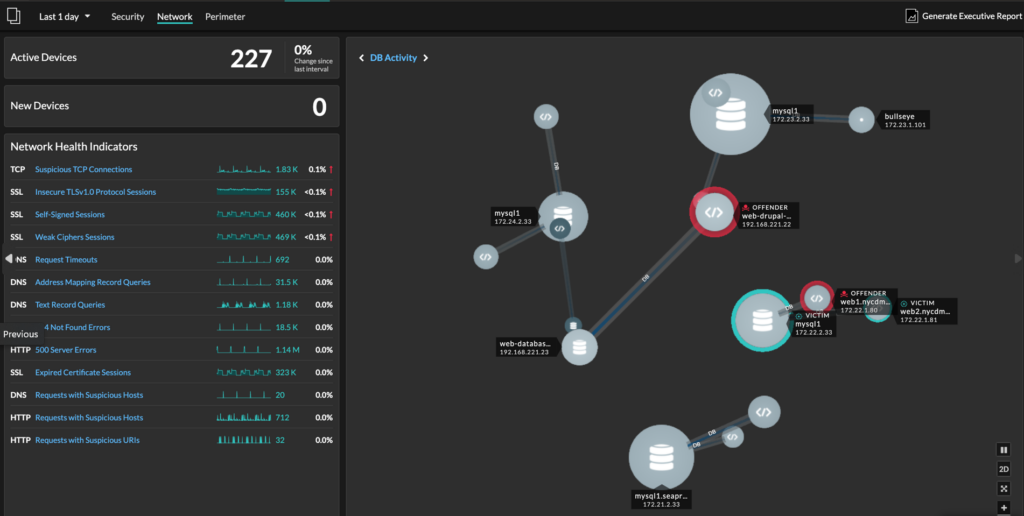
ExtraHop proporciona análisis de datos en tiempo real para que las empresas comprendan rápidamente el estado de sus operaciones y seguridad. Se destaca en el manejo de grandes conjuntos de datos para ofrecer información inmediata.
Por qué elegí ExtraHop: Al comparar diferentes herramientas, seleccioné ExtraHop debido a su capacidad inigualable para ofrecer análisis de datos al instante. Su destreza para procesar grandes volúmenes de datos rápidamente y ofrecer conocimientos accionables la hace destacar. Dado su enfoque en el procesamiento en tiempo real, queda claro por qué esta herramienta es ideal para el análisis de datos en tiempo real.
Características destacadas e integraciones:
ExtraHop sobresale por sus avanzadas capacidades de aprendizaje automático, lo que le permite detectar anomalías y proporcionar alertas proactivas. Además, su inspección profunda de paquetes ofrece una visibilidad detallada del tráfico de la red, ayudando a las empresas a identificar posibles problemas antes de que se agraven. Al integrarse con plataformas como AWS, Microsoft Azure, Windows 10, incluso Linux, y Google Cloud, ExtraHop garantiza su utilidad en entornos de infraestructura diversos.
Pros and Cons
Pros:
- El aprendizaje automático avanzado ofrece detección proactiva de anomalías
- La inspección profunda de paquetes proporciona visibilidad detallada de la red
- Amplia compatibilidad con la nube que garantiza adaptabilidad a diversas infraestructuras
Cons:
- Puede ser demasiado complejo para pequeñas empresas con necesidades más sencillas
- La configuración inicial puede ser compleja para quienes no están familiarizados con el área
- Dependiendo de la implementación, puede requerir recursos dedicados para un rendimiento óptimo

Norton
Mejor para supervisión de la dark web
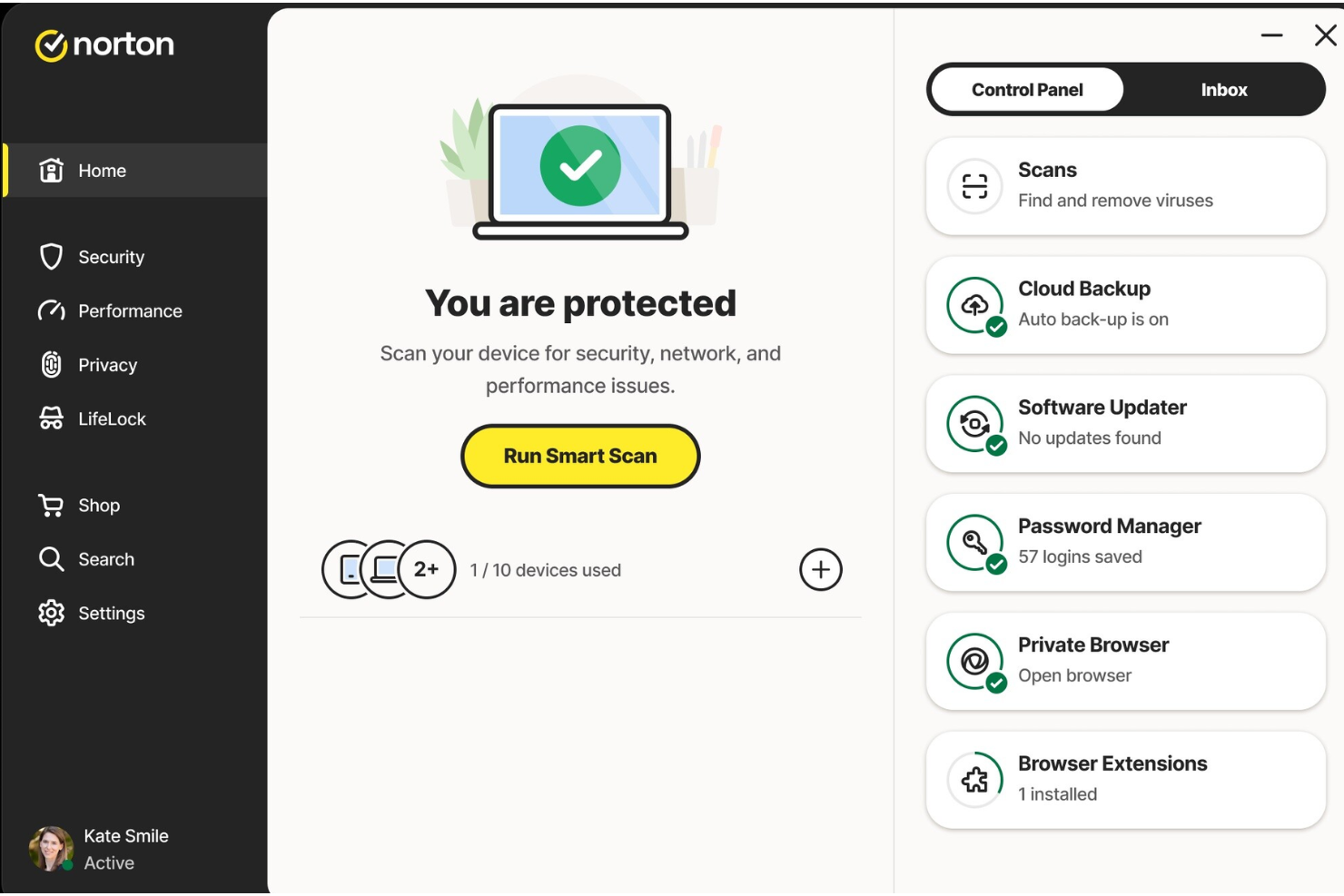
Norton ofrece una solución de ciberseguridad adaptada para pequeñas empresas, enfocándose en proteger contra malware, phishing y otras amenazas en línea. Resulta atractivo para propietarios de pequeñas empresas y gestores de TI que buscan protección confiable sin necesidad de contar con amplios recursos de TI. Con funciones como antivirus en tiempo real, copia de seguridad en la nube y una VPN segura, Norton aborda desafíos críticos de seguridad para asegurar que las operaciones de tu empresa no se vean interrumpidas.
Por qué elegí Norton
Elegí Norton por su característica destacada de supervisión de la dark web, que te alerta si tu información personal o empresarial aparece en la dark web. Esta función, junto con la protección antivirus en tiempo real, garantiza que tu negocio permanezca seguro frente a amenazas conocidas y emergentes. Además, la VPN segura proporciona conexiones cifradas para un trabajo remoto seguro, algo esencial para mantener la privacidad en el entorno digital actual. Estas características hacen de Norton una excelente opción para empresas que priorizan la seguridad y la privacidad.
Características clave de Norton
Además del monitoreo de la dark web y la VPN segura, Norton ofrece:
- Copia de seguridad en la nube: Proporciona 500 GB de almacenamiento seguro para proteger datos empresariales críticos contra pérdidas por robo o ransomware.
- Navegador privado: Mejora la privacidad y seguridad en línea con una experiencia de navegación personalizable.
- Gestor de contraseñas: Ofrece bóvedas cifradas para gestionar de forma segura credenciales e información sensible.
- Actualizador de software: Mantiene tu software actualizado para cerrar vulnerabilidades de seguridad y conservar una protección óptima.
Integraciones de Norton
Norton actualmente no detalla integraciones nativas.
Pros and Cons
Pros:
- Características de seguridad integrales, incluyendo VPN y gestor de contraseñas
- Actualizaciones regulares para garantizar protección contra nuevas amenazas
- Fuerte protección contra malware con altas tasas de detección
Cons:
- Frecuentes mensajes para actualizaciones y funciones adicionales
- Puede consumir bastantes recursos, ralentizando los dispositivos

Mejor para protección avanzada contra amenazas
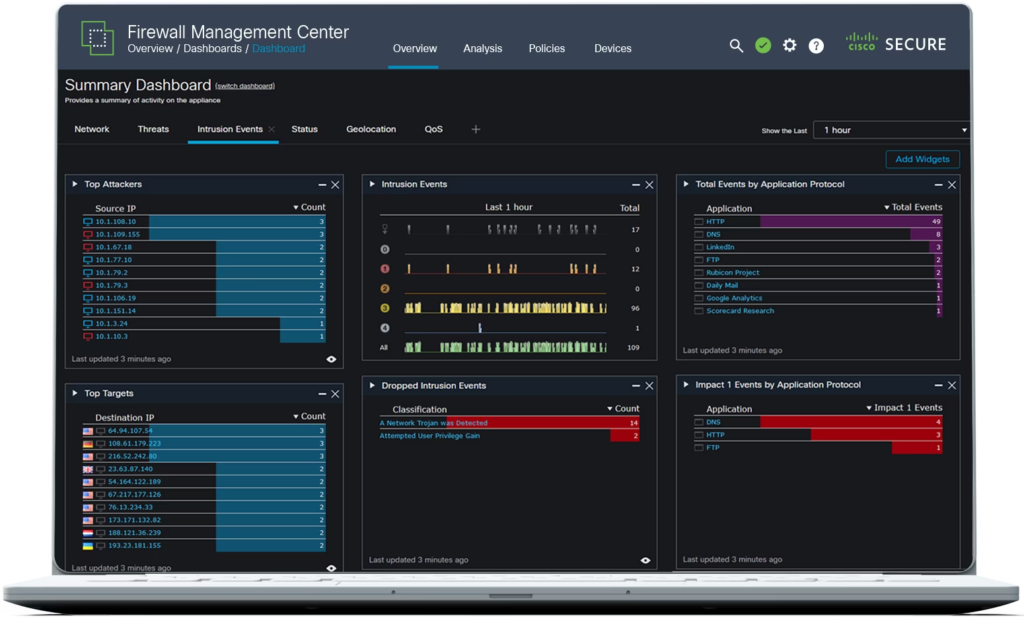
Cisco Secure Firewall Threat Defense Virtual es una solución integral diseñada para proteger a las organizaciones contra amenazas cibernéticas. Este firewall virtual ofrece protección por capas contra ataques sofisticados, consolidando su posición como la mejor opción para la protección avanzada frente a amenazas.
Por qué elegí Cisco Secure Firewall Threat Defense Virtual: Elegí Cisco Secure Firewall Threat Defense Virtual tras una cuidadosa evaluación de varias opciones en el mercado. Las capacidades avanzadas de esta herramienta y la reputación de Cisco en el ámbito de la ciberseguridad ayudaron a determinar su inclusión en la lista, convirtiéndola en la mejor para organizaciones que priorizan la seguridad de alto nivel frente a ataques complejos.
Funciones destacadas e integraciones:
Las características más importantes de esta herramienta incluyen inspección profunda de paquetes, sistema de prevención de intrusiones y capacidades de filtrado geográfico. Cisco Secure Firewall Threat Defense Virtual se integra con el ecosistema de seguridad de Cisco y plataformas de inteligencia de amenazas de terceros para una protección máxima.
Pros and Cons
Pros:
- Protección integral y por capas contra multitud de amenazas y estafas cibernéticas
- Se integra bien con otros productos de seguridad de Cisco y plataformas de terceros
- Actualizaciones de inteligencia de amenazas en tiempo real
Cons:
- Puede requerir profesionales calificados para una configuración óptima
- La integración con productos que no son de Cisco puede provocar ralentizaciones
- El costo puede ser elevado para pequeñas empresas debido a la prima de la marca.

Mejor opción para la prevención de intrusiones integrada
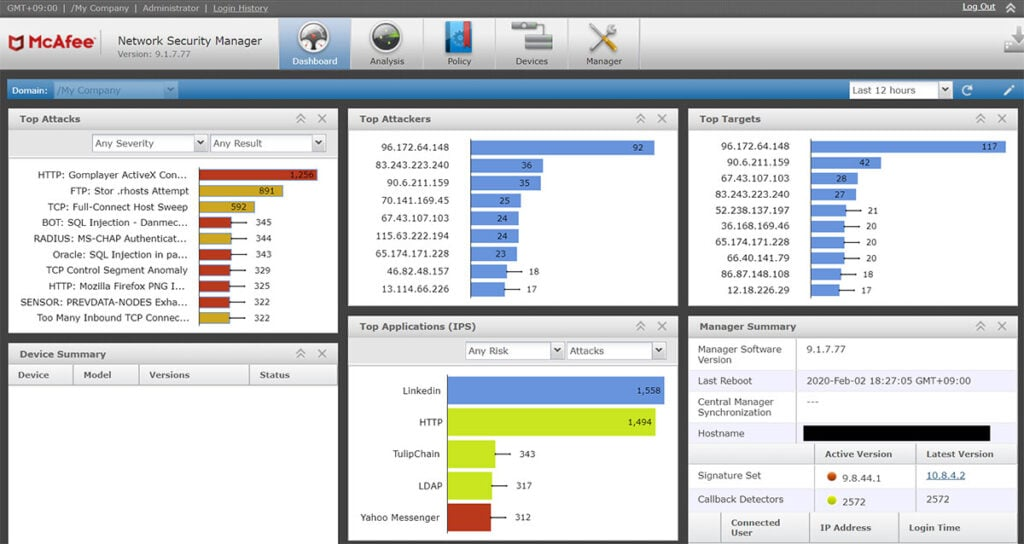
McAfee Virtual Network Security Platform ofrece una solución de seguridad integral que proporciona tanto detección como prevención contra amenazas cibernéticas en entornos virtuales.
Por qué elegí McAfee Virtual Network Security Platform: En mi proceso de selección de una plataforma de seguridad de red confiable, la oferta de McAfee surgió como una de las principales candidatas debido a su enfoque holístico para la prevención de intrusiones. Estoy convencido de que es la mejor opción para la prevención de intrusiones integrada, dado su énfasis en contramedidas proactivas contra posibles brechas.
Características y integraciones destacadas:
Las características clave de McAfee Virtual Network Security Platform incluyen inteligencia de amenazas en tiempo real, detección avanzada de malware y análisis de comportamiento. En cuanto a integraciones, la plataforma funciona conjuntamente con la suite de herramientas de seguridad de McAfee, potenciando sus capacidades, y también cuenta con compatibilidad integrada con diversas herramientas de monitorización y gestión de redes de terceros.
Pros and Cons
Pros:
- La inteligencia de amenazas en tiempo real garantiza mecanismos de defensa actualizados
- La detección avanzada de malware puede identificar y neutralizar incluso las amenazas más recientes
- El análisis de comportamiento ayuda a predecir y anticipar posibles vectores de amenaza
Cons:
- Puede resultar complicado para quienes no estén familiarizados con el ecosistema de McAfee
- La implementación en redes muy grandes podría requerir considerables recursos
- El costo potencialmente superior en comparación con soluciones de seguridad más básicas.

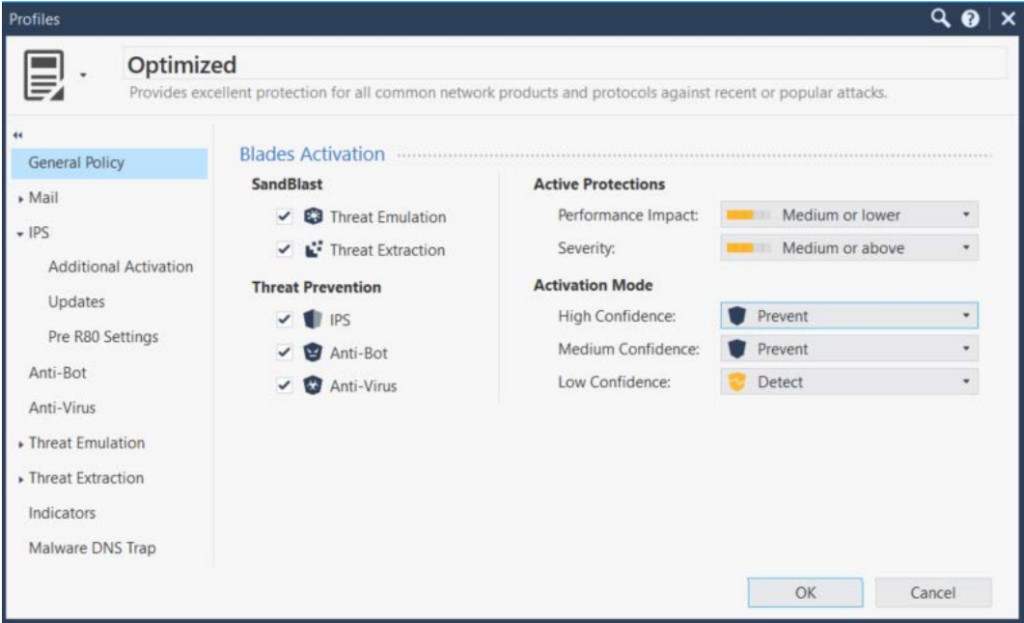
Check Point IPS es un sistema de seguridad multicapa que defiende las redes de amenazas y ataques avanzados. Su enfoque integral apunta a las vulnerabilidades en diferentes etapas, proporcionando una protección efectiva.
Por qué elegí Check Point IPS: Check Point IPS surgió como un candidato destacado debido a su reconocida reputación en el ámbito de la seguridad. Su dedicación a un modelo de defensa multicapa lo distingue, cubriendo posibles brechas que los sistemas de una sola capa podrían pasar por alto.
Funciones y integraciones destacadas:
Check Point IPS es conocido por sus capacidades de inteligencia de amenazas, lo que permite identificar y mitigar los riesgos a tiempo. Además, la capacidad del sistema para proporcionar un control granular sobre las políticas de seguridad mejora su adaptabilidad. En cuanto a la integración, se combina con la suite de software de Check Point, facilitando un ecosistema de seguridad interconectado.
Pros and Cons
Pros:
- Las capacidades de inteligencia de amenazas ofrecen una postura proactiva contra las vulnerabilidades
- El control granular sobre las políticas asegura medidas de seguridad personalizadas
- La amplia integración dentro del ecosistema Check Point refuerza los mecanismos de defensa en general
Cons:
- Puede presentar una curva de aprendizaje pronunciada para los nuevos usuarios
- Puede requerir muchos recursos en infraestructuras de red pequeñas
- Ocasionalmente pueden producirse falsos positivos que requieren supervisión manual.


Trend Micro Hybrid Cloud Security ofrece una solución confiable para proteger aplicaciones y datos en entornos de nube híbrida. Es altamente recomendable para quienes utilizan contextos de nube híbrida.
Por qué elegí Trend Micro Hybrid Cloud Security: Al seleccionar herramientas para esta lista, Trend Micro Hybrid Cloud Security destacó fuertemente debido a su enfoque especializado en la nube híbrida. Considero que esta herramienta es particularmente hábil para asegurar sistemas de nube híbrida, que son intrínsecamente complejos y presentan desafíos únicos.
Características destacadas e integraciones:
La solución de Trend Micro sobresale con su función Deep Security, que ofrece un conjunto de capacidades que van desde la detección de intrusiones hasta la protección contra vulnerabilidades. Su automatización integrada también reduce la intervención manual, facilitando operaciones de seguridad más fluidas. Cabe destacar que la plataforma se integra eficazmente con los principales proveedores de servicios en la nube como AWS, Azure y Google Cloud, lo que garantiza que las medidas de seguridad se alineen correctamente con las operaciones de infraestructura en la nube.
Pros and Cons
Pros:
- Enfoque especializado en las complejidades de la seguridad de la nube híbrida
- La función Deep Security proporciona una gama completa de mecanismos de protección
- Las integraciones con los principales proveedores de la nube permiten operaciones de seguridad
Cons:
- Las empresas sin entornos híbridos podrían encontrar algunas funciones redundantes
- La curva de aprendizaje podría ser empinada para quienes no están familiarizados con amenazas específicas de la nube
- La posible dependencia excesiva de la automatización podría reducir la visibilidad para algunos usuarios

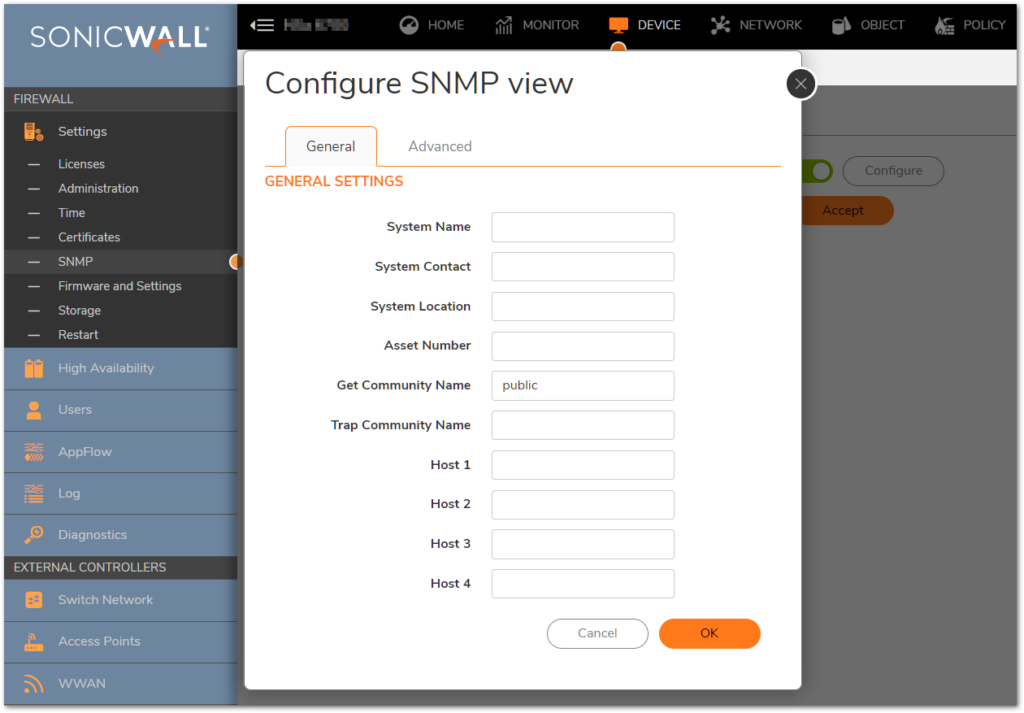
SonicWall ofrece un conjunto sólido de soluciones de seguridad diseñadas para proteger a las organizaciones de una amplia variedad de amenazas cibernéticas. Su principal fortaleza radica en proporcionar alertas inmediatas sobre posibles violaciones, lo que lo convierte en una opción destacada para quienes priorizan la detección de brechas en tiempo real.
Por qué elegí SonicWall: Al seleccionar una solución de seguridad para esta lista, SonicWall se destacó debido a su historial comprobado y a las funciones dedicadas específicamente a detectar brechas mientras ocurren. SonicWall es ideal para la detección en tiempo real de brechas gracias a su mecanismo de respuesta oportuna y su análisis detallado de amenazas.
Funciones destacadas e integraciones:
Las características más notables de SonicWall incluyen su protección avanzada contra amenazas, sistema de prevención de intrusiones y la inspección SSL de alta velocidad. En cuanto a integraciones, SonicWall puede funcionar con diversas herramientas de monitoreo de red, y su servicio Capture Advanced Threat Protection (ATP) garantiza compatibilidad con una multitud de plataformas de inteligencia sobre amenazas.
Pros and Cons
Pros:
- La protección avanzada contra amenazas proporciona un mecanismo de defensa por capas
- El sistema de prevención de intrusiones ayuda a frustrar posibles ataques
- La inspección SSL de alta velocidad permite una transmisión de datos segura sin comprometer la velocidad
Cons:
- La interfaz puede ser compleja para nuevos usuarios
- Ciertas funciones pueden requerir capacitación especializada para su utilización completa
- Posibles preocupaciones de costo para empresas más pequeñas debido a su conjunto de funciones completas.

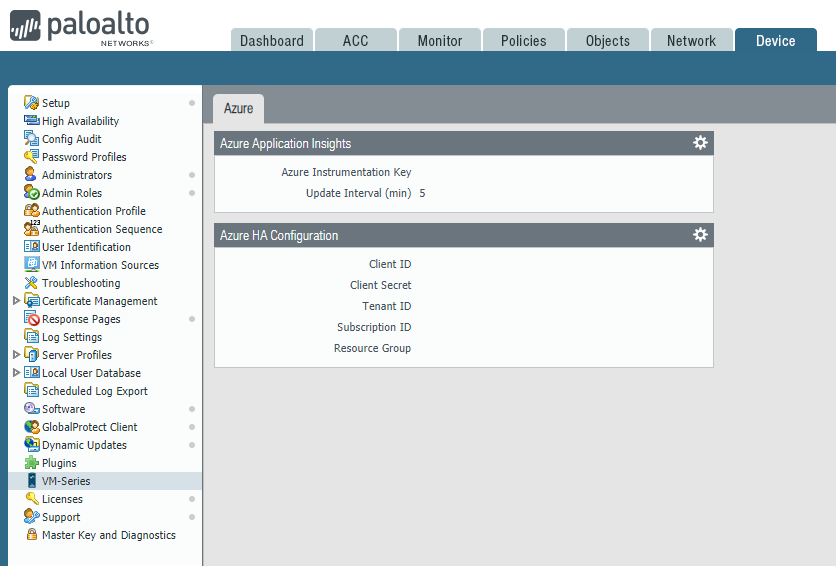
Palo Alto VM-Series está diseñado para salvaguardar entornos virtualizados de posibles amenazas de seguridad. Al centrarse en las particularidades de las redes virtuales, ofrece una protección rigurosa, lo que lo hace especialmente competente para garantizar la seguridad en redes virtualizadas.
Por qué elegí Palo Alto VM-Series: Tras revisar varias herramientas de ciberseguridad, Palo Alto VM-Series destacó como una opción convincente. Su dedicación a proteger redes virtualizadas, en lugar de ofrecer un enfoque genérico, realmente lo diferencia. Dada esta atención especializada, estoy convencido de que Palo Alto VM-Series es el “Mejor para la seguridad de redes virtualizadas”, adaptándose a organizaciones que dependen en gran medida de infraestructuras virtuales.
Características destacadas e integraciones:
Palo Alto VM-Series sobresale con su motor de Prevención de Amenazas, que detecta y detiene amenazas en entornos virtuales. Además, su función WildFire ofrece un análisis de malware basado en la nube. En cuanto a integraciones, VM-Series se combina con los principales proveedores de la nube como AWS, Azure y Google Cloud, asegurando que la protección se mantenga constante independientemente del entorno virtual.
Pros and Cons
Pros:
- Prevención de amenazas enfocada en entornos virtualizados
- La integración con los principales proveedores de la nube garantiza una amplia compatibilidad
- WildFire ofrece una capa adicional de análisis y prevención contra malware
Cons:
- Puede presentar una curva de aprendizaje más pronunciada para usuarios nuevos en Palo Alto Networks
- Orientado principalmente a entornos virtuales, por lo que puede no cubrir necesidades de entornos híbridos
- Costos adicionales potenciales asociados a funciones avanzadas
Otro software de seguridad en Internet
A continuación se incluye una lista de software adicional de seguridad en Internet que preseleccioné, pero que no llegó a estar entre los 10 mejores. Sin duda, vale la pena echarles un vistazo.
- CyCognito
Ideal para la gestión de la exposición a gran escala
- Blumira Automated Detection & Response
Mejor para respuestas rápidas ante eventos de seguridad
- AirMagnet Enterprise
Ideal para la solución de problemas en redes inalámbricas
- ThreatBlockr
La mejor opción para respuestas adaptativas ante amenazas


Cómo evalúo el software de seguridad en internet
Divido mi evaluación en dos capas: criterios básicos que toda herramienta debe cumplir—como la detección de amenazas en tiempo real y la protección de endpoints—y diferenciadores que destacan a las mejores.
Funcionalidad principal (requisitos indispensables para esta lista)
Al seleccionar herramientas para mi lista, califico cada una en una escala del 0 (no ofrece la funcionalidad) al 5 (sobresale en esta área) por cada funcionalidad principal que se menciona a continuación. Luego, calculo la puntuación total de la herramienta como un porcentaje. Cada herramienta debe alcanzar una puntuación total mínima del 75% para ser considerada.
- Detección y prevención de amenazas: Evalúo cómo maneja cada herramienta el malware, phishing, ransomware y exploits de día cero—considerando si la detección se basa únicamente en firmas o también incluye análisis de comportamiento.
- Cortafuegos y protección de red: Aquí son importantes la inspección profunda de paquetes, la prevención de intrusiones y la personalización granular de reglas, especialmente para equipos que gestionan tráfico en varias sedes.
- Filtrado web y control de URL: Verifico si la herramienta clasifica URLs de manera dinámica y si permite la aplicación de políticas por grupo de usuarios, fundamental para organizaciones con necesidades de acceso variadas entre departamentos.
- Seguridad de endpoint: Busco cobertura en sistemas operativos y tipos de dispositivos, junto con capacidades como listas blancas de aplicaciones, control de dispositivos y visibilidad de nivel EDR.
- Monitoreo en tiempo real y alertas: Paneles que hagan visible la actividad sospechosa rápidamente y que permitan configurar umbrales de alertas personalizados marcan la diferencia durante la gestión activa de incidentes frente a la simple recopilación de registros.
- Cifrado de datos y VPN: Evalúo los protocolos de cifrado, la escalabilidad de VPN para equipos distribuidos y si la herramienta soporta túneles divididos o acceso de red de confianza cero para conexiones remotas.
Una vez tengo una lista de herramientas que cumplen con estos criterios, considero qué distingue a cada plataforma.
Factores diferenciadores (qué distingue a los proveedores)
Así es como comparo y contrasto a los diferentes proveedores:
Características destacadas
La inteligencia de amenazas potenciada por IA es un gran diferenciador—reviso si una herramienta utiliza aprendizaje automático para detectar amenazas nuevas antes de que lleguen a las bases de datos de firmas. La arquitectura de confianza cero también importa, especialmente para equipos que gestionan entornos híbridos donde la confianza implícita en la red puede crear brechas. También evalúo las capacidades de respuesta automatizada a incidentes, ya que las herramientas que aíslan endpoints comprometidos y activan flujos de remediación sin pasos manuales ahorran tiempo valioso durante una brecha activa.
Más allá de las características
El ecosistema de integraciones es una de las primeras cosas que reviso—las herramientas que se conectan de forma nativa con plataformas SIEM, proveedores de identidad como Okta o Azure AD, y sistemas ITSM se integran en los flujos de trabajo existentes en lugar de crear silos. La cobertura de cumplimiento normativo es igualmente importante, especialmente si el proveedor ofrece reportes integrados para estándares como SOC 2, ISO 27001 o PCI-DSS. También evalúo la flexibilidad de despliegue, ya que algunos equipos necesitan opciones nativas en la nube mientras que otros requieren instalaciones locales o híbridas para cumplir requisitos de residencia de datos.
Cómo elegir un software de seguridad en Internet
Es fácil perderse entre largas listas de funciones y estructuras de precios complejas. Para ayudarte a mantener la atención mientras avanzas en tu proceso particular de selección de software, aquí tienes una lista de factores que debes tener en cuenta:
| Factor | Qué debes considerar |
|---|---|
| Escalabilidad | ¿Puede el software crecer junto con tu equipo? Considera la expansión futura, el número de dispositivos y si la herramienta puede gestionar un aumento de datos sin problemas de rendimiento. |
| Integraciones | ¿Funciona bien con tus sistemas actuales? Busca compatibilidad con el resto del software que utilizas para evitar silos de datos y soluciones manuales. |
| Personalización | ¿Puedes adaptar la herramienta a tus necesidades? Comprueba si puedes ajustar la configuración, los paneles y las alertas para adaptarlos a tus flujos de trabajo. |
| Facilidad de uso | ¿La interfaz es intuitiva para tu equipo? Asegúrate de que se necesite una capacitación mínima y de que el diseño sea fácil de usar para lograr una adopción rápida. |
| Implementación e incorporación | ¿Qué tan fluido es el proceso de configuración? Evalúa el tiempo y los recursos necesarios para la migración y si hay recursos de capacitación disponibles, como vídeos o guías. |
| Coste | ¿El precio se ajusta a tu presupuesto? Compara el coste con las funciones ofrecidas y comprueba si existen cargos ocultos o requisitos de contratos a largo plazo. |
| Medidas de seguridad | ¿Qué protecciones existen? Asegúrate de que el software cumpla tus estándares de seguridad, incluidas las capacidades de cifrado y detección de amenazas. |
| Requisitos de cumplimiento | ¿Cumple las normativas del sector? Verifica si la herramienta cumple las leyes y normas pertinentes, como el RGPD o la HIPAA, para evitar problemas legales. |
¿Qué es el software de seguridad de Internet?
El software de seguridad de Internet es un conjunto de programas diseñado para proteger los equipos y las actividades en línea de los usuarios frente a amenazas maliciosas de la web oscura, y a menudo requiere soluciones integrales de gestión de amenazas. Este software suele incorporar funciones adicionales, como detección de virus, protección mediante firewall y protección contra el phishing, y desempeña un papel fundamental en la defensa contra un amplio espectro de ciberataques.
Características
Al seleccionar un software de seguridad de Internet, presta atención a las siguientes características clave:
- Protección contra malware: Detecta y elimina software malicioso para mantener tu sistema protegido frente a las amenazas.
- Software de firewall: Supervisa el tráfico de red entrante y saliente para bloquear el acceso no autorizado.
- Navegación segura: Garantiza un uso seguro de Internet al advertir sobre sitios web sospechosos e intentos de phishing.
- Detección de amenazas en tiempo real: Proporciona alertas y respuestas instantáneas ante riesgos de seguridad emergentes para ofrecer una protección oportuna.
- Servicios VPN: Cifra las conexiones a Internet para proteger tu privacidad y mantener anónimas tus actividades en línea.
- Configuración de seguridad personalizable: Permite realizar ajustes para adaptarse a necesidades y preferencias de seguridad específicas.
- Compatibilidad con varios dispositivos: Protege varios dispositivos con una sola suscripción, lo que resulta ideal para equipos y familias.
- Consola de administración basada en la nube: Ofrece control centralizado y actualizaciones remotas para todos los dispositivos conectados.
- Protección contra ransomware: Protege frente a ataques que bloquean los datos y exigen un pago para liberarlos.
- Interfaz fácil de usar: Facilita el uso gracias a un diseño intuitivo que reduce la curva de aprendizaje para los nuevos usuarios.
Beneficios
Implementar un software de seguridad de Internet junto con servicios de firewall administrado ofrece varios beneficios para tu equipo y tu empresa. Estos son algunos de los que puedes esperar:
- Protección de datos: Protege la información confidencial frente a ciberamenazas como el malware y el phishing.
- Garantía de privacidad: Garantiza que las actividades en línea permanezcan privadas mediante funciones como los servicios VPN.
- Detección de amenazas: Ofrece alertas en tiempo real para abordar y mitigar rápidamente posibles brechas de seguridad.
- Control de acceso: Gestiona y restringe el acceso no autorizado mediante la configuración del firewall.
- Ahorro de costes: Reduce las posibles pérdidas económicas derivadas de filtraciones de datos y ataques de ransomware.
- Mejora de la productividad: Minimiza las interrupciones al mantener los sistemas libres de software malicioso.
- Confianza de los usuarios: Aumenta la moral del equipo gracias a una navegación segura y un entorno digital protegido.
Costes y precios
Seleccionar un software de seguridad de Internet requiere comprender los distintos modelos de precios y planes disponibles. Los costes varían según las características, el tamaño del equipo, los complementos y otros factores. La siguiente tabla resume los planes habituales, sus precios medios y las características que suelen incluir las soluciones de software de seguridad de Internet:
Tabla comparativa de planes de software de seguridad de Internet
| Tipo de plan | Precio medio | Características habituales |
|---|---|---|
| Plan gratuito | $0 | Protección básica contra malware, compatibilidad limitada con dispositivos y configuración básica del firewall. |
| Plan personal | $5-$25/usuario/mes | Protección contra malware, navegación segura y servicios VPN básicos. |
| Plan empresarial | $30-$60/usuario/mes | Detección avanzada de amenazas, compatibilidad con varios dispositivos y configuración de seguridad personalizable. |
| Plan corporativo | $70-$150/usuario/mes | Gestión integral de la seguridad, consola de administración basada en la nube y protección avanzada contra ransomware. |
Preguntas frecuentes sobre software de seguridad en Internet
Estas son algunas respuestas a preguntas frecuentes sobre el software de seguridad en Internet:
¿Cuál es mejor: un antivirus o un software de seguridad en Internet?
Los programas de seguridad en Internet son la mejor opción si quieres una protección en línea más amplia. Incluyen software antivirus, pero también incorporan herramientas para protegerte de amenazas cibernéticas que van más allá del malware. Ten en cuenta qué funciones necesitas para mantener tus datos y dispositivos seguros.
¿Cómo puedo prevenir los ataques de phishing?
Para prevenir los ataques de phishing, utiliza un software de seguridad en Internet que ofrezca navegación segura y detección de amenazas en tiempo real. Enseña a tu equipo a reconocer correos electrónicos y sitios web sospechosos, e implementa herramientas que bloqueen los enlaces dañinos. Las actualizaciones periódicas y la vigilancia son fundamentales para mantenerte seguro.
¿Puede el software de seguridad en Internet ralentizar mi computadora?
Algunos programas de seguridad en Internet pueden afectar el rendimiento de tu computadora. Elige soluciones conocidas por su bajo impacto en el sistema, como ESET o Webroot, que están diseñadas para funcionar de manera eficiente sin ralentizar tu dispositivo. Probar diferentes opciones puede ayudarte a encontrar la más adecuada.
¿Es suficiente un programa gratuito de seguridad en Internet?
Los programas gratuitos de seguridad en Internet proporcionan protección básica, pero a menudo carecen de funciones avanzadas, como la detección de amenazas en tiempo real y los servicios de VPN. Considera utilizar una versión de pago si necesitas una cobertura más completa para tu empresa o tus datos personales.
Qué sigue:
Si estás investigando software de seguridad en Internet, conecta con un asesor de SoftwareSelect para obtener recomendaciones gratuitas.
Rellenas un formulario y tienes una breve conversación en la que profundizan en los detalles de tus necesidades. Después recibirás una lista breve de programas para revisar. Incluso te apoyarán durante todo el proceso de compra, incluidas las negociaciones de precios.