

10 mejores alternativas a CodePen para desarrolladores de frontend en 2026

Lista de alternativas a CodePen


Una buena alternativa a CodePen te ofrece un entorno de programación con un editor en línea, vistas previas en tiempo real, opciones sencillas para compartir y una comunidad que proporciona comentarios, sin obligarte a utilizar una única plataforma. Si buscas alternativas a CodePen, probablemente quieras herramientas compatibles con la creación rápida de prototipos, la colaboración y un flujo de trabajo flexible para escribir código destinado a proyectos de front-end o de pila completa. Muchas también incluyen funciones como la finalización de código y una interfaz fácil de usar para acelerar el desarrollo. Esta lista te ayudará a comparar las mejores opciones para 2026, para que encuentres el entorno adecuado para tu estilo de programación, las necesidades de tu equipo y los objetivos de tu proyecto.
¿Qué es CodePen?
CodePen es un entorno de desarrollo social que te permite escribir, previsualizar y compartir código HTML, CSS y JavaScript directamente en tu navegador. Se utiliza ampliamente para crear prototipos, experimentar con código front-end y recibir comentarios de una amplia comunidad de desarrolladores. CodePen admite la colaboración en tiempo real, las inserciones y las galerías de proyectos, por lo que es popular entre desarrolladores web, diseñadores y docentes que quieren compartir y perfeccionar su trabajo en línea.
Por qué confiar en nuestras recomendaciones de software
Nuestro equipo lleva probando y evaluando software desde 2012. Como líderes tecnológicos, sabemos lo difícil —y lo importante— que es elegir el software adecuado.
Para esta guía, evaluamos las herramientas mediante pruebas prácticas e investigación independiente, puntuando las herramientas según nuestros criterios de selección.
Nuestras reseñas reflejan nuestro criterio editorial humano, no un discurso de ventas.
Tabla comparativa de alternativas a CodePen
Esta tabla comparativa resume los detalles de precios de mis principales alternativas a CodePen:
| Tool | Best For | Trial Info | Price | ||
|---|---|---|---|---|---|
| 1 | Ideal para crear prototipos rápidos de interfaces | Plan gratuito disponible | Desde $8/mes | Website | |
| 2 | Ideal para la programación colaborativa en tiempo real | Plan gratuito disponible | Desde $20/mes | Website | |
| 3 | Ideal para la edición multiplataforma en la nube | Prueba gratuita disponible | Desde $9.60/usuario/mes (facturado anualmente) | Website | |
| 4 | La mejor opción por su amplio ecosistema de extensiones | Plan gratuito disponible | Uso gratuito | Website | |
| 5 | La mejor opción para la asistencia de código impulsada por IA | Plan gratuito disponible | Desde $20/usuario/mes | Website | |
| 6 | La mejor opción para la compatibilidad integrada con paquetes npm | Plan gratuito disponible | Desde $12/espacio de trabajo/mes | Website | |
| 7 | Ideal para la edición multijugador de baja latencia | Prueba gratuita de 14 días + plan gratuito disponible | Desde $10/mes | Website | |
| 8 | Ideal para el aprendizaje interactivo de programación | Plan gratuito disponible | $5.83/mes (facturado anualmente) | Website | |
| 9 | Ideal para entornos multilenguaje instantáneos | Plan gratuito disponible | Desde $9.80/mes | Website | |
| 10 | Ideal para vistas previas de JavaScript en directo | Prueba gratuita disponible | Desde $21/mes (facturado anualmente) | Website |
Análisis de las mejores alternativas a CodePen
A continuación encontrarás mis resúmenes detallados de las mejores alternativas a CodePen que entraron en mi lista de favoritas. En mis análisis examino detalladamente las funciones, las capacidades de colaboración y los casos de uso más adecuados de cada plataforma para ayudarte a encontrar la mejor opción para ti.

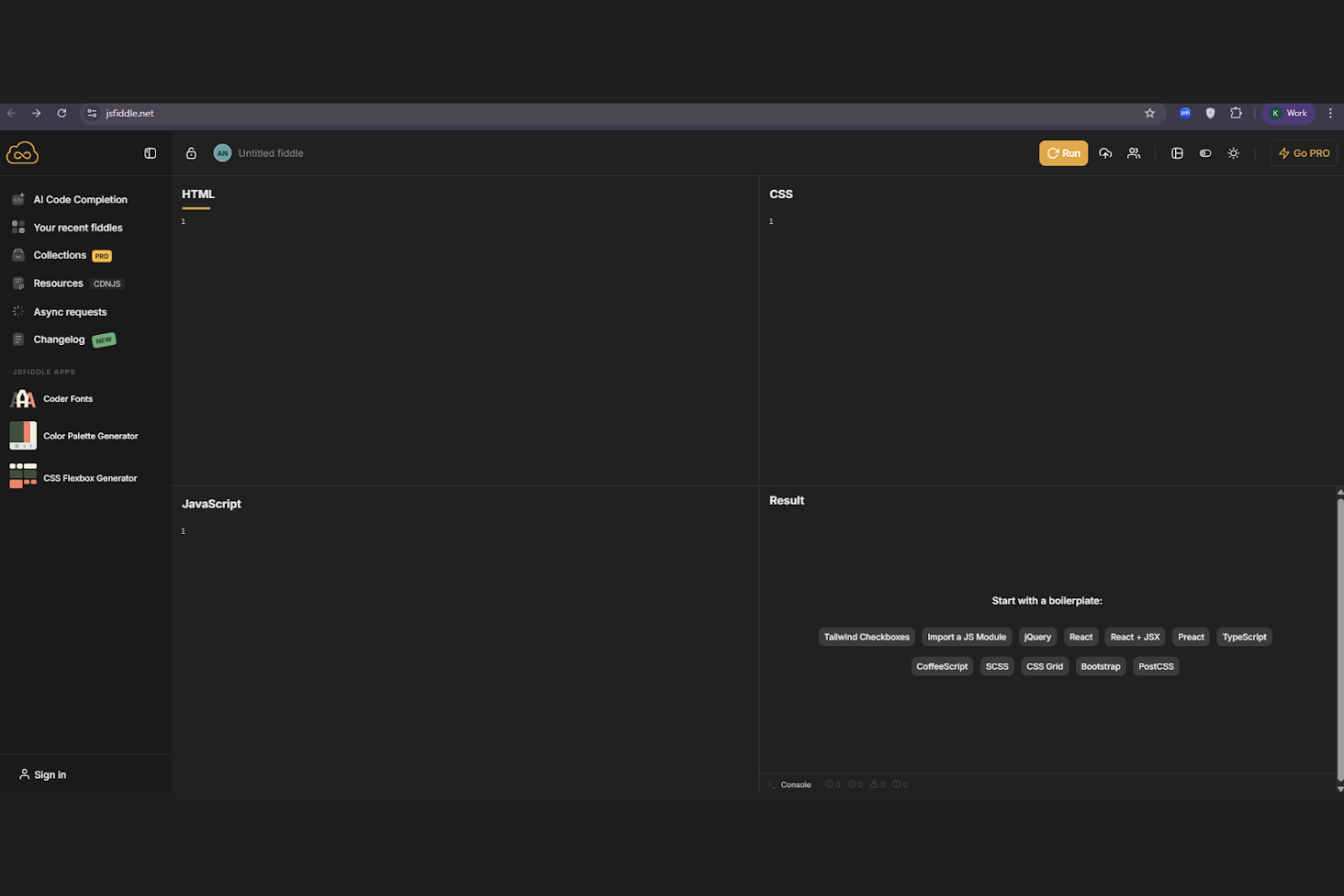
JSFiddle ofrece a los desarrolladores web una forma rápida de crear prototipos y compartir código de interfaz en un editor sencillo basado en el navegador. Es especialmente útil para quienes desean probar pequeños fragmentos de código o colaborar en experimentos rápidos sin configuraciones adicionales. Si necesitas un entorno ligero para demostraciones de HTML, CSS y JavaScript, JSFiddle destaca por su velocidad y minimalismo frente a plataformas con más funciones.
¿Para quién es más adecuado JSFiddle?
Desarrolladores de interfaces y diseñadores web de organizaciones pequeñas y medianas de todo el mundo que crean prototipos y prueban fragmentos de código de interfaz rápidamente.
Por qué elegí JSFiddle
Para crear prototipos rápidos de interfaces, JSFiddle ofrece un entorno enfocado que permite escribir y previsualizar HTML, CSS y JavaScript uno al lado del otro. Elegí JSFiddle porque facilita compartir ejemplos de código activos mediante una URL sencilla, lo que resulta ideal para obtener comentarios rápidos o solucionar problemas. La posibilidad de insertar directamente los ejemplos en blogs o documentación también favorece el aprendizaje y el debate colaborativos. Si buscas una forma sencilla de experimentar y compartir código de interfaz, JSFiddle ofrece exactamente eso.
Características principales de JSFiddle
Algunas otras características de JSFiddle lo convierten en una opción flexible para los equipos de desarrollo web:
- Compatibilidad con marcos de trabajo y bibliotecas: Carga marcos de trabajo y bibliotecas populares de JavaScript, como React, Vue o jQuery, directamente en tu proyecto.
- Historial de versiones: Accede a versiones anteriores de tus ejemplos para seguir los cambios o volver a un código anterior.
- Ejemplos privados: Crea ejemplos no listados para compartir código de forma privada con colaboradores seleccionados.
- Redimensionamiento del panel de resultados: Ajusta el tamaño del panel de salida para probar cómo se ve tu código en diferentes dimensiones de ventana gráfica.
Integraciones de JSFiddle
Las integraciones incluyen GitHub, Stack Overflow y más.
Pros and Cons
Pros:
- Admite compartir al instante fragmentos de código activos
- Permite cargar bibliotecas externas de JavaScript
- Ofrece historial de versiones para las revisiones del código
Cons:
- No incluye alojamiento integrado de recursos para imágenes o archivos
- No ofrece edición colaborativa en tiempo real

Replit
Ideal para la programación colaborativa en tiempo real
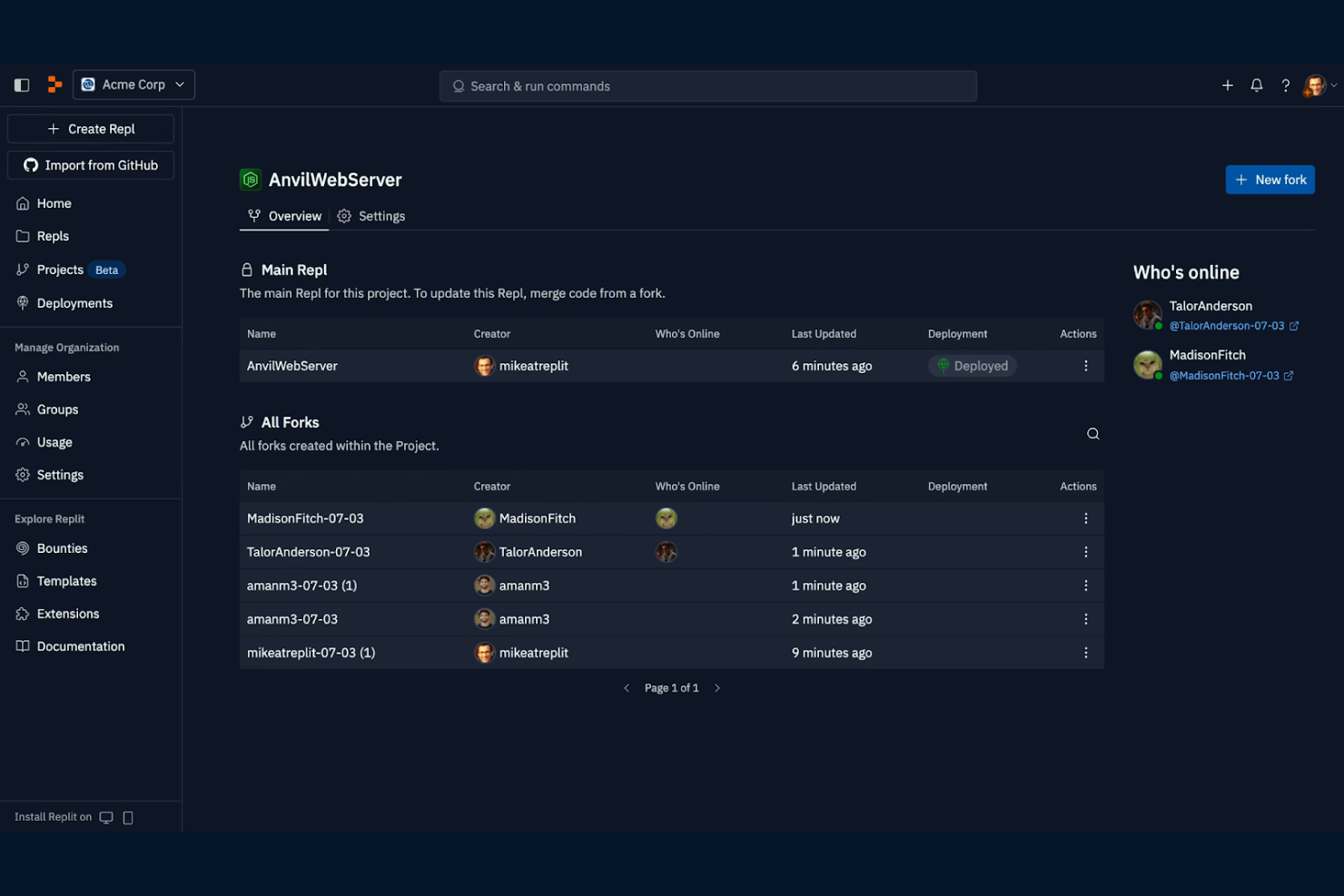
Si buscas una plataforma de programación que admita el trabajo en equipo en tiempo real, vale la pena considerar Replit. Esta herramienta está diseñada para desarrolladores, educadores y equipos que necesitan colaborar en código dentro del mismo espacio de trabajo. A diferencia de CodePen, Replit permite la edición simultánea en vivo por parte de varios usuarios y admite una amplia variedad de lenguajes de programación para proyectos tanto de interfaz como de servidor.
¿Para quién es más adecuado Replit?
Desarrolladores, educadores y equipos de empresas emergentes en organizaciones pequeñas y medianas de todo el mundo que colaboran en proyectos de código en tiempo real.
Por qué elegí Replit
A diferencia de la mayoría de las plataformas de programación basadas en el navegador, Replit está diseñado para la colaboración en tiempo real sobre el código. Elegí Replit porque permite que varios usuarios editen el mismo proyecto simultáneamente, lo que lo hace ideal para la programación en pareja, los proyectos de equipo o las sesiones de enseñanza en vivo. Las funciones integradas de chat y comentarios ayudan a los equipos a comunicarse directamente dentro del entorno de programación. Si necesitas un entorno de desarrollo social en el que la colaboración sea fundamental, Replit ofrece una experiencia más interactiva y centrada en el equipo que CodePen.
Características principales de Replit
Otras características de Replit ayudan a ampliar su utilidad para diversos proyectos de programación:
- Compatibilidad con varios lenguajes: Ejecuta y crea proyectos en docenas de lenguajes de programación, incluidos Python, JavaScript, Java y C++.
- Implementación integrada: Implementa aplicaciones web y API directamente desde el editor sin salir de la plataforma.
- Gestor de paquetes: Instala y gestiona las dependencias de tus proyectos mediante un gestor de paquetes integrado.
- Integración con el control de versiones: Conecta con repositorios de GitHub para sincronizar y gestionar las versiones de tu código.
Integraciones de Replit
Las integraciones incluyen GitHub, GitLab, Discord, Slack, Google Drive, Dropbox, Trello, Notion y Zoom.
Pros and Cons
Pros:
- Edición colaborativa en tiempo real para varios usuarios
- Admite lenguajes de servidor y proyectos de pila completa
- Implementación integrada para aplicaciones web
Cons:
- Los proyectos del plan gratuito se suspenden tras un periodo de inactividad
- No incluye bibliotecas integradas de diseño o componentes de interfaz de usuario

Ideal para la edición multiplataforma en la nube
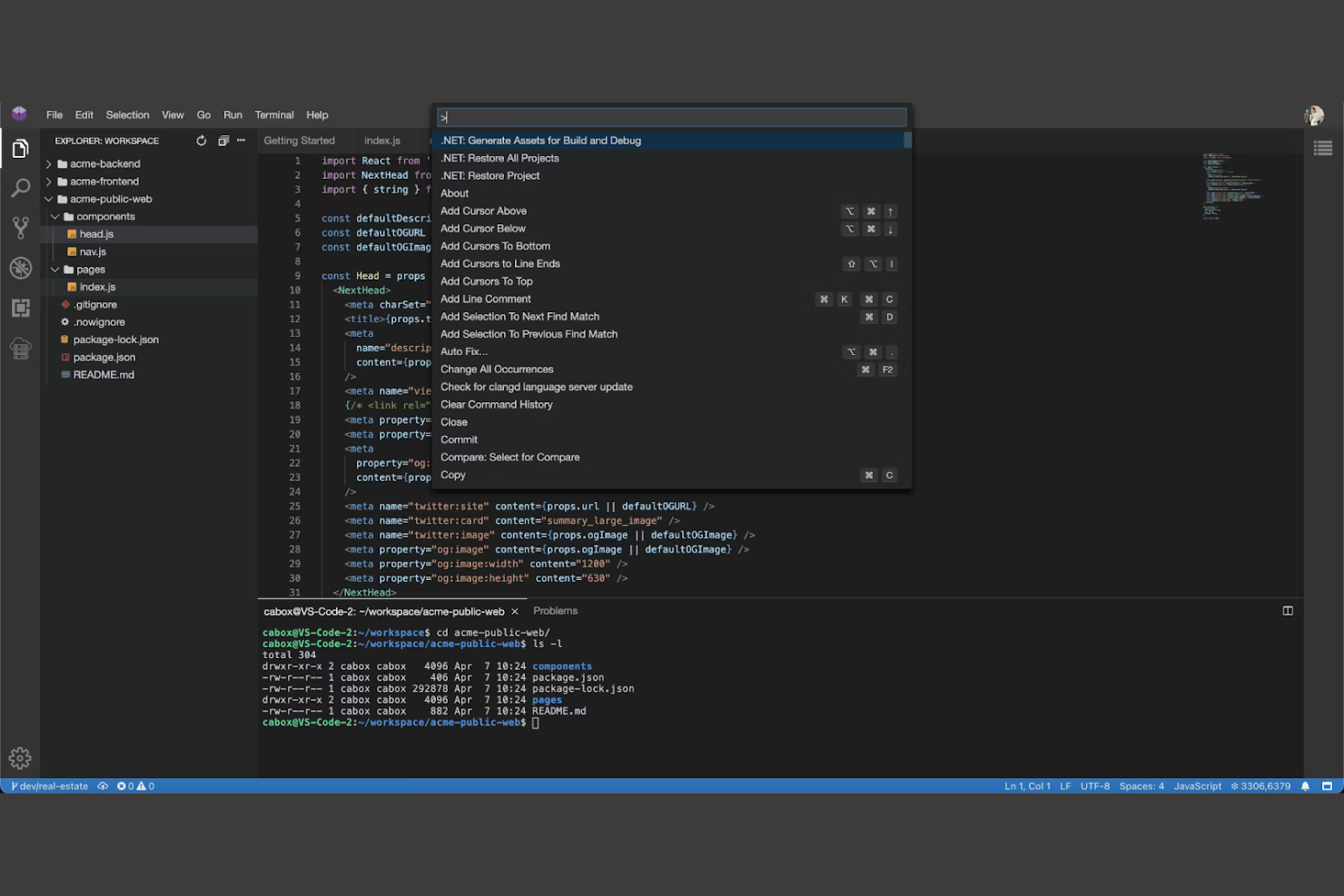
Los desarrolladores que necesitan programar en distintos dispositivos y sistemas operativos encontrarán que Codeanywhere está diseñado para ofrecer una verdadera flexibilidad multiplataforma. Este editor basado en la nube resulta atractivo para equipos distribuidos y profesionales que desean trabajar desde cualquier navegador, tableta o dispositivo móvil sin perder el acceso a sus proyectos. A diferencia de CodePen, Codeanywhere admite entornos de desarrollo de pila completa, espacios de trabajo en contenedores y acceso SSH directo para colaborar en tiempo real sobre infraestructura activa.
¿Para quién es más adecuado Codeanywhere?
Desarrolladores y equipos de DevOps de pequeñas y medianas empresas de todo el mundo que acceden a entornos de programación basados en la nube desde distintos dispositivos y sistemas operativos.
Por qué elegí Codeanywhere
Para los equipos que necesitan trabajar sin problemas en distintos dispositivos y sistemas operativos, Codeanywhere ofrece una verdadera experiencia de edición multiplataforma en la nube. Elegí Codeanywhere porque permite poner en marcha entornos de desarrollo en contenedores accesibles desde cualquier navegador, tableta o dispositivo móvil. Puedes conectarte directamente a servidores remotos mediante SSH, lo que facilita la colaboración en infraestructura activa o la gestión de código en entornos de producción. Esta flexibilidad diferencia a Codeanywhere de CodePen, especialmente para los usuarios que necesitan algo más que la creación de prototipos de interfaz en un entorno de desarrollo social.
Características principales de Codeanywhere
Otras características de Codeanywhere ayudan a los equipos a colaborar y gestionar proyectos de forma más eficiente:
- Múltiples temas del editor de código: Elige entre una variedad de temas del editor para adaptarlo a tu entorno de programación preferido.
- Integración con el control de versiones: Conéctate directamente a repositorios de Git para gestionar el código fuente desde el editor.
- Colaboración en tiempo real: Invita a los miembros del equipo a editar y revisar el código juntos en tiempo real.
- Pilas de desarrollo preconfiguradas: Inicia espacios de trabajo con lenguajes y frameworks populares ya configurados.
Integraciones de Codeanywhere
Las integraciones incluyen GitHub, Bitbucket, Dropbox, Google Drive, FTP, SFTP y más.
Pros and Cons
Pros:
- Admite flujos de trabajo de desarrollo de pila completa y del lado del servidor
- Espacios de trabajo en contenedores para entornos de proyectos aislados
- Acceso SSH para la gestión directa de servidores
Cons:
- No ofrece uso compartido en redes sociales ni galería pública de proyectos
- Menos bibliotecas de componentes de interfaz integradas

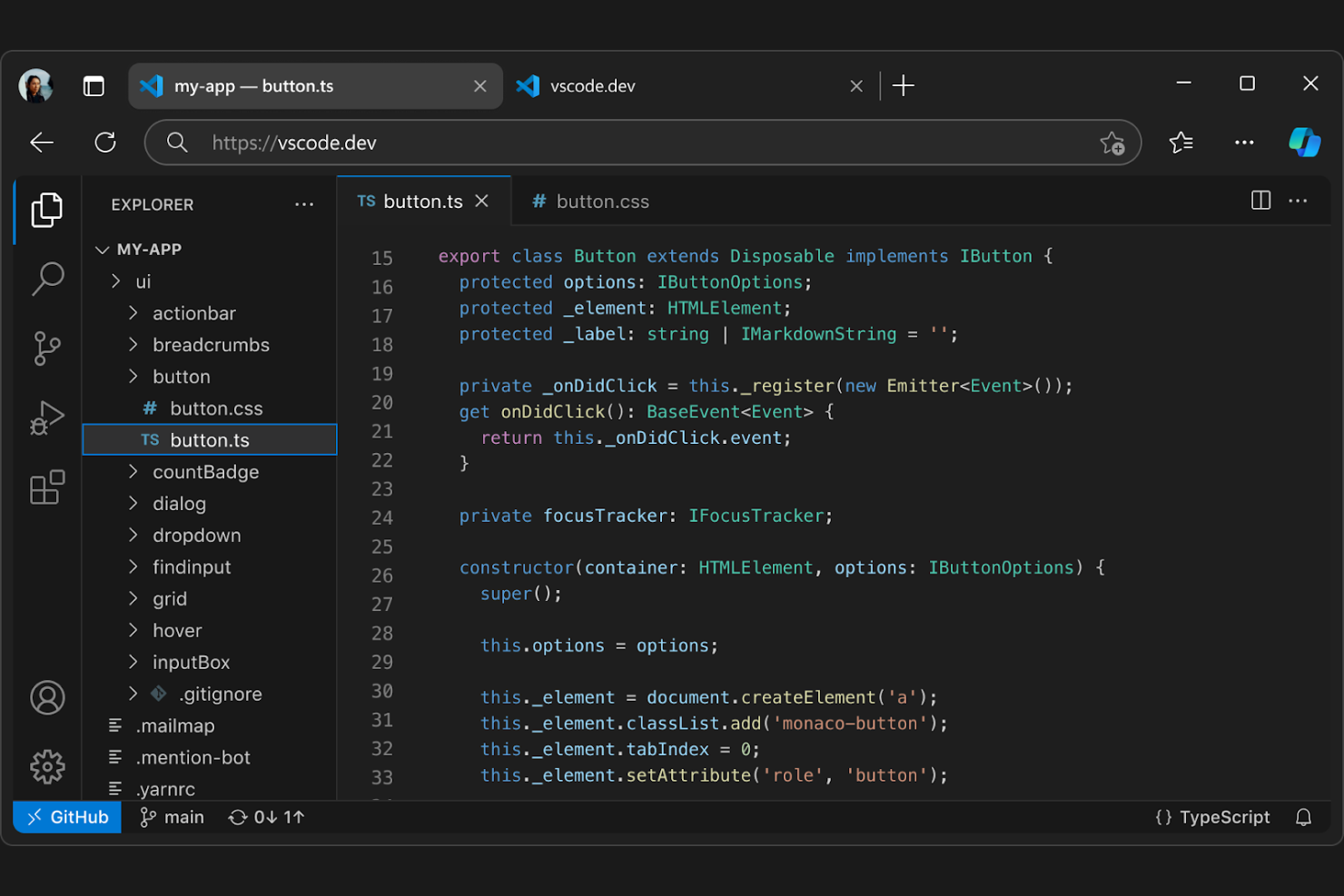
Si buscas un entorno de desarrollo social altamente personalizable y de código abierto, Visual Studio Code es una opción excelente. Este editor atrae a desarrolladores que necesitan un espacio de trabajo flexible y acceso a miles de extensiones para lenguajes, marcos de trabajo y herramientas de colaboración. Visual Studio Code destaca por su ecosistema activo de extensiones, que permite a los equipos adaptar su entorno para todo tipo de tareas, desde el uso compartido en directo hasta la depuración avanzada.
¿Para quién es más adecuado Visual Studio Code?
Desarrolladores y equipos de ingeniería de organizaciones pequeñas y grandes de todo el mundo que trabajan en un editor de código extensible con un amplio ecosistema de extensiones.
Por qué elegí Visual Studio Code
Lo que distingue a Visual Studio Code como alternativa a CodePen es su enorme ecosistema de extensiones, que permite crear un entorno de codificación verdaderamente social y colaborativo. Elegí Visual Studio Code porque puedes añadir extensiones para compartir código en directo, colaborar en tiempo real y chatear dentro del editor, todo en el mismo espacio de trabajo. El marketplace también incluye herramientas para analizar el código, controlar versiones y ofrecer compatibilidad con distintos lenguajes, de modo que los equipos pueden personalizar su configuración para cualquier proyecto. Para los desarrolladores que quieren diseñar sus propios flujos de trabajo colaborativos, Visual Studio Code ofrece una flexibilidad incomparable.
Características principales de Visual Studio Code
Otras características convierten a Visual Studio Code en una opción versátil para la programación colaborativa:
- Compatibilidad integrada con Git: Gestiona el control de código fuente y realiza un seguimiento de los cambios directamente en el editor.
- Depurador integrado: Establece puntos de interrupción, inspecciona variables y recorre el código sin salir de tu espacio de trabajo.
- Atajos de teclado personalizables: Ajusta las combinaciones de teclas para adaptarlas a tu flujo de trabajo y tus preferencias.
- Vista de editor dividido: Trabaja con varios archivos uno al lado del otro en la misma ventana.
Integraciones de Visual Studio Code
Entre las integraciones se incluyen GitHub, Azure DevOps, Docker, ESLint, Prettier, Live Share, Python, C++ y muchas más.
Pros and Cons
Pros:
- Live Share permite la programación colaborativa en tiempo real
- Herramientas Git integradas para el control de versiones
- La vista dividida permite editar varios archivos
Cons:
- Vista previa instantánea limitada para proyectos web
- La configuración del espacio de trabajo puede llevar tiempo

Cursor
La mejor opción para la asistencia de código impulsada por IA
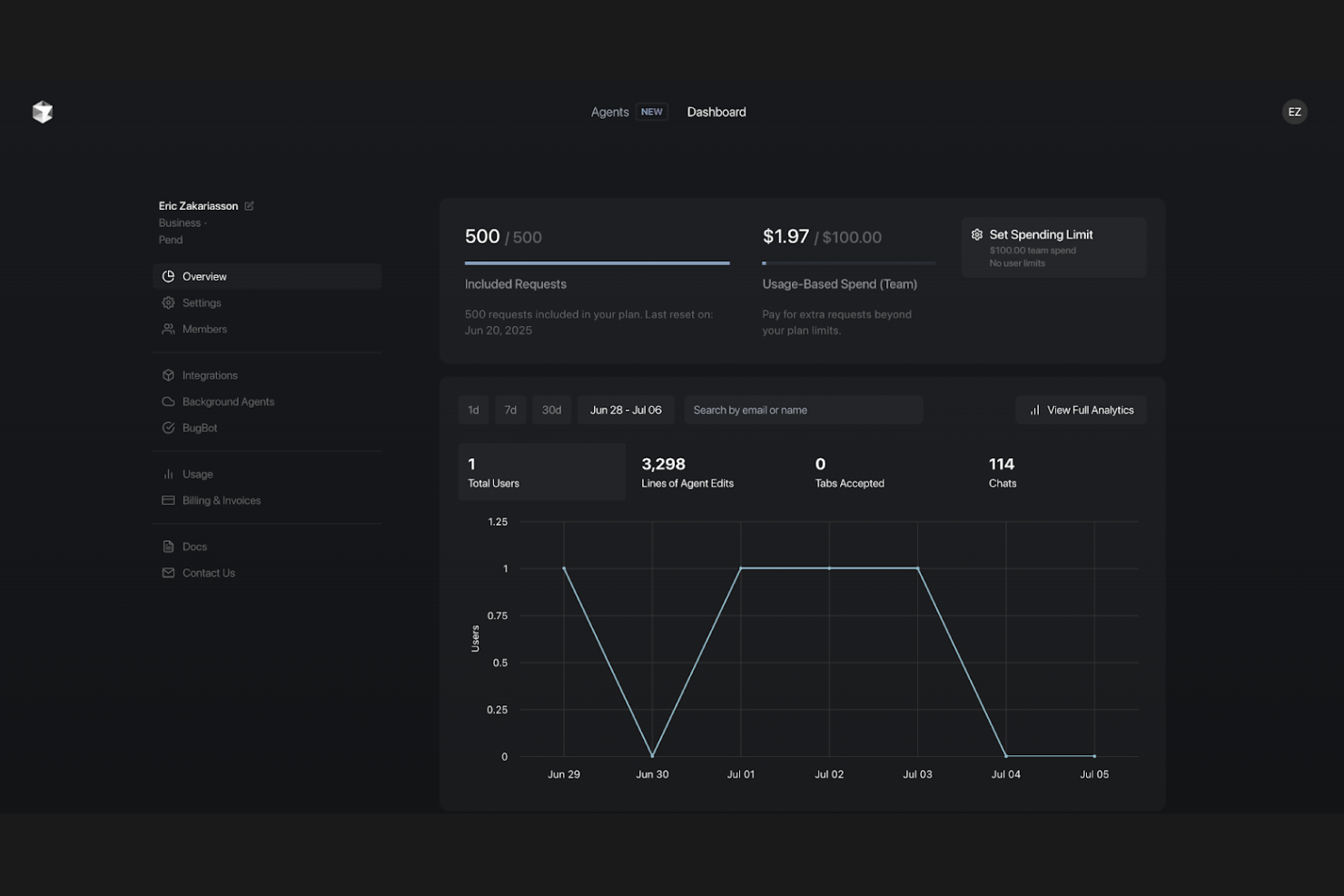
Los desarrolladores que buscan un entorno de programación social con funciones avanzadas de IA encontrarán que Cursor merece la pena considerar. Esta herramienta destaca por integrar directamente en el editor la asistencia para código impulsada por IA, lo que ayuda a los equipos a escribir, revisar y depurar código de forma colaborativa. Cursor es especialmente útil para los equipos que quieren acelerar el desarrollo y reducir los errores de programación manual con el apoyo de la IA.
¿Para quién es más adecuado Cursor?
Desarrolladores de software y equipos de ingeniería de pequeñas y medianas empresas de todo el mundo que utilizan herramientas impulsadas por IA para ayudar con las tareas de programación y revisión de código.
Por qué elegí Cursor
A diferencia de la mayoría de los entornos de desarrollo social, Cursor sitúa la asistencia para código impulsada por IA en el centro de la experiencia colaborativa. Elegí Cursor porque ofrece funciones como sugerencias de código mediante IA dentro del editor y revisiones de código automatizadas, que ayudan a los equipos a detectar problemas y mejorar la calidad del código mientras trabajan juntos. La IA también puede generar fragmentos de código y responder preguntas técnicas en tiempo real, lo que hace que las sesiones de programación grupales sean más productivas. Para los equipos que quieren combinar la programación social con un soporte avanzado de IA, Cursor ofrece un conjunto único de herramientas.
Funciones principales de Cursor
Además de su asistencia para código impulsada por IA, Cursor ofrece varias funciones adicionales que favorecen el desarrollo colaborativo:
- Edición colaborativa en directo: Varios usuarios pueden editar la misma base de código en tiempo real.
- Terminal integrada: Accede a una terminal integrada directamente desde el editor para ejecutar comandos.
- Historial de versiones del proyecto: Realiza un seguimiento de los cambios y revierte modificaciones mediante un historial detallado del proyecto.
- Temas personalizables: Personaliza el aspecto del editor con una variedad de opciones de temas.
Integraciones de Cursor
Entre las integraciones se incluyen GitHub, GitLab, Bitbucket, VS Code, Slack, Jira, Trello, Notion y muchas más.
Pros and Cons
Pros:
- Las sugerencias de código mediante IA aceleran el desarrollo
- La revisión de código automatizada destaca posibles problemas
- Edición colaborativa en tiempo real para proyectos de equipo
Cons:
- Requiere instalación de escritorio, no funciona en el navegador
- Vista previa limitada de la interfaz de usuario para proyectos web

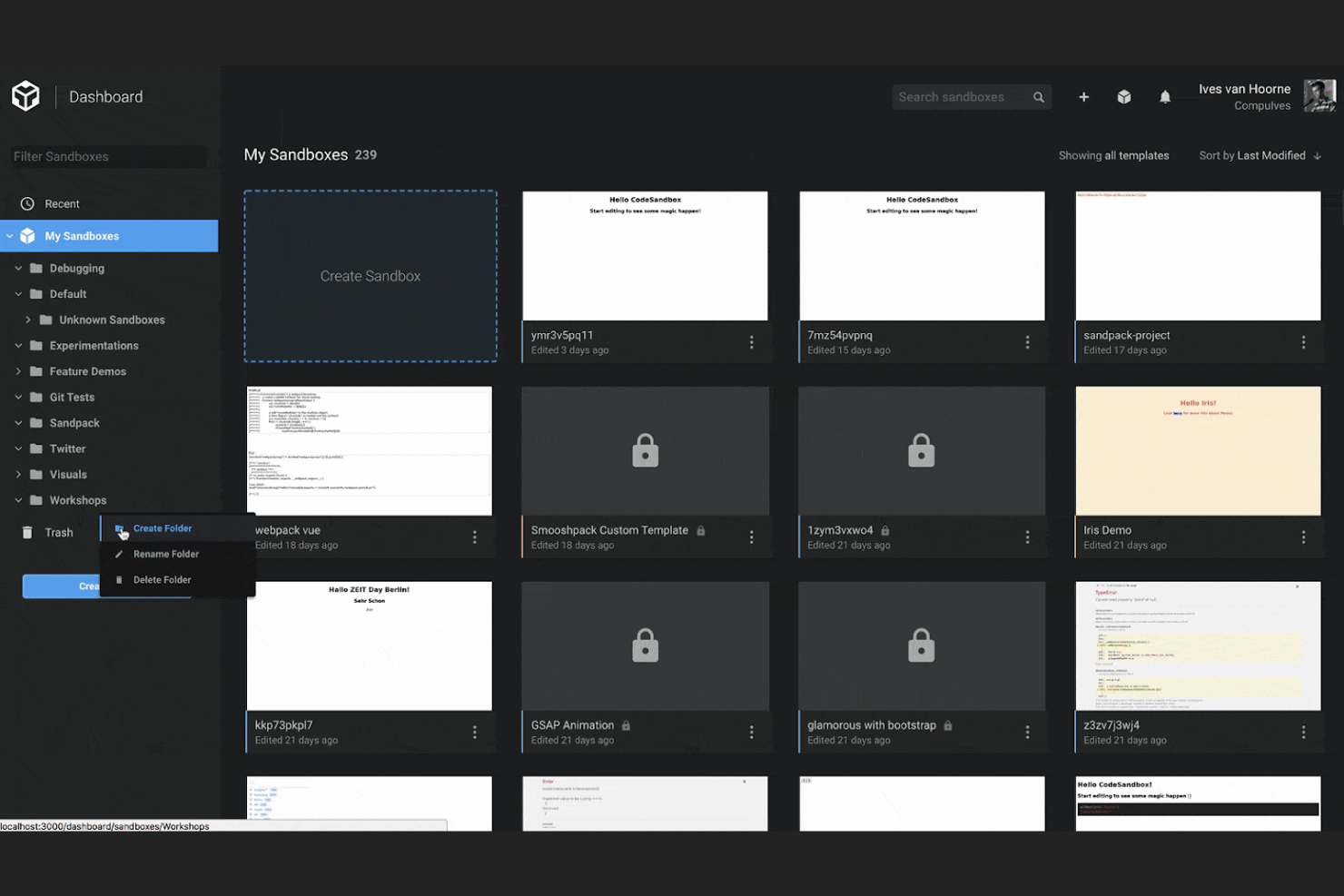
CodeSandbox destaca para los desarrolladores que quieren crear, probar y compartir proyectos web de pila completa con integración directa de paquetes npm. Es una opción ideal para equipos o personas que necesitan crear prototipos con dependencias reales o experimentar con marcos modernos en un entorno basado en el navegador. Si buscas una plataforma de programación social compatible con flujos de trabajo de npm y colaboración en tiempo real, CodeSandbox ofrece un conjunto de herramientas único en comparación con otras soluciones.
¿Para quién es más adecuado CodeSandbox?
Desarrolladores de interfaces y equipos de producto de pequeñas y medianas empresas tecnológicas de todo el mundo que trabajan con marcos modernos y paquetes npm en entornos basados en el navegador.
Por qué elegí CodeSandbox
A diferencia de muchos editores basados en el navegador, CodeSandbox permite instalar y gestionar paquetes npm directamente dentro del proyecto, lo que lo hace ideal para crear prototipos con dependencias del mundo real. Elegí CodeSandbox porque permite desarrollar aplicaciones de pila completa, de modo que puedes trabajar con código tanto de la interfaz como del servidor en un único espacio de trabajo. La vista previa en tiempo real y la resolución instantánea de dependencias de la plataforma te ayudan a probar y compartir proyectos complejos sin salir del navegador. Si necesitas un entorno de desarrollo social que reproduzca un flujo de trabajo real de npm, CodeSandbox es una alternativa sólida a CodePen.
Características principales de CodeSandbox
Otras características de CodeSandbox lo hacen especialmente útil para el desarrollo web moderno y colaborativo:
- Integración con GitHub: Conecta repositorios para importar, editar y confirmar cambios de código directamente desde el navegador.
- Colaboración en tiempo real: Invita a otras personas a editar y revisar el código en tiempo real dentro del mismo proyecto.
- Biblioteca de plantillas: Inicia rápidamente nuevos proyectos con plantillas preconfiguradas para marcos populares como React, Vue y Next.js.
- Entornos aislados basados en contenedores: Ejecuta código en contenedores aislados para admitir entornos más complejos o del lado del servidor.
Integraciones de CodeSandbox
Las integraciones incluyen GitHub, GitLab, Bitbucket, Vercel, Netlify, Firebase, AWS Amplify y Docker.
Pros and Cons
Pros:
- Instalación directa de paquetes npm en el navegador
- Admite entornos aislados de pila completa y del lado del servidor
- Plantillas prediseñadas para marcos populares
Cons:
- No incluye alojamiento integrado de recursos para imágenes
- No ofrece compatibilidad nativa con conexiones a bases de datos del servidor

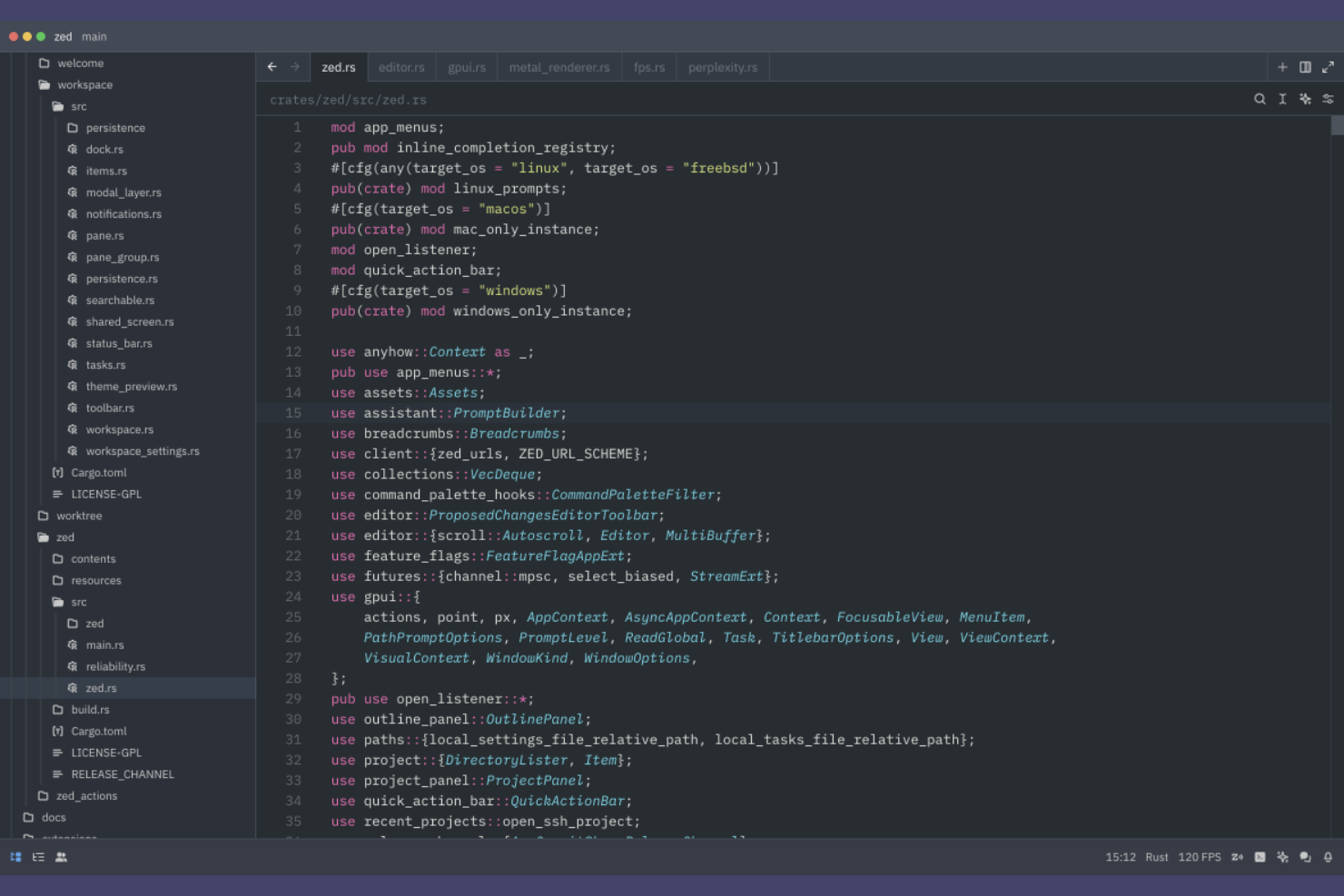
Zed está diseñado para desarrolladores que necesitan colaboración en tiempo real y de baja latencia en el código. Es especialmente útil para equipos distribuidos, programadores que trabajan en pareja y cualquiera que valore la retroalimentación instantánea mientras edita junto con otras personas. A diferencia de CodePen, Zed se centra en la edición multijugador con sincronización casi instantánea, lo que lo hace ideal para sesiones de programación colaborativa de ritmo rápido.
¿Para quién es más adecuado Zed?
Desarrolladores de software y equipos de ingeniería de organizaciones pequeñas y medianas de todo el mundo que colaboran mediante la edición de código multijugador y de baja latencia.
Por qué elegí Zed
Si buscas un entorno de desarrollo social que priorice la colaboración en tiempo real, Zed está diseñado para la edición multijugador de baja latencia. Elegí Zed porque permite que varios desarrolladores editen la misma base de código simultáneamente con prácticamente ningún retraso, lo que supone un avance con respecto a lo que ofrece CodePen. La arquitectura entre pares de Zed garantiza que los cambios aparezcan al instante para todos los participantes de la sesión. Esto lo convierte en una opción ideal para equipos que necesitan sesiones de programación rápidas e interactivas, sin las demoras habituales de otros editores colaborativos.
Características principales de Zed
Además de sus capacidades de edición multijugador, Zed ofrece varias funciones adicionales que facilitan la programación colaborativa:
- Chat de voz integrado: Comunícate con tus colaboradores directamente dentro del editor sin cambiar de herramienta.
- Espacios de trabajo basados en proyectos: Organiza los archivos y la configuración de cada proyecto en espacios de trabajo exclusivos.
- Paleta de comandos: Accede rápidamente a comandos y acciones mediante una interfaz de comandos con función de búsqueda.
- Sistema de complementos extensible: Añade nuevas funciones o personaliza tu entorno con complementos de la comunidad o personalizados.
Integraciones de Zed
Las integraciones incluyen GitHub Copilot, Anthropic (Claude), OpenAI (ChatGPT), Google Gemini y más.
Pros and Cons
Pros:
- Edición multijugador de baja latencia para una colaboración instantánea
- Chat de voz integrado para conversaciones en tiempo real
- Diseño centrado en lo local con compatibilidad para la edición sin conexión
Cons:
- Vista previa web limitada para proyectos frontend
- Se requiere una aplicación nativa, no funciona en el navegador

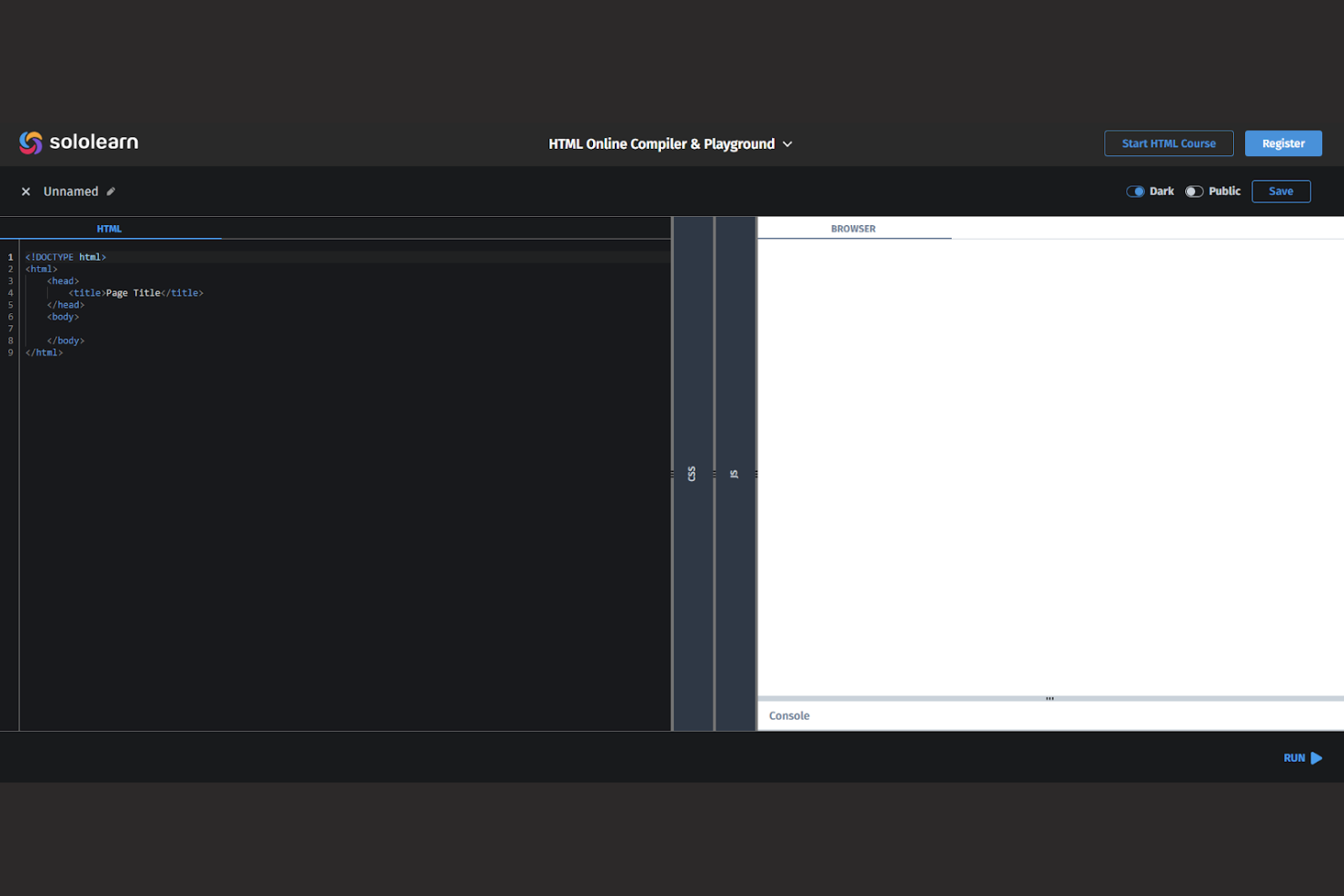
El entorno de pruebas del compilador de Sololearn está diseñado para cualquiera que quiera aprender a programar mediante la práctica directa y desafíos interactivos. Es especialmente útil para educadores, estudiantes y autodidactas que quieran experimentar con código en un entorno social basado en los comentarios. A diferencia de CodePen, Sololearn hace hincapié en rutas de aprendizaje guiadas, cuestionarios y apoyo entre pares para ayudar a los usuarios a desarrollar habilidades de programación fundamentales.
¿Para quién es más adecuado Sololearn?
Desarrolladores individuales y profesionales que están comenzando su carrera en todo el mundo y que desarrollan sus habilidades de programación mediante ejercicios y lecciones de programación interactivos.
Por qué elegí Sololearn
Para cualquiera que se concentre en aprender a programar de forma interactiva, Sololearn ofrece un enfoque único en comparación con las plataformas tradicionales para compartir código. Elegí Sololearn porque combina un editor de código en directo con lecciones, cuestionarios y desafíos de programación integrados que guían a los usuarios paso a paso. Las funciones sociales de la plataforma, como la revisión de código entre pares y los hilos de debate, ayudan a los usuarios a recibir comentarios y apoyo mientras aprenden. Si quieres un entorno de desarrollo social que haga hincapié en el desarrollo de habilidades y la práctica interactiva, Sololearn es una alternativa sólida a CodePen.
Funciones principales de Sololearn
Otras funciones de Sololearn ayudan a convertirlo en un entorno completo para aprender y compartir código:
- Compatibilidad con varios lenguajes: Ejecuta y prueba código en lenguajes como Python, JavaScript, Java, C++ y otros.
- Acceso mediante aplicaciones móviles: Escribe, ejecuta y comparte código directamente desde dispositivos iOS y Android.
- Biblioteca de código generado por usuarios: Explora e interactúa con una amplia colección de fragmentos de código y proyectos públicos.
- Insignias por logros: Obtén insignias al completar lecciones, desafíos y actividades de la comunidad.
Integraciones de Sololearn
Actualmente no se han publicado integraciones nativas.
Pros and Cons
Pros:
- Lecciones integradas para varios lenguajes de programación
- Logros gamificados y seguimiento del progreso
- Comentarios activos de otros usuarios e hilos de debate
Cons:
- No admite vistas previas en directo de HTML/CSS
- Funciones avanzadas limitadas del editor de código

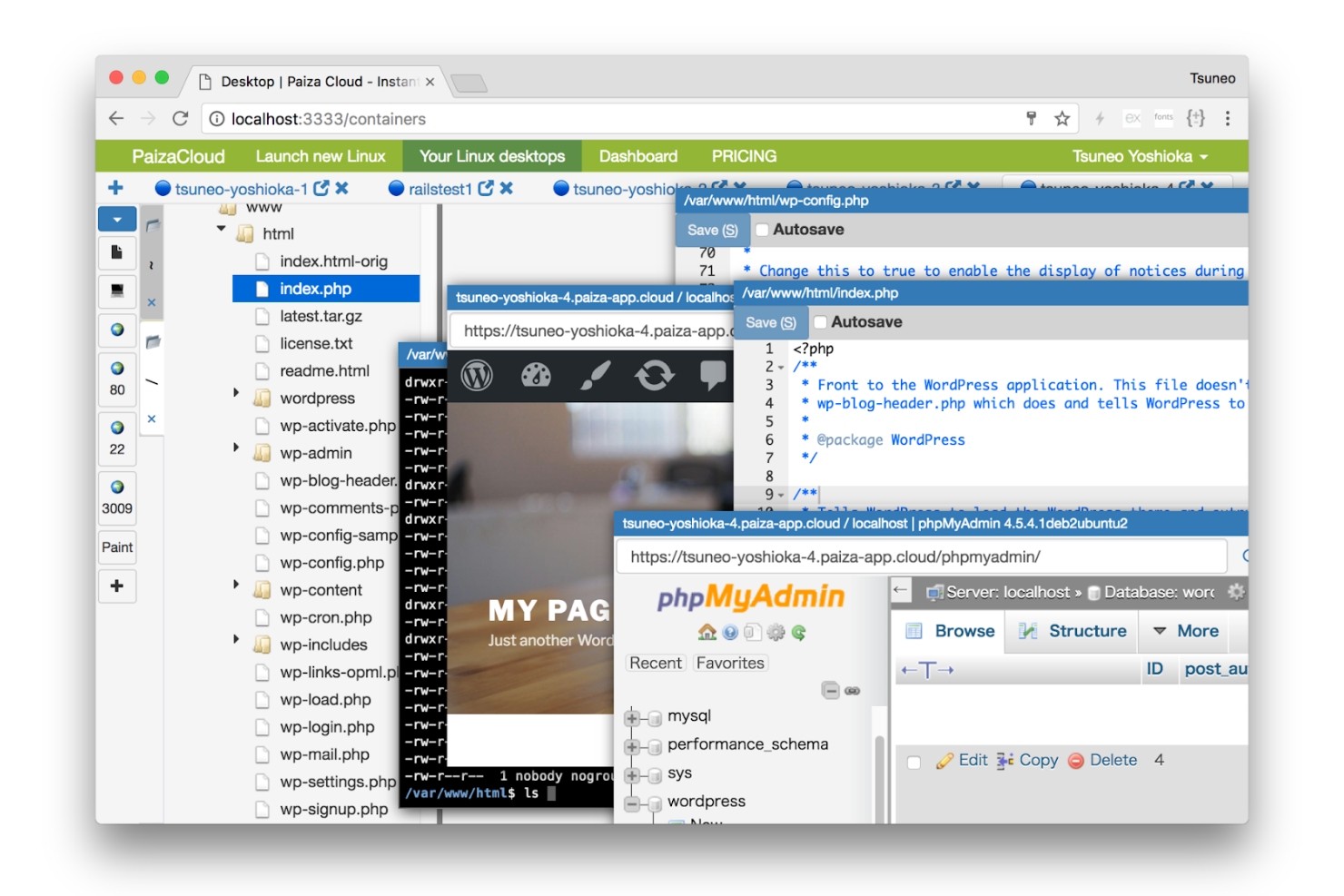
PaizaCloud te ofrece acceso instantáneo a entornos de desarrollo basados en la nube en varios lenguajes de programación. Esta plataforma es ideal para equipos, educadores y desarrolladores independientes que necesitan crear rápidamente nuevos espacios de trabajo de programación sin configuraciones locales. A diferencia de CodePen, PaizaCloud admite el desarrollo de pila completa con acceso al servidor, lo que facilita crear prototipos, probar y compartir proyectos complejos.
¿Para quién es más adecuado PaizaCloud?
Desarrolladores y educadores técnicos de organizaciones pequeñas y medianas de Norteamérica y Asia que crean entornos de desarrollo instantáneos y multilenguaje en el navegador.
Por qué elegí PaizaCloud
A diferencia de muchas herramientas de programación basadas en el navegador, PaizaCloud permite iniciar entornos de desarrollo completos para varios lenguajes en cuestión de segundos. Elegí PaizaCloud porque permite configurar al instante lenguajes como Python, Ruby, PHP, Node.js y otros, todo dentro de un espacio de trabajo en la nube. Puedes ejecutar servidores, acceder a terminales e incluso instalar paquetes adicionales, lo que resulta ideal para crear y probar proyectos más complejos o centrados en el servidor. Para quienes necesitan algo más que la creación de prototipos del frontend, PaizaCloud ofrece una alternativa flexible al entorno limitado de CodePen.
Características principales de PaizaCloud
Otras características de PaizaCloud ayudan a completar su atractivo para la programación colaborativa y el intercambio de proyectos:
- IDE basado en el navegador: Accede a un editor de código completo directamente desde tu navegador web sin necesidad de instalar nada.
- Implementación de aplicaciones con un clic: Inicia aplicaciones web y obtén una vista previa en directo con un solo clic.
- Varias pestañas de espacios de trabajo: Abre y administra varios proyectos o archivos de programación a la vez dentro del mismo entorno.
- Instantánea y restauración: Guarda el estado actual de tu espacio de trabajo y restáuralo más tarde cuando lo necesites.
Integraciones de PaizaCloud
Las integraciones incluyen GitHub, Heroku, MongoDB, Git y otras.
Pros and Cons
Pros:
- Admite el desarrollo de pila completa con acceso al servidor
- Implementación con un clic para aplicaciones web
- Varios lenguajes de programación en un solo espacio de trabajo
Cons:
- No incluye vista previa en directo integrada de HTML/CSS/JS
- No ofrece integración directa con GitHub

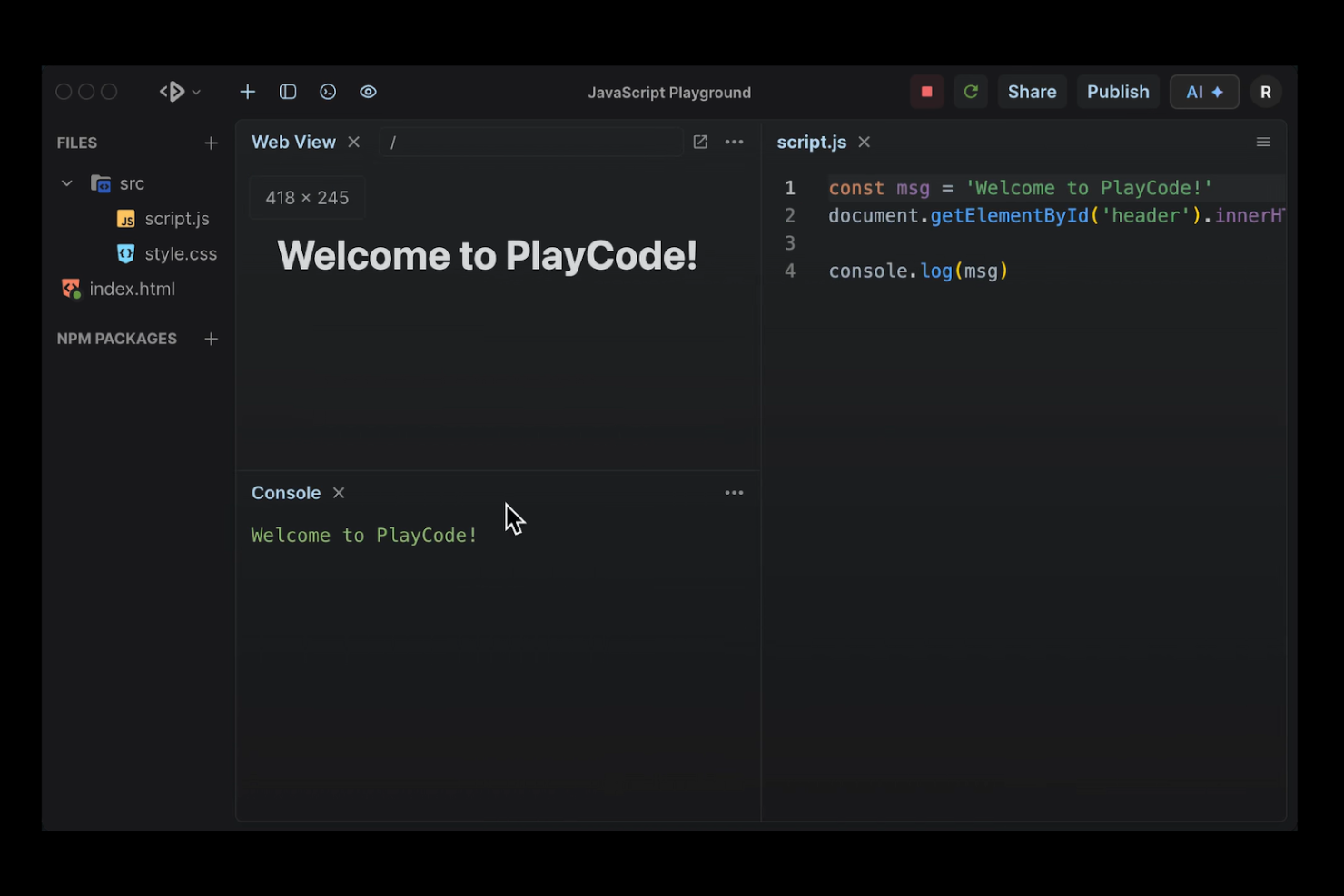
Si necesitas comentarios instantáneos mientras trabajas con JavaScript, PlayCode está hecho para ti. Esta herramienta es especialmente útil para desarrolladores frontend, educadores y estudiantes que quieren ver los resultados de JavaScript en directo mientras programan. A diferencia de CodePen, PlayCode hace hincapié en las vistas previas de JavaScript en tiempo real y la creación rápida de prototipos, lo que facilita experimentar y depurar scripts interactivos.
¿Para quién es mejor PlayCode?
Desarrolladores frontend y educadores de pequeños equipos de todo el mundo que previsualizan cambios de JavaScript en tiempo real durante el desarrollo o la enseñanza.
Por qué elegí PlayCode
Para cualquiera que quiera ver los cambios de JavaScript reflejados al instante, PlayCode ofrece una ventaja única frente a otros entornos de desarrollo social. Elegí PlayCode porque su vista previa de JavaScript en directo actualiza el resultado en tiempo real mientras escribes, lo que resulta especialmente útil para la creación rápida de prototipos y la depuración. La consola integrada y el resaltado de errores facilitan detectar problemas y experimentar con fragmentos de código sobre la marcha. Si tu objetivo principal es el desarrollo interactivo con JavaScript, PlayCode ofrece una experiencia más inmediata y receptiva que CodePen.
Funciones principales de PlayCode
Otras funciones de PlayCode ayudan a completar sus capacidades para la programación colaborativa y experimental:
- Biblioteca de plantillas: Elige entre diversas plantillas prediseñadas para iniciar nuevos proyectos rápidamente.
- Compatibilidad con paquetes NPM: Importa y utiliza paquetes NPM directamente en tus proyectos sin configuración manual.
- Estructura de proyectos con varios archivos: Organiza tu código con varios archivos y carpetas dentro de un único espacio de trabajo.
- Compartir código mediante URL: Comparte tus proyectos al instante con otras personas mediante un enlace único.
Integraciones de PlayCode
Las integraciones incluyen React, Vue, TypeScript, Tailwind CSS, Bootstrap y más.
Pros and Cons
Pros:
- El resultado de JavaScript en directo se actualiza con cada pulsación de tecla
- Administrador de paquetes NPM integrado para las dependencias
- Biblioteca de plantillas para configurar proyectos rápidamente
Cons:
- Compatibilidad limitada con lenguajes de backend
- El plan gratuito limita las opciones de privacidad de los proyectos
Otras alternativas a CodePen
Estas son algunas alternativas adicionales a CodePen que no entraron en mi lista de favoritas, pero que aun así merece la pena conocer:


Cómo evalúo las alternativas a CodePen
Busco dos cosas: los elementos imprescindibles —vista previa en vivo, edición en varios lenguajes y enlaces compartibles— y, después, los factores diferenciadores, como la compatibilidad con npm y los controles de privacidad, que determinan cuál es la opción más adecuada.
Funcionalidad principal (requisitos básicos de esta lista)
Cuando selecciono herramientas para mi lista, califico cada una en una escala de 0 (no ofrece la funcionalidad) a 5 (sobresale en esta área) para cada una de las funcionalidades principales que se indican a continuación. Después, convierto la puntuación total de la herramienta en un porcentaje. Cada herramienta debe alcanzar una puntuación total mínima del 65% para ser considerada para su inclusión.
- Vista previa del código en vivo: Compruebo si la vista previa se actualiza al instante mientras escribes o si requiere una actualización manual.
- Compatibilidad del editor con varios lenguajes: Además de HTML, CSS y JavaScript básicos, busco compatibilidad con preprocesadores como Sass, TypeScript o JSX.
- Inserciones y enlaces compartibles: Compartir una demostración en vivo debería ser tan sencillo como copiar una URL. Evalúo si cada herramienta ofrece fragmentos insertables para páginas de documentación, publicaciones de blog y archivos README.
- Guardado de proyectos en la nube: Tu trabajo debería conservarse entre sesiones y dispositivos sin necesidad de exportaciones manuales.
- Comunidad y canal de descubrimiento: Un canal navegable de proyectos públicos ayuda a los desarrolladores a aprender patrones, bifurcar ejemplos y encontrar inspiración.
- Colaboración en tiempo real: La programación en pareja y las revisiones de código avanzan más rápido cuando dos personas pueden editar el mismo proyecto simultáneamente.
Una vez que tengo una lista de herramientas que cumplen estos criterios, considero qué distingue a cada plataforma.
Factores diferenciadores (qué distingue a los proveedores)
Así es como comparo y contrasto los distintos proveedores:
Funciones destacadas
La compatibilidad con paquetes de NPM es importante cuando creas prototipos que van más allá de JavaScript sin bibliotecas. Compruebo si una herramienta permite importar bibliotecas como Three.js o D3 directamente. Las capacidades de pila completa son otro factor diferenciador. Herramientas como StackBlitz y Replit ejecutan Node.js en el navegador, lo que permite crear prototipos de API y realizar pruebas del lado del servidor. Las plantillas iniciales para marcos de trabajo también ahorran mucho tiempo.
Más allá de las funciones
Los controles de privacidad y visibilidad de los proyectos son muy importantes cuando creas demostraciones para trabajos con clientes. Compruebo si una herramienta ofrece proyectos privados y permisos detallados sin obligarte a contratar planes prémium. Las integraciones también influyen en la decisión: la sincronización con GitHub mantiene tus experimentos conectados con tus repositorios reales, y la compatibilidad con inserciones en CMS es importante si tu equipo publica contenido técnico en blogs. También evalúo la generosidad del nivel gratuito.
¿Por qué buscar una alternativa a CodePen?
Aunque CodePen es una buena opción como entorno de desarrollo social, hay varios motivos por los que algunos usuarios buscan soluciones alternativas. Es posible que busques una alternativa a CodePen porque…
- Necesitas alojar proyectos privados o de nivel empresarial
- Quieres funciones avanzadas de colaboración en tiempo real
- Necesitas compatibilidad con lenguajes de backend o del lado del servidor
- Necesitas editar sin conexión o utilizar una aplicación de escritorio
- Quieres tener más control sobre tu entorno de desarrollo
- Trabajas con bases de código grandes o proyectos complejos
Si alguna de estas situaciones te resulta familiar, has llegado al lugar adecuado. Mi lista incluye varias opciones de entornos de desarrollo social más adecuadas para los equipos que se enfrentan a estos desafíos con CodePen y buscan soluciones alternativas.
Funciones principales de CodePen
Estas son algunas de las características principales de CodePen, para ayudarte a contrastar y comparar lo que ofrecen las soluciones alternativas:
- Editor de código en el navegador para HTML, CSS y JavaScript
- Vista previa instantánea y en directo de los cambios en el código
- Pens públicos y privados para compartir proyectos
- Fuente de la comunidad para descubrir y seguir a otros creadores
- Alojamiento de recursos para imágenes y archivos
- Pens incrustables en sitios web o blogs externos
- Modo de colaboración para editar en tiempo real con otras personas
- Plantillas de proyectos para configurar proyectos rápidamente
- Compatibilidad integrada con preprocesadores como Sass y Babel
- Notificaciones de actividad y comentarios en los Pens