

El futuro de las colas: los 10 mejores sistemas de gestión de colas de 2027

10 Lista de los mejores sistemas de gestión de colas


Navegar por el mundo de los sistemas de gestión de colas puede resultar abrumador, pero he estado en tu situación, buscando la mejor herramienta para optimizar las colas y mejorar la experiencia del cliente. Un sistema de gestión de colas organiza eficazmente el orden y la eficiencia del flujo de clientes.
Con un sistema de este tipo, las empresas pueden reducir drásticamente los tiempos de espera y crear un entorno más satisfactorio para los clientes. He visto la tensión que generan las largas colas y los clientes descontentos; estas herramientas están diseñadas para aliviar exactamente esos problemas. Explora las opciones y creo que encontrarás la solución perfecta para tus necesidades.
¿Qué es un sistema de gestión de colas?
Un sistema de gestión de colas es un conjunto de herramientas y procesos diseñados para controlar y organizar el flujo de clientes o usuarios que esperan en una cola, ya sea física o virtualmente. Diversos sectores, como el comercio minorista, la atención sanitaria, los bancos y las oficinas gubernamentales, utilizan estos sistemas para optimizar las operaciones, reducir los tiempos de espera y mejorar la experiencia del cliente.
Al emplear estos sistemas, las organizaciones buscan que el proceso de espera sea más eficiente, transparente y cómodo tanto para los proveedores de servicios como para las personas que están en la cola.
Por qué confiar en nuestras recomendaciones de software
Nuestro equipo lleva probando y evaluando software desde 2012. Como líderes tecnológicos, sabemos lo difícil —y lo importante— que es elegir el software adecuado.
Para esta guía, evaluamos las herramientas mediante pruebas prácticas e investigación independiente, puntuando las herramientas según nuestros criterios de selección.
Nuestras reseñas reflejan nuestro criterio editorial humano, no un discurso de ventas.
Revisores expertos:
Resumen de los mejores sistemas de gestión de colas
| Tool | Best For | Trial Info | Price | ||
|---|---|---|---|---|---|
| 1 | Ideal para funciones de buzón compartido | Prueba gratuita disponible | Desde $25/usuario/mes (facturado anualmente) | Website | |
| 2 | La mejor opción para necesidades de programación de citas | Plan gratuito limitado disponible | Desde $25/usuario/mes (facturación anual) | Website | |
| 3 | Ideal para obtener información sobre el servicio al cliente | Prueba gratuita de 14 días | Desde $30/usuario/mes (facturado anualmente) | Website | |
| 4 | Ideal para el control del tráfico en línea | Not available | Desde $25/usuario/mes (facturación anual) | Website | |
| 5 | Ideal para el enrutamiento de tickets impulsado por IA | Prueba gratuita de 14 días | Desde $9/usuario/mes (facturado anualmente) | Website | |
| 6 | Mejor para la flexibilidad de integración | Not available | Desde $15/usuario/mes (facturado anualmente) | Website | |
| 7 | La mejor opción para reducir riesgos de sobrecarga del sitio web | Not available | Desde $20/usuario/mes (facturado anualmente) | Website | |
| 8 | La mejor para análisis exhaustivos de filas | Demostración gratuita disponible | Precios bajo solicitud | Website | |
| 9 | Ideal para filas digitales y presenciales | Not available | Desde $15/usuario/mes (facturado anualmente) | Website | |
| 10 | Ideal para la gestión virtual de filas | Demostración gratuita disponible | Precios bajo solicitud | Website |
Reseñas de los mejores sistemas de gestión de colas

Ideal para funciones de buzón compartido

Para las empresas que buscan un sistema de gestión de colas, Help Scout ofrece una plataforma sofisticada diseñada para mejorar las interacciones con los clientes y la colaboración del equipo. Su combinación única de buzón compartido, chat en vivo y centro de ayuda está orientada a compañías que desean potenciar la eficiencia del soporte al cliente. Al automatizar tareas rutinarias con herramientas de IA, Help Scout permite que tu equipo se concentre en consultas de clientes más complejas, resolviendo así el desafío de gestionar grandes volúmenes de interacciones de manera eficaz.
Por qué elegí Help Scout
Elegí Help Scout por su capacidad para centralizar las conversaciones con los clientes a través de su función de buzón compartido, lo cual es crucial para una gestión efectiva de colas. Esta función garantiza que todos los miembros del equipo tengan visibilidad sobre las interacciones con los clientes, reduciendo el riesgo de respuestas duplicadas y mejorando la colaboración. Además, las herramientas de automatización impulsadas por IA de Help Scout se encargan de las consultas rutinarias, liberando a tu equipo para que se ocupe de los problemas más urgentes de los clientes. Estas funcionalidades son especialmente beneficiosas para empresas que desean gestionar las interacciones con los clientes de manera más efectiva y reducir los tiempos de respuesta.
Funciones clave de Help Scout
Además del buzón compartido y la automatización con IA, también encontré valiosas estas funciones para la gestión de colas:
- Mensajería proactiva: Permite a tu equipo contactar a los clientes de forma proactiva, asegurando una comunicación oportuna y relevante.
- Informes y analíticas: Ofrece informes detallados sobre el volumen de soporte y los tiempos de respuesta, ayudando a tu equipo a tomar decisiones basadas en datos.
- Flujos de trabajo automatizados: Optimiza los procesos de tu equipo automatizando tareas repetitivas y asegurando que las consultas sean dirigidas al departamento correcto.
- Capacidad de integración: Soporta más de 100 integraciones, permitiendo una conectividad fluida con otras herramientas que usa tu empresa.
Integraciones de Help Scout
Las integraciones incluyen Slack, HubSpot, Salesforce, Shopify, Mailchimp, Google Workspace, Jira, WooCommerce, Stripe y Trello.
Pros and Cons
Pros:
- Las Respuestas de IA resuelven tickets comunes sin la intervención de un agente
- El traspaso fluido conserva el contexto de la conversación para los agentes
- La base de conocimientos incorporada habilita respuestas automáticas precisas
Cons:
- No es un chatbot independiente fuera del ecosistema Help Scout
- La efectividad de la IA depende en gran medida de la calidad de la base de conocimientos
New Product Updates from Help Scout

Help Scout Adds Automatic Conversation Reassignment
Help Scout can now automatically unassign conversations when the assigned teammate has been away long enough, keeping replies moving so others can pick them up. For more information, visit Help Scout's official site.
 .
.
La mejor opción para necesidades de programación de citas

Waitwhile es un sistema de gestión de colas intuitivo diseñado para agilizar el proceso de programación de citas. Su plataforma ayuda a las empresas a gestionar eficientemente sus citas y mejorar la experiencia del usuario.
Por qué elegí Waitwhile: Al seleccionar una herramienta confiable para gestionar citas, Waitwhile siempre destacaba. Tras evaluar y comparar sus funcionalidades con otras herramientas, quedó claro que la combinación única de funciones de Waitwhile ofrecía algo distintivo. Determiné que es la más adecuada para necesidades de programación de citas debido a su enfoque en la simplicidad y en garantizar una experiencia de reserva sin complicaciones para los clientes.
Funciones destacadas e integraciones:
Waitwhile ofrece funciones sólidas como información en tiempo real sobre la cola, notificaciones por SMS para las citas y una interfaz fácil de usar que no intimida a los nuevos usuarios. En cuanto a integraciones, Waitwhile colabora de manera eficiente con herramientas como Slack, Google Calendar y Zapier, facilitando la sincronización de datos y la comunicación.
Pros and Cons
Pros:
- Interfaz fácil de usar que simplifica el proceso de citas
- Integraciones completas con las plataformas más populares
- Información en tiempo real para una mejor gestión de colas
Cons:
- La facturación anual puede no ajustarse a todos los negocios
- Puede ser demasiado completo para operaciones muy pequeñas
- No hay opción de precios mensuales transparente

Qminder
Ideal para obtener información sobre el servicio al cliente

Qminder es un sólido sistema de gestión de filas que pone un gran énfasis en obtener información sobre las experiencias del servicio al cliente. Está diseñado específicamente para ayudar a las empresas a comprender mejor a sus clientes y mejorar la calidad general del servicio basado en comentarios impulsados por datos.
Por qué elegí Qminder: Al analizar varias herramientas, seleccioné Qminder principalmente por su profundo enfoque en obtener conocimientos sobre el servicio al cliente. Su interfaz intuitiva y potentes capacidades analíticas lo hacen destacar frente a otros sistemas de gestión de filas. Las empresas que priorizan comprender las necesidades de los clientes y desean datos prácticos para mejorar sus servicios encontrarán Qminder invaluable.
Características destacadas e integraciones:
Qminder sobresale con funciones como análisis en tiempo real, métricas detalladas de servicio y seguimiento de visitantes. Su capacidad para proporcionar resúmenes perspicaces de comentarios de los clientes puede marcar la diferencia para las empresas interesadas en elevar sus niveles de servicio. En cuanto a integraciones, Qminder se conecta fácilmente con varios sistemas CRM y herramientas de retroalimentación de clientes, garantizando que todos los datos se recopilen de forma cohesionada.
Pros and Cons
Pros:
- Analítica integral sobre las experiencias de servicio al cliente
- Fácil integración con varios CRM y herramientas de comentarios
- Interfaz fácil de usar, accesible incluso para personas sin conocimientos tecnológicos
Cons:
- Puede considerarse caro para pequeñas empresas o startups
- Requiere capacitación para aprovechar todas sus funciones
- Puede ser excesivo para empresas con necesidades de interacción con clientes limitadas

Queue-it
Ideal para el control del tráfico en línea

Queue-it es una herramienta robusta diseñada para gestionar el tráfico en línea, asegurando un rendimiento óptimo del sitio web durante los picos de tráfico. Su enfoque en el control del tráfico en línea aborda los desafíos que enfrentan las empresas al enfrentar aumentos repentinos de visitantes.
Por qué elegí Queue-it: Al evaluar numerosas herramientas, elegí Queue-it por su enfoque distintivo para gestionar el tráfico en línea. La experiencia de Queue-it en mitigar el exceso de tráfico durante períodos de alta demanda destacó sobre otras soluciones. Según mi criterio, es indudablemente la mejor herramienta para empresas que necesitan un control eficaz del tráfico en línea.
Características destacadas e integraciones:
Queue-it cuenta con un sistema dinámico de gestión de colas que dirige inteligentemente el tráfico, evitando caídas del sitio web y asegurando una fila constante de clientes. El sistema brinda a los usuarios información en tiempo real sobre el flujo de tráfico, permitiendo hacer ajustes según sea necesario. En cuanto a las integraciones, Queue-it puede vincularse con varias plataformas web y herramientas de analítica para proporcionar una visión holística del desempeño del sitio.
Pros and Cons
Pros:
- Gestión eficiente del tráfico en línea durante los picos de demanda
- Información en tiempo real sobre el flujo de tráfico
- Compatible con diversas plataformas web y herramientas de analítica
Cons:
- Puede ser complejo para usuarios sin experiencia en herramientas de gestión de tráfico
- Algunas funciones pueden ser excesivas para sitios web pequeños
- Requiere integración con otras plataformas para capacidades completas
Ideal para el enrutamiento de tickets impulsado por IA

monday service es una plataforma dinámica de gestión de colas diseñada para optimizar la manera en que los equipos gestionan solicitudes, tickets y operaciones de servicio. Ayuda a los equipos de TI, RRHH y atención al cliente a organizar tareas, priorizar incidencias y ofrecer servicios de manera más eficiente en empresas de todos los tamaños.
Por qué elegí monday service: Al comparar sistemas de gestión de colas, monday service destacó por su categorización de tickets impulsada por IA y sus análisis de colas en tiempo real. Su capacidad para clasificar, priorizar y canalizar automáticamente los tickets garantiza tiempos de respuesta más rápidos y un flujo de trabajo de servicio más organizado. La personalización sin código de la plataforma también facilita que los equipos adapten procesos sin barreras técnicas, lo que mejora la agilidad operativa.
Funciones destacadas e integraciones:
Las funciones de monday service incluyen enrutamiento inteligente para asignar tickets al miembro de equipo adecuado, un portal para clientes que simplifica la presentación de solicitudes, información predictiva para identificar y prevenir cuellos de botella en el servicio, y flujos de trabajo personalizables para adaptar la gestión de colas. Las integraciones incluyen Slack, Google Drive, DocuSign, Gmail, Google Calendar, Jira, GitHub, Trello, Dropbox, Typeform y miles de aplicaciones adicionales a través de Zapier.
Pros and Cons
Pros:
- Los tableros visuales ayudan a los usuarios a seguir fácilmente el progreso de los proyectos
- Integración con varias aplicaciones de terceros
- Capacidad para personalizar flujos de trabajo y tableros
Cons:
- Carece de algunas funciones avanzadas de informes
- El costo puede ser mayor que el de otras herramientas

Mejor para la flexibilidad de integración
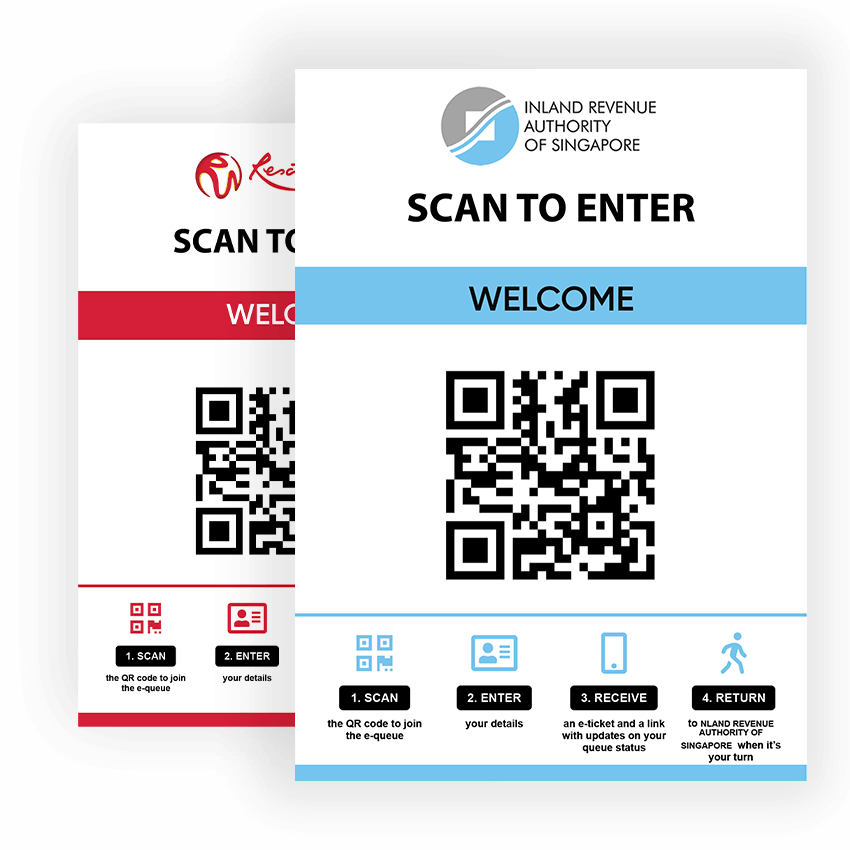
El Sistema de Gestión de Filas de Awebstar ofrece un enfoque integral para la gestión de filas, centrándose en mejorar el flujo de clientes y la experiencia de espera. Lo que realmente lo distingue es su profunda capacidad de integración, lo que lo convierte en una opción ideal para las empresas que priorizan la sincronización de sistemas.
Por qué elegí el Sistema de Gestión de Filas de Awebstar: Elegí Awebstar como mi sistema de gestión de filas por sus excepcionales capacidades de integración. Su versatilidad y adaptabilidad le permiten integrarse perfectamente en diversos entornos empresariales, haciéndolo destacar frente a otras herramientas que solo sobresalen en áreas específicas. La flexibilidad de integración de Awebstar es especialmente beneficiosa para compañías que dependen de múltiples sistemas funcionando en armonía.
Características destacadas e integraciones:
Awebstar destaca por sus capacidades de filas virtuales y operaciones basadas en la nube, diseñadas para mejorar los tiempos de espera y la experiencia general del cliente. También cuenta con una potente función de auto registro y un enfoque basado en quioscos para automatizar el proceso de registro. En cuanto a integraciones, Awebstar se conecta con herramientas reconocidas de inteligencia empresarial, sistemas CRM, y ofrece actualizaciones en tiempo real mediante notificaciones SMS y WhatsApp, asegurando que las empresas se mantengan ágiles y receptivas.
Pros and Cons
Pros:
- Sistema basado en la nube que ofrece fácil accesibilidad
- Robustas funciones de filas virtuales
- Amplias posibilidades de integración
Cons:
- Puede ser abrumador para negocios pequeños
- Requiere ciertos conocimientos técnicos para utilizar todas las funciones
- El precio podría no ser ideal para startups o pequeñas empresas

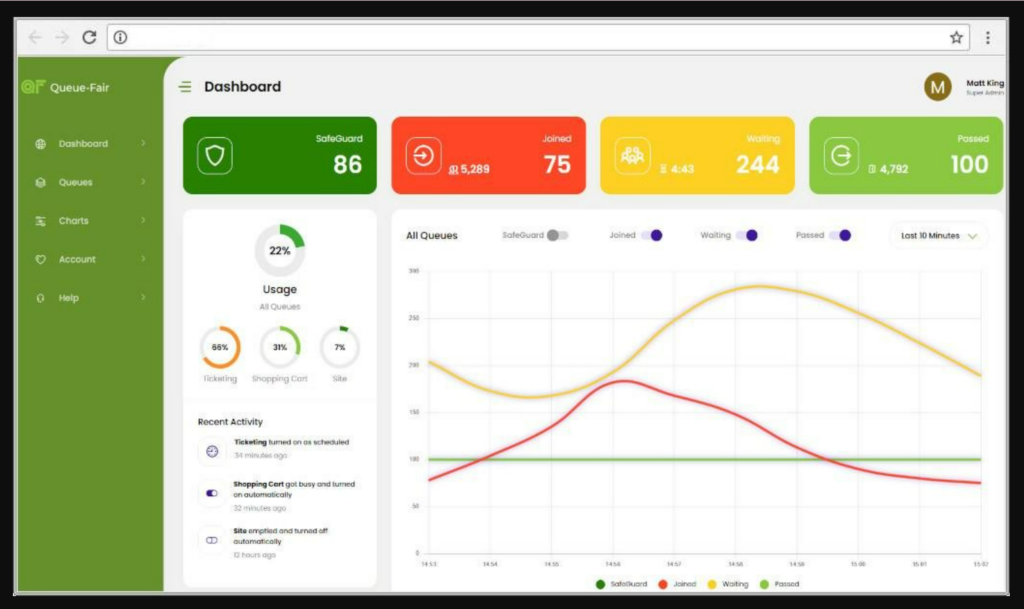
Queue-Fair es un sistema dedicado de gestión de colas que prioriza la reducción de los riesgos de sobrecarga del sitio web durante los períodos de mayor tráfico. Su función principal es distribuir eficazmente las colas de clientes, asegurando que el tráfico del sitio web sea manejado adecuadamente.
Por qué elegí Queue-Fair: Entre las diversas herramientas que analicé, seleccioné Queue-Fair debido a su singular enfoque en la mitigación de riesgos de sobrecarga en sitios web. Al compararlo con otras plataformas, el enfoque de Queue-Fair hacia la gestión de colas me resultó particularmente relevante. Determiné que Queue-Fair es ideal para empresas que buscan una solución que reduzca en gran medida la probabilidad de caídas del sitio web durante períodos de alta demanda.
Características destacadas e integraciones:
Queue-Fair proporciona un sistema sofisticado que ofrece información sobre el flujo de tráfico en tiempo real, lo que ayuda a tomar medidas preventivas antes de posibles sobrecargas. También incorpora algoritmos adaptables para ajustarse a patrones de tráfico variables. En cuanto a integraciones, Queue-Fair puede vincularse de manera efectiva con las principales plataformas web y herramientas de análisis, proporcionando una visión integral del desempeño online.
Pros and Cons
Pros:
- Especialización en la mitigación de riesgos de sobrecarga de sitios web
- Algoritmos adaptables para patrones de tráfico variables
- Capacidades integrales de integración con plataformas populares
Cons:
- Podría tener una curva de aprendizaje más pronunciada para principiantes
- El precio puede ser alto para pequeñas empresas
- Las características pueden ser excesivas para sitios web con tráfico moderado

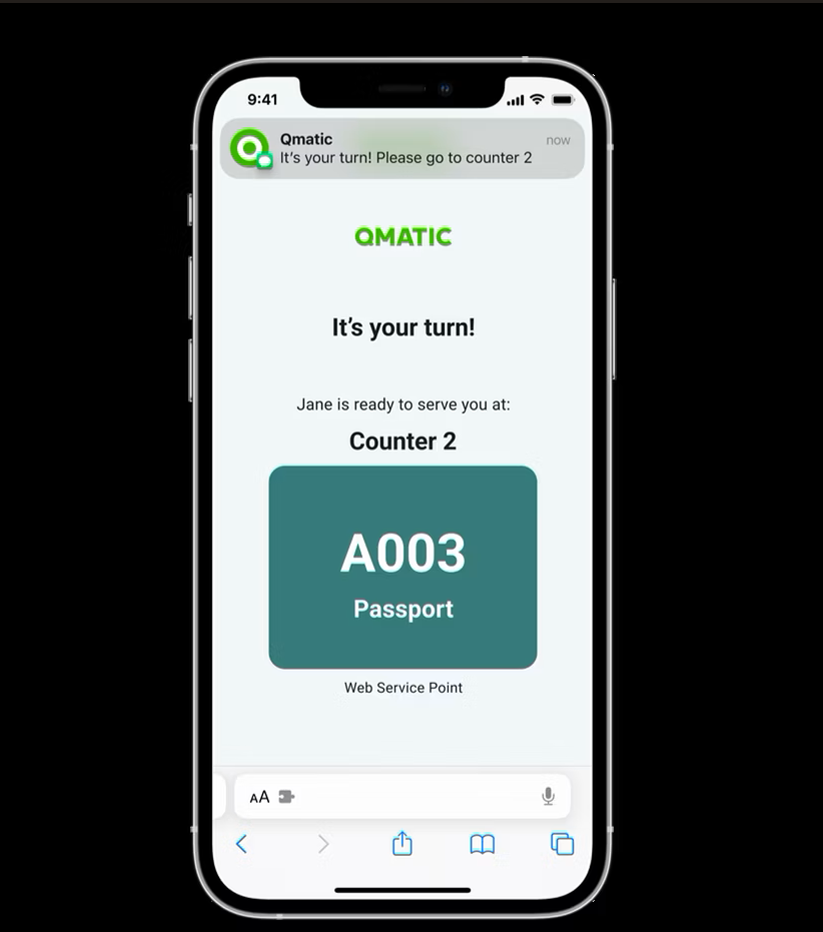
Qmatic es un sistema de gestión de filas de primer nivel, perfeccionado para ofrecer análisis detallados sobre el comportamiento y las tendencias en la espera. Las instituciones que requieren información profunda acerca de sus filas encuentran esta plataforma excepcionalmente beneficiosa.
Por qué elegí Qmatic: Al seleccionar una herramienta con destacadas capacidades analíticas, Qmatic captó frecuentemente mi atención. Al comparar sus ofertas, la profundidad y claridad de sus herramientas analíticas dejaron una impresión notable. Determiné que, para quienes dan prioridad a los análisis exhaustivos de filas, Qmatic es sin duda una de las mejores opciones.
Características y integraciones destacadas:
Las características clave de Qmatic incluyen análisis de datos en tiempo real, cálculo predictivo de los tiempos de espera y amplias capacidades de informes, brindando a las empresas una visión clara de la dinámica de sus filas. En cuanto a integraciones, Qmatic colabora eficazmente con sistemas CRM, herramientas para la recopilación de comentarios y plataformas de programación de citas, garantizando un enfoque integral en la gestión de filas.
Pros and Cons
Pros:
- Funcionalidades avanzadas de análisis e informes
- Se integra con una variedad de otras plataformas empresariales
- Las estimaciones predictivas del tiempo de espera mejoran la experiencia del usuario
Cons:
- Los precios no se muestran de forma transparente en línea
- Podría ser complejo para pequeñas empresas con necesidades básicas
- La configuración inicial puede requerir formación especializada

Skiplino
Ideal para filas digitales y presenciales
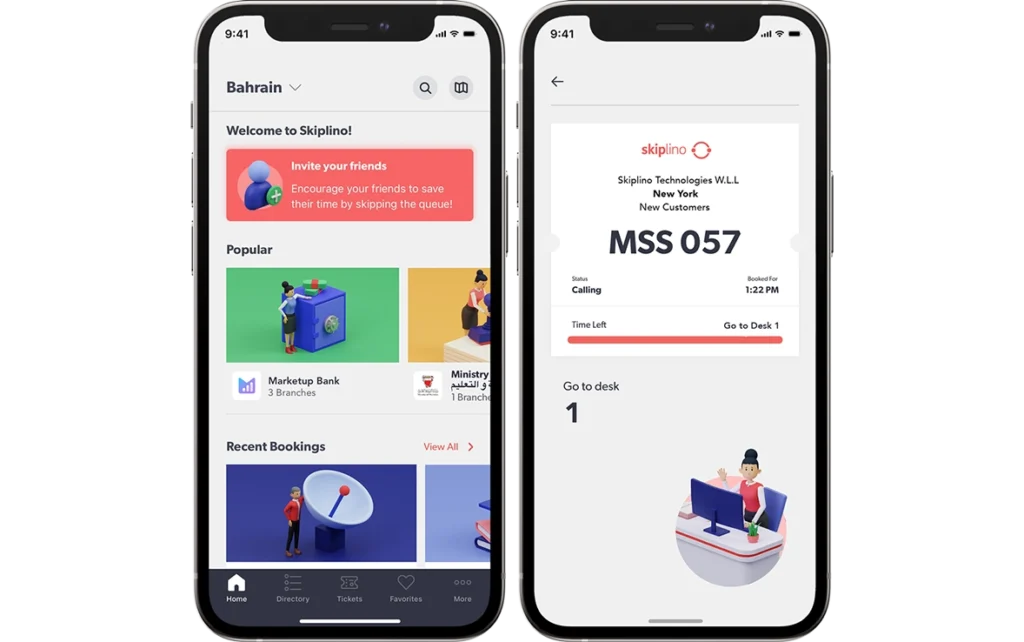
Skiplino combina eficientemente los ámbitos de las filas digitales y físicas, ofreciendo a las empresas un sistema integral de gestión de filas. Cumple un doble propósito: atender las necesidades de salas de espera presenciales y listas de espera digitales.
Por qué elegí Skiplino: Durante mi búsqueda, Skiplino surgió como un competidor único en el mar de herramientas de gestión de filas. Elegí Skiplino porque puede cerrar la brecha entre las listas de espera digitales y las necesidades de filas presenciales, lo que lo diferencia de otras plataformas. Determiné que es la solución óptima para organizaciones que buscan gestionar filas digitales y áreas físicas de espera.
Características destacadas e integraciones:
Skiplino ofrece funciones intuitivas de reserva de citas, asegurando que las empresas se adapten a los horarios preferidos de los clientes. Su aplicación móvil proporciona actualizaciones en tiempo real sobre los tiempos de espera promedio, mejorando la interacción con el cliente. En cuanto a integraciones, Skiplino se sincroniza con varias herramientas para comprender mejor las necesidades del cliente y minimizar los tiempos de espera prolongados.
Pros and Cons
Pros:
- Gestión integral de filas digitales y físicas
- Actualizaciones en tiempo real de los tiempos de espera mediante la app móvil
- Capacidades eficientes para reserva de citas
Cons:
- Puede haber una curva de aprendizaje para algunos usuarios
- La configuración inicial puede llevar tiempo
- Algunas funciones pueden ser excesivas para pequeñas empresas

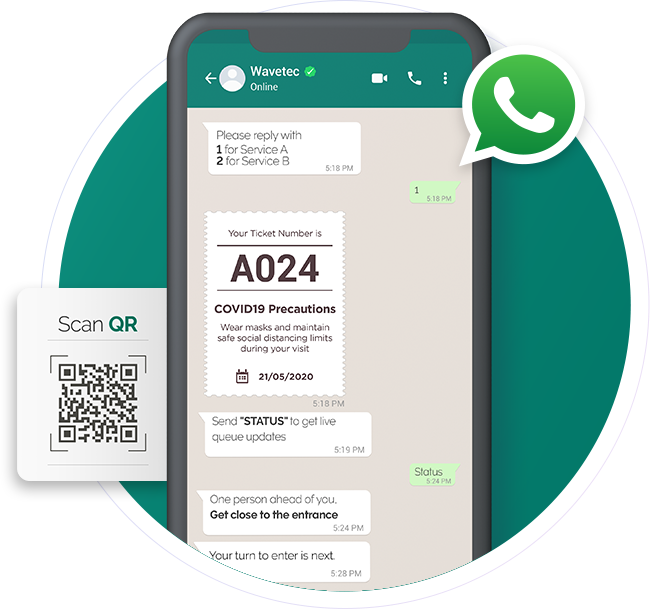
Wavetec es un sistema líder de gestión de filas que ofrece soluciones de filas virtuales. Con un enfoque en minimizar las colas físicas, Wavetec promueve una gestión eficiente de multitudes y experiencias superiores para los clientes.
Por qué elegí Wavetec: Al seleccionar una herramienta de primer nivel para las filas virtuales, Wavetec se convirtió en una elección obvia. Tras evaluar y comparar varias plataformas, el compromiso de Wavetec de digitalizar el proceso de espera realmente lo distingue. Determiné que es la mejor opción para la gestión de filas virtuales debido a su enfoque innovador para reducir los tiempos de espera físicos y mejorar la prestación general del servicio.
Características destacadas e integraciones:
Algunas de las características distintivas de Wavetec incluyen su emisión de turnos a través del móvil, analítica en tiempo real de las filas y la posibilidad de unirse remotamente a la cola. Estas funciones garantizan en conjunto que los usuarios puedan gestionar eficazmente su tiempo de espera sin estar presentes físicamente. Además, Wavetec se integra con varios sistemas CRM y ERP, lo que permite a las empresas combinar datos de clientes con información sobre las filas.
Pros and Cons
Pros:
- Capacidades completas de filas virtuales
- Integración con las principales plataformas CRM y ERP
- Analítica en tiempo real para una mejor toma de decisiones
Cons:
- Falta de detalles transparentes sobre precios
- Curva de aprendizaje potencial para usuarios primerizos
- Las filas virtuales pueden no ser adecuadas para todo tipo de negocios
Otros sistemas de gestión de colas destacados
A continuación se muestra una lista de sistemas de gestión de colas adicionales que seleccioné, pero que no llegaron a estar entre los 12 primeros. Sin duda, merece la pena echarles un vistazo.


Criterios de selección para elegir sistemas de gestión de colas
Durante mi búsqueda de los mejores sistemas de gestión de colas, he probado e investigado más de una docena de herramientas. Cada una tiene sus propias fortalezas y debilidades, pero centré mi evaluación en varios criterios clave que considero más importantes para las organizaciones. Estos criterios abarcan la funcionalidad principal, las características esenciales y los factores de usabilidad específicos de una gestión eficaz de colas.
Funcionalidad principal
- Colas virtuales: La herramienta debe ofrecer un sistema para gestionar colas sin requerir la presencia física, lo que resulta beneficioso en los sectores de la atención sanitaria, el comercio minorista y los servicios.
- Análisis en tiempo real: Acceso inmediato a datos como los tiempos de espera, los tiempos de atención y los comentarios de los clientes, lo que permite realizar ajustes sobre la marcha.
- Programación de citas: El sistema debe ofrecer opciones sólidas de programación para las empresas que trabajan con un sistema de citas.
Características principales
- Notificaciones multicanal: Esto significa que la herramienta puede avisar a los clientes sobre el estado de su cola mediante SMS, correo electrónico o una aplicación móvil.
- Personalización: La posibilidad de adaptar las secuencias de las colas, los temas visuales o incluso los mensajes específicos que se envían a los clientes.
- Escalabilidad: A medida que crece tu empresa, la herramienta debe poder atender a más clientes, usuarios o sucursales sin que disminuya el rendimiento.
- Exportación de datos: Debe ofrecer opciones para exportar los datos analíticos en varios formatos, como CSV, PDF, etc., para facilitar la integración con otras herramientas empresariales.
Usabilidad
- Panel intuitivo: Para este tipo de software, un panel que represente visualmente las situaciones de las colas en tiempo real es más eficaz que unas simples tablas de datos. Debe ofrecer una visión general, de un vistazo, de lo que ocurre en sus colas.
- Facilidad de incorporación: Una buena herramienta debe contar con guías bien documentadas, una biblioteca de aprendizaje o un programa de formación para incorporar rápidamente a los usuarios. Esto es crucial para las grandes empresas, donde varios miembros del equipo pueden interactuar con el sistema.
- Acceso basado en roles: Especialmente en las organizaciones más grandes, no todos deben tener el mismo nivel de control o acceso a los datos. El sistema debe permitir configurar fácilmente quién puede ver qué dentro del software.
- Atención al cliente eficaz: Una atención al cliente rápida y útil es crucial, especialmente durante la configuración inicial o al resolver problemas que podrían afectar directamente a la experiencia del cliente.
Al considerar detenidamente estos criterios, podrá comparar y elegir de forma más eficaz un sistema de gestión de colas que satisfaga mejor sus necesidades específicas.
Preguntas más frecuentes sobre los sistemas de gestión de colas (preguntas frecuentes)
¿Cuáles son las ventajas de utilizar los mejores sistemas de gestión de colas?
El uso de los principales sistemas de gestión de colas ofrece varias ventajas, entre ellas:
\u003cul\u003e
\u003cli\u003e\u003cstrong\u003eEficiencia operativa:\u003c/strong\u003e Agiliza el proceso de gestión de colas, reduciendo los cuellos de botella y los tiempos de espera.\u003c/li\u003e
\u003cli\u003e\u003cstrong\u003eMejora de la experiencia del cliente:\u003c/strong\u003e Los clientes reciben actualizaciones oportunas sobre su estado de espera, lo que aumenta su satisfacción.\u003c/li\u003e
\u003cli\u003e\u003cstrong\u003eRecopilación de datos:\u003c/strong\u003e Recopila datos valiosos sobre el comportamiento y las tendencias de los clientes, lo que permite a las empresas tomar decisiones fundamentadas.\u003c/li\u003e
\u003cli\u003e\u003cstrong\u003eOptimización de recursos:\u003c/strong\u003e Permite a las empresas asignar eficazmente el personal y los recursos según la información obtenida de las colas.\u003c/li\u003e
\u003cli\u003e\u003cstrong\u003eCapacidades de integración:\u003c/strong\u003e Muchas herramientas pueden integrarse con otros sistemas empresariales, simplificando aún más los procesos.\u003c/li\u003e
\u003c/ul\u003e
¿Cuánto suelen costar estos sistemas de gestión de colas?
El precio de los sistemas de gestión de colas varía según las funciones del software, el tamaño de la organización y el número de ubicaciones o sucursales. Algunas herramientas ofrecen precios basados en suscripciones, mientras que otras pueden tener una tarifa de licencia única.
¿Cuáles son los modelos de precios habituales de estas herramientas?
Existen varios modelos de precios:
\u003cul\u003e
\u003cli\u003e\u003cstrong\u003eBasado en suscripción:\u003c/strong\u003e Tarifas mensuales o anuales basadas en el uso o en el número de usuarios.\u003c/li\u003e
\u003cli\u003e\u003cstrong\u003eLicencia perpetua:\u003c/strong\u003e Compra única con tarifas periódicas de mantenimiento.\u003c/li\u003e
\u003cli\u003e\u003cstrong\u003ePor transacción:\u003c/strong\u003e Coste basado en el número de transacciones o clientes gestionados.\u003c/li\u003e
\u003cli\u003e\u003cstrong\u003eModelo freemium:\u003c/strong\u003e Funciones básicas gratuitas y funciones prémium por un coste adicional.\u003c/li\u003e
\u003c/ul\u003e
¿Puedes proporcionar un rango de precios habitual para estos sistemas?
El precio puede oscilar entre tan solo $10 al mes para soluciones básicas destinadas a pequeñas empresas y más de $1,000 al mes para soluciones de nivel empresarial con funciones integrales.
¿Cuáles son los programas más económicos y los más caros del mercado?
Aunque los precios específicos pueden cambiar con el tiempo y depender de las promociones de los proveedores, según la última comprobación, herramientas como Qsome y Qwaiting suelen ser más económicas. Por otro lado, sistemas como Verint y Qmatic pueden situarse en el extremo más caro debido a sus funciones avanzadas, destinadas a organizaciones de mayor tamaño.
¿Hay opciones gratuitas de sistemas de gestión de colas?
Algunas herramientas ofrecen versiones gratuitas, a menudo denominadas modelos \u0022freemium\u0022. Normalmente incluyen funciones básicas; las empresas pueden actualizarse para desbloquear funcionalidades más avanzadas. Es importante investigar y asegurarse de que la versión gratuita satisface tus necesidades específicas antes de integrarla en tus operaciones.
¿Estos sistemas ofrecen un periodo de prueba?
Muchos sistemas de gestión de colas ofrecen un periodo de prueba, lo que permite a las empresas probar las funciones del software y comprobar si se ajusta a sus necesidades. La duración de estas pruebas puede variar, pero normalmente oscila entre 14 y 30 días.
¿Cómo determino qué sistema de gestión de colas es el mejor para mi empresa?
La elección de la herramienta adecuada depende de tus requisitos específicos. Entre los factores que debes considerar se encuentran el tamaño de tu organización, el volumen de clientes que atiendes, las funciones deseadas, las capacidades de integración y tu presupuesto. Es recomendable probar varias opciones durante su periodo de prueba para evaluar su idoneidad para tus operaciones.
Otras reseñas de sistemas de gestión de colas
Resumen
Elegir el sistema de gestión de colas adecuado requiere comprender a fondo tus necesidades y cómo cada plataforma las satisface. Desde instituciones del sector público hasta empresas centradas en el análisis detallado, existe una herramienta especializada diseñada para cumplir esos requisitos.
Conclusiones clave:
- Identifica tus necesidades principales: Antes de seleccionar, identifica claramente los objetivos principales que deseas alcanzar con un sistema de gestión de filas. Ya sea la programación de citas, el análisis en tiempo real o la gestión de filas virtuales, tus objetivos guiarán tu elección.
- Ten en cuenta las integraciones: Un sistema que se integre fácilmente con tu conjunto de programas existente, como los sistemas CRM o las herramientas de recopilación de comentarios, ofrecerá una solución más cohesiva.
- Presta atención a las estructuras de precios: No todos los modelos de precios son sencillos. Algunos sistemas requieren un número mínimo de usuarios o tienen una tarifa de configuración única. Es fundamental comprender el contexto completo de los precios para evitar costes inesperados.
¿Qué opinas?
He procurado ofrecer una lista completa basada en mis experiencias e investigaciones, pero el panorama tecnológico es amplio y está en constante evolución. Si has encontrado un sistema de gestión de filas que te haya resultado invaluable y no aparece en esta lista, me encantaría saberlo.
Tus sugerencias me ayudan a mantenerme actualizado y benefician a nuestra comunidad en general. Comparte tus conocimientos y, juntos, podemos crear un recurso que sea verdaderamente de los usuarios y para los usuarios.