
Leitfaden zu den 19 besten Quantencomputing-Softwarelösungen 2026

10 Bestes Quantum Computing Software Shortlist
Here's my pick of the 10 best software from the 19 tools reviewed.


Quantum-Computing-Software ermöglicht es Ihnen, Quanten-Schaltkreise zu entwerfen, zu simulieren und zu optimieren. Sie erhalten Zugriff auf leistungsstarke Rechengeschwindigkeiten und Lösungen, die das übertreffen, was klassische Computer leisten können. Es ist das unverzichtbare Werkzeug, um komplexe Datensätze zu bewältigen, die Effizienz von Algorithmen zu verbessern und Innovationen in Bereichen wie dem maschinellen Lernen voranzutreiben.
Wenn Sie Probleme lösen möchten, die mit herkömmlichen Methoden unmöglich erscheinen, ist Quantum-Computing-Software Ihr Schlüssel zu neuen Möglichkeiten.
Why Trust Our Software Reviews
Bestes Quantum Computing Software Zusammenfassung
| Tool | Best For | Trial Info | Price | ||
|---|---|---|---|---|---|
| 1 | Best for open-source quantum community collaboration | Not available | Pricing upon request | Website | |
| 2 | Best for experimenting with quantum hardware | Not available | From $0.075/user/month (billed based on usage). | Website | |
| 3 | Best for cloud quantum resources on Azure | Not available | Pricing upon request | Website | |
| 4 | Best for high-performance quantum simulations | Not available | Pricing upon request | Website | |
| 5 | Best for annealing-based quantum computing | Not available | Pricing upon request | Website | |
| 6 | Best for Google's quantum research ecosystem | Not available | Pricing upon request | Website | |
| 7 | Best for quantum-first hybrid systems | Not available | Pricing upon request | Website | |
| 8 | Best for quantum neural networks | Not available | Pricing upon request | Website | |
| 9 | Best for collaborative quantum projects | Not available | Pricing upon request | Website | |
| 10 | Best for open-source quantum dynamics | Not available | Open source project and Available for free | Website |
-

Site24x7
Visit WebsiteThis is an aggregated rating for this tool including ratings from Crozdesk users and ratings from other sites.4.6 -
Docker
Visit WebsiteThis is an aggregated rating for this tool including ratings from Crozdesk users and ratings from other sites.4.6 -
Pulumi
Visit WebsiteThis is an aggregated rating for this tool including ratings from Crozdesk users and ratings from other sites.4.8





Bestes Quantum Computing Software Bewertungen

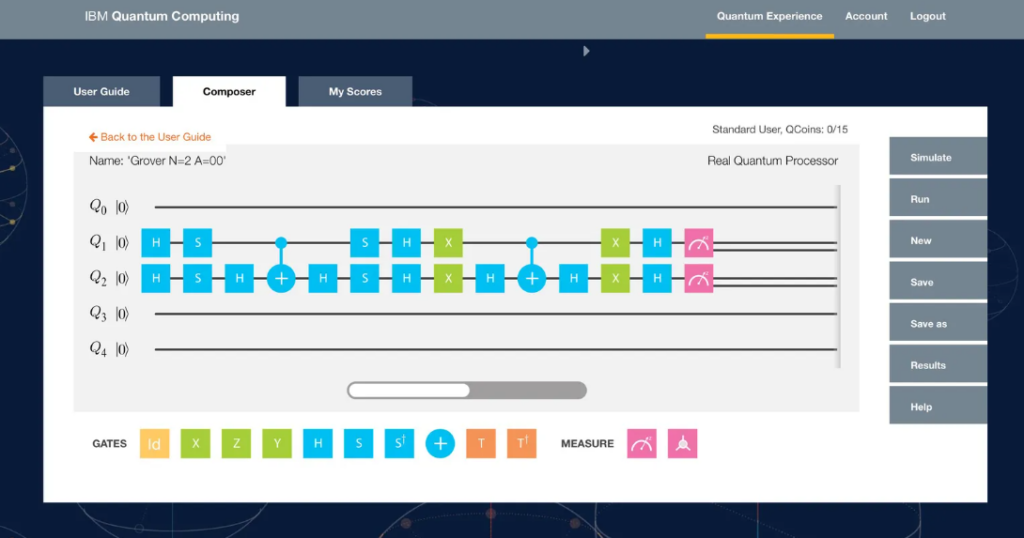
IBM Quantum Cloud Software serves as a cornerstone in the world of quantum computing, offering a platform rooted in open-source foundations. With its emphasis on community collaboration, it encourages users to collectively push the boundaries of quantum technology. This platform's dedication to fostering an open-source environment aligns perfectly with its suitability for community-driven quantum endeavors.
Why I Picked IBM Quantum Cloud Software:
When it came to choosing a tool that stands out in the quantum domain, IBM Quantum Cloud Software quickly caught my attention. I judged its capabilities against many others, but its strong focus on open-source values and community collaboration is what set it apart. Given this, I am convinced that it's "Best for open-source quantum community collaboration."
Standout features and integrations:
IBM Quantum Cloud Software comes packed with the qiskit SDK, offering a versatile set of tools tailored for quantum programming. Moreover, with IBM Q's suite of quantum machines, users can experience real quantum computing capabilities. On the integration front, its synergy with various IBM cloud services makes the entire quantum research and application process more cohesive.
Pros and Cons
Pros:
- Direct access to IBM Q's quantum machines for authentic computation.
- Integration with qiskit SDK for a comprehensive quantum programming experience.
- Strong emphasis on open-source values.
Cons:
- As a part of a broader IBM ecosystem, some features might be overshadowed by the company's other offerings.
- The platform might have a steep learning curve for newcomers.
- Pricing information is not readily available.


Amazon Braket is a fully managed service from AWS that provides a development environment for users to explore and design quantum algorithms. It lets users test these algorithms on simulated quantum computers and then run them on different types of quantum hardware, making it ideal for those keen on experimenting directly with diverse quantum machinery.
Why I Picked Amazon Braket:
While curating this list, my focus was on tools that exhibit a clear edge in their designated niches. Amazon Braket stood out due to its robust integration with quantum hardware. I judged its capabilities based on user feedback and its distinct approach to catering to both beginners and experts in quantum information. This comprehensive offering convinced me that it's best suited for those looking to fiddle directly with quantum hardware.
Standout features and integrations:
Amazon Braket offers a rich set of features that enables users to design, test, and run quantum algorithms. Its quantum programming language is both versatile and user-friendly, catering to a wide range of quantum computing tasks. Furthermore, the platform is well-integrated with other AWS services, ensuring a cohesive experience for users transitioning between different cloud tasks.
Pros and Cons
Pros:
- Smooth integration with other AWS services.
- Offers a flexible quantum programming language.
- Tailored development environment for quantum algorithms.
Cons:
- Limited to the quantum hardware options available within the service.
- Might have a learning curve for those new to AWS ecosystem.
- Cost can escalate with increased usage of quantum hardware.

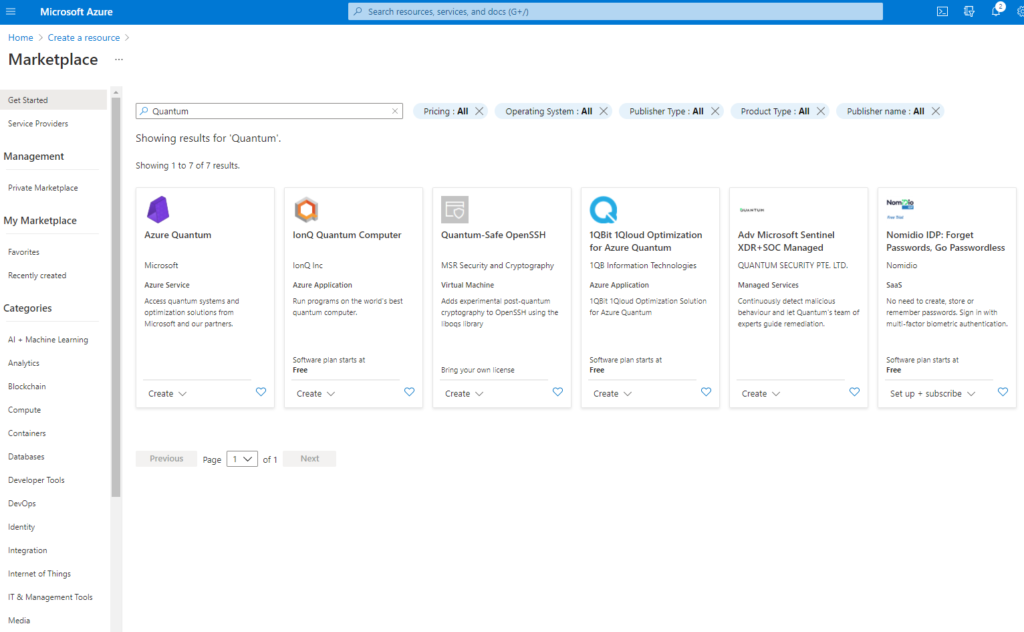
Azure Quantum, a product from Microsoft, offers a comprehensive suite of quantum tools, services, and resources, all hosted on the Azure cloud platform. As industries progress, having quantum capabilities on a well-established cloud platform like Azure provides users with an integrated experience, especially for those already familiar with Azure services.
Why I Picked Azure Quantum:
While judging the myriad of quantum tools available, Azure Quantum caught my attention because of its deep integration with the Azure cloud ecosystem. It stands out as a unique fusion of quantum services directly within a major cloud provider's infrastructure. I chose this tool primarily due to its promise of offering users a familiar environment on Azure while diving into quantum computing. This positions it perfectly as the best option for those seeking cloud quantum resources, specifically on Azure.
Standout features and integrations:
Azure Quantum shines with its Quantum Development Kit, equipped with a powerful quantum compiler and simulator. This kit ensures developers have all they need to experiment and deploy quantum solutions. Furthermore, its partnership with D-Wave Systems expands its reach in the quantum computing space, allowing users to access D-Wave's quantum processing resources.
Pros and Cons
Pros:
- Partnership with D-Wave Systems broadens quantum resource access.
- Robust Quantum Development Kit with a versatile compiler.
- Deep integration with the Azure cloud ecosystem.
Cons:
- Limited quantum hardware options compared to specialized platforms.
- Quantum offerings might be overwhelming for beginners.
- Might not appeal to users outside the Azure ecosystem.


The Intel Quantum Simulator is designed to allow researchers and developers to emulate quantum computations. Its architecture is structured to provide the high throughput and capacity needed for intricate quantum simulations. Its specialty in high-performance simulations makes it a valuable asset for those wanting to test quantum algorithms at scale.
Why I Picked Intel Quantum Simulator:
In selecting tools for this list, the Intel Quantum Simulator made an undeniable impression. Judging from its capabilities, it differentiates itself by effectively emulating complex quantum systems, a feat not all simulators achieve with the same efficiency. This convinced me that it truly is "Best for high-performance quantum simulations."
Standout features and integrations:
Intel Quantum Simulator's underlying structure allows it to harness the power of classical hardware, simulating thousands of qubits while ensuring efficient memory usage. Additionally, its compatibility with quantum programming languages boosts its versatility. In terms of integrations, it pairs well with various Intel software suites, ensuring extensive research flows for developers.
Pros and Cons
Pros:
- Strong integration with other Intel software products.
- Compatibility with common quantum programming languages.
- High-capacity simulation with efficient memory use.
Cons:
- Requires substantial classical computational resources for full utilization.
- Might be more suited to users familiar with the Intel ecosystem.
- Lacks transparent pricing information.


Quantum computing offers unique capabilities surpassing classical computing, and D-Wave Leap stands out in utilizing these advantages through its annealing-based approach. This software provides direct access to quantum processors, enabling the development and execution of quantum models that tap into these annealing properties.
Why I Picked D-Wave Leap:
I selected D-Wave Leap after comparing it to other platforms, mainly because of its distinct annealing-based approach. In the realm of quantum systems, annealing plays a significant role in finding optimal solutions, and D-Wave has honed in on this method. This specialization makes D-Wave Leap best suited for problems that benefit from annealing-based quantum algorithms.
Standout features and integrations:
D-Wave Leap's primary feature is its quantum processing unit (QPU) access, granting researchers the ability to work with real quantum hardware. Additionally, it offers a robust set of tools for constructing quantum models tailored for its annealing-focused processors. When it comes to integrations, D-Wave Leap is designed to work with popular programming languages, ensuring compatibility with existing tech stacks.
Pros and Cons
Pros:
- Comprehensive toolset for quantum model creation
- Direct access to real quantum processors
- Dedicated to annealing-based quantum computing
Cons:
- Pricing transparency could be improved
- Might have a steeper learning curve for those new to quantum computing
- Limited to its specific annealing approach, which might not suit all quantum tasks


Quantum AI is an initiative by Google that dives deep into the realms of quantum computing and research. By melding the power of quantum mechanics with artificial intelligence, Quantum AI provides a cutting-edge platform for developers and researchers. Its integral association with Google's research ecosystem makes it a prominent choice for those looking to be at the forefront of quantum advancements.
Why I Picked Quantum AI:
In the process of selecting tools for this compilation, Quantum AI emerged as an exceptional candidate. My determination was based on its affiliation with Google's expansive research umbrella. Having reviewed multiple platforms, I found Quantum AI's commitment to integrating supercomputer capabilities with a quantum toolkit truly distinctive. This alignment with Google's comprehensive research resources is why I regard it as the "Best for Google's quantum research ecosystem."
Standout features and integrations:
Quantum AI boasts a versatile toolkit tailored for quantum research, allowing for a range of quantum computations and simulations. It's adept at leveraging supercomputer infrastructure, offering unparalleled processing power. In terms of integrations, Quantum AI connects with various Google Cloud services, facilitating a holistic research environment.
Pros and Cons
Pros:
- Integration with supercomputer capabilities for high-performance tasks.
- Comprehensive quantum toolkit for varied computational tasks.
- Strong association with Google's research ecosystem.
Cons:
- Focus on research might deter some developers looking for application-focused tools.
- Might be overwhelming for those unfamiliar with Google's ecosystem.
- Pricing details are not transparent.


Rigetti Computing strides ahead in the quantum landscape by offering a platform dedicated to quantum-first hybrid systems. This means it's designed from the ground up to harness both quantum and classical resources in harmony, making it a powerful asset for those aiming to build quantum applications that integrate with classical systems.
Why I Picked Rigetti Computing:
During my meticulous process of selecting and judging different quantum platforms, Rigetti consistently caught my attention. Its distinct approach to blending quantum and classical systems sets it apart. I chose Rigetti because, in my opinion, they've masterfully crafted a tool that offers a unique avenue for building quantum-first hybrid applications. Their commitment to this combined framework is evident and is why they're the best for those who prioritize quantum-first hybrid systems.
Standout features and integrations:
Rigetti offers an extensive suite of tools tailored for developing sophisticated quantum applications. Their quantum devices are crafted with precision, allowing developers to tap into powerful quantum resources. Moreover, they offer comprehensive tutorials, ensuring users can get the most out of their platform. For integrations, they provide a robust API, which allows interfacing with various software and quantum devices, enhancing versatility.
Pros and Cons
Pros:
- Comprehensive tutorials facilitate a smoother user experience
- High-performance quantum devices available for tasks
- Quantum-first design perfect for hybrid applications
Cons:
- Absence of transparent pricing might hinder decision-making for some.
- Quantum-first approach may not fit all projects
- Might be challenging for those only familiar with classical systems


Xanadu PennyLane presents itself as a groundbreaking platform in the quantum computing arena, focusing on quantum neural networks. With the boom in artificial intelligence and the promise quantum technology brings, PennyLane bridges the two, offering tools and frameworks specially designed for quantum-enhanced neural networks.
Why I Picked Xanadu PennyLane:
While comparing various quantum tools, Xanadu PennyLane repeatedly demonstrated its prowess in aligning quantum computing with neural networks. It stands out due to its distinct emphasis on integrating quantum components into artificial intelligence systems. I chose this tool because I firmly believe it offers a tailored experience for those aiming to merge AI and quantum capabilities, making it undeniably the best for quantum neural networks.
Standout features and integrations:
PennyLane excels with its quantum machine learning functionalities, providing developers with a vast array of quantum operations and measurements. Its design enables easy construction and optimization of quantum circuits. On the integration front, it shines with support for platforms like AWS and compatibility with quantum hardware providers such as IonQ.
Pros and Cons
Pros:
- Extensive set of quantum operations and measurements.
- Broad compatibility with platforms like AWS and IonQ.
- Tailored for quantum integration into artificial intelligence models.
Cons:
- Might be overkill for projects not focusing on quantum AI.
- Absence of transparent pricing can deter potential users.
- Steeper learning curve for those new to quantum AI.


Strangeworks is a platform dedicated to quantum computing that brings together experts, tools, and resources. It excels in providing an environment that fosters collaboration among quantum professionals on various projects. This collaborative aspect is the core of why it's best for joint quantum undertakings.
Why I Picked Strangeworks:
In the process of determining the most suitable tools for this list, Strangeworks stood out to me, especially due to its emphasis on community and collaborative work. I chose this platform because it offers a blend of full-stack quantum resources with a distinct focus on teamwork. This inherent design for collaboration positions it as the top choice for those embarking on collective quantum projects.
Standout features and integrations:
One of Strangeworks' notable features is its full-stack quantum computing capabilities that span from the hardware layer with GPU acceleration to quantum software development. Furthermore, the platform's commitment to open source software ensures that users have access to a wide variety of tools and libraries. This openness enhances flexibility and adaptability for diverse project needs.
Pros and Cons
Pros:
- GPU acceleration for enhanced computational power.
- Strong commitment to open source software.
- Comprehensive full-stack quantum computing capabilities.
Cons:
- The platform's vast features might be overwhelming for some users.
- The open nature might pose challenges for proprietary projects.
- Might have a steeper learning curve for those new to quantum computing.


In the rapidly advancing field of quantum technology, QuTiP emerges as a prominent tool, providing an open-source framework for quantum dynamics. It's designed for those keen to dive deep into quantum mechanics, bridging the gap between software development and quantum principles.
Why I Picked QuTiP:
In the process of determining which tools to feature, QuTiP quickly caught my attention due to its commitment to open-source principles. It's not just another tool; its transparency and community-driven nature make it distinctive in the landscape of quantum software. This dedication to openness ensures it's best for those passionate about quantum dynamics and who want full visibility into the mechanics of the software.
Standout features and integrations:
QuTiP shines with its comprehensive simulation capabilities, catering to various quantum mechanics scenarios. Its rich feature set, from quantum object classes to solvers, supports a broad range of quantum research. In terms of integrations, QuTiP collaborates well with Python-based tools, being tailored primarily for the Python programming environment, making it a favorite among startups and researchers.
Pros and Cons
Pros:
- Strong Python integration caters to modern software development needs
- Extensive quantum mechanics simulation capabilities
- Open-source nature fosters innovation and transparency
Cons:
- Requires active community engagement for the latest updates and features.
- Being specialized, it may not cater to every quantum technology need
- Might require a strong foundation in quantum mechanics to utilize fully
Weitere Quantum Computing Software
Im Folgenden finden Sie eine Liste weiterer Quantum-Computing-Software, die ich auf die Shortlist gesetzt habe, die es aber nicht in die Top 10 geschafft haben. Sie sind auf jeden Fall einen Blick wert.
- qBraid
For quantum learning environments
- Quantum Inspire
For diverse quantum backends compatibility
- QC Ware
Good for enterprise quantum solutions
- ProjectQ
Good for easy integration with C++
- Strawberry Fields
Good for photonic quantum computing
- OpenFermion
Good for quantum algorithms in chemistry
- QX Simulator
Good for high-level quantum assembly programming
- BlueQubit
Good for cloud-based quantum simulations
- Zapata Computing
Good for quantum-enhanced machine learning


Auswahlkriterien für Quantum-Computing-Software
Bei der Auswahl der besten Quantum-Computing-Software für diese Liste habe ich typische Bedürfnisse und Schmerzpunkte von Käufer:innen wie Skalierbarkeit und Kompatibilität von Algorithmen berücksichtigt. Außerdem habe ich das folgende Rahmenwerk genutzt, um meine Bewertung strukturiert und fair zu gestalten:
Kernfunktionen (25 % der Gesamtbewertung)
Für die Aufnahme in diese Liste musste jede Lösung die folgenden Anwendungsfälle erfüllen:
- Entwicklung von Quantenalgorithmen
- Simulation von Quantenschaltkreisen
- Modellierung von Quantensystemen
- Integration mit klassischem Computing
- Cloud-basierter Zugriff
Weitere herausragende Funktionen (25 % der Gesamtbewertung)
Um die Auswahl weiter einzuschränken, habe ich auch auf besondere Merkmale geachtet, wie zum Beispiel:
- Hybride Quanten-Klassik-Verarbeitung
- Fortschrittliche Fehlerkorrektur
- Anpassbare Quantengatter
- Echtzeit-Kollaborationswerkzeuge
- Fähigkeiten im Quantum Machine Learning
Benutzerfreundlichkeit (10 % der Gesamtbewertung)
Um die Benutzerfreundlichkeit jedes Systems beurteilen zu können, habe ich folgende Aspekte betrachtet:
- Intuitive Benutzeroberfläche
- Klare Dokumentation
- Einfache Navigation
- Responsives Design
- Benutzerfreundliches Dashboard
Onboarding (10 % der Gesamtbewertung)
Um die Einführungserfahrung jeder Plattform zu bewerten, habe ich die folgenden Punkte beachtet:
- Verfügbarkeit von Trainingsvideos
- Interaktive Produkttouren
- Zugriff auf Vorlagen
- Webinare für neue Nutzer:innen
- Chatbot-Unterstützung
Kundensupport (10 % der Gesamtbewertung)
Zur Bewertung der Kundensupport-Dienste jedes Softwareanbieters habe ich Folgendes berücksichtigt:
- 24/7-Verfügbarkeit des Supports
- Mehrere Supportkanäle
- Zugang zur Wissensdatenbank
- Effizienz der Reaktionszeit
- Personalisierte Supportoptionen
Preis-Leistungs-Verhältnis (10 % der Gesamtbewertung)
Um das Preis-Leistungs-Verhältnis jeder Plattform einzuschätzen, habe ich Folgendes berücksichtigt:
- Konkurrenzfähige Preisgestaltung
- Flexible Abonnementmodelle
- Funktionsumfang im Verhältnis zu den Kosten
- Verfügbarkeit einer kostenlosen Testversion
- Rabatte für Bildung oder Forschung
Kundenbewertungen (10 % der Gesamtbewertung)
Um ein Gefühl für die allgemeine Kundenzufriedenheit zu erhalten, habe ich beim Lesen von Kundenbewertungen Folgendes berücksichtigt:
- Bewertungen der Kundenzufriedenheit
- Feedback zum Support
- Kommentare zur Benutzerfreundlichkeit
- Feedback zur Integration
- Zufriedenheit mit den Funktionen
So wählen Sie Quantum-Computing-Software aus
Es ist leicht, sich in endlosen Funktionslisten und komplexen Preismodellen zu verlieren. Damit Sie bei Ihrer individuellen Softwareauswahl den Überblick behalten, finden Sie hier eine Checkliste mit wichtigen Kriterien:
| Kriterium | Worauf zu achten ist |
|---|---|
| Skalierbarkeit | Wächst die Software mit Ihren Anforderungen? Berücksichtigen Sie künftige Anforderungen und prüfen Sie, ob die Lösung steigende Arbeitslasten oder Nutzerzahlen ohne erhebliche Kostensteigerungen bewältigen kann. |
| Integrationen | Wie gut lässt sich die Software mit bestehenden Tools verbinden? Achten Sie auf Kompatibilität mit Ihren aktuellen Systemen, um Unterbrechungen im Arbeitsablauf zu vermeiden. |
| Anpassbarkeit | Können Sie die Software auf Ihre Prozesse zuschneiden? Prüfen Sie, inwieweit sich Einstellungen oder Funktionen an die spezifischen Anforderungen Ihres Teams anpassen lassen. |
| Benutzerfreundlichkeit | Ist sie für alle Teammitglieder einfach zu bedienen? Testen Sie die Oberfläche auf Einfachheit und Intuitivität, damit jeder sie effektiv nutzen kann. |
| Implementierung und Onboarding | Wie reibungslos verläuft die Einführung? Suchen Sie nach verfügbaren Ressourcen wie Schulungen, Support und klaren Anleitungen, um einen schnellen Einstieg zu ermöglichen. |
| Kosten | Passt sie in Ihr Budget? Vergleichen Sie Preismodelle, einschließlich versteckter Gebühren oder zusätzlicher Kosten für Funktionen, um langfristige Wirtschaftlichkeit sicherzustellen. |
| Sicherheitsmaßnahmen | Sind die Datenschutzmaßnahmen stark? Überprüfen Sie Verschlüsselungsstandards, Zugriffskontrollen und die Einhaltung von Datenschutzvorschriften, um Ihre Daten zu schützen. |
Was ist Quantum-Computing-Software?
Quantum-Computing-Software ist darauf ausgelegt, Prinzipien der Quantenmechanik zu nutzen, um komplexe Berechnungen und Simulationen durchzuführen. Wissenschaftler, Forscher und Entwickler setzen diese Tools häufig ein, um Probleme zu lösen, die herkömmliche Computer nicht effizient bewältigen können.
Quantenalgorithmen, Systemmodellierung und Cloud-basierter Zugang unterstützen fortschrittliche Forschung, Datenverarbeitung und Problemlösung. Insgesamt bieten diese Tools einzigartige Möglichkeiten, die Innovation und Entdeckungen in verschiedenen Bereichen vorantreiben.
Funktionen
Achten Sie bei der Auswahl von Quantum-Computing-Software auf folgende zentrale Funktionen:
- Entwicklung von Quantenalgorithmen: Ermöglicht die Erstellung spezialisierter Algorithmen zur Lösung komplexer Probleme und verbessert die Forschungskapazitäten.
- Simulation von Quantenschaltkreisen: Ermöglicht es Nutzern, Quantenprozesse zu testen und zu visualisieren, was das Verständnis und die Optimierung unterstützt.
- Cloud-basierter Zugriff: Bietet einen Fernzugriff auf Quantenressourcen und erleichtert so Zusammenarbeit und Skalierung.
- Integration mit klassischer Datenverarbeitung: Erleichtert die nahtlose Interaktion zwischen Quanten- und traditionellen Systemen für eine breitere Anwendbarkeit.
- Anpassbare Quantengatter: Bietet Flexibilität bei der Gestaltung von Quantenoperationen, die auf spezifische Forschungsbedürfnisse zugeschnitten sind.
- Fortschrittliche Fehlerkorrektur: Reduziert Rechenfehler und erhöht die Zuverlässigkeit quantenbasierter Prozesse.
- Hybride Quanten-Klassik-Verarbeitung: Kombiniert Quanten- und klassische Methoden für eine verbesserte Recheneffizienz.
- Echtzeit-Kollaborationstools: Ermöglichen es Teams, effektiv an Quantenprojekten zusammenzuarbeiten – unabhängig vom Standort.
- Benutzerfreundliche Oberfläche: Gewährleistet eine einfache Bedienung, sodass sowohl Experten als auch Neueinsteiger die Software effizient nutzen können.
- Sicherheitsvorkehrungen: Schützt sensible Daten durch starke Verschlüsselung und Zugriffskontrollen, um Compliance und Vertraulichkeit sicherzustellen.
Vorteile
Die Implementierung von Quantencomputing-Software bietet zahlreiche Vorteile für Ihr Team und Ihr Unternehmen. Hier sind einige, auf die Sie sich freuen können:
- Verbesserte Problemlösung: Quantenalgorithmen und Simulationen bewältigen komplexe Aufgaben schneller als herkömmliche Methoden.
- Optimierte Zusammenarbeit: Cloud-basierter Zugriff und Echtzeit-Werkzeuge ermöglichen Teams effiziente Zusammenarbeit von überall.
- Erhöhte Skalierbarkeit: Die Möglichkeit zur Integration mit klassischen Systemen gewährleistet, dass Lösungen mit Ihren Anforderungen wachsen können.
- Anpassbare Lösungen: Individuelle Quantengatter und Verarbeitungsoptionen ermöglichen maßgeschneiderte Ansätze für Herausforderungen.
- Höhere Genauigkeit: Fortschrittliche Fehlerkorrekturen reduzieren Fehler und steigern die Zuverlässigkeit der Berechnungen.
- Kostenersparnis: Hybride Verarbeitung und skalierbare Optionen helfen, Ressourcen effektiv zu nutzen und das Budget zu optimieren.
- Datensicherheit: Starke Verschlüsselung und Zugriffskontrollen schützen sensible Informationen und bieten Compliance sowie Sicherheit.
Kosten & Preise
Die Auswahl von Quantencomputing-Software erfordert ein Verständnis der verschiedenen verfügbaren Preismodelle und Tarife. Die Kosten variieren je nach Funktionen, Teamgröße, Zusatzoptionen und mehr. Die folgende Tabelle fasst gängige Tarife, ihre durchschnittlichen Preise und typische Merkmale von Quantencomputing-Softwarelösungen zusammen:
Tarifvergleichstabelle für Quantencomputing-Software
| Tariftyp | Durchschnittlicher Preis | Häufige Merkmale |
|---|---|---|
| Free Plan | $0 | Grundlegende Algorithmus-Entwicklung, begrenzte Simulationen und Community-Support. |
| Personal Plan | $10-$30/user/month | Erweiterte Simulationen, Cloud-Zugang, anpassbare Gatter und E-Mail-Support. |
| Business Plan | $50-$150/user/month | Umfassende Integrationsmöglichkeiten, Echtzeit-Zusammenarbeit, Fehlerkorrektur und priorisierter Support. |
| Enterprise Plan | $200+/user/month | Umfassende Sicherheitsmaßnahmen, hybride Verarbeitung, persönlicher Account-Manager und Premium-Support. |
FAQs zur Quantencomputing-Software
Hier finden Sie Antworten auf häufig gestellte Fragen zur Quantencomputing-Software:
Wie lässt sich Quantencomputing-Software in bestehende Systeme integrieren?
Quantencomputing-Software wird häufig mit klassischen Systemen integriert, um die Rechenleistung zu erweitern. Prüfen Sie, ob die Software APIs oder Konnektoren für Ihre aktuellen Tools unterstützt. Diese Integration ermöglicht es, Quantenprozesse zu nutzen, ohne die bestehende Infrastruktur vollständig zu ersetzen.
Welche Sicherheitsaspekte sind beim Einsatz von Quantencomputing-Software zu beachten?
Quantencomputing kann herkömmliche Verschlüsselungsmethoden potenziell brechen. Es werden jedoch quantensichere Algorithmen entwickelt, um dem entgegenzuwirken. Stellen Sie sicher, dass Ihr Softwareanbieter an diesen neuen Verschlüsselungsmethoden arbeitet oder diese unterstützt, um Ihre Daten zu schützen.
Wie kann mein Team mit Quantencomputing-Software beginnen?
Analysieren Sie zunächst spezifische Probleme, die durch Quantencomputing gelöst werden können. Nutzen Sie Testversionen, um verschiedene Tools auszuprobieren, und verwenden Sie Schulungsressourcen, die von Softwareanbietern bereitgestellt werden, um die Kompetenz Ihres Teams auszubauen.
Welche Art von Support bieten Anbieter von Quantencomputing-Software?
Die meisten Anbieter bieten gestaffelte Supportpläne an, von einfacher E-Mail-Hilfe bis zu persönlichen Account-Managern. Bewerten Sie den Bedarf Ihres Teams und wählen Sie einen Plan, der eine zeitnahe und effektive Unterstützung für Ihre Abläufe sicherstellt.
Wie funktionieren Updates bei Quantencomputing-Software?
Updates können neue Algorithmen, verbesserte Bedienoberflächen oder Fehlerbehebungen beinhalten. Es ist wichtig, über diese Updates informiert zu bleiben, da sie die Funktionalität und Sicherheit erhöhen können. Prüfen Sie, ob der Anbieter automatische Updates bereitstellt oder eine manuelle Aktualisierung erforderlich ist.
Hängt der Preis immer mit der Qualität oder den Fähigkeiten der Software zusammen?
Nicht unbedingt. Viele Premium-Tools bieten zwar erweiterte Funktionen, Support und Integrationen, jedoch gibt es auch kostenfreie oder günstigere Lösungen mit umfangreicher Funktionalität. Es ist wichtig, den individuellen Bedarf, die Fähigkeiten der Software und den angebotenen Support zu berücksichtigen, wenn Sie ein Quantencomputing-Tool auswählen.
Wie es weitergeht:
Wenn Sie gerade Quantencomputing-Software recherchieren, nehmen Sie Kontakt zu einem SoftwareSelect-Berater auf und erhalten Sie kostenlose Empfehlungen.
Sie füllen ein Formular aus und führen ein kurzes Gespräch, in dem Ihre individuellen Anforderungen geklärt werden. Anschließend erhalten Sie eine engere Auswahl an Softwarelösungen zur Prüfung. Die Berater begleiten Sie sogar durch den gesamten Kaufprozess, einschließlich Preisverhandlungen.