

I 10 migliori software di verifica degli indirizzi recensiti nel 2026

10 Riepilogo del miglior software di verifica degli indirizzi


Esplorando il panorama digitale, ho osservato quanto sia essenziale standardizzare i dati degli indirizzi per le aziende. Il software di verifica degli indirizzi è uno strumento progettato per convalidare e correggere le informazioni sugli indirizzi, garantendo una consegna ottimale. Con questo strumento puoi semplificare le operazioni, ridurre gli errori costosi e migliorare la fiducia dei clienti. Se i pacchi non consegnati o i dati imprecisi sono stati un problema per te, non sei il solo: questa è la soluzione che fa per te.
Perché fidarsi dei nostri consigli sui software
Il nostro team testa e recensisce software dal 2012. In quanto leader tecnologici noi stessi, sappiamo quanto sia difficile — e importante — scegliere il software giusto.
Per questa guida, abbiamo valutato gli strumenti attraverso test praticie ricerche indipendenti, assegnando un punteggio agli strumenti in base ai nostri criteri di selezione.
Le nostre recensioni riflettono il nostro giudizio editoriale umano, non un discorso di vendita.
Revisori esperti:
Riepilogo del miglior software di verifica degli indirizzi
Questo grafico comparativo riassume i dettagli sui prezzi delle mie migliori selezioni di software per la verifica degli indirizzi, per aiutarti a trovare quello più adatto al tuo budget e alle esigenze della tua azienda.
| Tool | Best For | Trial Info | Price | ||
|---|---|---|---|---|---|
| 1 | Migliore per l'integrazione dei dati cloud | Demo gratuita disponibile | Prezzo su richiesta | Website | |
| 2 | Ideale per la verifica dei dati su larga scala | Not available | Prezzo su richiesta | Website | |
| 3 | Ideale per ricerche inverse di indirizzo | Not available | Prezzo su richiesta | Website | |
| 4 | Ideale per l'automazione della posta diretta | Piano gratuito + demo gratuita disponibile | Prezzo su richiesta | Website | |
| 5 | Migliore per la precisione dell'indirizzo di spedizione | Not available | Prezzo su richiesta | Website | |
| 6 | Ideale per la validazione di indirizzi a livello globale | Not available | A partire da $12/utente/mese (fatturazione annuale) | Website | |
| 7 | Migliore per soluzioni di dati di contatto globali | Not available | Prezzo su richiesta | Website | |
| 8 | Ideale per le operazioni aziendali canadesi | Demo gratuita e call di consulenza offerta | Prezzo su richiesta | Website | |
| 9 | Il migliore per le operazioni complete | Not available | Prezzi su richiesta | Website | |
| 10 | Migliore per la validazione degli indirizzi su mobile | Not available | Prezzo su richiesta | Website |
Recensione del miglior software di verifica degli indirizzi
Di seguito trovi i miei riepiloghi dettagliati dei migliori software di verifica degli indirizzi inclusi nella mia selezione finale. Le mie recensioni offrono un’analisi dettagliata delle funzionalità principali, dei vantaggi & degli svantaggi, delle integrazioni e dei casi d’uso ideali di ogni strumento, per aiutarti a trovare quello più adatto a te.

Migliore per l'integrazione dei dati cloud

Informatica offre una soluzione completa progettata per aiutare le aziende a integrare, gestire e migliorare i propri dati su diverse piattaforme cloud. Grazie alle sue funzionalità, le aziende possono combinare in modo efficiente i dati cloud-native con le fonti di dati tradizionali, allineandosi perfettamente con la sua specializzazione nell'integrazione dei dati cloud.
Perché ho scelto Informatica:
Nel mio processo di selezione delle piattaforme di integrazione dei dati, Informatica si è costantemente posizionata in cima. L'approccio distintivo dello strumento nel gestire i dati cloud-native, unito alla sua consolidata reputazione nel campo della gestione dei dati, lo ha reso una scelta facile per me. Ho determinato che, per le aziende alla ricerca di una soluzione robusta di integrazione dei dati cloud, le offerte di Informatica sono impareggiabili, rendendolo il “Migliore per l'integrazione dei dati cloud.”
Caratteristiche distintive e integrazioni:
Informatica eccelle nel fornire processi KYC (Know Your Customer) che garantiscono alle aziende di raccogliere dati accurati e conformi dai propri clienti. Il loro software di validazione degli indirizzi è di altissimo livello, aspetto fondamentale per le aziende che danno priorità all'accuratezza delle informazioni sui clienti.
Inoltre, la funzionalità di verifica delle e-mail aggiunge un ulteriore livello di accuratezza dei dati. In termini di integrazioni, Informatica offre connessioni alle principali piattaforme cloud, sistemi CRM e strumenti di visualizzazione dati, consentendo alle aziende di sincronizzare i propri dati su più piattaforme in modo efficiente.
Pros and Cons
Pros:
- Processi KYC solidi per garantire una raccolta dati conforme
- Software di validazione degli indirizzi di alto livello per informazioni clienti precise
- Verifica e-mail efficiente per mantenere la qualità dei dati
Cons:
- Potrebbe avere una curva di apprendimento ripida per i nuovi utenti
- Eccessivo per aziende con esigenze di integrazione dati semplici
- Alcuni utenti potrebbero trovare le numerose funzionalità troppo complesse


Experian Data Quality offre strumenti completi che si concentrano sulla verifica e la pulizia di un'ampia gamma di tipi di dati. Particolarmente adatto per le organizzazioni che gestiscono grandi volumi di dati, questo strumento dà priorità alla validità di informazioni come numeri di telefono e indirizzi.
Perché ho scelto Experian Data Quality:
Nella selezione degli strumenti per questo elenco, Experian Data Quality ha attirato la mia attenzione per la sua attenzione alla gestione di dati su larga scala. Dopo aver valutato e confrontato diverse piattaforme, le capacità distintive di Experian in termini di ampiezza e profondità della verifica dei dati l'hanno resa una scelta naturale. L'ho scelto come 'migliore per la verifica dei dati su larga scala' in base alla sua reputazione e competenza nella gestione di ampi set di dati.
Caratteristiche principali e integrazioni:
Una funzionalità degna di nota di Experian Data Quality è la funzione di completamento automatico degli indirizzi, che aiuta gli utenti a inserire rapidamente indirizzi accurati. Un'altra caratteristica apprezzabile è la sua API di verifica degli indirizzi, che fornisce feedback e correzioni in tempo reale. Inoltre, le integrazioni con i principali sistemi CRM ed ERP consentono una facile sincronizzazione e un flusso dati senza soluzione di continuità tra le piattaforme.
Pros and Cons
Pros:
- La funzione di completamento automatico degli indirizzi migliora l'esperienza utente
- L'API di verifica degli indirizzi in tempo reale garantisce l'accuratezza dei dati
- Ampie integrazioni con i principali sistemi CRM ed ERP
Cons:
- Potrebbe risultare eccessivamente complesso per le organizzazioni di piccole dimensioni
- È necessario un training per utilizzare appieno le funzionalità avanzate
- Alcuni utenti potrebbero trovare complesso il processo di integrazione API

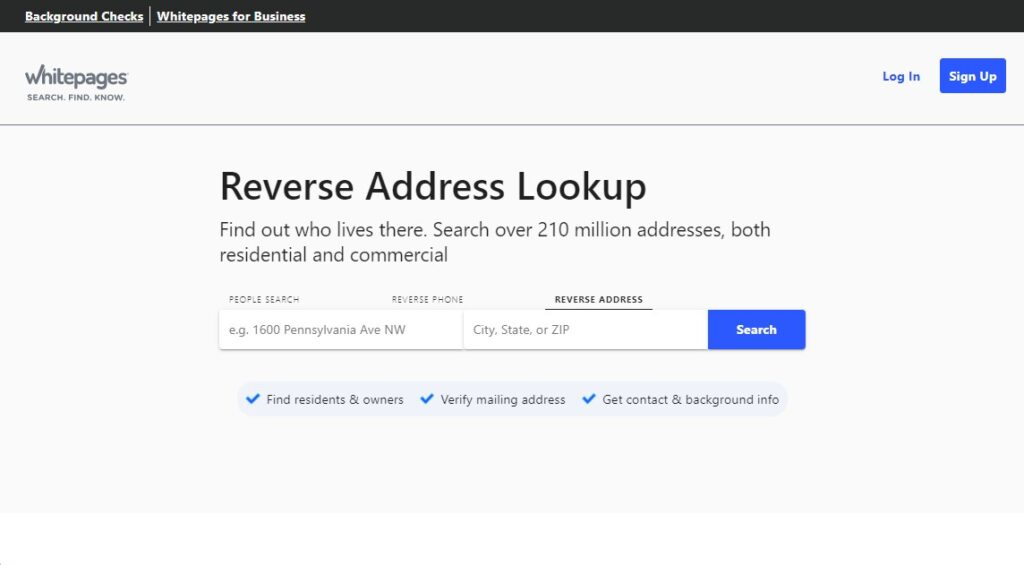
Il mondo digitale è pieno di directory, ma quando si tratta di estrarre informazioni dagli indirizzi postali, Whitepages si distingue. Offrendo una soluzione pensata appositamente per le ricerche inverse di indirizzo, si afferma come una risorsa affidabile sia per le aziende che per i privati per verificare gli indirizzi e raccogliere dettagli correlati.
Perché ho scelto Whitepages:
Nella mia ricerca di strumenti legati agli indirizzi, Whitepages è emerso costantemente tra i primi, soprattutto quando ci si focalizza sulle ricerche inverse. Confrontandolo con altre piattaforme, la profondità e l'affidabilità del suo database di indirizzi sono risultate subito evidenti. Queste caratteristiche mi hanno portato a determinare che Whitepages è indubbiamente 'il migliore per le ricerche inverse di indirizzo'.
Funzionalità e integrazioni principali:
Whitepages ha affinato le proprie capacità per estrarre dati da un vasto numero di indirizzi postali. La piattaforma è progettata non solo per verificare gli indirizzi, ma anche per fornire dettagli associati come le informazioni sui residenti. Sebbene sia principalmente una soluzione indipendente, Whitepages garantisce di rimanere aggiornata aggiornando continuamente il suo database di indirizzi proveniente da diverse fonti affidabili.
Pros and Cons
Pros:
- Funzionalità complete di ricerca inversa
- Capacità di verificare gli indirizzi con elevata precisione
- Database di indirizzi costantemente aggiornato
Cons:
- Può risultare complesso per gli utenti alla prima esperienza
- Integrazioni limitate con piattaforme esterne
- Alcuni dati potrebbero essere obsoleti nonostante gli aggiornamenti regolari

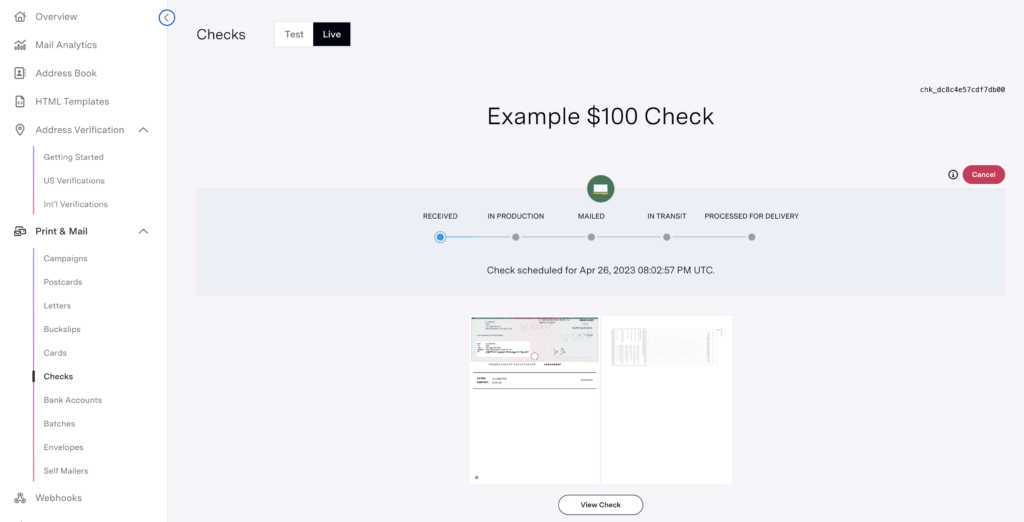
Lob offre alle aziende una soluzione efficace per automatizzare le attività di direct mailing. Integrando i processi di posta digitale e fisica, Lob garantisce che le aziende possano raggiungere efficacemente il proprio pubblico con messaggi tangibili. Considerando la crescente necessità per le aziende di colmare il divario tra comunicazioni digitali e fisiche, la specializzazione di Lob nell'automazione della posta diretta si distingue come uno strumento prezioso.
Perché ho scelto Lob:
Nella scelta dello strumento da segnalare per l'automazione della posta diretta, Lob è stata una scelta evidente. Ho selezionato Lob per la sua combinazione unica di funzionalità digitali e di posta tradizionale. Inoltre, confrontando diverse piattaforme, l'approccio di Lob nel rendere la posta diretta intuitiva come l’email marketing ha attirato la mia attenzione.
Ritengo che Lob sia 'la migliore per l'automazione della posta diretta' grazie al suo focus specializzato e alla facilità d’uso in questa nicchia.
Caratteristiche principali e integrazioni:
Una delle caratteristiche fondamentali di Lob è il suo solido servizio di verifica degli indirizzi, che garantisce che la posta raggiunga correttamente i destinatari senza sprechi. La possibilità di gestire il tool on-premise offre alle aziende maggiore flessibilità, soprattutto per chi dà priorità alla sicurezza dei dati. Come piattaforma completa di verifica, Lob assicura la precisione nelle spedizioni di posta diretta.
Per quanto riguarda le integrazioni, Lob può connettersi con diversi sistemi CRM, piattaforme di marketing e strumenti di gestione dei dati, permettendo alle aziende di arricchire le proprie campagne di posta diretta con dati pertinenti.
Pros and Cons
Pros:
- Potente servizio di verifica degli indirizzi che riduce gli errori postal
- Operatività on-premise per una maggiore sicurezza dei dati
- Piattaforma di verifica completa che garantisce la precisione delle spedizioni
Cons:
- Alcune aziende potrebbero trovare lo strumento troppo specializzato
- La configurazione iniziale potrebbe richiedere una fase di apprendimento per alcuni team
- Potenziale mancanza di alcune integrazioni a seconda delle esigenze aziendali

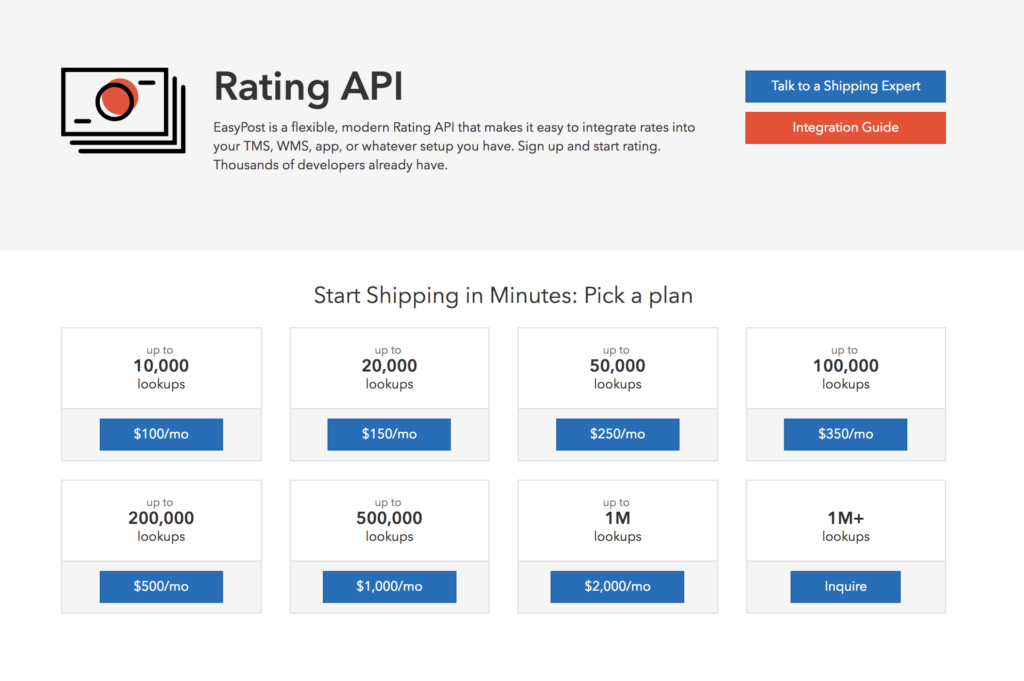
EasyPost offre uno strumento sofisticato progettato per garantire la precisione degli indirizzi di spedizione. Integrando funzionalità avanzate e tecnologie di geolocalizzazione, dà priorità all'accuratezza degli indirizzi postali, rendendolo prezioso per le aziende che si occupano di spedizioni e logistica.
Perché ho scelto EasyPost:
Nell'individuare quali strumenti evidenziare, EasyPost si è distinto per la sua attenzione dedicata all'accuratezza degli indirizzi di spedizione. Confrontando varie piattaforme, la combinazione unica di funzionalità e l'enfasi sulla precisione dei dati di localizzazione hanno reso EasyPost una scelta ovvia. L'ho scelto come 'migliore per la precisione degli indirizzi di spedizione' grazie alle sue capacità specializzate che rispondono direttamente alle esigenze delle aziende che richiedono accuratezza al millimetro per le loro spedizioni.
Caratteristiche principali e integrazioni:
La funzionalità chiave di EasyPost ruota attorno alle sue robuste capacità di geolocalizzazione. Sfruttando queste risorse, la piattaforma assicura che gli indirizzi postali non siano solo validi ma anche precisi, riducendo così potenziali errori nelle spedizioni. Inoltre, offre integrazioni con le principali piattaforme di e-commerce e operatori di spedizione, permettendo alle aziende di ottimizzare i loro processi di spedizione.
Pros and Cons
Pros:
- Funzionalità avanzate di geolocalizzazione per indirizzi postali accurati
- Integrazione con le principali piattaforme di e-commerce
- Collaborazione con diversi operatori di spedizione per funzionalità avanzate
Cons:
- Può risultare complesso per i nuovi utenti non esperti di logistica delle spedizioni
- Potrebbe essere eccessivo per le piccole imprese con esigenze di spedizione limitate
- La struttura dei prezzi può risultare poco chiara senza una consultazione diretta


La verifica degli indirizzi, quando si opera su scala globale, presenta sfide uniche: dalle barriere linguistiche alle discrepanze nei formati. Loqate si distingue come una soluzione capace di gestire proprio queste complessità. Non solo come uno strumento generico, ma specificamente ottimizzato per la validazione degli indirizzi a livello globale, colmando le lacune tra le diverse convenzioni di indirizzamento nel mondo.
Perché ho scelto Loqate:
Nell'immenso panorama degli strumenti di verifica degli indirizzi, ho selezionato Loqate principalmente per la sua abilità nel risolvere le discrepanze globali. Mentre molti strumenti offrono una verifica di base degli indirizzi, Loqate ha attirato la mia attenzione per il suo focus dedicato ai formati internazionali, rendendolo una scelta oculata per le aziende che operano oltre confine. Questa capacità di normalizzare i dati degli indirizzi internazionali ha rafforzato la mia convinzione che sia davvero 'il migliore per la validazione degli indirizzi a livello globale.'
Funzionalità e integrazioni principali:
Il punto di forza di Loqate risiede nel suo motore globale di verifica degli indirizzi, che garantisce che gli indirizzi provenienti da diversi paesi rispettino uno standard riconosciuto. Con l'integrazione di un'API e la funzione di completamento automatico, fornisce suggerimenti istantanei aiutando gli utenti a selezionare l'indirizzo corretto.
Particolarmente rilevante è l'integrazione con USPS che conferma la possibilità di consegna degli indirizzi all'interno degli Stati Uniti, aumentando ulteriormente la sua affidabilità.
Pros and Cons
Pros:
- Solida normalizzazione degli indirizzi globali
- Integrazione API per operatività più fluida
- Completamento automatico efficiente per una selezione precisa dell'indirizzo
Cons:
- Curva di apprendimento ripida per i nuovi utenti
- I prezzi possono essere elevati per le piccole imprese
- Integrazioni limitate al di fuori di USPS

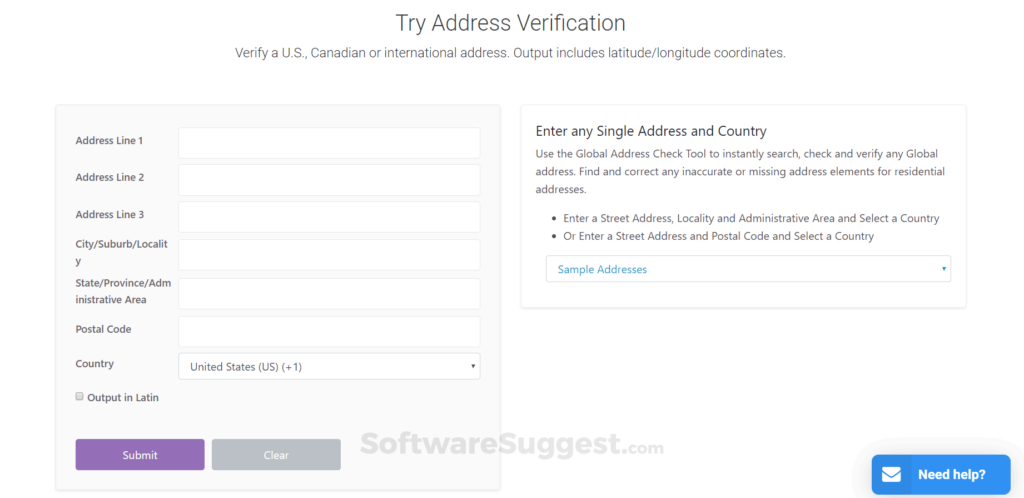
Melissa Address Verification offre una piattaforma solida focalizzata sulla validazione e la correzione dei dati di contatto da una prospettiva globale. Con un'enfasi sui database dei servizi postali internazionali, garantisce che gli indirizzi inseriti siano accurati e standardizzati per diverse regioni in tutto il mondo.
Perché ho scelto Melissa Address Verification:
Dopo aver confrontato varie piattaforme, Melissa Address Verification è stata una scelta ovvia per questa lista grazie alle sue forti capacità globali. Valutando le funzionalità della piattaforma e le opinioni degli utenti, si distingue per il suo ampio utilizzo dei database dei servizi postali internazionali. Ho scelto questo strumento per la sua portata e precisione senza pari, rendendolo il “migliore per soluzioni di dati di contatto globali”.
Caratteristiche e integrazioni principali:
La piattaforma di Melissa eccelle nell'offrire funzionalità di pre-smistamento, assicurando che gli indirizzi siano organizzati sistematicamente in base alla regione. L’API di validazione dello strumento è una caratteristica cruciale, che confronta i dettagli di contatto con un ampio database per individuare e correggere le incongruenze. In termini di integrazioni, Melissa Address Verification si collega con molte popolari piattaforme CRM, sistemi di e-commerce e piattaforme di marketing, permettendo alle aziende di avere dati di contatto accurati su tutti i fronti.
Pros and Cons
Pros:
- Ampio uso dei database dei servizi postali internazionali per un'elevata accuratezza
- La funzione di pre-smistamento aiuta le aziende a rimanere organizzate nelle attività di outreach
- API di validazione completa per il confronto incrociato dei dati di contatto
Cons:
- Può risultare impegnativo per le aziende focalizzate solo su operazioni locali
- Alcune funzionalità potrebbero essere ridondanti per le aziende più piccole
- Potenziali complessità nell'affrontare standard e norme postali regionali


PostGrid è una piattaforma completa focalizzata sulla gestione dei dati e sulla verifica degli indirizzi, rivolta prevalentemente alle aziende canadesi. Lo strumento è progettato per semplificare e migliorare la precisione delle operazioni aziendali, soprattutto in Canada, in linea con la sua competenza nella comprensione delle strutture degli indirizzi canadesi.
Perché ho scelto PostGrid:
Nella selezione degli strumenti, PostGrid è emerso come il favorito grazie al suo approccio su misura per le imprese canadesi. Ciò che lo distingue rispetto ad altre piattaforme è la profonda conoscenza e capacità di analisi del sistema di indirizzi canadese. L'ho scelto come 'il migliore per le operazioni aziendali canadesi' perché risponde specificamente alle esigenze uniche del mercato canadese.
Caratteristiche principali e integrazioni:
PostGrid offre avanzate funzionalità di gestione dei dati, garantendo database puliti e precisi. La funzione di ricerca degli indirizzi è particolarmente utile, pensata appositamente per le aziende canadesi. Inoltre, lo strumento propone funzionalità legate all'invio di corrispondenza, offrendo alle aziende un vantaggio nel raggiungere il pubblico canadese. Per quanto riguarda le integrazioni, PostGrid si collega a diversi CRM, sistemi e-commerce e strumenti di marketing, facilitando processi aziendali più snelli.
Pros and Cons
Pros:
- Avanzate capacità di gestione dei dati su misura per le aziende canadesi
- Funzione di ricerca indirizzi con profonda conoscenza delle strutture degli indirizzi canadesi
- Funzionalità di mailing per migliorare la comunicazione sul mercato canadese
Cons:
- Potrebbe risultare troppo specializzato per operazioni non canadesi
- Le aziende alla ricerca di soluzioni globali potrebbero trovarlo limitante
- Possibile curva di apprendimento per chi non conosce il contesto aziendale canadese


Smarty è uno strumento versatile progettato per soddisfare le esigenze delle aziende in cerca di soluzioni operative complete. Offrendo una piattaforma integrata, Smarty consente alle aziende di gestire e ottimizzare con facilità le proprie operazioni complete. Questo si allinea bene alla sua capacità di servire le aziende alla ricerca di strumenti operativi completi.
Perché ho scelto Smarty:
La scelta di Smarty per questo elenco è arrivata dopo un'attenta valutazione e un confronto con strumenti simili. L'ho scelto principalmente per il suo approccio completo alla gestione delle operazioni, dall'inizio alla fine. La sua dedizione all'integrazione di molteplici aspetti del flusso di lavoro aziendale è il motivo per cui ritengo che Smarty sia 'il migliore per le operazioni complete'.
Caratteristiche distintive & integrazioni:
La piattaforma integrata di Smarty comprende diverse esigenze aziendali, dalla gestione dell'inventario alla gestione delle relazioni con i clienti. La sua adattabilità le consente di modellarsi in base ai requisiti specifici di aziende diverse. Per quanto riguarda le integrazioni, Smarty si connette alle principali piattaforme di commercio elettronico, agli strumenti finanziari e ad altri software essenziali, garantendo alle aziende tutto ciò di cui hanno bisogno in un unico posto.
Pros and Cons
Pros:
- Piattaforma completa che soddisfa numerose esigenze operative
- Flessibilità nel personalizzare le funzionalità in base a requisiti aziendali specifici
- Integrazione fluida con altre piattaforme aziendali essenziali
Cons:
- Potrebbe risultare complesso per le piccole aziende con esigenze più semplici
- L'adattamento iniziale può richiedere una fase di transizione per i team
- Alcune funzionalità specifiche del settore potrebbero richiedere componenti aggiuntivi o personalizzazioni aggiuntive

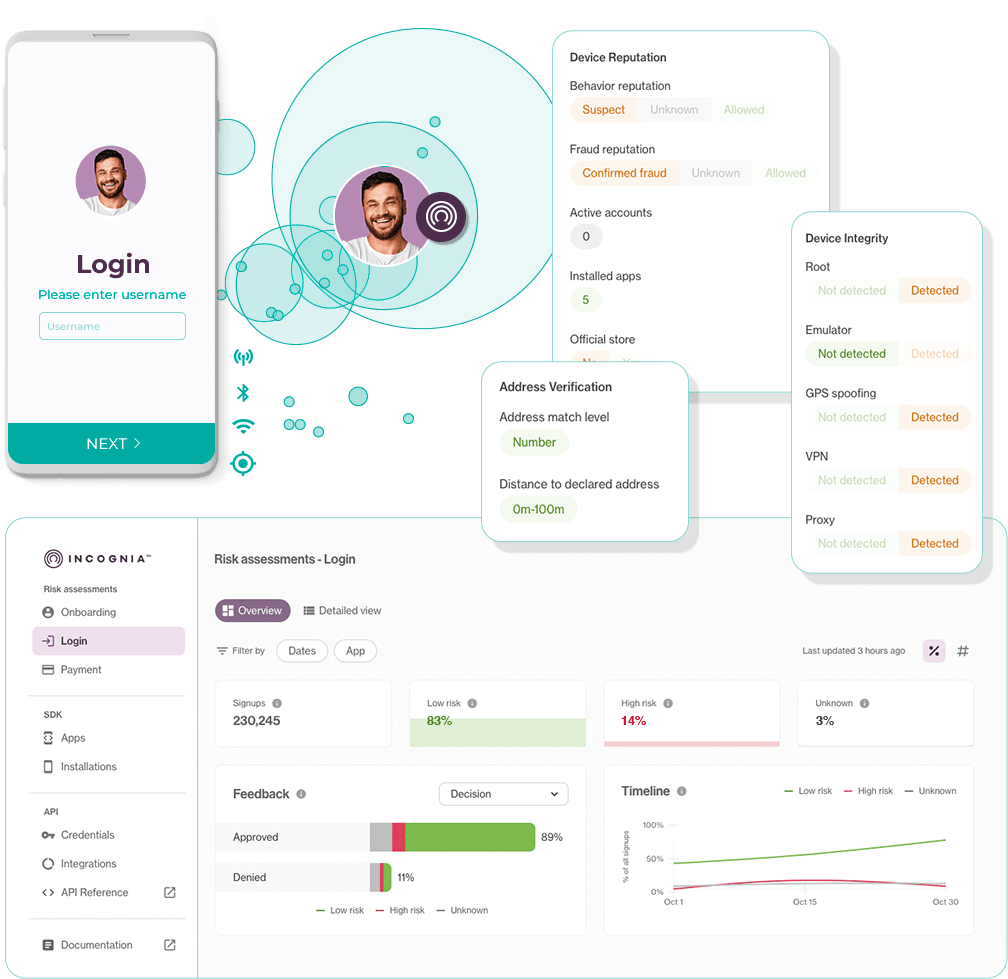
Incognia offre strumenti robusti progettati principalmente per le piattaforme mobili, assicurando che gli indirizzi dei clienti siano acquisiti e verificati con precisione. Riconoscendo la crescente importanza delle interazioni su mobile, Incognia adatta il suo approccio per migliorare la qualità dei dati sui dispositivi mobili, in linea con il suo posizionamento come scelta principale per la validazione degli indirizzi su mobile.
Perché ho scelto Incognia:
Nella selezione degli strumenti per questa raccolta, Incognia si è distinta per il suo focus unico sulle piattaforme mobili. Nel confronto tra i vari strumenti, l’impegno di Incognia a migliorare l’accuratezza degli indirizzi dei clienti su dispositivi mobili ha particolarmente attirato la mia attenzione. Per questo l’ho scelta come “migliore per la validazione degli indirizzi su mobile”, riflettendo le sue funzionalità specializzate dedicate alle interazioni mobili.
Funzionalità di spicco & integrazioni:
Una delle principali caratteristiche di Incognia sono le sue precise capacità di pulizia dei dati per database mobili, che garantiscono il massimo livello di accuratezza degli indirizzi dei clienti. La piattaforma dispone di un’interfaccia intuitiva progettata per gli schermi mobili, migliorando la soddisfazione del cliente. Inoltre, le integrazioni con le più note piattaforme di e-commerce e sistemi CRM assicurano operazioni ottimizzate e dati coerenti attraverso diversi canali.
Pros and Cons
Pros:
- L’attenzione dedicata alle piattaforme mobili assicura prestazioni ottimali
- Le capacità di pulizia dei dati migliorano l’accuratezza degli indirizzi dei clienti
- Le integrazioni con le principali piattaforme di e-commerce e CRM garantiscono versatilità
Cons:
- Limitato alle interazioni mobile, potrebbe non soddisfare tutte le aziende
- Potenziale curva di apprendimento per le aziende nuove alla validazione degli indirizzi su mobile
- L’approccio incentrato sul mobile potrebbe non essere ideale per operazioni multipiattaforma
Altro software di verifica degli indirizzi
Ecco alcune opzioni aggiuntive di software per la verifica degli indirizzi che non sono entrate nella mia selezione finale, ma che vale comunque la pena prendere in considerazione:
- DQE One
Ideale per la qualità dei dati multi-canale
- Service Objects
Ideale per la correzione dei dati in tempo reale
- UPS Address Validation
Ideale per la precisione in tempo reale del servizio postale


Come valuto il software di gestione degli incidenti
Quando si verifica un'interruzione alle 2 di notte, gli strumenti in questo elenco devono svolgere compiti precisi—suddivido la mia valutazione in requisiti di base che ogni strumento deve soddisfare e i fattori che li differenziano.
Funzionalità di base (requisiti minimi per questo elenco)
Quando seleziono gli strumenti per il mio elenco, valuto ciascuno su una scala da 0 (non offre la funzionalità) a 5 (eccelle in quest'area) per ciascuna funzionalità di base elencata qui sotto. Successivamente, converto il punteggio totale dello strumento in una percentuale. Ogni strumento deve raggiungere un punteggio minimo del 65% per essere considerato per l'inclusione.
- Aggregazione e instradamento degli avvisi: Valuto quante integrazioni native offre ciascun strumento con stack di monitoraggio come Datadog, Prometheus e Splunk, e se le regole di instradamento possono indirizzare team specifici in base a servizio o gravità.
- Pianificazione delle reperibilità e gestione delle escalation: Rotazioni multi-livello, pianificazioni follow-the-sun e flessibilità di override sono fondamentali qui—soprattutto per team distribuiti che gestiscono la reperibilità su diversi fusi orari.
- Notifiche multi-canale: Verifico che gli avvisi raggiungano i soccorritori tramite SMS, voce, notifiche push e strumenti di chat come Slack o Microsoft Teams, oltre a valutare se i flussi di presa in carico funzionino attraverso questi canali.
- Workflow di risposta agli incidenti: Ogni strumento dovrebbe supportare cicli di vita strutturati per gli incidenti con livelli di gravità, assegnazione di ruoli e cronologie—come dichiarare un SEV-1 e creare una "war room" in pochi secondi.
- Comunicazione con stakeholder & pagine di stato: Cerco pagine di stato pubbliche e interne con notifiche per iscritti affinché il team possa tenere informati clienti e leadership senza dover distogliere i soccorritori dalla chiamata.
- Postmortem & analisi: I buoni strumenti offrono template di postmortem integrati insieme a dashboard MTTA e MTTR, così i team possono chiudere il ciclo dopo un incidente e individuare tendenze ricorrenti nel tempo.
Quando ho una lista di strumenti che soddisfano questi criteri, considero ciò che distingue ogni piattaforma.
Fattori differenzianti (cosa distingue i fornitori)
Ecco come confronto e metto a confronto i diversi fornitori:
Caratteristiche distintive
La riduzione del rumore basata su AI è un importante fattore di differenziazione—cerco strumenti che raggruppano avvisi correlati e sopprimono i duplicati durante guasti a cascata, così l'ingegnere di reperibilità riceve un solo segnale azionabile invece di 200 notifiche. Anche l'integrazione con ChatOps è importante perché permette ai soccorritori di eseguire comandi, aggiornare la gravità e coinvolgere colleghi senza lasciare Slack o Teams. Valuto inoltre la mappatura delle dipendenze dei servizi, che aiuta a individuare rapidamente il raggio d'azione quando un database condiviso o un gateway API va in crash.
Oltre le caratteristiche
L'affidabilità della piattaforma è la prima cosa che verifico—lo strumento di gestione degli incidenti è il sistema che deve funzionare assolutamente sempre quando tutto il resto è fuori uso, quindi cerco failover multi-regione e infrastruttura di notifica indipendente. È importante anche la profondità delle integrazioni. Uno strumento che si sincronizza bidirezionalmente con ServiceNow o Jira mantiene la coerenza dei record di incidente senza necessità di reinserimento manuale. Per i team in settori regolamentati, valuto certificazioni di conformità come SOC 2 Type II e HIPAA oltre al supporto SSO/SAML e registri di audit.
Come scegliere il software di verifica degli indirizzi
È facile perdersi in lunghi elenchi di funzionalità e strutture tariffarie complesse. Per aiutarti a rimanere concentrato mentre affronti il tuo particolare processo di selezione del software, ecco una lista di controllo dei fattori da tenere a mente:
| Fattore | Cosa considerare |
|---|---|
| Scalabilità | Il software è in grado di gestire le tue crescenti esigenze in termini di dati? Verifica se supporta un volume elevato di transazioni man mano che la tua azienda si espande. |
| Integrazioni | Si integra con i sistemi esistenti, come piattaforme CRM, ERP o di commercio elettronico? Verifica la compatibilità per evitare l'inserimento manuale dei dati. |
| Personalizzazione | Puoi adattare il software ai tuoi flussi di lavoro specifici? Cerca opzioni per modificare le impostazioni e i campi in base alle tue esigenze. |
| Facilità d'uso | L'interfaccia è intuitiva per il tuo team? Considera la curva di apprendimento e se sarà necessaria una formazione per un utilizzo efficace. |
| Implementazione e avviamento | Quanto è semplice il processo di configurazione? Valuta il supporto offerto durante l'avviamento, inclusi tutorial, guide e assistenza clienti. |
| Costo | La struttura dei prezzi è chiara e rientra nel tuo budget? Considera il costo totale, comprese eventuali commissioni nascoste o spese per funzionalità aggiuntive. |
| Misure di sicurezza | Il software protegge i tuoi dati? Cerca funzionalità di crittografia, misure di protezione dei dati e conformità agli standard di sicurezza. |
| Funzionalità internazionali | Il software è in grado di gestire i formati degli indirizzi di diversi Paesi? Assicurati che supporti le operazioni globali se la tua azienda opera a livello internazionale. |
Che cos'è il software di verifica degli indirizzi?
Il software di verifica degli indirizzi è uno strumento che controlla e corregge gli indirizzi postali per garantirne l'accuratezza e la standardizzazione. Questi strumenti sono comunemente utilizzati da responsabili dell'e-commerce, coordinatori della logistica e analisti dei dati che devono mantenere dati puliti e affidabili. Le funzionalità di convalida, standardizzazione e verifica in tempo reale contribuiscono a ridurre gli errori e migliorare i tassi di consegna. Nel complesso, questi strumenti fanno risparmiare tempo e denaro prevenendo gli errori di spedizione e migliorando la qualità dei dati.
Funzionalità
Quando selezioni un software di verifica degli indirizzi, presta attenzione alle seguenti funzionalità principali:
- Convalida: garantisce che gli indirizzi siano reali e raggiungibili, riducendo gli errori nelle spedizioni e nella gestione dei dati.
- Standardizzazione: formatta gli indirizzi secondo gli standard postali, contribuendo a mantenere la coerenza tra i database.
- Verifica in tempo reale: fornisce un riscontro immediato sull'accuratezza degli indirizzi, migliorando l'efficienza dell'inserimento dei dati.
- Geocodifica: converte gli indirizzi in coordinate geografiche, utili per la mappatura e i servizi basati sulla posizione.
- Elaborazione in batch: consente di verificare contemporaneamente grandi volumi di indirizzi, facendo risparmiare tempo nelle operazioni sui dati in blocco.
- Supporto multilingue: gestisce gli indirizzi in più lingue, una funzione essenziale per le attività internazionali.
- Integrazione con i CRM: si connette ai sistemi di gestione delle relazioni con i clienti per semplificare la gestione dei dati.
- Personalizzazione: offre opzioni per adattare il software alle esigenze aziendali specifiche, migliorando l'esperienza dell'utente.
- Misure di sicurezza: protegge i dati sensibili degli indirizzi mediante crittografia e misure di conformità.
- Funzionalità internazionali: supporta diversi formati di indirizzo a livello globale, una caratteristica fondamentale per le aziende con una presenza mondiale.
Vantaggi
L'implementazione di un software di verifica degli indirizzi offre diversi vantaggi al tuo team e alla tua azienda. Eccone alcuni:
- Maggiore accuratezza: riduce gli errori nei dati degli indirizzi, determinando meno errori di consegna e una maggiore soddisfazione dei clienti.
- Risparmio sui costi: riduce al minimo lo spreco di risorse garantendo che le spedizioni raggiungano la destinazione corretta al primo tentativo.
- Maggiore efficienza: accelera i processi di inserimento dei dati grazie alla verifica in tempo reale, consentendo al tuo team di concentrarsi su altre attività.
- Migliore qualità dei dati: mantiene formati degli indirizzi coerenti e standardizzati, facilitando la gestione efficace dei database.
- Portata globale: supporta i formati degli indirizzi internazionali, consentendo alla tua azienda di operare agevolmente oltre i confini nazionali.
- Maggiore sicurezza: protegge le informazioni sensibili mediante crittografia e misure di conformità, salvaguardando i dati della tua azienda.
- Risparmio di tempo: elabora rapidamente grandi quantità di indirizzi, lasciando al tuo team più tempo da dedicare ad attività strategiche.
Costi e prezzi
La scelta di un software di verifica degli indirizzi richiede la conoscenza dei vari modelli e piani tariffari disponibili. I costi variano in base alle funzionalità, alle dimensioni del team, ai componenti aggiuntivi e ad altri fattori. La tabella seguente riassume i piani più comuni, i relativi prezzi medi e le funzionalità tipicamente incluse nelle soluzioni software di verifica degli indirizzi:
Tabella comparativa dei piani per il software di verifica degli indirizzi
| Tipo di piano | Prezzo medio | Funzionalità comuni |
|---|---|---|
| Piano gratuito | $0 | Convalida di base, standardizzazione limitata e utilizzo soggetto a restrizioni. |
| Piano personale | $5-$25/user/month | Convalida standard, verifica in tempo reale e integrazione CRM limitata. |
| Piano aziendale | $50-$150/user/month | Convalida avanzata, elaborazione in batch, supporto multilingue e integrazione CRM. |
| Piano per grandi aziende | $200+/user/month | Personalizzazione completa, funzionalità internazionali, assistenza dedicata e integrazione completa. |
Domande frequenti sul software di verifica degli indirizzi
Ecco alcune risposte alle domande più comuni sul software di verifica degli indirizzi:
Quanto è accurata la verifica degli indirizzi USPS?
La verifica degli indirizzi USPS è nota per la sua elevata accuratezza, che spesso raggiunge il 99%. Ciò significa che il tuo team può affidarsi a questo strumento per ridurre gli errori negli indirizzi postali. Tuttavia, è fondamentale aggiornare regolarmente i dati degli indirizzi per mantenere questo livello di accuratezza. Controlla sempre le linee guida USPS più recenti per garantire la conformità.
È importante verificare gli indirizzi in tempo reale?
La verifica in tempo reale è utile per garantire l’accuratezza dei dati al momento dell’inserimento. Aiuta a prevenire gli errori fornendo un feedback immediato sulla validità dell’indirizzo. Questa funzione è particolarmente utile per le piattaforme di commercio elettronico e i team del servizio clienti che devono verificare rapidamente gli indirizzi.
In che modo il software di verifica degli indirizzi migliora la soddisfazione dei clienti?
Riducendo gli errori negli indirizzi e garantendo consegne puntuali, il software di verifica degli indirizzi migliora l’esperienza del cliente. Gli indirizzi accurati comportano meno problemi di consegna, portando a clienti più soddisfatti e a ulteriori acquisti. È uno strumento fondamentale per mantenere una reputazione positiva presso la propria clientela.
Qual è il prossimo passo:
Se stai cercando un software di verifica degli indirizzi, contatta gratuitamente un consulente SoftwareSelect per ricevere consigli.
Compili un modulo e fai una breve conversazione durante la quale il consulente approfondirà le tue esigenze specifiche. Successivamente riceverai un elenco ristretto di software da esaminare. Ti supporterà anche durante l'intero processo di acquisto, comprese le negoziazioni sui prezzi.