

I 10 migliori software gateway per API a codice sorgente aperto nel 2026

Elenco dei migliori software gateway API open source


Il software gateway API open source consente di gestire, proteggere e monitorare le API utilizzando una tecnologia che puoi ispezionare e adattare autonomamente. Se stai cercando il modo migliore per indirizzare, proteggere e scalare le tue API senza vincoli con un fornitore, questo elenco offre opzioni reali in grado di soddisfare le moderne esigenze infrastrutturali. Analizzo quali soluzioni funzionano meglio per l'automazione, il routing dinamico o l'integrazione, così puoi scegliere un gateway adatto al tuo stack attuale e in grado di crescere con te in futuro. Troverai informazioni chiare per aiutare il tuo team a scegliere lo strumento giusto ed evitare di perdere tempo con una soluzione inadatta.
Perché fidarsi dei nostri consigli sui software
Il nostro team testa e recensisce software dal 2012. In quanto leader tecnologici noi stessi, sappiamo quanto sia difficile — e importante — scegliere il software giusto.
Per questa guida, abbiamo valutato gli strumenti attraverso test praticie ricerche indipendenti, assegnando un punteggio agli strumenti in base ai nostri criteri di selezione.
Le nostre recensioni riflettono il nostro giudizio editoriale umano, non un discorso di vendita.
Riepilogo dei migliori software gateway API open source
Questo grafico comparativo riassume i dettagli sui prezzi delle mie migliori selezioni di software gateway API open source, per aiutarti a trovare quello più adatto al tuo budget e alle esigenze della tua azienda.
| Tool | Best For | Trial Info | Price | ||
|---|---|---|---|---|---|
| 1 | Ideale per la gestione comprovata del traffico | Prova gratuita di 30 giorni disponibile | Prezzo su richiesta | Website | |
| 2 | Ideale per cicli di vita API GitOps automatizzati | Prova gratuita di 30 giorni + demo gratuita disponibile | Prezzo su richiesta | Website | |
| 3 | Ideale per implementazioni native in Kubernetes | Prova gratuita + demo gratuita disponibile | Prezzo su richiesta | Website | |
| 4 | Ideale per routing dinamico in tempo reale | Gratis per sempre | Gratis per sempre | Website | |
| 5 | Ideale per l'aggregazione ultra-performante | Piano gratuito + demo gratuita disponibili | Prezzo su richiesta | Website | |
| 6 | Ideale per integrazione ibrida e cloud-native | Piano gratuito + demo gratuita disponibile | Prezzo su richiesta | Website | |
| 7 | Ideale per il controllo completo del ciclo di vita delle API | Prova gratuita di 30 giorni disponibile | Da $119/mese | Website | |
| 8 | Ideale per la compatibilità con l'ecosistema Spring | Piano gratuito per sempre | Piano gratuito per sempre | Website | |
| 9 | Ideale per la personalizzazione tramite plugin | Piano gratuito + prova gratuita di 30 giorni + demo gratuita disponibile | Da $2/milione di chiamate API/mese | Website | |
| 10 | Ideale per ambienti service mesh | Piano gratuito per sempre | Piano gratuito per sempre | Website |
Recensioni dei migliori software gateway API open source
Di seguito sono riportati i miei riepiloghi dettagliati dei migliori software gateway API open source inclusi nel mio elenco. Le mie recensioni offrono un’analisi approfondita delle funzionalità, delle capacità e dei casi d’uso migliori di ogni piattaforma, per aiutarti a trovare quella più adatta a te.

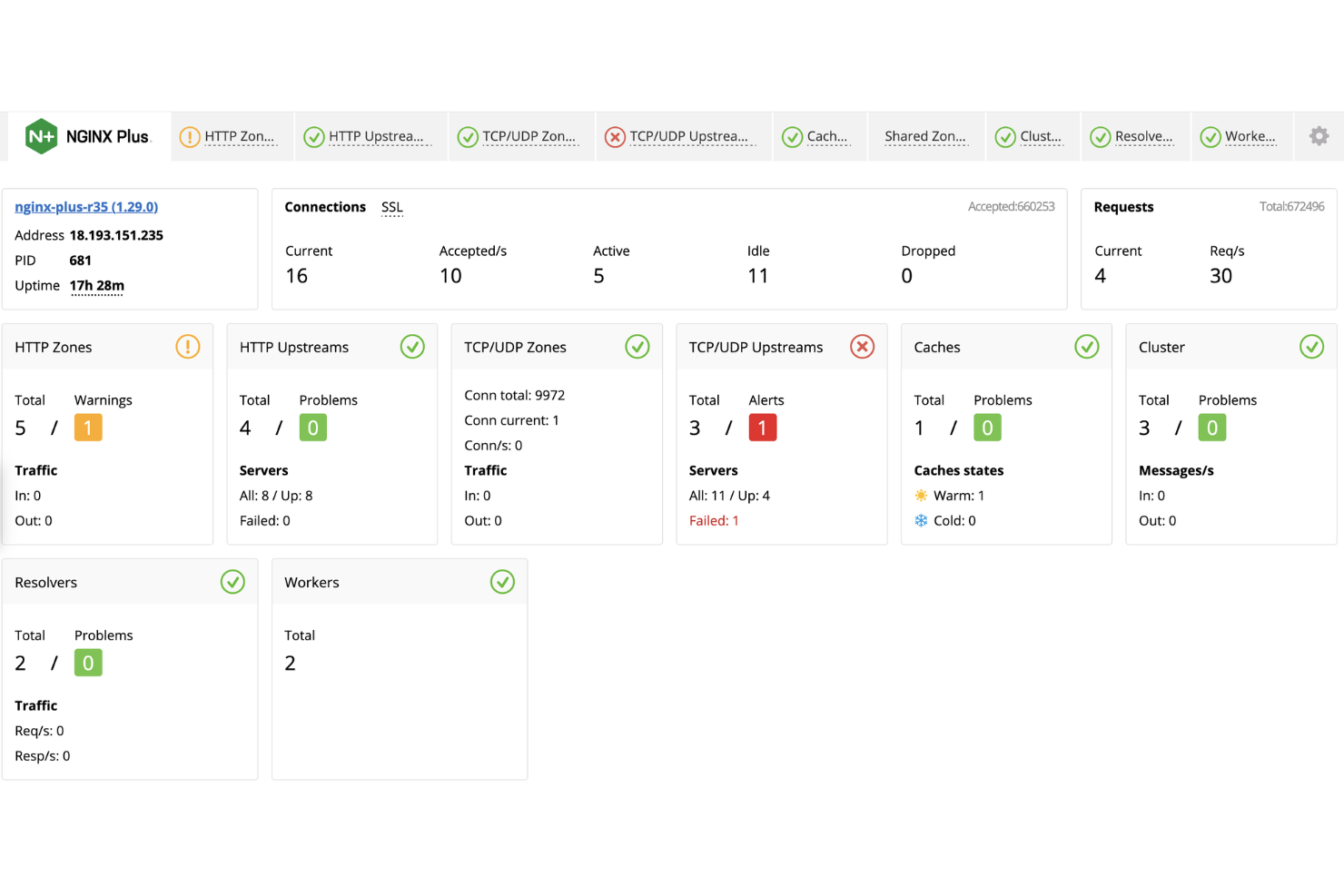
NGINX è una soluzione open source per gateway API nota per la gestione avanzata del traffico HTTP, il bilanciamento del carico, il proxy inverso e i controlli di sicurezza configurabili.
Per chi è più adatto NGINX?
NGINX si adatta ai team infrastrutturali e agli ingegneri di rete presso organizzazioni che gestiscono API ad alto traffico e richiedono routing del traffico e sicurezza a livello granulare.
Perché ho scelto NGINX
Ho scelto NGINX come uno dei migliori perché mi fido della sua reputazione nella gestione affidabile di grandi volumi di traffico API e web. Utilizzo le sue funzionalità di modellazione del traffico, proxy inverso e terminazione SSL per controllare e indirizzare efficacemente le richieste API su larga scala.
Funzionalità principali di NGINX
- Configurazione API dichiarativa: Definisci gli endpoint API e il comportamento del gateway tramite configurazioni YAML o JSON.
- Bilanciamento del carico dinamico: Distribuisce automaticamente il traffico tra più servizi backend.
- Caching integrato: Memorizza nella cache le risposte delle API per ridurre il carico sul backend e migliorare i tempi di risposta.
- Trasformazione delle richieste e risposte: Modifica direttamente intestazioni e payload HTTP all’interno del layer del gateway.
Integrazioni NGINX
Le integrazioni includono Kubernetes, Helm, OpenTelemetry, Lua e njs.
Pros and Cons
Pros:
- La configurazione supporta regole granulari per il traffico HTTP
- Ampia adozione in ambienti ad alto traffico
- Supporta la logica di routing avanzata delle richieste API
Cons:
- Non dispone di una dashboard di analisi API integrata
- La configurazione avanzata richiede spesso scripting manuale

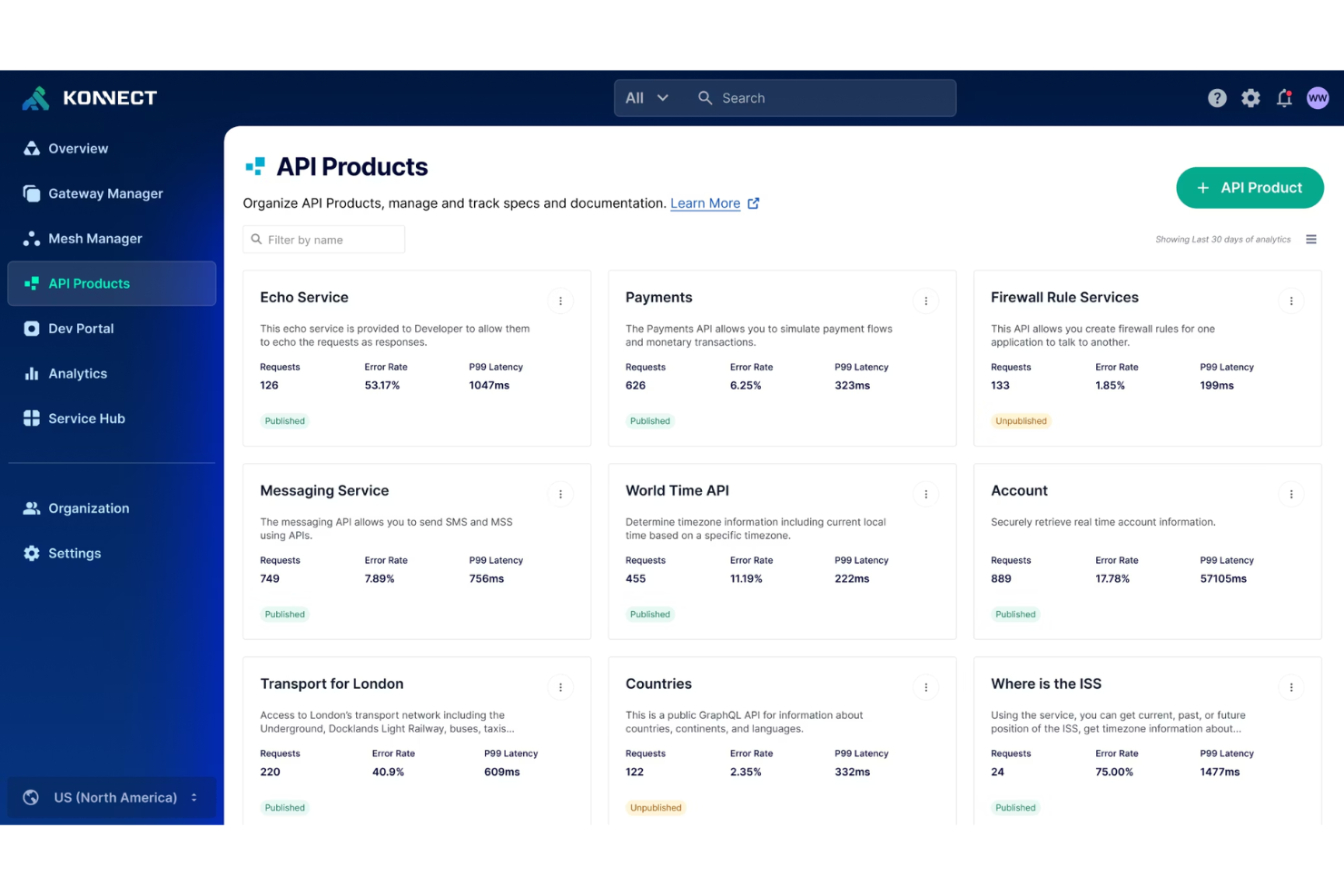
Kong è una piattaforma gateway API open source progettata per gestire, monitorare e proteggere API e microservizi su architetture distribuite.
Per chi è consigliato Kong?
I team DevOps nelle organizzazioni enterprise che gestiscono ambienti API complessi e distribuiti su più infrastrutture.
Perché ho scelto Kong
Ho scelto Kong tra i migliori perché posso automatizzare la distribuzione delle API usando GitOps, gestire la configurazione come codice e attivare rollback versionati direttamente dal mio pipeline CI/CD. Questo si adatta alle aziende che necessitano automazione affidabile per aggiornamenti frequenti.
Funzionalità principali di Kong
- Architettura a plugin: Estendi la funzionalità aggiungendo plugin per sicurezza, controllo del traffico, autenticazione e trasformazione.
- Dashboard analitico delle API: Monitora in tempo reale traffico e metriche delle richieste da una dashboard centralizzata e visiva.
- Bilanciamento del carico: Distribuisci le richieste API in ingresso su più servizi upstream per prestazioni costanti.
- Compatibilità service mesh: Integra con service mesh come Kuma e Istio per gestire la comunicazione tra servizi.
Integrazioni di Kong
Le integrazioni includono Kubernetes, VM, ELK, OIDC, OAuth, AWS, GCP, Hashicorp, Azure e gRPC.
Pros and Cons
Pros:
- Gestione del ciclo di vita API automatizzata con GitOps
- Gestisce la configurazione API come codice
- Scalabile con supporto per grandi volumi di API
Cons:
- Configurazione complessa per la gestione avanzata del traffico
- Richiede strumenti analitici esterni

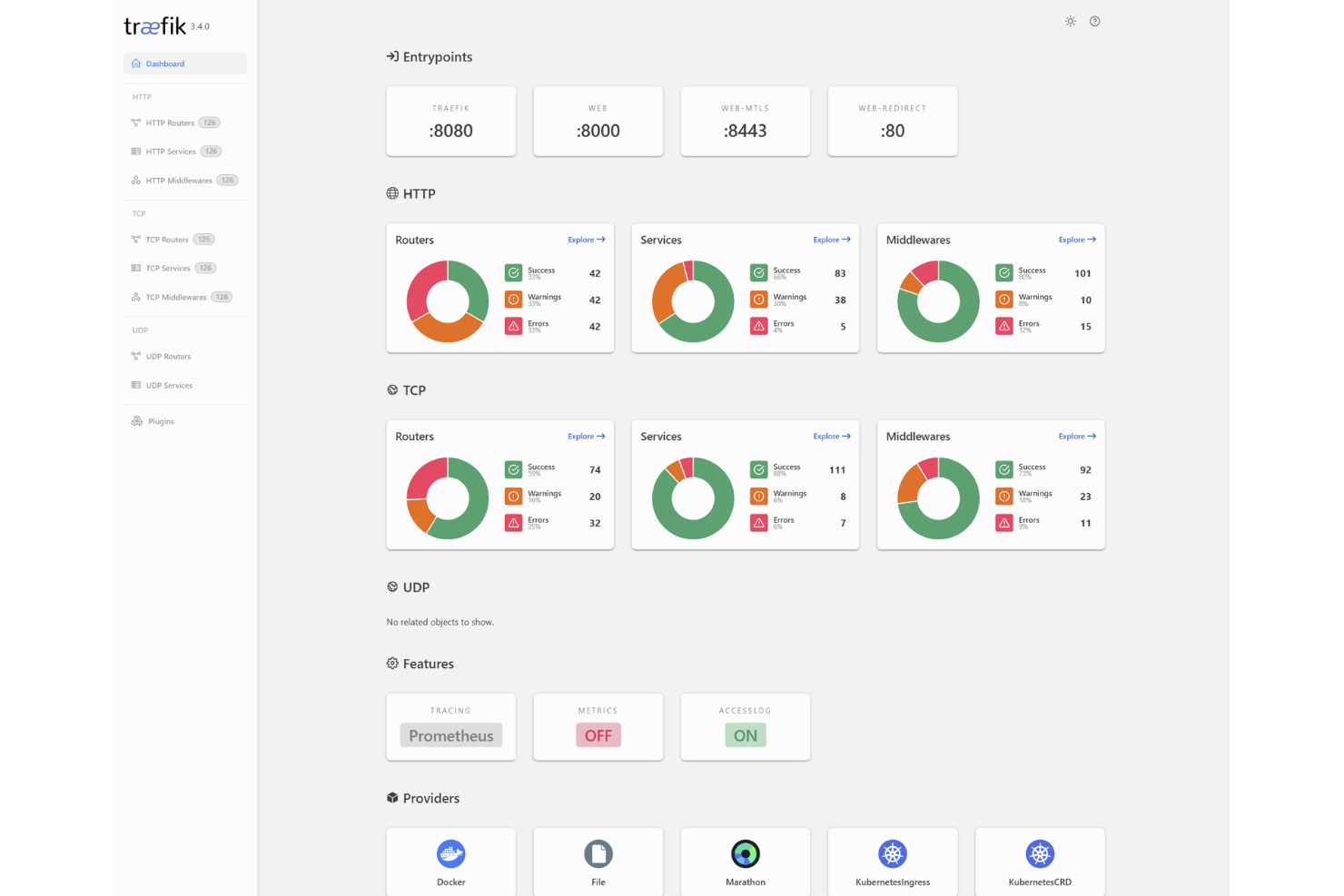
Traefik è un gateway API open source e un reverse proxy che offre routing dinamico, bilanciamento del carico, terminazione SSL e scoperta dei servizi, progettato appositamente per integrarsi con ambienti moderni basati su container e microservizi.
Per chi è più adatto Traefik?
Team DevOps e ingegneri di piattaforma che gestiscono cluster Kubernetes o microservizi scalabili in ambienti containerizzati.
Perché ho scelto Traefik
Ho scelto Traefik tra i migliori perché mi piace la fluidità con cui si integra con Kubernetes, aggiornando dinamicamente i percorsi man mano che i servizi scalano. Utilizzo la sua gestione integrata dei certificati e la scoperta nativa dei servizi per semplificare ambienti complessi e distribuiti.
Caratteristiche principali di Traefik
- Supporto middleware: Inserisci autenticazione, limitazione della velocità e registrazione a livello di routing.
- Integrazione Let's Encrypt: Provisioning e rinnovo automatico dei certificati SSL.
- Dashboard UI: Visualizza e gestisci percorsi, servizi e middleware in tempo reale.
- Supporto protocollo ACME: Gestione automatizzata dei certificati per gli endpoint HTTPS.
Integrazioni di Traefik
Le integrazioni includono Kubernetes, Docker, Consul, Etcd, Autenticazione OIDC, GeoBlock, Fail2Ban, Plugin Modsecurity, Coraza WAF e Tailscale Connectivity Authentication.
Pros and Cons
Pros:
- Gestione automatica dei certificati per HTTPS
- Supporto integrato per HTTP/2 e gRPC nativo
- Gestione automatica nativa dei certificati SSL Let's Encrypt
Cons:
- Il circuit breaking richiede middleware di terze parti
- Manca lo storage distribuito nativo dei certificati
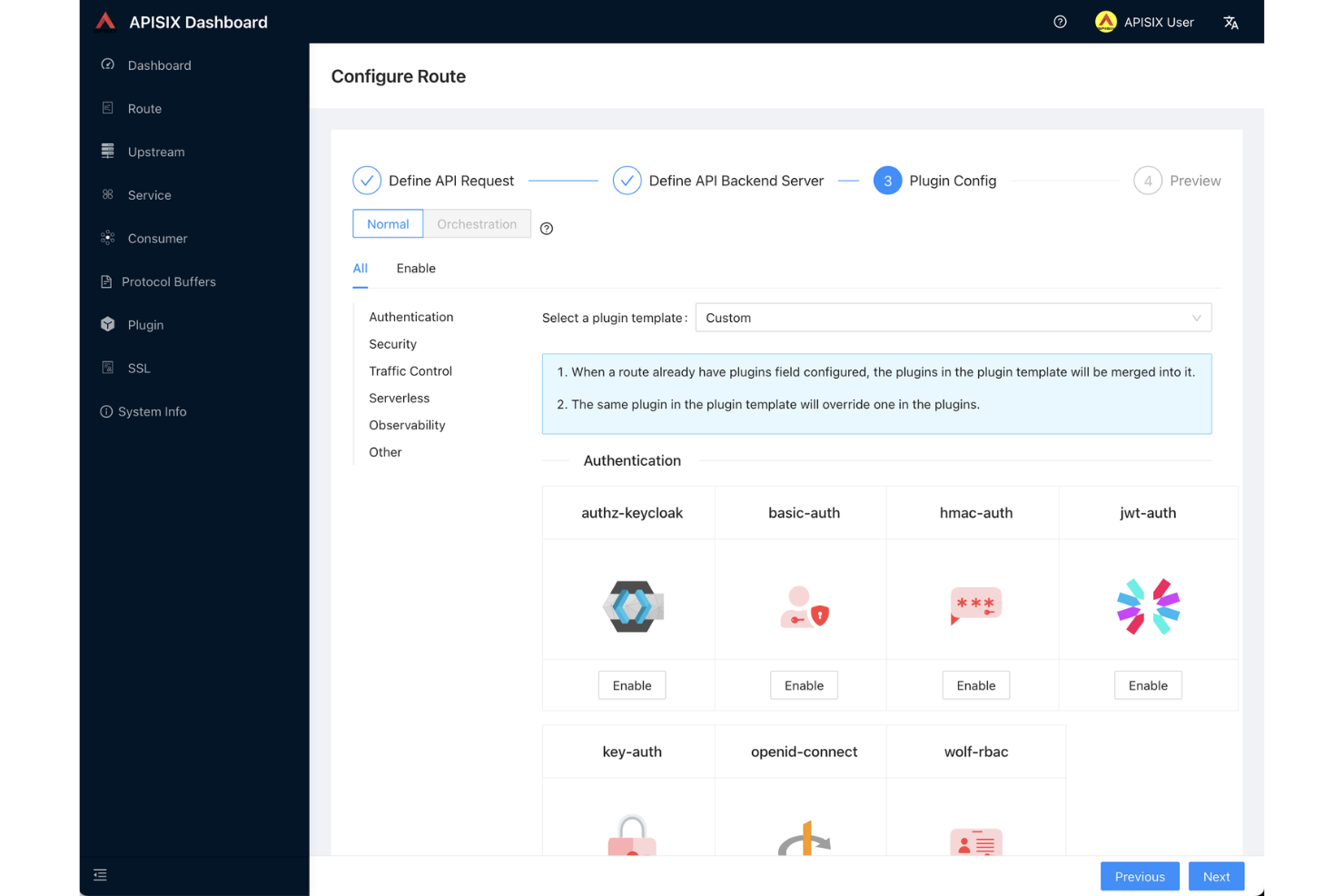
Apache APISIX è un software gateway API open source che offre instradamento dinamico, gestione del traffico, estendibilità tramite plugin e monitoraggio in tempo reale per servizi API in ambienti cloud-native e on-premises.
Per chi è indicato Apache APISIX?
Gli ingegneri API e i team di piattaforma all'interno di organizzazioni che implementano microservizi o architetture ibride cloud hanno bisogno di un instradamento flessibile e in tempo reale.
Perché ho scelto Apache APISIX
Ho scelto Apache APISIX perché mi consente di aggiornare immediatamente le regole di routing e upstream senza dover ridistribuire i servizi. La sua gestione dinamica dell'upstream e il sistema di hot-reload dei plugin permettono al mio team di adattare la logica di instradamento e applicare rapidamente nuove policy in tempo reale.
Funzionalità principali di Apache APISIX
- Estendibilità tramite plugin: Aggiungi o personalizza il comportamento tramite plugin basati su Lua per autenticazione, sicurezza e osservabilità.
- Configurazione dichiarativa: Gestisci tutte le impostazioni e le risorse del gateway tramite un sistema di configurazione basato su YAML.
- Supporto gRPC: Proxy e gestione nativa del traffico gRPC e gRPC-web.
- Supporto multi-protocollo: Gestisci connessioni HTTP, HTTPS, HTTP/2, WebSocket e TCP/UDP all'interno di un unico gateway.
Integrazioni di Apache APISIX
Le integrazioni includono Batch-Requests, Lago, Keycloak, Casdoor, Casbin, Datadog, Kafka, Azure-Functions, AWS-Lambda e Dubbo.
Pros and Cons
Pros:
- Aggiornamenti delle regole di routing in tempo reale
- Sistema di plugin con Lua per la personalizzazione
- Solido supporto per traffico multi-protocollo
Cons:
- La configurazione può essere complessa per i principianti
- La documentazione è frammentata tra i vari componenti

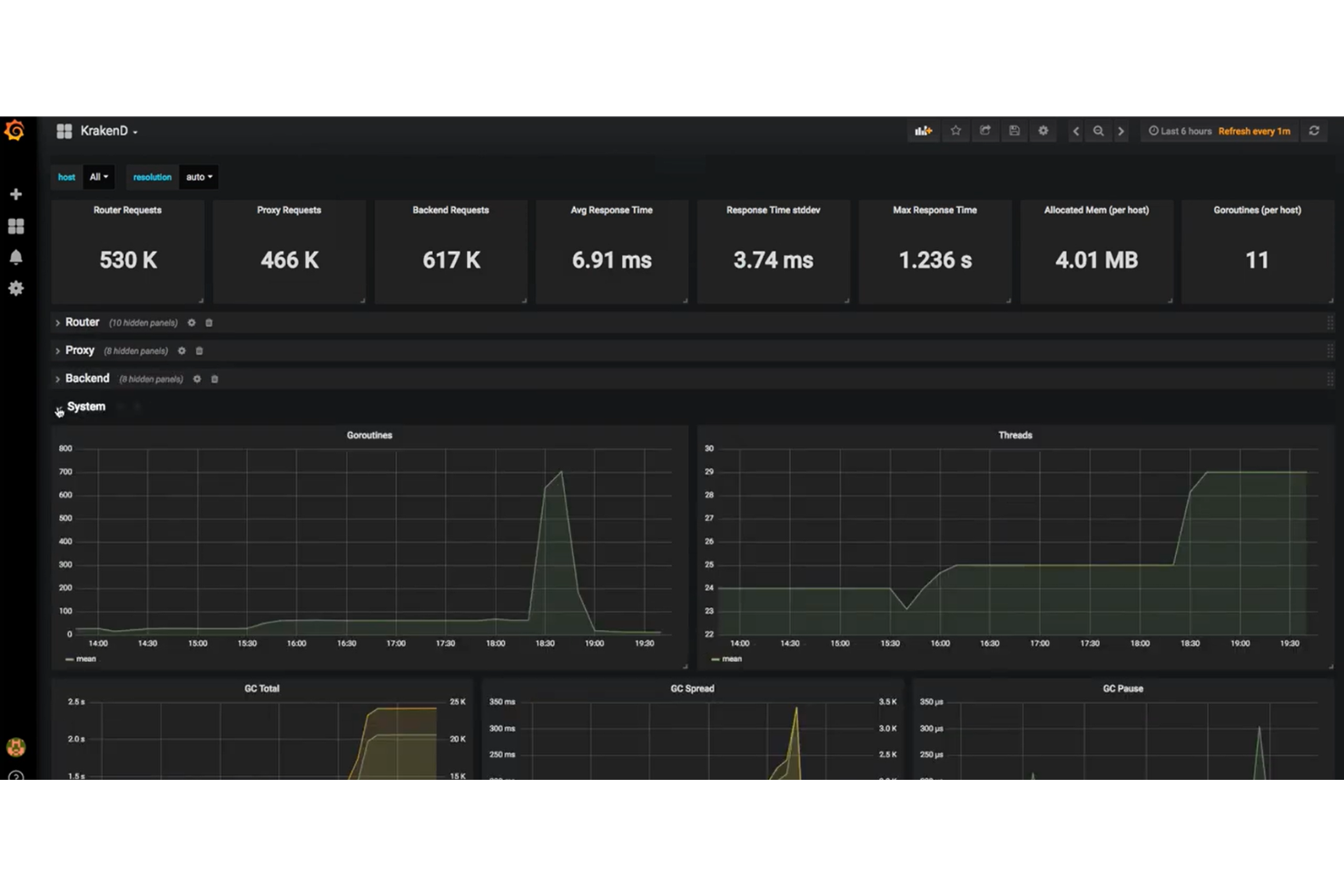
KrakenD è una piattaforma gateway API open source per costruire, proteggere e aggregare API, offrendo funzionalità come la composizione degli endpoint, la trasformazione delle richieste e personalizzazioni avanzate con un focus sulle prestazioni.
Per chi è più indicato KrakenD?
Architetti API e team di ingegneria di grandi aziende o piattaforme digitali che necessitano di aggregare e trasformare rapidamente dati da diversi servizi backend.
Perché ho scelto KrakenD
Ho scelto KrakenD come uno dei migliori perché permette di aggregare le risposte di più API in un unico endpoint con una latenza minima. Il suo motore stateless ad alte prestazioni gestisce migliaia di connessioni simultanee e regole di trasformazione avanzate senza middleware aggiuntivi.
Caratteristiche principali di KrakenD
- Configurazione dichiarativa: Definisci il comportamento del gateway API tramite un unico file JSON facilmente leggibile.
- Validazione JWT integrata: Autenticazione e autorizzazione del traffico senza servizi esterni.
- Limitazione del rate: Controllo del numero di richieste per endpoint o client.
- Sistema di plugin: Estensione delle funzionalità tramite plugin personalizzati in Go.
Integrazioni di KrakenD
Le integrazioni includono Zipkin, X-Ray, Stackdriver, OpenCensus, Jaeger, WebSockets, SOAP, GeoIP, Postman e OpenAI.
Pros and Cons
Pros:
- Altissima capacità di throughput con latenza molto bassa
- Scripting Lua per personalizzazioni avanzate
- Configurazione dichiarativa tramite file JSON
Cons:
- Richiede il riavvio completo per aggiornare le rotte
- Proxying nativo gRPC non supportato


Gloo Gateway è un gateway API open source che unisce gestione del traffico, routing, sicurezza, osservabilità ed enforcement delle policy API sia per ambienti legacy che moderni cloud-native.
Per chi è più indicato Gloo Gateway?
Architetti di piattaforma e grandi aziende che gestiscono infrastrutture API sia on-prem che cloud-native in ambienti ibridi.
Perché ho scelto Gloo Gateway
Ho scelto Gloo Gateway tra i migliori perché ne apprezzo l'architettura basata su Envoy e il forte supporto sia per ambienti ibridi sia cloud-native. Utilizzo le funzionalità di federazione delle API e applicazione delle policy per gestire le API su cloud sia legacy che moderni.
Caratteristiche principali di Gloo Gateway
- Supporto GraphQL: Gestisce ed elabora API GraphQL insieme ad API REST e gRPC.
- Scoperta automatica dei servizi: Rileva servizi nuovi ed esistenti in ambienti multi-cloud e on-prem.
- Rate limiting integrato: Applica controlli sull'utilizzo delle API con policy dettagliate di traffico.
- Portale sviluppatori: Offre un'interfaccia self-service per i consumatori di API con documentazione e gestione delle chiavi.
Integrazioni di Gloo Gateway
Le integrazioni includono Istio, AWS NLB, AWS ALB, AWS Lambda, Keycloak e gRPC.
Pros and Cons
Pros:
- Gestione avanzata del traffico basata su Envoy
- Supporto nativo per API GraphQL e gRPC
- Architettura Kubernetes-native per i deployment
Cons:
- Complessità di configurazione per ambienti multi-cluster
- La gamma completa di funzionalità si basa su un piano a pagamento


WSO2 è un software open source per gateway API che offre creazione, gestione, monitoraggio, controllo degli accessi, trasformazione ed esecuzione delle policy per le API in architetture moderne e distribuite.
Per chi è più adatto WSO2?
WSO2 è una scelta solida per architetti di piattaforma e responsabili di programmi API in medie e grandi imprese che gestiscono ecosistemi API estesi.
Perché ho scelto WSO2
Ho scelto WSO2 perché riconosco quanto profondamente supporti l'intero ciclo di vita delle API, dalla progettazione e pubblicazione fino all’analisi e all’applicazione delle policy. Utilizzo spesso le sue policy di gestione del traffico e il controllo delle versioni senza interruzioni per coordinare aggiornamenti sicuri e coerenti su ambienti distribuiti.
Funzionalità principali di WSO2
- Controllo degli accessi basato sui ruoli: Definisci permessi dettagliati per l’accesso e la gestione delle API.
- Supporto alla monetizzazione delle API: Attiva e gestisci piani di utilizzo, accessi a livelli e modelli di fatturazione.
- Analisi API in tempo reale: Visualizza e analizza il traffico e i modelli di utilizzo delle API in tempo reale.
- Protezione avanzata dalle minacce: Proteggi le API con policy di sicurezza preconfigurate e mitigazione degli attacchi.
Integrazioni di WSO2
Le integrazioni includono Moesif, ELK, Jaeger, Zipkin, Grafana, Prometheus, SAP, Salesforce, Snowflake e HubSpot.
Pros and Cons
Pros:
- Controllo avanzato delle policy per la sicurezza delle API
- Ottimi strumenti di pubblicazione e versionamento delle API
- Opzioni di deployment flessibili per cloud e on-premise
Cons:
- Richiede molto codice personalizzato per le estensioni
- Configurazione dell’interfaccia complessa per nuove installazioni

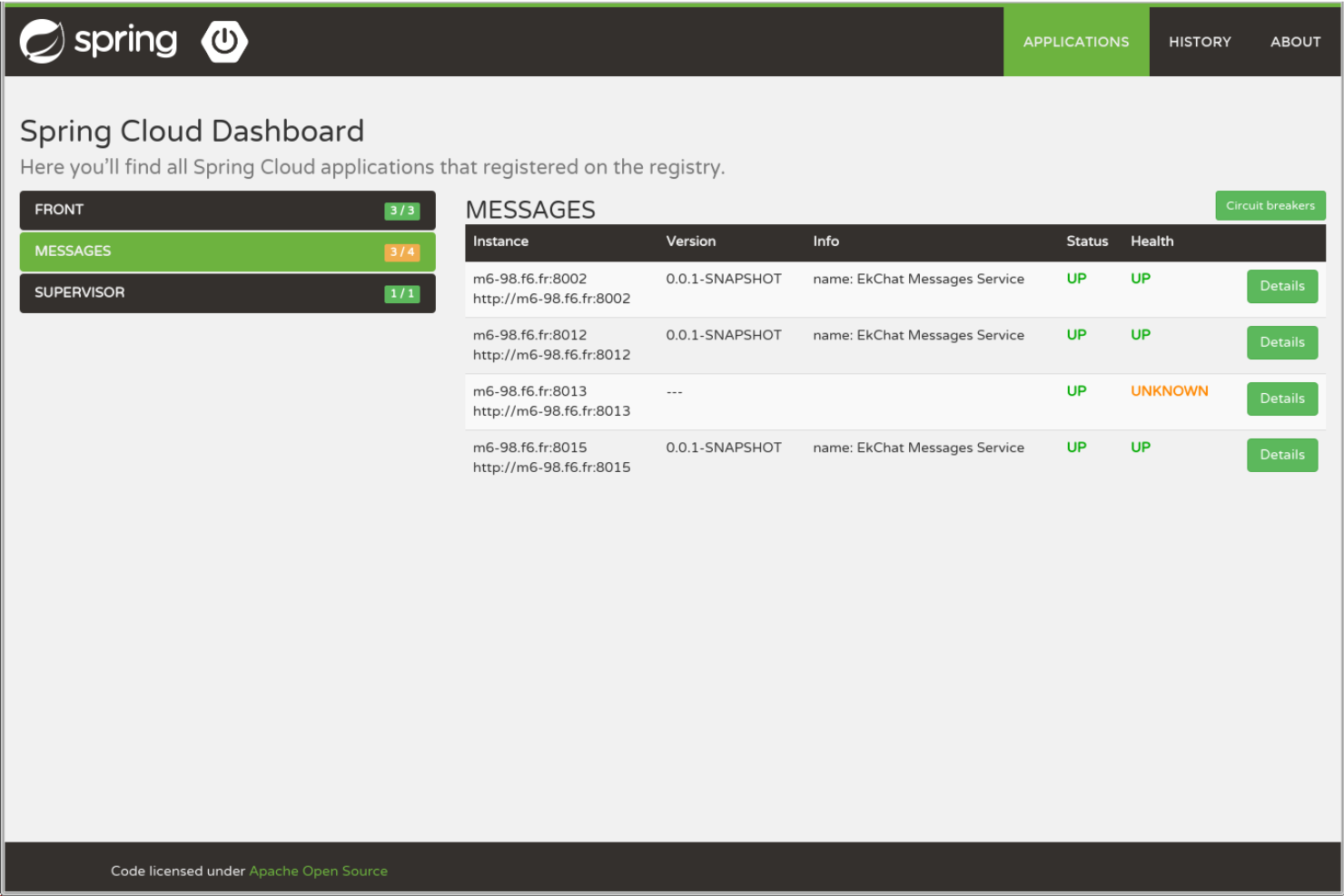
Spring Cloud Gateway è un framework gateway API open source progettato per un'architettura a microservizi, che offre instradamento dinamico, trasformazione delle richieste, resilienza e integrazione con ambienti basati su Spring.
Per chi è ideale Spring Cloud Gateway?
Team di sviluppo Java che costruiscono microservizi o applicazioni distribuite all'interno di ambienti già basati su Spring.
Perché ho scelto Spring Cloud Gateway
Ho scelto Spring Cloud Gateway come uno dei migliori perché consente al mio team di sfruttare filtri predefiniti, routing delle richieste e pattern di resilienza in stretta integrazione con Spring Boot. Mi affido a questo gateway ogni volta che ho bisogno di gestire la gestione centralizzata delle API direttamente nei servizi basati su Spring.
Funzionalità principali di Spring Cloud Gateway
- Predicati di routing: Configura il matching delle richieste in modo dettagliato utilizzando predicati integrati e personalizzati.
- Riscrittura del percorso: Riscrivi i percorsi delle richieste in ingresso prima di inoltrarle ai servizi backend.
- Limitazione del traffico integrata: Controlla il consumo delle API con un rate limiter a bucket di token.
- Filtri personalizzati: Aggiungi o modifica il comportamento del gateway con logica Java personalizzata per i filtri.
Integrazioni di Spring Cloud Gateway
Spring Cloud Gateway offre integrazioni native all'interno dell'ecosistema Spring, inclusi Spring Boot, Spring Security e Spring Cloud Config.
Pros and Cons
Pros:
- Profonda integrazione con Spring Boot e Spring Cloud
- Supporta routing dinamico e filtri personalizzati delle richieste
- Modello di programmazione reattivo per API non bloccanti
Cons:
- Supporto limitato per linguaggi diversi da Java
- Il deployment richiede runtime JVM

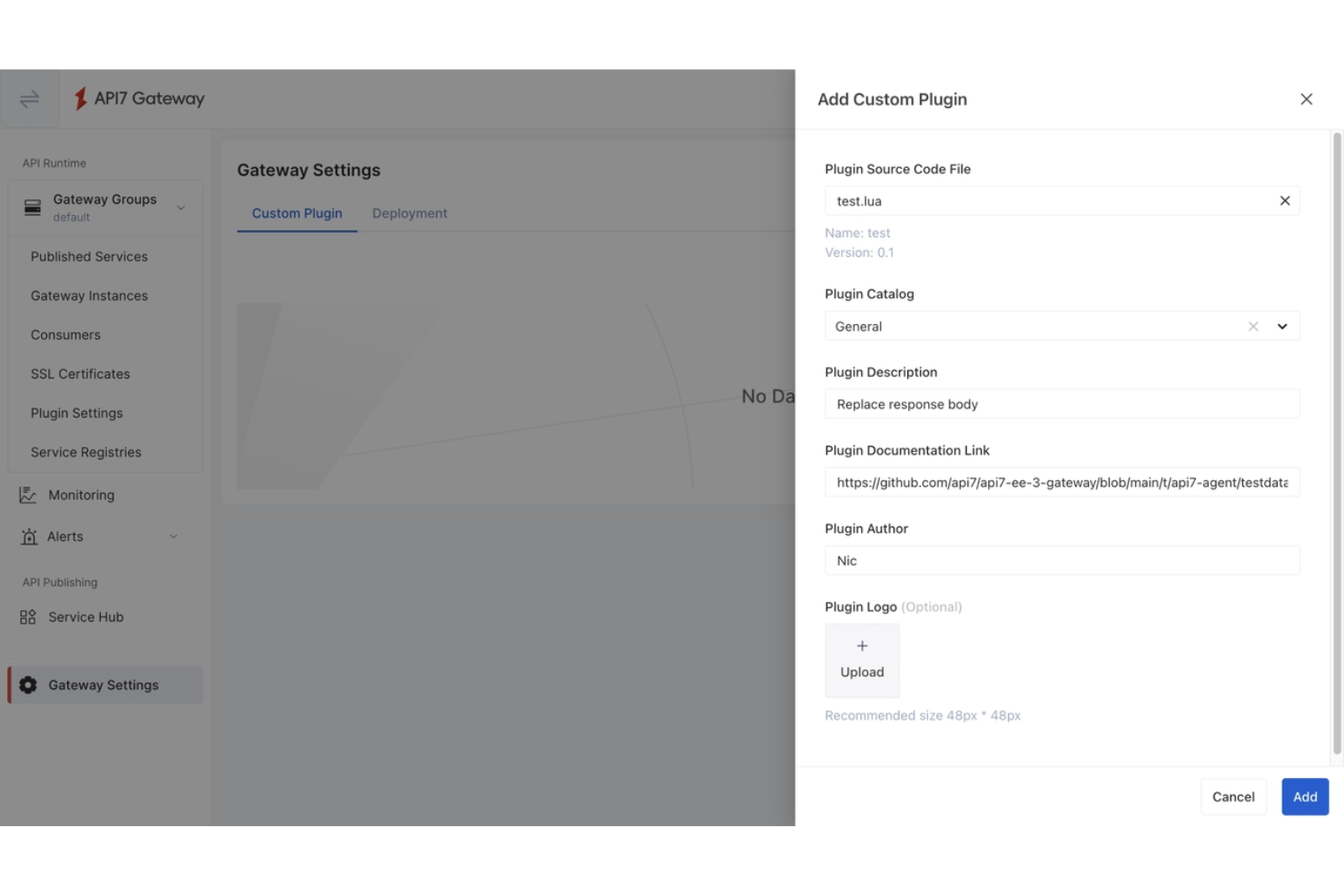
API7.ai è una piattaforma open source per API gateway che offre gestione centralizzata delle API, controllo del traffico, funzionalità di sicurezza e analisi, con un'architettura modulare progettata per l'integrazione e la personalizzazione.
Per chi è API7.ai?
API7.ai è adatto a team DevOps e integratori di sistemi in aziende di medie o grandi dimensioni che necessitano di personalizzazione e estensibilità avanzate per la loro infrastruttura di gestione API.
Perché ho scelto API7.ai
Ho scelto API7.ai tra le mie opzioni preferite perché apprezzo come la sua architettura a plugin mi permetta di implementare autenticazione personalizzata, logging e regole di trasformazione senza dover effettuare fork del codice. Utilizzo il suo sistema di plugin Lua per una gestione dettagliata del traffico e il controllo delle policy.
Funzionalità chiave di API7.ai
- Limitazione del traffico: Controlla l'utilizzo delle API con limiti di traffico flessibili per utente o endpoint.
- Verifiche dinamiche di stato dei backend: Monitora lo stato dei servizi backend per modificare il routing in tempo reale.
- Terminazione SSL/TLS: Scarica la decifrazione e cifratura SSL al gateway per comunicazioni sicure.
- Gestione della configurazione dichiarativa: Gestisci il routing e le policy utilizzando configurazioni dichiarative basate su YAML.
Integrazioni di API7.ai
Le integrazioni includono OpenAI, DeepSeek, Claude, Gemini, Mistral AI, Prometheus, Grafana, ClickHouse, Amazon Bedrock e Azure OpenAI.
Pros and Cons
Pros:
- Il sistema di plugin supporta policy avanzate personalizzate
- Supporta hot-reloading delle modifiche di configurazione
- Osservabilità con metriche e tracciamento integrati
Cons:
- Configurazione complessa per setup multi-cluster
- Opzioni limitate per i plugin di autenticazione integrati
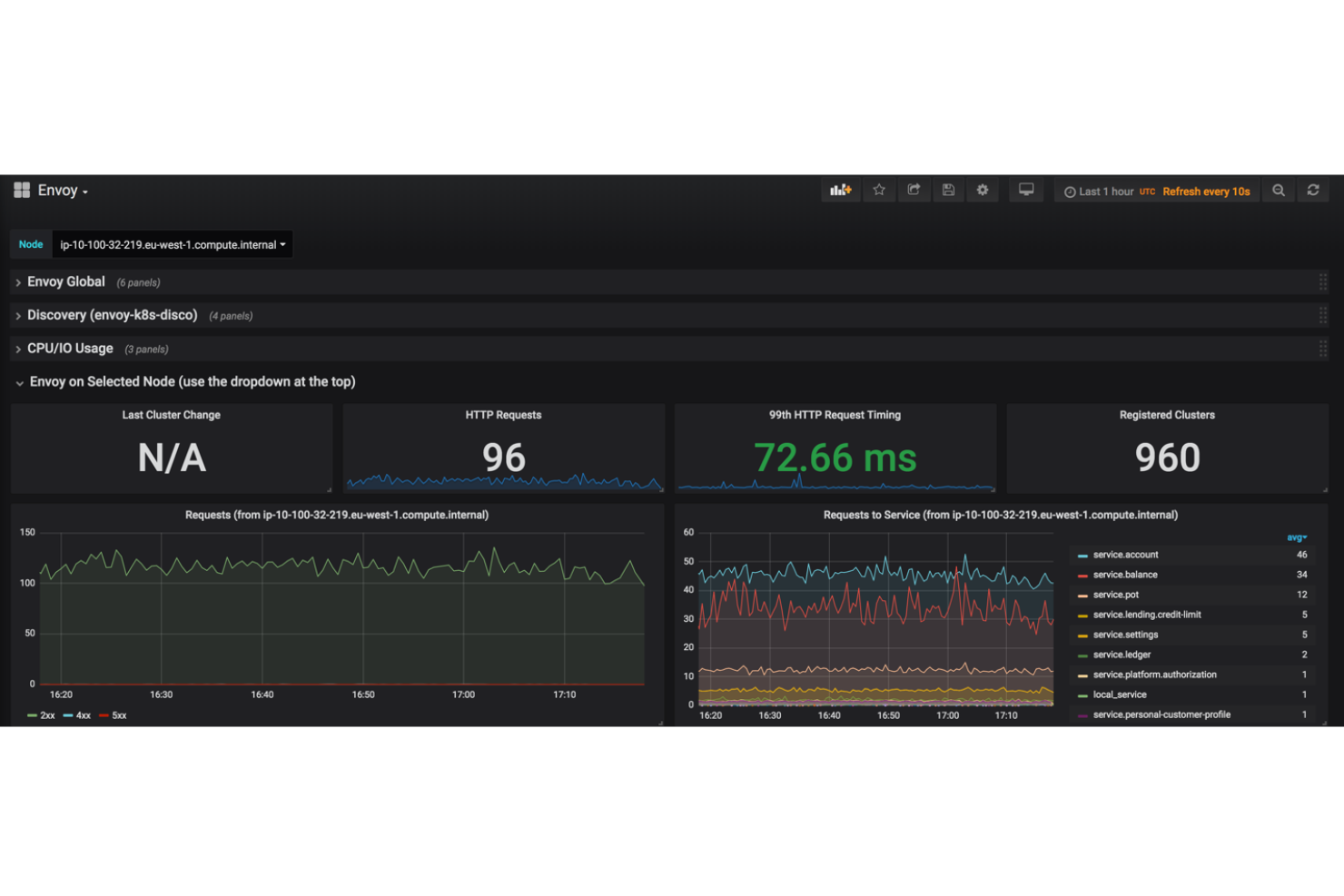
Envoy Proxy è un proxy edge e di servizio open source per casi d’uso come API gateway, che offre instradamento dinamico, bilanciamento del carico, osservabilità e supporto per architetture di rete avanzate.
A chi è più adatto Envoy Proxy?
Team di infrastruttura e DevOps in organizzazioni che costruiscono microservizi o gestiscono applicazioni distribuite su larga scala.
Perché ho scelto Envoy Proxy
Ho scelto Envoy Proxy tra le migliori opzioni perché la sua scoperta di servizi nativa, la ricca osservabilità e il supporto per il bilanciamento del carico avanzato sono elementi fondamentali nei nostri deployment di service mesh. Lo utilizzo quando desidero una gestione avanzata del traffico attraverso ambienti distribuiti.
Funzionalità chiave di Envoy Proxy
- Catena di filtri estensibile: Inserisci filtri su diversi livelli di rete per personalizzare il processamento del traffico.
- Supporto HTTP/2 e gRPC: Gestisci protocolli di comunicazione moderni per dati in tempo reale e interazioni tra servizi.
- Funzionalità di hot restart: Ricarica le configurazioni senza interruzioni o perdita di connessioni.
- Terminazione TLS: Gestisci connessioni sicure scaricando l’handshake SSL/TLS dai servizi di backend.
Integrazioni Envoy Proxy
Le integrazioni includono Ambassador, Cilium, Cloud Foundry, Consul, Contour, Enroute, Istio, Kuma, AWS App Mesh e Instana.
Pros and Cons
Pros:
- Hot restart evita interruzioni delle connessioni
- Osservabilità avanzata con metriche integrate
- Forte compatibilità con le piattaforme service mesh
Cons:
- Sintassi di configurazione complessa
- Funzionalità di autenticazione integrate limitate
Altri software gateway API open source
Ecco alcune ulteriori opzioni di software gateway API open source che non sono entrate nel mio elenco, ma che vale comunque la pena prendere in considerazione:
- Express Gateway
Ideale per i flussi di lavoro degli sviluppatori Node.js
- Emissary-Ingress
Ideale per la configurazione dichiarativa delle CRD
- Higress
Ideale per politiche di traffico AI personalizzabili


Come Valuto i Software Open Source per API Gateway
Quando un team gestisce il traffico dei microservizi o protegge le API al perimetro, suddivido la mia valutazione tra i requisiti indispensabili di base e i fattori che distinguono un gateway capace da quello giusto.
Funzionalità Core (Requisiti Minimi per Questa Lista)
Quando seleziono gli strumenti per la mia lista, valuto ciascuno su una scala da 0 (non offre la funzionalità) a 5 (eccelle in quest'area) per ogni funzione core elencata di seguito. Successivamente, calcolo il punteggio totale dello strumento come percentuale. Ogni strumento deve raggiungere un punteggio minimo totale del 65% per essere incluso nella selezione.
- Licenza Open Source: Controllo che il gateway sia distribuito sotto una licenza approvata dall'OSI e verifico quanto del core sia effettivamente autogestibile gratuitamente rispetto a ciò che è riservato ai livelli enterprise.
- Instradamento API & Proxy del Traffico: Il gateway deve gestire routing basato su path e host, bilanciamento del carico e supportare protocolli HTTP/S, gRPC e traffico WebSocket.
- Controlli di Autenticazione & Sicurezza: Valuto l'ampiezza dei metodi di autenticazione disponibili, dalle chiavi API e validazione JWT a flussi OAuth2/OIDC, mTLS e il rate limiting a livello di gateway.
- Plugin & Framework di Estensibilità: Che si abbia bisogno di un'iniezione di header personalizzata o di un trasformatore di richieste, cerco un sistema di plugin maturo con supporto per logica custom in linguaggi come Lua, Go o Wasm.
- Osservabilità & Supporto al Monitoraggio: Cerco integrazioni native con Prometheus, Grafana o OpenTelemetry in modo che il team possa monitorare latenza, tassi di errore e stato degli upstream senza soluzioni estemporanee.
- Flessibilità di Deploy: Un gateway dovrebbe essere facilmente distribuibile su Docker, Kubernetes (con Helm chart o CRD), VM e bare metal, adattandosi alla tua infrastruttura anziché imporla.
Una volta che ho una lista di strumenti che soddisfano i criteri, considero ciò che distingue ogni piattaforma.
Fattori Differenzianti (Cosa Distingue i Fornitori)
Ecco come confronto i diversi fornitori:
Funzionalità Distintive
Una configurazione compatibile con GitOps è importante quando il team gestisce regole del gateway su ambienti di staging e produzione tramite ArgoCD o Flux. Valuto anche l'integrazione con i service mesh, poiché i team che usano Istio o Linkerd traggono vantaggio da un gateway che gestisce il traffico nord-sud senza duplicare le policy est-ovest. Per le organizzazioni più grandi, spazi di lavoro multi-tenant consentono ai team piattaforma di isolare la gestione delle API tra le diverse unità di business senza dover avviare cluster gateway separati.
Oltre le Funzionalità
La salute della comunità è per me un segnale rilevante. Osservo la frequenza dei commit, la diversità dei collaboratori e se il progetto rientra sotto una fondazione come CNCF, poiché ciò riduce il rischio che un singolo fornitore abbandoni il progetto. Il supporto commerciale conta perché anche i team più esperti affrontano casi limite in produzione in cui SLA garantiti dal fornitore e servizi professionali fanno davvero la differenza. Valuto anche l'integrazione nell'ecosistema, verificando la presenza di connettori predefiniti per provider di identità come Keycloak o Auth0 e la compatibilità con specifiche OpenAPI e GraphQL.
Come scegliere un software gateway API open source
È facile perdersi in lunghi elenchi di funzionalità e strutture tariffarie complesse. Per aiutarti a rimanere concentrato mentre affronti il tuo specifico processo di selezione del software, ecco un elenco di fattori da tenere a mente:
| Fattore | Cosa considerare |
|---|---|
| Scalabilità | Il gateway è in grado di gestire il traffico API previsto ora e durante la crescita della tua azienda? Cerca benchmark delle prestazioni documentati e supporto per distribuzioni distribuite. |
| Integrazioni | Si collegherà facilmente ai tuoi provider di autenticazione, agli strumenti CI/CD e agli stack di monitoraggio? Prima di impegnarti, verifica la documentazione ufficiale per le integrazioni principali. |
| Personalizzazione | Con quale facilità è possibile personalizzare criteri e flussi di lavoro? Verifica se puoi definire plugin o script personalizzati per soddisfare i requisiti della tua organizzazione. |
| Facilità d'uso | L'interfaccia utente e la configurazione sono sufficientemente chiare per il livello di competenza del tuo team? Chiediti chi sarà responsabile della configurazione e della gestione quotidiana. Richiedi una demo, se disponibile. |
| Implementazione e onboarding | Quanto è ripida la curva di apprendimento? Esamina la documentazione di configurazione, gli strumenti di migrazione e i passaggi per la configurazione iniziale. Considera il tempo e le risorse interne necessari per entrare in produzione. |
| Costo | Oltre alle licenze iniziali, quali sono i costi continuativi per risorse e supporto? Tieni conto dell'infrastruttura, delle funzionalità premium e dei potenziali aggiornamenti futuri. |
| Misure di sicurezza | Soddisfa le tue esigenze di conformità in materia di autenticazione, crittografia e protezione dalle minacce? Esamina le opzioni disponibili per l'applicazione dei criteri e gli aggiornamenti regolari contro le vulnerabilità. |
| Disponibilità del supporto | Quale tipo di assistenza è disponibile: community, documentazione, piani di supporto a pagamento? Considera il livello di familiarità del tuo team con la risoluzione dei problemi del software open source. |
Che cos'è un software gateway API open source?
Il software gateway per API a codice aperto è uno strumento che gestisce, protegge e monitora il traffico tra i servizi back-end e i client esterni tramite API standardizzate. Aiuta le organizzazioni a controllare l'autenticazione, l'instradamento del traffico, la limitazione delle richieste e l'osservabilità delle API. Essendo a codice aperto, offre trasparenza, flessibilità e miglioramenti promossi dalla comunità per l'integrazione e la distribuzione.
Funzionalità del software gateway per API a codice aperto
Quando selezioni un software gateway per API a codice aperto, presta attenzione alle seguenti funzionalità chiave:
- Instradamento del traffico: Indirizza le richieste ai servizi back-end corretti, bilanciando il carico e applicando regole di instradamento basate sull'URL, sulle intestazioni o su altri parametri della richiesta.
- Autenticazione e autorizzazione: Applica verifiche dell'identità e concede l'accesso in base a credenziali, token o integrazioni con provider di identità per mantenere sicure le API.
- Limitazione della frequenza e quote: Controlla la frequenza con cui i client possono accedere alle API nel tempo, prevenendo gli abusi e garantendo l'affidabilità per tutti gli utenti.
- Versionamento delle API: Consente il supporto ottimale di più versioni delle API, permettendo di mantenere la compatibilità con le versioni precedenti durante gli aggiornamenti o le modifiche.
- Registrazione e analisi: Raccoglie metriche dettagliate per monitorare le chiamate API, la latenza, gli errori e le tendenze di utilizzo, aiutando i team a risolvere i problemi e ottimizzare le prestazioni.
- Applicazione dei criteri: Applica regole coerenti come memorizzazione nella cache, riscrittura, limitazione delle richieste o restrizioni IP tramite criteri personalizzabili che regolano il comportamento delle API.
- Individuazione dei servizi: Registra, individua e connette automaticamente i servizi back-end quando aumentano di scala o cambiano, riducendo la configurazione manuale e gli errori.
- Portale per sviluppatori: Offre un portale autonomo in cui gli sviluppatori possono individuare, testare e sottoscrivere le API, con accesso alla documentazione aggiornata.
- Protezione dalle minacce: Protegge le API dagli attacchi comuni come l'iniezione SQL, lo scripting tra siti e la negazione del servizio, con filtri e protocolli di sicurezza integrati.
- Opzioni di distribuzione flessibili: Distribuisce i gateway in sede, nel cloud o in modalità ibrida, adattandosi all'infrastruttura e ai requisiti di conformità.
Vantaggi del software gateway per API a codice aperto
L'implementazione di un software gateway per API a codice aperto offre diversi vantaggi al tuo team e alla tua azienda. Ecco alcuni dei vantaggi che puoi aspettarti:
- Sicurezza coerente delle API: Applica automaticamente autenticazione, autorizzazione e protezione dalle minacce a tutti i servizi da un punto centrale.
- Gestione semplificata del traffico: Instrada, limita e monitora le chiamate API, rendendo più semplice mantenere la disponibilità e l'affidabilità anche in presenza di carichi di lavoro variabili.
- Flessibilità e personalizzazione: Modifica le regole di instradamento, i criteri e le integrazioni per soddisfare requisiti tecnici specifici senza vincoli imposti dal fornitore.
- Trasparenza della titolarità e dei costi: Accedi al codice sorgente, controlla le distribuzioni ed evita costi di licenza imprevedibili utilizzando standard aperti.
- Scalabilità per la crescita: Supporta l'aumento del traffico API e dei servizi aggiuntivi ridimensionando le istanze del gateway insieme alla tua infrastruttura.
- Onboarding più rapido delle API: Fornisci agli sviluppatori portali autonomi, documentazione e un versionamento chiaro per integrazioni più rapide e passaggi di consegne più fluidi.
- Innovazione promossa dalla comunità: Trai vantaggio da aggiornamenti regolari, nuove funzionalità e buone pratiche offerte da una comunità globale di sviluppatori.
Costi e prezzi del software gateway per API a codice aperto
La scelta di un software gateway per API a codice aperto richiede la comprensione dei vari modelli di prezzo e dei piani disponibili. I costi variano in base alle funzionalità, alle dimensioni del team, ai componenti aggiuntivi e ad altro ancora. La tabella seguente riassume i piani comuni, i relativi prezzi medi e le funzionalità tipicamente incluse nelle soluzioni software gateway per API a codice aperto:
Tabella comparativa dei piani per il software gateway per API a codice aperto
| Tipo di piano | Prezzo medio | Funzionalità comuni |
|---|---|---|
| Piano gratuito | $0 | Instradamento del traffico di base, applicazione limitata dei criteri, supporto della comunità e analisi di base. |
| Piano personale | $5-$25/utente/mese | Tutte le funzionalità gratuite, monitoraggio avanzato, autenticazione di base, supporto limitato e documentazione. |
| Piano aziendale | $50-$200/utente/mese | Versionamento delle API, criteri di sicurezza avanzati, supporto premium, accesso al portale per sviluppatori e integrazioni. |
| Piano aziendale avanzato | $500-$2000/mese | SLA personalizzati, alta disponibilità, supporto prioritario, funzionalità di scalabilità e certificazioni di conformità. |
Domande frequenti sul software gateway API open source
Ecco alcune risposte alle domande comuni sul software gateway API open source:
In che modo il software gateway API open source differisce dai servizi gateway gestiti?
Il software gateway API open source offre il controllo sulla distribuzione, sulla configurazione e sulla manutenzione, mentre i servizi gateway gestiti sono ospitati e gestiti da terze parti. La scelta di un progetto open source offre generalmente una maggiore flessibilità per la progettazione e l’architettura delle API, ma richiede che il team gestisca internamente gli aggiornamenti, la scalabilità e il supporto.
Posso eseguire il software gateway API open source sia on-premise sia nel cloud?
Sì, la maggior parte delle soluzioni è progettata per una distribuzione flessibile in ambienti on-premise, cloud pubblico, cloud privato o cloud ibrido. Questa flessibilità del self-hosting aiuta a soddisfare le esigenze normative, di sicurezza o di integrazione specifiche della propria organizzazione. Consente di eseguire un gateway API cloud-native vicino alle proprie applicazioni, indipendentemente dal fatto che siano basate su infrastrutture tradizionali, architetture SaaS o moderne piattaforme serverless.
Quali sono le principali funzionalità di sicurezza che dovrei aspettarmi dal software gateway API open source?
Dovresti aspettarti funzionalità di sicurezza di livello enterprise come autenticazione e autorizzazione (auth), crittografia SSL/TLS, limitazione della frequenza delle API, convalida degli input e protezione di base dalle minacce, come la whitelist degli indirizzi IP. Una piattaforma affidabile per la gestione delle API supporterà inoltre la delega sicura degli accessi tramite OAuth 2.0, chiavi API standard e integrazioni approfondite con sistemi di identità esterni per proteggere le API REST.
È difficile migrare da un gateway legacy a una soluzione open source?
L’impegno richiesto per la migrazione dipende dalla configurazione attuale, dai protocolli supportati e dalla documentazione dello strumento. Molti strumenti moderni sono conformi a standard come OpenAPI e aiutano a trasferire le regole di instradamento, le policy di sicurezza e l’individuazione dei servizi con tempi di inattività minimi. A seconda della configurazione, questo processo può comportare l’aggiornamento delle configurazioni tramite GitHub o la modifica delle regole al margine della rete utilizzando un controller di ingresso.
In che modo i progetti software gateway API open source gestiscono il supporto e gli aggiornamenti?
Il supporto e gli aggiornamenti provengono generalmente da forum della community attivi, sistemi pubblici di tracciamento dei problemi e contributi degli sviluppatori open source. Tuttavia, la gestione di una soluzione critica per la gestione delle API in ambienti di produzione reali richiede spesso competenze specialistiche. Alcuni fornitori offrono anche piani di supporto a pagamento con accordi sui livelli di servizio, correzioni urgenti e assistenza per i clienti enterprise, che possono includere funzionalità di estensione personalizzate utilizzando linguaggi come JavaScript.