

Il futuro delle code: i 10 migliori sistemi di gestione delle code del 2027

10 Elenco dei migliori sistemi di gestione delle code


Orientarsi nel mondo dei sistemi di gestione delle code può essere scoraggiante, ma mi sono trovato nella vostra stessa situazione, alla ricerca dello strumento migliore per ottimizzare le code e migliorare l'esperienza dei clienti. Un sistema di gestione delle code organizza in modo efficace l'ordine e l'efficienza del flusso dei clienti.
Con un sistema di questo tipo, le aziende possono ridurre drasticamente i tempi di attesa e creare un ambiente più soddisfacente per i clienti. Ho visto di persona la tensione causata dalle lunghe file e dai clienti insoddisfatti; questi strumenti sono progettati per alleviare proprio queste difficoltà. Esplorate le opzioni disponibili: sono convinto che troverete la soluzione perfetta per le vostre esigenze.
Che cos'è un sistema di gestione delle code?
Un sistema di gestione delle code è un insieme di strumenti e processi progettati per controllare e organizzare il flusso dei clienti o degli utenti in attesa, fisicamente o virtualmente. Diversi settori, tra cui commercio al dettaglio, sanità, banche e uffici pubblici, utilizzano questi sistemi per ottimizzare le operazioni, ridurre i tempi di attesa e migliorare l'esperienza dei clienti.
Utilizzando sistemi di questo tipo, le organizzazioni mirano a rendere il processo di attesa più efficiente, trasparente e conveniente sia per gli operatori del servizio sia per le persone in coda.
Perché fidarsi dei nostri consigli sui software
Il nostro team testa e recensisce software dal 2012. In quanto leader tecnologici noi stessi, sappiamo quanto sia difficile — e importante — scegliere il software giusto.
Per questa guida, abbiamo valutato gli strumenti attraverso test praticie ricerche indipendenti, assegnando un punteggio agli strumenti in base ai nostri criteri di selezione.
Le nostre recensioni riflettono il nostro giudizio editoriale umano, non un discorso di vendita.
Revisori esperti:
Riepilogo dei migliori sistemi di gestione delle code
| Tool | Best For | Trial Info | Price | ||
|---|---|---|---|---|---|
| 1 | Ideale per le funzionalità di casella di posta condivisa | Prova gratuita disponibile | Da $25/utente/mese (fatturazione annuale) | Website | |
| 2 | Ideale per le esigenze di pianificazione degli appuntamenti | Disponibile un piano gratuito limitato | A partire da $25/utente/mese (fatturazione annuale) | Website | |
| 3 | Ideale per approfondimenti sul servizio clienti | Prova gratuita di 14 giorni | Da $30/utente/mese (fatturazione annuale) | Website | |
| 4 | Ideale per il controllo del traffico online | Not available | Da $25/utente/mese (fatturazione annuale) | Website | |
| 5 | Ideale per l’instradamento dei ticket tramite IA | Prova gratuita di 14 giorni | Da $9/postazione/mese (fatturazione annuale) | Website | |
| 6 | Ideale per la flessibilità di integrazione | Not available | A partire da $15/utente/mese (fatturazione annuale) | Website | |
| 7 | Ideale per ridurre i rischi di sovraccarico del sito web | Not available | A partire da $20/utente/mese (fatturazione annuale) | Website | |
| 8 | Ideale per analisi approfondite delle code | Demo gratuita disponibile | Prezzo su richiesta | Website | |
| 9 | Ideale per code digitali e in presenza | Not available | Da $15/utente/mese (fatturazione annuale) | Website | |
| 10 | Ideale per la gestione delle code virtuali | Demo gratuita disponibile | Prezzo su richiesta | Website |
Recensioni dei migliori sistemi di gestione delle code

Ideale per le funzionalità di casella di posta condivisa
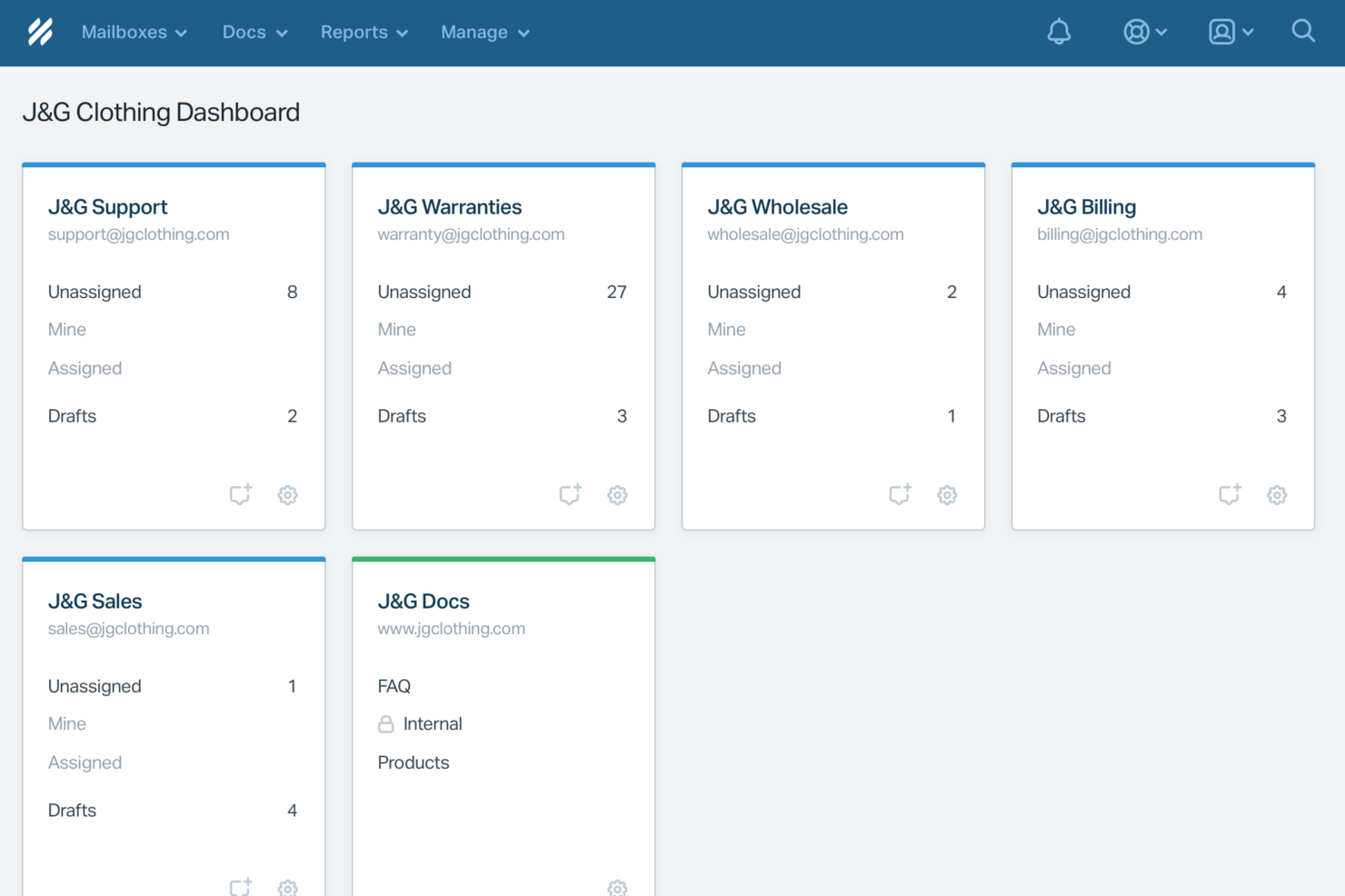
Per le aziende che cercano un sistema di gestione delle code, Help Scout offre una piattaforma sofisticata progettata per migliorare le interazioni con i clienti e la collaborazione tra i team. La sua combinazione unica di casella di posta condivisa, chat dal vivo e help center è pensata per le aziende che vogliono aumentare l’efficienza del supporto clienti. Automatizzando le attività di routine con strumenti di intelligenza artificiale, Help Scout consente al tuo team di concentrarsi sulle richieste clienti più complesse, risolvendo così la sfida di gestire efficacemente grandi volumi di interazioni con i clienti.
Perché ho scelto Help Scout
Ho scelto Help Scout per la sua capacità di centralizzare le conversazioni con i clienti grazie alla funzione di casella di posta condivisa, fondamentale per una gestione efficace delle code. Questa funzione garantisce che tutti i membri del team abbiano visibilità sulle interazioni con i clienti, riducendo il rischio di risposte duplicate e favorendo la collaborazione. Inoltre, gli strumenti di automazione guidati dall’IA di Help Scout gestiscono le richieste di routine, liberando il tuo team per concentrarsi su problemi clienti più urgenti. Queste funzionalità sono particolarmente utili per le aziende che desiderano gestire meglio le interazioni con i clienti e ridurre i tempi di risposta.
Caratteristiche principali di Help Scout
Oltre alla casella di posta condivisa e all’automazione IA, ho trovato preziose queste funzionalità per la gestione delle code:
- Messaggistica proattiva: permette al tuo team di contattare i clienti in modo proattivo, garantendo comunicazioni tempestive e pertinenti.
- Statistiche e analisi: offre report dettagliati su volumi di supporto e tempi di risposta, aiutando il team a migliorare facendo scelte basate sui dati.
- Flussi di lavoro automatizzati: ottimizza i processi del team automatizzando le attività ripetitive e assicurando che le richieste vengano indirizzate al dipartimento giusto.
- Capacità di integrazione: supporta oltre 100 integrazioni, permettendo una connessione fluida con altri strumenti utilizzati dall’azienda.
Integrazioni di Help Scout
Le integrazioni includono Slack, HubSpot, Salesforce, Shopify, Mailchimp, Google Workspace, Jira, WooCommerce, Stripe e Trello.
Pros and Cons
Pros:
- AI Answers risolve ticket comuni senza intervento degli operatori
- Il passaggio fluido mantiene il contesto della conversazione per gli operatori
- La knowledge base integrata alimenta risposte automatizzate accurate
Cons:
- Non è un chatbot autonomo al di fuori dell’ecosistema Help Scout
- L’efficacia dell’IA dipende fortemente dalla qualità della knowledge base
New Product Updates from Help Scout

Help Scout Adds Automatic Conversation Reassignment
Help Scout can now automatically unassign conversations when the assigned teammate has been away long enough, keeping replies moving so others can pick them up. For more information, visit Help Scout's official site.
 .
.
Ideale per le esigenze di pianificazione degli appuntamenti
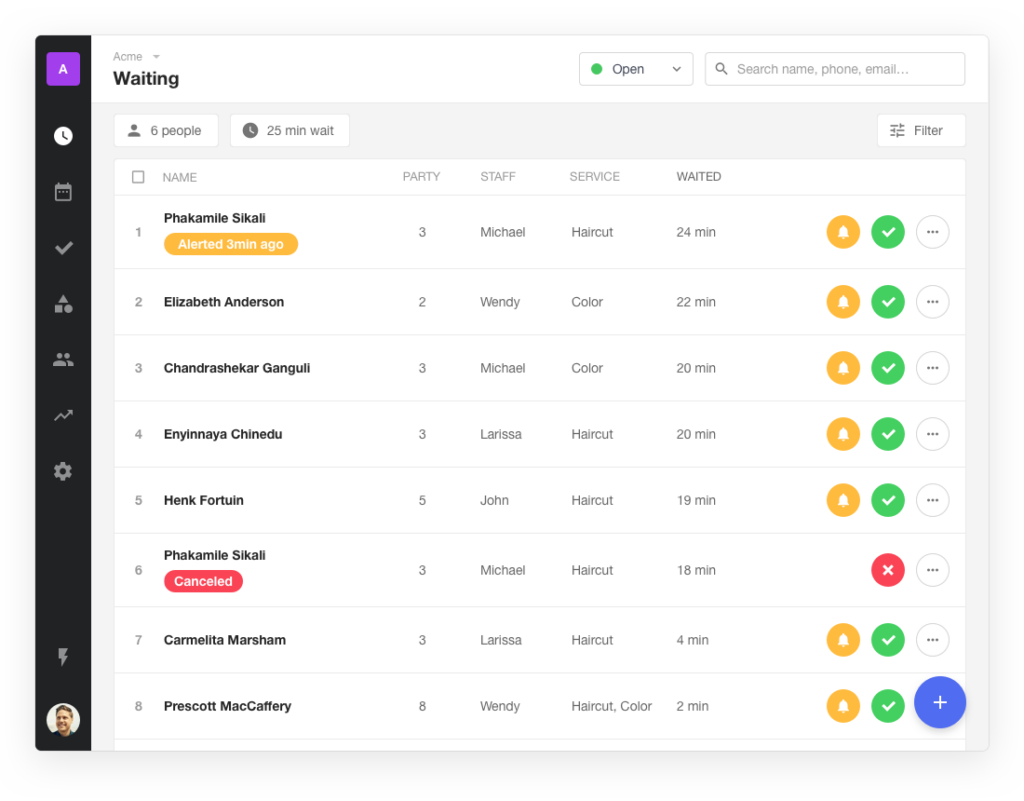
Waitwhile è un sistema intuitivo di gestione delle code progettato per semplificare il processo di prenotazione degli appuntamenti. La sua piattaforma aiuta le aziende a gestire in modo efficiente i propri appuntamenti e a migliorare l'esperienza dell'utente.
Perché ho scelto Waitwhile: Nel selezionare uno strumento affidabile per la gestione degli appuntamenti, Waitwhile si è distinto costantemente. Dopo aver valutato e confrontato le sue funzionalità con altri strumenti, è stato chiaro che la combinazione unica di caratteristiche di Waitwhile offriva qualcosa di particolare. Ho determinato che è la soluzione più adatta alle esigenze di pianificazione degli appuntamenti grazie alla sua attenzione alla semplicità e all'assicurare ai clienti un'esperienza di prenotazione senza intoppi.
Funzionalità e integrazioni principali:
Waitwhile offre funzionalità solide come informazioni in tempo reale sulla coda, notifiche SMS per gli appuntamenti e un'interfaccia intuitiva che non intimorisce i nuovi utenti. In termini di integrazioni, Waitwhile collabora efficientemente con strumenti come Slack, Google Calendar e Zapier, facilitando la sincronizzazione dei dati e la comunicazione.
Pros and Cons
Pros:
- Interfaccia facile da usare che semplifica il processo di prenotazione
- Integrazioni complete con le piattaforme più diffuse
- Informazioni in tempo reale per una migliore gestione delle code
Cons:
- La fatturazione annuale potrebbe non essere adatta a tutte le aziende
- Potrebbe essere troppo ricco di funzionalità per le attività molto piccole
- Nessuna opzione di prezzo mensile trasparente

Qminder
Ideale per approfondimenti sul servizio clienti

Qminder è un sistema di gestione delle code robusto che pone una forte enfasi sull'acquisizione di approfondimenti sulle esperienze del servizio clienti. È specificamente progettato per aiutare le aziende a comprendere meglio i propri clienti e migliorare la qualità complessiva del servizio basandosi su feedback guidati dai dati.
Perché ho scelto Qminder: Esaminando diversi strumenti, ho scelto Qminder principalmente per il suo focus approfondito nell'estrazione di informazioni sul servizio clienti. La sua interfaccia intuitiva e le potenti capacità di analisi lo distinguono dagli altri sistemi di gestione delle code. Le aziende che danno priorità alla comprensione dei bisogni dei clienti e desiderano dati azionabili per migliorare i propri servizi troveranno Qminder prezioso.
Funzionalità principali & integrazioni:
Qminder si distingue con funzionalità come analisi in tempo reale, metriche di servizio dettagliate e tracciamento dei visitatori. La sua capacità di fornire riepiloghi significativi dei feedback dei clienti può fare la differenza per le imprese interessate ad elevare il livello del proprio servizio. Sul fronte delle integrazioni, Qminder si collega senza sforzo con diversi sistemi CRM e strumenti di feedback dei clienti, assicurando che tutti gli insight dei dati vengano catturati in modo coerente.
Pros and Cons
Pros:
- Analisi approfondite sulle esperienze di servizio clienti
- Facile integrazione con vari strumenti CRM e di feedback
- Interfaccia facile da usare, accessibile anche a chi non è esperto di tecnologia
Cons:
- Può essere considerato costoso per piccole aziende o startup
- Richiede formazione per sfruttare appieno tutte le sue funzionalità
- Potrebbe essere sovradimensionato per le aziende con esigenze di interazione con i clienti limitate

Queue-it
Ideale per il controllo del traffico online
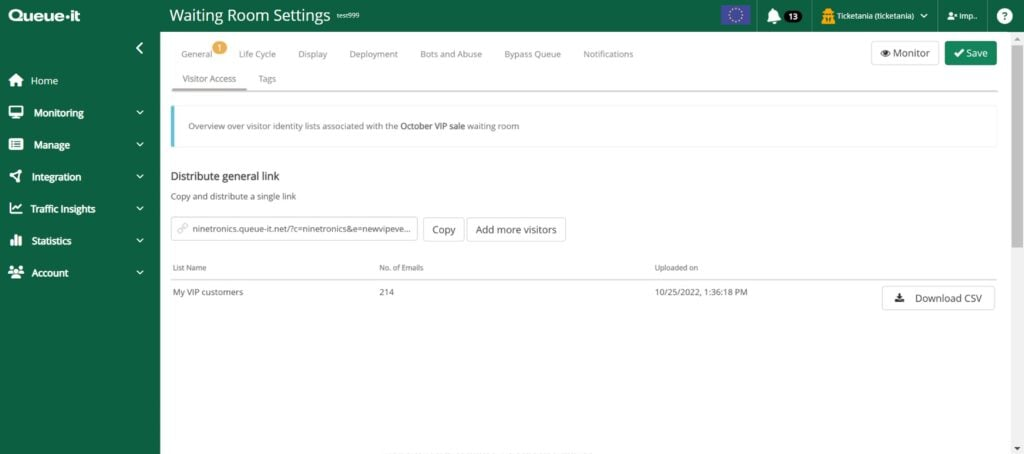
Queue-it è uno strumento robusto progettato per gestire il traffico online, garantendo prestazioni fluide del sito web durante i periodi di picco. Il suo focus sul controllo del traffico online risponde alle sfide che le aziende affrontano quando si trovano ad affrontare improvvisi aumenti di traffico.
Perché ho scelto Queue-it: Valutando numerosi strumenti, ho scelto Queue-it per il suo approccio distintivo alla gestione del traffico online. L'esperienza di Queue-it nel mitigare il sovraccarico durante i periodi di alto traffico si è distinta rispetto ad altre soluzioni. A mio giudizio, è indubbiamente il miglior strumento per le aziende che necessitano di un efficace controllo del traffico online.
Caratteristiche principali e integrazioni:
Queue-it vanta un sistema di gestione dinamica delle code che indirizza intelligentemente il traffico, prevenendo crash del sito e garantendo una coda stabile dei clienti. Il sistema offre agli utenti informazioni in tempo reale sul flusso di traffico, consentendo adeguamenti secondo necessità. Per quanto riguarda le integrazioni, Queue-it può essere collegato a varie piattaforme web e strumenti di analisi per offrire una visione olistica delle prestazioni del sito.
Pros and Cons
Pros:
- Gestione efficiente del traffico online durante i picchi
- Informazioni in tempo reale sul flusso di traffico
- Compatibile con varie piattaforme web e strumenti di analisi
Cons:
- Potrebbe essere complesso per utenti inesperti nella gestione del traffico online
- Alcune funzionalità potrebbero essere eccessive per siti web più piccoli
- Richiede l'integrazione con altre piattaforme per capacità complete
Ideale per l’instradamento dei ticket tramite IA
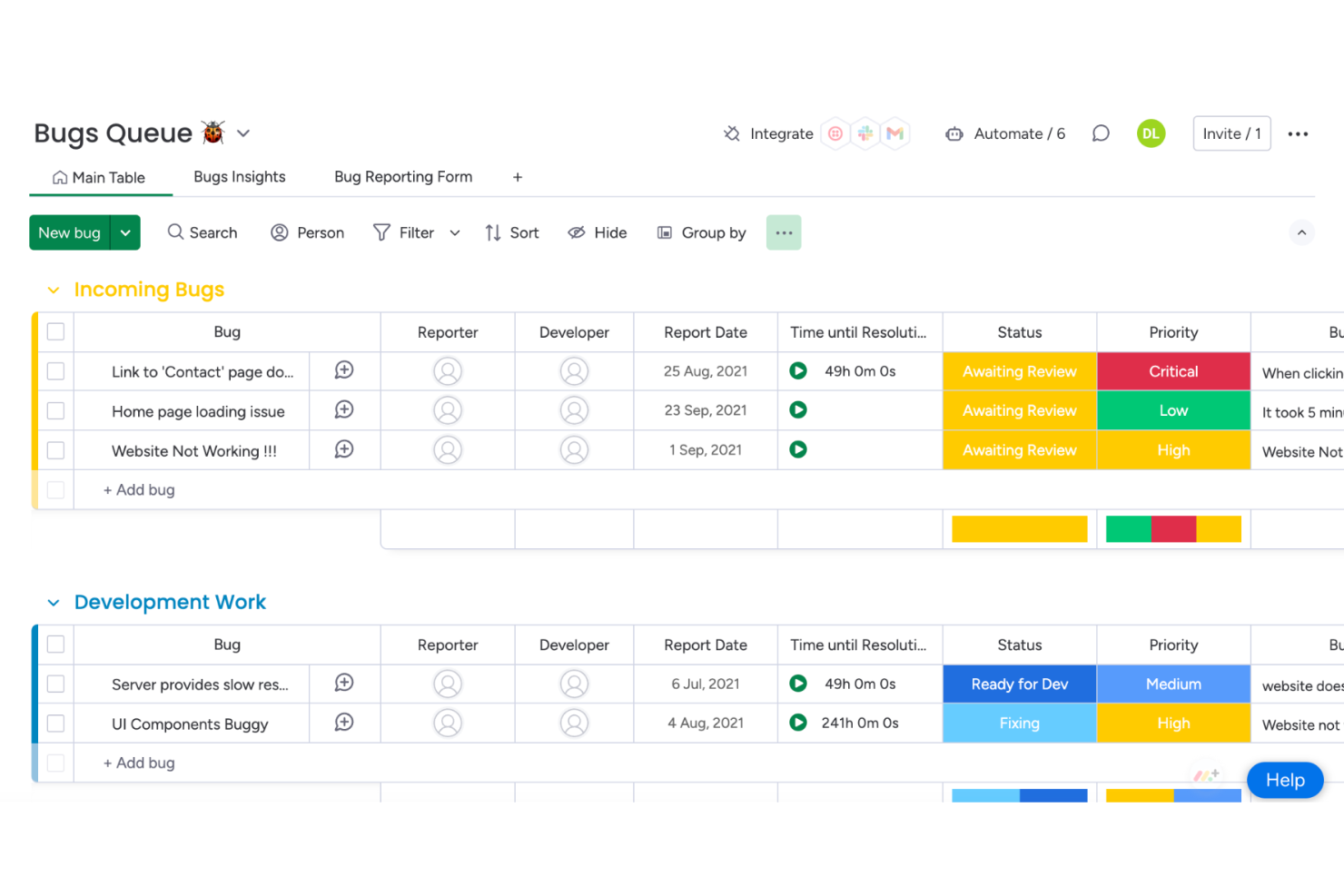
monday service è una piattaforma dinamica di gestione delle code progettata per semplificare il modo in cui i team gestiscono richieste, ticket e operazioni di servizio. Aiuta i team IT, HR e di assistenza clienti a organizzare le attività, dare priorità ai problemi e fornire servizi in modo più efficiente in aziende di tutte le dimensioni.
Perché ho scelto monday service: Confrontando i sistemi di gestione delle code, monday service si è distinto per la classificazione dei ticket basata sull’IA e l’analisi in tempo reale delle code. La sua capacità di ordinare, dare priorità e indirizzare automaticamente i ticket garantisce tempi di risposta più rapidi e un flusso di lavoro di assistenza più organizzato. La personalizzazione senza codice della piattaforma permette inoltre ai team di adattare i processi senza barriere tecniche, migliorando l’agilità operativa.
Funzionalità e integrazioni principali:
Le funzionalità di monday service includono l’instradamento intelligente per assegnare i ticket al membro del team più appropriato, un portale clienti per l’invio semplificato delle richieste, insight predittivi per identificare e prevenire colli di bottiglia nei servizi e flussi di lavoro personalizzabili per modellare la gestione delle code. Le integrazioni includono Slack, Google Drive, DocuSign, Gmail, Google Calendar, Jira, GitHub, Trello, Dropbox, Typeform e migliaia di altre app tramite Zapier.
Pros and Cons
Pros:
- Bacheche visive che aiutano a monitorare facilmente l’avanzamento dei progetti
- Integrazione con diverse applicazioni di terze parti
- Possibilità di personalizzare flussi di lavoro e dashboard
Cons:
- Mancano alcune funzionalità avanzate di reportistica
- Il costo può essere superiore rispetto ad altri strumenti

Ideale per la flessibilità di integrazione
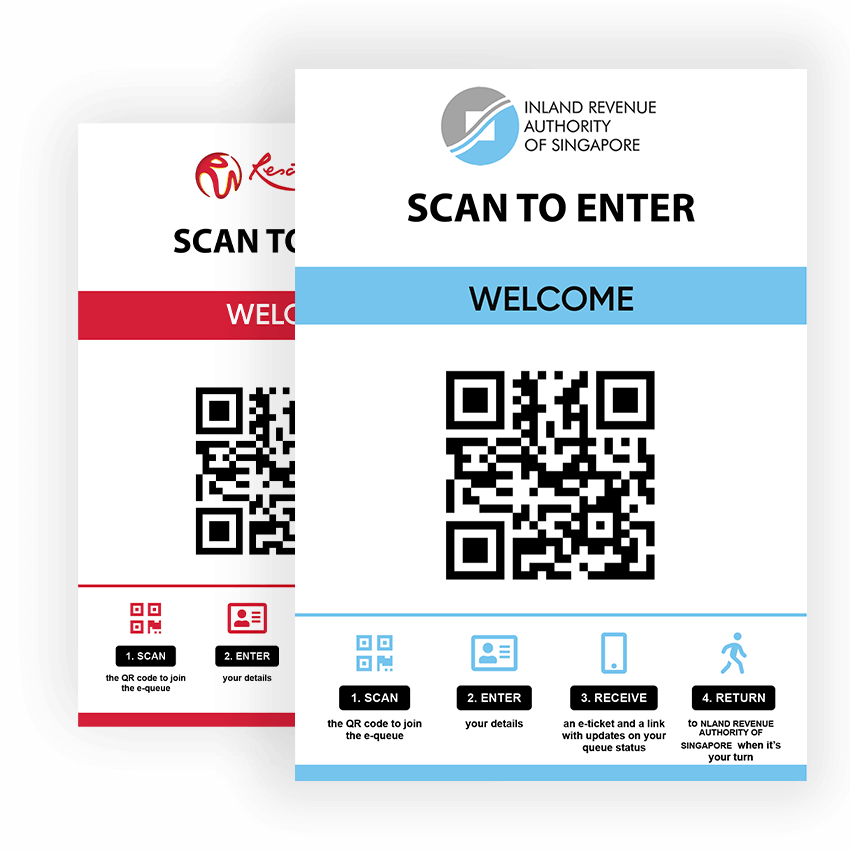
Il sistema di gestione delle code di Awebstar offre un approccio olistico alla gestione delle code, concentrandosi sul miglioramento del flusso dei clienti e dell'esperienza di attesa. Ciò che lo distingue veramente è la sua profonda capacità di integrazione, rendendolo una scelta ideale per le aziende che danno priorità alla sincronizzazione dei sistemi.
Perché ho scelto Awebstar Queue Management System: Ho scelto Awebstar come sistema di gestione delle code per le sue eccezionali capacità di integrazione. La sua versatilità e adattabilità gli permettono di adattarsi perfettamente a diversi ambienti aziendali, facendolo risaltare rispetto ad altri strumenti che eccellono in aree specifiche. La flessibilità di integrazione di Awebstar è particolarmente vantaggiosa per le aziende che dipendono da più sistemi che devono lavorare senza intoppi insieme.
Caratteristiche e integrazioni principali:
Awebstar si distingue per le sue funzionalità di gestione delle code virtuali e per le operazioni basate su cloud progettate per migliorare i tempi di attesa dei clienti e l'esperienza generale di attesa. Vanta anche una potente funzione di auto-check-in e un approccio basato su chioschi per automatizzare il processo di registrazione. Per quanto riguarda le integrazioni, Awebstar si collega con i principali strumenti di business intelligence, sistemi CRM e offre anche aggiornamenti in tempo reale tramite notifiche SMS e WhatsApp, garantendo alle aziende agilità e reattività.
Pros and Cons
Pros:
- Sistema basato su cloud che offre facile accessibilità
- Solide funzionalità di gestione delle code virtuali
- Ampie possibilità di integrazione
Cons:
- Potrebbe risultare troppo complesso per le piccole imprese
- Richiede alcune competenze tecniche per sfruttare tutte le funzionalità
- Il prezzo potrebbe non essere ideale per startup o piccole realtà

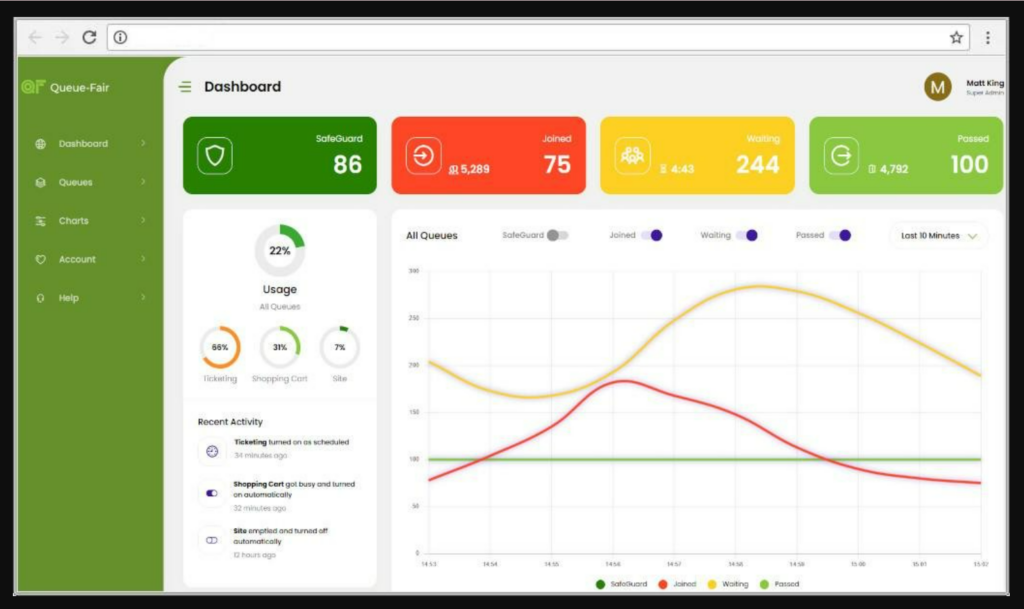
Queue-Fair è un sistema di gestione delle code dedicato che dà priorità alla riduzione dei rischi di sovraccarico dei siti web durante i periodi di picco. La sua funzione principale è quella di distribuire efficacemente le code dei clienti, garantendo che il traffico sul sito sia gestito correttamente.
Perché ho scelto Queue-Fair: Tra i vari strumenti che ho esaminato, ho selezionato Queue-Fair per il suo particolare focus sulla riduzione dei rischi di sovraccarico dei siti web. Confrontandolo con altre piattaforme, l'approccio di Queue-Fair alla gestione delle code mi ha colpito particolarmente. Ho ritenuto che Queue-Fair sia perfetto per le aziende che cercano una soluzione capace di ridurre notevolmente la probabilità di crash del sito durante i periodi di alta domanda.
Funzionalità e integrazioni principali:
Queue-Fair offre un sistema sofisticato che consente di ottenere informazioni sul flusso di traffico in tempo reale, utile per adottare azioni preventive prima di possibili sovraccarichi. Integra anche algoritmi adattivi per gestire pattern di traffico variabili. Per quanto riguarda le integrazioni, Queue-Fair può essere connesso efficacemente con le principali piattaforme web e strumenti di analisi, offrendo una visione completa delle prestazioni online.
Pros and Cons
Pros:
- Specializzato nella riduzione dei rischi di sovraccarico dei siti web
- Algoritmi adattivi per l'evoluzione del traffico
- Capacità di integrazione avanzate con piattaforme popolari
Cons:
- Potrebbe avere una curva di apprendimento ripida per i principianti
- Il prezzo potrebbe essere elevato per le piccole imprese
- Le funzionalità possono essere eccessive per siti con traffico moderato

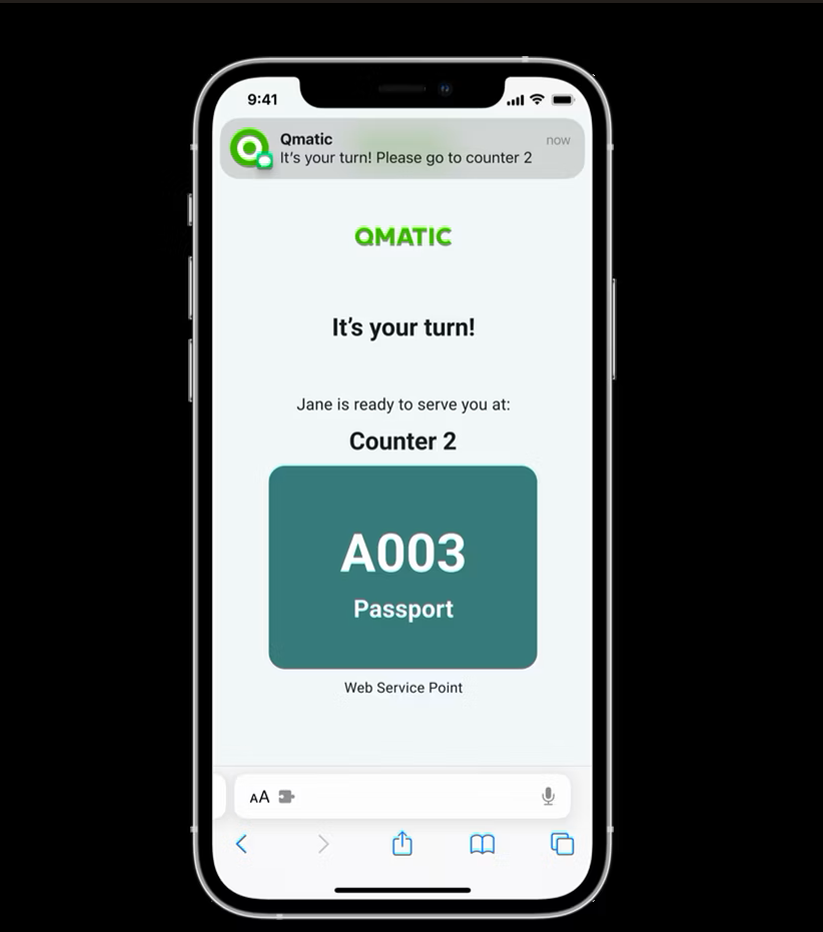
Qmatic è un sistema di gestione code d'eccellenza, perfezionato per offrire analisi dettagliate sul comportamento e sulle tendenze delle code. Le istituzioni che necessitano di approfondimenti avanzati sulle proprie code trovano questa piattaforma particolarmente vantaggiosa.
Perché ho scelto Qmatic: Quando cercavo uno strumento con capacità analitiche di rilievo, Qmatic attirava spesso la mia attenzione. Confrontando le sue offerte, la profondità e la chiarezza dei suoi strumenti analitici mi hanno colpito in modo particolare. Ho quindi stabilito che, per chi dà priorità ad analisi approfondite sulle code, Qmatic è senza dubbio una scelta di primo livello.
Funzionalità e integrazioni principali:
Le caratteristiche chiave di Qmatic includono l’analisi dei dati in tempo reale, il calcolo predittivo dei tempi di attesa e ampie capacità di reportistica, permettendo alle aziende una visione chiara delle proprie dinamiche di coda. In termini di integrazioni, Qmatic si connette in modo efficace con sistemi CRM, strumenti di raccolta feedback e piattaforme di prenotazione appuntamenti, garantendo un approccio olistico alla gestione delle code.
Pros and Cons
Pros:
- Funzionalità di analisi e reportistica approfondite
- Si integra con una gamma di altre piattaforme aziendali
- Le stime predittive dei tempi di attesa migliorano l’esperienza dell’utente
Cons:
- Il prezzo non è disponibile in modo trasparente online
- Potrebbe risultare complesso per le piccole imprese con esigenze di base
- La configurazione iniziale può richiedere una formazione dedicata

Skiplino
Ideale per code digitali e in presenza
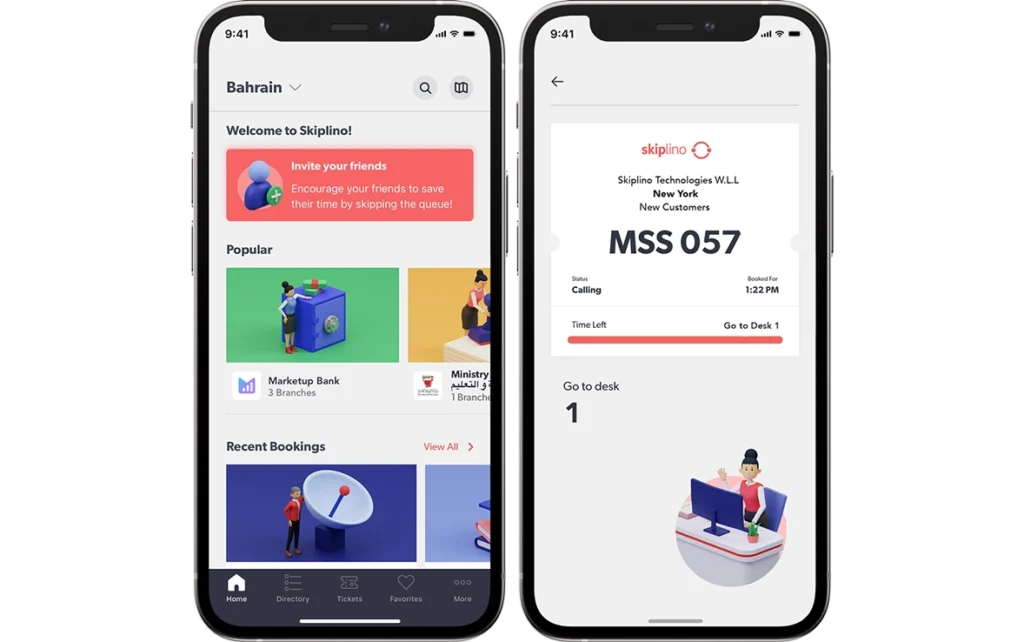
Skiplino unisce efficacemente i mondi delle code digitali e fisiche, offrendo alle aziende un sistema completo di gestione delle code. Serve a un duplice scopo: esigenze di sala d'attesa fisica e liste d'attesa digitali.
Perché ho scelto Skiplino: Durante la mia ricerca, Skiplino è emerso come un concorrente unico nel panorama degli strumenti di gestione delle code. Ho scelto Skiplino perché può colmare il divario tra le liste d'attesa digitali e le esigenze di code in presenza, distinguendosi dalle altre piattaforme. Ho determinato che rappresenta la soluzione ottimale per le organizzazioni che desiderano gestire sia le code digitali che le aree di attesa fisiche.
Caratteristiche principali & integrazioni:
Skiplino offre funzionalità intuitive di prenotazione degli appuntamenti, assicurando che le aziende possano soddisfare le preferenze orarie dei clienti. La sua app per smartphone fornisce aggiornamenti in tempo reale sui tempi medi di attesa, migliorando l’interazione con i clienti. Per quanto riguarda le integrazioni, Skiplino si sincronizza con vari strumenti per comprendere meglio le esigenze dei clienti e ridurre i tempi di attesa prolungati.
Pros and Cons
Pros:
- Gestione completa di code digitali e fisiche
- Aggiornamenti in tempo reale sui tempi di attesa tramite app mobile
- Capacità efficienti di prenotazione appuntamenti
Cons:
- Potrebbe esserci una curva di apprendimento per alcuni utenti
- La configurazione iniziale può richiedere tempo
- Alcune funzionalità potrebbero essere eccessive per le piccole imprese

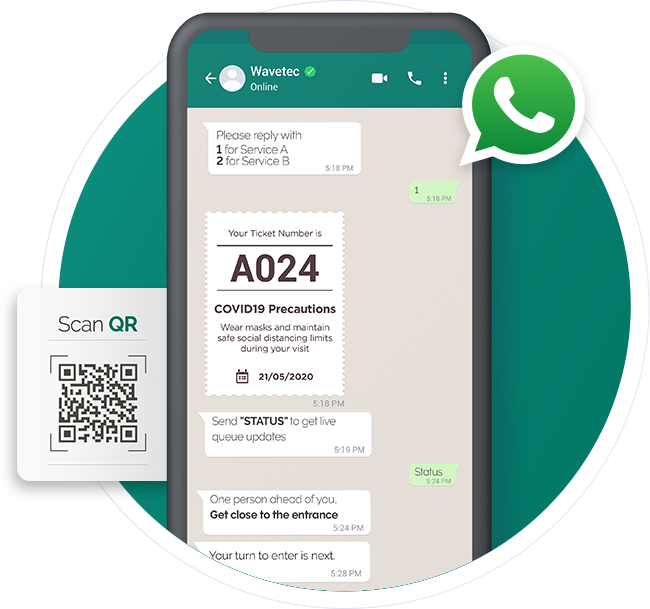
Wavetec è un sistema leader nella gestione delle code che offre soluzioni di accodamento virtuale. Puntando a ridurre al minimo le file fisiche, Wavetec favorisce una gestione efficiente delle folle e un’esperienza superiore per i clienti.
Perché ho scelto Wavetec: Quando ho selezionato uno strumento di alto livello per la gestione delle code virtuali, Wavetec si è rivelato una scelta ovvia. Dopo aver valutato e confrontato diverse piattaforme, l’impegno di Wavetec nella digitalizzazione del processo di accodamento lo distingue davvero dagli altri. Ho ritenuto che sia il migliore per la gestione di code virtuali grazie al suo approccio innovativo per ridurre i tempi di attesa fisica e migliorare la qualità complessiva del servizio.
Caratteristiche e integrazioni principali:
Alcune delle caratteristiche distintive di Wavetec includono la generazione del ticket di coda tramite dispositivo mobile, l’analisi delle code in tempo reale e la possibilità di unirsi a una coda da remoto. Queste funzionalità assicurano che gli utenti possano gestire efficacemente i tempi di attesa senza essere presenti fisicamente. Inoltre, Wavetec si integra con diversi sistemi CRM ed ERP, consentendo alle aziende di unire i dati dei clienti alle informazioni sulle code.
Pros and Cons
Pros:
- Complete funzionalità di accodamento virtuale
- Integrazione con le principali piattaforme CRM ed ERP
- Analisi in tempo reale per decisioni più consapevoli
Cons:
- Assenza di dettagli trasparenti sui prezzi
- Possibile curva di apprendimento per chi la utilizza per la prima volta
- La coda virtuale potrebbe non essere adatta a tutti i tipi di attività
Altri sistemi di gestione delle code degni di nota
Di seguito è riportato un elenco di ulteriori sistemi di gestione delle code che ho selezionato, ma che non sono rientrati tra i primi 12. Vale sicuramente la pena consultarli.


Criteri di selezione per scegliere i sistemi di gestione delle code
Nel mio percorso alla ricerca dei migliori sistemi di gestione delle code, ho testato e analizzato più di una dozzina di strumenti. Ognuno ha punti di forza e debolezze specifici, ma ho concentrato la mia valutazione su diversi criteri fondamentali che ritengo più importanti per le organizzazioni. Questi criteri comprendono le funzionalità di base, le caratteristiche essenziali e i fattori di usabilità specifici per una gestione efficace delle code.
Funzionalità di base
- Gestione virtuale delle code: lo strumento dovrebbe offrire un sistema per gestire le code senza richiedere la presenza fisica, una soluzione vantaggiosa nei settori sanitario, commerciale e dei servizi.
- Analisi in tempo reale: accesso immediato a dati come tempi di attesa, tempi di servizio e feedback dei clienti, così da consentire modifiche al volo.
- Pianificazione degli appuntamenti: il sistema dovrebbe offrire solide opzioni di pianificazione per le aziende che operano sulla base di appuntamenti.
Caratteristiche principali
- Notifiche multicanale: ciò significa che lo strumento può avvisare i clienti sullo stato della loro coda tramite SMS, e-mail o un'applicazione mobile.
- Personalizzazione: la possibilità di adattare la sequenza delle code, i temi visivi o persino i messaggi specifici inviati ai clienti.
- Scalabilità: con la crescita dell'azienda, lo strumento dovrebbe poter gestire un numero maggiore di clienti, utenti o filiali senza cali nelle prestazioni.
- Esportazione dei dati: dovrebbe offrire opzioni per esportare i dati analitici in diversi formati, come CSV, PDF ecc., per facilitarne l'integrazione con altri strumenti aziendali.
Usabilità
- Dashboard intuitiva: Per questo tipo di software, una dashboard che rappresenti visivamente le situazioni delle code in tempo reale è più efficace delle semplici tabelle di dati. Dovrebbe fornire una panoramica immediata di ciò che accade nelle code.
- Semplicità di onboarding: Un buon strumento dovrebbe disporre di guide ben documentate, una libreria didattica o un programma di formazione per introdurre rapidamente gli utenti. Questo è fondamentale per le grandi aziende, dove più membri del team possono interagire con il sistema.
- Accesso basato sui ruoli: Soprattutto nelle organizzazioni più grandi, non tutti dovrebbero avere lo stesso livello di controllo o accesso ai dati. Il sistema dovrebbe consentire di configurare facilmente chi può visualizzare cosa all'interno del software.
- Assistenza clienti reattiva: Un'assistenza clienti rapida e utile è fondamentale, soprattutto durante la configurazione iniziale o per risolvere problemi che potrebbero influire direttamente sull'esperienza dei clienti.
Considerando attentamente questi criteri, è possibile confrontare e scegliere in modo più efficace un sistema di gestione delle code che soddisfi al meglio le proprie esigenze specifiche.
Domande più comuni sui sistemi di gestione delle code (FAQ)
Quali sono i vantaggi dell'utilizzo dei migliori sistemi di gestione delle code?
L’utilizzo dei migliori sistemi di gestione delle code offre diversi vantaggi, tra cui:
- Efficienza operativa: Semplifica il processo di gestione delle code, riducendo i colli di bottiglia e i tempi di attesa.
- Miglioramento dell’esperienza del cliente: I clienti ricevono aggiornamenti tempestivi sullo stato della loro attesa, con conseguente aumento della soddisfazione.
- Raccolta dei dati: Raccoglie dati preziosi sul comportamento e sulle tendenze dei clienti, consentendo alle aziende di prendere decisioni informate.
- Ottimizzazione delle risorse: Consente alle aziende di assegnare efficacemente il personale e le risorse in base alle informazioni sulle code.
- Funzionalità di integrazione: Molti strumenti possono integrarsi con altri sistemi aziendali, semplificando ulteriormente i processi.
Quanto costano generalmente questi sistemi di gestione delle code?
Il prezzo dei sistemi di gestione delle code varia in base alle funzionalità del software, alle dimensioni dell’organizzazione e al numero di sedi o filiali. Alcuni strumenti offrono prezzi basati su abbonamento, mentre altri potrebbero prevedere un costo di licenza una tantum.
Quali sono i modelli di prezzo più comuni per questi strumenti?
Esistono diversi modelli di prezzo:
- Basato su abbonamento: Costi mensili o annuali basati sull’utilizzo o sul numero di utenti.
- Licenza perpetua: Acquisto una tantum con costi periodici di manutenzione.
- Per transazione: Costo basato sul numero di transazioni o di clienti gestiti.
- Freemium: Funzionalità di base gratuite, con funzionalità premium disponibili a un costo aggiuntivo.
Qual è generalmente la fascia di prezzo di questi sistemi?
Il prezzo può variare da un minimo di $10 al mese per soluzioni di base destinate alle piccole aziende, fino a oltre $1,000 al mese per soluzioni aziendali con funzionalità complete.
Quali sono i software più convenienti e quelli più costosi sul mercato?
Sebbene i prezzi specifici possano cambiare nel tempo e in base alle promozioni dei fornitori, secondo le ultime verifiche strumenti come Qsome e Qwaiting tendono a essere più convenienti. Al contrario, sistemi come Verint e Qmatic potrebbero avere prezzi più elevati, viste le loro funzionalità avanzate pensate per organizzazioni di maggiori dimensioni.
Sono disponibili opzioni gratuite per i sistemi di gestione delle code?
Alcuni strumenti offrono versioni gratuite, spesso denominate modelli “freemium”. Queste versioni includono generalmente funzionalità di base; le aziende possono eseguire l’aggiornamento per sbloccare funzionalità più avanzate. È importante effettuare una ricerca e assicurarsi che la versione gratuita soddisfi le proprie esigenze specifiche prima di integrarla nelle attività aziendali.
Questi sistemi offrono un periodo di prova?
Molti sistemi di gestione delle code offrono un periodo di prova, consentendo alle aziende di testare le funzionalità del software e verificare se soddisfa le loro esigenze. La durata di questi periodi di prova può variare, ma generalmente va da 14 a 30 giorni.
Come posso determinare quale sistema di gestione delle code è più adatto alla mia azienda?
La scelta dello strumento giusto dipende dai requisiti specifici dell’azienda. Tra i fattori da considerare figurano le dimensioni dell’organizzazione, il volume di clienti gestiti, le funzionalità desiderate, le capacità di integrazione e il budget disponibile. È utile testare alcune opzioni durante il periodo di prova per valutarne l’idoneità alle proprie attività.
Recensioni di altri sistemi di gestione delle code
- Software per l'assistenza tecnica
- Software di assistenza clienti basato sul cloud
- Software per la gestione delle patch
Riepilogo
La scelta del sistema di gestione delle code giusto richiede una conoscenza approfondita delle proprie esigenze e del modo in cui ogni piattaforma è in grado di soddisfarle. Dalle istituzioni del settore pubblico alle aziende interessate ad analisi approfondite, esiste uno strumento specializzato progettato per rispondere a tali requisiti.
Punti chiave:
- Identifica le tue esigenze principali: prima di scegliere, individua chiaramente gli obiettivi principali che desideri raggiungere con un sistema di gestione delle code. Che si tratti della pianificazione degli appuntamenti, dell'analisi in tempo reale o della gestione delle code virtuali, i tuoi obiettivi guideranno la tua scelta.
- Considera le integrazioni: un sistema che si integra facilmente con il tuo stack software esistente, come i sistemi CRM o gli strumenti per la raccolta dei feedback, offrirà una soluzione più coesa.
- Presta attenzione alle strutture tariffarie: non tutti i modelli di prezzo sono semplici. Alcuni sistemi richiedono un numero minimo di postazioni o prevedono un costo di configurazione una tantum. È fondamentale comprendere il quadro completo dei prezzi per evitare costi imprevisti.
Cosa ne pensi?
Ho cercato di fornire un elenco completo sulla base delle mie esperienze e ricerche, ma il panorama tecnologico è vasto e in continua evoluzione. Se hai incontrato un sistema di gestione delle code che per te è stato prezioso e non è presente in questo elenco, mi piacerebbe saperne di più.
I tuoi suggerimenti mi aiutano a rimanere aggiornato e sono utili alla nostra comunità più ampia. Condividi le tue opinioni e, insieme, possiamo creare una risorsa davvero realizzata dagli utenti, per gli utenti.