

Guida ai 10 migliori servizi di sicurezza della posta elettronica del 2026

10 Elenco dei migliori servizi di sicurezza delle e-mail


L'e-mail è uno dei punti di ingresso più comuni per le minacce informatiche e, senza le giuste misure di sicurezza, i tentativi di phishing, la compromissione delle e-mail aziendali (BEC) e le acquisizioni degli account possono passare inosservati. La gestione di questi rischi richiede più dei semplici filtri antispam: che si lavori con ambienti locali, SaaS o ibridi, una soluzione di sicurezza delle e-mail configurata correttamente è essenziale per proteggere le comunicazioni sensibili.
Nel corso degli anni, ho testato e implementato diversi servizi di sicurezza delle e-mail in vari ambienti aziendali, valutandone l'efficacia nel bloccare le minacce, nell'integrarsi con l'infrastruttura esistente e nel ridurre al minimo le interruzioni. In questa guida analizzerò le migliori soluzioni disponibili, evidenziando le funzionalità principali che contano di più quando si proteggono i sistemi di posta elettronica della propria organizzazione.
Che cos'è un servizio di sicurezza delle e-mail?
Un servizio di sicurezza delle e-mail offre una raccolta di soluzioni per proteggere le comunicazioni via e-mail, l'essenza della corrispondenza digitale, da diverse minacce come malware, phishing e accessi non autorizzati.
Adottati sia dalle aziende sia dagli utenti privati, questi servizi pongono l'accento sulla riservatezza e sull'autenticità delle e-mail. Un componente fondamentale, il gateway di sicurezza delle e-mail, serve a respingere gli attacchi informatici, filtrare le comunicazioni indesiderate e proteggere i dati sensibili contenuti nelle e-mail. La loro missione principale è contrastare minacce specifiche come la compromissione delle e-mail aziendali (BEC) e altre.
Per le realtà che spaziano dalle grandi aziende ai singoli individui attenti alla sicurezza delle e-mail, i vantaggi di questi strumenti sono evidenti. Garantiscono la sicurezza e l'integrità delle comunicazioni digitali. In sostanza, un servizio di sicurezza delle e-mail agisce come una barriera protettiva, scoraggiando qualsiasi intento malevolo.
Perché fidarsi dei nostri consigli sui software
Il nostro team testa e recensisce software dal 2012. In quanto leader tecnologici noi stessi, sappiamo quanto sia difficile — e importante — scegliere il software giusto.
Per questa guida, abbiamo valutato gli strumenti attraverso test praticie ricerche indipendenti, assegnando un punteggio agli strumenti in base ai nostri criteri di selezione.
Le nostre recensioni riflettono il nostro giudizio editoriale umano, non un discorso di vendita.
Riepilogo dei migliori servizi di sicurezza delle e-mail
| Service | Best For | Trial Info | Price | ||
|---|---|---|---|---|---|
| 1 | Ideale per utenti Google e Microsoft 365 | Demo gratuita disponibile | Da $4/utente/mese (fatturazione annuale) | Website | |
| 2 | Ideale per un’applicazione rapida del DMARC | Not available | Da $14/utente/mese (fatturazione annuale) | Website | |
| 3 | Ideale per report DMARC dettagliati e avvisi in tempo reale | Prova gratuita di 15 giorni + demo gratuita | Da $8/utente/mese (fatturato annualmente) | Website | |
| 4 | Il migliore per la prevenzione delle minacce zero-day | Demo gratuita disponibile | Da $10/utente/mese (fatturazione annuale) | Website | |
| 5 | Ideale per la protezione avanzata dalle minacce | Demo gratuita disponibile | Da $15/utente/mese (fatturato annualmente) | Website | |
| 6 | Il migliore per l’archiviazione completa della posta elettronica | Not available | A partire da $12/utente/mese (fatturazione annuale) | Website | |
| 7 | Ideale per una strategia di difesa multilivello | Not available | Da $15/utente/mese (fatturazione annuale) | Website | |
| 8 | Ideale per la capacità di virtual patching | Not available | Da $10/utente/mese (fatturati annualmente) | Website | |
| 9 | Ideale per la comunicazione di sicurezza sincronizzata | Not available | Da $12/utente/mese (fatturato annualmente) | Website | |
| 10 | Ideale per la gestione centralizzata della sicurezza | Not available | Da $14/utente/mese (fatturato annualmente) | Website |

Recensioni dei migliori servizi di sicurezza delle e-mail


Material Security è pensato per le organizzazioni che utilizzano Google Workspace e Microsoft 365, con un focus sull'incremento dei servizi di sicurezza email. Si rivolge ai professionisti della sicurezza IT e alle aziende che desiderano proteggere dati sensibili da minacce avanzate che eludono i controlli nativi. Grazie alla sua capacità di modernizzare la sicurezza delle email e automatizzare le risposte al phishing, questa piattaforma risponde all'esigenza di una gestione efficiente della sicurezza negli ambienti cloud.
Perché ho scelto Material Security
Ho scelto Material Security per la sua capacità unica di rilevare e gestire attacchi sofisticati basati sulle email, come la compromissione della posta elettronica aziendale e lo spear phishing. L'agente alimentato dall'IA della piattaforma indaga e risolve automaticamente le minacce segnalate dagli utenti, migliorando i tempi di risposta del tuo team.
Inoltre, i suoi strumenti di ricerca e investigazione in tempo reale permettono una gestione efficiente degli incidenti. Queste caratteristiche lo rendono una scelta ideale per le organizzazioni che cercano soluzioni robuste di sicurezza email.
Caratteristiche chiave di Material Security
Oltre alle sue avanzate capacità di rilevamento delle minacce, Material Security offre diverse altre funzionalità:
- Protezione dal phishing: Protegge da tentativi di phishing utilizzando algoritmi avanzati per identificare e bloccare email dannose.
- Prevenzione del takeover degli account: Monitora e impedisce accessi non autorizzati agli account utente, garantendo la sicurezza dei dati sensibili.
- Prevenzione della perdita dei dati email (DLP): Aiuta a salvaguardare informazioni critiche monitorando e controllando i trasferimenti di dati tramite email.
- Strumenti per l'indagine sugli incidenti: Fornisce strumenti completi per analizzare e rispondere agli incidenti di sicurezza in tempo reale.
Integrazioni di Material Security
Le integrazioni includono Google Workspace e Microsoft 365.
Pros and Cons
Pros:
- Consente la condivisione sicura dei file all'interno delle comunicazioni email.
- Supporta la protezione avanzata dalle minacce per gli account email.
- Automatizza la risposta al phishing per migliorare i tempi di reazione.
Cons:
- Integrazioni native limitate con altri strumenti di sicurezza.
- La dipendenza dall'infrastruttura cloud può introdurre problemi di latenza.


Red Sift OnDMARC è una piattaforma di sicurezza email basata su cloud, focalizzata sull’aiutare le organizzazioni a implementare i protocolli di autenticazione DMARC, SPF e DKIM. È progettata per prevenire spoofing, phishing e compromissione delle email aziendali (BEC) semplificando la configurazione delle policy e monitorando in modo proattivo la salute del dominio.
Perché ho scelto Red Sift OnDMARC:
Ho scelto Red Sift OnDMARC per la sua capacità di accelerare l’applicazione del DMARC. Questa rapidità può fare davvero la differenza per le aziende che affrontano frequentemente minacce di spoofing. Ho apprezzato anche lo strumento DNS Guardian, che segnala errori di configurazione e vulnerabilità come sottodomini inattivi o l’acquisizione tramite CNAME — spesso punti deboli trascurati nella sicurezza dei domini. Un altro elemento di rilievo è Dynamic SPF, che consolida i record SPF per aggirare il limite tipico di 10 query. Questo lo rende adatto ad aziende con infrastrutture email complesse o estese.
Funzionalità chiave e integrazioni:
OnDMARC offre funzionalità come Radar, che aiuta a rilevare e risolvere disallineamenti nei record delle email, e Brand Trust, che identifica domini simili per proteggere dal rischio di impersonificazione del marchio. Sono inclusi anche la gestione Hosted MTA-STS per applicare la crittografia TLS e il supporto per BIMI e Verified Mark Certificates (VMC) per migliorare la visibilità del marchio nelle caselle di posta. Le integrazioni includono Microsoft Azure Active Directory, SAML SSO, Okta, Zoominfo e l’API proprietaria di OnDMARC. La piattaforma è utilizzata anche da aziende note come Domino’s, Capgemini e Save the Children.
Pros and Cons
Pros:
- Intelligence sulle minacce attiva e monitoraggio in tempo reale
- Analisi DMARC robusta e guidata dal cloud
- Scalabile per aziende di qualsiasi dimensione
Cons:
- Potrebbe non essere ideale per le aziende prive di infrastruttura cloud
- Richiede una buona conoscenza delle piattaforme cloud

Ideale per report DMARC dettagliati e avvisi in tempo reale

PowerDMARC è una piattaforma completa per la sicurezza delle email, progettata per proteggere le organizzazioni da spoofing, phishing e frodi via email. Offre una gamma di funzionalità tra cui reportistica, analisi e monitoraggio DMARC (Domain-based Message Authentication, Reporting & Conformance), consentendo agli utenti di tracciare e gestire efficacemente i loro protocolli di autenticazione delle email.
Perché ho scelto PowerDMARC:
Ho scelto PowerDMARC per la sua reportistica DMARC dettagliata, che fornisce avvisi in tempo reale e approfondimenti sugli attacchi di spoofing. Questo è alimentato da un motore di Threat Intelligence avanzato che offre visibilità sulle fonti malevole, consentendo alle organizzazioni di adottare misure proattive contro potenziali minacce. Inoltre, PowerDMARC offre reportistica forense con crittografia, permettendo agli utenti di accedere ai dati di RUF Mail Failures Forensics garantendo la privacy delle informazioni sensibili.
Caratteristiche principali e integrazioni:
Funzionalità aggiuntive di PowerDMARC includono Sender Policy Framework (SPF) ospitato, DomainKeys Identified Mail (DKIM), Indicatori di Marca per l'Identificazione dei Messaggi (BIMI), e Mail Transfer Agent Strict Transport Security (MTA-STS). Offre inoltre servizi di monitoraggio 24/7 per una gestione proattiva della sicurezza delle email.
Pros and Cons
Pros:
- Solidi controlli di autenticazione delle email
- Utilizza intelligenza artificiale proprietaria e threat intelligence per una sicurezza avanzata
- Supporta vari protocolli di sicurezza e-mail
Cons:
- La configurazione e gestione ottimale dello strumento può richiedere competenze tecniche
- La dipendenza da tecnologia proprietaria può limitare la flessibilità e le opzioni di personalizzazione


Check Point è un noto fornitore di software di sicurezza che si specializza nel rafforzare i sistemi contro minacce informatiche avanzate. Il suo particolare punto di forza è la capacità di contrastare le minacce zero-day, spesso tra le più imprevedibili e potenzialmente dannose per le organizzazioni.
Perché ho scelto Check Point:
Nel mio processo di individuazione degli strumenti di sicurezza e-mail più competenti, Check Point è stato inserito nella lista per i suoi meccanismi superiori di prevenzione delle minacce zero-day. Si è distinto per il suo approccio continuo basato sulla ricerca, che garantisce che il software sia sempre un passo avanti rispetto alle minacce emergenti. Questa dedizione alla difesa proattiva è il motivo per cui considero Check Point 'Il migliore per la prevenzione delle minacce zero-day'.
Caratteristiche distintive e integrazioni:
La tecnologia SandBlast di Check Point, che offre capacità di rilevamento e risposta in tempo reale contro le minacce zero-day, è una caratteristica chiave. Il ThreatCloud del software, una rete collaborativa per la lotta al cybercrimine, combina molteplici motori di rilevamento delle minacce e aggiornamenti in tempo reale. Le integrazioni sono complete, garantendo che Check Point si adatti bene a molti ecosistemi aziendali, in particolare a quelli che utilizzano piattaforme cloud come AWS e Azure.
Pros and Cons
Pros:
- Rilevamento superiore delle minacce zero-day con la tecnologia SandBlast
- Sistema collaborativo ThreatCloud che assicura un'intelligenza sulle minacce costante
- Solide integrazioni con le principali piattaforme cloud
Cons:
- Potrebbe essere complesso per le aziende più piccole con risorse IT limitate
- Alcune funzionalità potrebbero essere superflue per utenti base
- Falsi positivi occasionali, che richiedono sorveglianza manuale

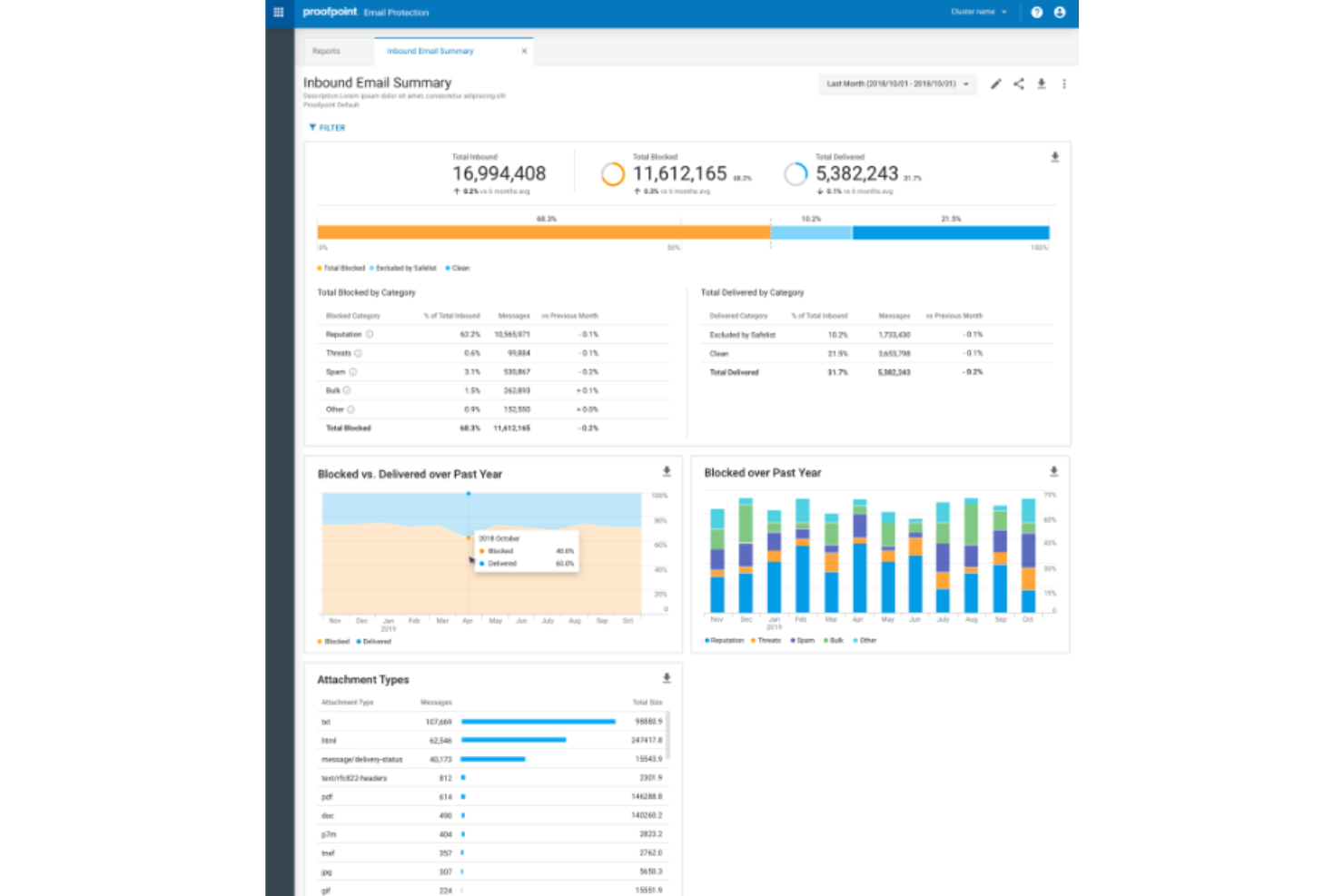
Proofpoint Email Protection si distingue come uno scudo formidabile contro le minacce via email, garantendo che le tue comunicazioni rimangano al sicuro. La sua efficacia nell'affrontare minacce informatiche avanzate, in particolare attacchi sofisticati di phishing e malware, consolida la sua posizione come scelta ideale per chi cerca una protezione di alto livello contro i rischi email più complessi.
Perché ho scelto Proofpoint Email Protection:
Proofpoint Email Protection è costantemente emerso in cima alla mia lista durante l'analisi di vari strumenti di sicurezza email. La sua reputazione di eccellenza nell'identificare e mitigare le minacce avanzate gli conferisce un vantaggio distintivo rispetto agli altri. È proprio questa capacità che mi porta a definirlo 'Il migliore per la protezione avanzata dalle minacce', offrendo agli utenti una difesa sicura contro attacchi sofisticati tramite posta elettronica.
Funzionalità e integrazioni distintive:
La granularità con cui Proofpoint consente di impostare le policy permette agli utenti di personalizzare le difese in base al proprio ambiente. Questa personalizzazione, unita all'analisi dinamica della reputazione e all'intelligence sulle minacce in tempo reale, ne fa una soluzione robusta per ogni tipo di azienda. Inoltre, si integra con altre soluzioni enterprise, rendendo più facile per i team IT gestire e monitorare il panorama della sicurezza dell'organizzazione.
Pros and Cons
Pros:
- Impostazione granulare delle policy per difese mirate
- Feed di intelligence sulle minacce in tempo reale
- Efficace nell'identificare e neutralizzare le minacce avanzate
Cons:
- Curva di apprendimento leggermente più ripida per i principianti
- La configurazione iniziale può richiedere un intervento di esperti
- L'interfaccia potrebbe essere più intuitiva

Il migliore per l’archiviazione completa della posta elettronica
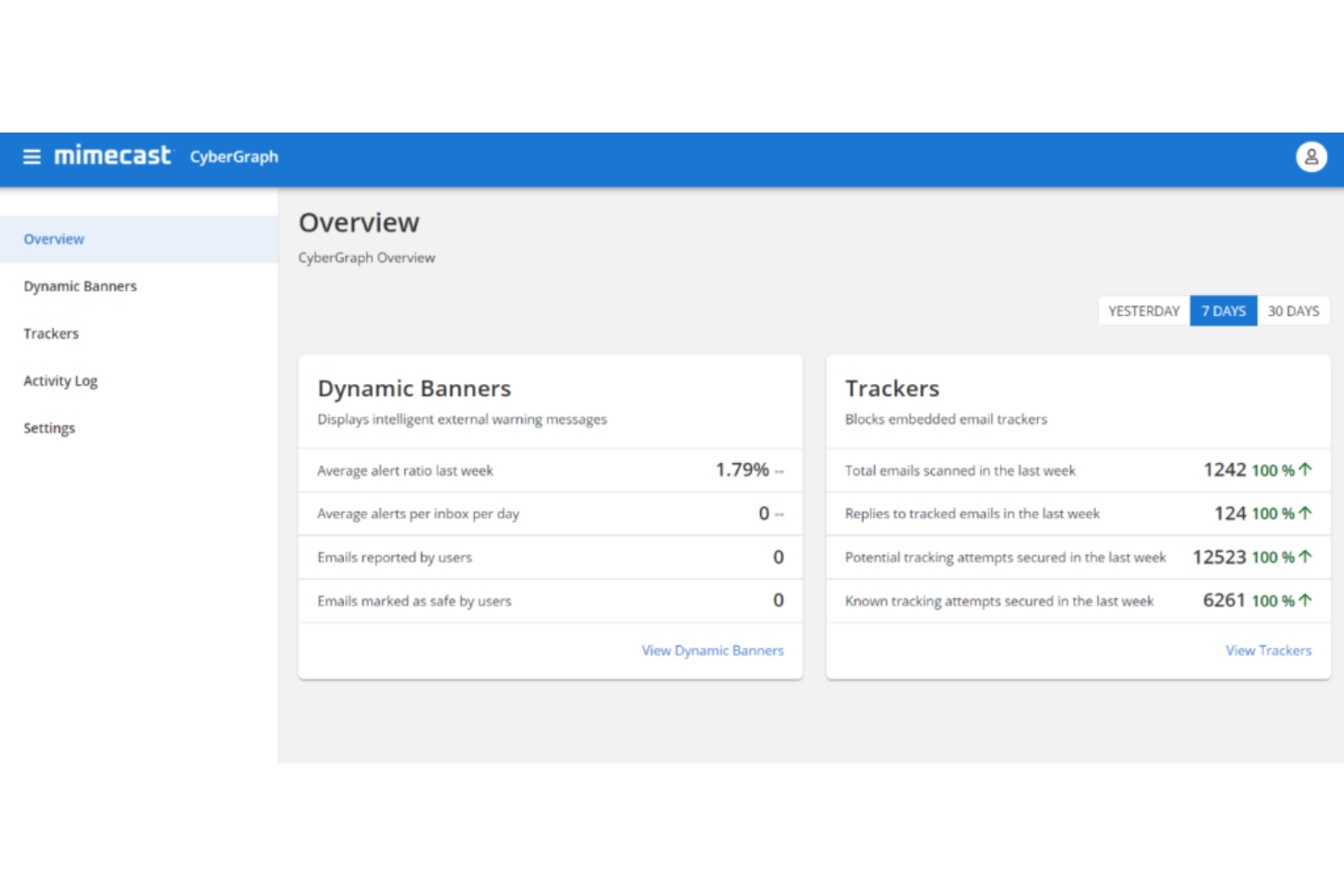
Mimecast Email Security è rinomato per le sue solide capacità di protezione della posta elettronica, garantendo agli utenti una difesa contro una vasta gamma di minacce digitali. Una caratteristica distintiva di Mimecast è la sua esaustiva funzionalità di archiviazione, che lo rende uno strumento prezioso per le organizzazioni che necessitano di soluzioni avanzate per l’archiviazione delle email.
Perché ho scelto Mimecast Email Security:
Nella scelta degli strumenti giusti, spesso approfondisco le loro specialità, e l’impegno di Mimecast verso l’eccellenza nell’archiviazione ha catturato la mia attenzione. Tra i vari servizi che ho valutato, Mimecast si è distinto per l’enfasi sulla conservazione di ogni singola email con un livello di dettaglio impeccabile. Questo impegno senza eguali verso l’archiviazione è il motivo principale per cui sono convinto che sia 'Il migliore per l’archiviazione completa della posta elettronica.'
Caratteristiche e integrazioni principali:
Mimecast offre una sicurezza multilivello, assicurando che ogni sistema email, sia in entrata che in uscita, sia analizzato e protetto. La sua funzione di archiviazione non riguarda solo lo spazio di storage, ma offre anche capacità di ricerca rapide, garantendo il reperimento veloce di qualsiasi email archiviata. Inoltre, Mimecast si integra efficientemente con una moltitudine di sistemi aziendali, in particolare con piattaforme come Microsoft Office 365, migliorando l’esperienza complessiva dell’utente e assicurando continuità.
Pros and Cons
Pros:
- Sicurezza multilivello e dettagliata delle email
- Ricerca e reperimento rapido all’interno degli archivi
- Integrazione con le principali piattaforme come Office 365
Cons:
- L’interfaccia potrebbe essere più intuitiva
- Il processo di migrazione può risultare complesso per alcuni
- Potrebbe essere eccessivo per le piccole imprese che non necessitano di vasta archiviazione della posta elettronica

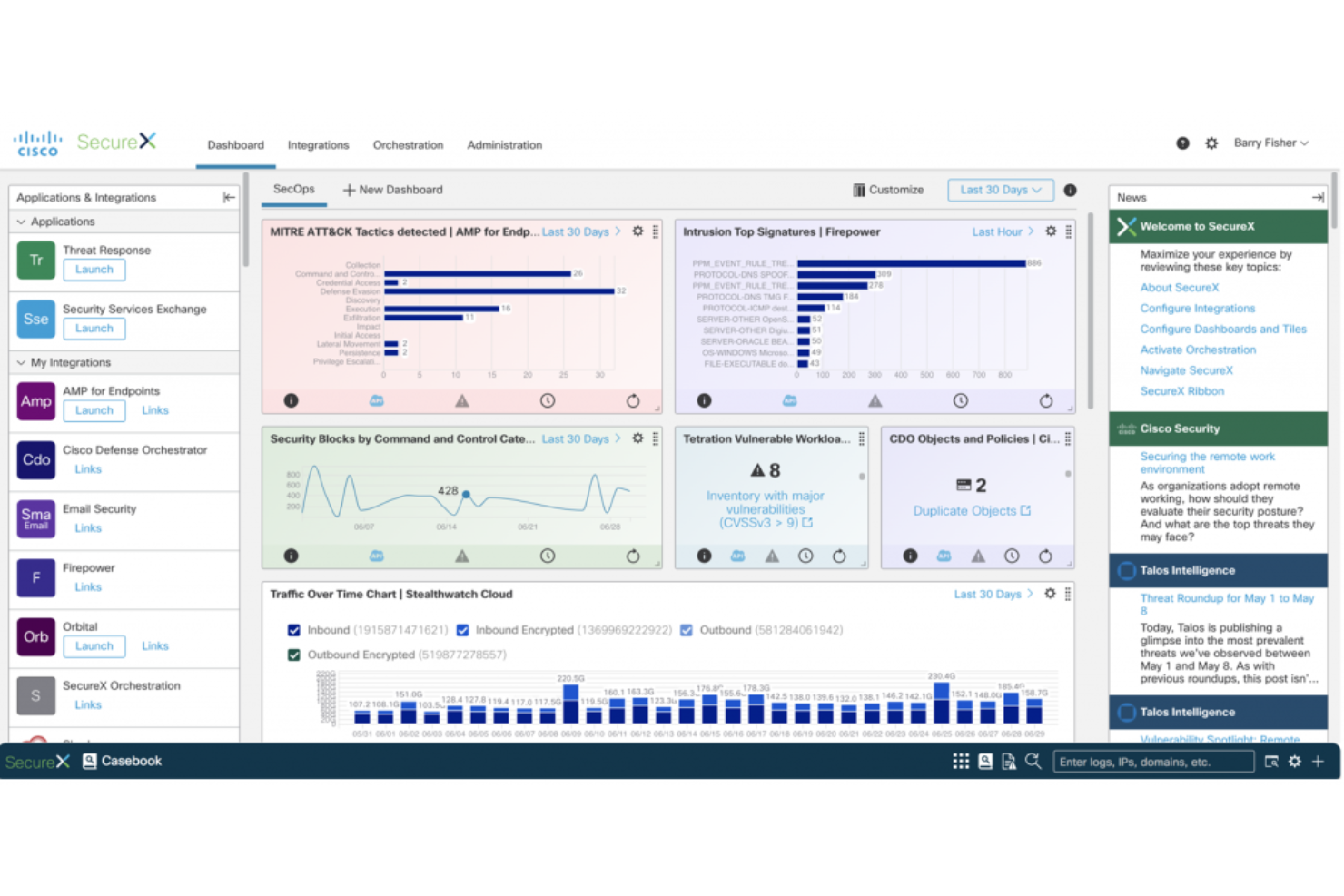
Cisco Email Security offre meccanismi di protezione robusti contro le minacce via email, con un'attenzione particolare alla profondità delle difese. Non si tratta solo di filtrare le minacce, ma anche degli strati strategici integrati nel sistema, rendendolo eccezionale nel contrastare le minacce complesse con un approccio stratificato.
Perché ho scelto Cisco Email Security:
Nell'oceano di strumenti per la sicurezza email, l'enfasi di Cisco su un approccio difensivo ben strutturato e multilivello mi ha colpito particolarmente. Nella mia analisi, ho notato che hanno progettato il loro strumento per affrontare le minacce su più livelli, non solo in superficie. Questo approccio approfondito e a più livelli alla sicurezza delle email è il motivo per cui credo fermamente che sia 'Ideale per una strategia di difesa multilivello'.
Caratteristiche distintive e integrazioni:
Cisco brilla grazie all'avanzata intelligence sulle minacce, garantendo che le nuove minacce vengano rilevate e bloccate tempestivamente. La loro funzione di sandboxing analizza in modo scrupoloso i file sospetti in un ambiente sicuro, aggiungendo un ulteriore livello di controllo. In termini di integrazione, Cisco si integra perfettamente con una vasta gamma di sistemi aziendali, assicurando che lo strumento possa adattarsi a qualsiasi stack tecnologico aziendale, in particolare con sistemi come Microsoft Exchange.
Pros and Cons
Pros:
- Intelligence avanzata contro le minacce emergenti
- Funzione di sandboxing approfondita per file sospetti
- Integrazioni solide, soprattutto con sistemi aziendali
Cons:
- Richiede una certa competenza tecnica per un setup ottimale
- Potrebbe risultare complesso per le organizzazioni più piccole
- Possibilità di falsi positivi occasionali


Trend Micro Email Security è uno strumento avanzato di protezione delle email progettato per difendere le aziende da una vasta gamma di minacce online. L’impegno della piattaforma per la funzionalità di virtual patching garantisce che le vulnerabilità siano affrontate anche prima che sia disponibile una patch ufficiale, offrendo alle organizzazioni un ulteriore livello di difesa.
Perché ho scelto Trend Micro Email Security:
Nella selezione dei migliori strumenti di sicurezza email da proporre, Trend Micro Email Security si è distinto per il suo approccio unico alla gestione delle vulnerabilità. La funzionalità di virtual patching ha attirato la mia attenzione poiché offre una difesa tempestiva contro potenziali minacce, colmando il divario fino al rilascio delle patch ufficiali. Questo approccio proattivo alla sicurezza delle vulnerabilità è il motivo per cui lo ho giudicato il 'Migliore per la capacità di virtual patching.'
Caratteristiche distintive e integrazioni:
Le caratteristiche principali di Trend Micro Email Security includono una tecnologia avanzata di machine learning, che aiuta a identificare e bloccare minacce sofisticate. La piattaforma offre anche l’analisi sandbox dei malware per individuare quelli più furtivi. Dal punto di vista dell’integrazione, può collegarsi con altre soluzioni Trend Micro e con strumenti aziendali comunemente usati, garantendo un ecosistema di sicurezza coeso.
Pros and Cons
Pros:
- Machine learning avanzato per un rilevamento preciso delle minacce
- Funzionalità di analisi malware tramite sandbox
- Integrazioni coerenti con strumenti di livello enterprise
Cons:
- Potrebbe risultare complesso per chi non ha familiarità con le sfumature della sicurezza informatica
- Alcuni utenti potrebbero preferire una gamma più ampia di integrazioni di terze parti
- Richiede aggiornamenti periodici per prestazioni ottimali


Sophos Email Security è una solida piattaforma di protezione delle email progettata per contrastare diverse minacce informatiche che bersagliano le comunicazioni via email. Una delle sue principali caratteristiche è l’impegno verso la comunicazione di sicurezza sincronizzata, garantendo un approccio alla sicurezza olistico e interconnesso su più aspetti di un’organizzazione.
Perché ho scelto Sophos Email Security:
Nella selezione degli strumenti per questo elenco, la funzionalità di comunicazione di sicurezza sincronizzata di Sophos Email Security si è distinta particolarmente. Questa caratteristica offre un vantaggio distinto poiché assicura che tutte le parti dell’infrastruttura di sicurezza di un’organizzazione comunichino in modo efficace, aiutando a rilevare e rispondere alle minacce in maniera più coesa. Questa capacità mi ha portato a giudicarlo il “Migliore per la comunicazione di sicurezza sincronizzata.”
Caratteristiche e integrazioni principali:
Sophos Email Security vanta un’analisi delle email potenziata dall’intelligenza artificiale, che offre un rilevamento proattivo delle minacce. Propone anche la protezione contro le impersonificazioni, riducendo il rischio di attacchi di phishing via email. La piattaforma si integra con tutto l’ecosistema Sophos, consentendo una condivisione coesa dei dati e una risposta coordinata alle minacce.
Pros and Cons
Pros:
- Analisi potenziata dall’IA per un rilevamento efficiente delle minacce
- Protezione dalle impersonificazioni contro gli attacchi di phishing
- Ampia integrazione con altre soluzioni Sophos
Cons:
- Potrebbe essere necessario un periodo di apprendimento per i nuovi utenti
- Alcune funzionalità potrebbero risultare complesse per le piccole imprese
- Non offre tante integrazioni di terze parti quanto i concorrenti

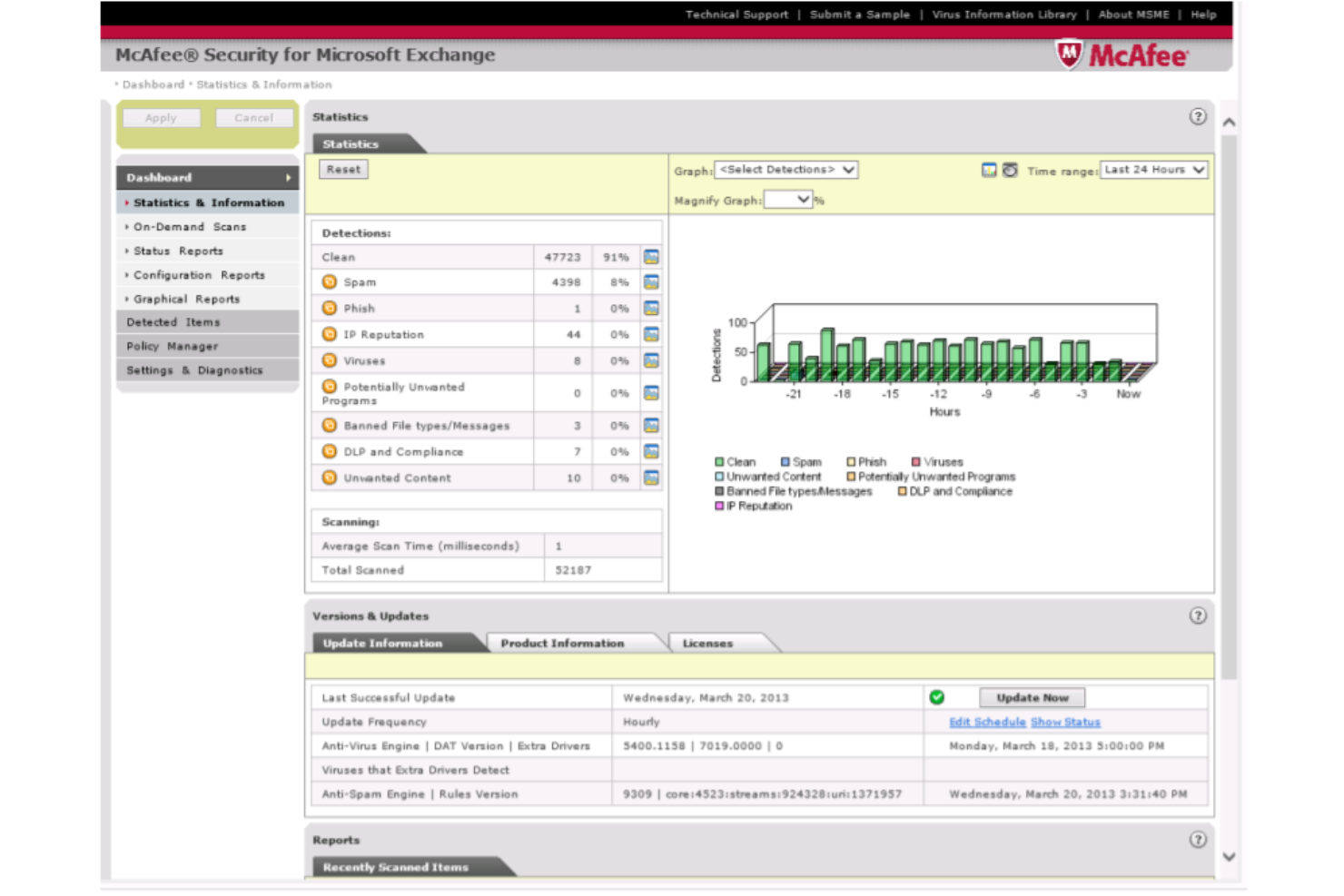
McAfee Email Security è uno strumento completo per la protezione delle email che tutela le organizzazioni dalle minacce veicolate via email e dalle fughe di dati. La caratteristica distintiva di questo strumento è la gestione centralizzata della sicurezza, che consolida l'intelligence sulle minacce e orchestra le risposte in tutta l'infrastruttura di sicurezza dell'organizzazione.
Perché ho scelto McAfee Email Security:
Ho scelto McAfee Email Security per questa lista dopo un attento confronto e valutazione di diverse soluzioni di sicurezza per le email. L'impegno verso una gestione centralizzata della sicurezza lo ha fatto spiccare. Questa funzione permette che tutte le decisioni e le risposte relative alla sicurezza siano coordinate da un punto centrale, facilitando alle aziende l'adozione di una strategia di sicurezza coesa. Di conseguenza, è indiscutibilmente 'Ideale per la gestione centralizzata della sicurezza.'
Caratteristiche e integrazioni principali:
I punti di forza di McAfee Email Security includono la protezione avanzata dalle minacce, che utilizza il machine learning per rilevare e prevenire minacce emergenti. C'è anche la prevenzione della perdita di dati per proteggere le informazioni sensibili da fughe accidentali. Sul versante delle integrazioni, lo strumento si integra perfettamente con altri prodotti McAfee, formando un fronte di sicurezza unificato e solido.
Pros and Cons
Pros:
- Machine learning avanzato per il rilevamento delle minacce in tempo reale
- Capacità efficienti di prevenzione della perdita di dati
- Forte integrazione con altri prodotti McAfee
Cons:
- Potrebbe risultare complesso per chi non ha familiarità con i prodotti McAfee
- Alcune opzioni di personalizzazione possono sembrare limitate agli utenti avanzati
- Possibili ritardi nei tempi di risposta dell'assistenza clienti
Altri servizi di sicurezza delle e-mail
- Avast Email Server Security
Ideale per la protezione specifica dei server
- ESET Email Security
Ideale per la precisione nel rilevamento dei malware
- Barracuda
Migliore per soluzioni integrate basate sul cloud
- Forcepoint
Migliore per l'approccio di sicurezza incentrato sull'uomo
- Trellix
Ideale per l'intelligence adattiva delle minacce


Criteri di selezione per scegliere i servizi di sicurezza delle e-mail
Scegliere il software di sicurezza delle e-mail giusto può essere un vero campo minato, data la miriade di opzioni disponibili. Nel corso della mia carriera, ho testato e valutato decine di questi strumenti. Sebbene ognuno abbia i propri punti di forza distintivi, alcuni criteri si sono dimostrati i più importanti al momento della scelta. Ecco cosa ho valutato:
Funzionalità principali:
- Filtraggio in entrata e in uscita: la capacità di filtrare sia le e-mail in entrata sia quelle in uscita per prevenire le minacce e garantire la conformità.
- Protezione avanzata dalle minacce: difesa da minacce sofisticate come ransomware, phishing e spear phishing.
- Prevenzione della perdita di dati: garantire che le informazioni sensibili non vengano divulgate o condivise involontariamente al di fuori dell'organizzazione. Il software di crittografia delle e-mail è spesso il modo migliore per proteggere i dati sensibili.
Funzionalità chiave:
- Scansione in tempo reale: Scansione immediata delle email per rilevare le minacce prima che raggiungano il destinatario.
- Apprendimento intelligente: Un sistema che si adatta e apprende da ogni minaccia, potenziando le proprie capacità di protezione.
- Protezione dell’identità: Funzionalità che proteggono dal furto d’identità, come la protezione anti-phishing e la prevenzione delle frodi sui domini. Questo risultato può essere ottenuto con i servizi di sicurezza DNS e altri strumenti.
- Difesa multilivello: Diversi livelli di sicurezza che garantiscono che le minacce vengano individuate e neutralizzate a qualsiasi livello.
- Risposta automatizzata agli incidenti: Procedure automatizzate che vengono avviate una volta rilevata una minaccia, riducendo al minimo l’intervento manuale e i tempi di risposta.
Usabilità:
- Pannello di controllo intuitivo: Un pannello di controllo centralizzato che offre una panoramica chiara delle minacce rilevate, degli elementi messi in quarantena e dello stato del sistema.
- Controllo degli accessi basato sui ruoli: Consente alle organizzazioni di assegnare autorizzazioni specifiche a diversi utenti o gruppi, garantendo che solo il personale autorizzato possa modificare le impostazioni di sicurezza.
- Configurazione guidata: Data la natura critica della sicurezza delle email, il software dovrebbe offrire procedure di configurazione guidata, assicurando che tutti i livelli di sicurezza siano configurati correttamente fin dall’inizio.
- Assistenza efficace: Accesso a un team di supporto competente in grado di fornire assistenza tempestiva, soprattutto in situazioni di crisi. È fondamentale che questo tipo di strumento per testare le email sia supportato da esperti in grado di aiutare a gestire incidenti di sicurezza complessi.
- Risorse formative complete: Che si tratti di webinar, documentazione o guide video, gli utenti dovrebbero avere a disposizione risorse per comprendere tutte le funzionalità e le migliori pratiche per la formazione sulla consapevolezza della sicurezza.
Restringendo il campo in base a questi criteri essenziali, mi è risultato più facile esaminare la vasta gamma di strumenti e concentrarmi su quelli che soddisfano realmente le esigenze di sicurezza delle email di un’organizzazione.
Domande più comuni relative ai servizi di sicurezza delle e-mail (FAQ)
Quali sono i vantaggi dell'utilizzo dei servizi di sicurezza delle e-mail?
I vantaggi dell’utilizzo dei servizi di sicurezza delle e-mail sono numerosi. Tra questi figurano:
\u003col class=\u0022wp-block-list\u0022\u003e
\u003cli\u003e\u003cstrong\u003eProtezione da malware e ransomware:\u003c/strong\u003e il \u003ca href=\u0022https://thectoclub.com/tools/best-dmarc-software/\u0022\u003esoftware DMARC\u003c/a\u003e analizza gli allegati e i link in tempo reale, assicurando che i contenuti dannosi vengano rilevati e messi in quarantena prima di causare danni.\u003c/li\u003e
\u003cli\u003e\u003cstrong\u003eRiduzione dello spam:\u003c/strong\u003e questi strumenti utilizzano algoritmi avanzati per filtrare lo spam, liberando le caselle di posta e assicurando che le e-mail importanti non vadano perse.\u003c/li\u003e
\u003cli\u003e\u003cstrong\u003ePrevenzione del phishing e delle frodi:\u003c/strong\u003e identificano e bloccano i tentativi di phishing e le e-mail contraffatte che potrebbero cercare di indurre gli utenti a rivelare informazioni sensibili.\u003c/li\u003e
\u003cli\u003e\u003cstrong\u003ePrevenzione della perdita di dati:\u003c/strong\u003e molti di questi servizi sono in grado di rilevare informazioni sensibili nelle e-mail e di bloccare o crittografare l’e-mail, assicurando che i dati sensibili rimangano all’interno dell’organizzazione.\u003c/li\u003e
\u003cli\u003e\u003cstrong\u003eConformità normativa:\u003c/strong\u003e per i settori soggetti a normative rigorose in materia di protezione dei dati e comunicazione, i servizi di sicurezza delle e-mail assicurano il rispetto degli standard di conformità, riducendo il rischio di conseguenze legali\u003c/li\u003e
\u003c/ol\u003e
Quanto costano in genere i servizi di sicurezza delle e-mail?
I prezzi dei servizi di sicurezza delle e-mail possono variare notevolmente in base alle funzionalità offerte, alle dimensioni dell’organizzazione e al livello di protezione richiesto.
Quali sono i modelli di prezzo più comuni per questi strumenti?
Esistono diversi modelli di prezzo\u003cstrong\u003e,\u003c/strong\u003e tra cui:
\u003cul class=\u0022wp-block-list\u0022\u003e
\u003cli\u003e\u003cstrong\u003ePer utente/al mese:\u003c/strong\u003e una tariffa fissa per ogni utente dell’organizzazione, fatturata mensilmente.\u003c/li\u003e
\u003cli\u003e\u003cstrong\u003eLicenze annuali:\u003c/strong\u003e una tariffa una tantum che copre l’utilizzo per un anno. Alcuni servizi offrono sconti per questo tipo di impegno.\u003c/li\u003e
\u003cli\u003e\u003cstrong\u003ePrezzi a livelli:\u003c/strong\u003e quando aumentano i requisiti dell’organizzazione, ad esempio il numero di utenti o di e-mail elaborate, si passa a un livello di prezzo superiore con funzionalità aggiuntive.\u003c/li\u003e
\u003c/ul\u003e
Qual è la fascia di prezzo tipica?
In genere, i prezzi possono variare da $1 a $50 per utente al mese, a seconda della profondità e dell’ampiezza del servizio.
Quali sono le opzioni software più economiche e più costose?
Sebbene i prezzi specifici possano variare e cambiare nel tempo, storicamente strumenti come MailGuard e GreatHorn Email Security si collocano nella fascia più economica dello spettro. Al contrario, le soluzioni di livello aziendale come Agari Email Security hanno spesso un prezzo più elevato a causa dell’ampio insieme di funzionalità che offrono.
Sono disponibili opzioni gratuite?
Sì, alcuni strumenti offrono versioni gratuite o periodi di prova. Tuttavia, queste opzioni presentano generalmente funzionalità limitate e sono più adatte ai singoli utenti o alle piccole imprese. È sempre una buona idea iniziare con una versione gratuita o un periodo di prova per valutare l’efficacia di uno strumento prima di sottoscrivere un piano a pagamento.
Altre recensioni di software per la sicurezza delle e-mail
- Software per la sicurezza delle e-mail
- Software di crittografia
- Software per la protezione degli endpoint
Riepilogo
Nel panorama digitale in rapida evoluzione, proteggere le comunicazioni via e-mail rimane una priorità assoluta per le aziende di tutte le dimensioni. I servizi di sicurezza delle e-mail svolgono un ruolo fondamentale nel contrastare le minacce informatiche, garantendo che le informazioni sensibili di un'organizzazione rimangano riservate e al sicuro da intenti dannosi.
Punti chiave:
- La funzionalità principale è importante: non tutti i servizi di sicurezza delle email sono uguali. È fondamentale individuare un servizio che offra un insieme completo di funzioni adattate alle proprie esigenze specifiche, come il filtraggio delle email dannose, la protezione dagli attacchi ransomware o il rilevamento dei tentativi di phishing.
- Considera la facilità d'uso e il supporto: un'interfaccia intuitiva non è solo un vantaggio; è una necessità. La sicurezza delle email dovrebbe semplificare la protezione, non complicarla. Inoltre, un'assistenza clienti reattiva può fare una grande differenza, soprattutto quando le minacce evolvono e diventa fondamentale intervenire tempestivamente.
- I modelli di prezzo variano: sebbene il costo non debba essere l'unico fattore nella decisione, comprendere il modello di prezzo, che sia per utente, mensile o basato su una licenza annuale, può influenzare la scelta. Alcuni servizi offrono un prezzo base con funzionalità aggiuntive a pagamento, mentre altri possono fornire un pacchetto più completo a una tariffa fissa. Assicurati di comprendere per cosa stai pagando e che ciò sia in linea con le esigenze della tua organizzazione.
Cosa ne pensi?
Sebbene mi sia impegnato a fornire un elenco completo dei migliori servizi di sicurezza delle email, il panorama digitale è vasto e potrebbero esserci servizi di crittografia delle email e altre gemme nascoste che non ho ancora scoperto. Se ti sei imbattuto in uno strumento di sicurezza delle email che merita di essere menzionato o hai avuto un'esperienza particolarmente positiva con un servizio non incluso nell'elenco, condividi le tue opinioni. I tuoi consigli possono aiutare me e la comunità più ampia a prendere decisioni più informate!
