

10 mejores herramientas alternativas a Front para el correo electrónico de equipos en 2026

Lista de las mejores alternativas a Front


En la búsqueda de mejorar la experiencia del cliente, contar con las herramientas adecuadas de atención al cliente es invaluable. Como experto con amplia experiencia explorando innumerables herramientas, he elaborado una lista completa de las 25 mejores alternativas a Front App para tu equipo de soporte. Estas herramientas SaaS, ideales para equipos que interactúan mediante aplicaciones móviles para Android o iOS o por SMS, ofrecen una sólida gestión de los acuerdos de nivel de servicio y notificaciones puntuales. Consolidan las comunicaciones con los clientes en una única bandeja de entrada del equipo, lo que aumenta la eficiencia y la capacidad de respuesta.
Además, varias de estas alternativas ofrecen planes gratuitos, por lo que no es necesario introducir los datos de una tarjeta de crédito por adelantado. Esto te permite evaluar sus funciones premium antes de asumir un compromiso económico. Si buscas una herramienta que eleve la experiencia del cliente y gestione solicitudes diversas en plataformas como WhatsApp o SMS, estas alternativas a Front App podrían ser justo lo que necesitas.
¿Qué es Front?
Front es una herramienta de desarrollo de interfaces que ayuda a los equipos a diseñar y crear interfaces de usuario de forma más eficiente. La utilizan habitualmente desarrolladores de interfaces, diseñadores y equipos de producto que necesitan colaborar en el trabajo de la interfaz de usuario manteniendo el código manejable y organizado. Sus plantillas prediseñadas, componentes de interfaz de usuario y opciones de diseño adaptable ayudan a acelerar el desarrollo, garantizar la coherencia y adaptar los diseños a distintos tamaños de pantalla. En general, Front ayuda a tu equipo a ahorrar tiempo y a centrarse en los aspectos visuales y funcionales de tus proyectos web.
Por qué confiar en nuestras recomendaciones de software
Nuestro equipo lleva probando y evaluando software desde 2012. Como líderes tecnológicos, sabemos lo difícil —y lo importante— que es elegir el software adecuado.
Para esta guía, evaluamos las herramientas mediante pruebas prácticas e investigación independiente, puntuando las herramientas según nuestros criterios de selección.
Nuestras reseñas reflejan nuestro criterio editorial humano, no un discurso de ventas.
Revisores expertos:
Tabla comparativa de alternativas a Front
Esta tabla comparativa resume los detalles de precios de mis principales alternativas seleccionadas a Front:
| Tool | Best For | Trial Info | Price | ||
|---|---|---|---|---|---|
| 1 | Mejor para startups que buscan una herramienta de soporte al cliente simple e intuitiva | Prueba gratuita de 30 días disponible | El precio de Groove comienza desde $15/usuario/mes | Website | |
| 2 | Ideal para optimizar el soporte con un sistema de tickets multicanal | Demo gratuita disponible | El precio de HappyFox comienza desde $29/usuario/mes (facturado anualmente) | Website | |
| 3 | Ideal para negocios de comercio electrónico que requieren soporte y ventas integrados | Prueba gratuita de 7 días + demostración sin costo disponible | El precio de Gorgias parte desde $60/usuario/mes (facturado anualmente) con un mínimo de 2 puestos | Website | |
| 4 | Ideal para la interacción en tiempo real con clientes y capacidades de chat en vivo | Prueba gratuita de 14 días + demo gratuita disponible | El precio de Intercom comienza desde $59/mes (facturado anualmente) | Website | |
| 5 | Ideal para combinar soporte al cliente, éxito del cliente y chat en vivo | Demostración gratuita disponible | El precio de Kayako comienza en $15/usuario/mes | Website | |
| 6 | La mejor opción para la eficiencia en atención al cliente con asistencia de IA de primer nivel | Prueba gratuita + demo gratis disponible | Desde $49/usuario/mes (facturado anualmente) | Website | |
| 7 | Ideal para PYMES que buscan soluciones de helpdesk robustas y asequibles | Prueba gratuita de 14 días + demostración gratuita disponible | Desde $15/usuario/mes (facturado anualmente) | Website | |
| 8 | Mejor opción para soporte omnicanal, con más de 200 integraciones | Prueba gratuita de 30 días | El precio de LiveAgent comienza desde $15/usuario/mes (facturado anualmente) | Website | |
| 9 | Ideal para gestionar el soporte al cliente directamente desde Gmail | Prueba gratuita de 7 días + plan gratuito disponible | El precio de Hiver comienza desde $11/usuario/mes (facturado anualmente) | Website | |
| 10 | La mejor opción para empresas que requieren funciones completas de base de conocimientos | Prueba gratuita disponible | Los precios comienzan en $20/usuario/mes (facturado anualmente) | Website |
Análisis de las mejores alternativas a Front
A continuación encontrarás mis resúmenes detallados de las mejores alternativas a Front que llegaron a mi lista. Mis análisis ofrecen una visión detallada de las funciones principales, ventajas y desventajas, integraciones y casos de uso ideales de cada herramienta para ayudarte a encontrar la mejor opción para ti.

Groove
Mejor para startups que buscan una herramienta de soporte al cliente simple e intuitiva
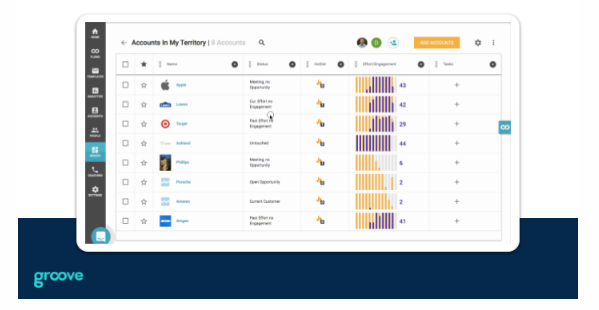
Groove es una herramienta de soporte al cliente diseñada con la simplicidad y la intuición como ejes principales. Proporciona funciones esenciales de mesa de ayuda en un paquete muy fácil de usar, lo que la convierte en una opción ideal para startups que buscan simplificar su servicio al cliente sin sacrificar la eficacia.
Pros and Cons
Pros:
- Interfaz fácil de usar
- Configuración sencilla y curva de aprendizaje mínima
- Asequible para startups
Cons:
- Carece de algunas funciones avanzadas presentes en otras plataformas
- Opciones de personalización limitadas
- Quizás no sea escalable para organizaciones más grandes

HappyFox
Ideal para optimizar el soporte con un sistema de tickets multicanal
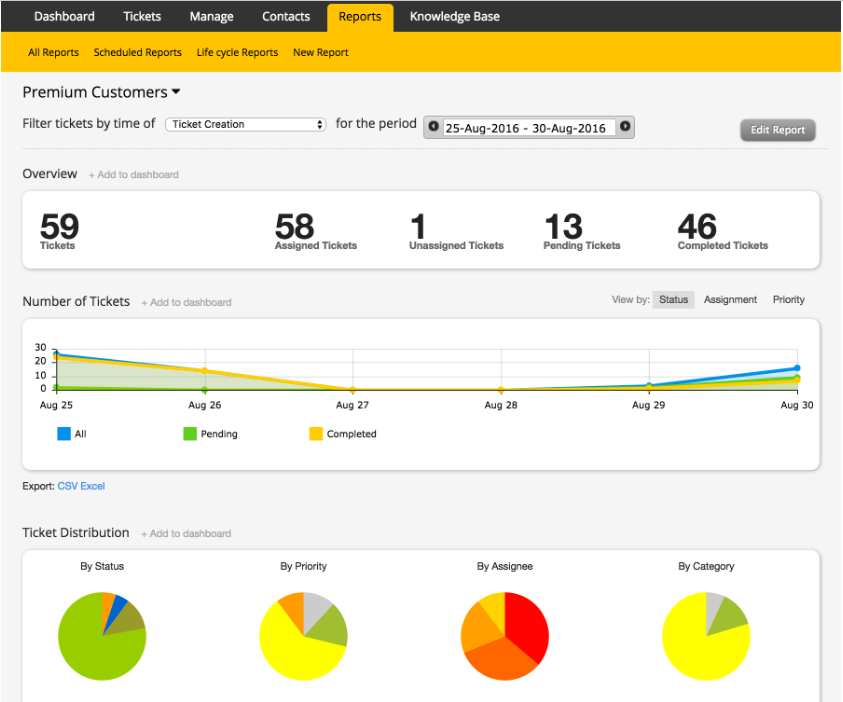
HappyFox es una herramienta integral de mesa de ayuda con un enfoque en la gestión de tickets multicanal, que simplifica la tarea de gestionar interacciones de soporte al cliente a través de diferentes plataformas. Su punto fuerte radica en su capacidad para optimizar el soporte, lo que la convierte en una solución ideal para empresas que necesitan una herramienta unificada para gestionar las comunicaciones con clientes en varios canales.
Pros and Cons
Pros:
- Robusto sistema de tickets multicanal
- Opciones de integración extensas
- Capacidades de automatización para ahorrar tiempo y reducir el esfuerzo manual
Cons:
- Precio más alto comparado con algunos competidores
- Puede ser complejo para usuarios principiantes
- Opciones de personalización limitadas en los planes más básicos

Gorgias
Ideal para negocios de comercio electrónico que requieren soporte y ventas integrados
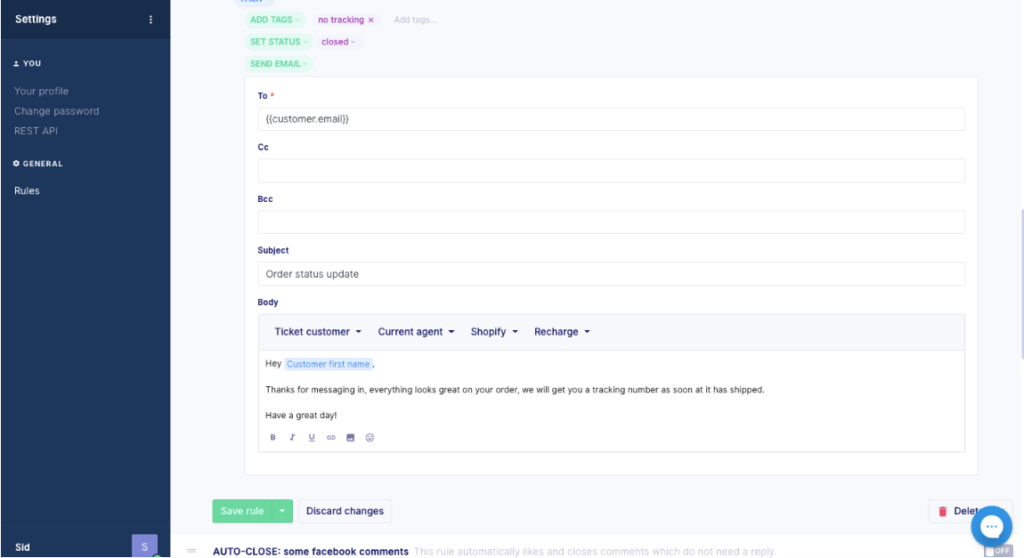
Gorgias es una mesa de ayuda diseñada específicamente para negocios de comercio electrónico, que ofrece herramientas para soporte al cliente y ventas integrados. Centraliza las interacciones con los clientes y los datos de diversas fuentes en una sola plataforma, lo que lo convierte en una excelente opción para negocios de comercio electrónico que necesitan optimizar su atención al cliente y potenciar las operaciones de ventas.
Pros and Cons
Pros:
- Funciones específicas para comercio electrónico
- Integraciones integrales con plataformas de comercio electrónico
- Consolida los procesos de ventas y soporte
Cons:
- Precio inicial más alto en comparación con algunos competidores
- Se requiere un mínimo de 2 puestos
- Costos adicionales por tickets fuera del límite de su plan

Intercom
Ideal para la interacción en tiempo real con clientes y capacidades de chat en vivo
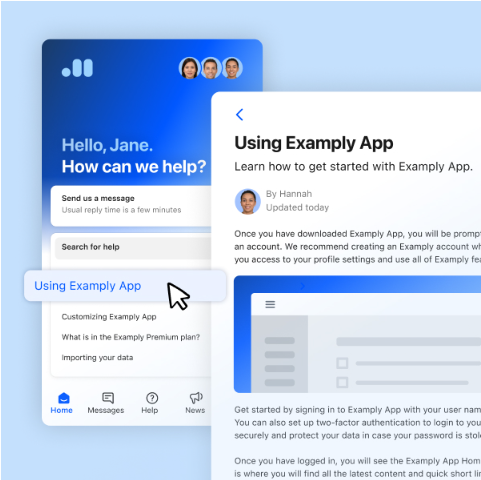
Intercom es una plataforma de mensajería para clientes que ofrece comunicación personalizada y en tiempo real con tus clientes. Con sus potentes funciones de chat en vivo, brinda a las empresas la oportunidad de responder instantáneamente a las consultas de los clientes, convirtiéndose en la opción óptima para las empresas enfocadas en una interacción rápida y eficaz con el cliente.
Pros and Cons
Pros:
- Capacidades de chat en vivo en tiempo real
- Integraciones sólidas con herramientas empresariales
- Chatbots personalizables para una mejor interacción con el cliente
Cons:
- Puede ser costoso para pequeñas empresas
- Configuración compleja para usuarios no técnicos
- Funciones limitadas en el plan básico

Kayako
Ideal para combinar soporte al cliente, éxito del cliente y chat en vivo
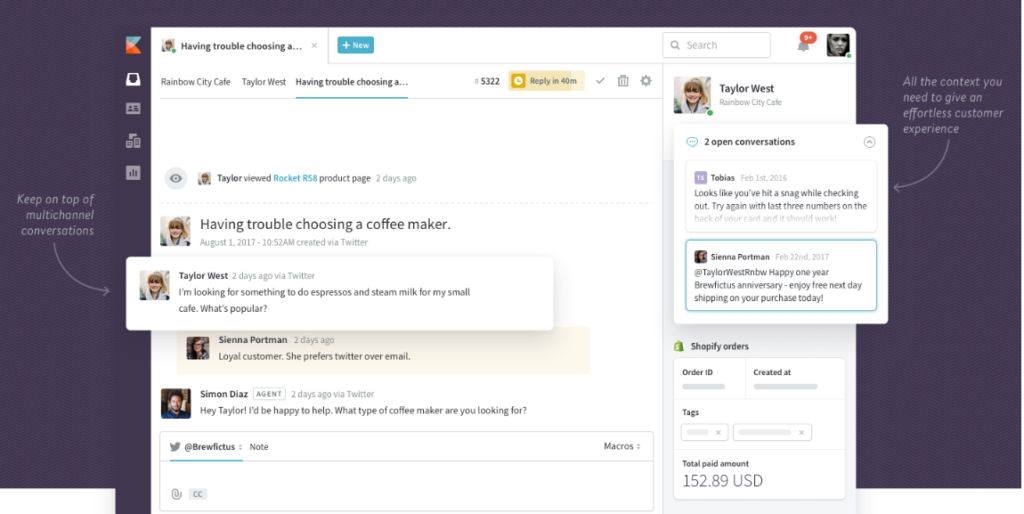
Kayako es un software de atención al cliente que fusiona soporte al cliente, éxito del cliente y chat en vivo en una sola plataforma. Su propuesta única de unificar diferentes elementos del servicio al cliente lo convierte en la opción óptima para las organizaciones que desean simplificar sus esfuerzos de soporte, éxito y comunicación.
Pros and Cons
Pros:
- Funciones de servicio al cliente completas
- Amplia gama de integraciones
- Estructura de precios asequible
Cons:
- La interfaz de usuario podría ser más intuitiva
- Funciones avanzadas disponibles solo en los planes de nivel superior
- Falta de soporte telefónico en los planes de menor nivel

Zendesk
La mejor opción para la eficiencia en atención al cliente con asistencia de IA de primer nivel
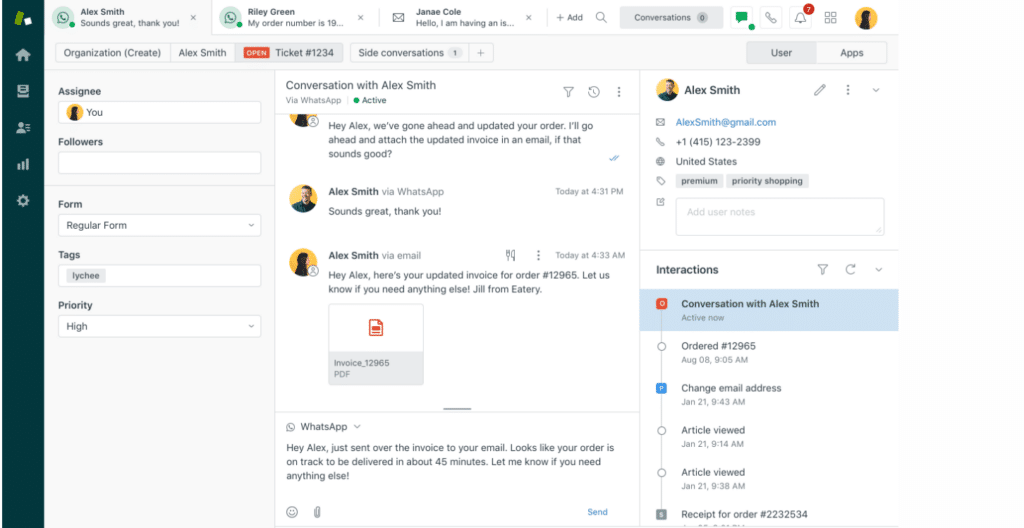
Zendesk es una solución de atención al cliente popular que incorpora inteligencia artificial sofisticada para optimizar la prestación del servicio. Esta herramienta destaca en organizar, priorizar y responder a los tickets de clientes de varios canales, todo dentro de una sola plataforma centralizada.
Pros and Cons
Pros:
- Respuestas impulsadas por IA a consultas de clientes
- Amplio rango de integraciones
- Soporte omnicanal para interacciones de cliente unificadas
Cons:
- Costo más alto en comparación con otras alternativas
- Curva de aprendizaje más pronunciada para nuevos usuarios
- Menos adecuado para pequeñas empresas debido al costo y la complejidad

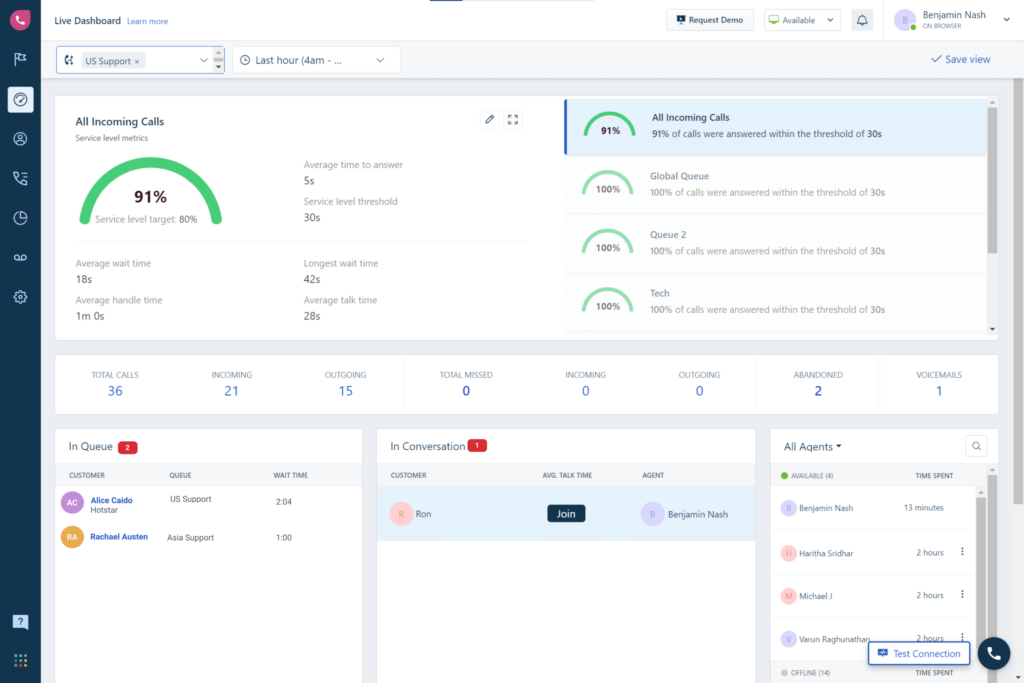
Freshdesk es una herramienta integral de atención al cliente diseñada para simplificar la gestión de tickets y ofrecer soporte multicanal eficiente. Con un sólido conjunto de funciones a un precio accesible, es una solución ideal para pequeñas y medianas empresas (PYMES) que buscan maximizar sus operaciones de helpdesk sin comprometer su presupuesto.
Pros and Cons
Pros:
- Asequible para pequeñas y medianas empresas
- Potentes capacidades de automatización
- Amplio rango de integraciones
Cons:
- Las funciones avanzadas solo están disponibles en los planes de nivel superior
- La personalización puede ser algo compleja
- Las funciones de informes podrían ser más completas

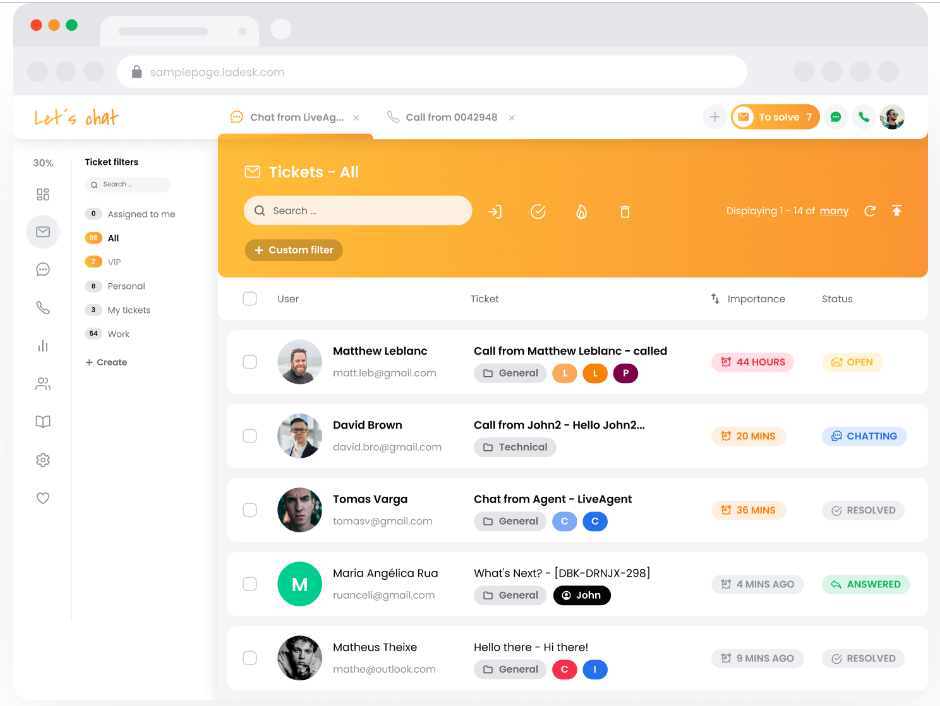
LiveAgent es una solución completa de mesa de ayuda que ofrece soporte omnicanal. Consolida la comunicación de varios canales en una sola interfaz, permitiendo a las empresas brindar un soporte al cliente mejor y más eficiente. Con más de 200 integraciones y capacidades omnicanal, es muy adecuado para empresas que buscan centralizar sus operaciones de soporte al cliente.
Pros and Cons
Pros:
- Opciones de integración extensas
- Capacidades omnicanal
- Amplia gama de funciones
Cons:
- El precio puede ser elevado para equipos grandes
- La configuración puede ser compleja debido a las numerosas funciones
- Algunas funciones solo están disponibles en planes de mayor precio
Hiver
Ideal para gestionar el soporte al cliente directamente desde Gmail
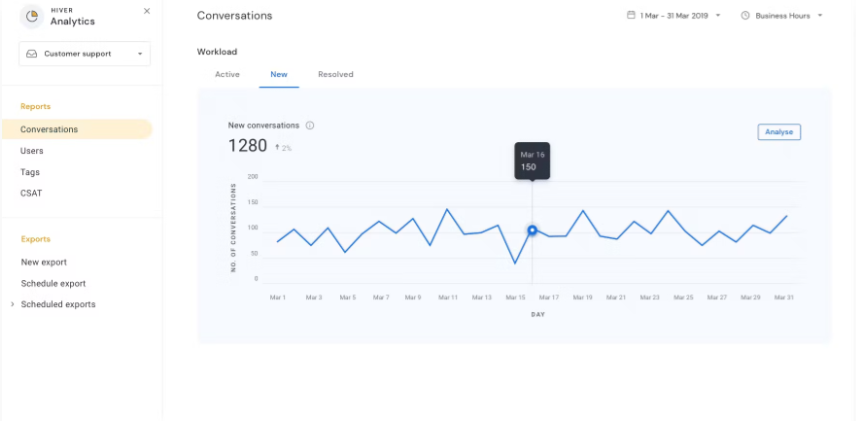
Hiver es una herramienta de soporte al cliente que funciona directamente dentro de Gmail, transformando tu bandeja de entrada en una plataforma robusta de atención al cliente. El servicio convierte los buzones compartidos en espacios de trabajo colaborativos, lo que lo hace ideal para equipos que dependen mucho de Gmail para su comunicación.
Pros and Cons
Pros:
- Permite gestionar el soporte al cliente directamente desde Gmail
- Se integra con aplicaciones de G Suite
- Detección de colisiones para evitar respuestas duplicadas
Cons:
- Capacidades de integración limitadas fuera de G Suite
- Puede no ser adecuado para quienes no usan intensamente Gmail
- La necesidad de facturación anual para obtener precios más bajos

Help Scout
La mejor opción para empresas que requieren funciones completas de base de conocimientos
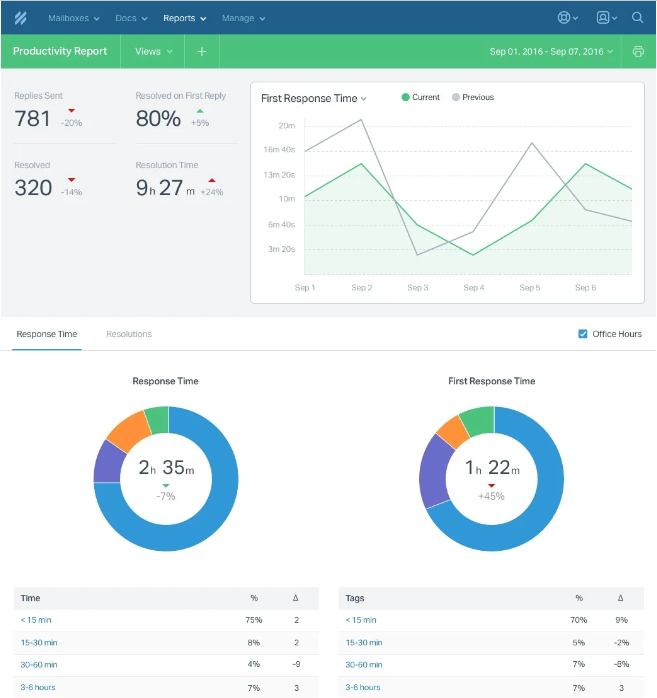
Help Scout es una herramienta de atención al cliente centrada en ayudar a las empresas a gestionar sus operaciones de soporte de manera más eficiente. Es especialmente potente en lo que respecta a sus funciones de base de conocimientos, lo que la convierte en una excelente opción para negocios que priorizan el soporte al cliente de autoservicio.
Pros and Cons
Pros:
- Funciones extensas de base de conocimientos
- Robustas integraciones con aplicaciones populares
- Sistema de gestión de clientes eficiente
Cons:
- Costo más alto para equipos pequeños
- Carece de funciones avanzadas de automatización
- Opciones de personalización limitadas
New Product Updates from Help Scout

Help Scout Adds Automatic Conversation Reassignment
Help Scout can now automatically unassign conversations when the assigned teammate has been away long enough, keeping replies moving so others can pick them up. For more information, visit Help Scout's official site.
 .
.Otras alternativas a Front
Estas son algunas alternativas adicionales a Front que no llegaron a mi lista, pero que aun así merece la pena conocer:
- Zendesk
La mejor opción para la eficiencia en atención al cliente con asistencia de IA de primer nivel
- TeamSupport
Ideal para empresas B2B que necesitan funciones avanzadas de colaboración
- Zoho Desk
La mejor para soporte al cliente integrado dentro del ecosistema Zoho


Análisis de otros programas
Cómo evalúo las alternativas a Front
Divido mi evaluación en dos capas: las capacidades básicas de bandeja de entrada y enrutamiento que una herramienta debe tener, y los diferenciadores—como integraciones con herramientas de desarrollo e IA—que destacan a una sobre las demás.
Funcionalidad básica (requisitos mínimos para esta lista)
Cuando selecciono herramientas para mi lista, califico cada una en una escala de 0 (no ofrece la funcionalidad) a 5 (sobresale en esta área) para cada funcionalidad principal listada a continuación. Después, calculo la puntuación total de la herramienta y la convierto en un porcentaje. Cada herramienta necesita alcanzar una puntuación total mínima del 65% para ser considerada.
- Gestión de bandeja de entrada compartida: Busco bandejas unificadas donde los equipos de TI puedan asignar, rastrear y colaborar en solicitudes entrantes—como la detección de colisiones para que dos ingenieros no respondan a la misma alerta de falla.
- Soporte multicanal: Cada herramienta debe reunir correos electrónicos, chats, SMS y mensajes de redes sociales en una sola vista, para que tu equipo atienda tanto un hilo de Slack con caída de servidor como un correo de proveedor en el mismo lugar.
- Automatización de flujos de trabajo y enrutamiento: Evalúo qué tan bien una herramienta enruta tickets automáticamente por tema, prioridad o equipo—por ejemplo, escalando mensajes relacionados con seguridad a una cola específica con temporizadores de SLA adjuntos.
- Herramientas de colaboración interna: Es importante poder involucrar a compañeros mediante @menciones, borradores compartidos o conversaciones paralelas. Verifico si tu equipo puede resolver problemas internamente sin salir del hilo.
- Integraciones con terceros: Verifico conexiones nativas a herramientas que los equipos de TI y desarrollo ya usan—Jira para seguimiento de bugs, GitHub para PR, Slack para alertas y plataformas de monitoreo como Datadog o PagerDuty.
- Analítica e informes: Los paneles deben cubrir tiempos de respuesta, tasas de resolución y cumplimiento de SLA. Verifico si los gerentes pueden rastrear la carga de trabajo del equipo y detectar cuellos de botella entre colas.
Una vez que tengo una lista de herramientas que cumplen con estos criterios, considero qué destaca a cada plataforma.
Factores diferenciadores (qué distingue a los proveedores)
Así es como comparo y contrasto a los diferentes proveedores:
Características destacadas
Las funciones impulsadas por IA son un gran diferenciador—reviso si una herramienta puede redactar respuestas, resumir hilos largos o categorizar automáticamente tickets entrantes para acelerar el triaje durante incidentes. Una API amigable para desarrolladores también es importante para equipos de TI que necesitan crear integraciones personalizadas con sistemas internos de monitoreo o alertas. Evalúo si una plataforma ofrece una base de conocimientos nativa que muestre artículos relevantes durante la conversación, ayudando a los agentes a resolver problemas comunes como restablecimientos de contraseñas sin empezar de cero.
Más allá de las funcionalidades
La seguridad y el cumplimiento son prioritarios—verifico que cuente con certificación SOC 2 Tipo II, soporte para SSO/SAML y controles de acceso basados en roles, ya que los equipos de TI suelen manejar datos internos sensibles. La transparencia en los precios también es importante. Analizo si los costos por usuario se mantienen previsibles a medida que crece tu equipo y si funciones esenciales como automatizaciones o bandejas de entrada adicionales están restringidas a niveles superiores. También evalúo el soporte para migraciones, especialmente para equipos que dejan Front y necesitan ayuda para importar conversaciones históricas y reconstruir flujos de trabajo existentes.
¿Por qué buscar una alternativa a Front?
Aunque Front es una buena opción como herramienta de desarrollo de interfaces, hay varios motivos por los que algunos usuarios buscan soluciones alternativas. Puede que busques una alternativa a Front porque…
- Las plantillas prediseñadas te limitan.
- Necesitas más flexibilidad con los componentes personalizados.
- Tu equipo prefiere un sistema de diseño diferente.
- Quieres una mejor integración con tu conjunto de herramientas de desarrollo.
- Trabajas en proyectos que necesitan un rendimiento más rápido.
- Necesitas un mayor control sobre la adaptación a dispositivos móviles.
Si alguna de estas situaciones te resulta familiar, has llegado al lugar adecuado. Mi lista incluye varias opciones de herramientas de desarrollo de interfaces más adecuadas para equipos que se enfrentan a estos desafíos con Front y buscan soluciones alternativas.
Funciones principales de Front
Estas son algunas de las características clave de Front, para ayudarte a contrastar y comparar lo que ofrecen las soluciones alternativas:
- Componentes prediseñados: Puedes utilizar elementos de interfaz de usuario ya preparados para acelerar el desarrollo y mantener la coherencia de los diseños.
- Herramientas de diseño adaptable: Tu equipo puede crear diseños que se ajusten fácilmente a distintos dispositivos sin necesidad de escribir código adicional.
- Tematización personalizada: Puedes ajustar las fuentes, los colores y los estilos para adaptarlos a tu marca sin tener que reconstruirlo todo.
- Sistema de cuadrícula: La cuadrícula integrada te ayuda a alinear el contenido y a mantener los diseños limpios y organizados.
- Secciones reutilizables: Tu equipo puede crear y guardar secciones para reutilizarlas en varias páginas, ahorrando tiempo.
- Diseño preparado para integraciones: Es fácil conectar Front con herramientas como sistemas de análisis o gestores de formularios.
- Elementos interactivos: Puedes añadir animaciones, botones y menús desplegables que funcionan sin necesidad de bibliotecas adicionales.
- Compatibilidad entre navegadores: La plataforma garantiza que tus diseños se vean igual en los principales navegadores.