

Flutter Bewertung: Vorteile, Nachteile, Funktionen und Preise
Flutter überzeugt durch seine plattformübergreifenden Möglichkeiten und ermöglicht es Ihrem Team, mit nur einer Codebasis optisch ansprechende Apps zu entwickeln.

Wir bewerten Tools unabhängig; Provisionen helfen, unsere Tests zu finanzieren. Siehe unsere Transparenzrichtlinie und unsere Methodik.
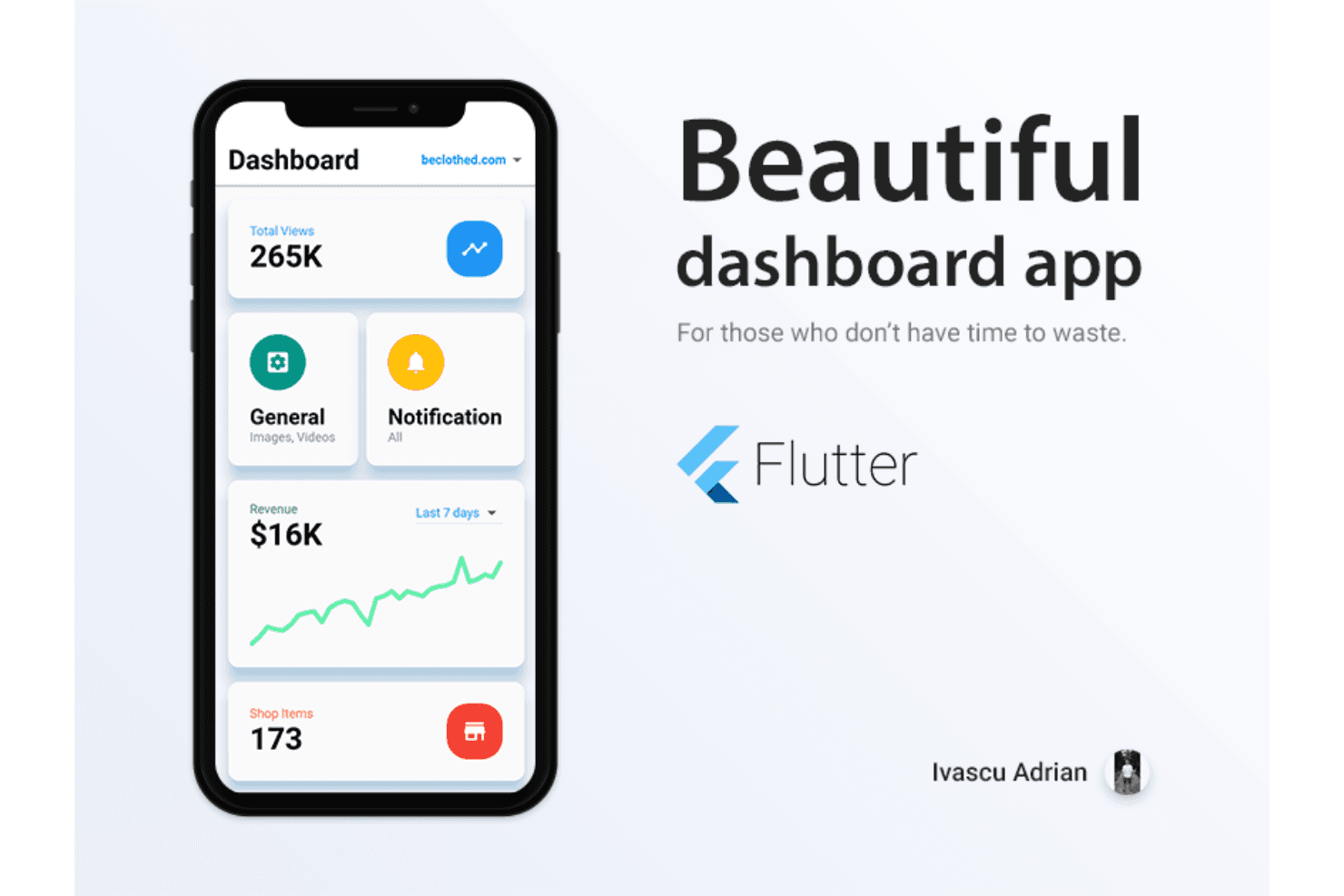
Flutter is a software development tool from Google that lets you build natively compiled apps for mobile, web, and desktop from a single Dart codebase. I'd consider it if your team needs to ship cross-platform apps without maintaining separate native codebases for each platform. Compared to a similar tool like React Native, Flutter gives you more consistent UI rendering across platforms because it uses its own rendering engine rather than relying on native components—which means fewer platform-specific visual inconsistencies to track down.
Flutter Evaluation Summary
0/5
- Free to use
- Free plan available
Warum Sie unseren Software-Empfehlungen vertrauen können
6,700+
Reviews
20
Industry experts
16+
Evaluation factors
14
Years
Unser Team testet und bewertet Software seit 2012. Als Tech-Führungskräfte wissen wir selbst, wie schwierig – und wichtig – es ist, die richtige Software auszuwählen.
Für diesen Leitfaden haben wir Tools mithilfe von praktischen Tests und unabhängiger Recherche bewertet und dabei unsere Bewertungskriterien angewendet.
Unsere Bewertungen spiegeln unser menschliches redaktionelles Urteilsvermögen wider, keine Verkaufsstrategie.
Expertenprüfer:
- Paulo Gardini MiguelTech-Direktor
 Tim FisherVP für KI
 Gabriel RosasTech Lead & Software-Architekt
 Christhian GruhnTech Lead & Plattform-Architekt

Flutter Overview
In my opinion, Flutter excels as a software development toolkit for its cross-platform capabilities and visual appeal within the modern app development ecosystem. It offers a unified development experience that can save your team time and resources. While its onboarding could be smoother, especially if you are not well-versed in Dart or coming from Java, Kotlin, or Swift backgrounds, the strong community support and extensive documentation help mitigate this downside. Flutter is ideal for startups and tech companies looking to build visually consistent apps across platforms and operating system requirements. In Flutter vs alternate solutions, such as React Native, it shines in performance but might lack some advanced native functionalities. If you're evaluating software for mobile or web app development, Flutter's balance of features and cost-effectiveness makes it a compelling choice.
Pros
- You can build apps for multiple platforms with a single codebase.
- Your team can create visually appealing apps with a unified UI framework.
- It offers a fast development process, saving you time and resources.
Cons
- Your team might face challenges if you need advanced native functionalities.
- It requires more effort for smooth onboarding compared to some other tools.
- The app size can be larger than apps built with other frameworks.
Is Flutter Right For Your Needs?
Who Would be a Good Fit for Flutter?
Flutter is a great fit for startups and tech companies that need to develop cross-platform apps quickly. If your team values visual consistency and a unified UI, Flutter's single codebase can be a game-changer. It's particularly useful for mobile development teams in industries such as fintech and e-commerce, where building visually appealing apps is crucial. Flutter's fast development process can save your team time and resources, making it ideal for businesses looking to launch apps across multiple platforms without compromising on quality.
- StartupsFlutter allows your startup to build and launch apps quickly with a single codebase, which saves you time and resources.
- E-commerceYour team can create visually appealing and consistent shopping apps across platforms using Material Design principles to enhance the customer experience.
- FintechFlutter's ability to deliver visually rich apps makes it ideal for financial services teams that need a polished interface.
- Small BusinessesIf your small business wants to develop an app without a large budget, Flutter’s cost-effectiveness is a major plus.
- Mobile App TeamsYour mobile app team can benefit from Flutter's fast development process, ensuring quicker time-to-market.
- Tech CompaniesTech companies looking to build cross-platform apps efficiently will find Flutter's unified UI framework advantageous.
Who Would be a Bad Fit for Flutter?
Flutter might not be the best choice for enterprises needing highly specialized native functionalities, such as those written in Objective-C or other platform-specific languages. If your team relies heavily on native features or requires the smallest possible app size, Flutter's limitations could be a hurdle. It's also not ideal for teams unfamiliar with Dart, especially those transitioning from JavaScript-centric workflows, as the learning curve could slow down development. If your work involves developing apps with specific hardware integrations, you might face challenges with Flutter's current offerings.
- Enterprise ApplicationsYour enterprise might struggle with Flutter if you need highly specialized native functionalities.
- Hardware-Intensive AppsDeveloping apps that rely on specific hardware integrations can be challenging with Flutter.
- Native Feature DependenceIf your team needs deep native integrations, Flutter might not meet your demands.
- Dart NewcomersIf your team is unfamiliar with Dart, the learning curve can slow development.
- Resource-Constrained TeamsTeams with limited resources might find Flutter's larger app size a drawback.
Unsere Bewertungsmethodik
Wie wir Werkzeuge testen & bewerten
Wir haben Jahre damit verbracht, unser System zur Softwareprüfung und -bewertung aufzubauen, zu verfeinern und zu verbessern. Das Bewertungsraster ist darauf ausgelegt, die Feinheiten der Softwareauswahl und Effektivität eines Tools einzufangen, wobei wir uns auf kritische Aspekte des Entscheidungsprozesses konzentrieren.
Nachfolgend sehen Sie genau, wie unser Test- und Bewertungssystem anhand von sieben Kriterien funktioniert. Es ermöglicht uns eine unparteiische Bewertung der Software basierend auf Grundfunktionalität, besonderen Funktionen, Benutzerfreundlichkeit, Onboarding, Kundensupport, Integrationen, Kundenbewertungen und Preis-Leistungs-Verhältnis.
Grundfunktionalität (25 % der Endbewertung)
Der Ausgangspunkt unserer Bewertung ist immer die Grundfunktionalität des Werkzeugs. Verfügt es über die grundlegenden Funktionen und Merkmale, die ein Benutzer erwarten würde? Sind grundlegende Funktionen auf höherpreisige Tarife beschränkt? Im Kern erwarten wir, dass ein Tool den Basisfähigkeiten seiner Konkurrenten standhält.
Besondere Features (25 % der Endbewertung)
Anschließend bewerten wir ungewöhnliche, herausragende Funktionen, die über die typische Grundfunktionalität von Tools dieser Art hinausgehen. Eine hohe Bewertung zeigt spezialisierte oder einzigartige Eigenschaften, die das Produkt schneller, effizienter oder für den Nutzer wertvoller machen.
Wir bewerten außerdem, wie einfach sich das Tool mit anderen üblichen Werkzeugen im Technologie-Stack integrieren lässt, um die Funktionalität und den Nutzen der Software zu erweitern. Tools mit vielen nativen Integrationen, Drittanbieter-Anbindungen und API-Zugang zur Erstellung kundenspezifischer Integrationen erhalten die besten Bewertungen.
Benutzerfreundlichkeit (10 % der Endbewertung)
Wir betrachten, wie schnell und einfach Aufgaben aus dem Bereich der Grundfunktionalität mit dem Tool erledigt werden können. Gut bewertete Software ist durchdacht gestaltet, intuitiv bedienbar, bietet mobile Apps, Vorlagen und lässt relativ komplexe Aufgaben einfach erscheinen.
Onboarding (10 % der Endbewertung)
Wir wissen, wie wichtig die schnelle Einführung eines neuen Tools für das Team ist, daher bewerten wir, wie leicht sich ein Werkzeug mit minimalem Training erlernen und nutzen lässt. Wir bewerten, wie schnell ein Teammitglied ohne Vorerfahrung anfangen kann. Hoch bewertete Lösungen benötigen wenig bis gar keine Unterstützung.
Kundensupport (10 % der Endbewertung)
Wir prüfen, wie schnell und einfach man bei Problemen Hilfe per Telefon, Live-Chat oder Wissensdatenbank erhält. Tools und Anbieter mit Echtzeit-Support werden besser bewertet, während Chatbots schlechter abschneiden.
Kundenbewertungen (10 % der Endbewertung)
Neben unserer eigenen Prüfung beziehen wir den Net Promoter Score aktueller und ehemaliger Kunden mit ein. Wir bewerten, wie wahrscheinlich es ist, dass sie sich erneut für das Werkzeug entscheiden würden. Hoch bewertete Software weist einen hohen Net Promoter Score auf.
Preis-Leistungs-Verhältnis (10 % der Endbewertung)
Abschließend vergleichen wir unter Berücksichtigung aller Kriterien den durchschnittlichen Preis der Einstiegspakete mit den Grundfunktionen und bewerten den Mehrwert aus den anderen Bewertungsbereichen. Software, die mehr fürs gleiche Geld bietet, schneidet besser ab.
Core Features
Single Codebase: You can build apps for multiple platforms using just one codebase, allowing your team to save time and resources.
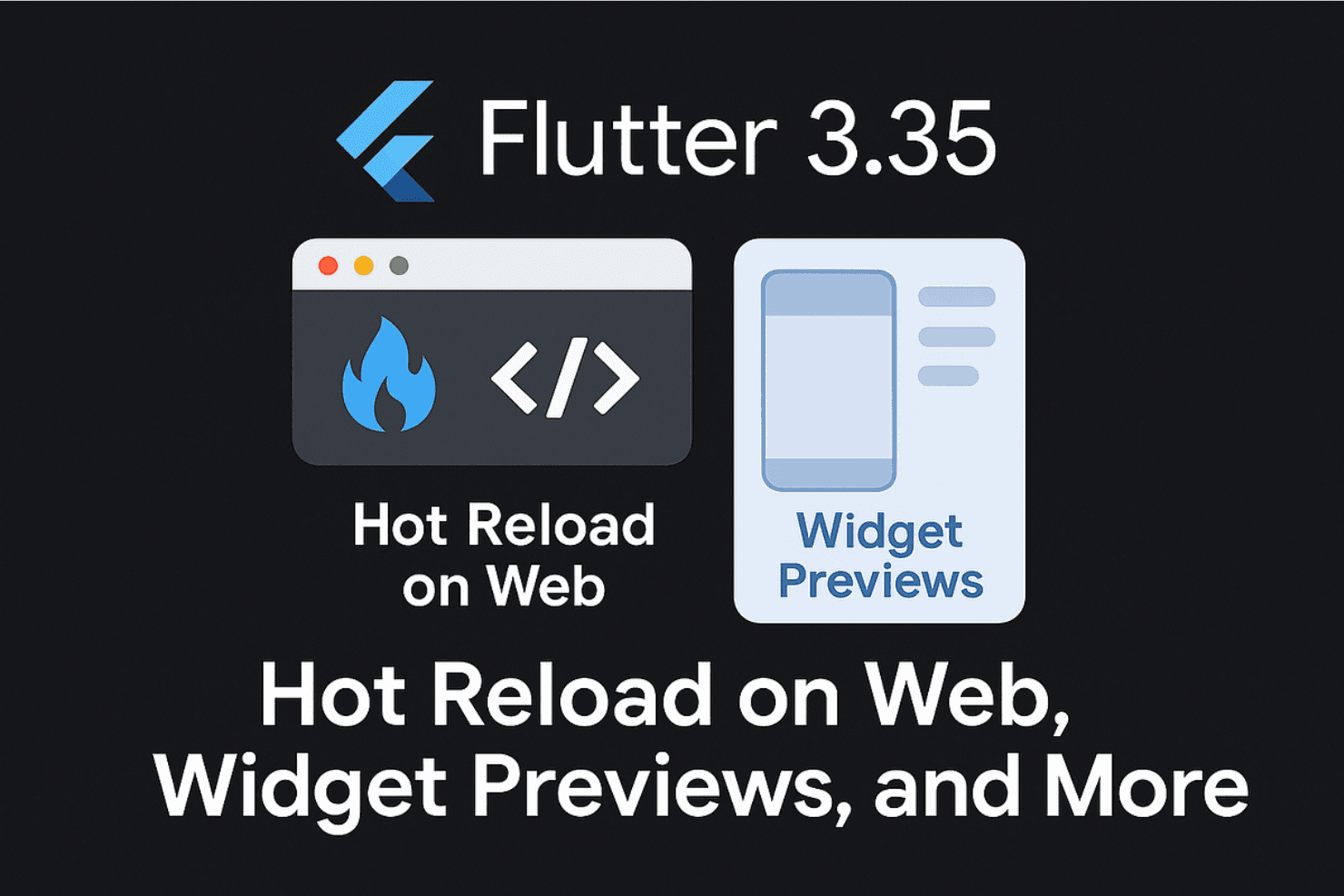
Hot Reload: Flutter lets you see changes in real-time as you code, which speeds up your development process and simplifies debugging during compilation.
Widget Library: It's easy to access a wide range of customizable Flutter widgets so you can create visually appealing apps that suit your brand's style.
Fast Development: You can utilize Flutter's efficient cross-platform frameworks to quickly develop and test your apps, reducing time to market.
Unified UI Framework: You can create consistent and visually appealing user interfaces across iOS, macOS, and Android app development platforms with Flutter's UI tools.
Open Source: A large community and extensive documentation offers support for your team in overcoming challenges and sharing solutions.

Ease of Use
Flutter stands out for its user-friendly interface and efficient development process. Your team will appreciate the hot reload feature, which lets you see changes instantly, making debugging straightforward. While the Dart language might be new to some, its clear syntax helps ease the learning curve. Compared to other tools, Flutter provides a smoother experience with its comprehensive widget library, allowing you to build visually consistent apps with less hassle. Overall, Flutter app development is simple and straightforward, making it accessible even for smaller teams.
Integrations
Flutter integrates with Firebase, Google Maps, AWS Amplify, Razorpay, and Algolia.
It also has an API that allows for connecting with third-party integration tools.

Flutter Specs
- API: Yes
- Bug Tracking: Yes
- CI/CD Integration: Yes
- Cloud Deployment: Yes
- Code Review: Yes
- Code Transformation: Yes
- Collaboration Support: Yes
- Data Export: Yes
- Data Import: Yes
- Developer Tools: Yes
- External Integrations: Yes
- Git Integration: Yes
- History/Version Control: Yes
- IDE Plugins: Yes
- Local Deployment: Yes
- Multi-User: Yes
- Notifications: Yes
- Project Management: Yes
- Release Management: Yes
- Static Analysis: Yes
- Task Scheduling/Tracking: Yes
- Testing: Yes


